5 easy ways to soundproof your home office
With many individuals continuing to work from home due to the coronavirus pandemic, creating a quiet and distraction-free home office environment has become essential for productivity and focus. This article, drawing insights from home improvement expert Bob Vila, provides five practical and easy-to-implement strategies to soundproof a home office. These solutions aim to minimize external noise disruptions, enabling a more effective remote work experience.
The first recommendation focuses on upgrading the office door. Most homes are constructed with hollow interior doors for cost efficiency, which are ineffective at blocking sound. Replacing a hollow-core door with a solid wood door significantly enhances sound absorption. Solid wood doors act as a superior barrier against noise originating from outside the office. Additionally, further soundproofing can be achieved by sealing any gaps around the door. Installing weatherstripping along the sides and a door sweep at the bottom helps to prevent sound from entering or exiting the room, creating a more acoustically isolated space.
The second tip addresses other potential sound leaks in the room: sealing holes and gaps around outlets or ducts. These small openings can allow sound to travel between rooms. Applying an all-purpose caulk to these areas provides an effective barrier, reducing noise transmission and contributing to a quieter environment within the office. This seemingly minor adjustment can make a noticeable difference in the overall soundproofing effort.
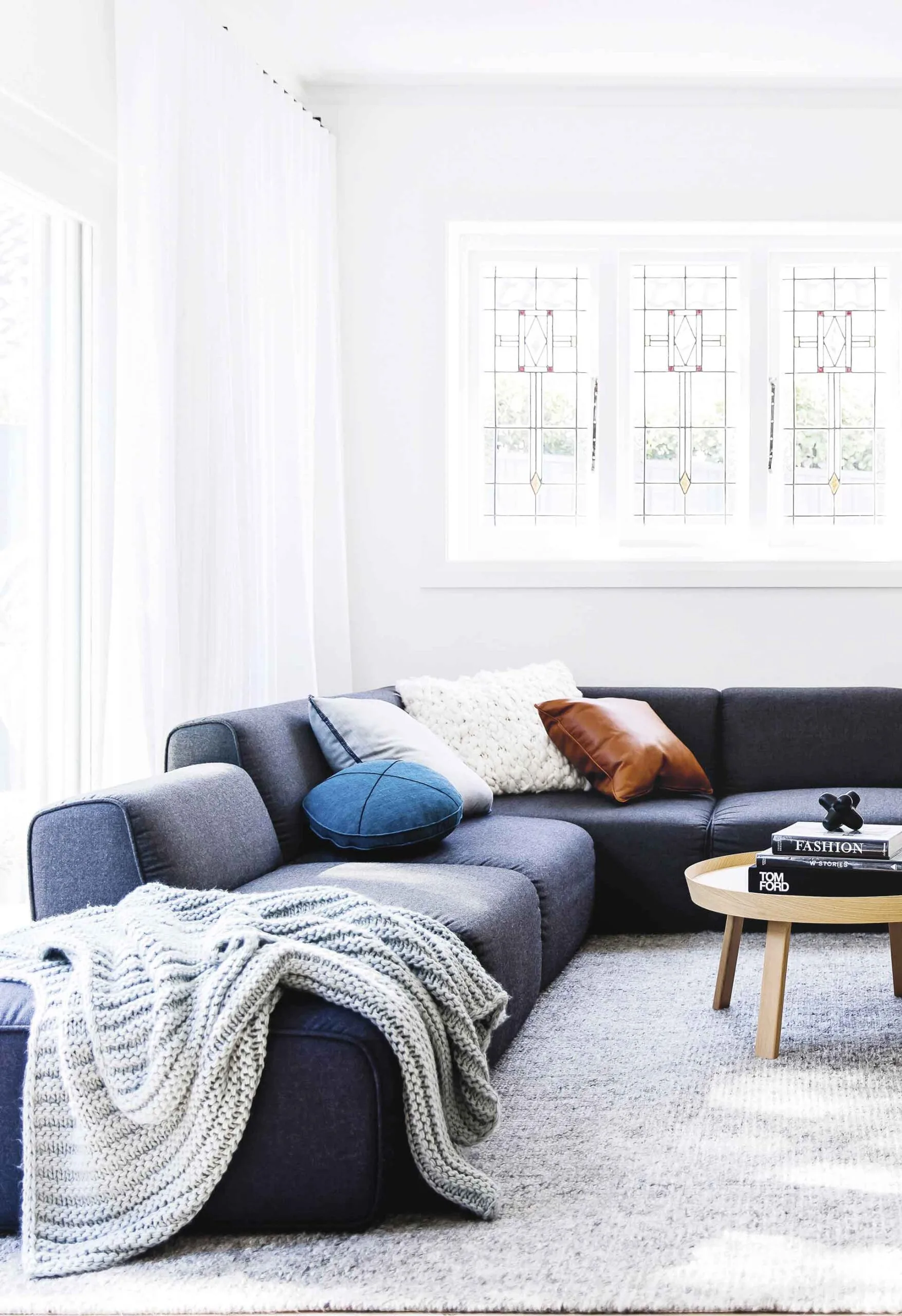
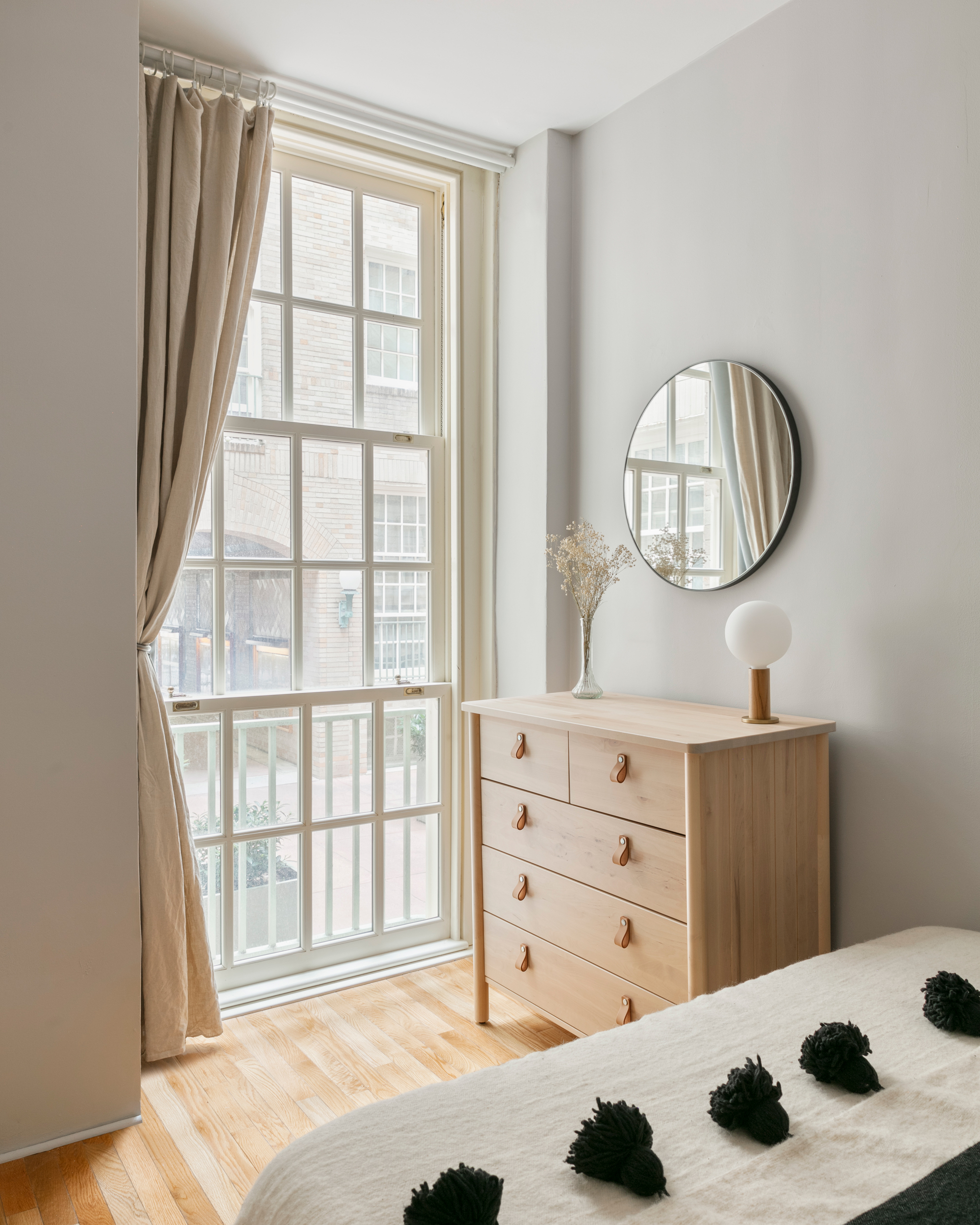
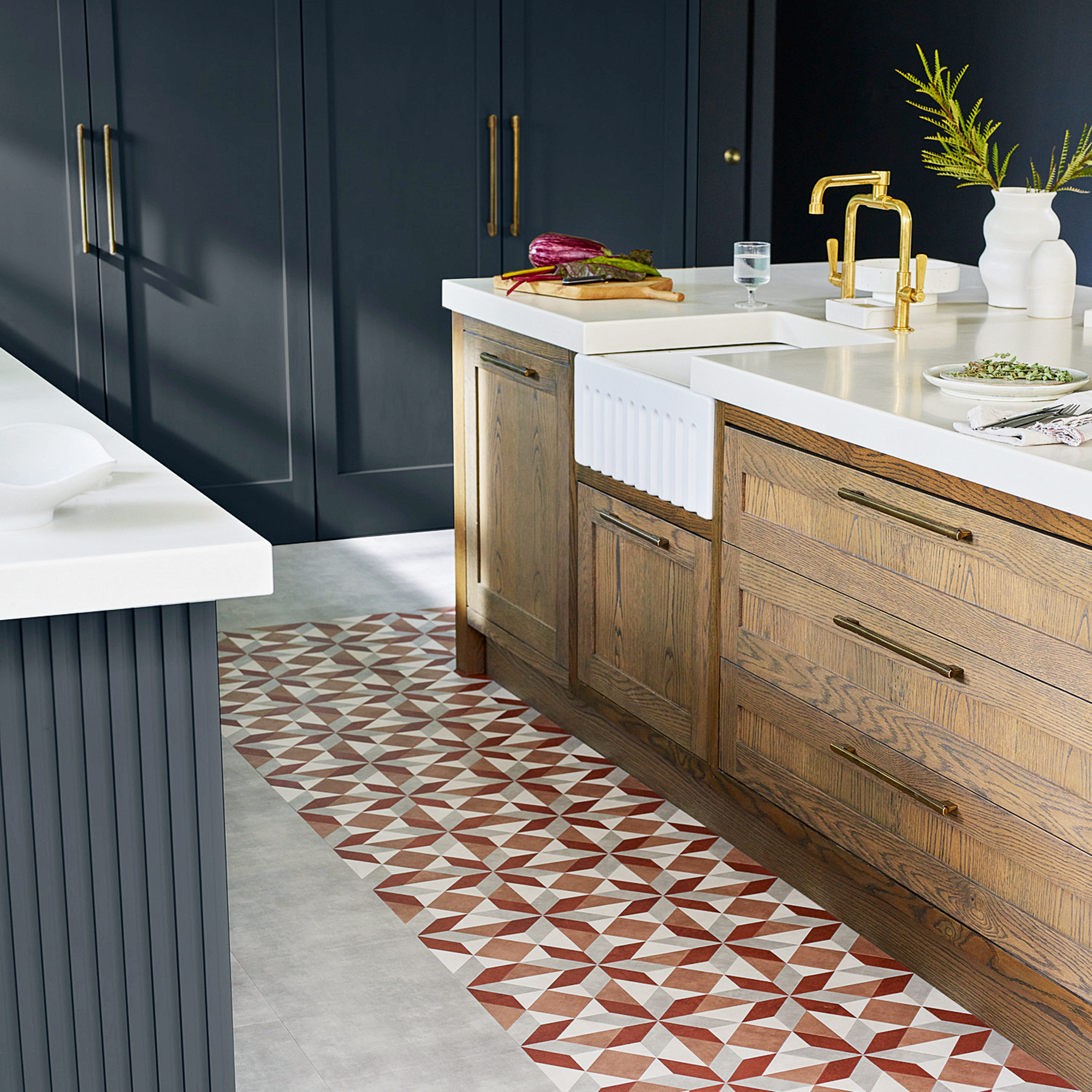
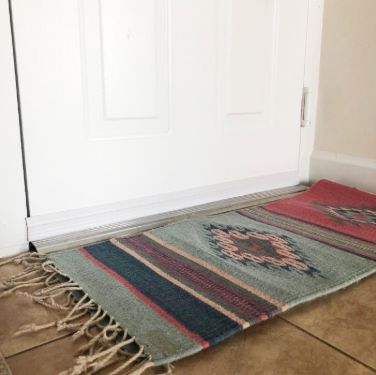
Thirdly, the article suggests softening the decor within the home office. Hard surfaces like wood or tile floors reflect sound, making a room feel louder. Introducing soft furnishings can absorb sound waves, thereby reducing echo and ambient noise. Recommendations include adding rugs, which can significantly dampen sound, and incorporating upholstered furniture like chairs, along with throw pillows. For an even more substantial acoustic improvement, hanging blankets or quilts on the walls can serve as soft, sound-absorbing surfaces.
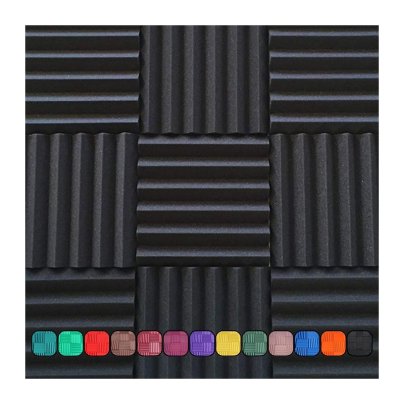
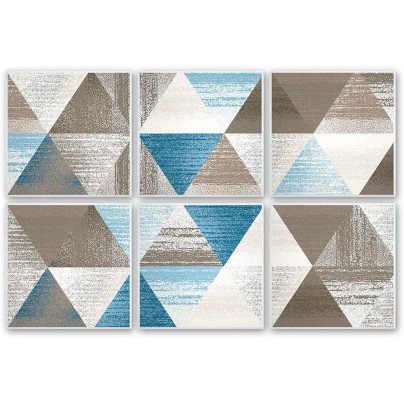
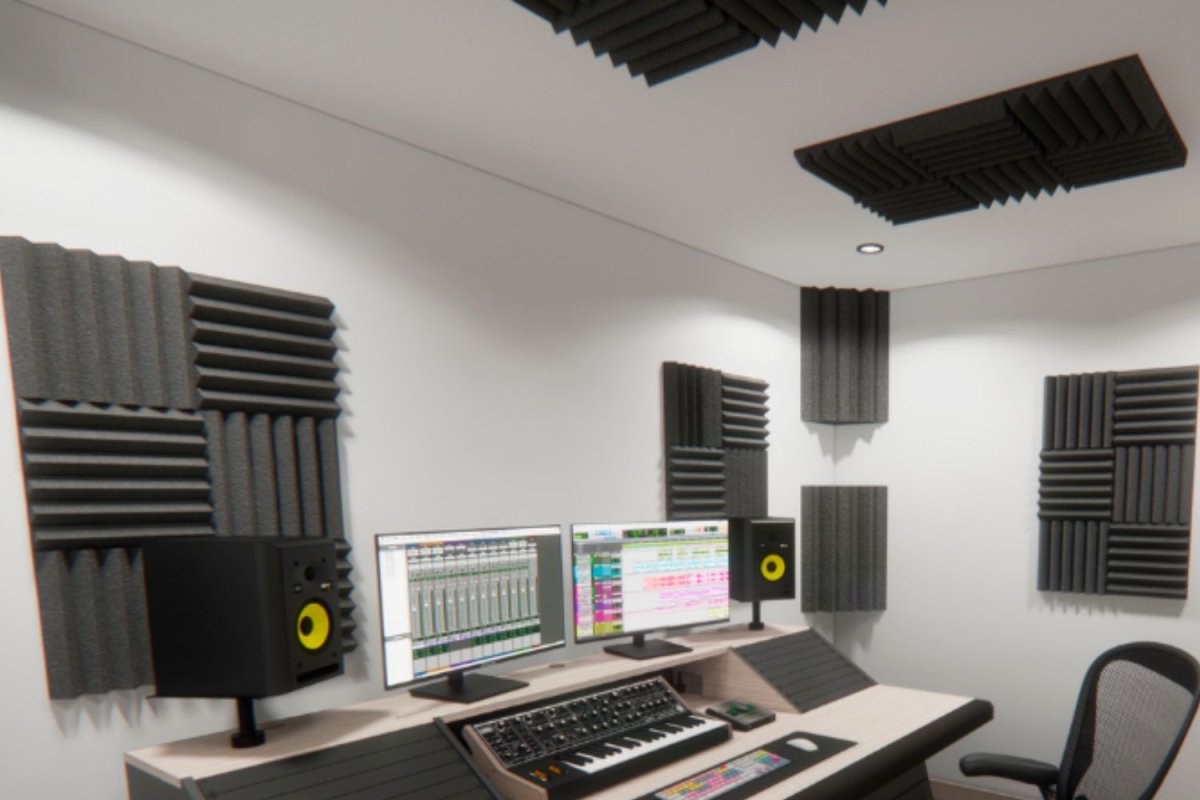
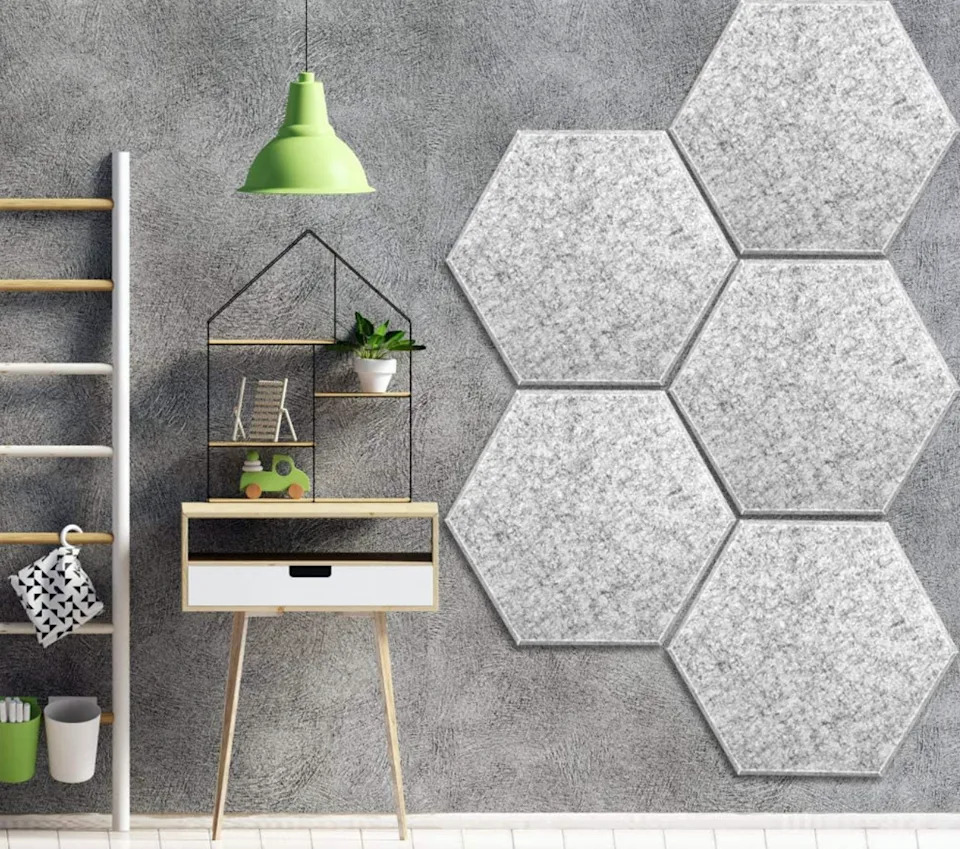
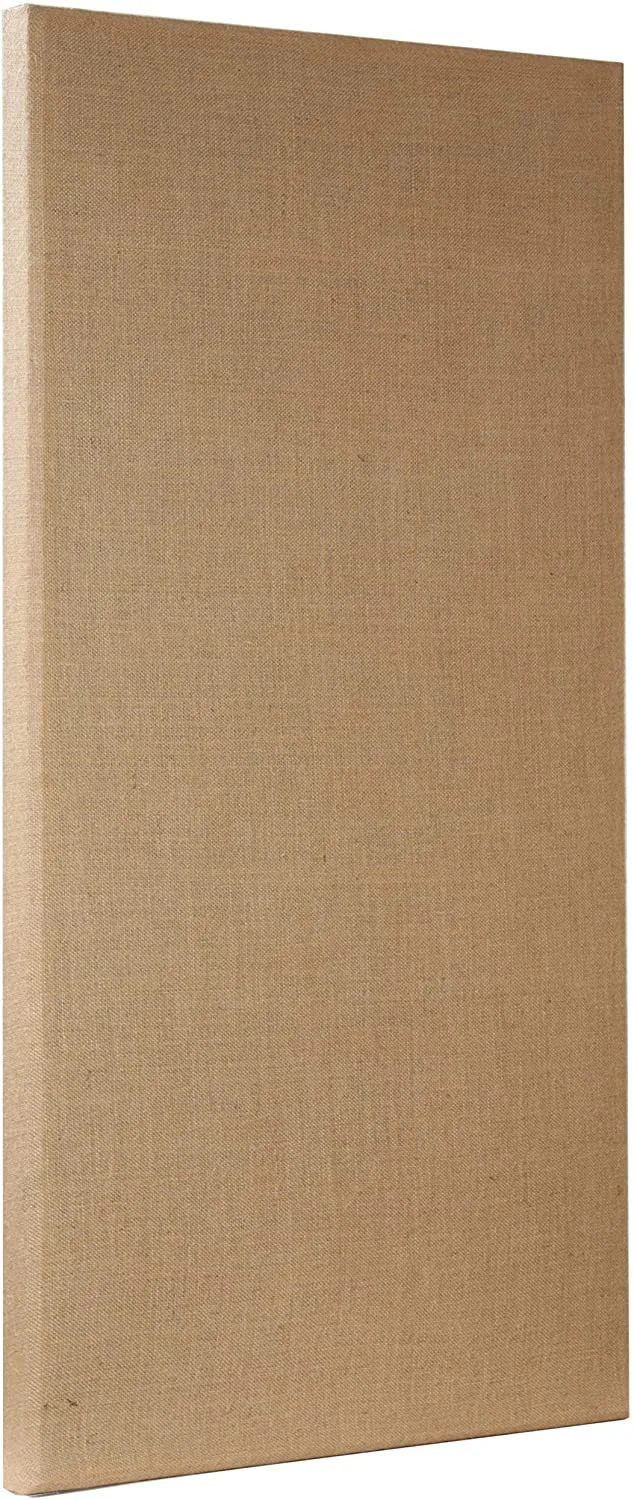
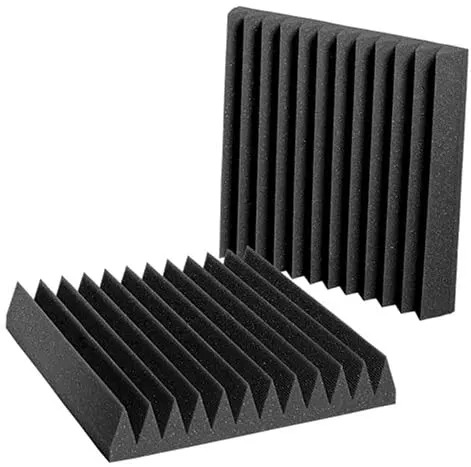
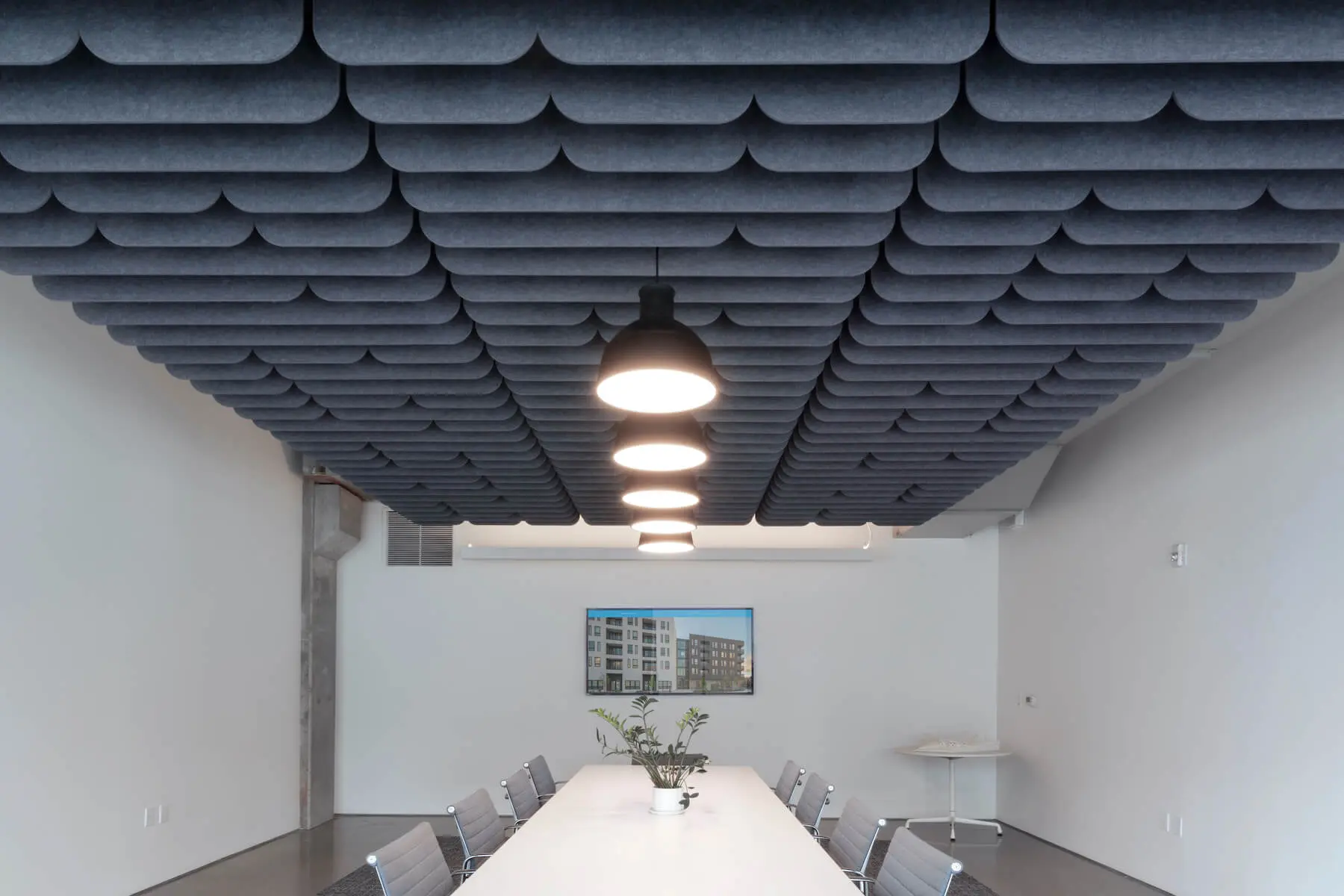
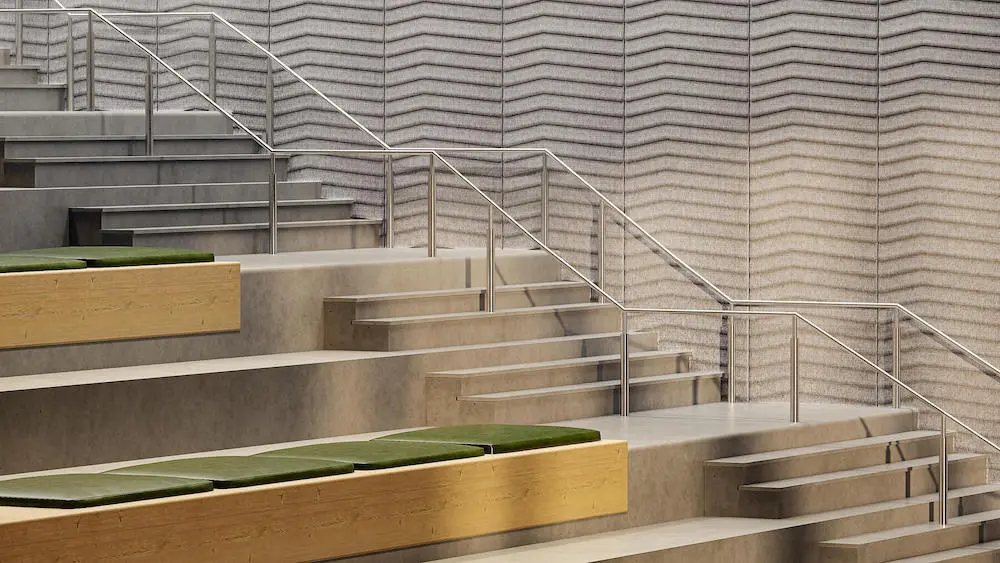
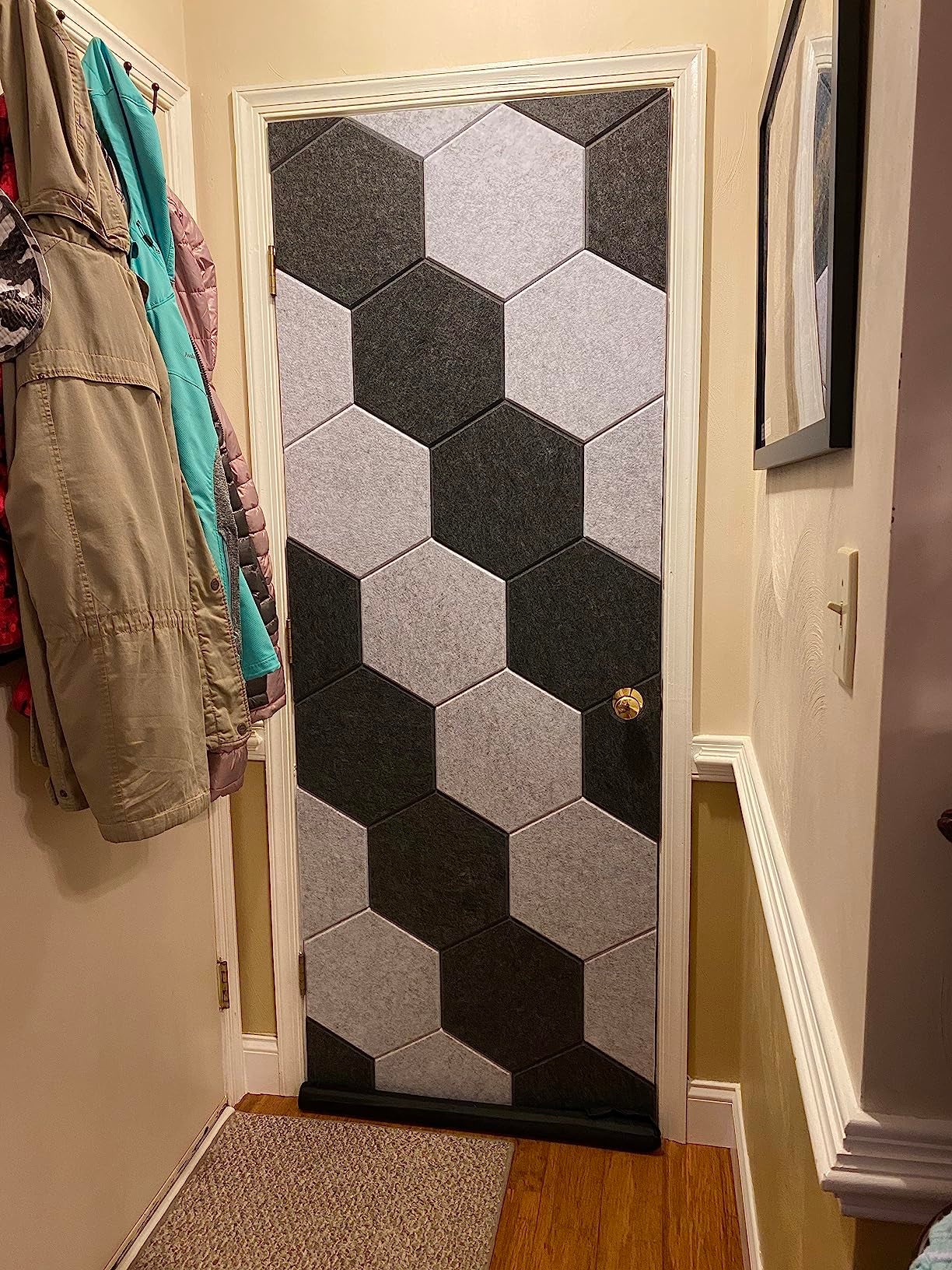
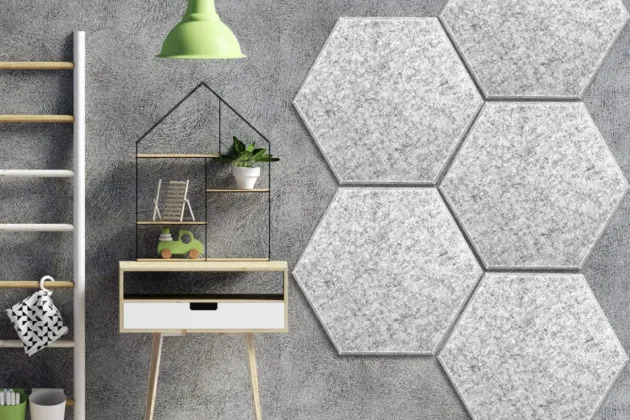
If blankets or quilts are insufficient for the desired level of sound control, the fourth suggestion is to use acoustic panels. These specialized panels are designed to absorb sound and can be applied directly to walls. Acoustic panels are available in various forms, from basic black foam to more aesthetically pleasing options with different colors and patterns, allowing them to complement the office decor while effectively managing acoustics. These panels are a more targeted solution for rooms requiring greater sound absorption.
Finally, for persistent distractions from outside sounds, the article proposes using a white noise machine. These devices emit continuous, soothing sounds, such as wind or water, which help mask disruptive noises. White noise machines create a consistent auditory background that can help individuals concentrate by effectively blocking out sudden or intrusive sounds, thereby enhancing focus and reducing mental fatigue. The cost of these machines varies, offering options across different price points to suit various budgets.
#HomeOffice #Soundproofing #WorkFromHome #HomeImprovement #InteriorDesign #NoiseReduction #AcousticPanels #WhiteNoise #HomeOffice #Soundproofing #WorkFromHome #HomeImprovement #InteriorDesign #NoiseReduction #AcousticPanels #WhiteNoise
0 comment in total
 No comments yet
You may also like

How to soundproof a room according to an expert

How to soundproof an apartment – 6 renter-friendly changes that will block out noisy neighbors


5 home office ideas to create the perfect workspace


4 Effective Ways to Soundproof Your Bedroom

9 expert tips for soundproofing a room – how to sort acoustics while losing nothing of the aesthetics

These Acoustic Wall Panels Make Any Room a Quiet Place to Work or Relax

How to Soundproof a Room (Published 2021)
If Your Home Is Super Noisy, You’ll Appreciate These 24 Noise-Dampening Products
The Best Soundproofing Materials for Any Room in Your Home

How to soundproof your apartment

Tempo’s modular wall and ceiling ‘baffle system’ offers infinite acoustic solutions


Easy Home Office Upgrades for a Productive Workspace

5 cheap and easy ways to soundproof a room, whether you're a homeowner or a renter
How to soundproof your kitchen and stop noisy appliances disturbing your peace

Six acoustic products that control noise levels in busy interiors
How To Soundproof Your Garden


How to soundproof a bedroom – five easy and affordable fixes for a quiet night's sleep
These Acoustic Wall Panels Make Any Room a Quiet Place to Work or Relax

How to make your home office a more pleasant place to work

Quiet, Please! How To Cut Noise Pollution At Home