Quiet, Please! How To Cut Noise Pollution At Home
The increasing number of people working from home has brought attention to the significant impact of noise pollution on productivity and well-being. Distracting sounds, such as blaring music, passing vehicles, or neighborly conversations, often infiltrate living spaces through various pathways, including windows, doors, floors, walls, and ceilings. To mitigate these disturbances, two primary strategies are employed: absorbing sound and blocking it entirely.
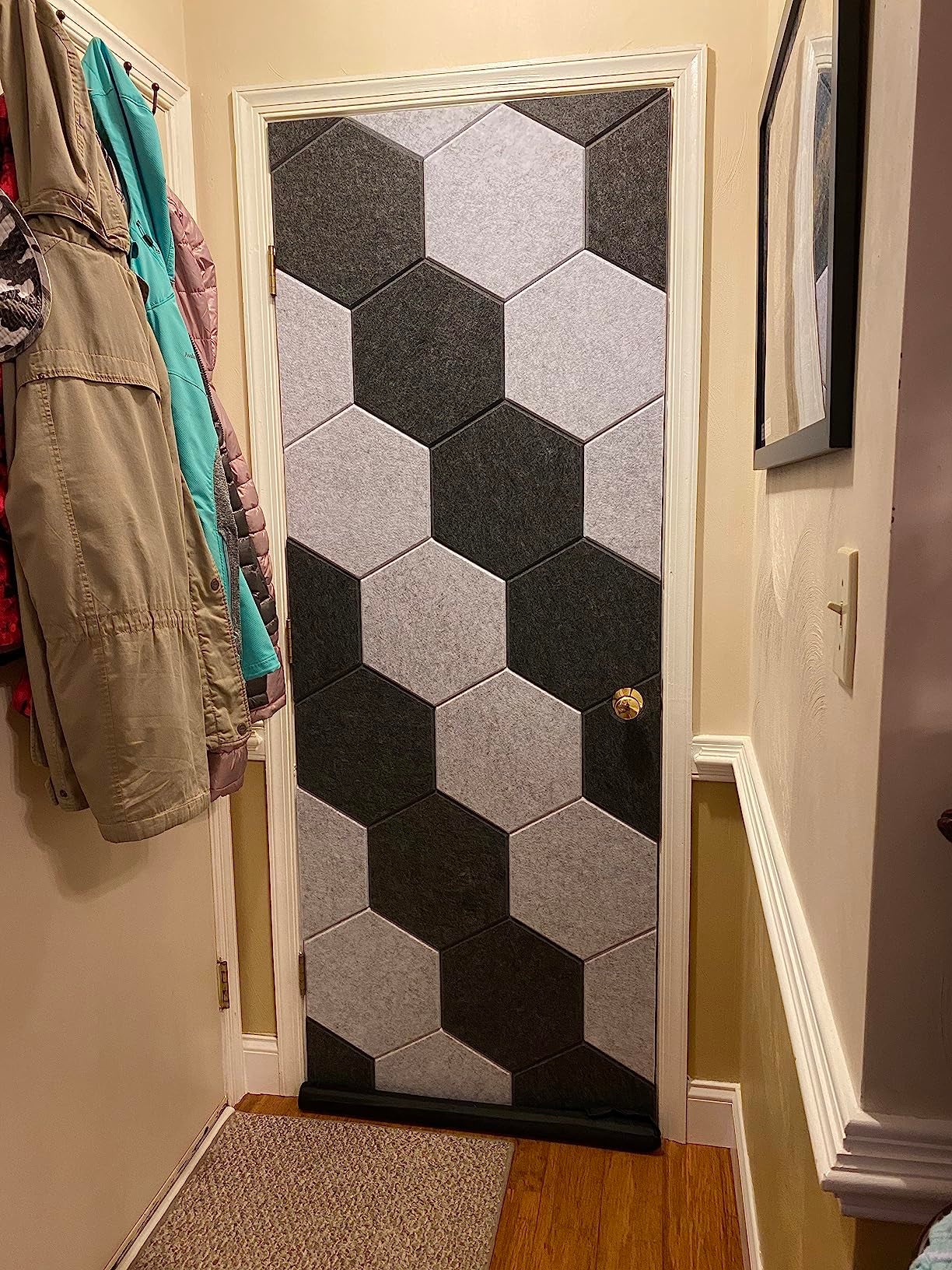
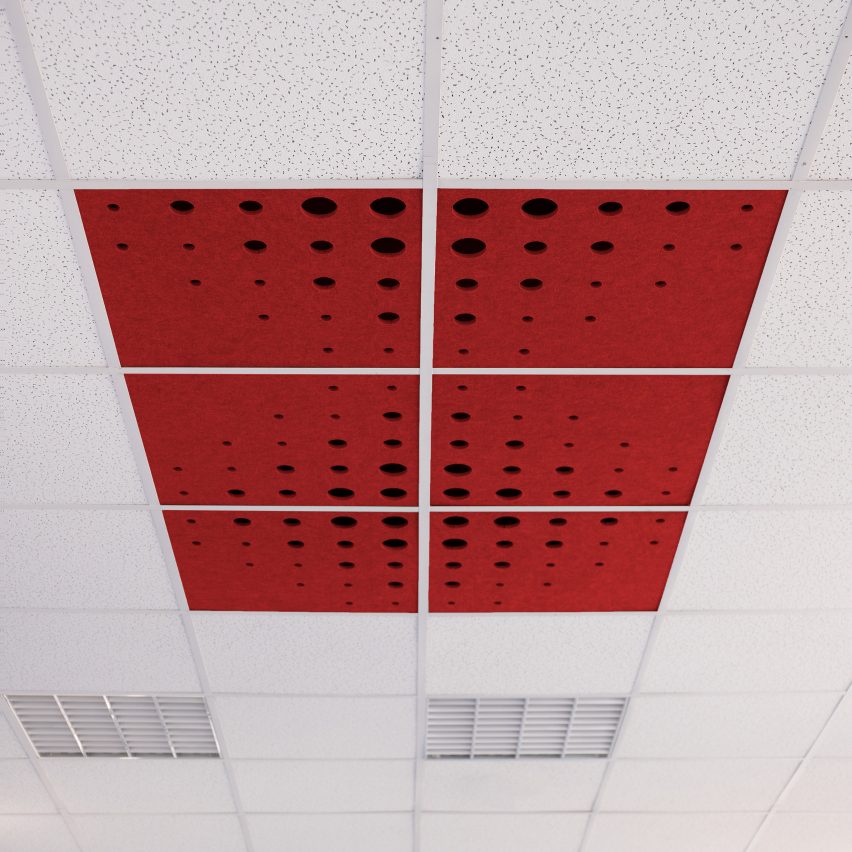
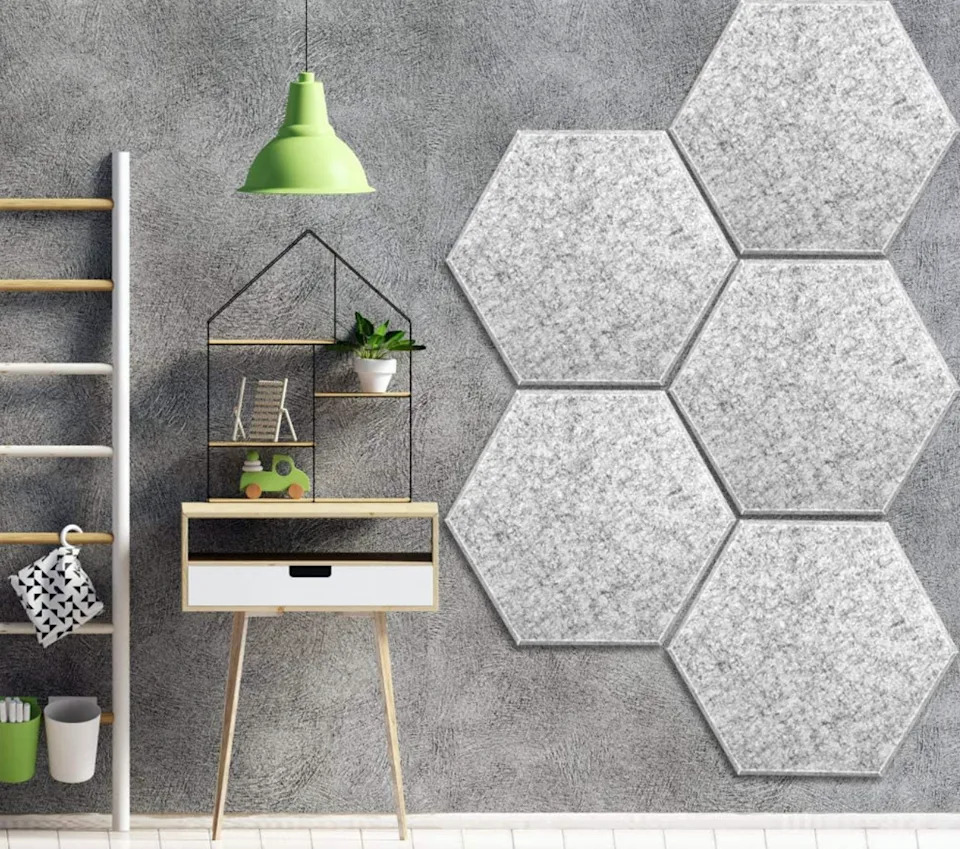
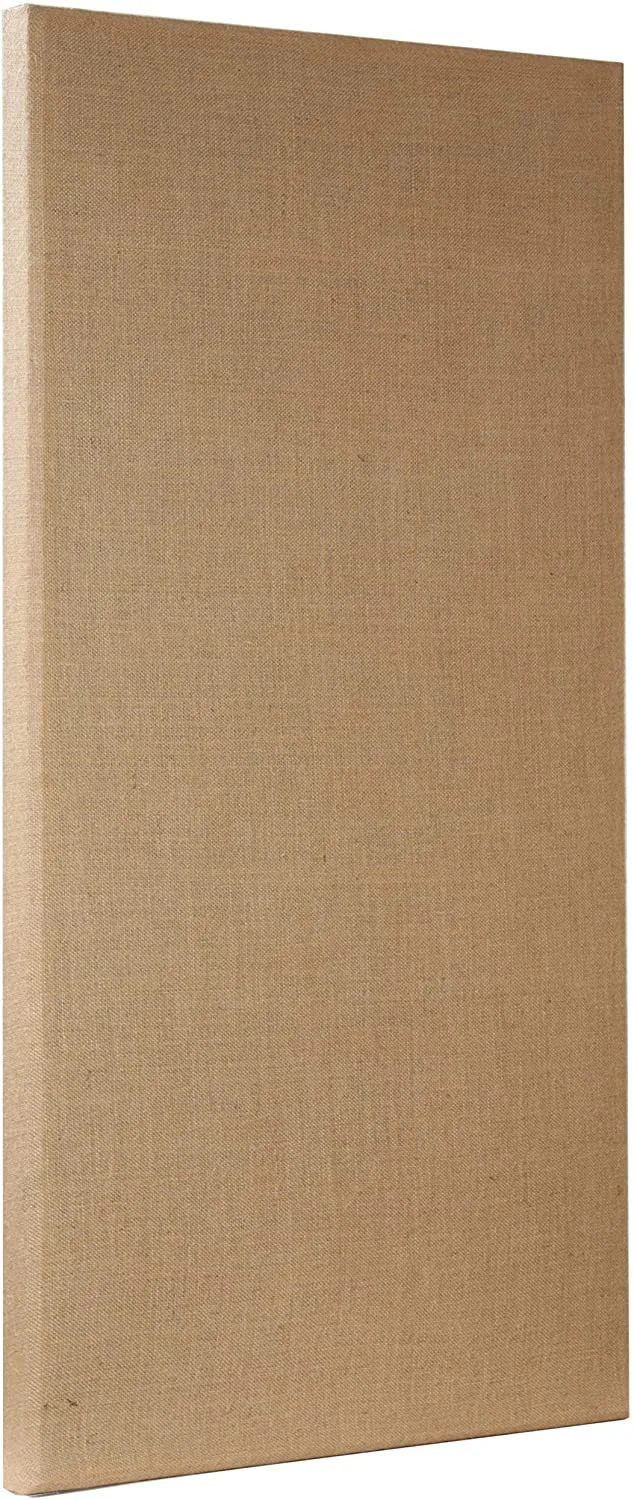
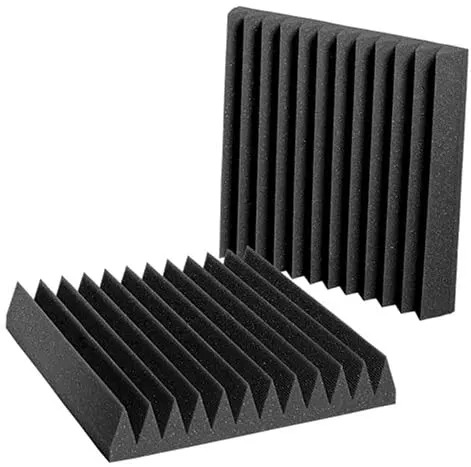
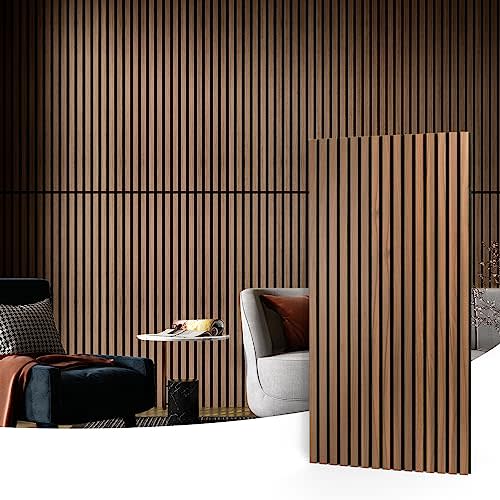
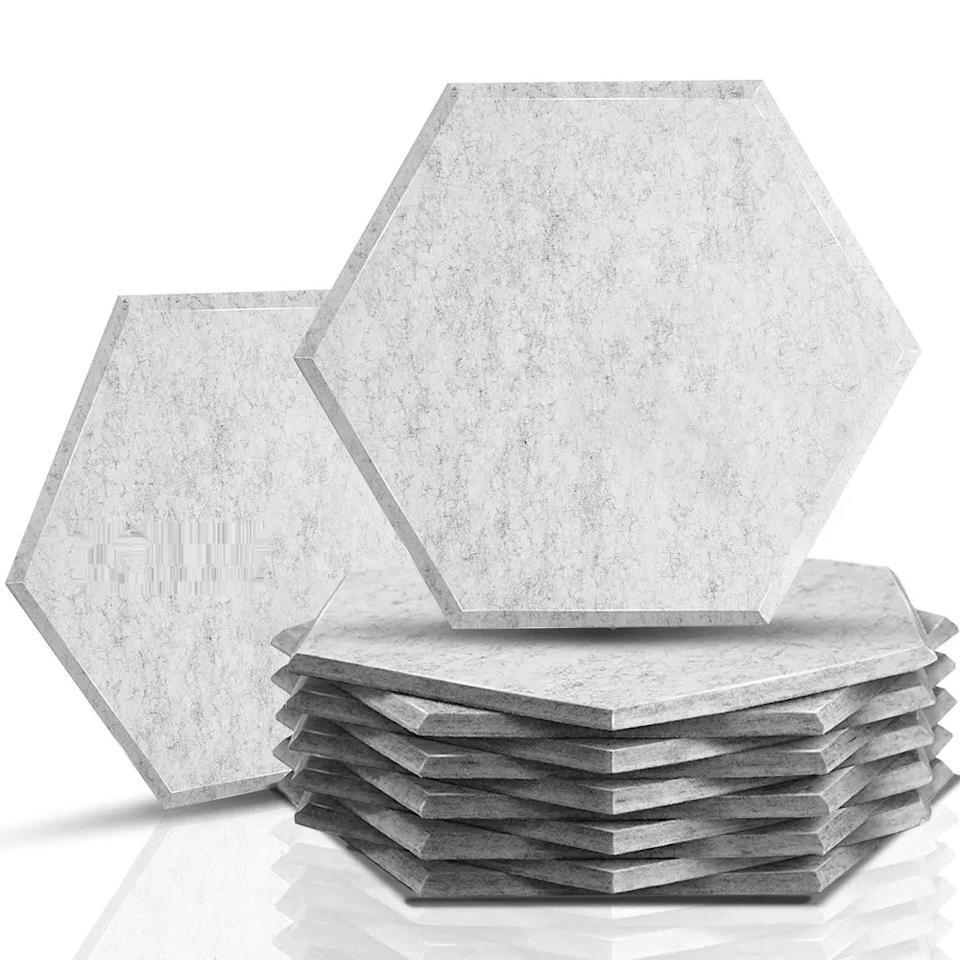
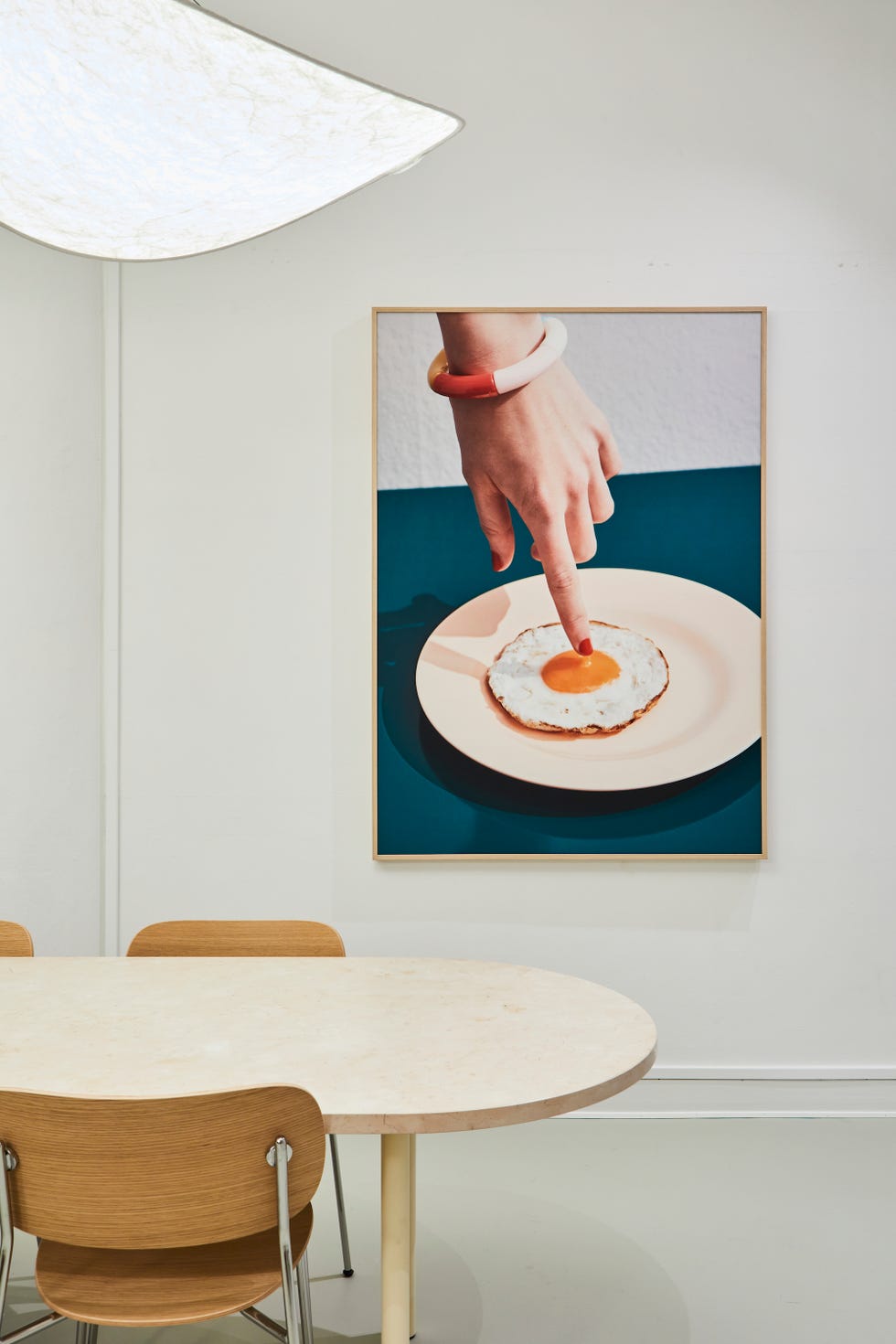
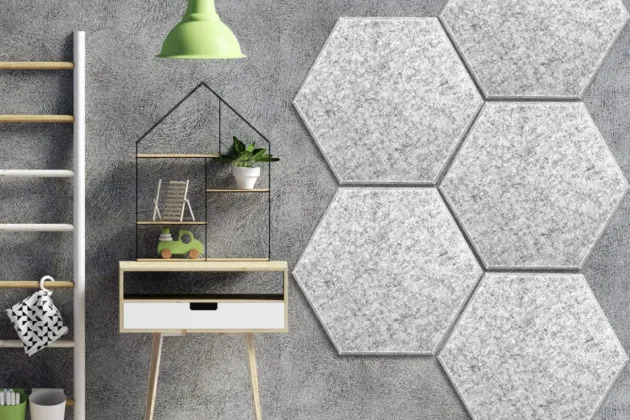
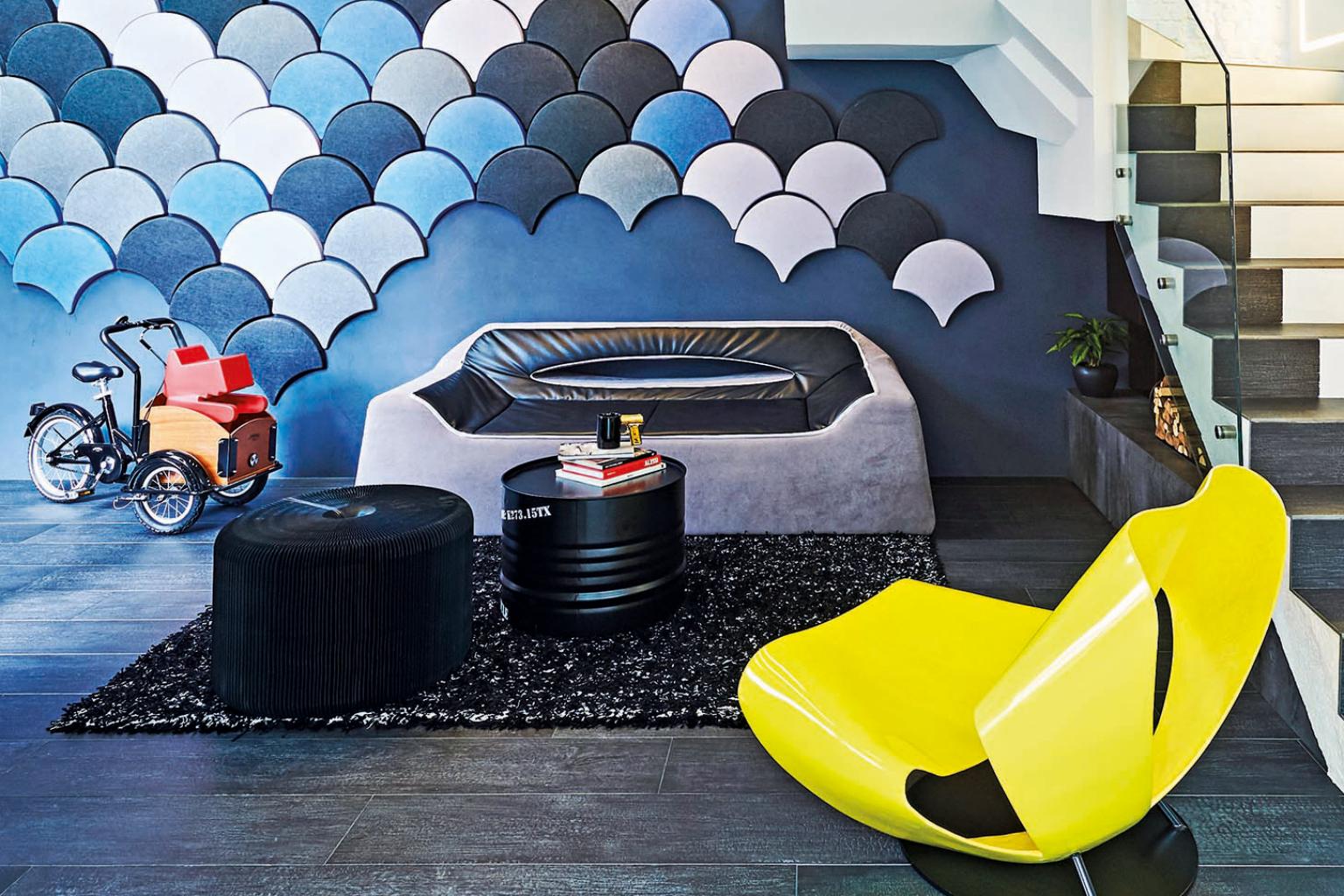
Sound absorption aims to reduce reverberation before sound waves reach the ears. Matthew Boughan of Acoustical Solutions highlights that certain materials are more effective at this. For instance, covering walls with 1-inch-thick fabric-wrapped acoustical panels, which boast a Noise Reduction Coefficient (NRC) of 0.85 or higher, can significantly improve sound absorption. These panels come in various colors and fabrics, can be integrated into interior decor, and can even feature high-resolution digital photo reproductions, turning them into functional artwork. Proper installation involves distributing absorption evenly across walls and ceilings.
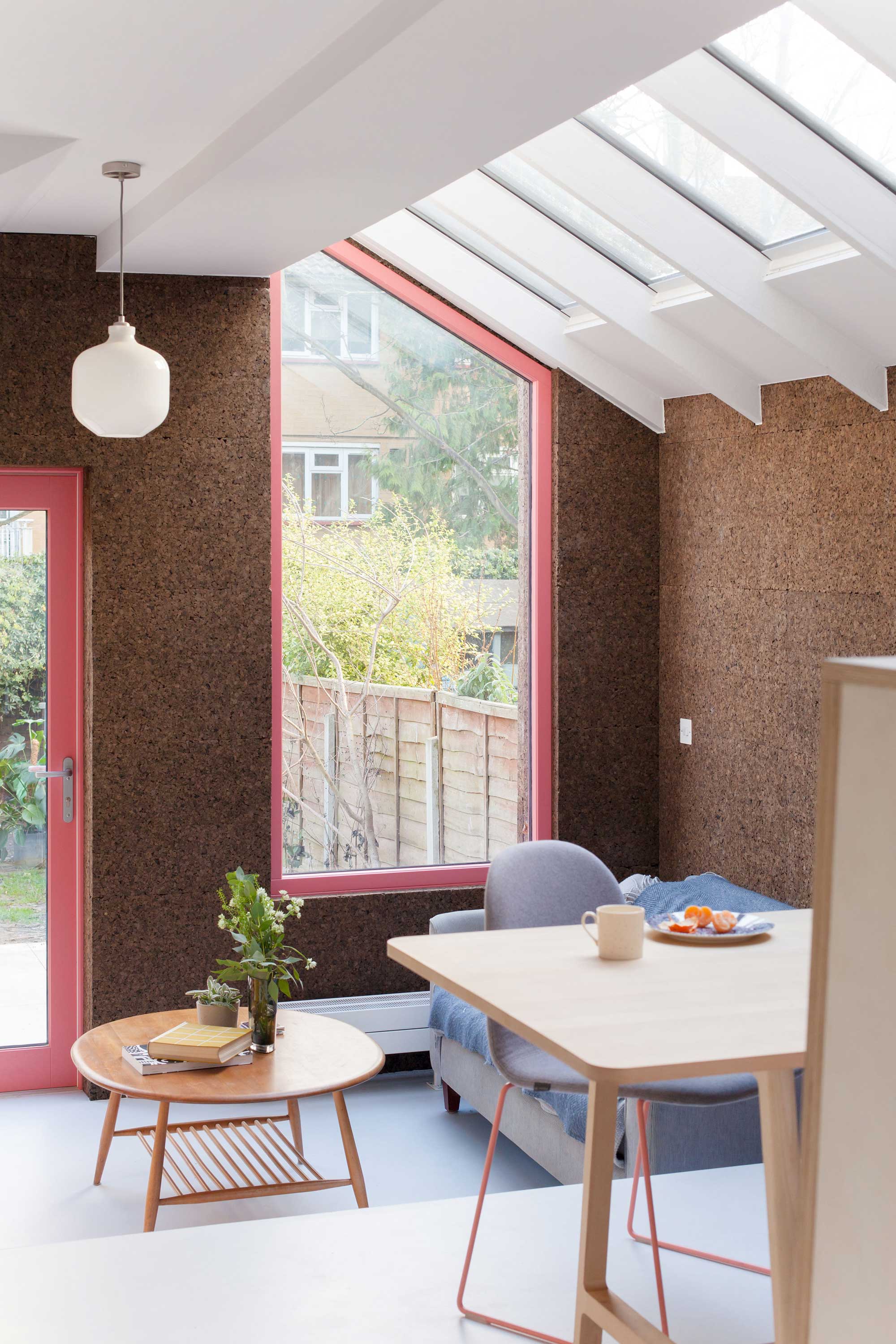
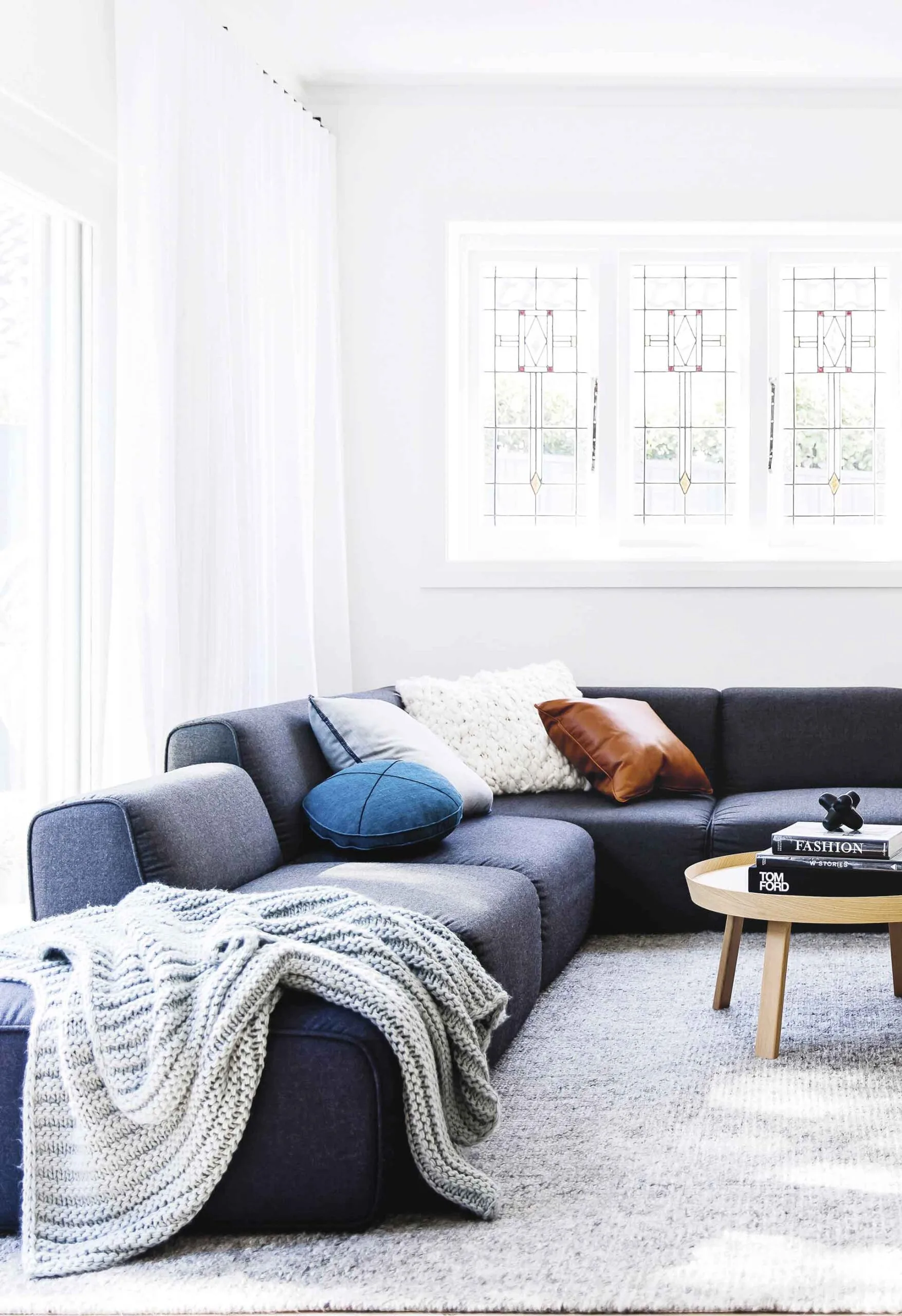
Flooring choices also play a crucial role. Concrete and cork floors naturally offer excellent sound absorption. For homes with hardwood, tiles, or linoleum, incorporating rugs or carpets with sound-absorbing padding is recommended. Cut-pile carpeting, with its fuzzy texture, has shown better sound absorption properties than loop pile. Additionally, foam-rubber backing enhances this effect. Innovative padding options like Iso-Step further improve sound dampening. Another flooring solution is floating hardwood, which creates a gap between the subfloor and the actual flooring, effectively reducing sound transmission.
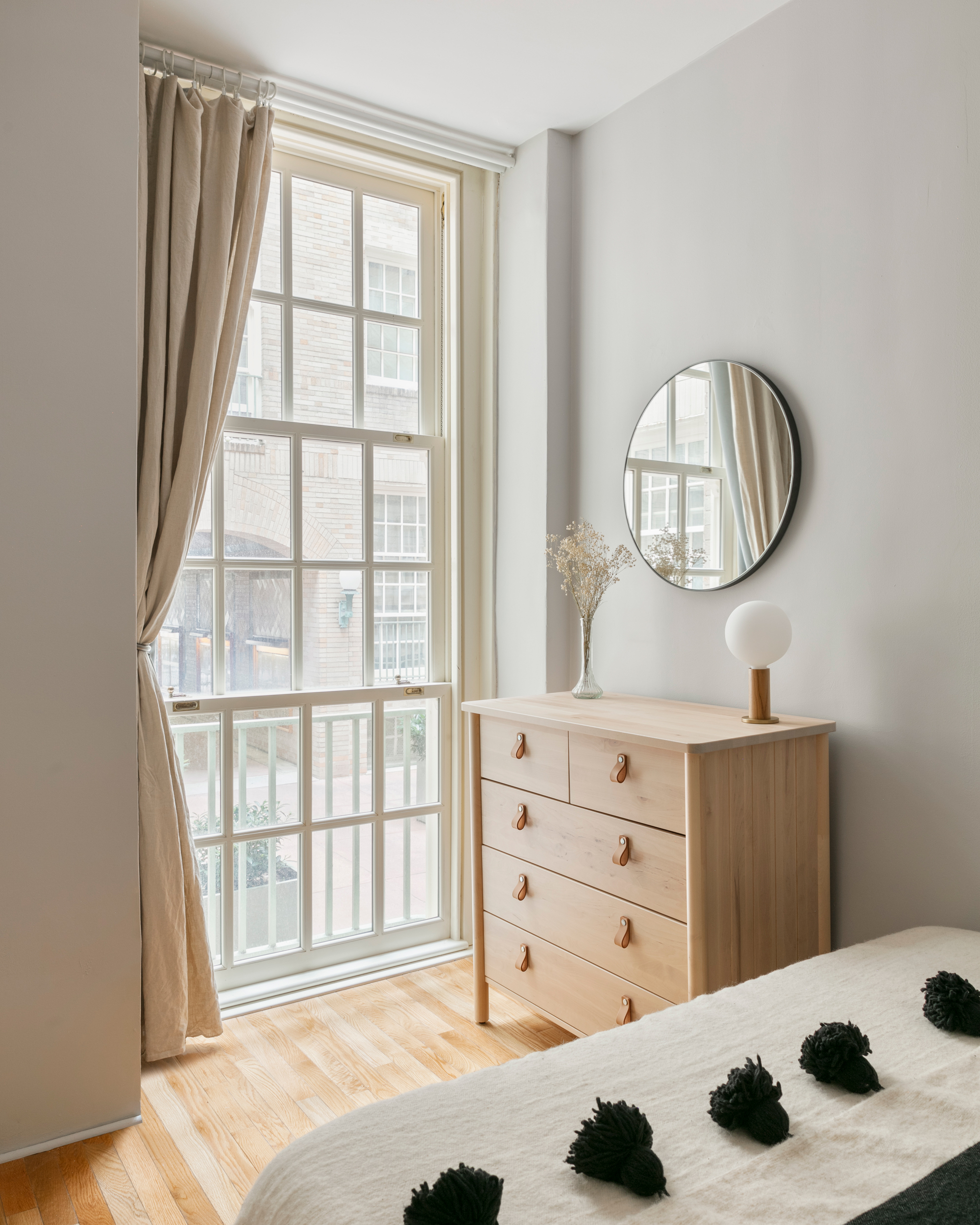
Draperies can serve both sound-absorbing and sound-blocking functions. Heavy materials such as velvet and wool are effective for absorption, especially when combined with a mass-loaded vinyl layer. Recent advancements include gauzy, sound-absorbing draperies developed by EMPA and textile designer Annette Douglas. These drapes, made from modified polyester, allow natural light while significantly reducing noise, offering a balance between aesthetics and functionality.
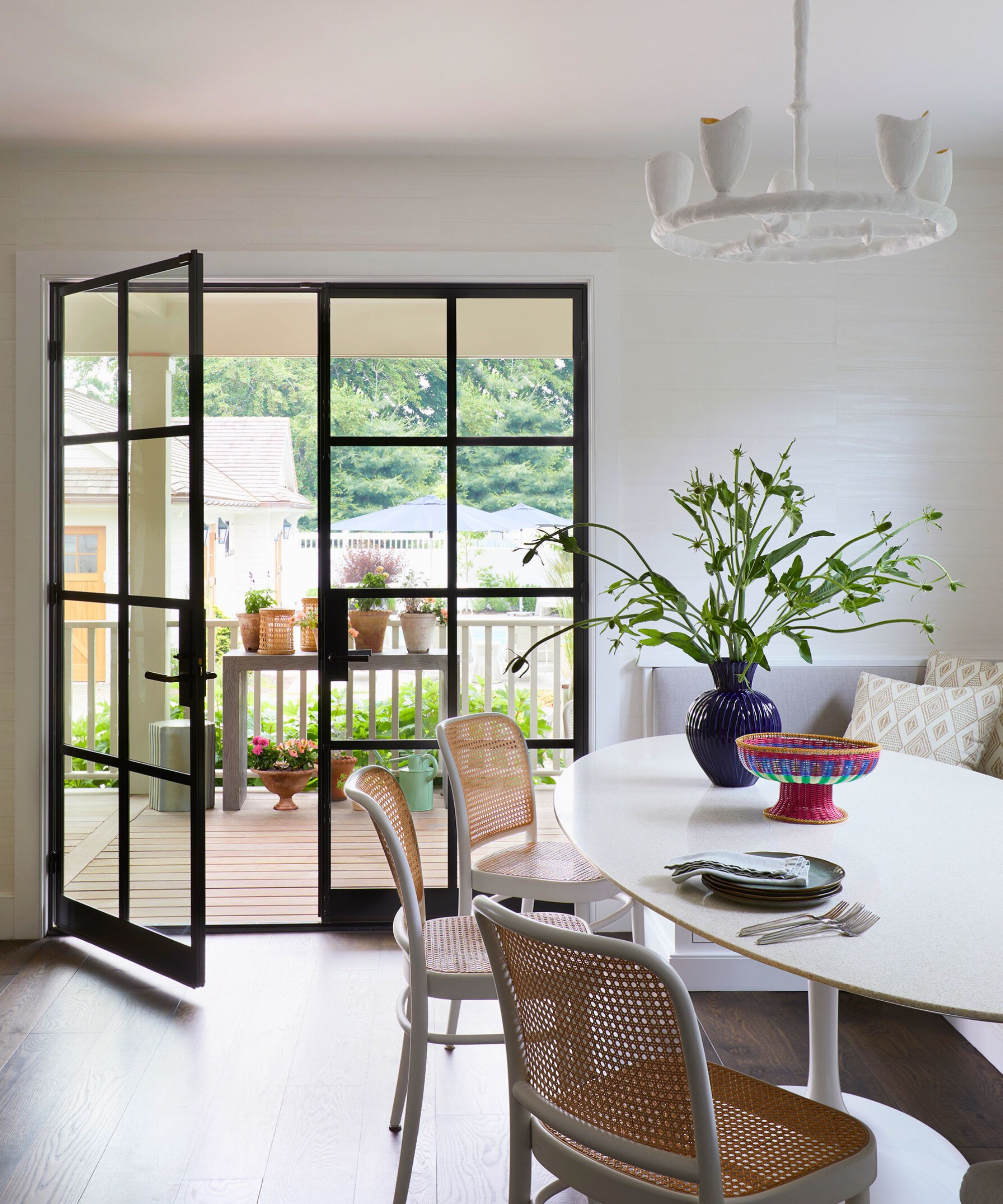
Sound blocking, a more challenging endeavor, focuses on preventing sound from entering a space. Windows are common culprits, with even a 1% gap in the sound barrier transmitting 50% of sound. Simple solutions include caulking around windows to seal gaps. More robust options involve acoustical seals, which add an airtight layer of glass to existing windows, though this renders the window immobile. Acoustical blankets, resembling mover's blankets, can also be used for temporary or permanent sound blocking. For a more permanent and aesthetically pleasing solution, replacing double-pane windows with triple-pane windows can significantly improve sound insulation, though this requires professional installation and incurs higher costs.
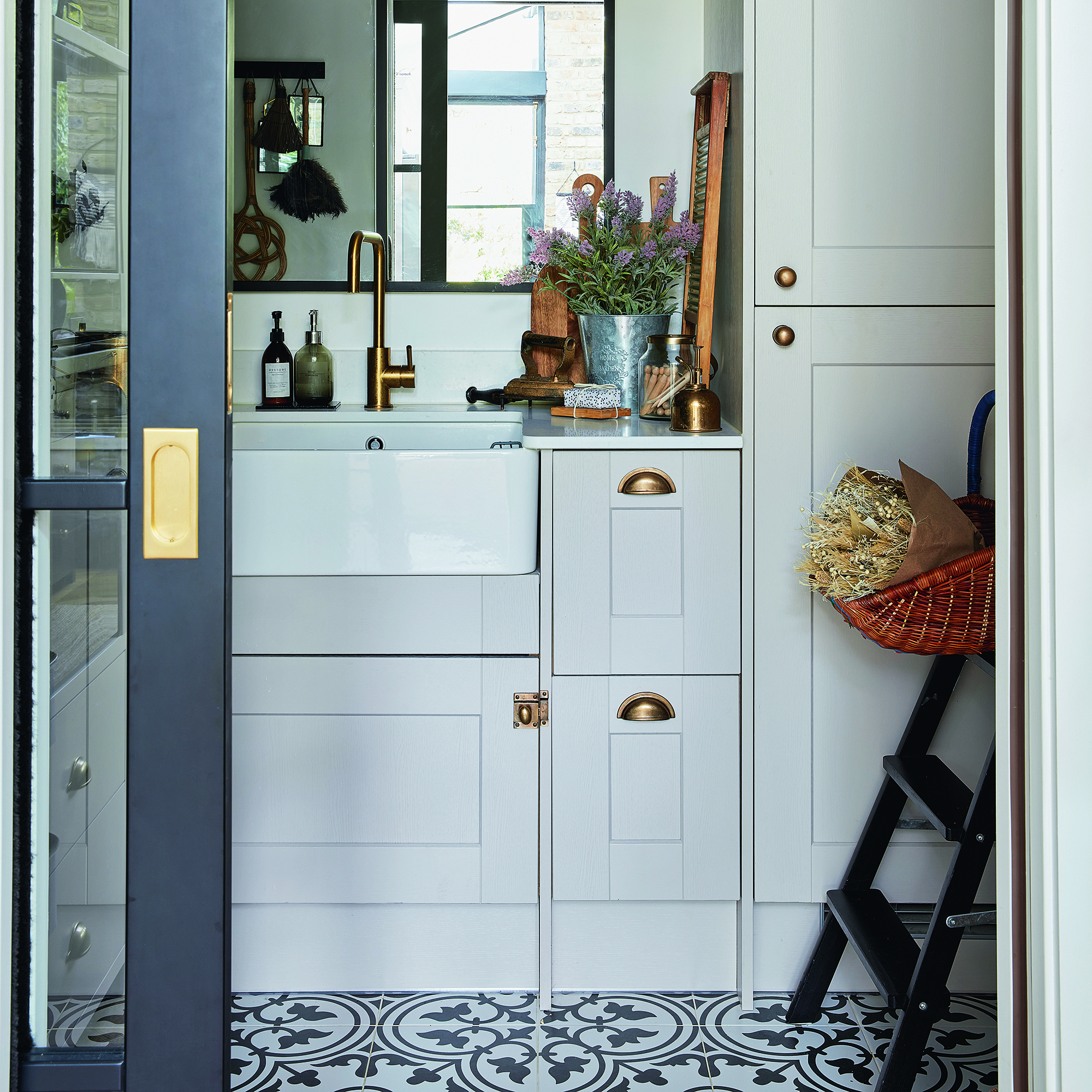
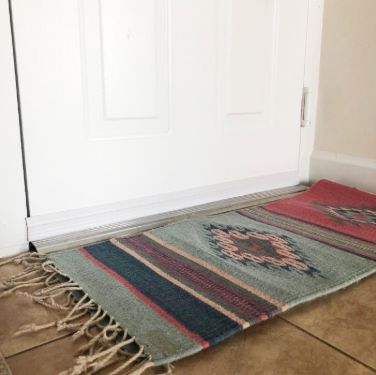
Doors are another major source of sound leakage in home offices. Installing a solid-wood-core door is effective due to its mass. Furthermore, a door seal kit can seal the small gaps around the door, which, according to the 1% rule, can transmit a substantial amount of sound. Pocket doors are generally not recommended for noise-sensitive areas, as their wall cavities cannot be insulated, and they lack proper jambs for effective sealing. These strategies, ranging from simple fixes to more complex structural changes, collectively contribute to creating a quieter and more conducive home environment for work and relaxation.
#HomeOffice #NoiseReduction #Soundproofing #AcousticPanels #HomeImprovement #InteriorDesign #WorkFromHome #SoundAbsorption #BuildingMaterials #HomeOffice #NoiseReduction #Soundproofing #AcousticPanels #HomeImprovement #InteriorDesign #WorkFromHome #SoundAbsorption #BuildingMaterials
0 comment in total
 No comments yet
You may also like
How to soundproof your kitchen and stop noisy appliances disturbing your peace
How to soundproof an apartment – 6 renter-friendly changes that will block out noisy neighbors


These Acoustic Wall Panels Make Any Room a Quiet Place to Work or Relax


Is It Possible To Soundproof an Entire House?

How do I make my kitchen quieter? The tricks designers use to stop noise ruining an open-plan home

How to soundproof a room according to an expert


How to Soundproof a Room (Published 2021)

Six acoustic products that control noise levels in busy interiors
If Your Home Is Super Noisy, You’ll Appreciate These 24 Noise-Dampening Products

The sound of silence: Strategies to keep out the noise in condo suites

How to improve indoor air quality at home

Stylish sound-absorbing artwork for a quieter home


Ask Wirecutter: How Do I Block Out Annoying Sounds From My Noisy Neighborhood?
How to soundproof a bedroom – five easy and affordable fixes for a quiet night's sleep
These Acoustic Wall Panels Make Any Room a Quiet Place to Work or Relax

5 mistakes you're making that are compromising your home's air quality – and how to fix it like a HVAC pro

9 expert tips for soundproofing a room – how to sort acoustics while losing nothing of the aesthetics

Eight acoustic items that help to quieten down lively interiors

Joanna Gaines’s secret trick for a calmer, quieter home instantly solved my noisy neighbor problem –and it's only $60
Soundproofing, proper acoustic treatment vital for a home