1/2
Is It Possible To Soundproof an Entire House?
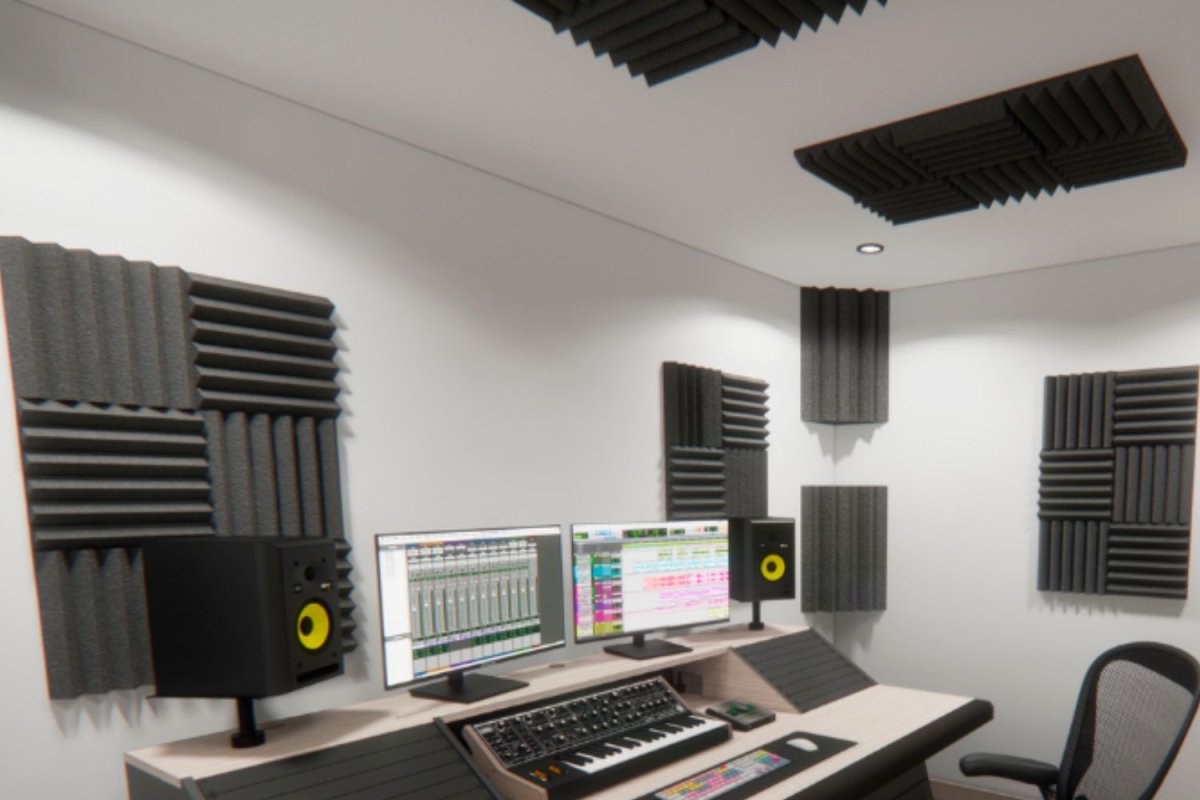
Achieving complete silence in a home within Earth's atmosphere is practically impossible due to the omnipresence of air, which transmits sound. However, significantly reducing noise can be accomplished through various soundproofing techniques, although this can be a costly endeavor. A professional recording studio, for example, utilized dense wall materials, uncoupled drywall with resilient channels, and acoustic panels to minimize reverberation, yet still experienced some sound penetration.
Soundproofing an entire house presents more challenges than soundproofing a single room. Factors such as the quality of doors, windows, siding material, gaps in walls and ceilings, and external ambient noise levels all contribute to sound transmission. In some cases, it might be more practical and cost-effective to soundproof individual rooms, especially bedrooms, to ensure better sleep quality.
Sound travels as vibrations in the air, passing through gaps and solid materials. Once inside, these vibrations reflect off hard surfaces. The amplitude (intensity) and frequency (pitch) of sound waves determine their transmission. High-amplitude, low-pitch sounds, like bass, tend to penetrate walls more easily than low-amplitude, high-pitch sounds. Common noisy areas in a home include gaps around doors and windows (especially with single-pane windows and hollow-core doors), thin walls (vinyl or aluminum siding), and ducts or vent pipes that penetrate walls or ceilings.
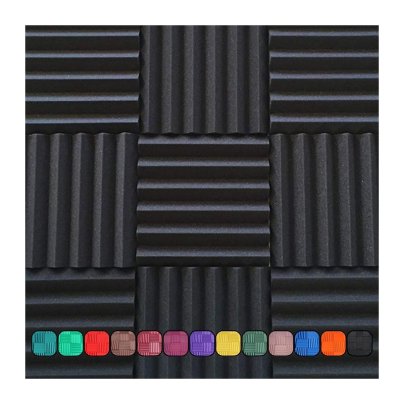
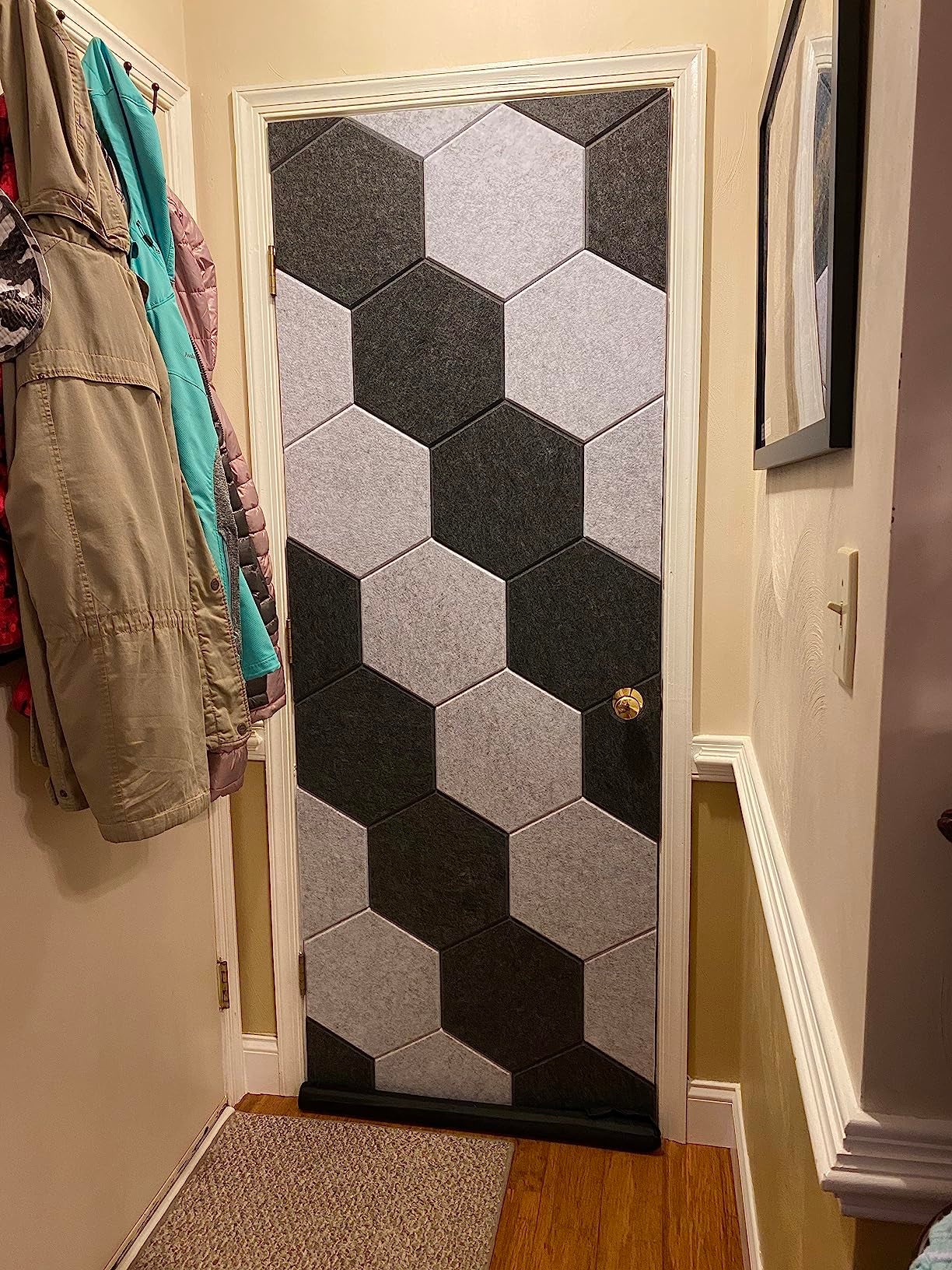
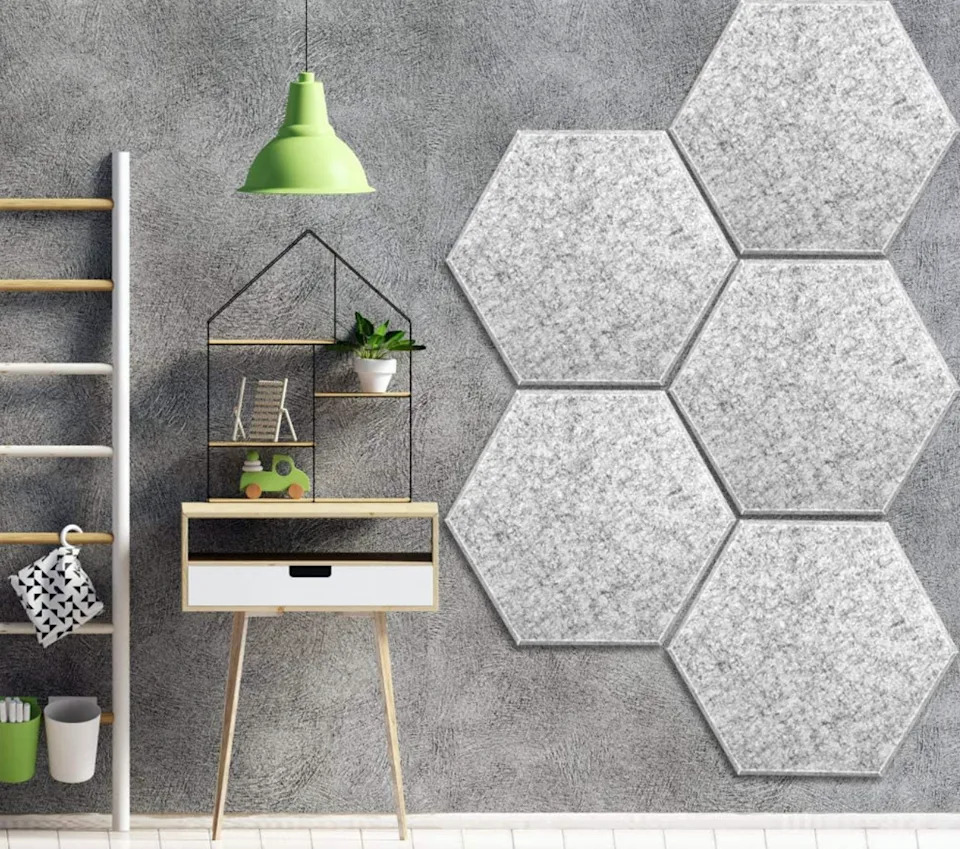
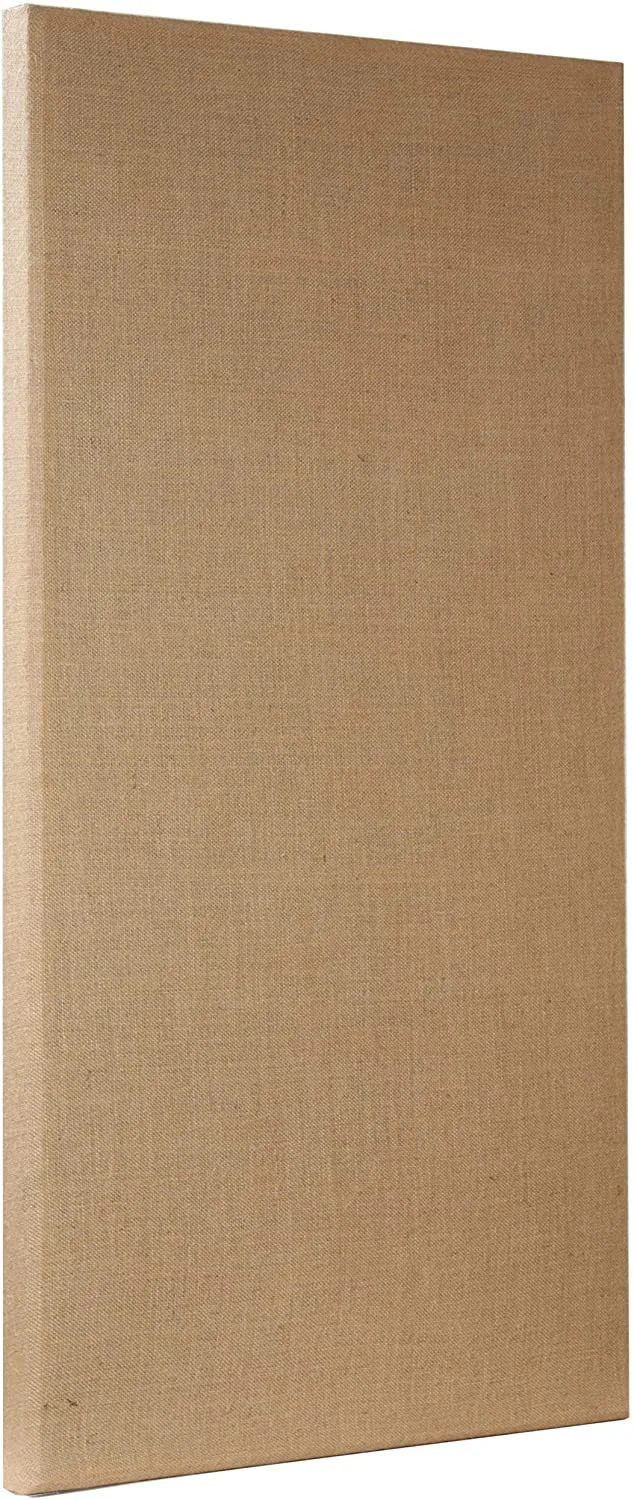
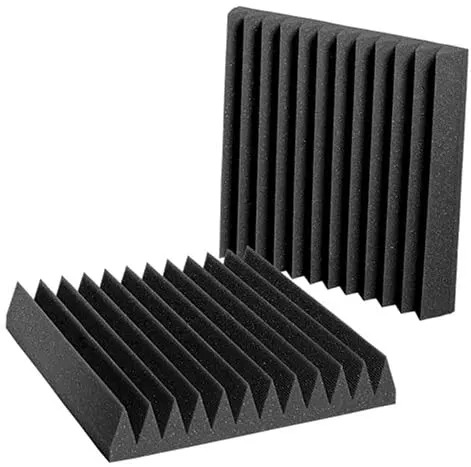
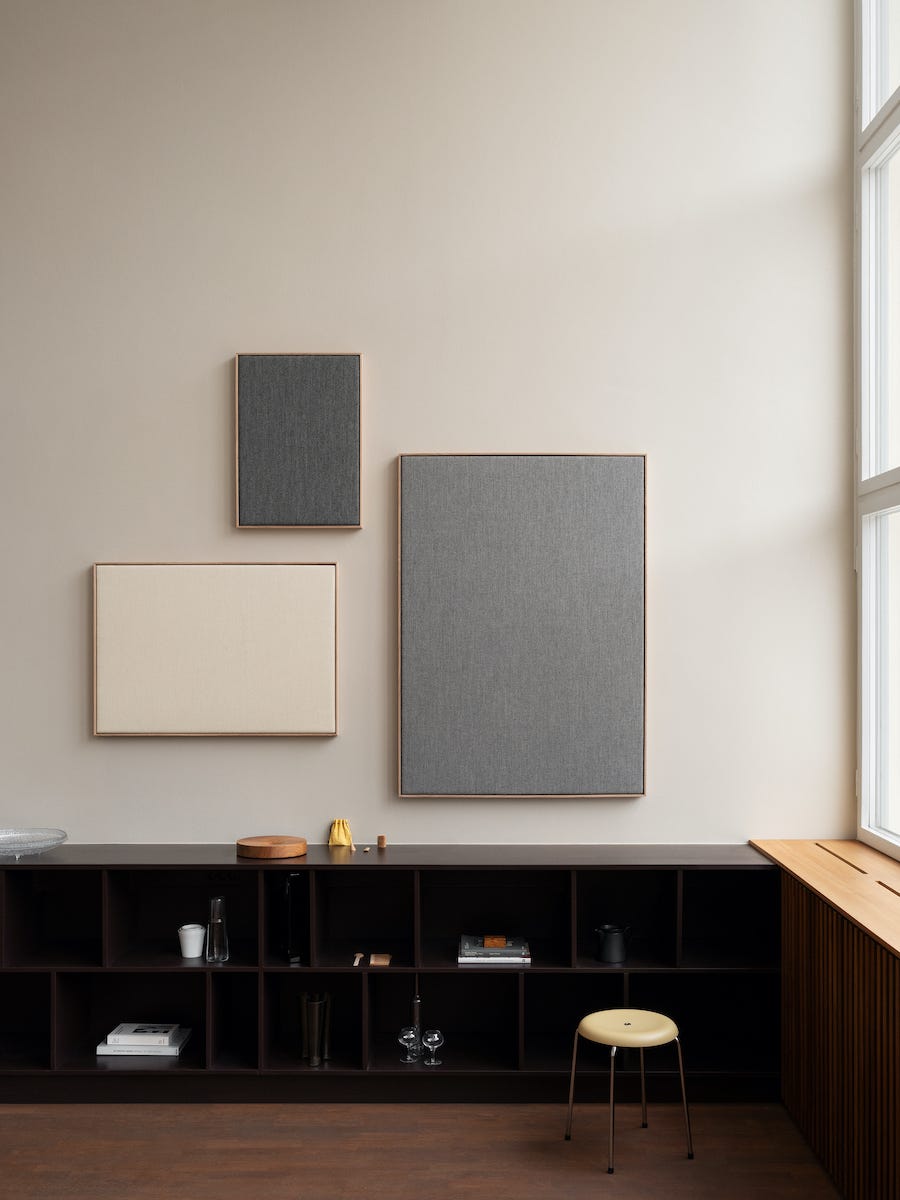
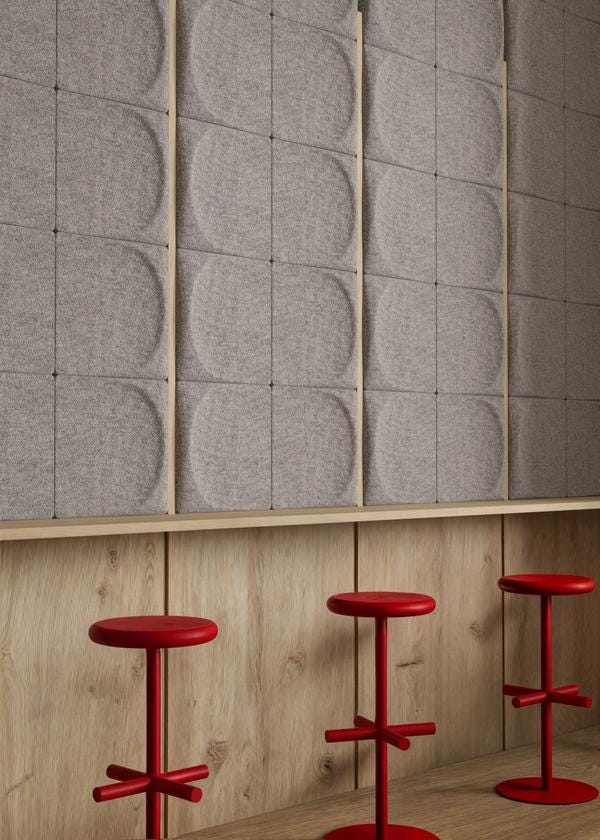
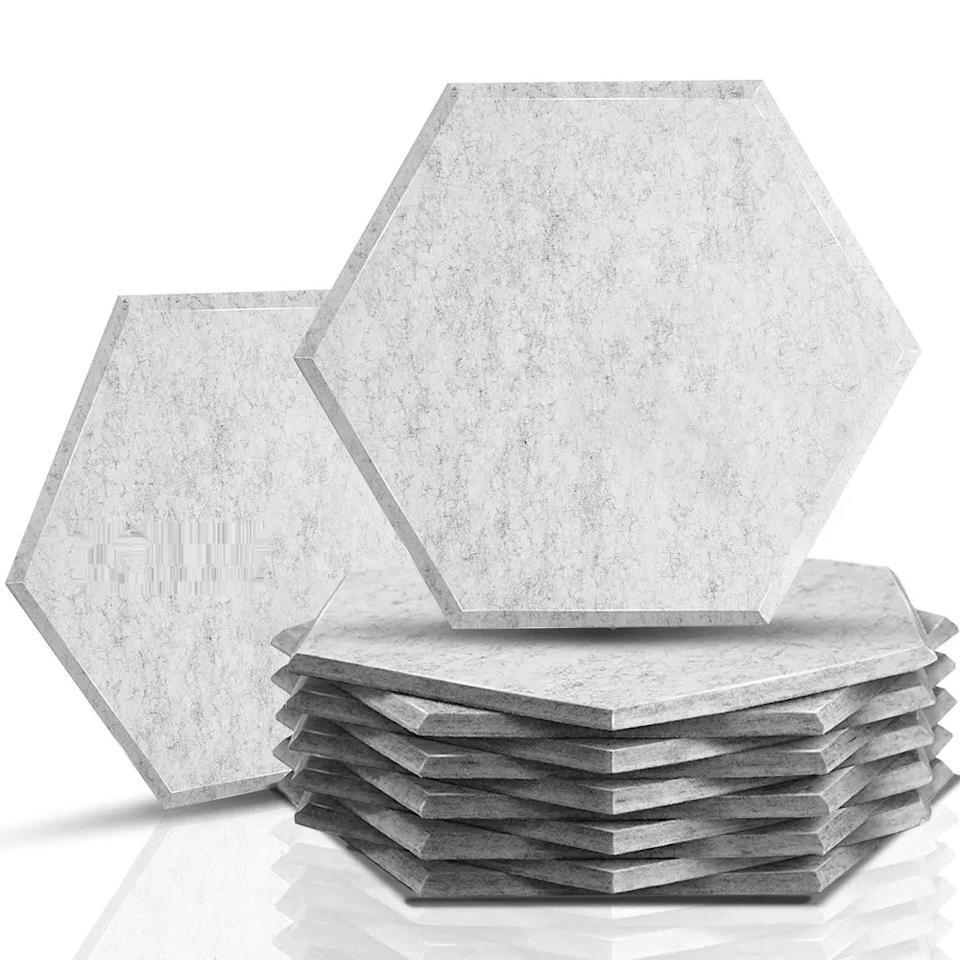
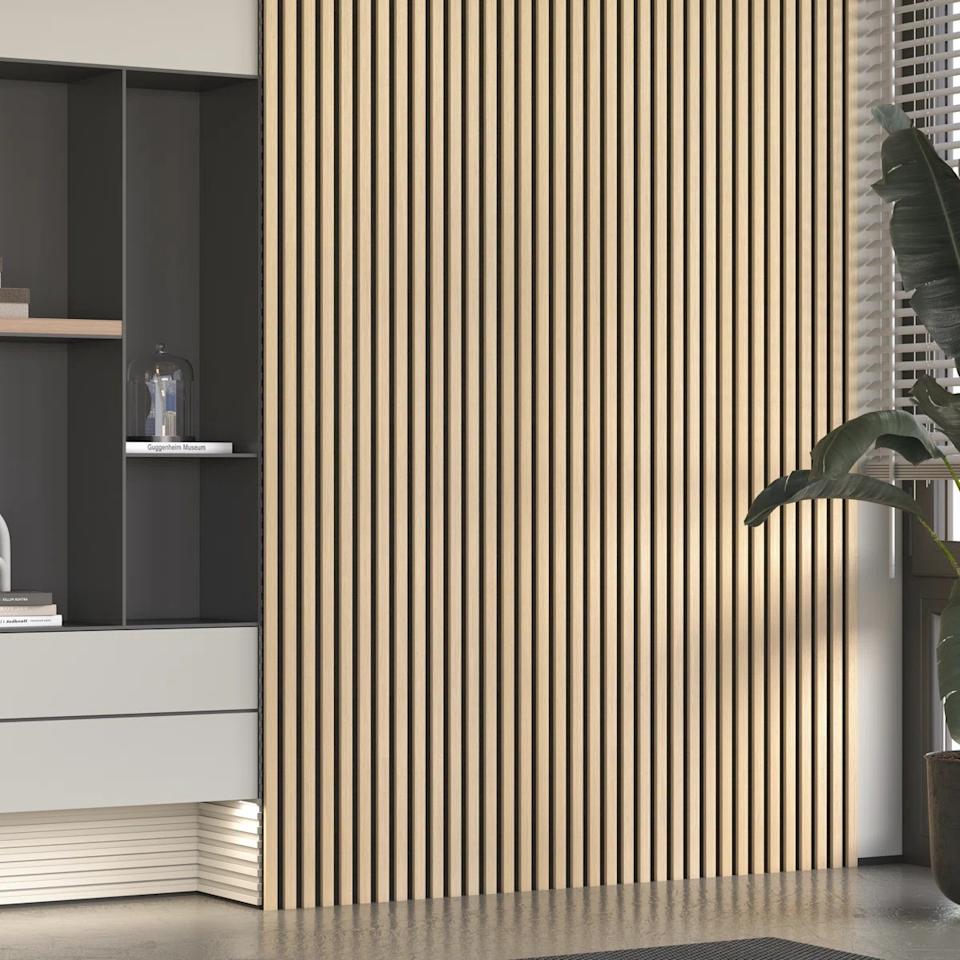
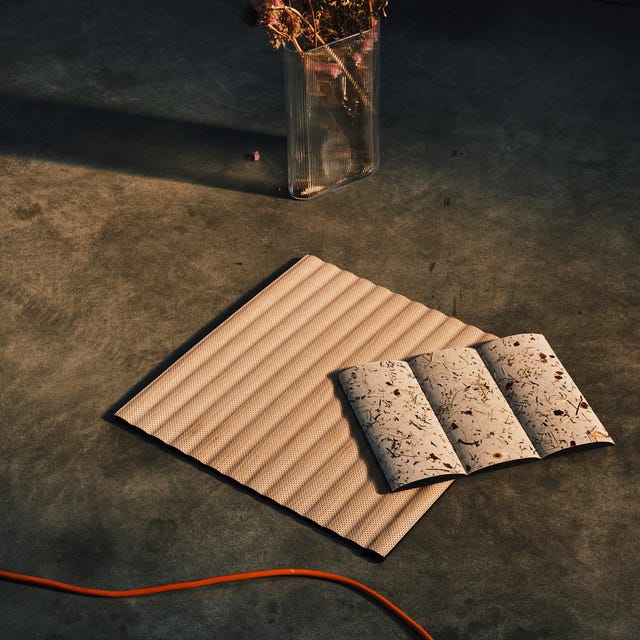
Soundproofing is effective in reducing noise but cannot achieve 100% silence. The world's quietest room, an anechoic chamber, can only be tolerated for short periods. There are three primary soundproofing strategies: increasing mass, dampening vibrations, and absorbing vibrations. Increasing mass involves using dense materials, such as an extra layer of drywall or mass-loaded vinyl under drywall, to prevent vibrations. Dampening vibrations can be achieved by decoupling interior drywall from studs using resilient channels or flexible acoustical caulk. For new constructions, increasing wall width and installing alternating studs can decouple inner and outer walls. Absorbing vibrations involves lining walls with fabric or acoustic panels and strategically placing upholstered furniture to reduce sound reflection.
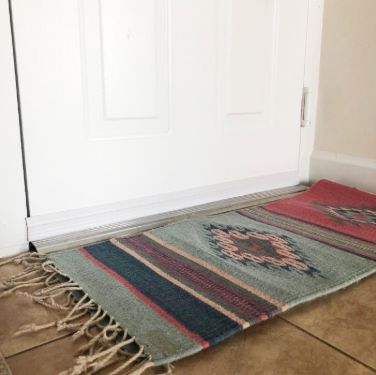
Soundproofing an existing room is more challenging but feasible. It often requires removing existing drywall to install mass-loaded vinyl, resilient channels, or acoustic caulk, and mineral wool insulation for both sound absorption and thermal insulation. If drywall removal is not an option, an extra layer of drywall can be added, with acoustic caulk applied between layers for decoupling. Replacing single-pane windows with double-pane ones and hollow-core doors with solid-core doors significantly improves sound insulation. Sealing gaps around doors and windows with caulk is also crucial. For renters, non-invasive solutions include hanging acoustic panels, using heavy carpets, and installing heavy drapes. Weatherstripping or soundproofing seals can address noise through door gaps.
#HomeSoundproofing #NoiseReduction #AcousticTreatment #DIYHomeImprovement #SoundTransmission #BuildingMaterials #HomeComfort #ResidentialSoundproofing #HomeSoundproofing #NoiseReduction #AcousticTreatment #DIYHomeImprovement #SoundTransmission #BuildingMaterials #HomeComfort #ResidentialSoundproofing
0 comment in total
 No comments yet
You may also like

How to soundproof a room according to an expert


Do acoustic wall panels soundproof a room? Experts…
If Your Home Is Super Noisy, You’ll Appreciate These 24 Noise-Dampening Products

5 cheap and easy ways to soundproof a room, whether you're a homeowner or a renter
9 expert tips for soundproofing a room – how to sort acoustics while losing nothing of the aesthetics

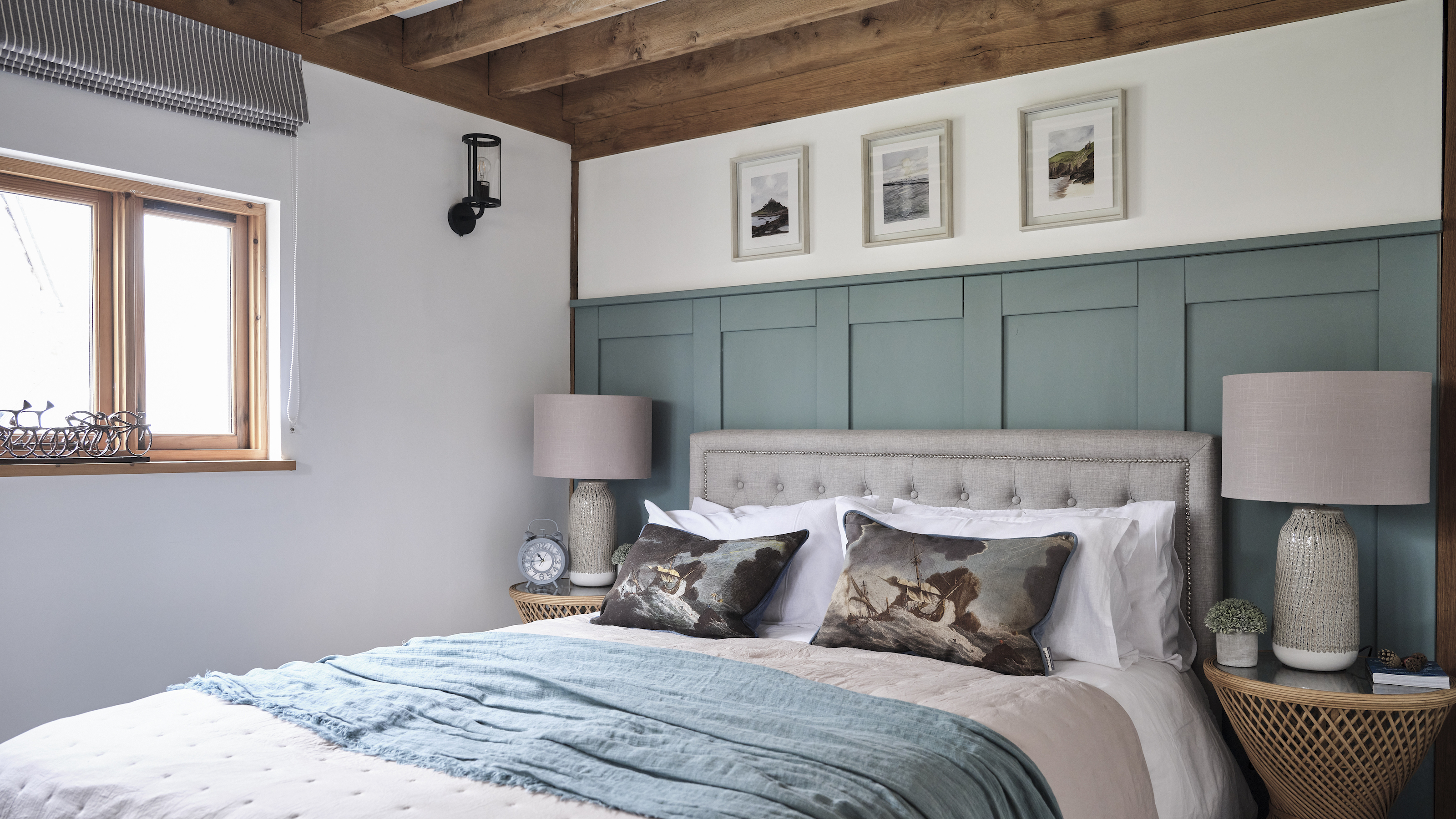
How to soundproof a bedroom – five easy and affordable fixes for a quiet night's sleep

How to soundproof your apartment


Audio Breakthroughs Focuses on Room Acoustics for Discreet Basement Theater

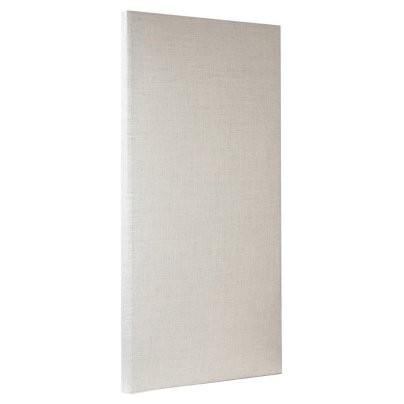
The Best Soundproofing Materials for Any Room in Your Home


Soundproofing, proper acoustic treatment vital for a home


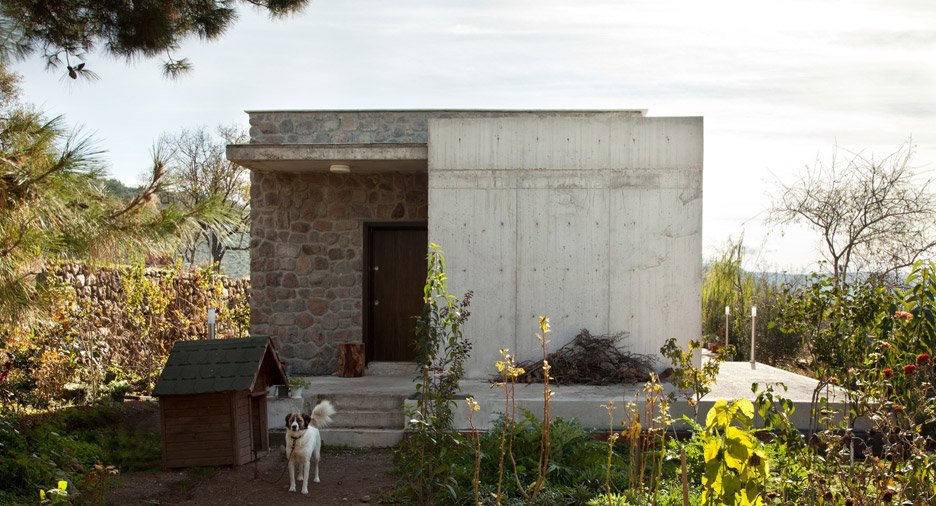
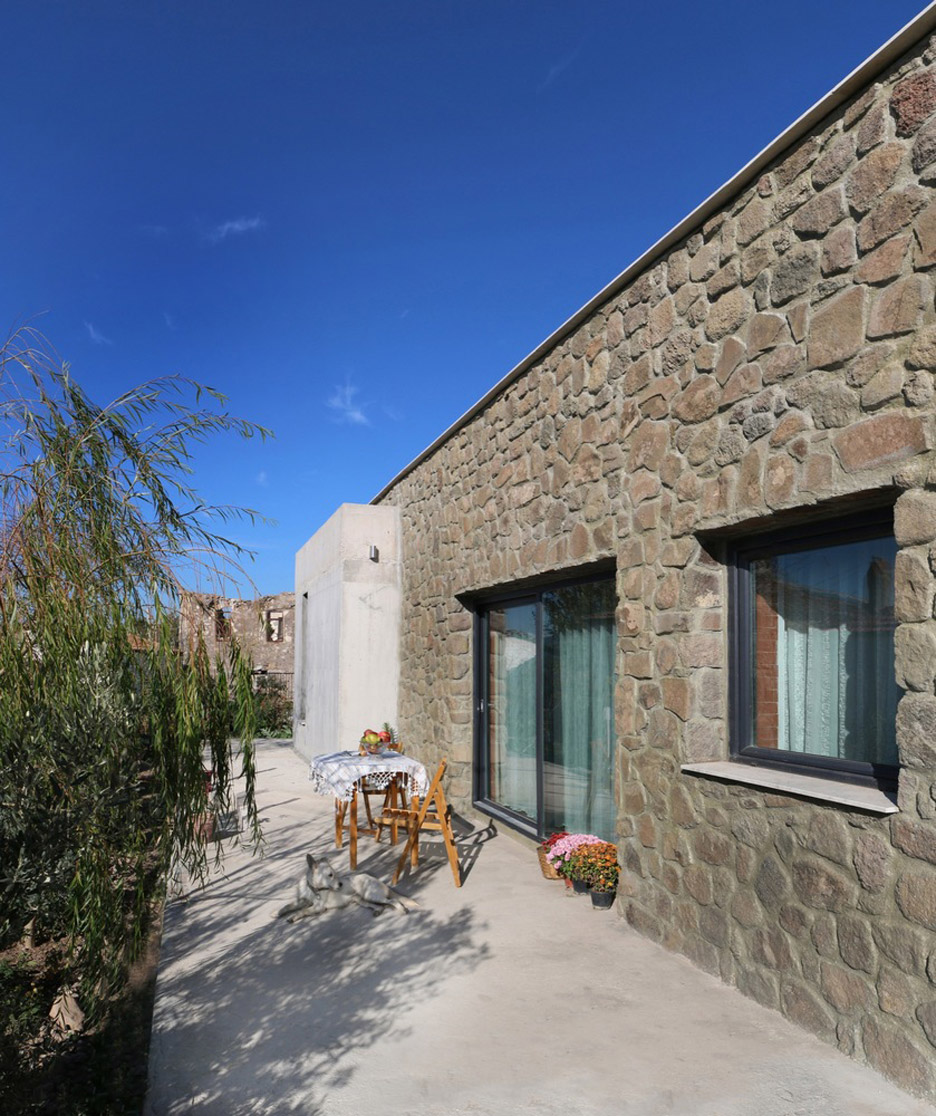
Onurcan Çakır uses stone and concrete to create soundproof house in a Turkish village

Joanna Gaines’s secret trick for a calmer, quieter home instantly solved my noisy neighbor problem –and it's only $60

How to Soundproof a Room (Published 2021)

How To Soundproof Your Garden

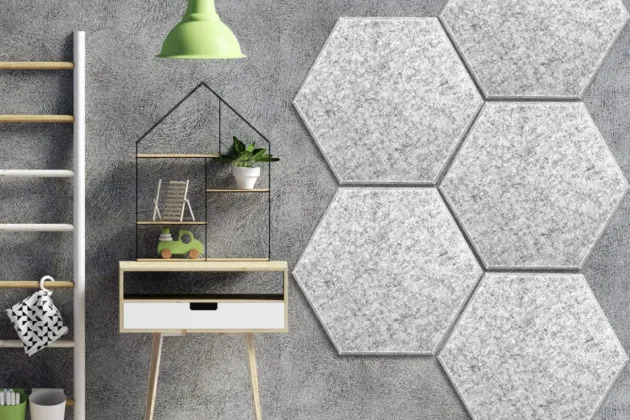
These Acoustic Wall Panels Make Any Room a Quiet Place to Work or Relax

These Acoustic Wall Panels Make Any Room a Quiet Place to Work or Relax


How to soundproof an apartment – 6 renter-friendly changes that will block out noisy neighbors
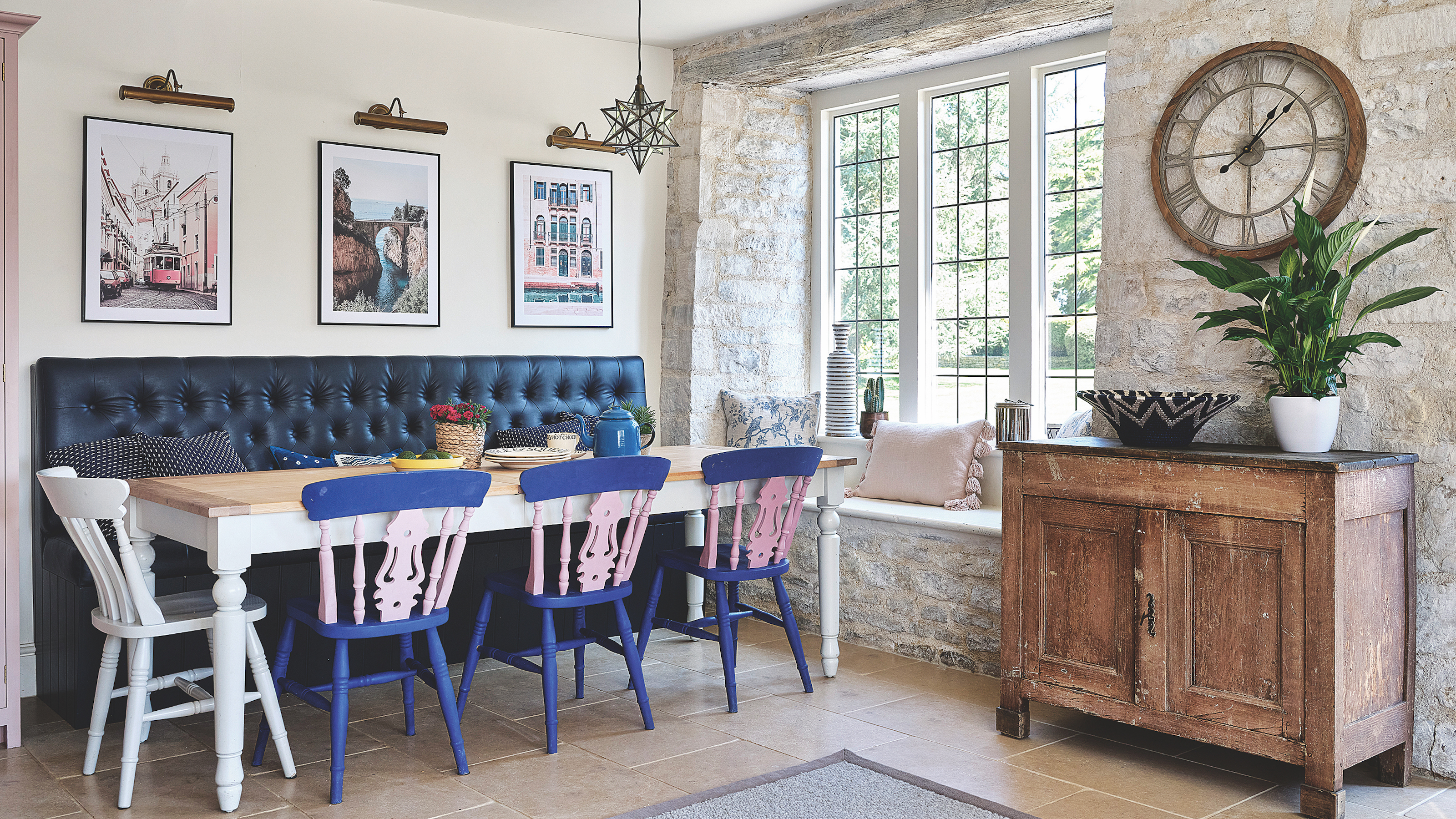
How to soundproof your kitchen and stop noisy appliances disturbing your peace
Sound-Absorbing Panels: The New Domestic Landscapes Inhabited by Sound

How to Soundproof Your Bedroom for a Calm and Quiet Sleep Sanctuary