1/10
How To Soundproof Your Garden
Gardens are often cherished as places of peace and relaxation, but external noise can frequently disrupt this tranquility. Common sources of unwelcome sound range from road traffic and construction work to distant lawnmowers and noisy neighbors. A survey conducted by Churchill Home Insurance revealed that almost half of Brits have lodged complaints about noise originating from their neighbors' gardens. This article delves into effective strategies for soundproofing outdoor spaces, drawing on expert advice from Michael Wray of National Insulation Supplies, who emphasizes the importance of understanding noise sources and utilizing materials that absorb, block, or deflect sound waves. The methods for garden soundproofing are categorized into natural and structural barriers.
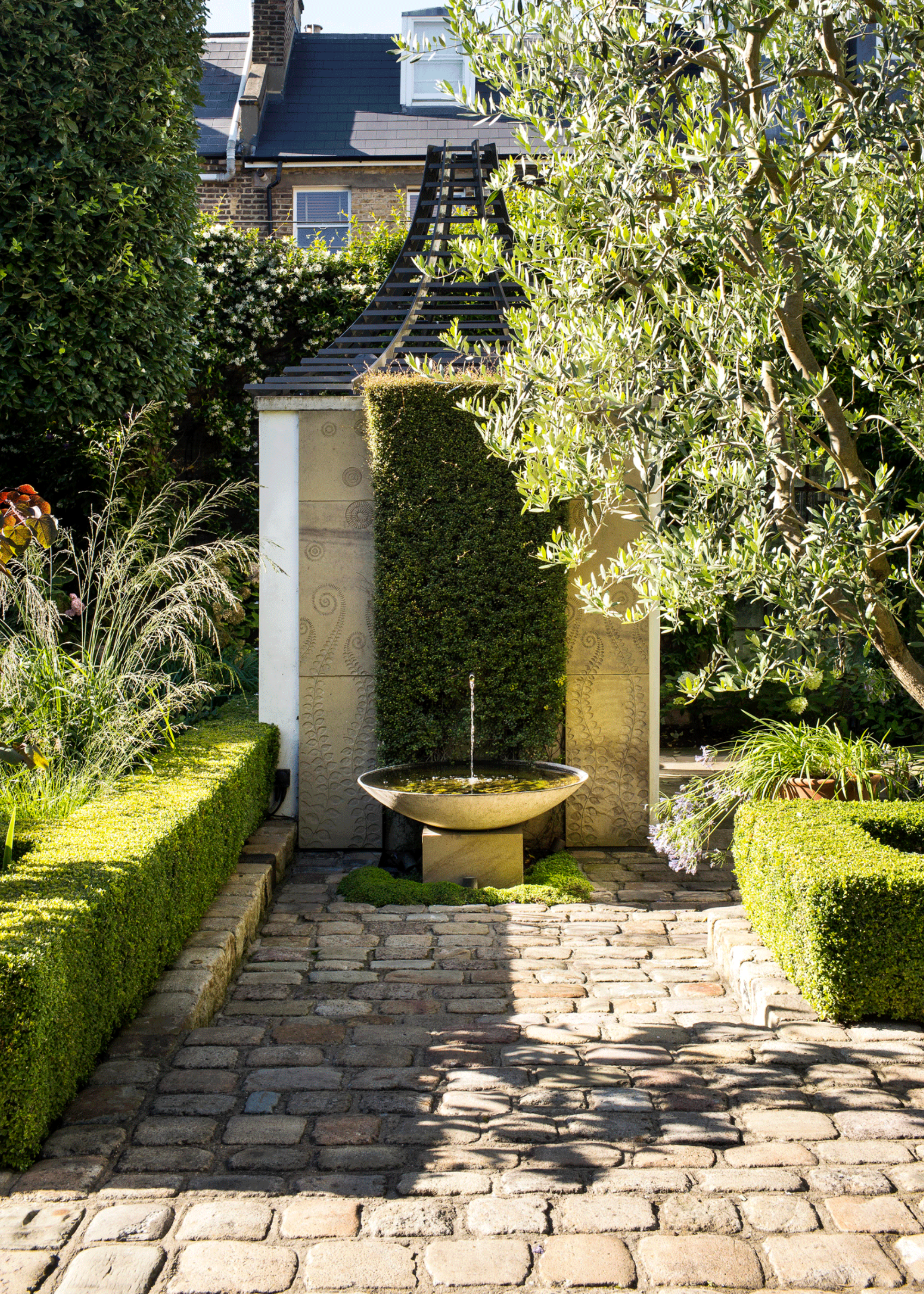
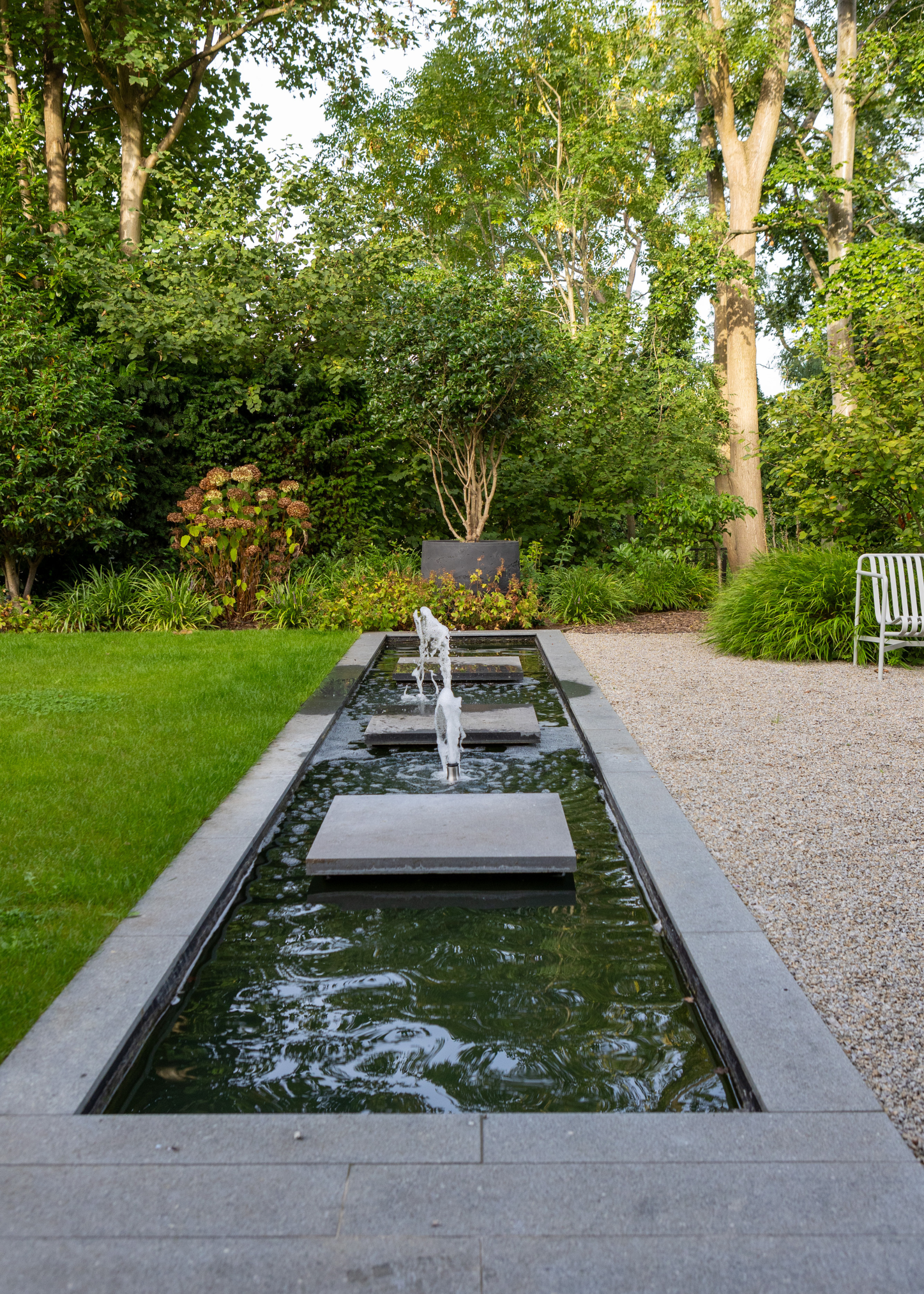
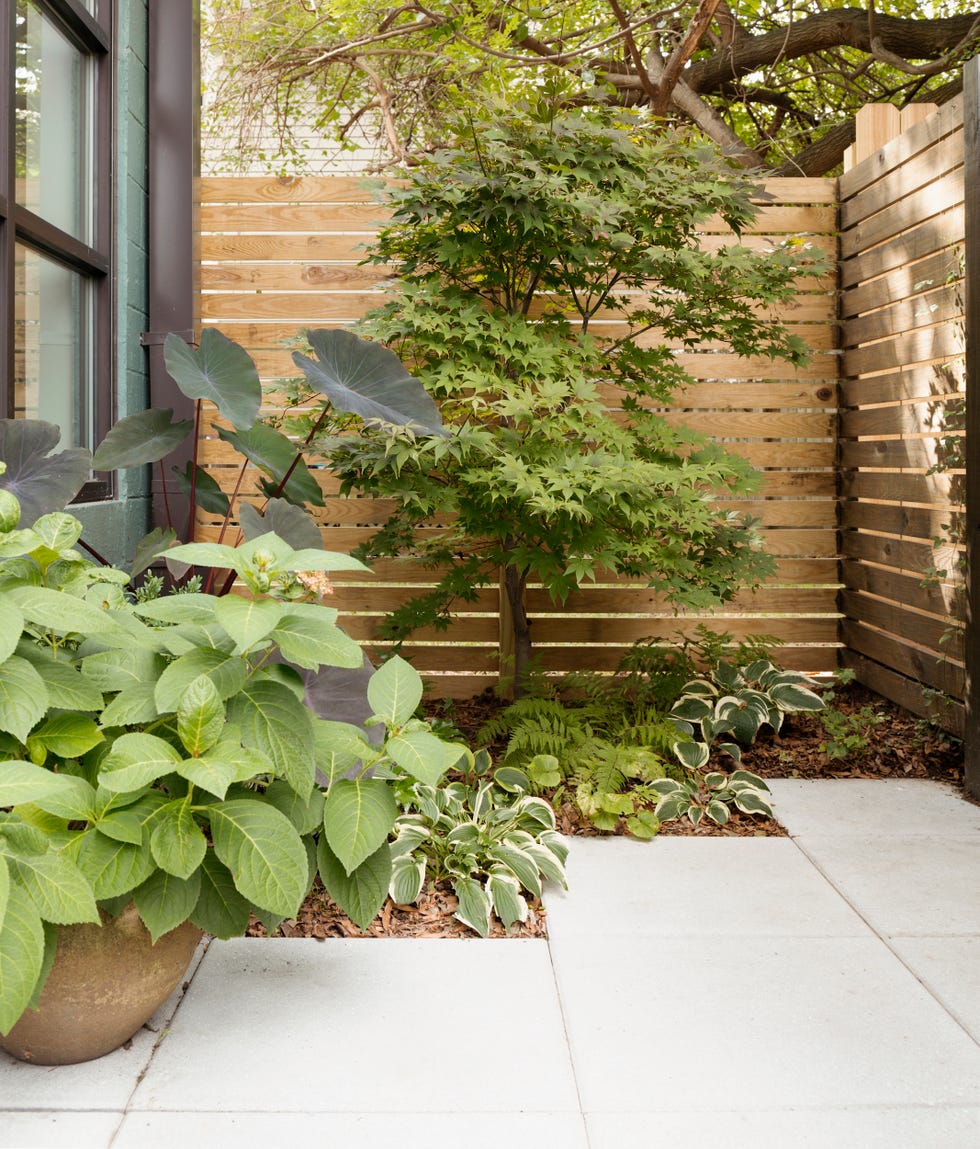
Natural sound barriers offer aesthetic appeal alongside their noise-reducing properties. Hedges and shrubs are highlighted as highly effective options, with dense varieties such as Leylandii, Laurel, and Privet recommended for their sound absorption and privacy benefits. Regular trimming is crucial to maintain their density and effectiveness. Bamboo also presents a quick, easy, and affordable sound barrier due to its rapid growth and dense foliage, though caution is advised regarding its invasive nature, with clumping varieties being the preferred choice. For a long-term solution, trees like Evergreen Oak or Cypress can create vertical barriers that deflect sound, and they can be strategically planted to fill gaps and enhance privacy.
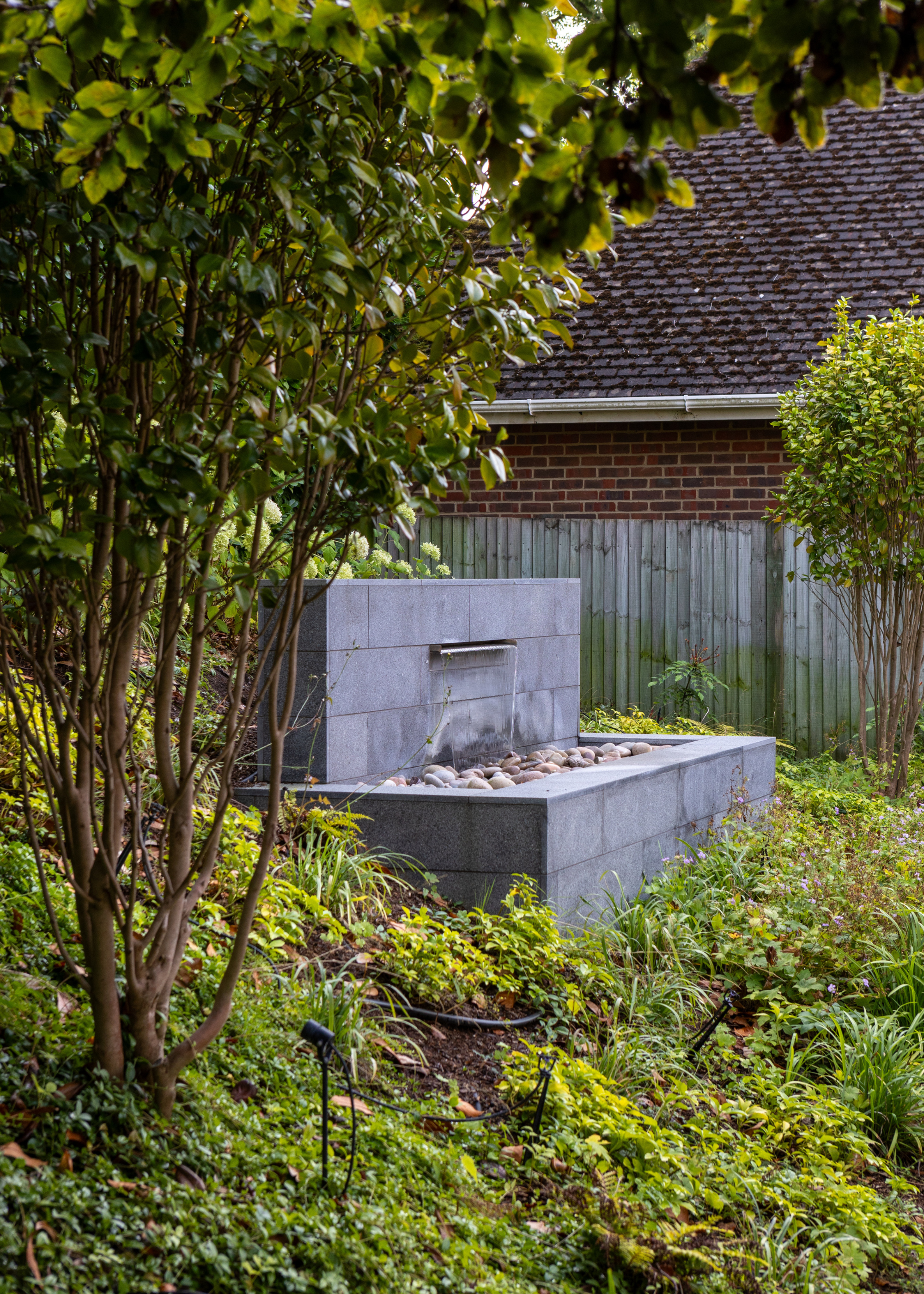
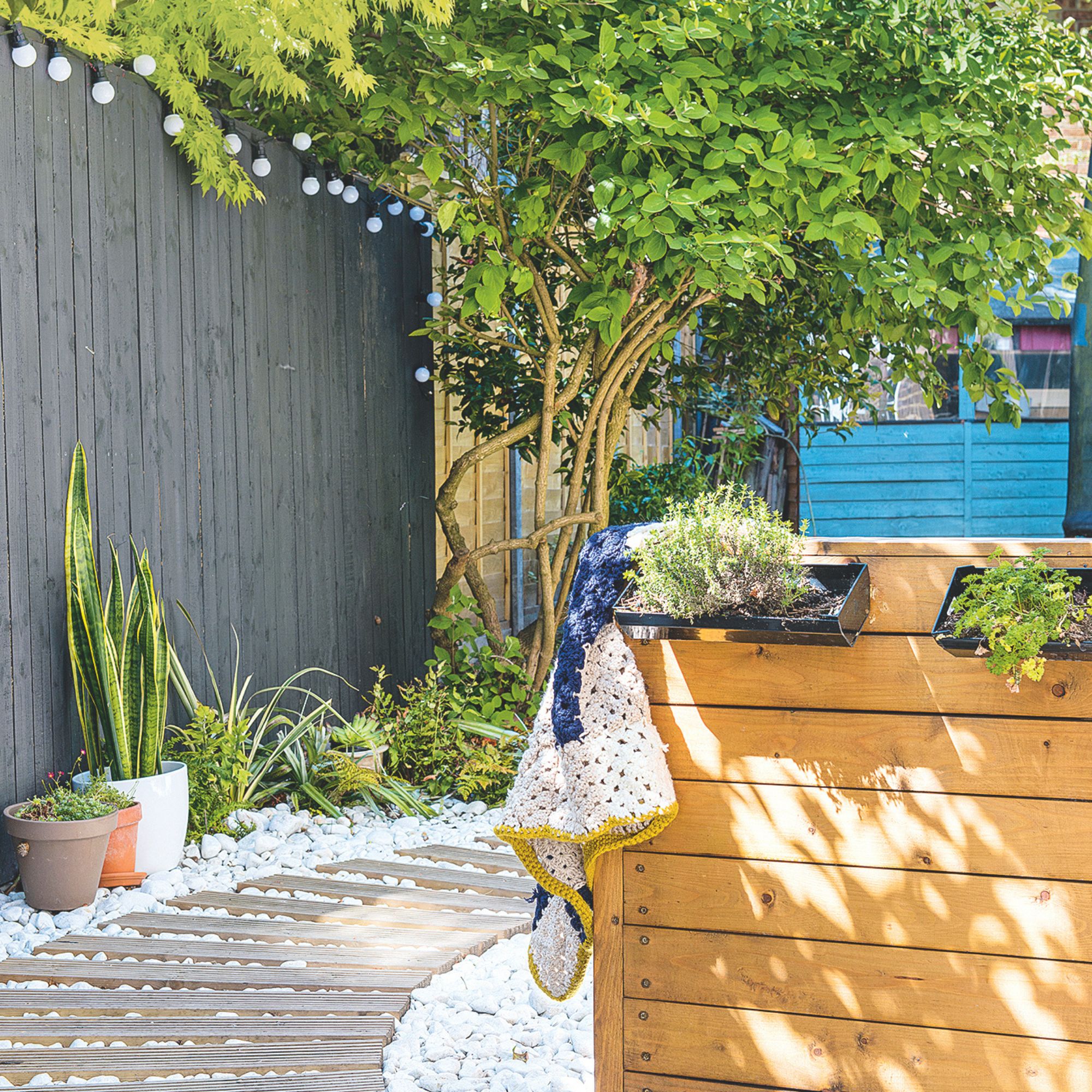
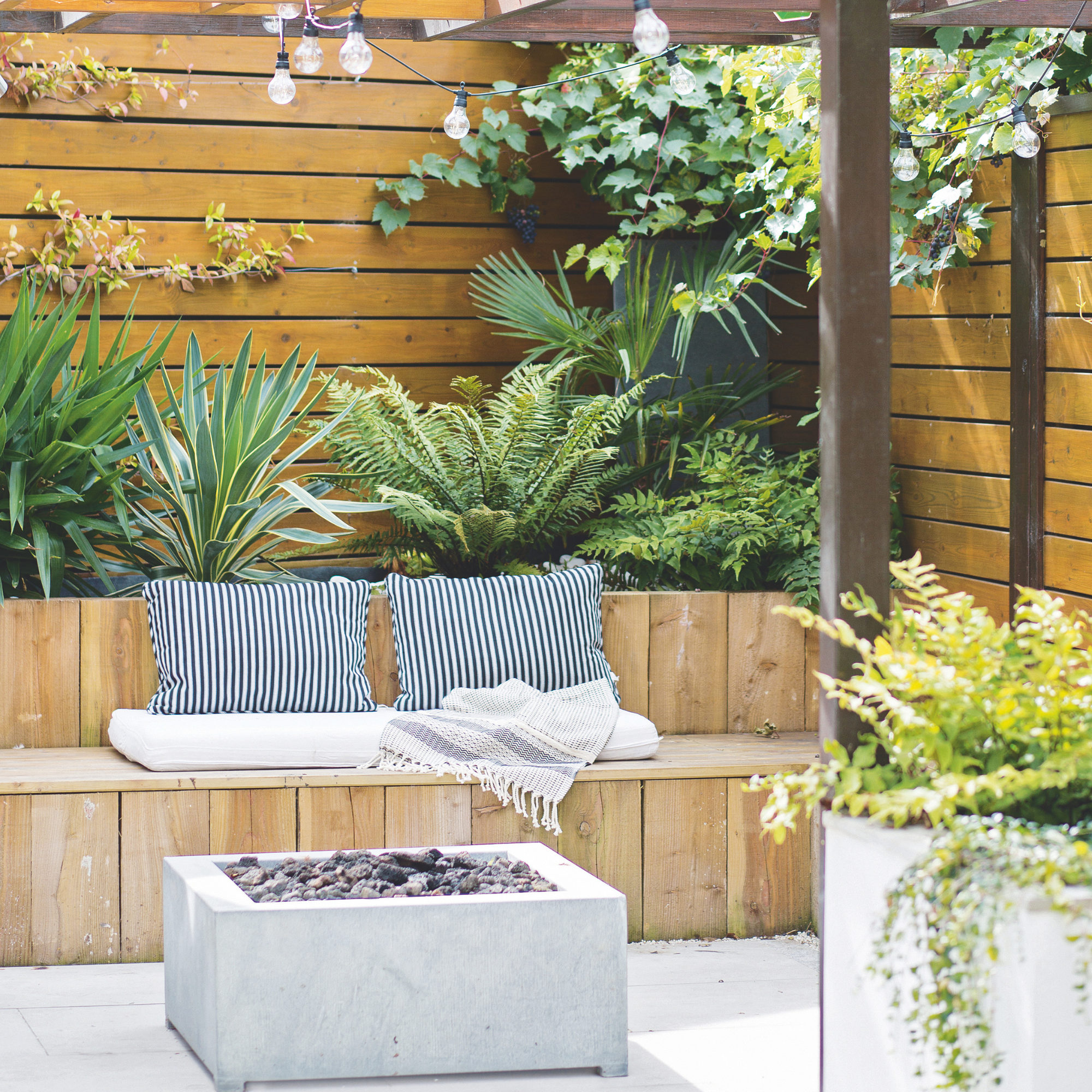
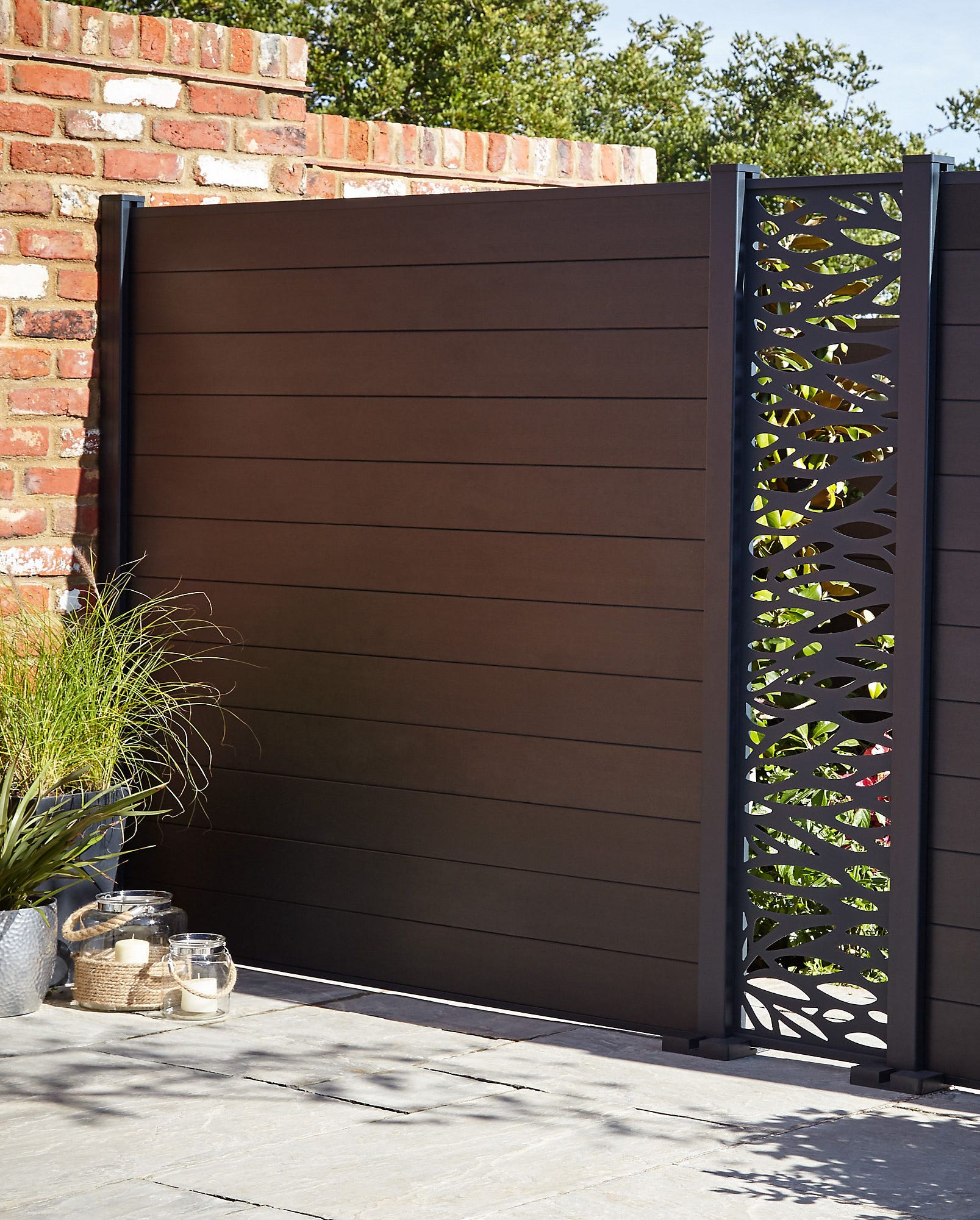
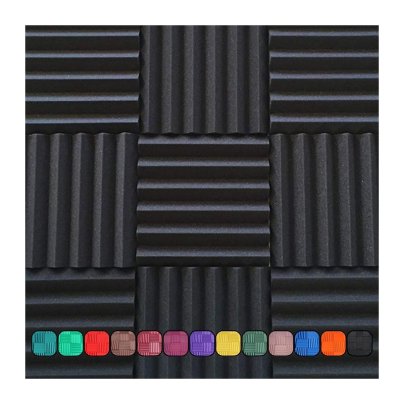
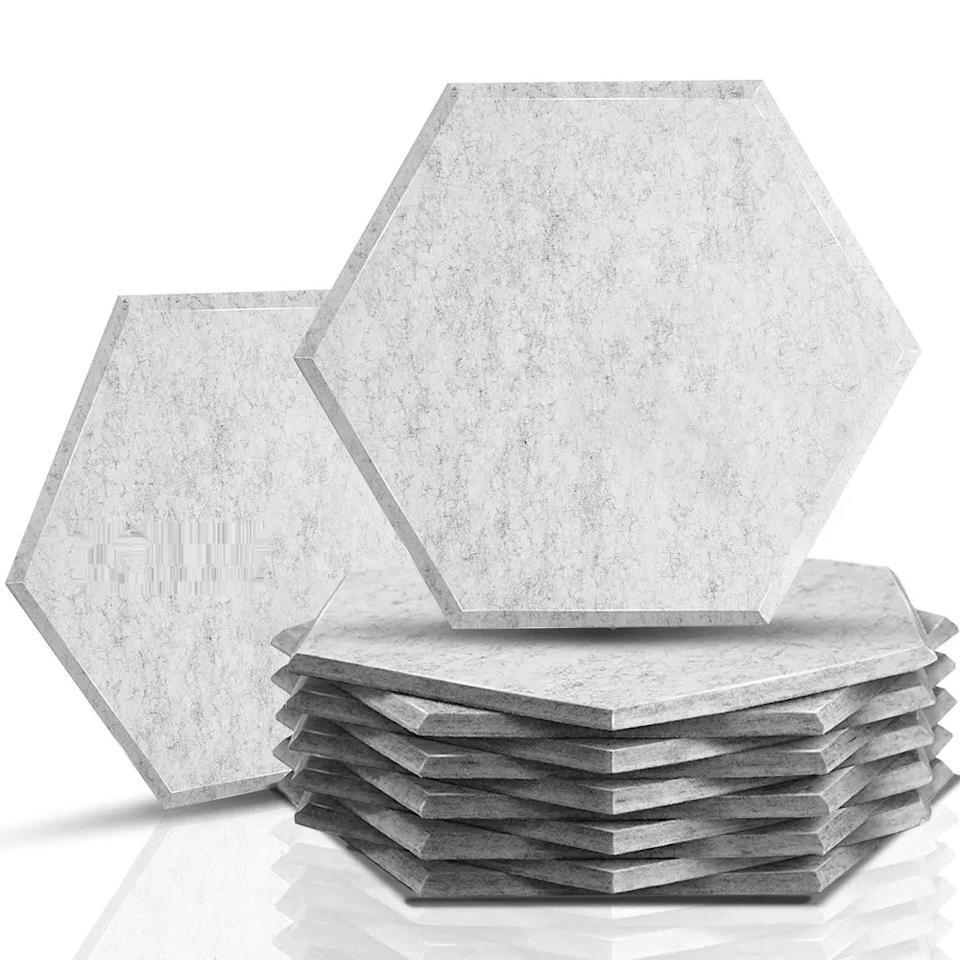
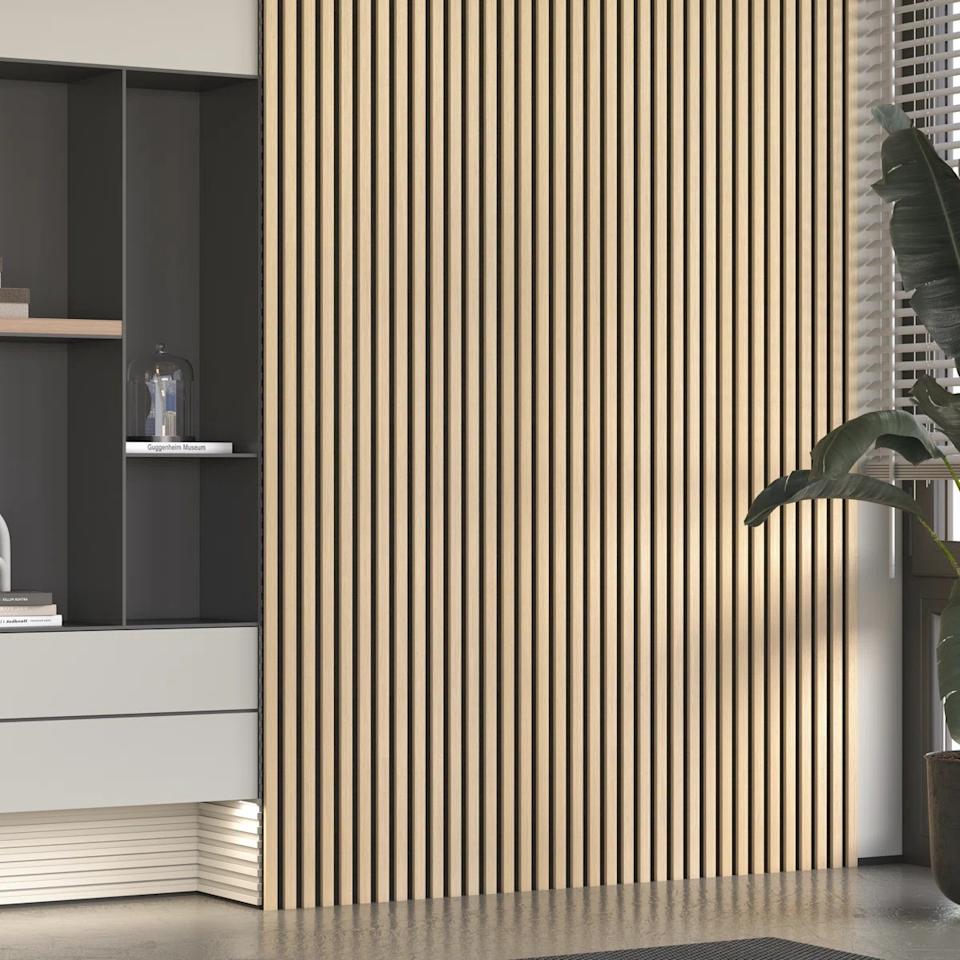
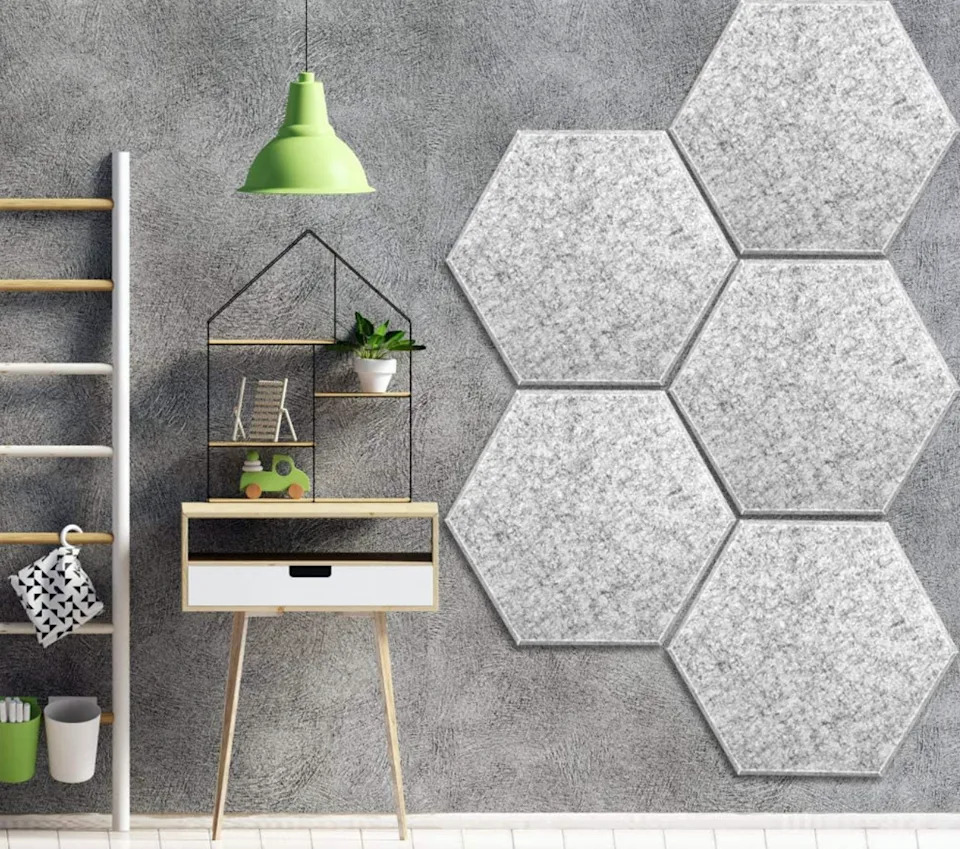
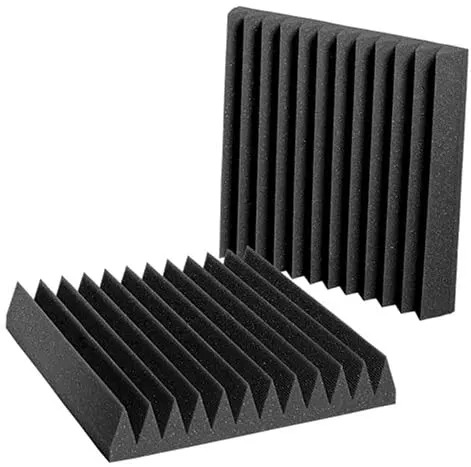
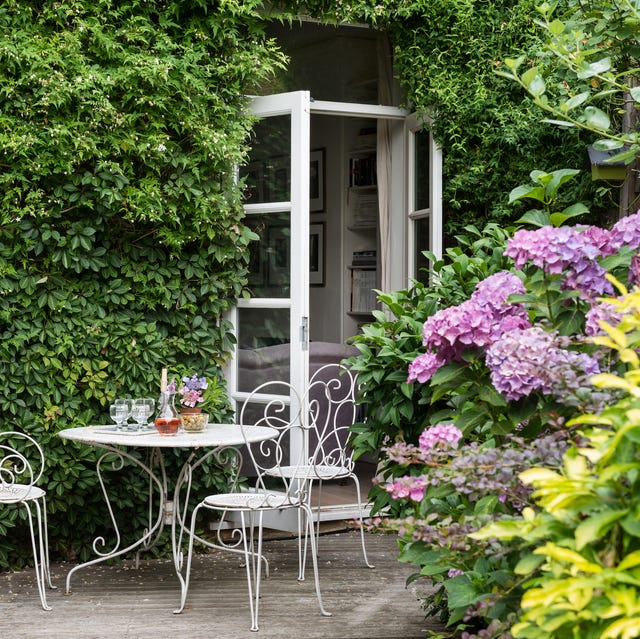
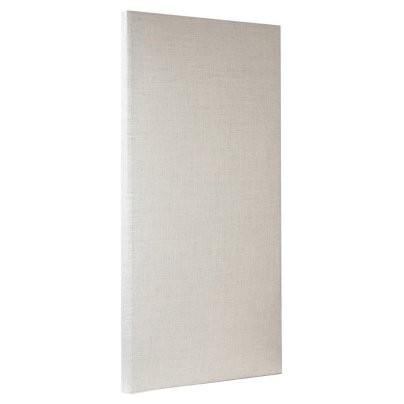
Structural sound barriers provide more robust solutions for noise reduction. Fencing is a straightforward and common approach, with recommendations for fences at least two meters high. Acoustic fences, specifically designed with overlapping panels and sound-absorbing materials, offer superior noise blocking capabilities compared to standard fences. Building a brick or stone wall is another excellent option for soundproofing due to the density of these materials, which significantly reduces noise penetration. To mitigate the potentially stark appearance of a wall, climbing plants like ivy or vines can be added, providing an additional layer of sound absorption and softening the aesthetic. Acoustic panels are presented as a more technical yet highly effective method, designed to absorb sound. These panels can be integrated into existing fences or used as standalone structures, offering flexibility in design and privacy enhancement. Lastly, strategically placing garden sheds and other outbuildings can serve a dual purpose by blocking sightlines and absorbing external sounds, contributing to a quieter garden environment.
#GardenSoundproofing #OutdoorLiving #NoiseReduction #GardenDesign #HedgesAndShrubs #AcousticFencing #NaturalBarriers #StructuralBarriers #HomeImprovement #GardenSoundproofing #OutdoorLiving #NoiseReduction #GardenDesign #HedgesAndShrubs #AcousticFencing #NaturalBarriers #StructuralBarriers #HomeImprovement
0 comment in total
 No comments yet
You may also like
9 expert tips for soundproofing a room – how to sort acoustics while losing nothing of the aesthetics


How to soundproof an apartment – 6 renter-friendly changes that will block out noisy neighbors
If Your Home Is Super Noisy, You’ll Appreciate These 24 Noise-Dampening Products

Soundproofing, proper acoustic treatment vital for a home


How to soundproof a room according to an expert


Garden screening ideas: 13 ways to create privacy in your garden

Is It Possible To Soundproof an Entire House?


8 Tranquil Water Garden Ideas That Look Beautiful and Train Your Ear Away From Noisy Outdoor Distractions

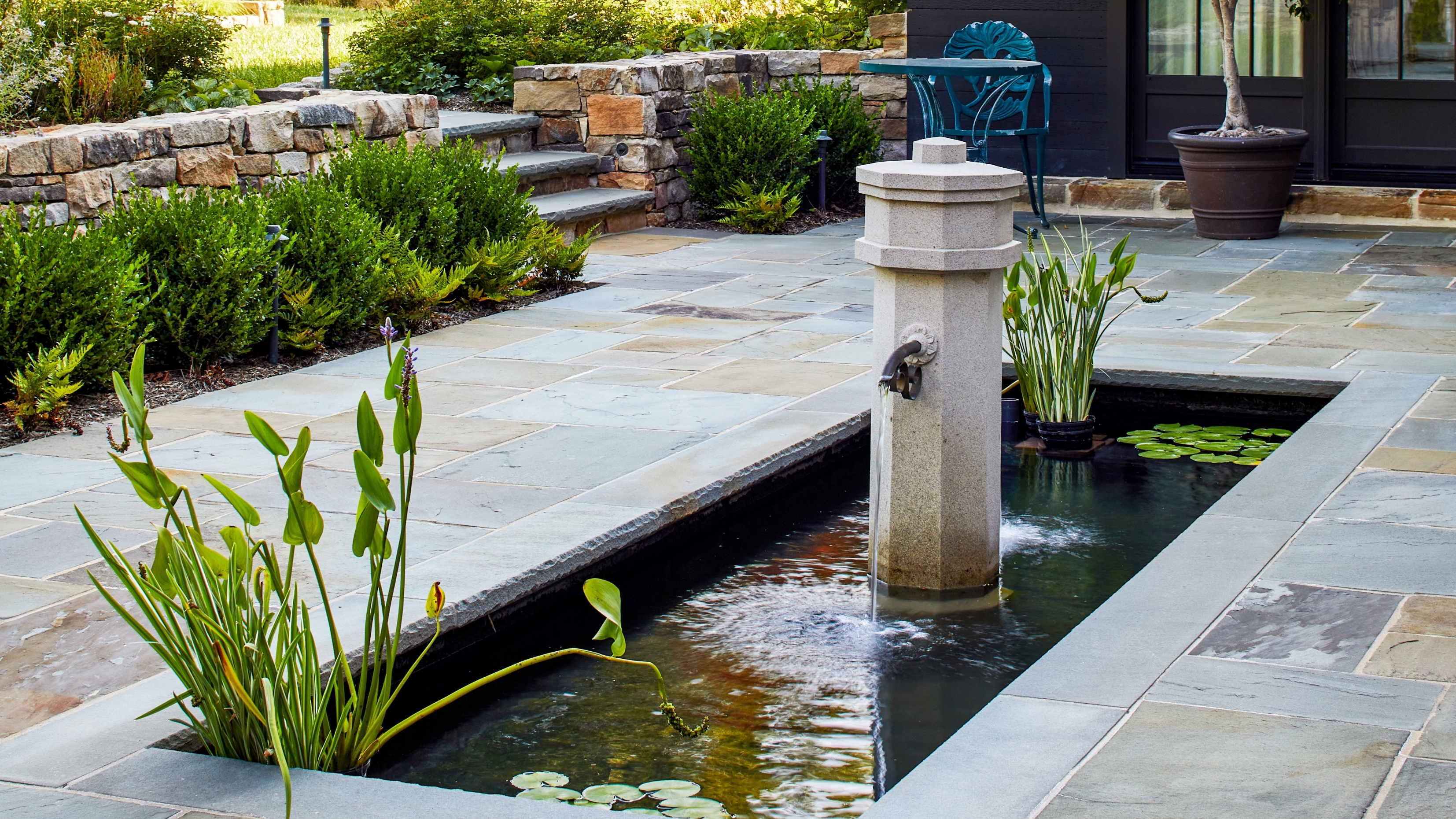
3 Ways to Use Water Features That Can Make Your Garden Feel More Private

How to soundproof your apartment


Joanna Gaines’s secret trick for a calmer, quieter home instantly solved my noisy neighbor problem –and it's only $60
This Sustainable, Soundproofing Exterior Siding Is Cooler Than Clapboard

How to Soundproof a Room (Published 2021)
The Best Soundproofing Materials for Any Room in Your Home

These Acoustic Wall Panels Make Any Room a Quiet Place to Work or Relax

How to soundproof your kitchen and stop noisy appliances disturbing your peace
The £5 fix to stop your fence panels from rattling - DIY experts say it'll fix the problem for good
The Best Outdoor Speakers Combine Durability, Simplicity, and Amazing Sound

Stylish sound-absorbing artwork for a quieter home

The art of making a room soundproof: woman turns pictures and canvases into sound-absorbing decor