The sound of silence: Strategies to keep out the noise in condo suites
The growing demand for tranquility in condominium living has elevated soundproofing from a luxury to a fundamental expectation among condo buyers, especially in the high-end market. This shift is driven by the increasing density of urban living and the multi-functional nature of modern condo units, which serve as spaces for living, working, and entertainment. Instances of disruptive noise, such as a ground-level resident generating over 50 noise complaints, underscore the critical need for effective sound insulation in multi-unit dwellings. Such situations can significantly diminish residents' quality of life and even lead to property sales, highlighting the financial and personal costs associated with inadequate soundproofing.
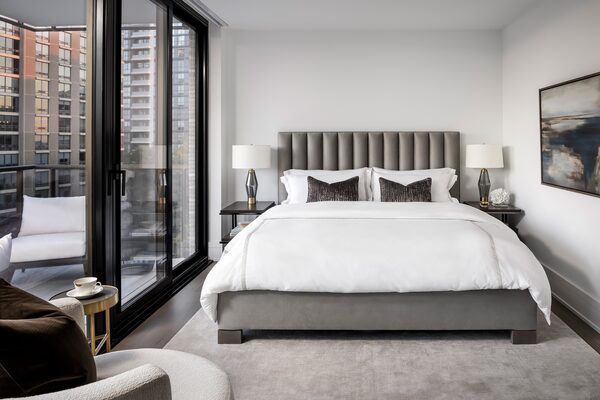
Luxury real estate brokers confirm that soundproofing is a frequent inquiry from purchasers, who are seeking buildings that not only meet but exceed minimum acoustical standards. Developers are responding to this market demand by integrating advanced soundproofing measures into their designs. For example, the One Roxborough West condominium project in Toronto incorporates special acoustic glass in its façade, sound-absorbing ceiling and wall assemblies, and insulated plumbing pipes. The building also features layouts with only two or three suites per floor, and acoustically treated front doors, to minimize noise transmission between units and from common areas. These design choices are aimed at ensuring residents can enjoy a peaceful home environment.
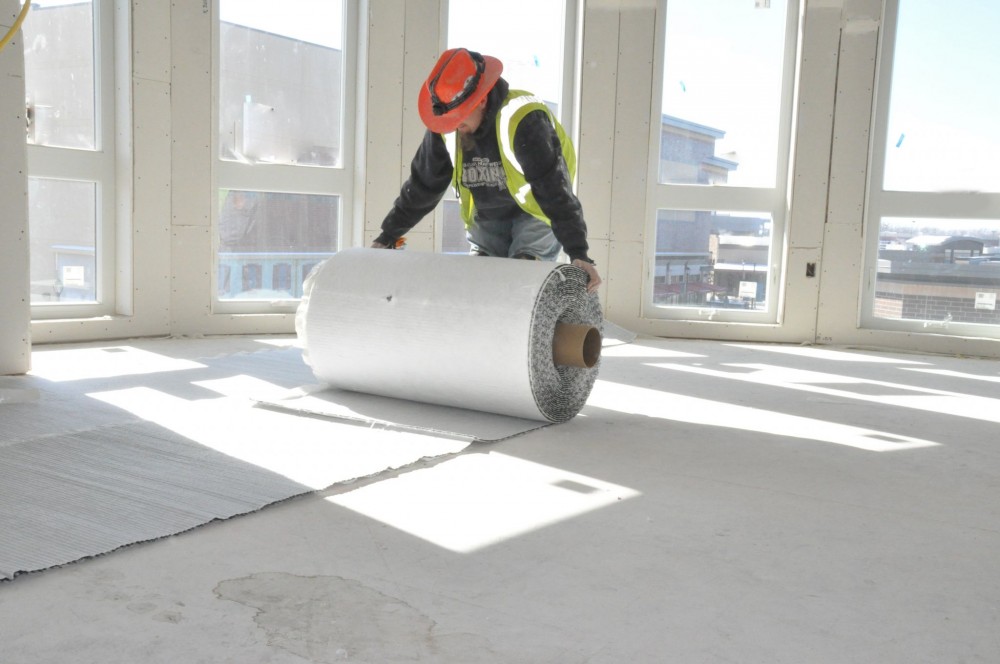
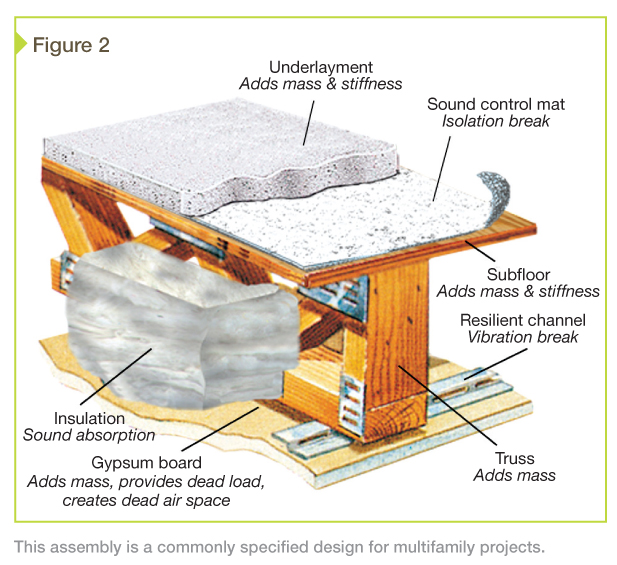
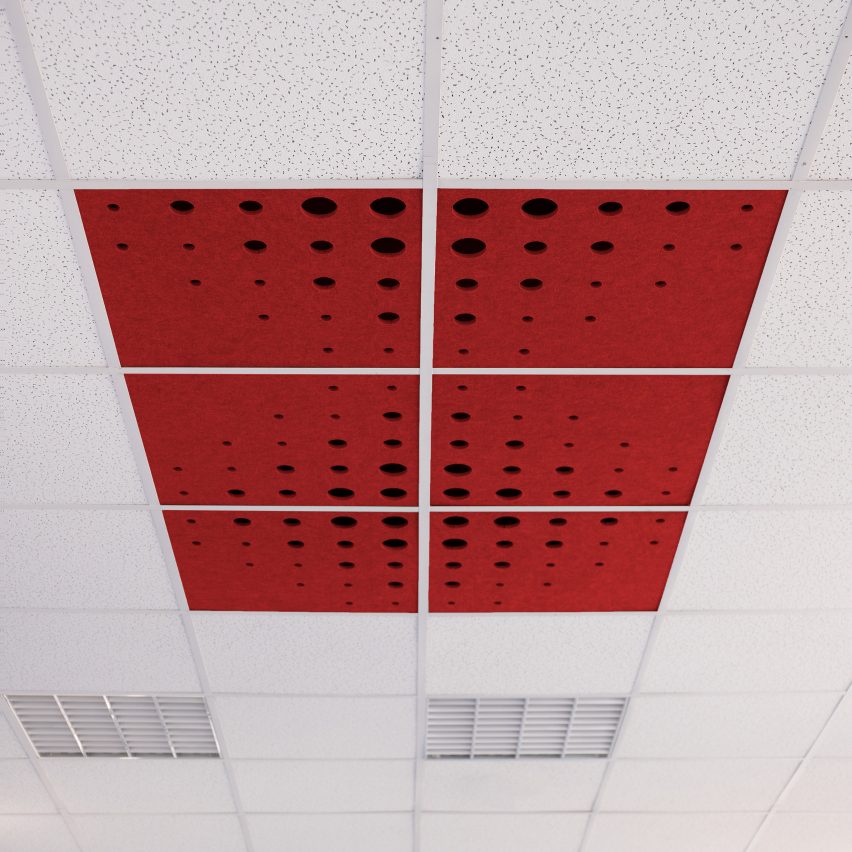
Another development, 2Fifteen, a luxury purpose-built rental property, also prioritizes sound mitigation. Its developer, DBS Developments, invested in acoustical ceilings for bedrooms and living rooms. A key structural soundproofing element in 2Fifteen is the use of structural shear walls between suites, which offer superior sound attenuation compared to standard drywall partitions. Developers emphasize the importance of planning these measures during the initial design phase, as retrofitting sound insulation is significantly more complex and costly after construction. High-quality underlays beneath hardwood or tile flooring are also crucial for preventing sound transfer, providing enhanced privacy for residents, particularly those in larger, whole or half-floor units.
Even in older buildings, renovations present opportunities to improve sound insulation. Furthermore, with the widespread use of home speaker systems in high-rise buildings, addressing issues of vibrations and low-level sound is increasingly important, requiring appropriate insulation. Soundproofing technologies are now considered a part of the luxury amenity package, alongside high-end finishes, smart home technologies, and private balconies. This trend reflects a broader recognition among developers that a quiet environment is a significant selling point in competitive urban real estate markets, contributing to resident comfort and overall property value.
#CondoLiving #Soundproofing #LuxuryRealEstate #AcousticDesign #UrbanHousing #RealEstateDevelopment #HomeComfort #NoiseReduction #PropertyValue #CondoLiving #Soundproofing #LuxuryRealEstate #AcousticDesign #UrbanHousing #RealEstateDevelopment #HomeComfort #NoiseReduction #PropertyValue
0 comment in total
 No comments yet
You may also like

How to soundproof an apartment – 6 renter-friendly changes that will block out noisy neighbors


How to soundproof your kitchen and stop noisy appliances disturbing your peace

These Acoustic Wall Panels Make Any Room a Quiet Place to Work or Relax


Need help with soundproofing your NYC apartment? Here’s Brick’s best advice
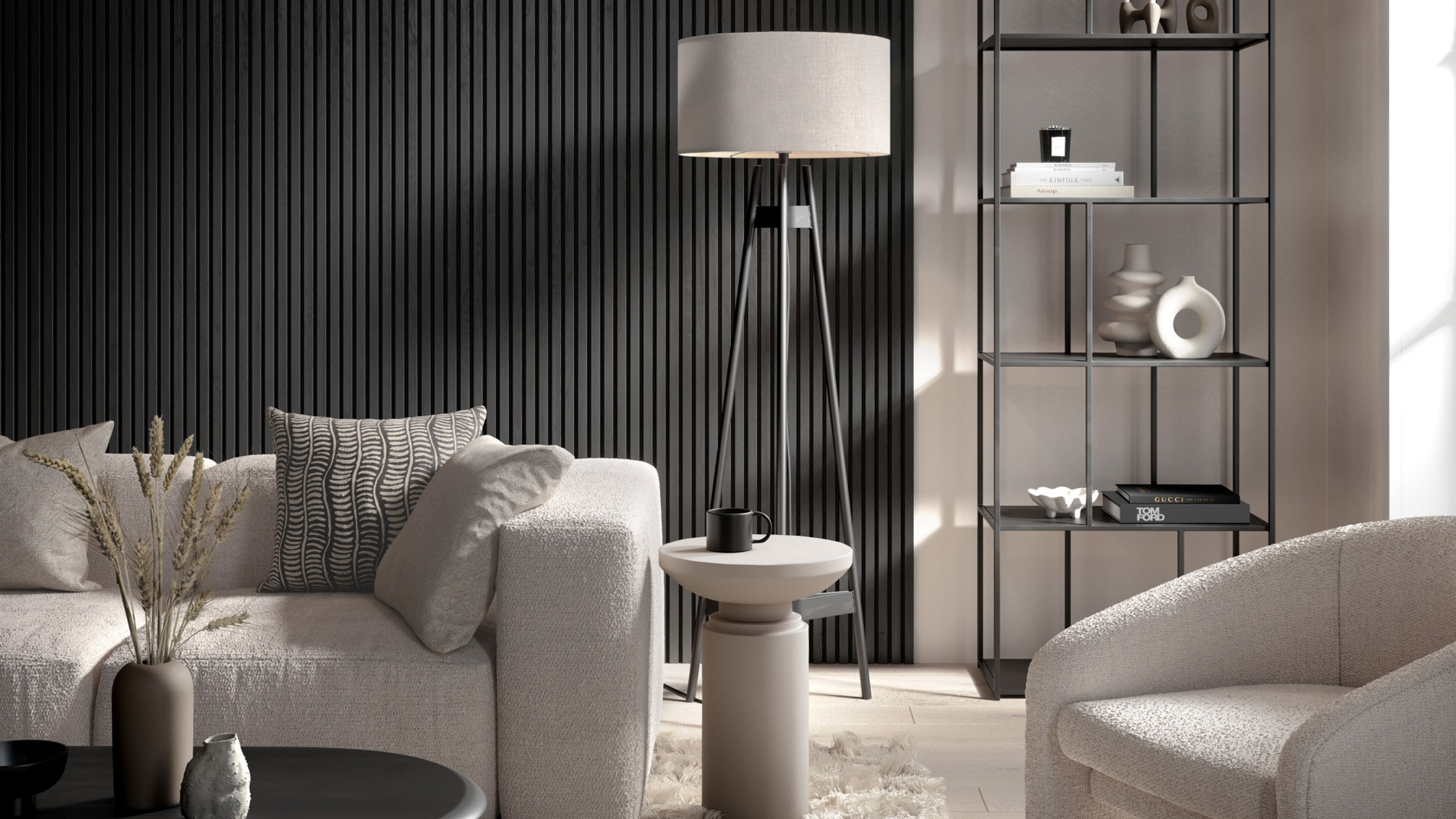
9 expert tips for soundproofing a room – how to sort acoustics while losing nothing of the aesthetics

How to soundproof a bedroom – five easy and affordable fixes for a quiet night's sleep

How to soundproof your apartment

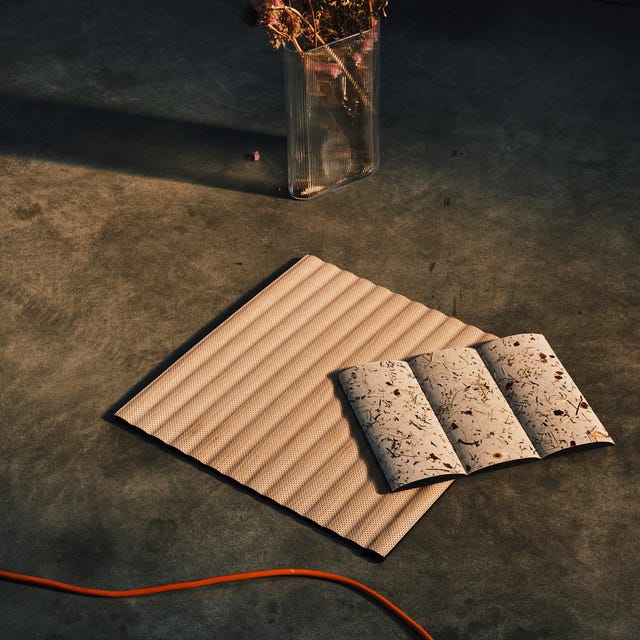
Sound-Absorbing Panels: The New Domestic Landscapes Inhabited by Sound

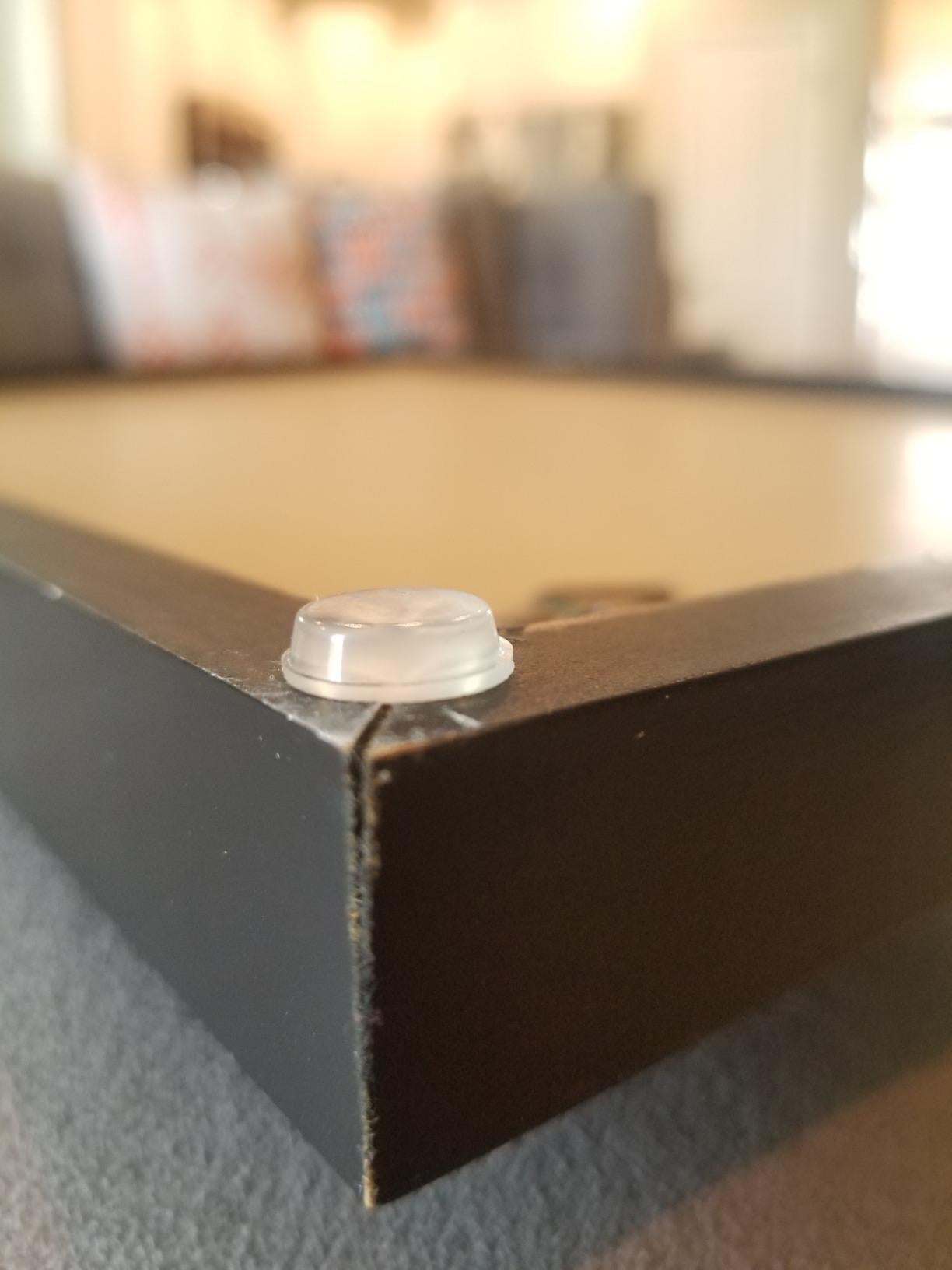
If Your Home Is Super Noisy, You’ll Appreciate These 24 Noise-Dampening Products

Ask Wirecutter: How Do I Block Out Annoying Sounds From My Noisy Neighborhood?
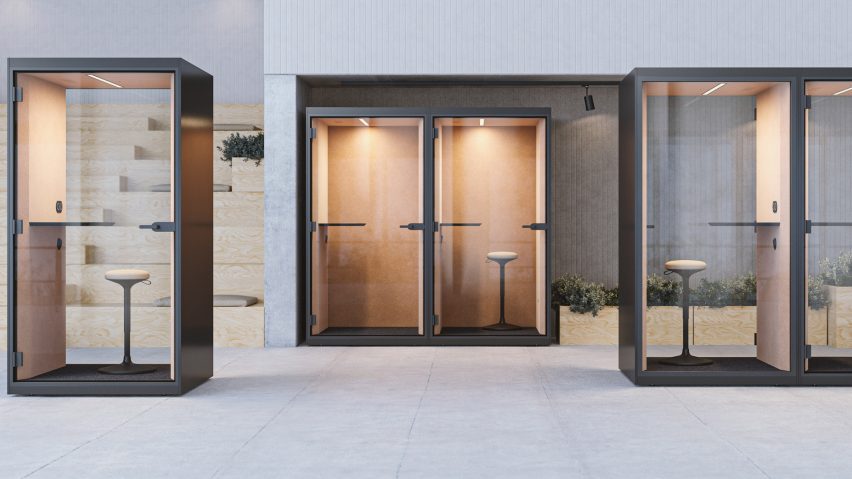
Eight acoustic items that help to quieten down lively interiors

The 9 Best Soundproof Curtains Stifle Noises, Not Style


Quiet, Please! How To Cut Noise Pollution At Home


Six acoustic products that control noise levels in busy interiors

How do I make my kitchen quieter? The tricks designers use to stop noise ruining an open-plan home
6 ways to create a calm living space, according to the experts

How to soundproof a room according to an expert

Improving floor/ceiling sound control in multifamily projects
These Acoustic Wall Panels Make Any Room a Quiet Place to Work or Relax

How to Soundproof a Room (Published 2021)