Fiber-Cement Siding: An Attractive Alternative to Wood
Fiber-cement siding presents an attractive alternative to traditional wood siding, especially in light of increasing prices and diminishing availability of high-quality lumber. This manufactured material, composed of cellulose, water, portland cement, and either sand or fly ash, offers several performance advantages over wood. Key manufacturers in this industry include James Hardie Building Products, GAF, Nichiha, Woodtone, American Fiber Cement Corporation, Finex, and Allura.
Historically, fiber cement was developed by Ludwig Hatschek in 1901, initially incorporating asbestos. The material, known as “Eternit,” was designed for durability. However, with growing awareness of asbestos's health risks, cellulose replaced it as a reinforcing fiber. Modern fiber-cement products, particularly those using sand (silica), can still pose health risks if dust generated during cutting is inhaled, potentially leading to silicosis. Some manufacturers mitigate this by using fly ash instead of sand.
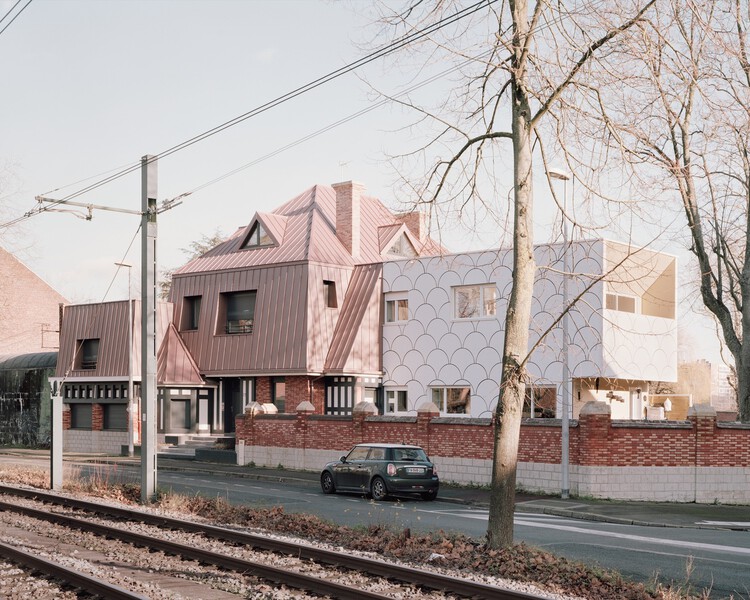
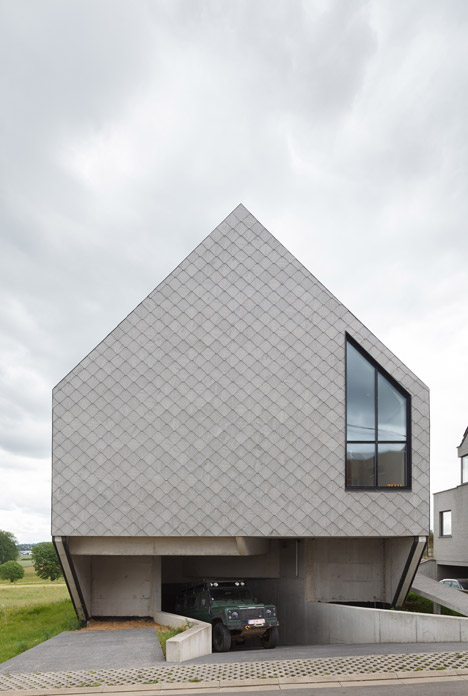
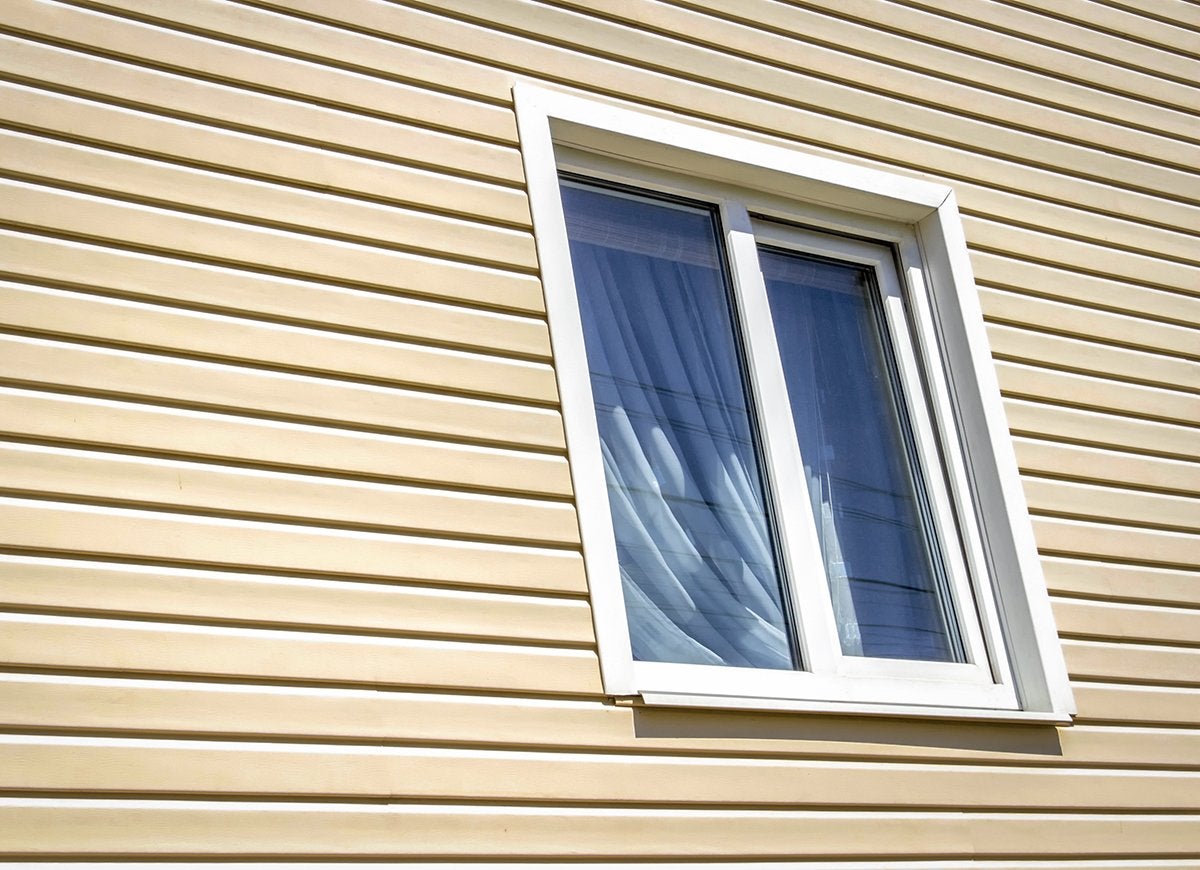
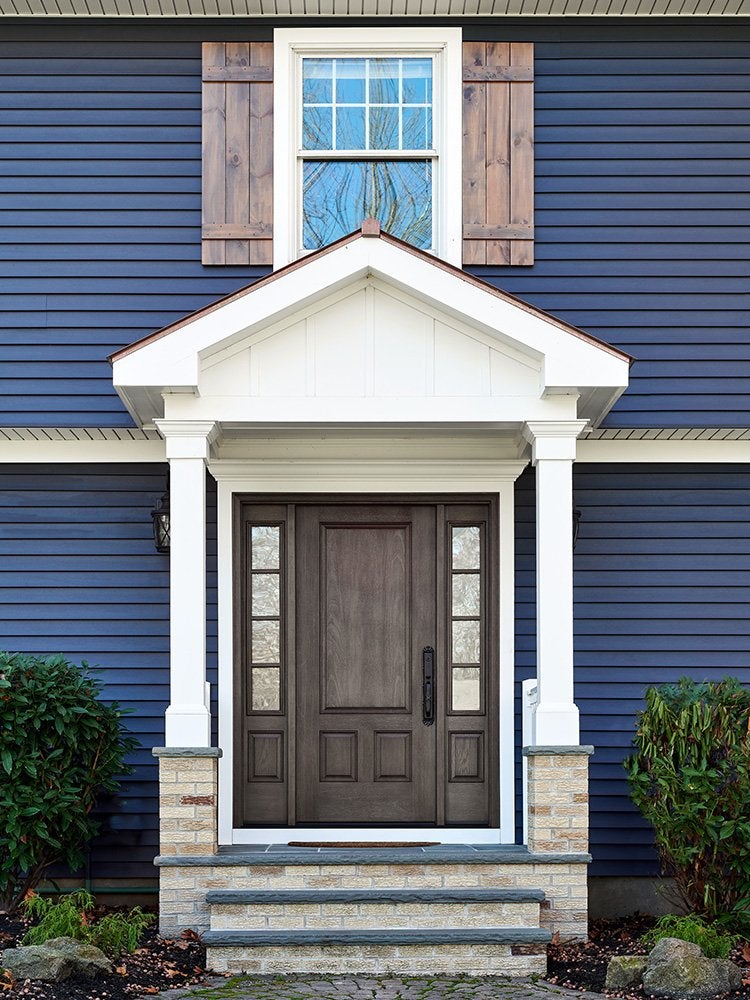
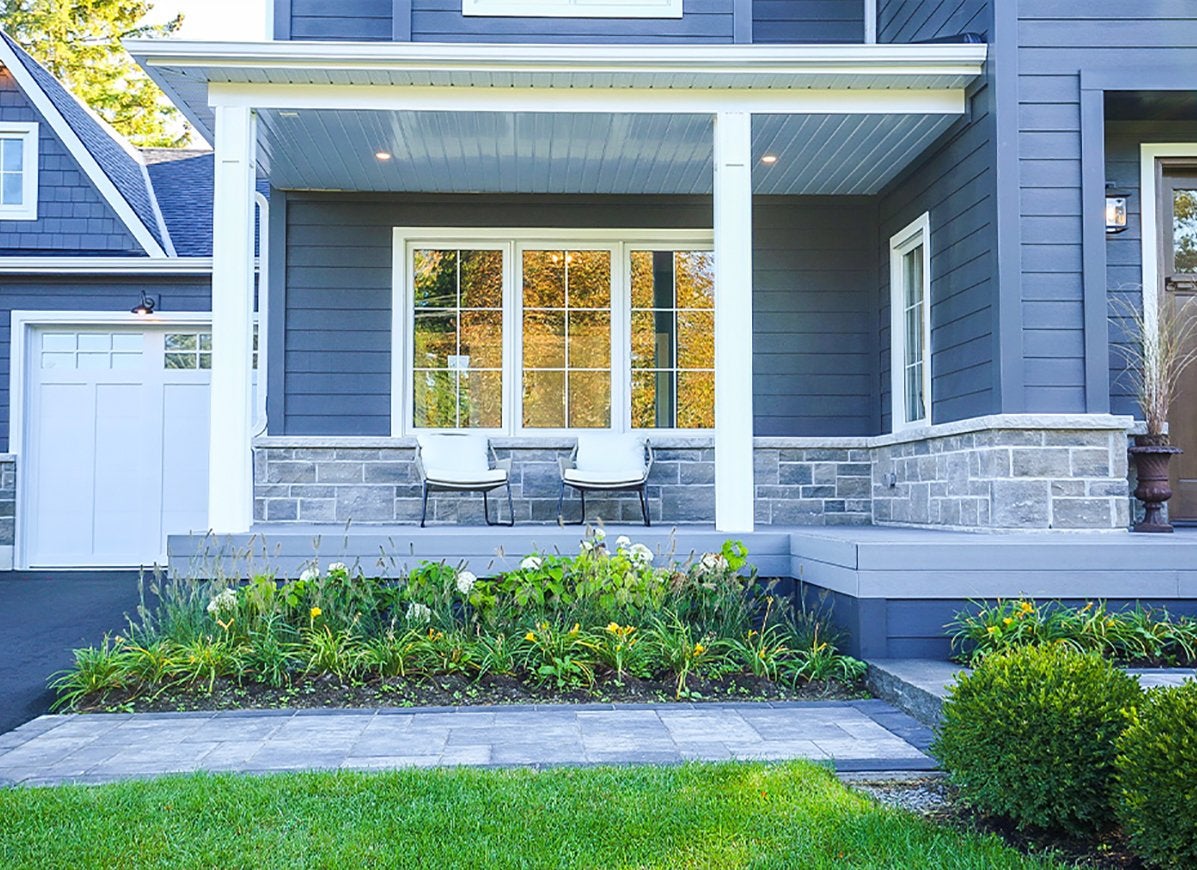
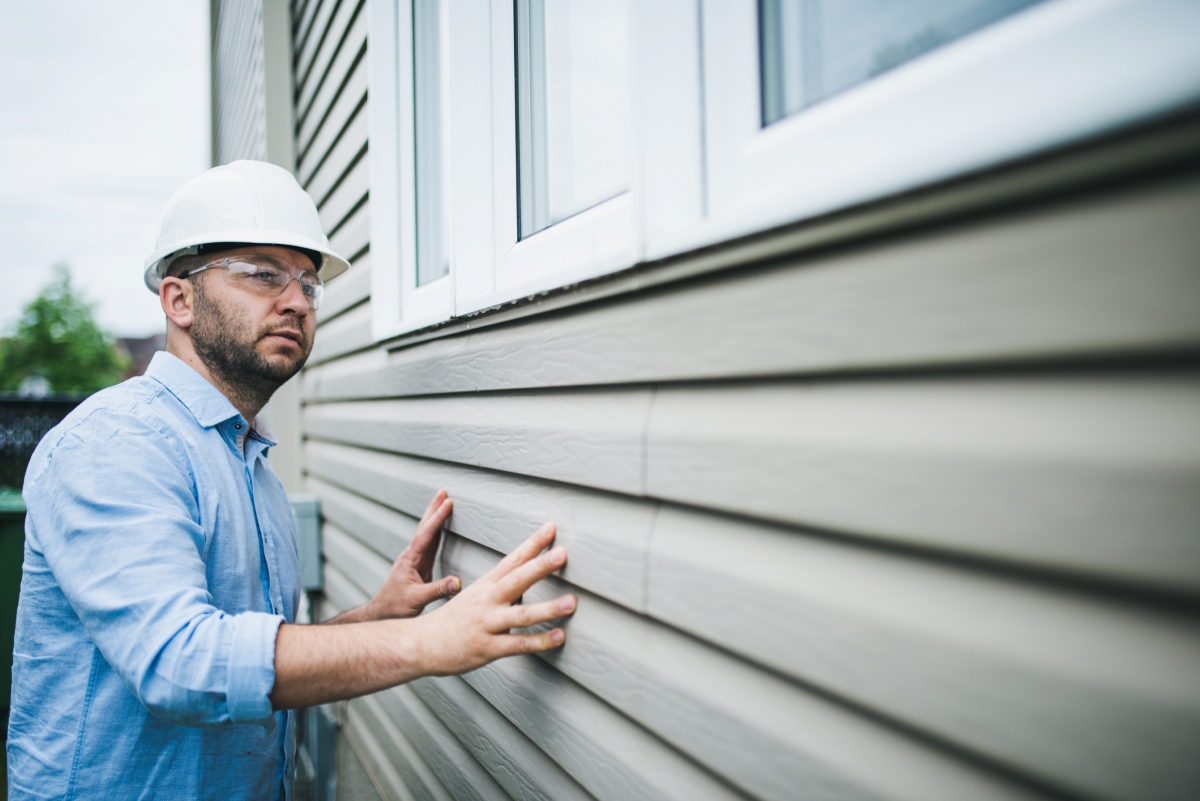
Builders favor fiber-cement siding for its aesthetic resemblance to various wood styles, such as shingles, clapboards, or board and batten, combined with superior durability. Unlike wood, fiber cement resists wood-boring insects, rot, and fire, and typically comes with long warranties, often up to 50 years. It also excels in paint retention and requires minimal maintenance. The material is available in diverse forms, including smooth or textured lap siding, individual or panelized shingles, and large panels that can mimic brick or stone. Siding can be purchased unprimed, primed, or with a factory-applied finish, offering flexibility for different architectural styles, both historic and contemporary.
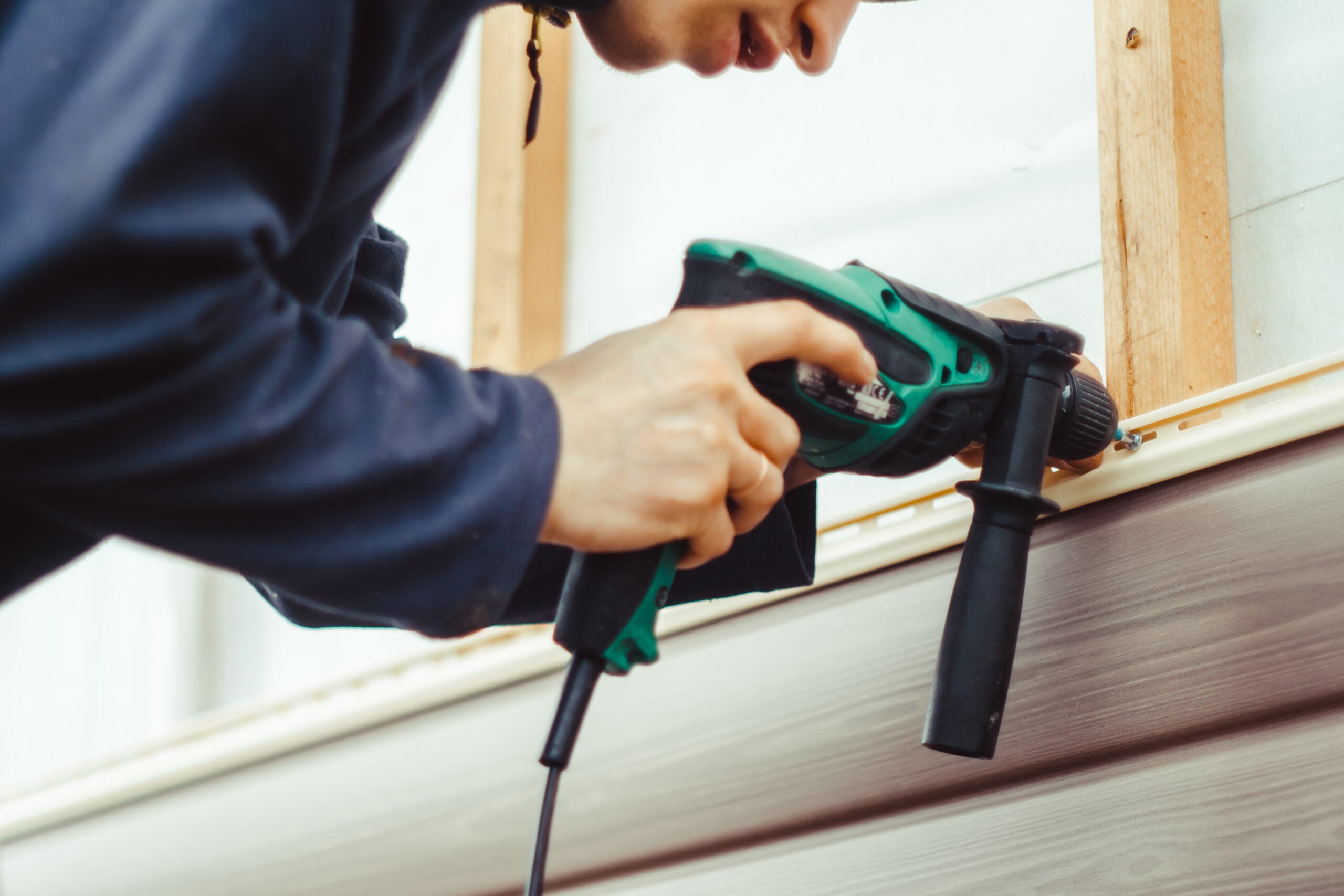
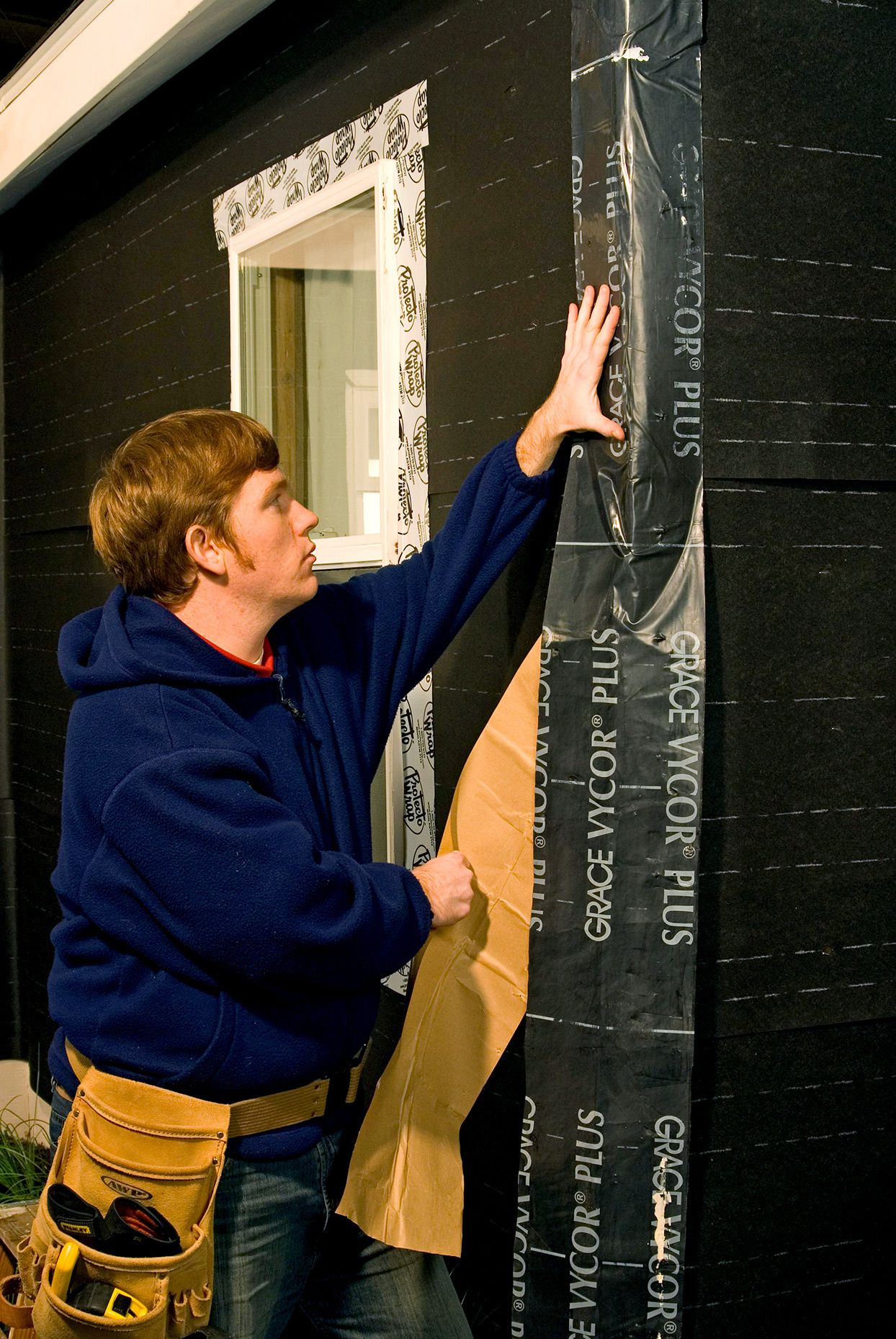
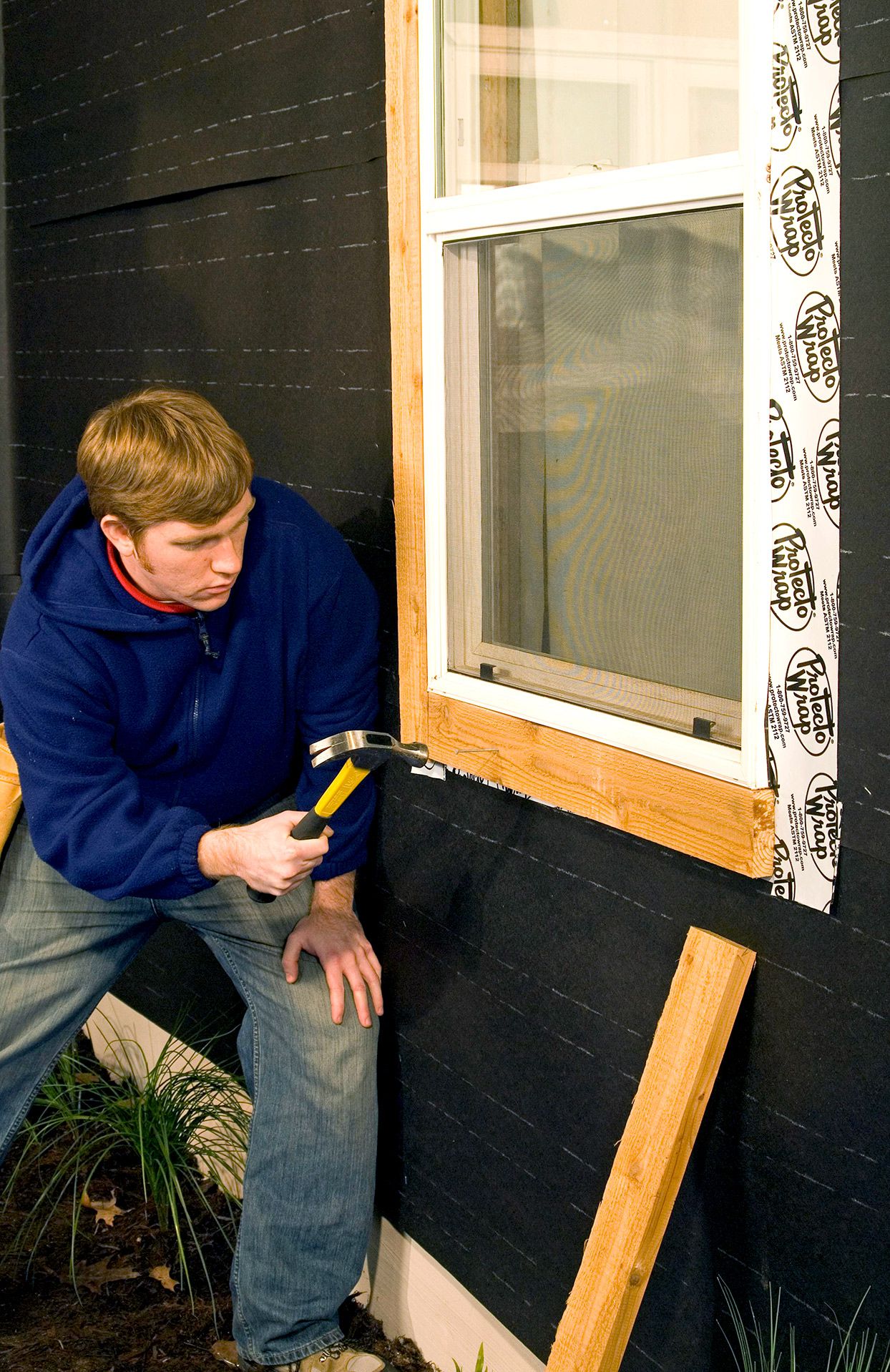
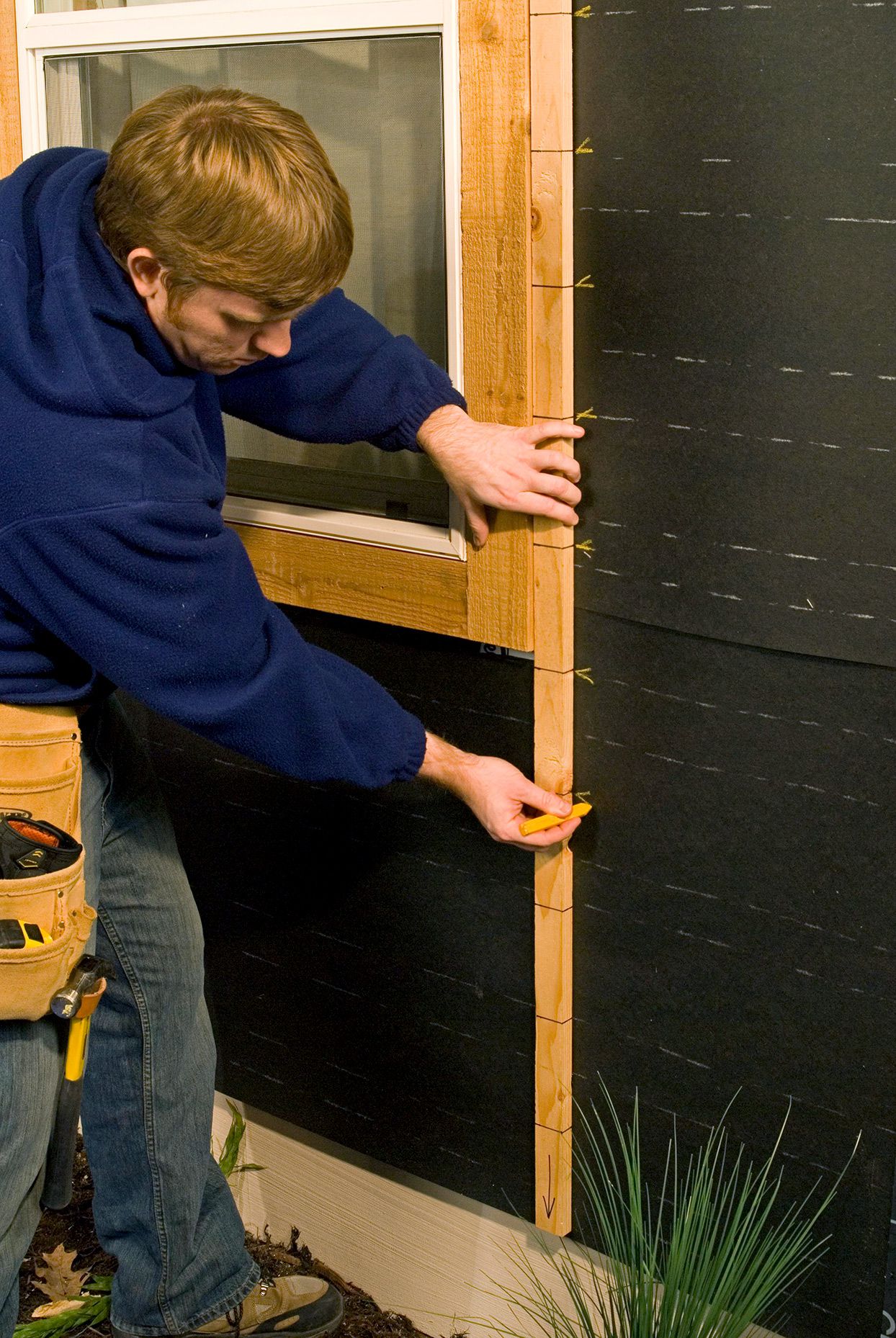
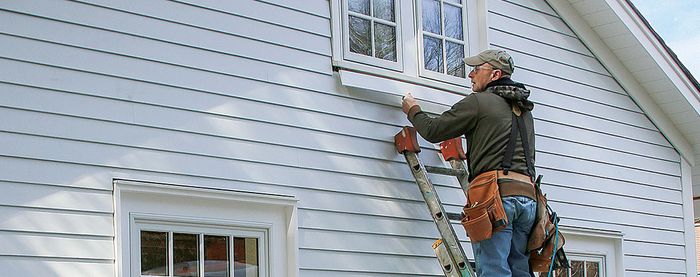
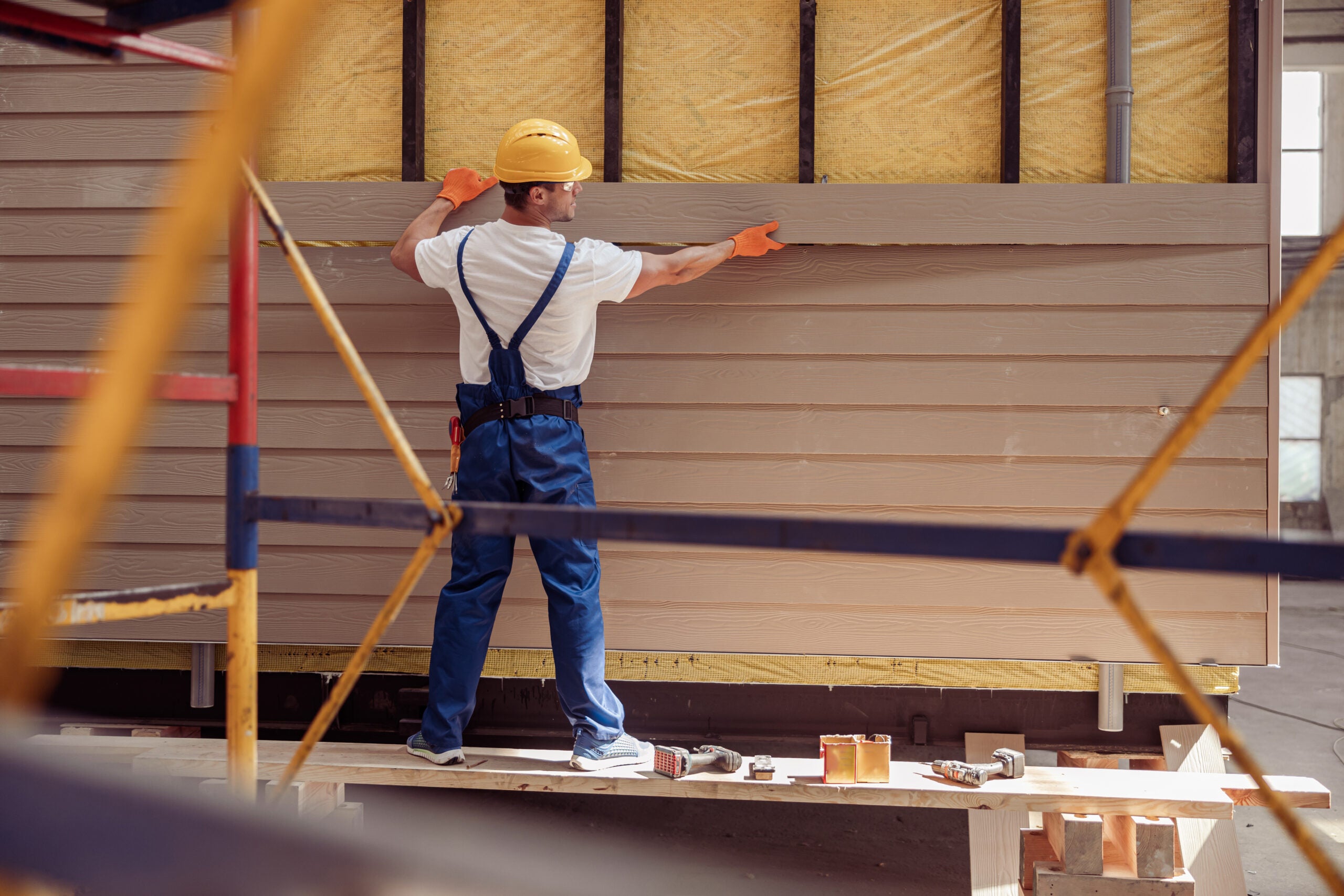
Despite its benefits, fiber-cement siding has some drawbacks. It is notably brittle and heavy; a 4x8-ft panel can weigh over 70 lbs, requiring careful handling by multiple people to prevent breakage during installation. The weight also makes solo installation of lap siding challenging. Furthermore, proper installation dictates placing fiber-cement siding over a vented rainscreen, meaning it should be nailed to vertical furring strips above the water-resistive barrier, not directly to it. This air gap enhances the siding's performance and paint longevity.
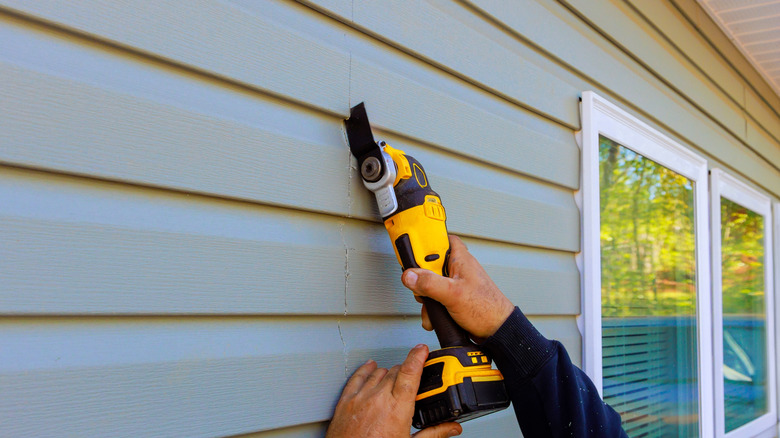
A significant consideration during installation is dust control. Cutting fiber-cement siding that contains silica can release airborne dust, which, if inhaled, can cause silicosis. Installers are advised to use specialized blades for circular saws and wear respirators. For crews working nearby, respirators are also recommended. Mike Guertin, a builder and FHB editorial adviser, has demonstrated methods for cutting fiber cement safely using circular saws. Specialty tools, such as the Ridgid R3400 Fuego saw with an integrated dust-collection system, or shears that produce minimal dust, offer alternative cutting solutions. The National Institute for Occupational Safety and Health (NIOSH) provides guidelines for reducing dust exposure when working with fiber-cement siding, underscoring the importance of safety measures for tradespeople.
#FiberCementSiding #BuildingMaterials #HomeExterior #SidingInstallation #DustControl #ConstructionSafety #WoodAlternative #RotResistant #HomeImprovement #FiberCementSiding #BuildingMaterials #HomeExterior #SidingInstallation #DustControl #ConstructionSafety #WoodAlternative #RotResistant #HomeImprovement
0 comment in total
 No comments yet
You may also like
Fiber Cement Panel - Swisspearl Interior from Swisspearl

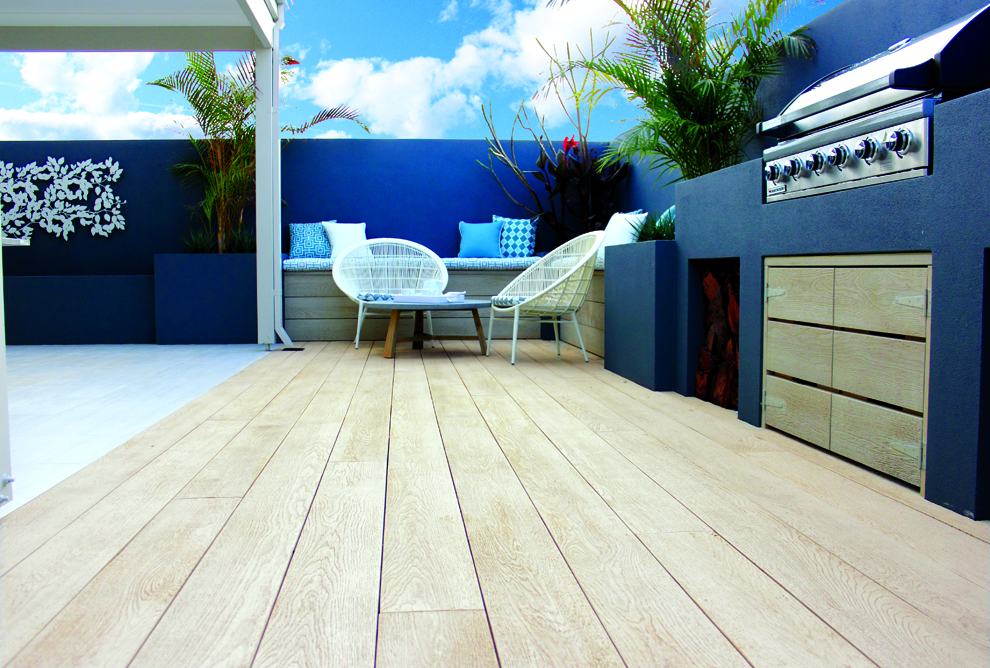
6 Wood Substitutes and When to Use Them

Mass Timber Primer

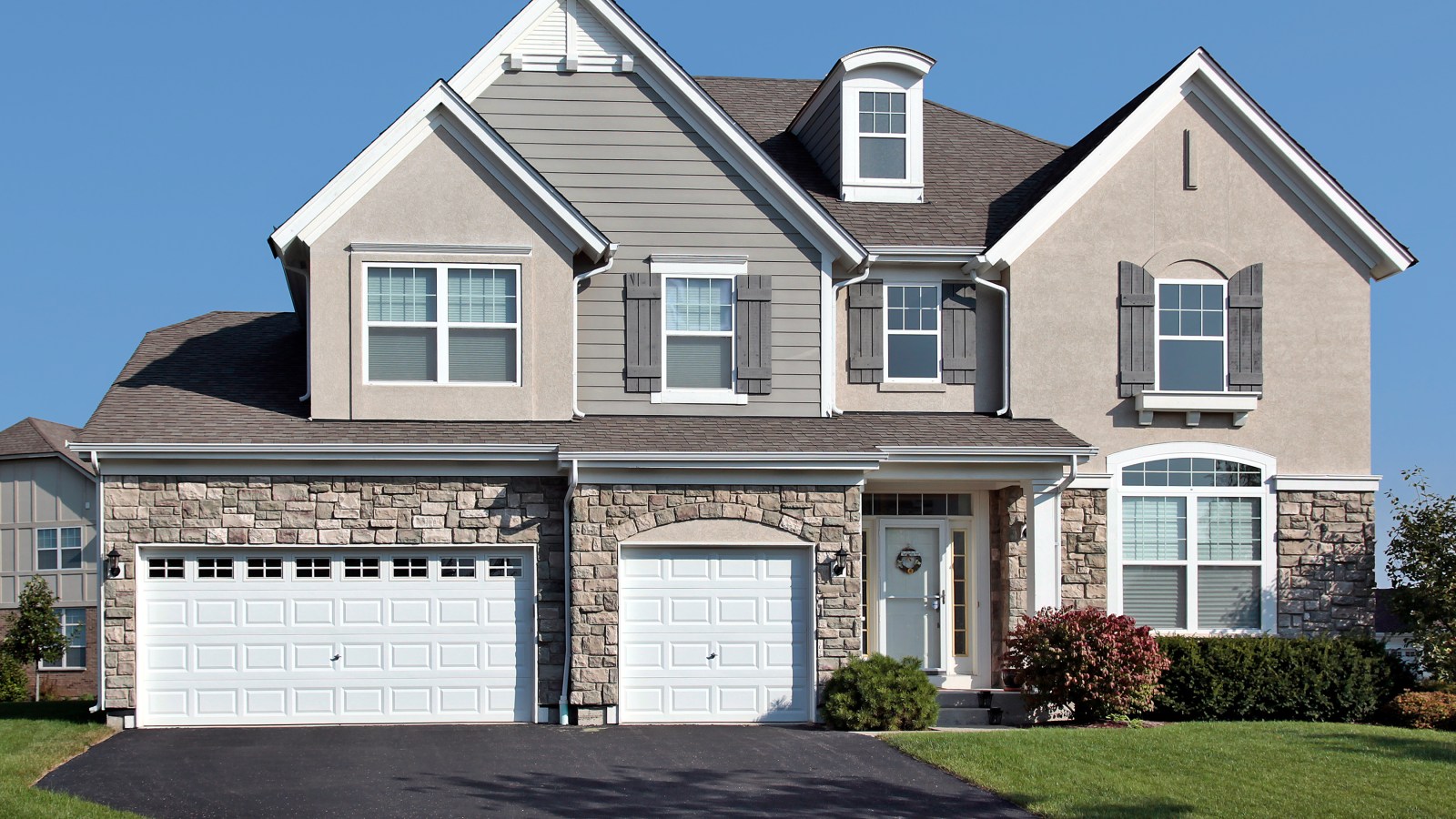
Discover 5 stunning options to use instead of brick facades

Fiber Cement Colorline - Avera from Swisspearl
The Backyard Home Trend That Needs To Go (And What We Recommend Instead)

Hardie™ Fine Texture Cladding delivers rendered wall look at heritage home refurbishment
More Practical Than Plaster and Cement: This Material Is on Our Reno Radar
The Circular Potential of Fiber Cement Cladding
New Construction: What you need to know about siding your home
Best wood for outdoor projects – 5 types that are loved for their durability and good looks in equal measure

Sustainable Concrete Panel Construction | Spotlight on Nexii and Vero Building Systems

Engineered Siding: Everything You Need to Know
Brand Talk: Cedar: Still on-trend after all these years

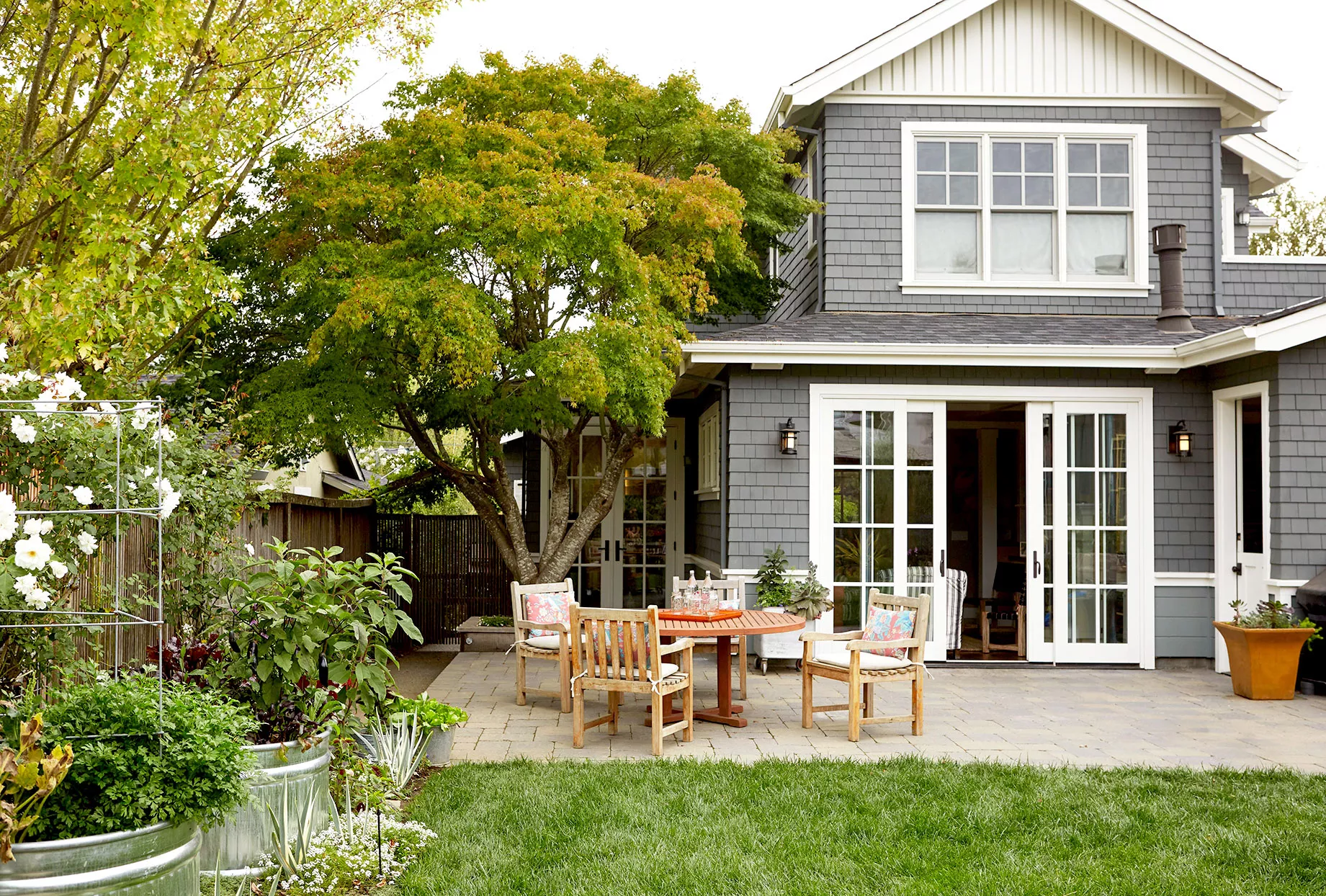
Revamp Your Exterior with Our How-to Guide to Installing Siding Shingles

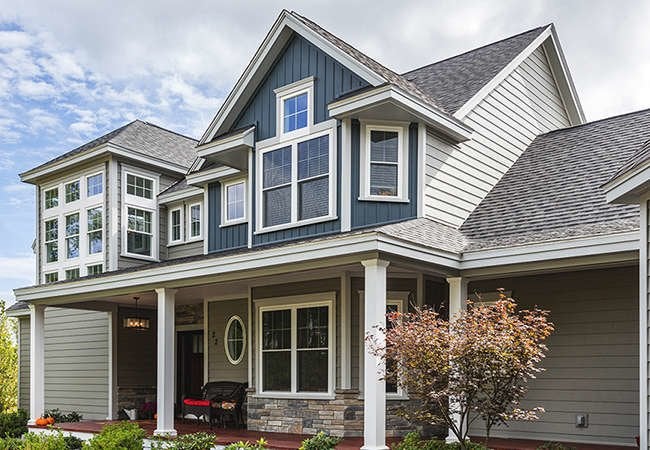
These Classic Vinyl Siding Colors Deliver Curb Appeal for Years
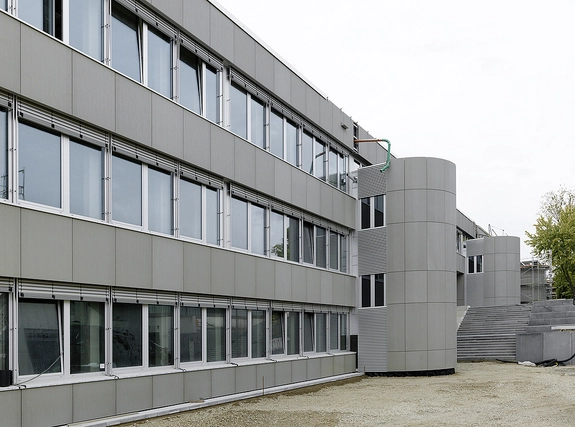
Facade Panel – Twine from Rieder Smart Elements GmbH & Co KG
7 Concrete Alternatives

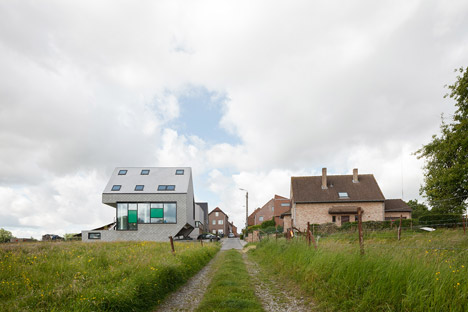
Fibre-cement tiles create a latticed facade for Leeuw House by NU Architectuuratelier
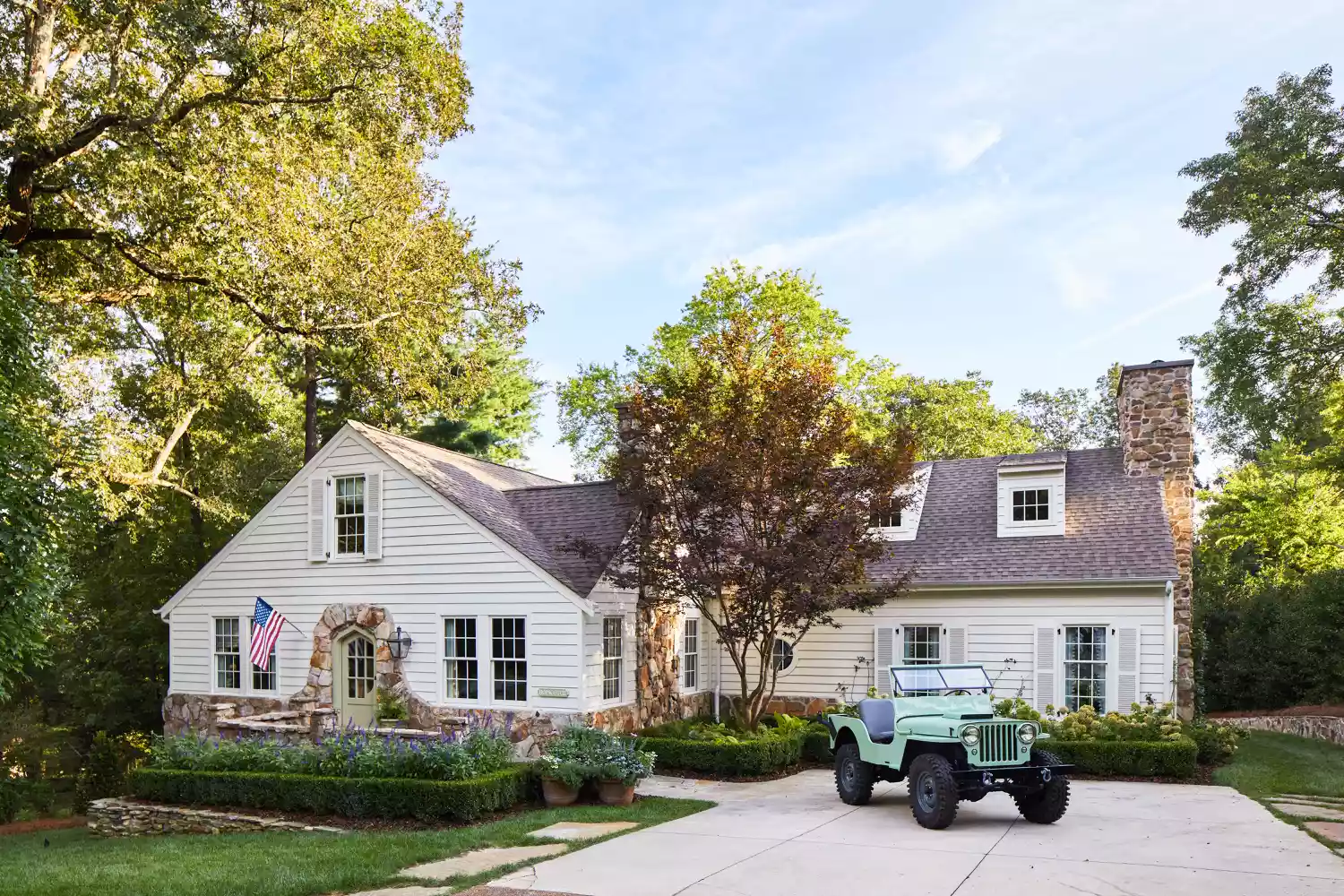
How To Choose The Best Siding For Your Home