1/4
Brand Talk: Cedar: Still on-trend after all these years
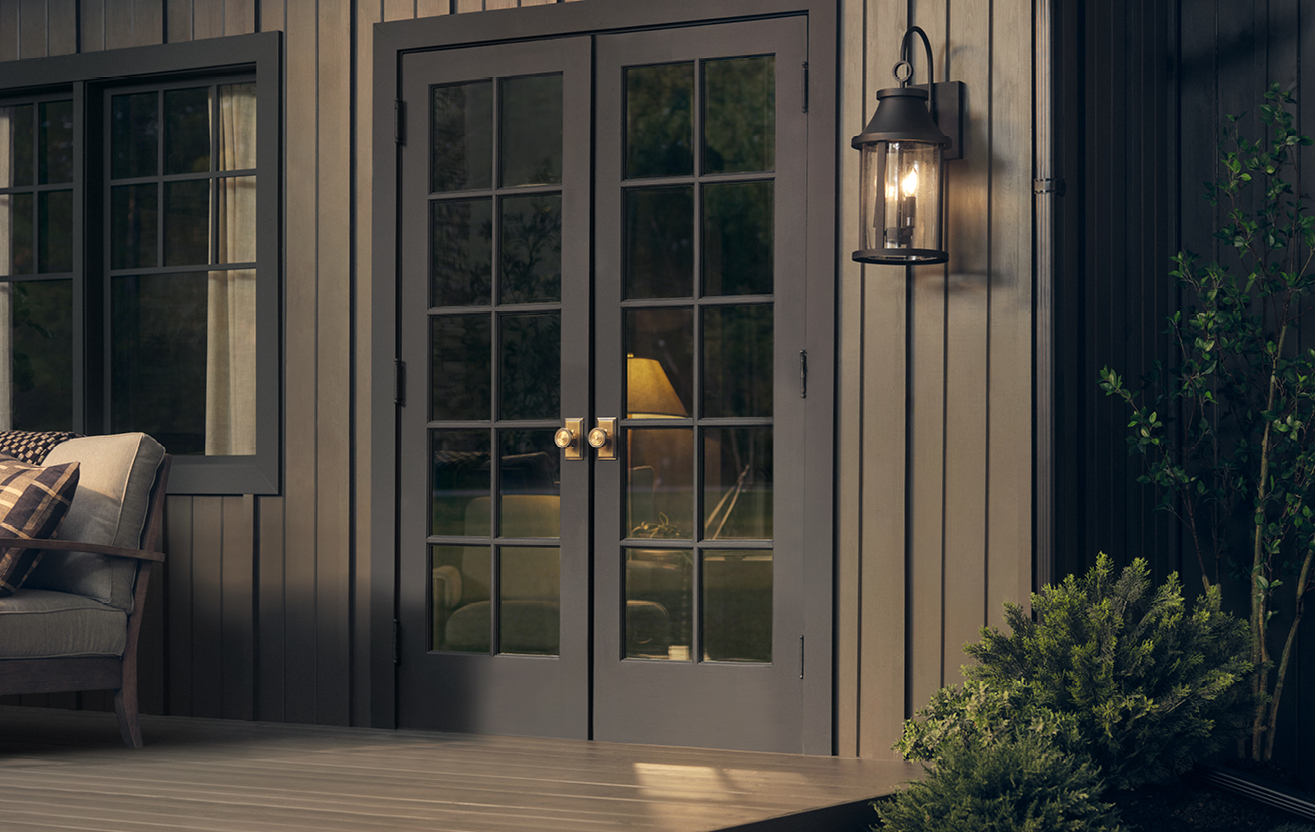
Cedar has maintained its popularity as a construction material for decking, siding, and outdoor structures such as pergolas, arbors, and fences since the 1950s. Its natural durability, stability, and resistance to rot, decay, and insects contribute to its sustained demand. The material is sourced from certified sustainably managed forests, emphasizing its environmental benefits. The enduring appeal of cedar is further underscored by the fact that alternative products often market themselves by claiming to mimic the appearance of real cedar.
The 2018 Cost vs. Value report by Remodeling magazine indicates that exterior home improvements yield higher returns on investment compared to interior renovations, a trend that positively impacts dealers specializing in exterior building products like cedar. Homeowners are increasingly seeking products that enhance both home value and curb appeal. Wood decking, for example, reportedly recouped nearly 83% of its cost, significantly outperforming composite decking, which recouped 64%. Cedar decking also offers a practical advantage by remaining cooler underfoot compared to heat-retaining composites.
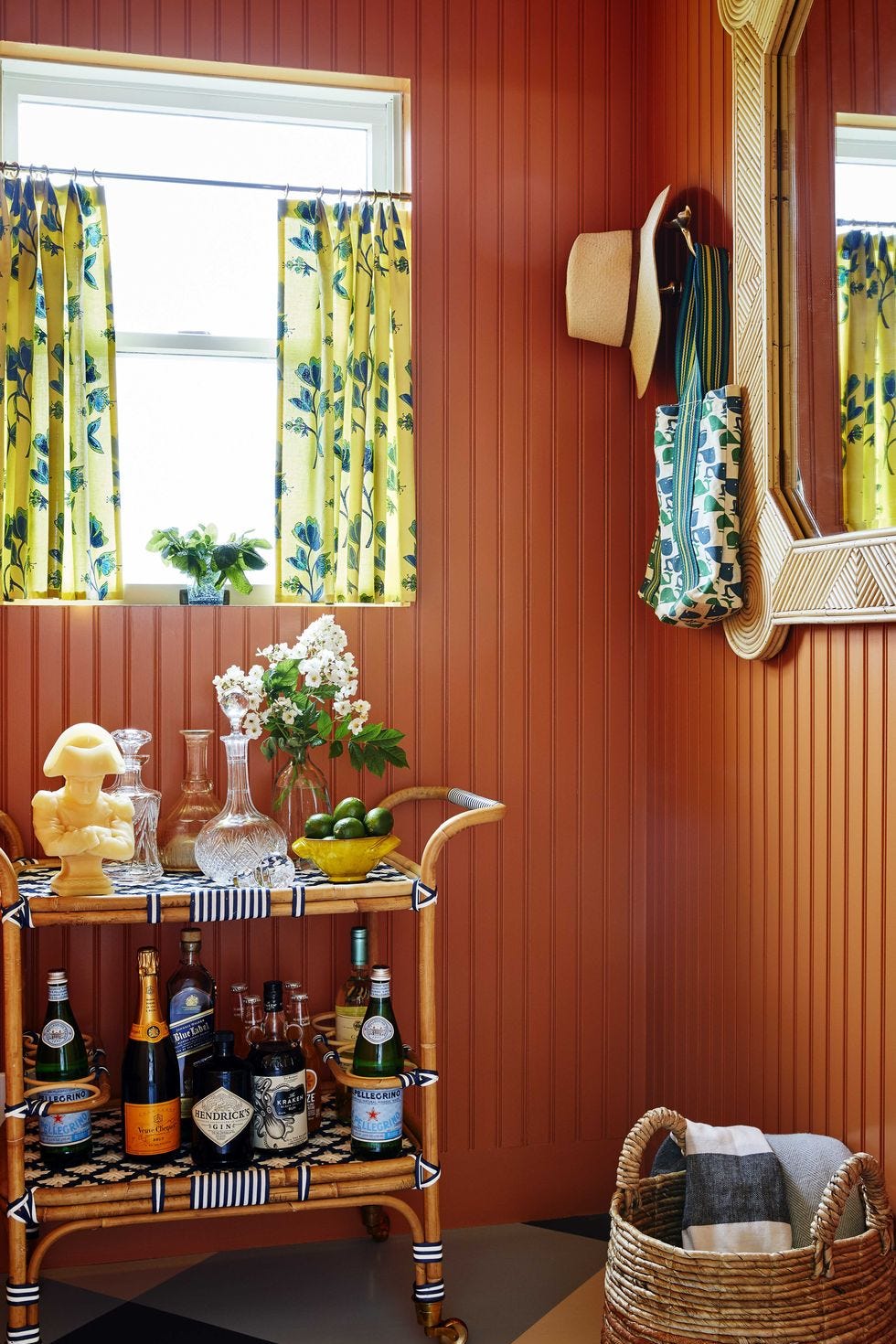
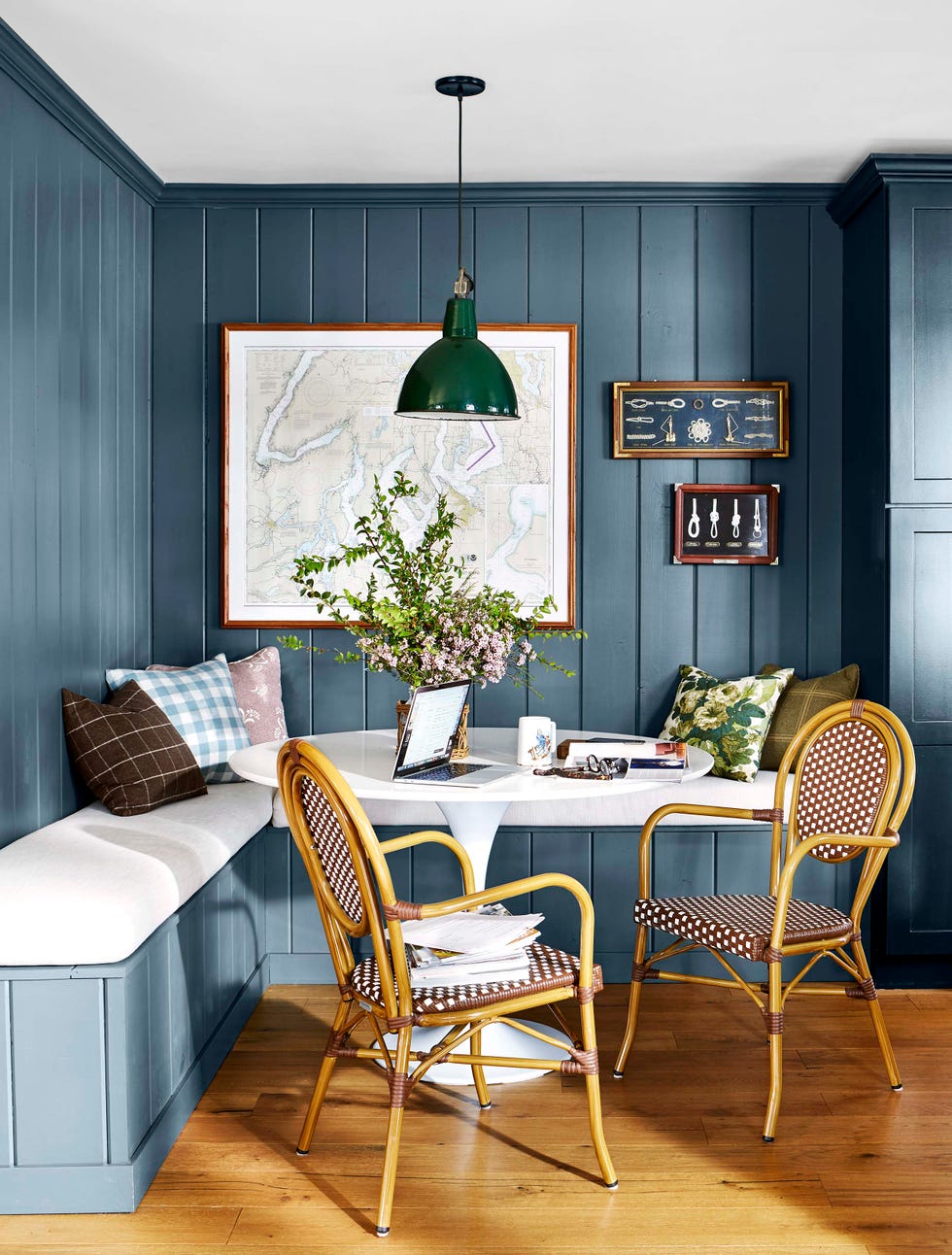
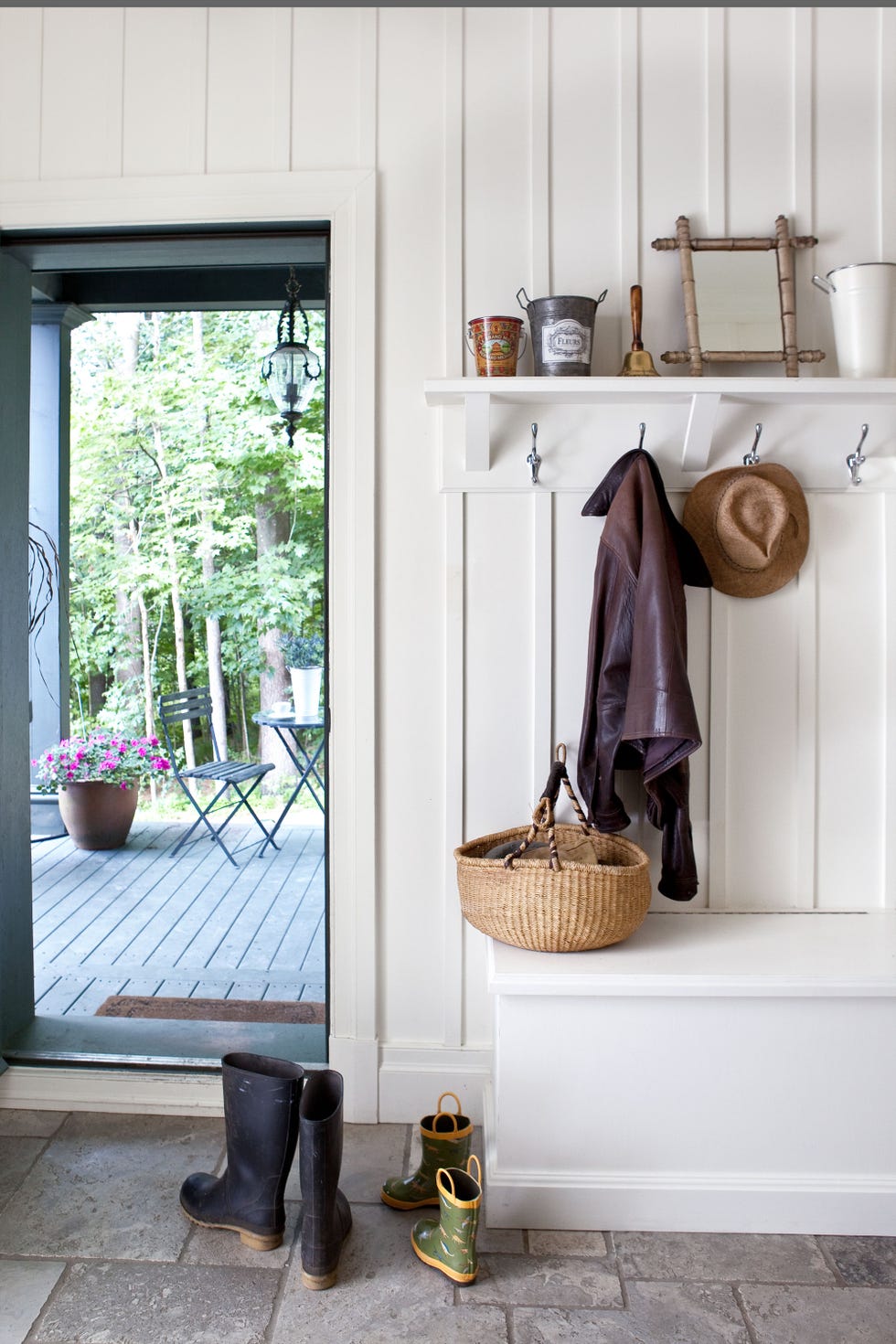
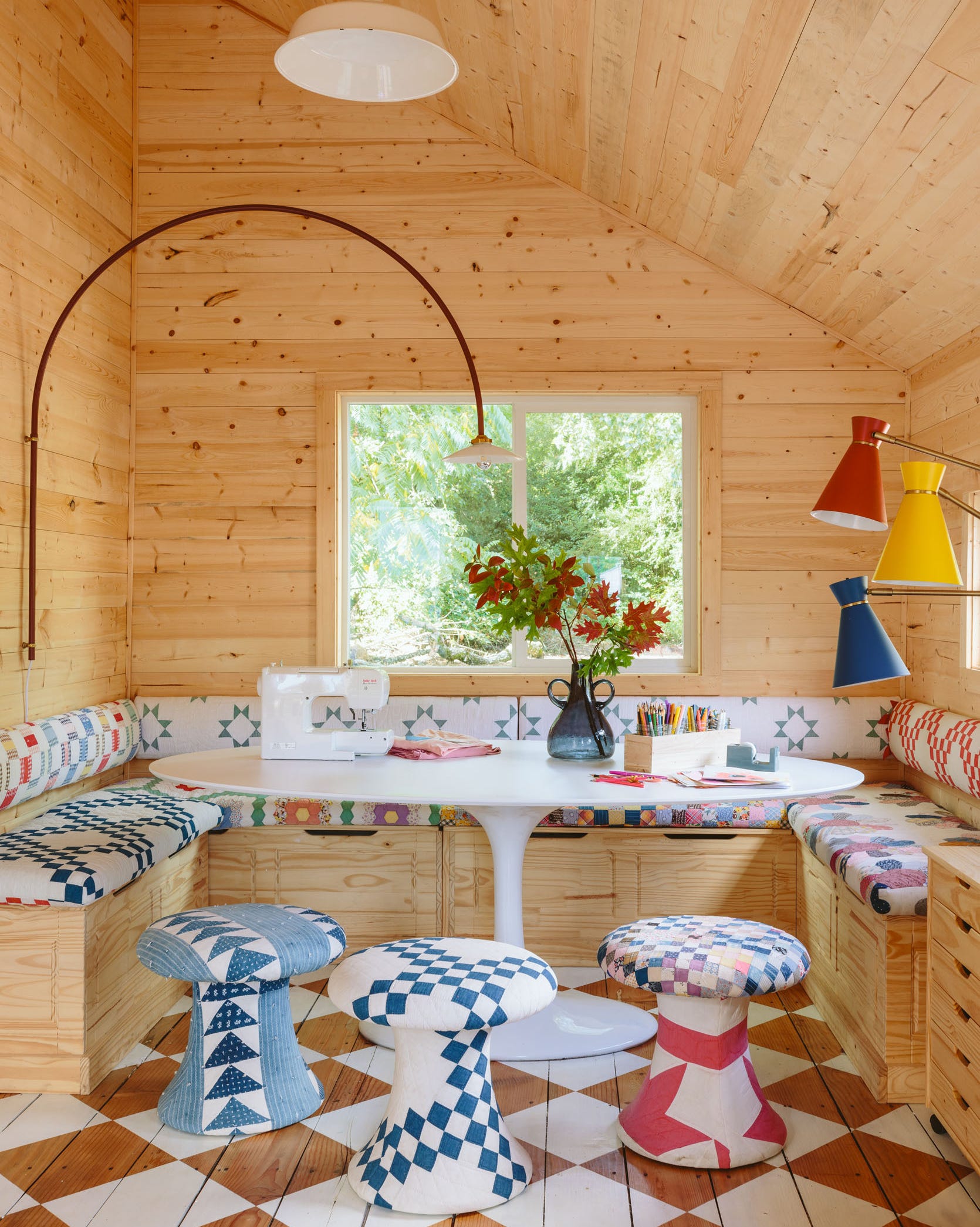
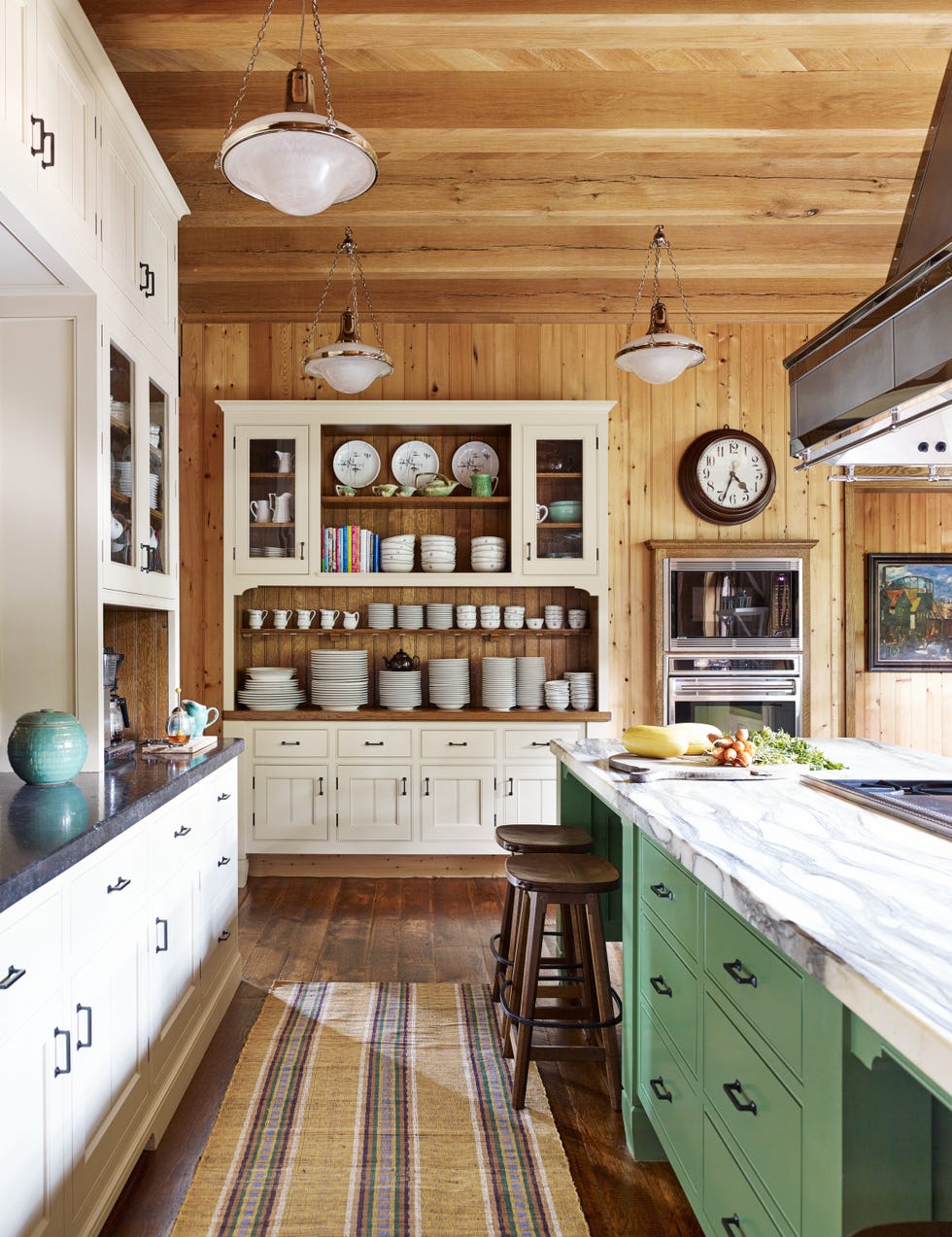
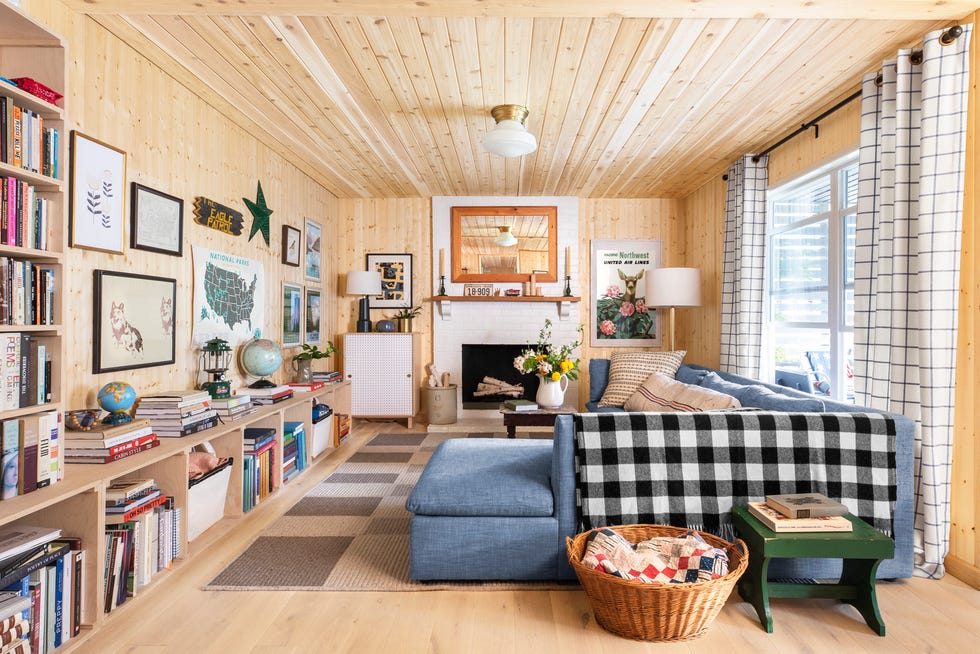
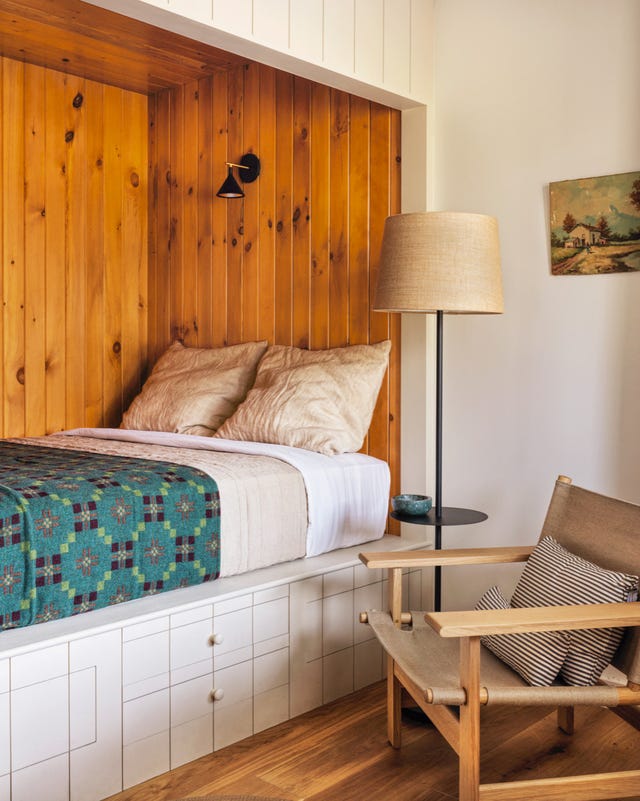
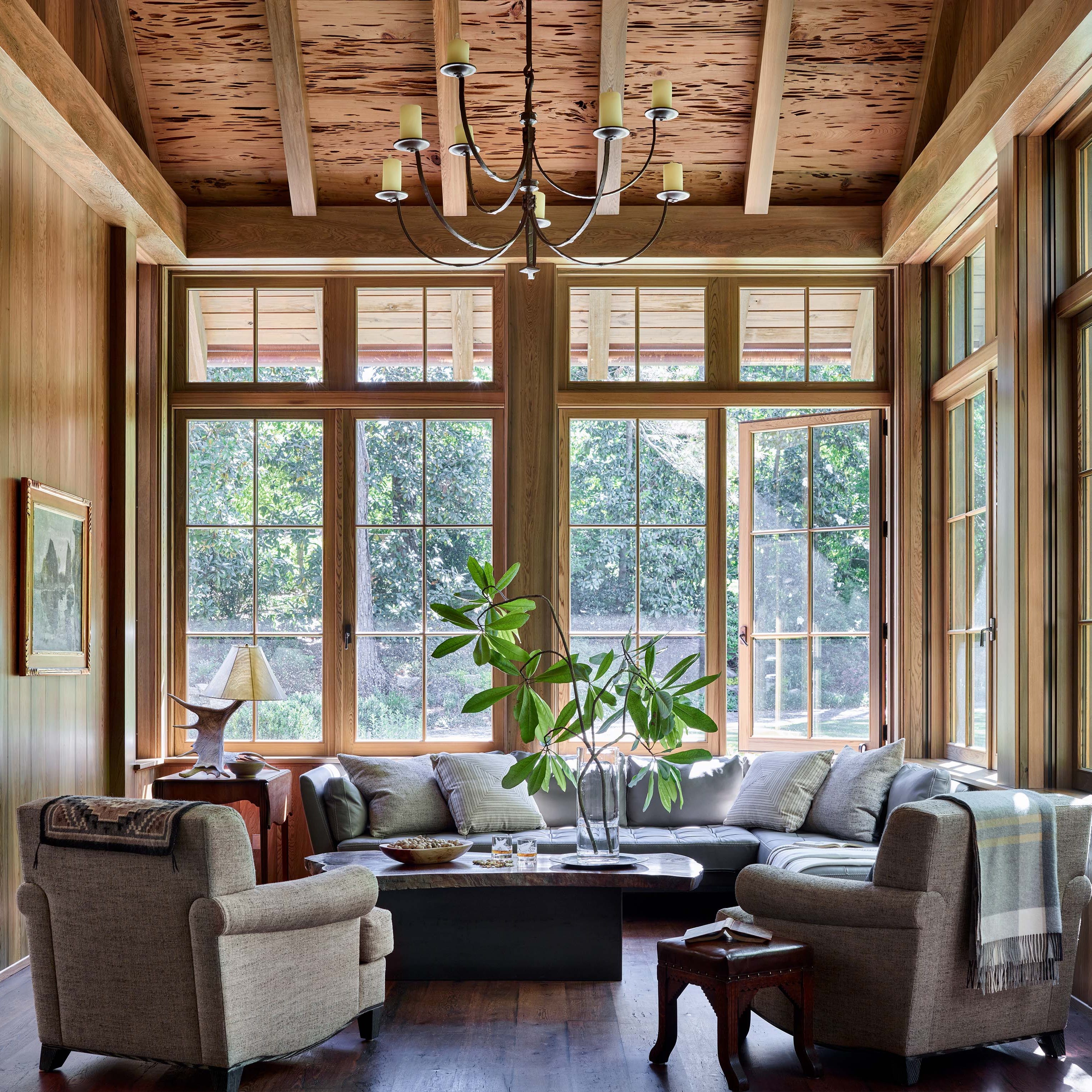
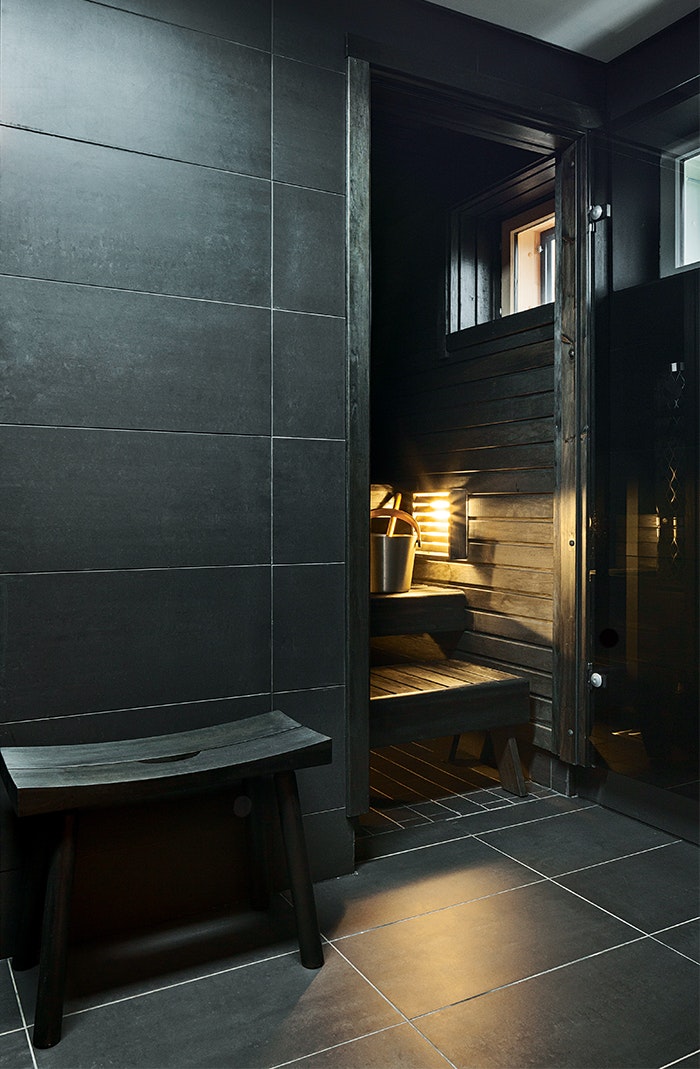
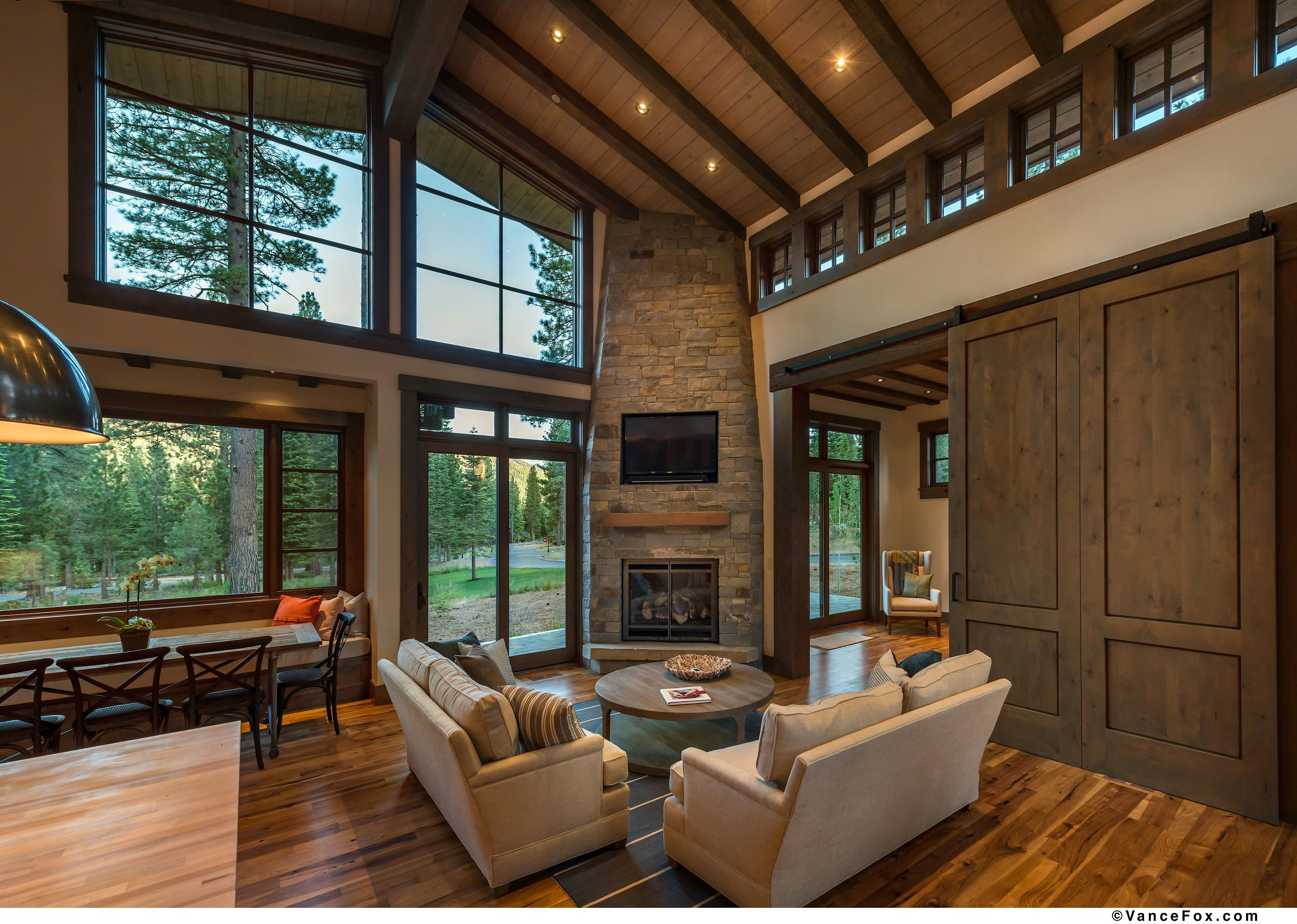
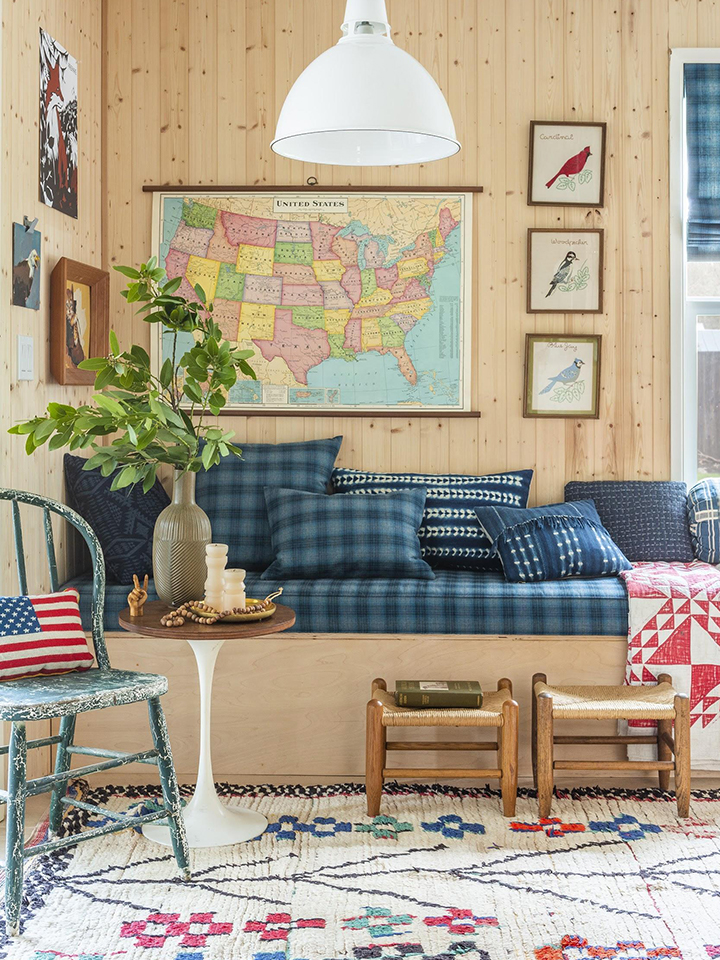
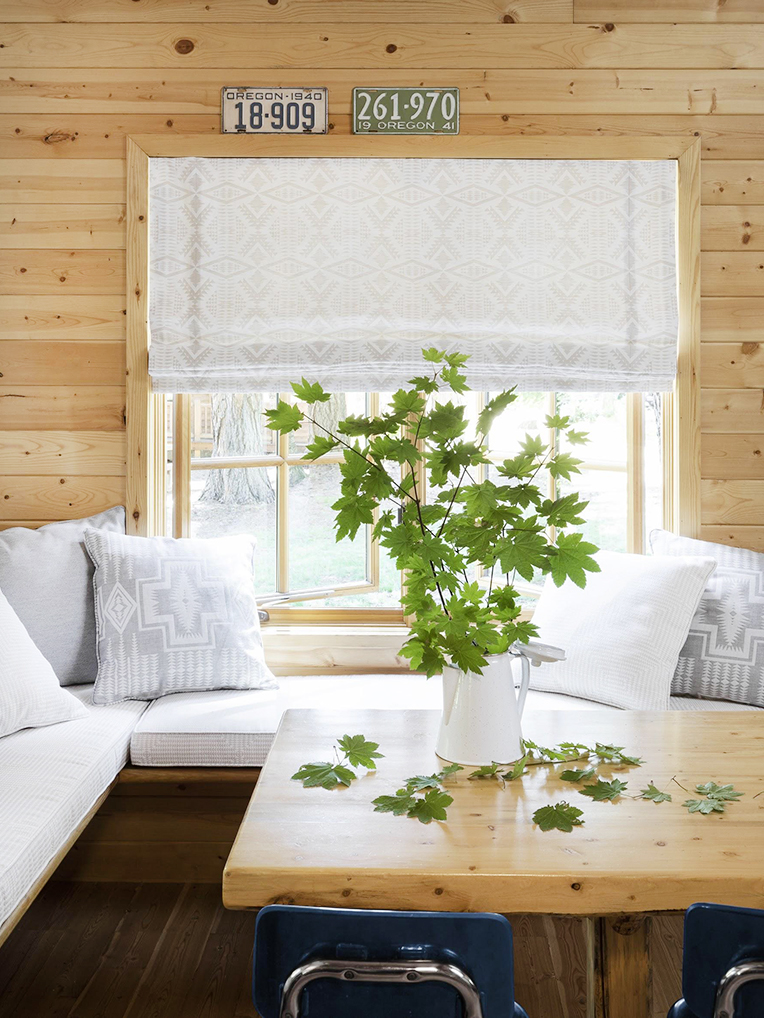
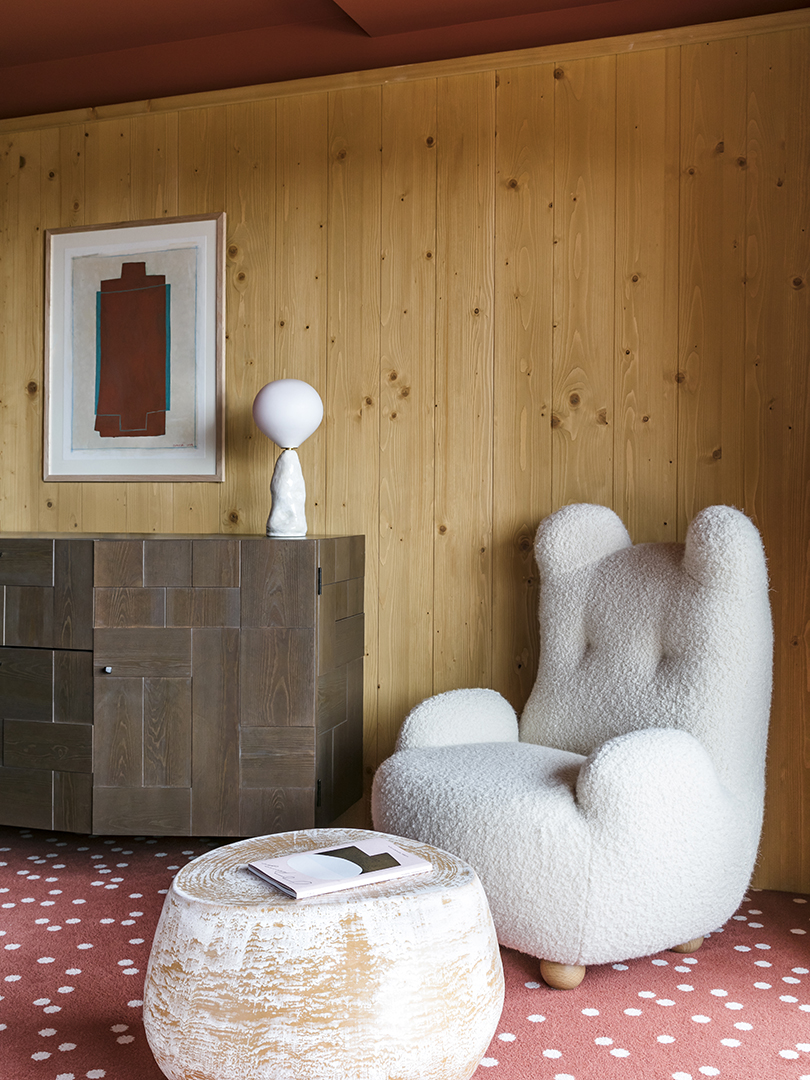
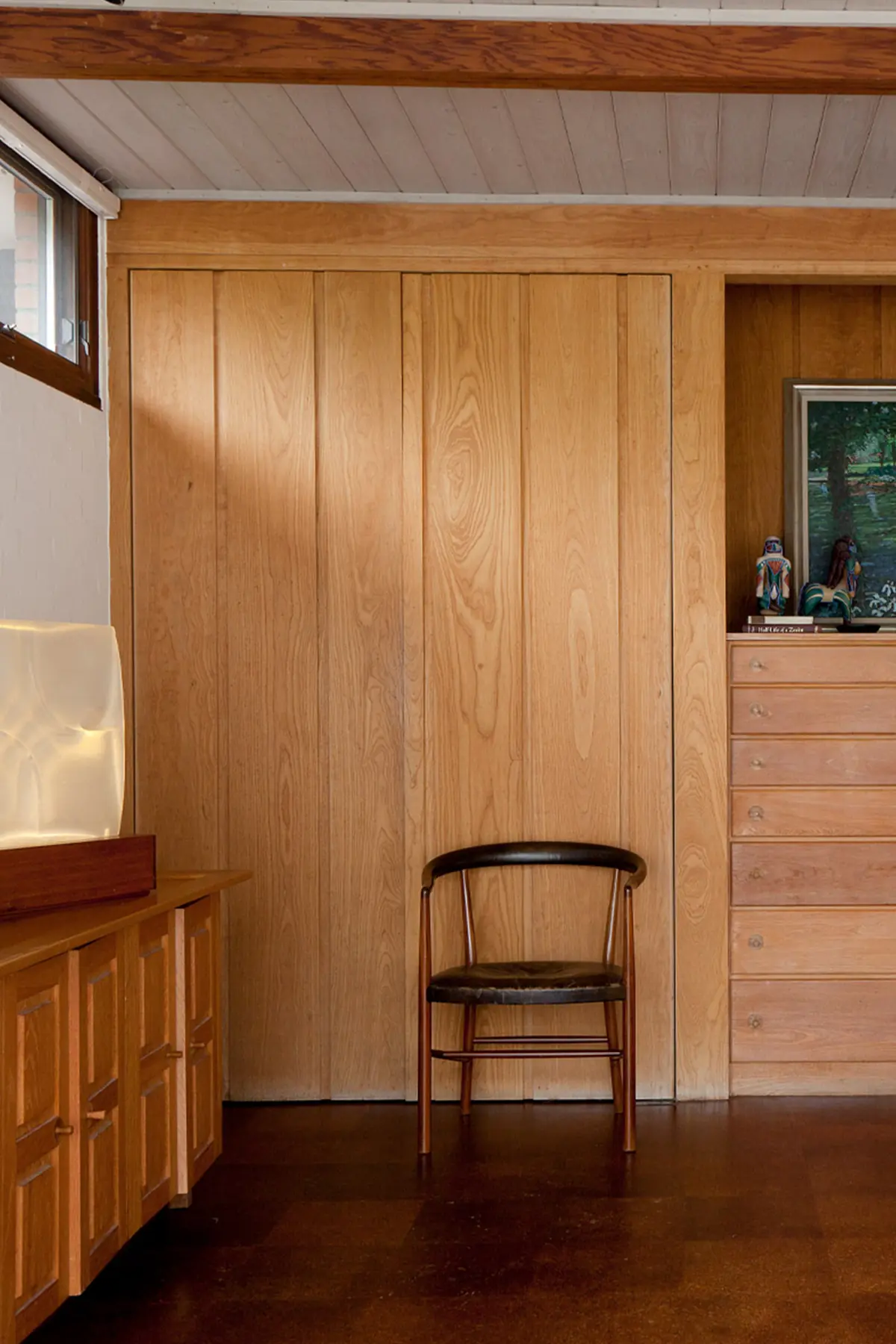
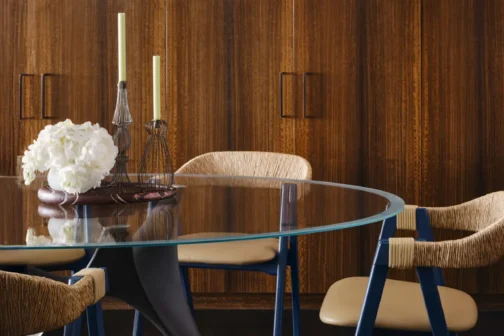
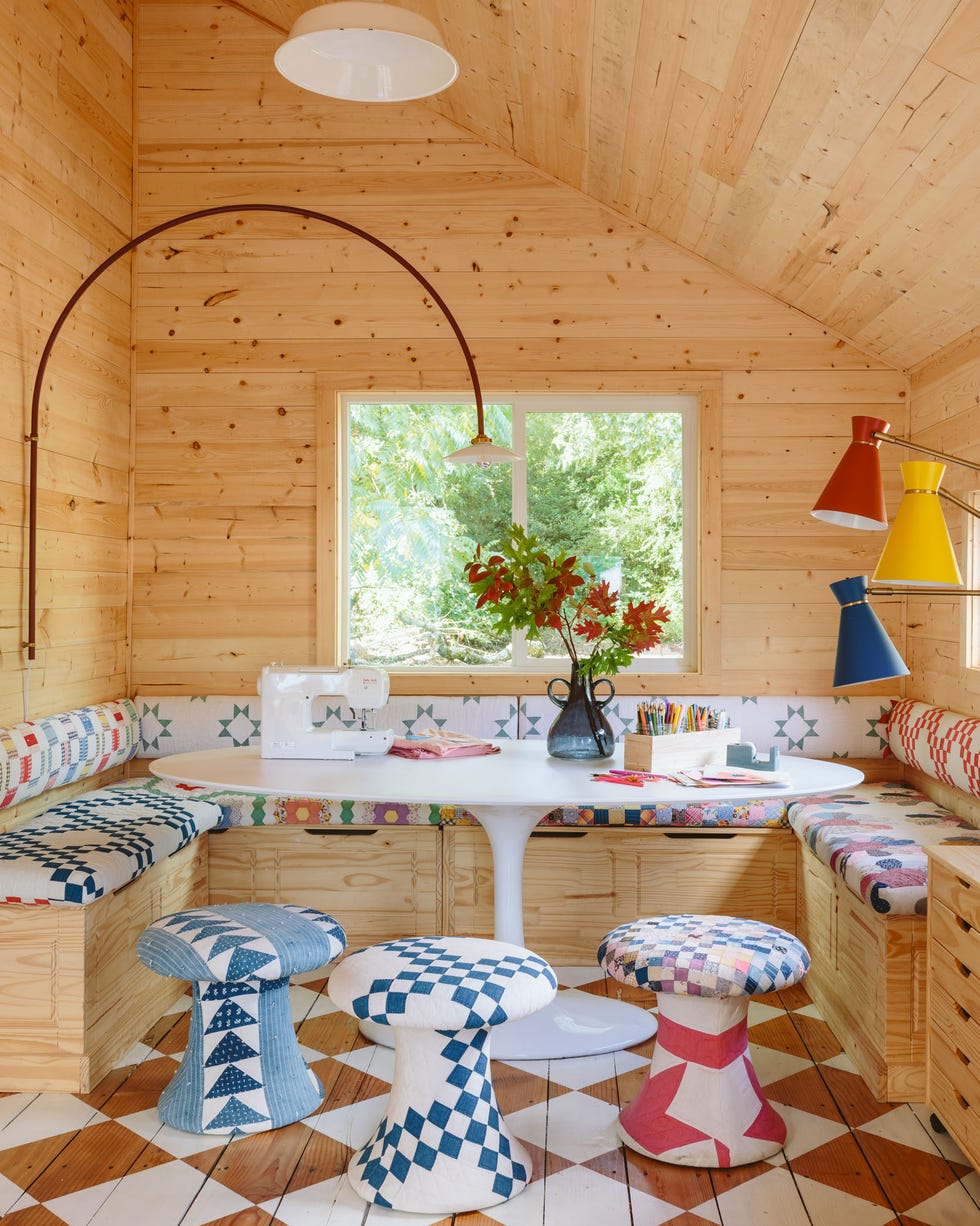
A notable trend in current architectural and design practices is the increased use of knotty cedar for exterior siding, soffits, and trim, as well as for interior paneling. This trend is driven by architects and consumers who recognize the value proposition of knotty cedar, which offers aesthetic versatility ranging from elegant to rustic finishes. This also presents a profitable opportunity for dealers due to its strong gross margins and consumer appeal, particularly when comparing its true cost against alternative materials.
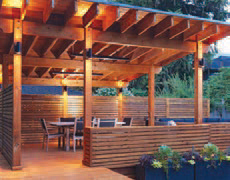
Cedar is also extensively utilized in the creation of timber-based outdoor structures. Dealers have observed that displaying such structures in prominent locations attracts consumer interest, leading to inquiries and referrals for builders and contractors. Regional dealer representatives note that homeowners appreciate cedar's aesthetic qualities and long-term cost savings due to its low maintenance requirements, especially when compared to alternative products. The material’s ability to create synergy between indoor and outdoor spaces further expands its application, with cedar adding warmth and texture to interior designs in both residential and commercial settings, thereby creating additional revenue streams for dealers.
The versatility of cedar is evident in its availability across various patterns and grades, including vertical and horizontal orientations, and in a range of sizes and lengths, typically even lengths from 8 to 20 feet. Dealers often consult with customers to recommend appropriate lengths that add value to their projects, suggesting that stocking a variety of lengths can enhance profitability. Regardless of whether clear or knotty grade cedar is chosen, the product eliminates the need for compromises, offering a natural, sustainable, and biodegradable option that requires maintenance comparable to alternative products.
#CedarWood #BuildingMaterials #HomeExterior #Decking #Siding #OutdoorStructures #HomeRenovation #KnottyCedar #SustainableMaterials #CedarWood #BuildingMaterials #HomeExterior #Decking #Siding #OutdoorStructures #HomeRenovation #KnottyCedar #SustainableMaterials
0 comment in total
 No comments yet
You may also like
Wood Paneling Is Back—and Better Than Ever

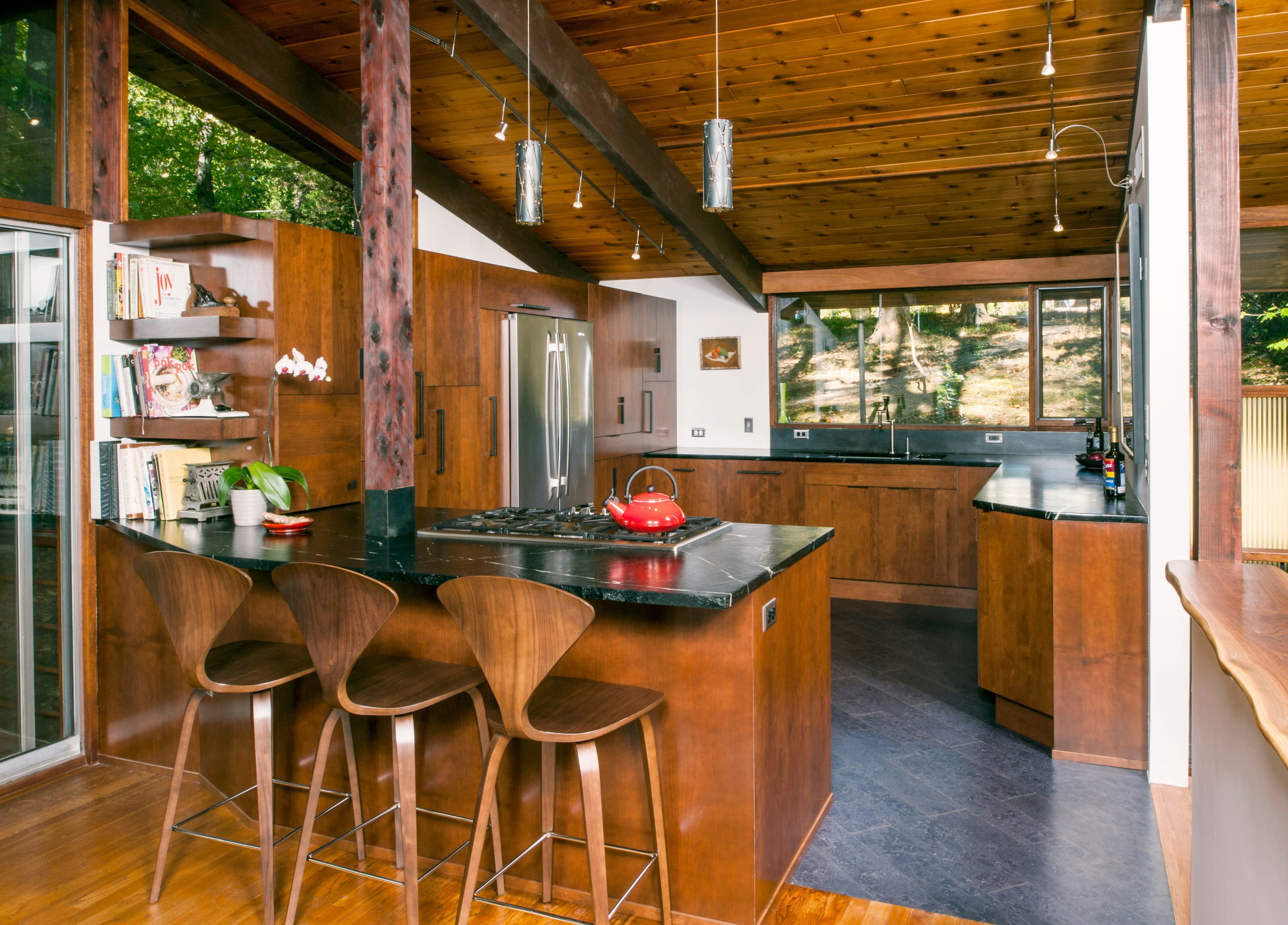
4 Reasons Why Alder Is a Trending Wood

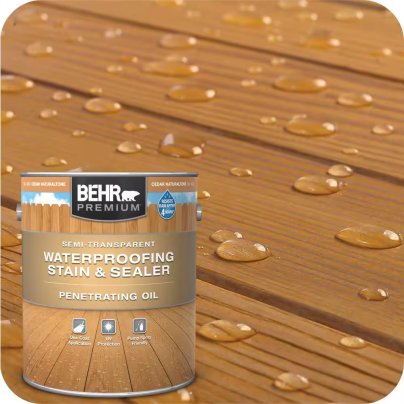
Make Cedar Shine: Our Favorite Wood Stains

Wood Coating Market Sees Strong Growth Driven by Demand for Sustainable and Durable Finishes
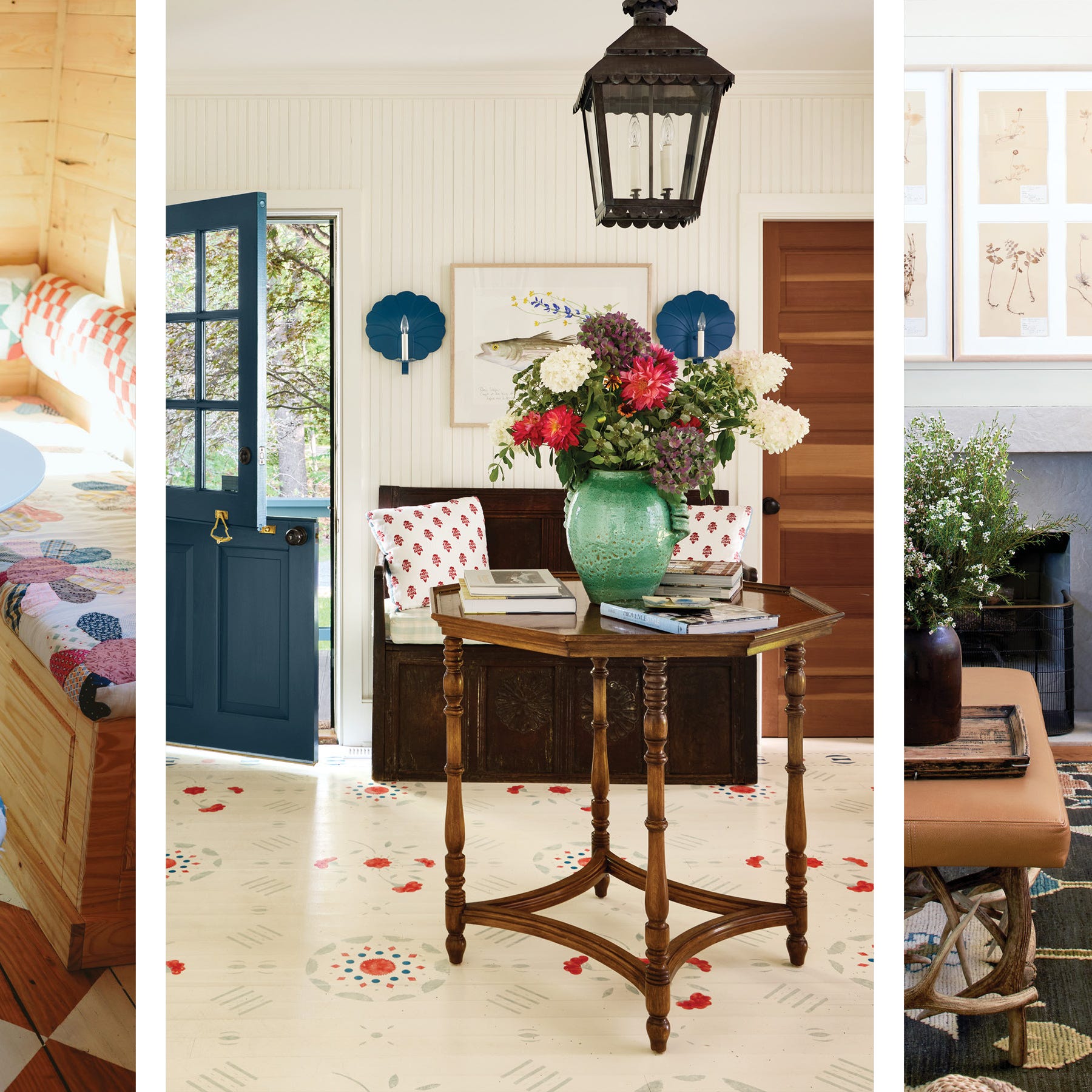
Wood Paneling and 11 More Vintage Decor Trends Making Huge Comebacks
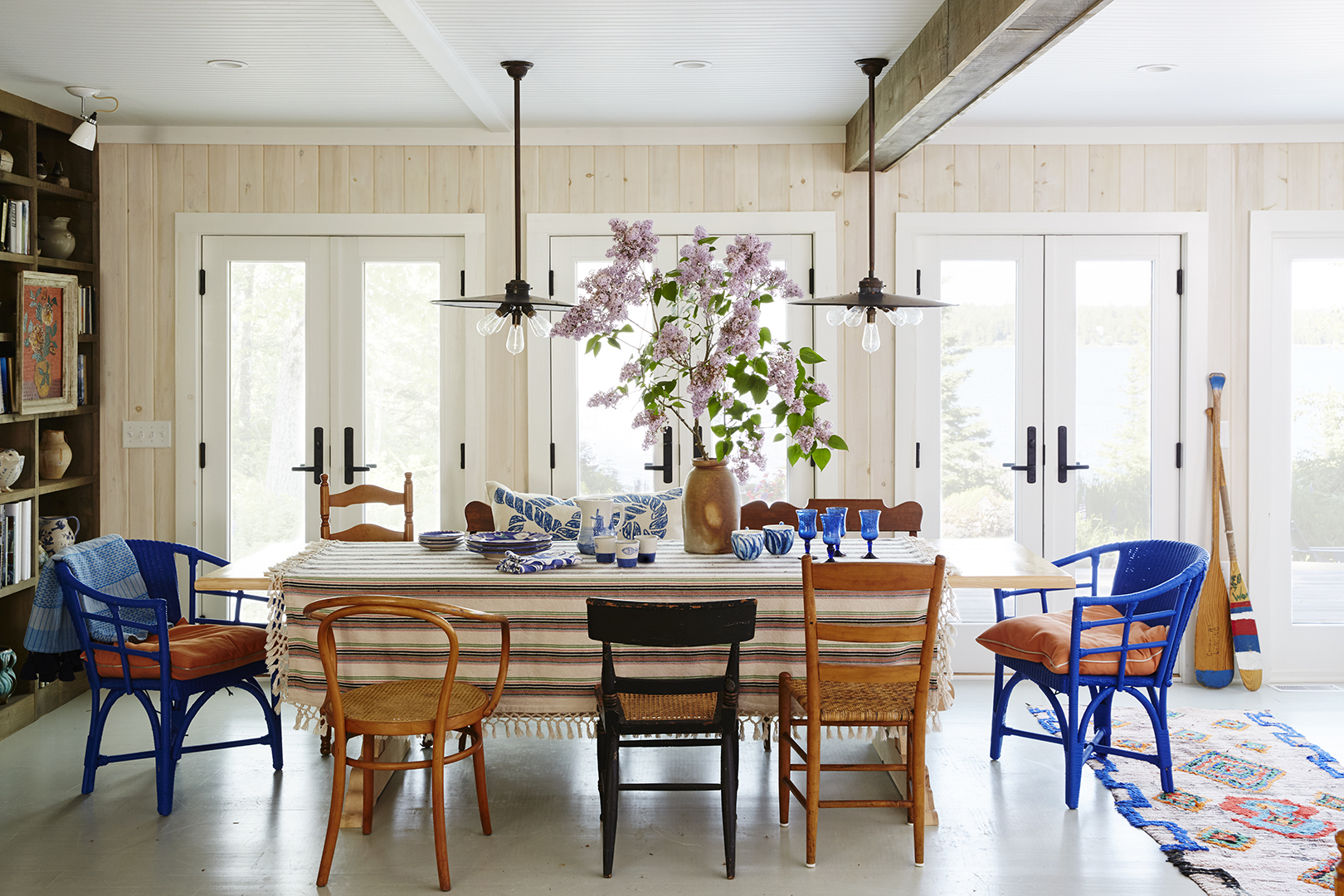
Designers Are Betting on This Wall Treatment as the New Shiplap

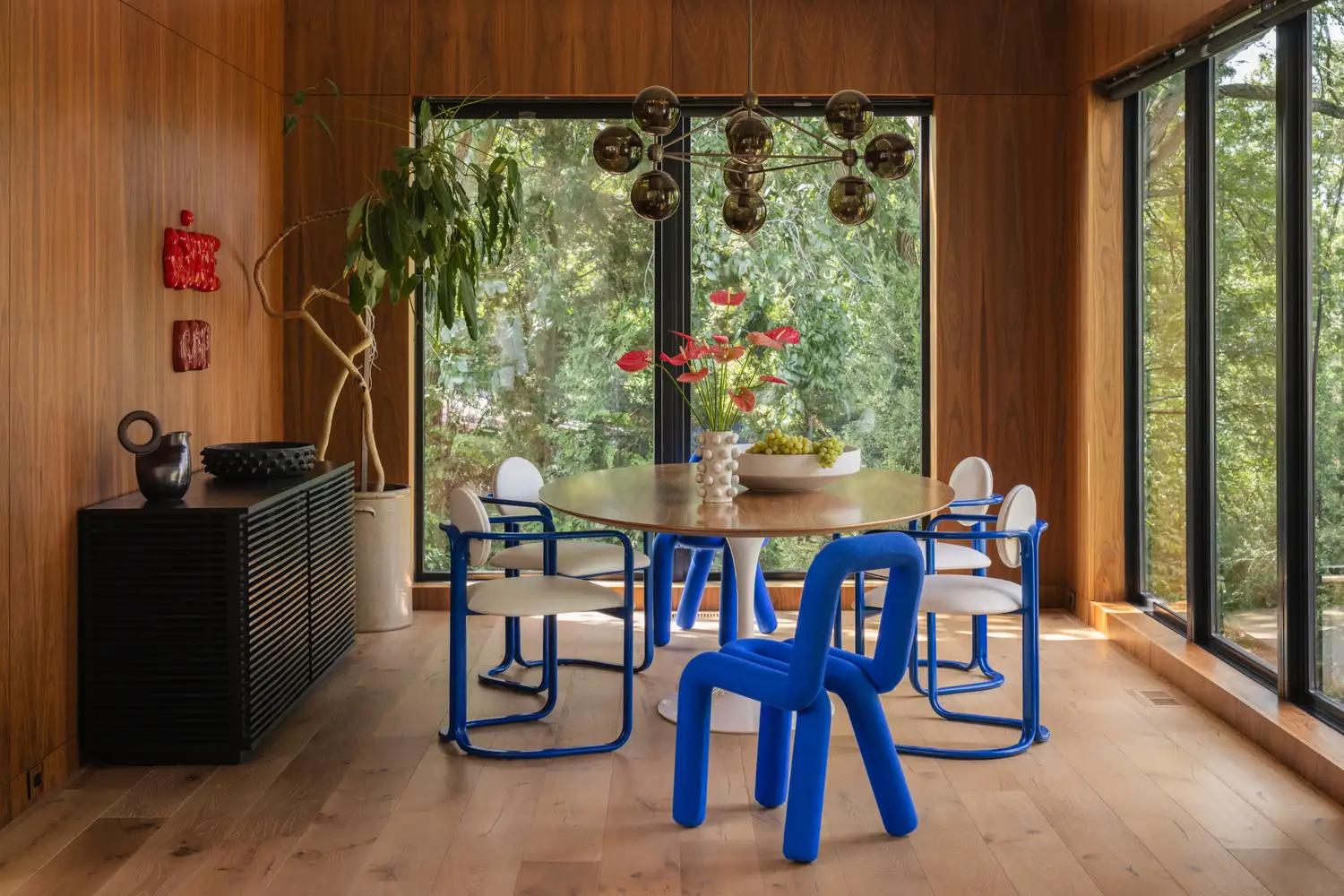
Wood Paneling Is Officially Cool Again—Here's How Designers Are Using It Now

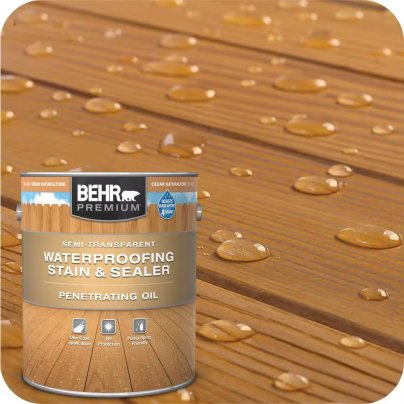
The Best Stains for Cedar Decks, Siding, Fences, and More
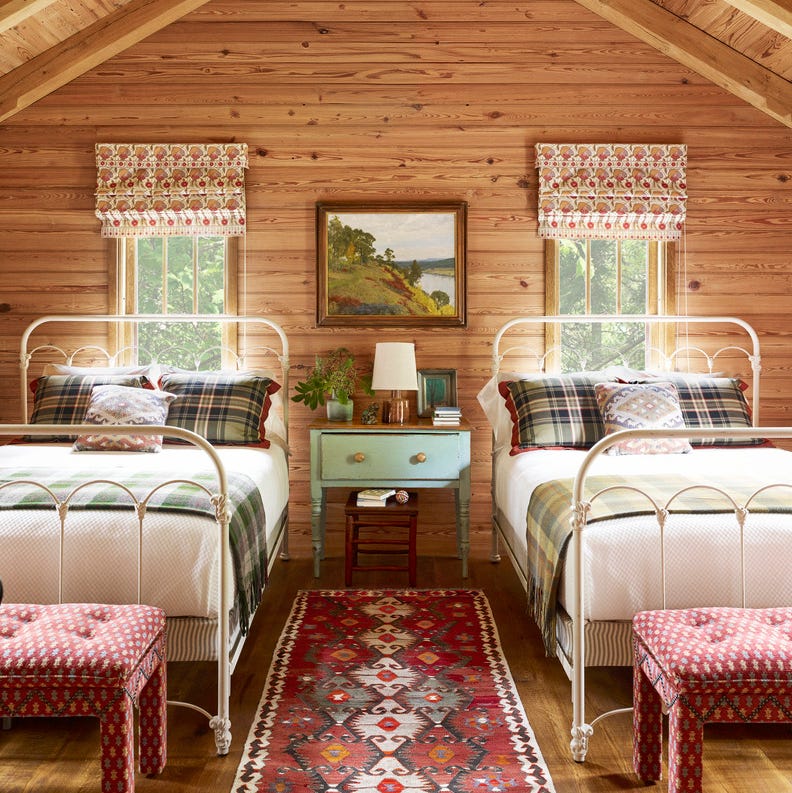
Trend Alert: Wood Walls Are BACK!
Behr Says These Will Be the Top Exterior Paint Color Trends in 2025

We're Over White-Washed Woods: See the Colors of the Year from 4 Major Stain Companies
Wood as a Home Design Trend: Through the Archives to Today
Grandma's Wicker Is Back In Style—But Southerners Know It Never Left
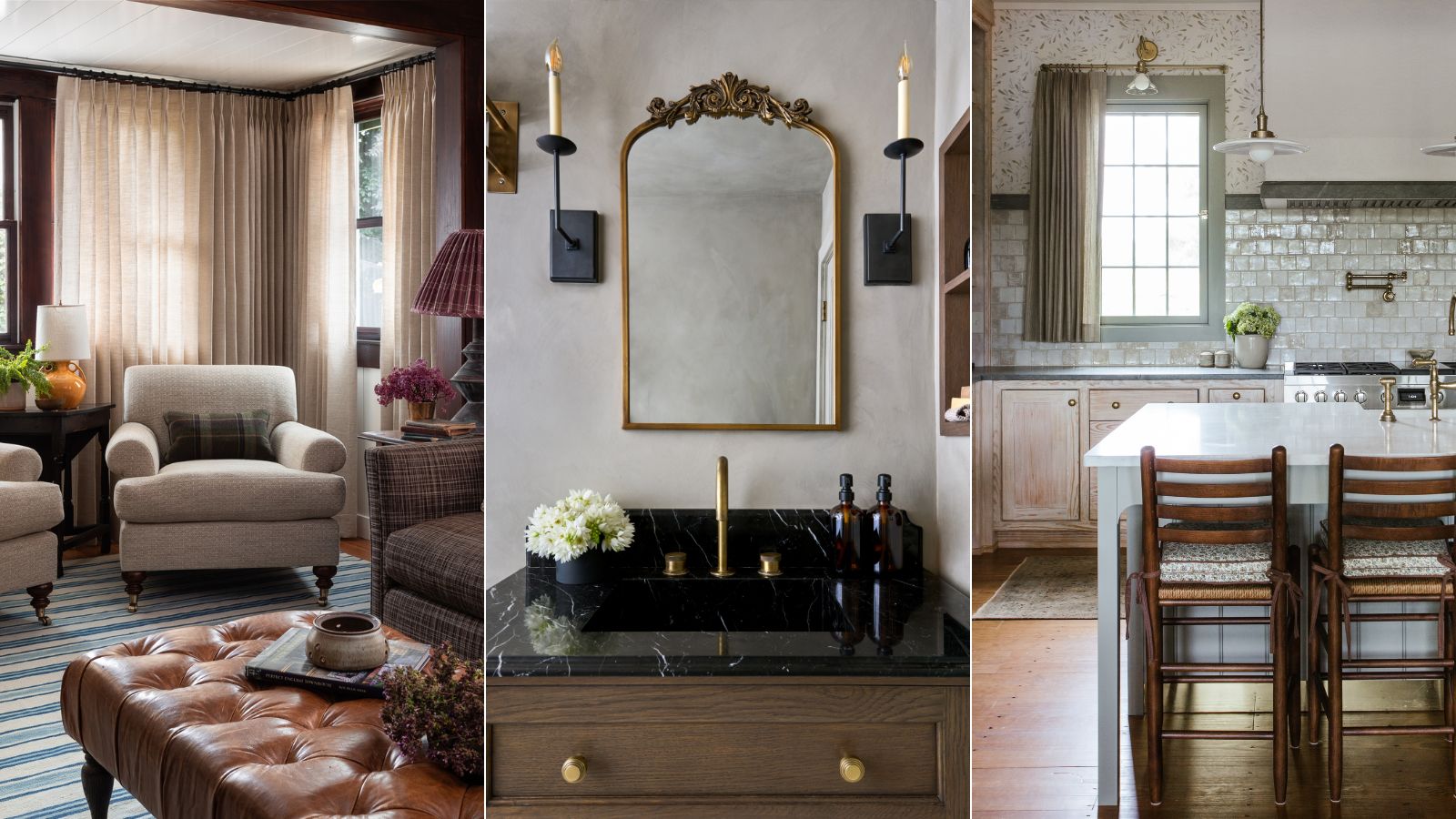
Are darker woods back on trend? Designers say this once-dated finish is in fact perfect for creating character

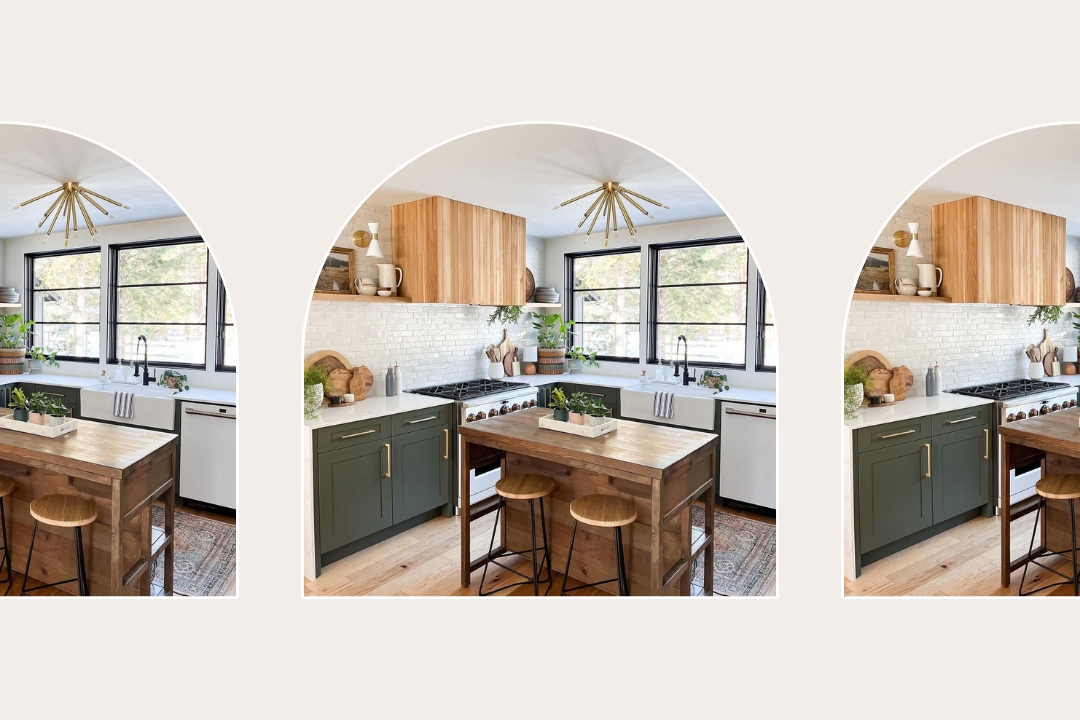
This Home Decor Trend Has Proved It’s Here to Stay—Here’s Why We Can’t Get Enough
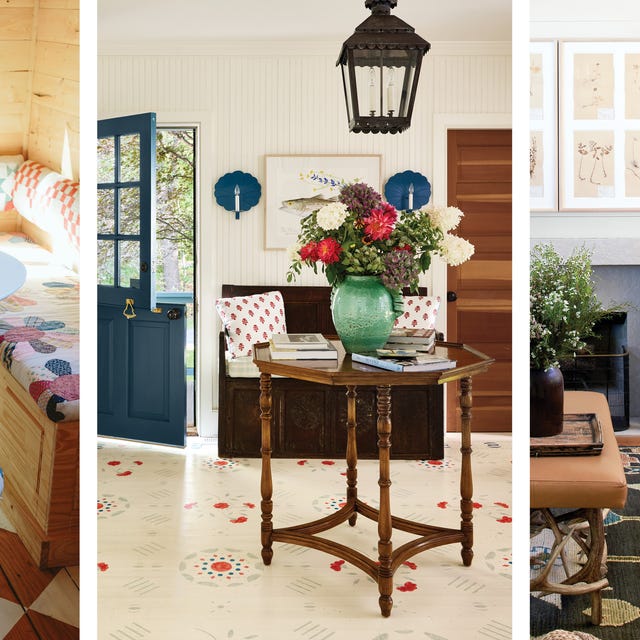
Wood Paneling and 11 More Vintage Decor Trends Making Huge Comebacks in 2025
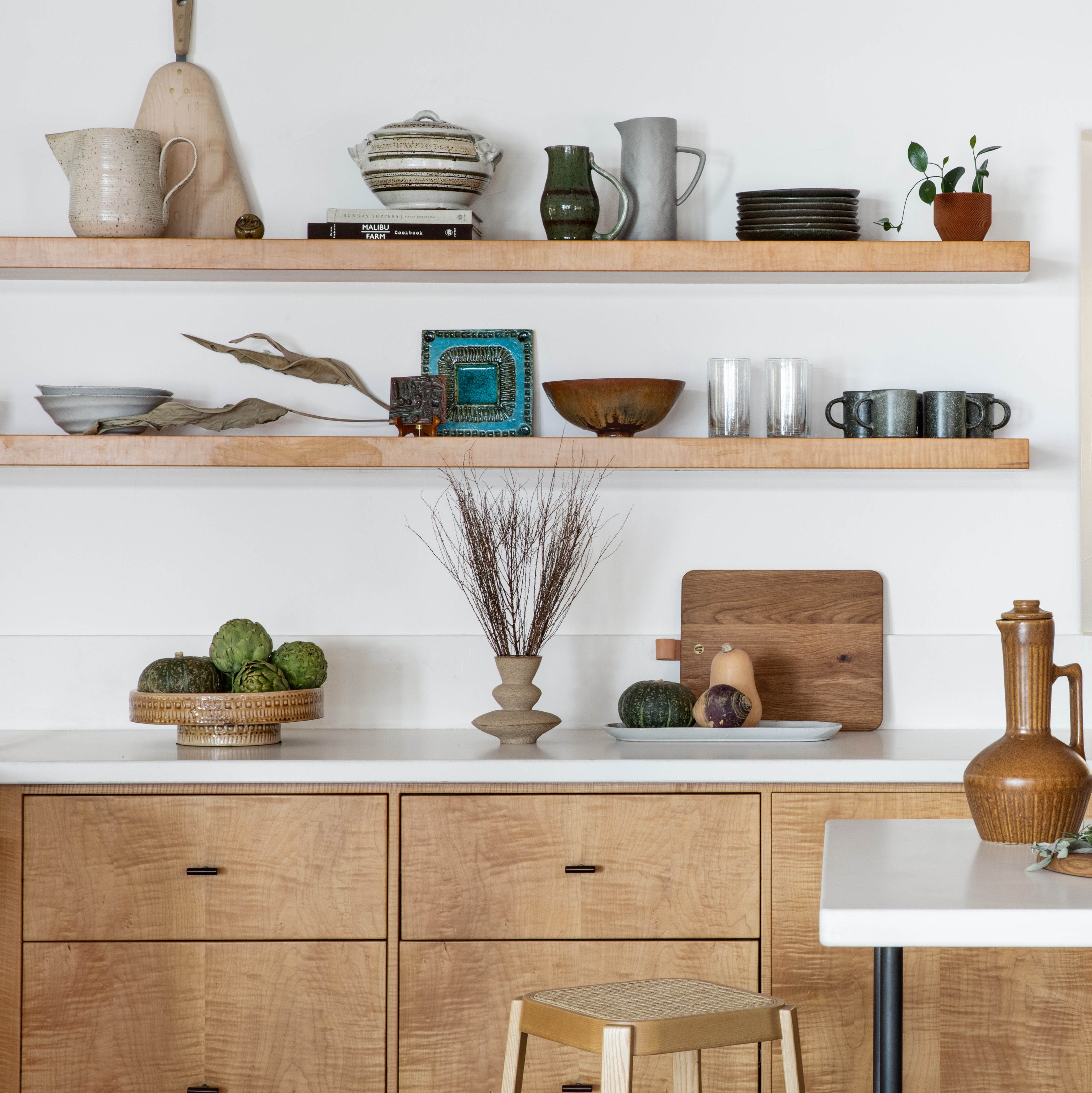
The Most DIVISIVE Wood Stain From the '90s Is Back in a Big Way
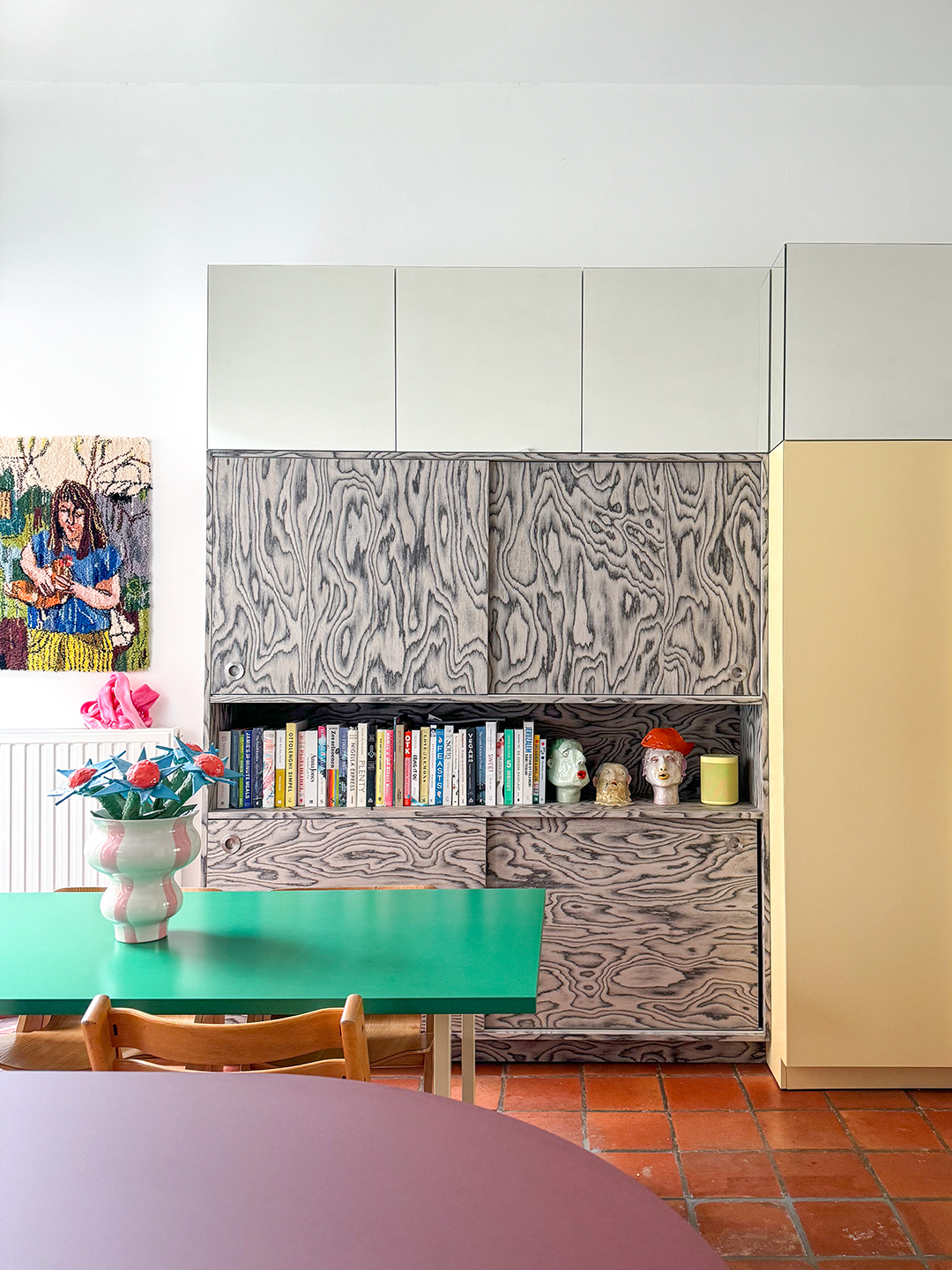
Move Aside, Ply—Designers Are Loving This Wood for Its Captivating Pattern

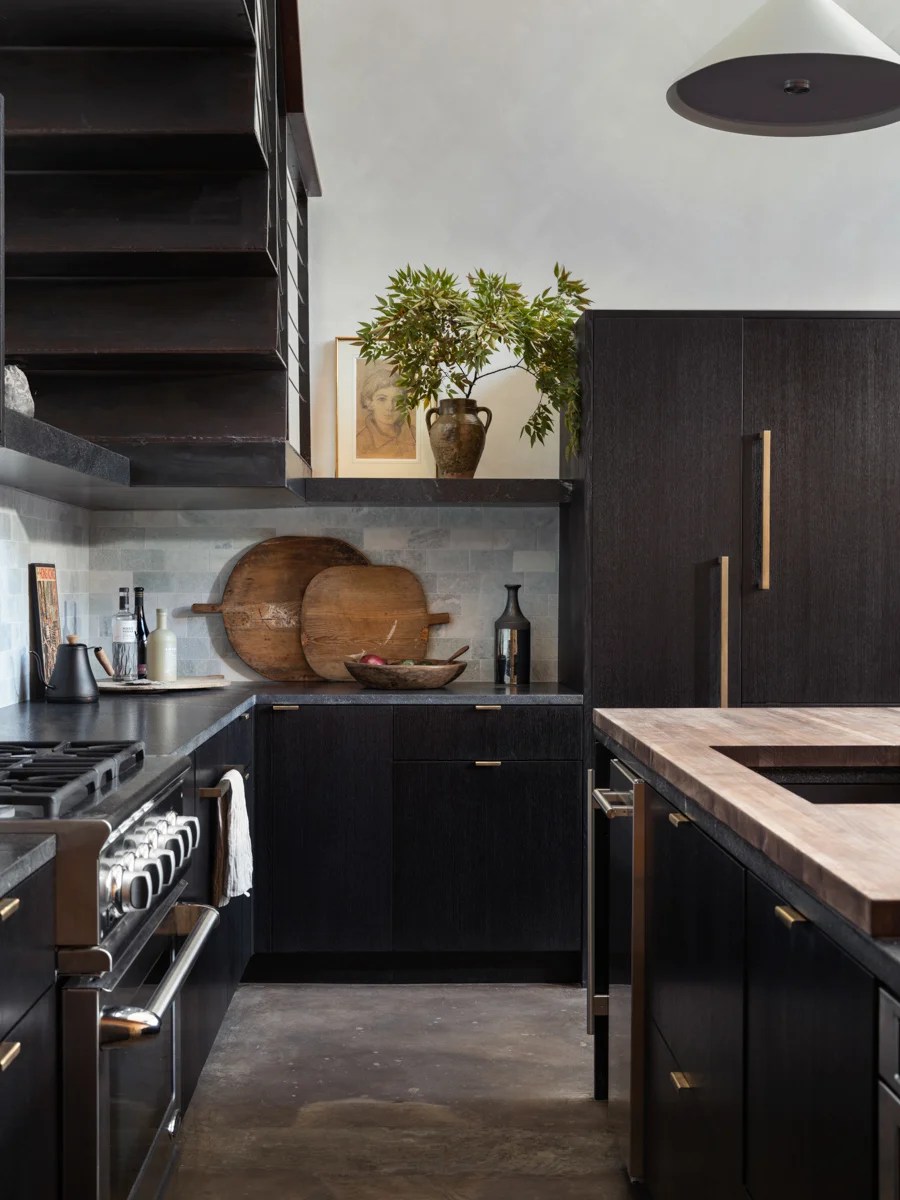
The Countertop Material That We Loved 25 Years Ago Is Coming Back

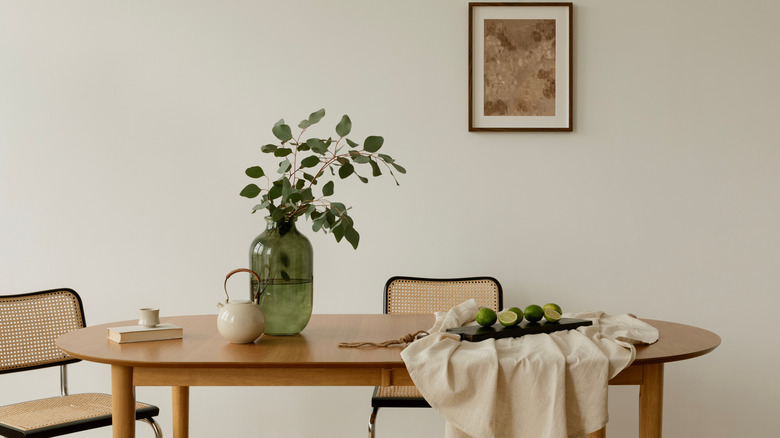
The Gentle Wood Trend That Will Dominate Dining Rooms In 2026