1/7
The Most DIVISIVE Wood Stain From the '90s Is Back in a Big Way
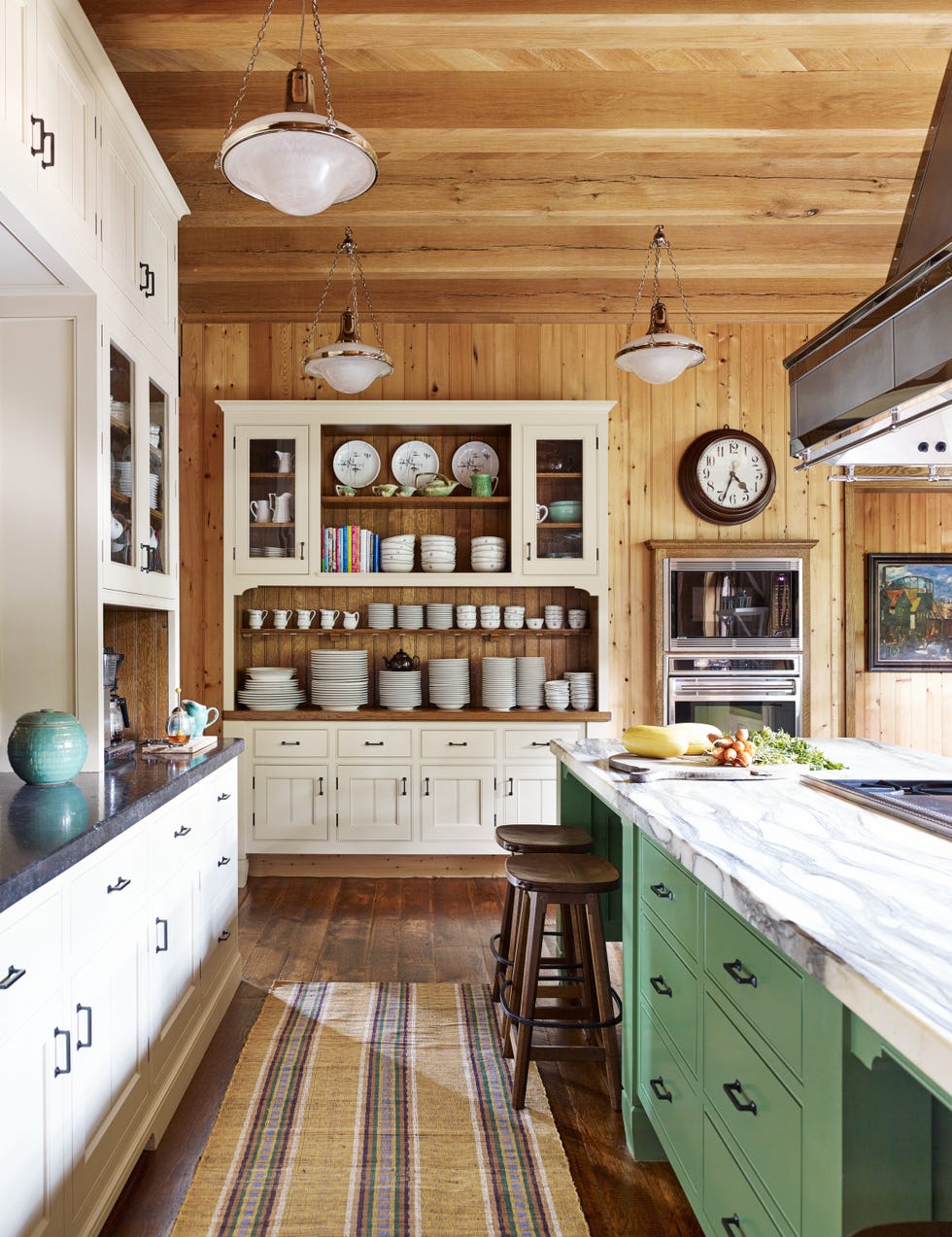
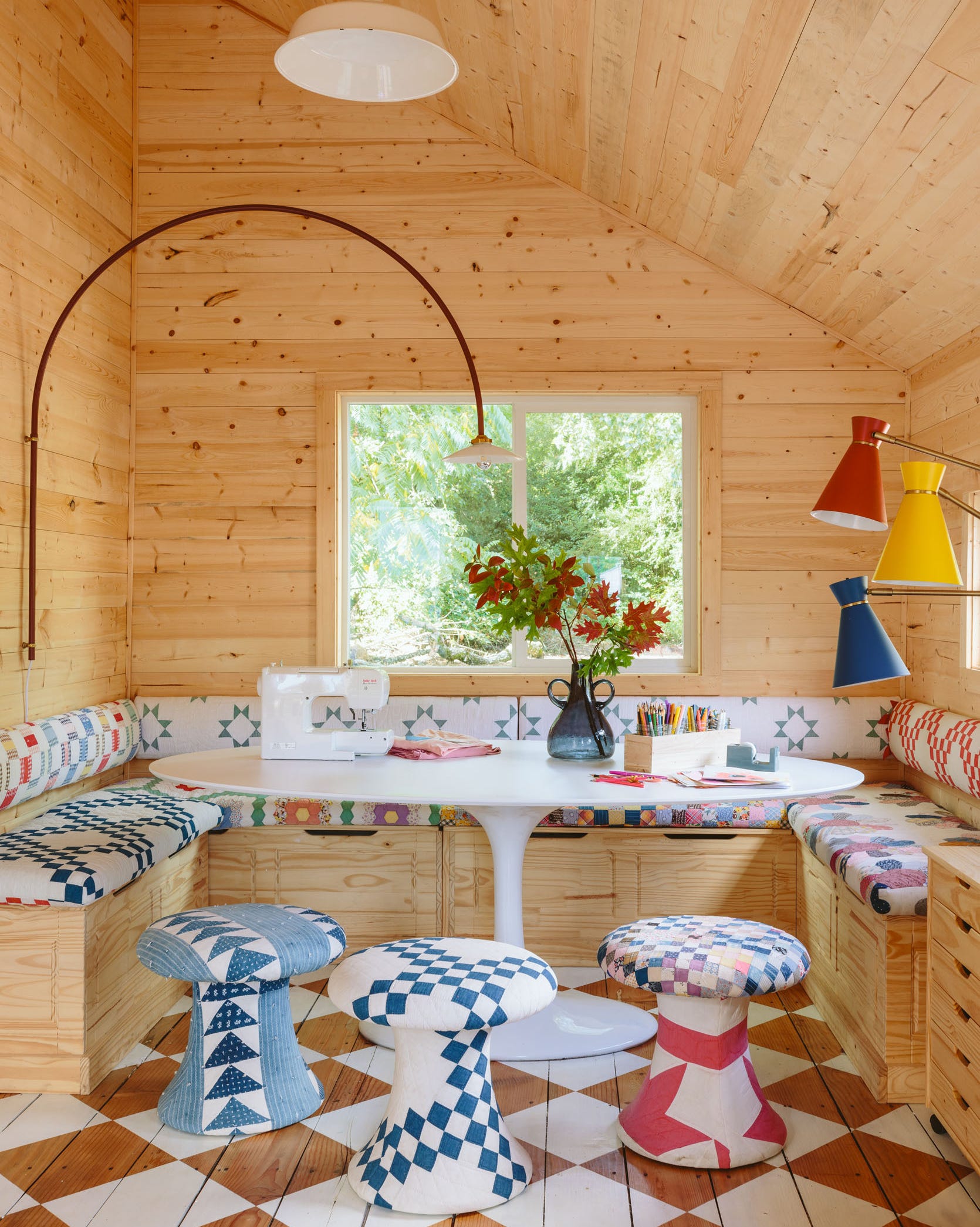
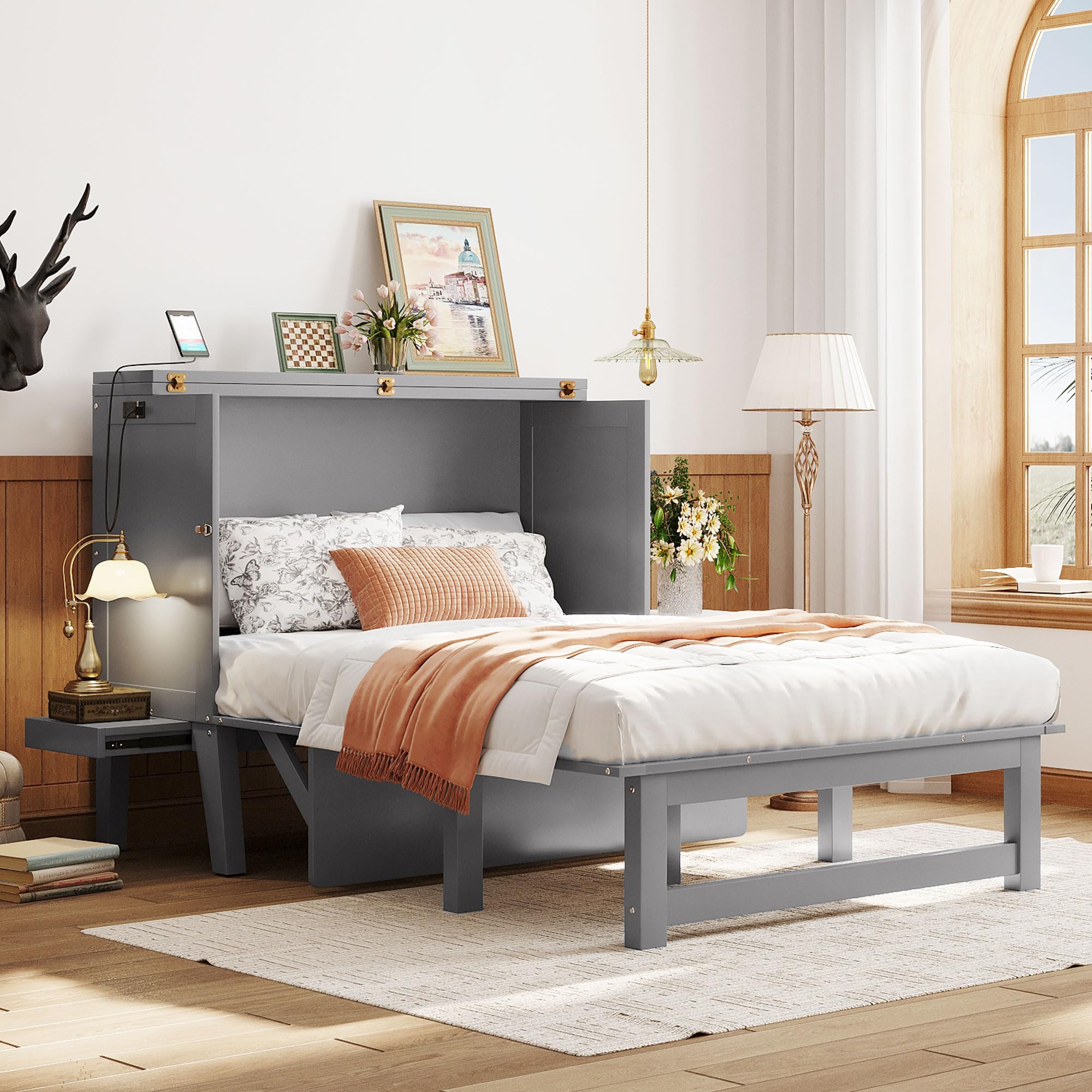
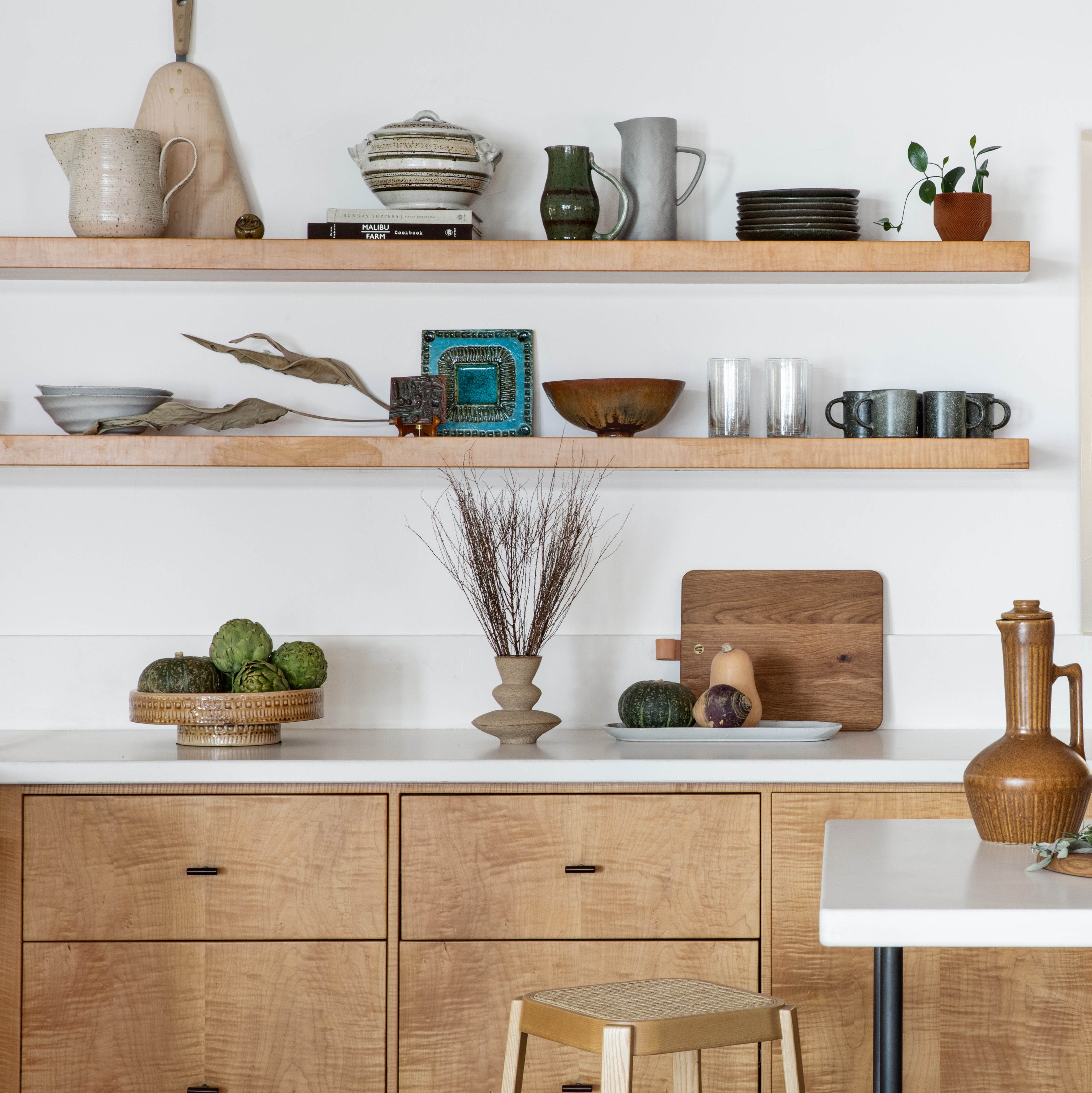
Interior design trends, much like other cyclical phenomena, are seeing the resurgence of honey oak, a warm-toned, wide-grained wood that was ubiquitous in homes from the late 1980s through the early 2000s. During its peak, honey oak dominated newly built or renovated houses, particularly in Tuscan-inspired kitchens, where it was extensively used for cabinets, baseboard trim, bathrooms, and furniture, creating a consistent golden glow throughout living spaces.
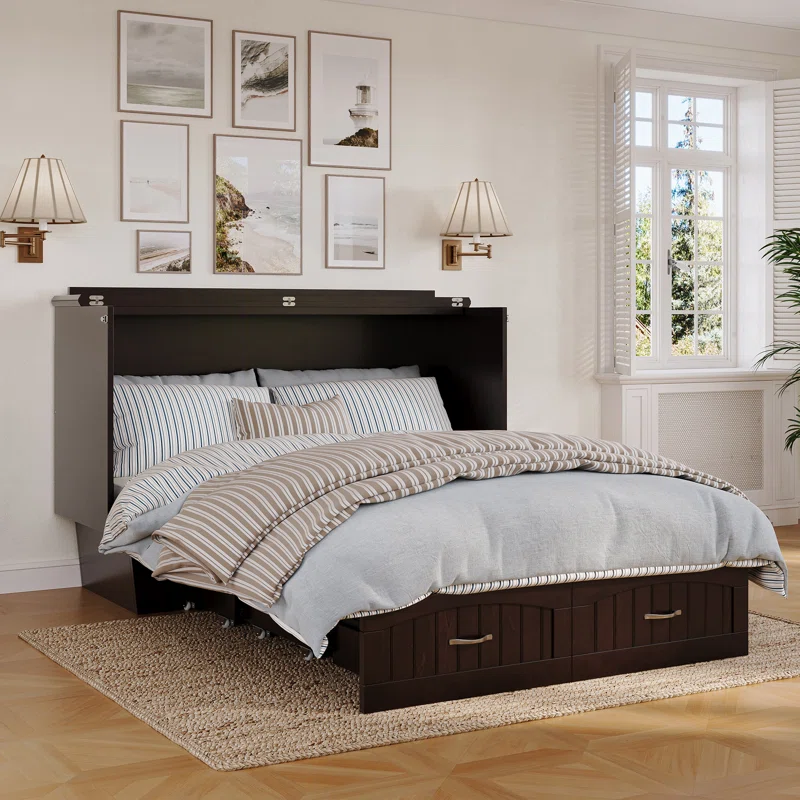
However, by the mid-2000s, design preferences shifted dramatically. Honey oak was perceived as outdated, replaced by cooler tones and whitewashed interiors. The era of "Millennial gray" emerged, characterized by stark whites and contrasting dark espresso finishes, pushing honey oak out of favor due to its "overwhelming orange vibe," as noted by interior designers like Cathleen Gruver of Gruver Cooley. This shift reflected a move towards minimalism and cooler palettes.
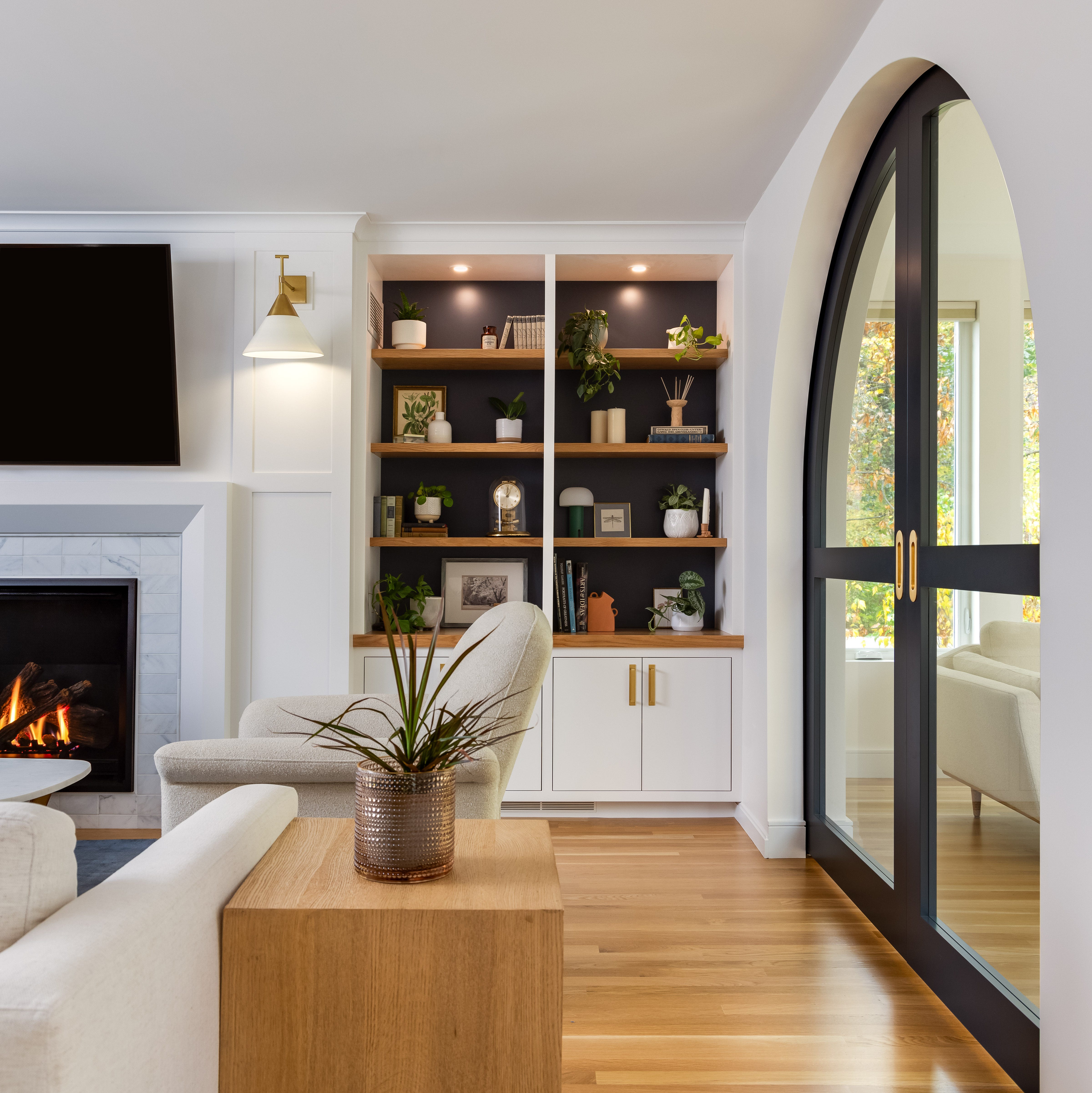
Today, there is a noticeable swing back towards warmer tones, leading to a revival of interest in honey oak. Elizabeth Bennett and Mallory Robins of Kobel + Co attribute this to two main factors: the broader trend of incorporating warm tones throughout homes and the nostalgic appeal of honey oak for individuals who grew up in the 1980s and 1990s and are now homeowners. This resurgence is not a complete replication of its past dominance but rather a subtle return, particularly in cabinetry, millwork, and furniture, where clients are gravitating towards natural wood tones that offer warmth and character without explicitly requesting "honey oak" by name.
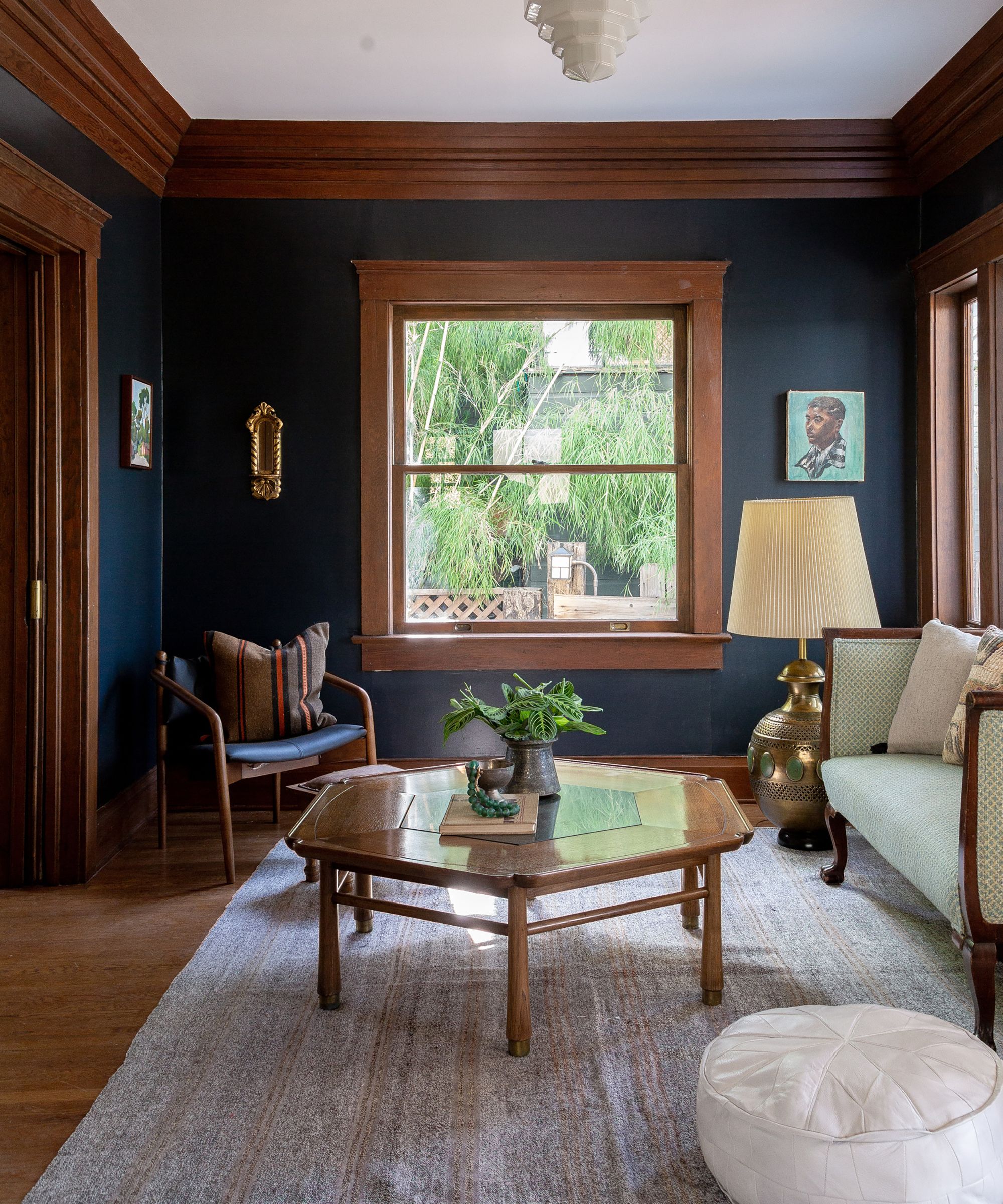
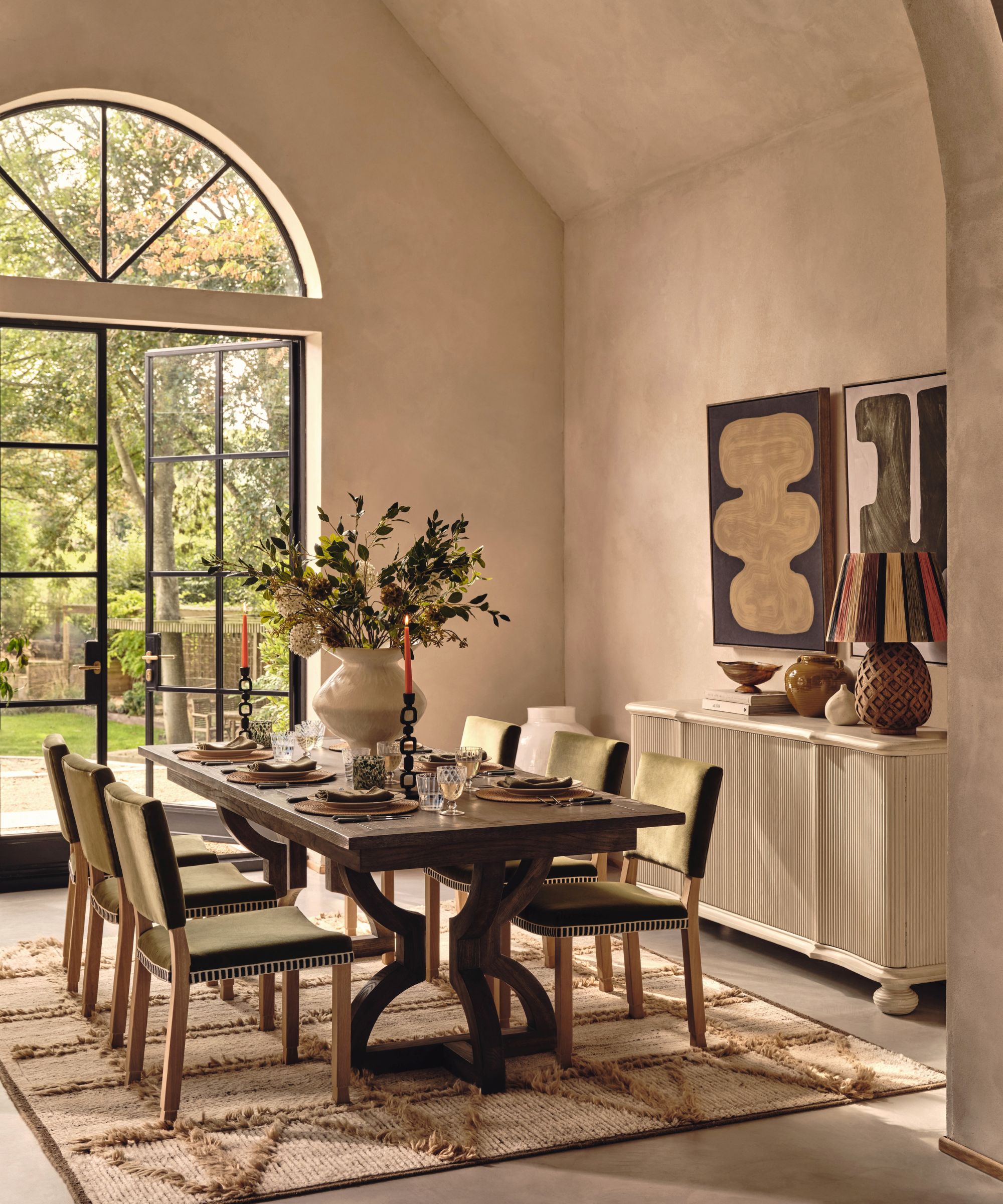
Designers advocate for modern approaches to styling honey oak to prevent it from appearing dated. One key strategy is to mix wood tones, combining lighter and darker woods to create a fresh and timeless feel, avoiding a monochromatic look. Another essential tip is to choose cleaner silhouettes for honey oak pieces; unlike the arched fronts and puffed valances of the '90s, contemporary designs feature clean-lined cased goods and cabinetry for an updated aesthetic.
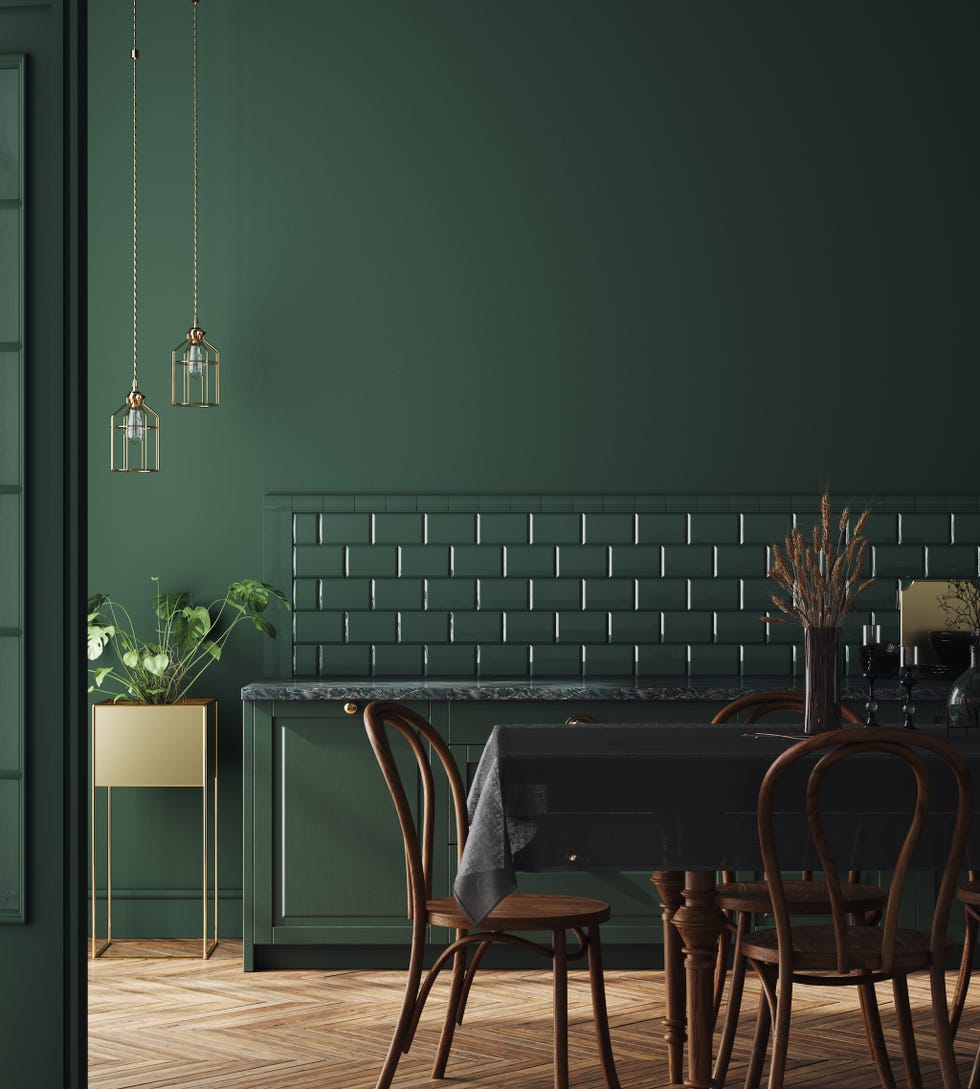
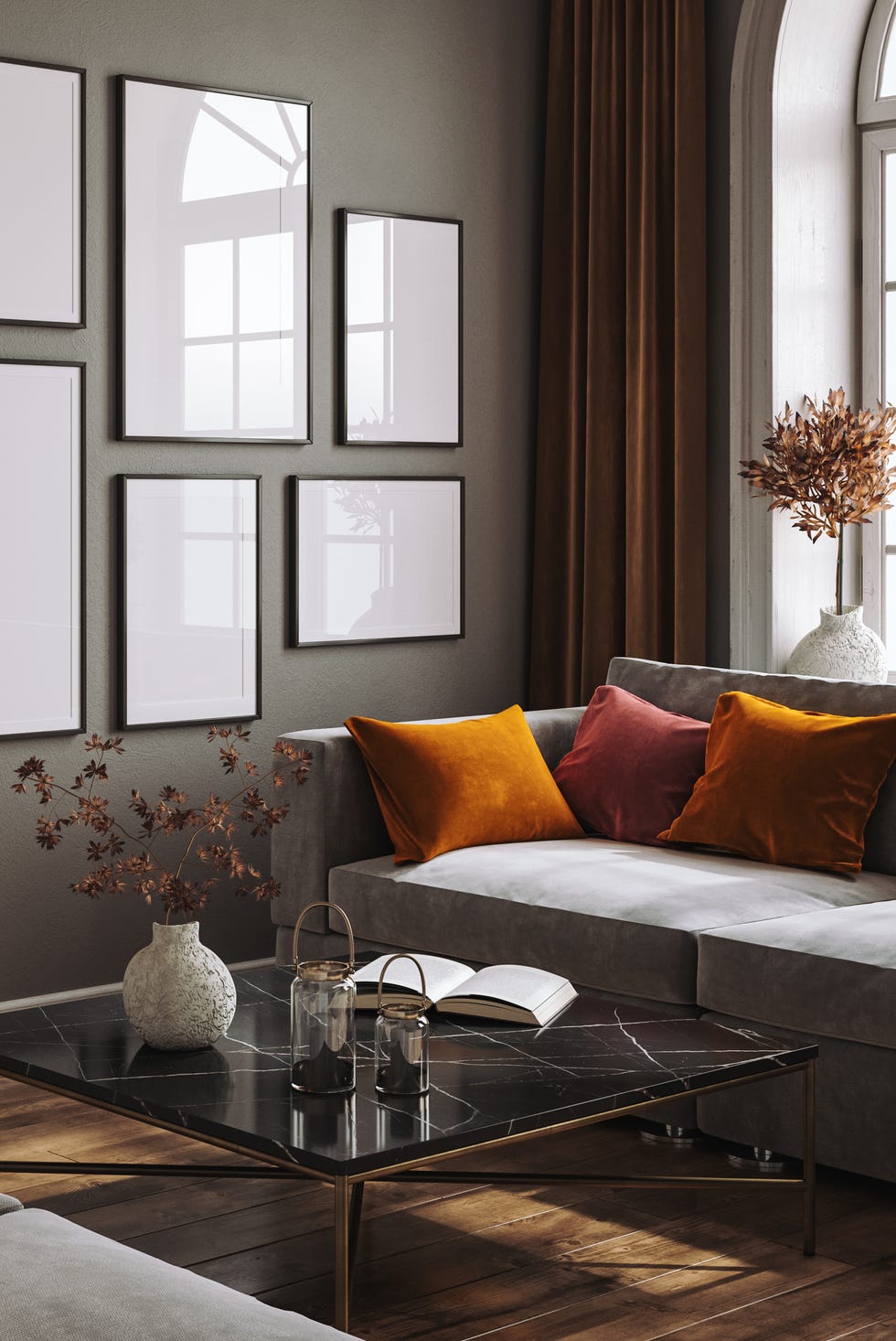
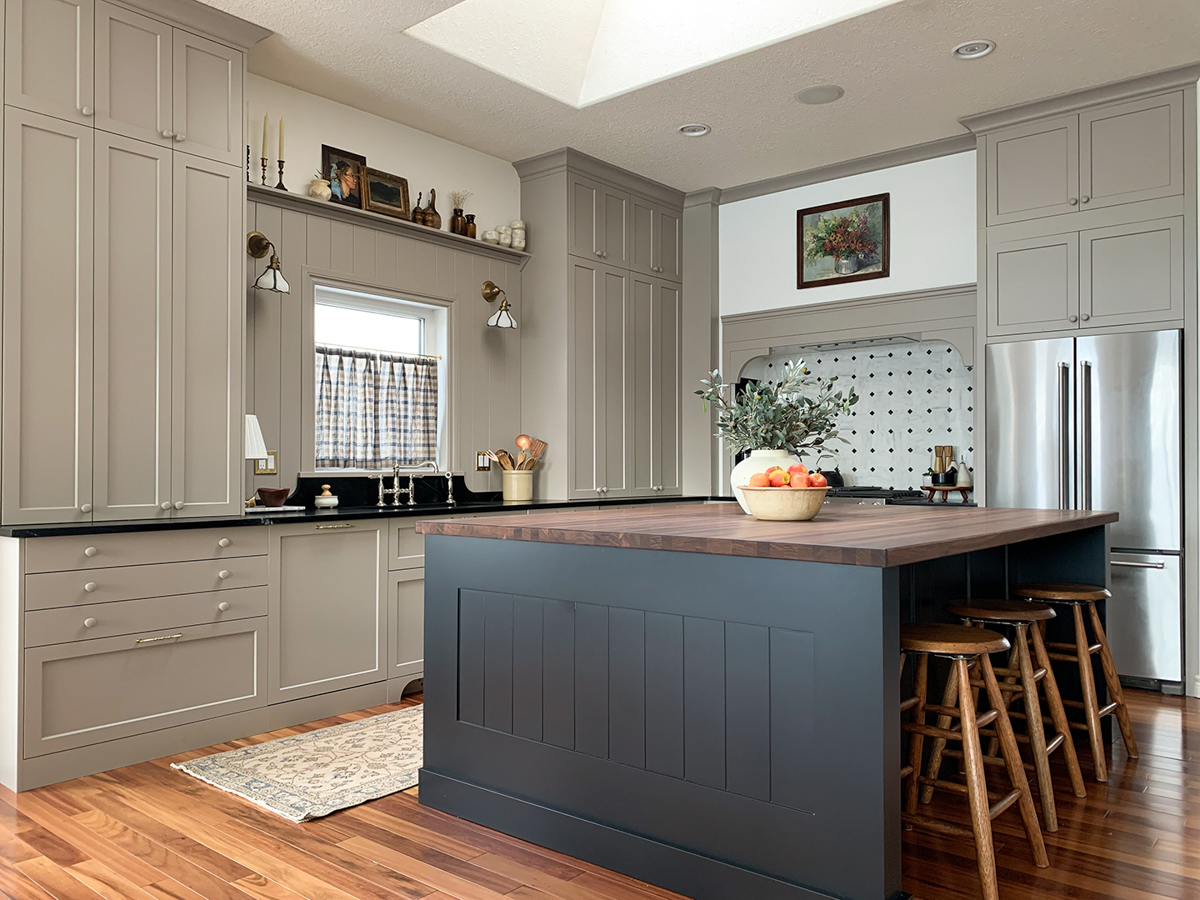
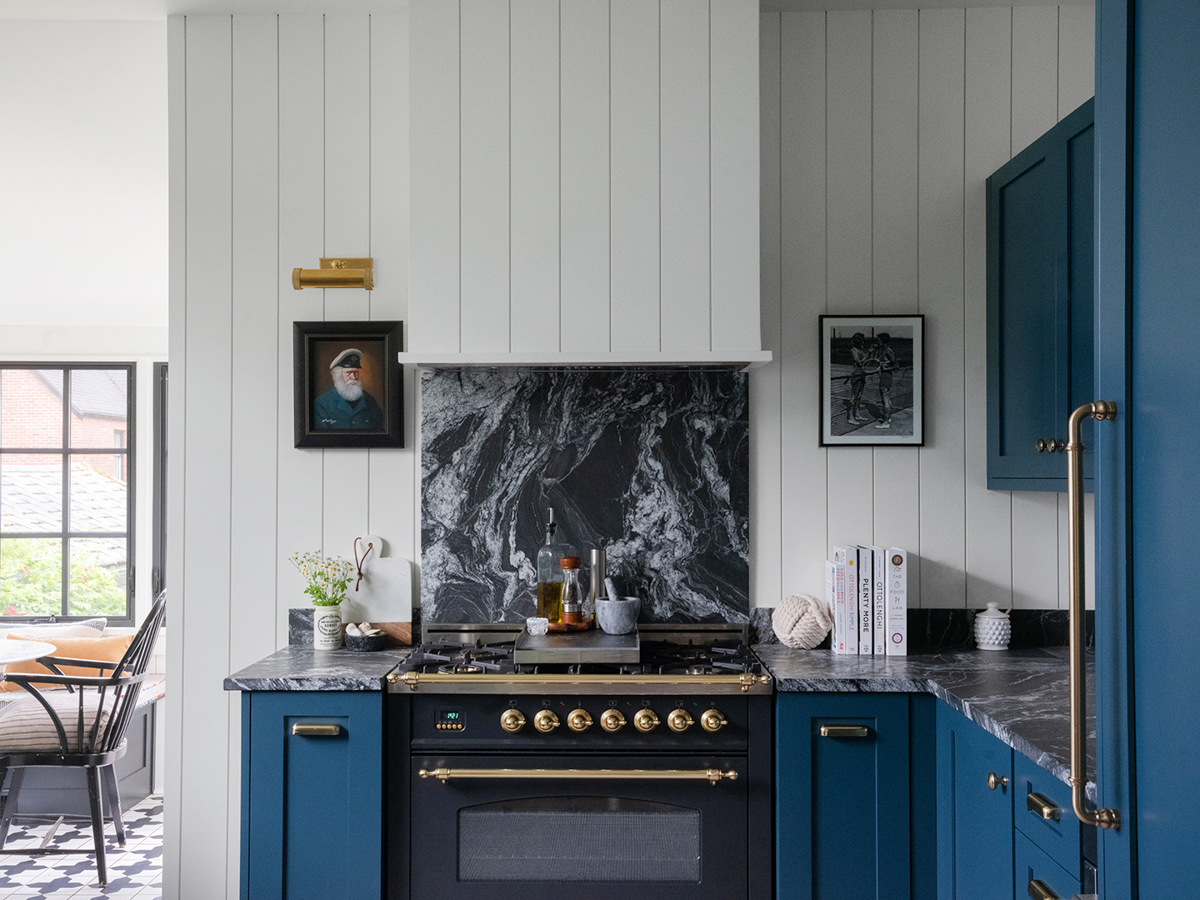
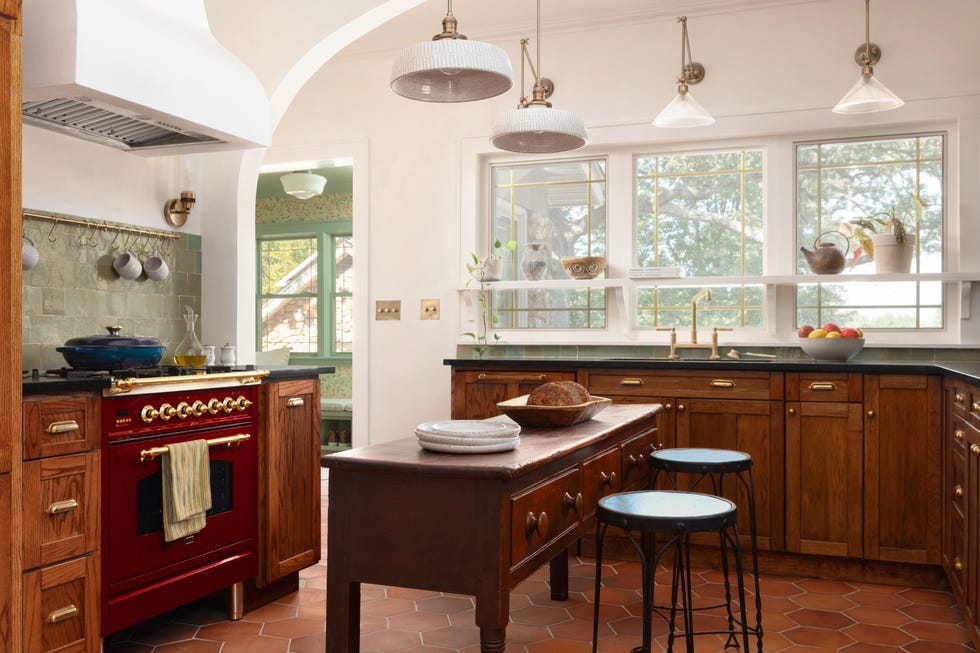
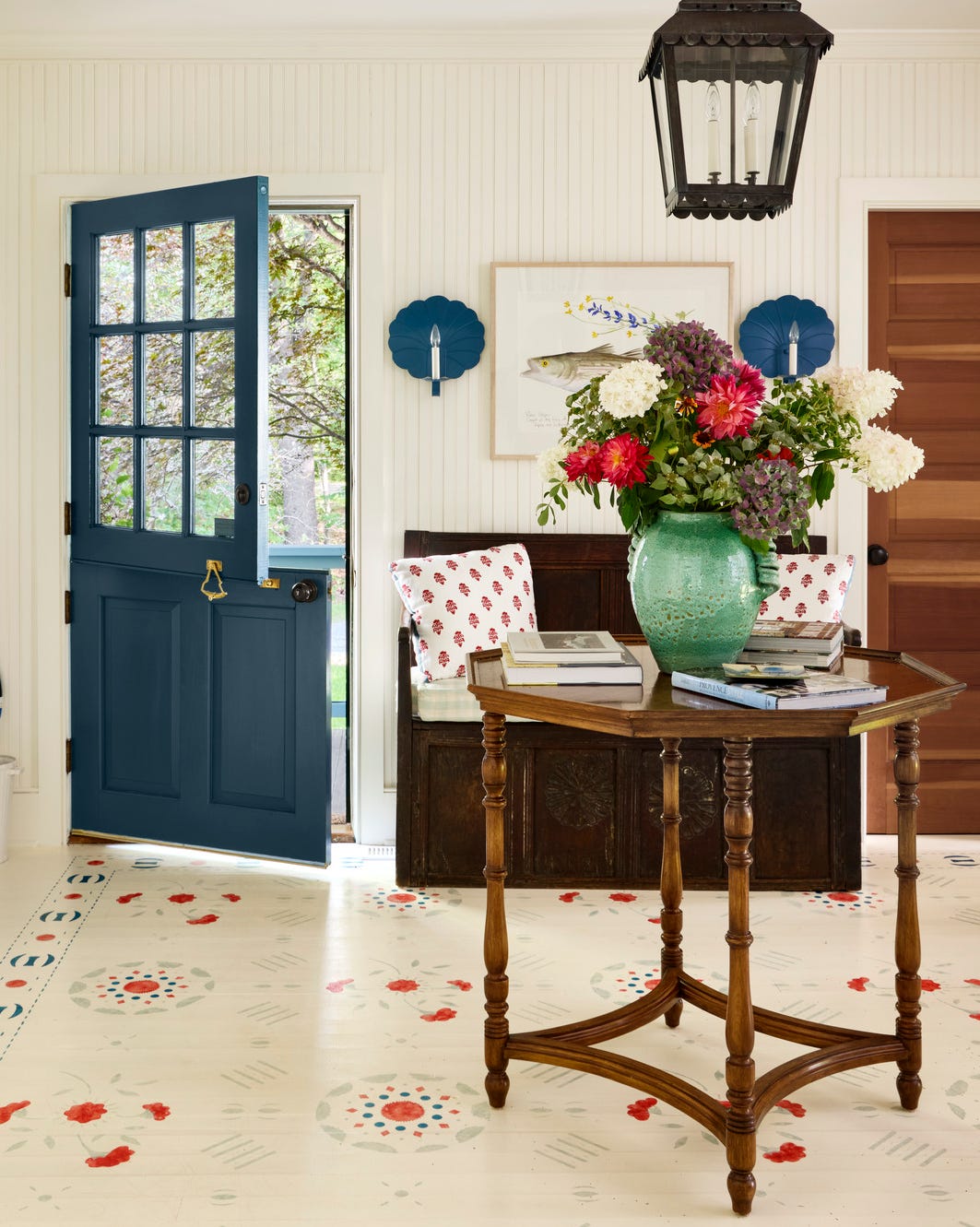
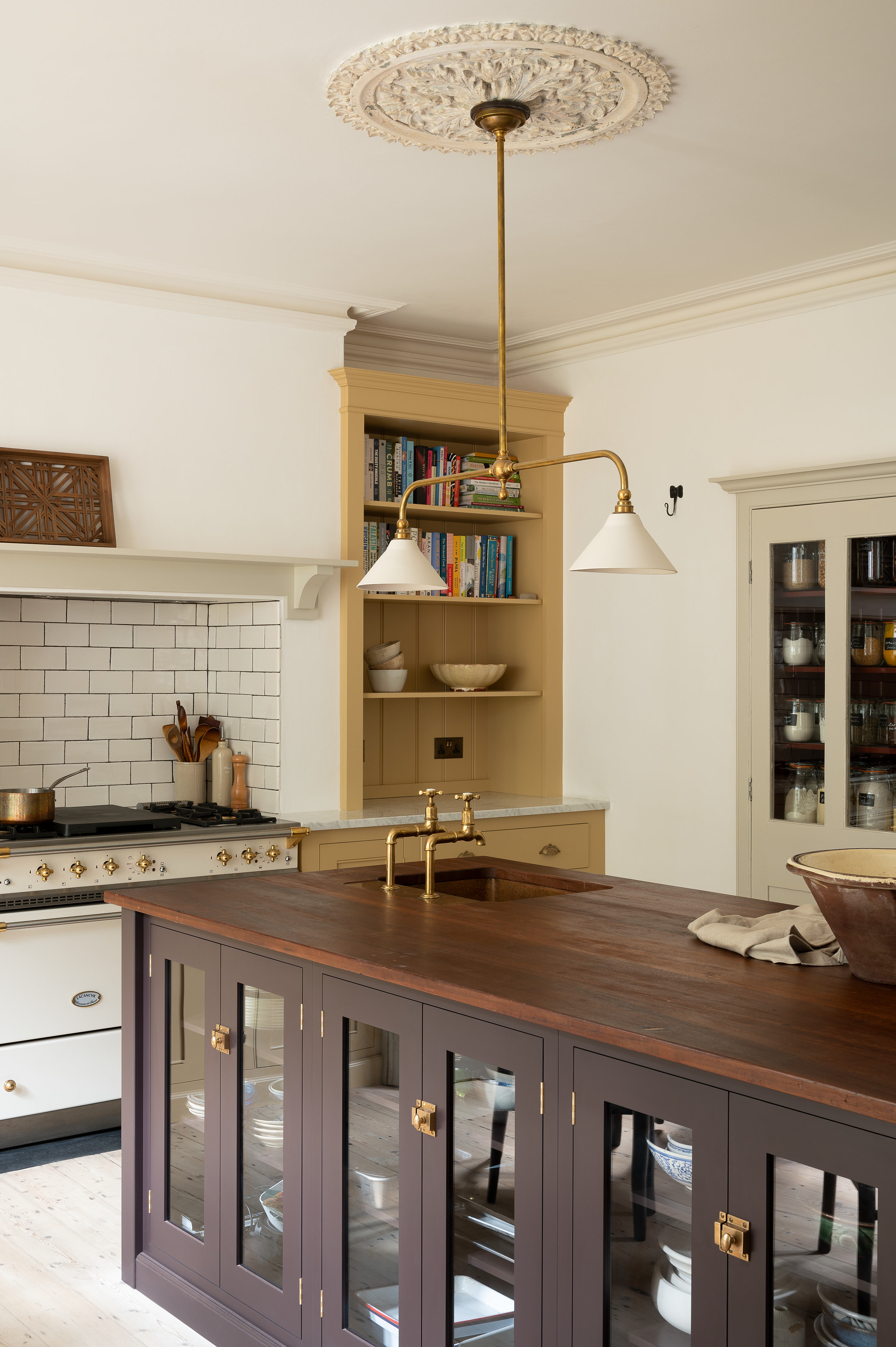
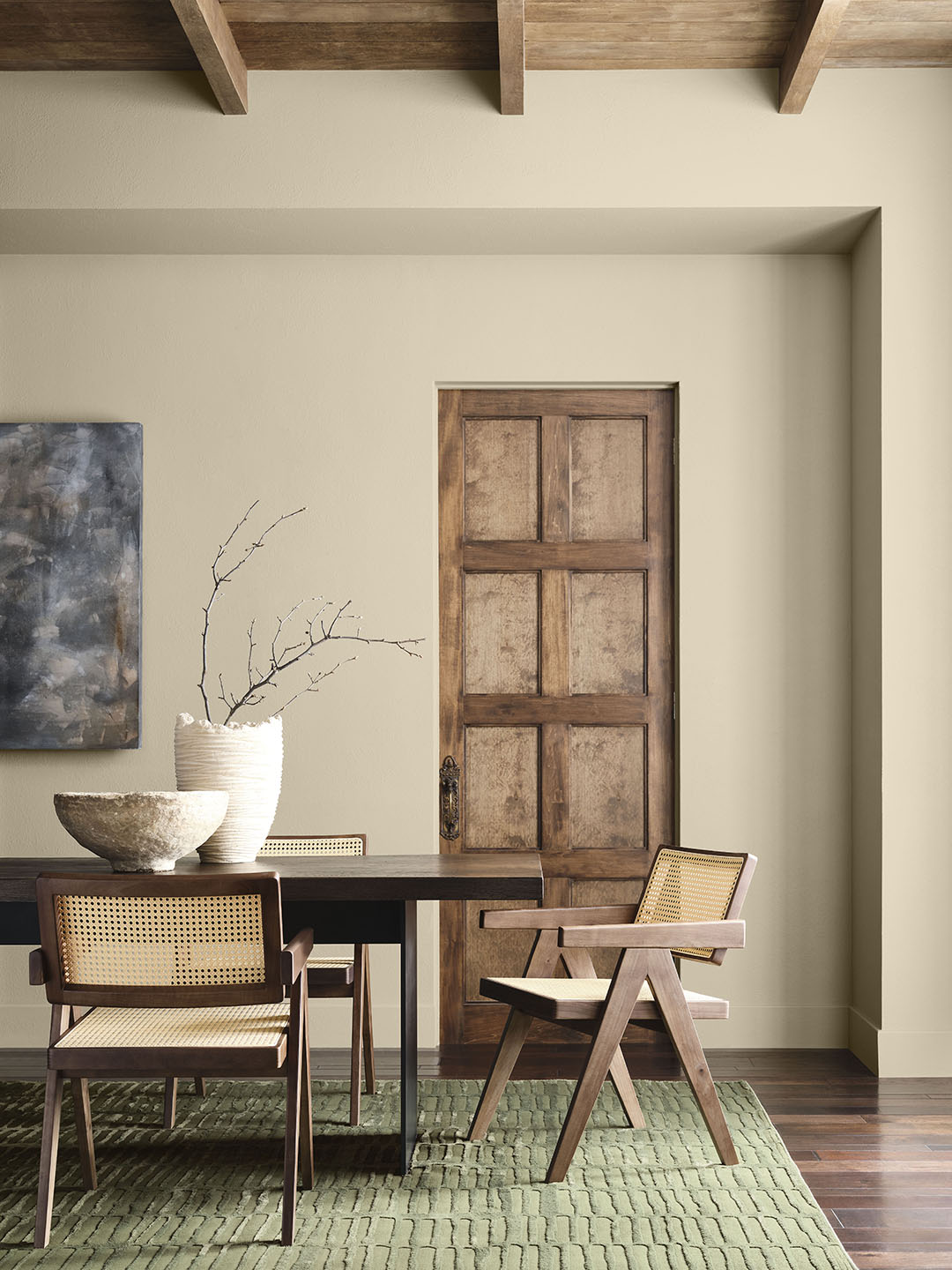
Subtlety is crucial in the current revival. Instead of "wood drenching" entire homes, honey oak is being used in more restrained ways, such as in a single statement piece like a cased good or a kitchen island. The selection of a wise color scheme is also paramount. To prevent a "harvest season" look, designers recommend pairing honey oak with earthy colors that do not evoke the '90s, such as deep greens, warm whites, taupe, putty, and muted blues. These natural hues help balance the wood's warmth, especially when combined with less saturated palettes and organic textures like marble or sisal.
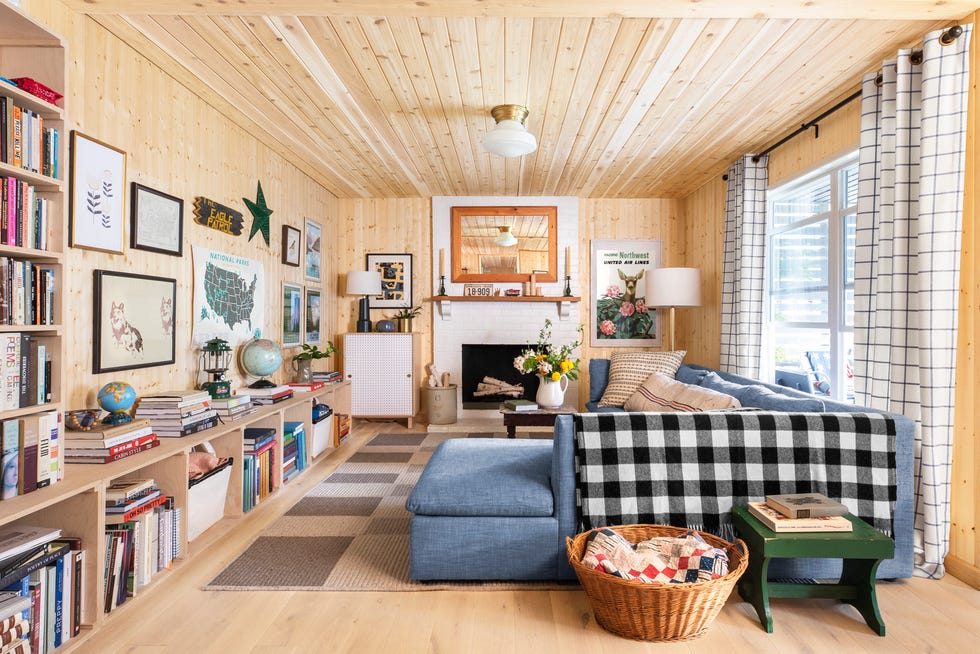
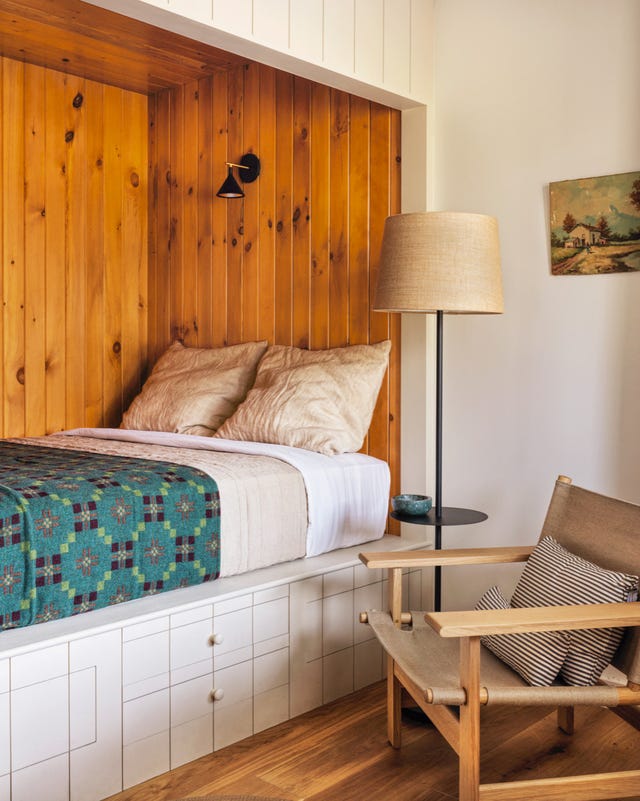
Intentionality in adding honey oak pieces is emphasized, focusing on stunning built-ins, custom islands, or accent details that provide texture and warmth. Pairing these elements with contemporary hardware or painted finishes helps them appear fresh and curated. Finally, considering the general aesthetic of the home is important; honey oak best complements updated farmhouse and cottagecore styles, or modern, organic spaces that prioritize natural materials and textures. When styled thoughtfully, honey oak can indeed feel current and sophisticated once again.
#HoneyOak #InteriorDesignTrends #WoodStainRevival #NinetiesNostalgia #HomeDecor #DesignInspiration #WarmTones #ModernStyling #Cabinetry #HoneyOak #InteriorDesignTrends #WoodStainRevival #NinetiesNostalgia #HomeDecor #DesignInspiration #WarmTones #ModernStyling #Cabinetry
0 comment in total
 No comments yet
You may also like
This surprising color trend is having a comeback

Designers Say These Vintage Paint Colors Are Back

The Countertop Material That We Loved 25 Years Ago Is Coming Back

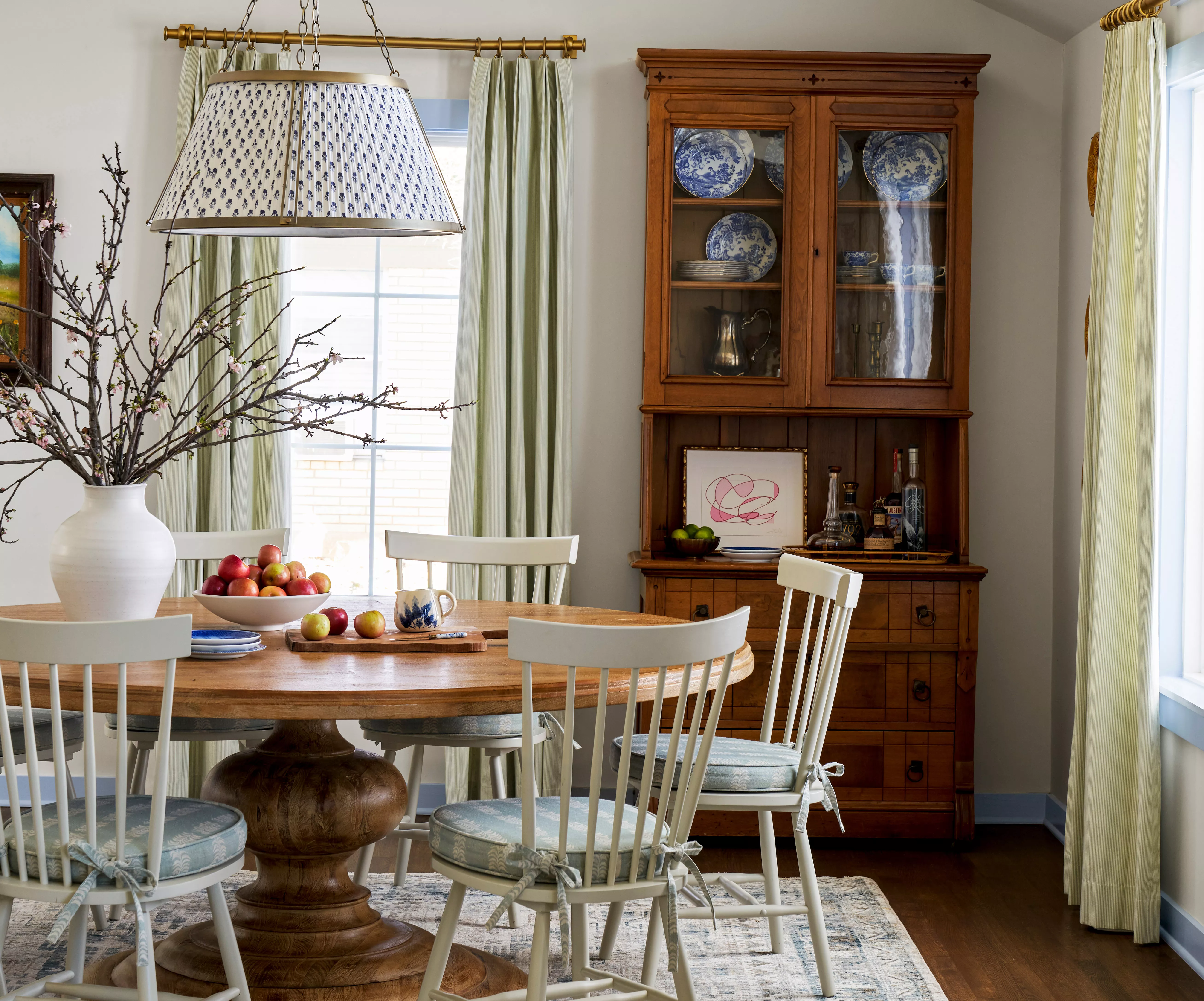
This Classic ’90s Furniture Trend Is Back, and We’re Obsessed All Over Again

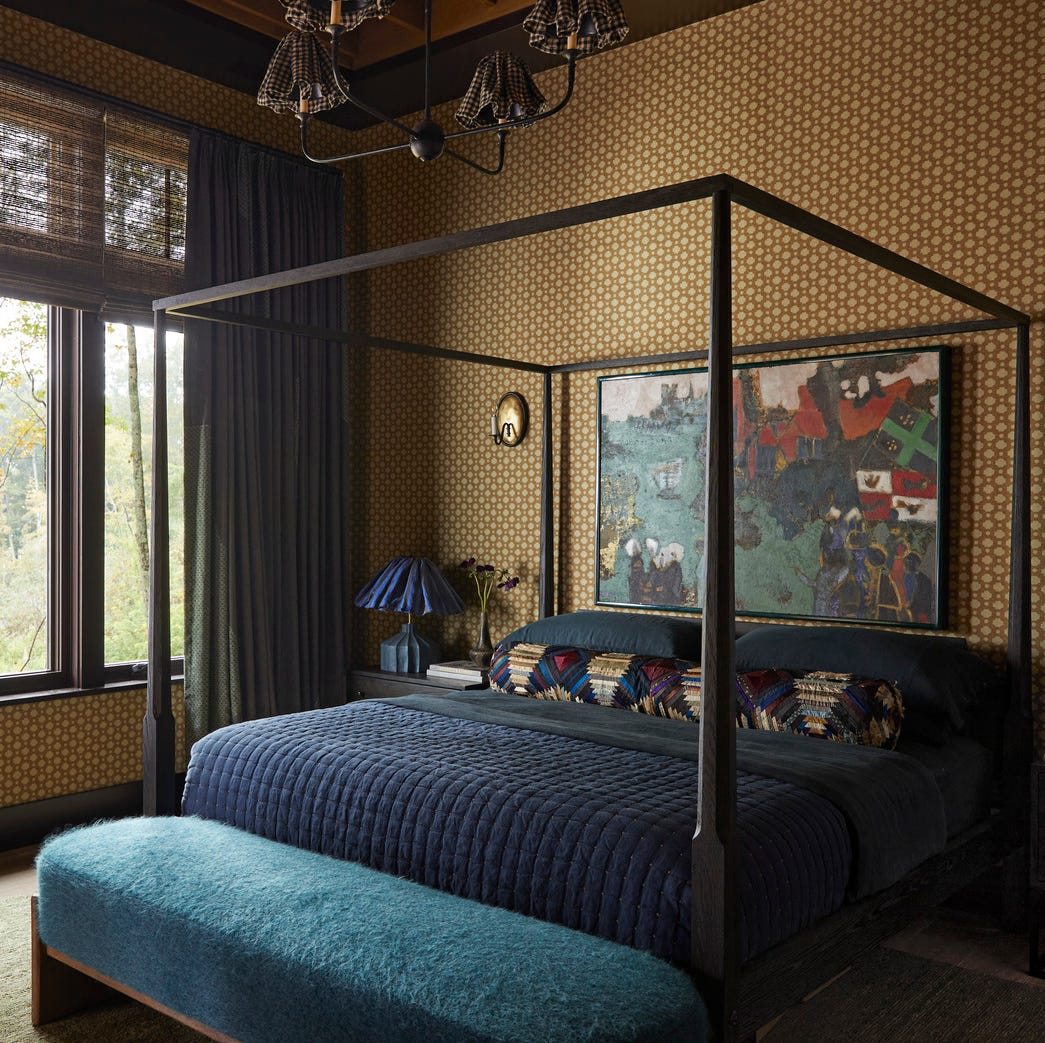
This Very "Controversial" Color Is About To Be Everywhere Again

Wood Paneling Is Back—and Better Than Ever
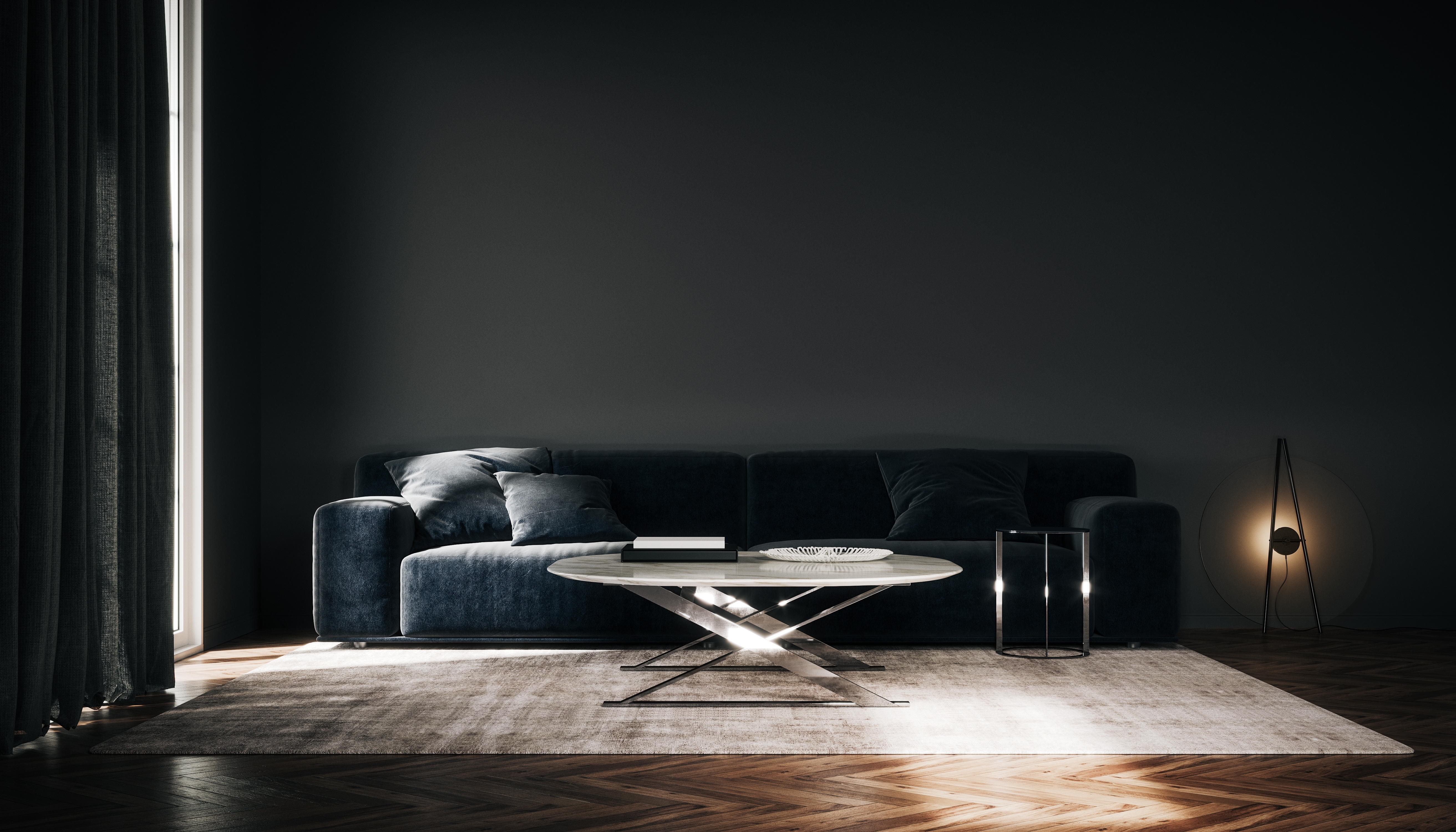
Are dark woods making a comeback?

This Controversial ’90s Hue Deserves a Second Chance in 2026

This electric 1960s shade is making an unexpected return – and designers say it’s the key to lifting darker, moodier interiors this fall

This '90s Home Trend Is Back With A Vengeance
Trend Alert: Wood Walls Are BACK!
This Furniture Trend From the 1920s Is Officially Back

Rediscover Limewash Paint, the Old-World Finish That's Trending Again

Comfy carpet, once dismissed as out-of-date, is back in vogue

Wood Paneling and 11 More Vintage Decor Trends Making Huge Comebacks
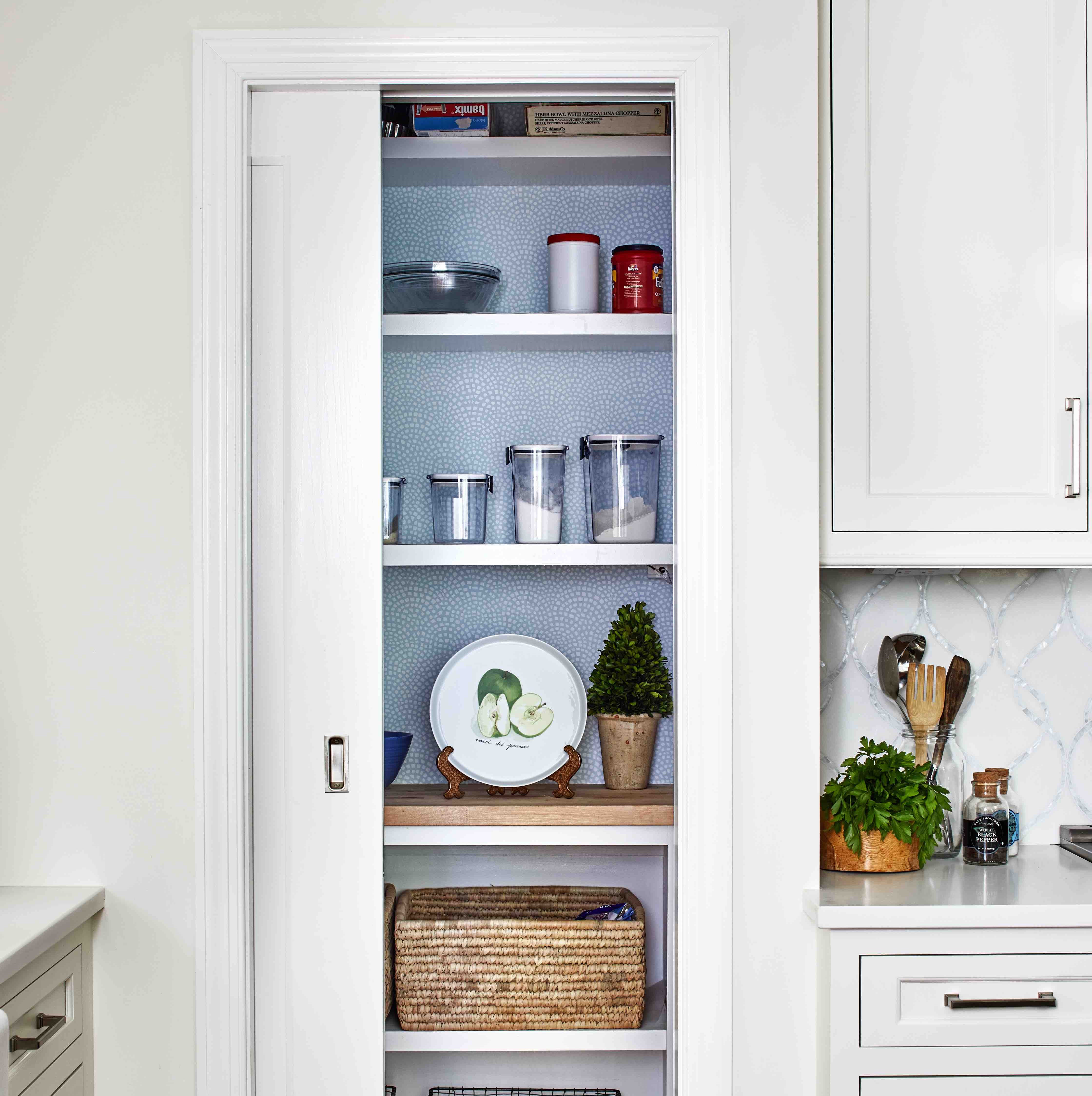
Designers Say This Vintage Home Feature Is Back

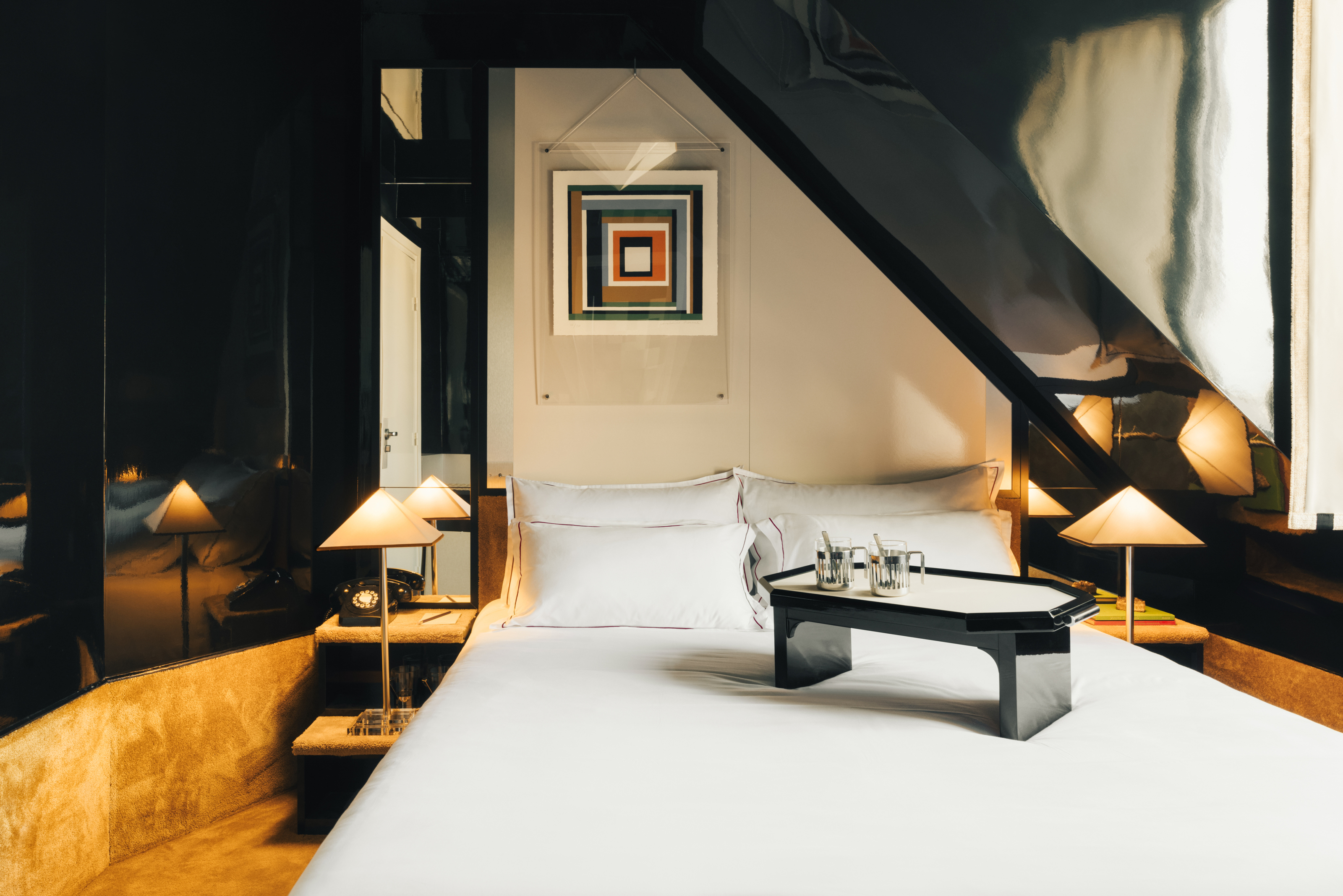
This Outdated Paint Trend is now Predicted to Return — Designers Love its "Fun, Eye-Catching Glamor"
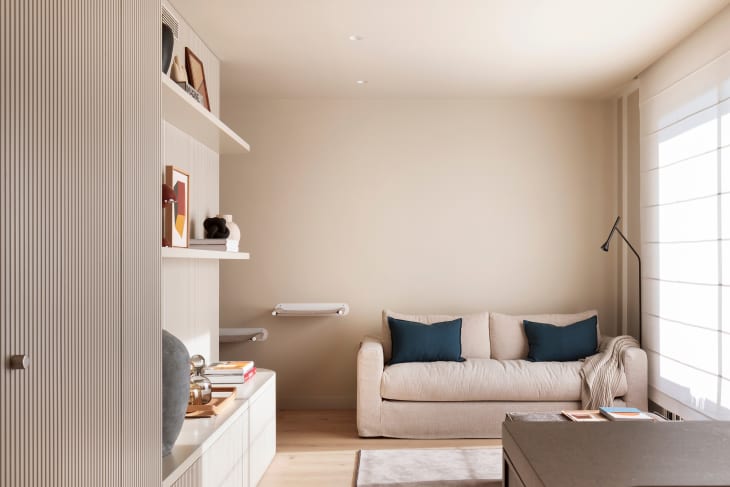
Forget Millennial Pink: When It Comes to Wall Paint, "Boring" Beige is Back
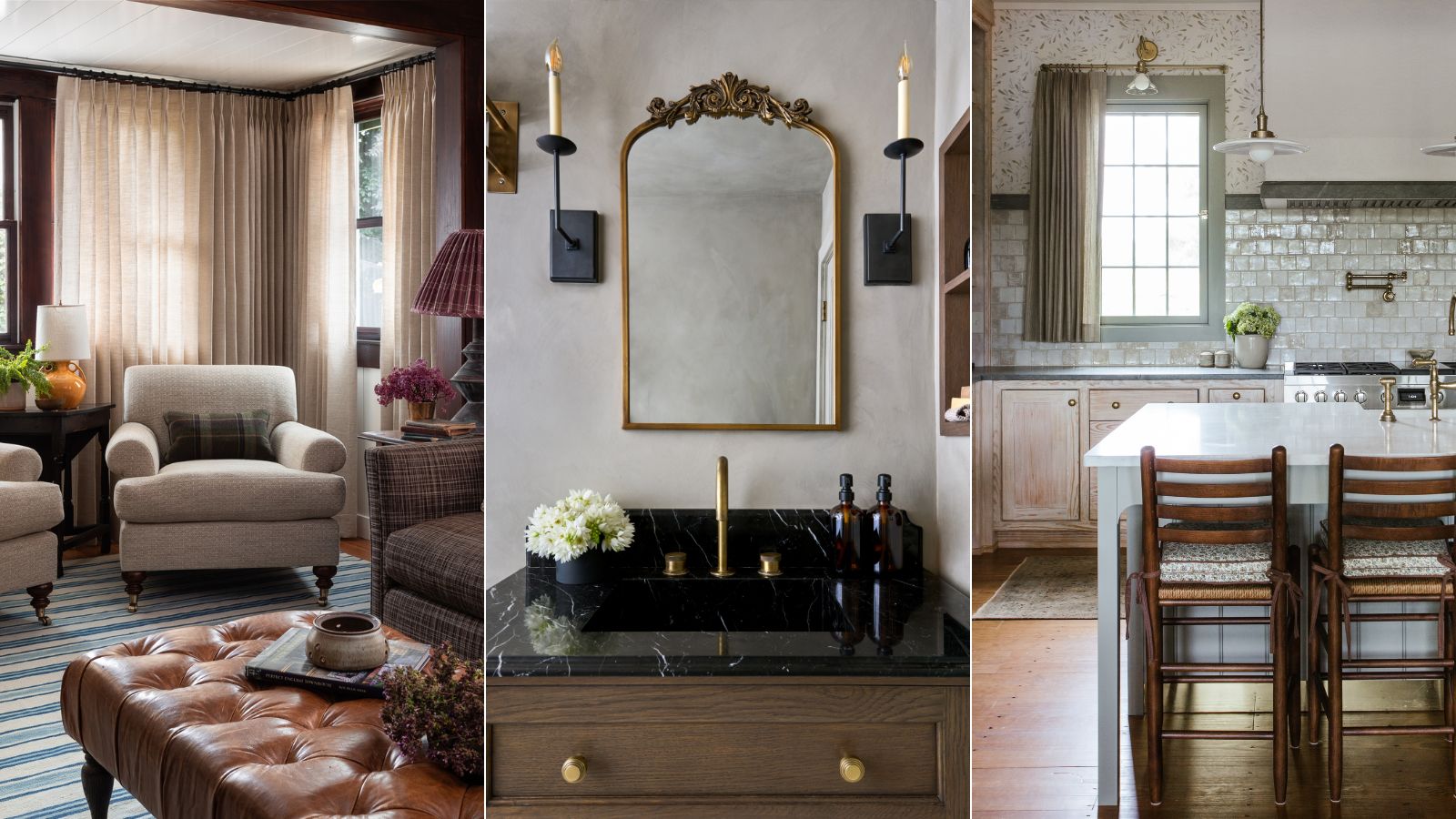
Are darker woods back on trend? Designers say this once-dated finish is in fact perfect for creating character
Grandma's Wicker Is Back In Style—But Southerners Know It Never Left