1/13
The 8 Best Wood Stoves for Warmth, Efficiency, and Ambiance
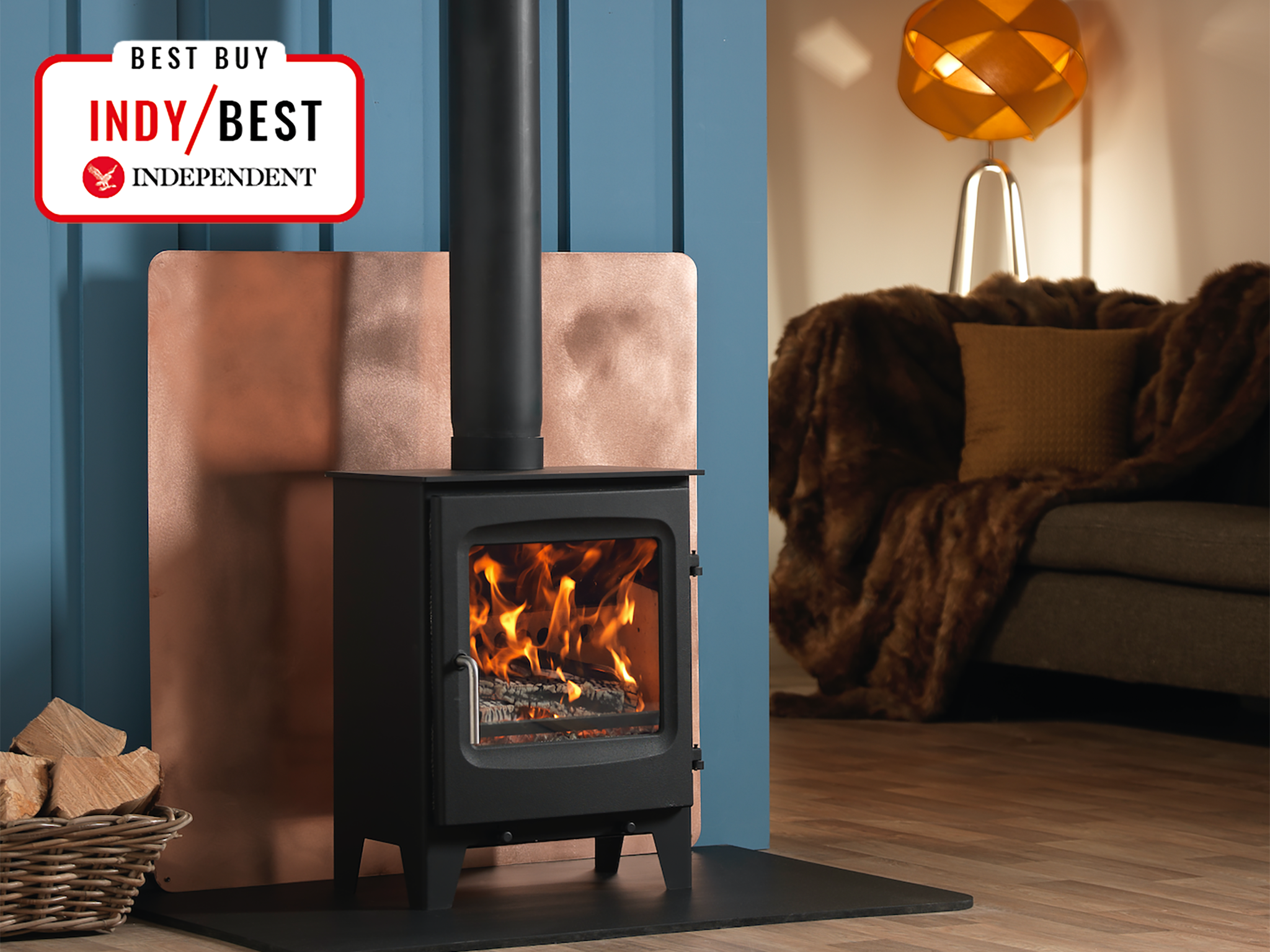
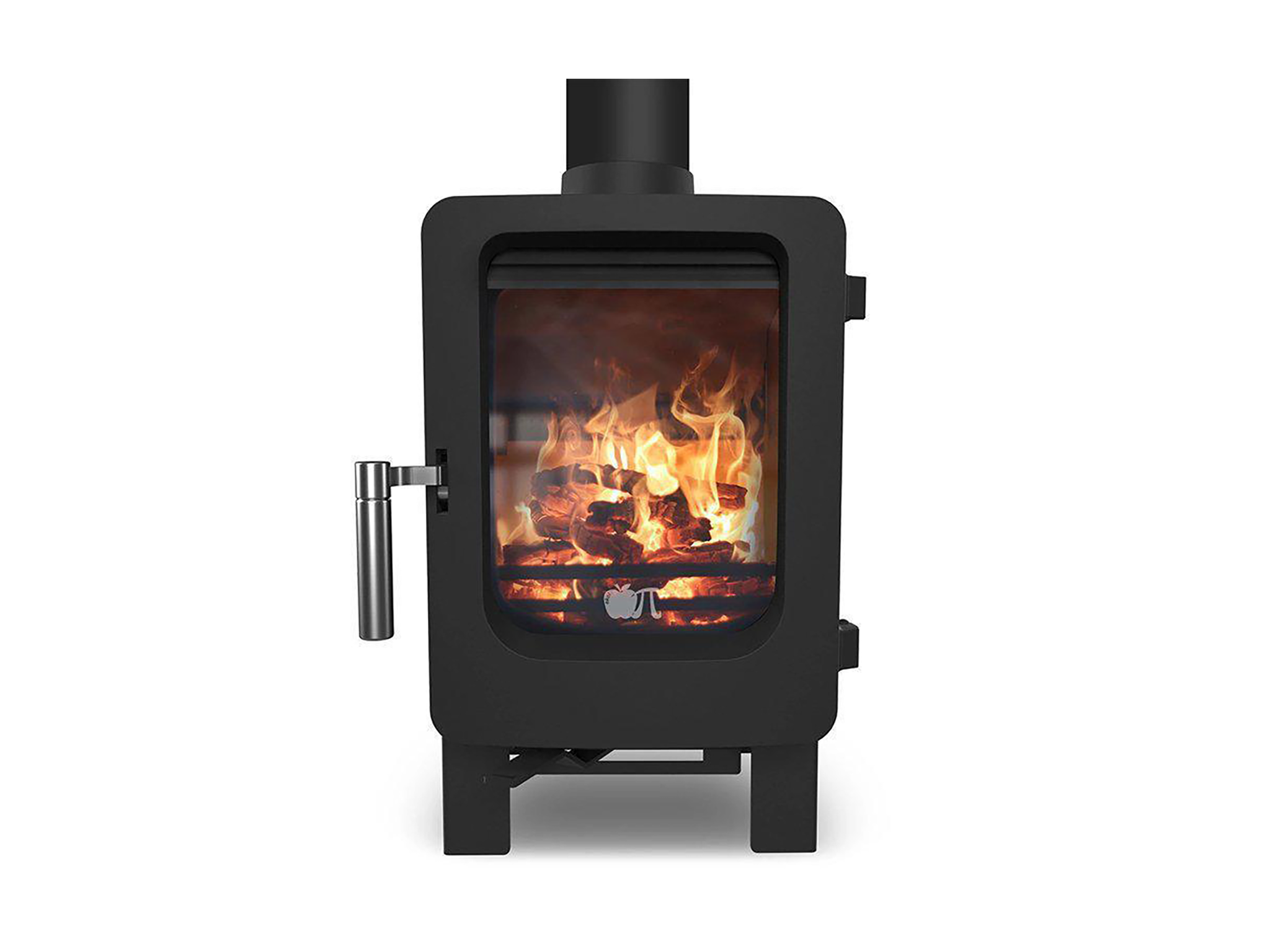
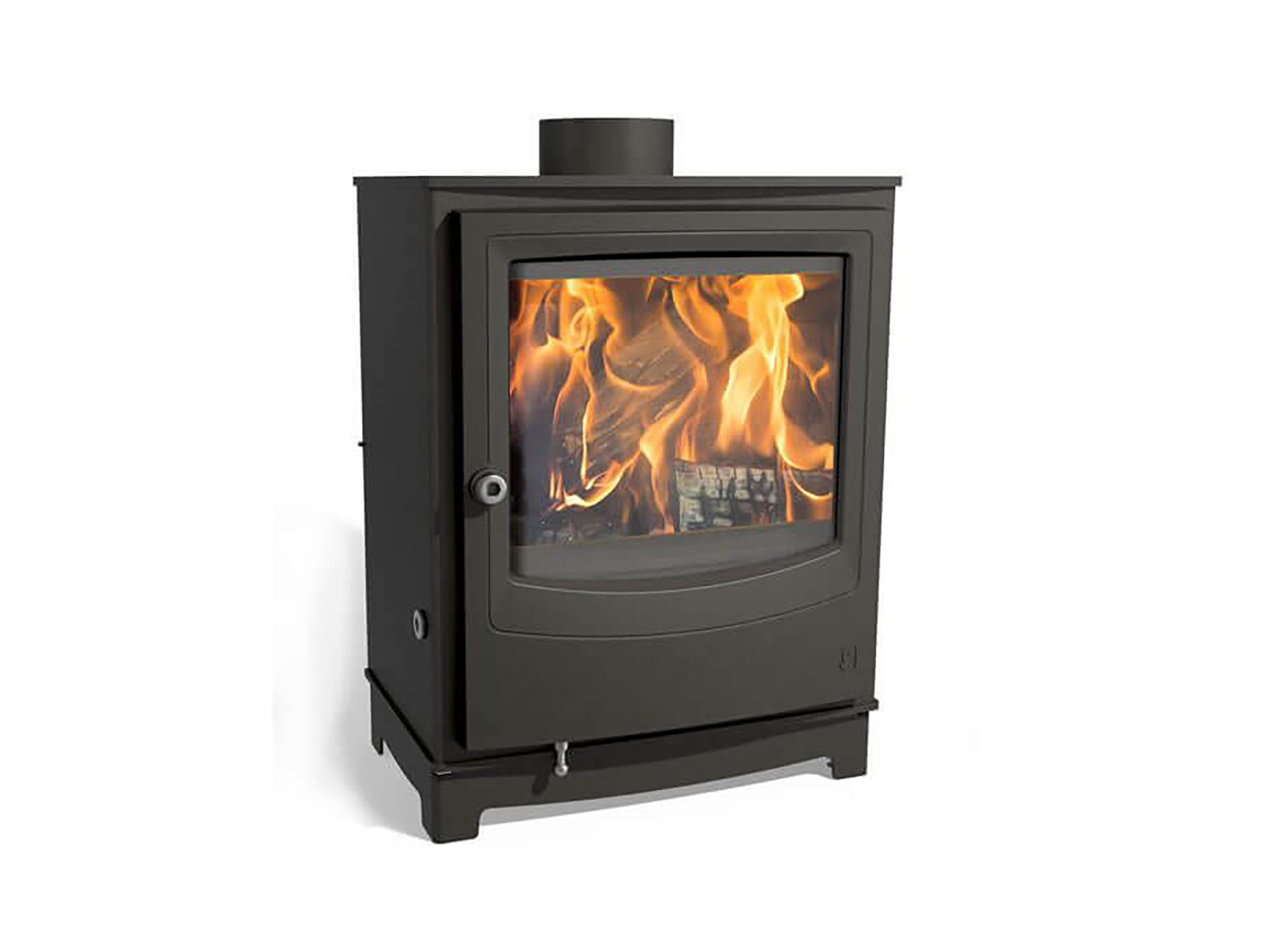
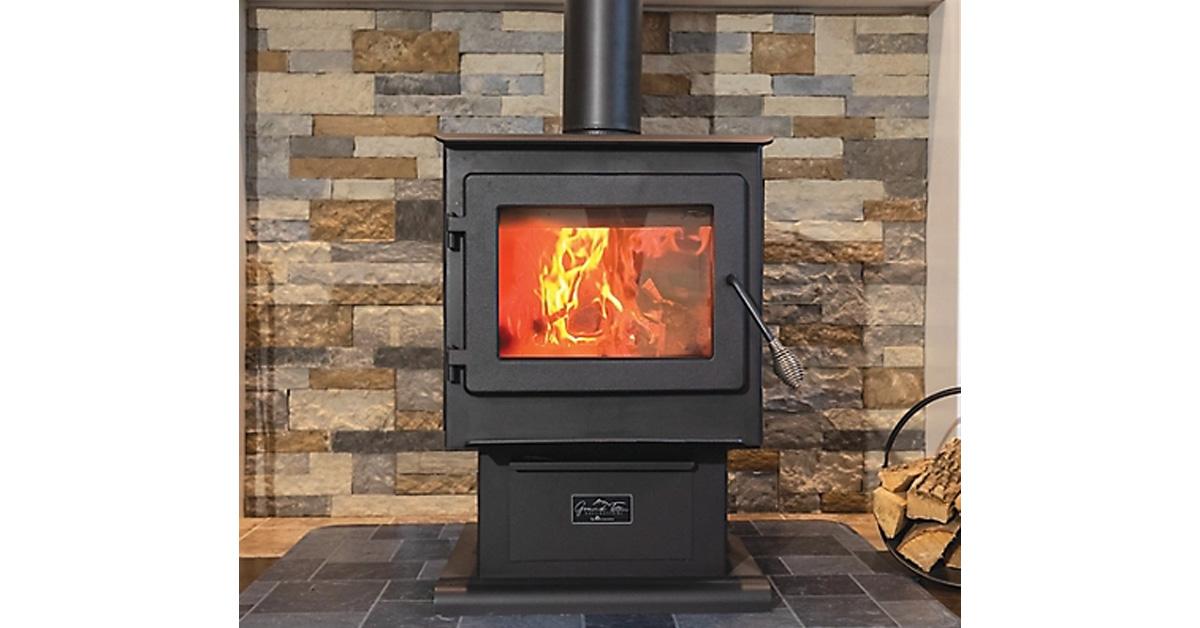
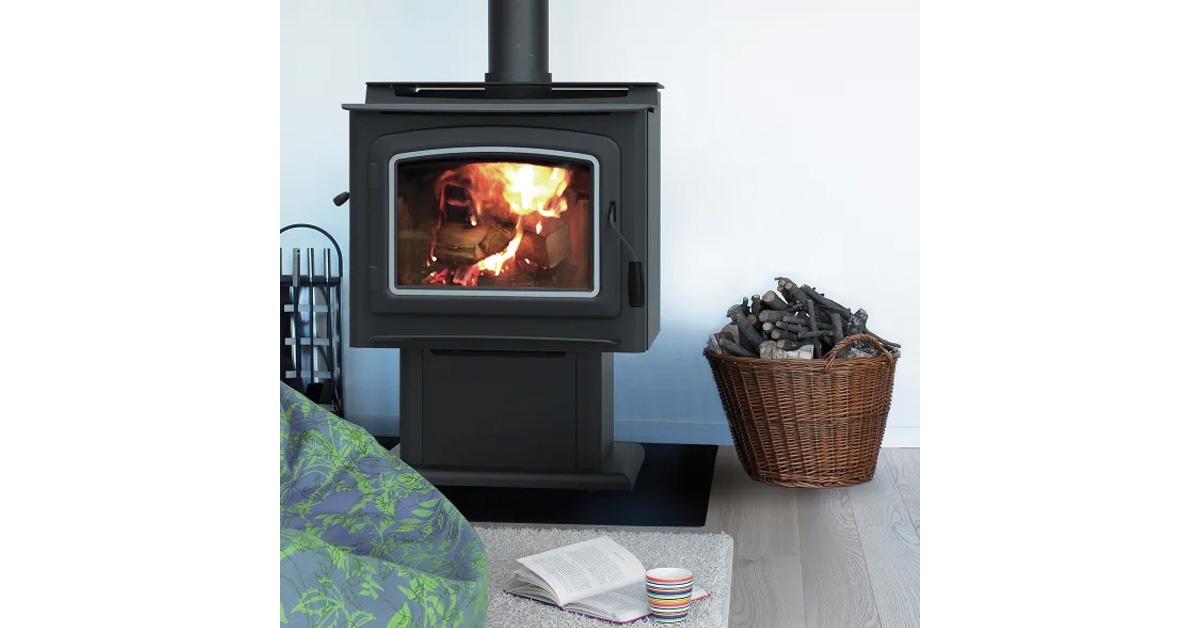
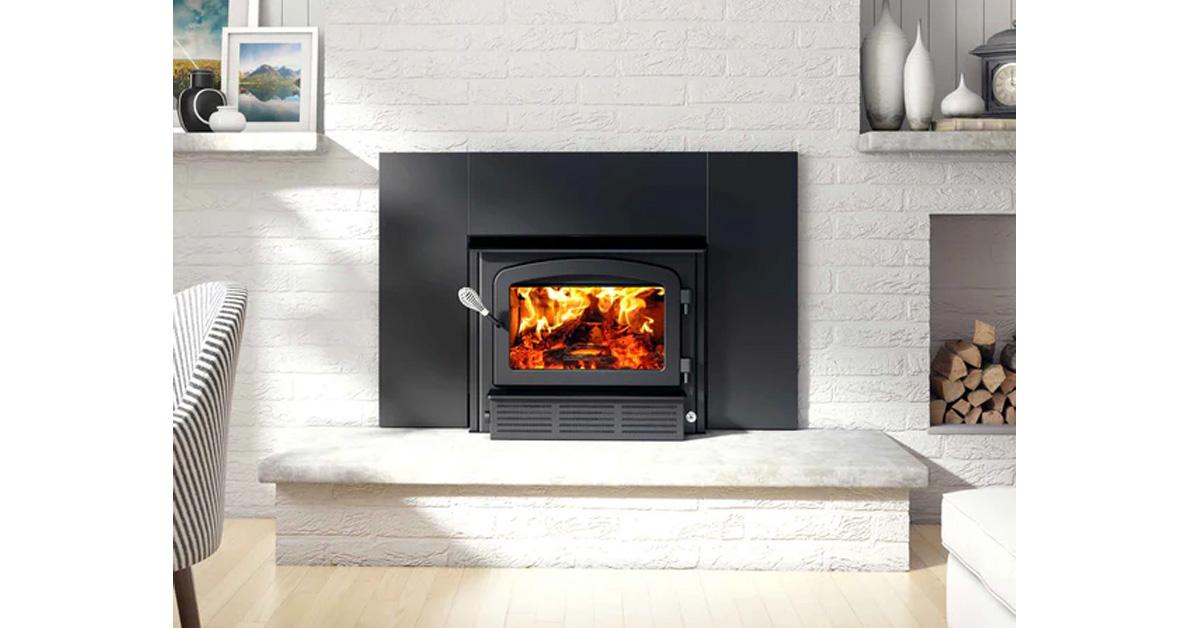
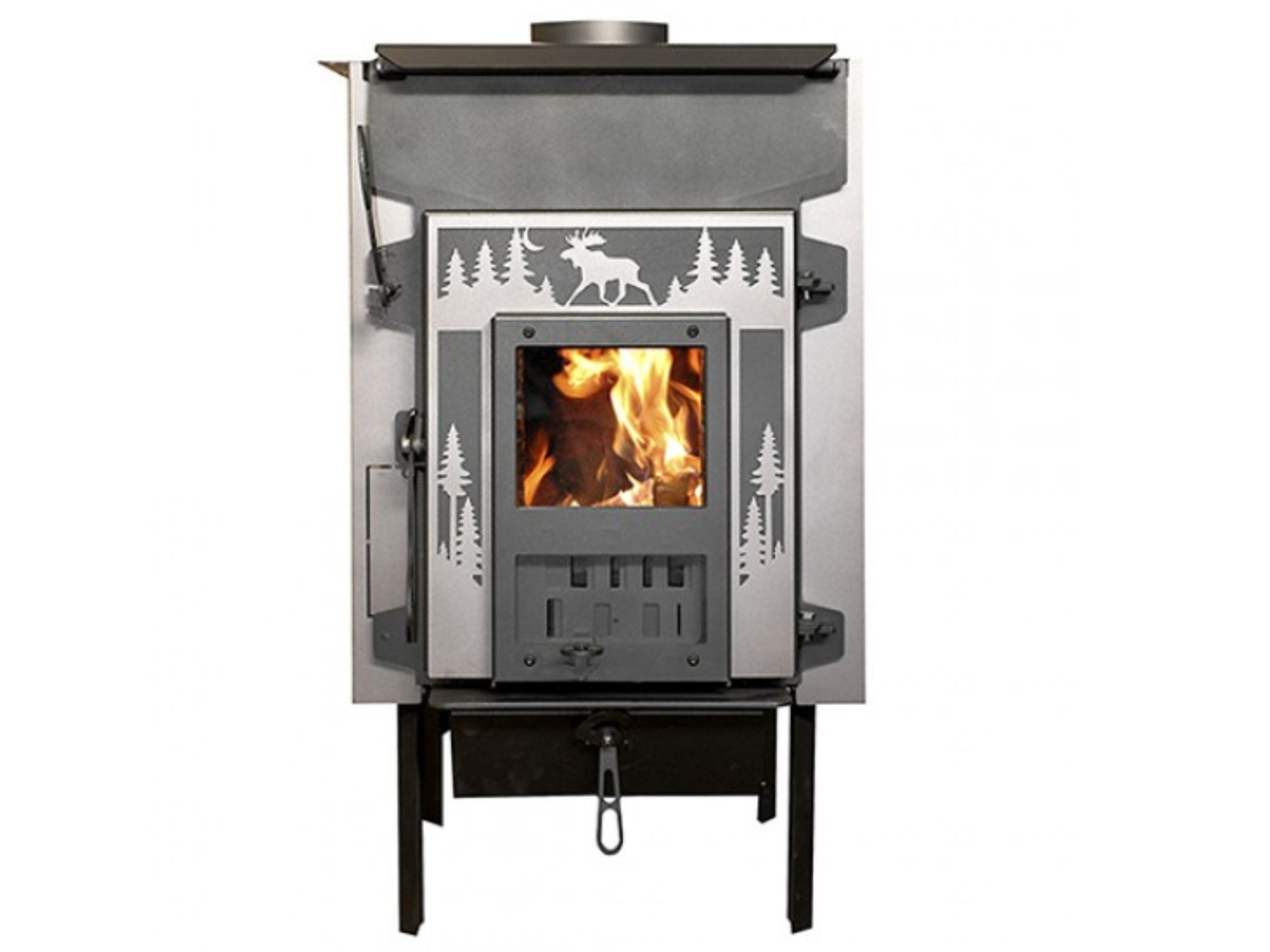
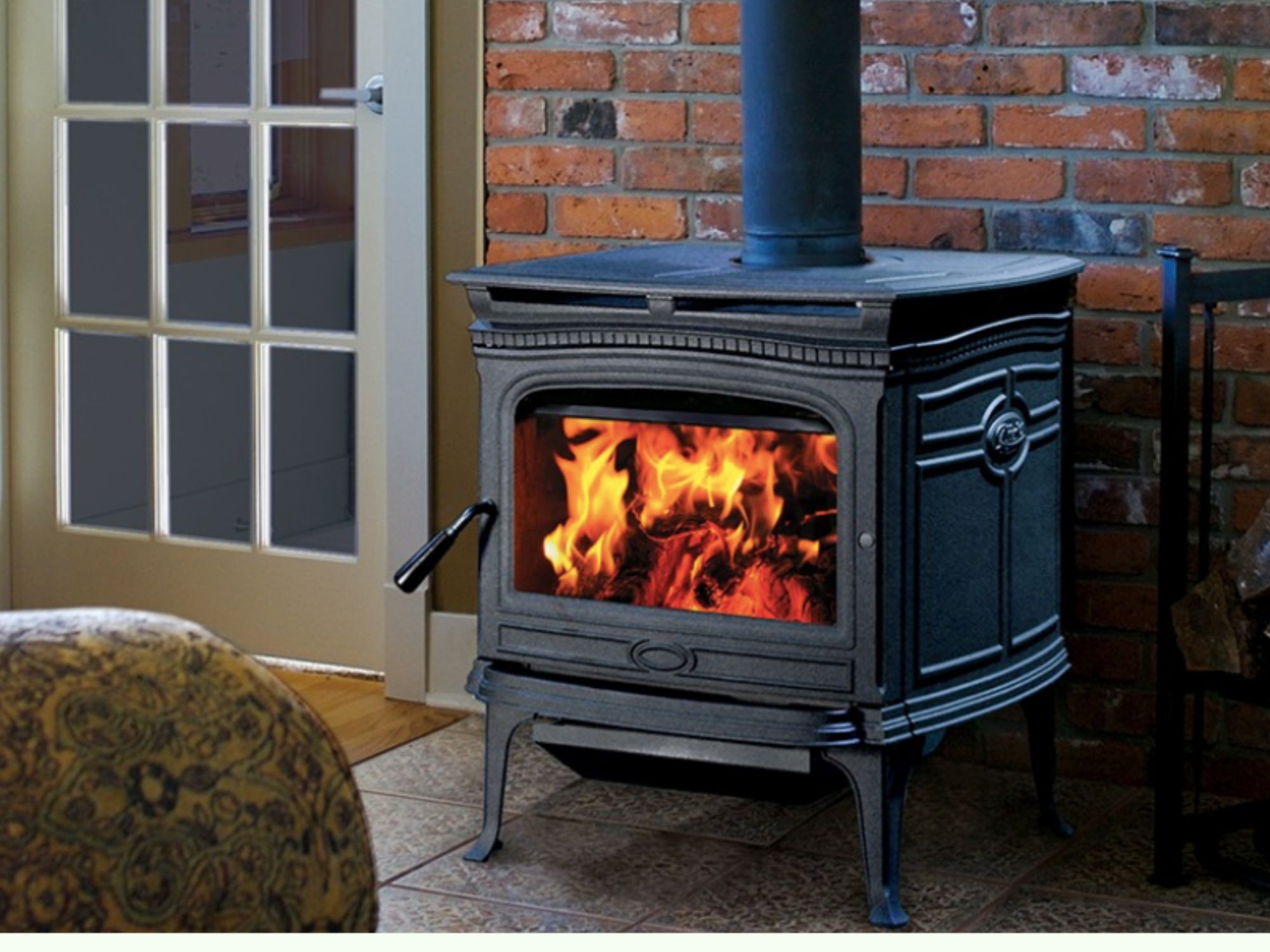
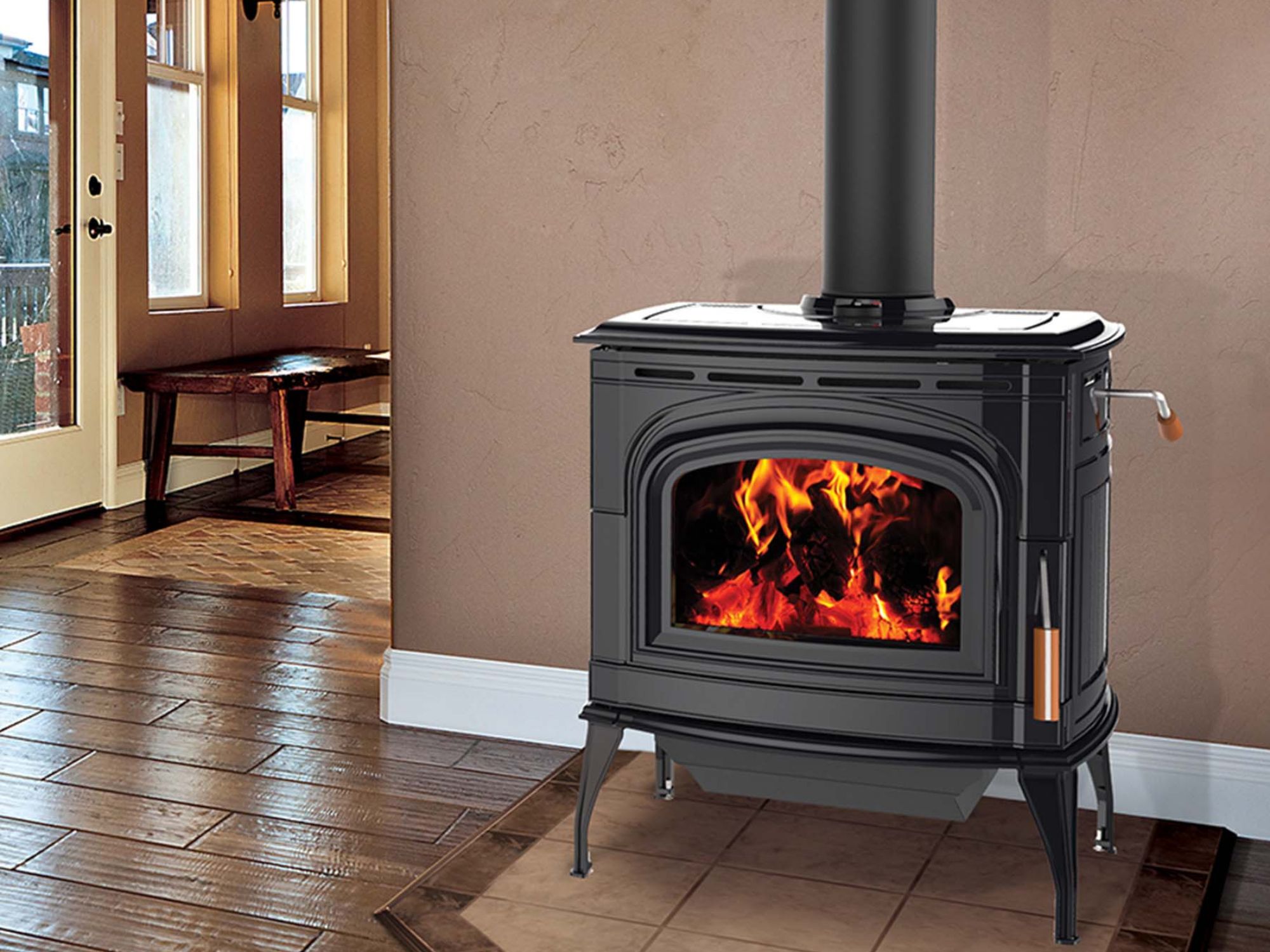
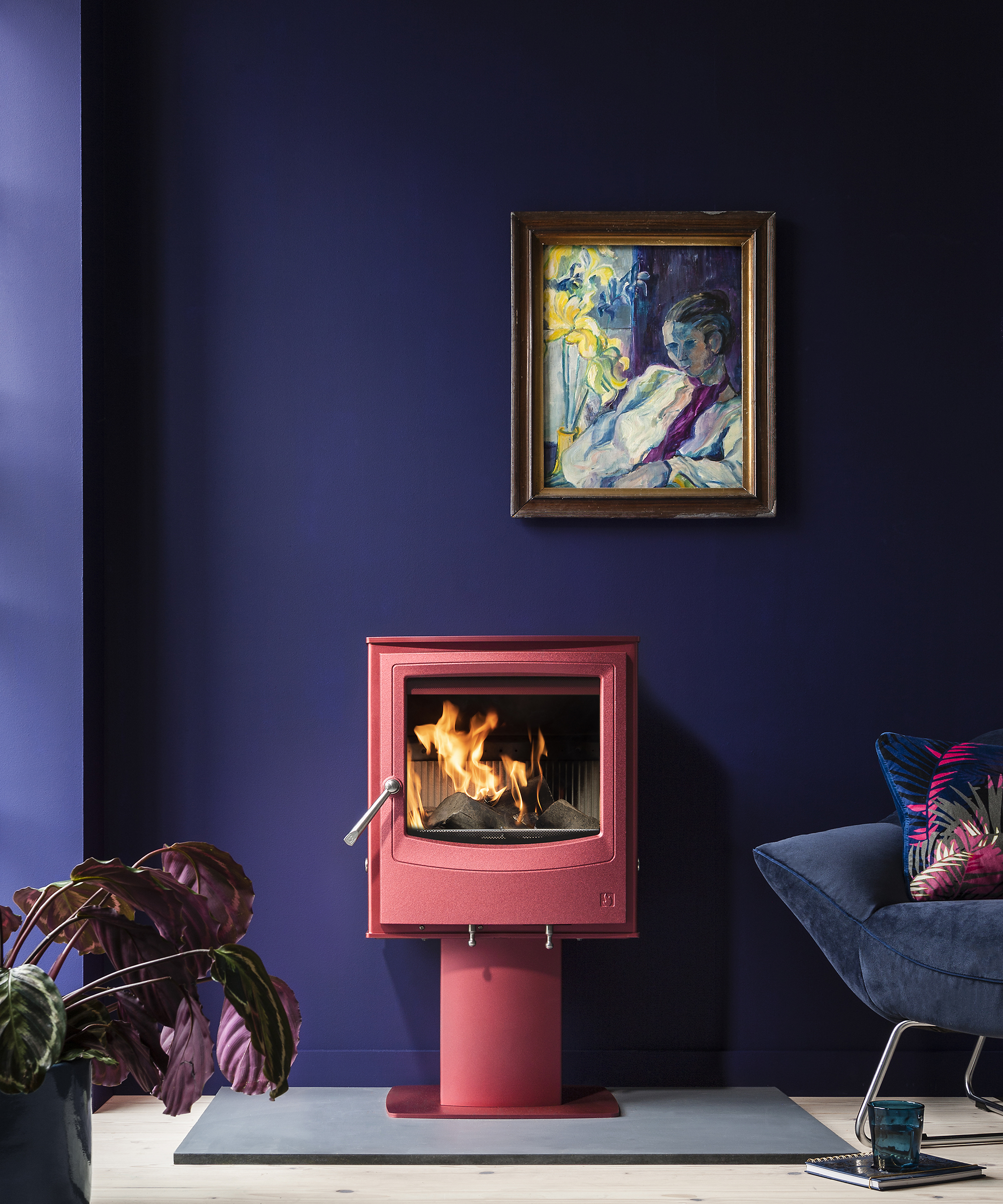
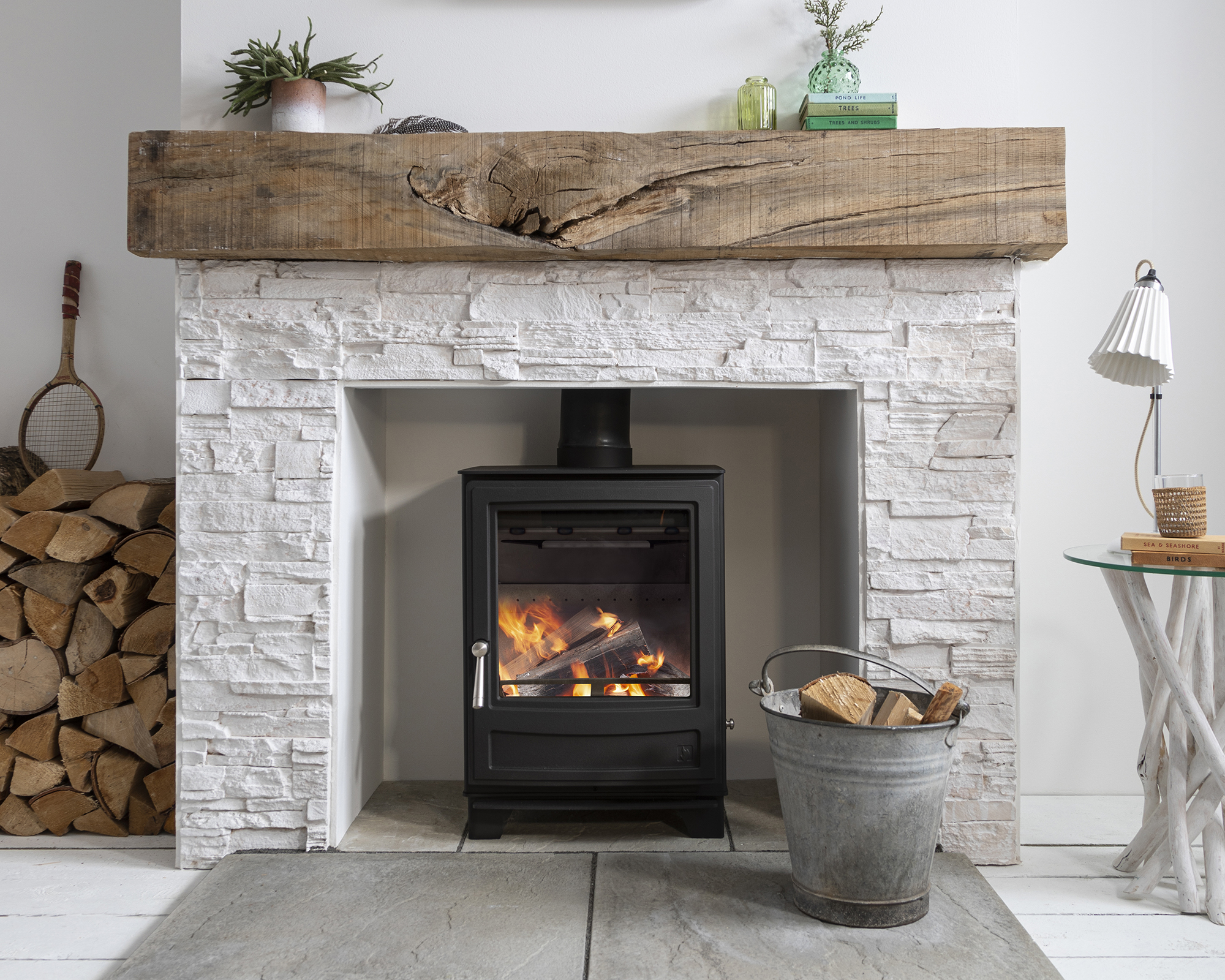
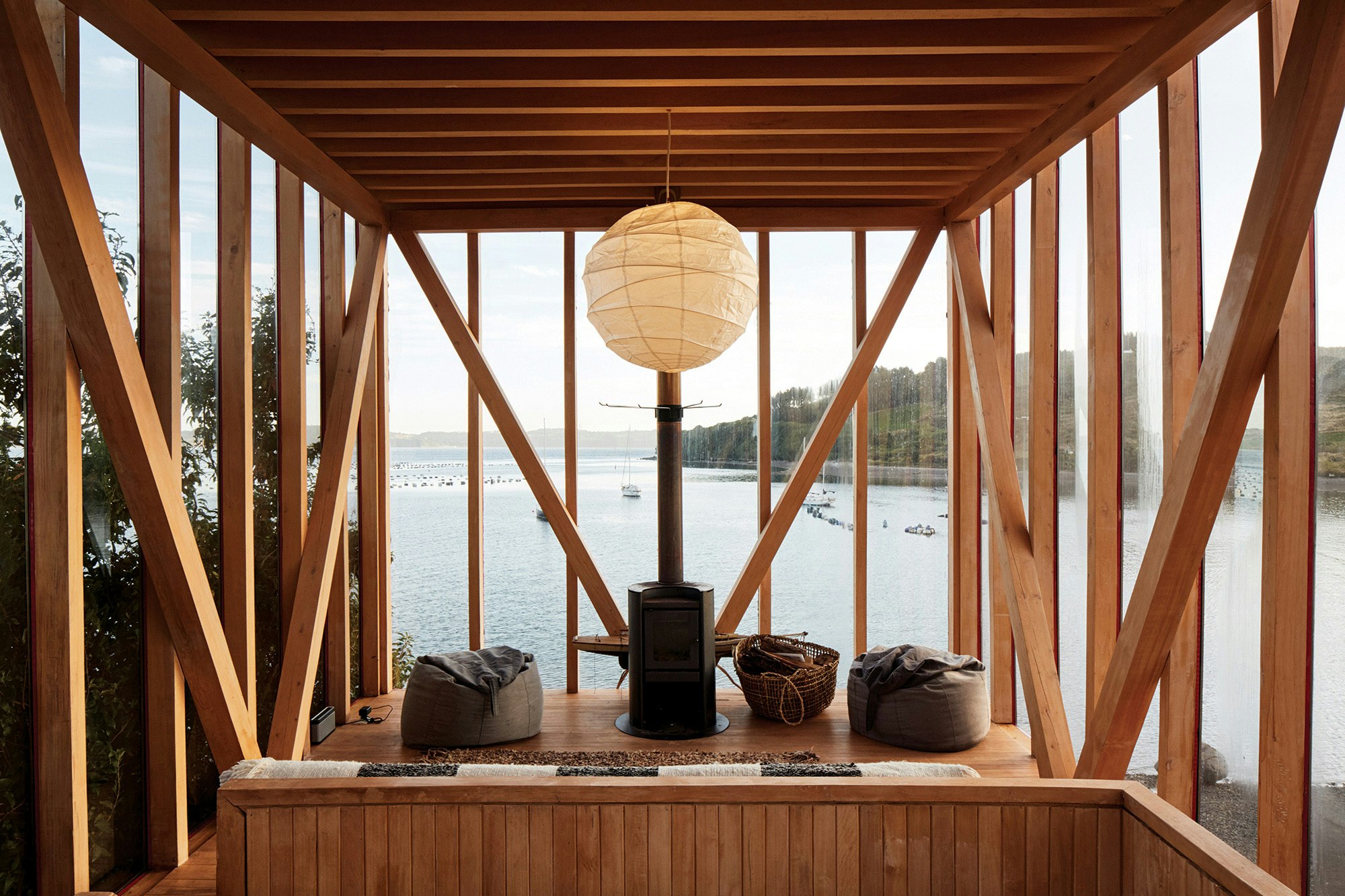
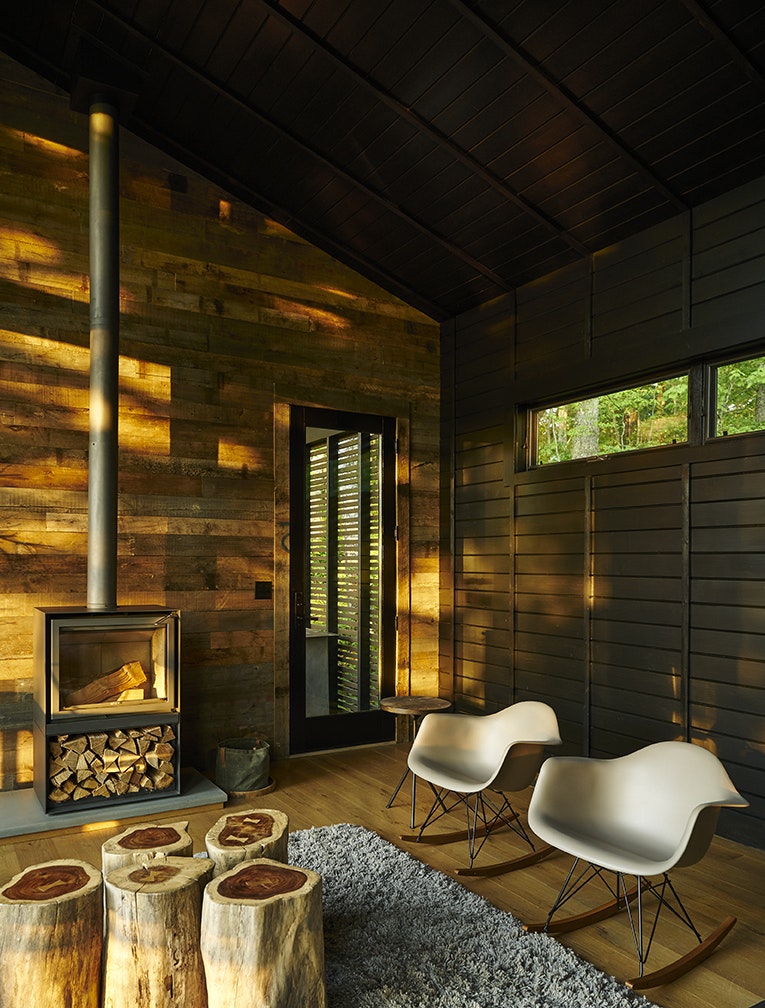
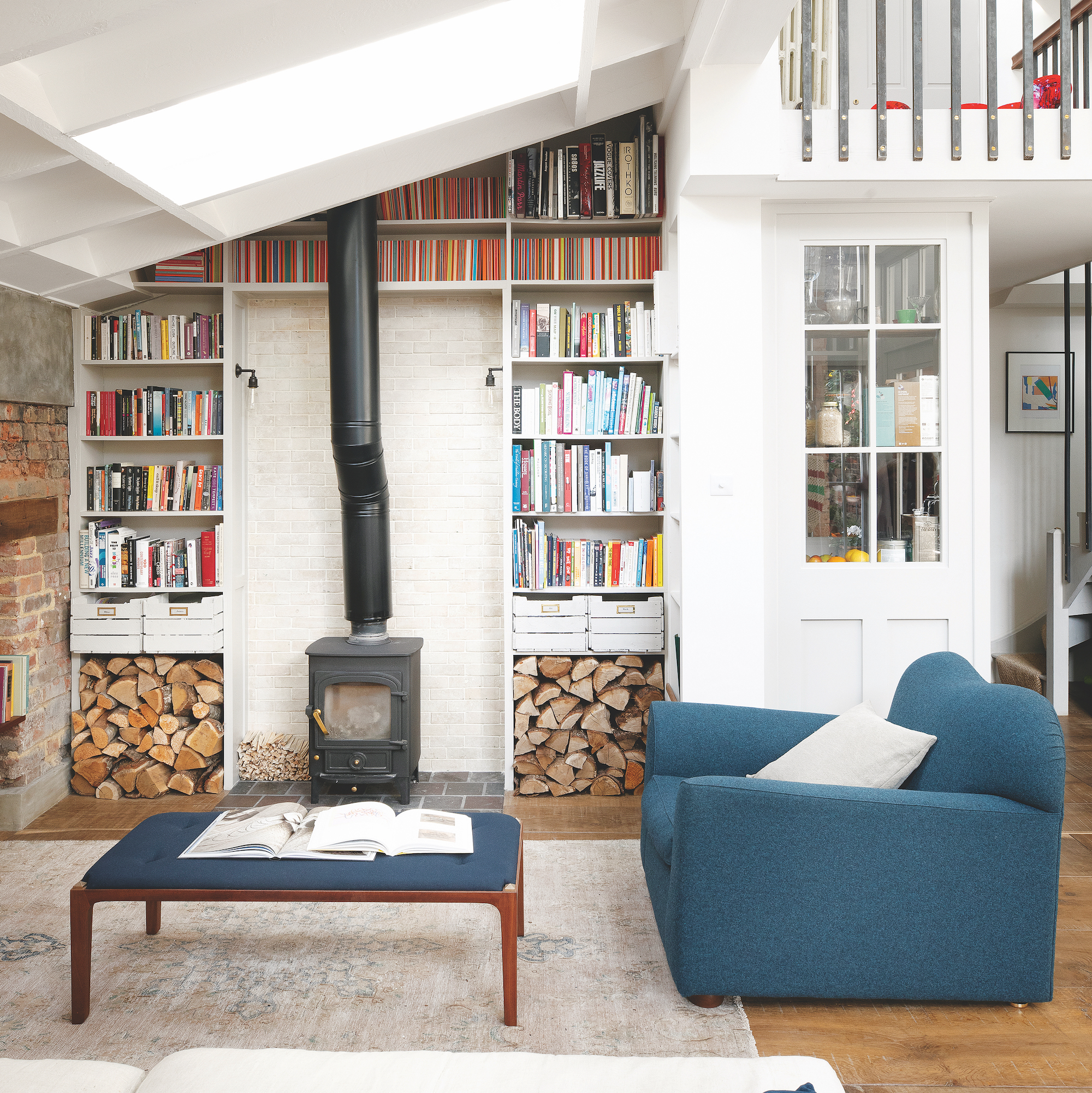
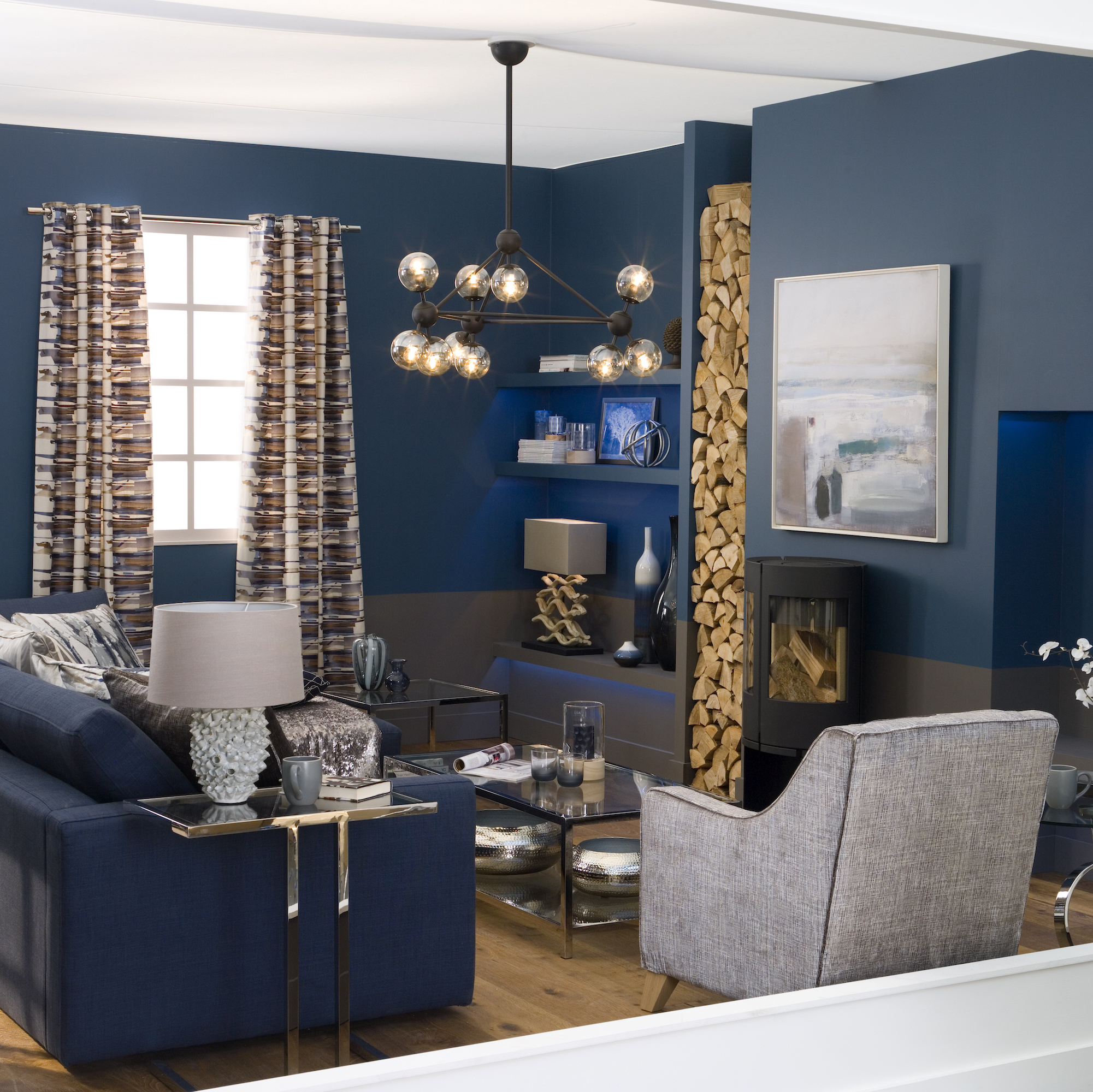
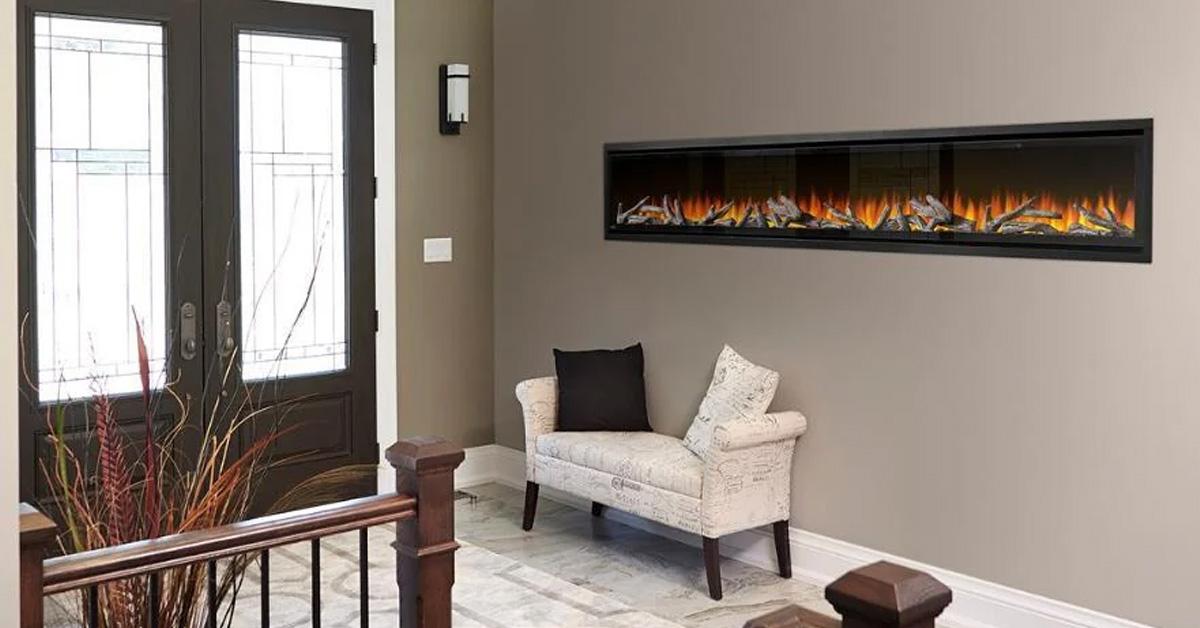
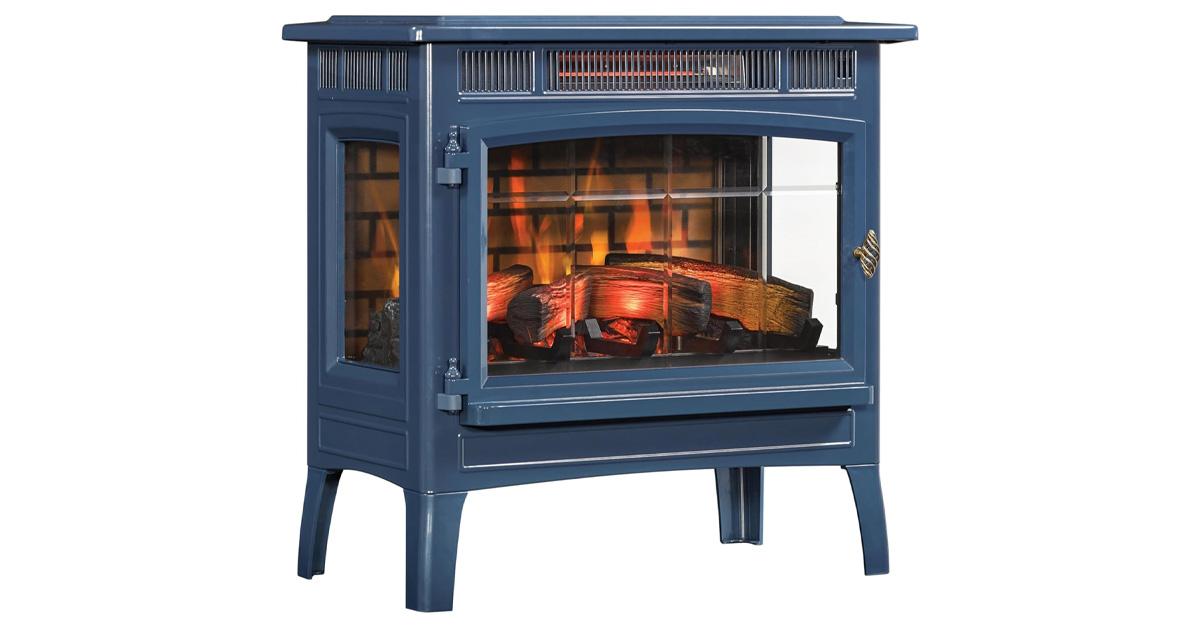
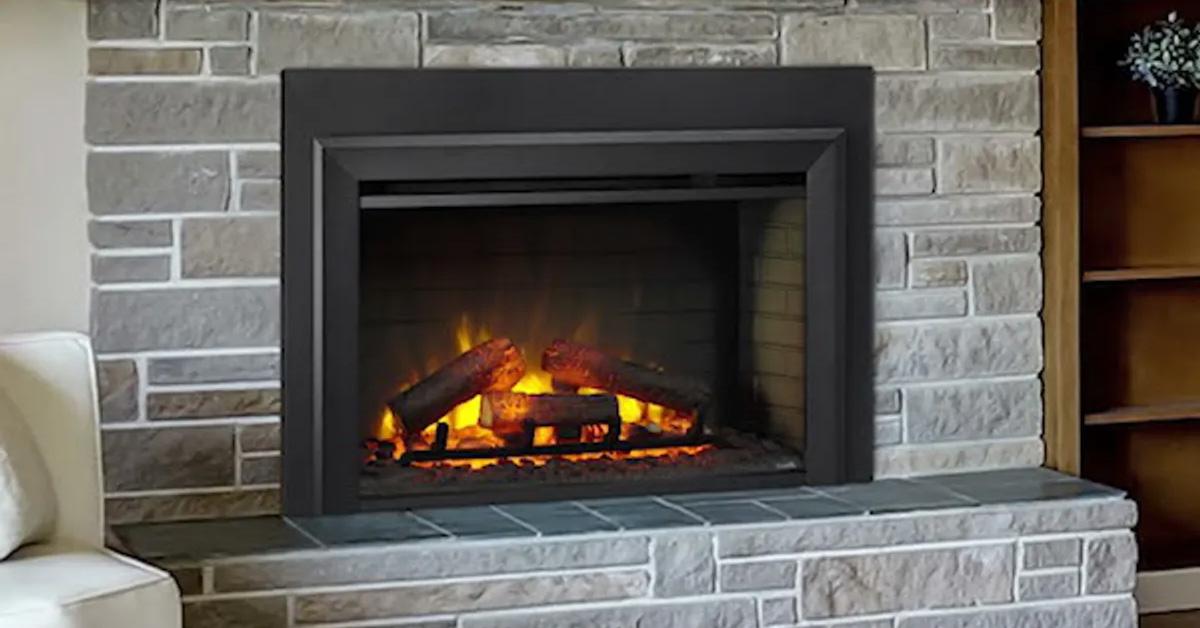
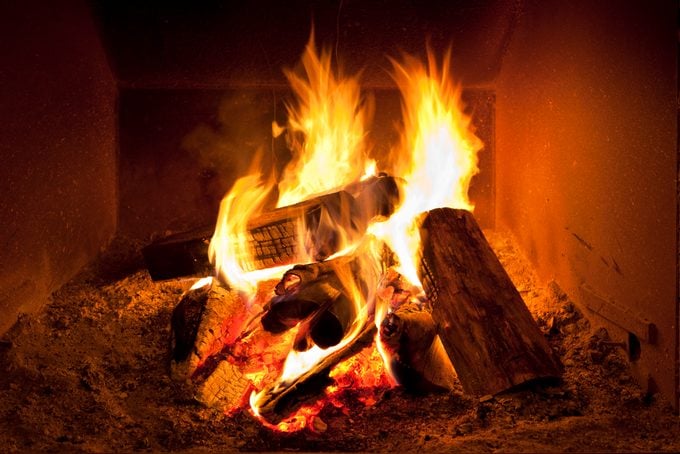
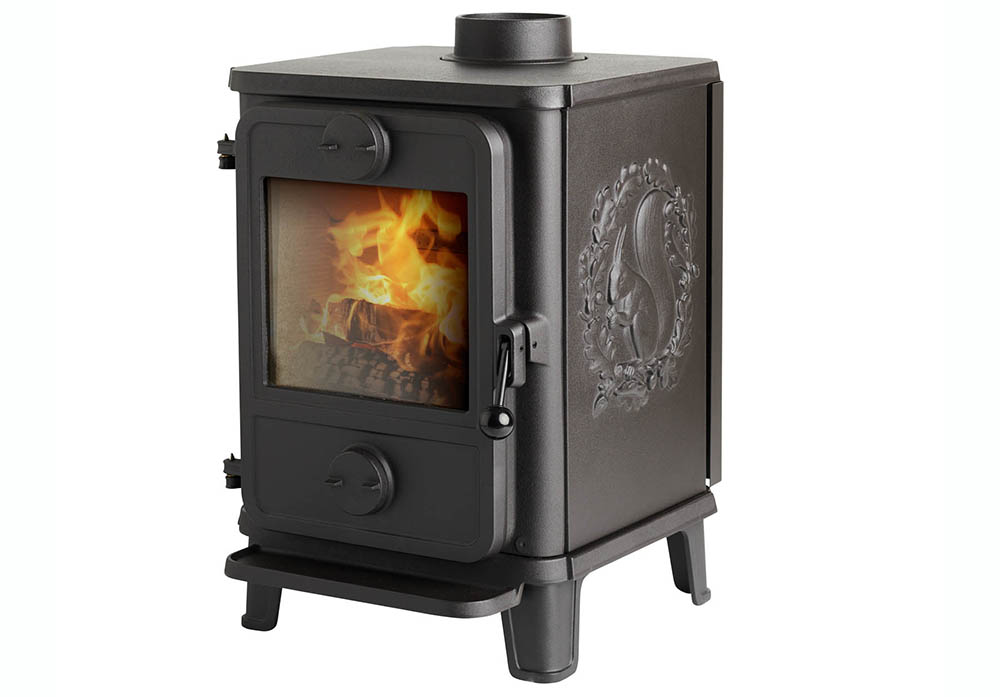
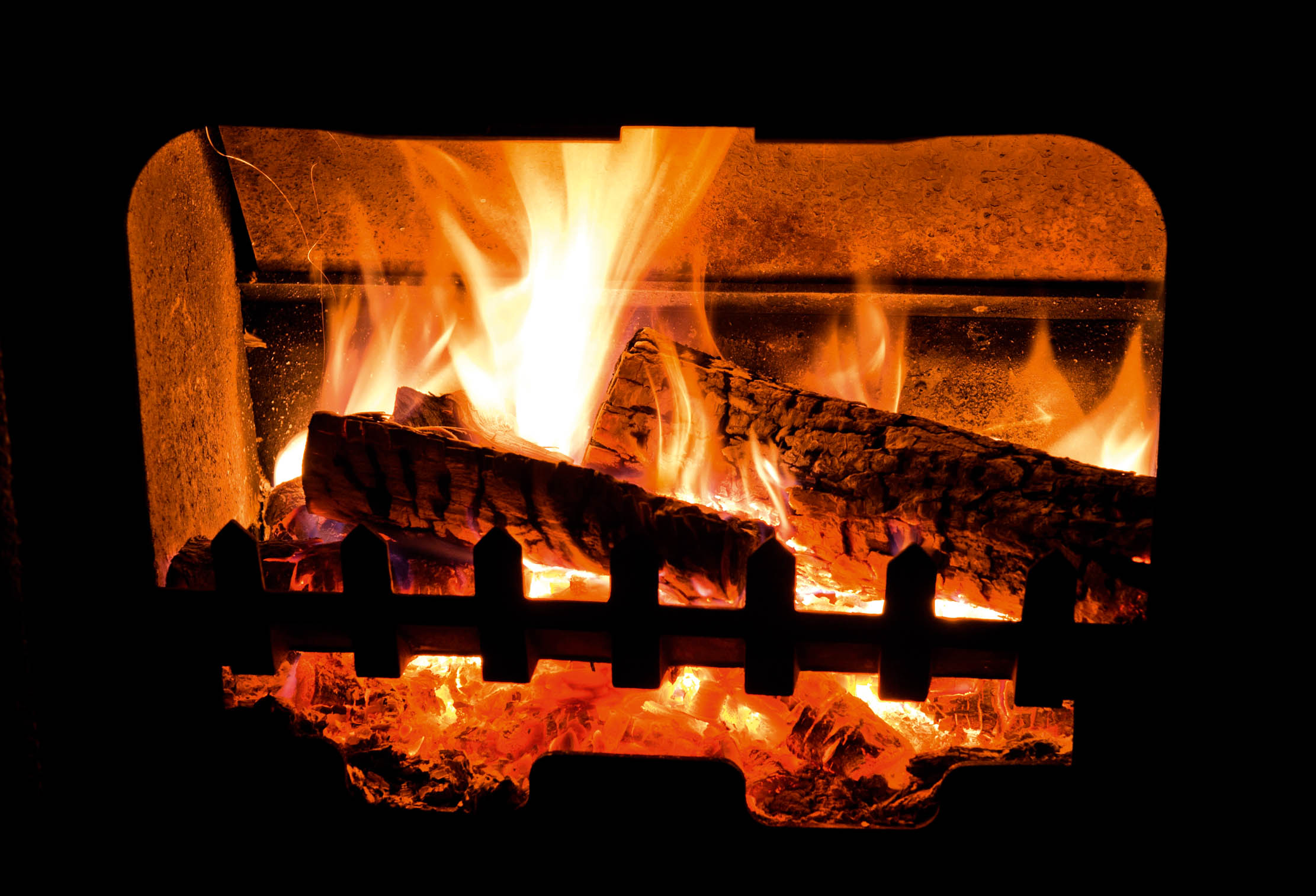
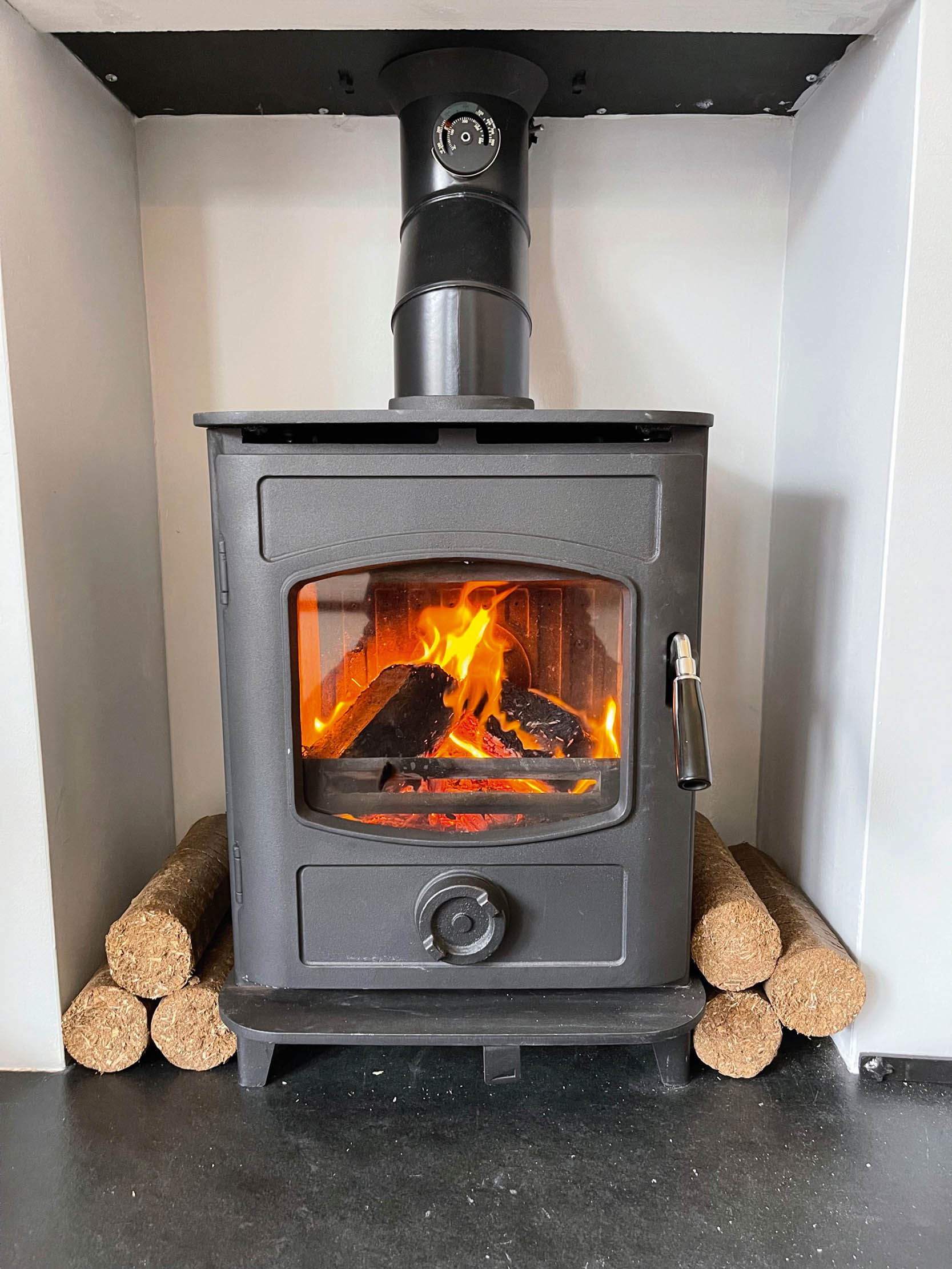
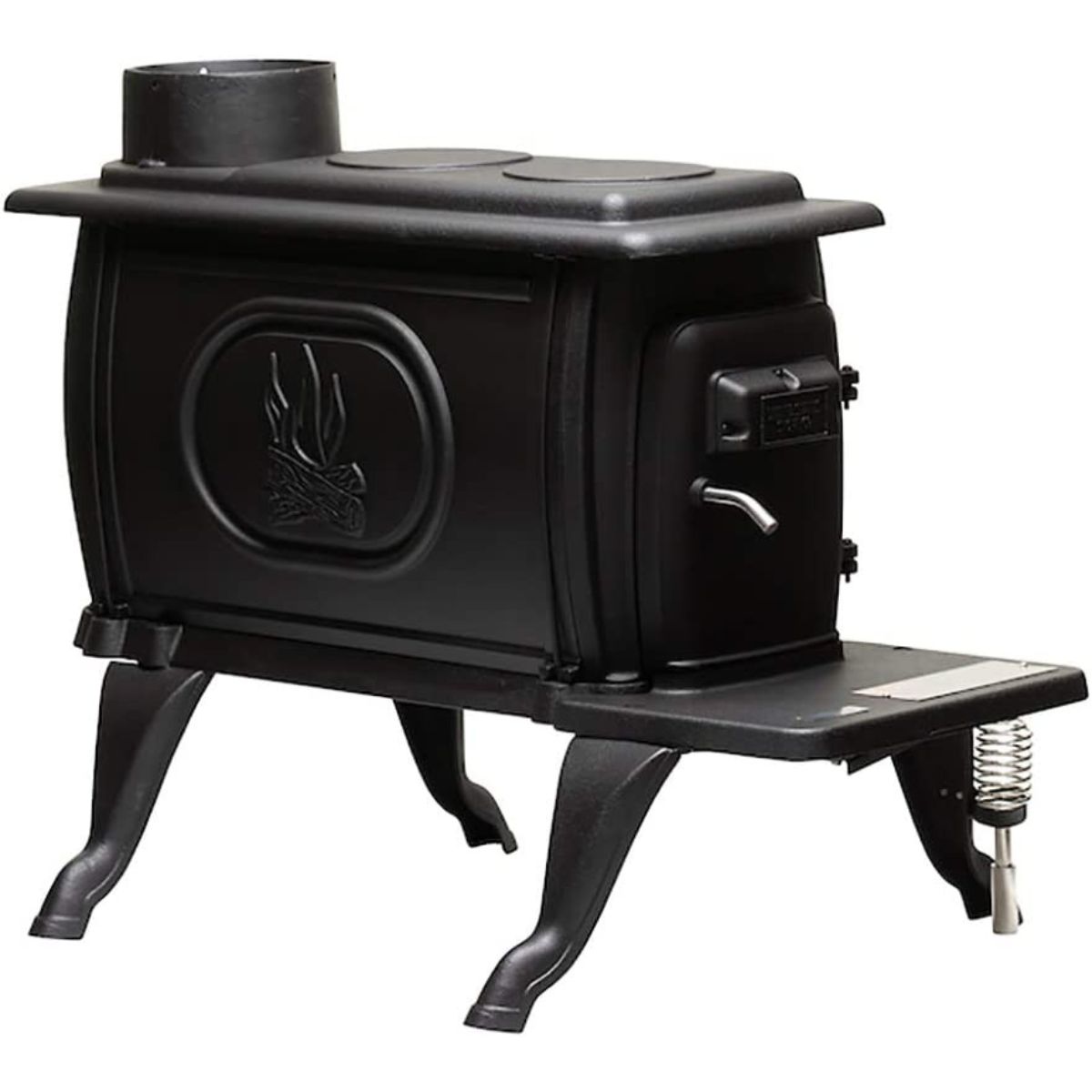
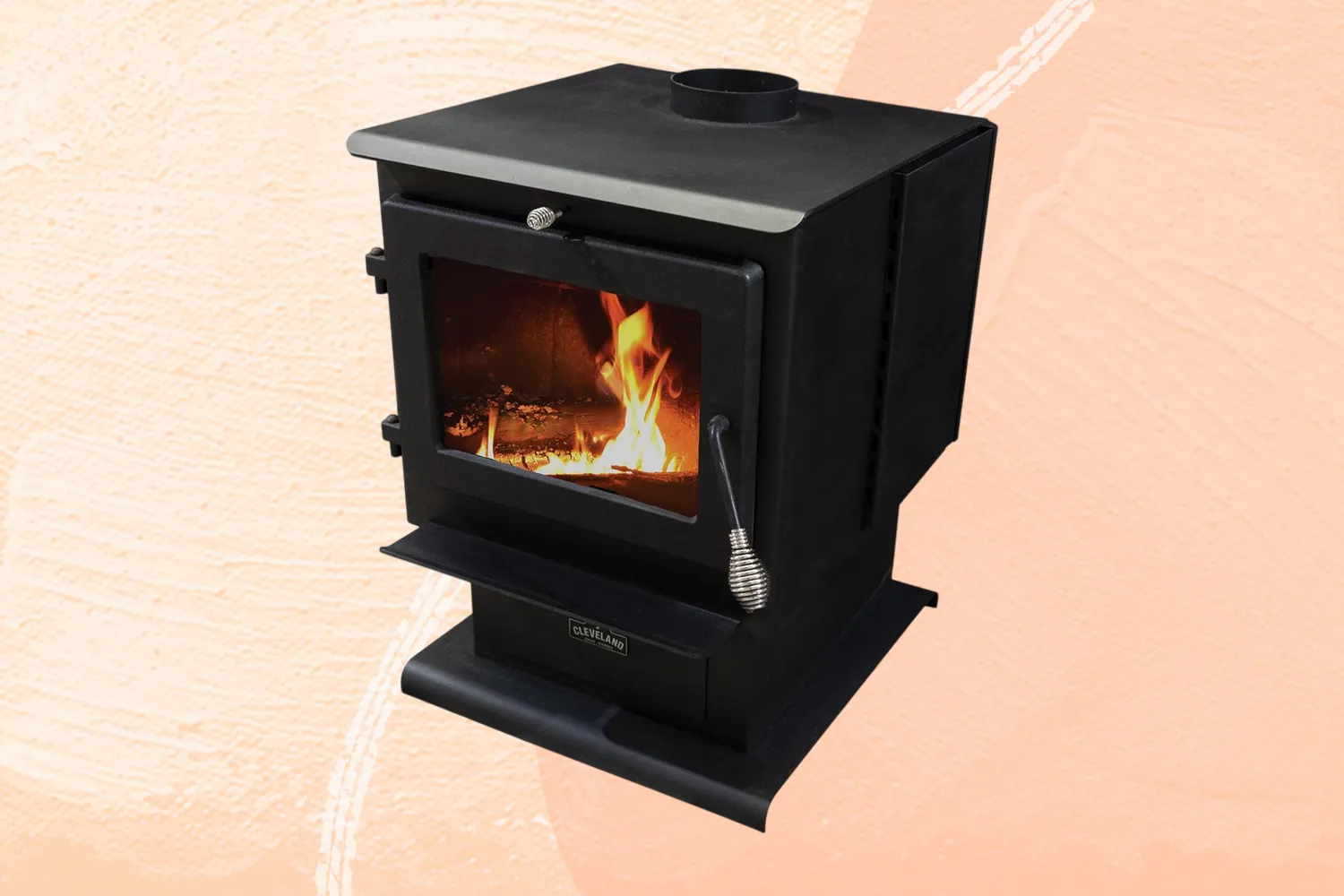
Wood-burning stoves provide an effective heat source for various spaces, including homes, cabins, and tents, while also contributing to a rustic and cozy ambiance. These appliances, typically constructed from steel, cast iron, or soapstone, feature a firebox and a chimney. They can generate substantial heat, often exceeding 70,000 BTUs, sufficient to warm a small home. Some models are also designed with cooking capabilities. Wood-burning stoves are available in diverse forms, such as stand-alone units, wall or hearth inserts, and portable designs.
Key considerations when selecting a wood stove include the type (catalytic or noncatalytic), material, heating capacity, BTU output, burn time, safety certifications, weight, size, and additional features. Catalytic stoves are more efficient, produce fewer emissions, and burn cleaner and slower, making them suitable as a primary heat source with efficiency ratings between 63% and 84%. Noncatalytic stoves are generally less expensive and better suited for supplemental heating. Common materials include cast iron, which heats quickly and retains warmth but can be prone to cracking; plate steel, known for durability and good heat retention; and high-end soapstone, which offers superior heat retention and extended burn times.
The heating capacity of a wood stove indicates the size of the area it can effectively warm, with ranges typically from 1,200 to over 2,200 square feet. It's important to remember that heat distribution is not uniform, as it radiates from the stove. BTU (British thermal unit) output quantifies the heat generated, with higher BTUs indicating greater heating power. Burn time, the duration a single load of wood lasts, is influenced by the stove's capacity, heat output regulation via a damper, and the type of wood used; hardwoods burn more efficiently and longer than softwoods.
Safety is paramount, as wood stoves produce carbon monoxide, a toxic gas. Proper venting to the outside is crucial to prevent accumulation within the home. All wood stoves should be certified by the Environmental Protection Agency (EPA) to ensure they meet emission standards, typically between 2 and 2.5 grams per hour, with catalytic stoves often far exceeding these standards at around 0.5 grams per hour. The physical dimensions of the stove and the space available are also significant factors; freestanding models require a substantial footprint and safety buffer, while portable versions are much smaller and lighter. The size of the firebox dictates the maximum log length that can be burned.
Beyond heating, many wood stoves enhance ambiance with glass windows offering a view of the flames. Some also feature flat tops for cooking, particularly outdoor and camping models. Optimal placement for a wood stove is near the center of the heating area for even warmth distribution. Hardwoods like oak, maple, ash, and birch are recommended for their efficient and longer-lasting burn. Regular cleaning involves sweeping ash, cleaning the flue pipe with a wire brush, and wiping the exterior with a dry cloth. A well-maintained wood stove typically lasts between 10 to 20 years. Leaving a wood fireplace on overnight is generally safe with precautions, such as allowing wood to burn for several hours, adding ash to dampen flames, and closing air vents. However, carbon monoxide poisoning is a risk if the stove is not properly vented and EPA certified.
#WoodStove #HomeHeating #EnergyEfficiency #RusticDecor #CabinLife #OutdoorCooking #EPAcertified #HomeImprovement #FireplaceInsert #WoodStove #HomeHeating #EnergyEfficiency #RusticDecor #CabinLife #OutdoorCooking #EPAcertified #HomeImprovement #FireplaceInsert
0 comment in total
 No comments yet
You may also like
11 best log burners that’ll heat rooms of all sizes

These Are the Best Wood Stove Brands and Manufacturers Today
Eight wooden kitchens that make the most of the material
How Much Firewood Will I Need This Winter?

The 5 Best EPA-Approved Wood Stoves to Efficiently Heat Your Home This Winter

Wood burner ideas: 16 hot designs that will warm your heart and your home

The 6 Best Wood-Burning Fire Pits for S’mores, Stories, and Starry Nights

Eight living spaces anchored by statement fireplaces
The best energy efficient fireplaces

The Best Wood Stoves Can Make Your Home Feel Like a Rustic Cabin—Here Are Our Top 7

11 Wood-Wrapped Interiors That Radiate Warmth

8 Best Fire Pits for Keeping Your Backyard Cozy All Winter Long
Open fires v wood-burning stoves: The grate debate
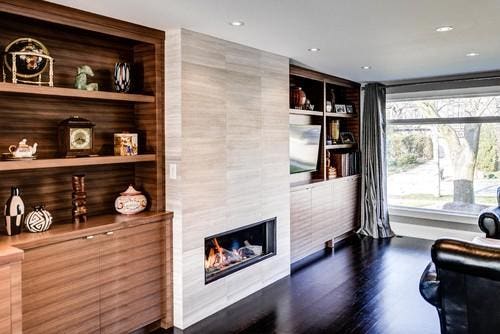
8 Fireplaces That Catch the Eye

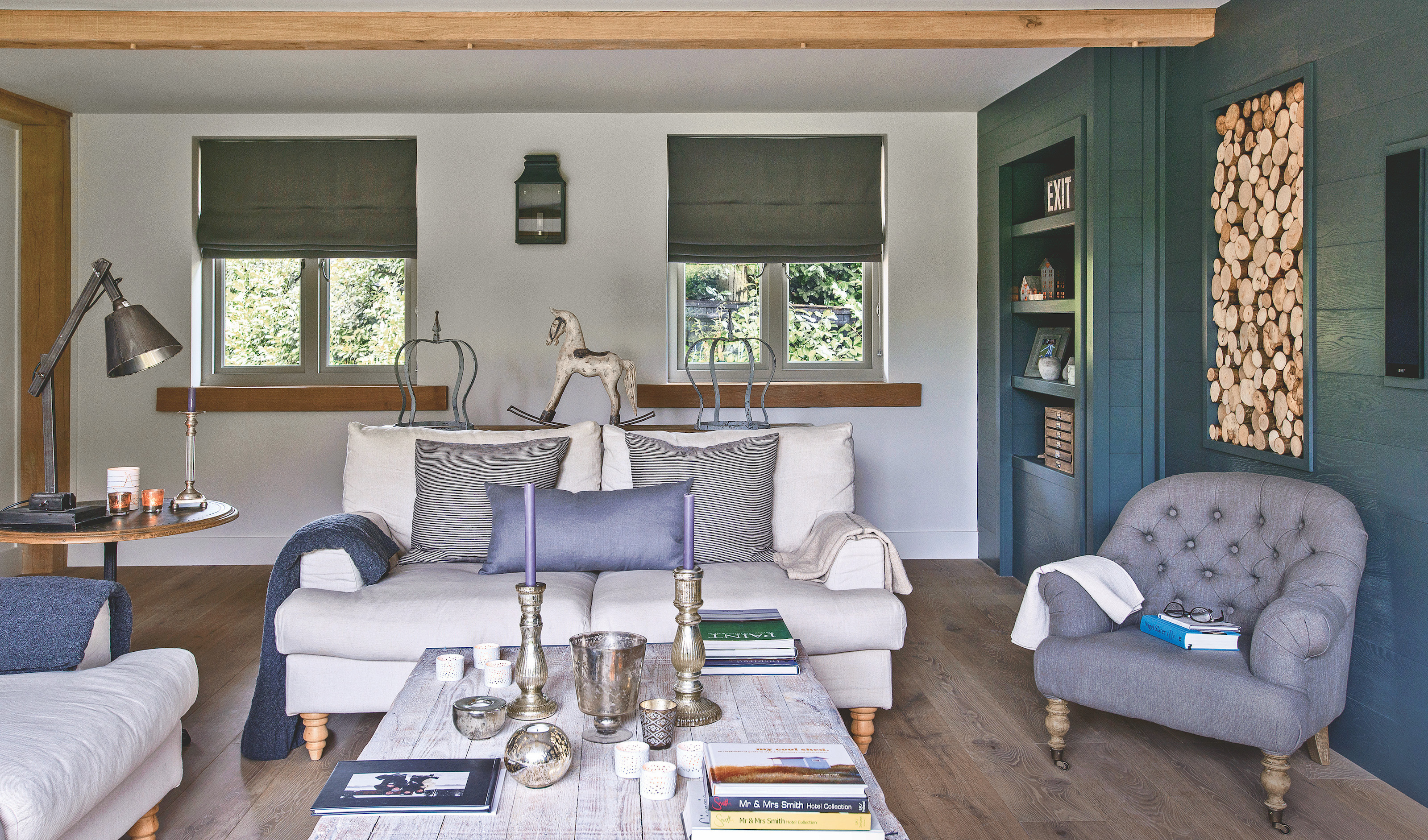
Log storage ideas – stylish ways to display your winter fire wood indoors
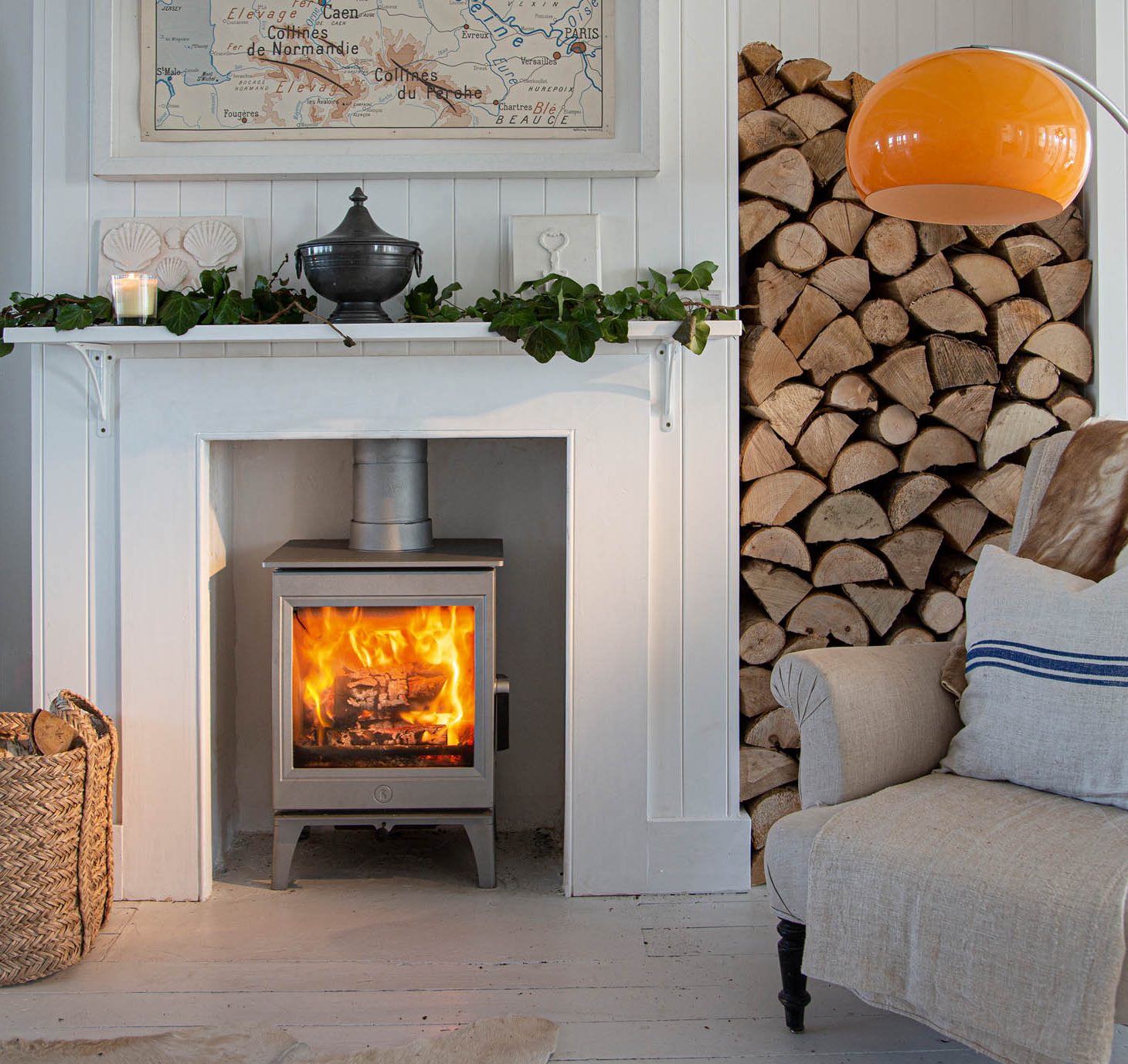
More heat, less fuel: How modern tech has lit up a new era of log-burning stoves
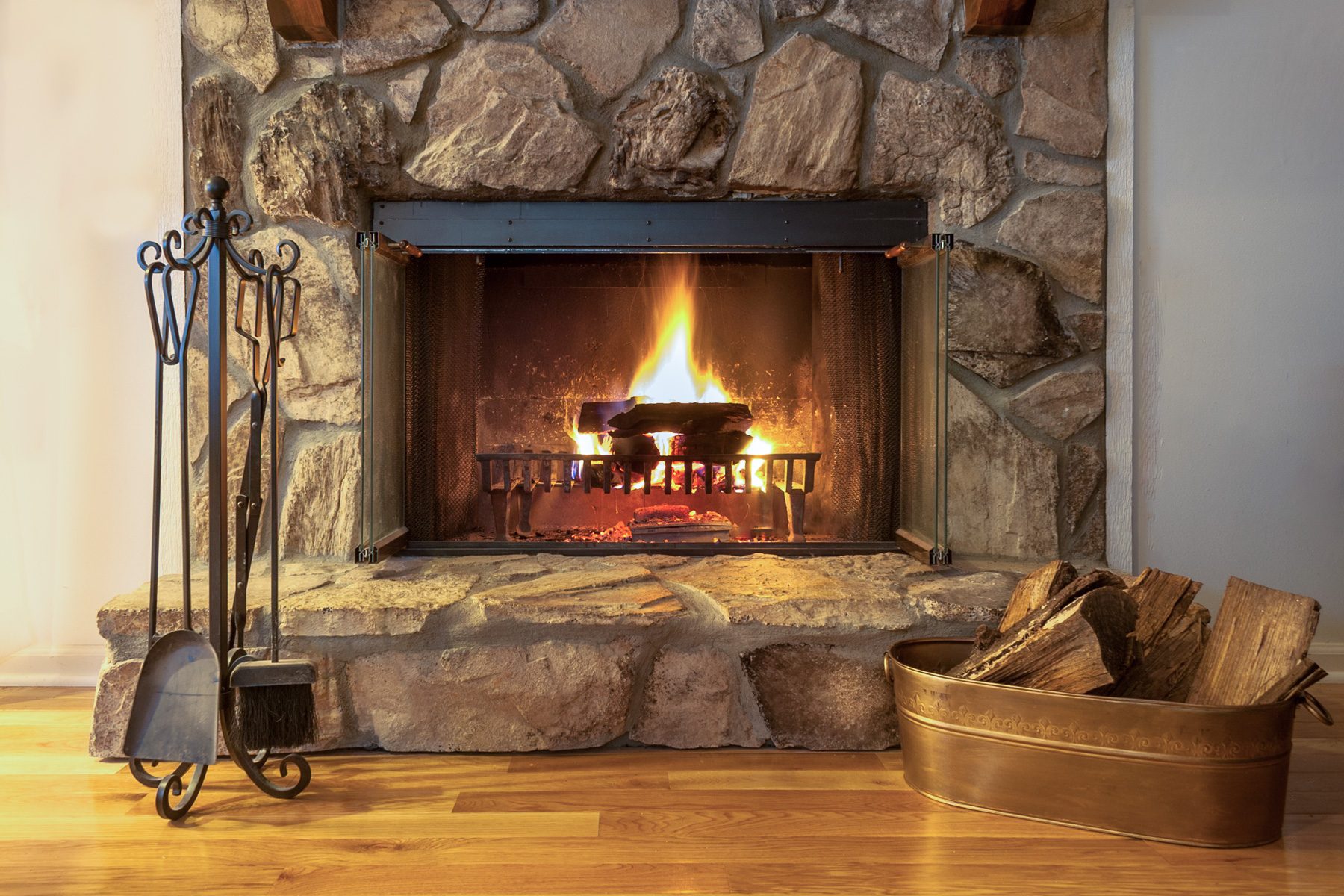
Ways To Increase the Heat From Your Wood-Burning Fireplace
This Simple Add-On Can Increase Your Wood Stove’s Efficiency
The 5 Best Electric Fireplaces To Give Your Home an Energy-Efficient Glow Up
Guide: How to heat your country house