1/18
Log storage ideas – stylish ways to display your winter fire wood indoors
The article explores various stylish and safe ways to store firewood indoors, emphasizing that logs can serve as both a practical fuel source for wood-burning stoves and fireplaces and a decorative element. With wood-burning stoves gaining popularity, the need for effective log storage solutions has become significant. The practice of building woodpiles, known as 'holz hausen' in Norway, highlights how stacked logs can be transformed into statement design features, whether in wicker baskets or custom-built alcoves.
The importance of storing logs correctly is underscored for safety reasons, as improper stacking can lead to logs toppling. Furthermore, logs must be kept dry, with a moisture content no higher than 20%, to ensure efficient burning and prevent excessive smoke and polluting particles. Dry logs are easier to light, produce more heat, and reduce soot buildup in chimneys. Heather Emery, co-founder of Love Logs, advises that logs need to be stored in a dry space with ample room, urging homeowners to be realistic about indoor storage capacity.
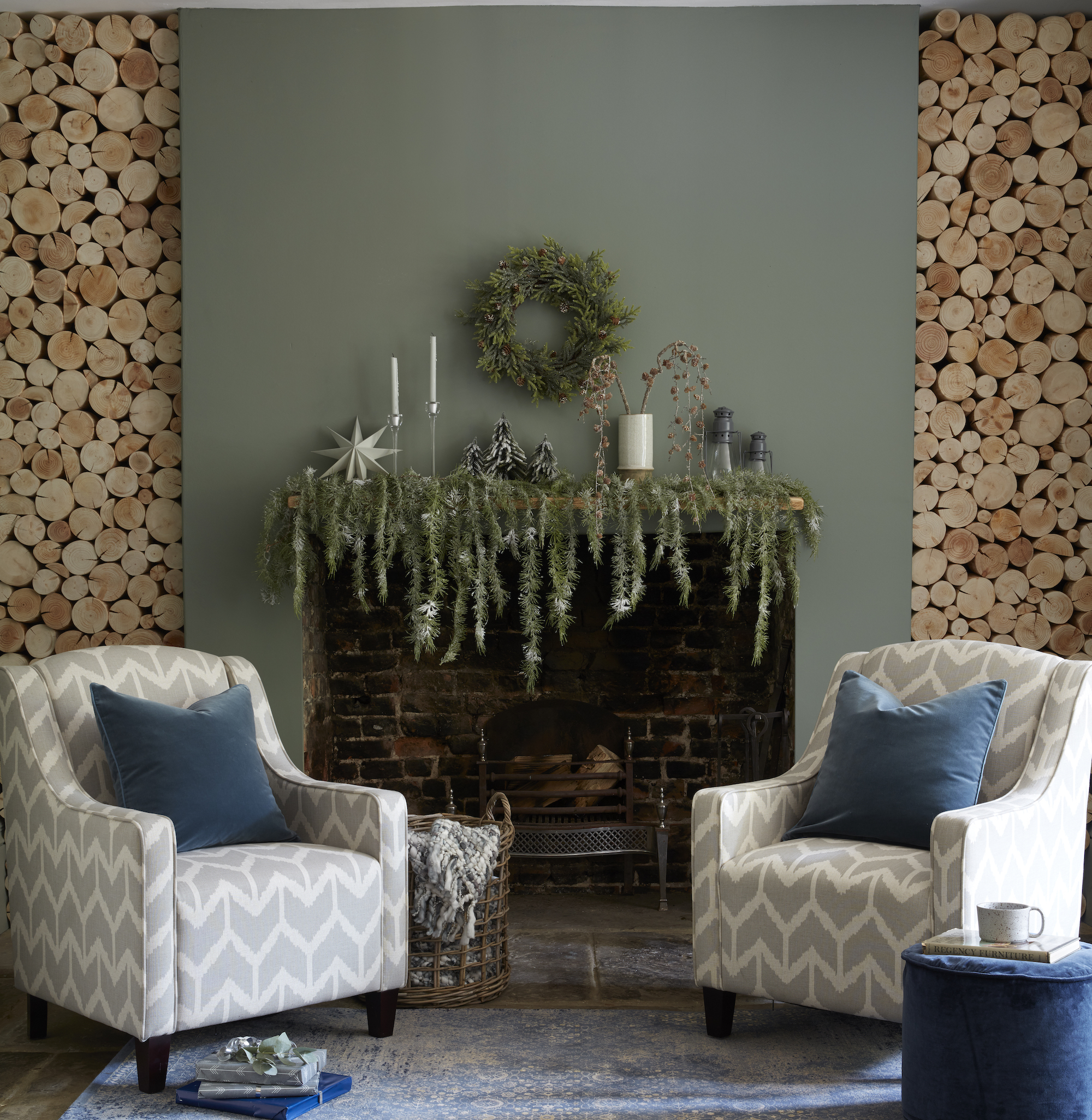
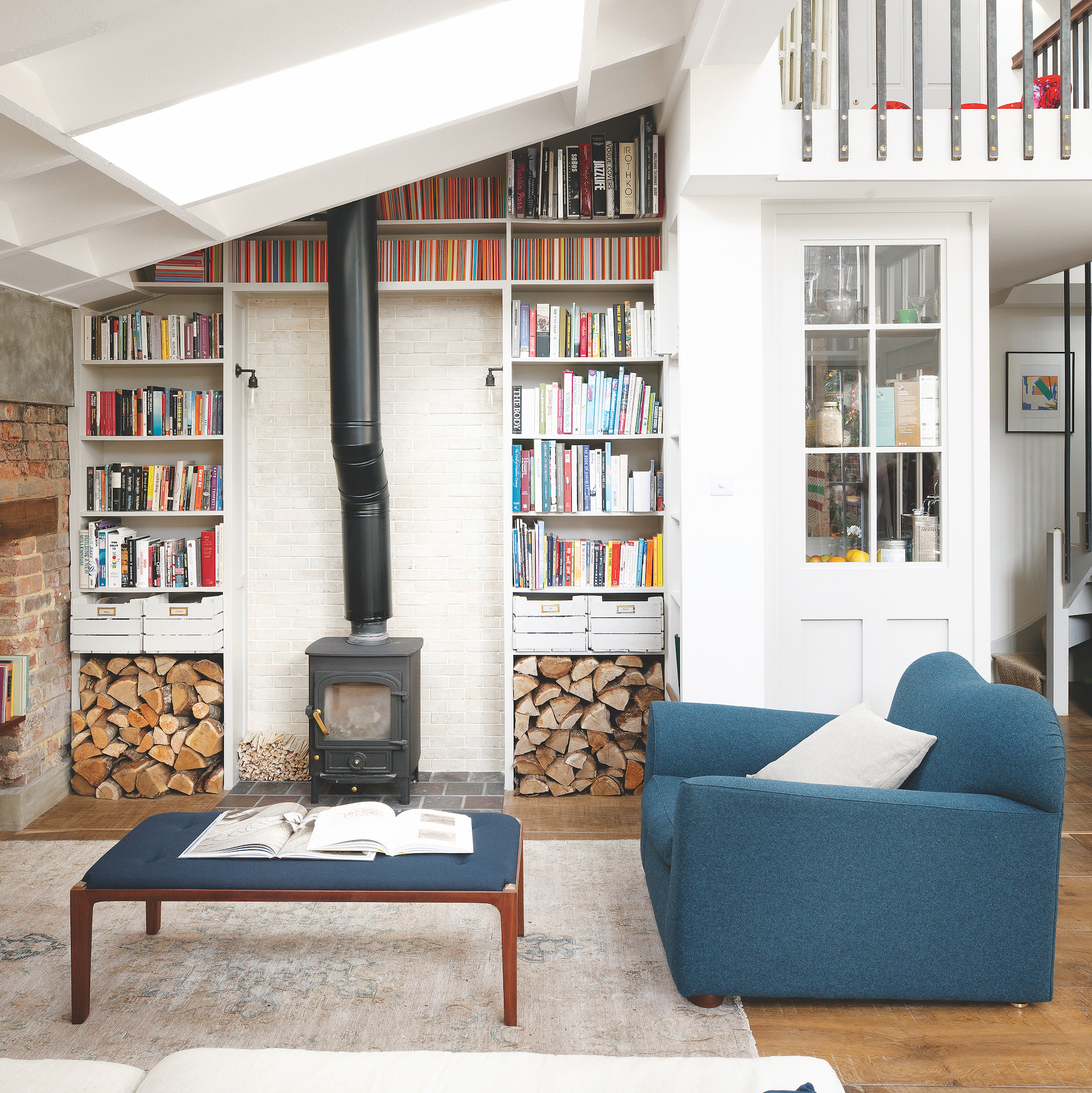
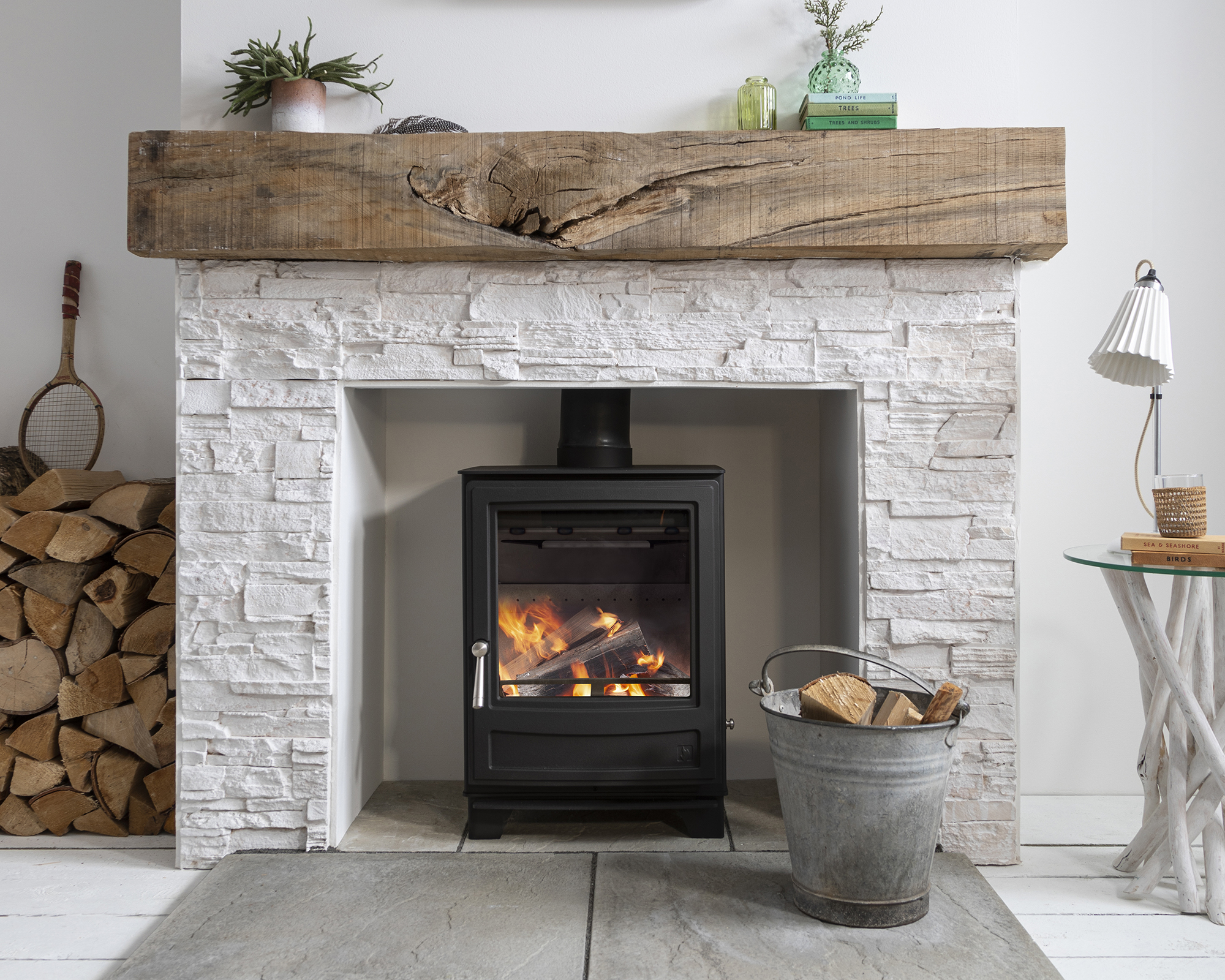
The article presents 18 distinct log storage ideas. One suggestion is to stack logs high, even up to the ceiling, creating a dramatic feature wall beside a fireplace. While visually striking, this method requires a step ladder for access, making it suitable for less frequent retrieval. Another idea involves integrating log storage into bespoke shelving units built around a wood burner, ensuring kindling and logs are easily accessible. For a modern aesthetic, tall and elegant storage solutions next to a stove or fireplace can minimize the bulky appearance of wood, especially when incorporated into narrow, underlit alcoves painted in contemporary colors.
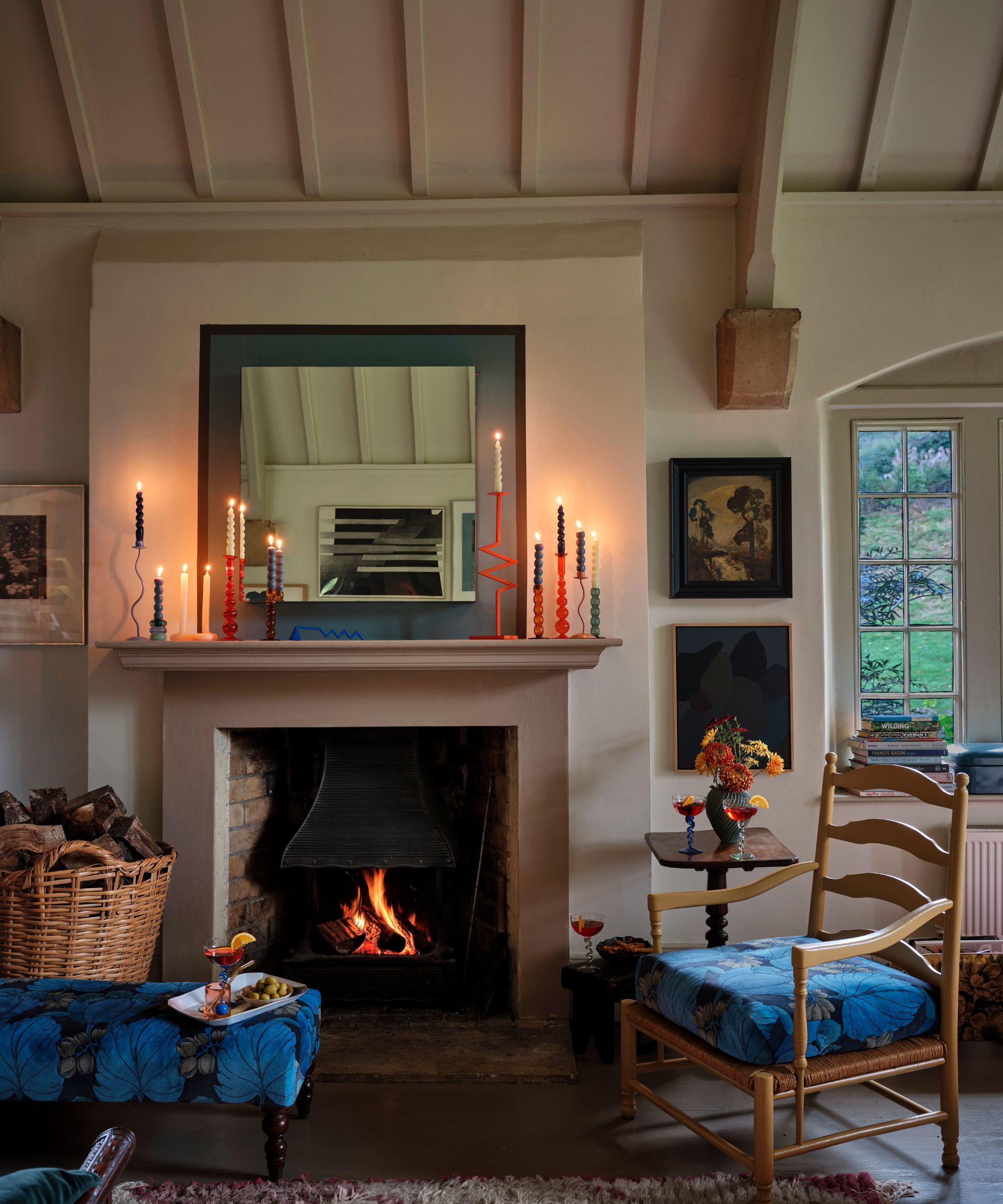
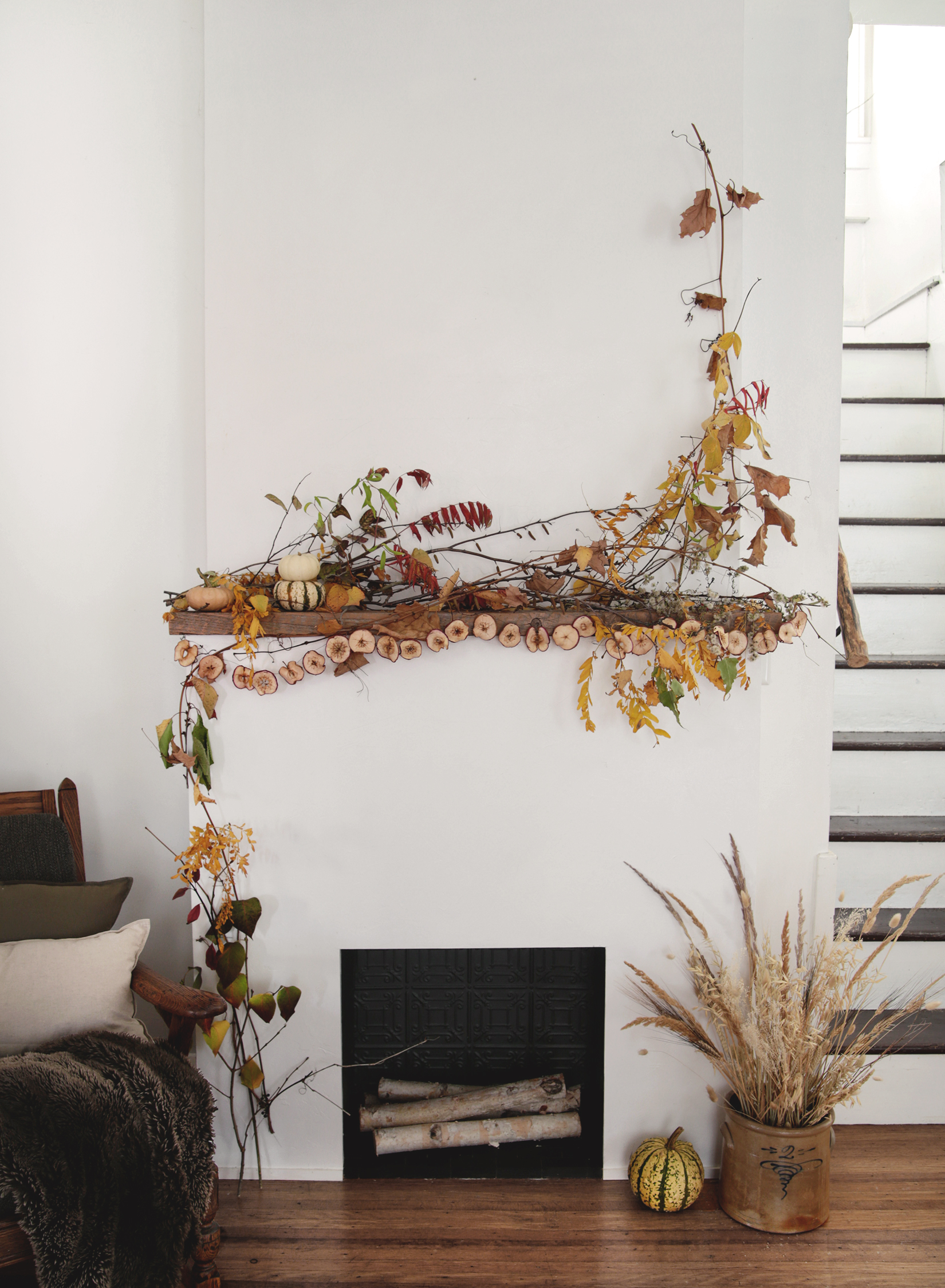
Utilizing an empty fireplace space for log storage is another practical and visually appealing option, adding texture and warmth to a room. Investing in attractive floor-standing shelving units offers a flexible alternative for rooms without alcoves, provided they are secured and the weight is evenly distributed. For inset stoves, building storage directly beneath them provides convenient access to firewood, with a reminder to ensure the storage depth accommodates the log size. Creative solutions include using hollow spaces within partial dividing walls for log display, ensuring structural integrity is maintained.
The article also suggests elevating logs into easily accessible framed spaces, which can be custom-built by a carpenter. Safety is a key consideration, with experts like Tony Ingram from Morsø recommending non-combustible materials or specific distances between logs and the stove. Incorporating vintage furniture like log crates found in flea markets adds character and can be cost-effective. For daily use, only a small quantity of logs should be kept indoors, with the bulk stored in a dry, well-ventilated outdoor area. Sebastian Cox, a furniture designer, recommends using a moisture meter to check log dryness and buying split rather than sawn logs for better burning and less pollution.
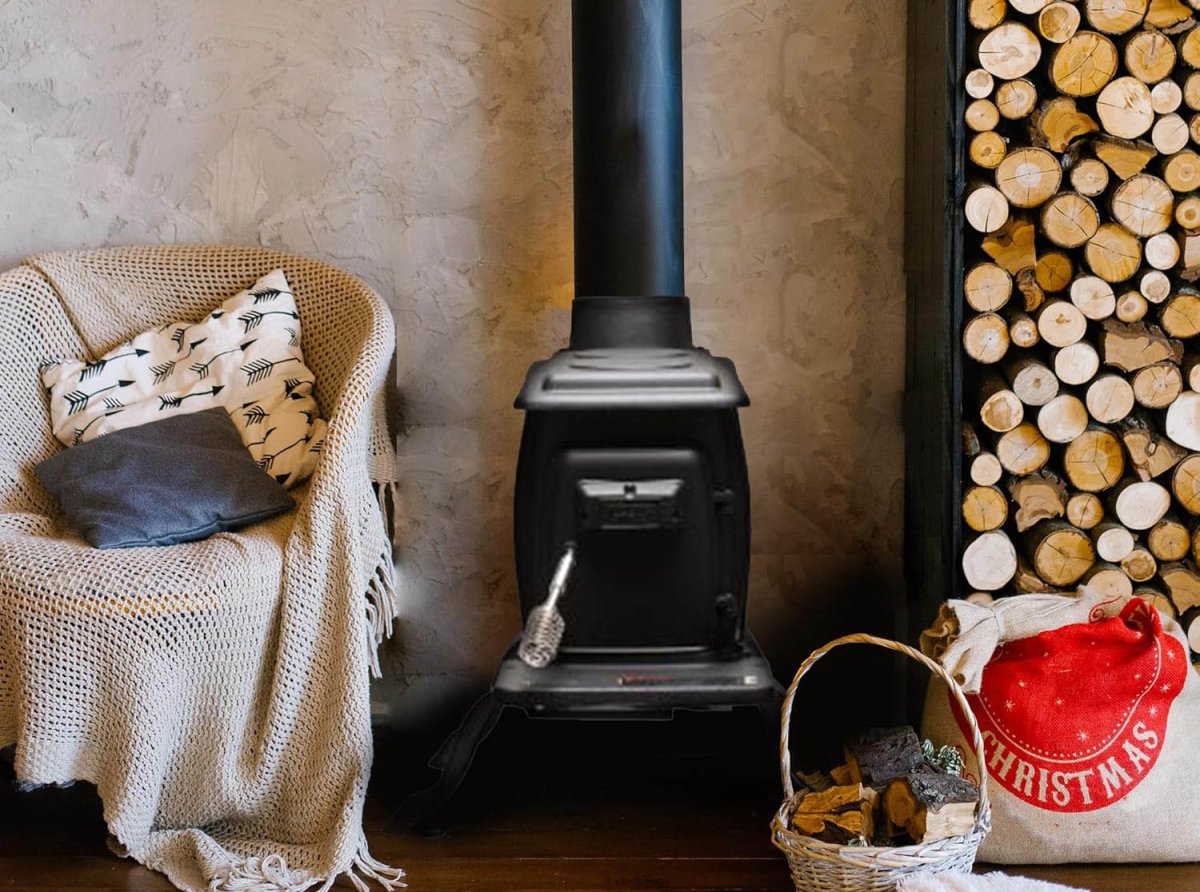
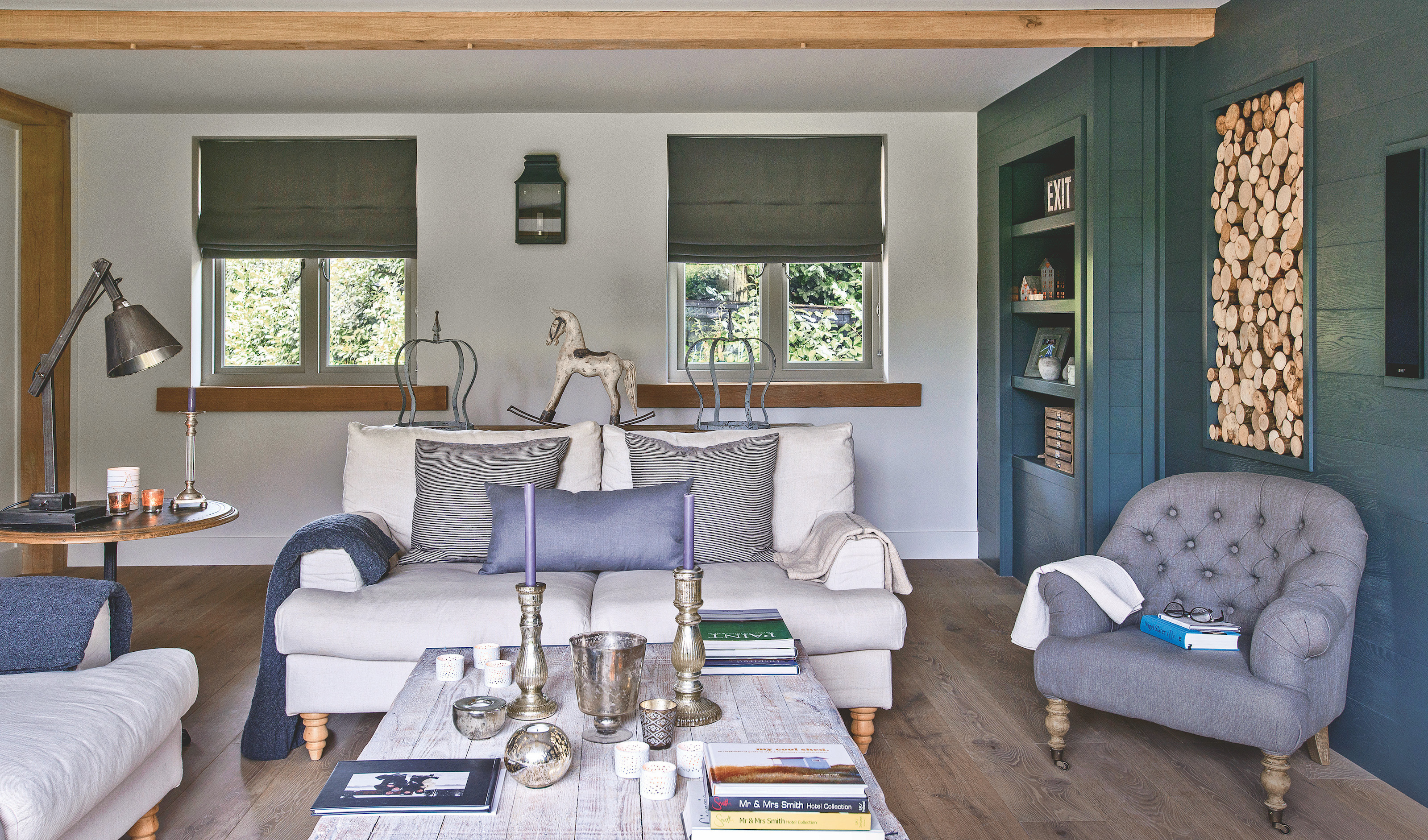
Symmetrical shelving units around low-profile wood burners can create balanced displays that also serve as surfaces for accessories. Traditional wicker baskets, crates, and buckets offer flexible, freestanding storage options for a rustic touch. Stacking firewood behind smaller objects on shelves keeps logs handy, with a tip to add new wood to the bottom of the pile to ensure older, more seasoned pieces are used first. Awkward architectural gaps, such as spaces between beams or wall alcoves, can be repurposed for log storage, provided a safe distance from the stove is maintained. For those with outdoor log stores, bespoke indoor storage under stairs or eaves can hold a small supply for an evening or two. Decorative ideas include displaying logs with pine cones and fairy lights for a festive touch, with caution advised if these logs are intended for burning. Filling an entire alcove with logs creates a rustic focal point, though safety measures like shelves are recommended, especially in homes with children. Some high-end stoves come with built-in storage, eliminating safety concerns about stacking logs too close. Finally, for those without a fireplace or logs, log-print wallpaper offers a charming visual effect without the need for actual wood storage.
Regarding the type of wood, seasoned oak, cherry, beech, ash, and hawthorn are recommended for their even burn, while softwoods like pine, birch, lime, and fir should be avoided due to excessive sparking or rapid burning. It is now illegal to sell wet wood, and a moisture content of 15-20% is ideal for efficient, less polluting burning. Dry logs crackle, while wet ones hiss and cause steaming, serving as clear indicators of their quality. Proper storage in dry, spacious conditions, even outdoors under cover, is crucial to maintain the quality of seasoned logs.
#LogStorageIdeas #WoodBurningStove #FireplaceDecor #HomeOrganization #InteriorDesign #SustainableLiving #HomeHeating #RusticDecor #LogStorageIdeas #WoodBurningStove #FireplaceDecor #HomeOrganization #InteriorDesign #SustainableLiving #HomeHeating #RusticDecor
0 comment in total
 No comments yet
You may also like
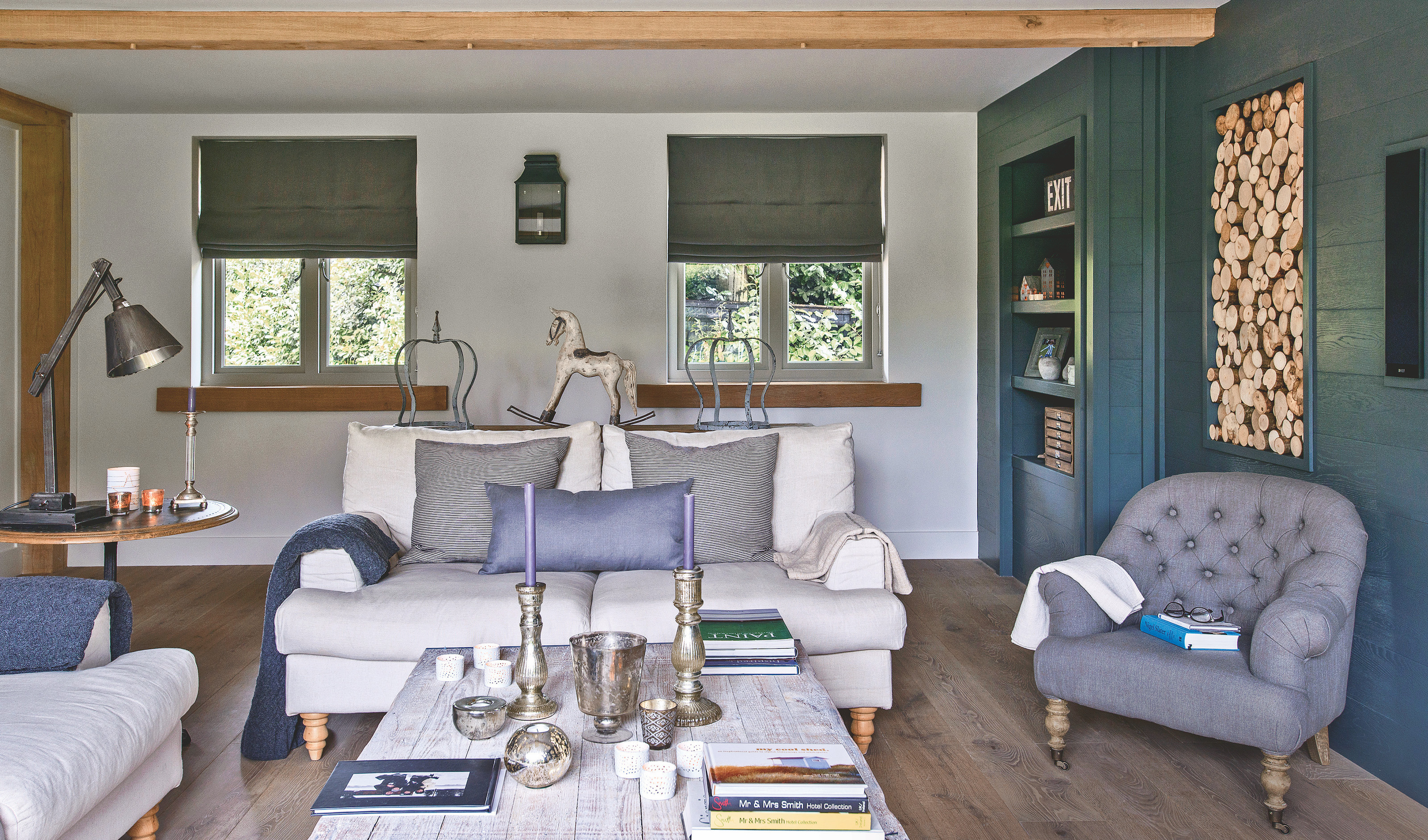
Log storage ideas – stylish ways to display fire wood indoors

Winter living room ideas – 12 looks for a cozy and cocooning environment


Fall Mantel Decorating Ideas — 8 Ways to Create a Seasonal Display Above Your Fireplace

You'll Thank Yourself Next Year If You Take This Holiday Decor Storage Advice

7 fireplace ideas for the home this winter
The 12 Best Indoor Fireplaces for Cozying Up this Winter

Turn Up the Heat on Your Fireside Chats with These Luxe Accessories
The Best Christmas Ornament Storage Ideas to Keep Your Decor Organized

I asked professional organizers for the best winter storage tips for your living room and we love these 7 smart ideas
How Much Firewood Will I Need This Winter?


Mantel decor ideas – 10 tips for year-round fireplace and mantelpiece decoration

5 seasonal storage ideas to get your home holiday-ready

The Chicest Ways To Store Your Winter Gear
9 winter mantel decor finds to revamp your fireplace post-holidays

These Brilliant Christmas Ornament Storage Ideas Will Keep You Organized

12 Festive Fireplaces Made for Chilly Winter Nights


Wood burner ideas: 16 hot designs that will warm your heart and your home

Genius Tension Rod Hack Makes Your Winter Gloves and Hats So Easy to Find

Keep Your Home Toastie With These Indoor Fireplace Ideas | W&H


How to Properly Store and Winterize Outdoor Furniture