1/2
How Much Firewood Will I Need This Winter?
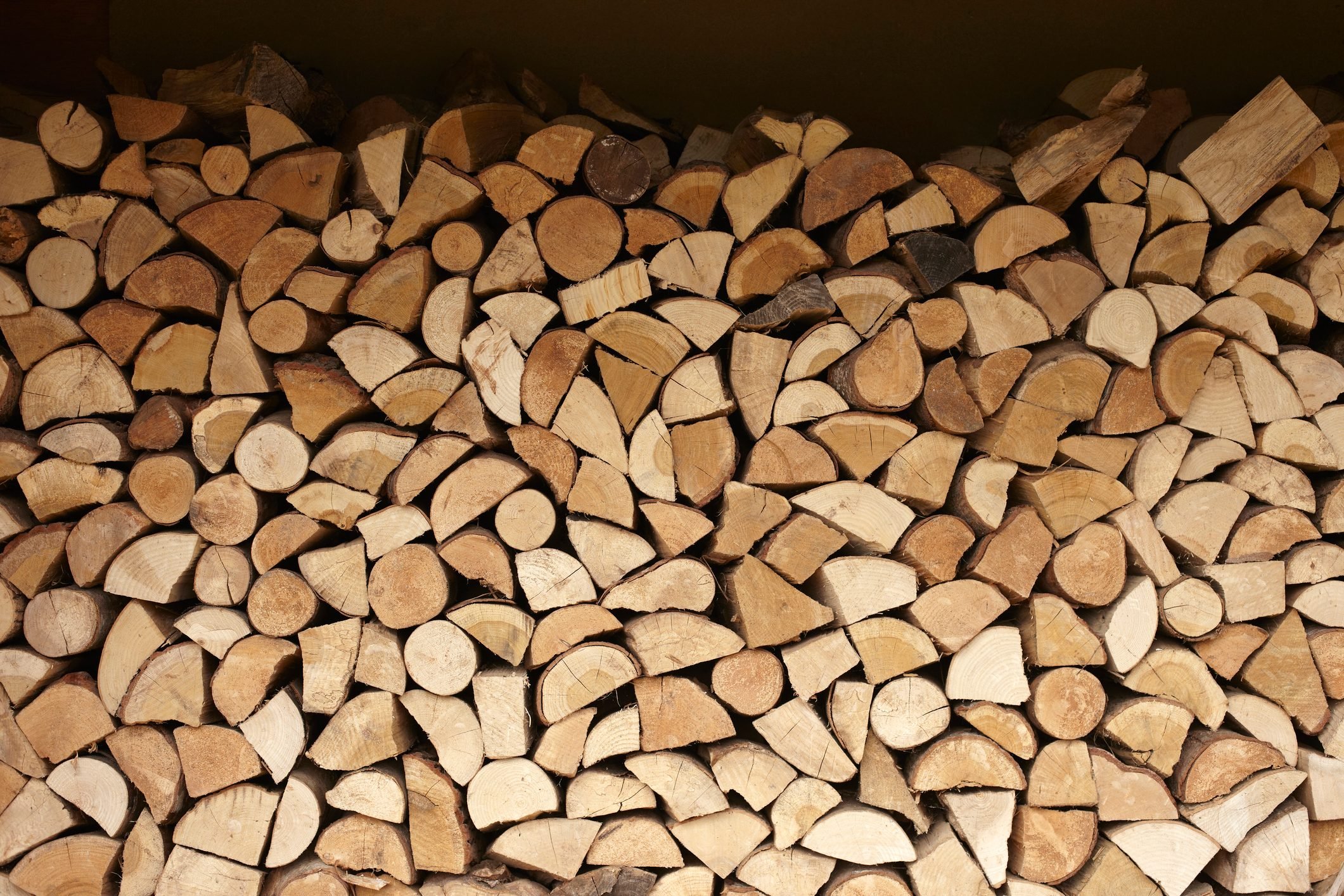
Estimating the amount of firewood needed for winter involves considering several factors, such as the local climate, the primary use of wood for heating, and the size of the area to be heated. For households that rely on wood as a primary heat source, typical usage can range from three to six cords per season, depending on the geographic location. In contrast, those using a fireplace or wood-burning appliance for occasional ambiance or supplemental heat may require a cord or less. Approximately two percent of U.S. households utilize wood as a heating fuel, highlighting the importance of accurate estimation for a significant number of homes.
The average outdoor temperature plays a crucial role in determining firewood consumption. The heating season in the U.S. generally spans from October to April. Colder regions necessitate a greater supply of firewood to maintain indoor temperatures within the recommended range of 64 to 68 degrees Fahrenheit, as advised by organizations like the World Health Organization and the U.S. Department of Energy. The intensity of winter directly correlates with the quantity of wood required.
Room or home size also influences firewood needs. A simplified formula suggests that homes in northern climates, such as Maine, might need two to three cords of wood per 1,000 square feet. For instance, a 1,500-square-foot house in New England could require four to five cords. This amount decreases as one moves south; a similar-sized home in West Virginia might use 25 to 50 percent less. Additionally, smaller rooms heat up more quickly than larger or open-concept spaces, and proper insulation, such as sealed windows, is essential to prevent heat loss, maximizing the efficiency of the firewood.
The type of firewood selected significantly impacts burning efficiency. Hardwoods, like beech, hickory, and oak, are generally preferred for interior heating because they burn hotter and slower than softwoods. While softwoods, such as pine and cedar, are often less expensive and season faster, they are less efficient for sustained home heating. Kiln-dried wood, though 10 to 30 percent more costly, offers enhanced energy efficiency by lighting easier, burning hotter, and lasting longer compared to naturally seasoned wood. For outdoor fires, a mix of softwoods for kindling and hardwoods for sustained burn is suitable, though softwoods can produce more sparks and resin that might affect wood stoves. It is generally advisable to err on the side of ordering more firewood if storage space permits, as properly stored wood can last for several years, ensuring a continuous supply throughout the winter season.
#Firewood #WinterHeating #HomeHeating #WoodBurning #FirewoodStorage #Hardwood #Softwood #KilnDriedWood #EnergyEfficiency #Firewood #WinterHeating #HomeHeating #WoodBurning #FirewoodStorage #Hardwood #Softwood #KilnDriedWood #EnergyEfficiency
 No comments yet
Here's Why You're Going to Want an Electric Fireplace This Winter