1/2
Open fires v wood-burning stoves: The grate debate
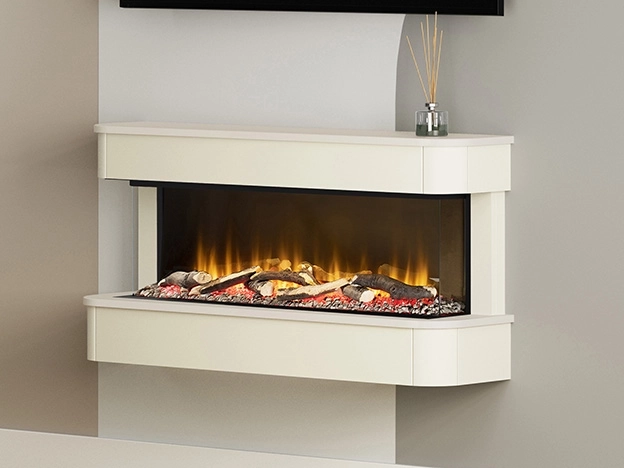
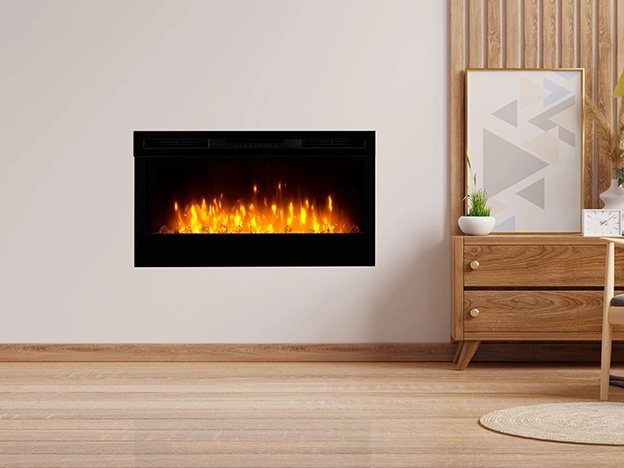
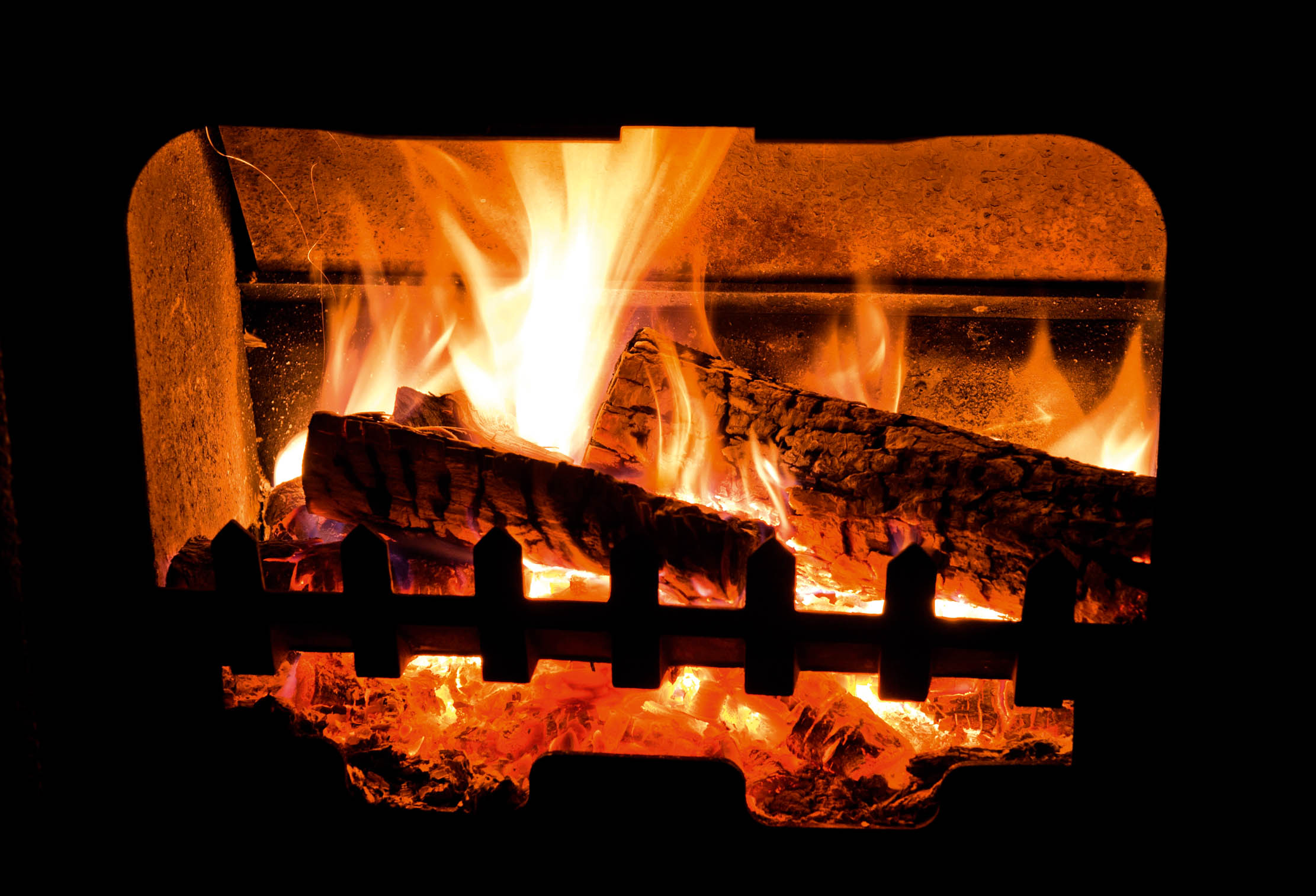
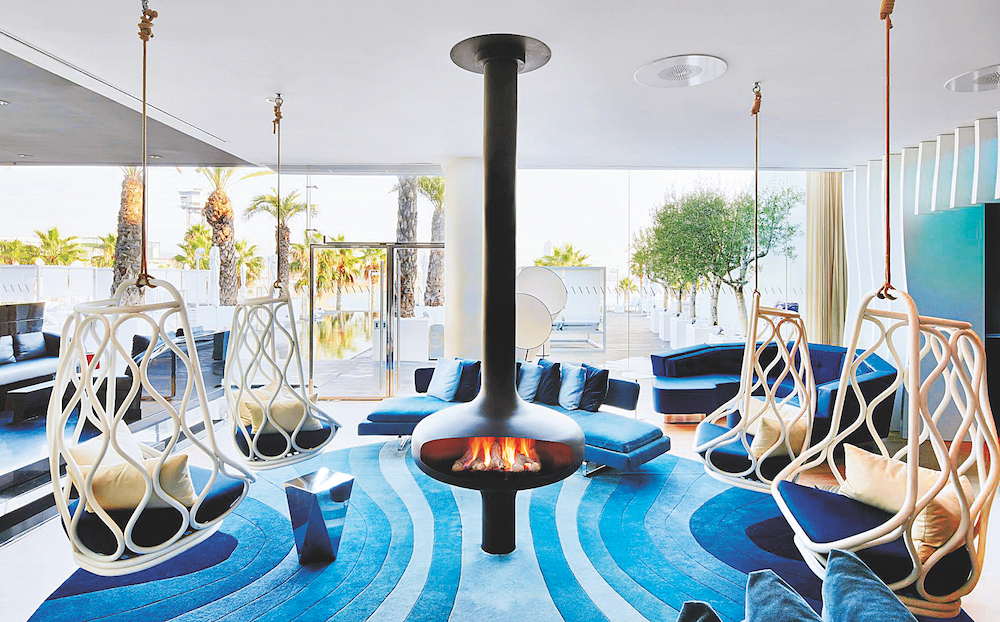
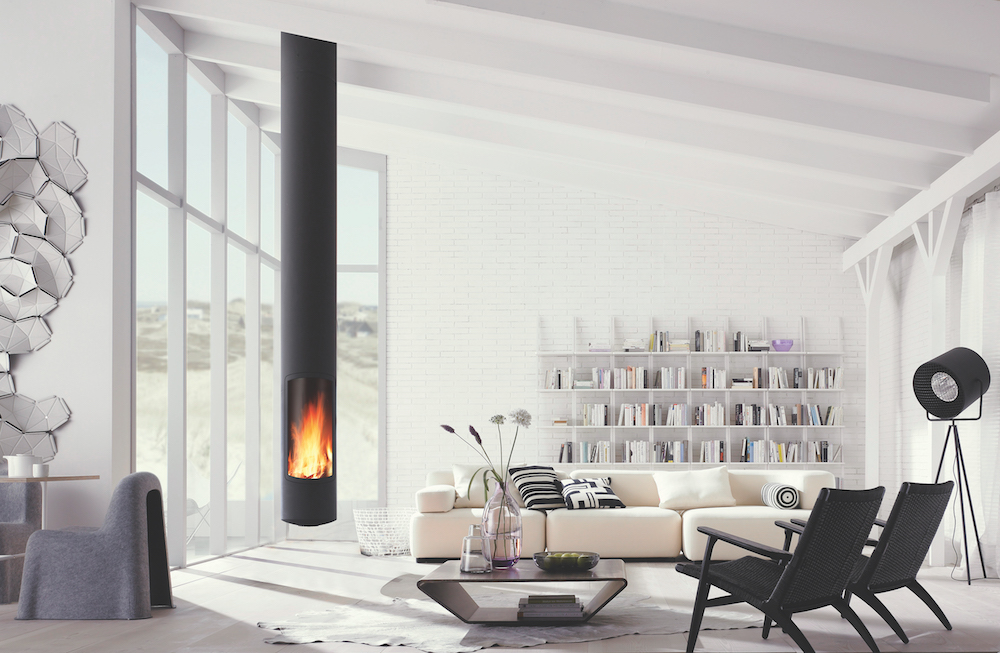
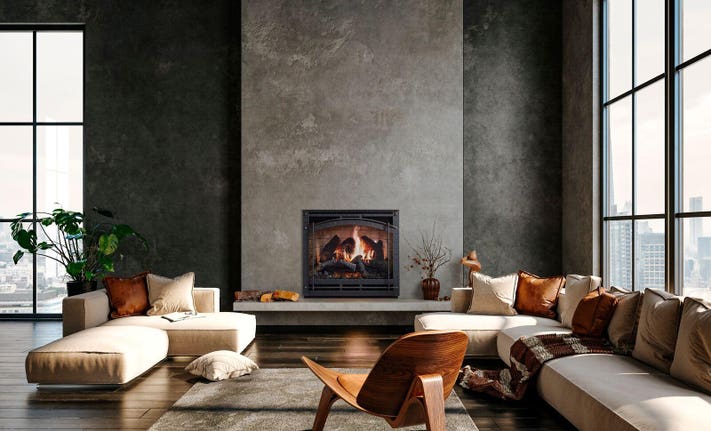
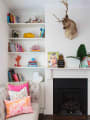
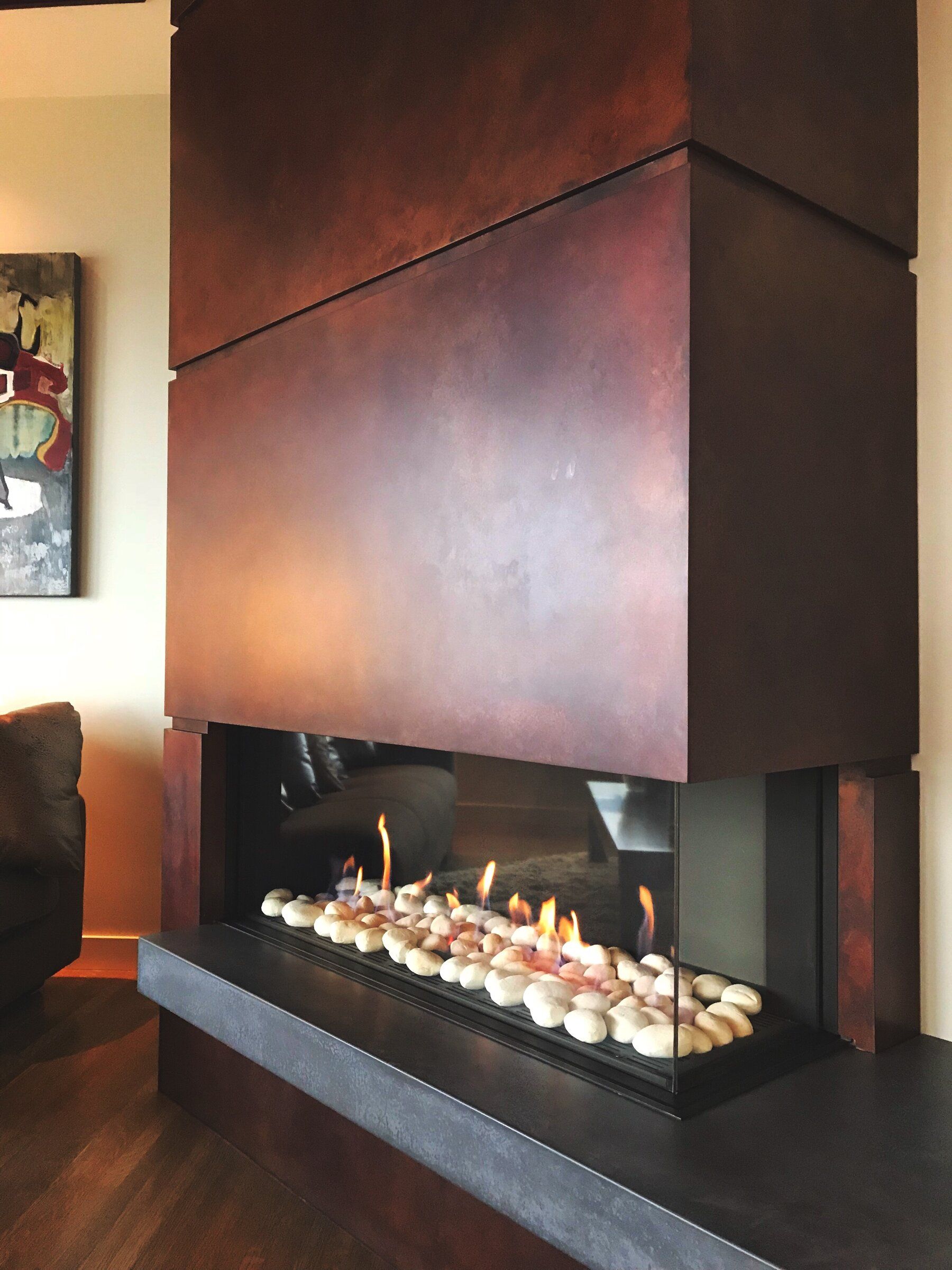
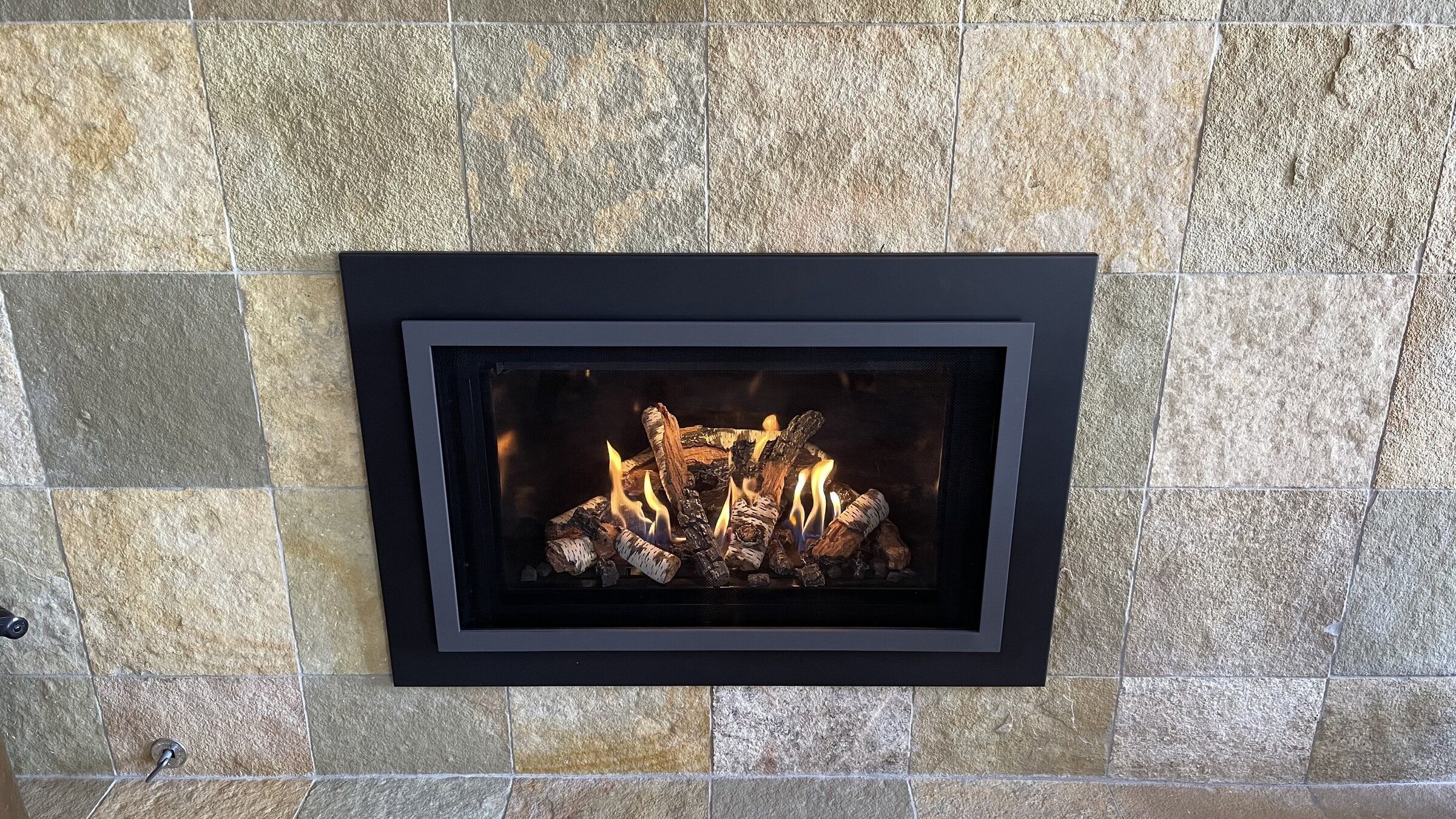
In colder climates, many homes rely on supplemental heat sources to augment central heating and manage energy costs. Beyond practical heating, the ambiance created by dancing flames is a significant draw, whether from an open fireplace or behind glass. Interior decorators emphasize the sensory appeal of fireplaces, noting how the illumination and gentle smoke contribute to a cozy atmosphere, especially when returning home from a cold walk. Some designers consider a room incomplete without a fireplace or stove, highlighting their role as a focal point.
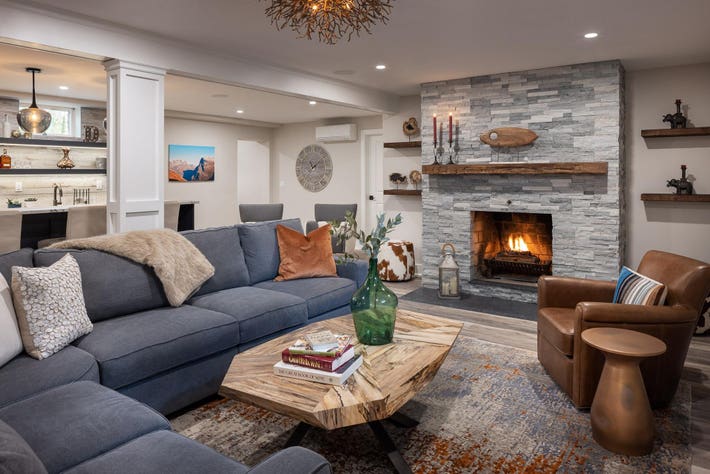
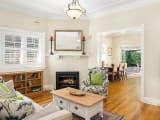
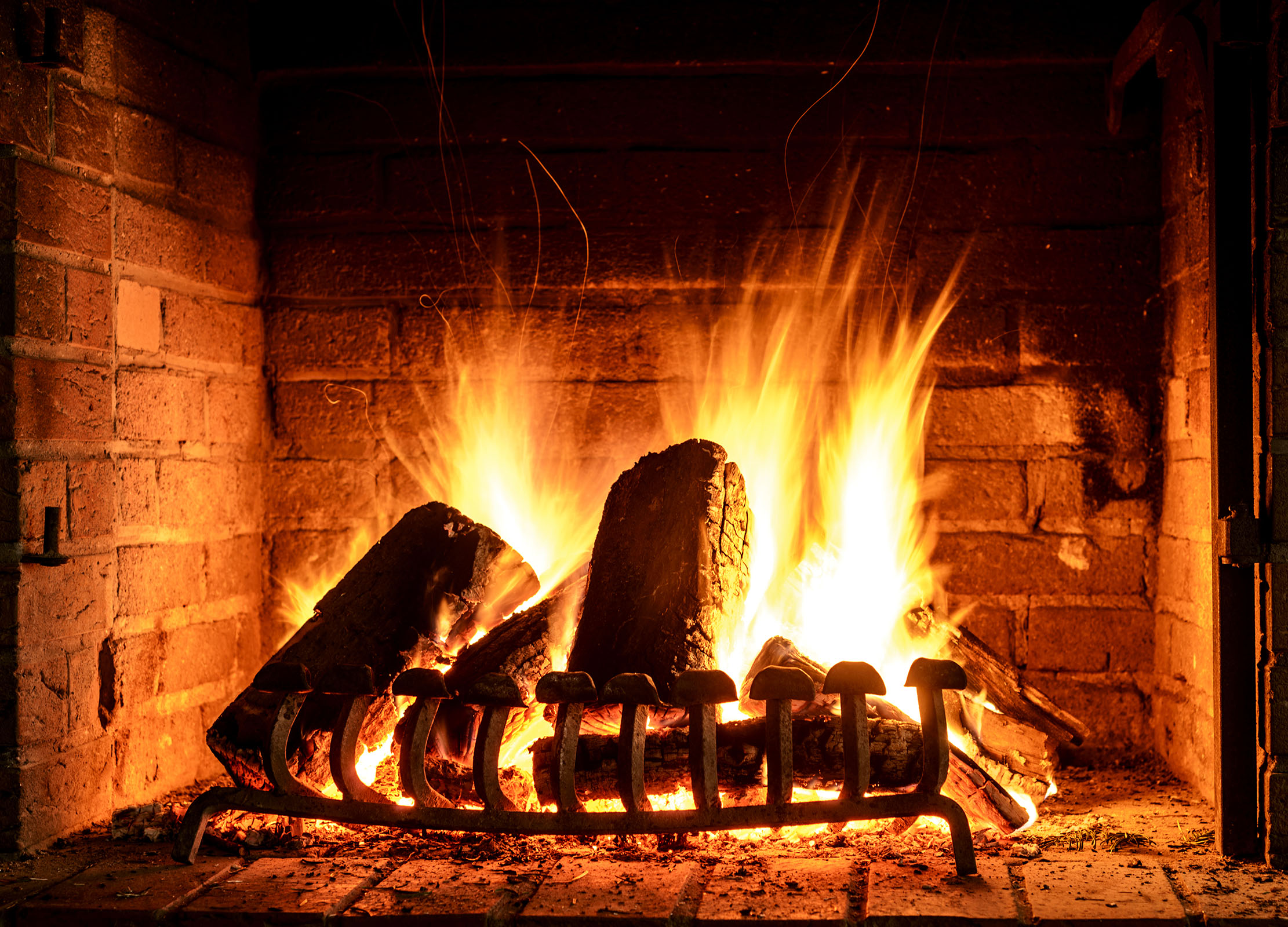
Open fires are celebrated for their unparalleled ambiance, setting a traditional tone throughout a house and serving as an ideal feature for a drawing room. The warmth from a log fire can permeate an entire home, accompanied by a distinct aroma, with connoisseurs often selecting specific wood types like apple, pear, cherry, or olive for their unique burn qualities and scents. A fireplace in full splendor naturally becomes a room's focal point, encouraging convivial gatherings. Despite their aesthetic appeal, open fires are notoriously inefficient for heating. Their uncontrolled airflow draws warm air from the entire house up the chimney, with estimates suggesting that as much as 70% of the heat generated is lost this way. This inefficiency also impacts the heat produced by central heating systems, effectively acting like an open window. To mitigate this, homeowners can install a damper—a seal across the chimney opened by a lever—or a chimney balloon, which inflates to block the flue.
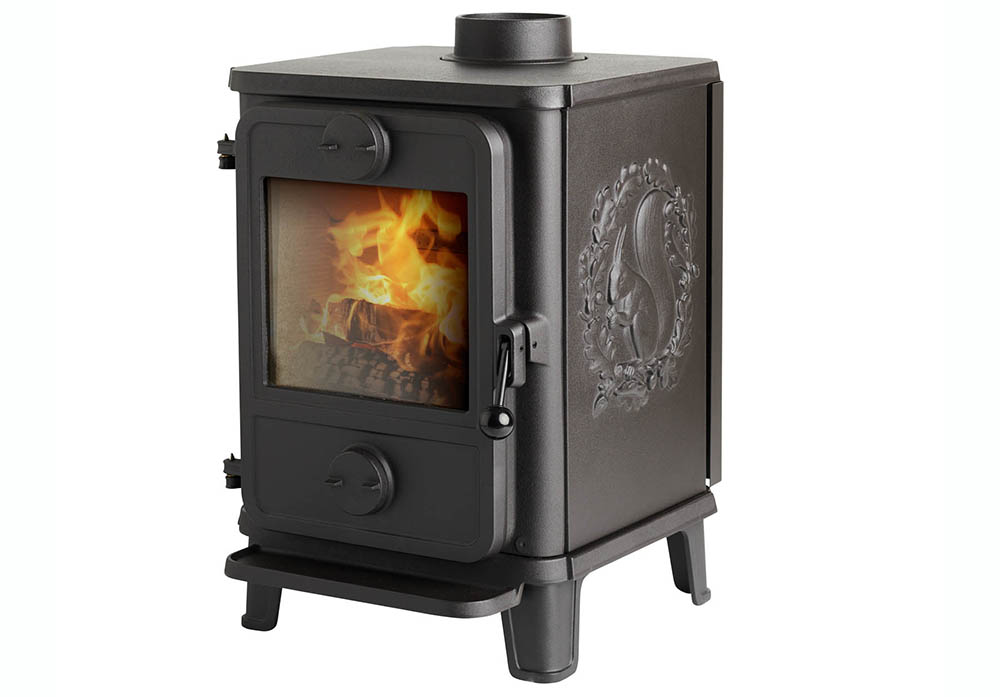
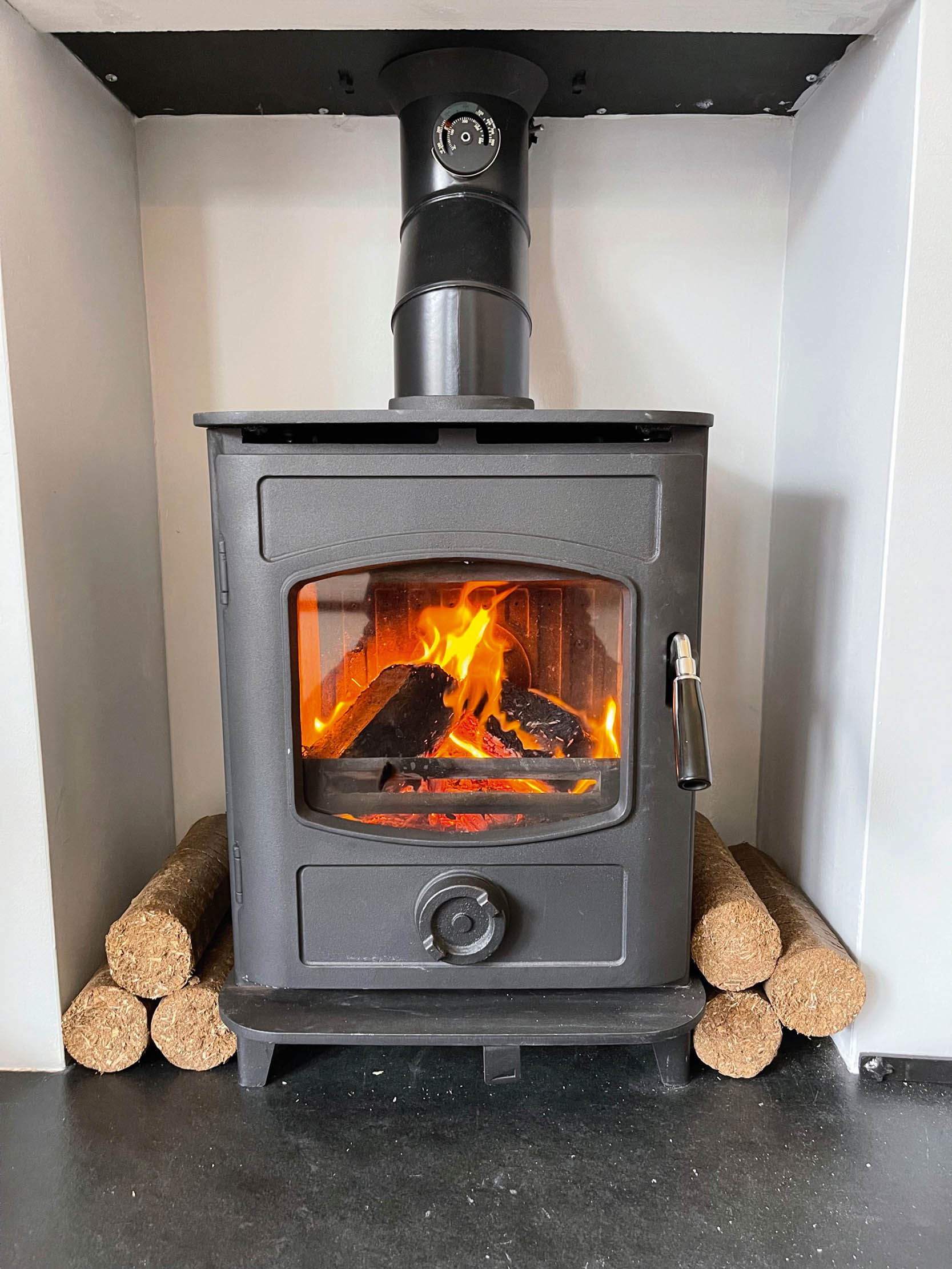
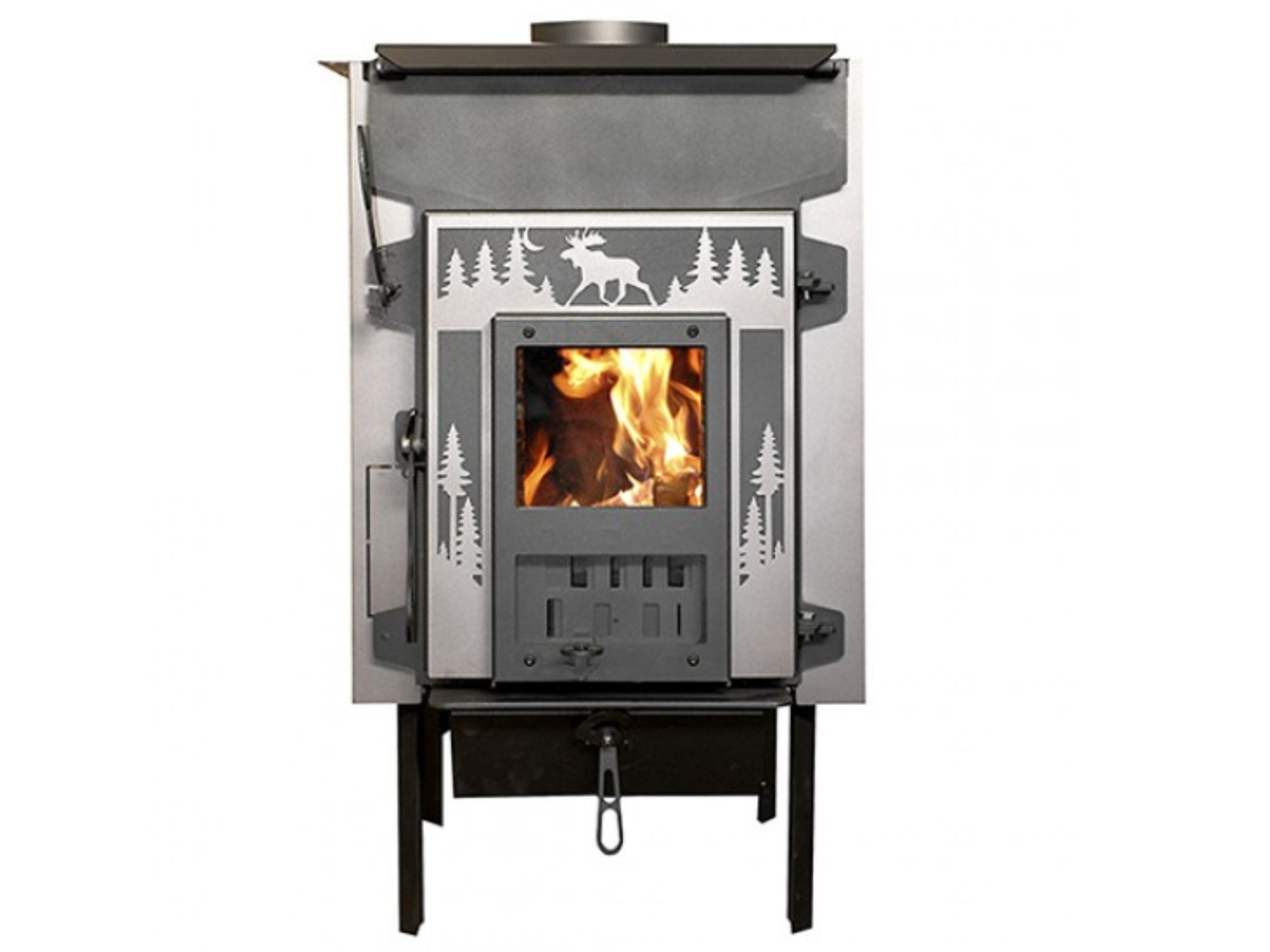
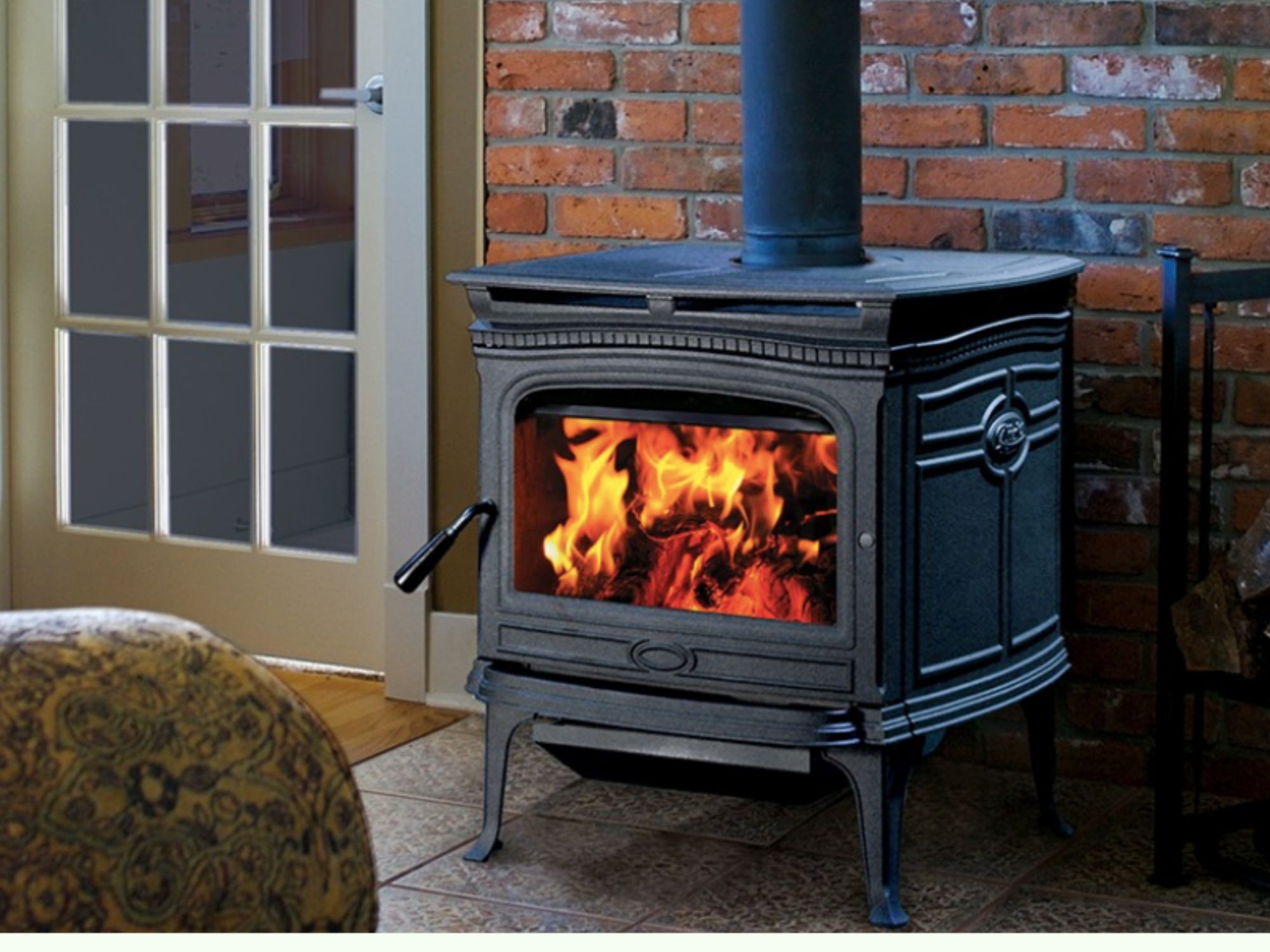
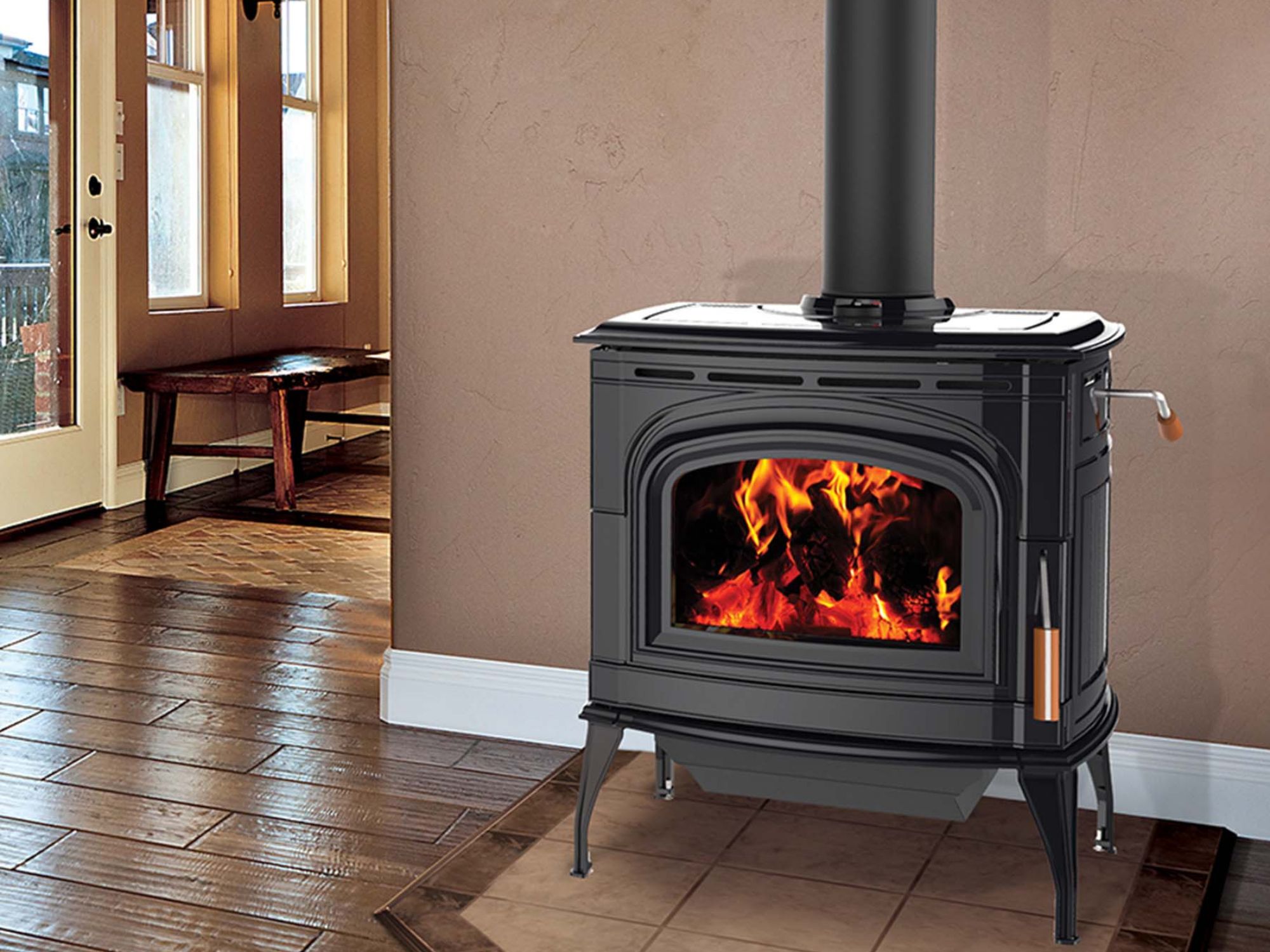
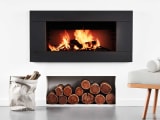
Wood-burning stoves offer several advantages, including flexible placement, as they can fit into a corner or an existing fireplace. They are considered safer for young children due to the enclosed combustion, offer a more contemporary look, and generate less mess. Stoves are a more flexible, consistent, and efficient heat source compared to open fires, making them suitable for urban areas. They provide constant radiant heat with an efficiency of around 80%, allowing for regulation of heat output and fuel burn rate. Since the wood is enclosed within a cast-iron casing, and assuming annual flue checks and cleaning, stoves require less supervision. Their design, which doesn't necessitate a surround, makes them a less formal focal point, often preferred in kitchen/breakfast rooms or family rooms. Environmentally, while stoves still emit CO2, managing trees for fuel is often considered a more carbon-neutral approach than using gas. Stoves can also be integrated into historic fireplaces, addressing performance issues without requiring structural alterations, ideally without removing period grates.
Ultimately, the choice between an open fire and a wood-burning stove often comes down to a balance between aesthetic preference and practical considerations. While an open fire offers unbeatable visual appeal, wood-burning stoves surpass them in efficiency, convenience, versatility, and safety. Stoves provide constant radiant heat and avoid the issue of warm air being drawn up the chimney. Many experts, including those who sell both options, opt for a wood-burner in their own homes due to the significant heat output, acknowledging that it offers a different, yet still enjoyable, flame experience.
#WoodBurningStoves #OpenFires #HomeHeating #InteriorDesign #EnergyEfficiency #FireplaceAmbiance #HomeComfort #TraditionalVsModern #WoodBurningStoves #OpenFires #HomeHeating #InteriorDesign #EnergyEfficiency #FireplaceAmbiance #HomeComfort #TraditionalVsModern
0 comment in total
 No comments yet
You may also like
Fires & Fireplaces

Product watch: Focus’ sculptural fireplaces with eco credentials
Gas Fireplaces: Direct Vent vs. Vent-Free
Barry Stone: Wood stove too close to wood paneling
More heat, less fuel: How modern tech has lit up a new era of log-burning stoves
New Fire Features Add Romance, Comfort And Resale Value To Home Spaces

Light Your Fire
Knowledge Bank: Fire Surrounds

These Are the Best Wood Stove Brands and Manufacturers Today

How to safely start a fire in a fireplace that lights easily every time
Design/build: Firepits and fireplaces

Our Favorite Pellet Stoves Are More Efficient Than Burning Wood

The Best Wood Stoves Can Make Your Home Feel Like a Rustic Cabin—Here Are Our Top 7


Overhead Lighting vs. Lamps: Experts Settle This Great Debate

What’s hot in Seattle-area fireplace trends

Where there’s smoke, there could be a poorly built fireplace
The Best Fire Logs for Long-Lasting Ambience, Tested
7 fireplace ideas for the home this winter
Can I have a fire pit under a gazebo? Experts advise against this common backyard mistake