1/5
9 important tips for choosing a white marble slab
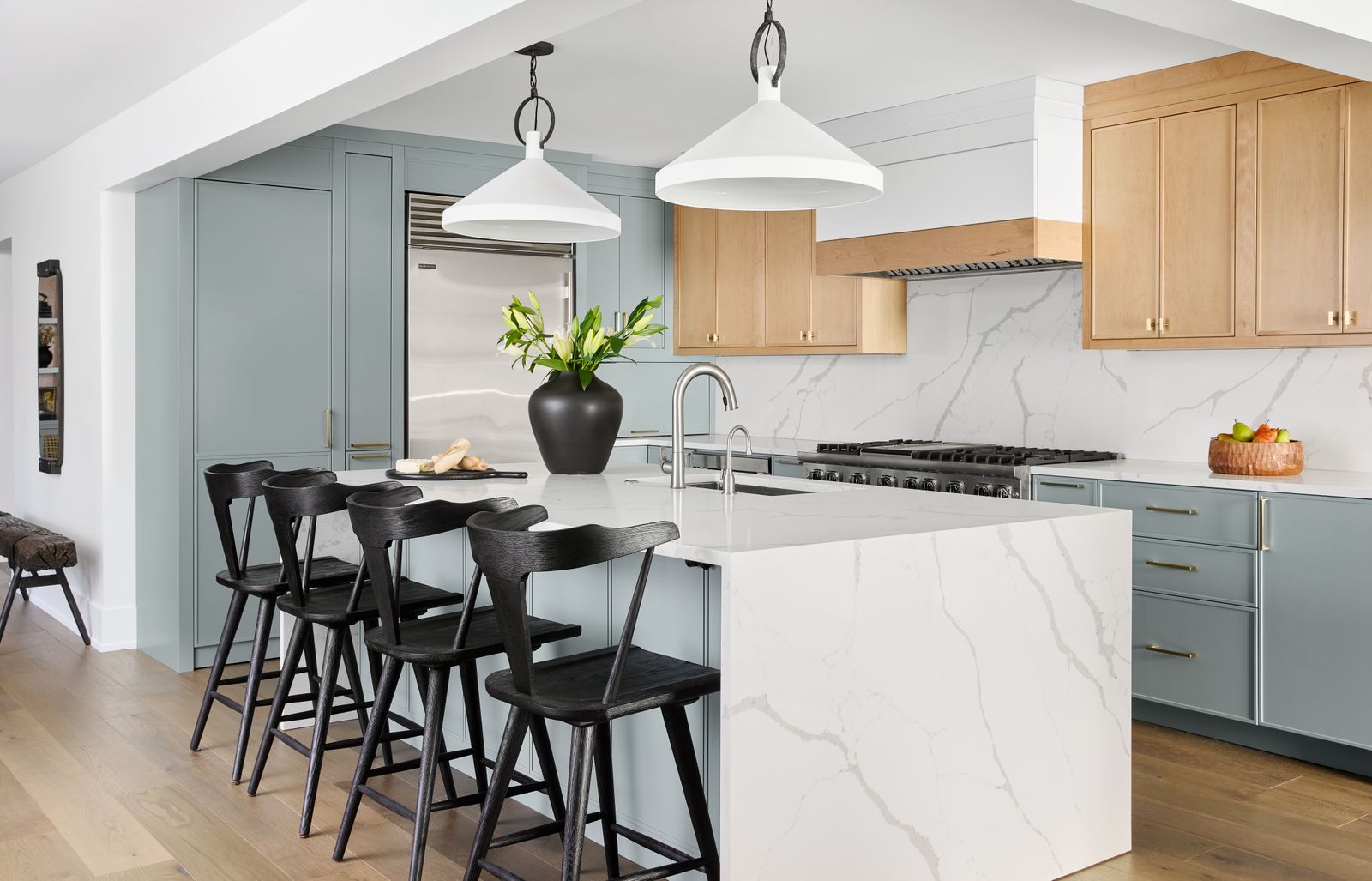
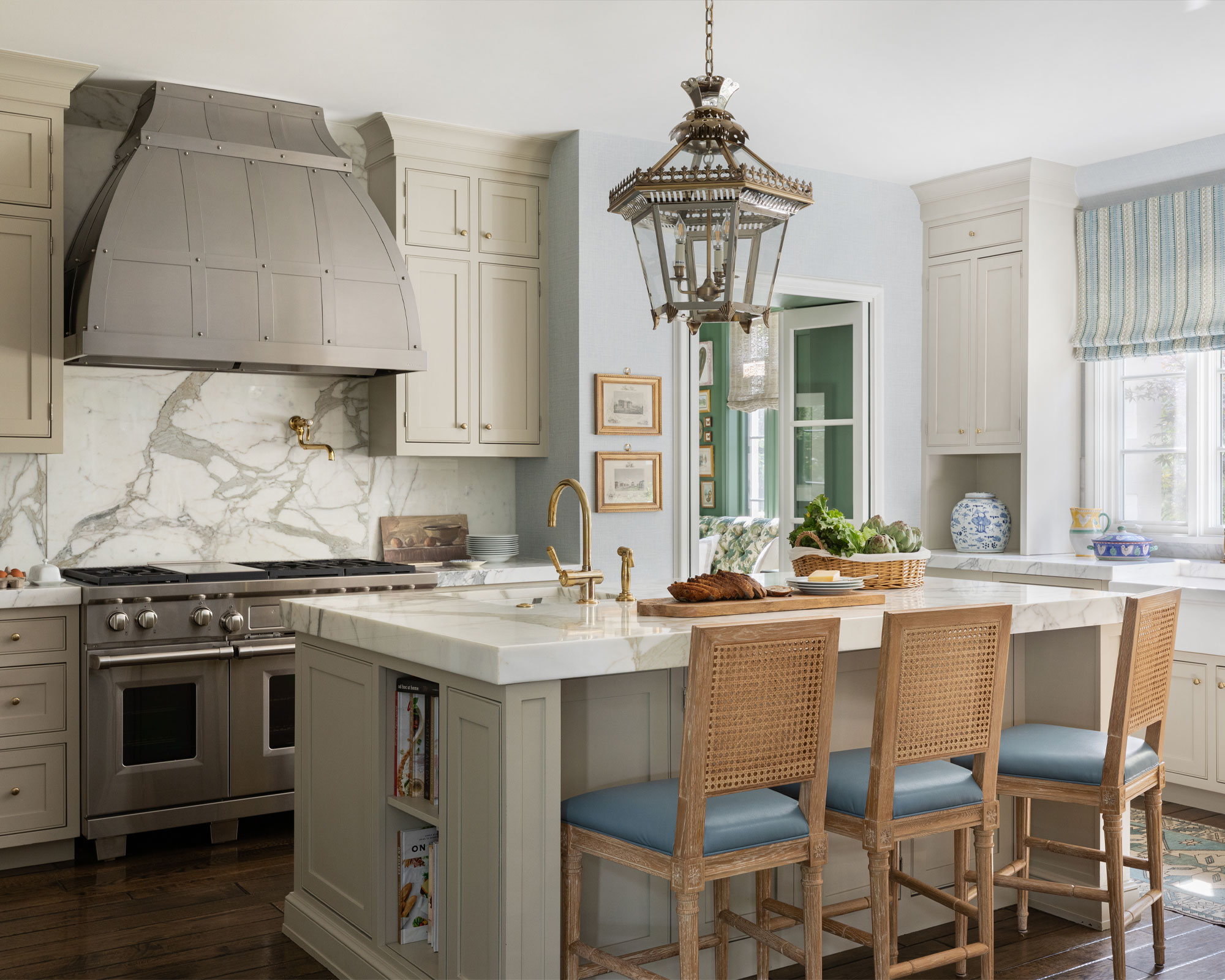
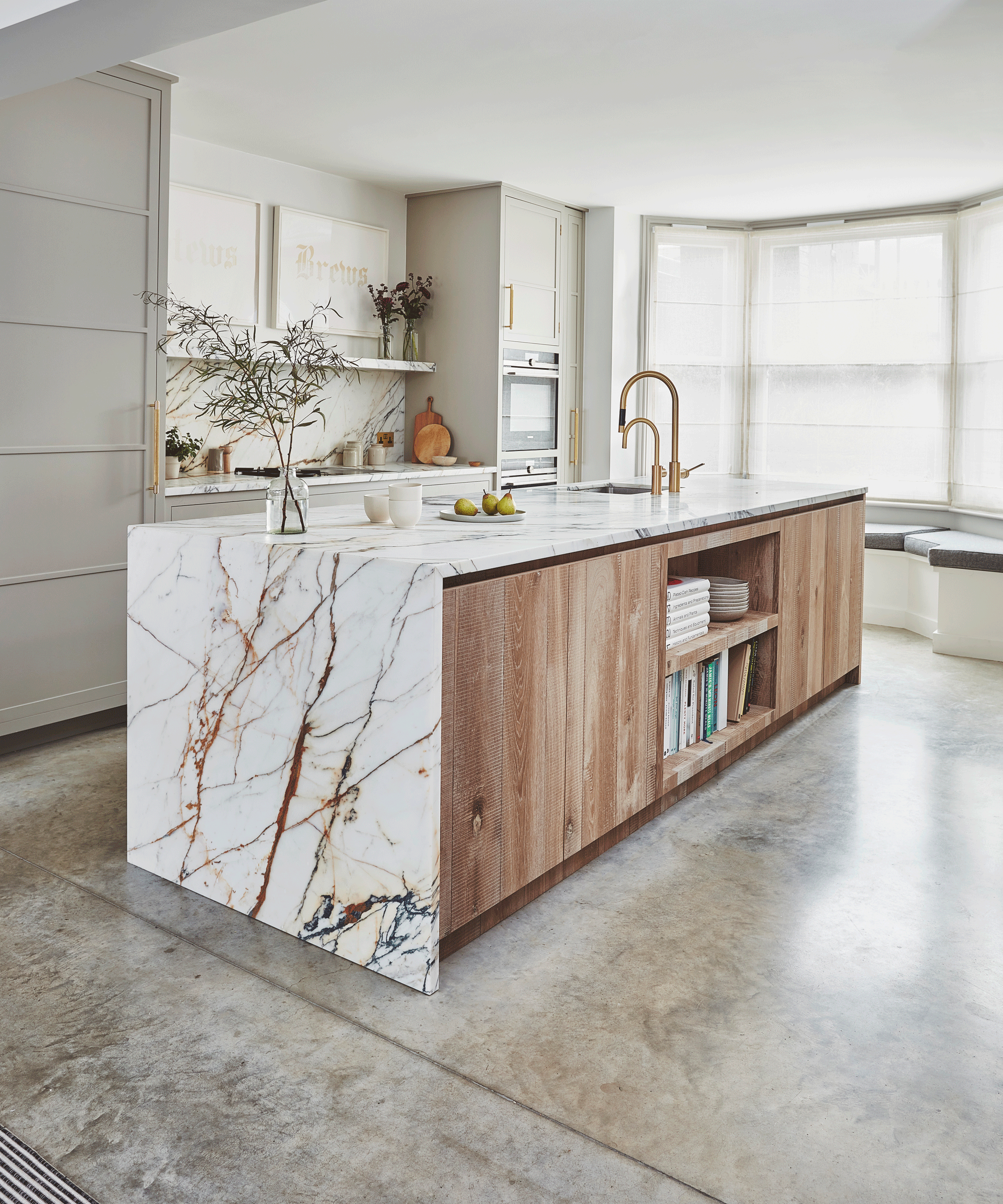
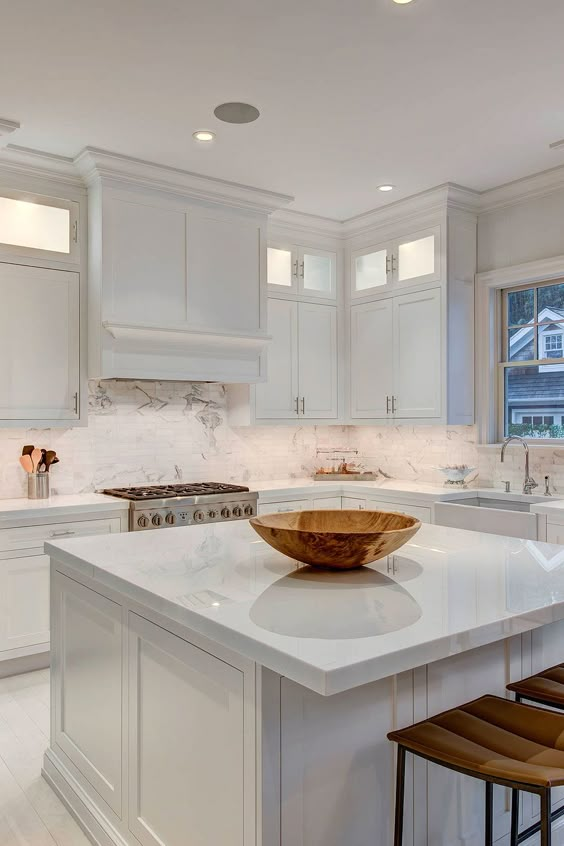
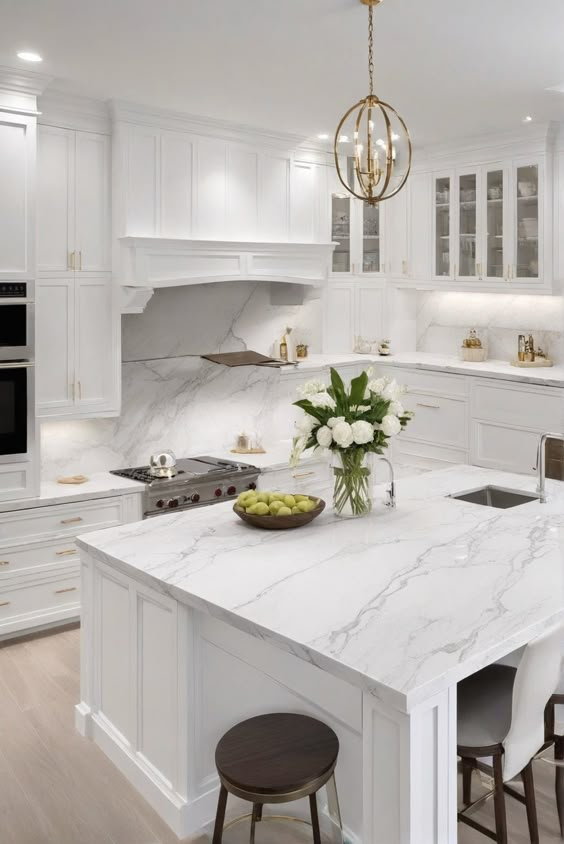
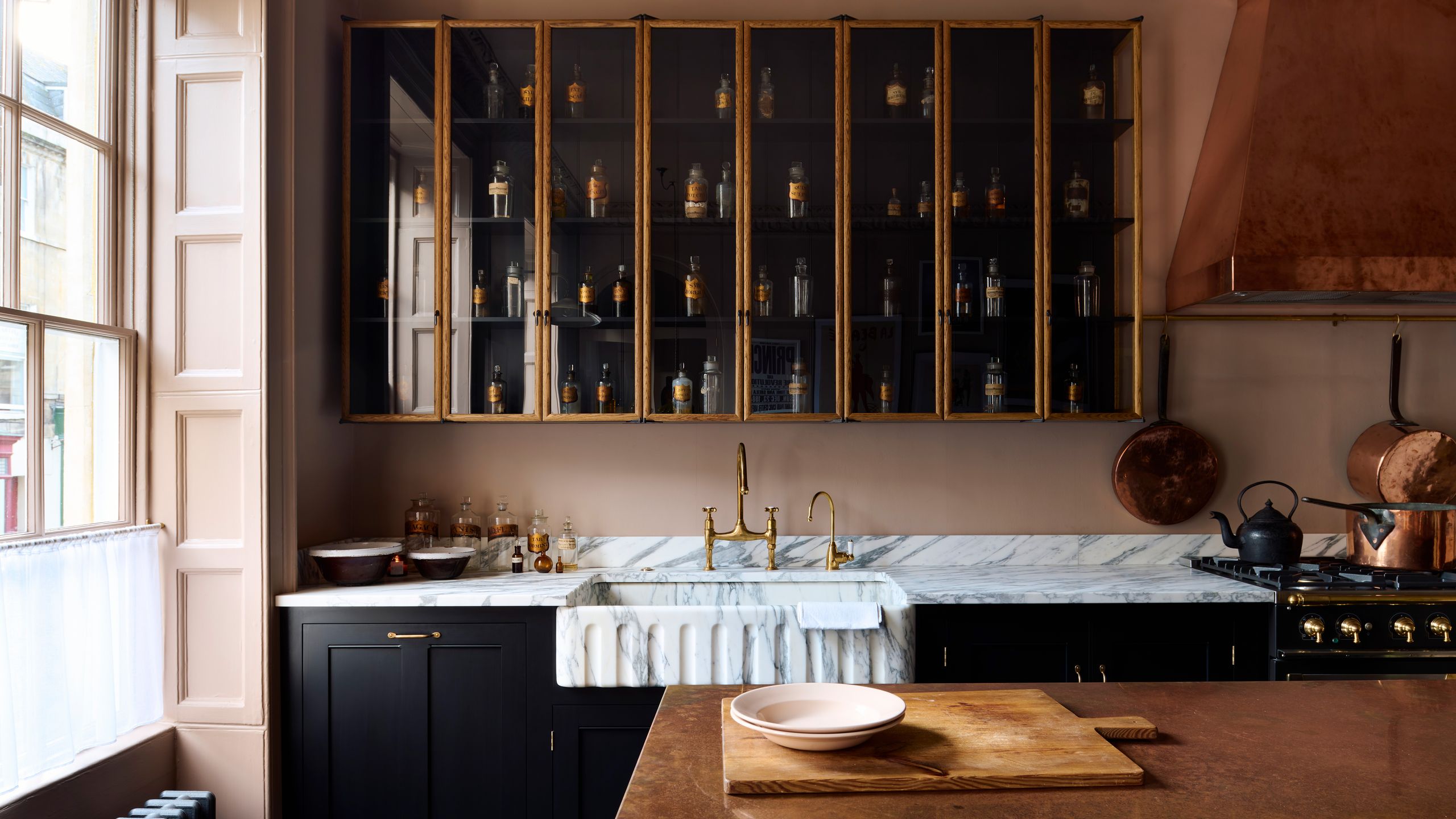
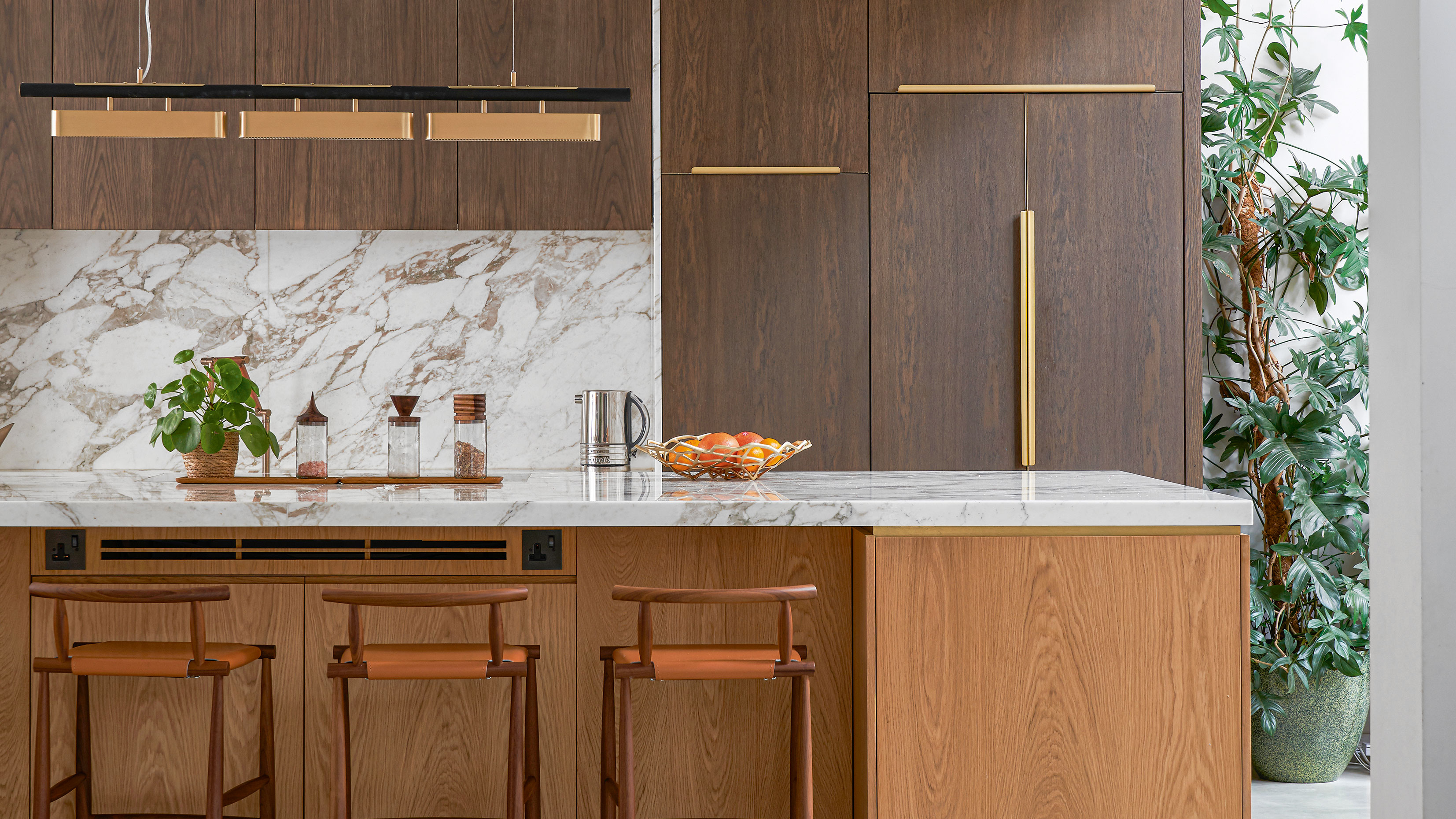
Marble has consistently been a top choice for kitchen countertops due to its natural beauty and variety. Russell Groves, principal architect at Groves & Co., highlights marble's ability to create unique natural patterns, distinguishing it from artificial materials. Among the various marble options, white marble stands out, with Evan Nussbaum, vice president at Stone Source, noting its unparalleled whiteness and distinct figuring compared to other natural stones. While high-quality marbles from regions like Carrara, Italy, are dense and relatively nonporous, offering durability and stain resistance, marble is not without its vulnerabilities. Composed primarily of calcium or magnesium carbonate, marble reacts to acids, meaning common kitchen liquids like lemon juice or vinegar can cause etching, leaving dull, whitish marks on the surface, even if sealed.
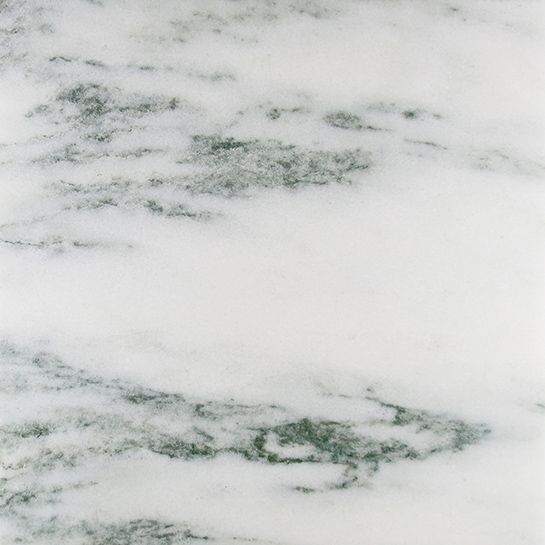
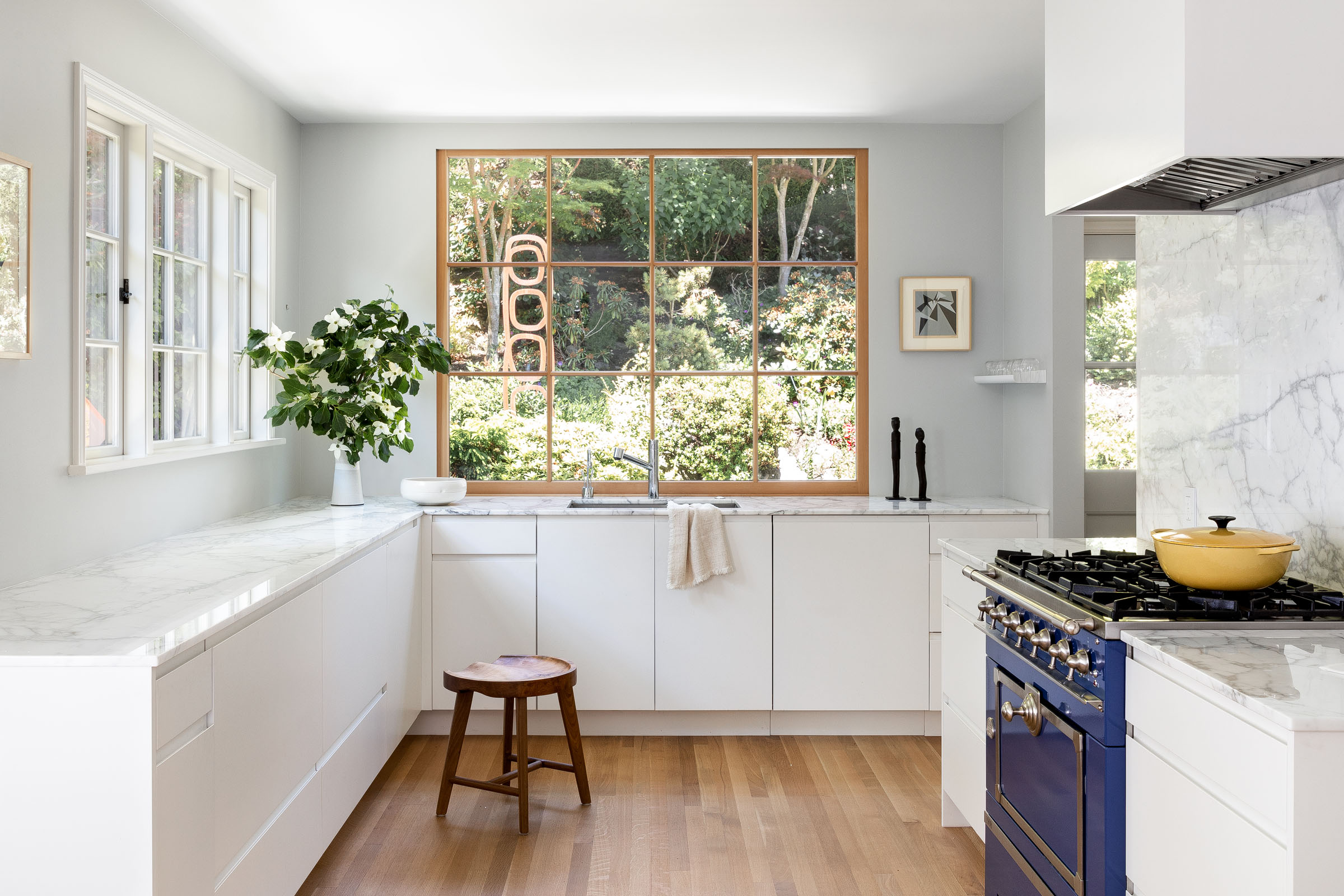
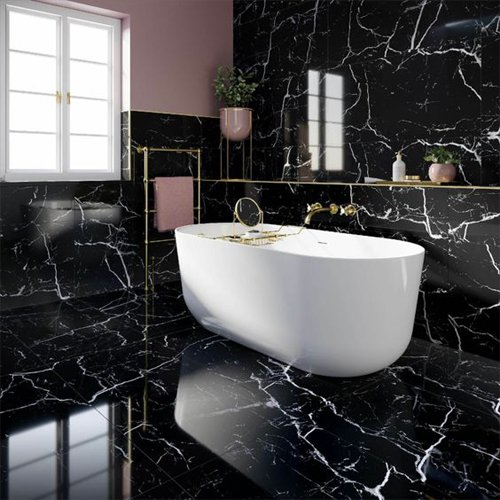
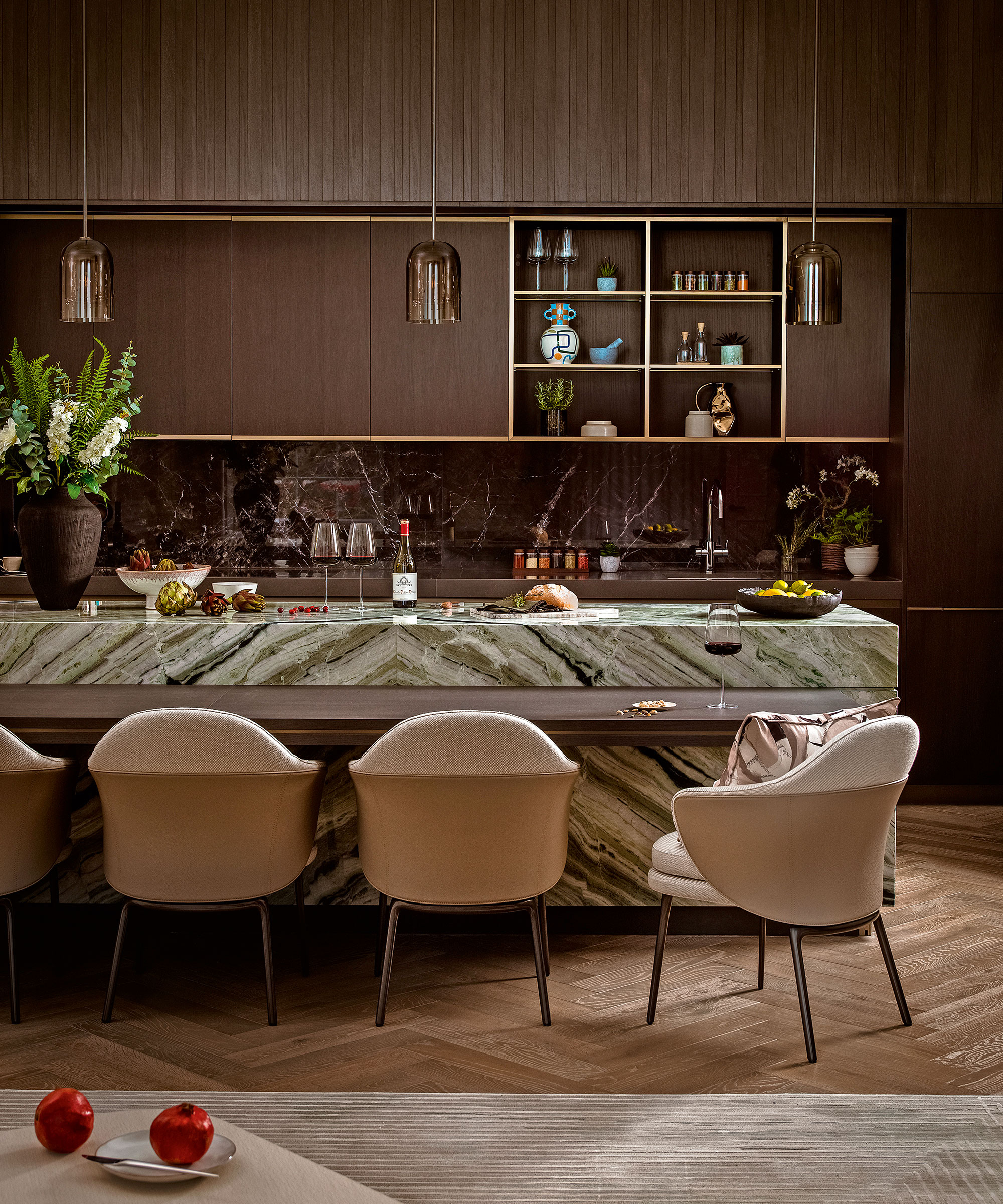
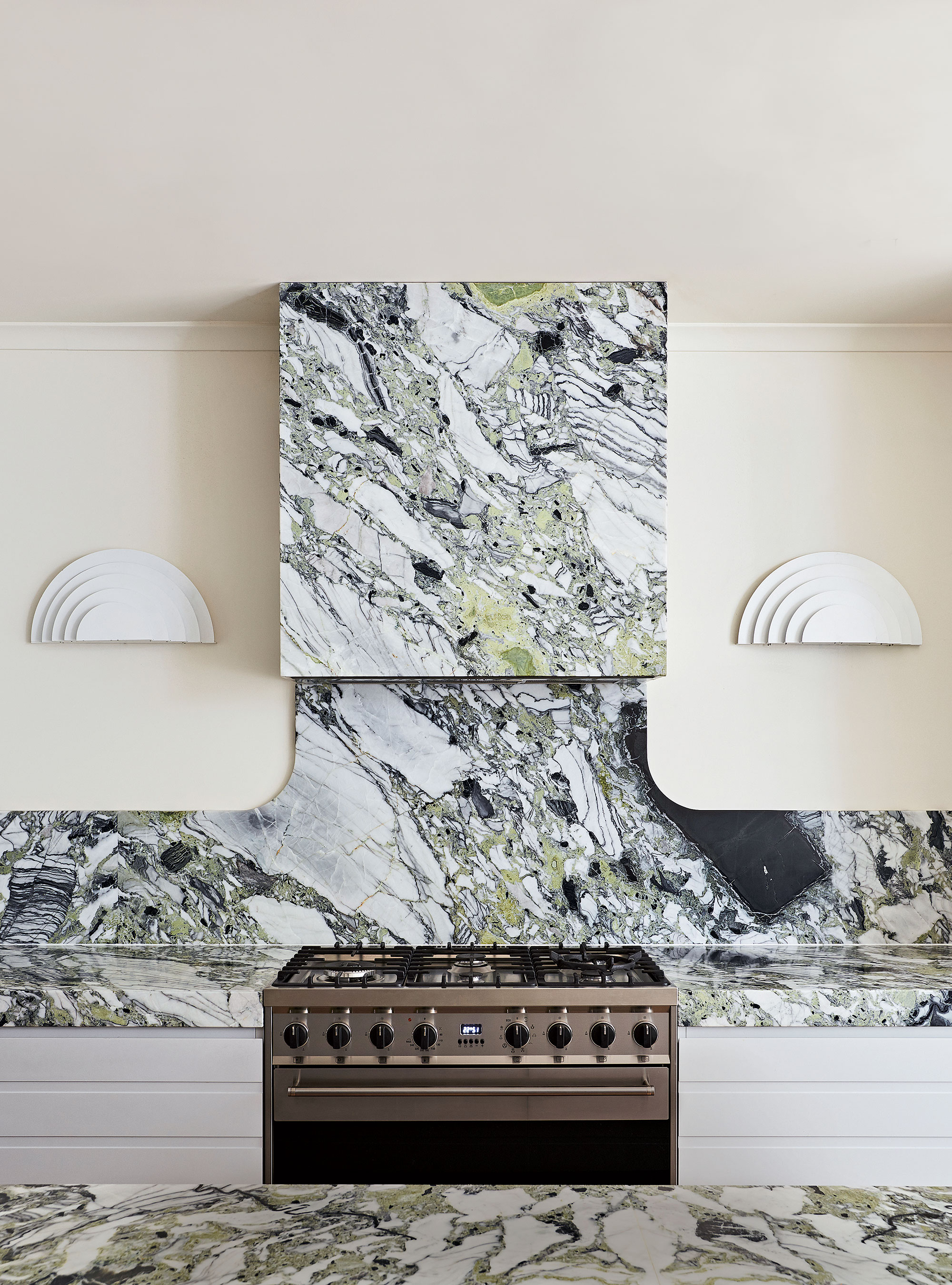
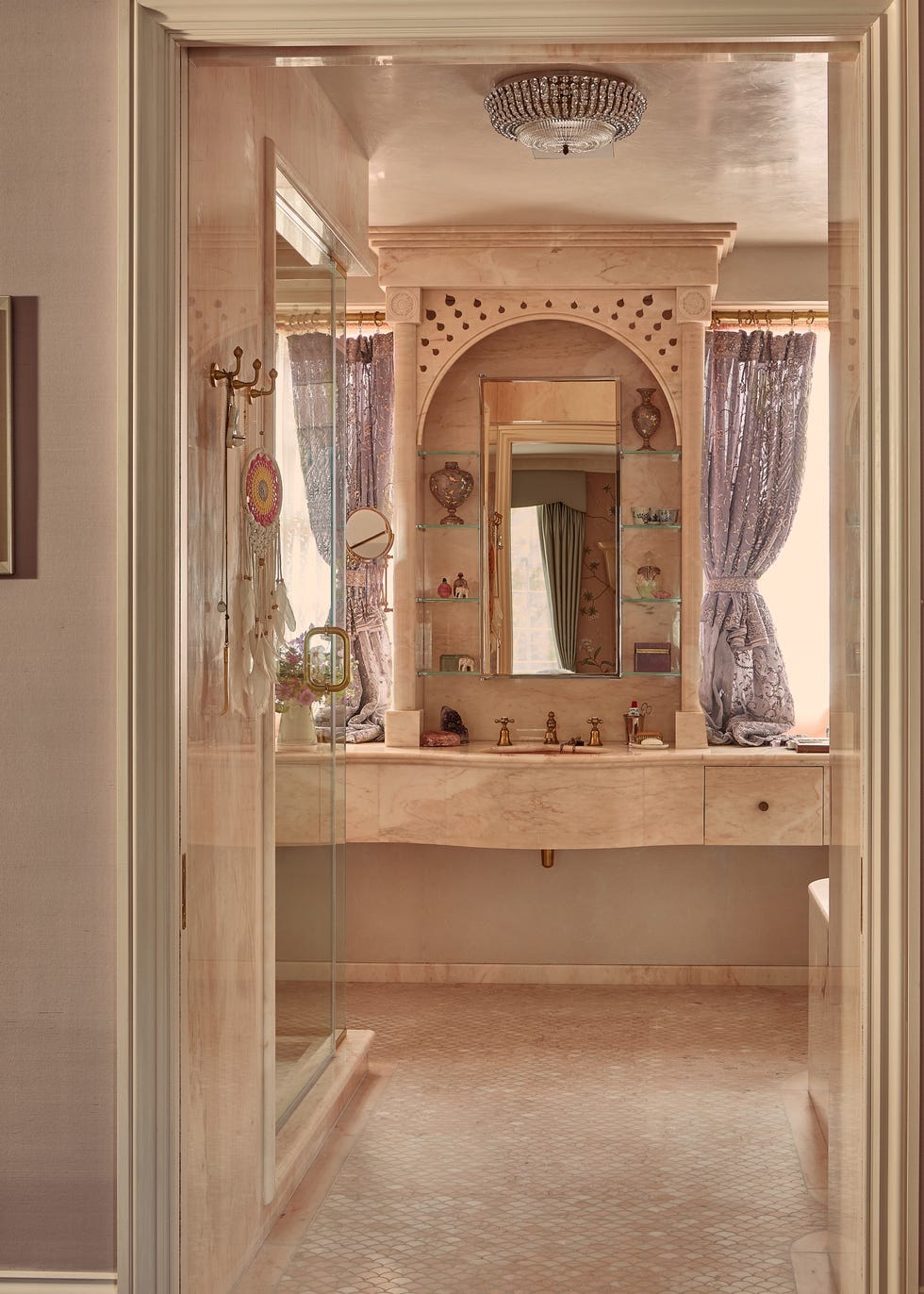
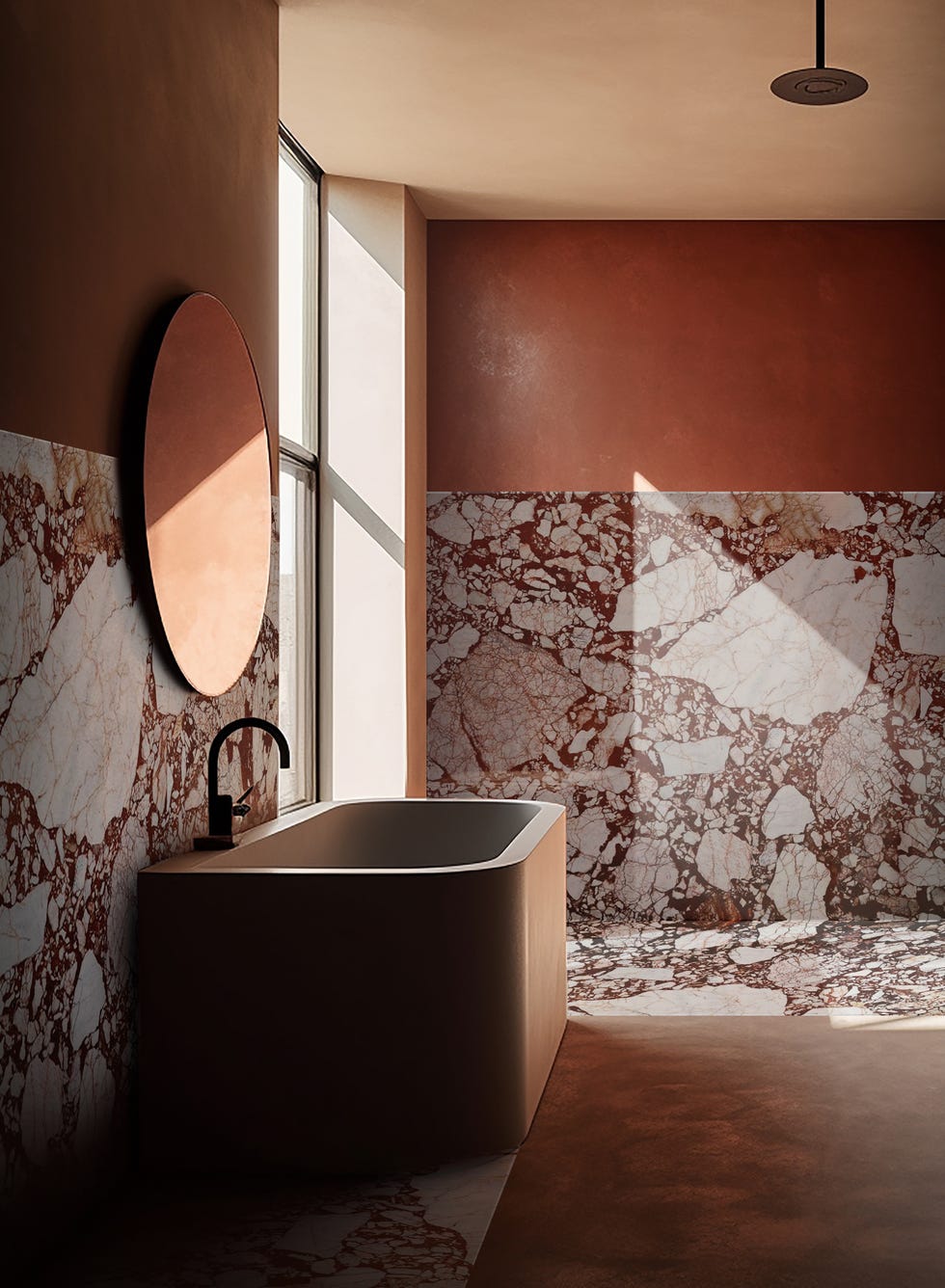
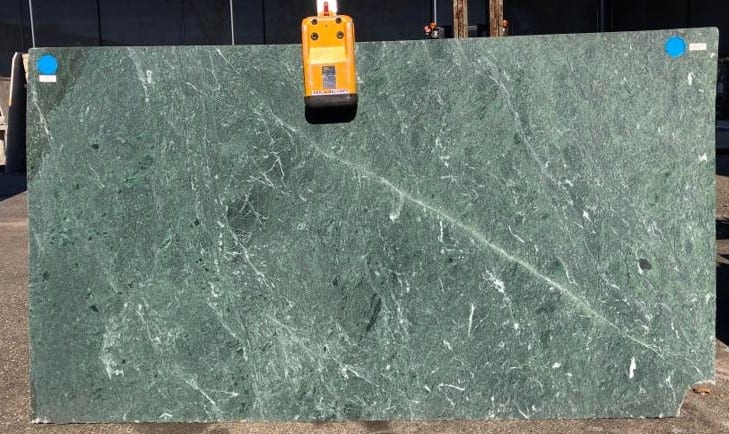
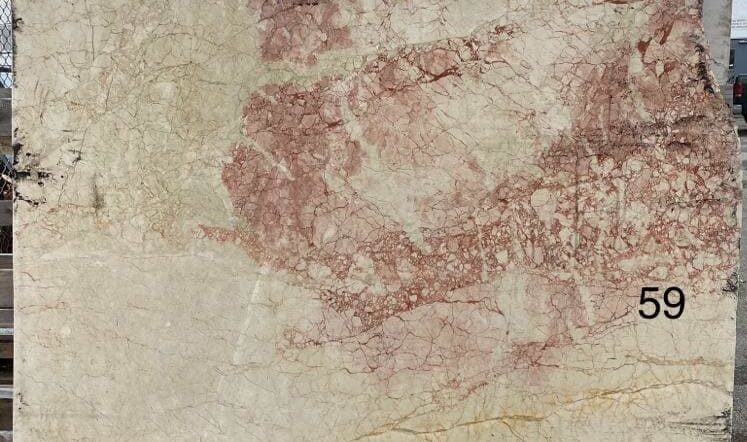
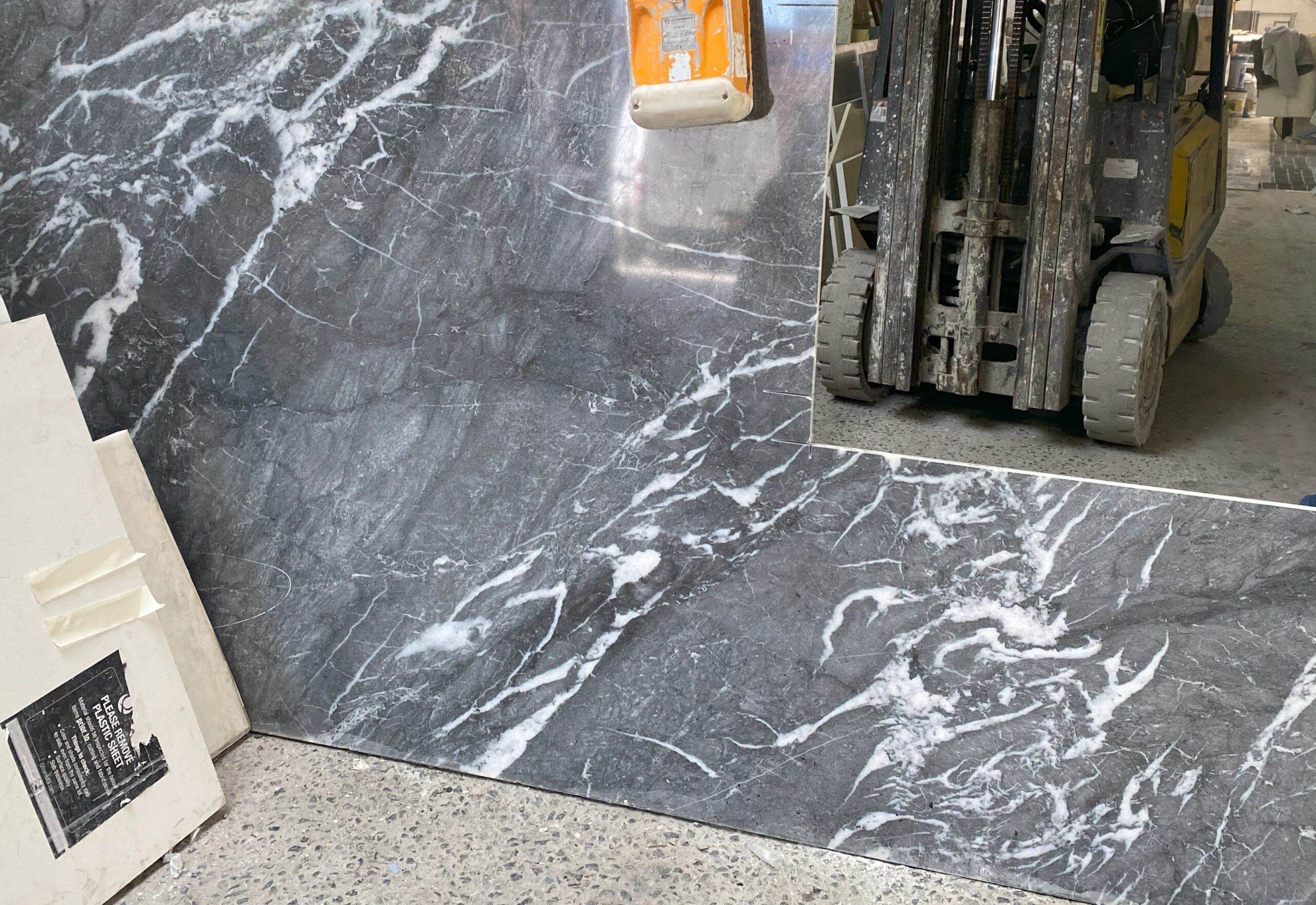
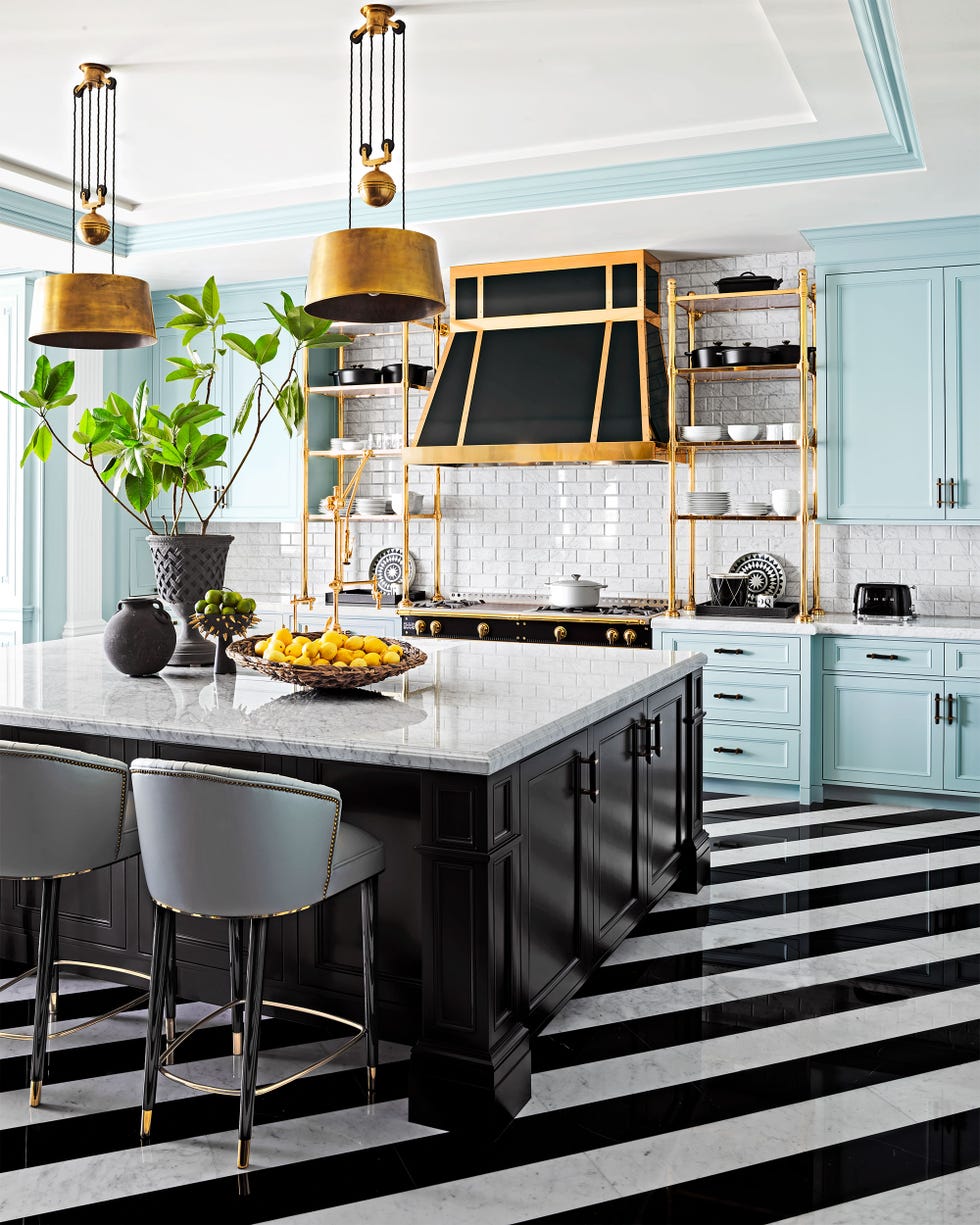
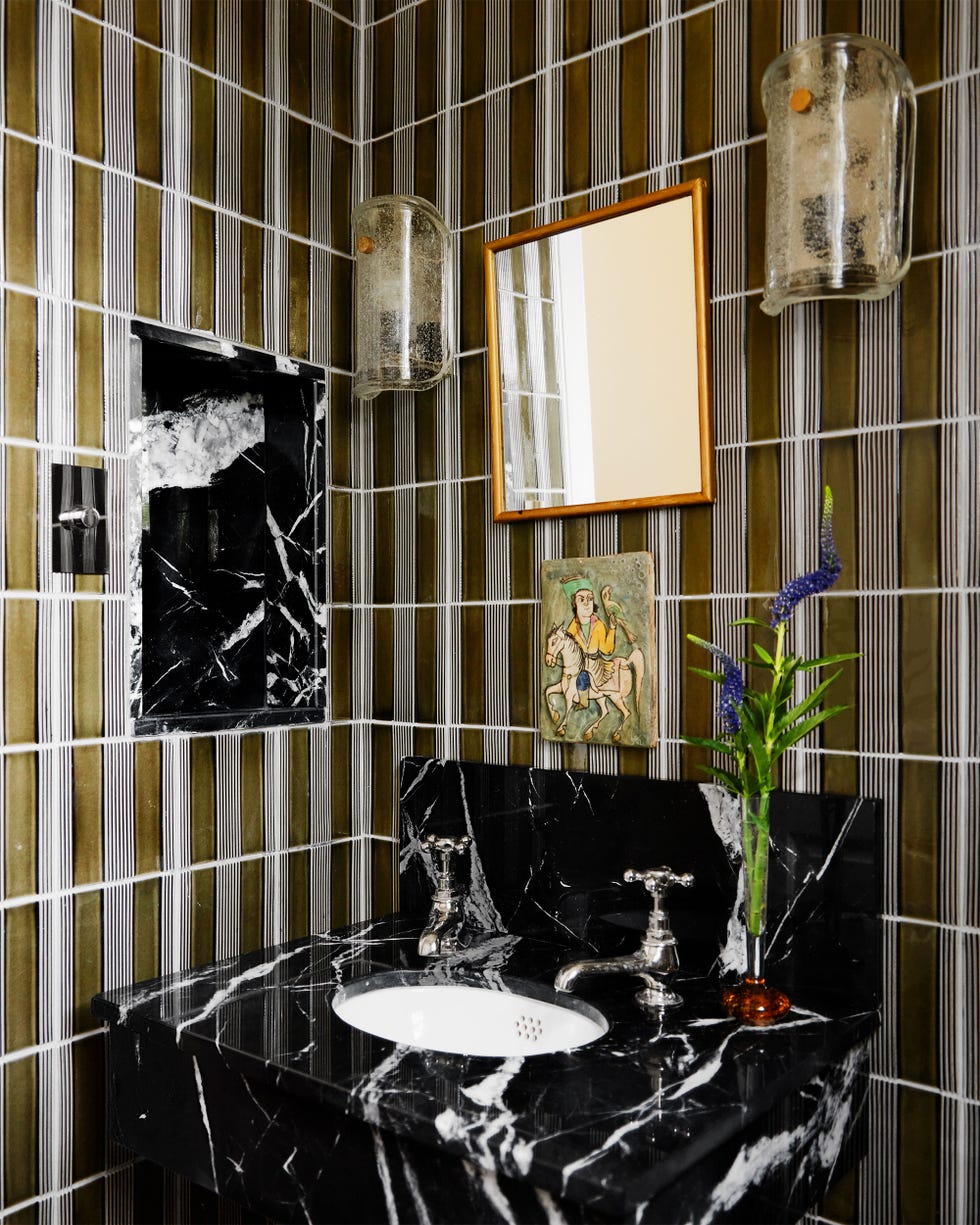
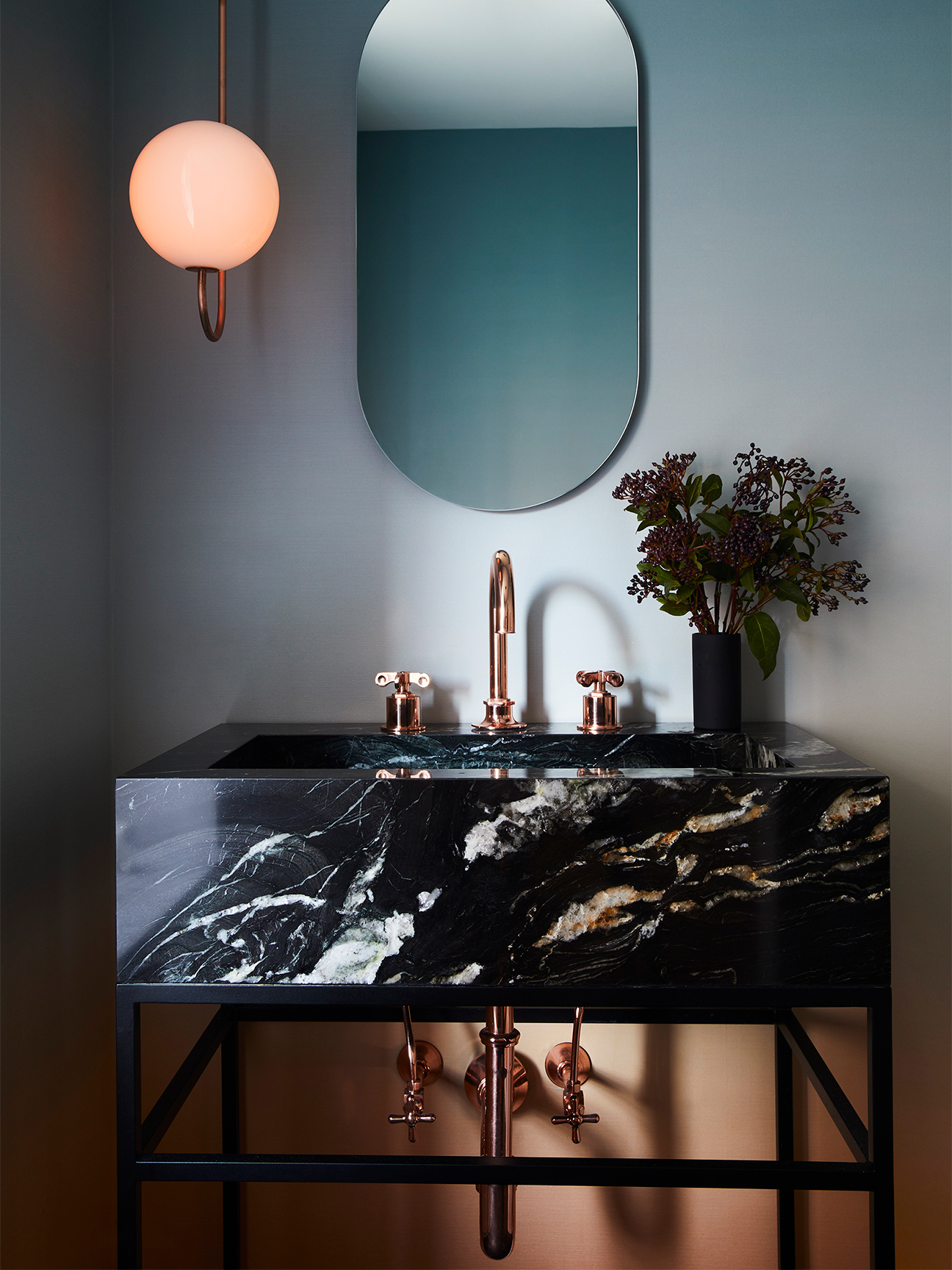
However, by carefully selecting, understanding expectations, and properly maintaining white marble countertops, they can serve as a beautiful and functional element in kitchen design for a lifetime. For those considering marble countertops, expert tips are crucial. When concerns about stains are paramount, opting for white marble is advisable. While numerous marble varieties exist, including taupe, green, gold, red, and black, white marble is recommended for kitchen countertops by Nussbaum. This is because acid etching, which results in whitish marks, is significantly less noticeable on white marble than on darker or colored varieties. Classic Italian white marbles like Calacatta and Statuario are known for their excellent quality, though equally high-quality options, such as Vermont Danby and Colorado Yule, are available domestically.
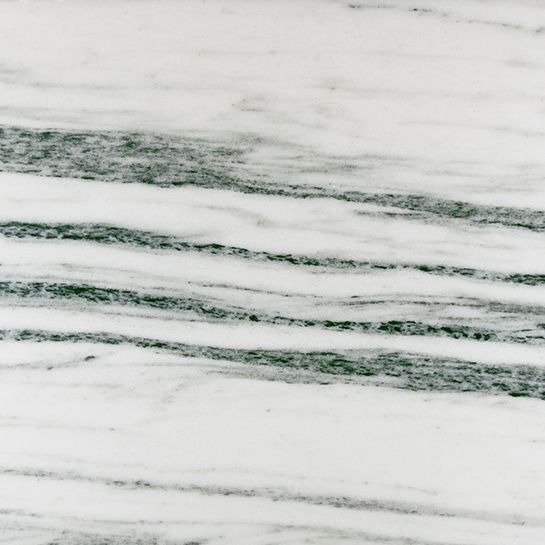
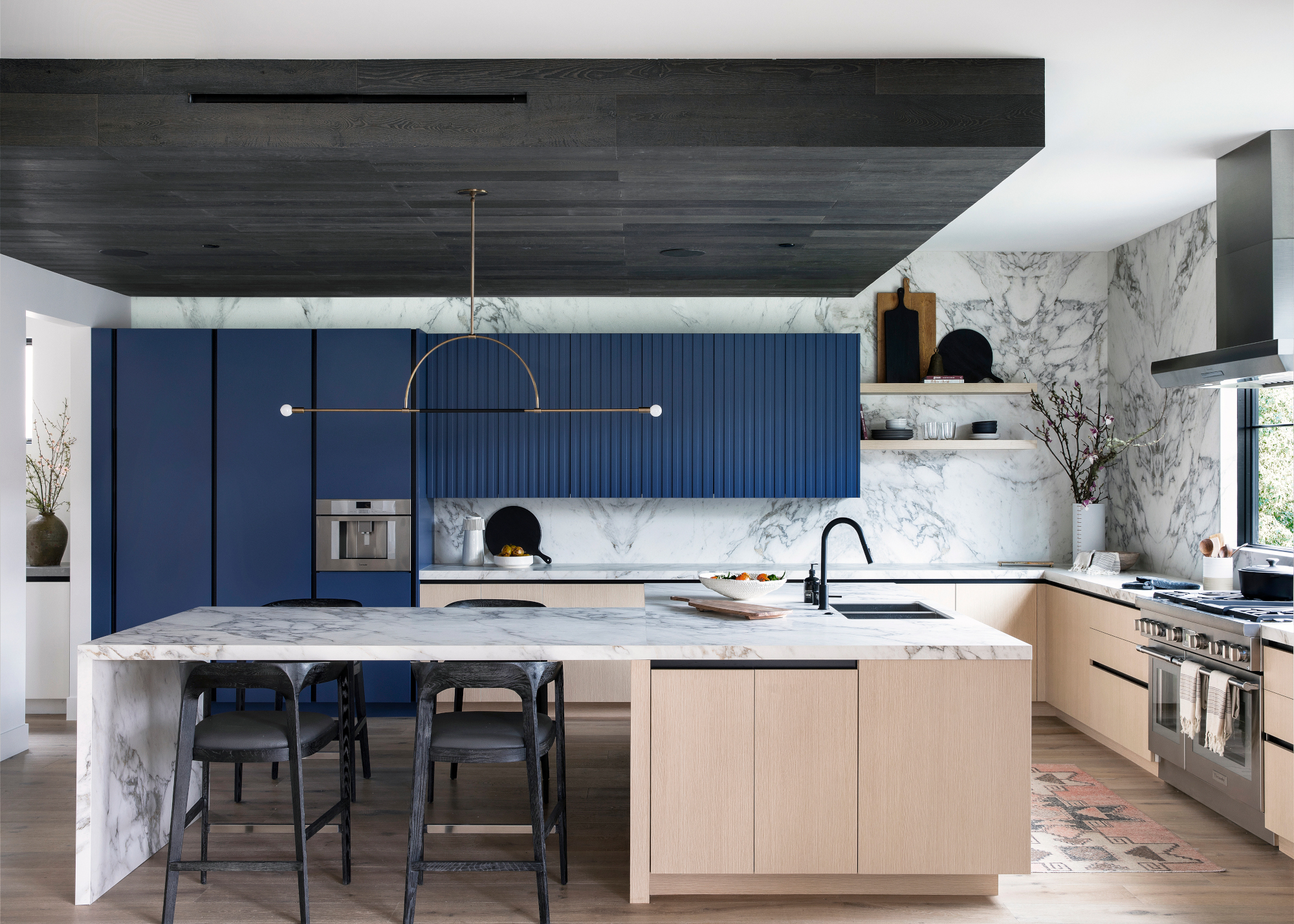
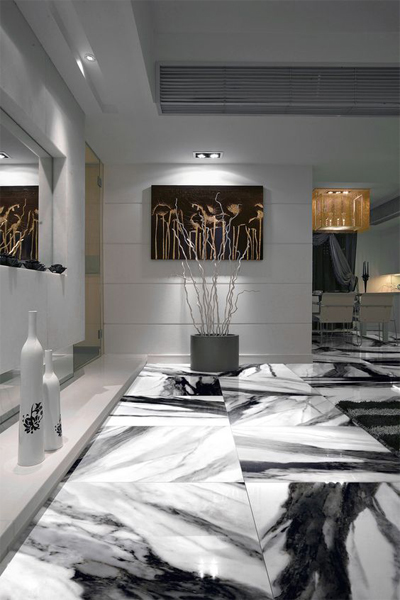
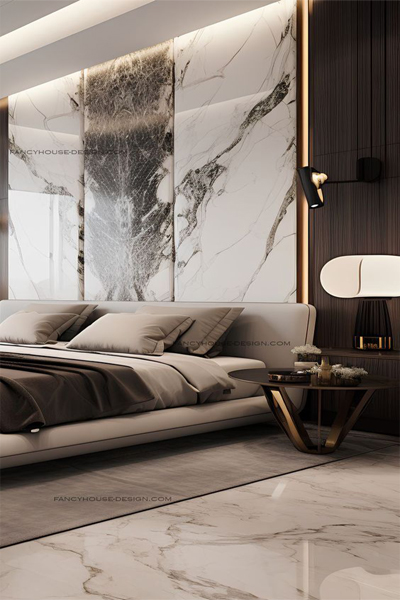
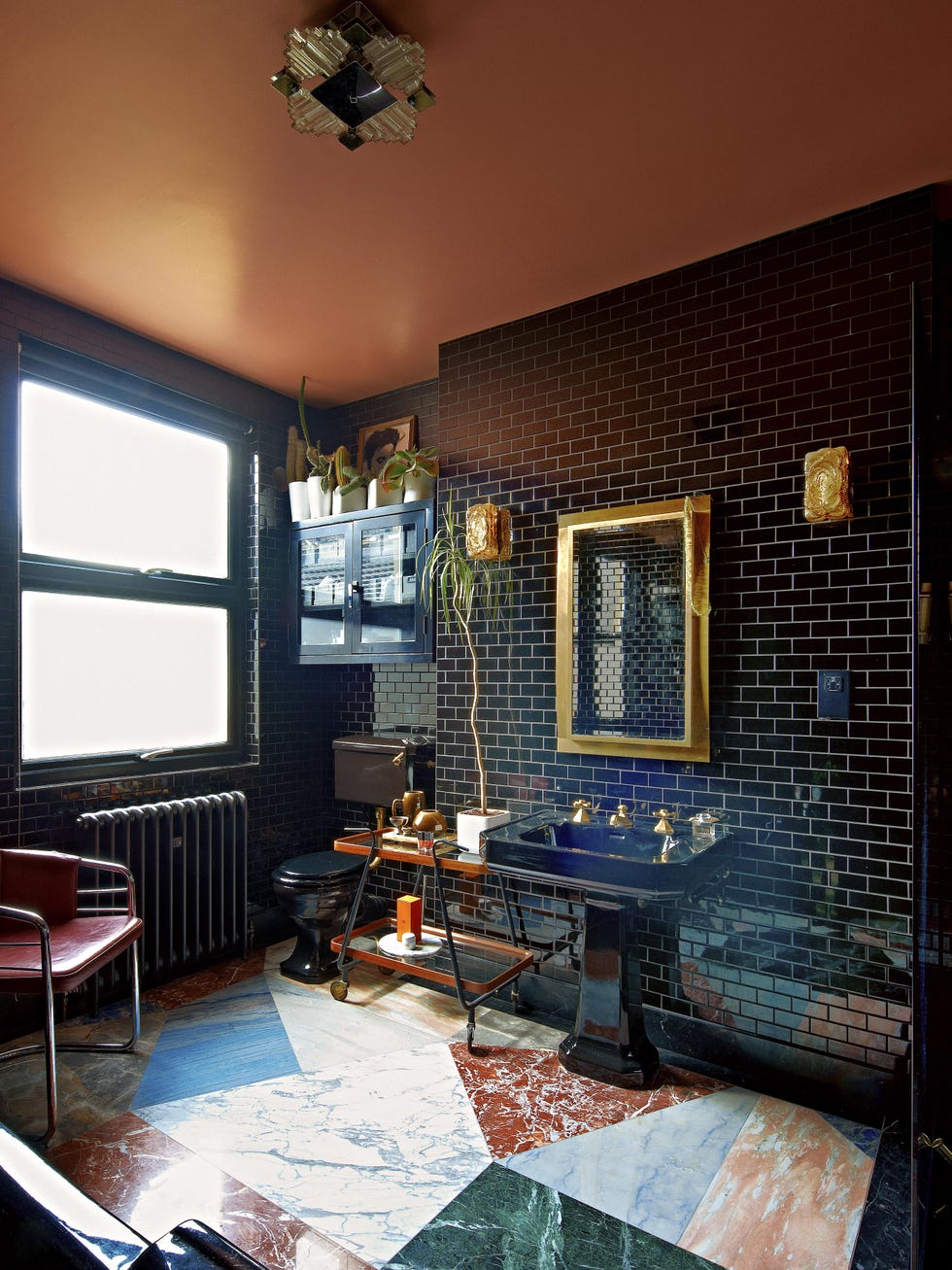
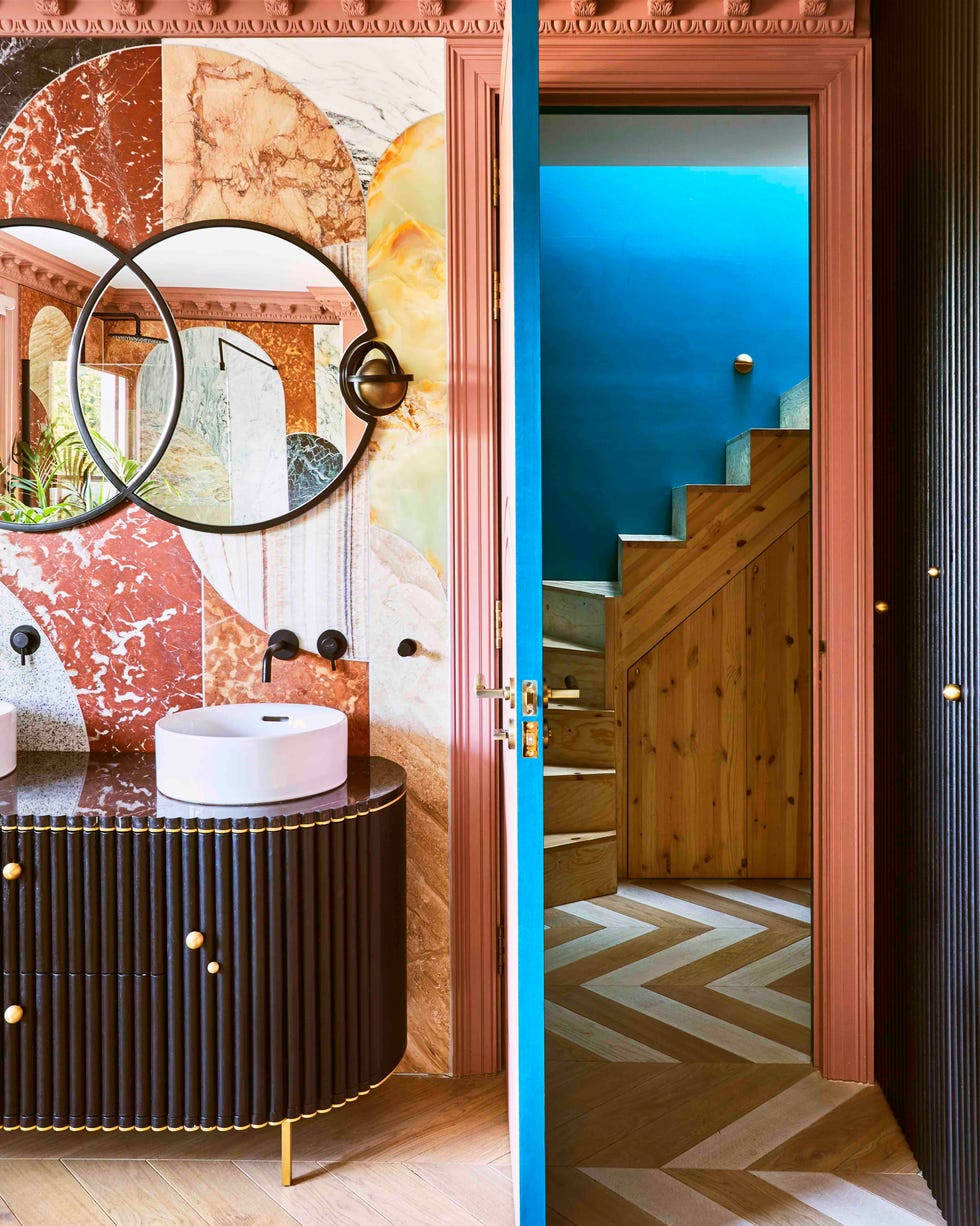
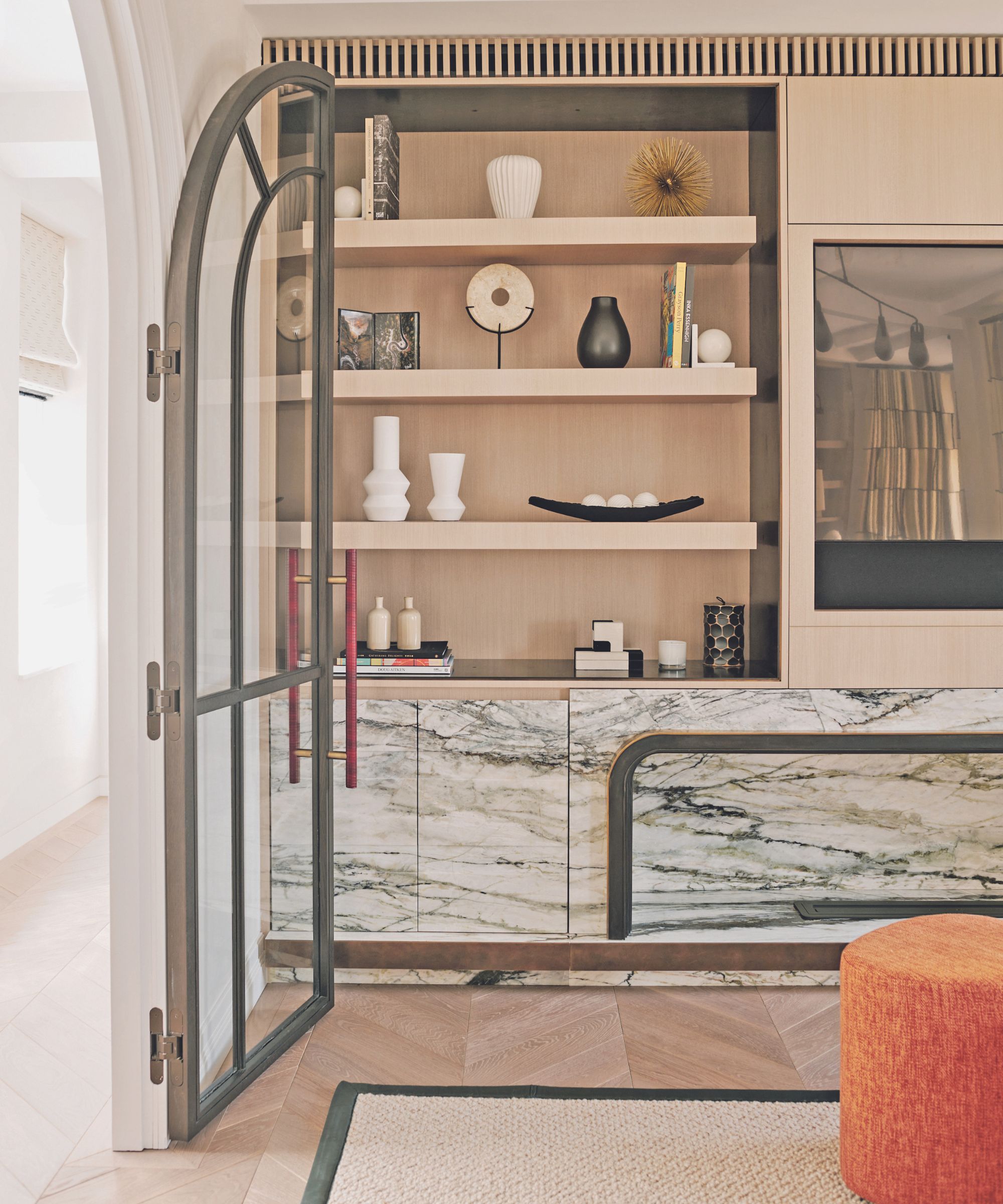
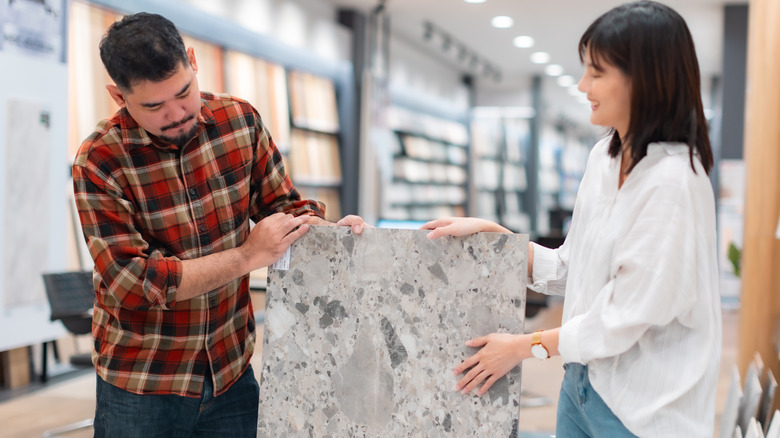
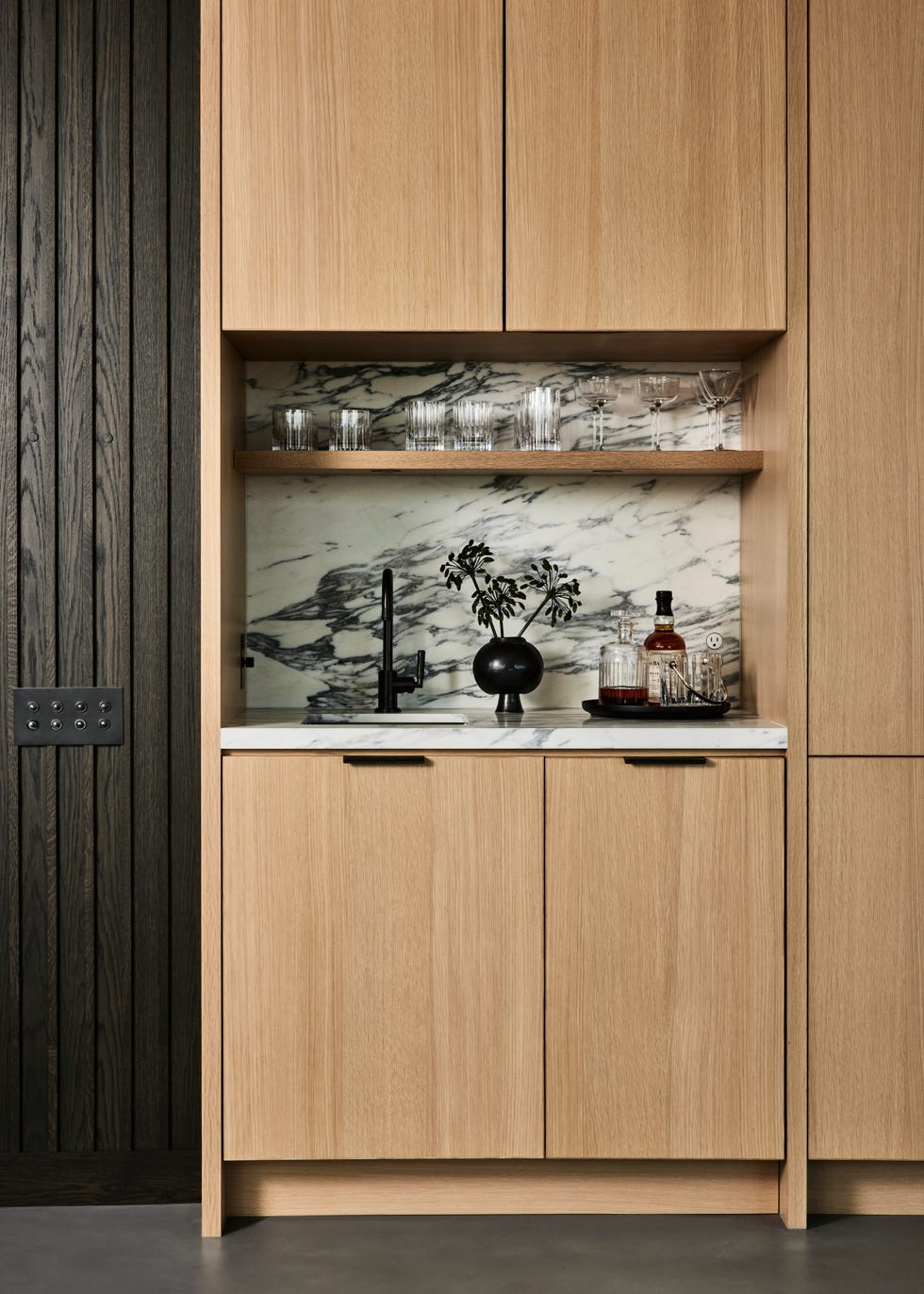
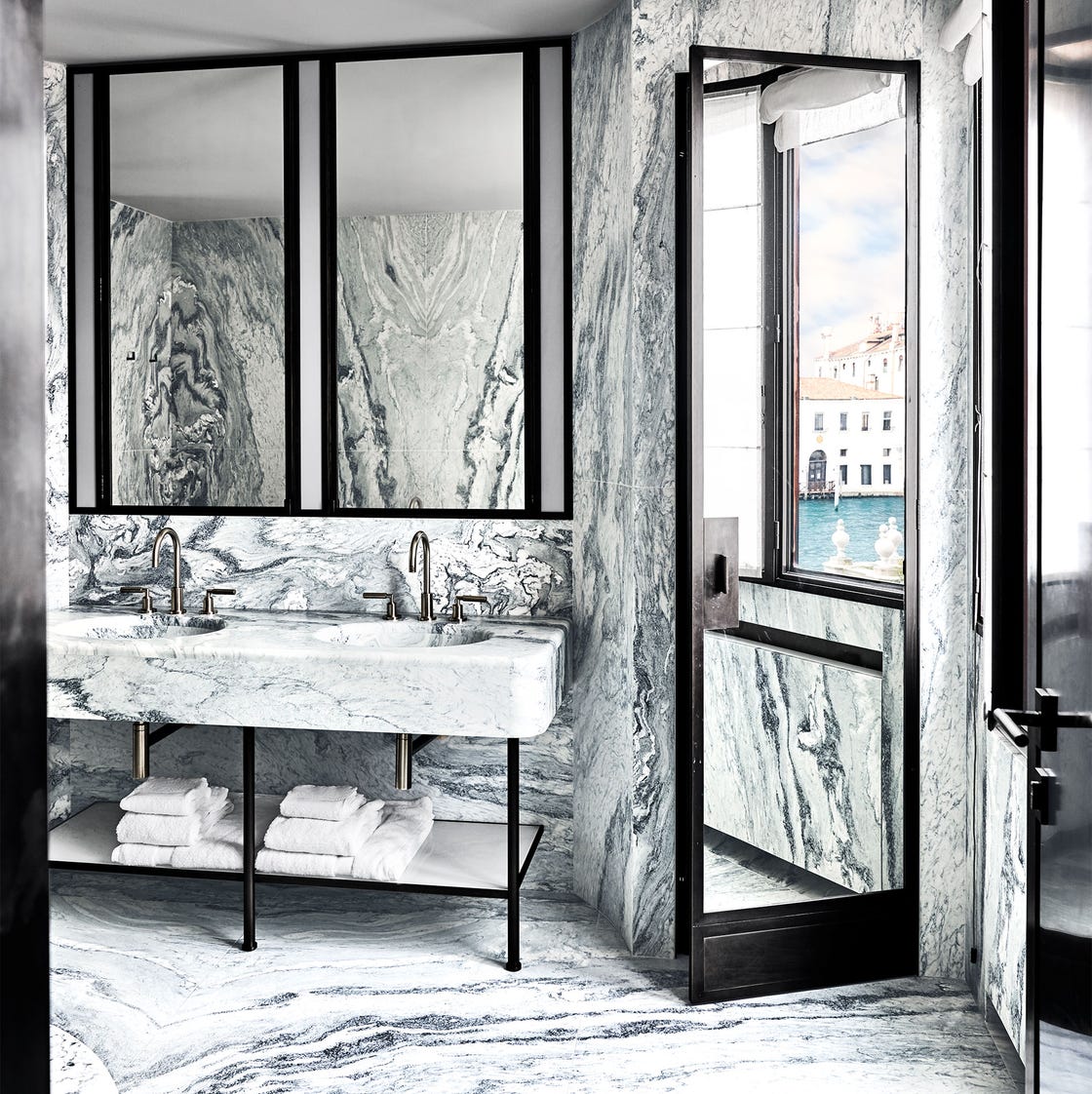
The selection process also involves considering how different marble slabs will be integrated. Since each stone slab is unique, it is best to personally choose the exact pieces for countertops. Groves emphasizes the artistry in selecting slabs and strategically placing veining to create an almost painterly effect. It is also important to minimize seams by opting for the longest possible pieces. When seams are unavoidable, book-matching the marble can create a mirrored appearance between adjacent pieces. Veining patterns themselves can vary significantly depending on how the marble block is cut. Cross-cut, or fleuri cut, produces an open, flowered pattern suitable for book-matching, while vein-cut, or striato, yields a linear, striped appearance. Designers often utilize both cuts, for instance, vein-cut on walls and cross-cut on floors, to achieve distinct looks.
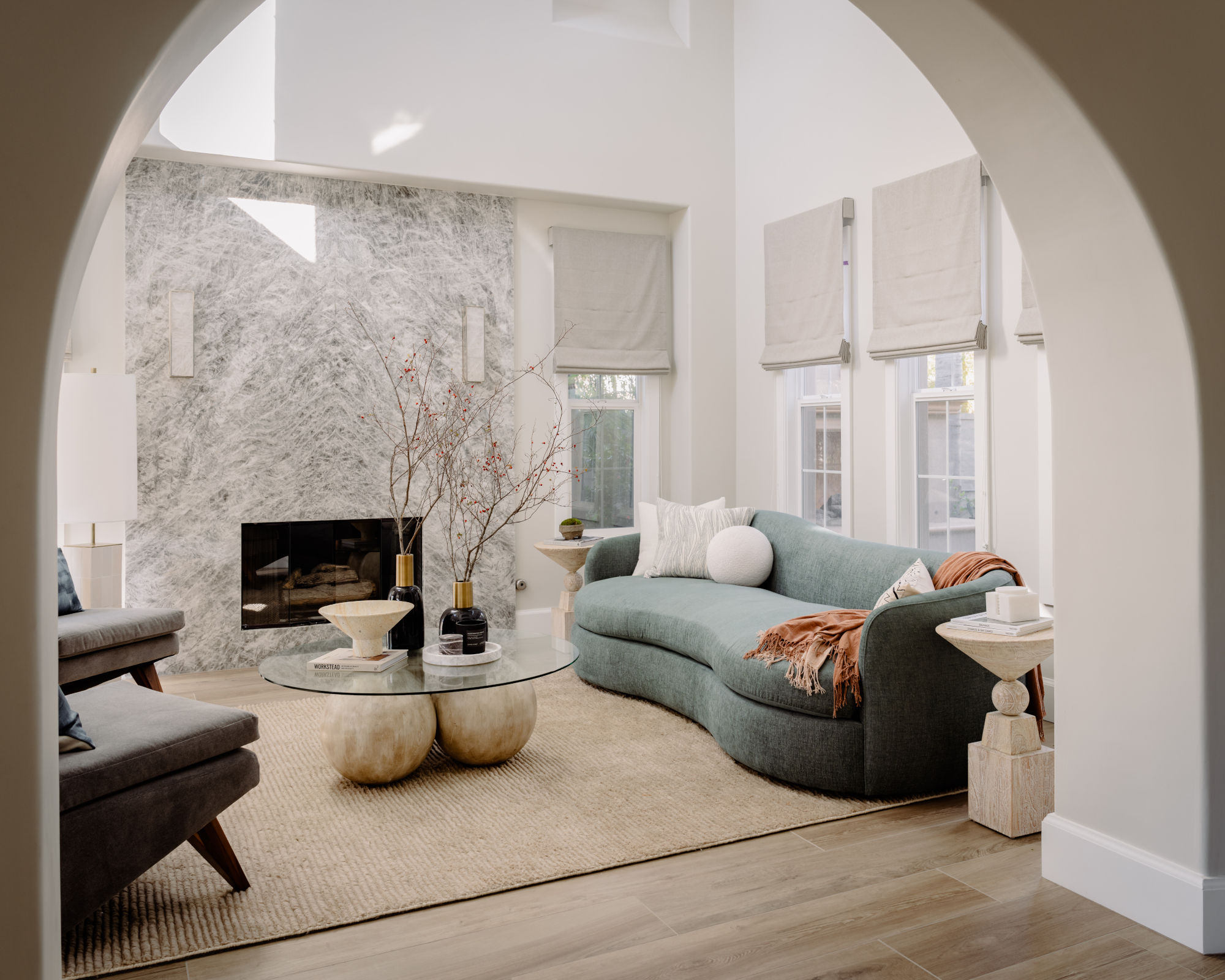
Technological advancements have also transformed marble finishes. Beyond traditional polished (glossy) and honed (matte) options, various brushing and polishing techniques can create textures like a leather or river-wash finish. For homeowners concerned about acid etching, a honed finish is recommended as it helps disguise etching better than a polished surface. The inherent workability of marble, historically valued in sculpture, allows for diverse edge profiles. Groves favors a simple eased edge to soften sharp corners, while a bullnose profile, a timeless and functional choice, prevents chipping on brittle stone. A miter joint can create the illusion of a thicker slab using thinner material. Intricate patterns can even be engraved on countertop edges. Ultimately, accepting that marble will develop a patina over time can enhance its charm, as seen in older establishments.
Before visiting a marble facility, interior designer Ferris Rafauli advises calling ahead to confirm availability of slabs meeting color, type, square footage, and dimension requirements. This allows the supplier to prepare relevant selections. Understanding the distinction between cracks and fissures is also important. Cracks indicate damage, while fissures are natural, non-plane-altering features that contribute to the stone's character and do not compromise its integrity. Inquire about the marble's origin, as authentic white marbles like Calacatta and Statuario come specifically from mountain quarries in Carrara, Italy, preventing misidentification of similar-looking stones from other regions. Finally, maintaining marble countertops requires finishing them with a penetrating sealer. While acids will still etch the surface, etched marks on a honed finish can often be removed with a Comet paste and Scotch-Brite pad. Polished surfaces may require professional intervention. Stains can frequently be addressed with an alkaline poultice. After any intervention, resealing is necessary. Marble's ability to be sanded or repolished offers a significant advantage over many other materials once damaged.
#WhiteMarble #KitchenCountertops #MarbleMaintenance #StoneSelection #InteriorDesign #HomeRenovation #MaterialFinishes #VeiningPatterns #NaturalStone #WhiteMarble #KitchenCountertops #MarbleMaintenance #StoneSelection #InteriorDesign #HomeRenovation #MaterialFinishes #VeiningPatterns #NaturalStone
0 comment in total
 No comments yet
You may also like
Marble Countertops: 9 Tips for Choosing a White Marble Slab


Caitlin Wilson's 5 Tips for Choosing the Perfect Tile


Inside The Coloured Marble Craze Celebrities Love — And How To Get The Look At Home

What Comes After Carrara Marble?

Colors That Go With White Marble — 7 Picks to Complement Light Natural Stone

Is marble still on trend? Interior designers have their say

I Regret This "Light and Bright" Bathroom Feature (It's Impossible to Keep Clean!)

Decorating with marble – 16 luxe looks created with precious stone
White kitchen backsplash ideas – 10 stylish backdrops for neutral kitchens
Marble Floors: Elegant, but Challenging to Install and Maintain

From patchwork to parquet: 8 homes that do marble differently

Insider Tips For Buying Marble Or Stone Remnants Secondhand
White walls? The trick is choosing the right white

20 Latest Marble Floor Designs For Home In 2024

A Marble Countertop on a Budget Is Possible—Here's This Designer's Secret Shopping Source

Is Plain Old Carrara Marble Making a Comeback? Designers Say Yes
The ultimate guide to choosing the right shade of white for your walls
Is marble bad for kitchens? 10 things no one tells you about using this porous stone
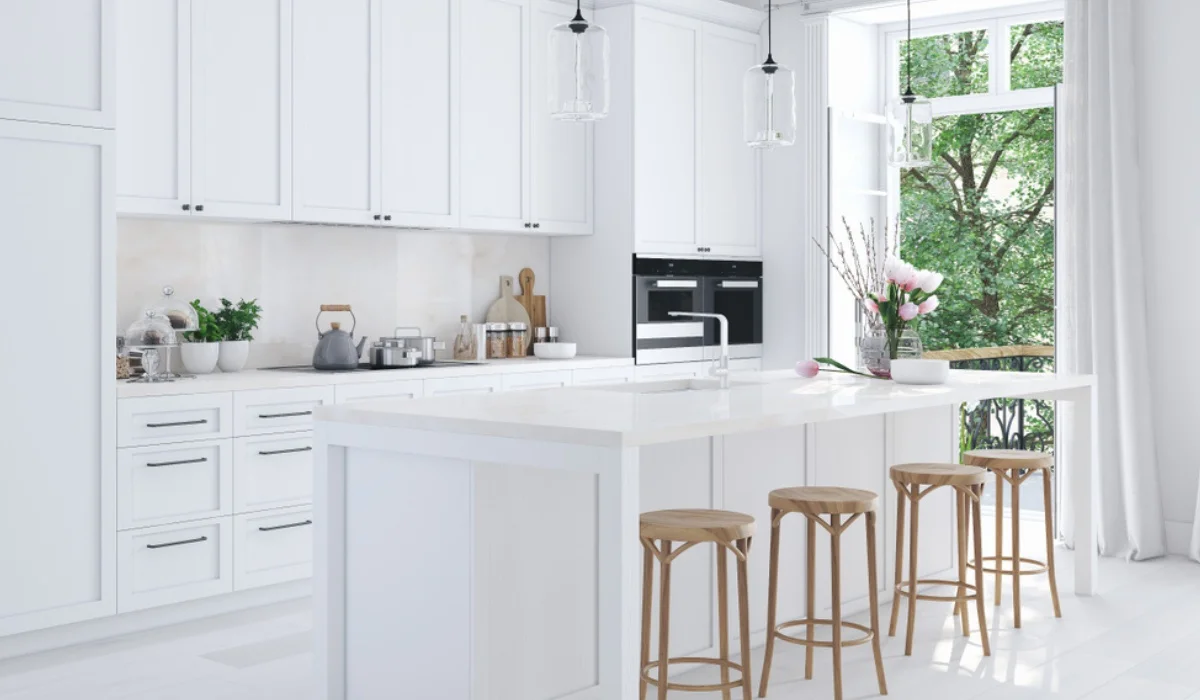
10 best white kitchen countertops designs
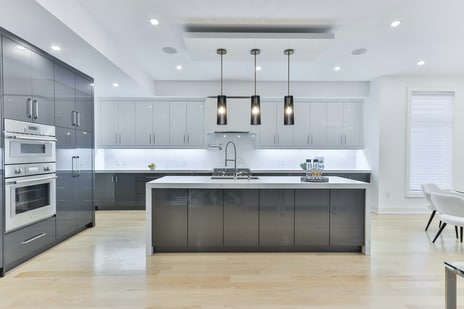
Top marble trends in interior design for 2024: From dramatic veining patterns to nautical-inspired hues | Hindustan Times