6 Small Backyard Layout Mistakes You Should Avoid This Summer, According to Designers
Designing a small backyard to be both functional and aesthetically pleasing can be challenging, but many common mistakes can be easily avoided. Experts Jordan Clough, Michael Winn, and Mary Gordon highlight key areas to consider when planning an outdoor space, regardless of its size. The primary goal is to create a welcoming area for dining, relaxation, and play, optimizing the limited square footage available.
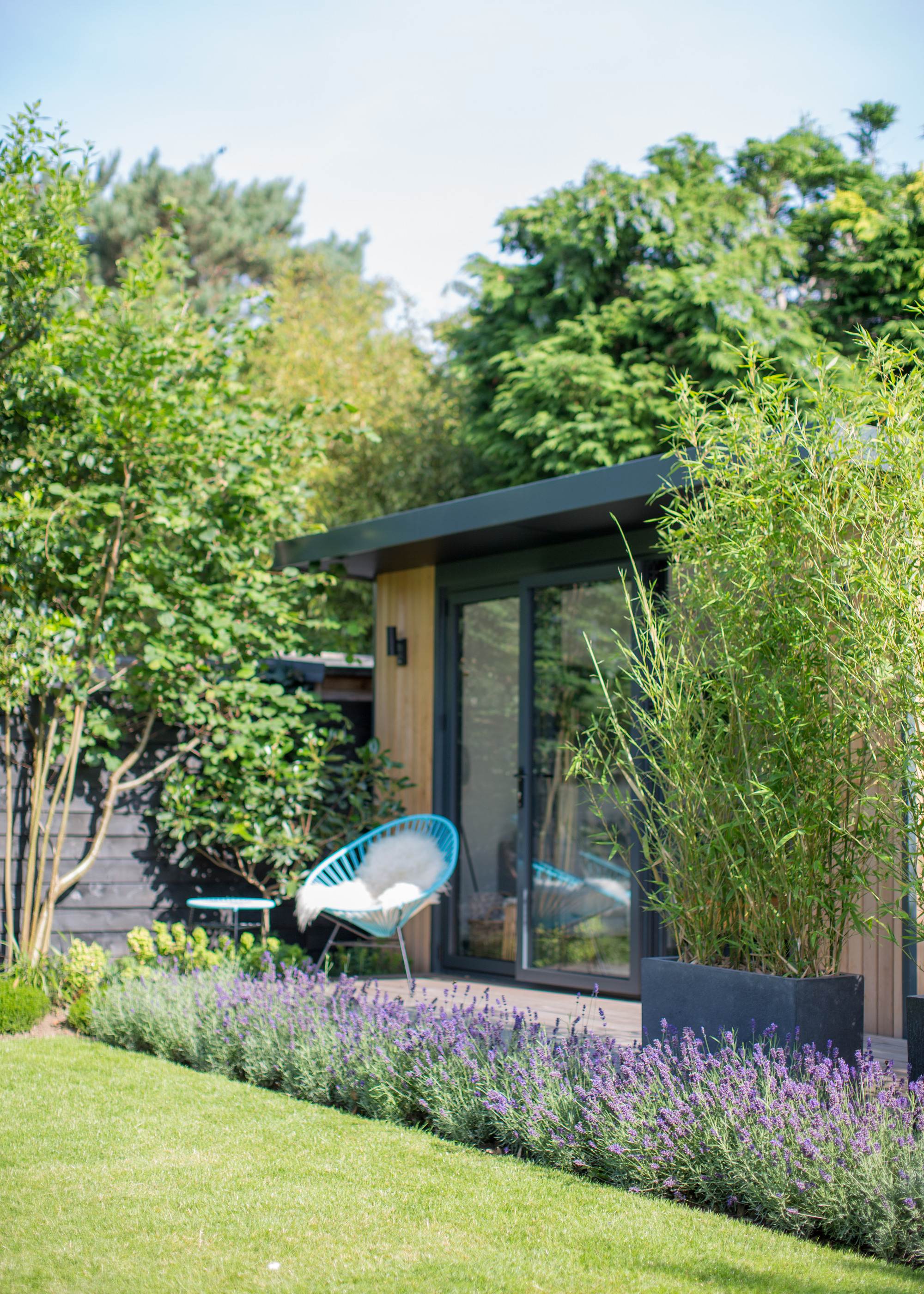
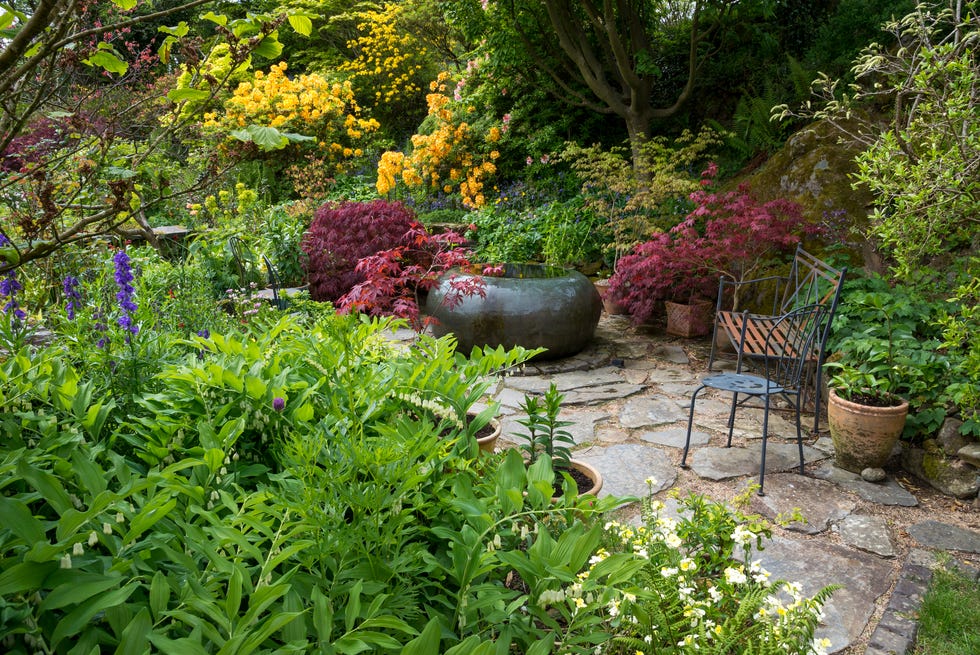
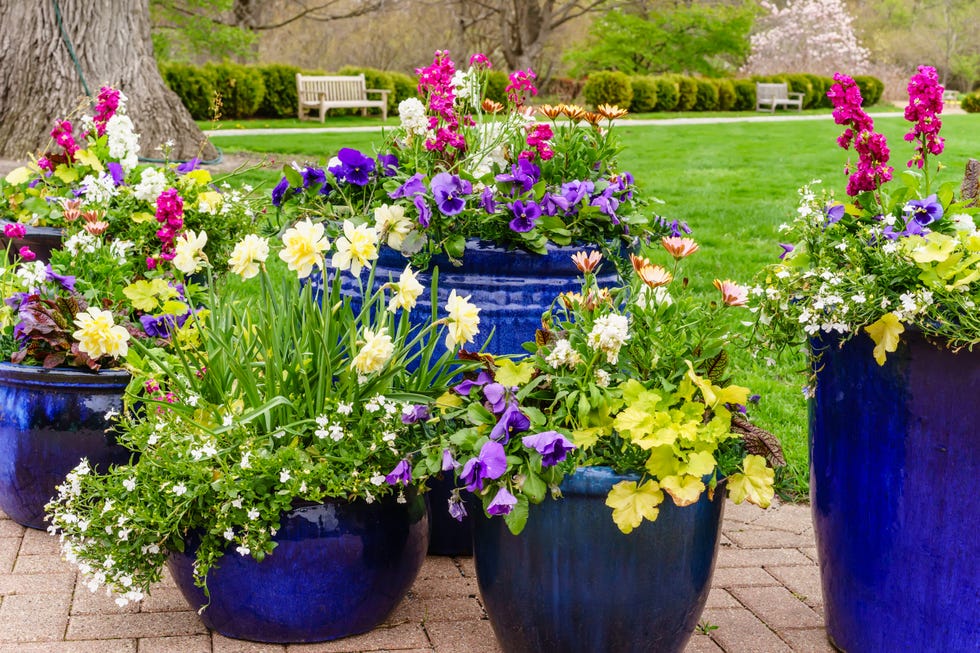
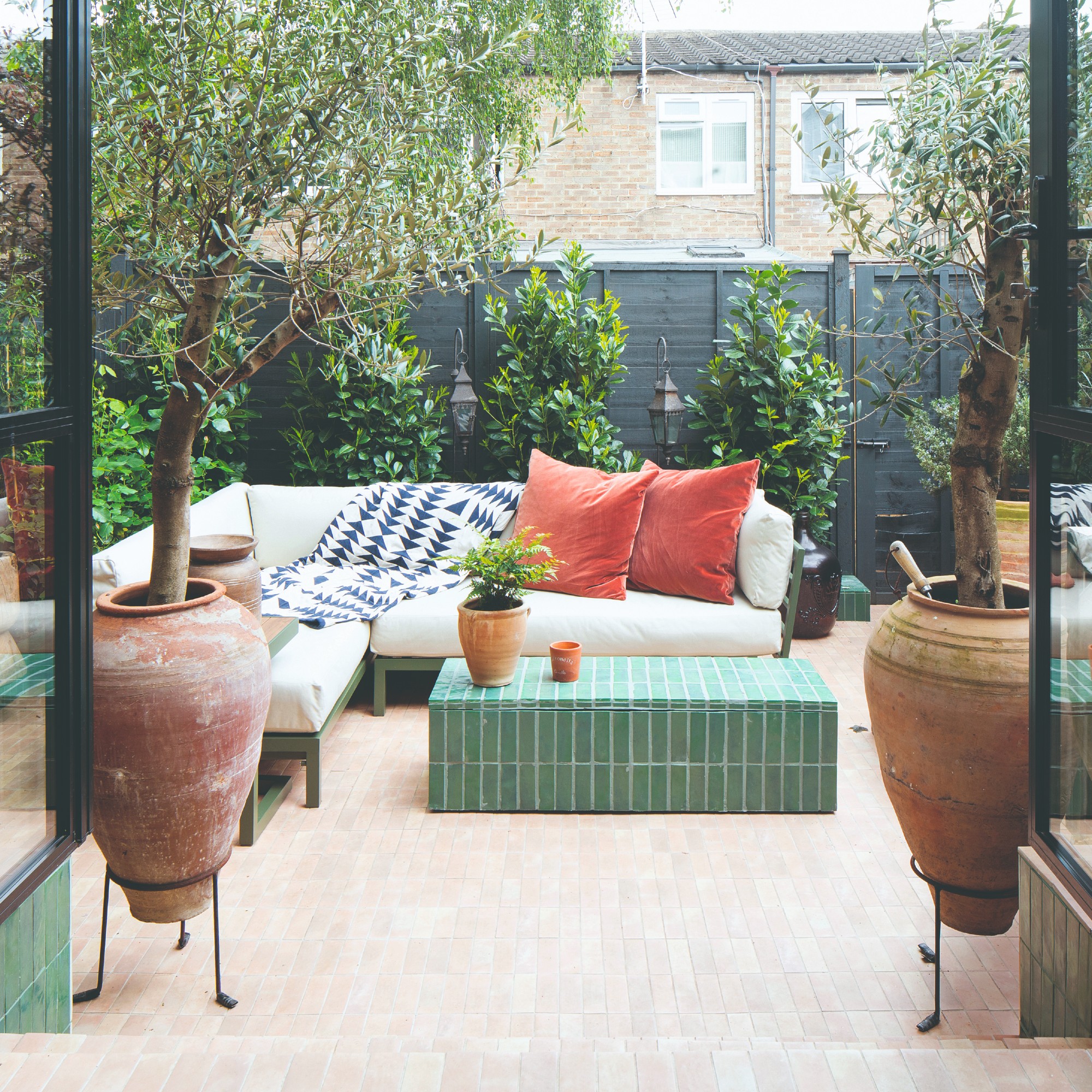
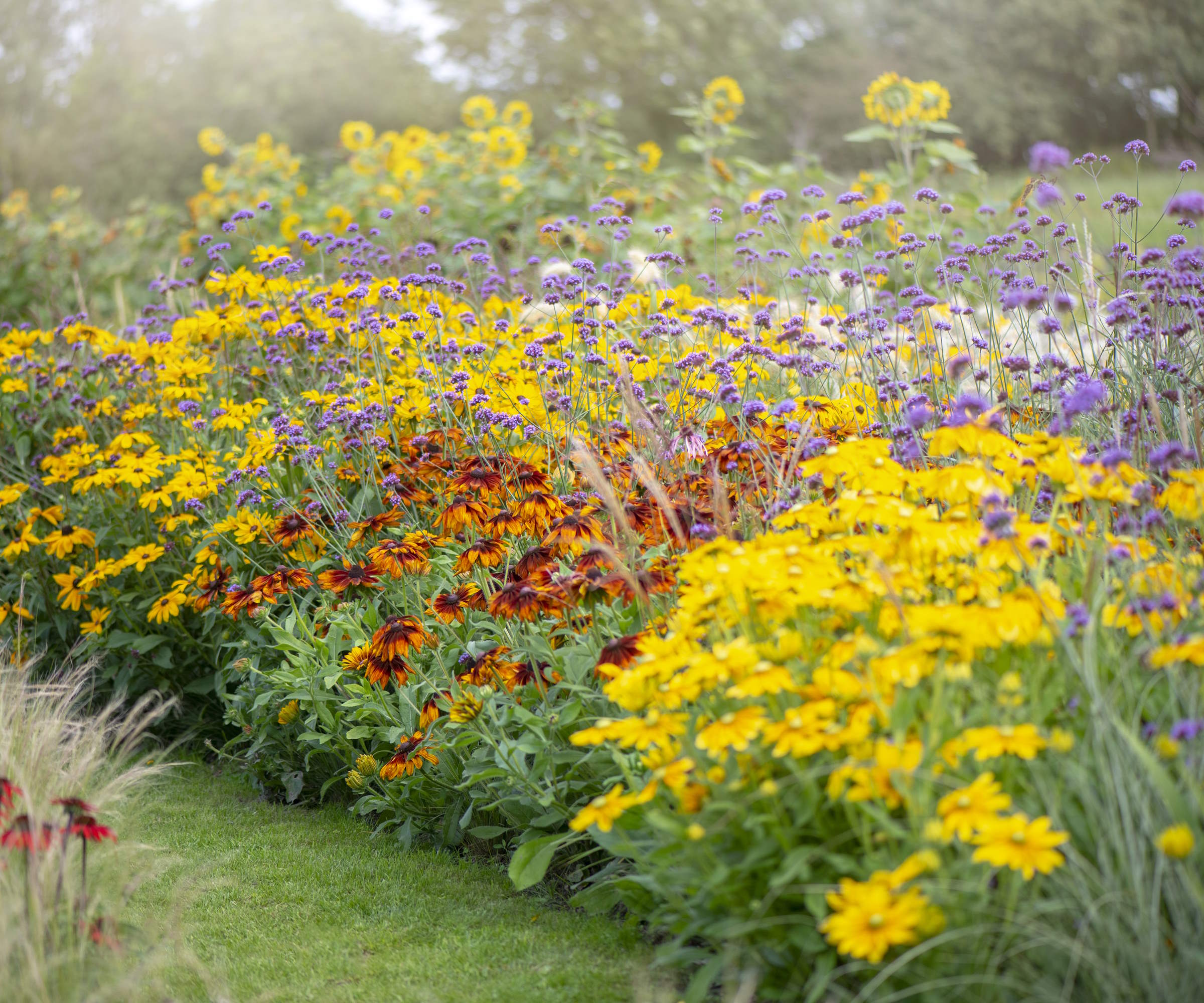
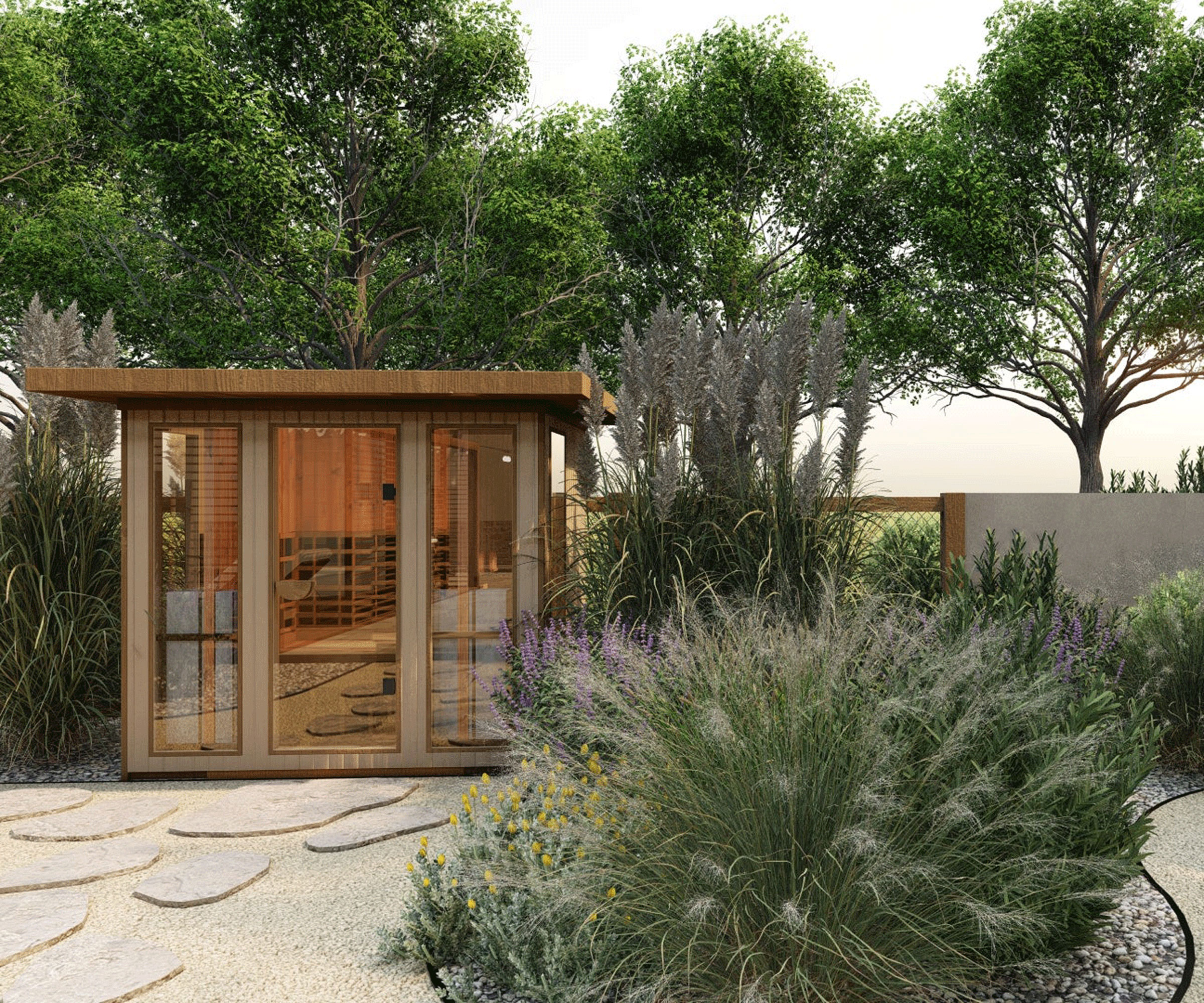
One significant error is overlooking plant species. In a small backyard, selecting the right greenery is crucial to prevent plants from overwhelming the space as they grow. Clough emphasizes the importance of choosing slow-growing varieties to avoid future maintenance headaches and overcrowding. The idea is to enjoy leisure time in the backyard rather than constantly tending to rapidly expanding flora. This foresight ensures that the initial plant choices contribute to a harmonious and manageable environment rather than detracting from it.
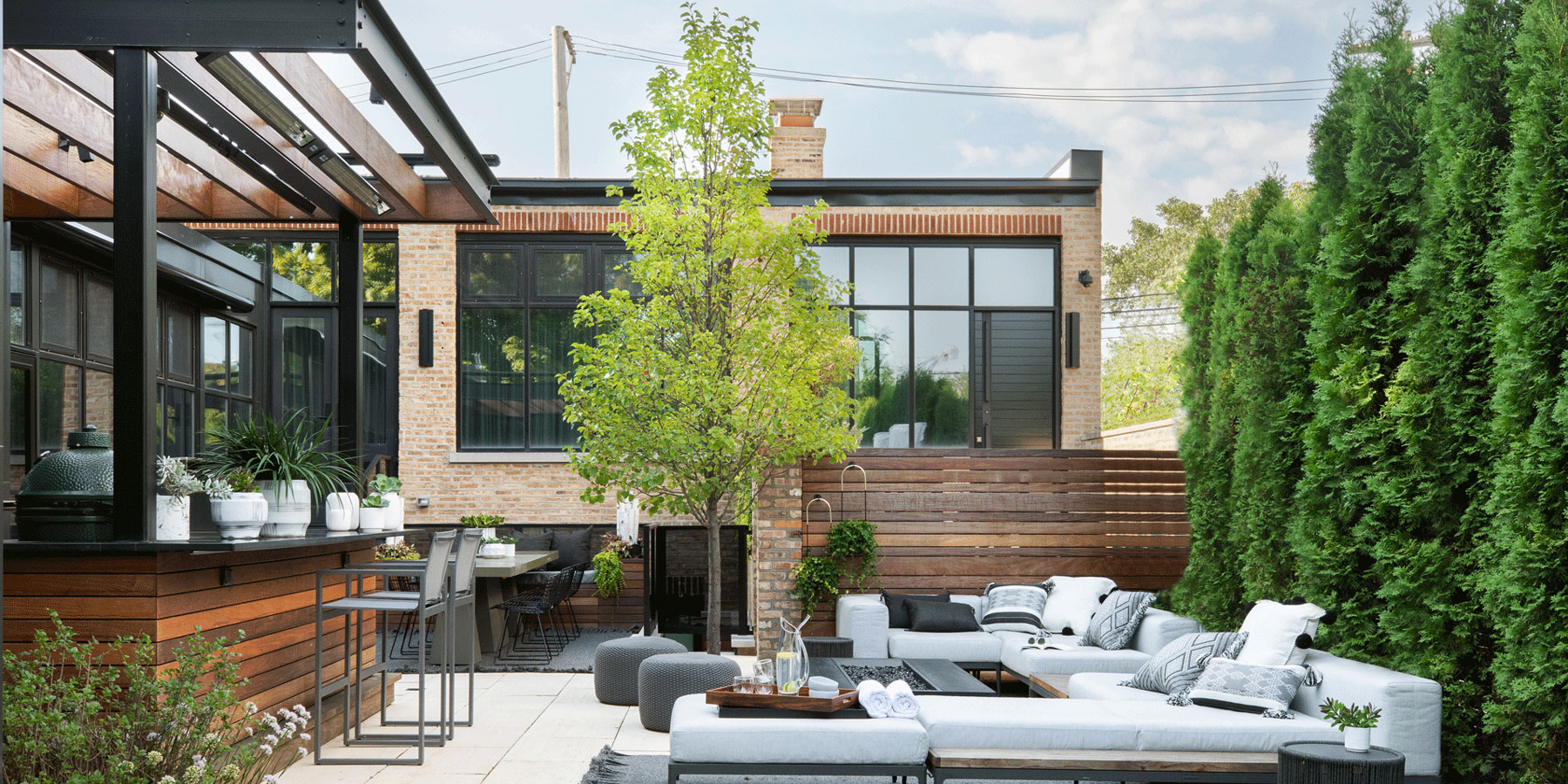
Another frequent mistake is overcrowding the yard with too many features. Winn points out that attempting to incorporate multiple elements like a fire pit, outdoor kitchen, dining area, and hot tub into a small space can lead to a chaotic and less functional outcome. Instead, he advises prioritizing the top two desired functions and designing the space around them. This approach allows for versatility without sacrificing visual appeal or usability, ensuring that the chosen features enhance the space rather than making it feel cramped.
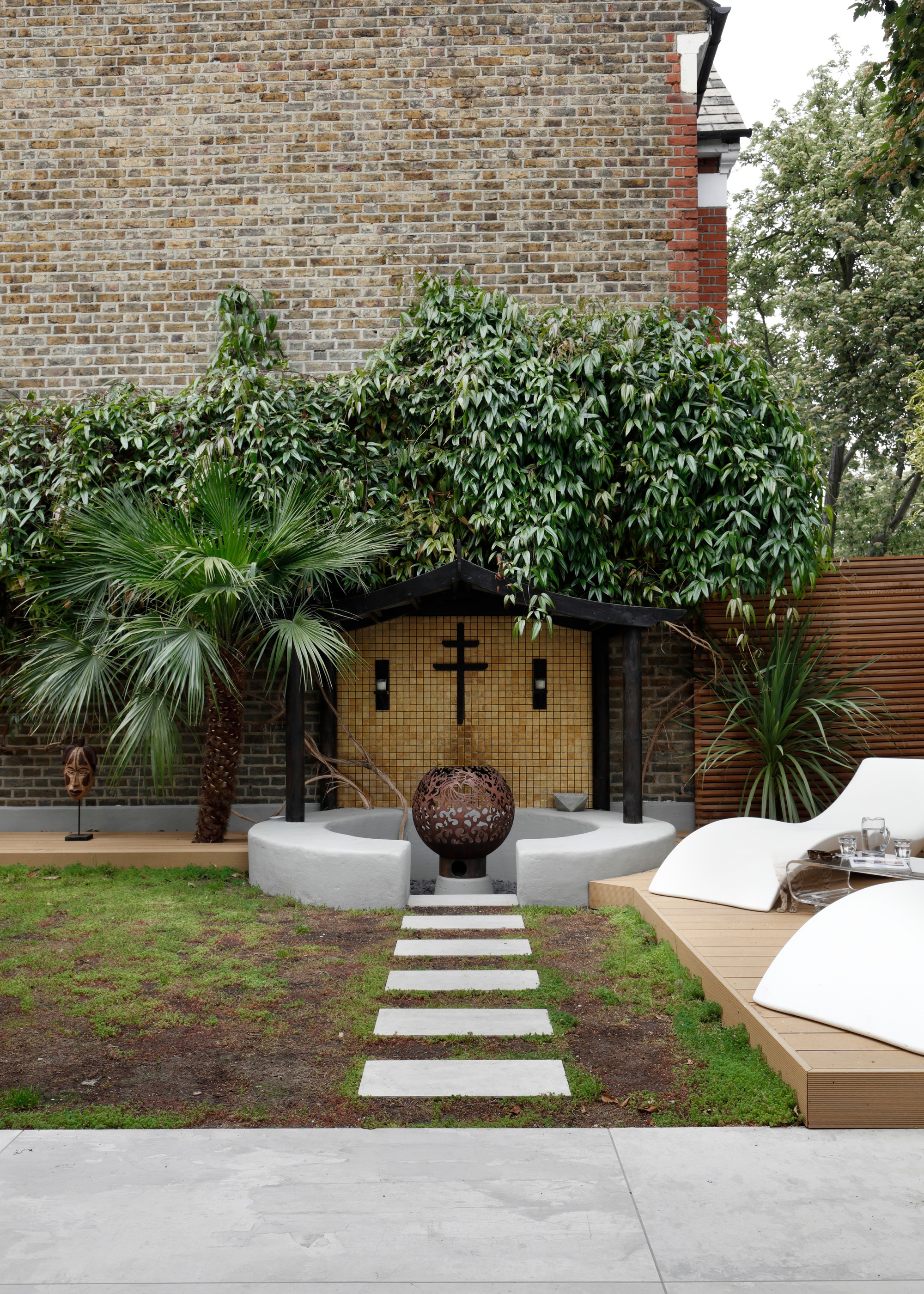
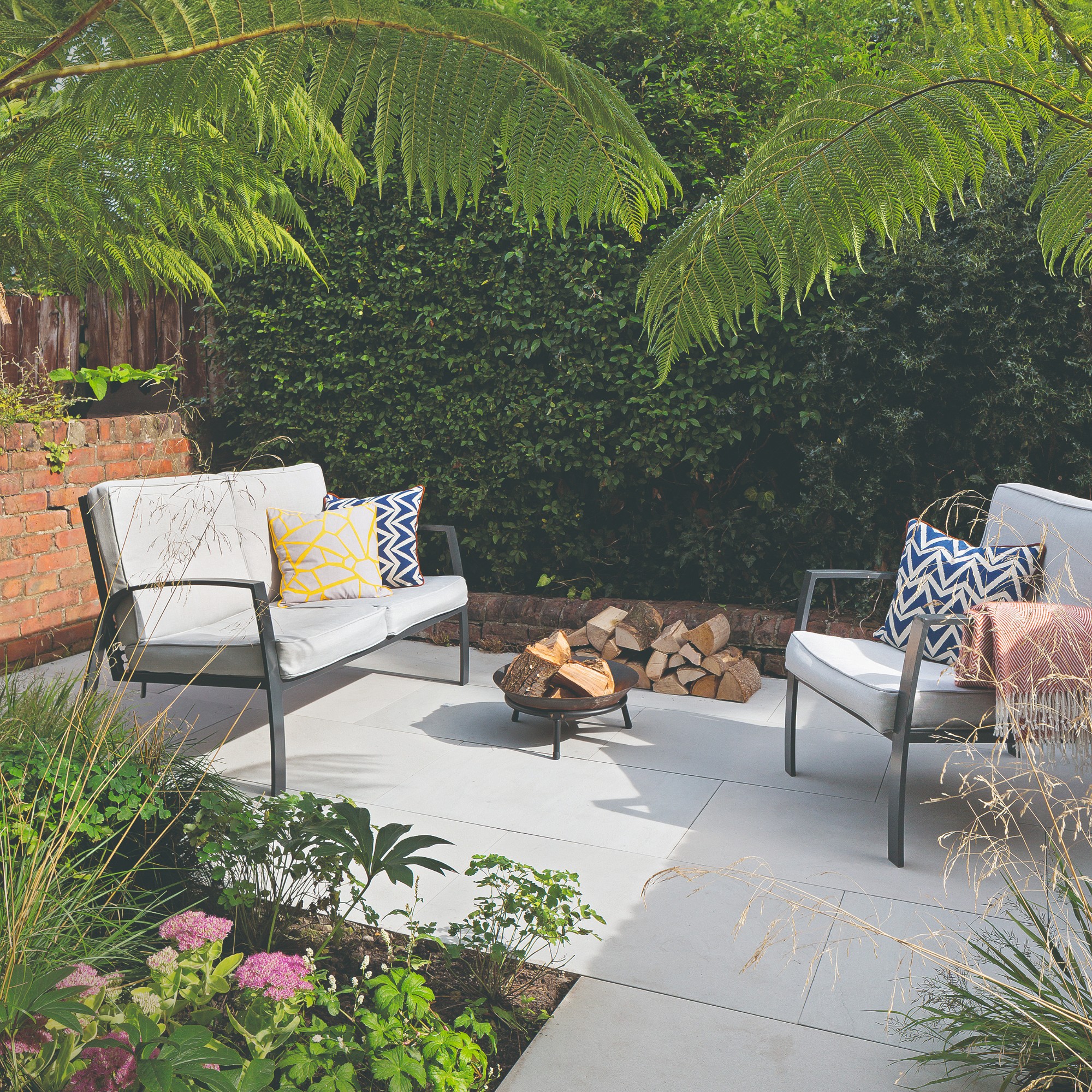
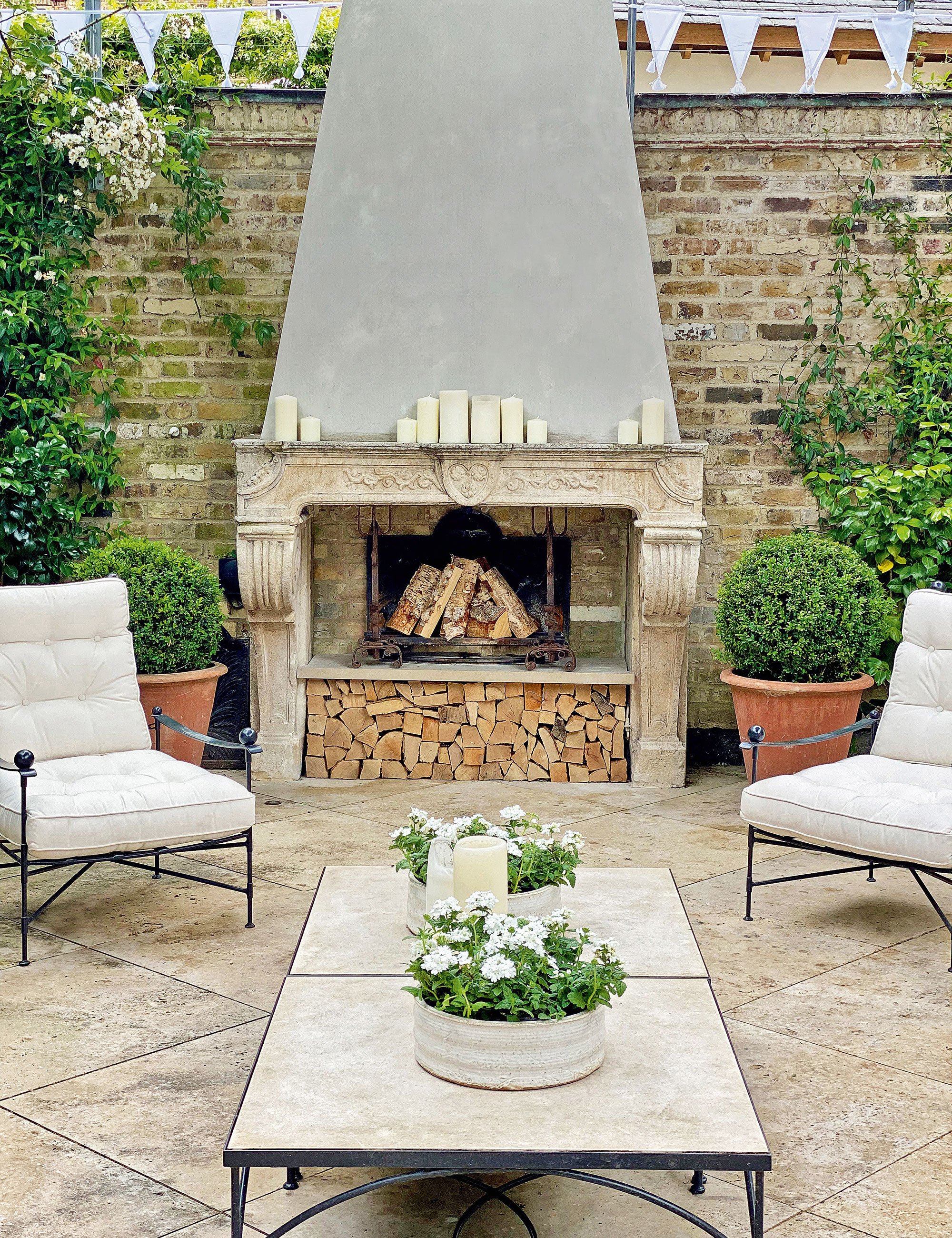
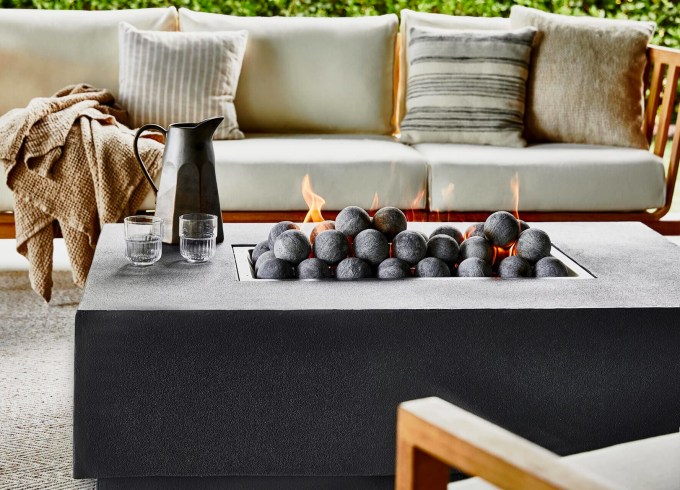
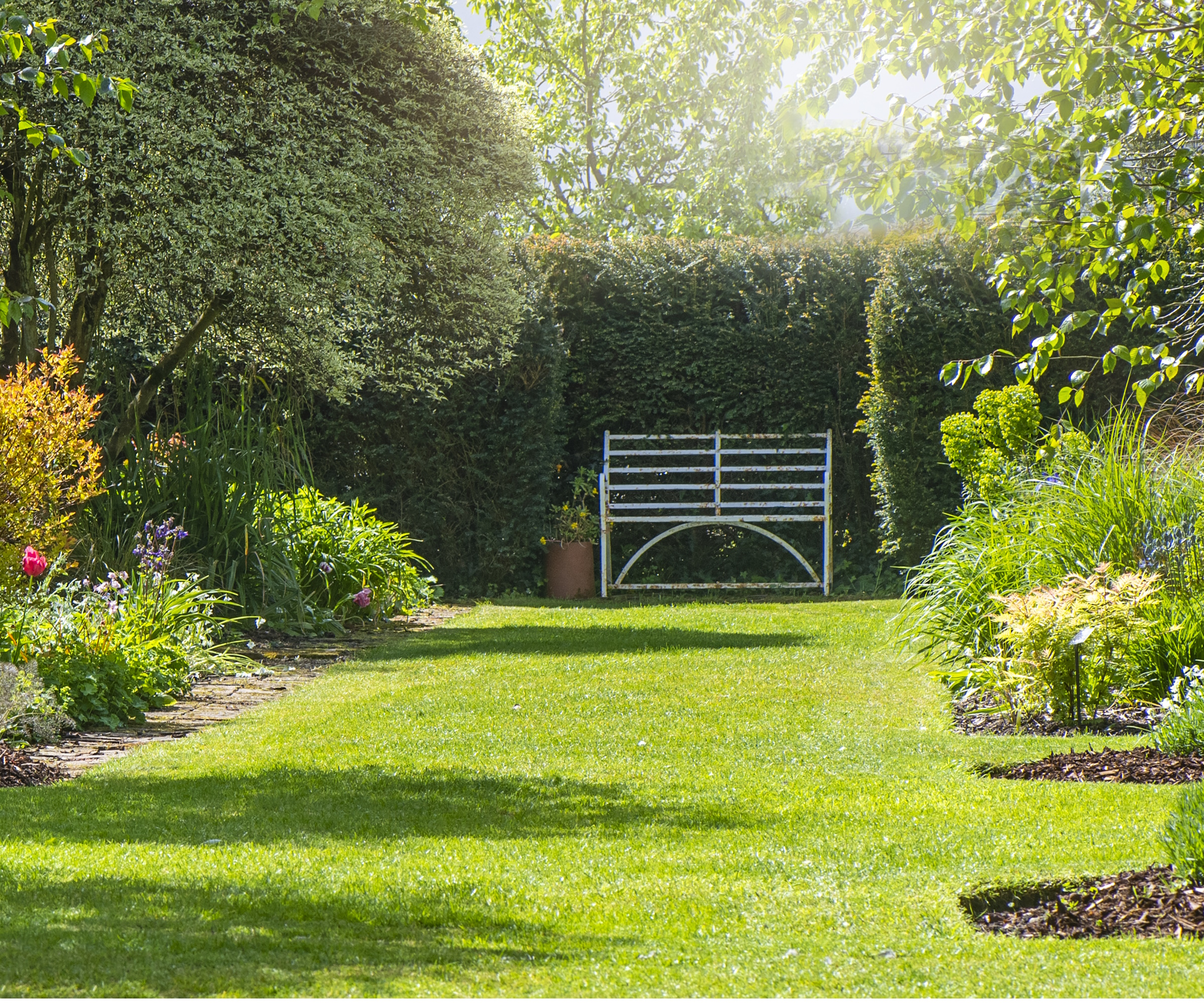
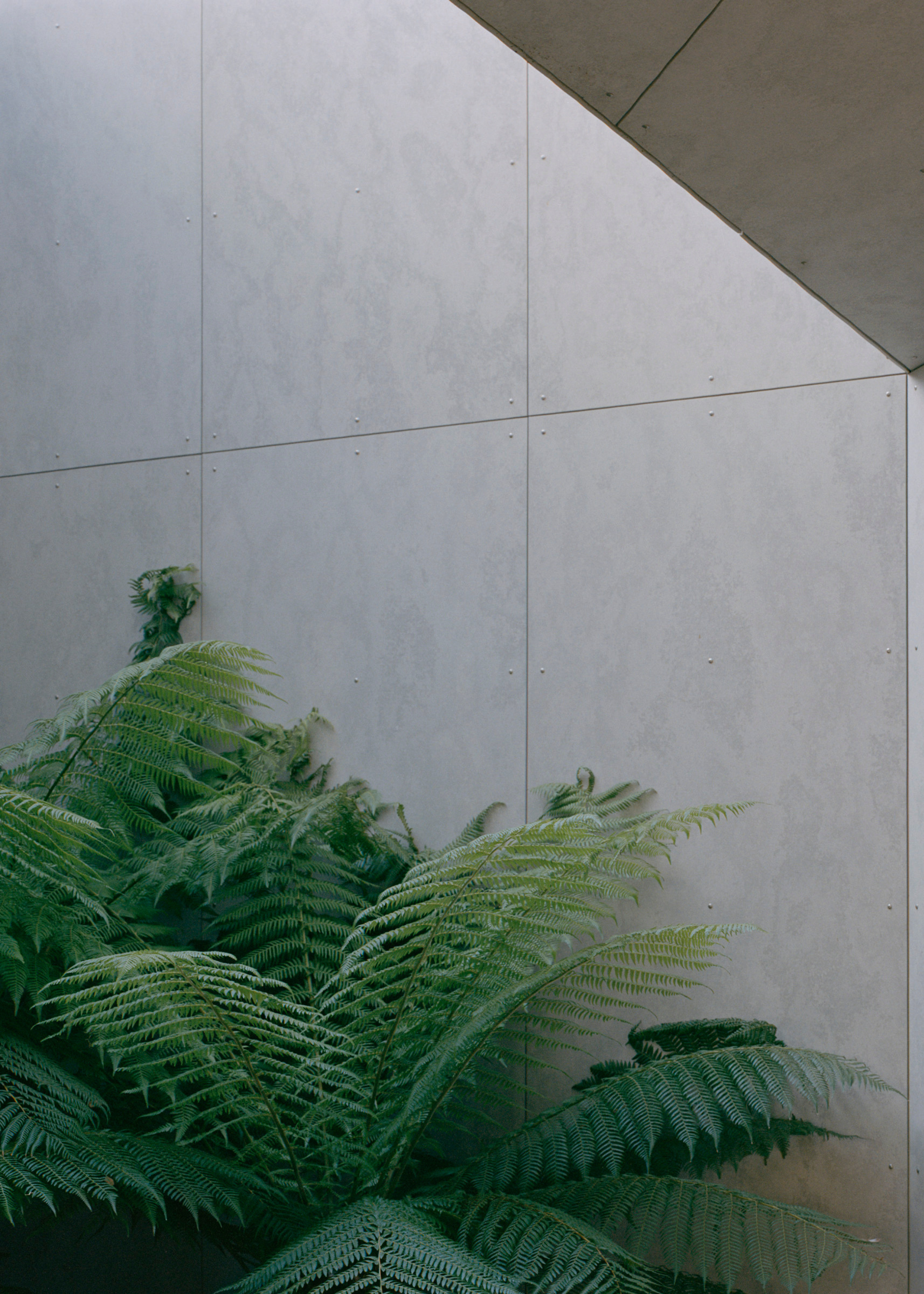
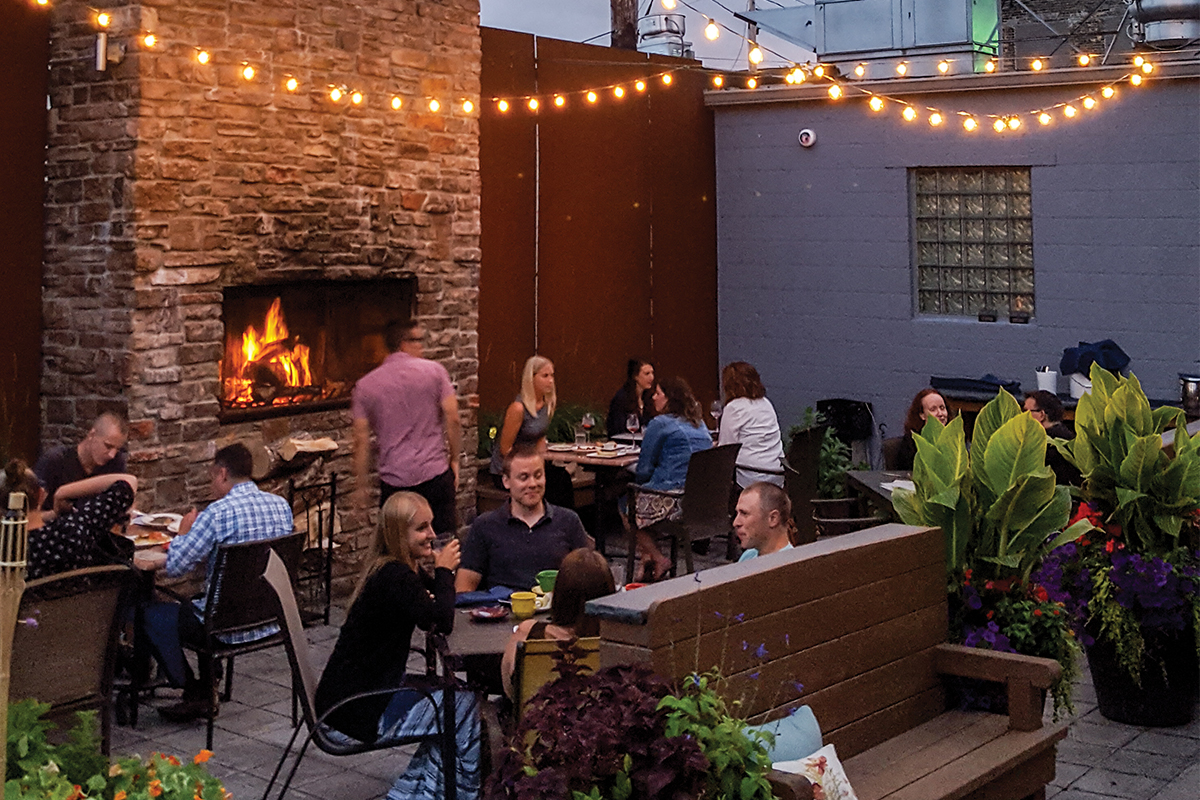
Lacking a focal point is another oversight that can leave a small backyard feeling unanchored and visually unappealing. Just like indoor rooms, outdoor spaces benefit from a central element that draws the eye and defines the area. Winn suggests incorporating a sculptural tree, a custom water feature, or a fire bowl as effective focal points. Such elements provide structure and visual interest, making the small space feel more intentional and cohesive.
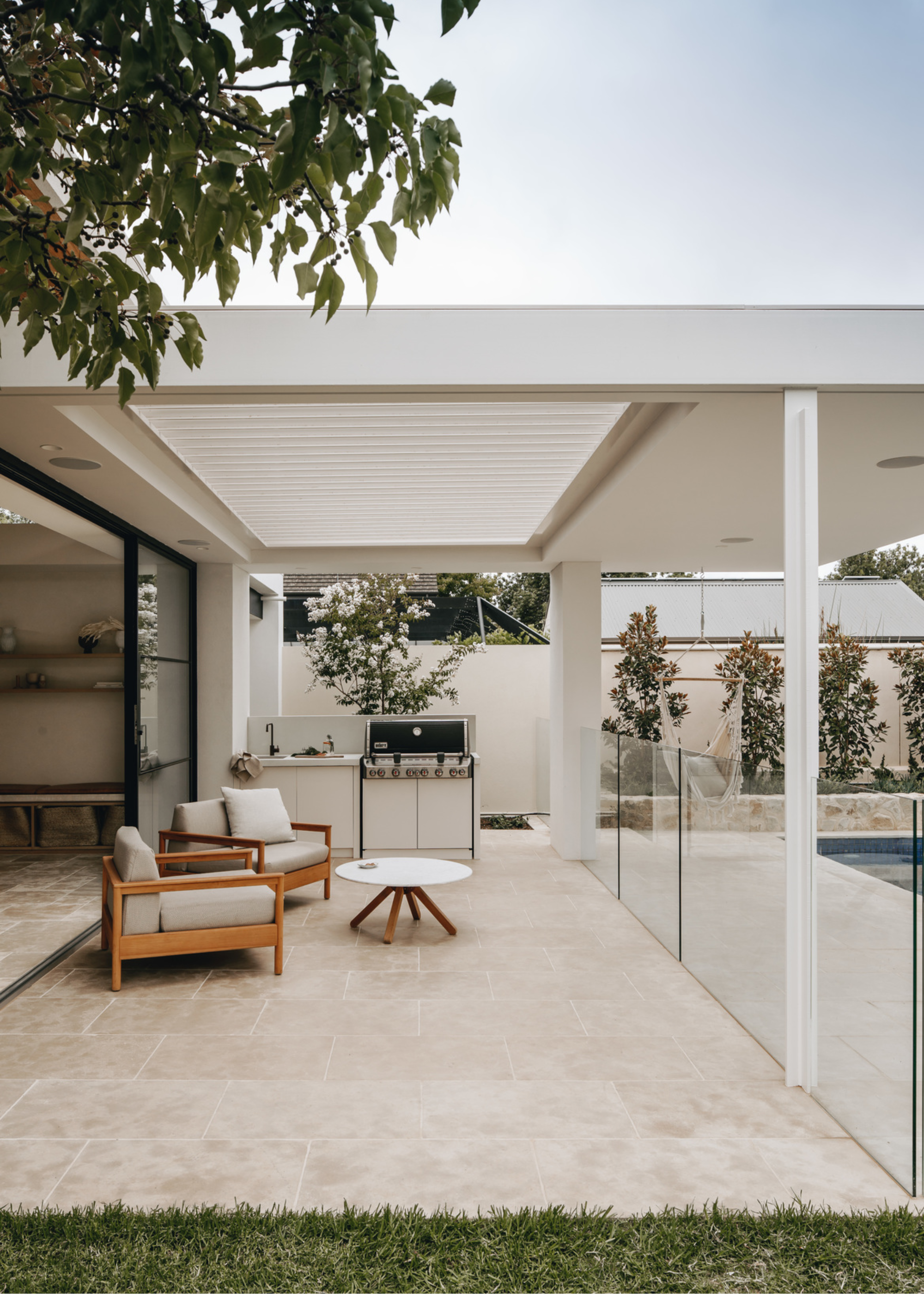
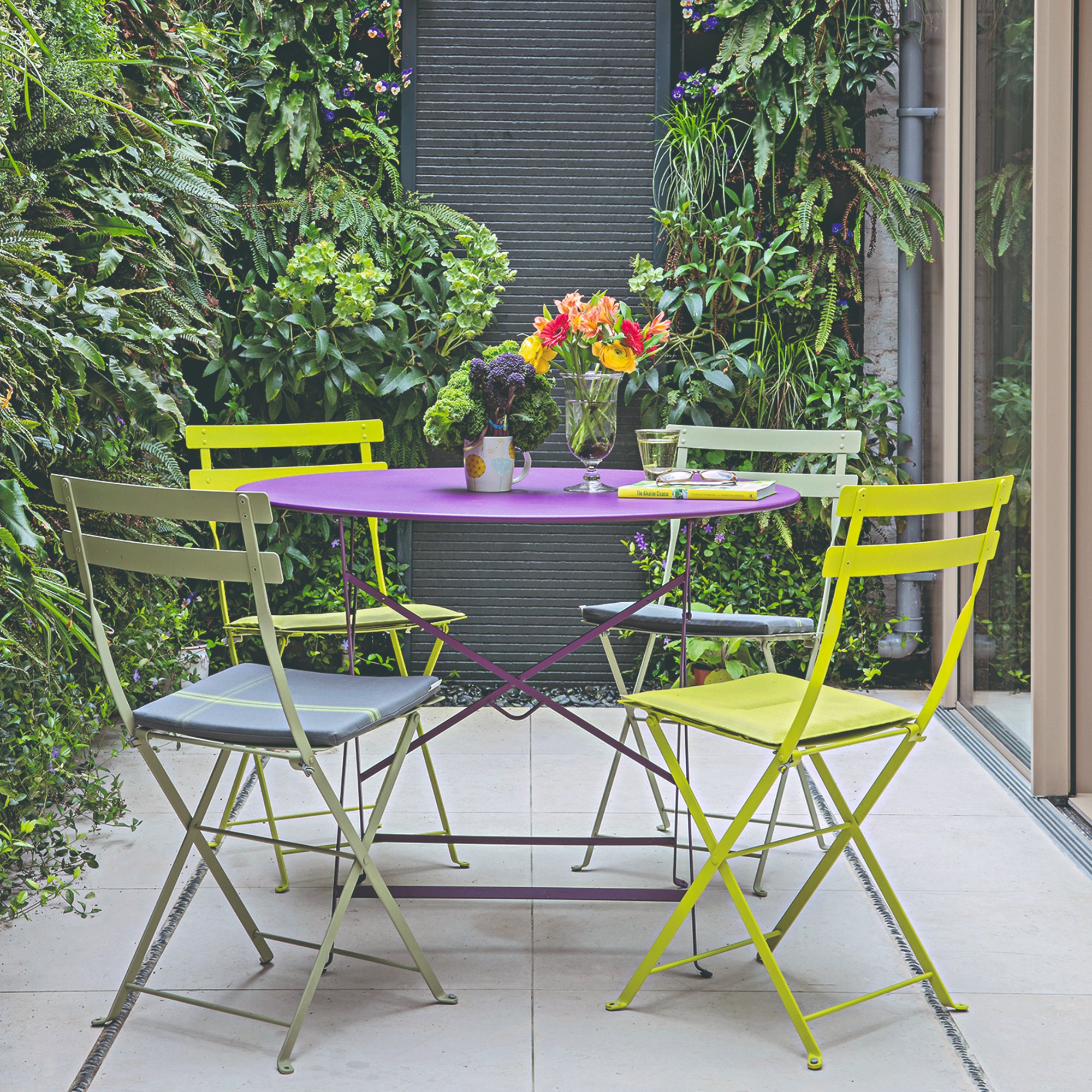
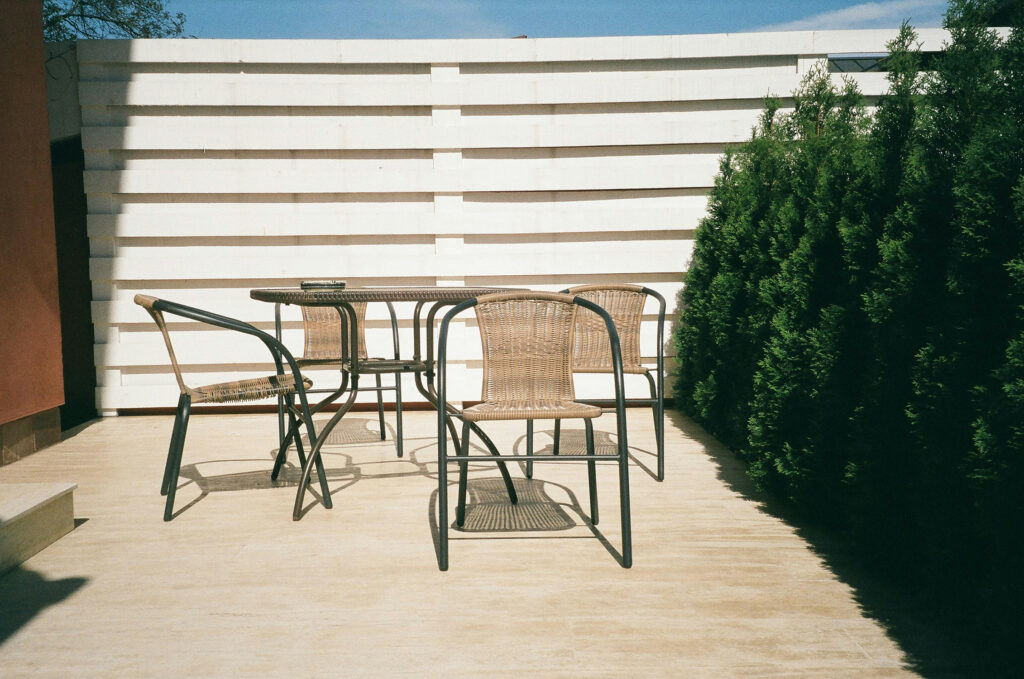
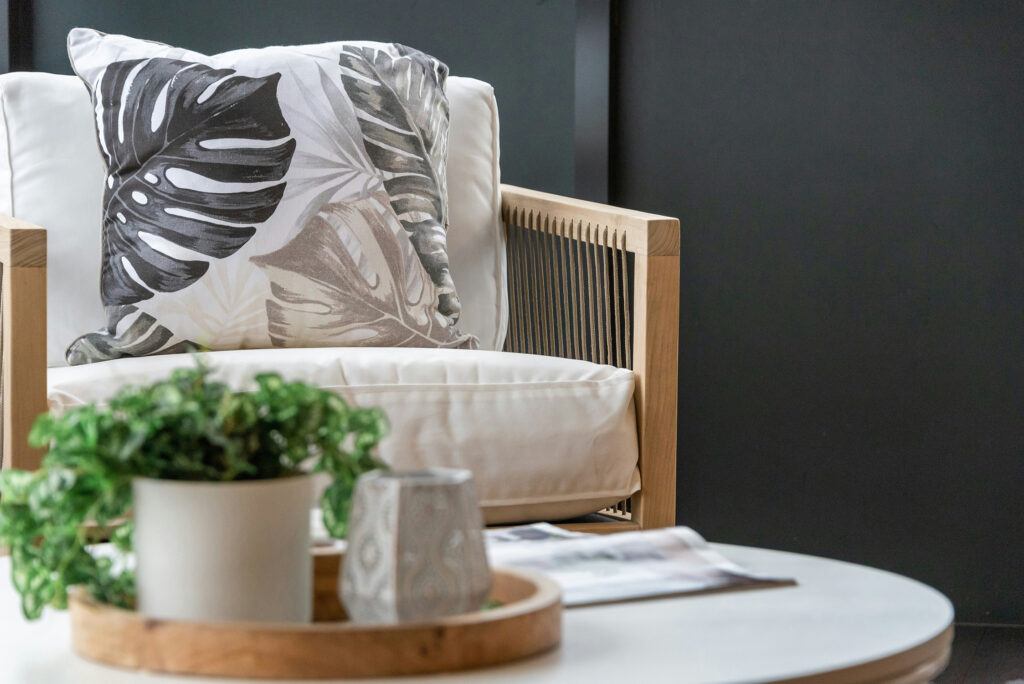
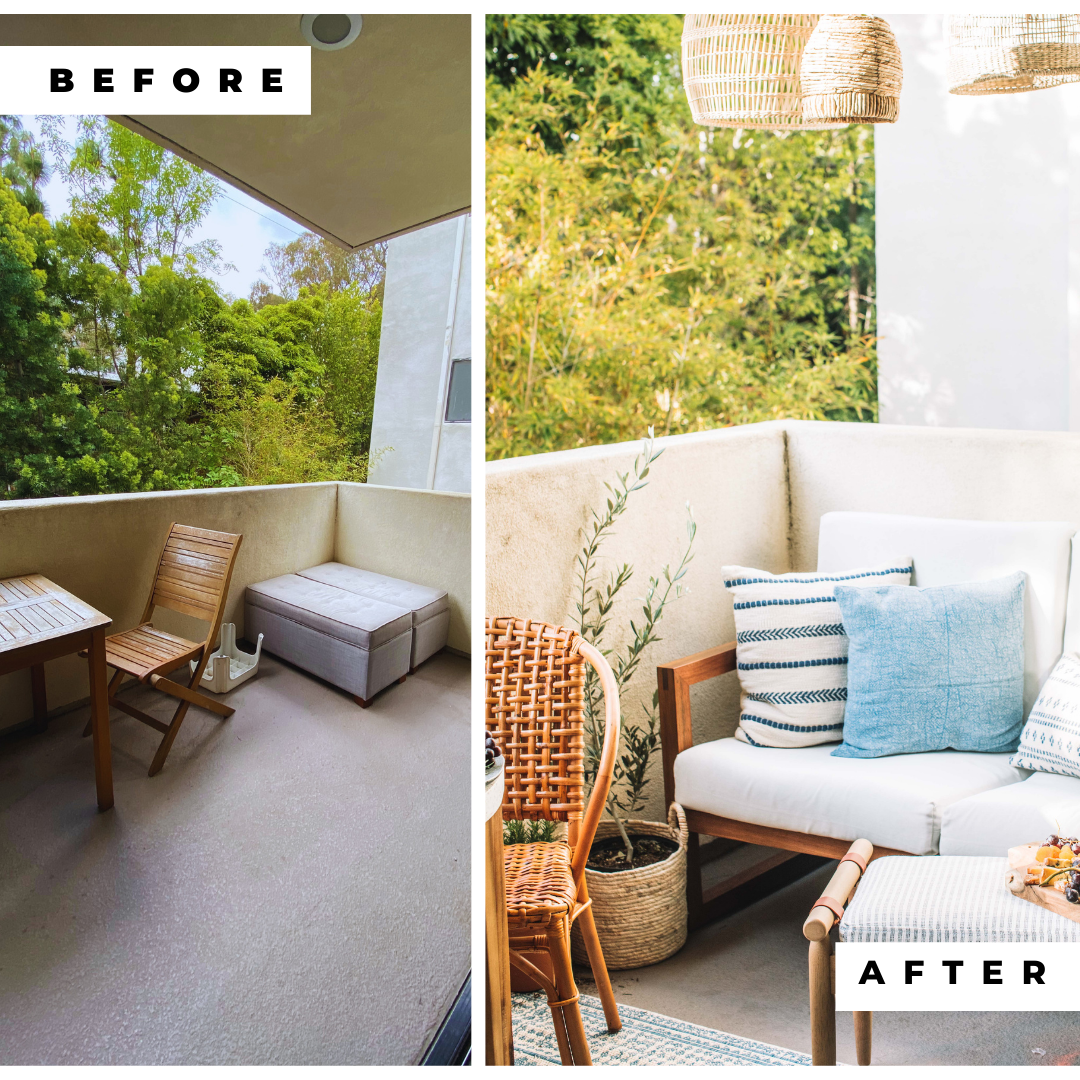
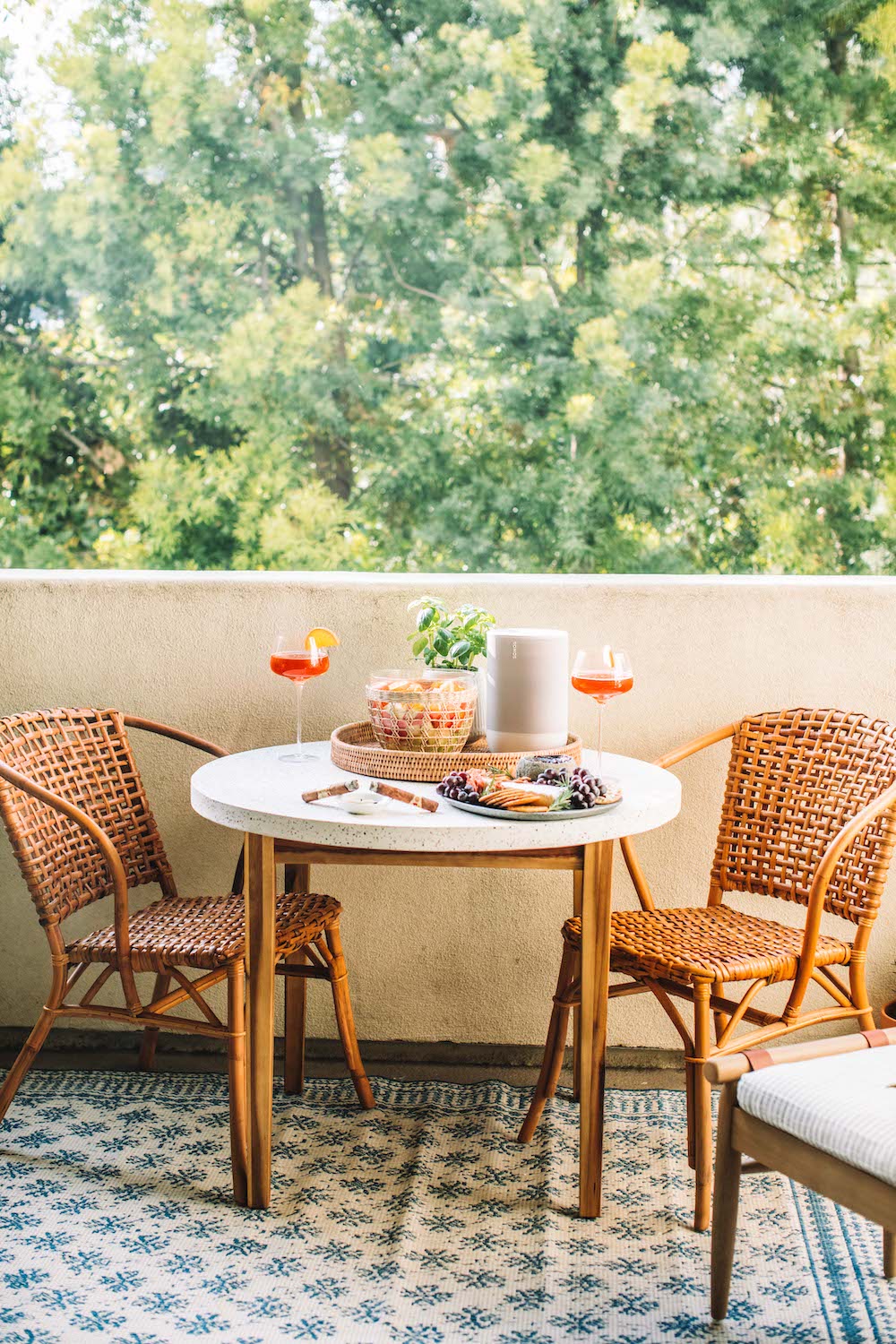
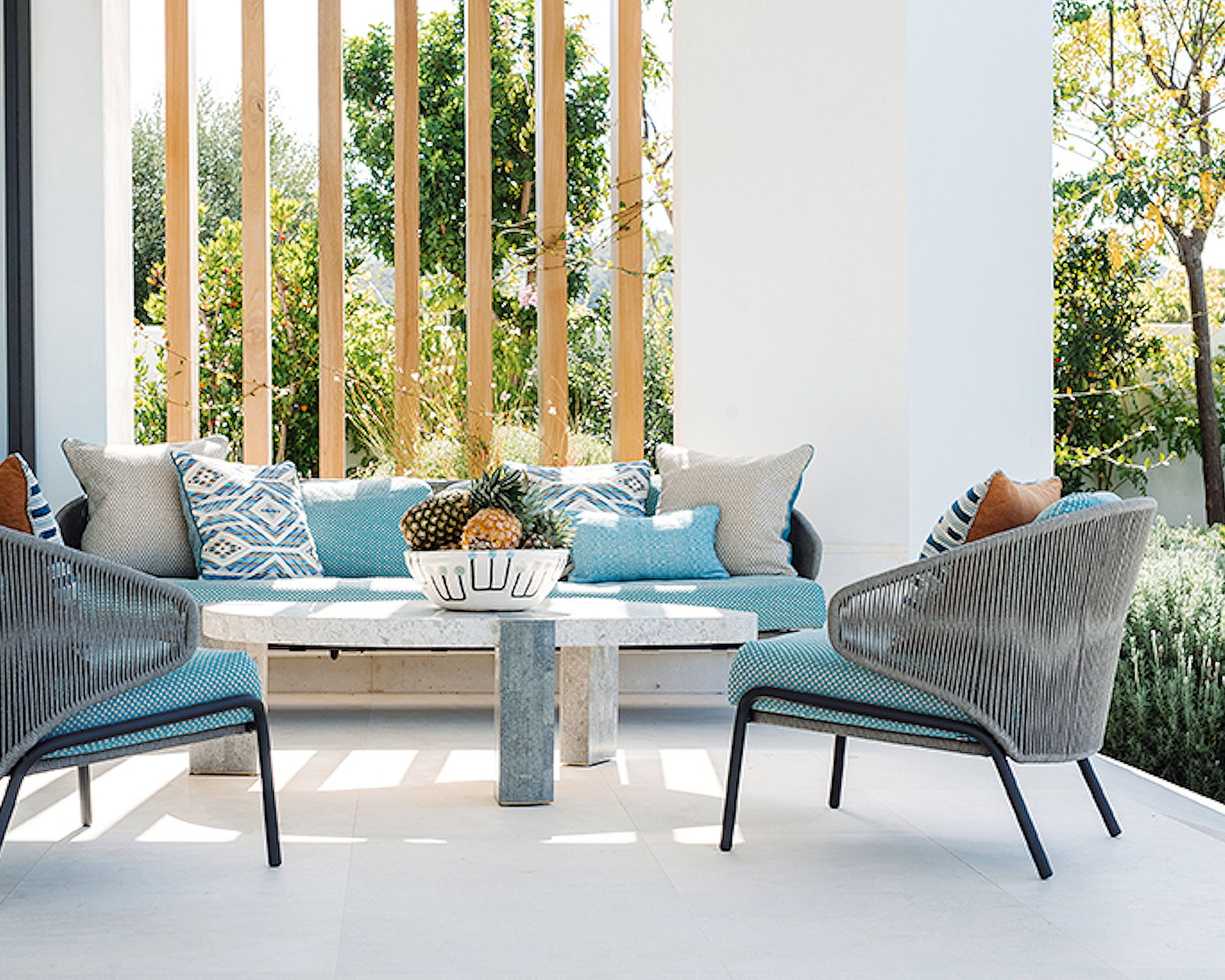
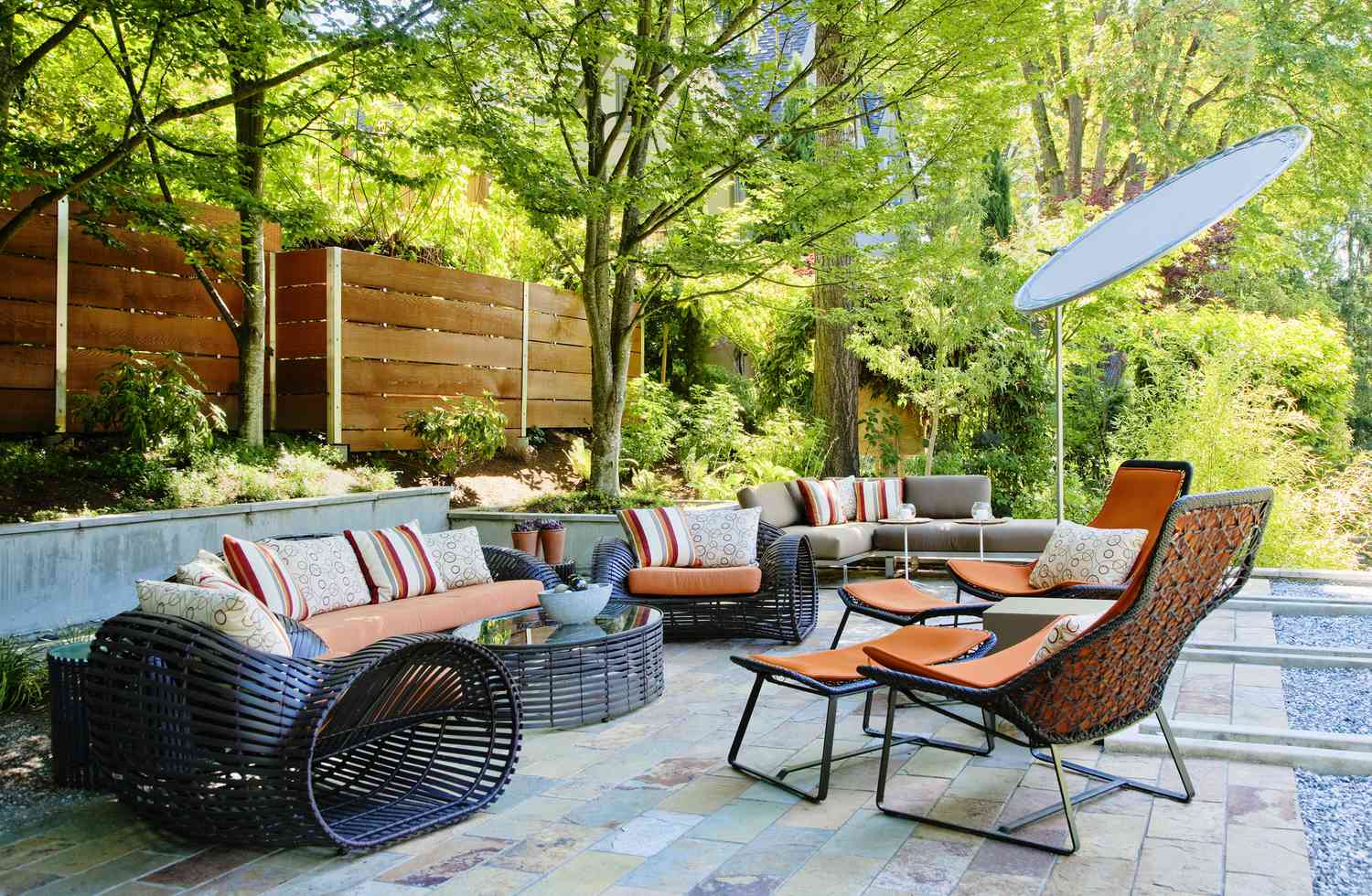
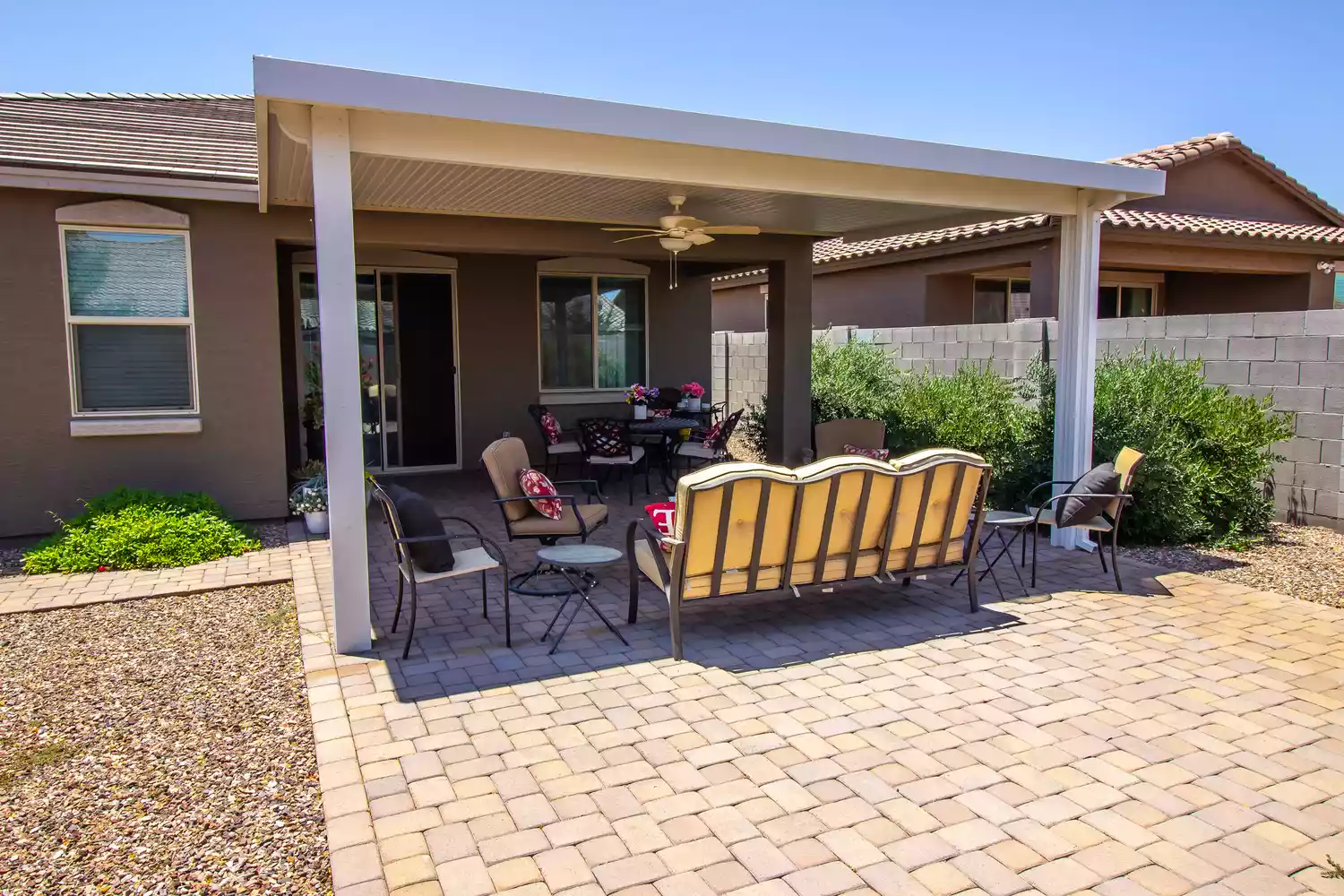
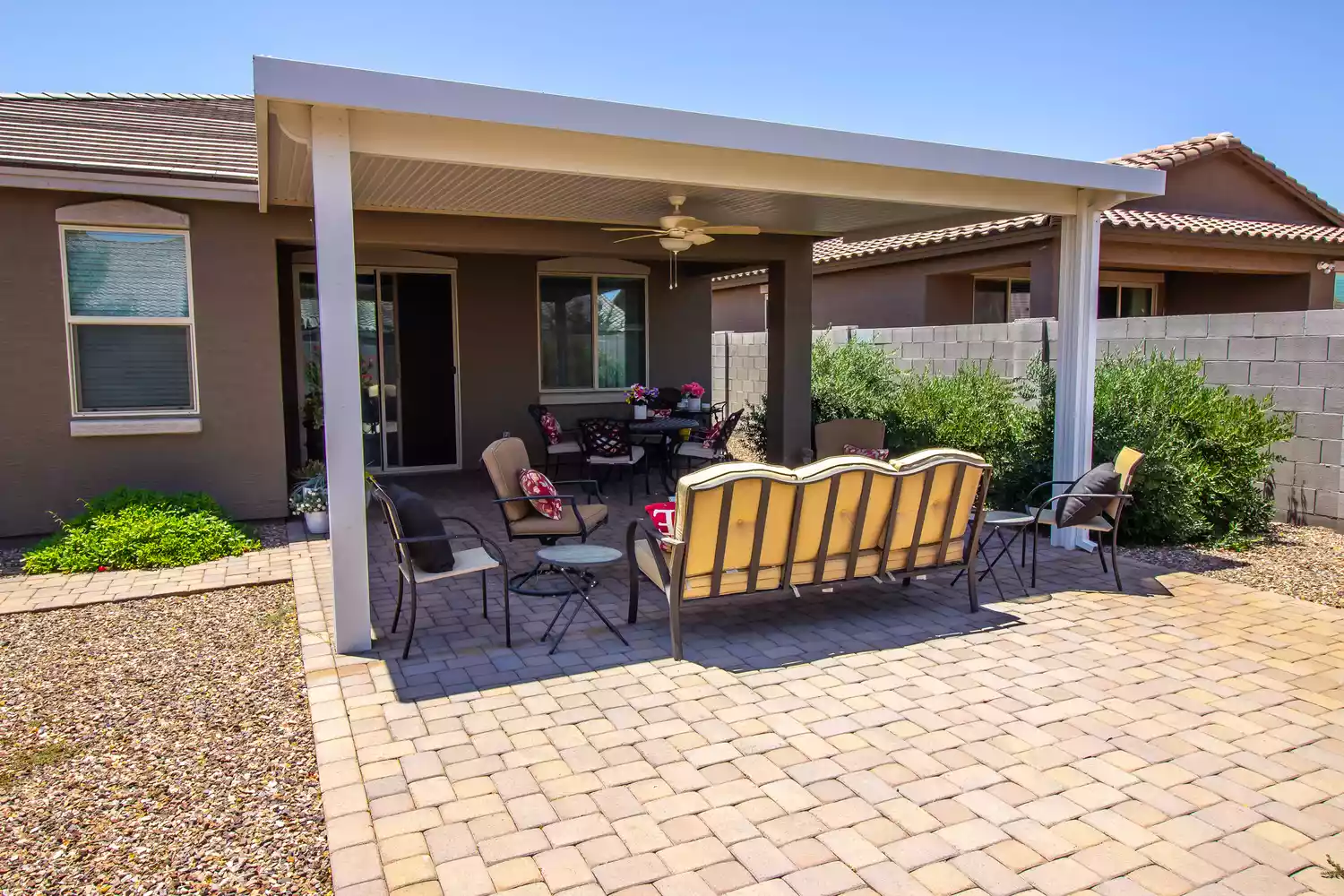
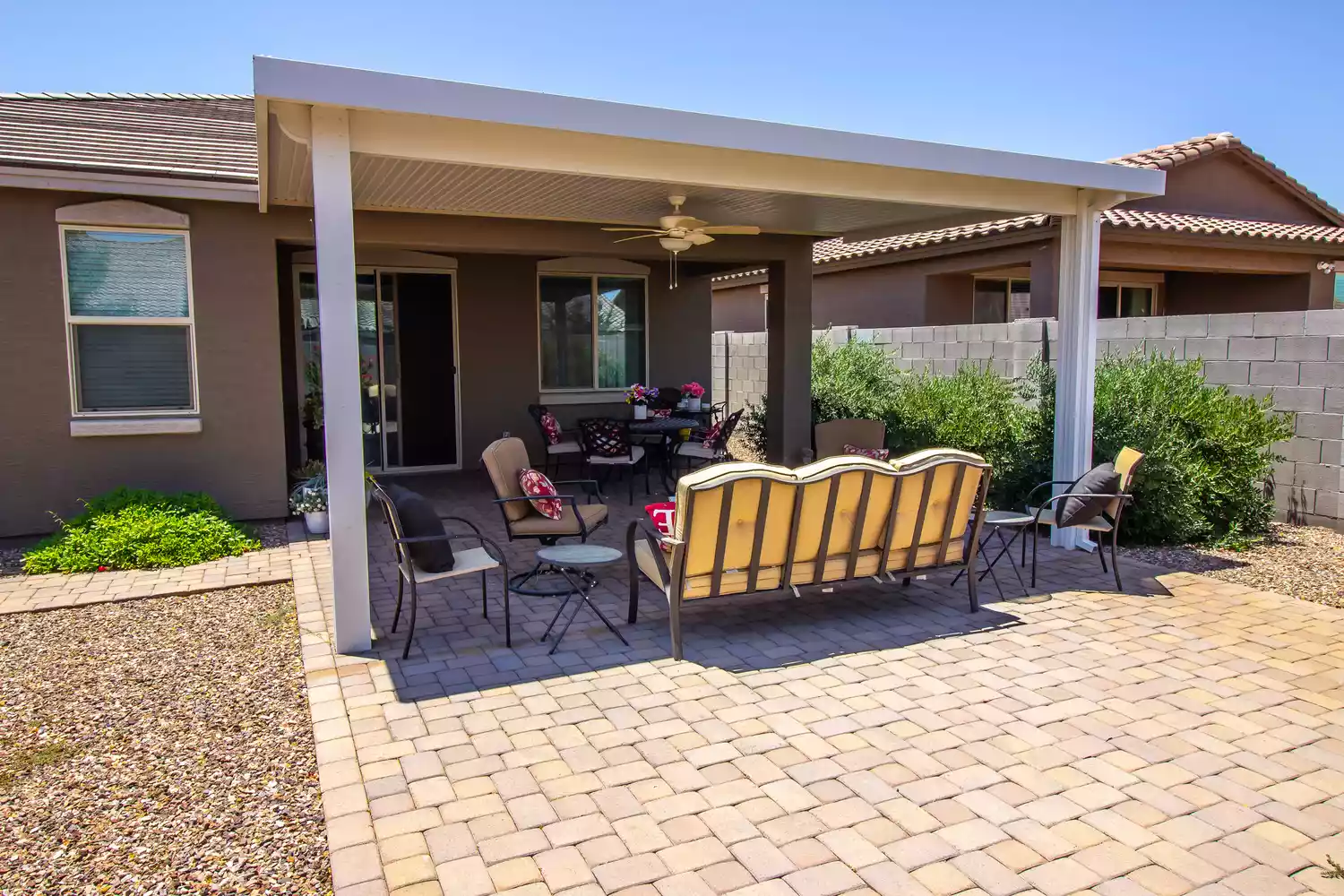
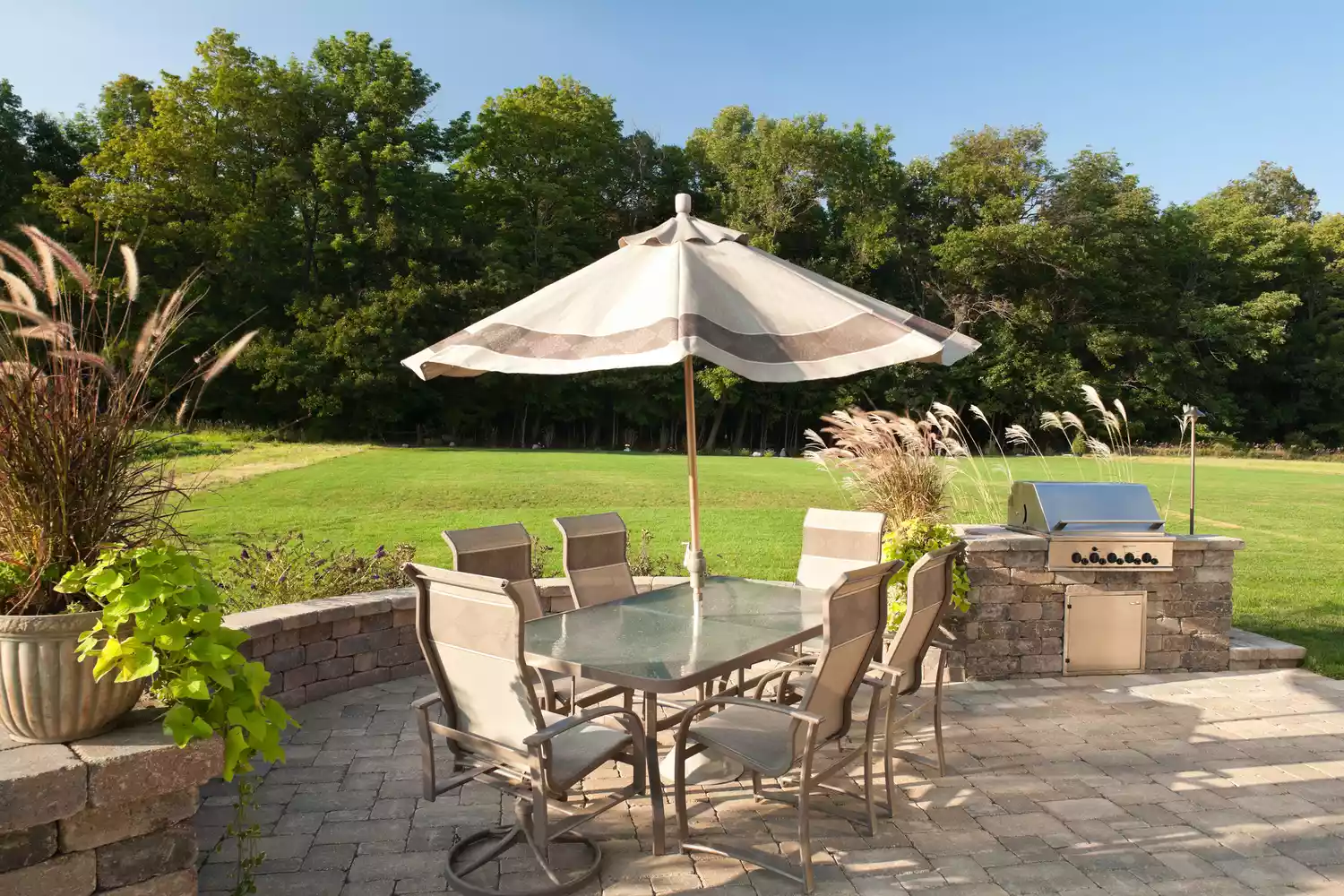
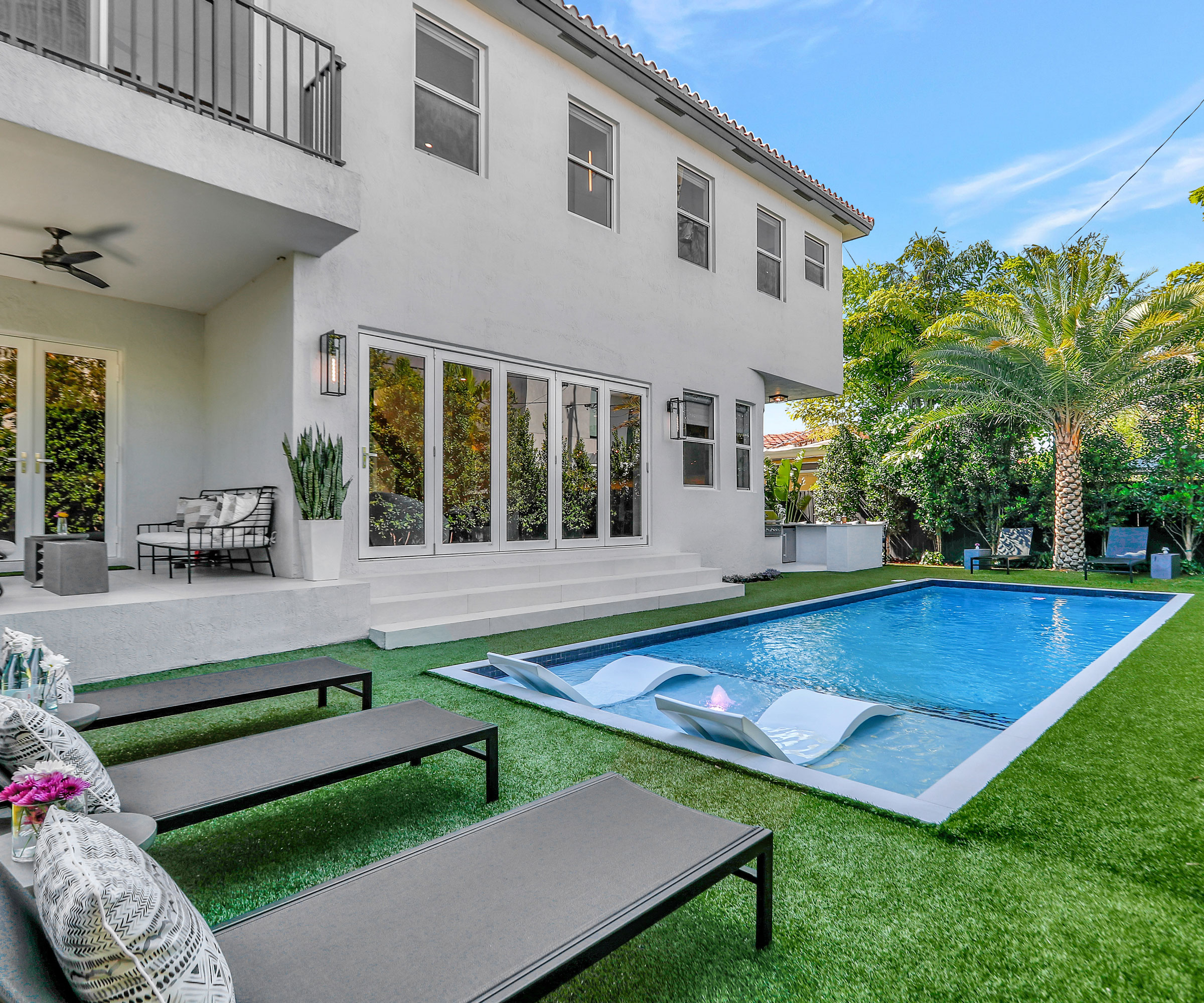
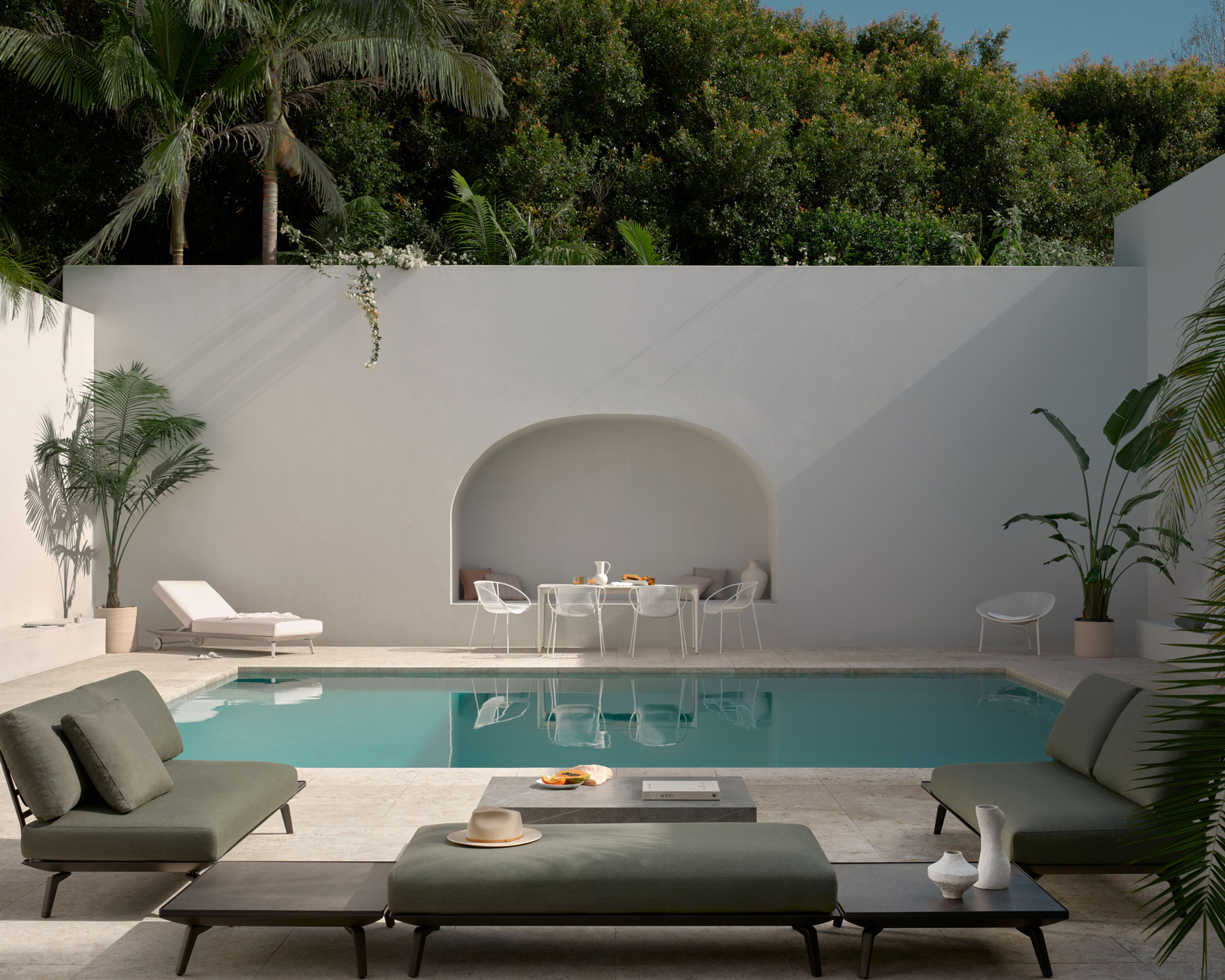
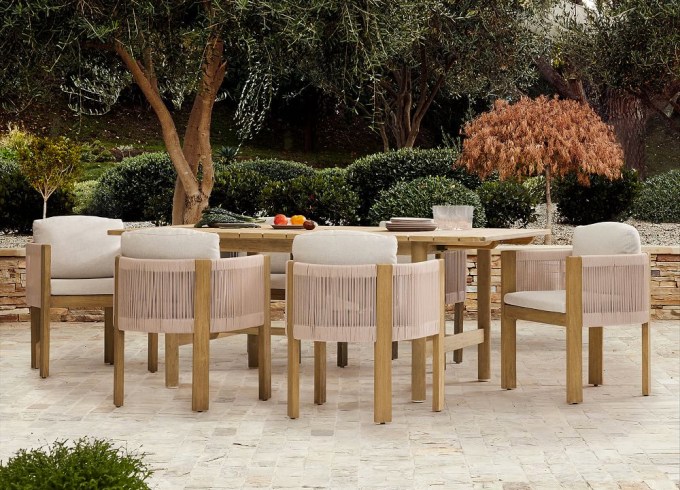
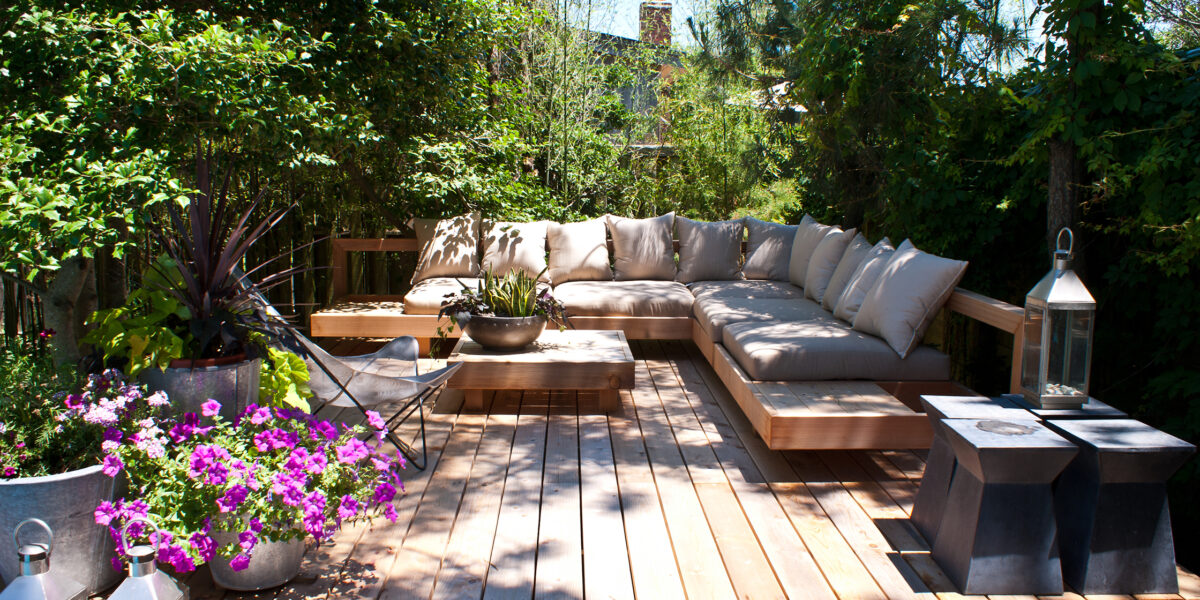
Considering furniture scale is paramount for small backyards. Oversized furniture can quickly dominate the space, making it appear cluttered and poorly designed. Winn advises choosing appropriately sized, sleek, and low-profile pieces that complement the area without overwhelming it. Gordon echoes this sentiment, recommending minimal prints and patterns to maintain a clean and welcoming design. This careful selection ensures that the furniture enhances comfort and style without making the backyard feel smaller than it is.
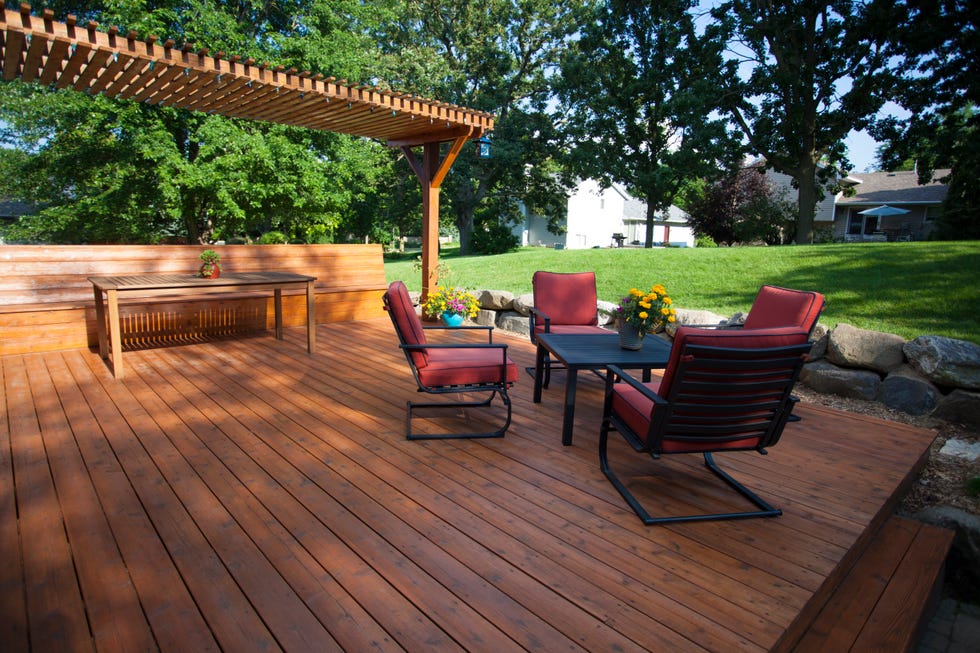
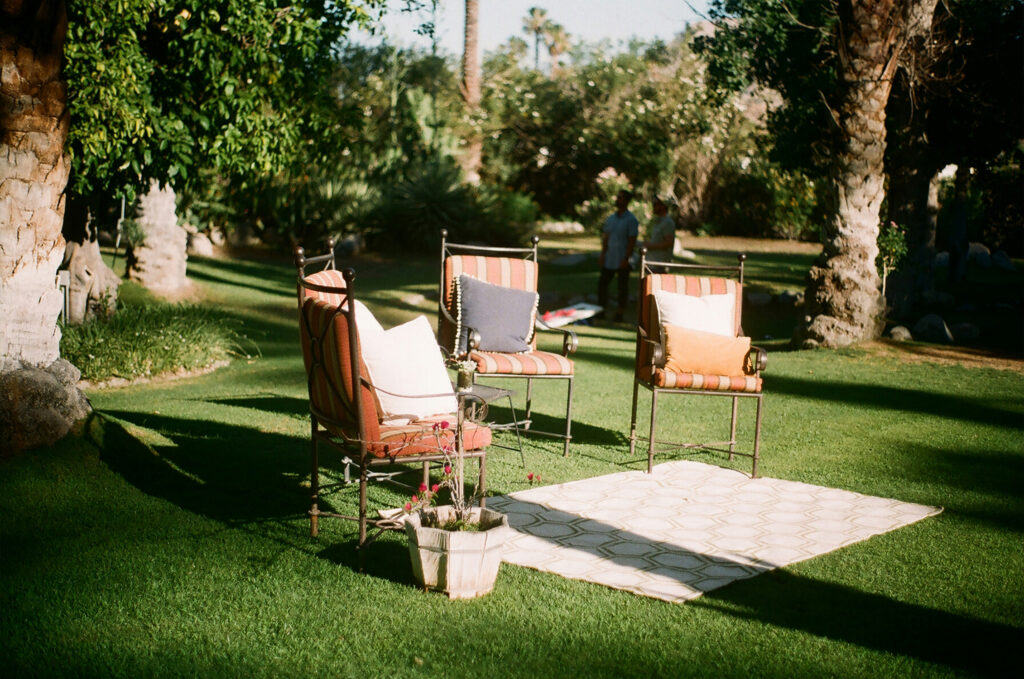
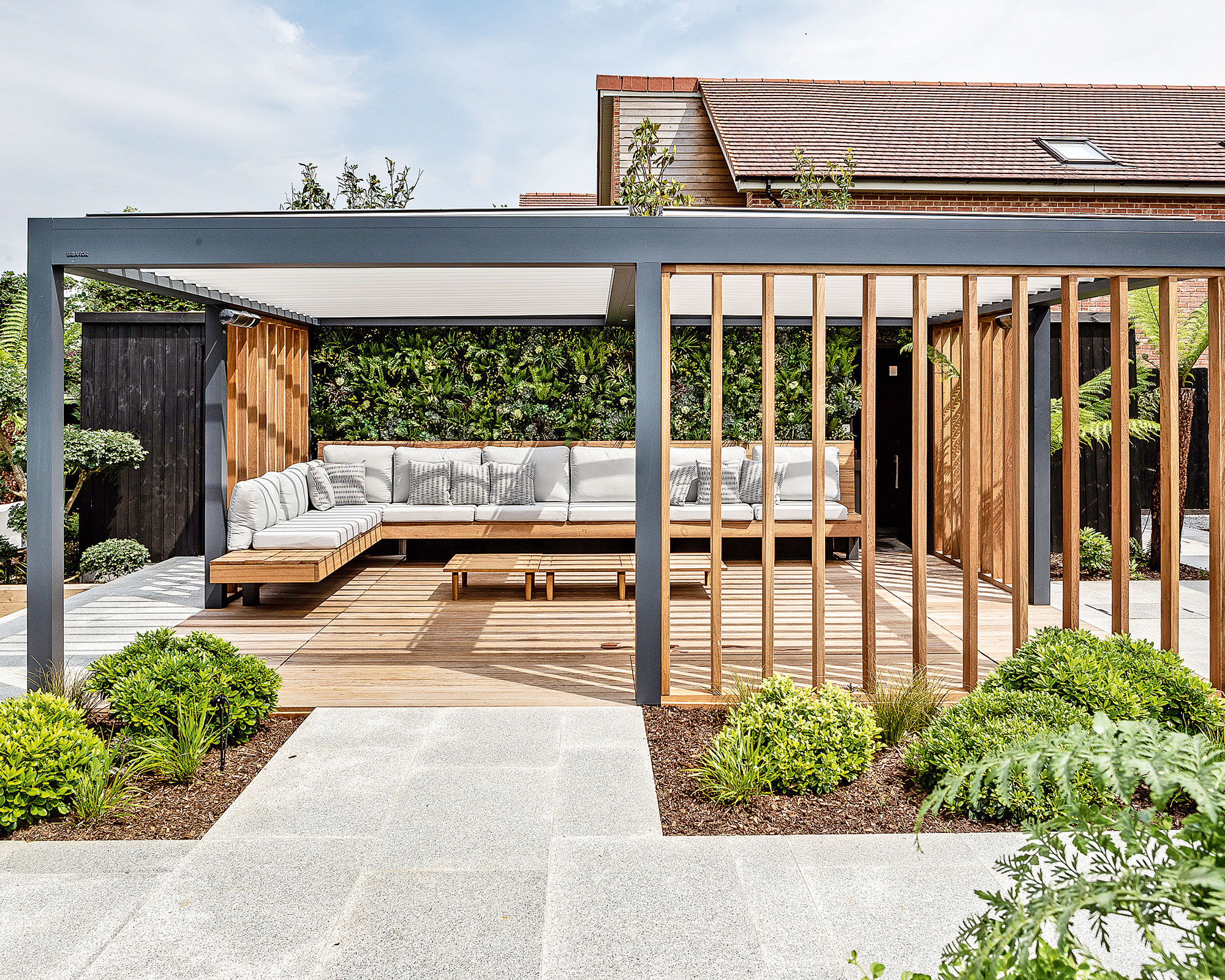
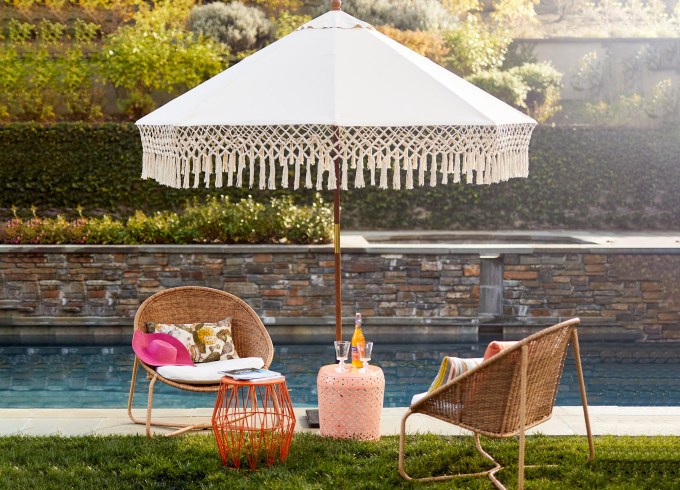
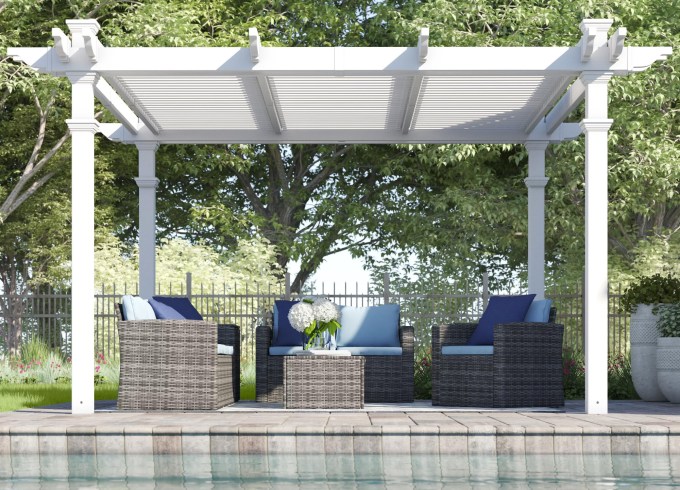
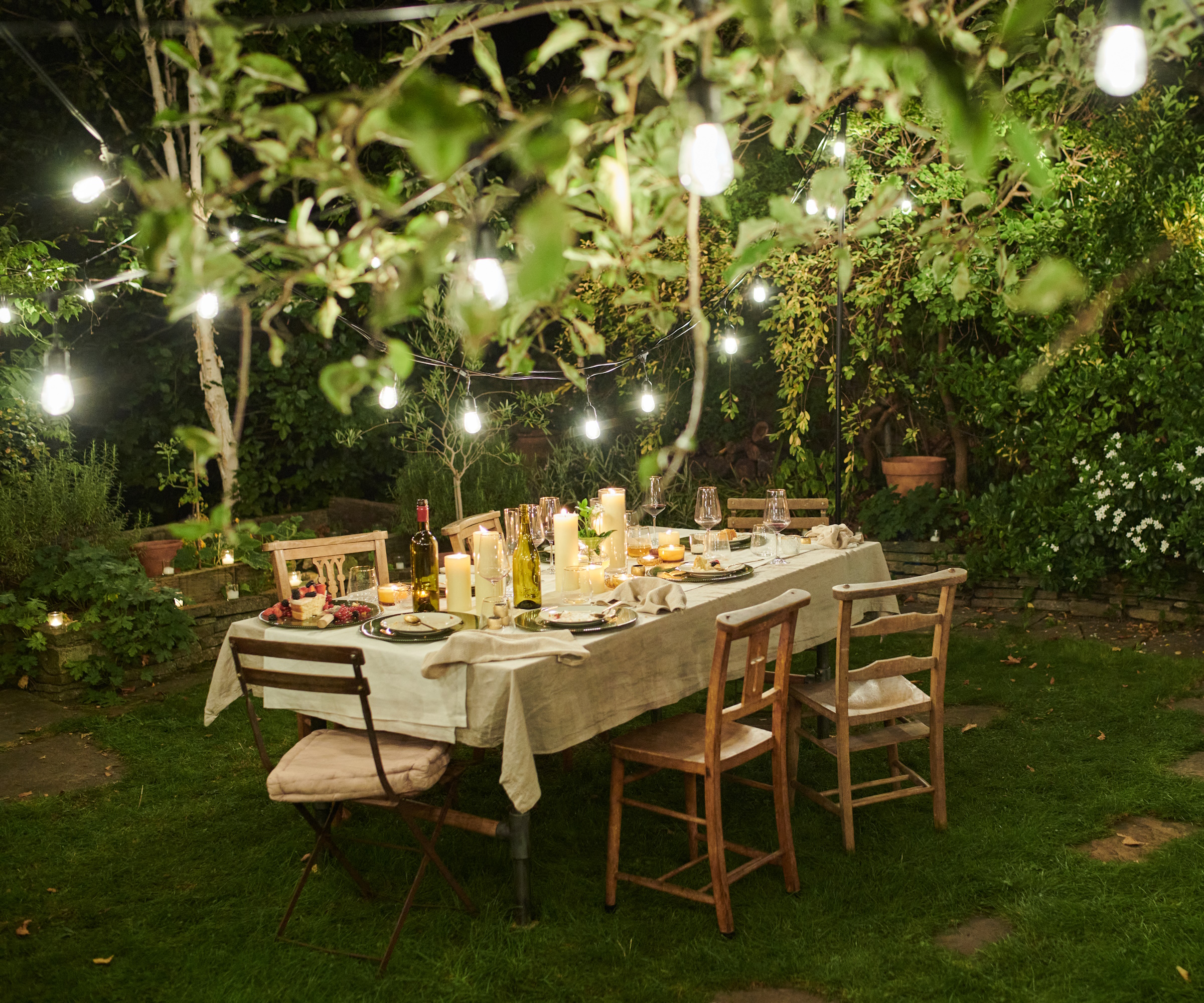
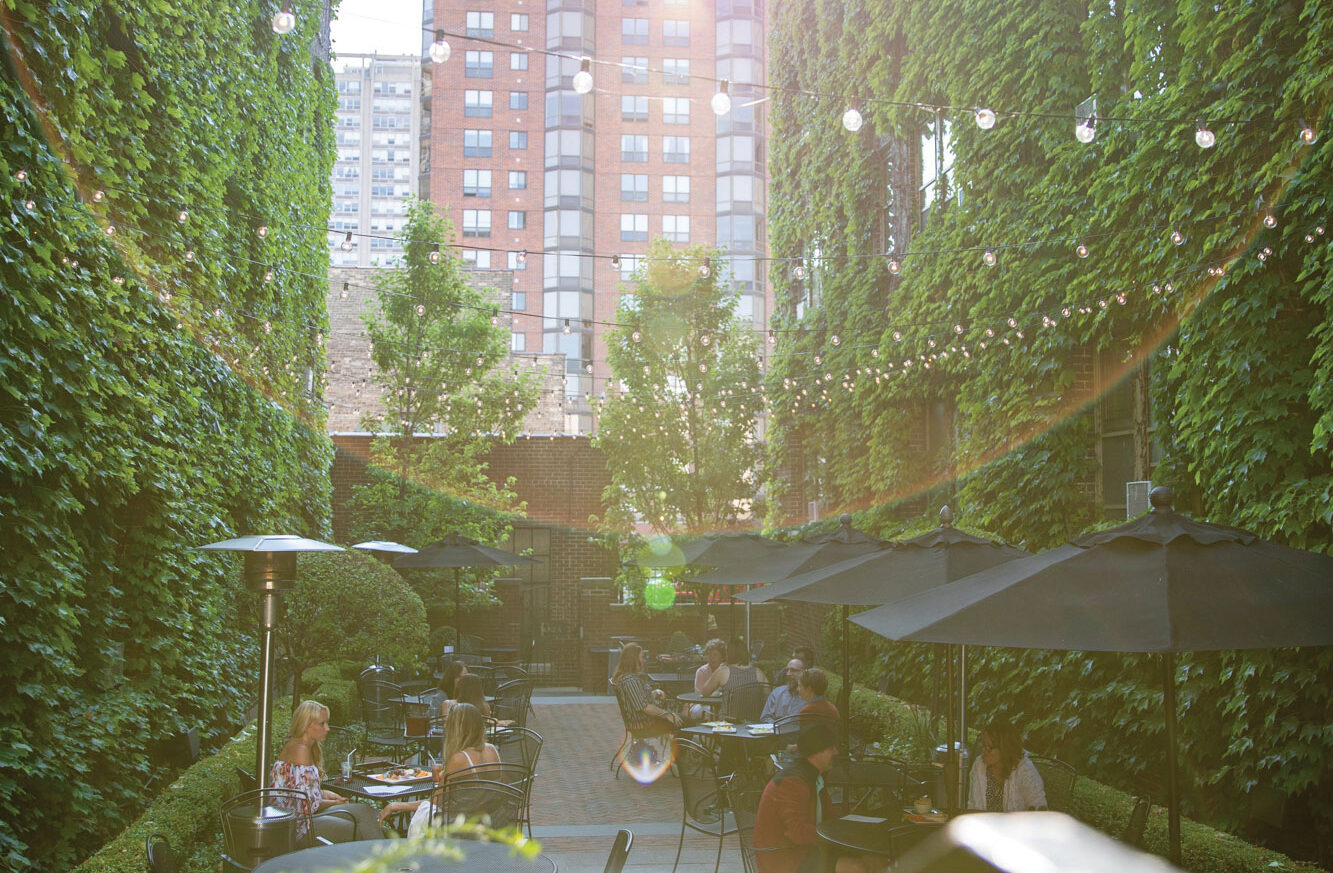
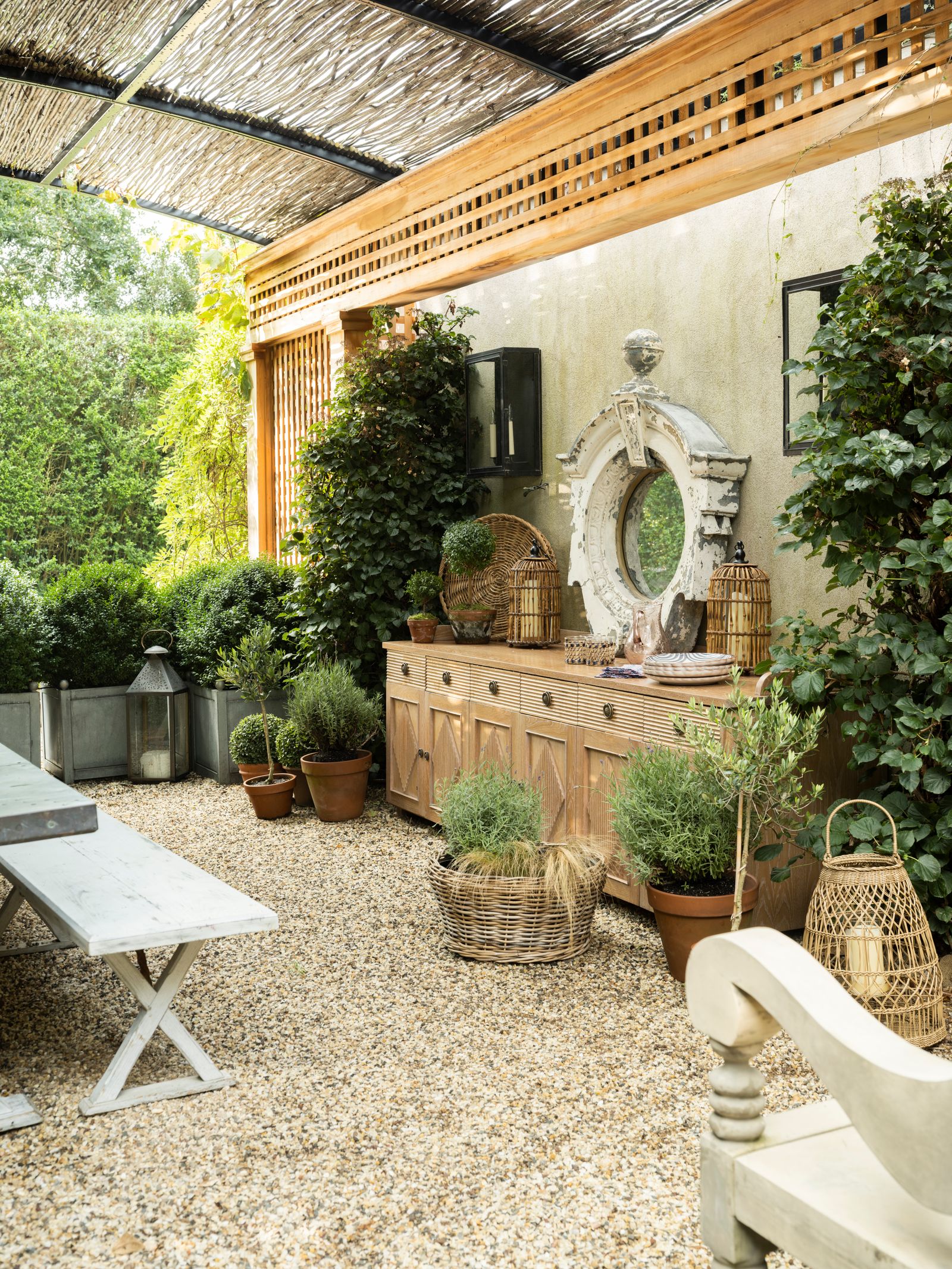
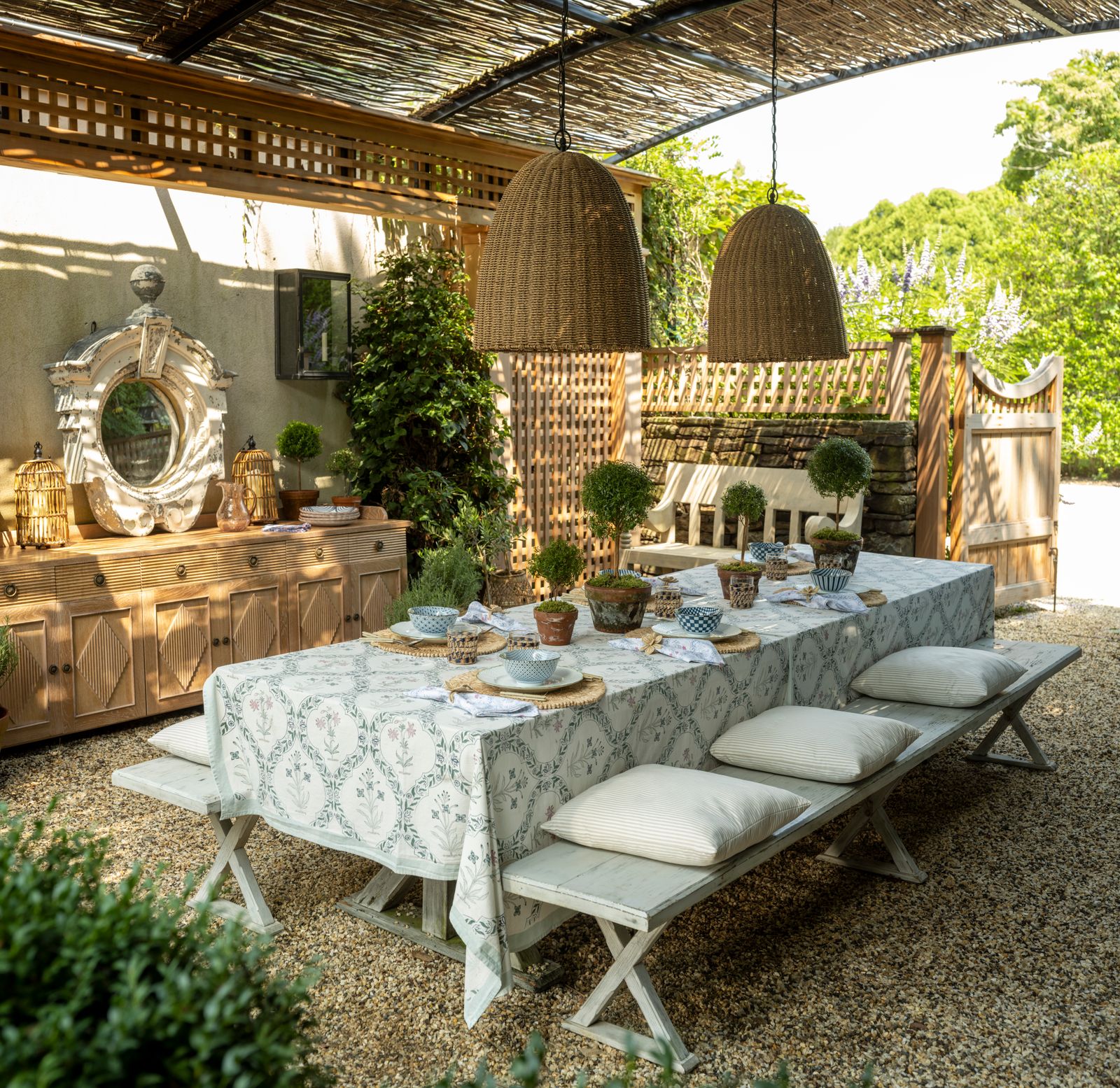
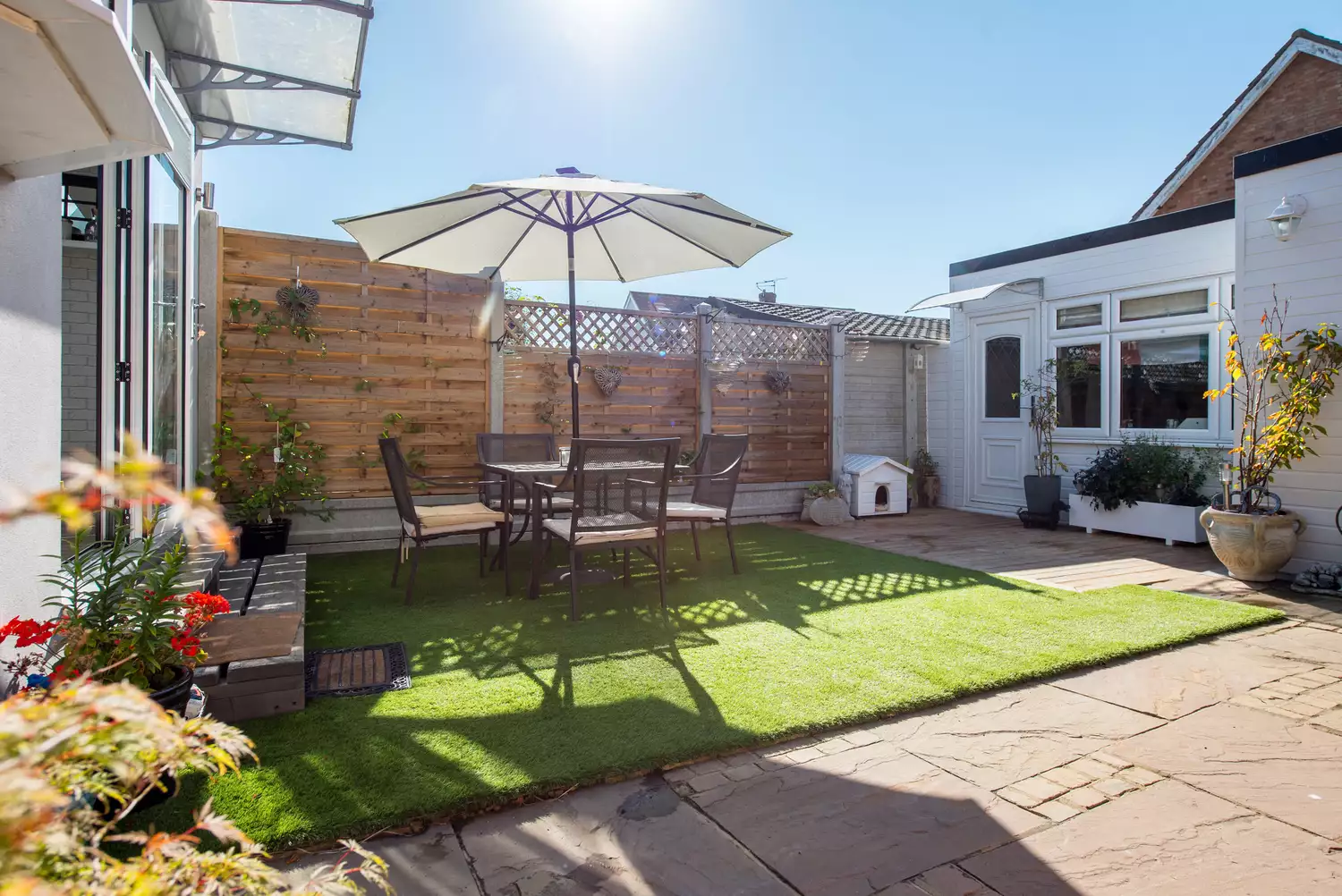
Finally, neglecting proper consideration of sunlight and lighting can significantly diminish the usability and comfort of a small backyard. It's essential to plan for adequate shade during the day to combat excessive sun exposure, making the space enjoyable even during peak hours. While large structures like pergolas may not be suitable, options such as umbrellas, shade sails, or strategically placed tall plantings can offer effective relief. Furthermore, nighttime lighting is often overlooked, but it is critical for creating a cozy and functional evening environment. Winn stresses the importance of integrating a mix of accent, task, and ambient lighting, similar to indoor lighting strategies. Gordon suggests path lighting, accent lighting, and twinkle lights to achieve a welcoming ambiance, extending the backyard's usability into the evening hours. Incorporating storage solutions, such as hidden benches or slim outdoor cabinets, also contributes to an organized and clutter-free small backyard, maximizing its potential for relaxation and enjoyment.
#SmallBackyardDesign #OutdoorLiving #LandscapeArchitecture #FurnitureSelection #GardenDesign #OutdoorLighting #SpaceOptimization #HomeDecor #DesignTips #SmallBackyardDesign #OutdoorLiving #LandscapeArchitecture #FurnitureSelection #GardenDesign #OutdoorLighting #SpaceOptimization #HomeDecor #DesignTips
0 comment in total
 No comments yet
You may also like
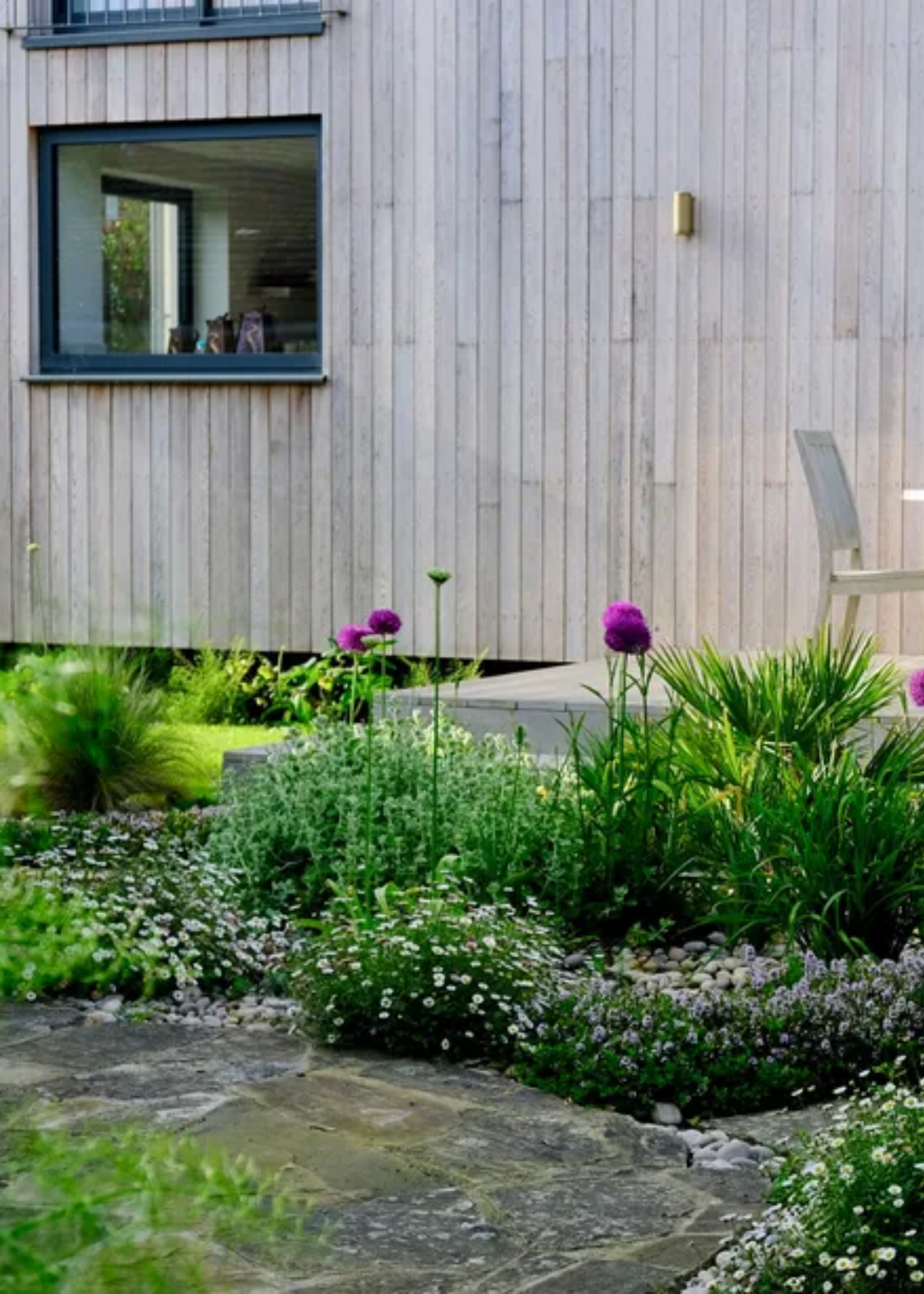
5 Mistakes in Your Garden's Design You'll Only Notice When Temperatures Soar in the Summer

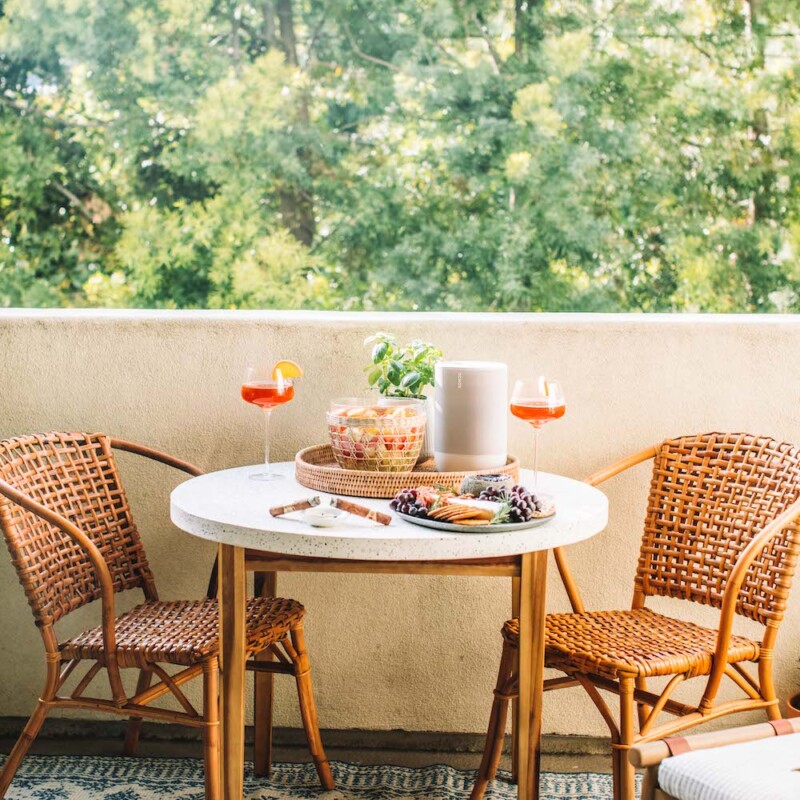
6 Small Patio Design Ideas to Make the Most of Your Space

6 mistakes design experts instantly notice in your home – and how to fix them

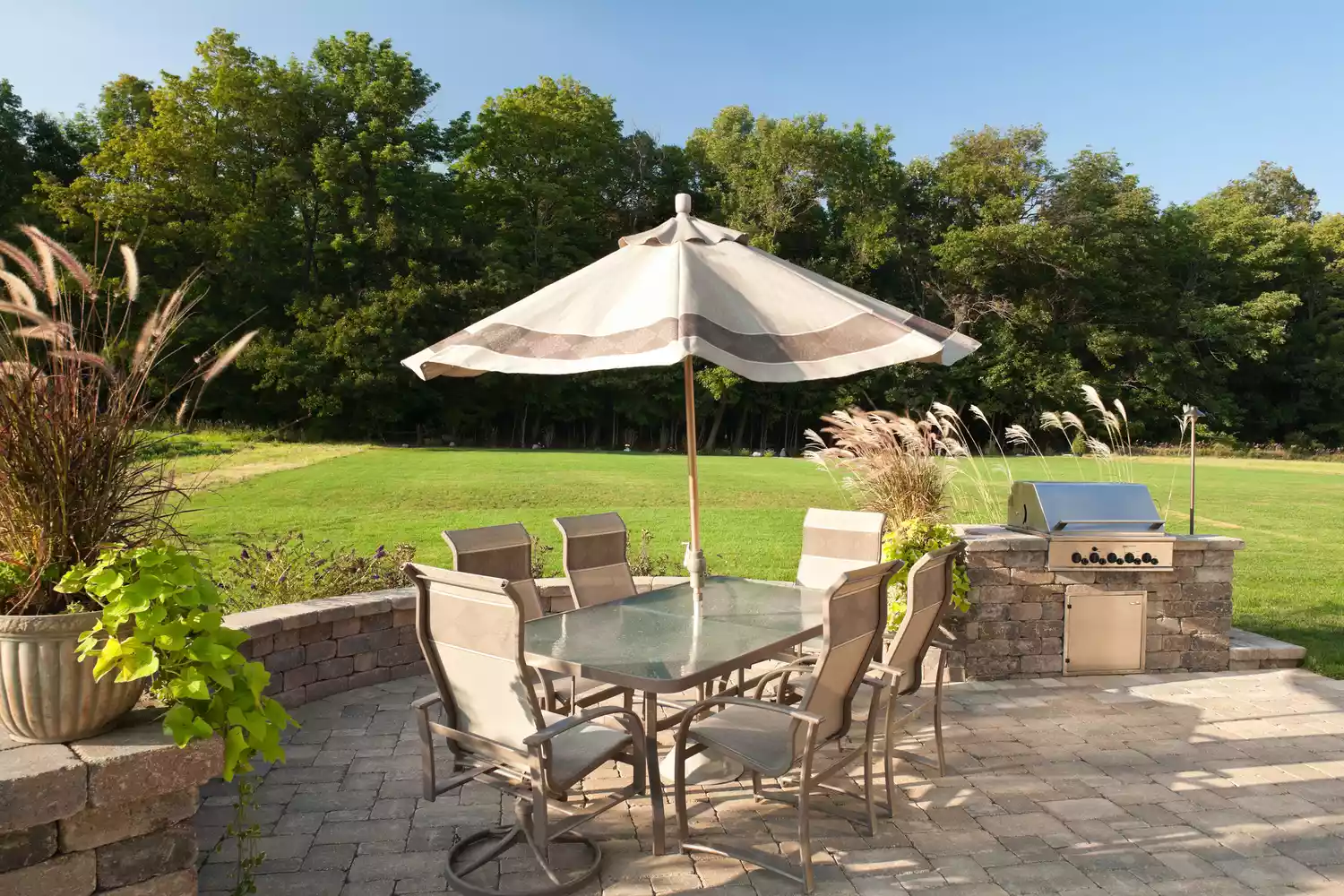
5 Things That Immediately Make Your Backyard Look Bad, According to Designers
9 Patio Design Mistakes You're Probably Making—And How to Avoid Them

Outdoor living room mistakes – 5 errors to avoid, and the tips garden designers use to get it right

5 Backyard Staples You Should Never Splurge on, According to Designers
Easy tips to give your outdoor patio a fresh look for summer, according to an expert
7 outdated rules to ignore when designing a small patio – experts say ditching them will transform your space
6 Things That Immediately Make Your Patio Look Bad, According to Designers
5 Things That Always Make Your Patio Look Empty, According to Designers

How to Get Your Outdoor Space Styled for Summer, No Matter the Size
6 Patio Decor Trends Designers Are Begging You to Skip This Season

25 Chic Backyard Ideas to Prep Your Space for Summer
6 Feng Shui Houseplant Decorating Mistakes Practitioners Want to Warn You Against
How to make a small backyard look bigger – 10 clever ways to max out your space
5 Mistakes Designers Want You to Stop Making with Your Outdoor Furniture
How to spruce up your backyard for summer hosting – Experts share 5 inspiring ideas to get rid of 'yard shame'

Our Patio Picks This Summer
6 Small Living Room Layout Mistakes You Should Never Make, According to Designers