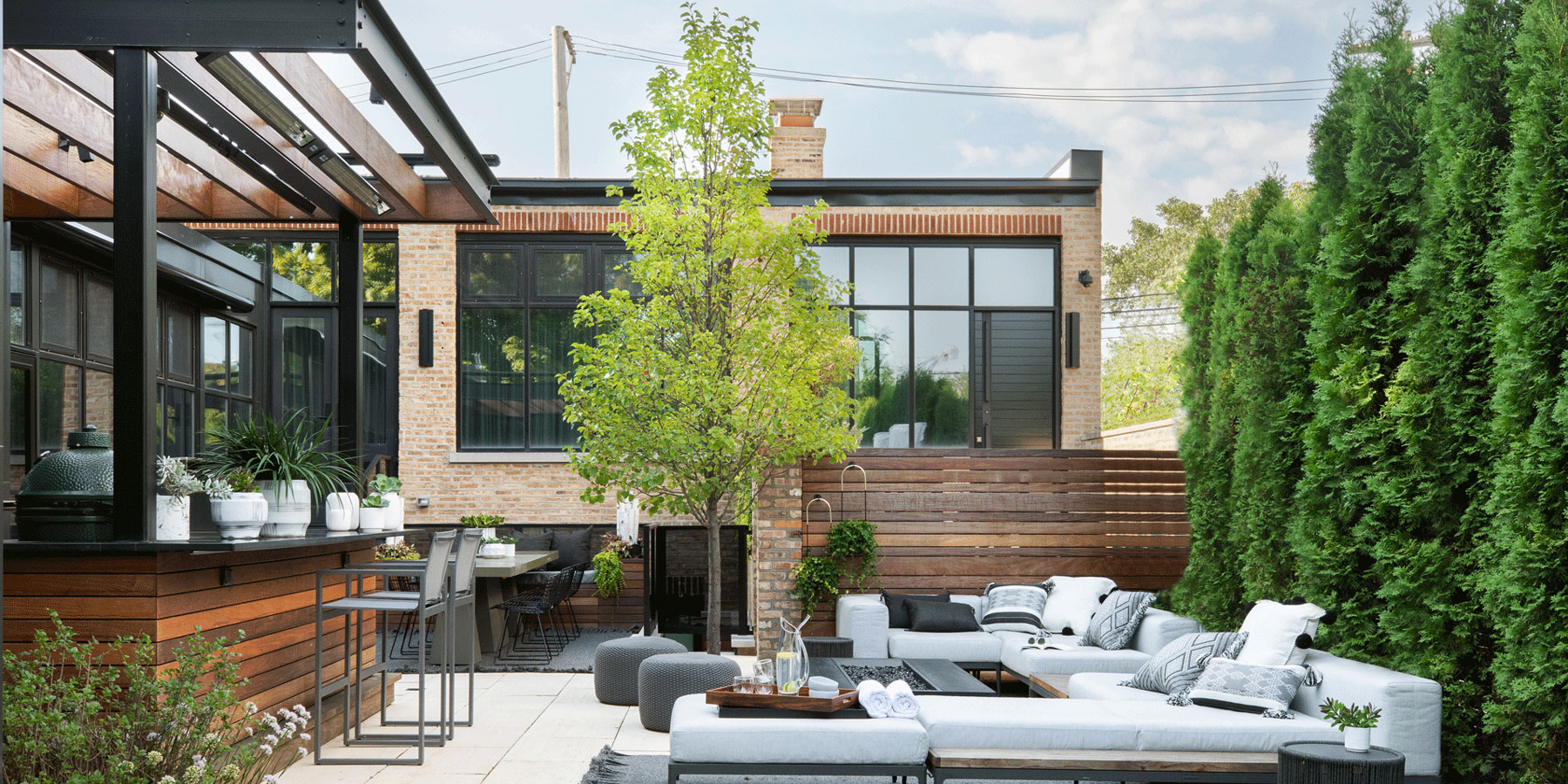
1/12
How to make a small backyard look bigger – 10 clever ways to max out your space
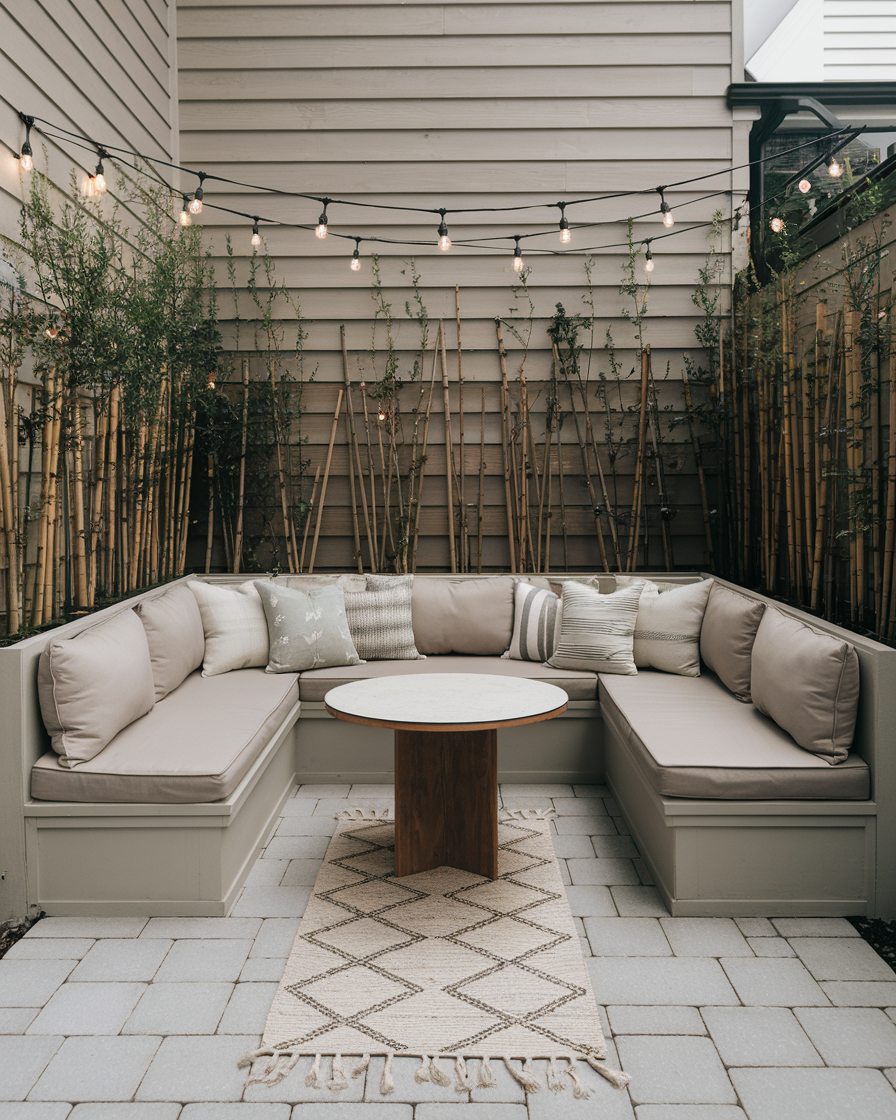
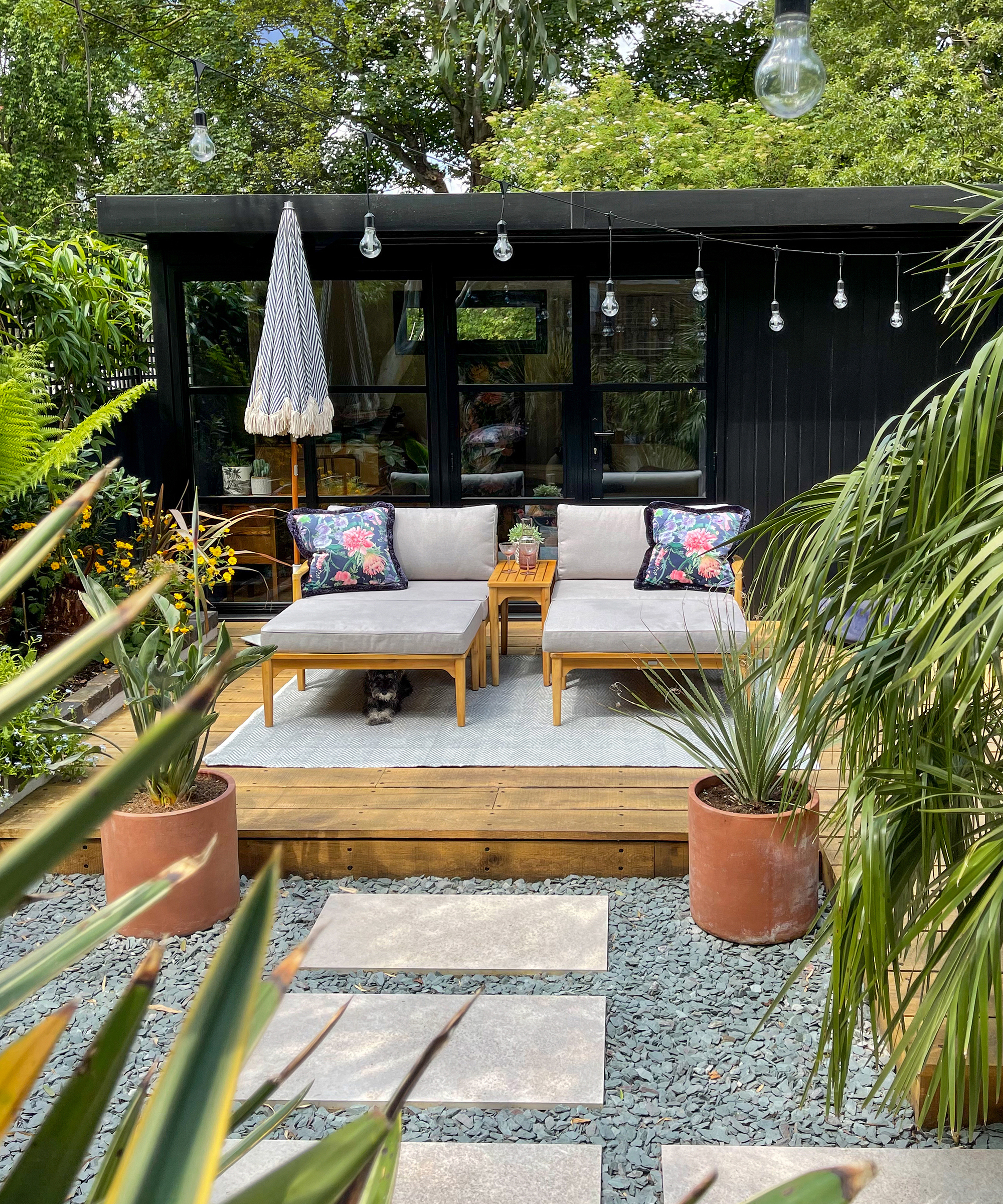
This blog post explores ten clever design strategies to create the illusion of a larger backyard, focusing on practical and aesthetically pleasing solutions for small outdoor spaces. The core principle revolves around simplicity, strategic hardscaping, and careful plant selection to avoid a cluttered appearance while maximizing potential. The article emphasizes the importance of a well-thought-out design plan and advises against over-stuffing the space with too many features.
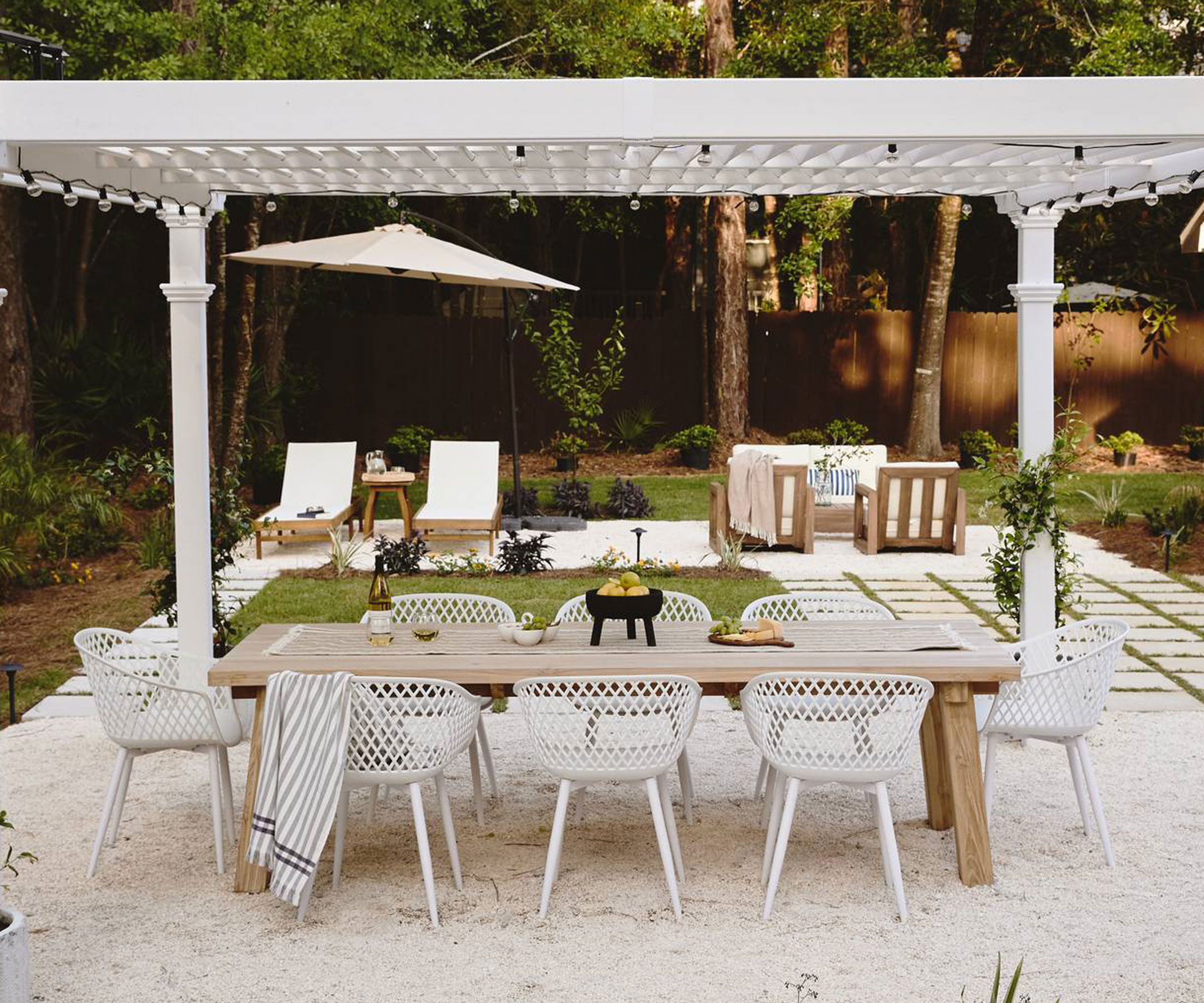
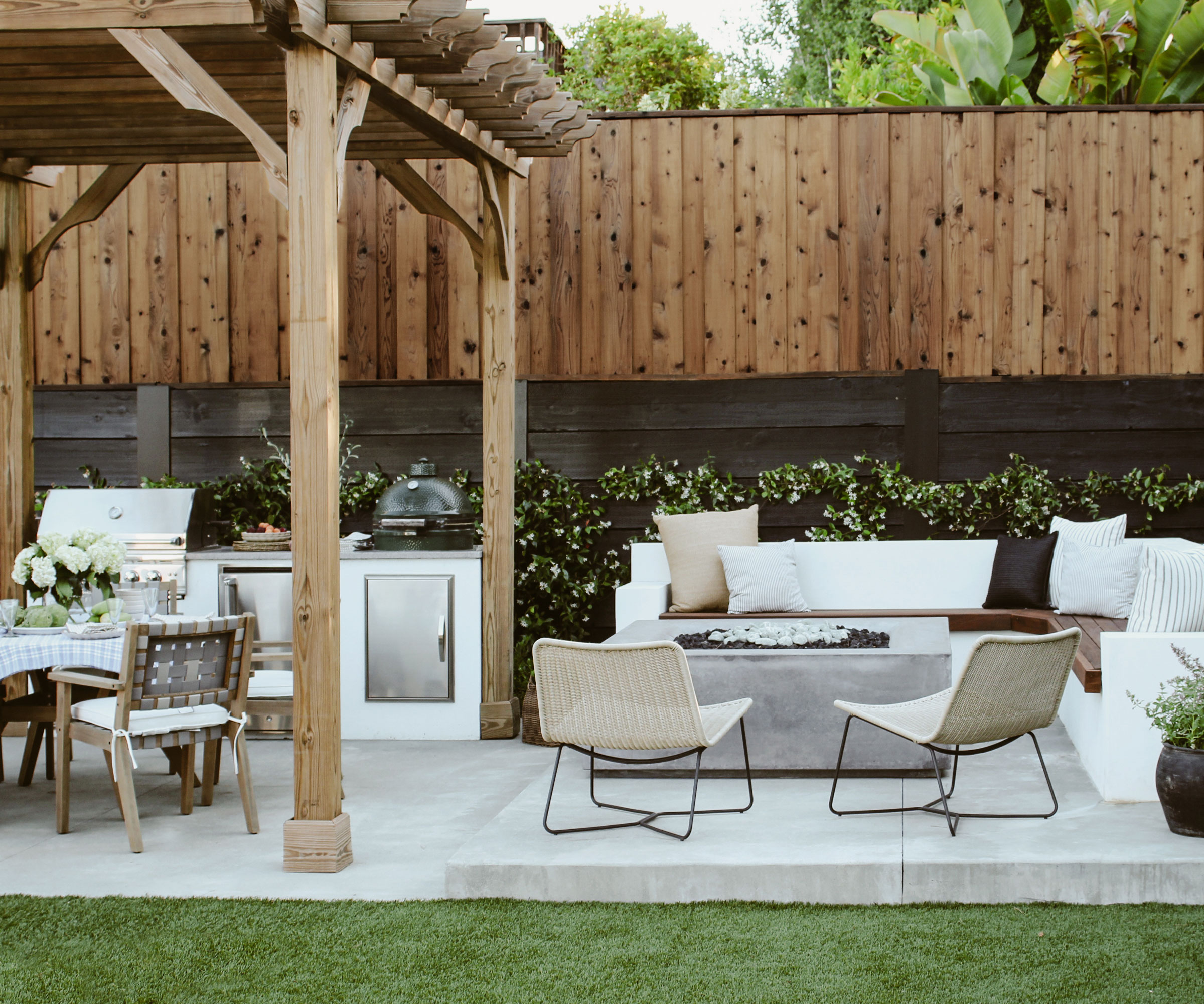
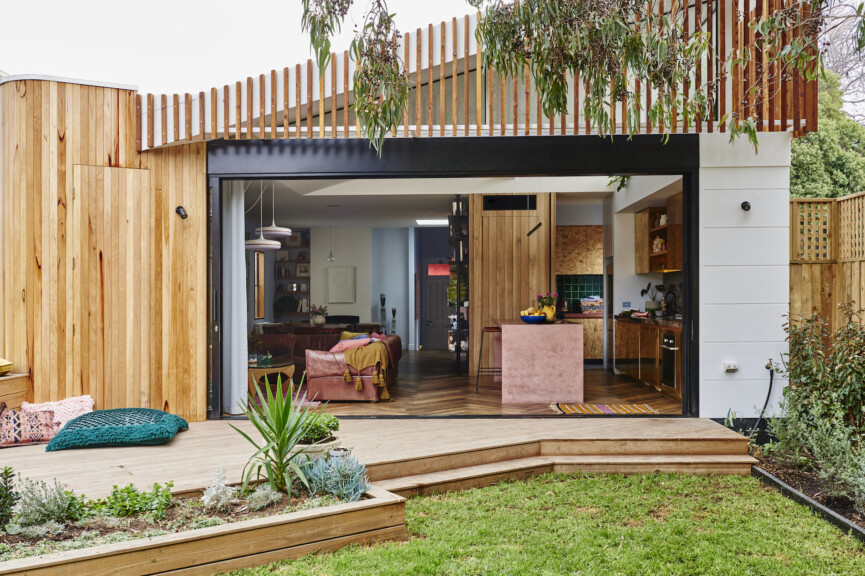
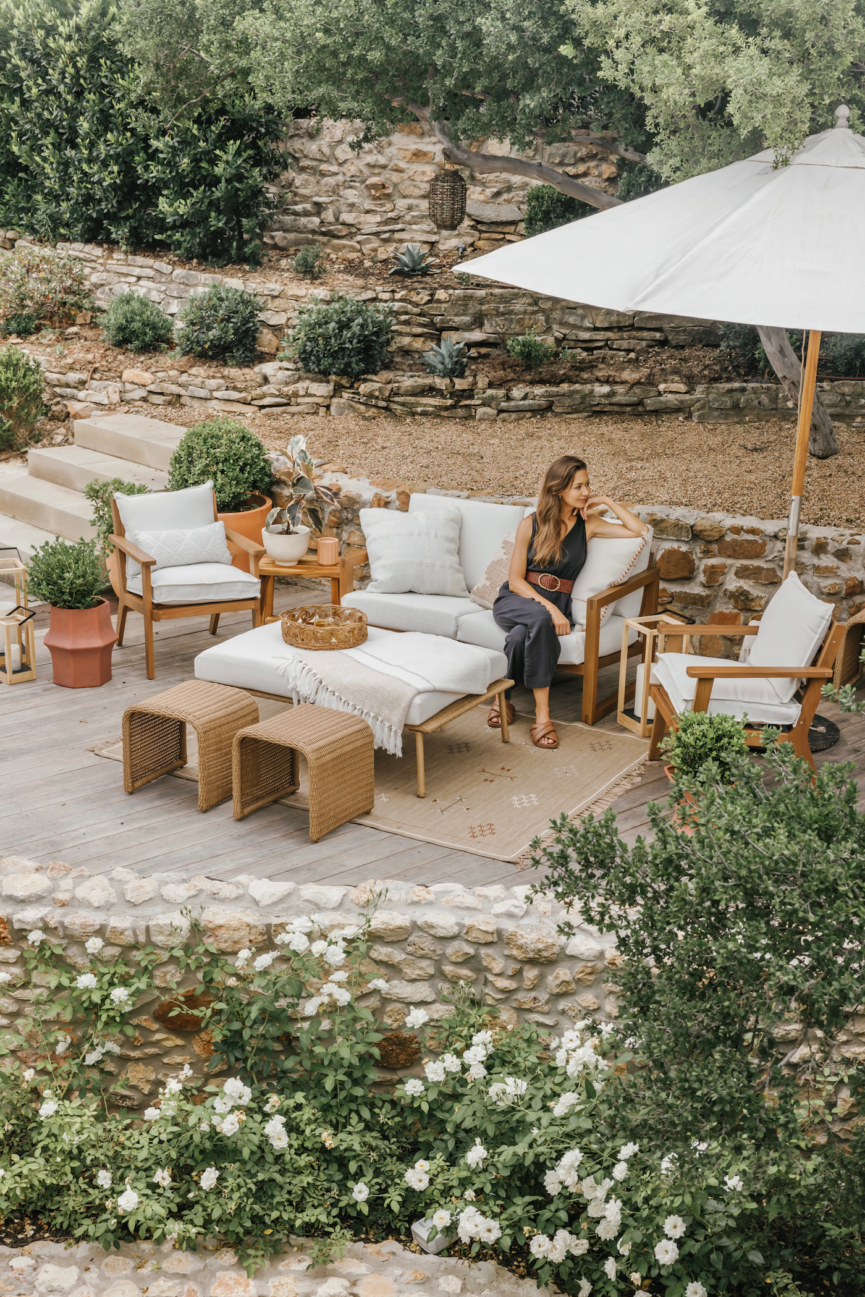
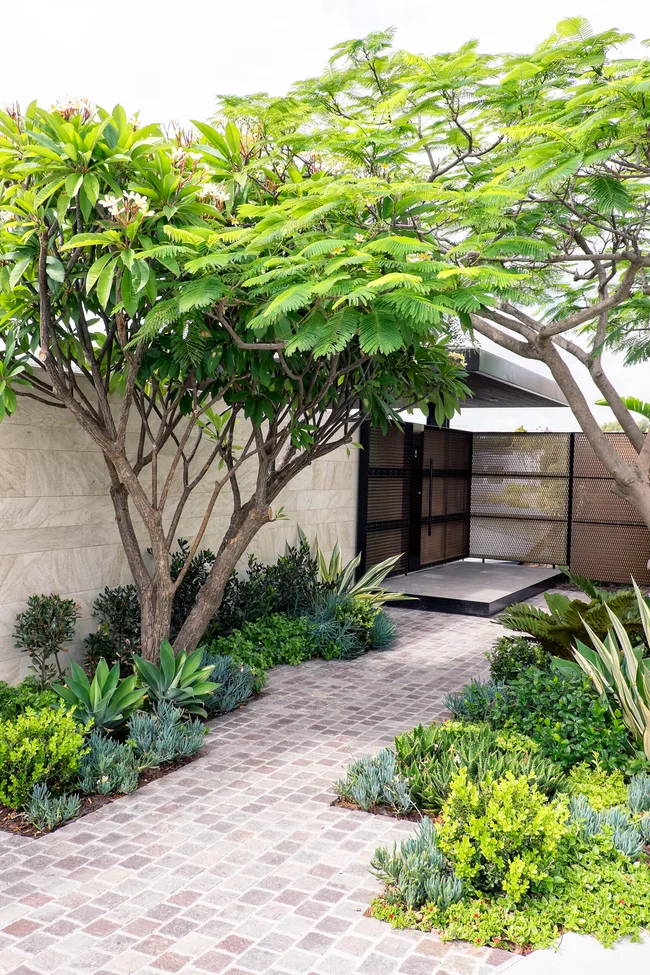
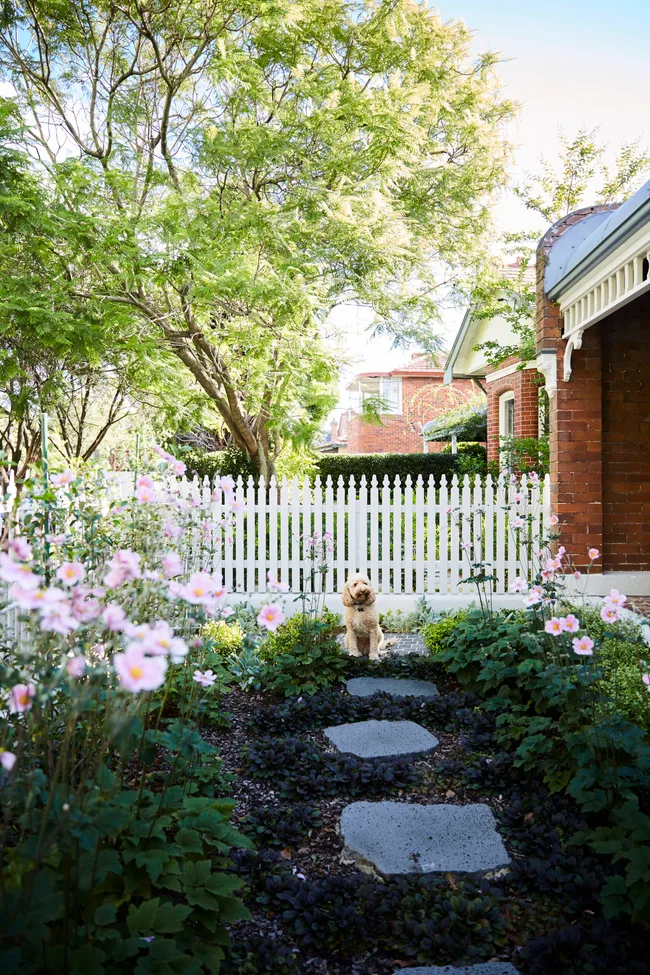
One key recommendation is to employ light colors for hardscaping and structures, which enhance brightness and create an expansive effect. Designers like Madison Popper suggest maintaining a clutter-free environment and utilizing light colors to boost the perception of space. The article also highlights the benefit of 'borrowing' adjacent landscapes, integrating existing natural elements beyond the property line to visually extend the garden's boundaries. This can involve strategic planting that blends with distant trees or even incorporating mirrors to create a trompe l'oeil effect, making the garden appear to continue indefinitely.
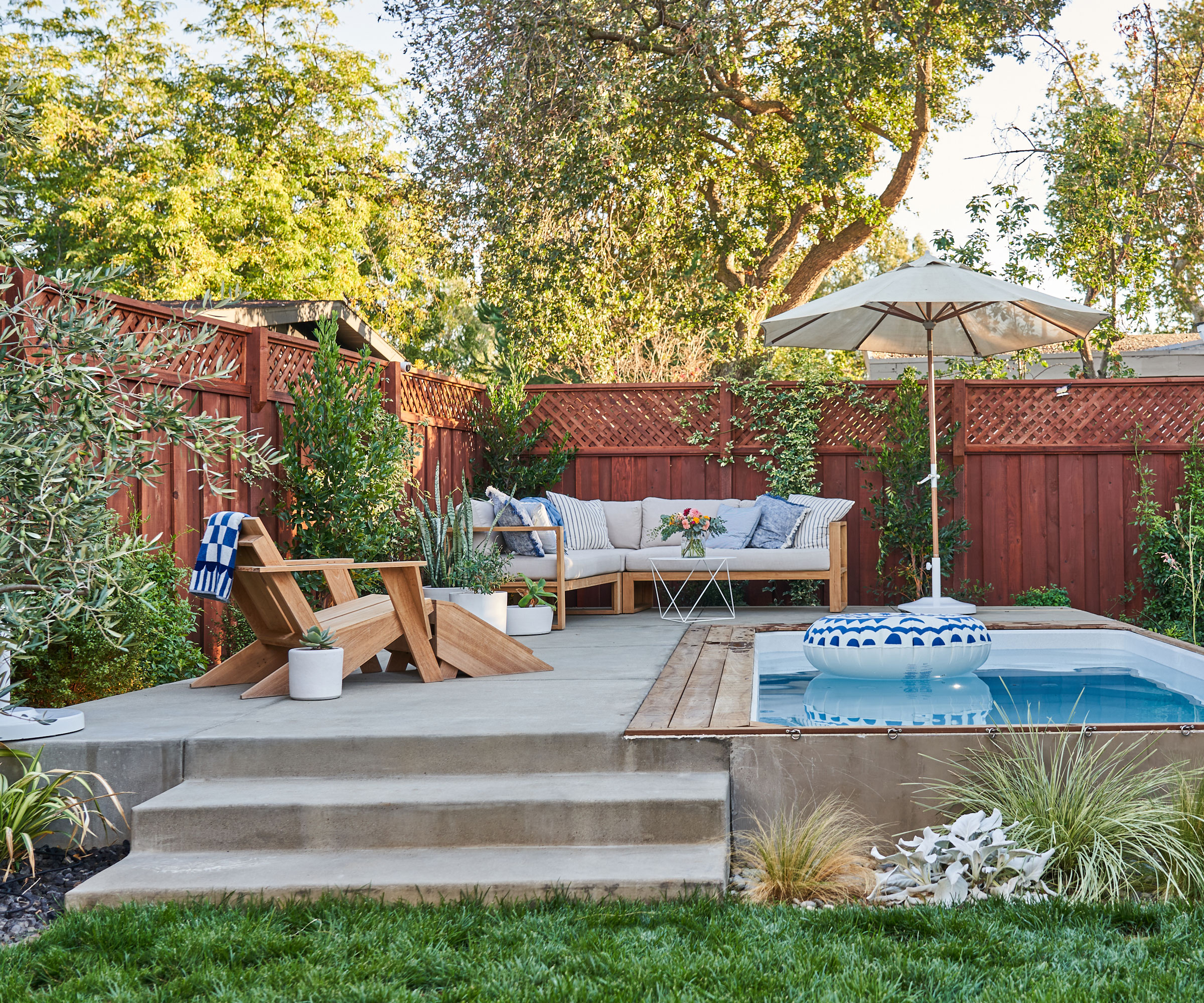
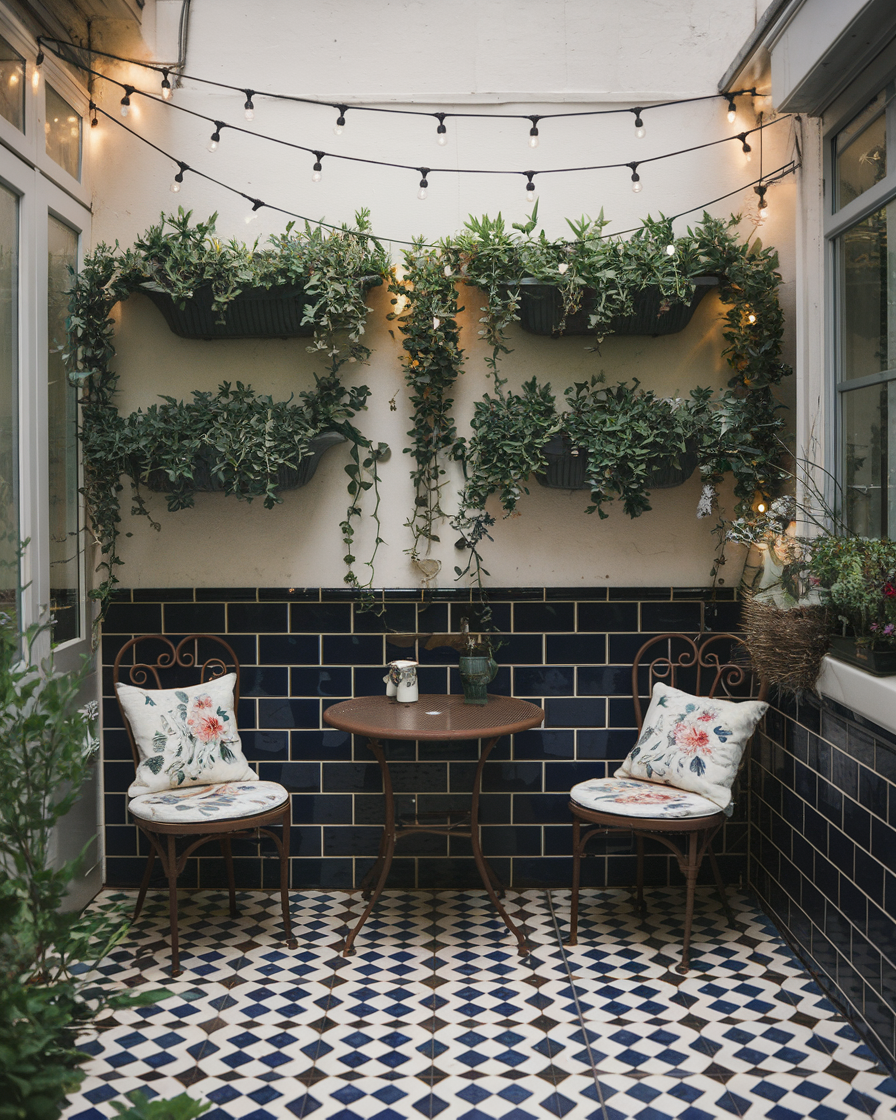
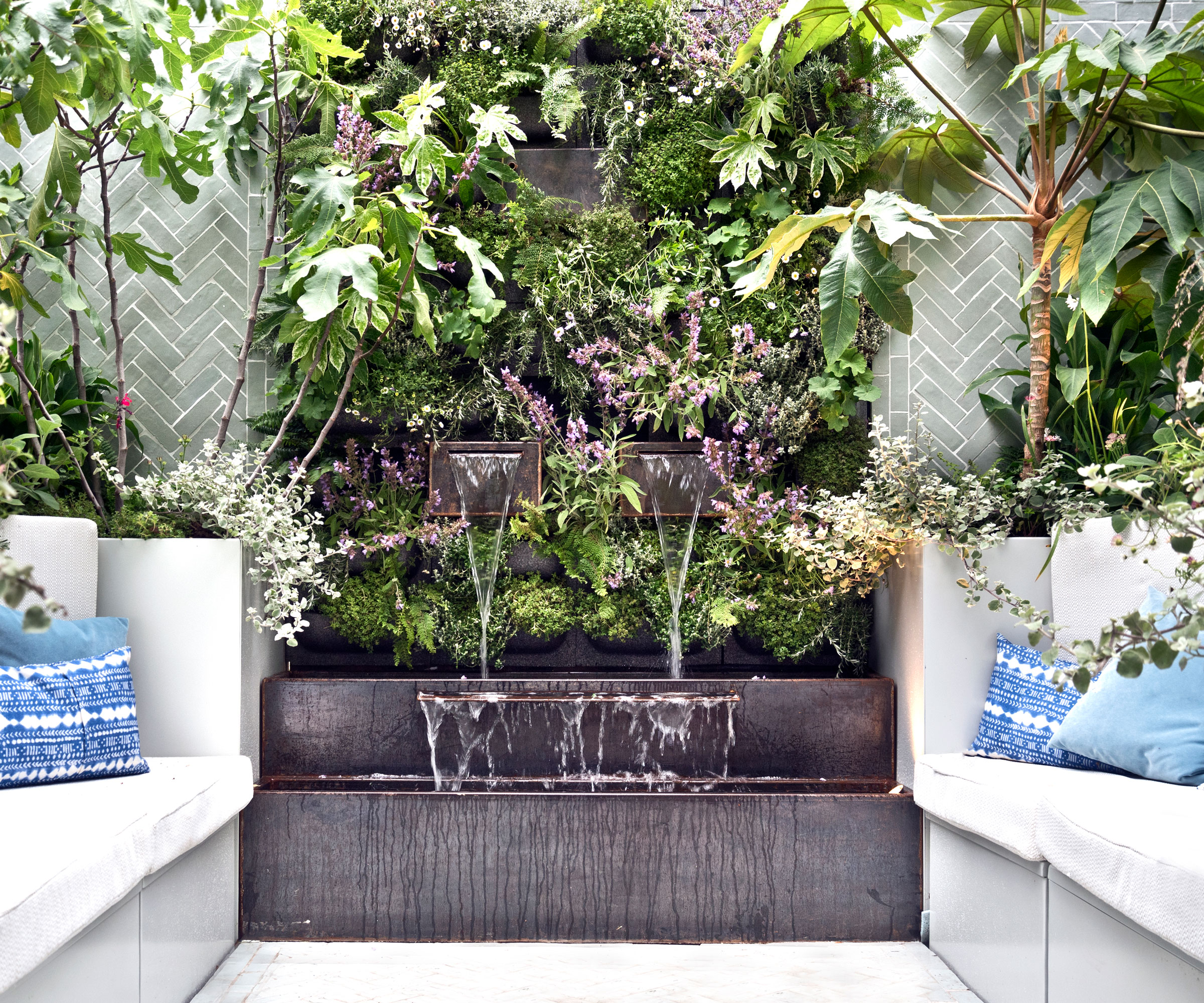
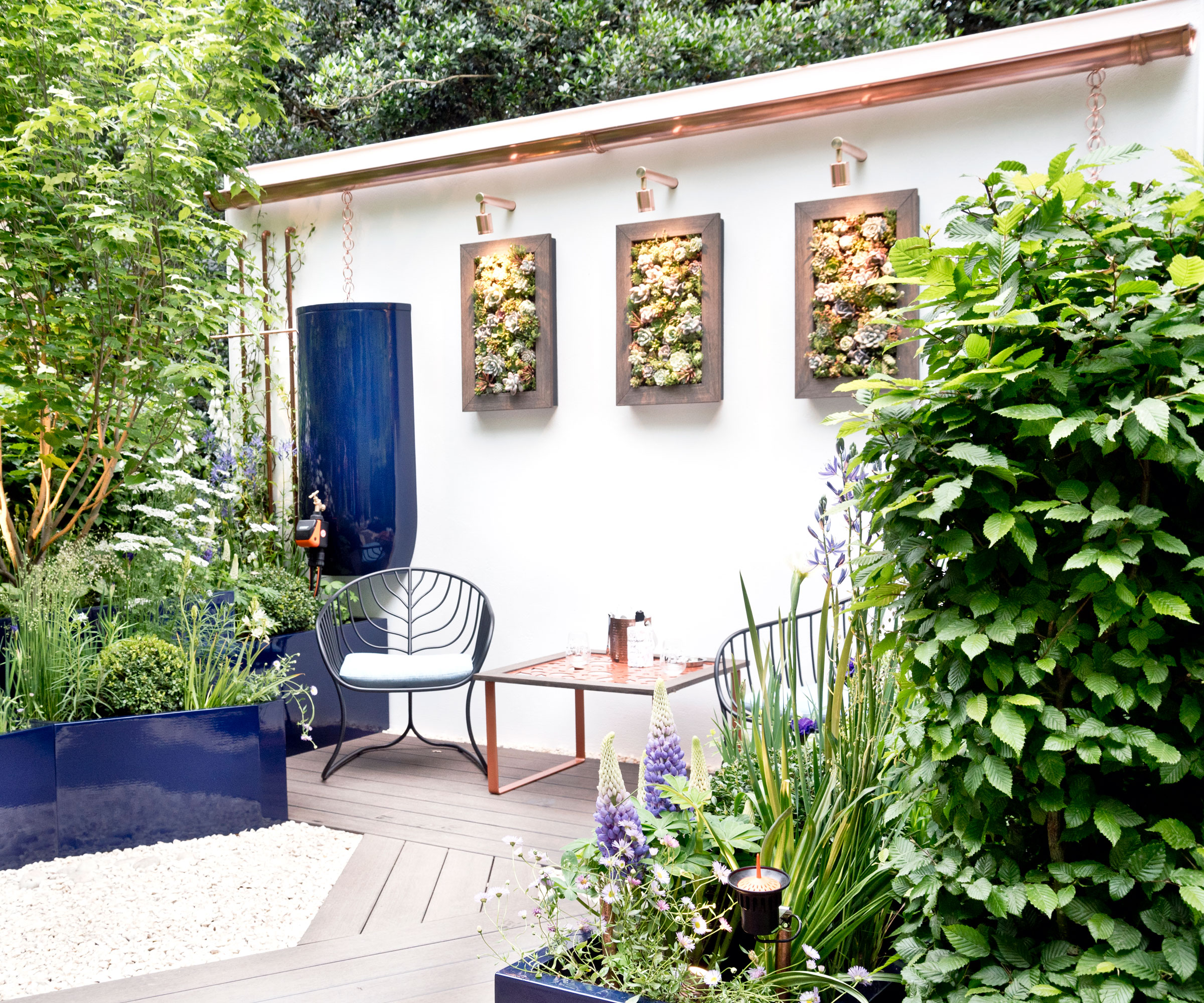
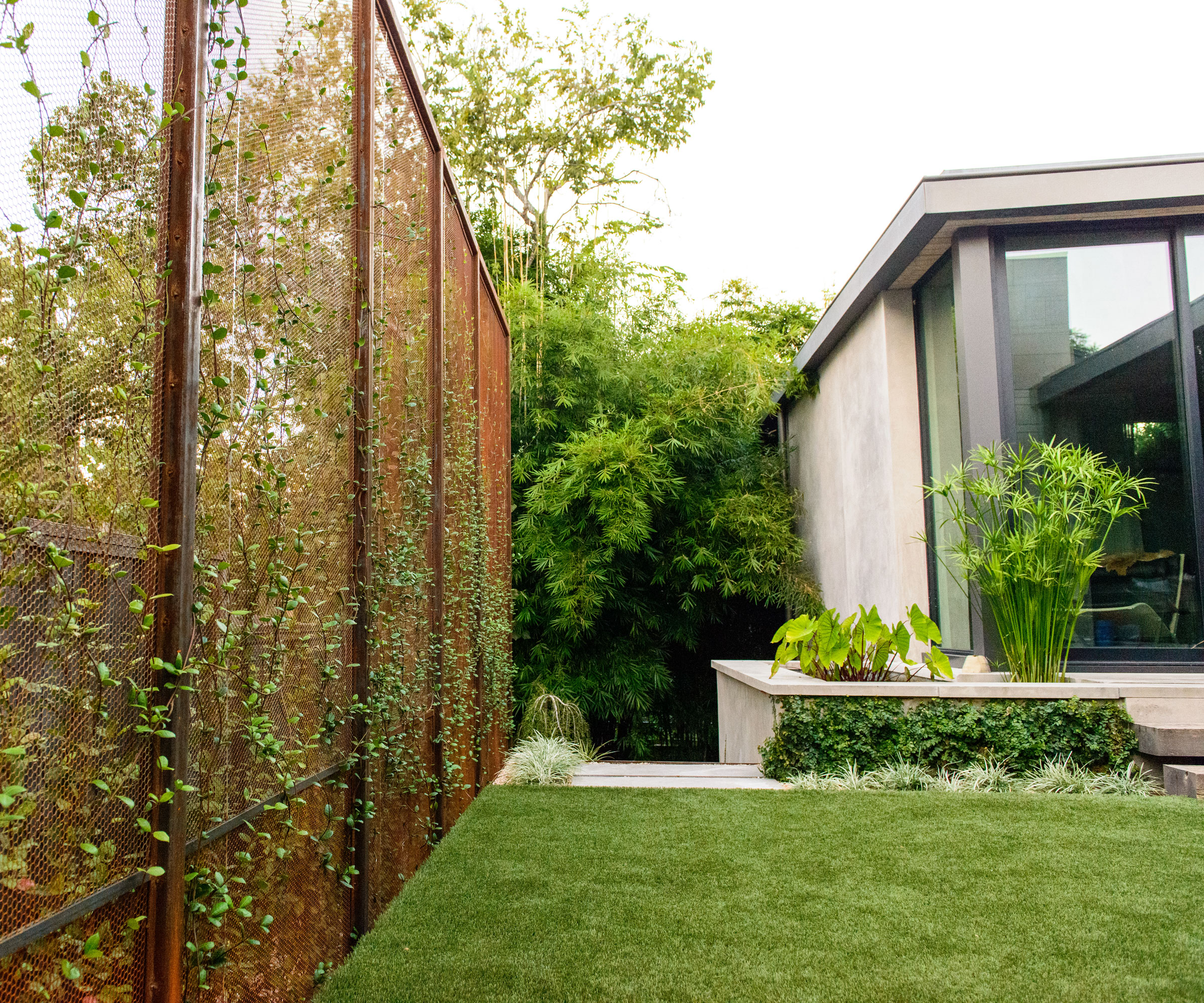
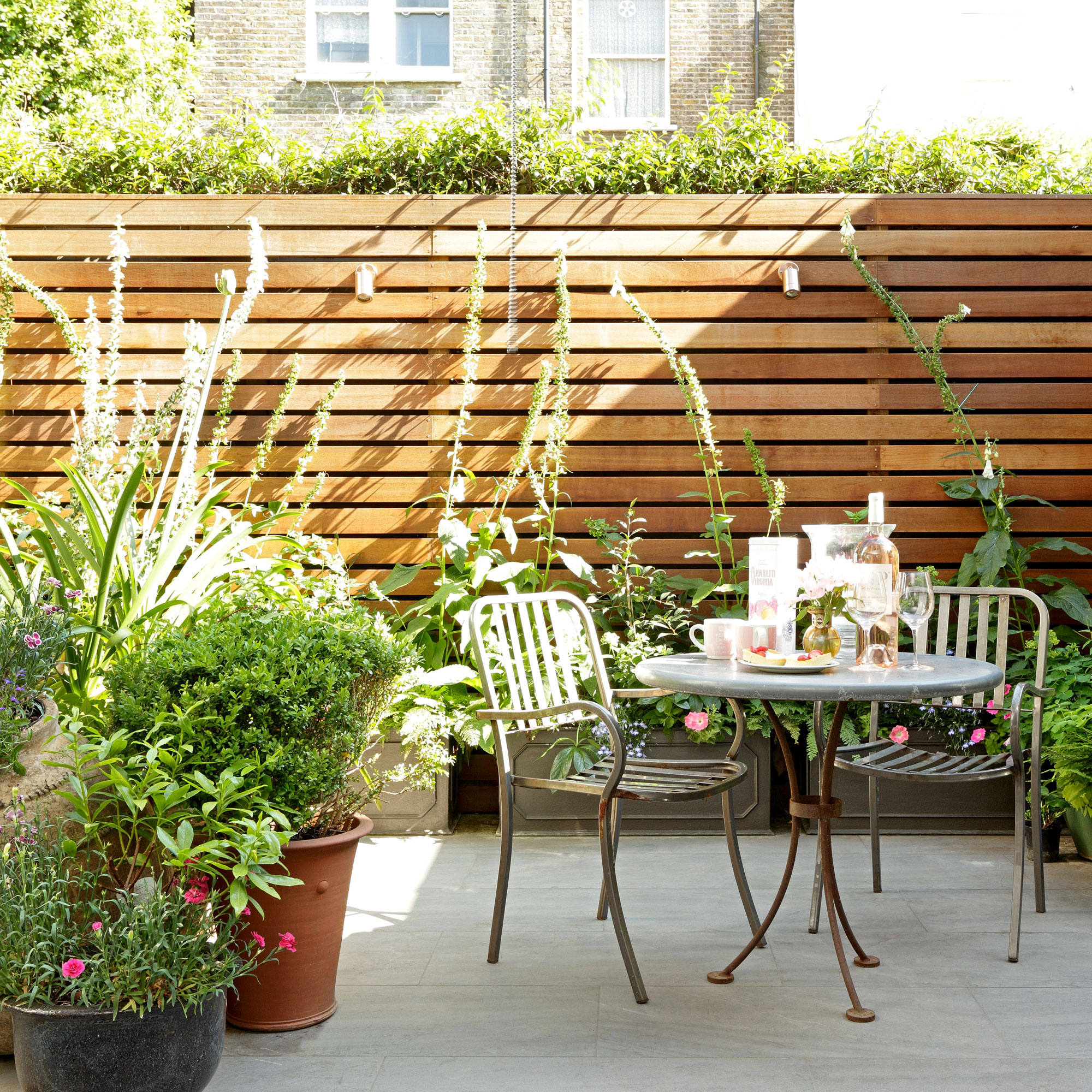
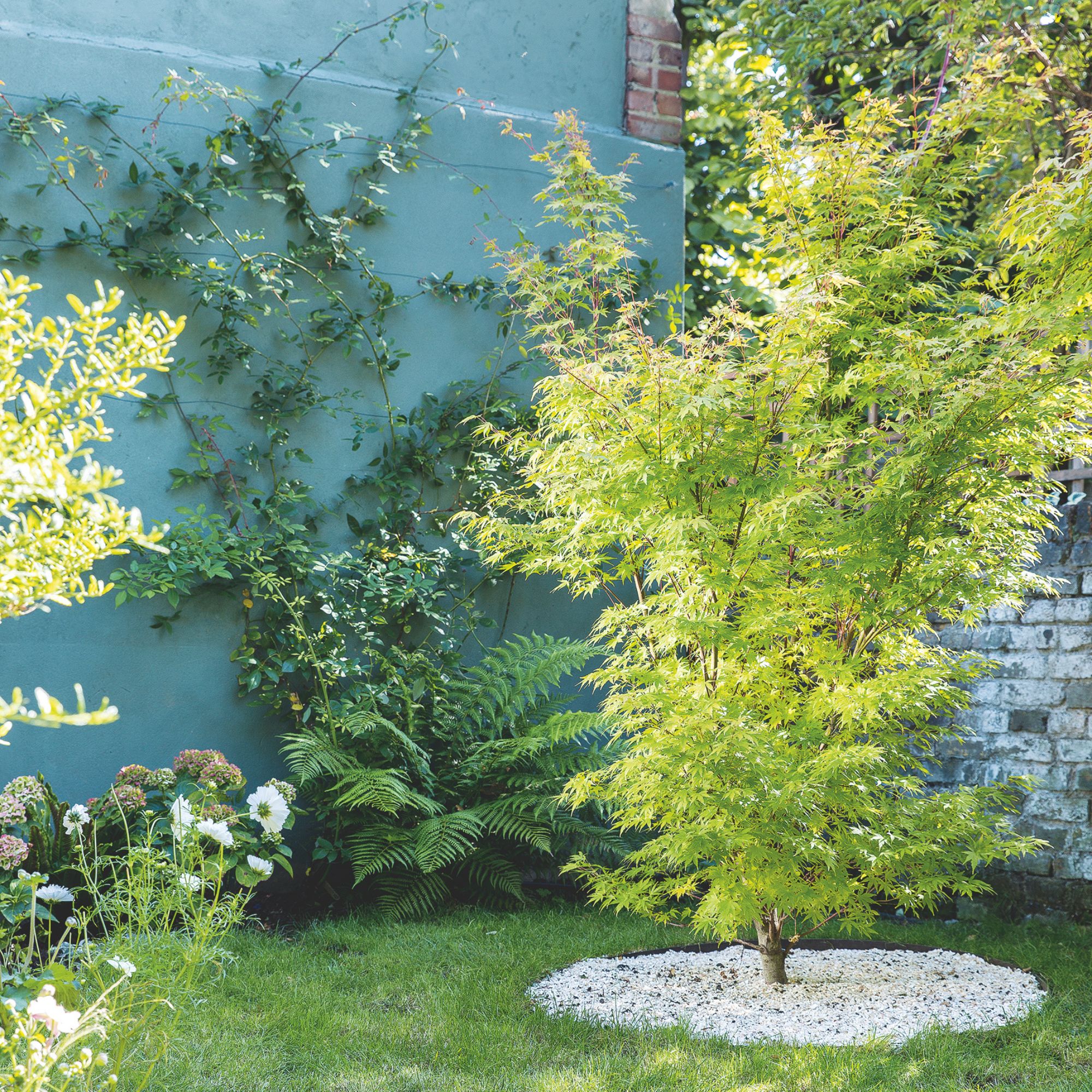
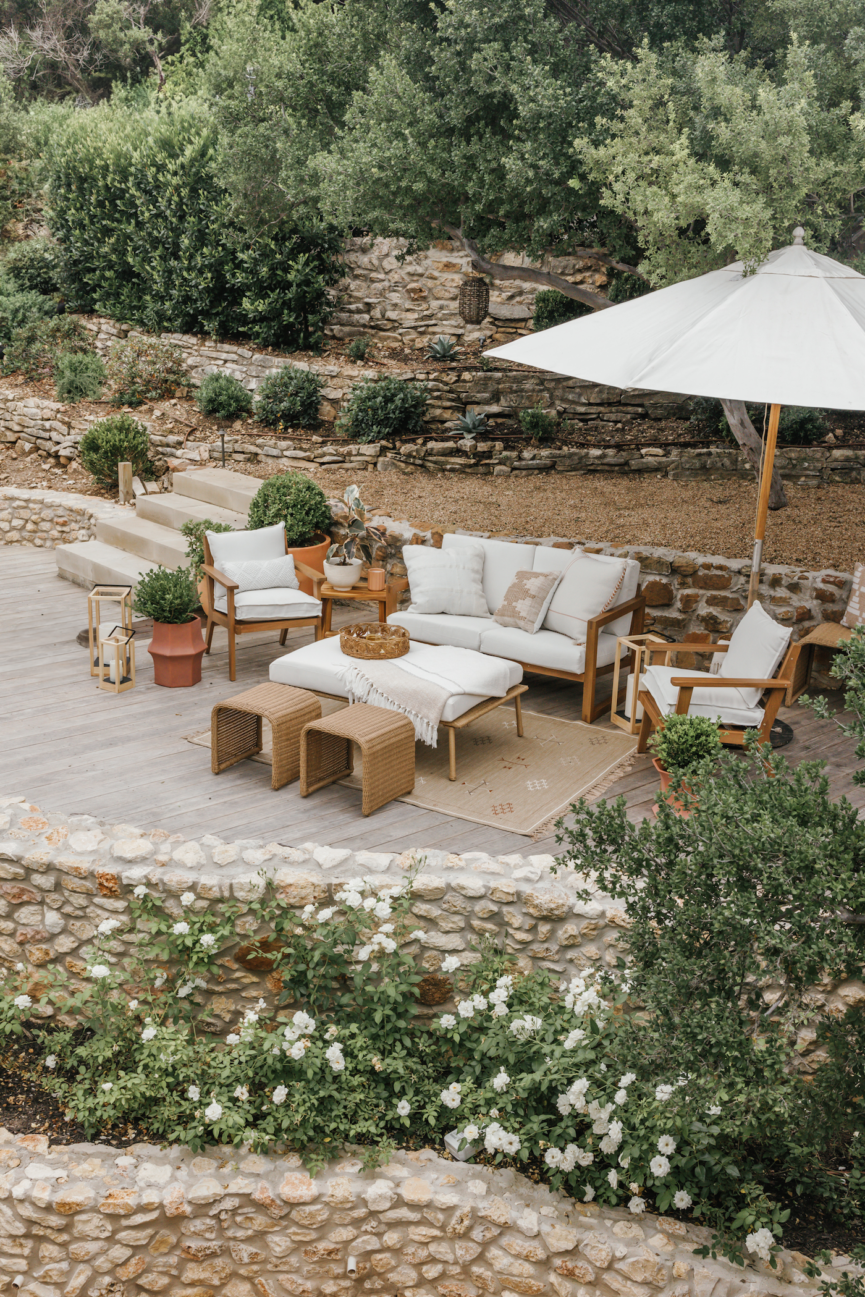
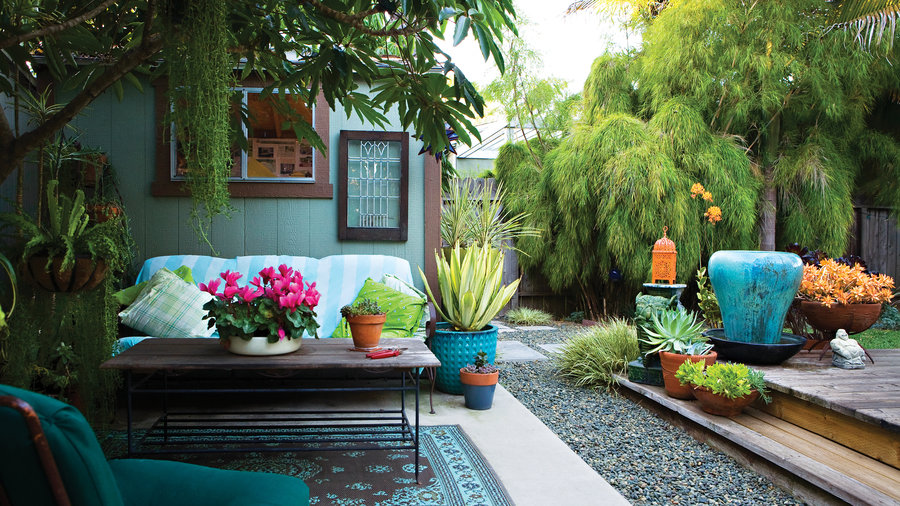
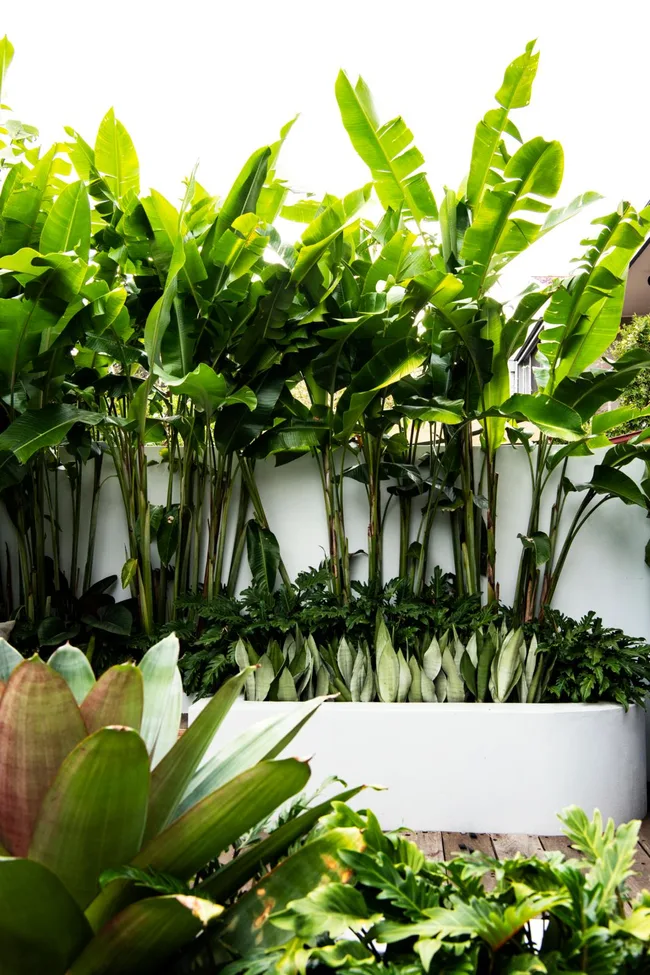
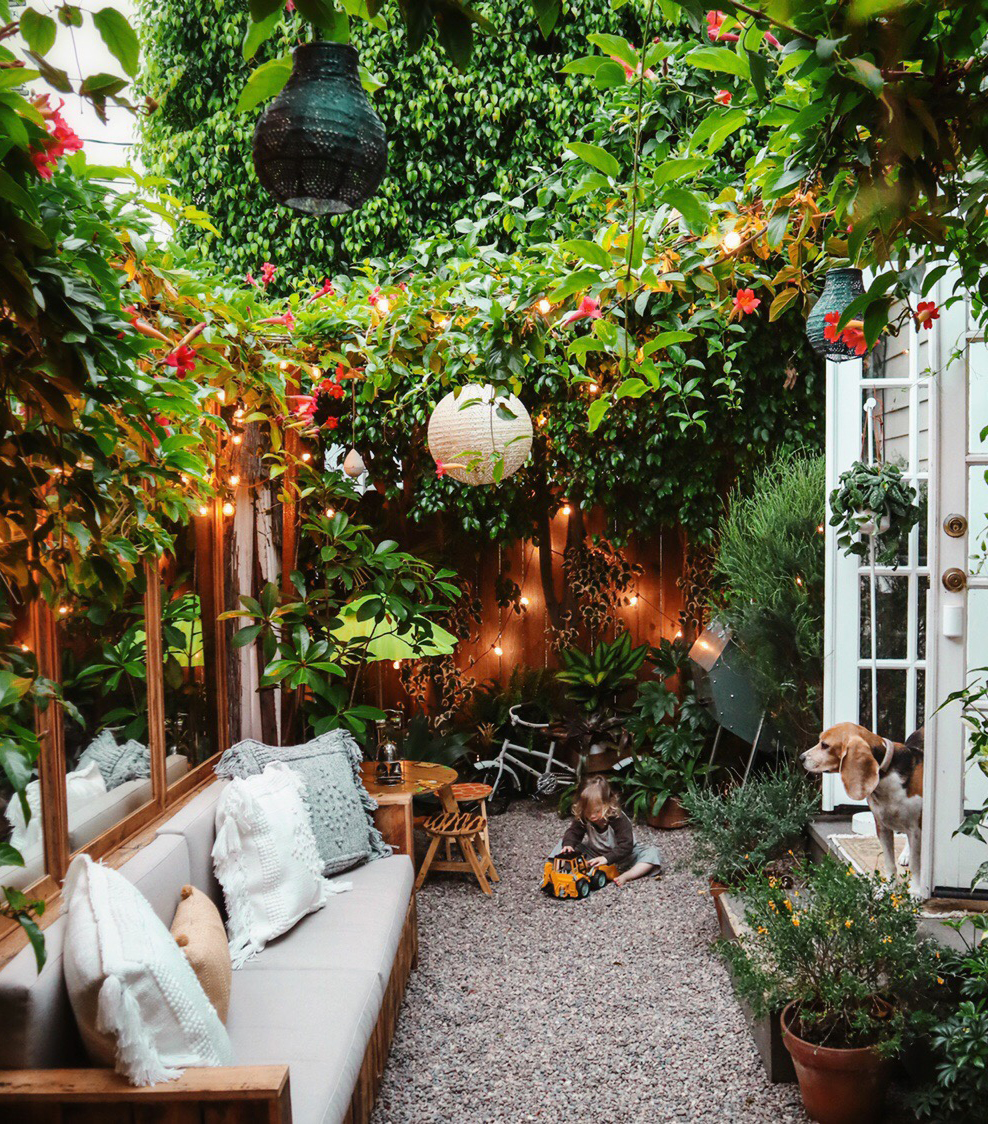
Vertical gardening is presented as an effective method to green up small backyards without consuming valuable ground space. Tall, slender plants and layered planting along boundary walls are recommended to soften and disguise perimeters, blurring the lines and making the space feel less defined. The article advises sticking to a limited color palette for plants and choosing larger pots to avoid a cluttered look. Furthermore, incorporating different levels and steps is suggested for adding depth and interest, especially in sloped gardens. Thoughtful transitions between two to three levels can create a sense of journey and expansion without overwhelming the senses.
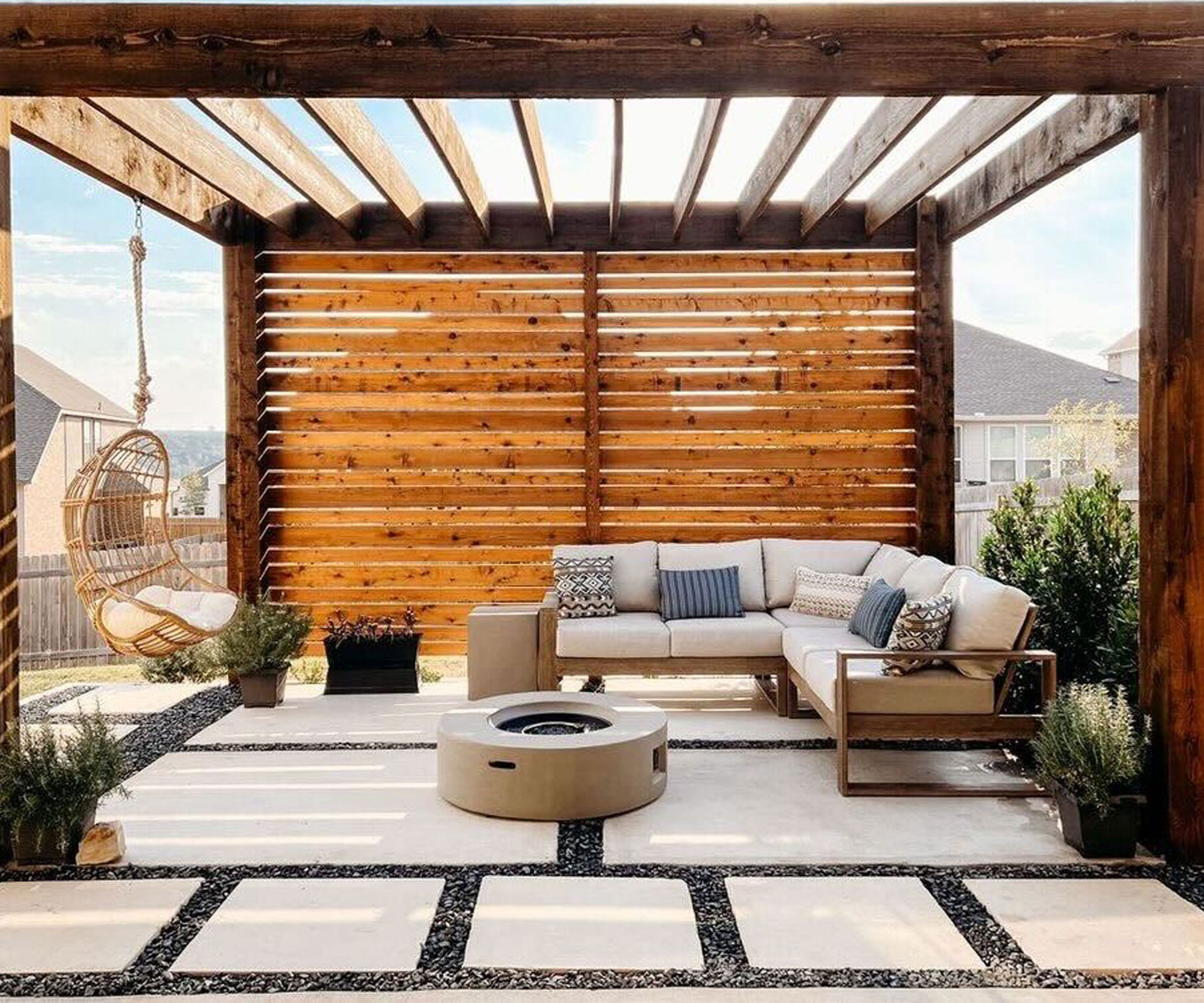
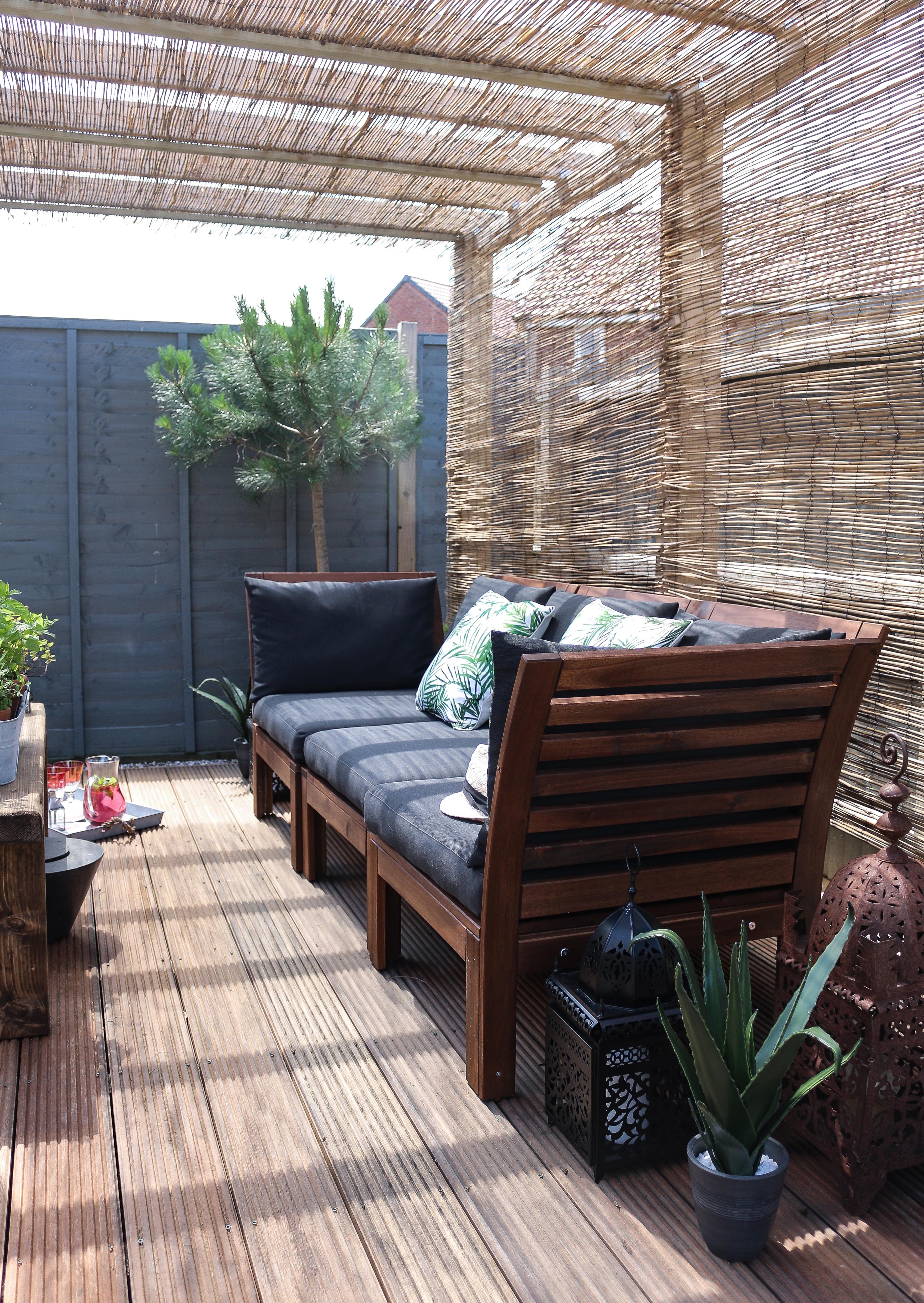
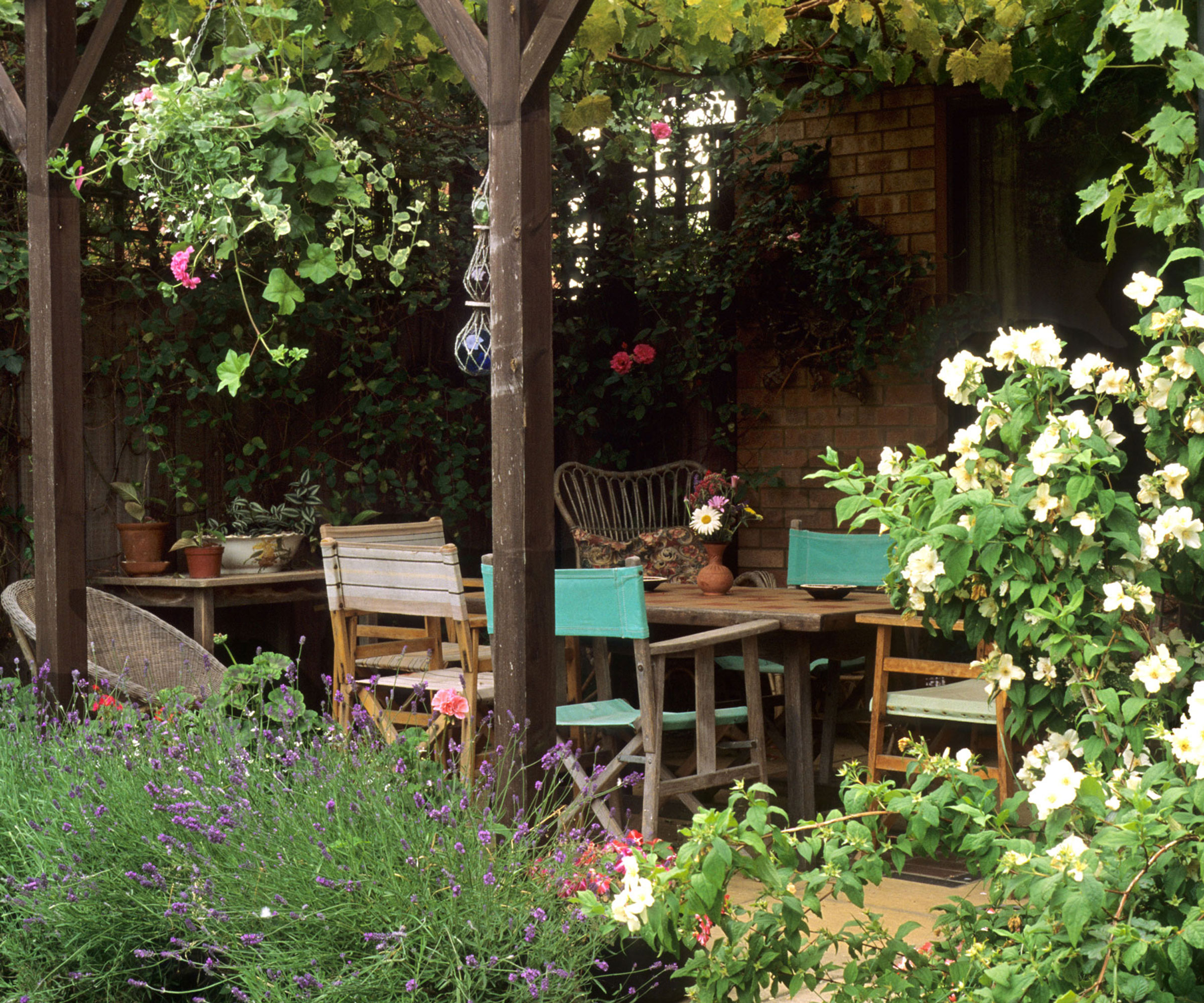
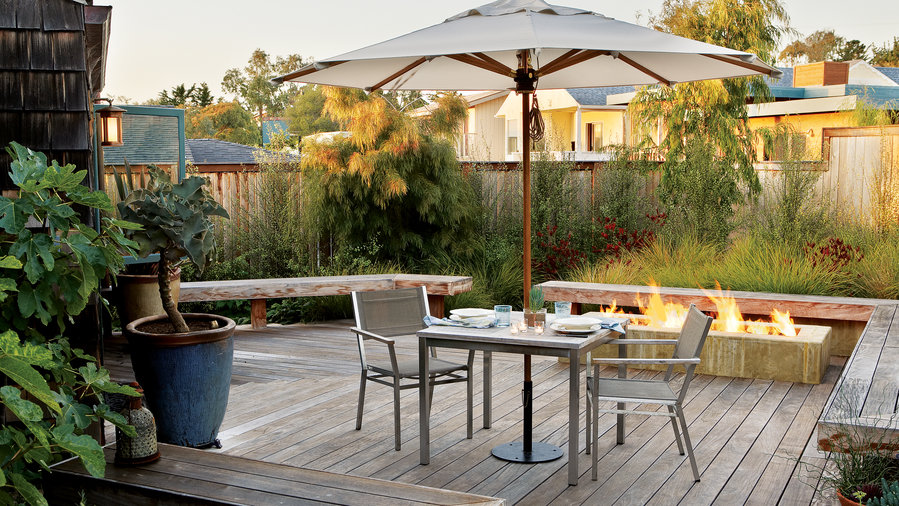
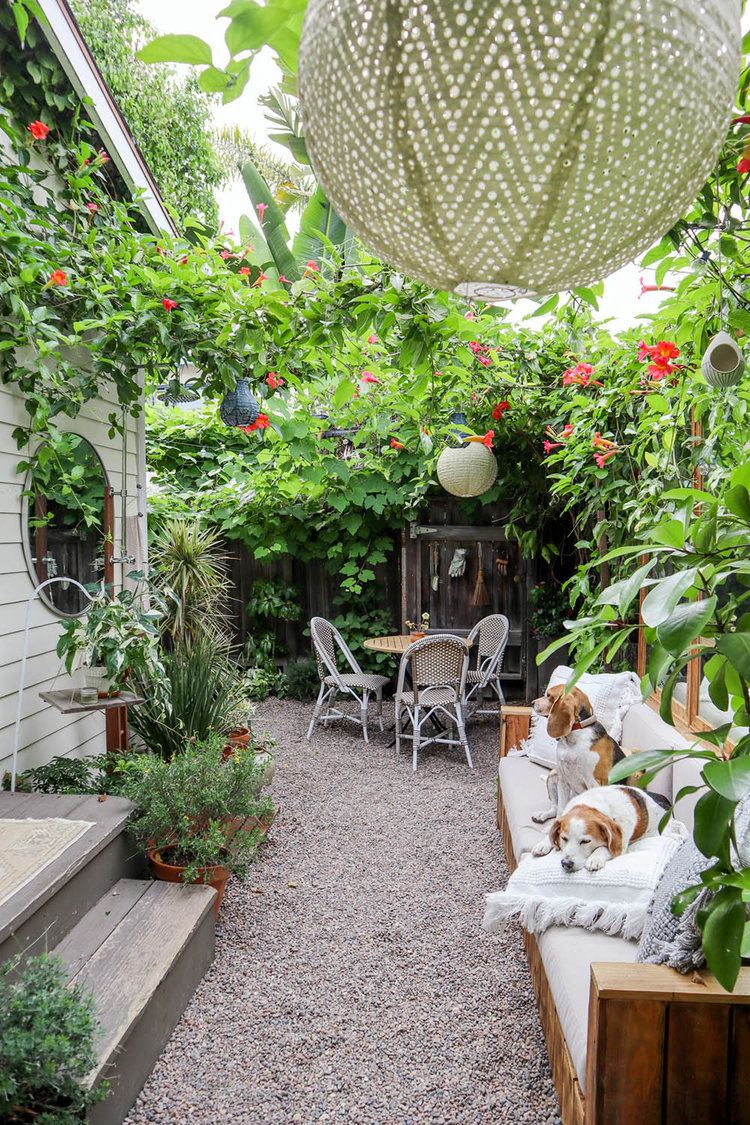
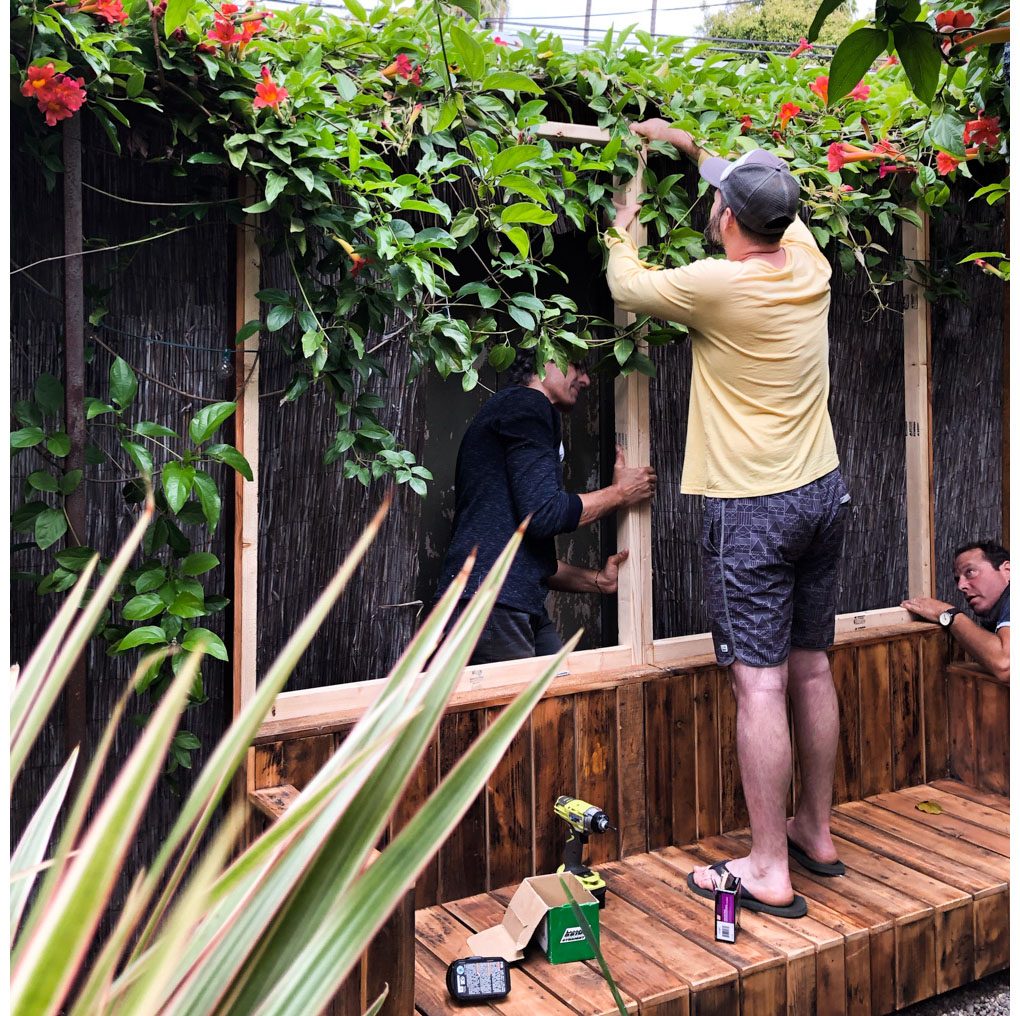
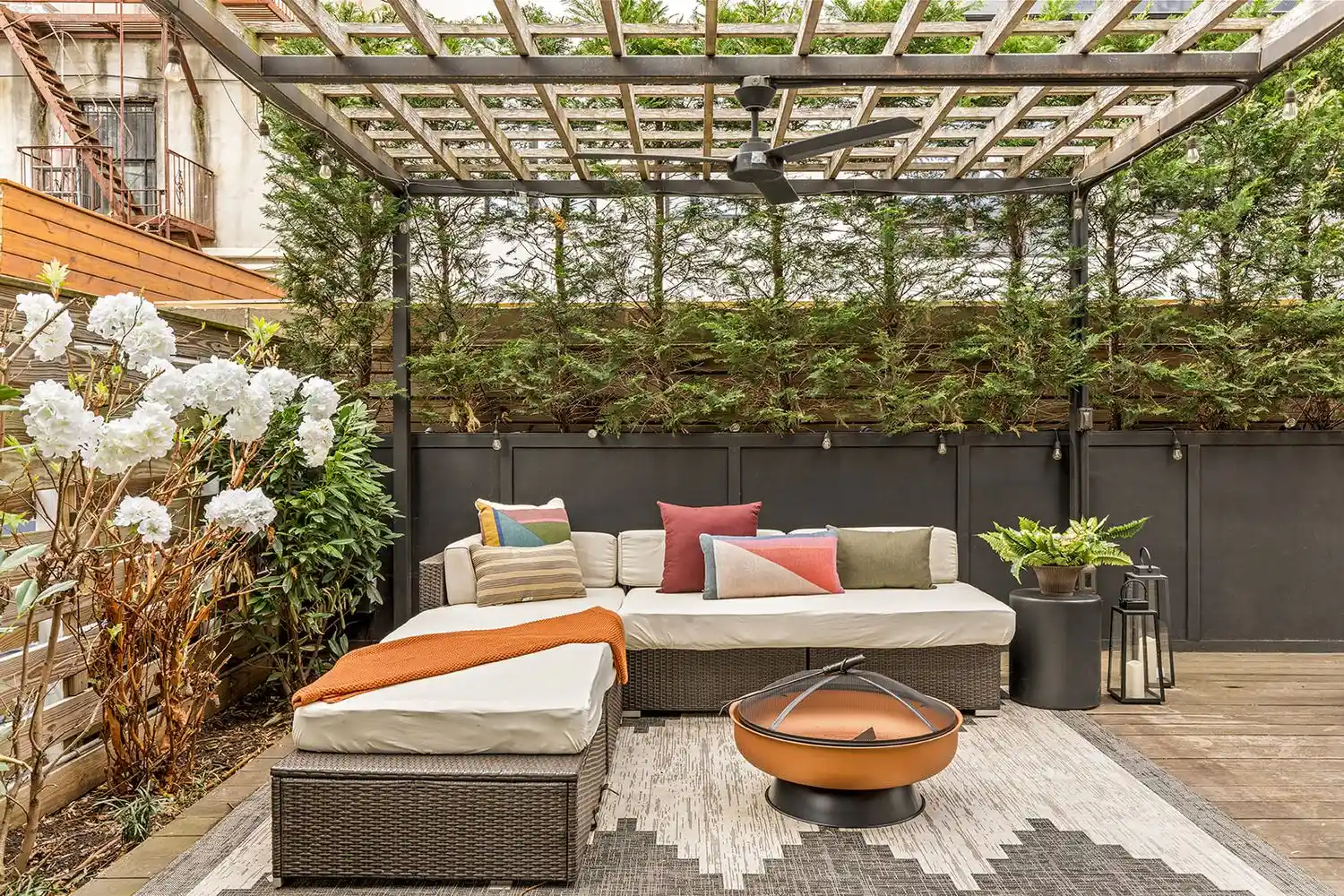
Climbing plants are highlighted for their ability to draw the eye upwards, enhancing the feeling of vertical space and effectively masking unsightly structures. Dividing the backyard into distinct zones using pergolas or screens is another effective technique to create intrigue and a 'slow reveal' effect, making the space feel larger as different areas are discovered. This approach avoids presenting the entire garden at once, fostering a sense of exploration.
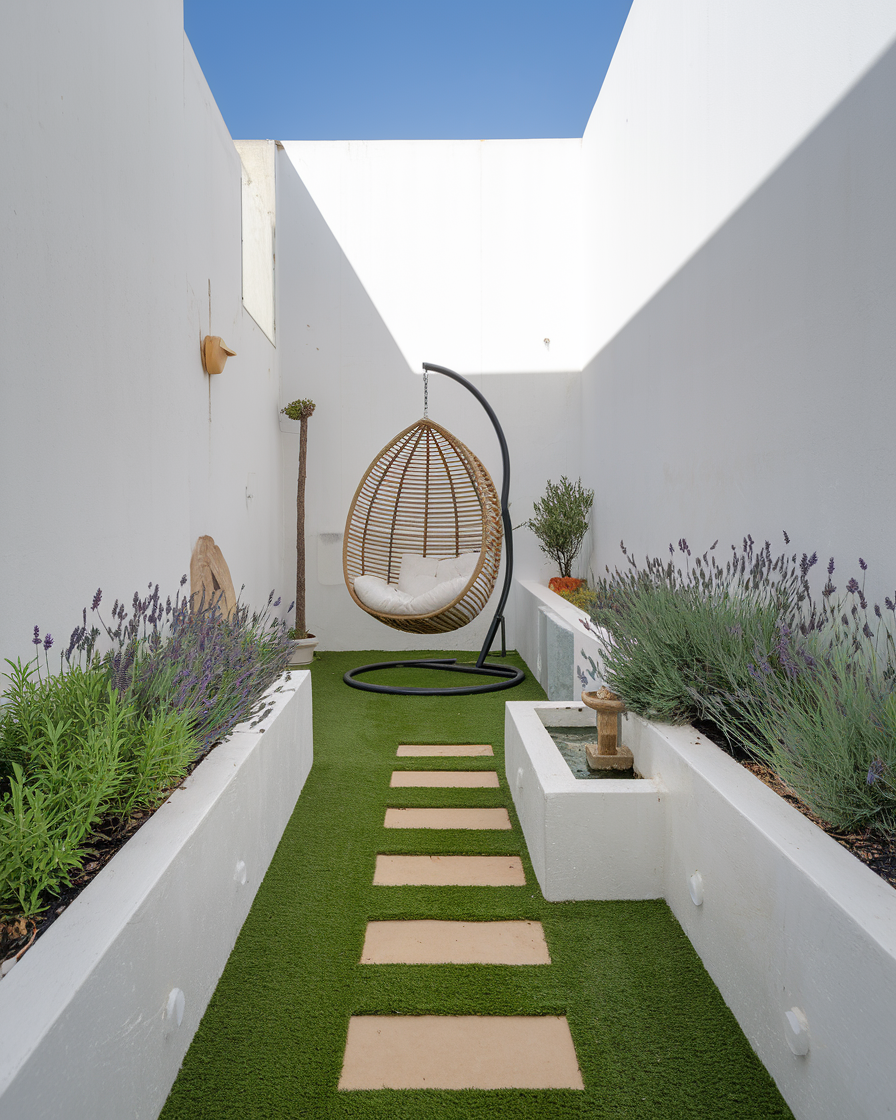
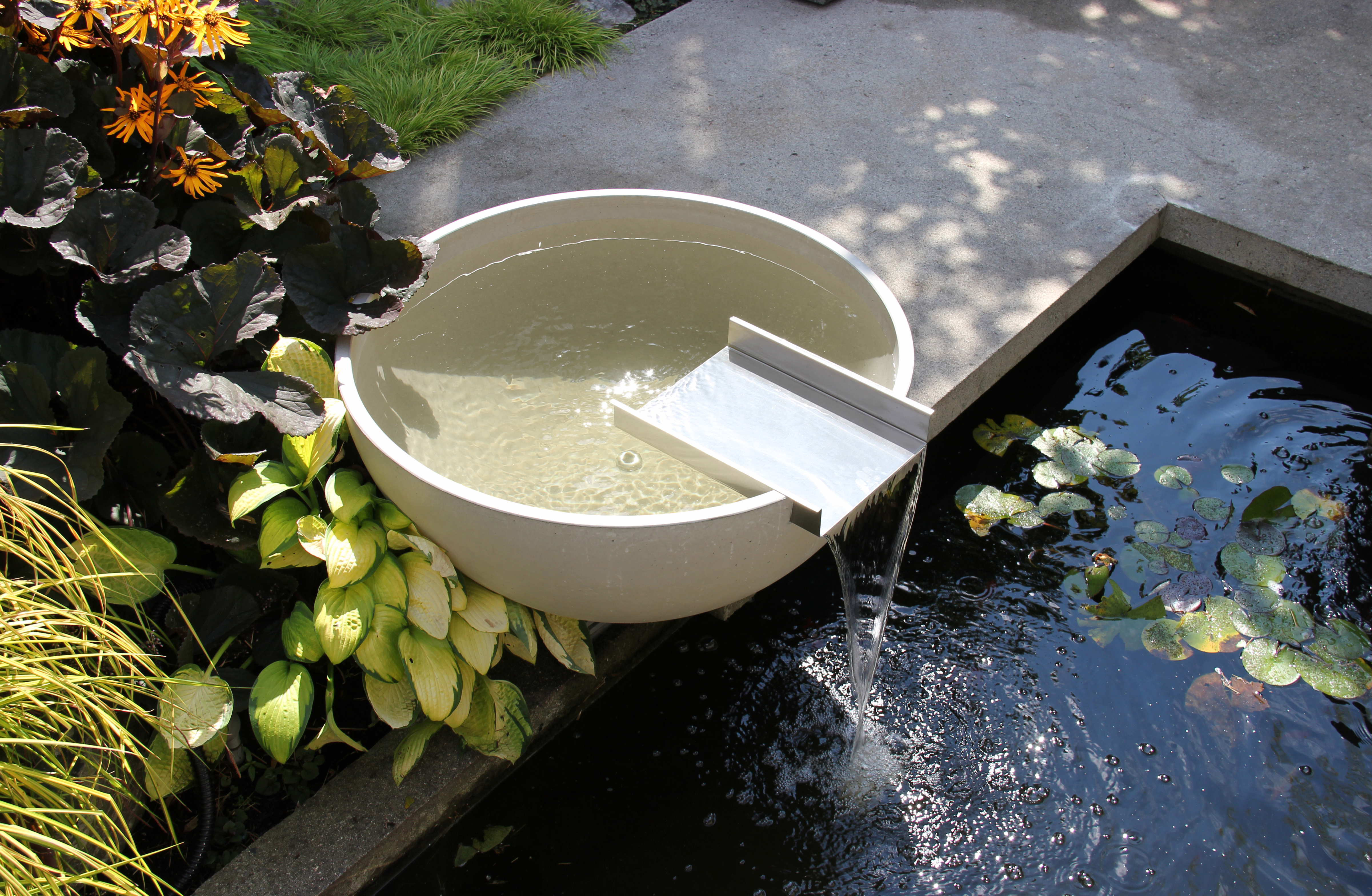
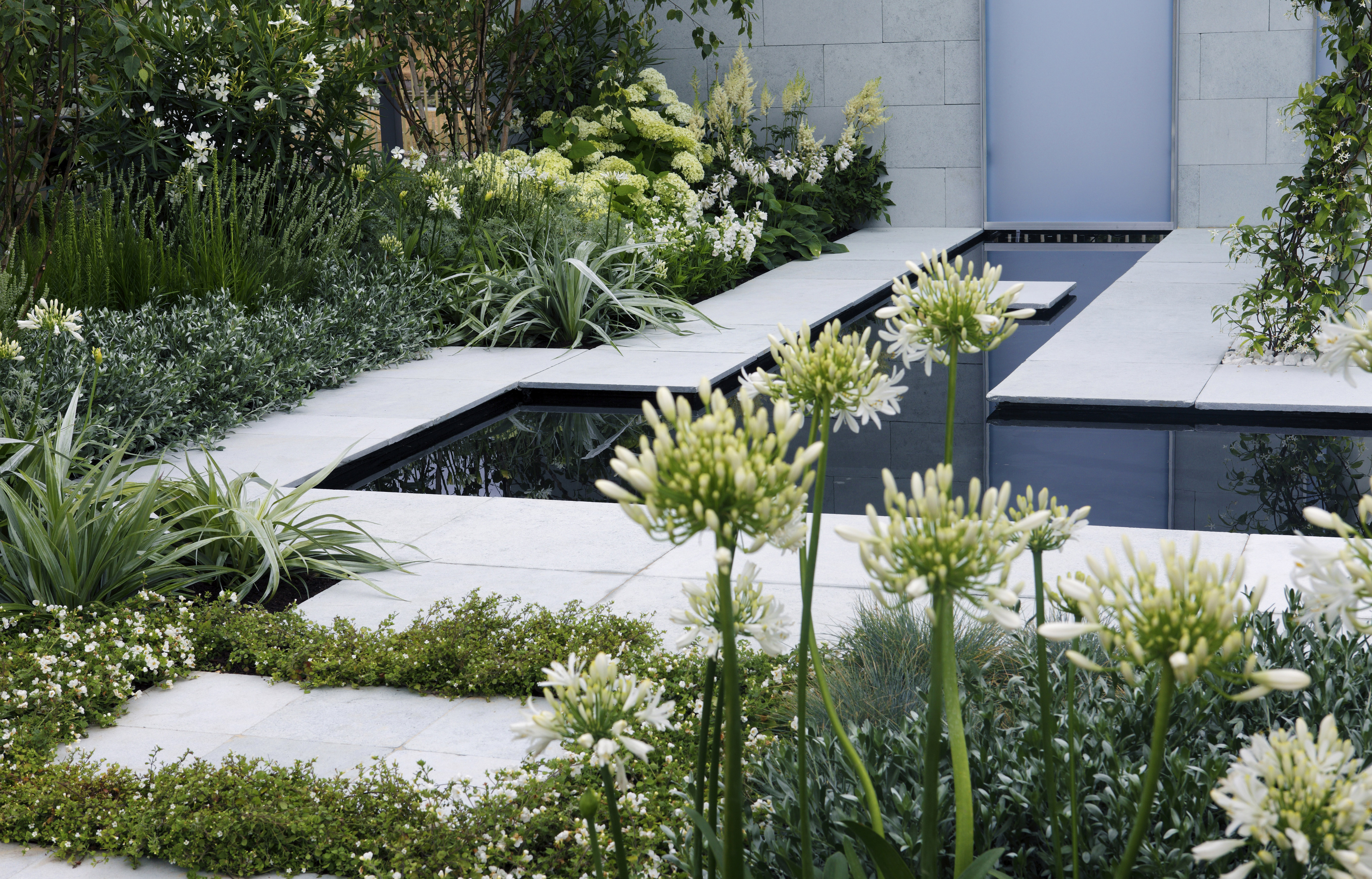
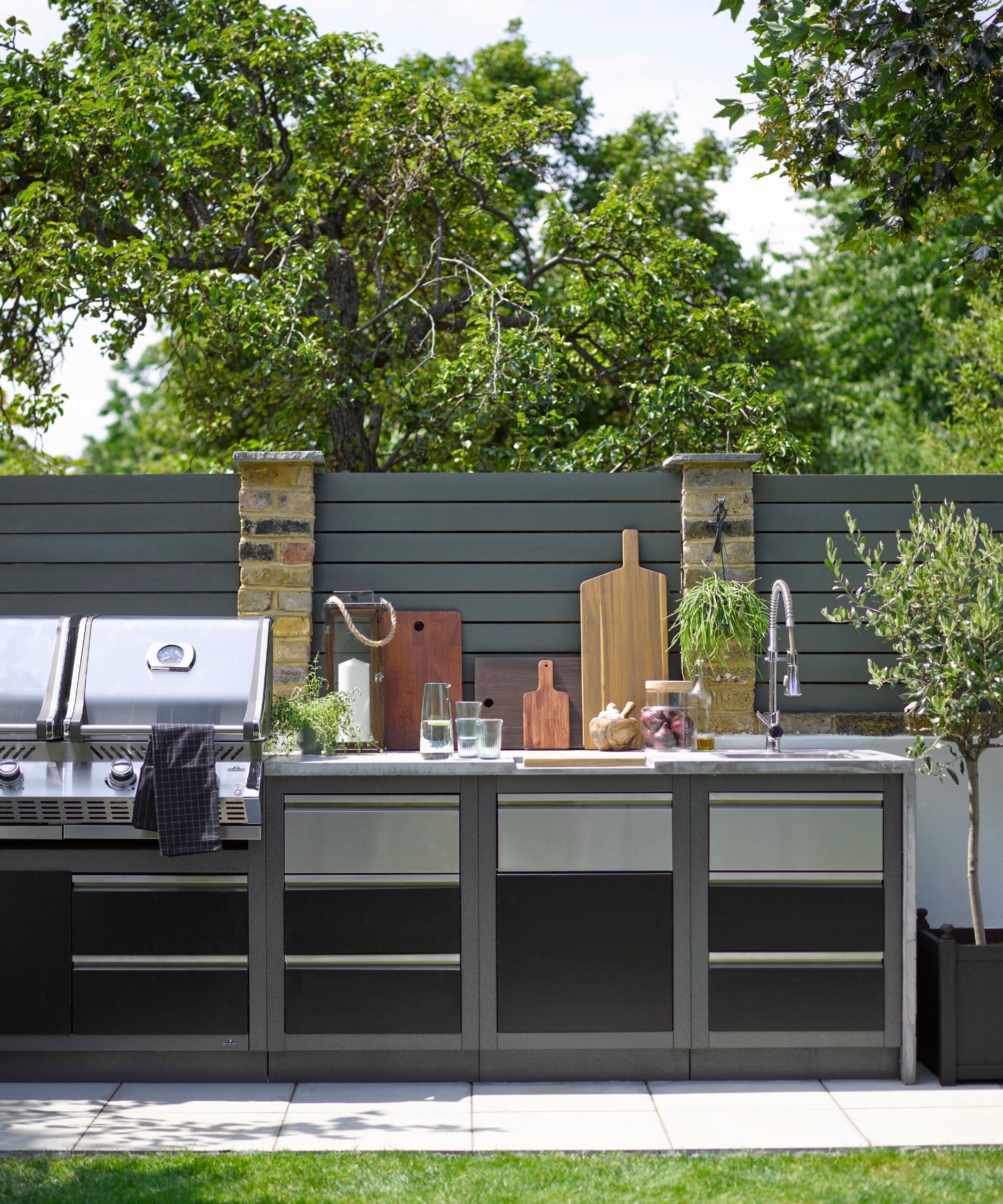
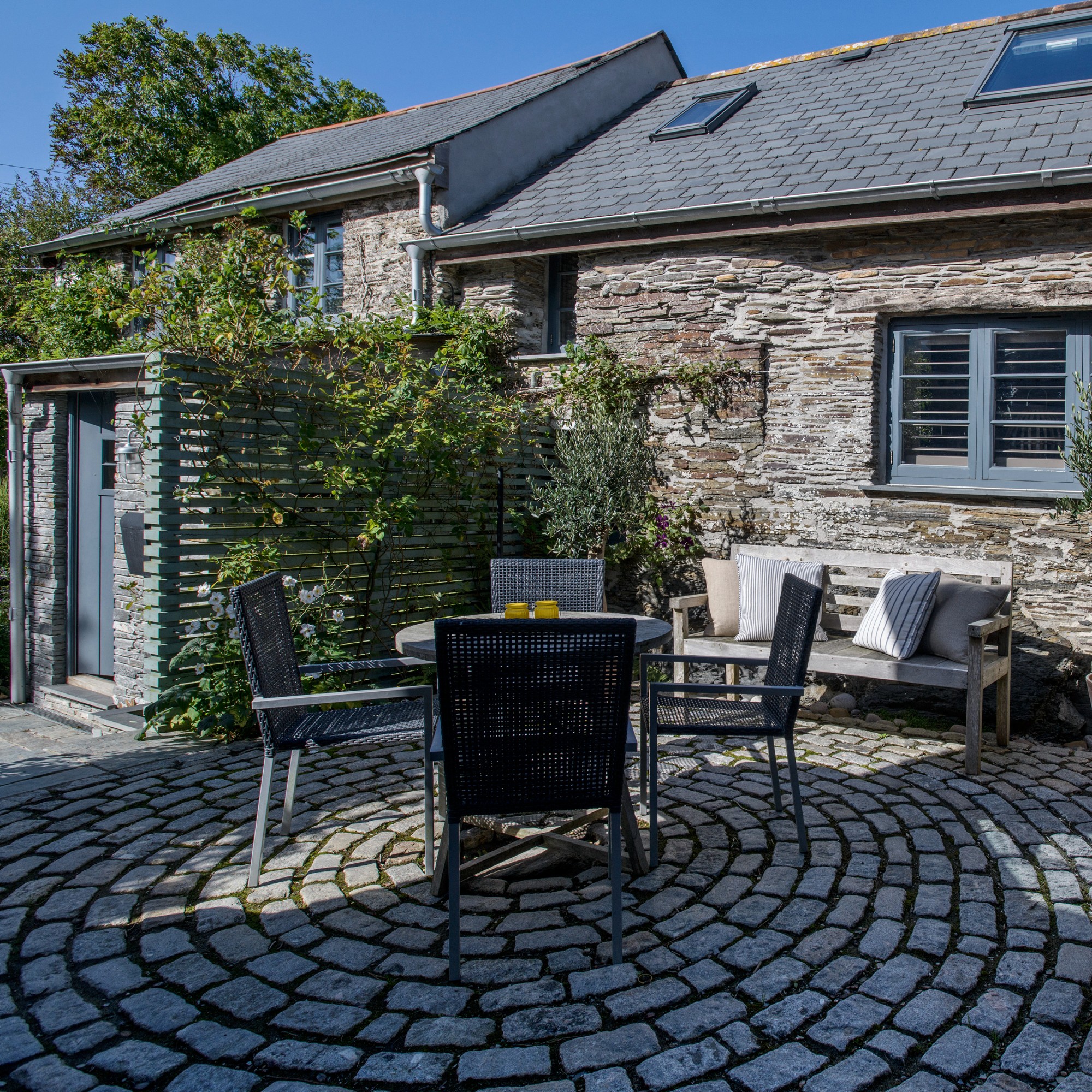
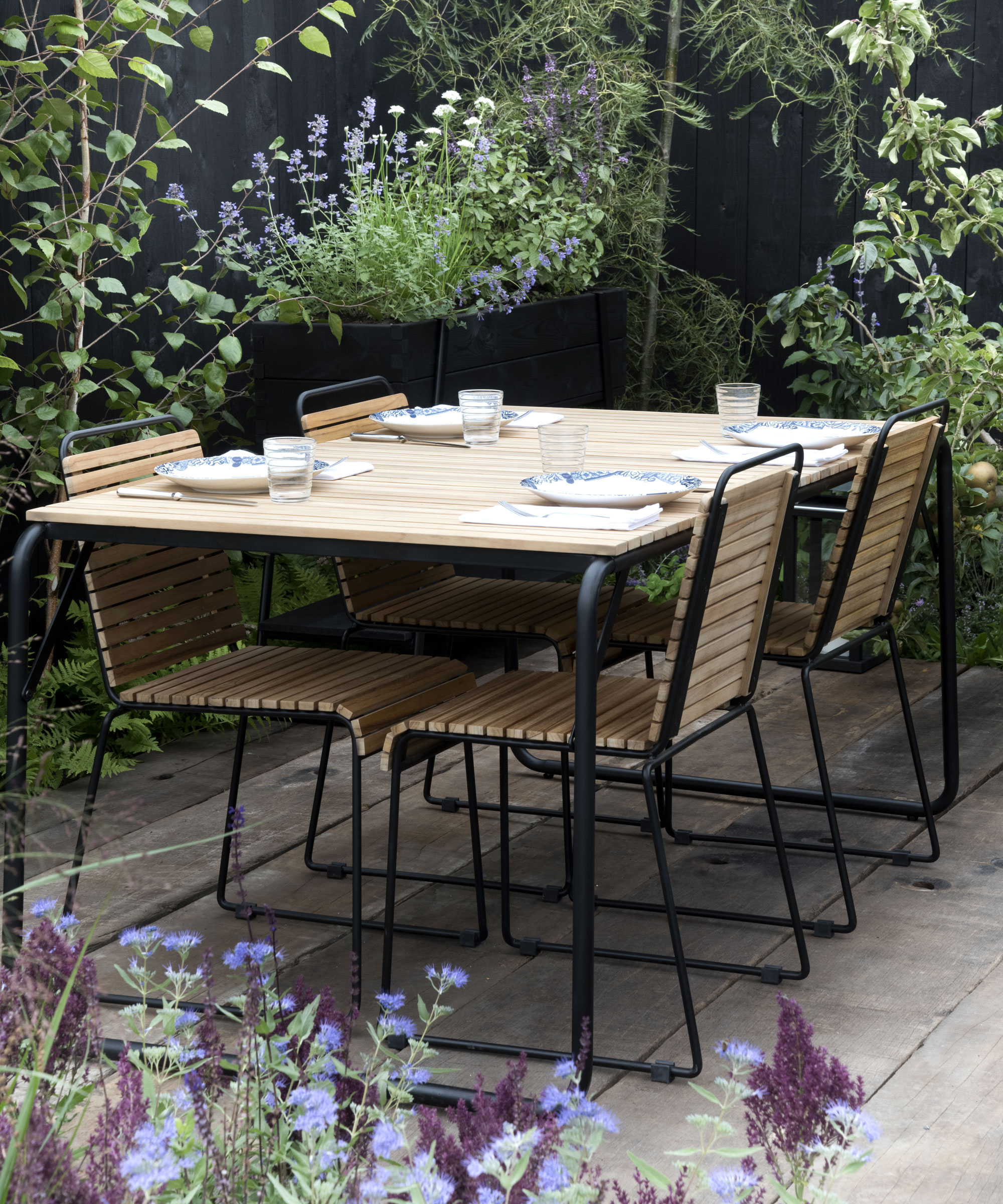
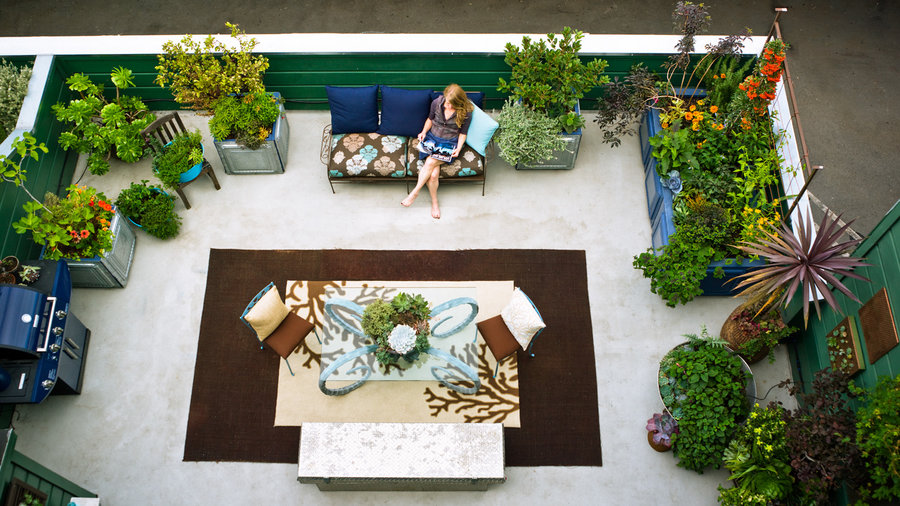
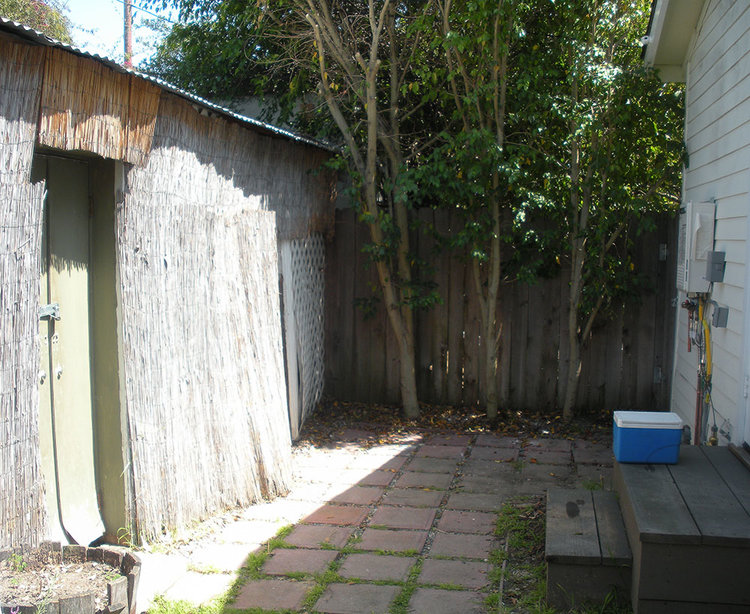
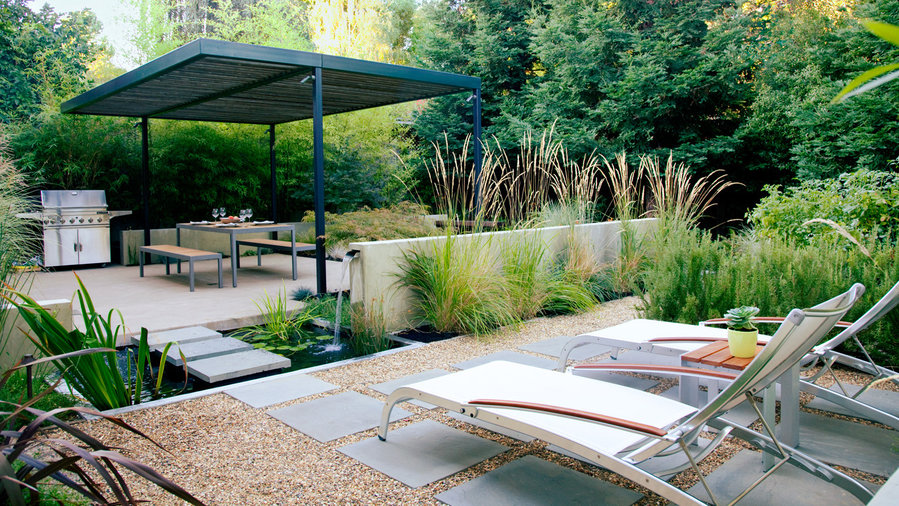
Reinventing forgotten corners by converting them into functional spaces, such as intimate dining areas or relaxation spots, is also suggested. This ensures every inch of the small backyard is utilized purposefully. The article advocates for curvilinear designs over strict linear layouts, as curves can soften boundaries, create a sense of flow, and make the garden appear wider and more natural. Finally, adding a focal point, such as a sleek bar area or an elegant water feature, can draw attention away from the garden's small dimensions, providing a visually interesting element that enhances the overall aesthetic. Reflective water elements, in particular, can introduce light and movement, acting as a mirror to reflect the sky and surrounding greenery, thereby creating a tranquil and expansive feel.
#SmallBackyardDesign #GardenLandscaping #SpaceMaximization #OutdoorLiving #DesignTricks #PlantingIdeas #GardenZoning #WaterFeatures #CurvilinearDesign #FocalPoints #SmallBackyardDesign #GardenLandscaping #SpaceMaximization #OutdoorLiving #DesignTricks #PlantingIdeas #GardenZoning #WaterFeatures #CurvilinearDesign #FocalPoints
0 comment in total
 No comments yet
You may also like
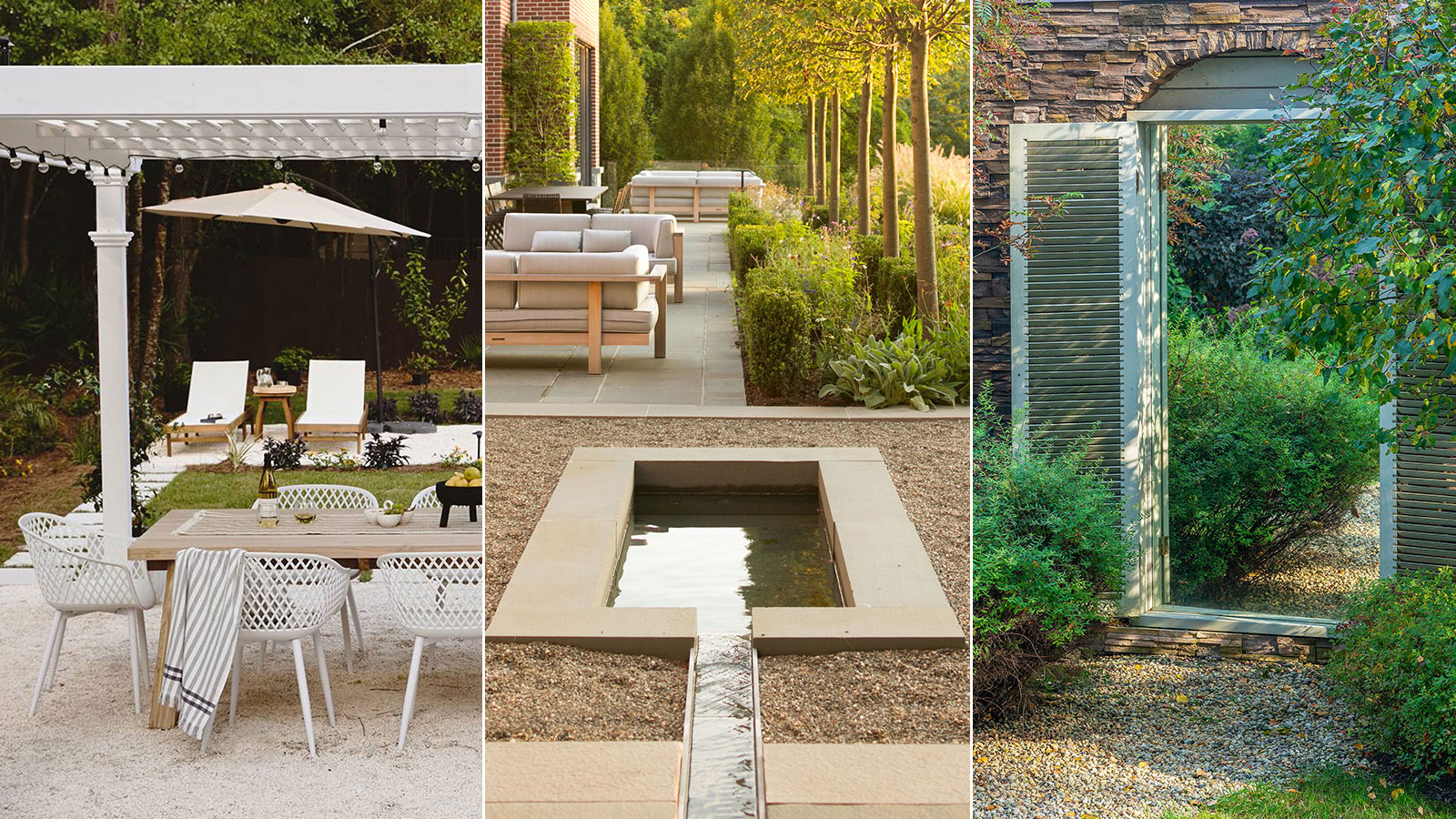
How to make a backyard look bigger – 8 space-enhancing tricks that work every time
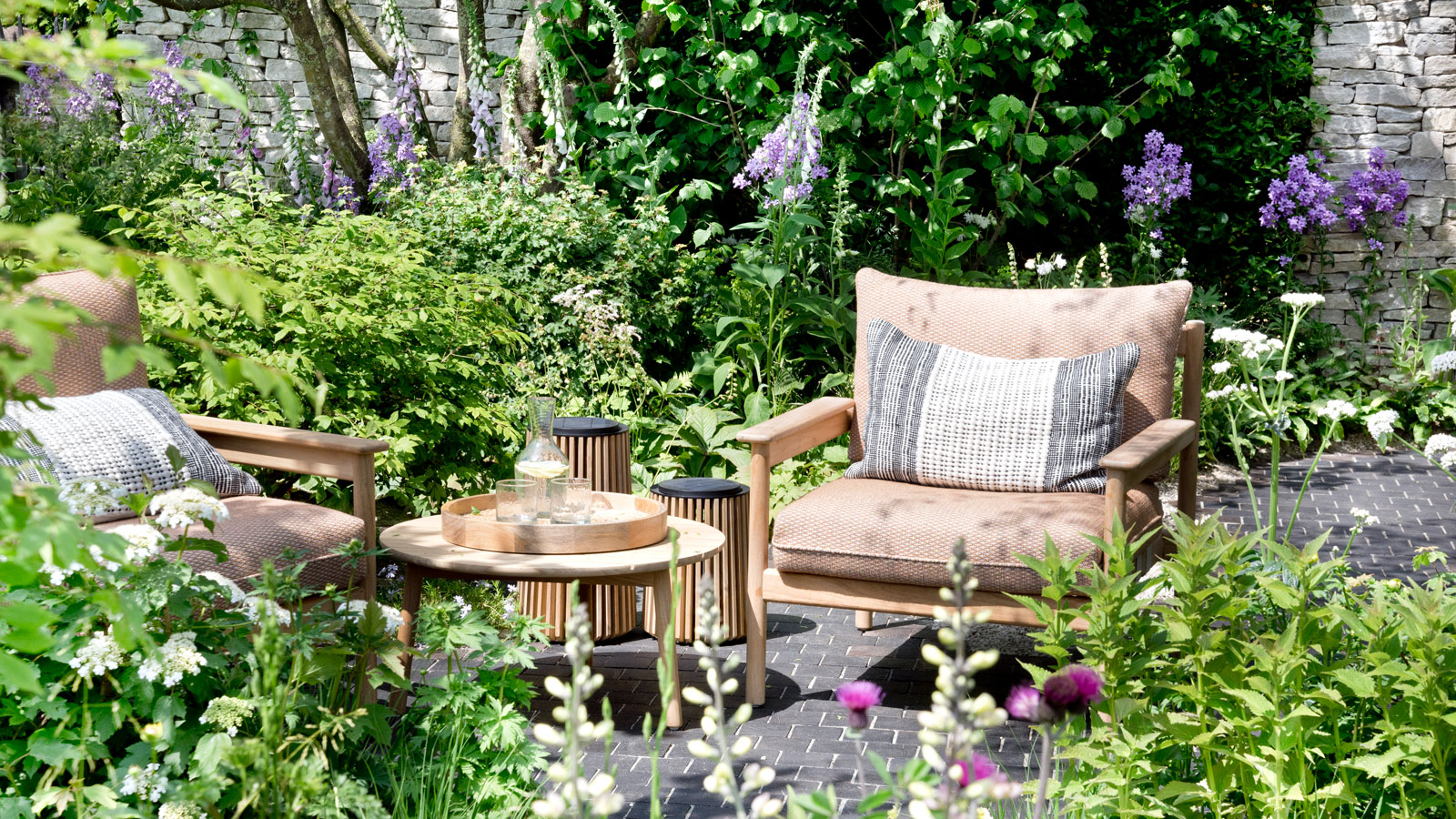
How to make a courtyard garden look bigger – 8 tips and tricks from the experts to utilize every inch of your city yard
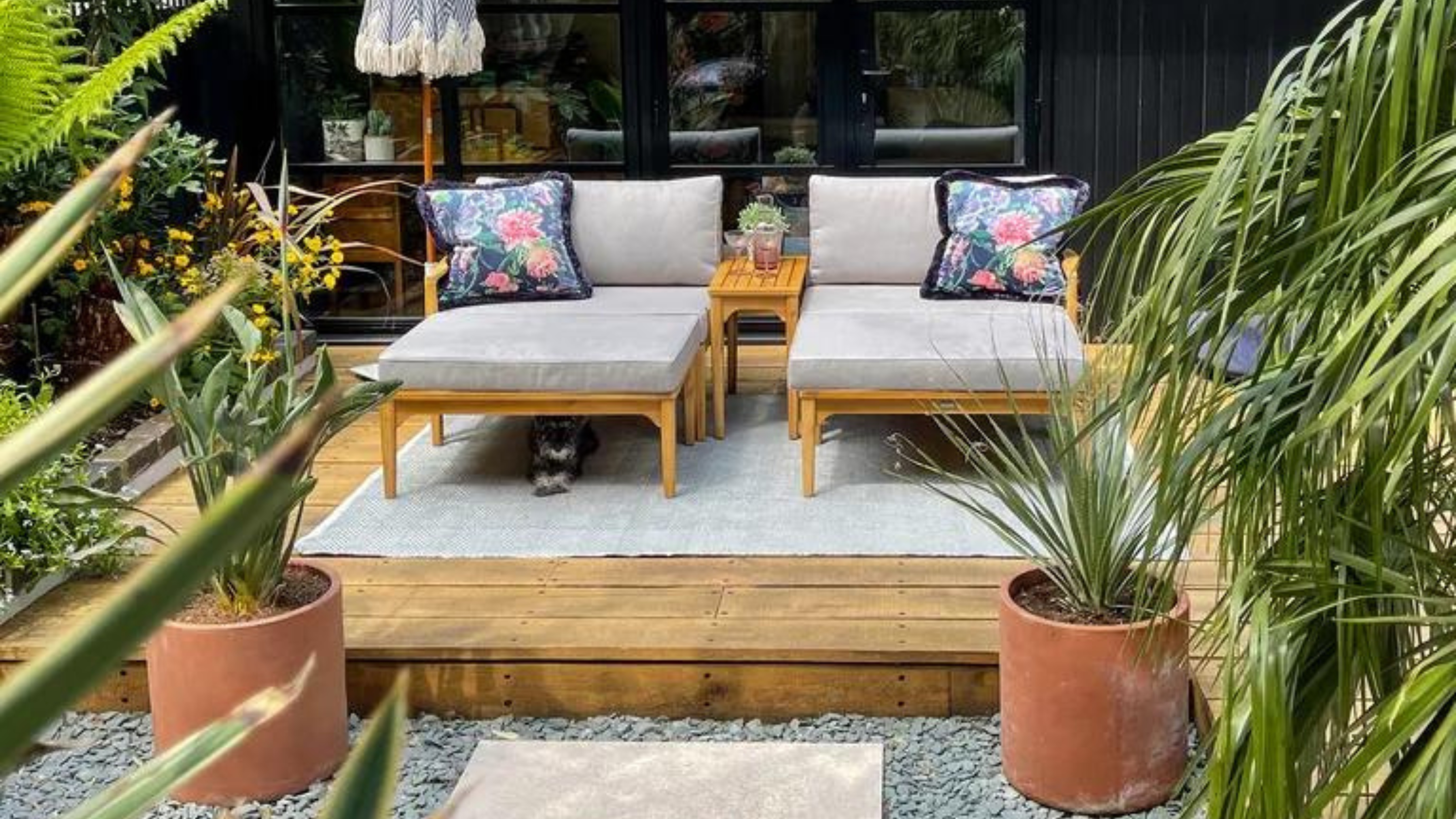
10 easy DIY landscaping ideas to elevate your backyard

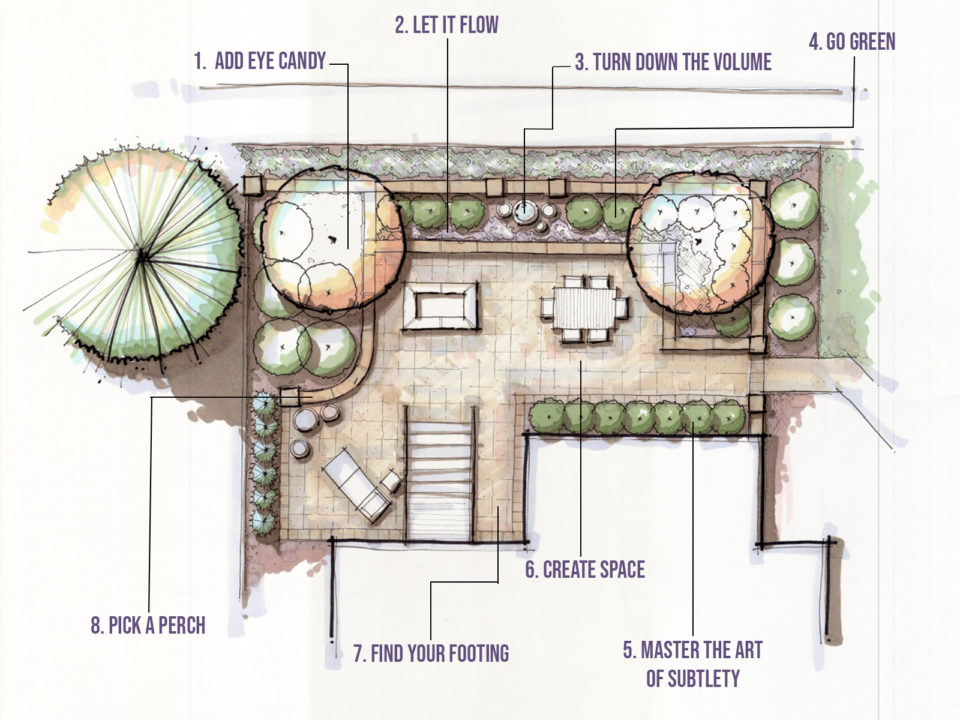
A Landscape Architect’s Advice for Maximizing Your Small Backyard

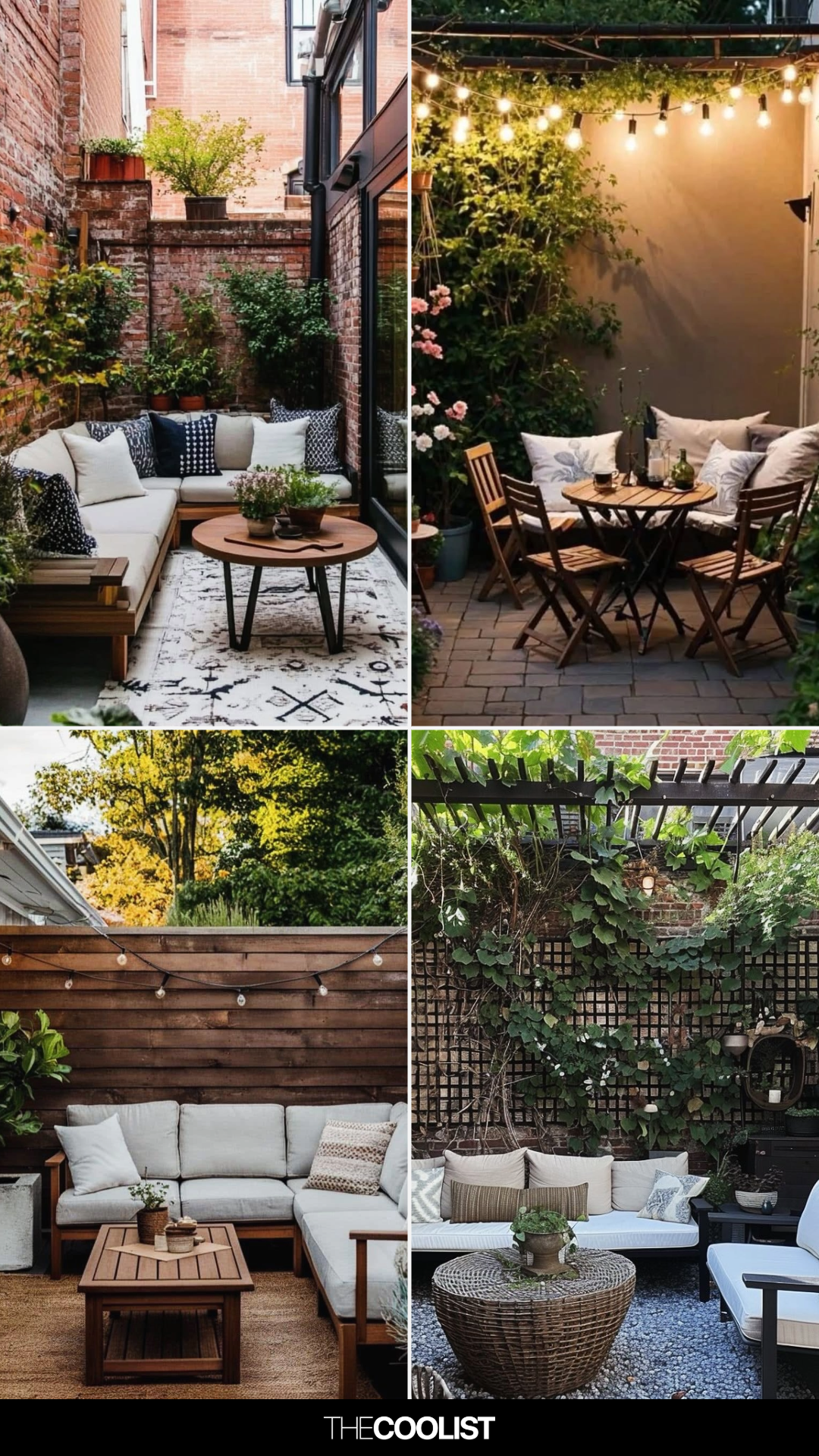
21 Genius Small Patio Ideas That Make Your Backyard Feel 10x Bigger
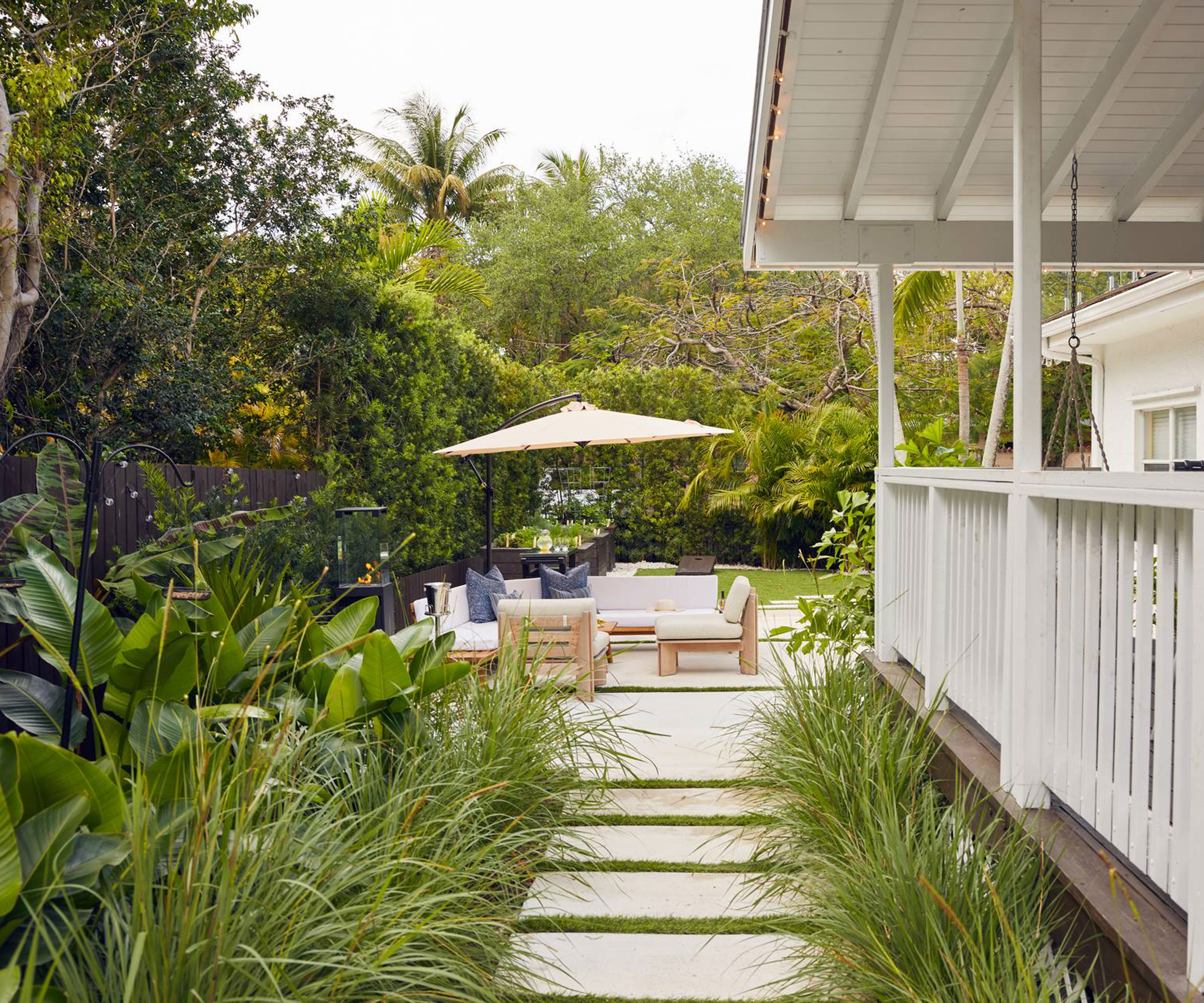
Townhouse backyard ideas – 10 designer-approved schemes to max out your space
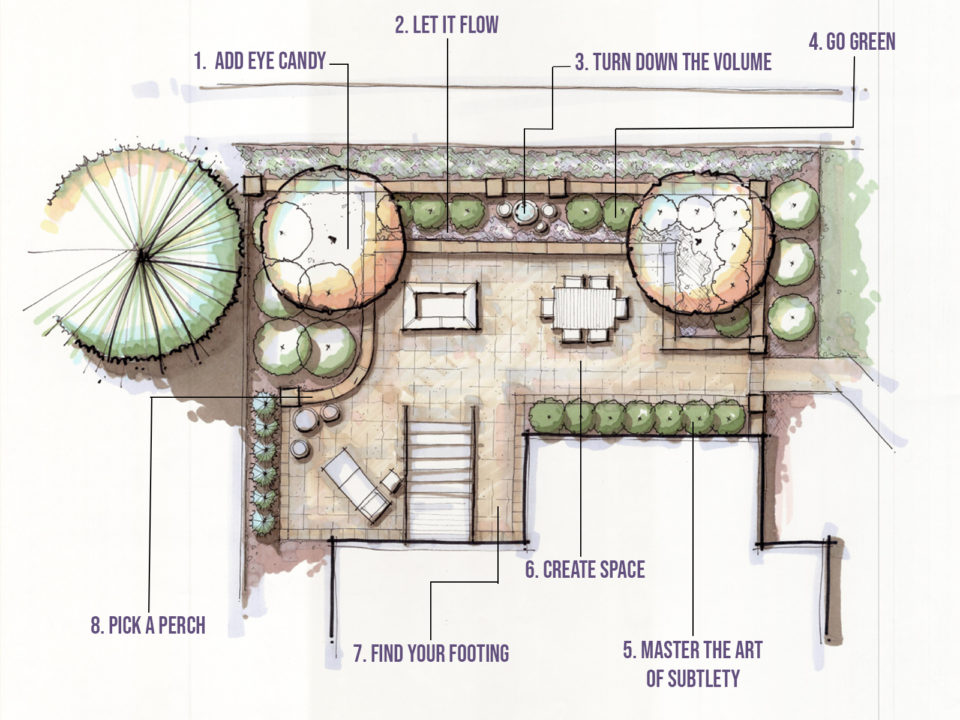
A Landscape Architect’s Advice for Maximizing Your Small Backyard
Smart Design Solutions to Give Even the Tiniest Yard Big Style
How to make a small garden look bigger –25 ideas that are simple but effective
Interior designers share 11 low-cost ways to make a small outdoor space feel bigger
Small garden ideas – 35 brilliant ways to transform a tiny outdoor space
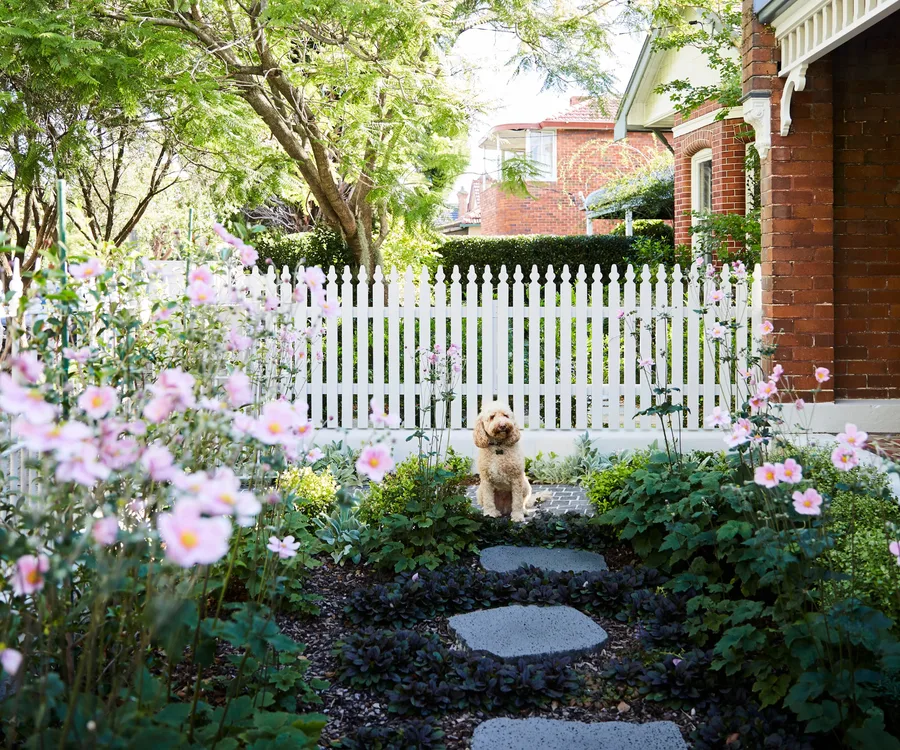
13 small garden design ideas that maximise space and greenery

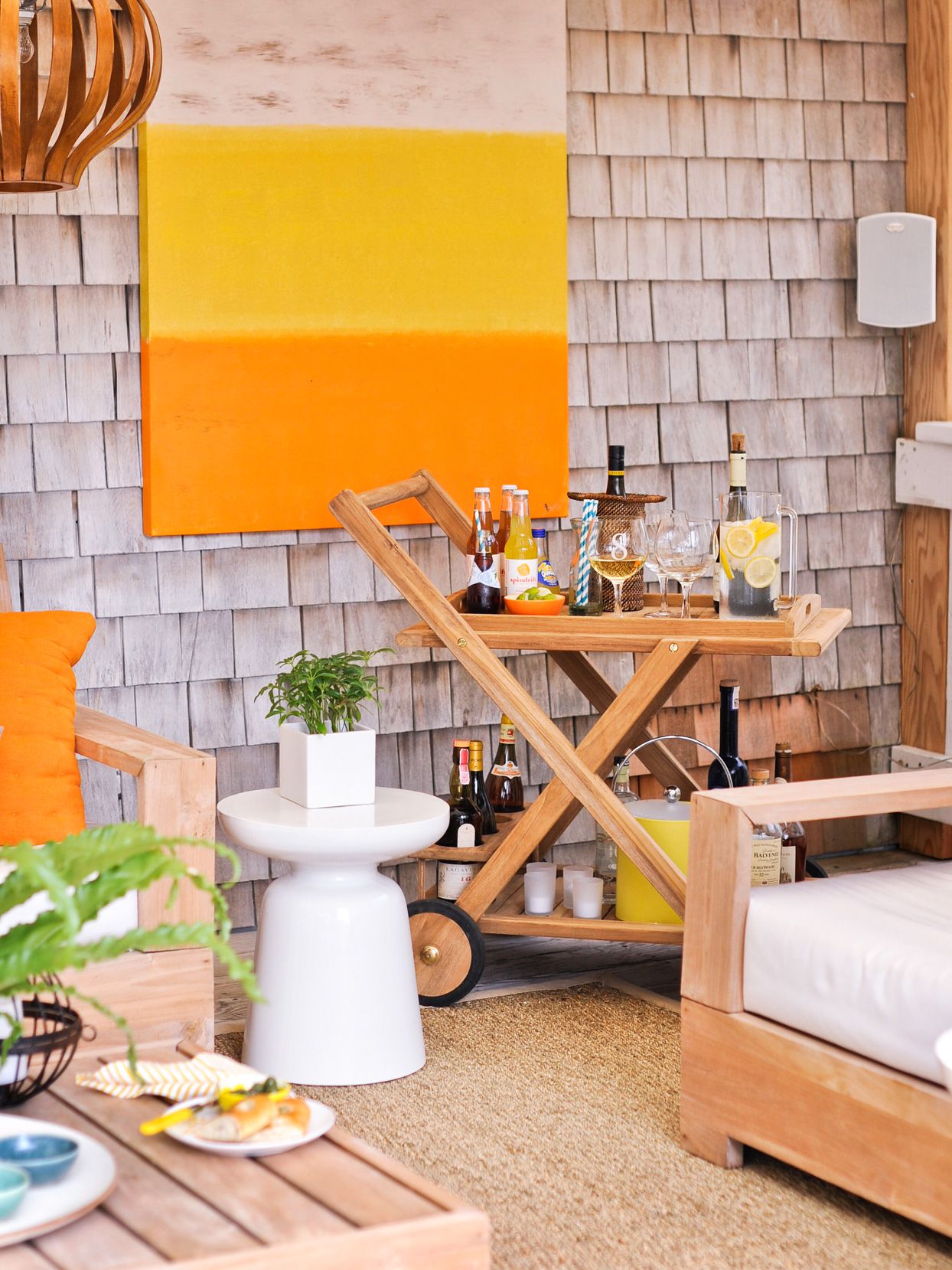
13 Big Ideas to Make Your Small Backyard Better

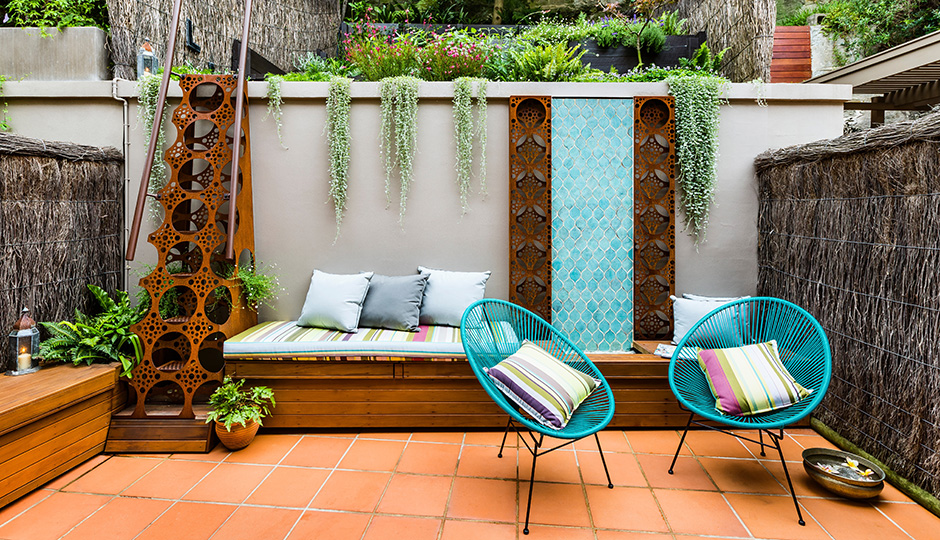
8 Ways to Turn Your Tiny Back Patio Into a Gorgeous Oasis

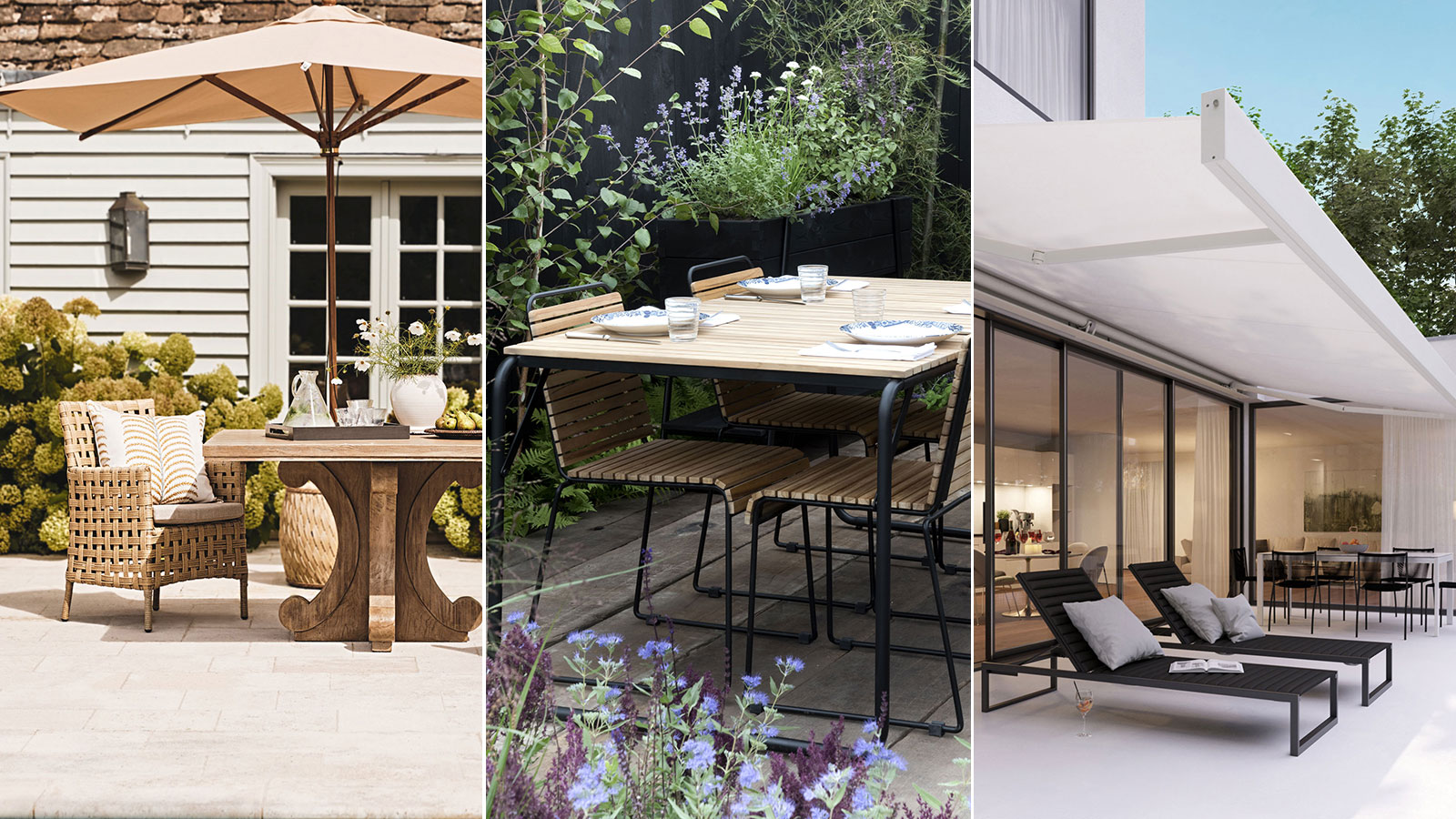
Small patio ideas – 10 effortless ways to make the most of a compact space
How I Turned My Tiny Backyard Into an Outdoor Oasis
42 Backyard Upgrades That’ll Turn Even The Smallest Space Into An Outdoor Oasis
8 Designer-Approved Tips for Turning a Small Backyard Into an Outdoor Oasis

How to Make Your Backyard Look Amazing—Without Spending a Fortune
10 Backyard Ideas That Will Instantly Elevate Your Outdoor Space—and Won't Break the Bank