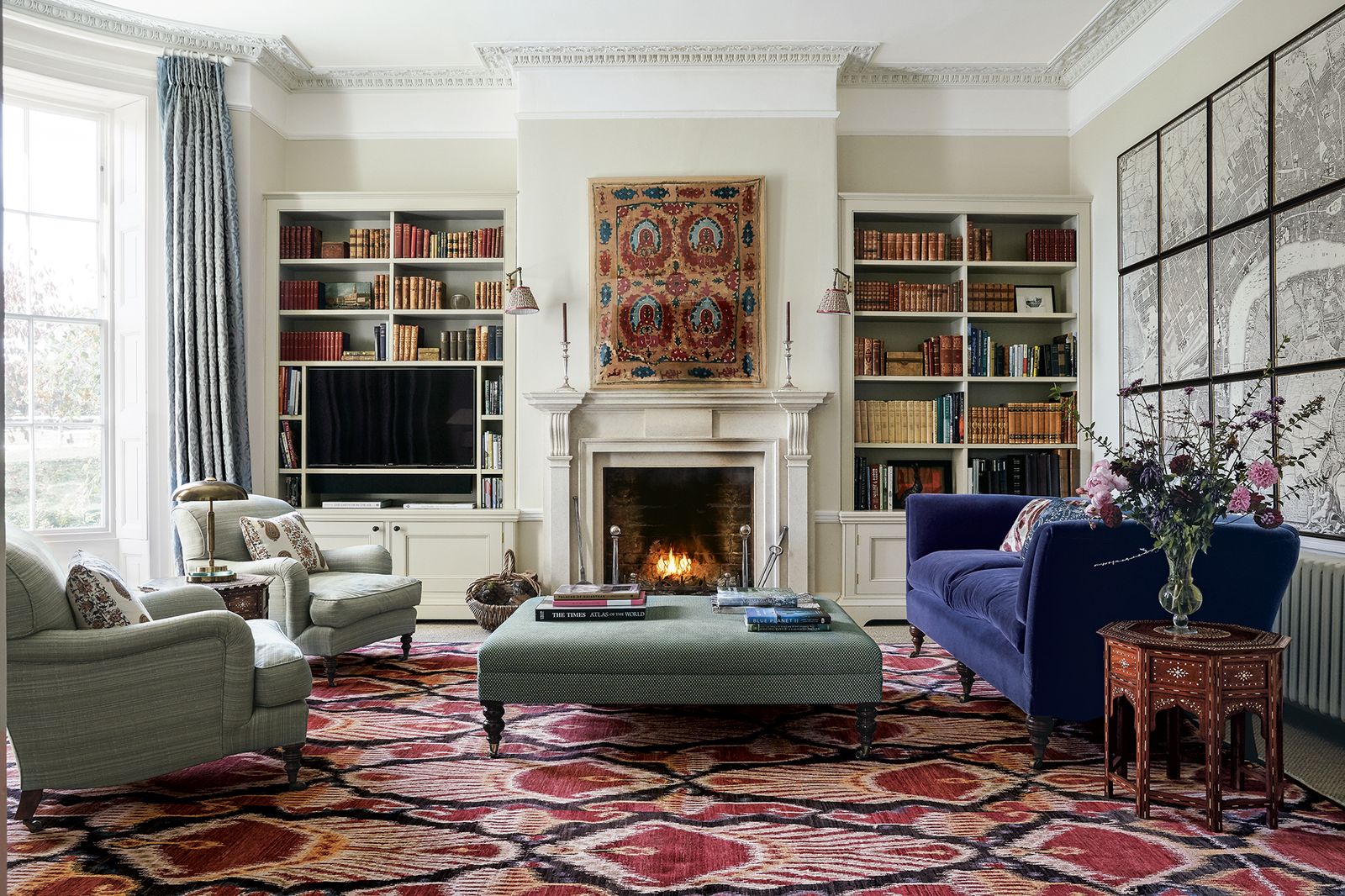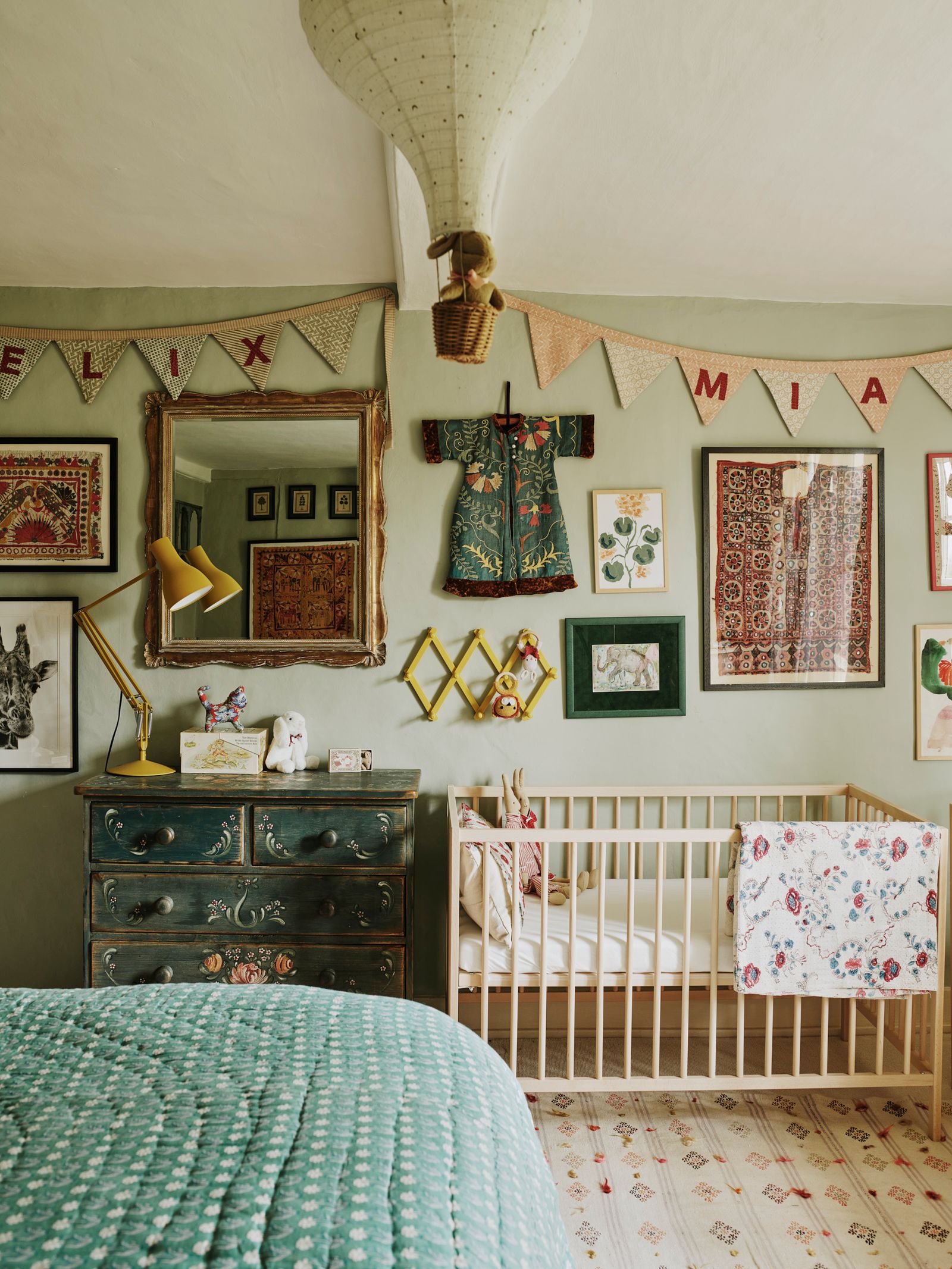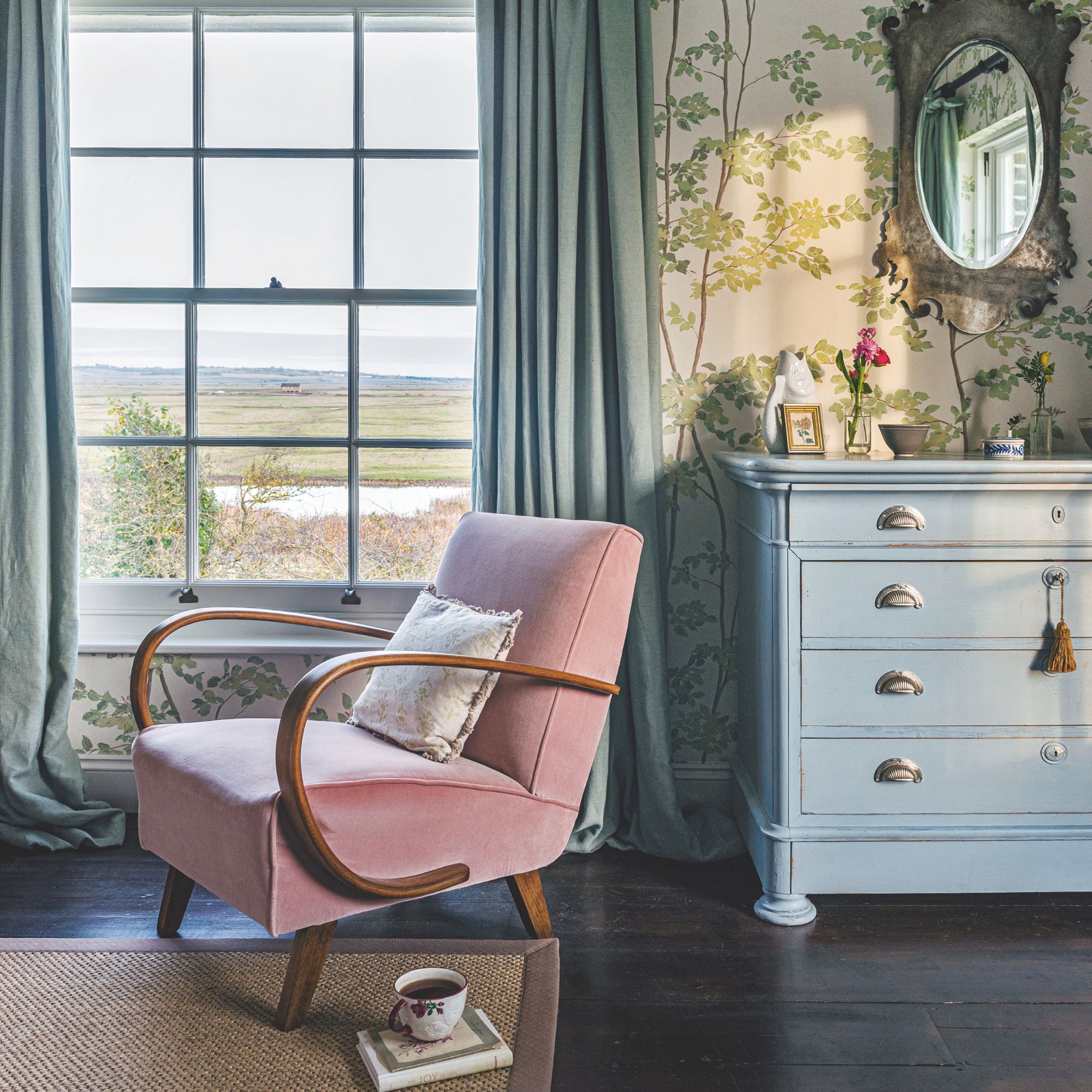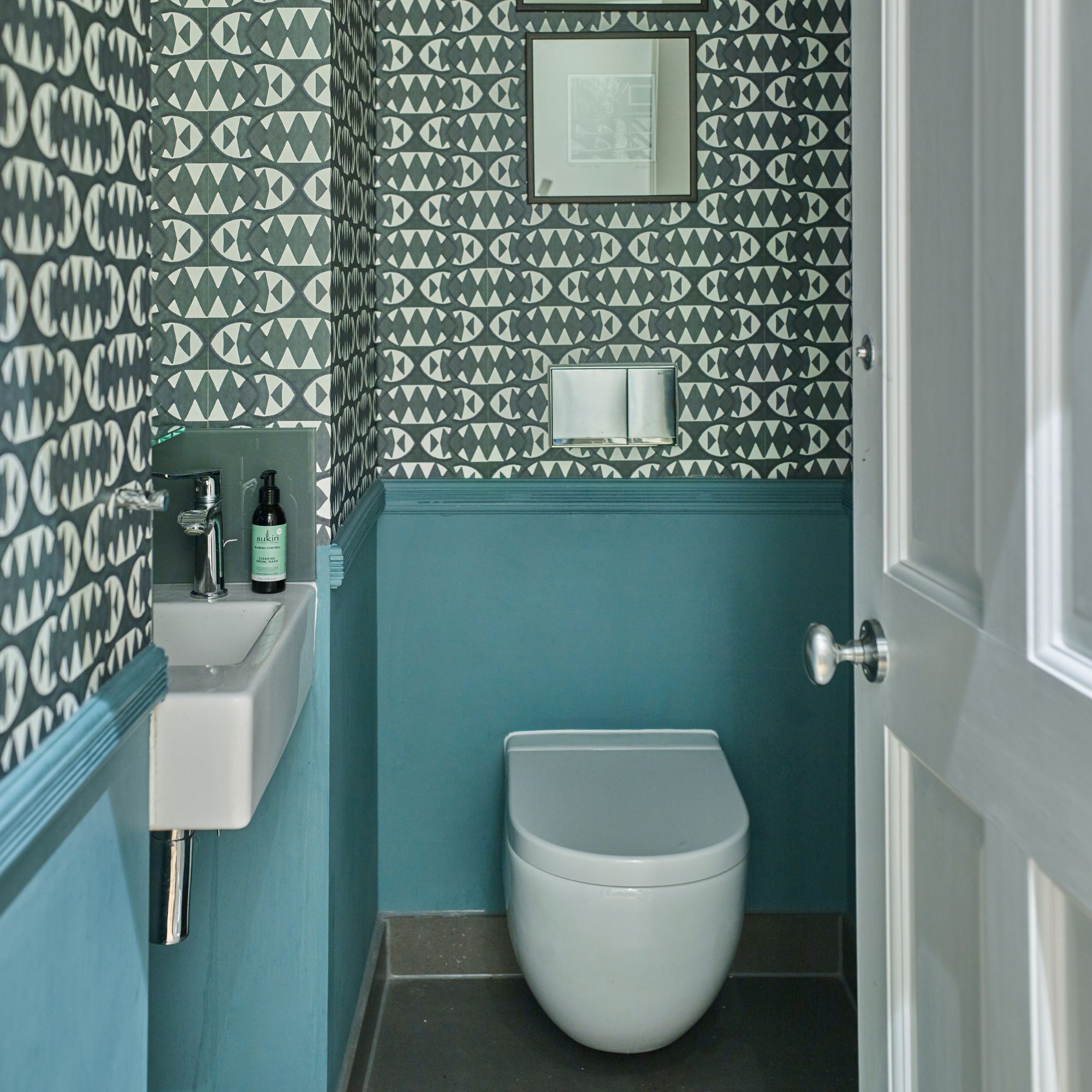
1/6
How to install fabric walling – the unique alternative to wallpaper
The article explores fabric walling as an alternative to traditional wallpaper, offering both decorative appeal and practical benefits. Historically, fabric was used to line walls for insulation and as a foundational element in interior design, functions that remain relevant today. Interior designers and fabric experts highlight the benefits and processes involved in incorporating this method into modern homes.
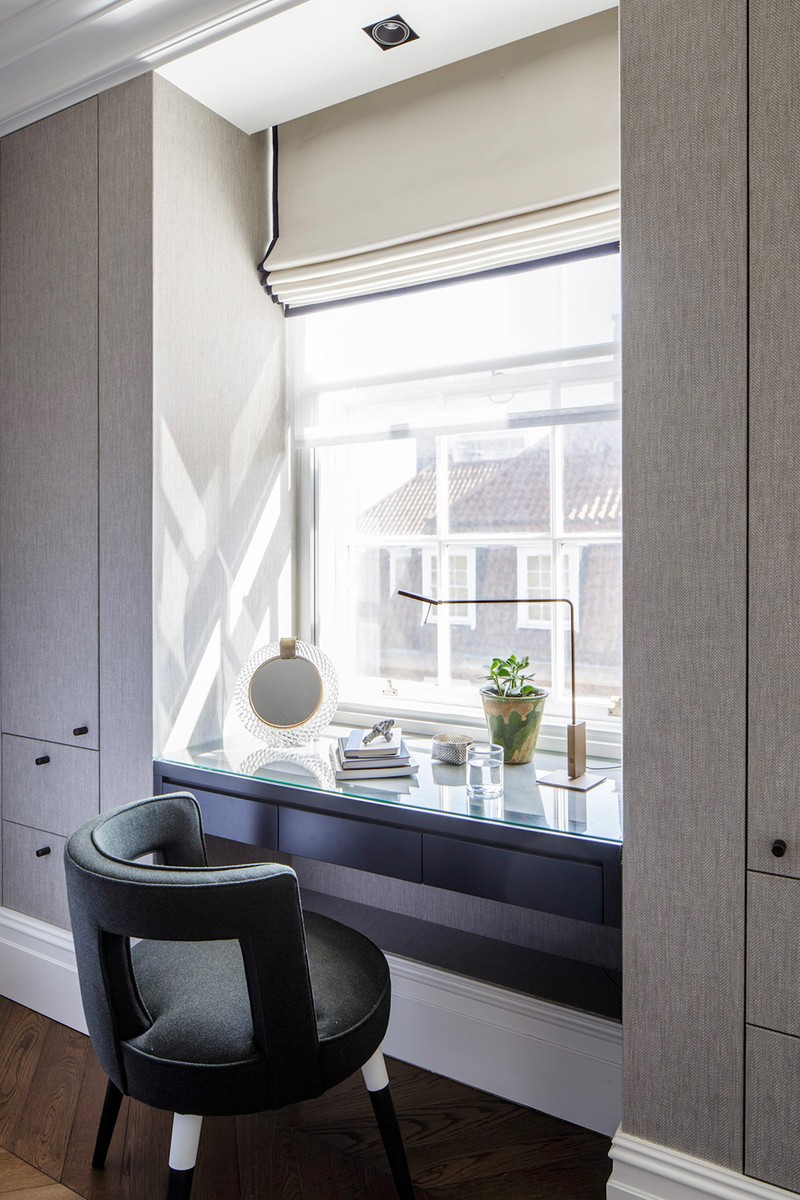
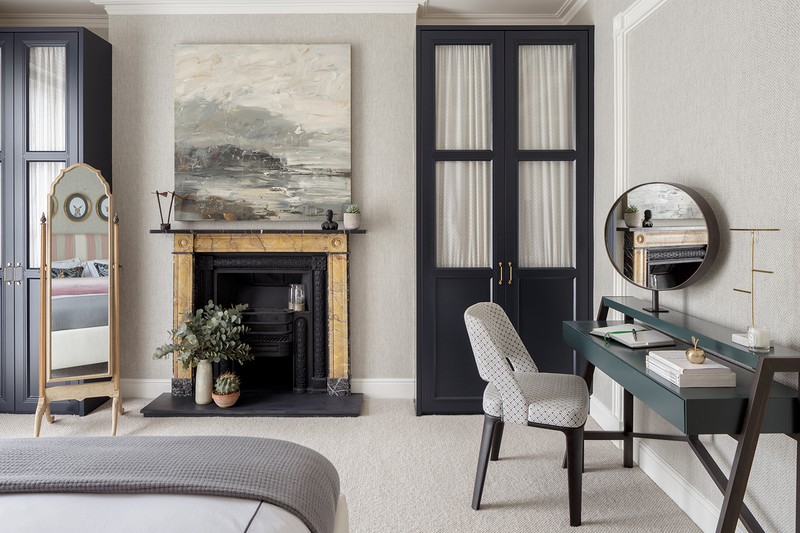
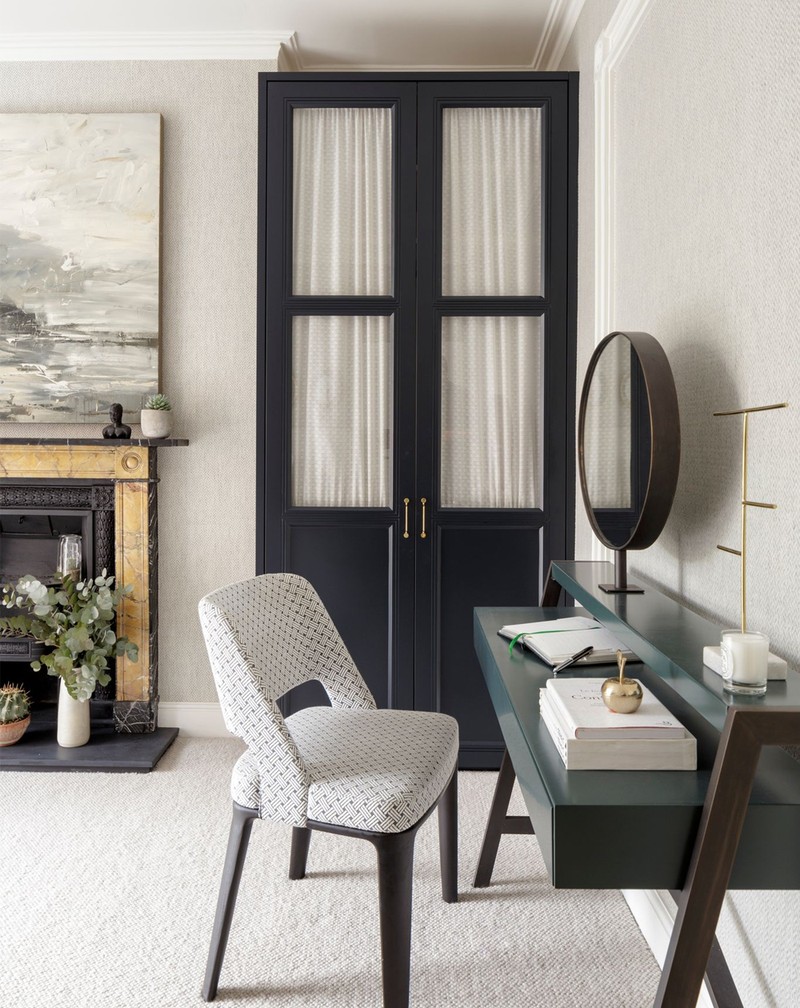
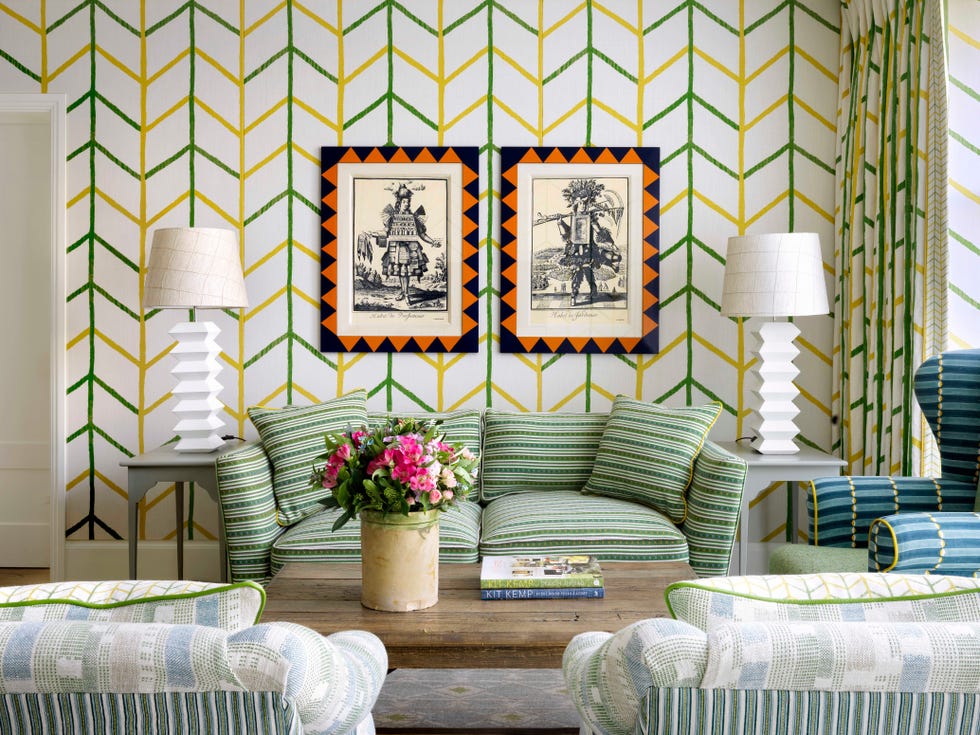
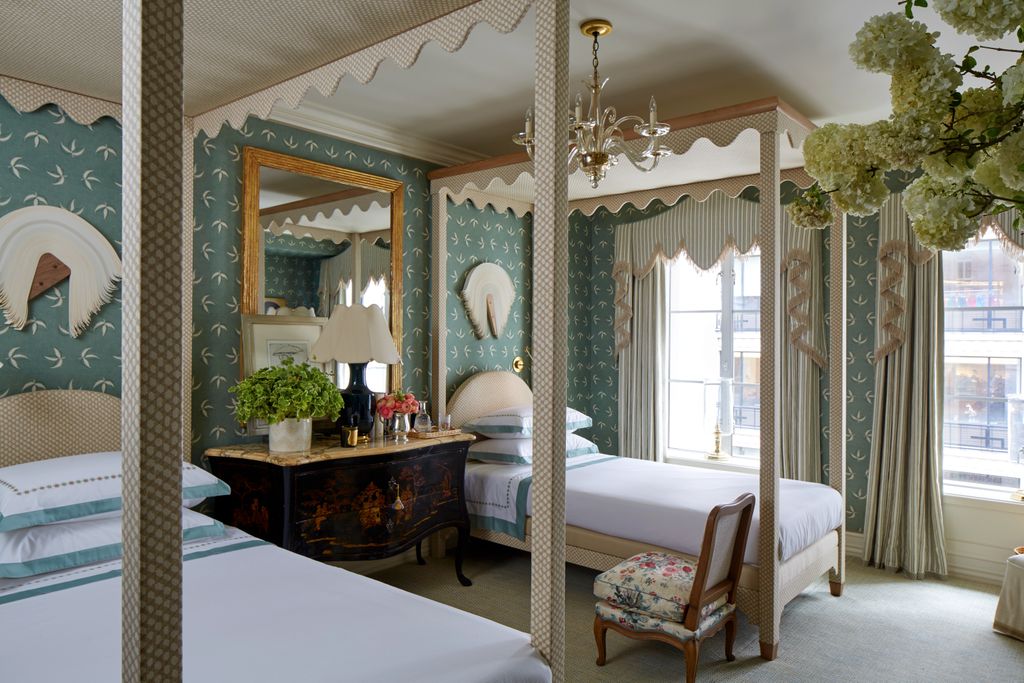
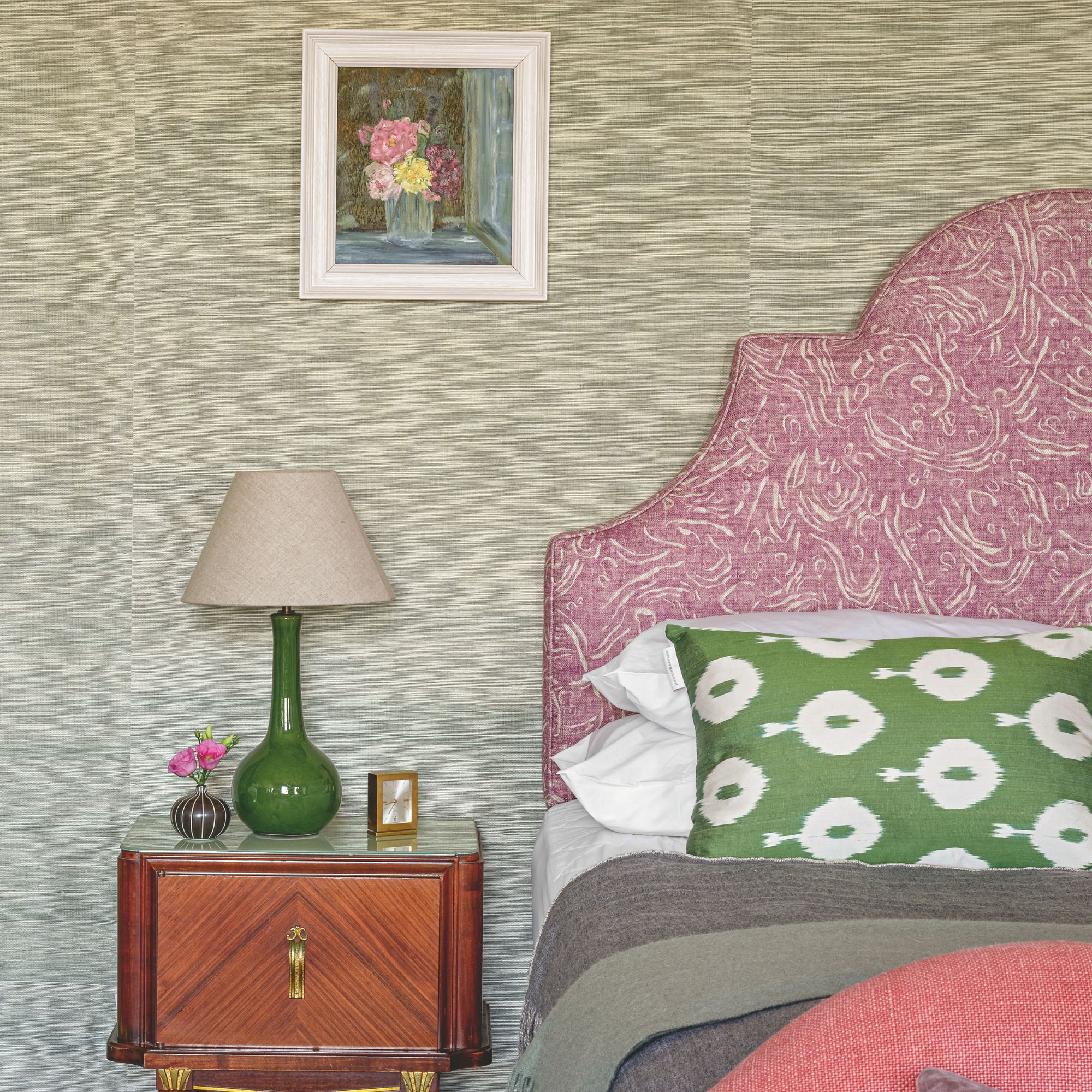
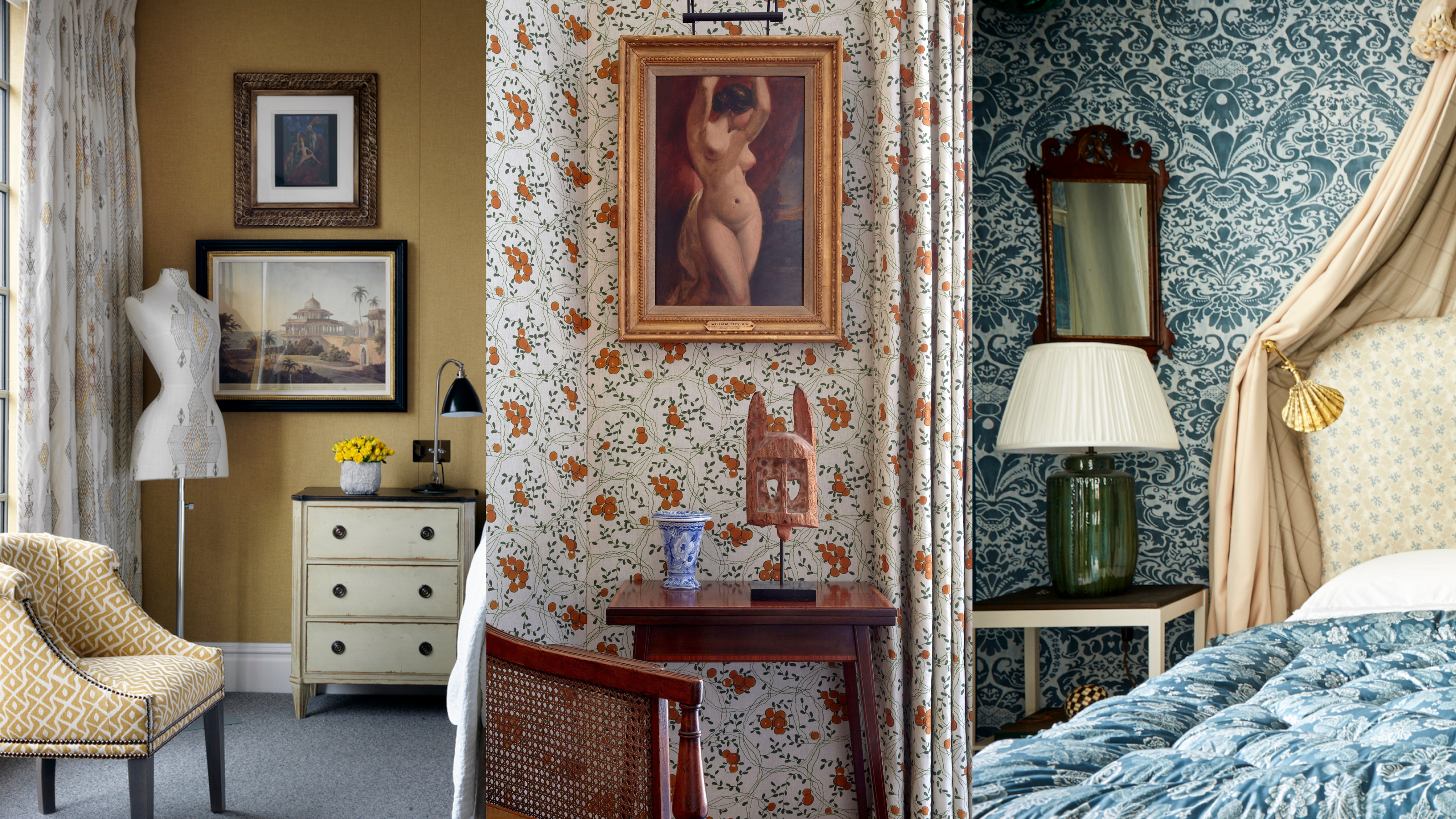
One significant advantage of fabric walling is its insulating property. Gillian Newberry, director of Bennison Fabrics, notes that fabric helps regulate indoor temperatures, keeping heat out in summer and warmth in winter. She also emphasizes the unique depth and texture that fabric provides, which is not achievable with paper. Beyond insulation, fabric walling effectively conceals most structural imperfections on wall surfaces and enhances acoustics. It can be applied over various surfaces, including existing wallpaper, wood paneling, and brick, making it a versatile choice for renovations or new constructions. Kit Kemp, founder of Firmdale Hotels & Kit Kemp Design Studio, appreciates the warmth and cocoon-like atmosphere fabric creates in a room, aligning with the current trend of layering to add personality to spaces.
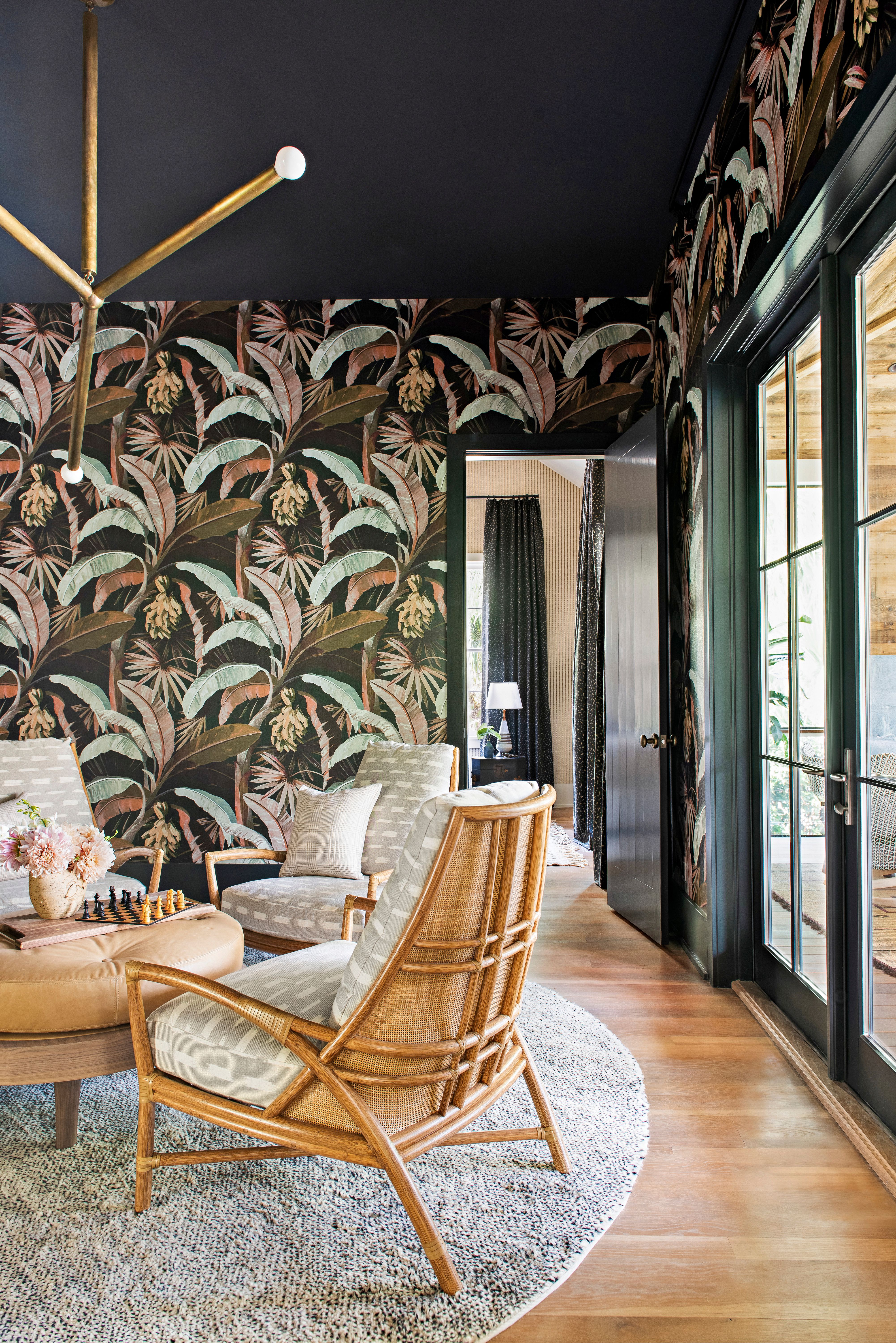
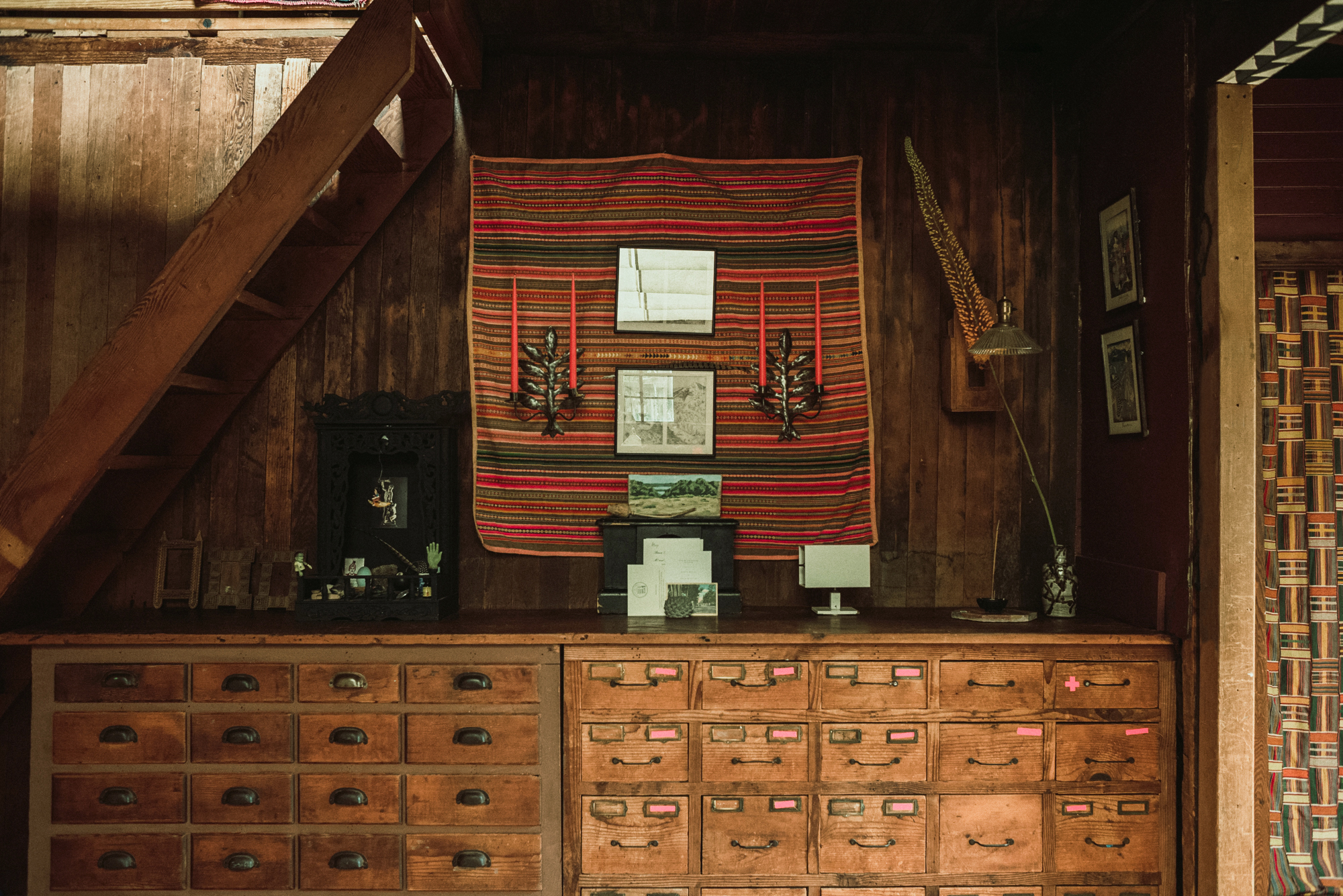
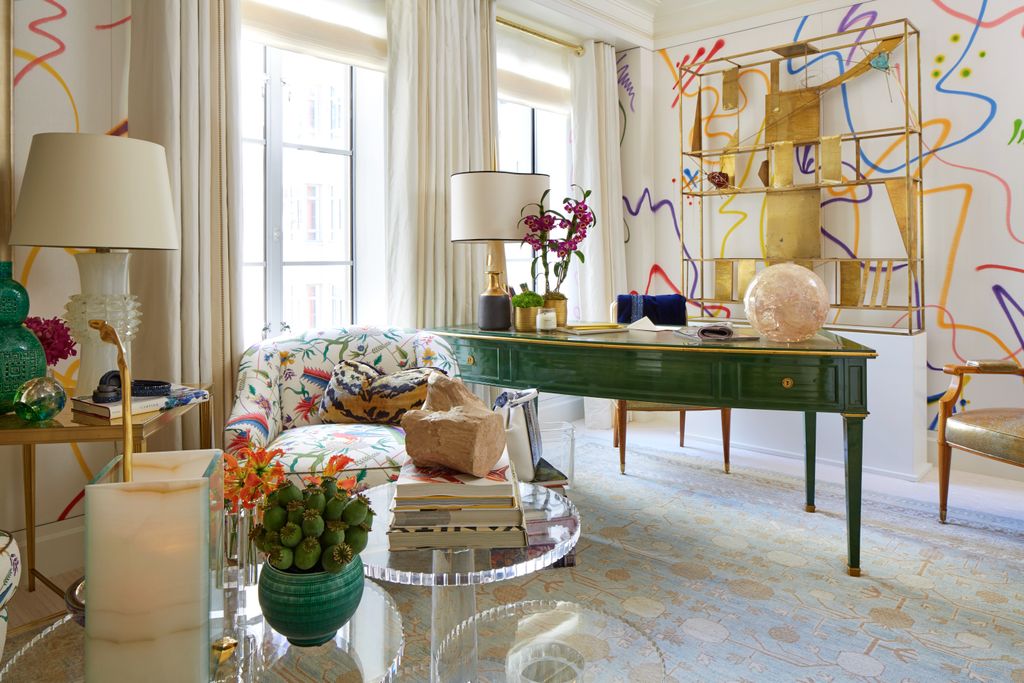
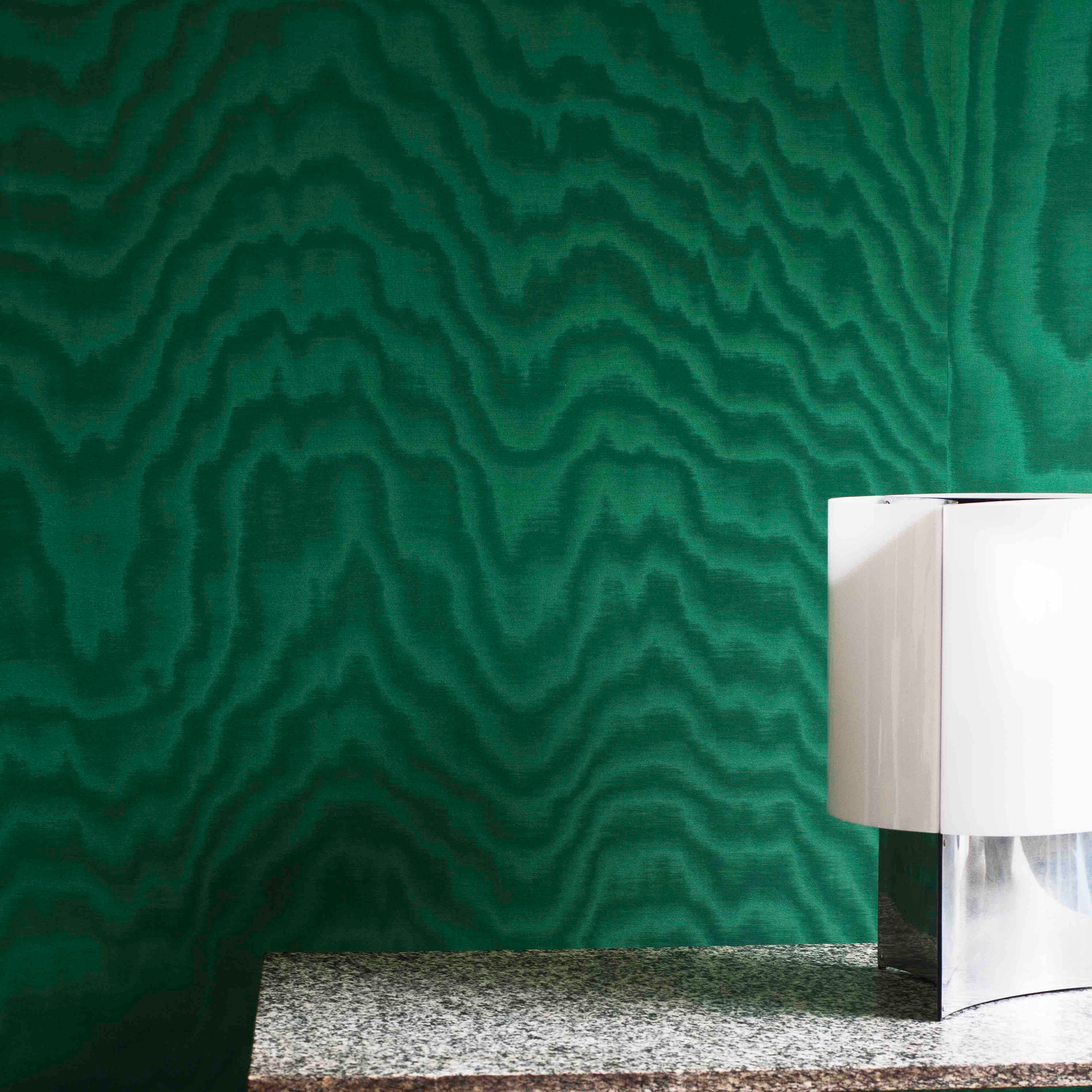
The growing interest in layered interiors, which embrace color, pattern, artworks, and furnishings, has led to increased inquiries about fabric walling. Designers like Kate Guinness see fabric walling as a way to create an interior that feels as though it has evolved over time, reflecting the client's personality. Fabric designer Bernie de Le Cuona underscores the timelessness and adaptability of fabric walling, suitable for both historical and contemporary designs. Selecting the right fabric involves considering the desired ambiance; a plain fabric can evoke peace and intimacy, while a decorative pattern adds visual interest and impact. Nicolo Favoretto Rubelli, CEO of Rubelli, advises considering how the fabric's reflective qualities will influence the room's lighting.
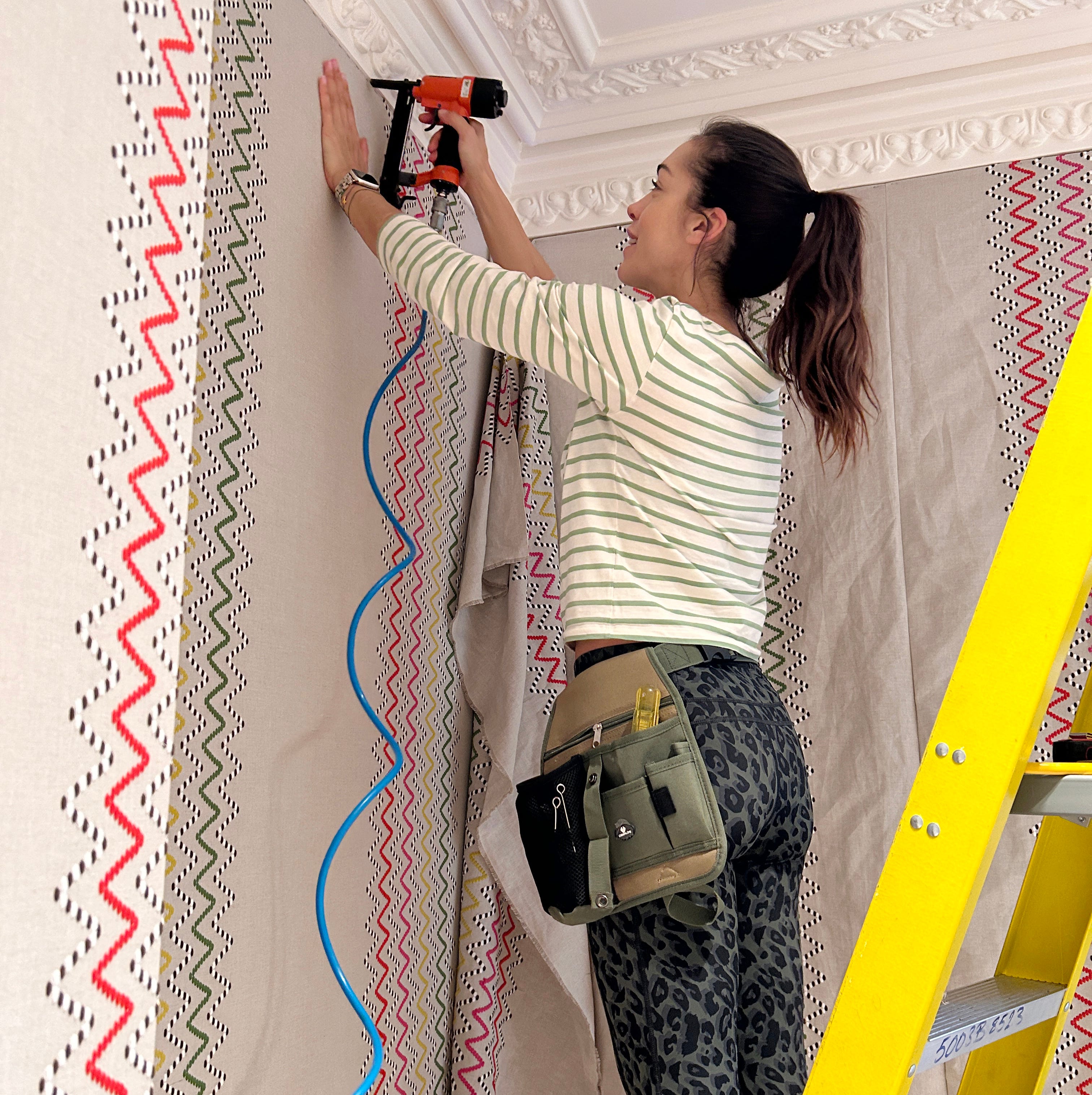
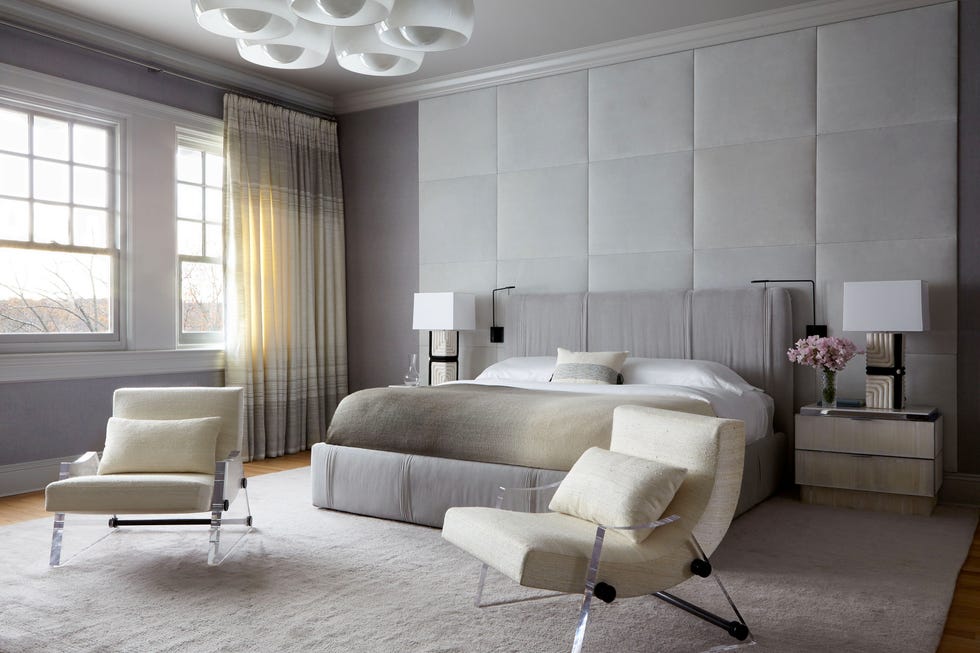
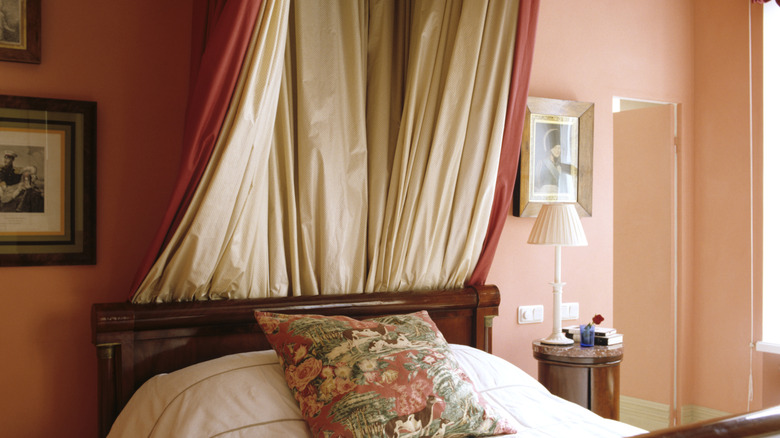
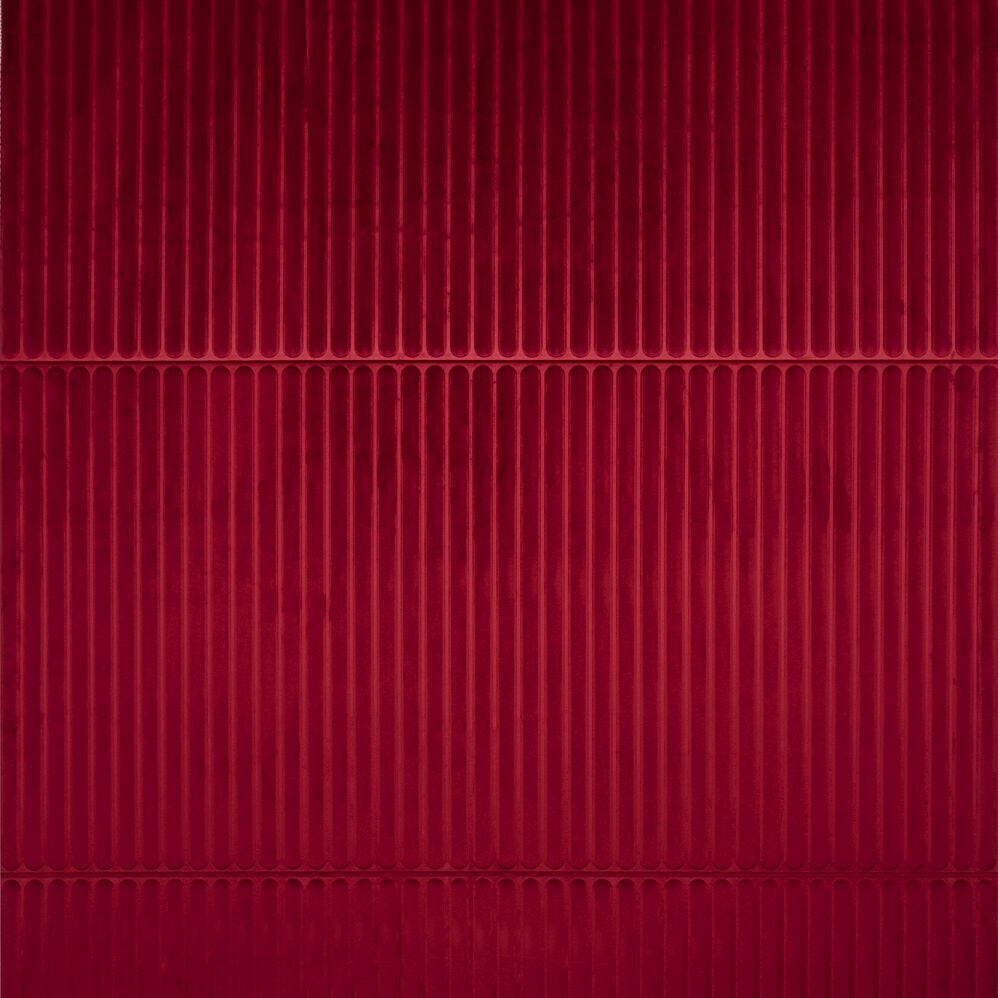
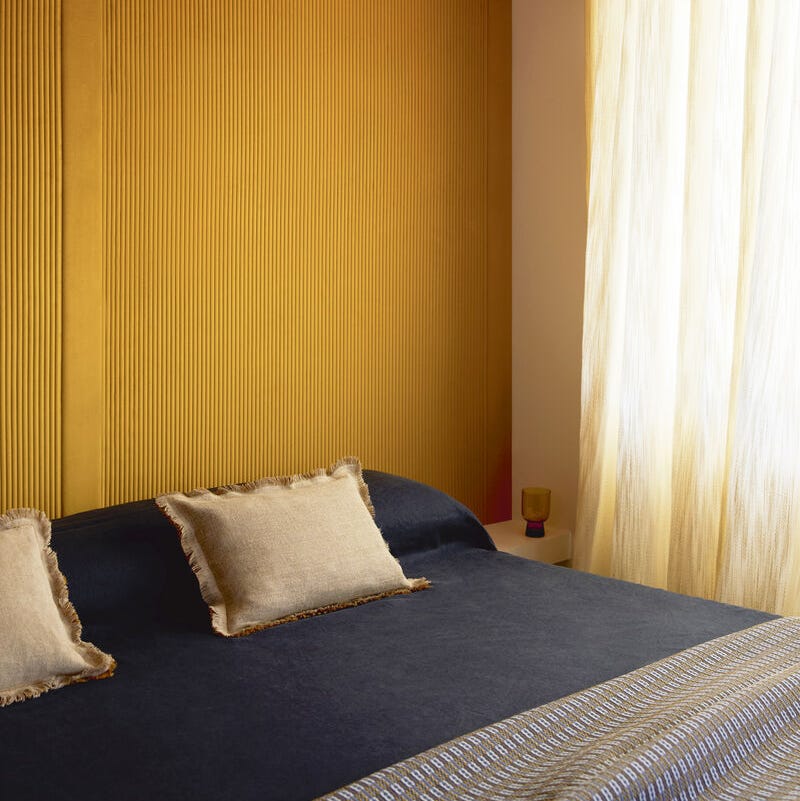
The traditional installation method involves constructing a frame around the wall's perimeter, encompassing skirtings, cornices, windows, doors, and electrical fittings. A padding layer is then applied to the walls, providing a soft-to-touch feel, preventing a visually flat appearance, and further improving acoustics. The chosen fabric is cut and sewn into a single, uniform piece, with careful matching of patterns or stripes for visual continuity. This fabric is then stretched across the padded walls and stapled to the frame edges, with decorative braid or double piping used for a refined finish. For a contemporary aesthetic, the clean-edge system is preferred, where the fabric is stretched over padding and secured within an open system that holds it in place without visible trim. This technique can also be used to create decorative panels, such as behind a bed.
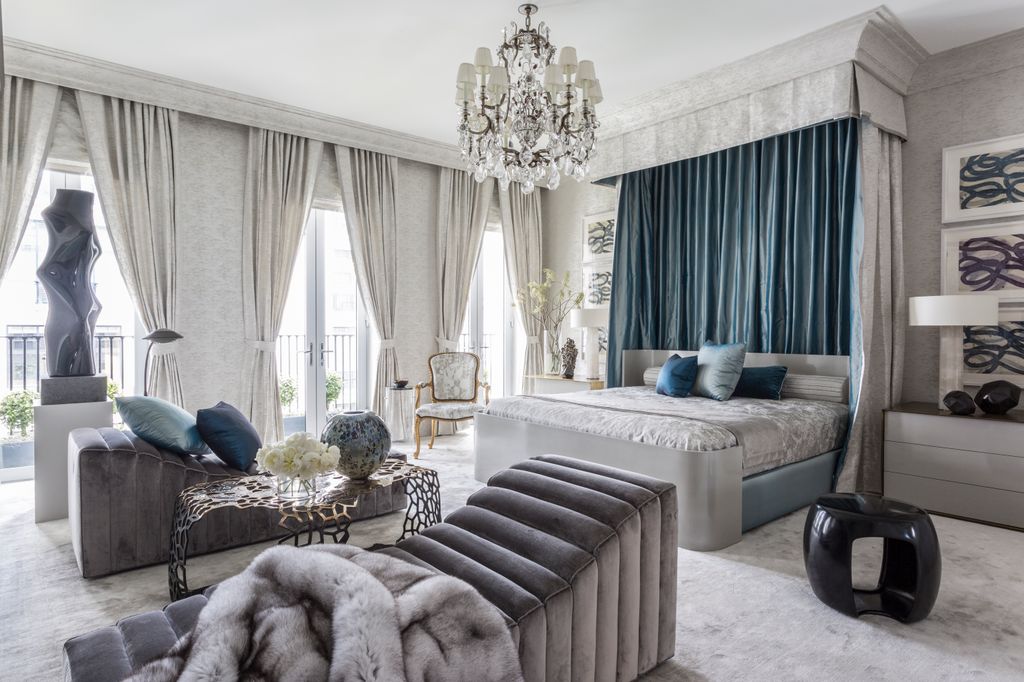
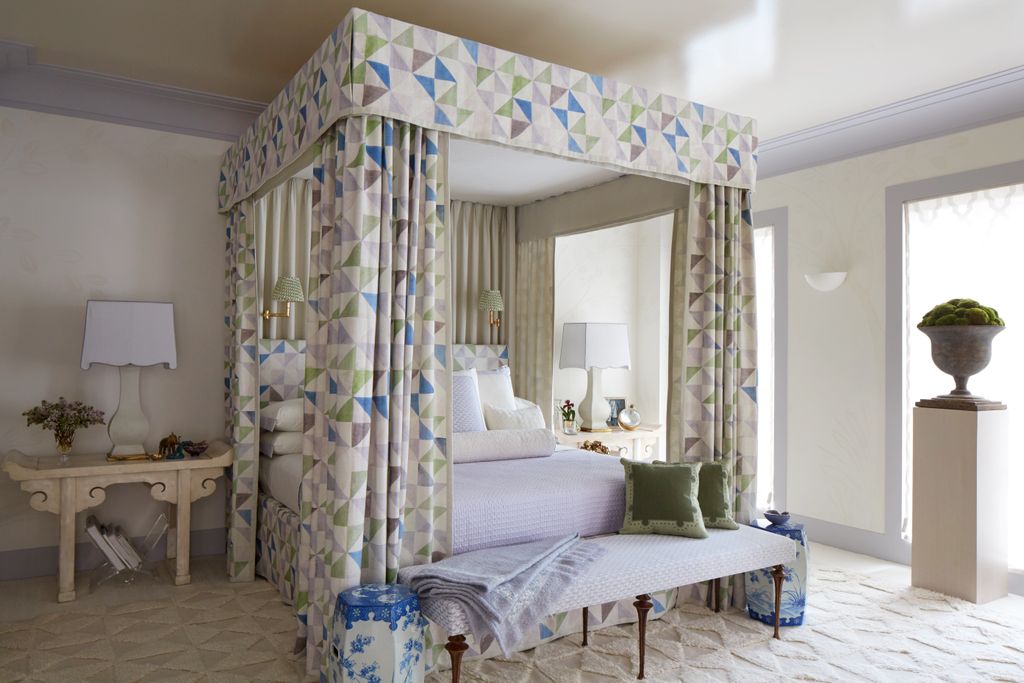
Fabric walling is also valuable for noise reduction, particularly in large spaces like dining rooms, and can be stretched over acoustic foam for dedicated media rooms. Interior designer Tara Craig, founder of Ensemblier London, advocates for fabric-walled bedrooms, noting their indulgent feel, sound-dampening qualities, and ability to create a cozy environment. A more budget-friendly option involves paperbacking the fabric, which Kit Kemp recommends for high-traffic areas to minimize damage. However, paperbacking may lead to variable stretching, complicating pattern matching. It is also possible to re-cover existing upholstered rooms, with experienced professionals able to dismantle previous wall upholstery and reuse original frames.
When hanging items on fabric walls, an art hanging rail can be integrated within the beading edge of the wall panel, allowing flexibility to hang artwork without piercing the fabric. Charu Gandhi of Elicyon suggests using discreet rails with acrylic wires. Kate Guinness recommends picture lighting systems that allow for adjustable height and concealed wiring. It is crucial to finalize the placement of artwork or lights, as holes in fabric walling are permanent and require items to cover them. The article concludes by emphasizing the aesthetic and functional versatility of fabric walling as a sophisticated design choice.
#FabricWalling #InteriorDesign #HomeDecor #AcousticImprovement #Insulation #WallpaperAlternative #TextileWalls #LuxuryInteriors #DesignTechniques #FabricWalling #InteriorDesign #HomeDecor #AcousticImprovement #Insulation #WallpaperAlternative #TextileWalls #LuxuryInteriors #DesignTechniques
0 comment in total
 No comments yet
You may also like
Fabric Walls: How & Why To Get One
DIY shiplap walls: How to install shiplap on wall
How to Hang Wallpaper Yourself in 8 Simple Steps, Straight from a Pro


7 Simple Steps for Hanging Wallpaper Yourself

The expert guide to decorating walls with fabric

How to Hang Wallpaper (the Permanent Kind!) | domino
This Wall-Decor Hack Is Even Easier Than Peel-and-Stick Wallpaper
Why interior designers love framed textiles and where to buy the best ones
How to Hang Wallpaper (the Permanent Kind!)
The Cozy Wall Treatment That's Taking Over Big Time In 2026
4 Creative Ways To Use Textiles in Your Home

How to remove wallpaper - expert-approved steps to prevent damage and ensure a smooth finish
8 Common Wallpaper Mistakes (and How to Fix Them)

9 Designer Wall Treatments That Will Reinvent Your Interiors
We created a posh wall panel in seconds using a sneaky stick-on hack - everyone is convinced it’s real wood

The fabric effect: 8 of the best textural wallcoverings
How to Hang Wallpaper (the Permanent Kind!)

6 ways to fake wall panelling and create the sought-after look on a budget
Feature Wall Designs, Wallpaper and Paint Ideas
Fabric Wall Décor Is One of the Biggest Design Trends of 2025