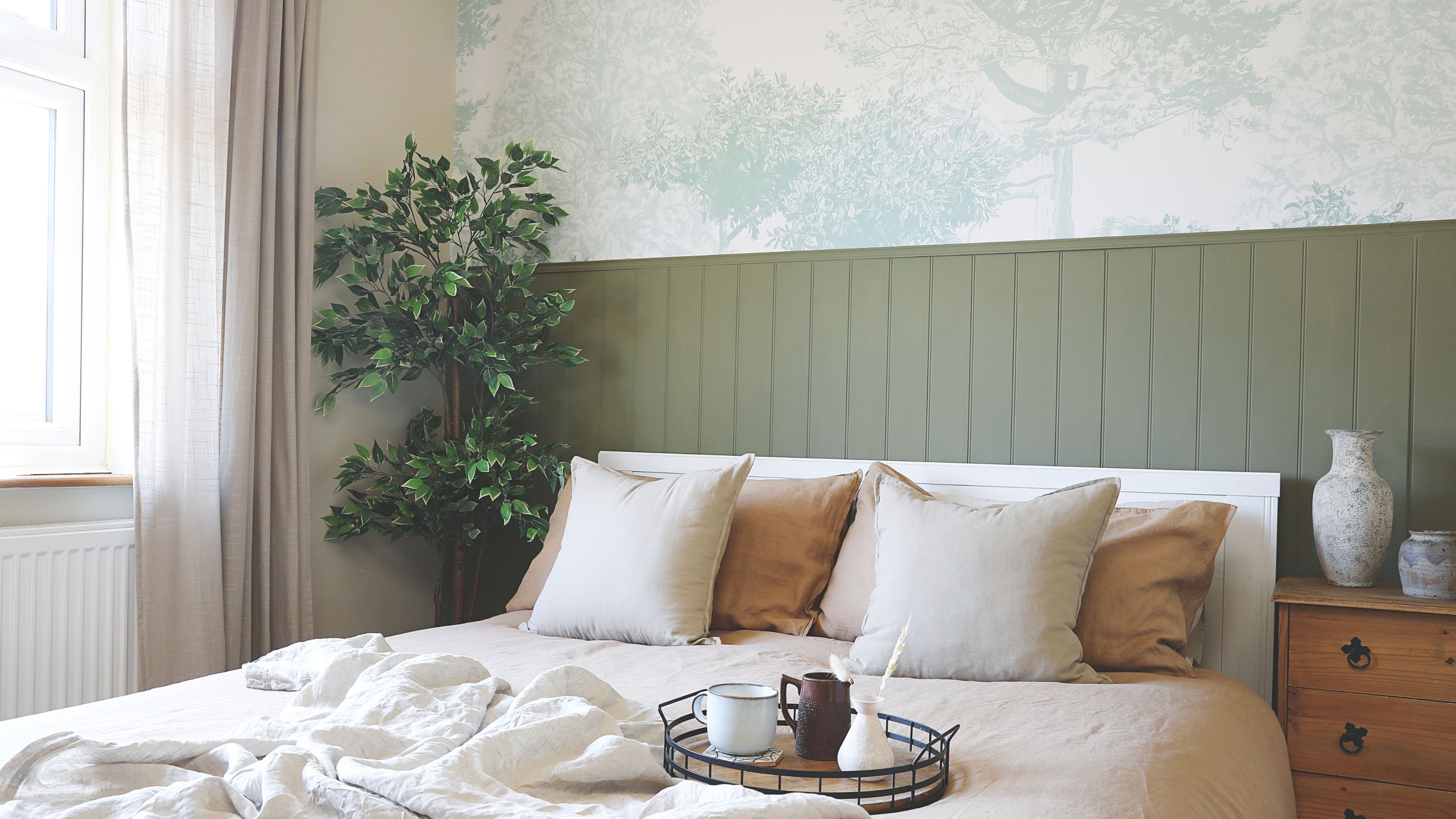
1/6
How to remove wallpaper - expert-approved steps to prevent damage and ensure a smooth finish
This guide provides comprehensive instructions on how to effectively remove wallpaper, preventing damage to walls and ensuring a smooth surface for subsequent decoration. The article emphasizes the importance of removing existing wallpaper rather than applying new layers on top, as this prevents common issues like creases and air bubbles. It details the necessary tools and materials for the job, including wallpaper scrapers, a wallpaper steamer, and a good quality sponge.
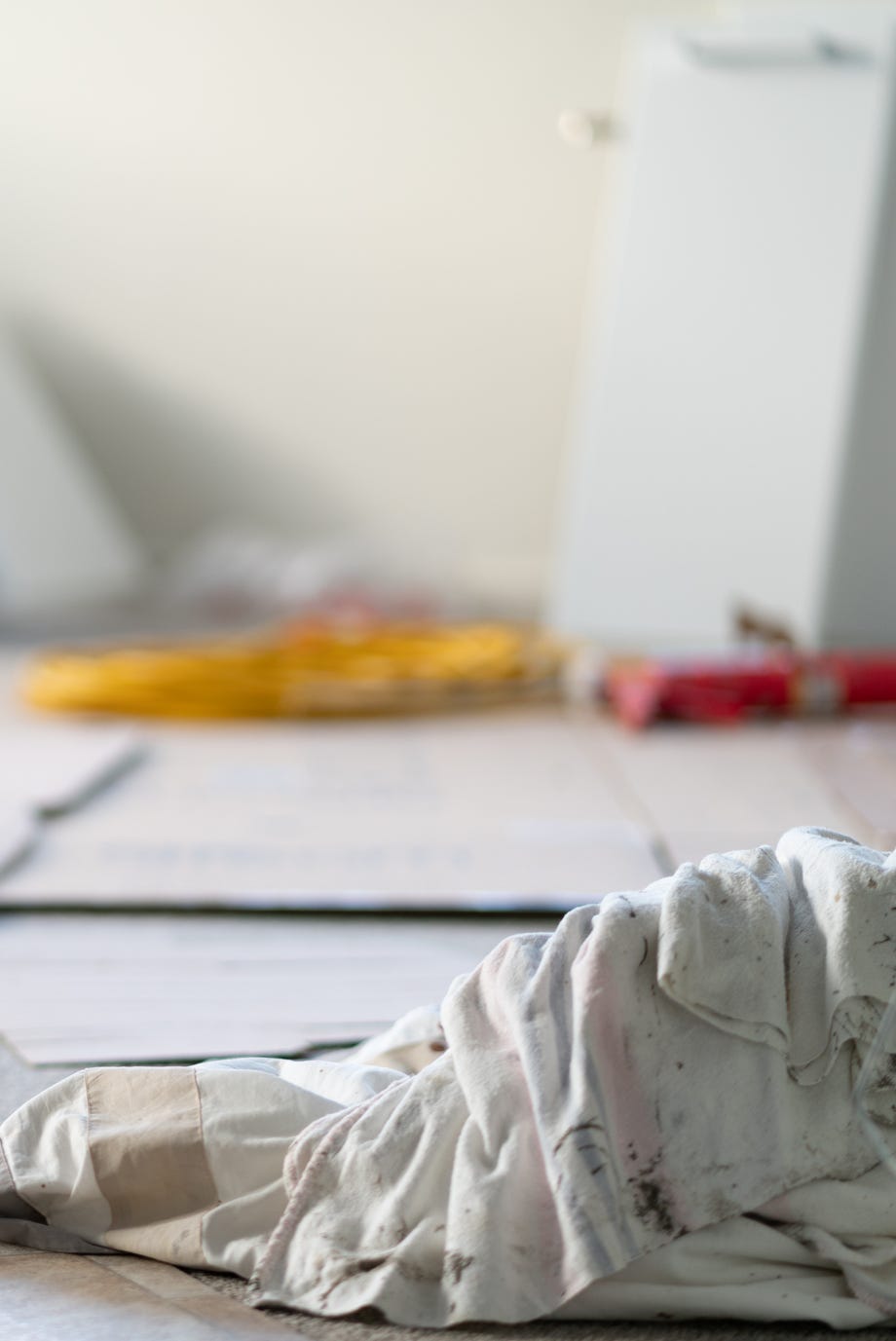
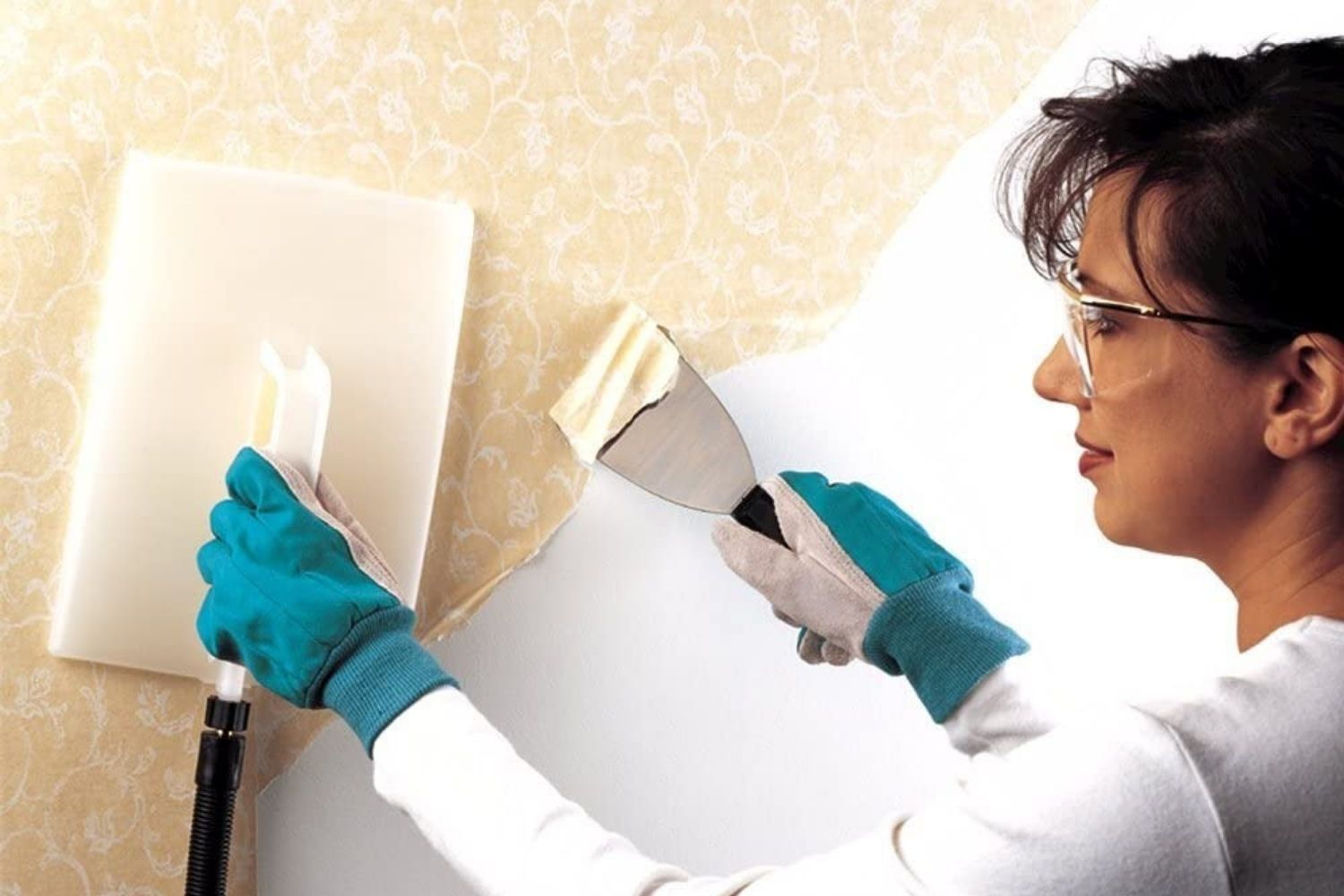
The process begins with preparing the area. This involves protecting floors and furniture with drop cloths or old sheets and using painter's tape to cover electrical outlets, skirting boards, and paneling. A crucial safety measure is to turn off electricity in the room to avoid hazards from water or steam contacting electrical components. Moving furniture out of the room is also recommended, especially when using a steamer. For those opting for chemical wallpaper removers, wearing gloves and eye protection is essential. For taller walls, a ladder and an assistant for stability are advisable.
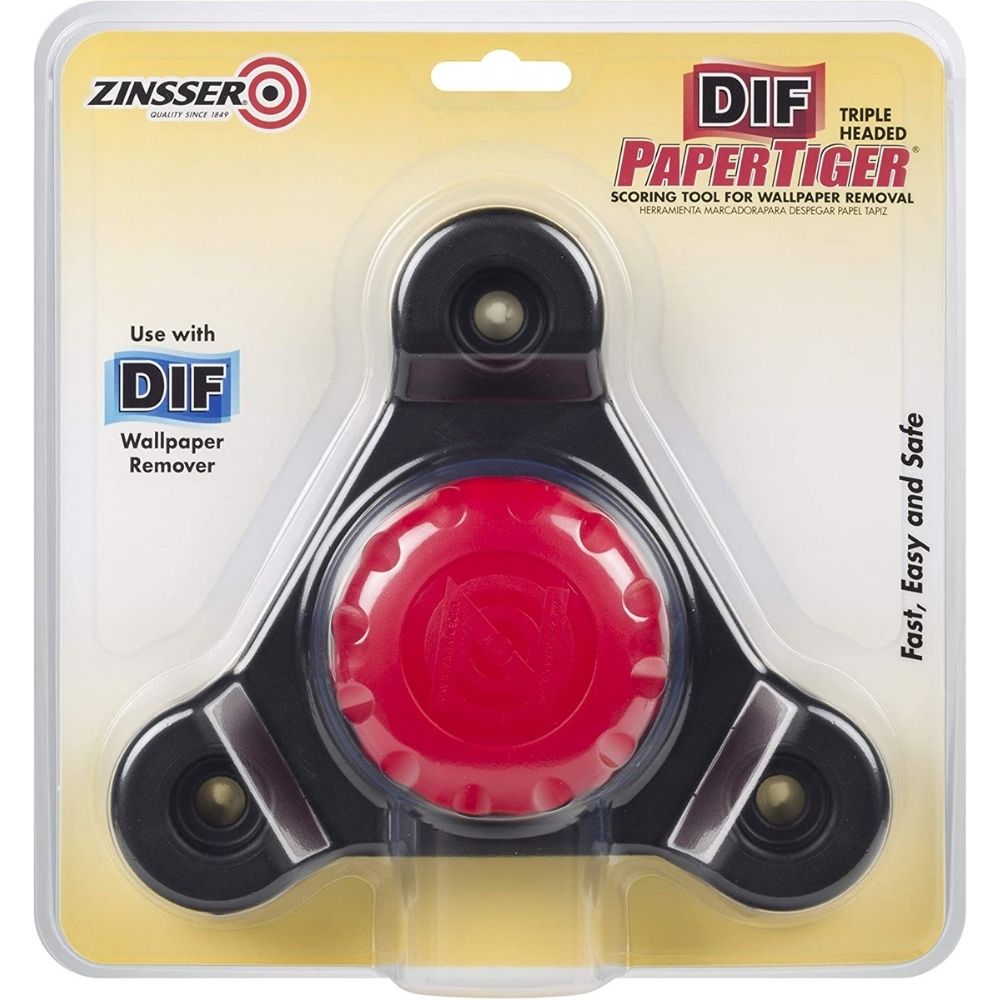
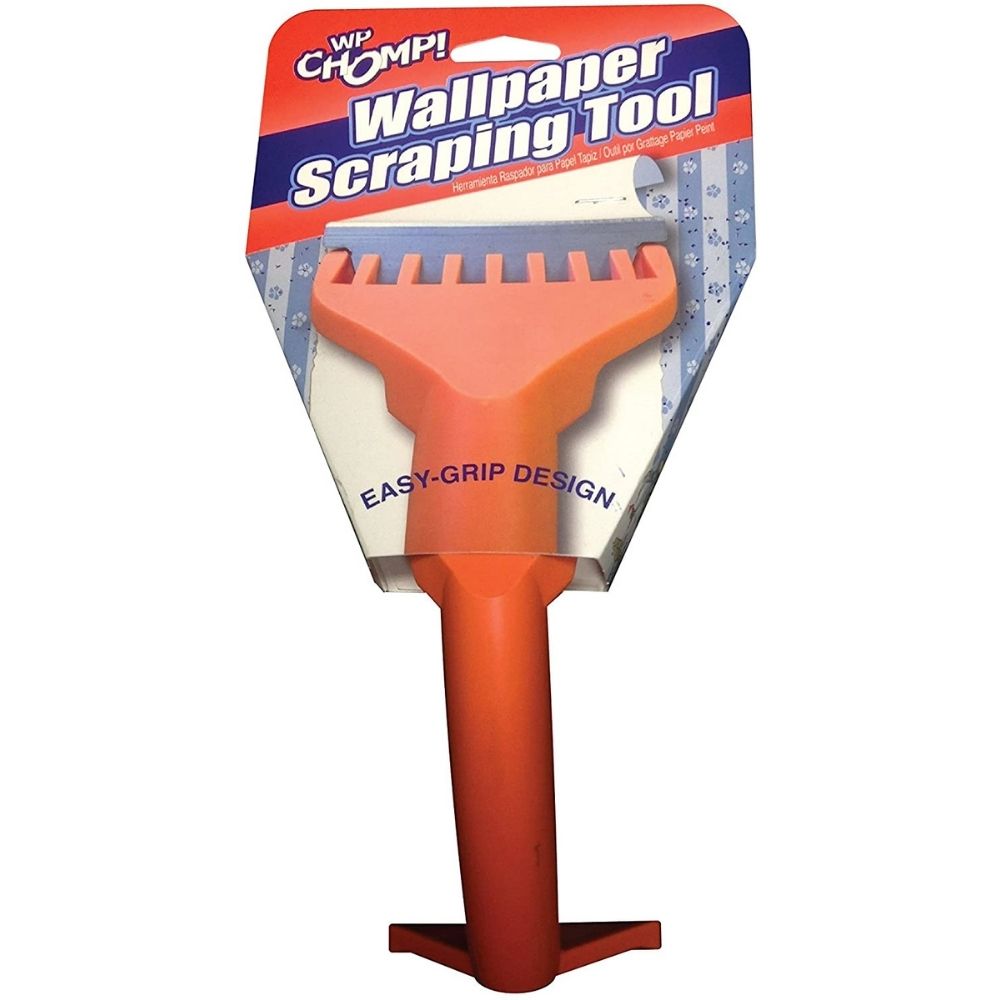
Next, the existing wallpaper needs to be perforated. Using a scoring tool is suggested to create small holes, allowing removal solutions or steam to penetrate the wallpaper. The article cautions against using knives or scissors for scoring to prevent uneven cuts and damage to the underlying wall. Pressure should be applied carefully to only cut into the wallpaper's surface.
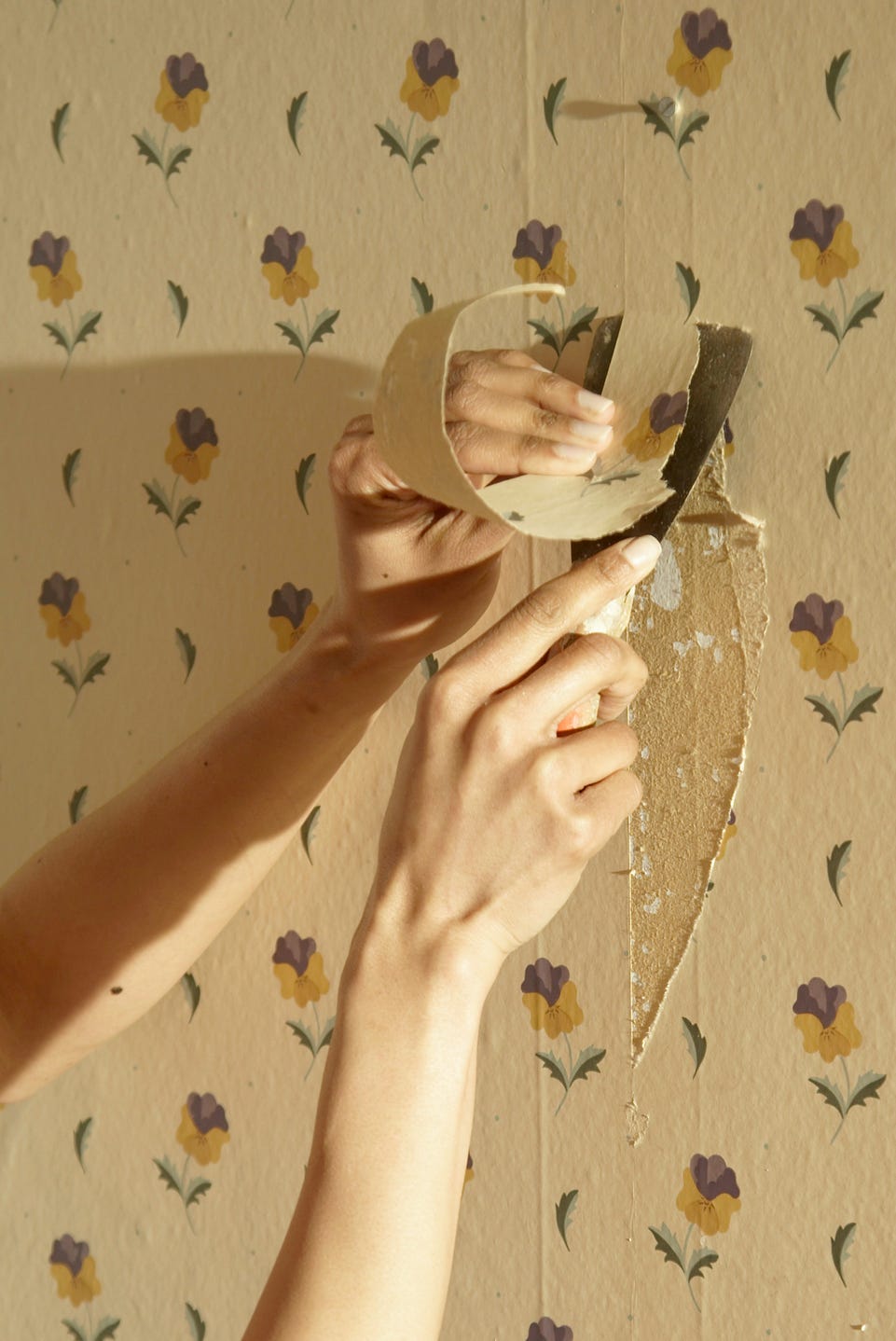
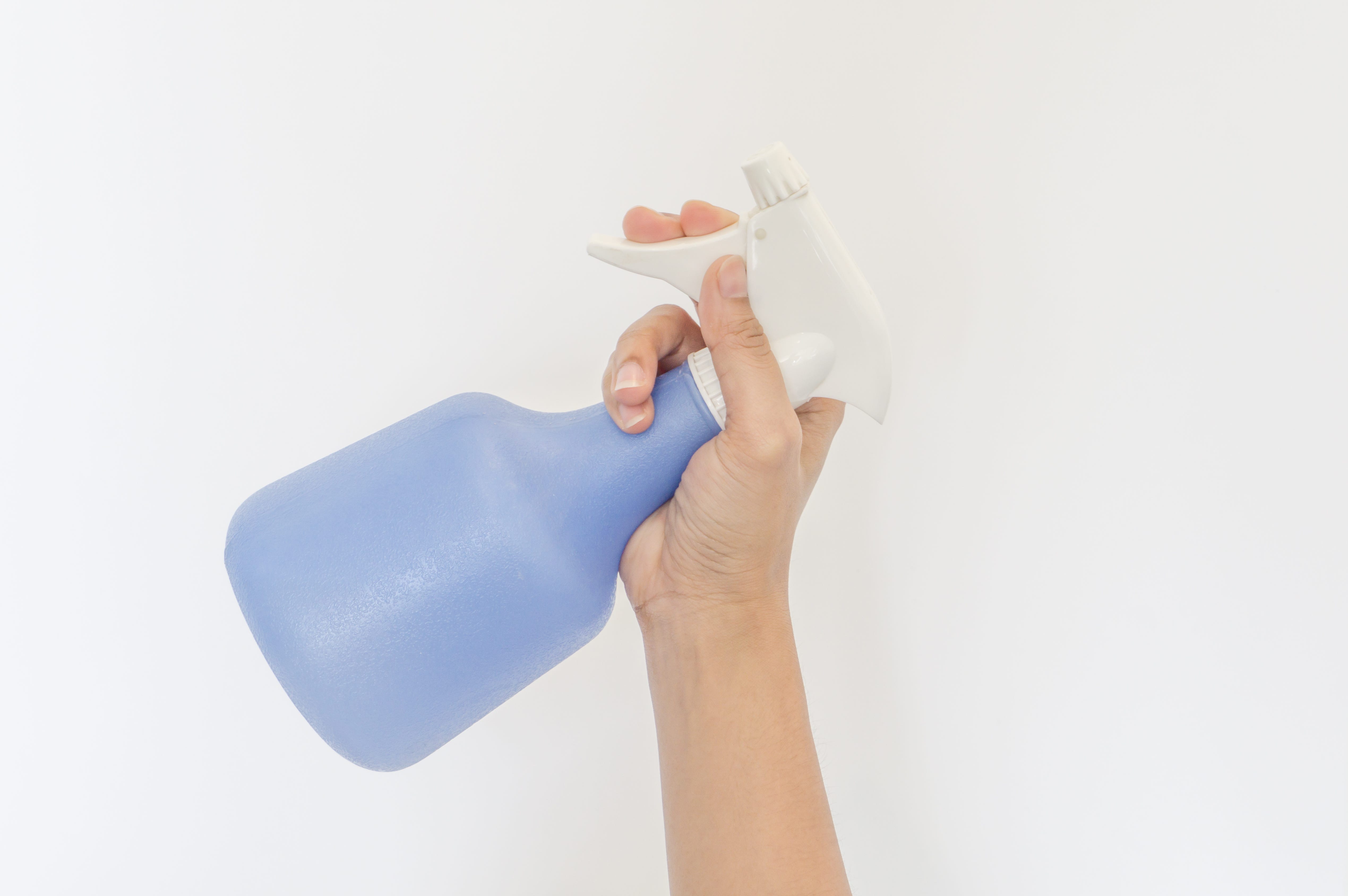
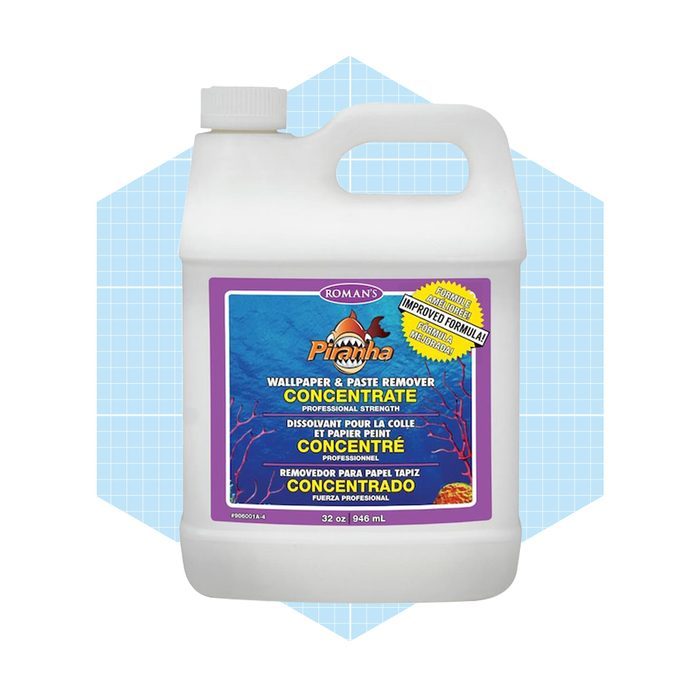
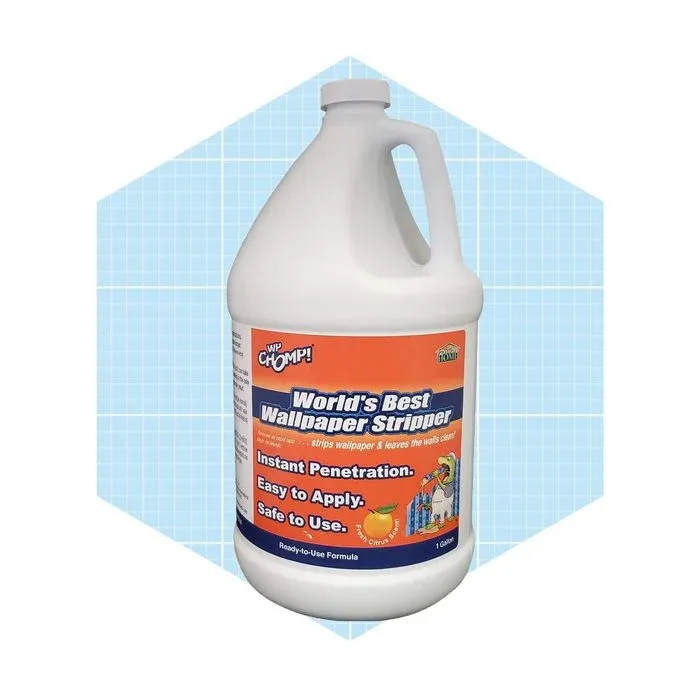
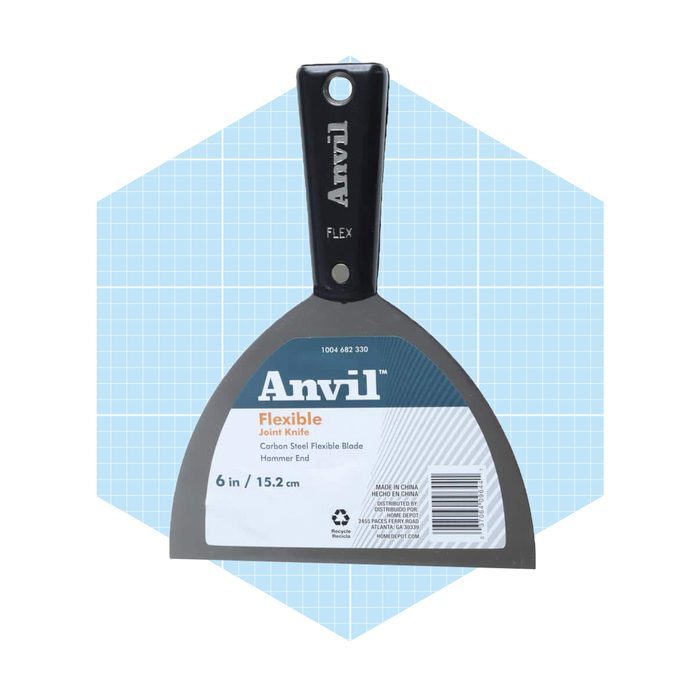
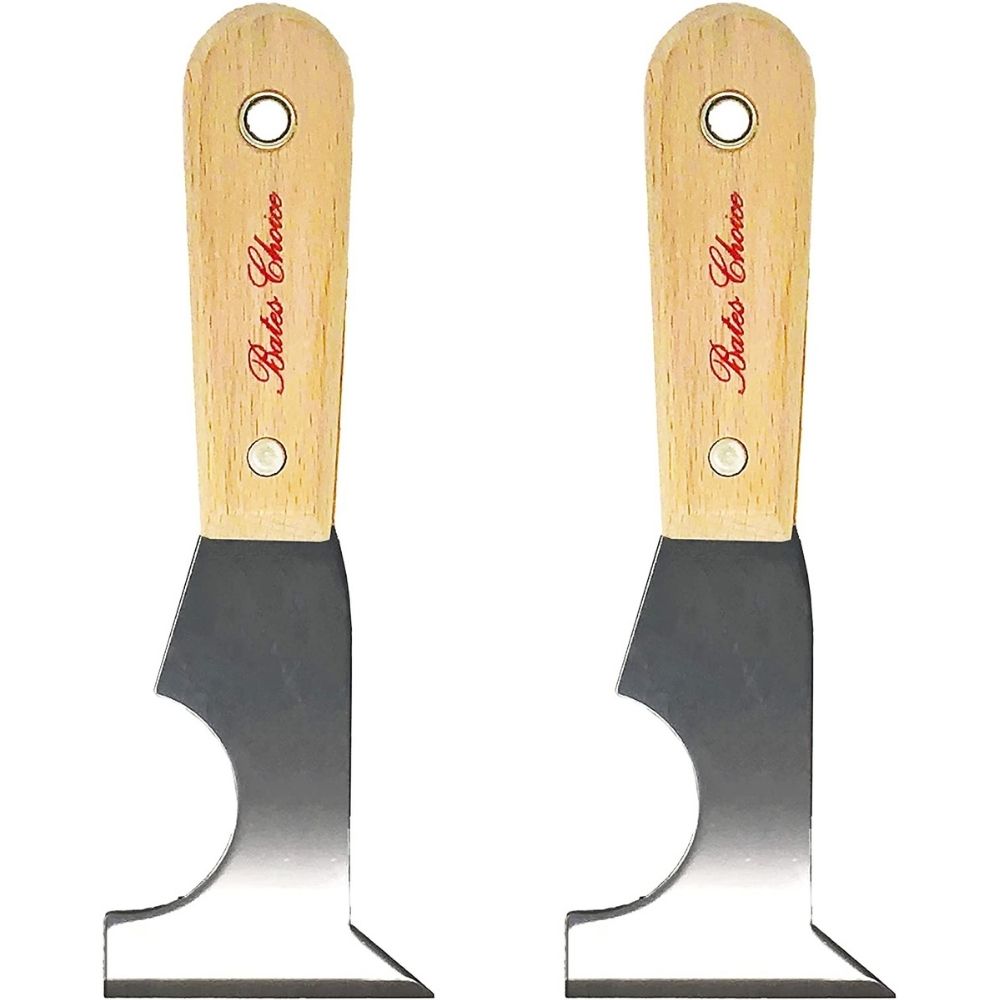
The guide then offers two primary methods for wallpaper removal: using a chemical solution or a steamer. For chemical removal, a ready-to-use stripper can be sprayed liberally onto the walls, following manufacturer instructions and allowing at least 20 minutes for it to work. A stripping knife is then used with short, sharp movements to peel the paper away, taking care not to damage the wall. If sections dry out, more solution should be applied. Alternatively, a natural solution of equal parts vinegar and water can be sprayed, allowed to soak for 10-15 minutes, and then scraped off. This method may require reapplication.
For steam removal, a wallpaper steamer is used. The steam plate should be held at the bottom of a wallpaper strip for about ten seconds until the paper is damp and the adhesive loosens. The article advises against holding the steam plate for too long to prevent plaster damage, noting that a popping sound indicates cracking. Working from bottom to top is suggested as rising steam aids removal of upper sections. Adequate ventilation by opening windows and doors is crucial to prevent damp and condensation.
Finally, after wallpaper removal, the walls need to be cleaned. A simple solution of warm, soapy water applied with a sponge or cloth is effective. Sugar soap can also be used to break down any remaining adhesive residue, ensuring a clean finish. The walls must be left to dry completely before any further decorating. The article also addresses frequently asked questions, confirming that washing-up liquid can be used as a gentler, though potentially slower, alternative for wallpaper removal. It concludes by listing common mistakes to avoid, such as scoring too deeply, leaving solutions on too long, over-steaming, or neglecting to remove all paper and adhesive residue.
#WallpaperRemoval #DIYHomeImprovement #WallPreparation #HomeRenovation #DecoratingTips #InteriorDesign #HouseholdMaintenance #DIYHacks #WallpaperRemoval #DIYHomeImprovement #WallPreparation #HomeRenovation #DecoratingTips #InteriorDesign #HouseholdMaintenance #DIYHacks
0 comment in total
 No comments yet
You may also like
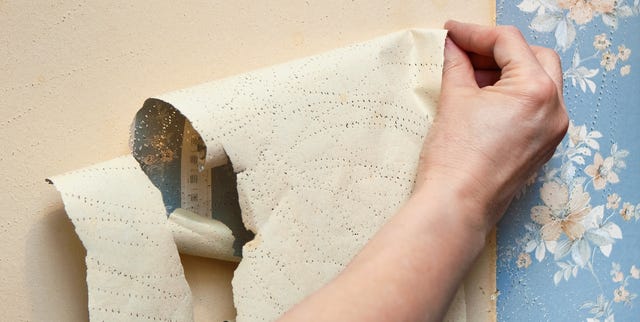
A Stress-Free Way to Remove Wallpaper

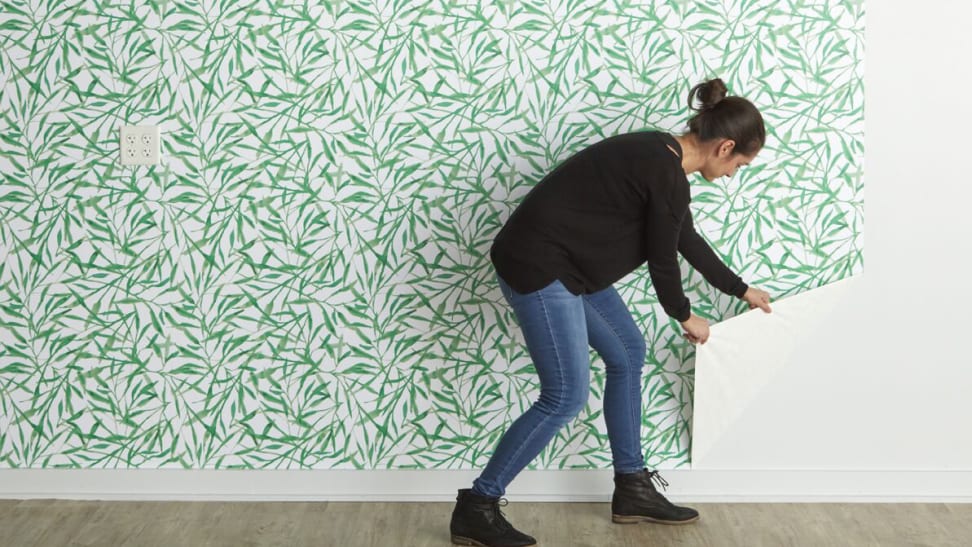
Everything you need to know about removable wallpaper

These Removable Wallpapers Will Completely Transform Your Space (Without Damaging Your Walls)

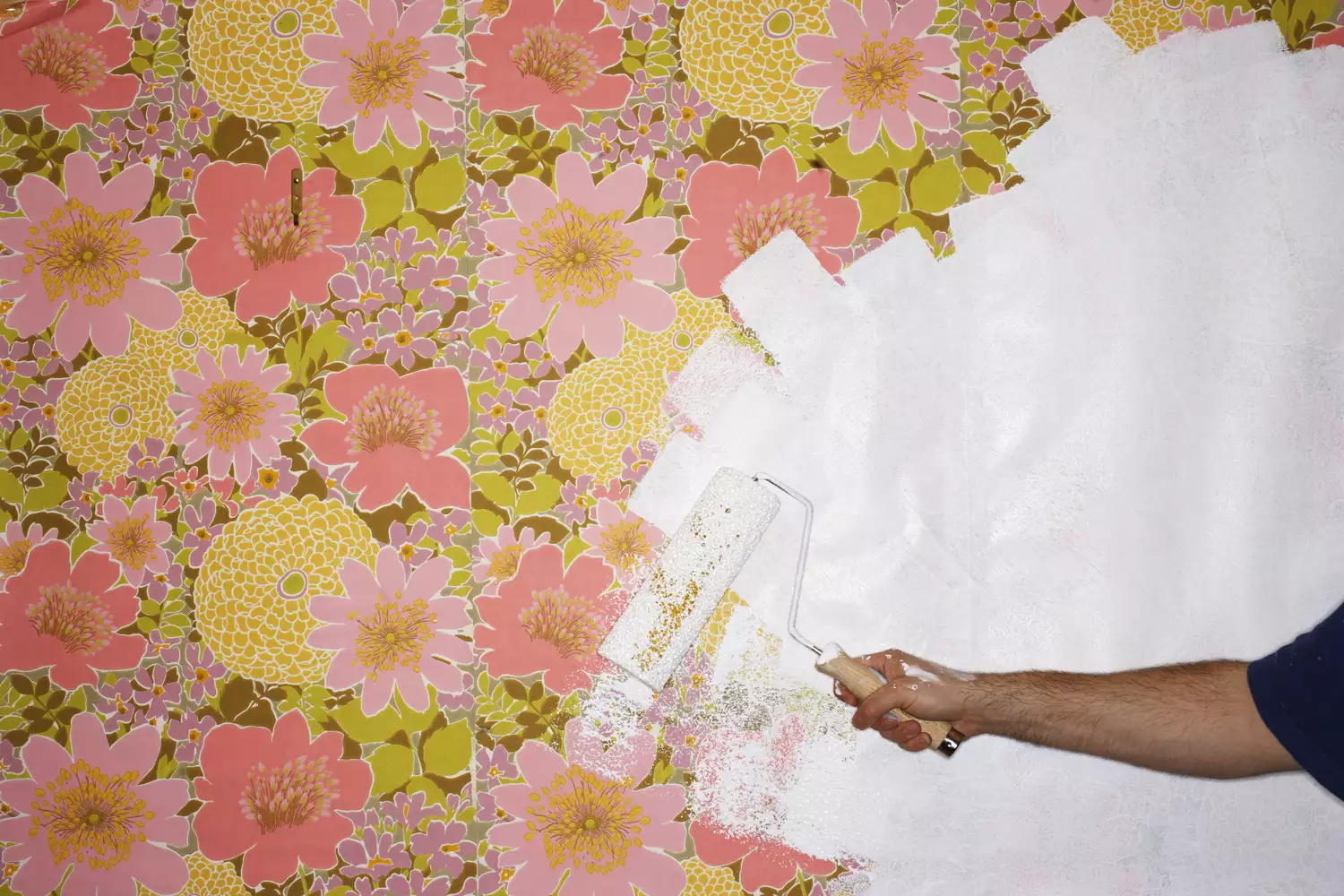
Can You Paint Over Wallpaper Without Removing It? Experts Weigh In
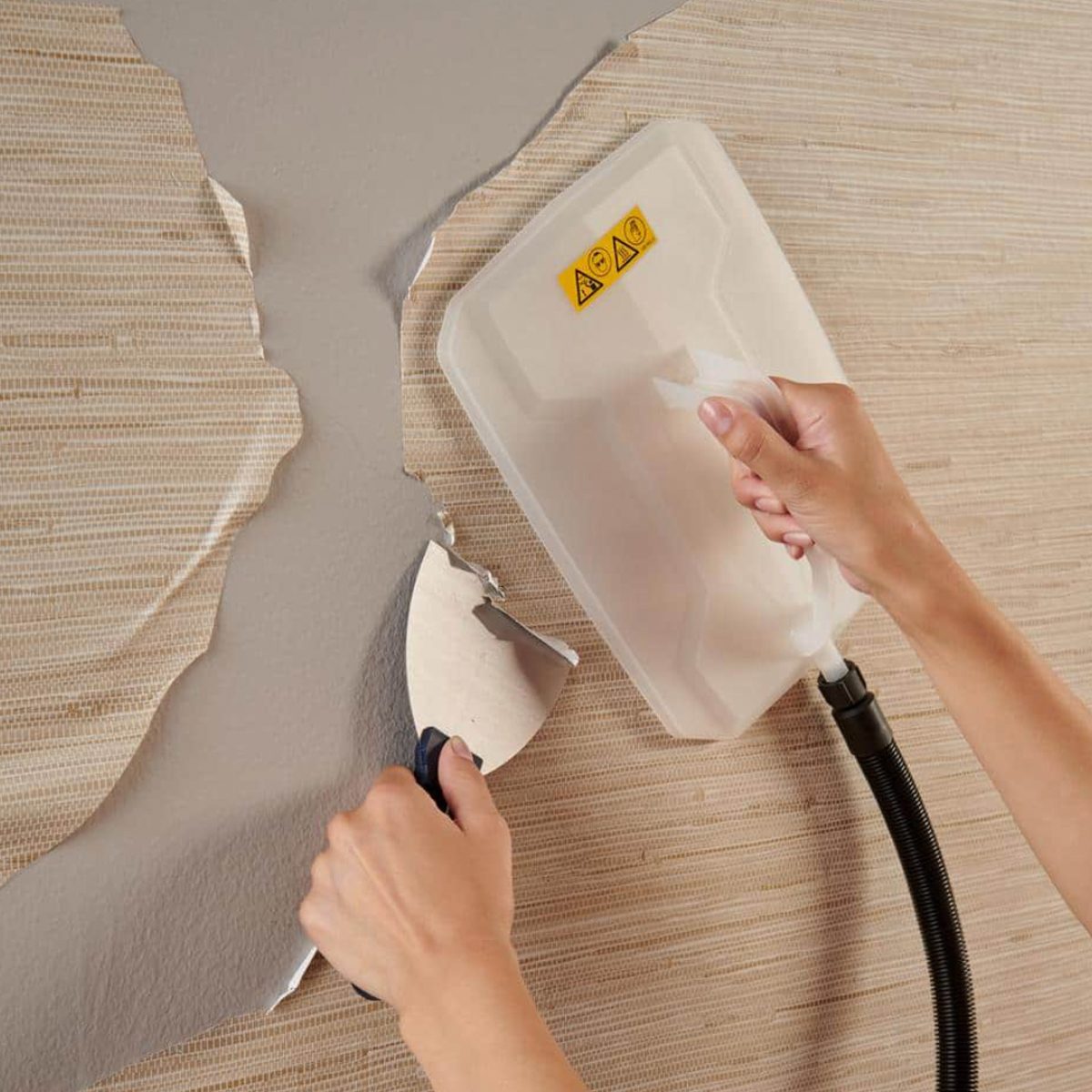
9 Best Wallpaper Removers

DIY Removable Wallpaper
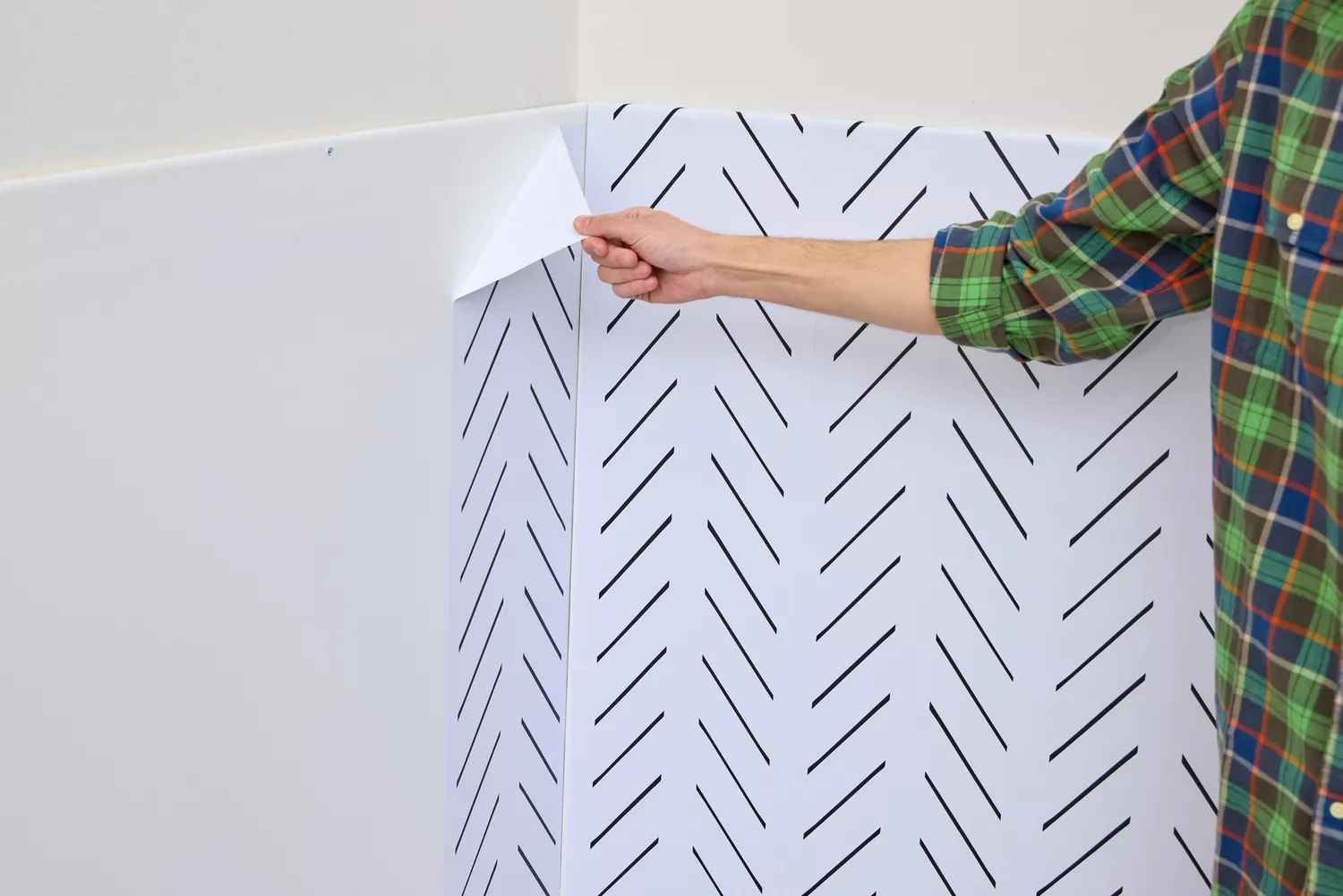
Say Goodbye to Damaged Walls—These 6 Removable Wallpapers Come Off Clean
Can you paint over wallpaper? Experts explain how to make this time-saving hack work
The Best Wallpaper Removers of 2025 for Updating Your Home’s Interior
How to Apply (and Remove) Peel-and-Stick Wallpaper the Right Way
The 3 Best Removable Wallpapers of 2026 | Reviews by Wirecutter

Can you put wallpaper on textured walls? Experts reveal it is indeed possible with this vital step

3 ways to remove wallpaper quickly
Peel-and-stick wallpaper tips and shopping

How to Hang Wallpaper (the Permanent Kind!)


12 unique wallpaper ideas for renters and homeowners at every budget

Everything you need to know about removable wallpaper

The 3 Best Removable Wallpapers of 2025 | Reviews by Wirecutter
The 6 best removable wallpapers, according to an expert
How to clean walls – the best ways to get rid of marks and scuffs