1/8
Can you put wallpaper on textured walls? Experts reveal it is indeed possible with this vital step
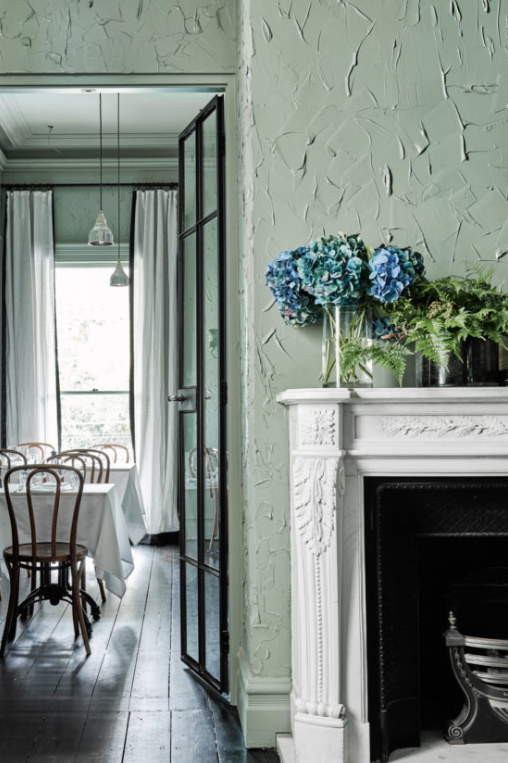
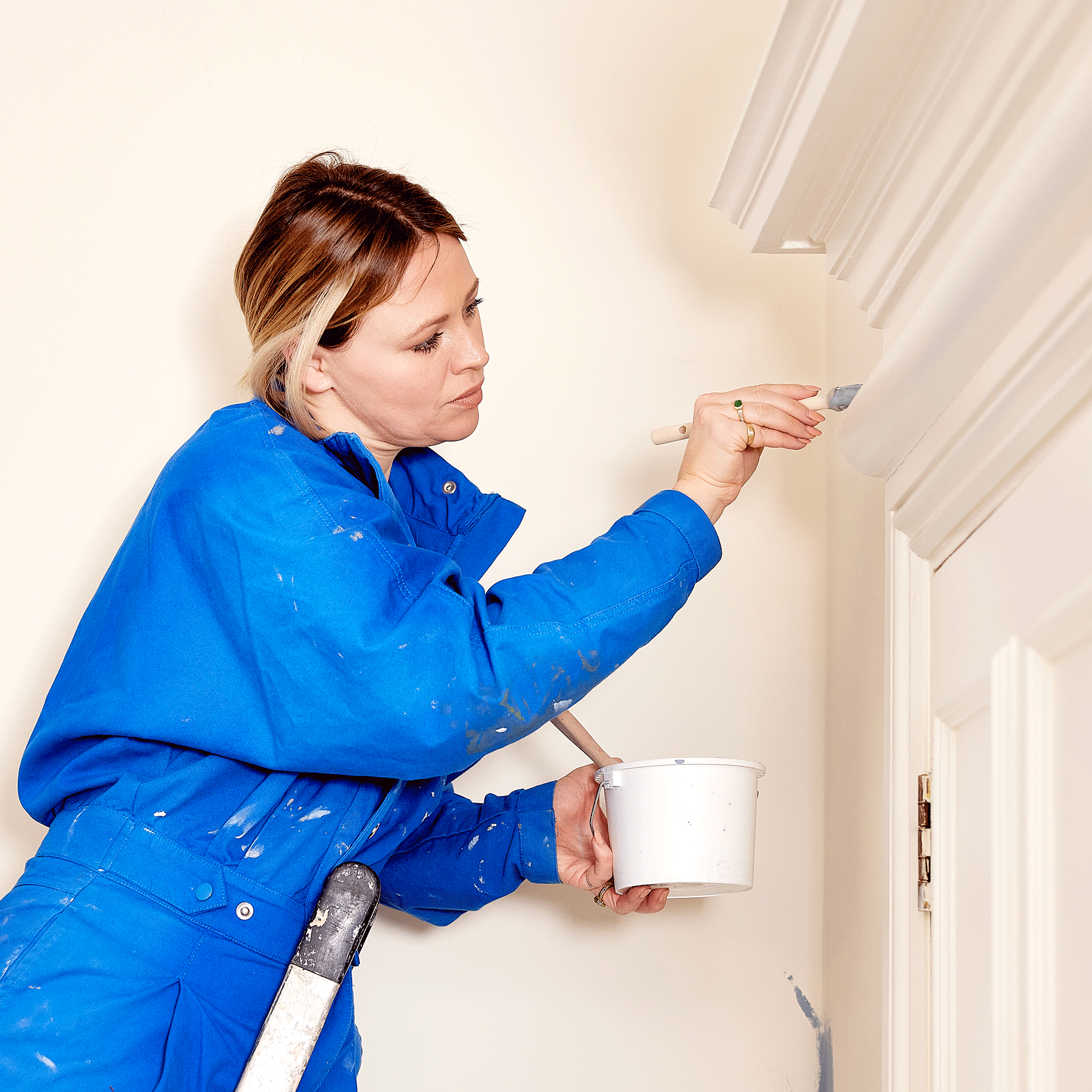
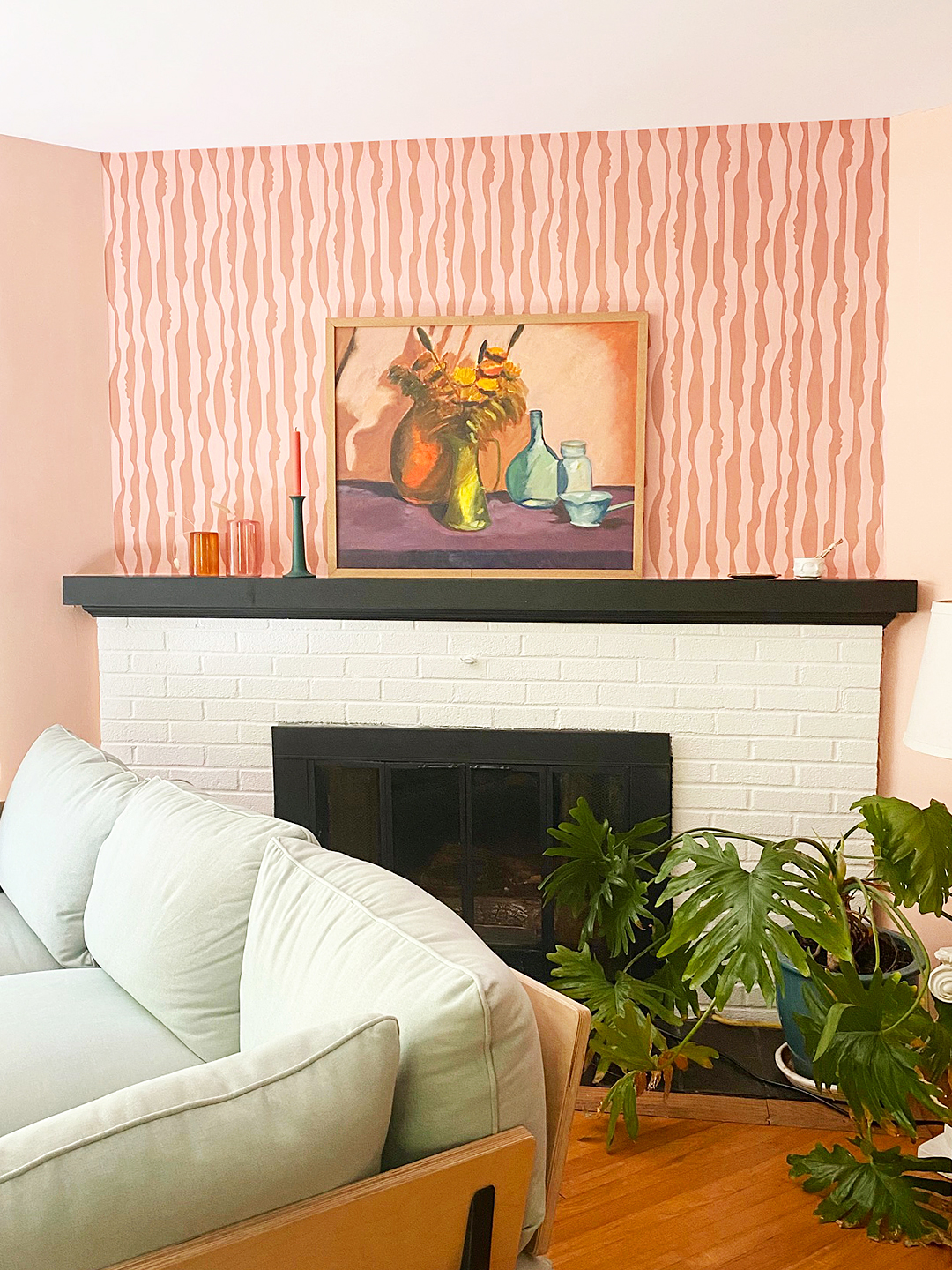
Wallpapering over textured walls is a feasible project, provided significant preparation is undertaken to ensure a smooth and durable finish. The initial step involves a thorough assessment of the wall's texture, categorizing it as light, medium, or heavy, including types such as orange peel, popcorn, or knockdown. This evaluation dictates the extent of preparation required, with the general rule being that walls should be as smooth as possible for optimal wallpaper adhesion and appearance. Cleaning the wall is paramount, removing dust, dirt, and grease with a mild detergent and allowing it to dry completely to prevent issues with wallpaper adhesion.
The next crucial stage involves applying joint compound to smooth out any textures or imperfections. This process is particularly beneficial for older properties with uneven walls. After the joint compound dries, a second coat may be necessary for heavily textured surfaces, allowing sufficient drying time between applications. A fan on a low setting can expedite the drying process. Following the application of joint compound, sanding the surface is essential to eliminate any rough edges and create a uniform base. Fine-grit sandpaper or a sanding block can achieve this, and for higher areas, a pole sander can be utilized.
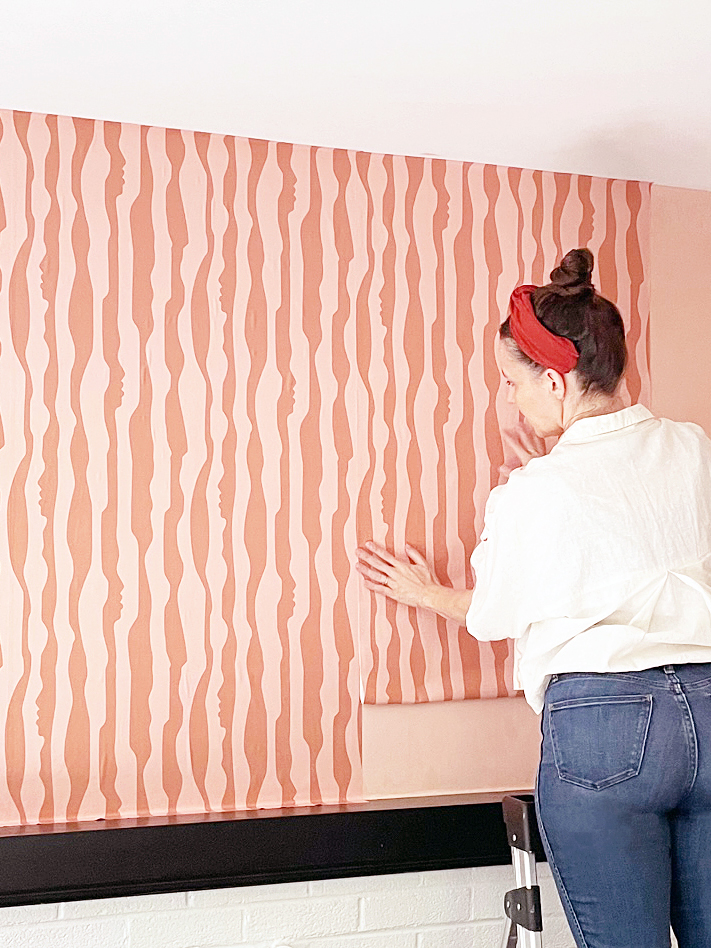
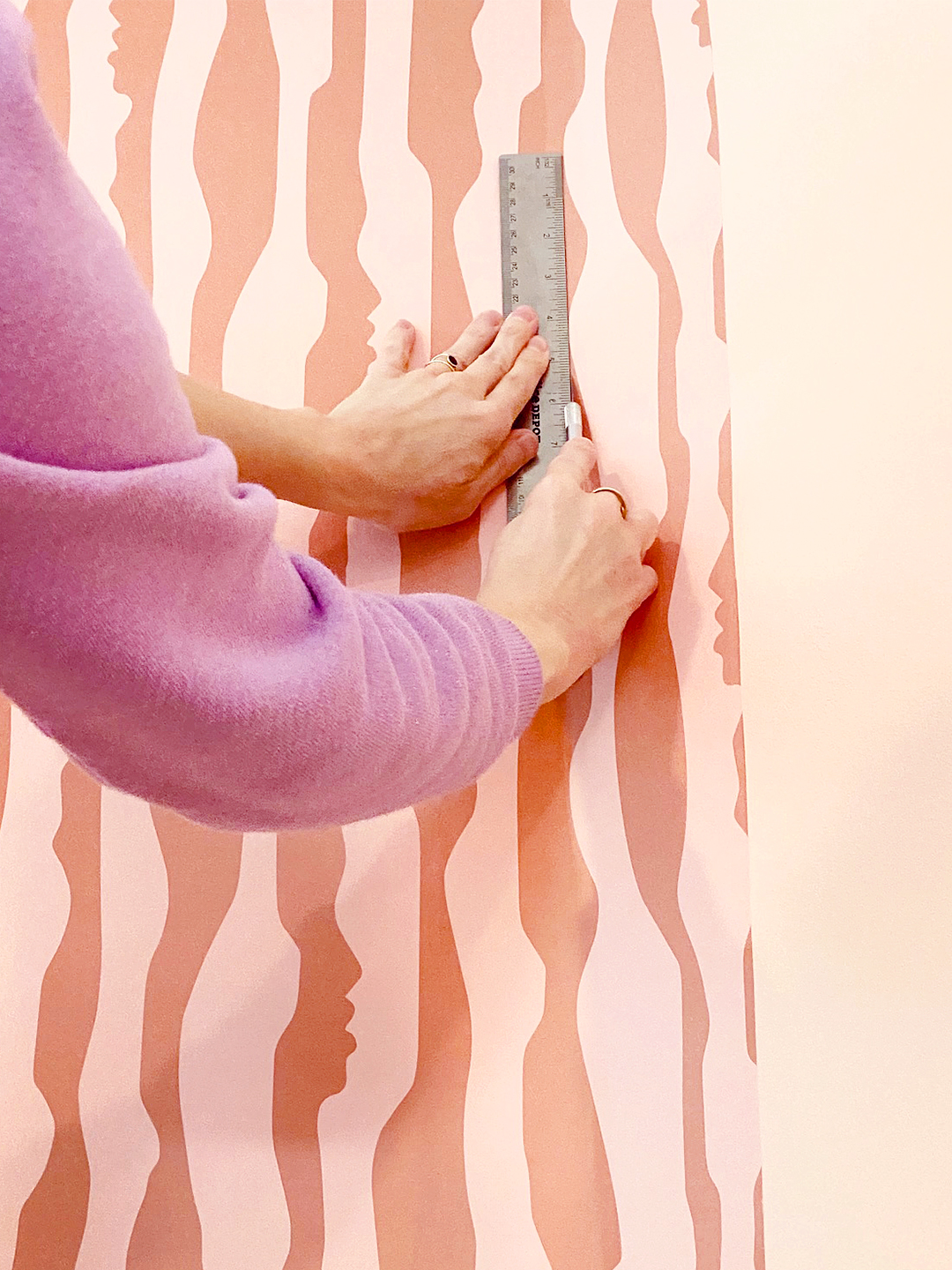
Priming the wall is a non-negotiable step, as it enhances adhesion and prevents the underlying texture from showing through the wallpaper. Specialized primers designed for textured walls are recommended. For extremely textured surfaces, applying a heavyweight lining paper after priming can further smooth irregularities like cracks and bumps, providing an ideal base. When selecting wallpaper, certain considerations are key. Peel-and-stick wallpapers are generally not recommended for textured walls due to their unforgiving nature on imperfect surfaces. Instead, pre-pasted or paste-the-wall options are preferable, but only after comprehensive wall preparation.
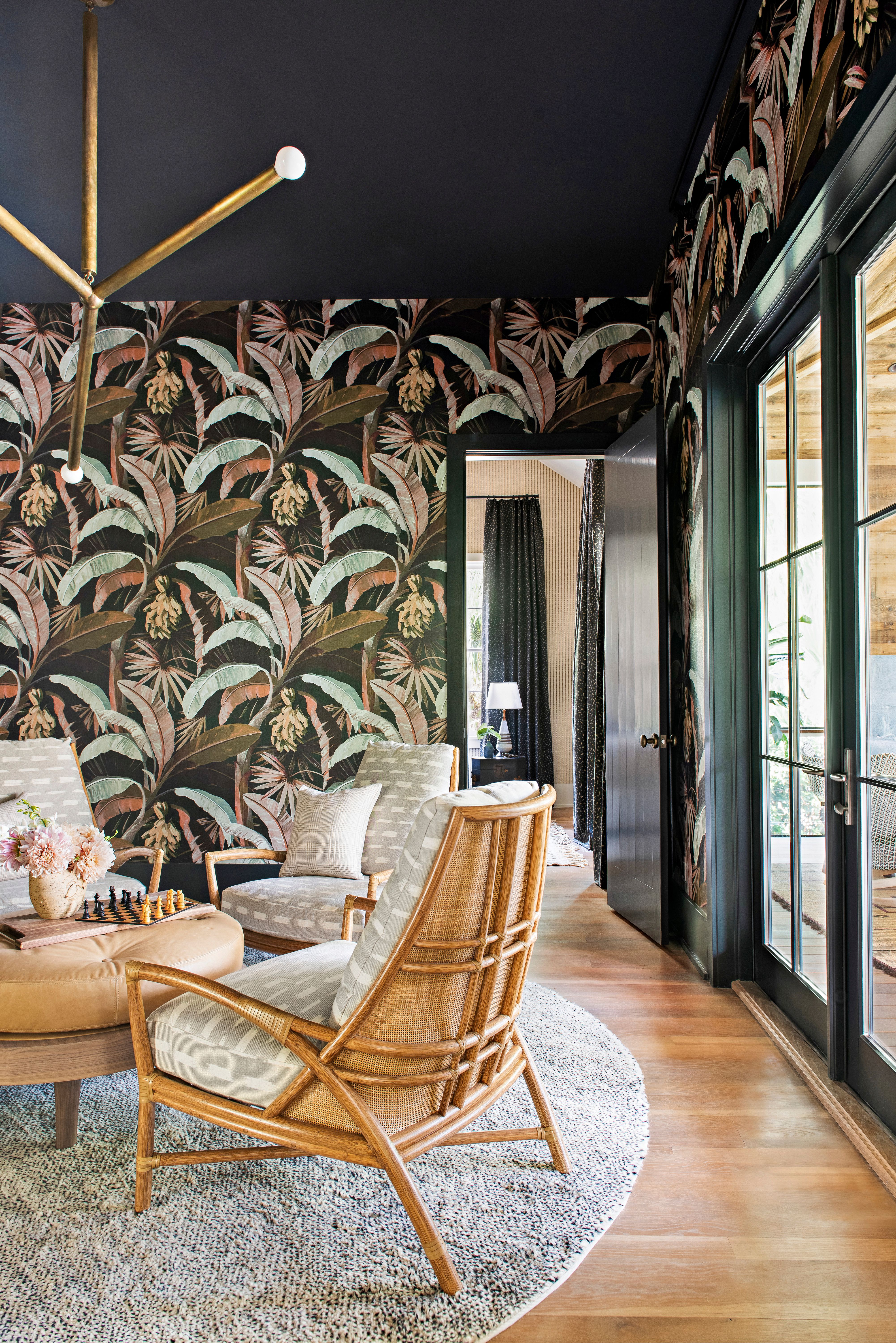
Thicker wallpapers, such as vinyl or those with inherent texture, are more effective at concealing minor imperfections. Patterns and darker colors can also help to disguise any subtle textures that might still be visible. Conversely, thin or delicate wallpapers are likely to highlight existing textures. Investing in a sturdy pasting table is advised for easier application. It is also beneficial to test a small wallpaper sample on the wall to gauge its adhesion and appearance before committing to the entire project. Using a strong adhesive specifically formulated for challenging surfaces can further secure the wallpaper, especially on walls that were particularly difficult to smooth. Finally, awareness of natural light in the room is important, as abundant direct light can emphasize textures through the wallpaper, potentially leading to dissatisfaction with the final result. Adhering to these meticulous preparation steps ensures a successful and aesthetically pleasing wallpaper application on textured walls.
#Wallpapering #TexturedWalls #HomeImprovement #DIYDecor #InteriorDesign #WallPreparation #JointCompound #SandingWalls #WallpaperPrimer #Wallpapering #TexturedWalls #HomeImprovement #DIYDecor #InteriorDesign #WallPreparation #JointCompound #SandingWalls #WallpaperPrimer
0 comment in total
 No comments yet
You may also like
The Best Wall Texture Ideas for Adding Depth to Any Room
Forget painting your walls grey, it’s time to sparkle
Textured walls: New season wallcoverings are going 3D |

This Wall-Decor Hack Is Even Easier Than Peel-and-Stick Wallpaper
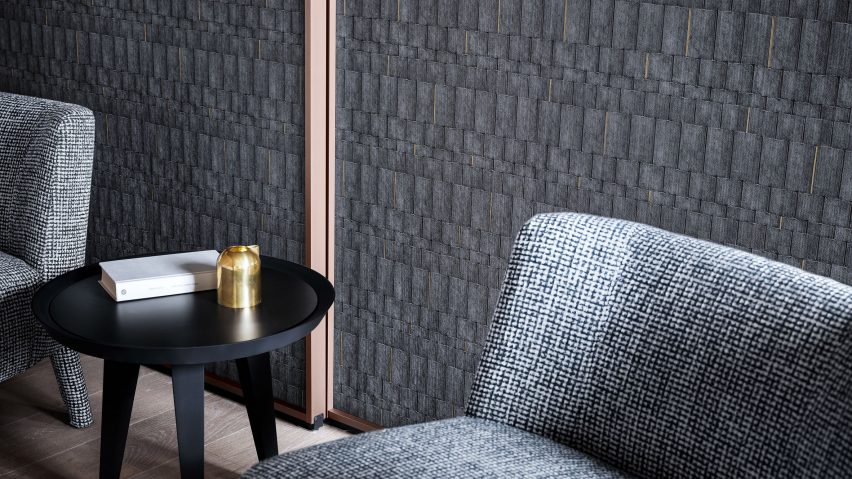
Wall&Deco's textured wallpapers are designed "be explored with the hands as well as seen"
Can you paint over wallpaper? Experts explain how to make this time-saving hack work
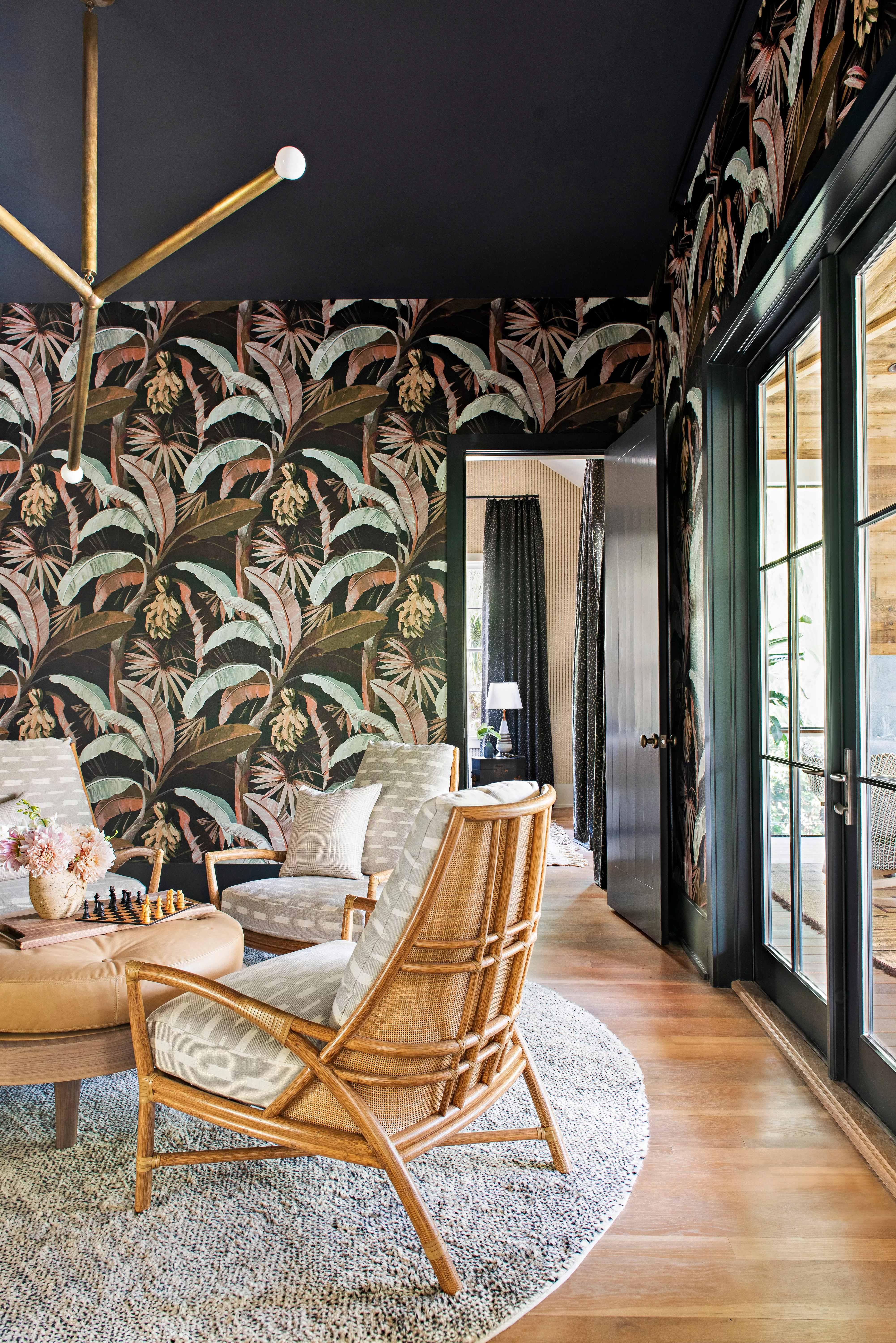
8 Common Wallpaper Mistakes (and How to Fix Them)

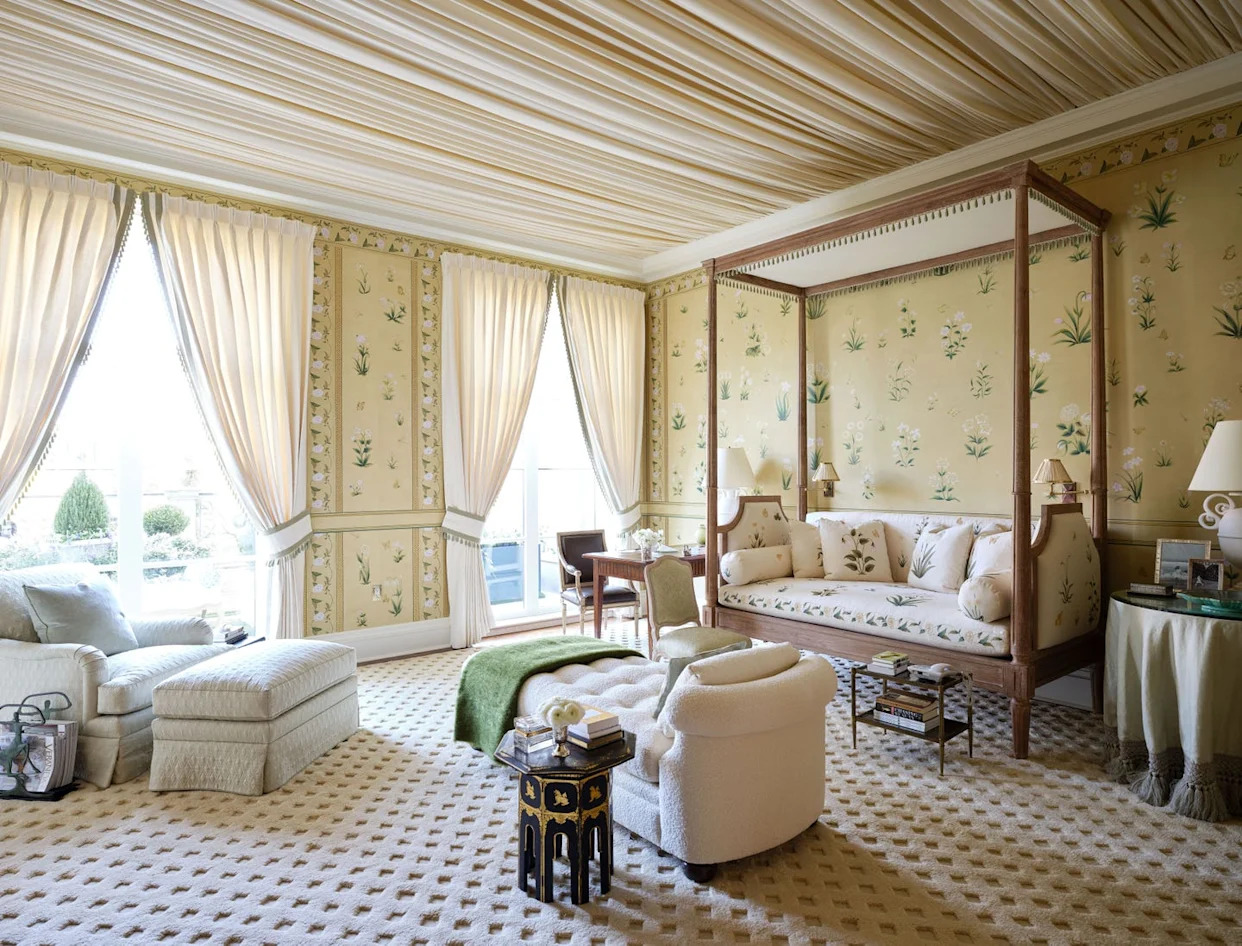
So Long Accent Walls, Here Are the Biggest Wallpaper Trends of 2025

How to texture a wall – 5 expert methods for intriguing wall textures
Textured Walls Are The Latest Interiors Trend For Adding Warmth To Your Space
Step Aside, Paint: These Are the 10 Most Creative Wall Treatments We Saw This Year
The fabric effect: 8 of the best textural wallcoverings

How to Use Textured Wallpaper in Your Home
Designers Are Ditching "Flat Painted Walls" for THIS Unexpected Trend

15 Inspiring Wall Designs for Hall with Pictures in 2023
How to Hang Wallpaper (the Permanent Kind!) | domino
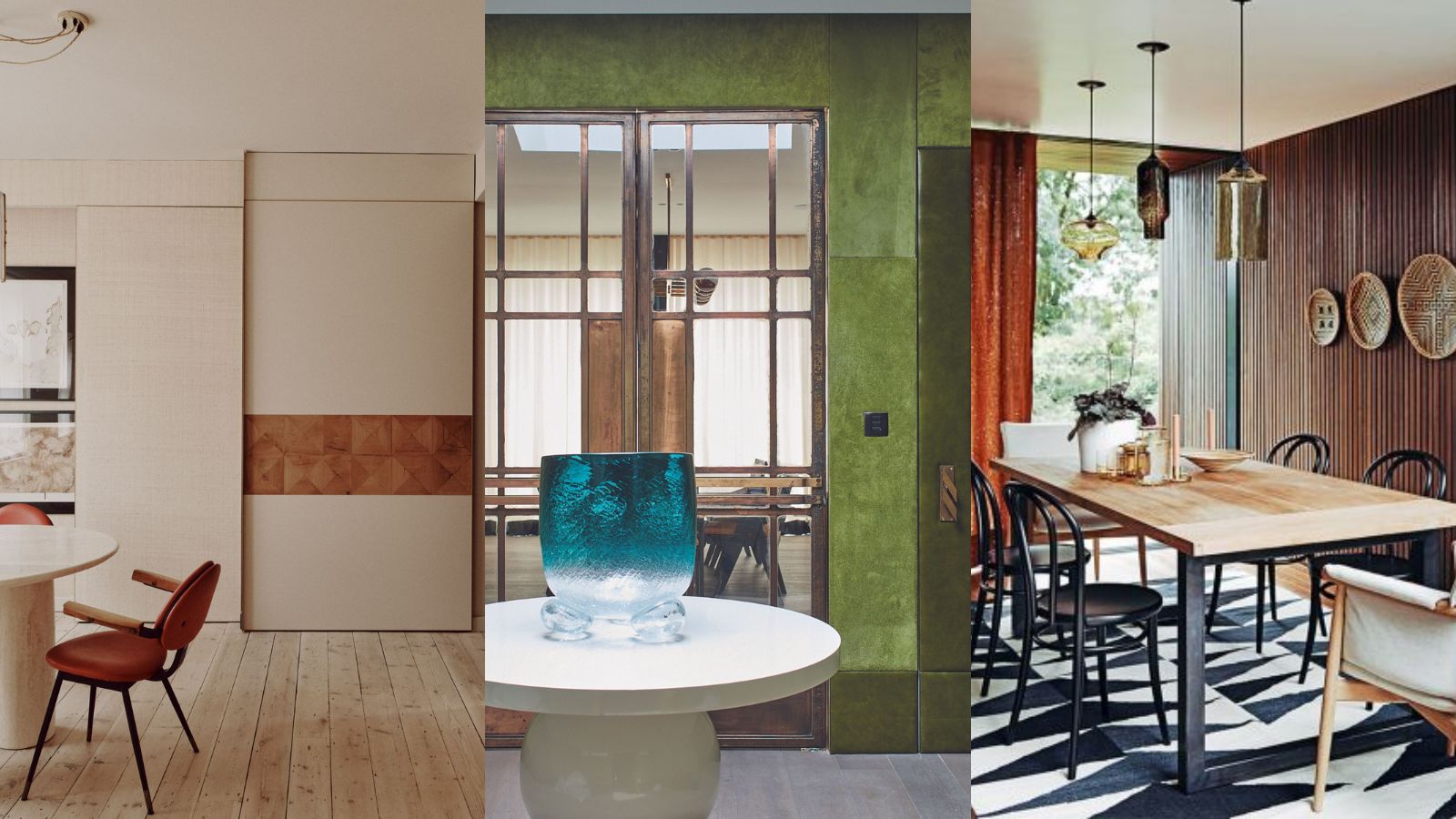
Textured wall ideas – 13 surfaces you'll want to reach out and touch
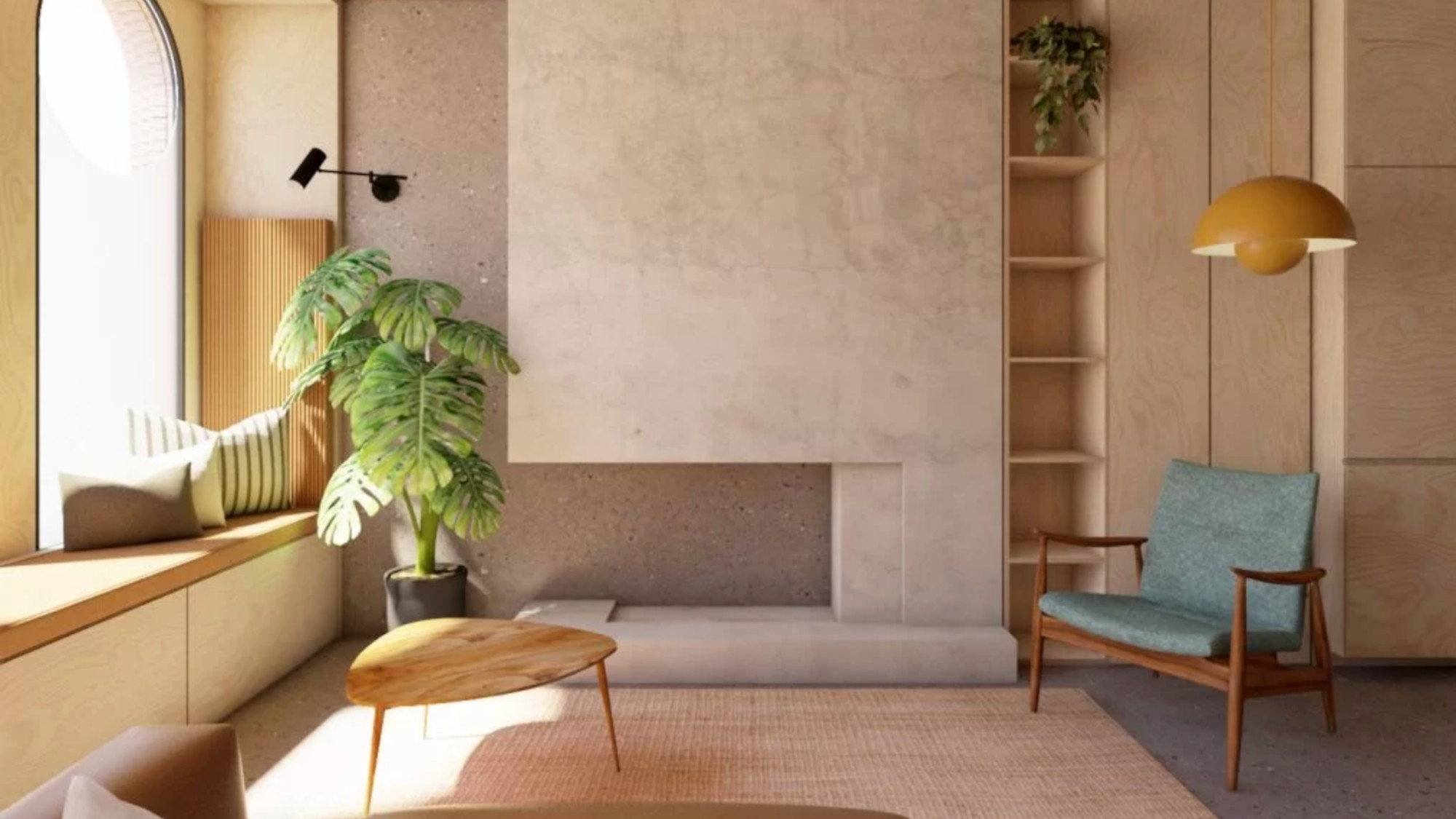
How to add texture to your walls - a beginner's guide to the many beautiful plaster finishes
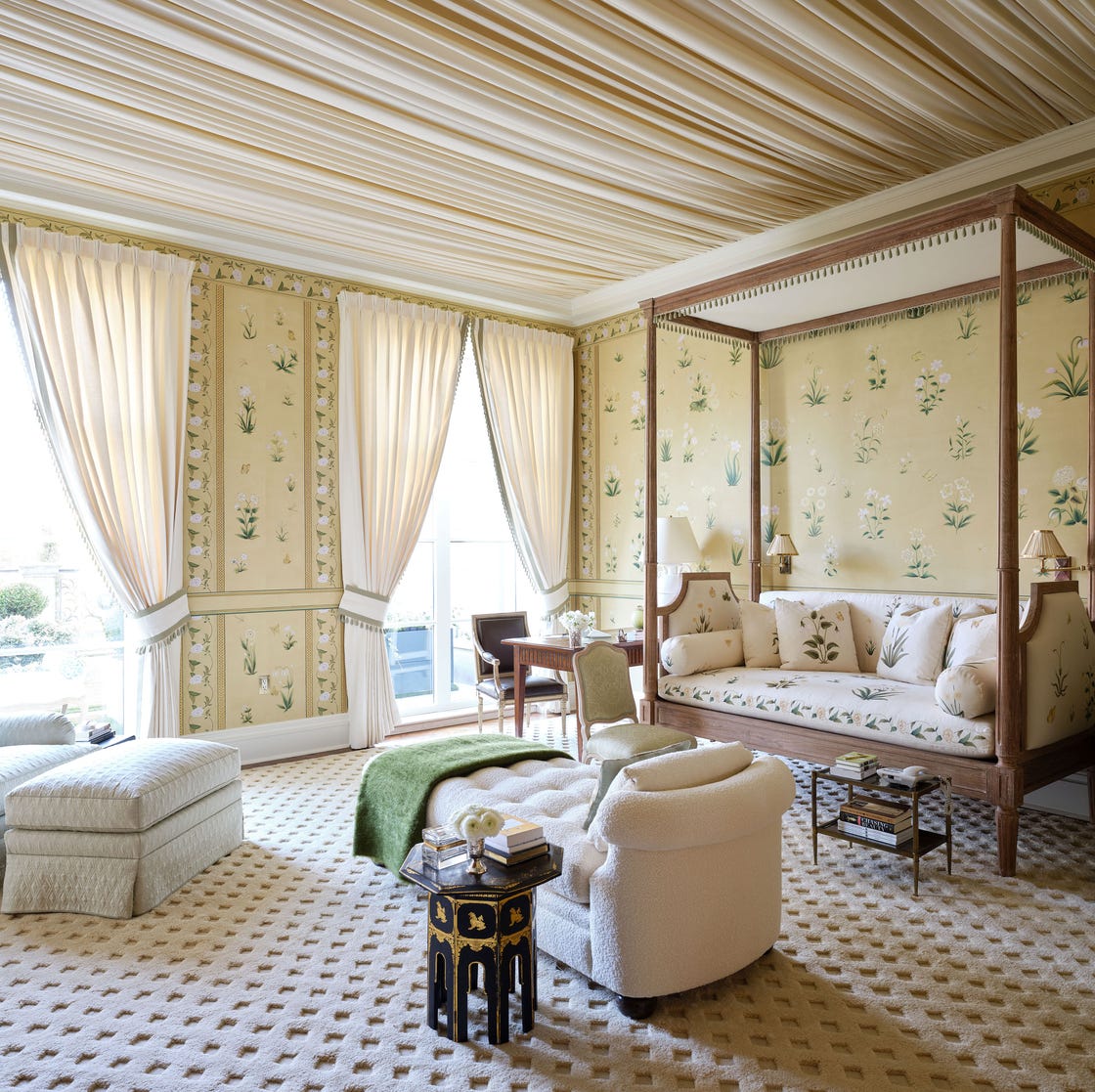
So Long Accent Walls, Here Are the Biggest Wallpaper Trends of 2025

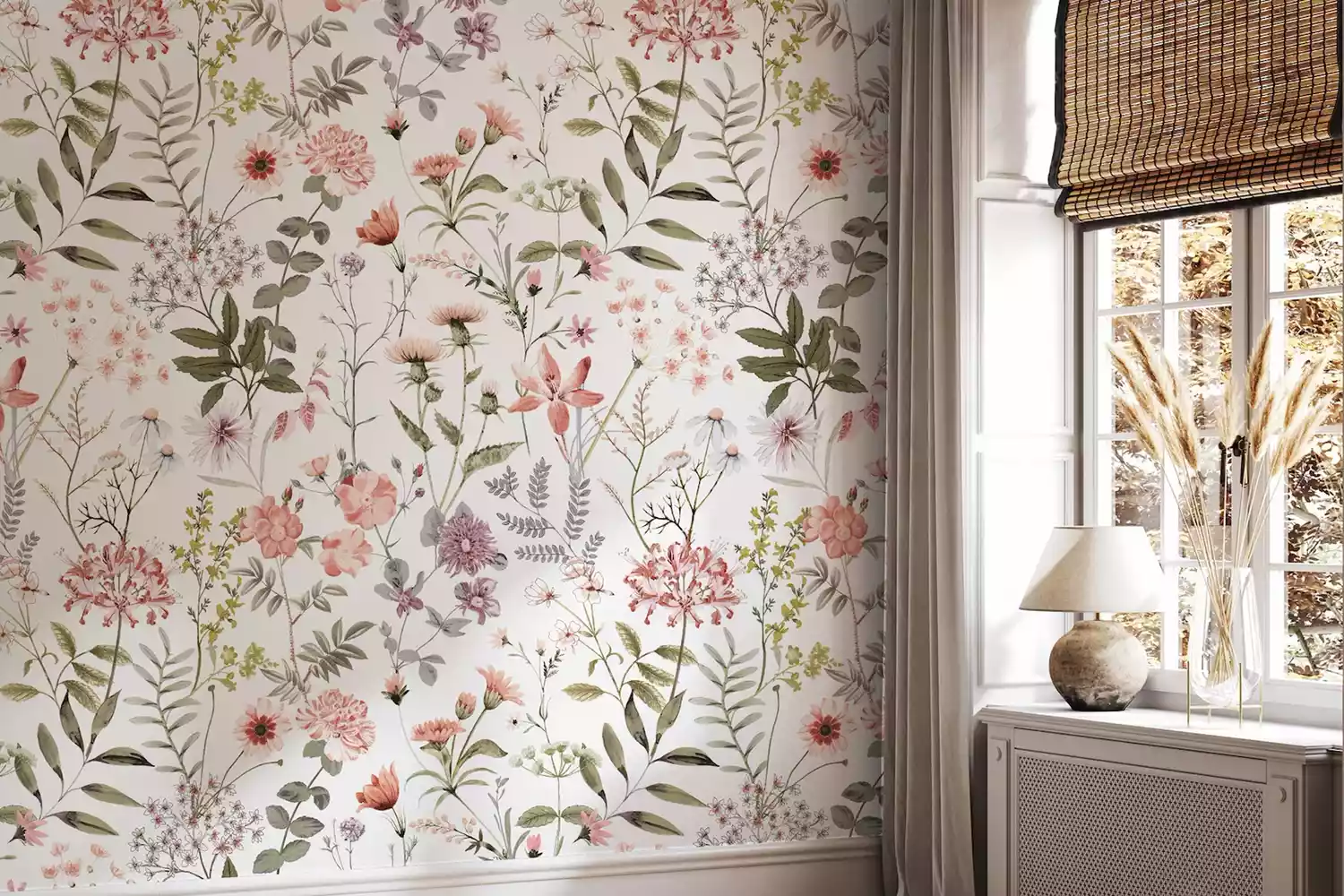
13 Wallpaper Ideas That Will Elevate Any Room in Your Home