3 ways to remove wallpaper quickly
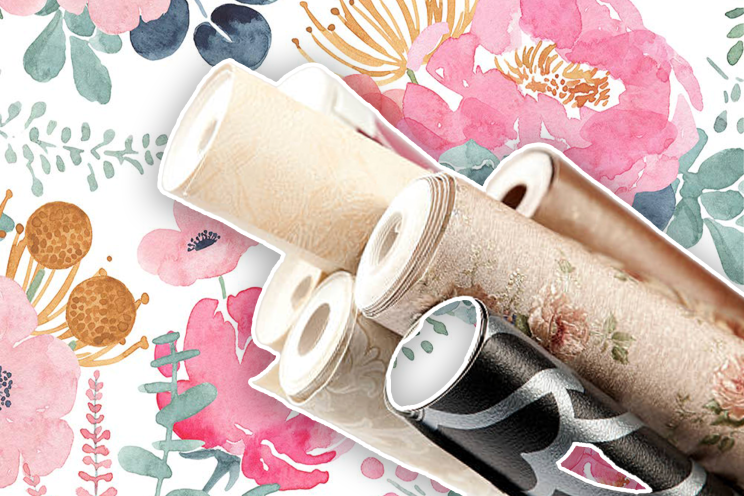
Removing wallpaper can be a challenging but rewarding home project that requires patience and the right tools. Sarah Fogle, creator of Ugly Duckling House, emphasizes that the process is a test of endurance and advises spreading the project over several days to mitigate frustration. Before starting, it is crucial to prepare the area by protecting floors and furniture, and gathering necessary materials. Understanding the type of wallpaper and the wall material is fundamental, as it dictates the most effective removal method. There are three common types of wallpaper: traditional, peelable, and peel-and-stick or removable. Traditional wallpaper, often vinyl or non-woven, uses strong adhesives that make removal difficult, often requiring specialized equipment. Peelable wallpaper consists of two layers, where the top layer can be removed, leaving a base layer that can be treated with a liquid solvent. Peel-and-stick wallpaper features a backing adhesive designed for easy, one-piece removal, and can often be reused. For unique wallpaper types like foil, fabric, or grasscloth, professional assistance is recommended due to the precision and care required.
Wall materials, typically drywall or wooden lath coated with plaster, also influence the removal process. Concrete and brick walls, being porous, usually have liner wallpaper applied first. While the general process for removing traditional wallpaper is similar across different wall types, drywall requires particular caution to prevent damage. A simple knuckle test, where a changing hollow-to-solid sound pattern indicates the presence of a wooden frame behind drywall, can help identify wall material. Three primary methods for wallpaper removal are dry-stripping, liquid solvent application, and steaming, which can be used individually or in combination to tackle even the most stubborn wallpaper.
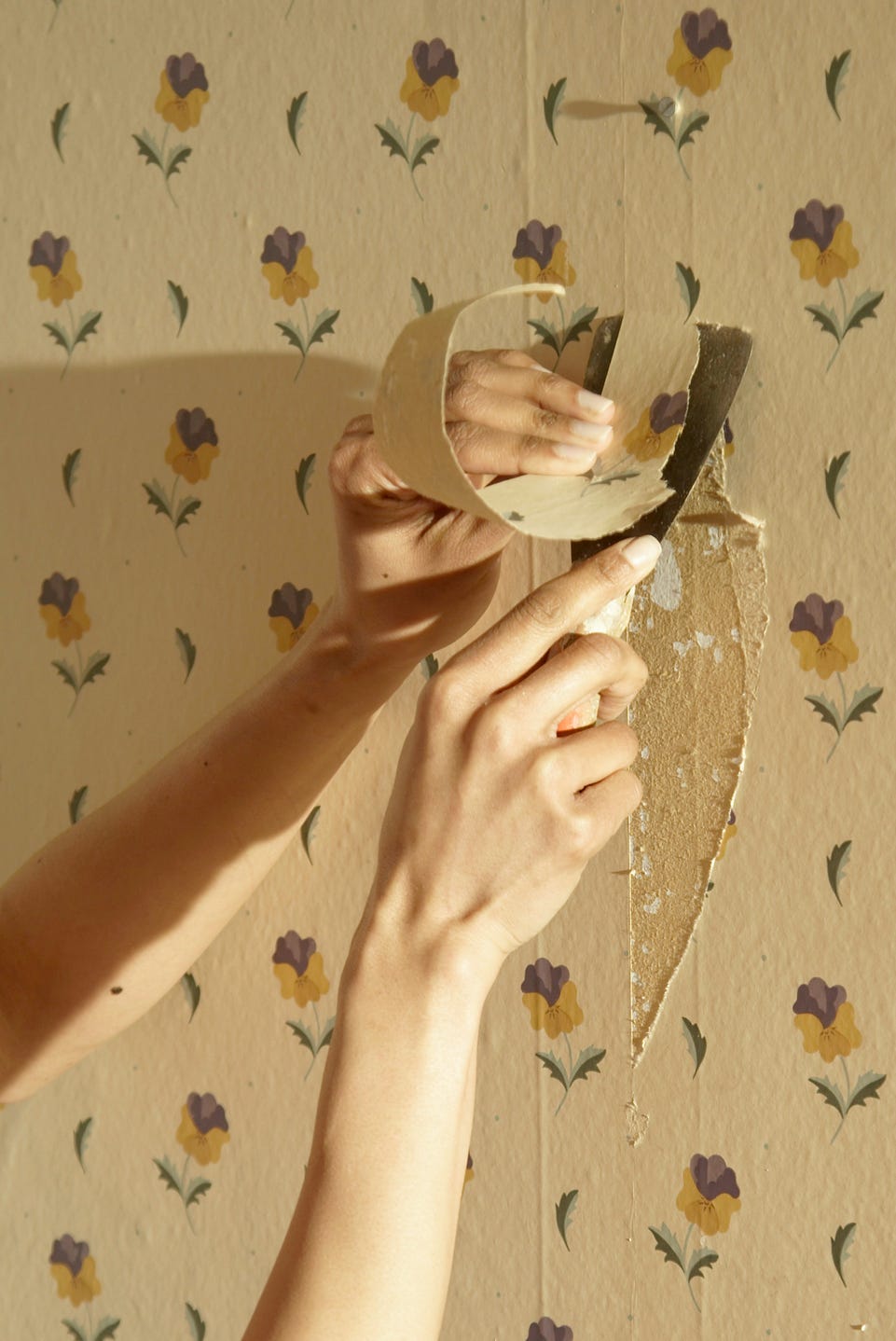
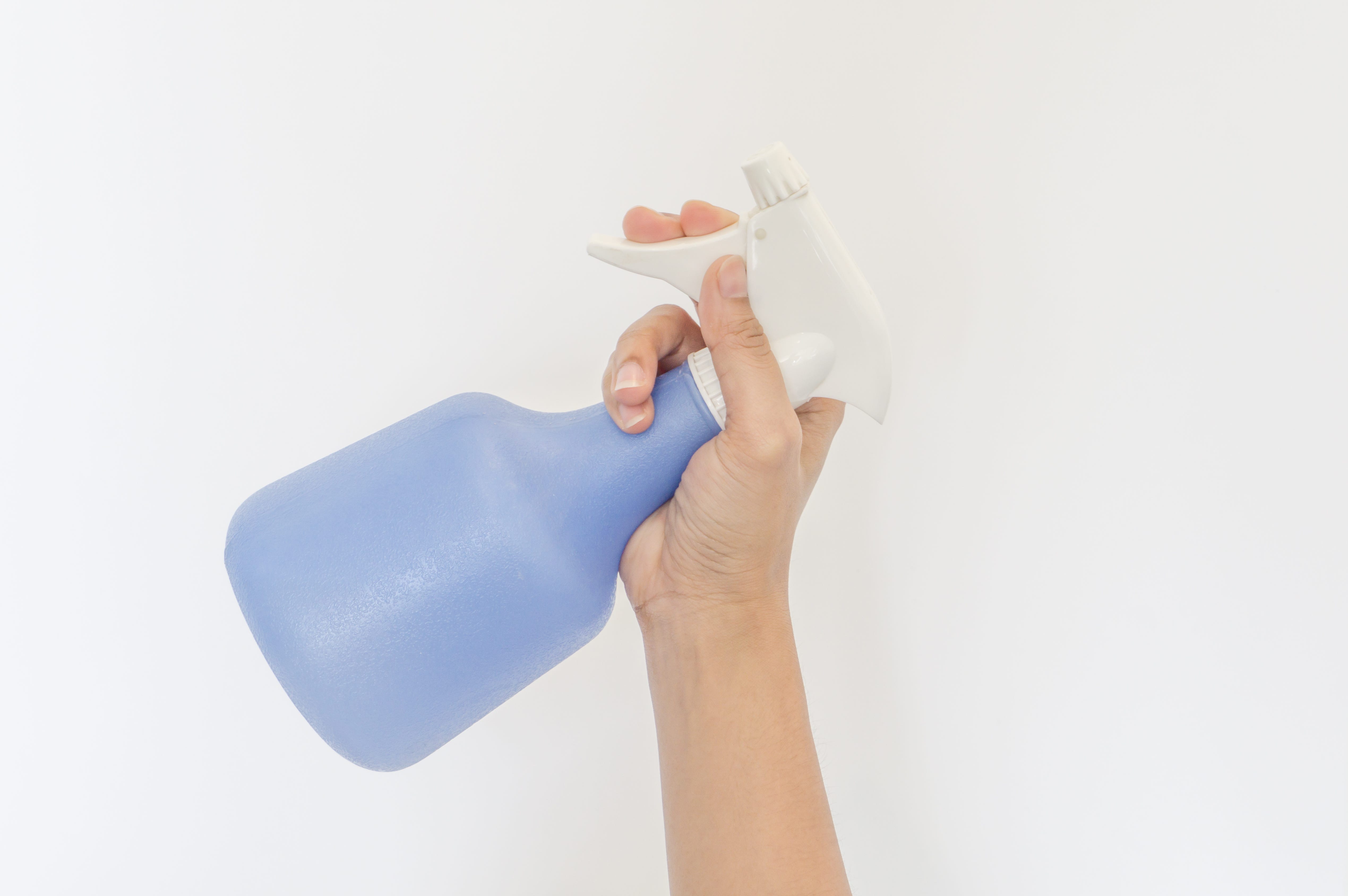
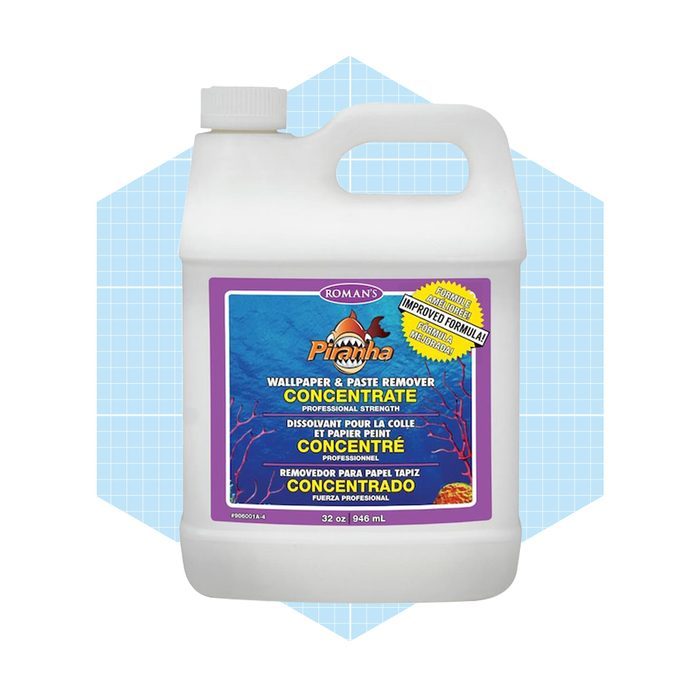
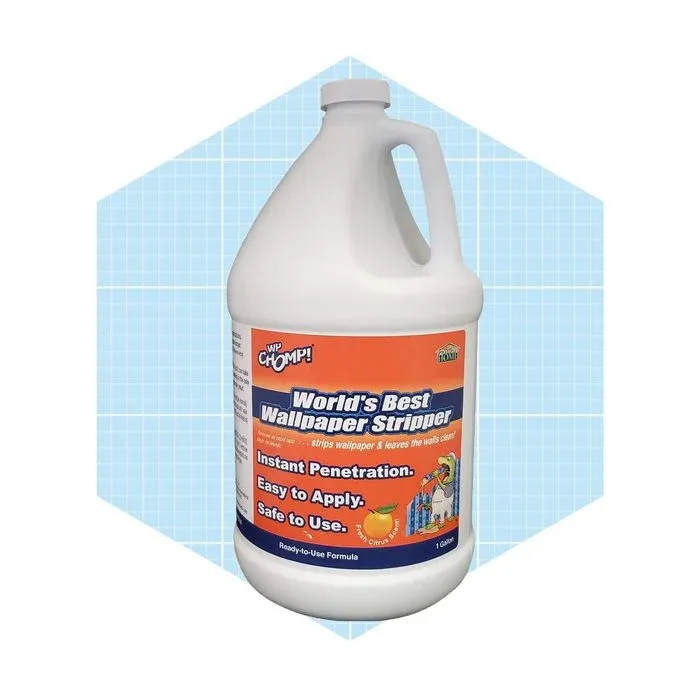
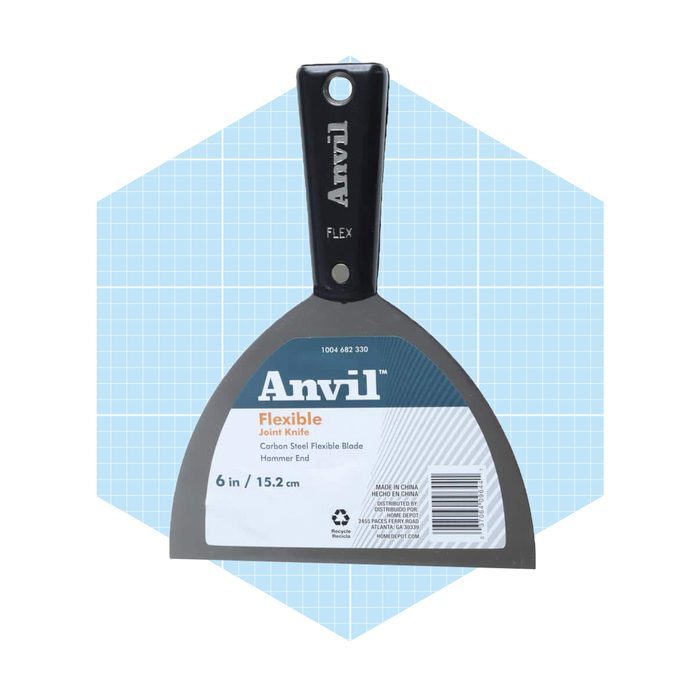
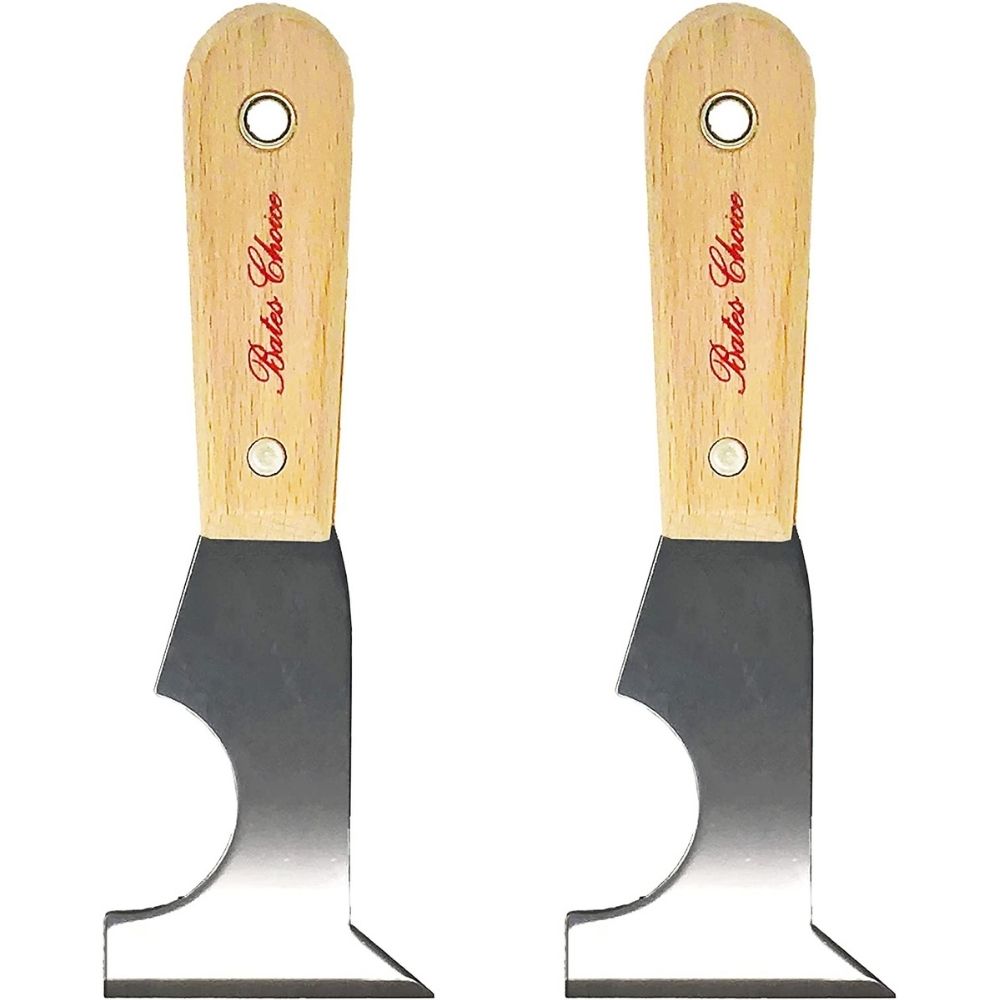
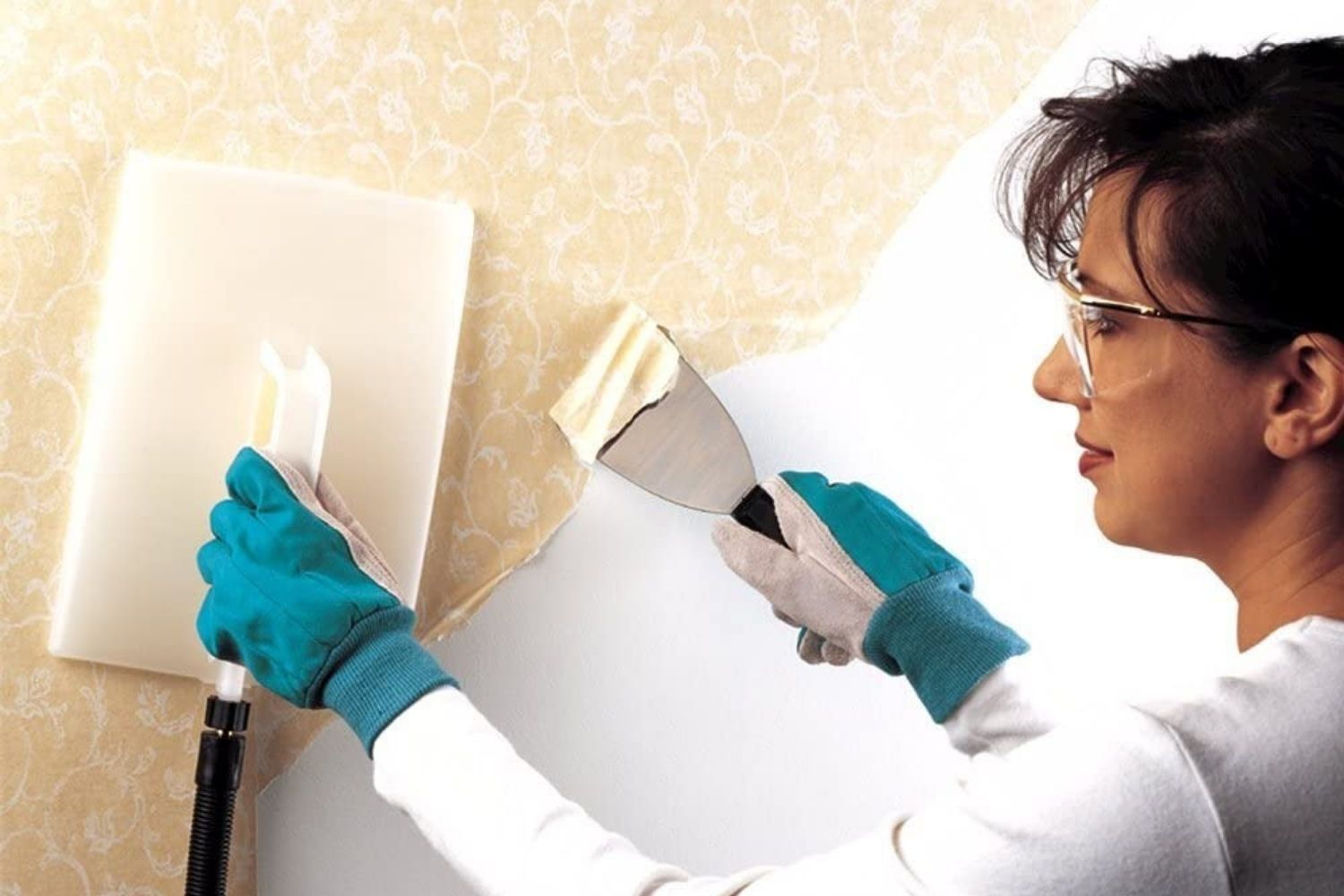
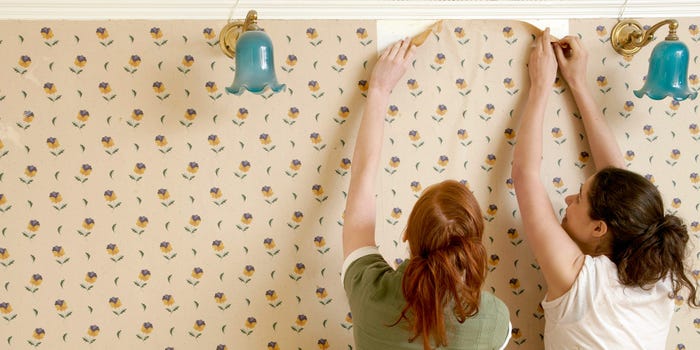
Dry-stripping involves manually peeling wallpaper from the wall, often starting with a putty knife. This method is usually a preparatory step for other techniques but can be sufficient for some peelable wallpapers, allowing for repainting or re-papering. If the wallpaper tears excessively or leaves substantial adhesive residue, switching to a liquid solvent is advised. Liquid solvents can be commercial products or homemade solutions like a mixture of fabric softener and hot water, or white vinegar and hot water. These solutions work by softening and breaking down wallpaper adhesives. The process involves spraying the solution onto small sections of wallpaper, allowing it to soak, and then peeling it off with hands or a putty knife.
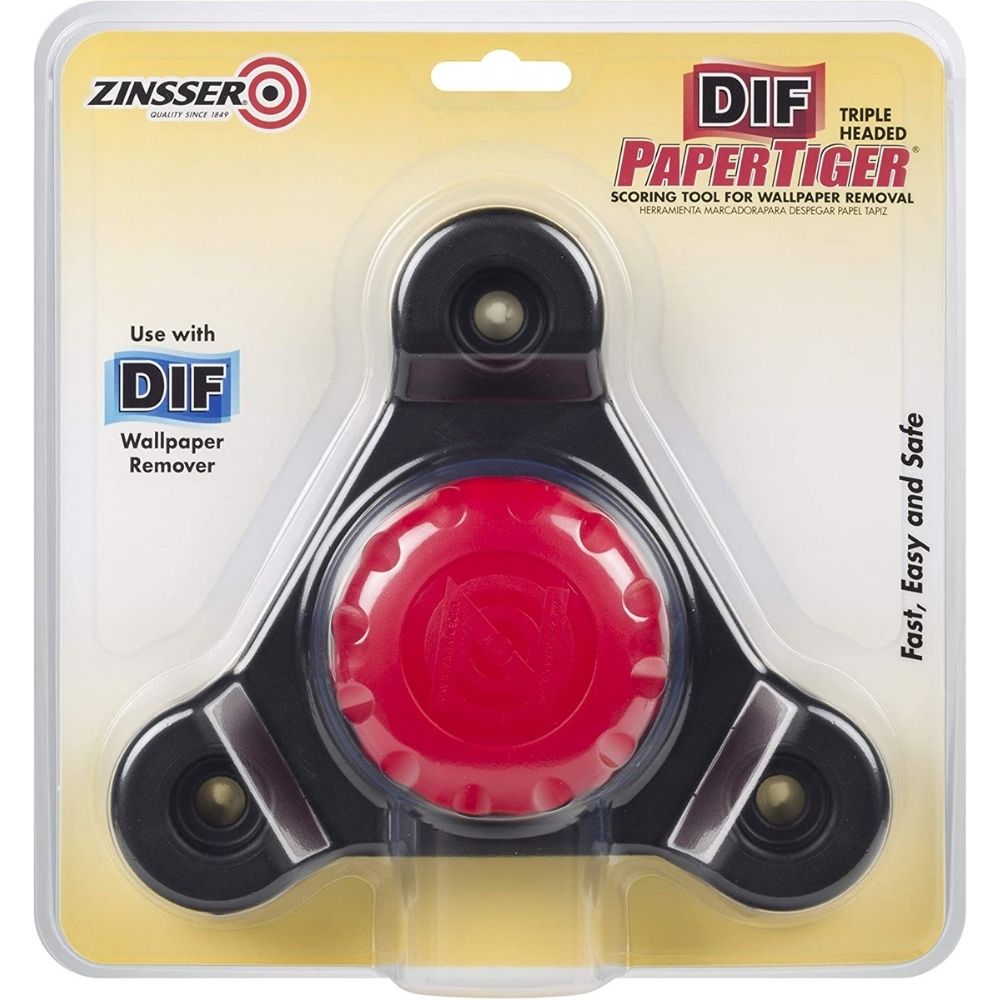
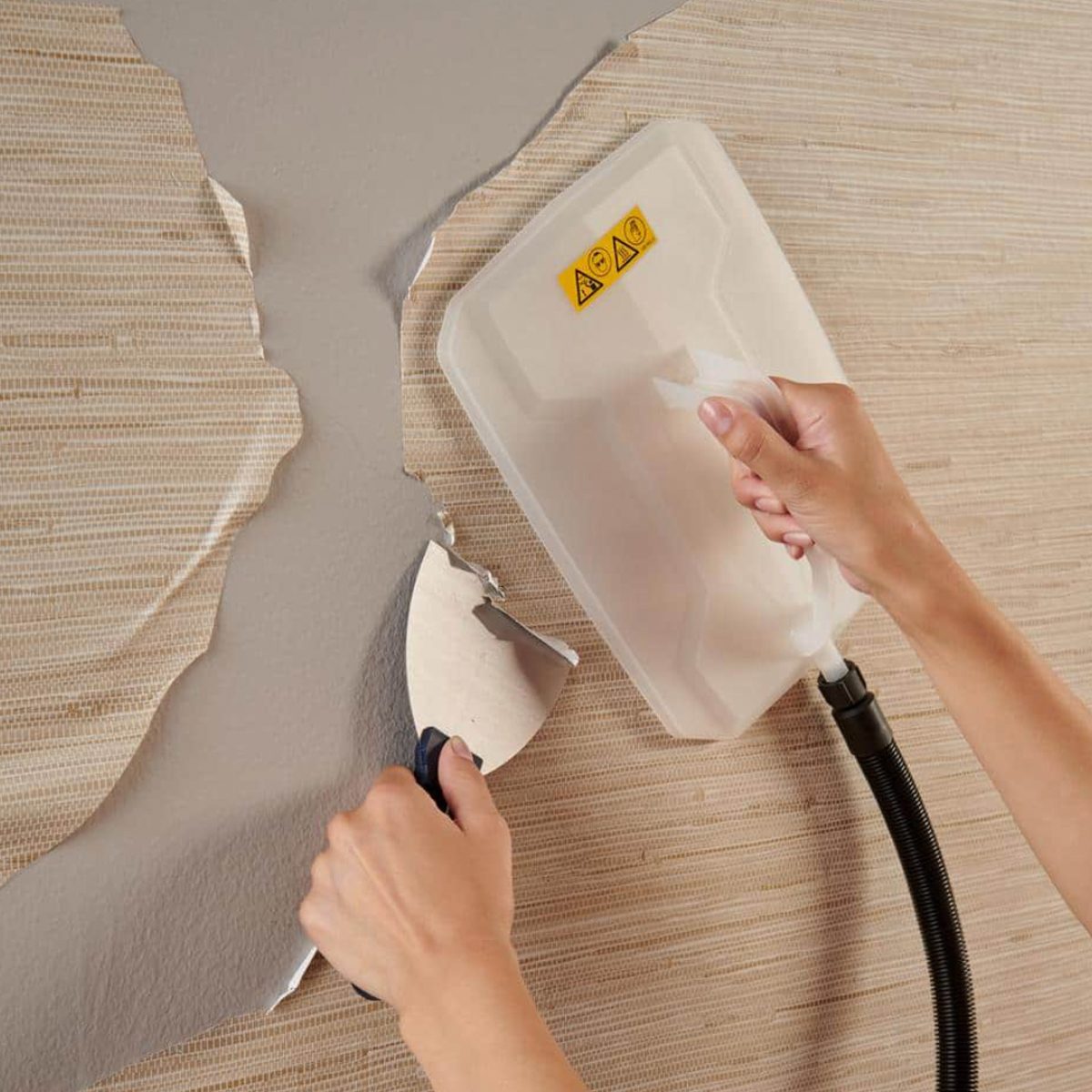
Steaming is generally reserved for very old or stubborn wallpapers and is not recommended for drywall due to the risk of water damage, making professional help preferable in such cases. Specialized wallpaper steamers can be purchased or rented. This method requires opening windows and doors to manage moisture, scoring the wallpaper to allow steam penetration, and then applying the steamer to loosen the adhesive. A putty knife is used to carefully remove the softened wallpaper, avoiding direct contact with hands to prevent burns. If the scoring tool creates nicks, a spackling compound should be used to fill them before further steaming to prevent water damage.
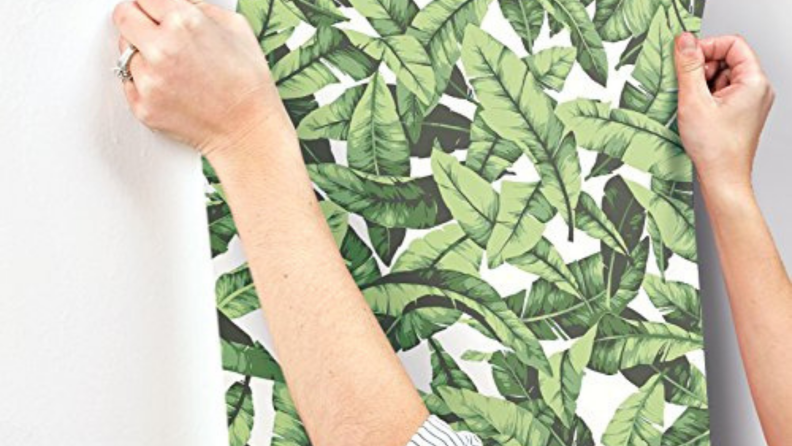
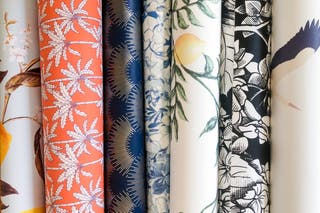
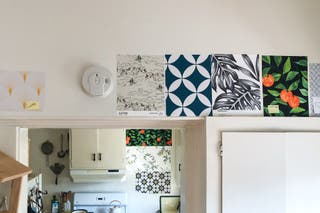
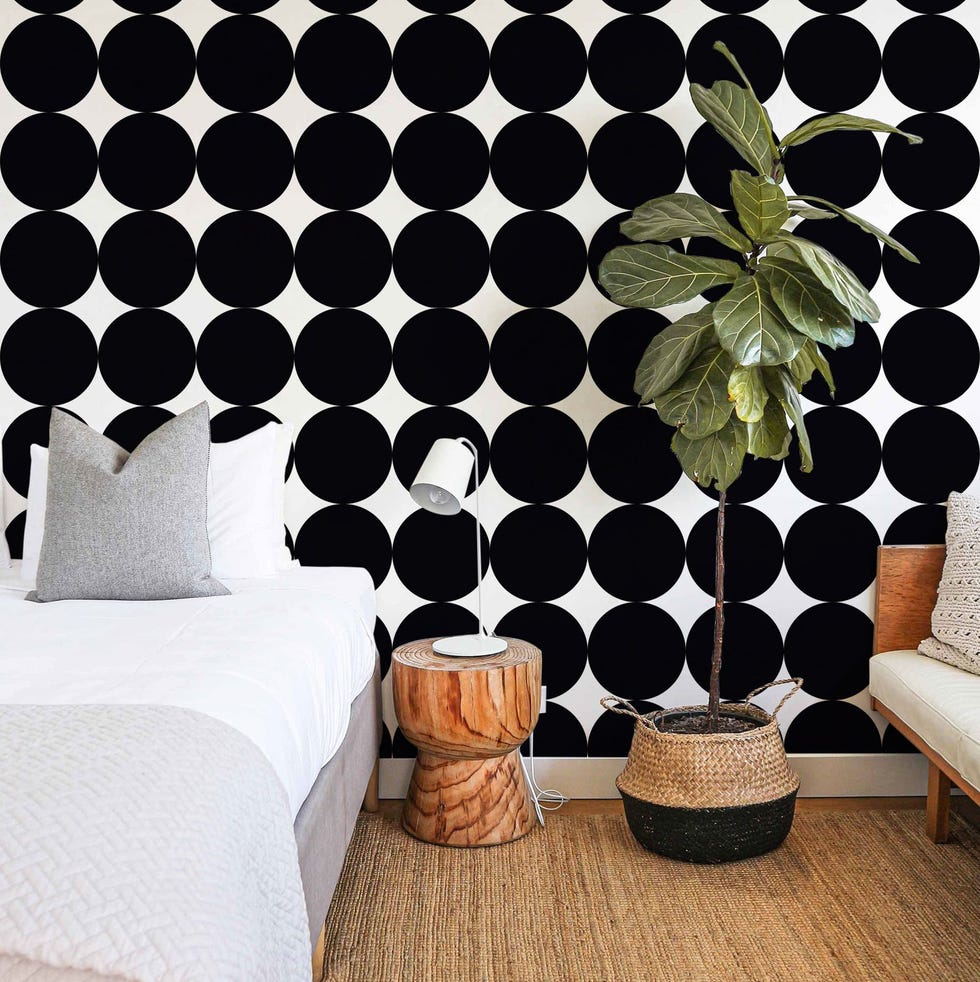
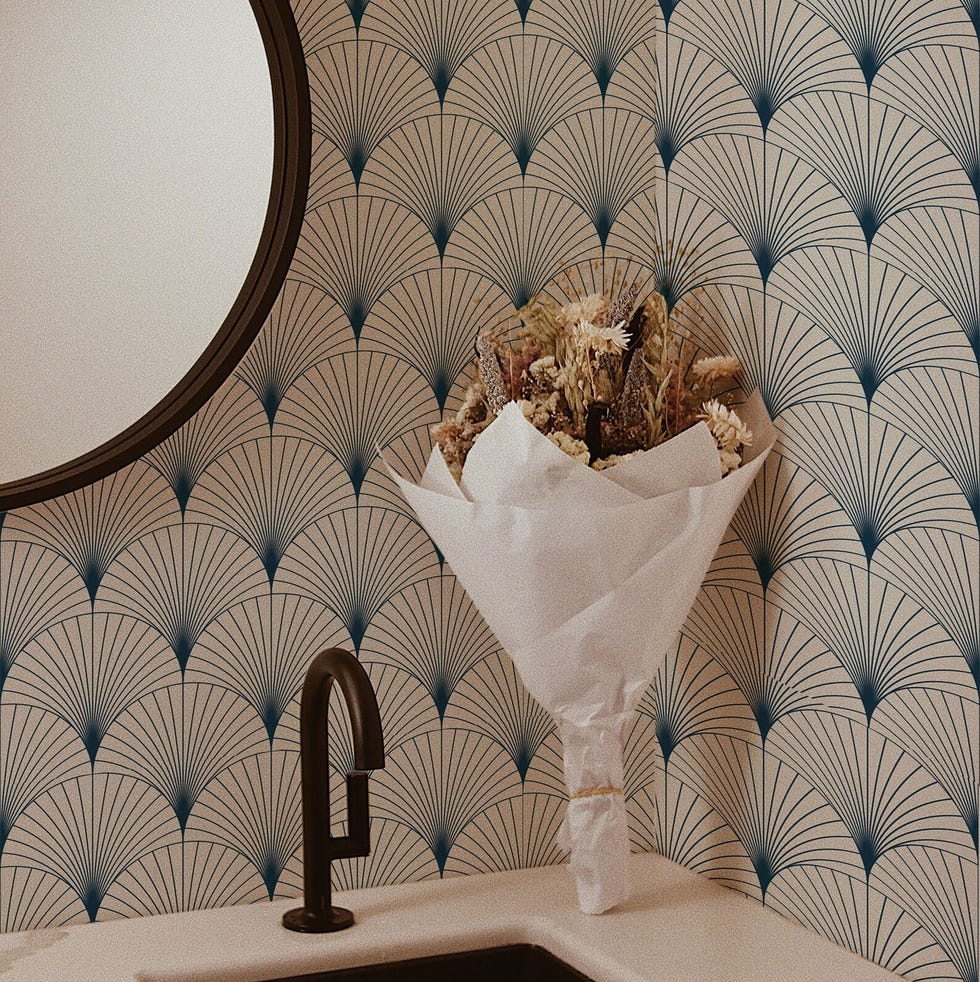
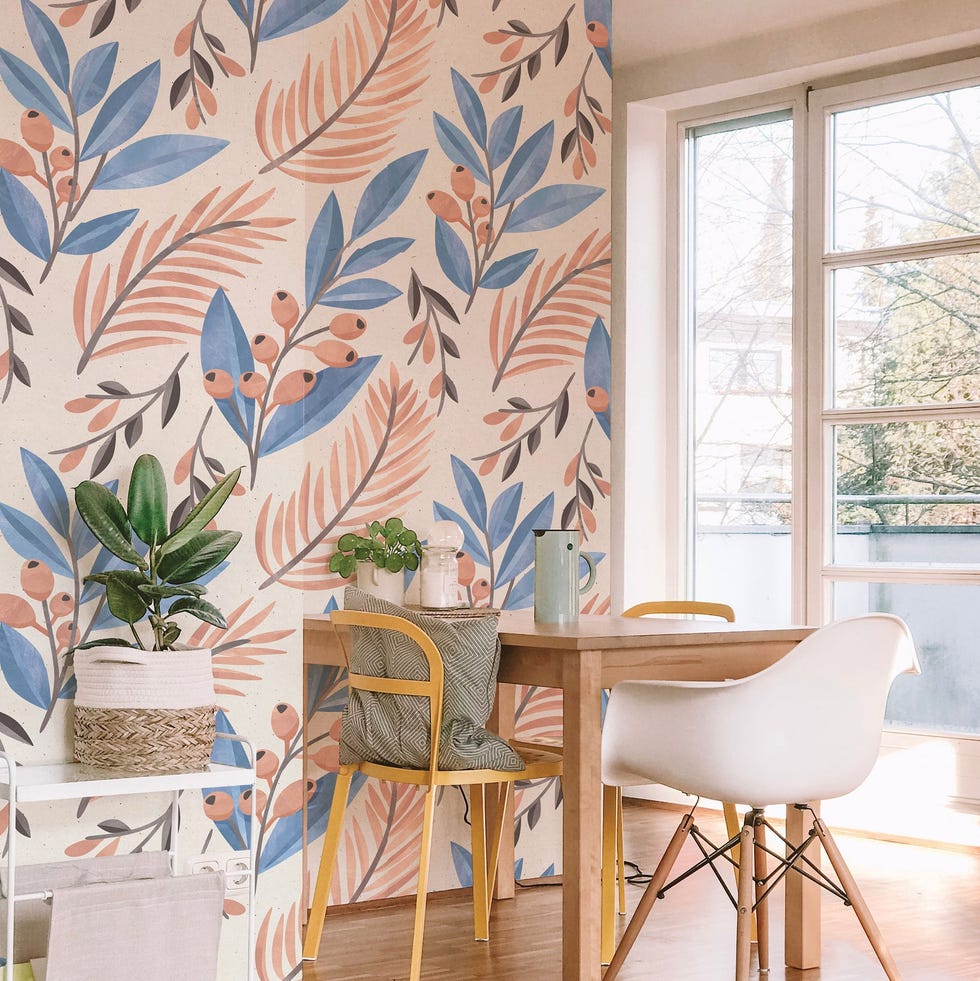
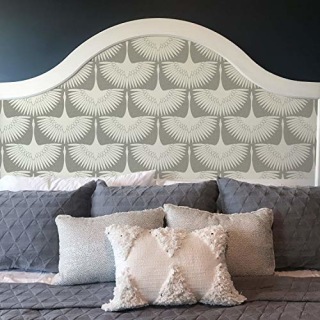
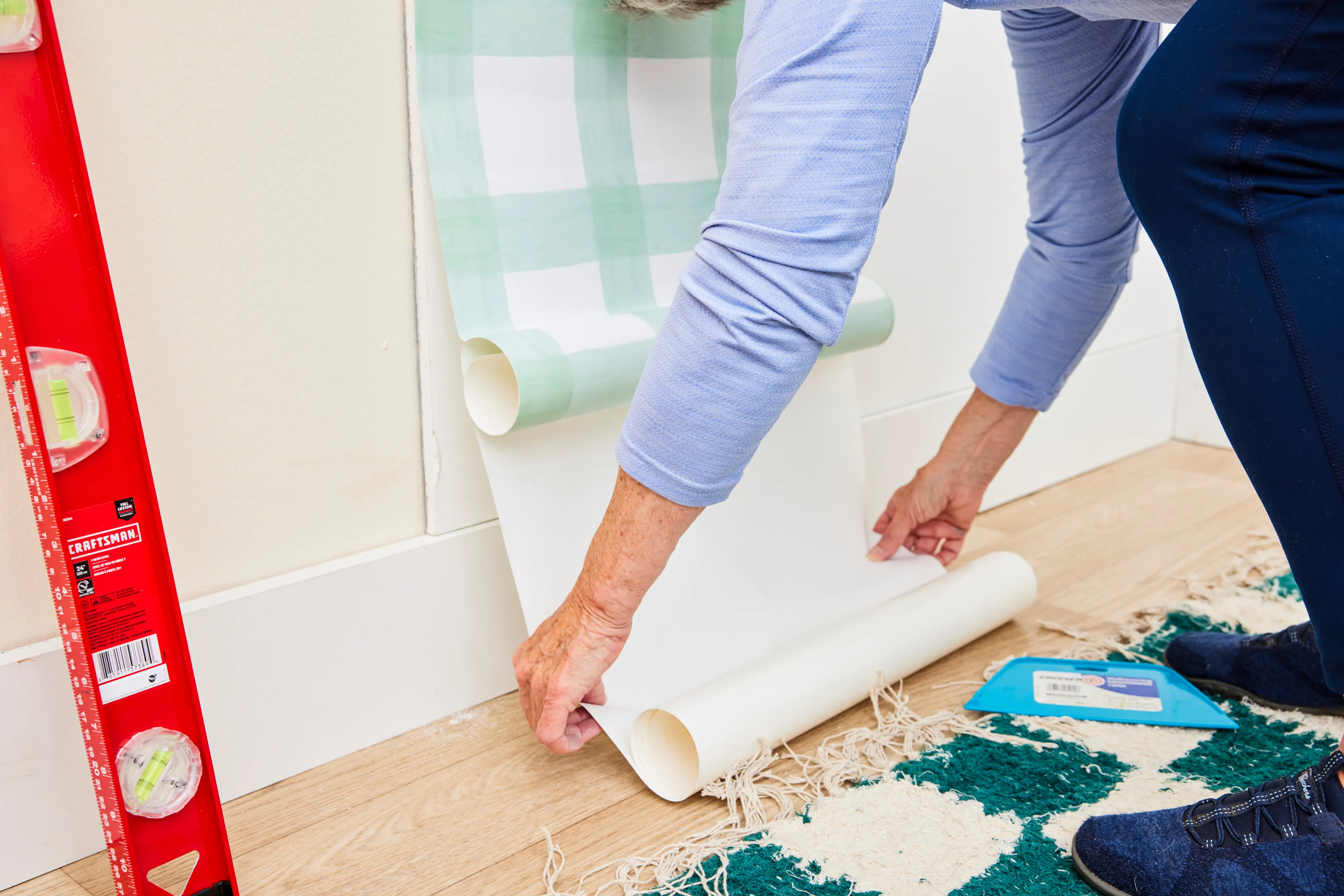
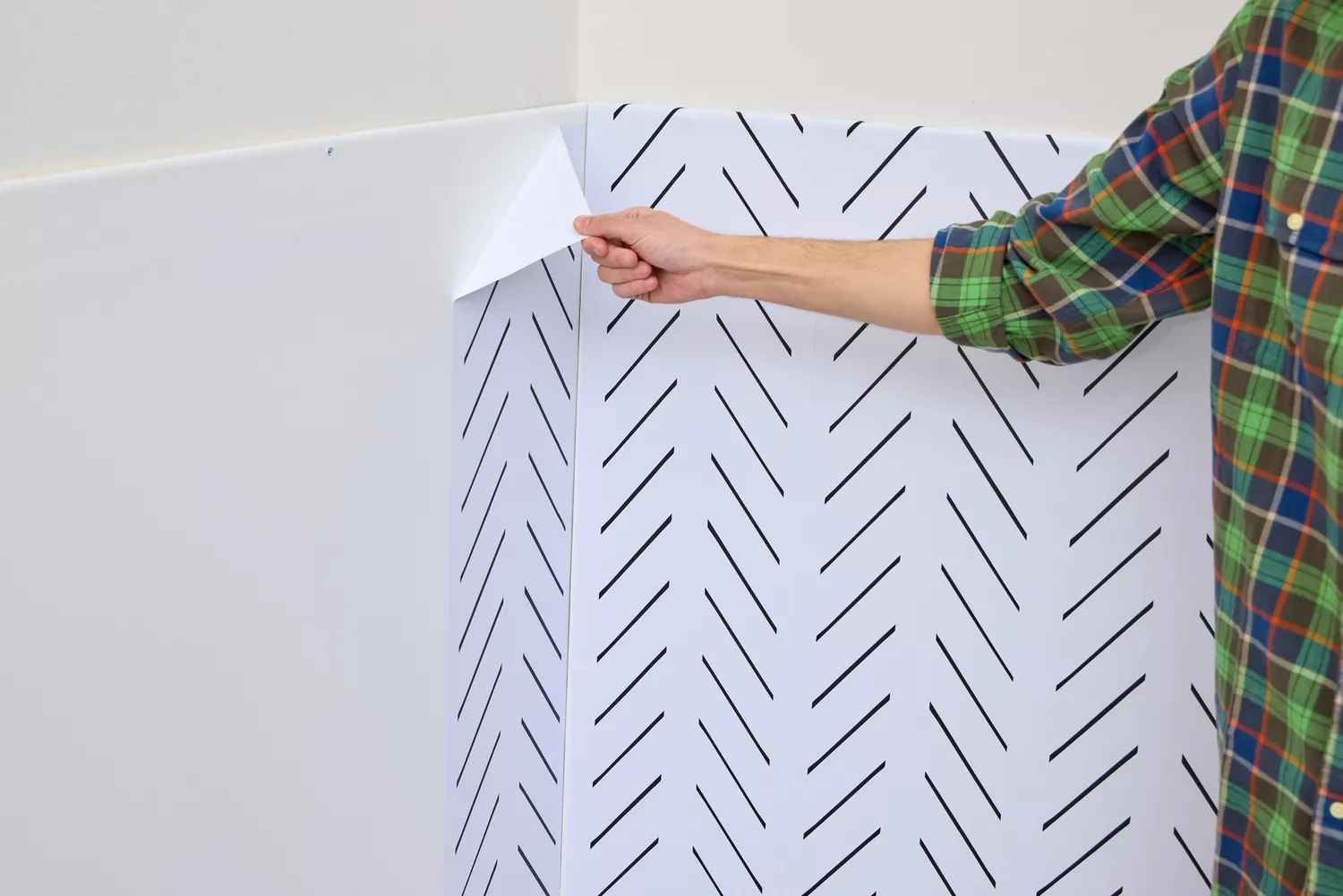
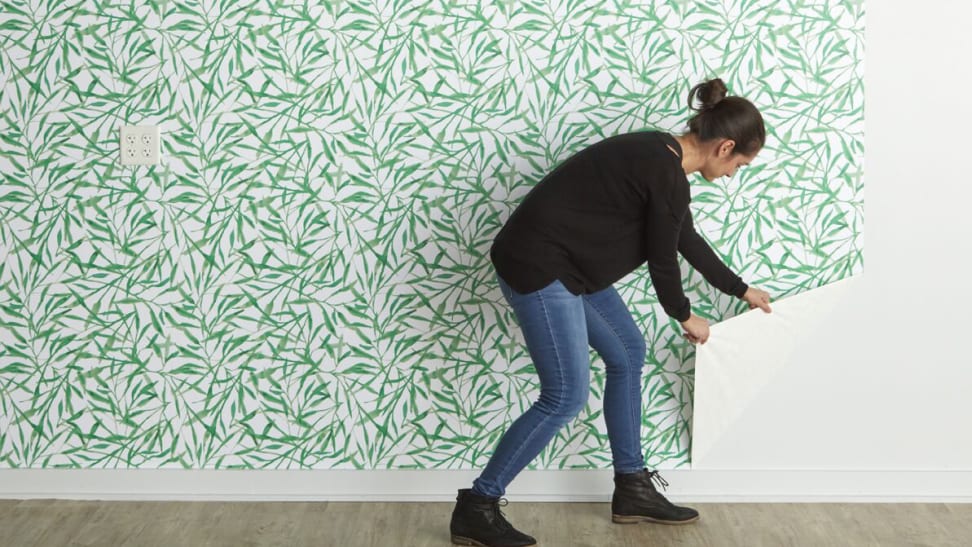
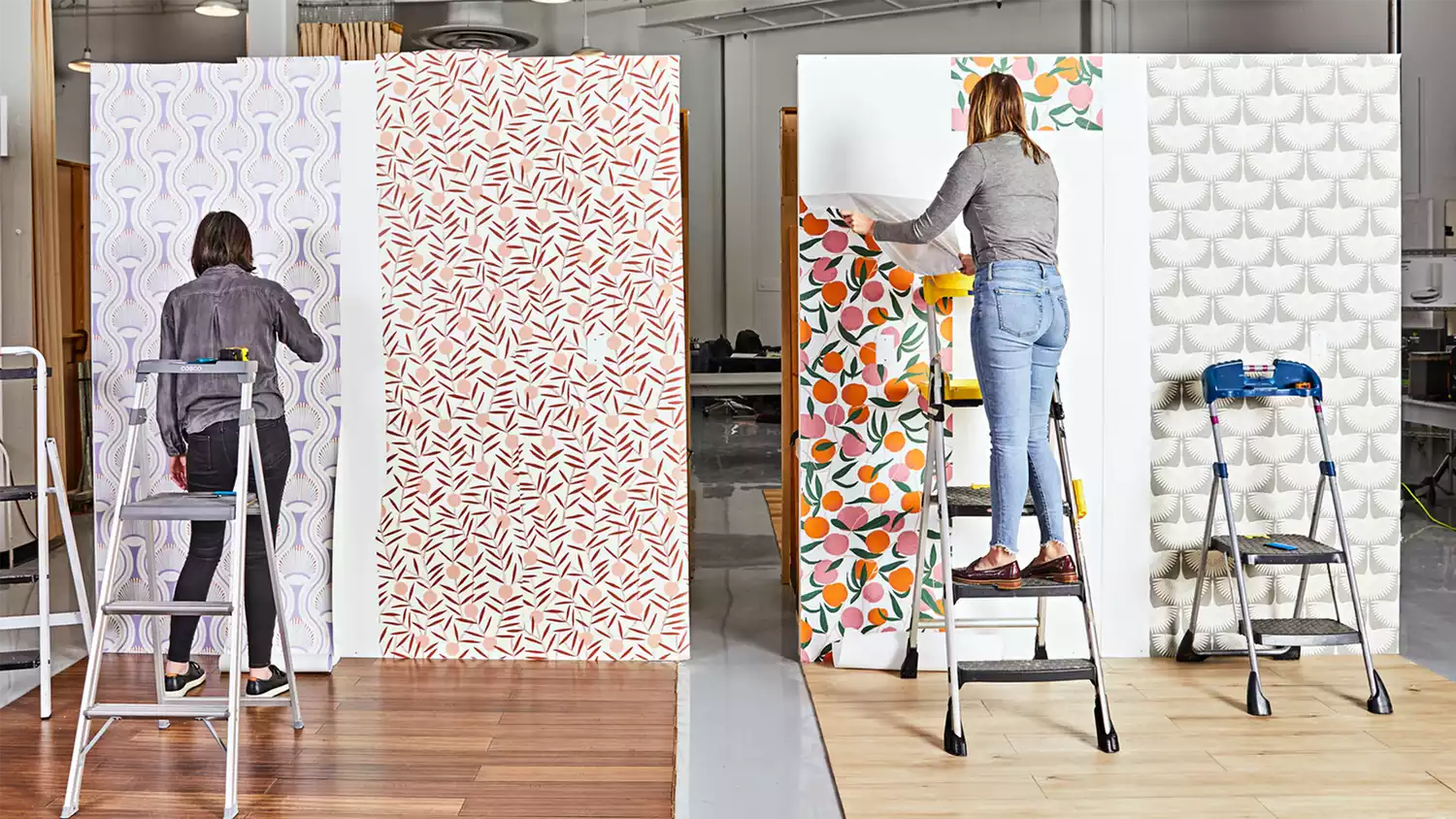
Removable wallpaper, known as adhesive, peel-and-stick, or Tempaper, offers an easier alternative to traditional wallpaper and is often reusable. To remove it, one should gently pull downward from a top corner, ensuring not to stretch the wallpaper or allow the adhesive to stick to other surfaces. For reuse, it's essential to retain the original backing and store the wallpaper in a cool, dry place, ideally in a cardboard tube. Painting over wallpaper is an option, but only if the wallpaper is untextured, lacks a vinyl coat, and is not degraded or peeling. Oil- and shellac-based primers are recommended for painting over peelable wallpaper, with a proper preparation involving cleaning the wall, applying a primer coat, and then one to two coats of paint. It is important that the wallpaper surface is smooth before painting; if removal has already started and the surface is uneven, the removal process must be completed, or a professional should be consulted. Ultimately, successful wallpaper removal hinges on understanding the specific wallpaper and wall types, selecting the appropriate method, and knowing when to seek professional help to achieve a desired home aesthetic through DIY efforts.
#WallpaperRemoval #DIYHomeImprovement #HomeRenovation #DryStripping #LiquidSolvent #SteamRemoval #RemovableWallpaper #PaintingOverWallpaper #HomeMaintenance #WallpaperRemoval #DIYHomeImprovement #HomeRenovation #DryStripping #LiquidSolvent #SteamRemoval #RemovableWallpaper #PaintingOverWallpaper #HomeMaintenance
0 comment in total
 No comments yet
You may also like
A Stress-Free Way to Remove Wallpaper

DIY Removable Wallpaper
You’d Never Know That These Stylish Wallpapers Are Totally Removable
These 5 Brands Make the Best Removable Wallpapers for a Hassle-Free (And Affordable) Room Makeover
9 Best Wallpaper Removers

These Removable Wallpapers Will Completely Transform Your Space (Without Damaging Your Walls)

How to Apply (and Remove) Peel-and-Stick Wallpaper the Right Way
The 3 Best Removable Wallpapers of 2025 | Reviews by Wirecutter
How to remove wallpaper - expert-approved steps to prevent damage and ensure a smooth finish
The 5 Best Removable Wallpaper Brands for a Hassle-Free Room Makeover

The 6 best removable wallpapers, according to an expert
26 removable wallpapers to jazz up your boring rented walls
Say Goodbye to Damaged Walls—These 6 Removable Wallpapers Come Off Clean
Everything you need to know about removable wallpaper

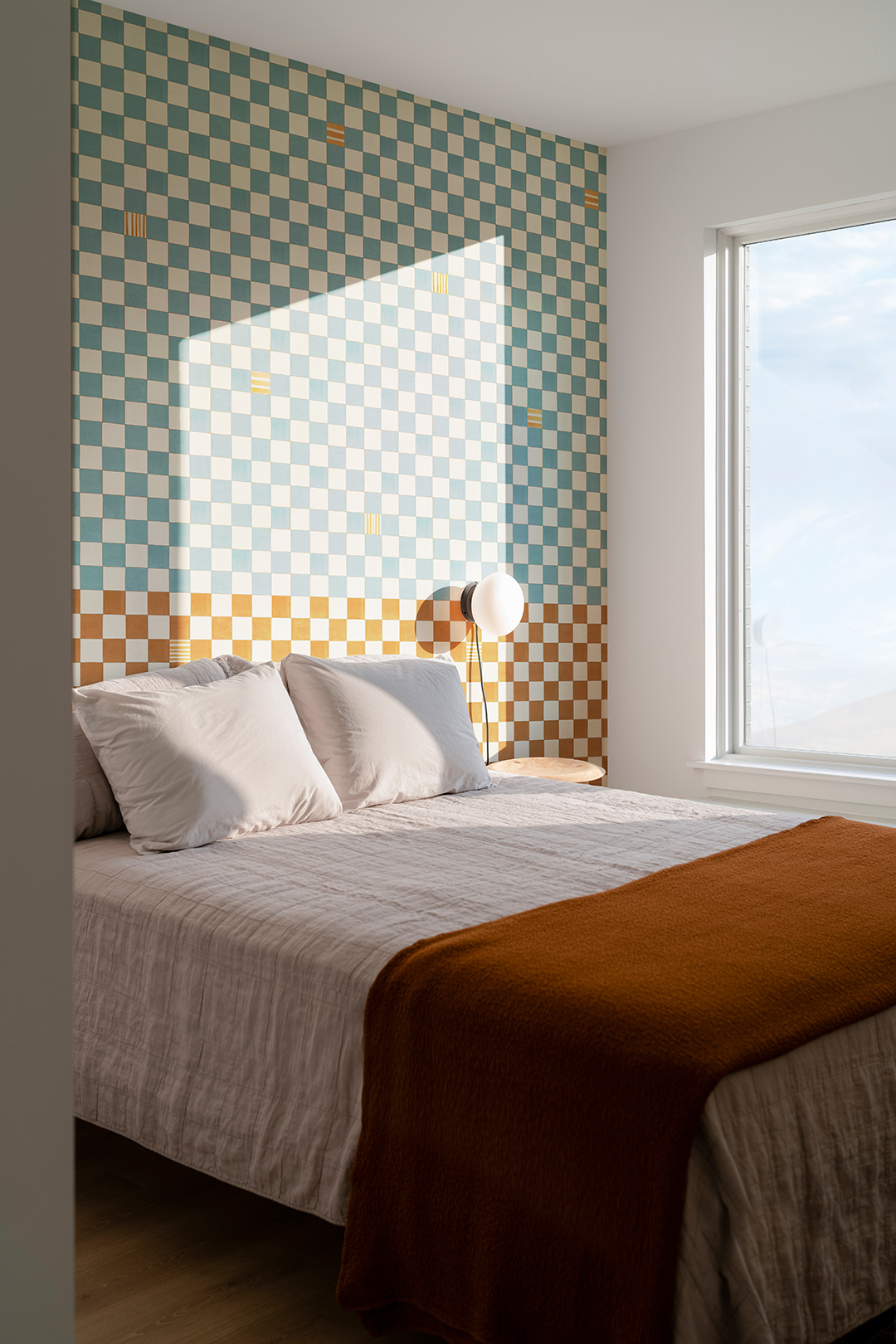
Backdrop Just Released This Award-Winning Wallpaper in a Removable Version

13 best peel-and-stick removable wallpapers of 2021 - TODAY

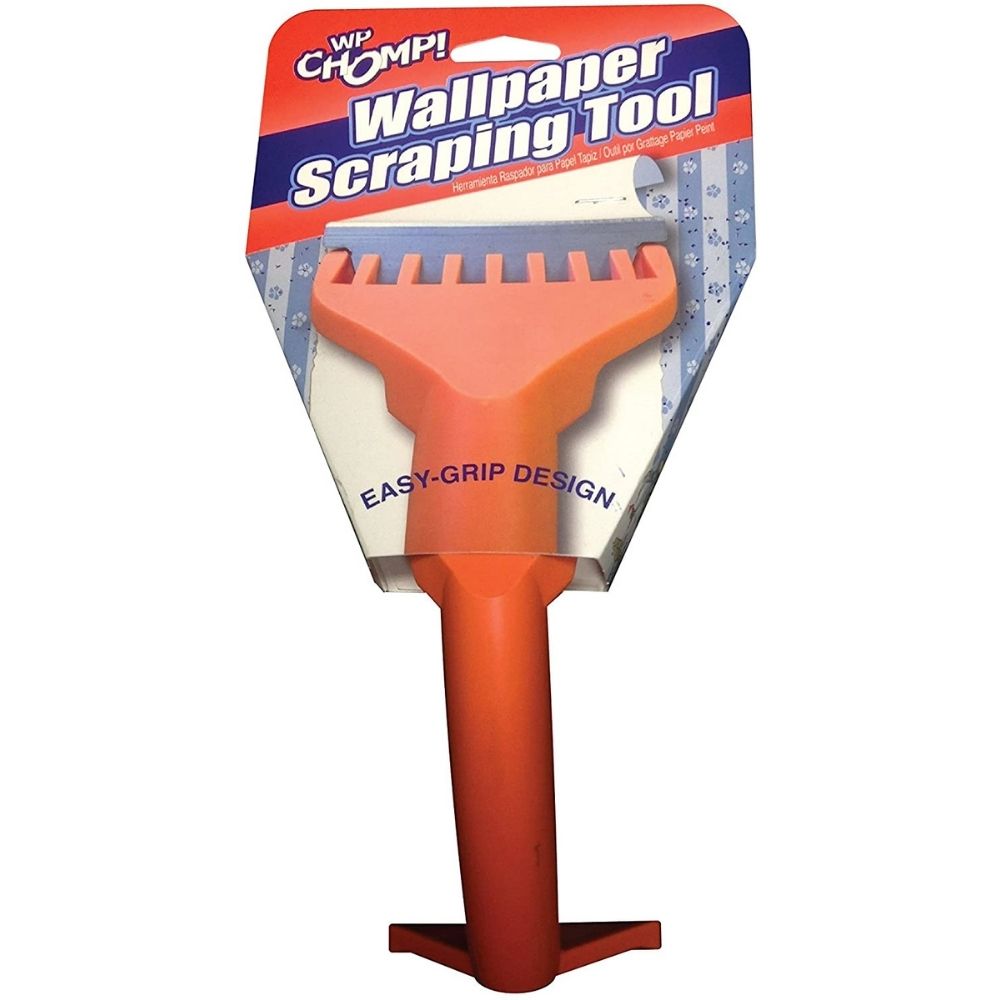
The Best Wallpaper Removers of 2025 for Updating Your Home’s Interior

Everything you need to know about removable wallpaper

We Tested 28 Removable Wallpapers and Narrowed Them Down to the 6 Best for Your Walls

Transform your room with peel and stick wallpaper