Can You Paint Over Wallpaper Without Removing It? Experts Weigh In
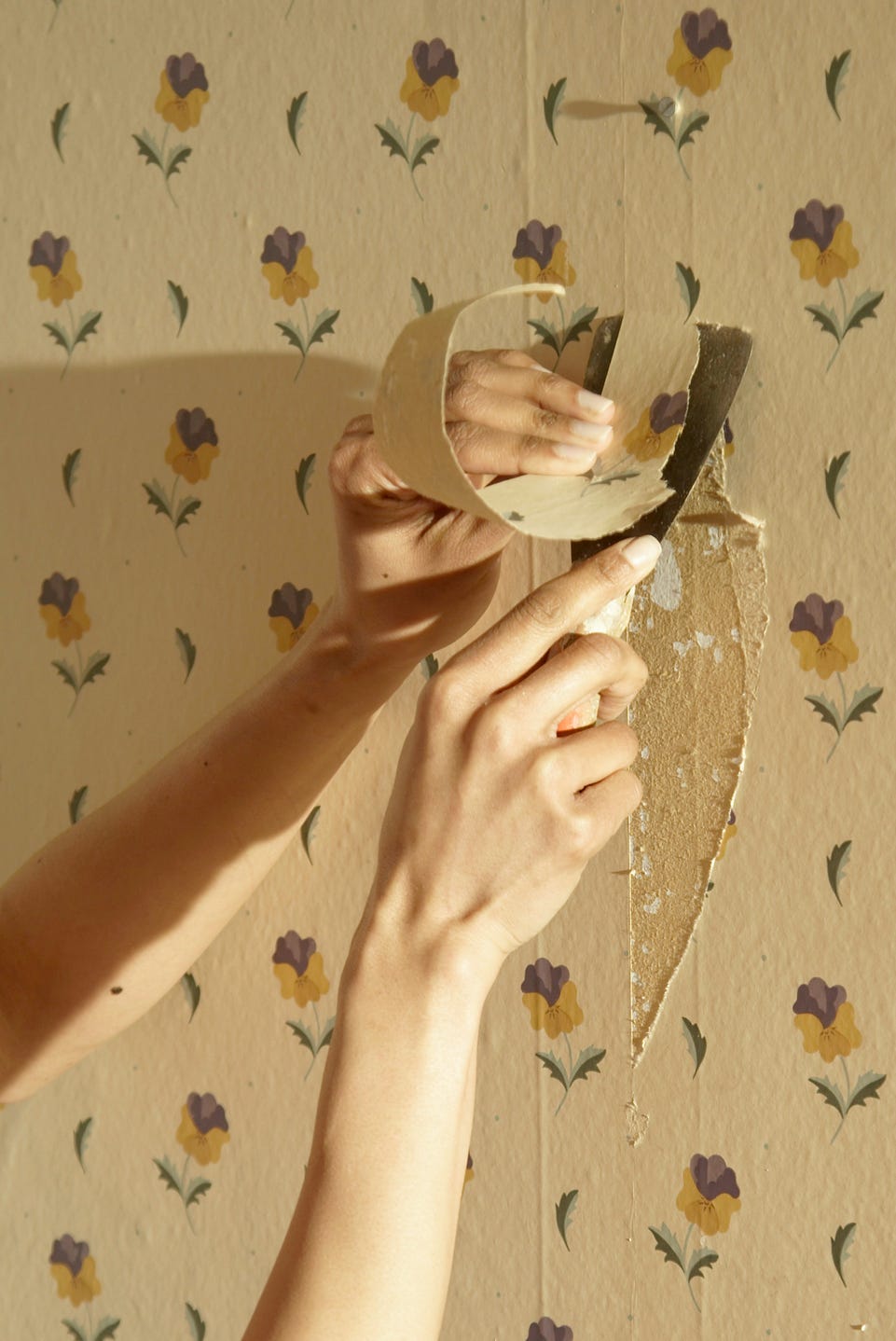
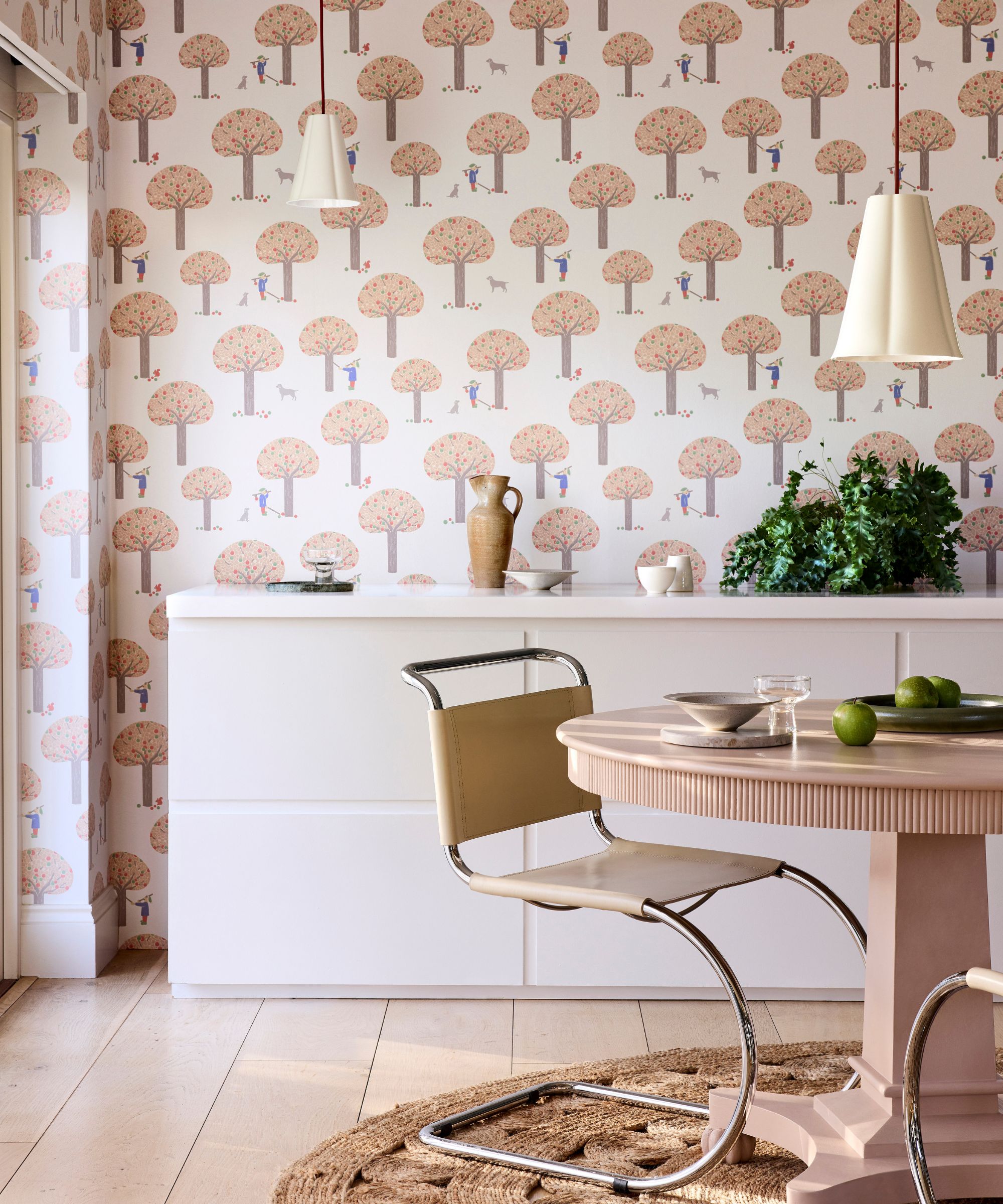
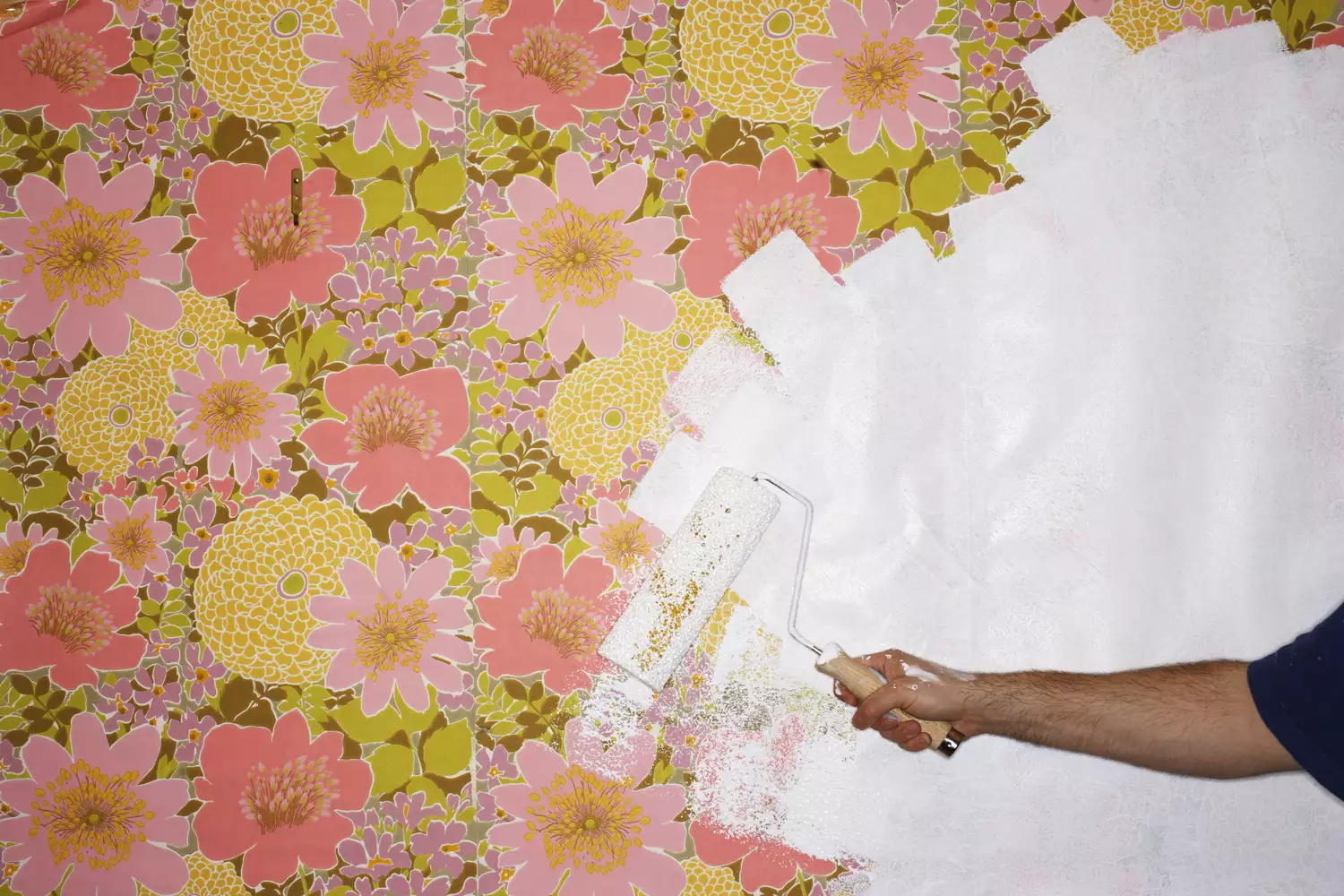
The decision to paint over existing wallpaper, rather than remove it, is a common dilemma for homeowners. While removing wallpaper is generally the preferred approach for achieving the best results, it is often a laborious and time-consuming task. Experts suggest that painting over wallpaper is a viable option in most cases, particularly if wallpaper removal is impractical due to cost or potential damage to the underlying walls. However, certain conditions and types of wallpaper necessitate removal for a satisfactory outcome. For instance, damaged or highly textured wallpaper should ideally be removed, as painting over them will not conceal imperfections or uneven surfaces. Smooth, well-adhered wallpaper is the most suitable type for painting over, as it provides a stable base for the new paint. Conversely, textured wallpaper will retain its texture even after multiple coats of paint, and peeling wallpaper must be re-glued or removed to prevent the paint from peeling with it. Peel-and-stick wallpapers, often marketed as renter-friendly, are typically easier to remove than to paint over.
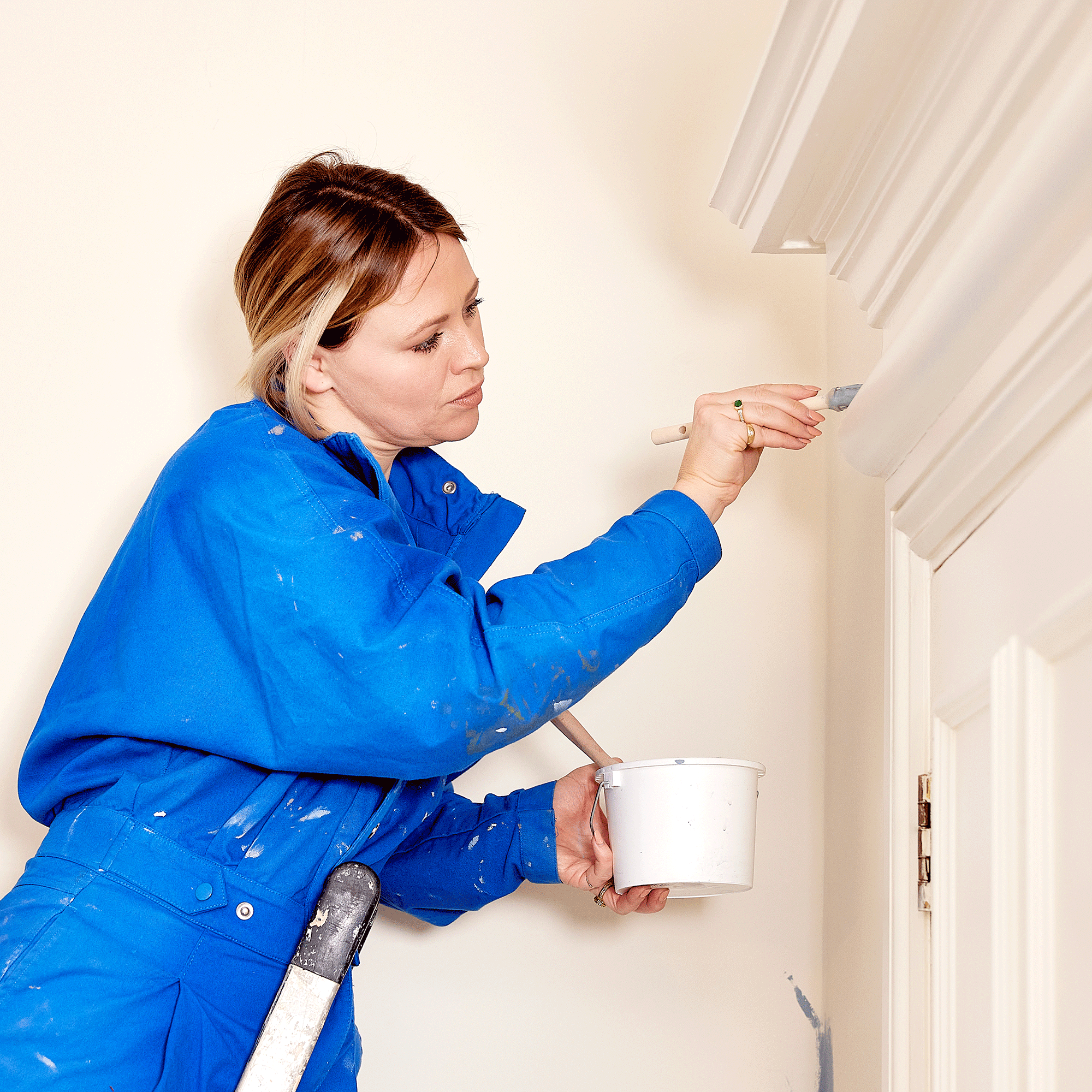
Preparing the wallpaper surface is crucial for a successful paint job. The process begins with a thorough inspection of the wallpaper seams; any peeling edges must be re-adhered to the wall. Cleaning the surface is the next step, using a cloth or duster, and avoiding excessive water with cleaning solutions to prevent reactivating the wallpaper glue. After cleaning, painter's tape should be applied to protect the ceiling, moldings, and baseboards, ensuring that regular masking tape is not used, as it can damage existing paint. The application of an oil-based primer is a critical step, as it seals in any residual glue and prevents the paint from reactivating the adhesive and loosening the wallpaper. Using a tinted-gray primer for darker topcoat colors is recommended for better visibility. While latex paint can be applied over an oil-based primer, it is advised to avoid high-sheen finishes, such as satin, which can highlight imperfections in the wallpaper. For the final painting step, an angled brush is recommended for the ceiling edges, followed by a roller for the main wall areas, using a 'W' shape and crisscross technique to ensure even coverage and prevent roller marks.
Additional tips for achieving a smooth and long-lasting finish include addressing any imperfections in the wallpaper, such as bubbles or loose edges, by fixing them with lightweight spackle and sanding smooth. The importance of an oil-based primer cannot be overstated, as it creates a seal that prevents future paint failures. Specialized brushes designed for oil-based paints, with more bristles for better paint pickup, should be used and cleaned with paint thinner or mineral spirits. When selecting paint, matte or eggshell finishes are recommended for their ability to hide minor imperfections. While painting over wallpaper can save time and effort, it is essential to weigh the pros and cons, considering the condition of the existing wallpaper and the potential for a less than ideal finish. Consulting a professional is advisable before undertaking the project, as improper preparation can lead to more significant issues and costs in the long run. The longevity of paint over wallpaper is comparable to paint on a bare wall, requiring touch-ups and fresh coats every three to five years. Ultimately, the decision hinges on the current state of the wallpaper and the desired aesthetic outcome.
#HomeImprovement #DIY #InteriorDesign #PaintingTips #Wallpaper #HomeRenovation #SurfacePreparation #PaintApplication #HomeImprovement #DIY #InteriorDesign #PaintingTips #Wallpaper #HomeRenovation #SurfacePreparation #PaintApplication
0 comment in total
 No comments yet
You may also like
Can you paint over wallpaper? Experts explain how to make this time-saving hack work
DIY Removable Wallpaper
Everything you need to know about removable wallpaper

How To Clean Painted Walls Without Ruining Them
How to remove wallpaper - expert-approved steps to prevent damage and ensure a smooth finish
Skip Wallpaper in Favor of an (Almost) Free Painter’s Tape DIY
How to Apply (and Remove) Peel-and-Stick Wallpaper the Right Way

Interior Designers Reveal Their Honest Opinions on Peel-and-Stick Wallpaper vs. Paste

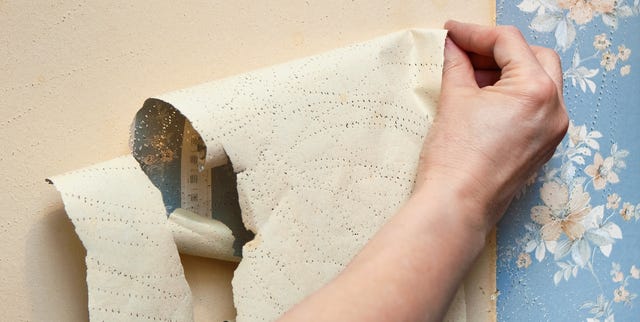
A Stress-Free Way to Remove Wallpaper

Ditch the Wallpaper and Paint Your Pattern, Instead—How to Complete This Easy DIY

These Removable Wallpapers Will Completely Transform Your Space (Without Damaging Your Walls)

How to Hang Wallpaper (the Permanent Kind!)

This Wall-Decor Hack Is Even Easier Than Peel-and-Stick Wallpaper

You’d Never Know That These Stylish Wallpapers Are Totally Removable
This Removable Wallpaper Lets You Update Your Home Without Commitment
9 Best Wallpaper Removers

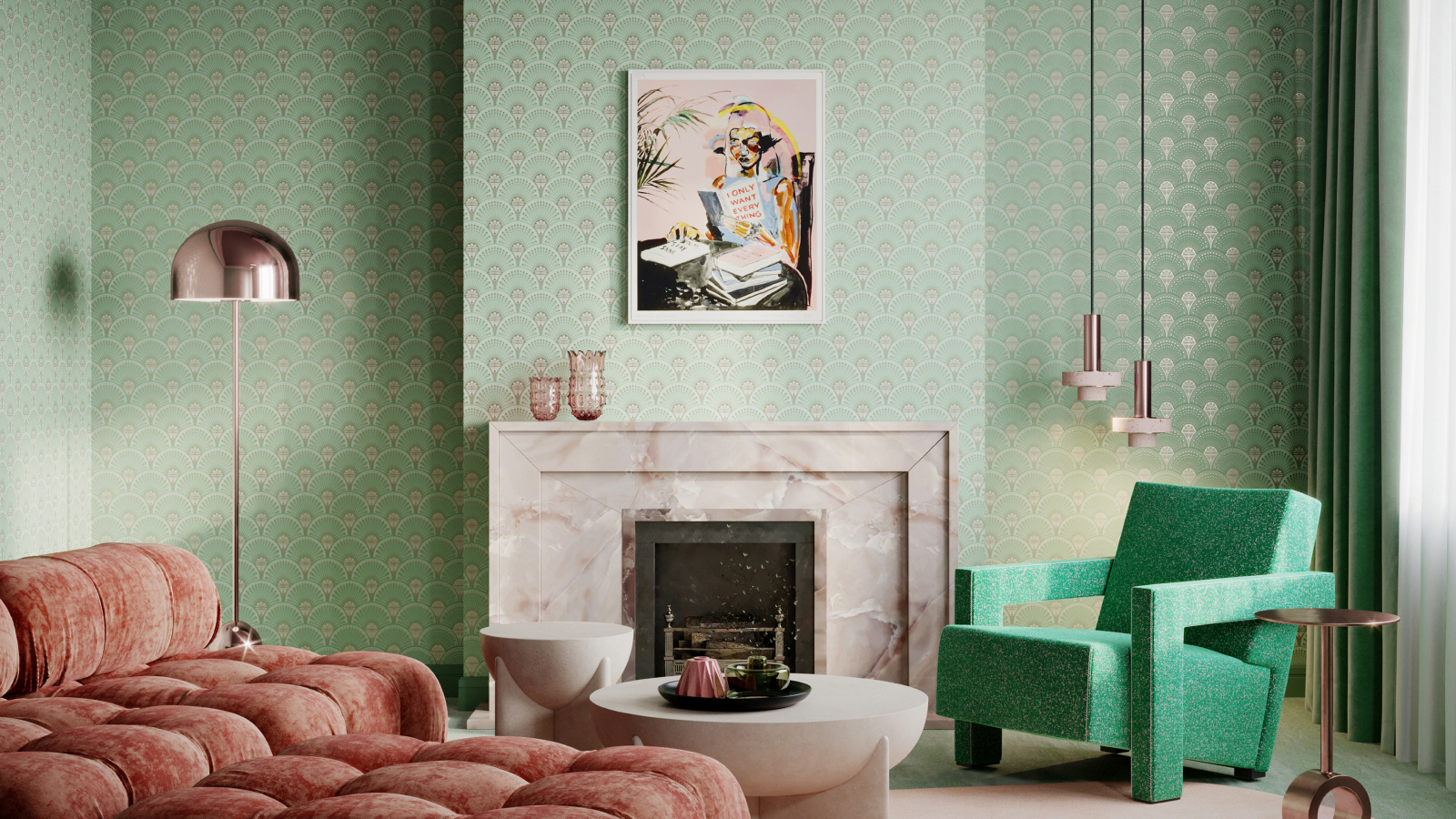
Can you put wallpaper on textured walls? Experts reveal it is indeed possible with this vital step

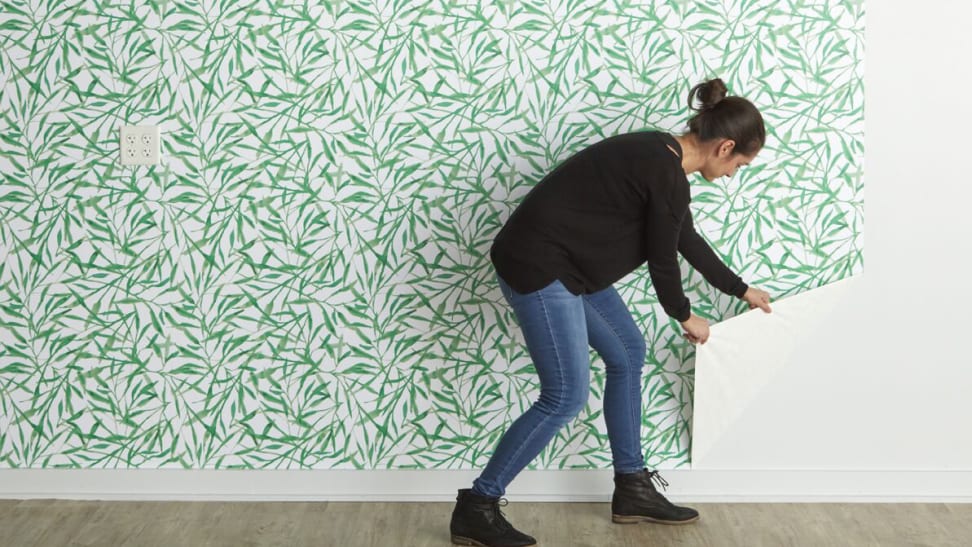
Everything you need to know about removable wallpaper

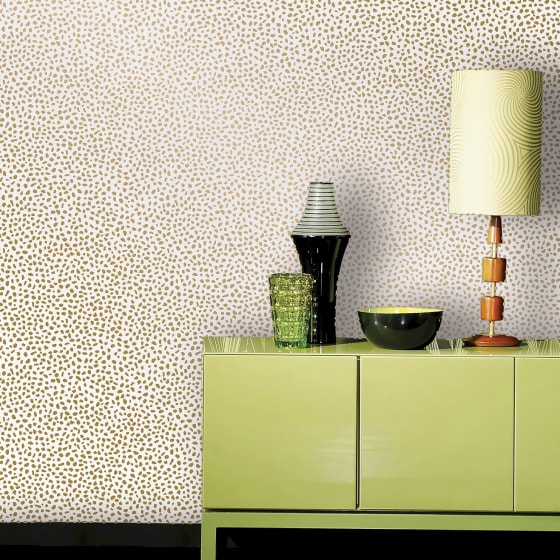
Peel-and-stick wallpaper tips and shopping

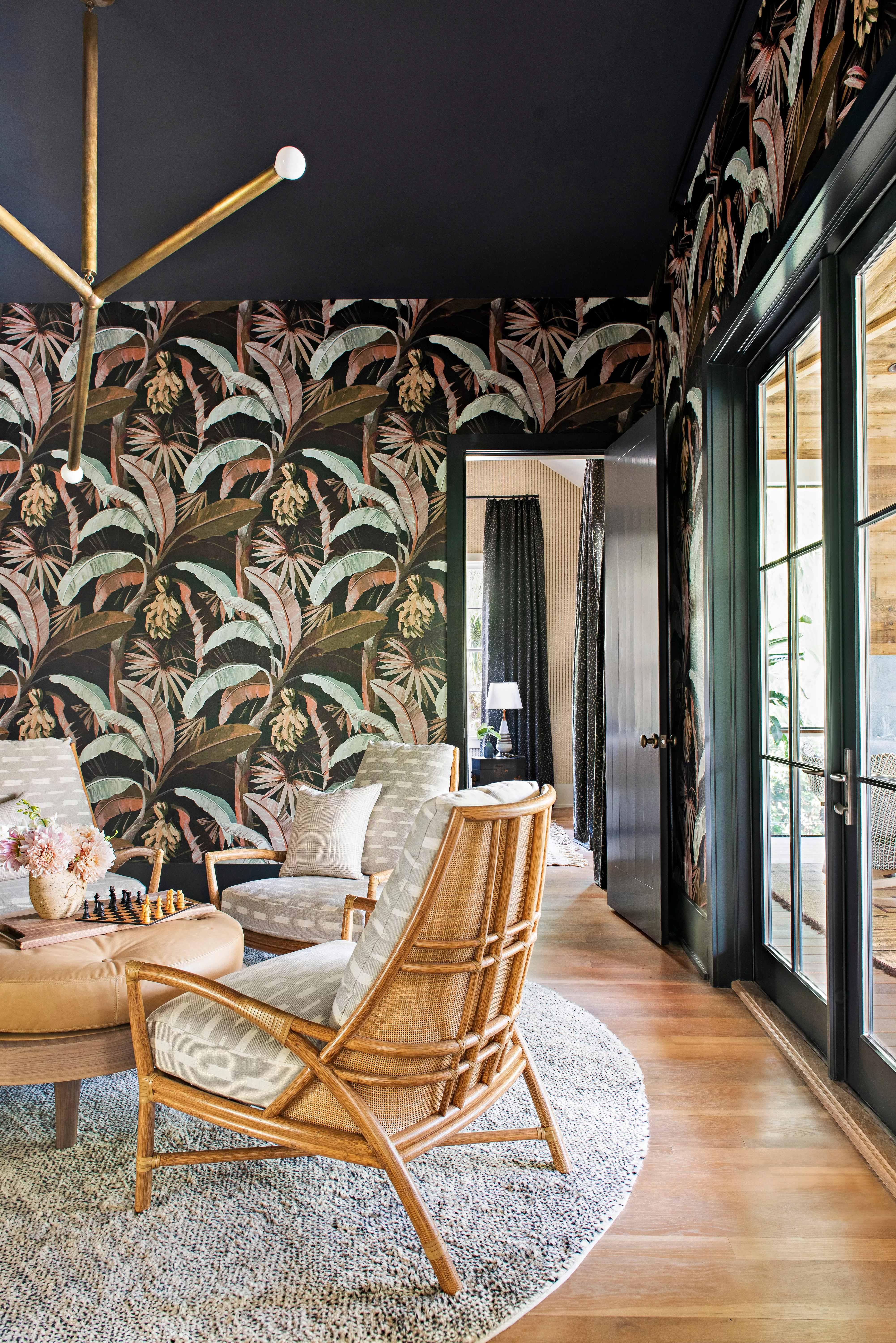
8 Common Wallpaper Mistakes (and How to Fix Them)