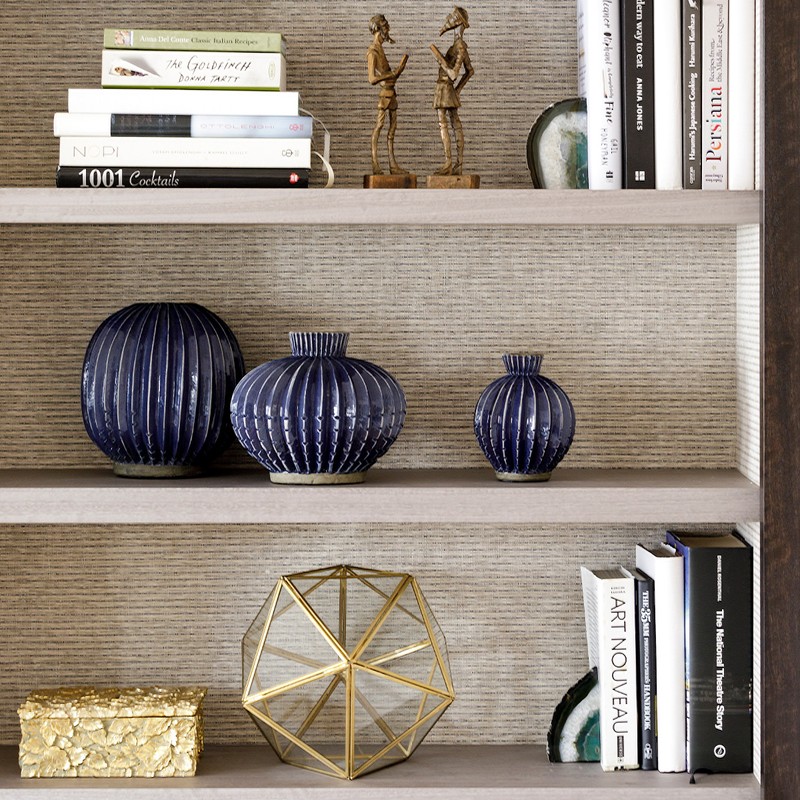
1/7
Fabric Walls: How & Why To Get One
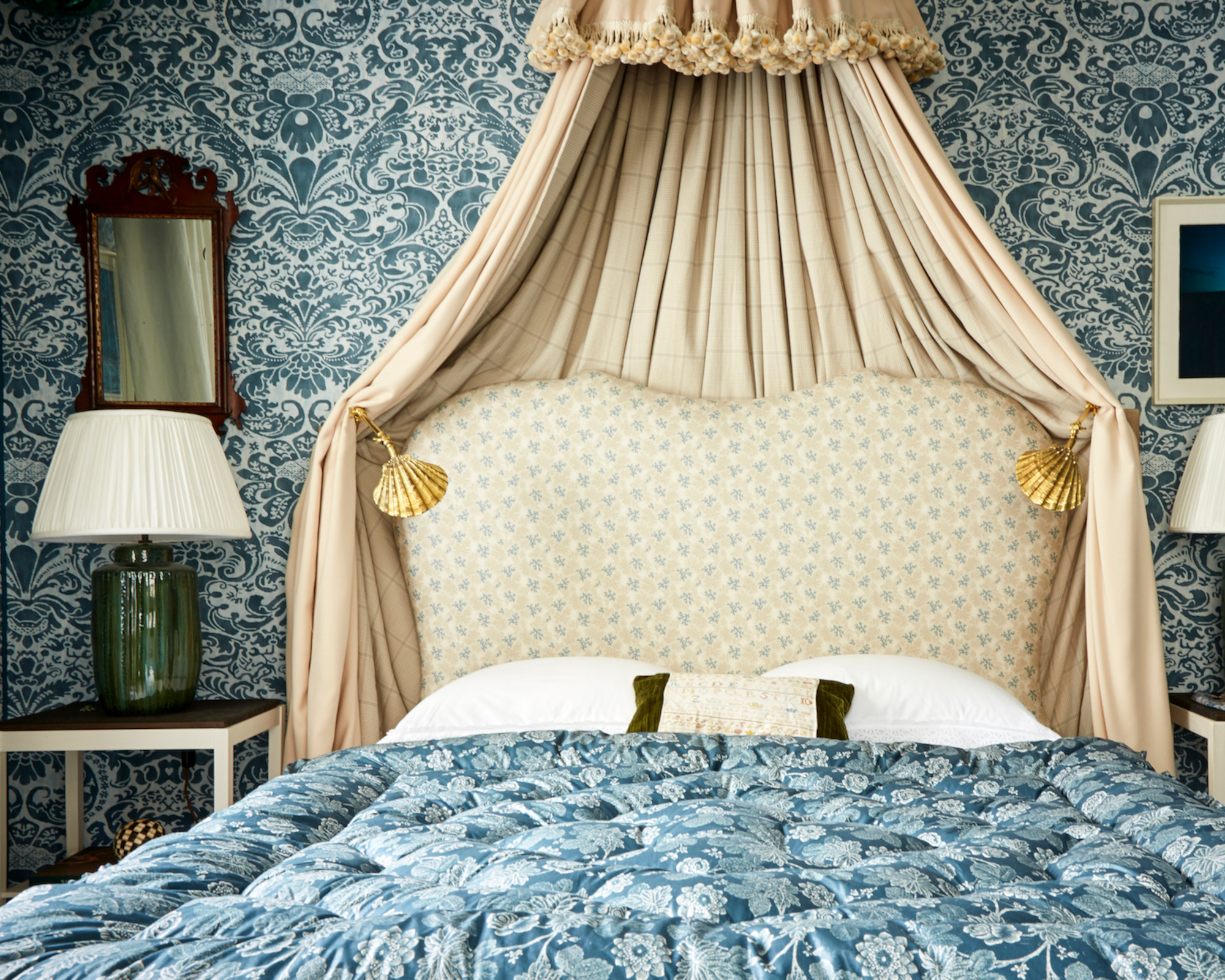
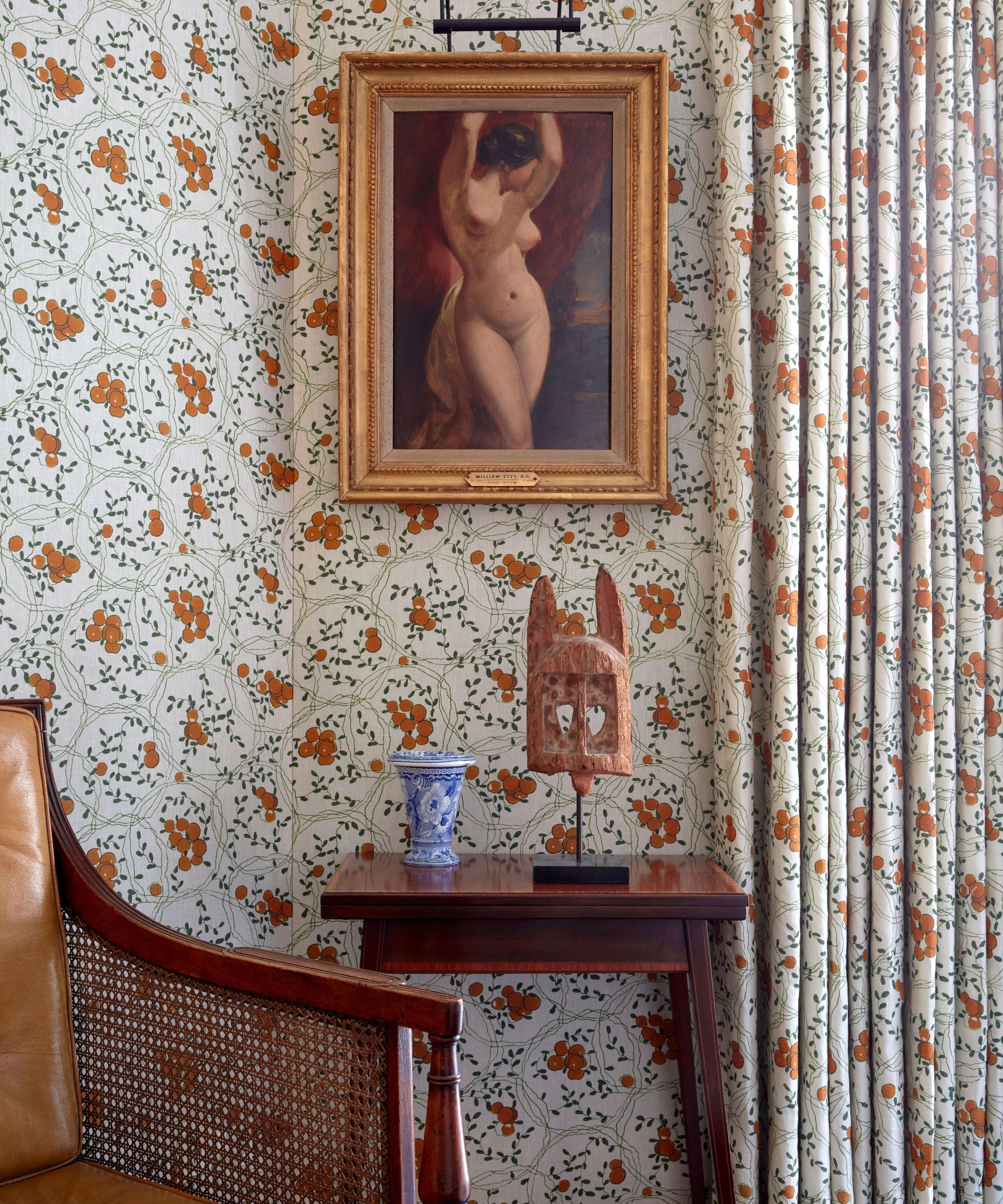
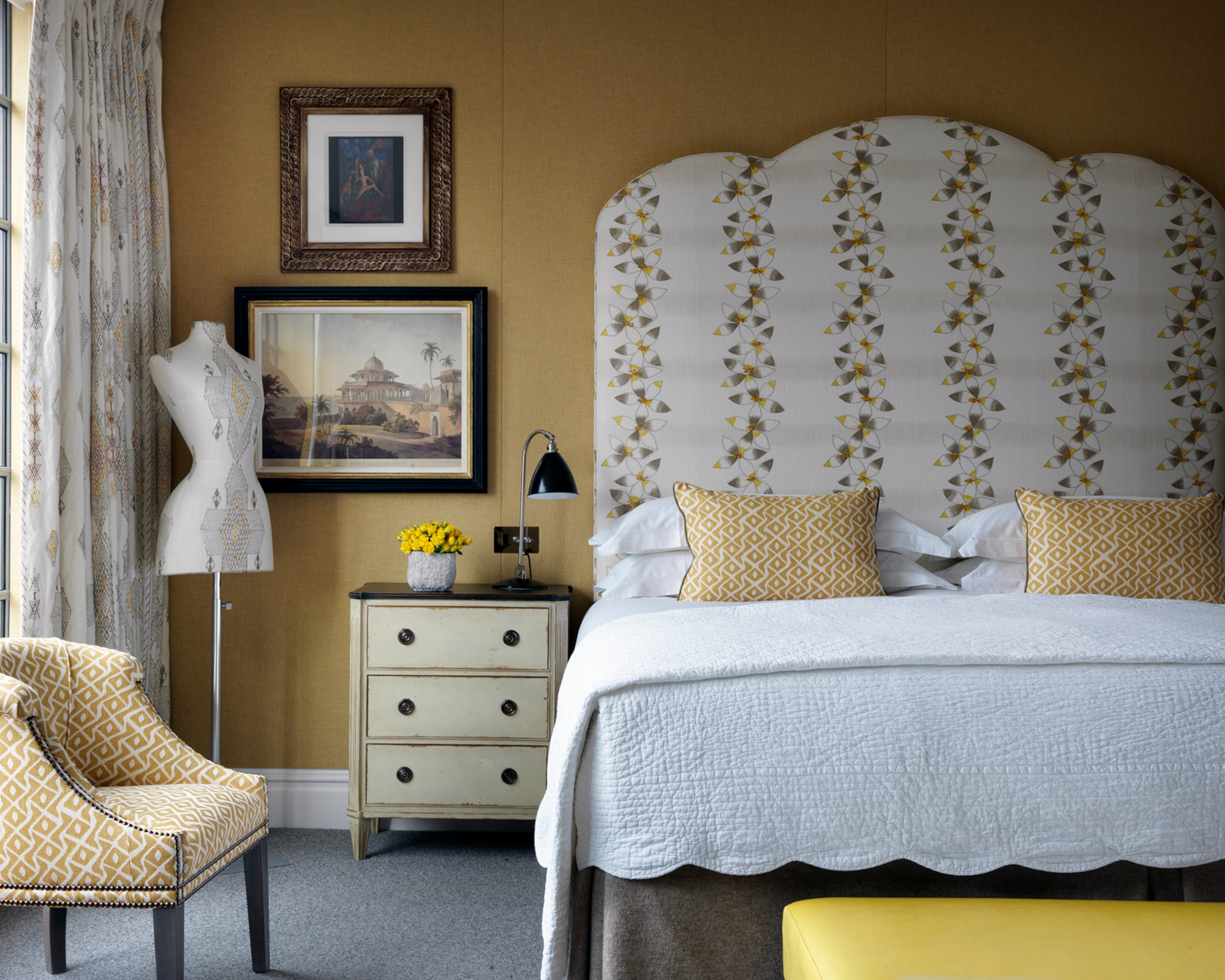
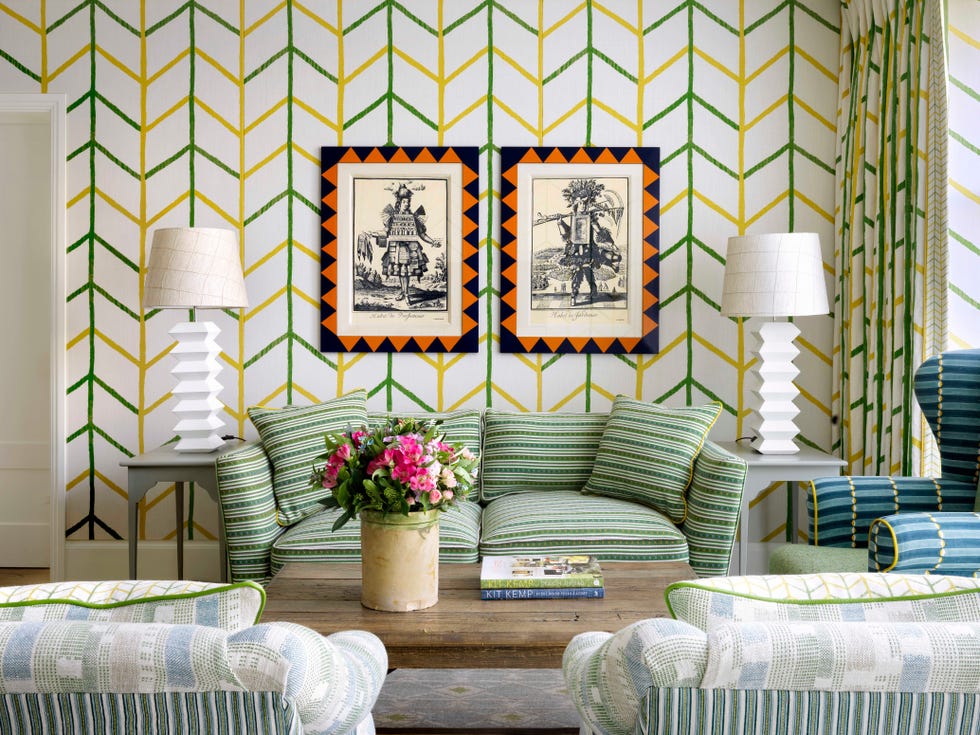
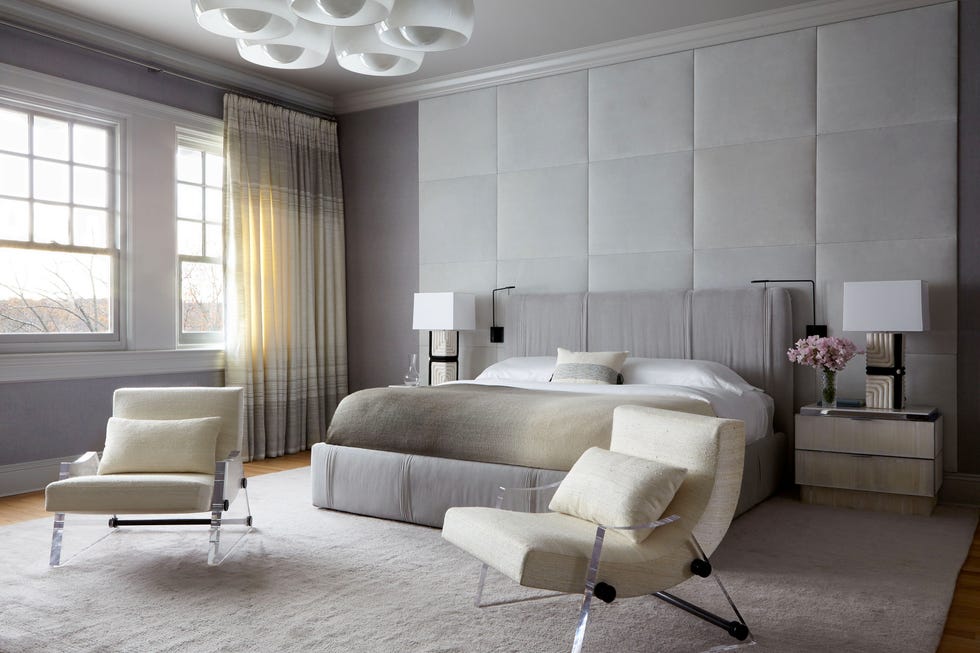
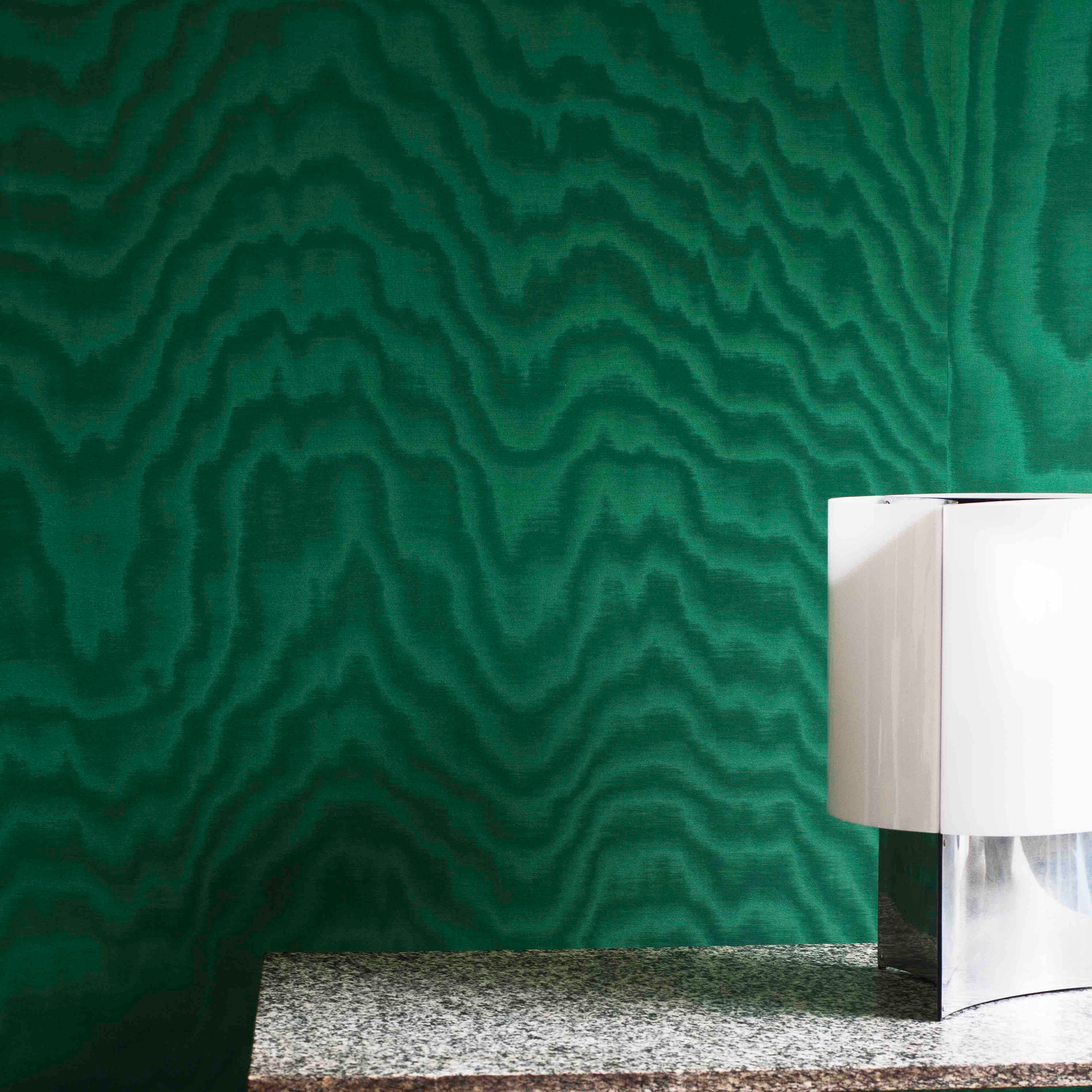
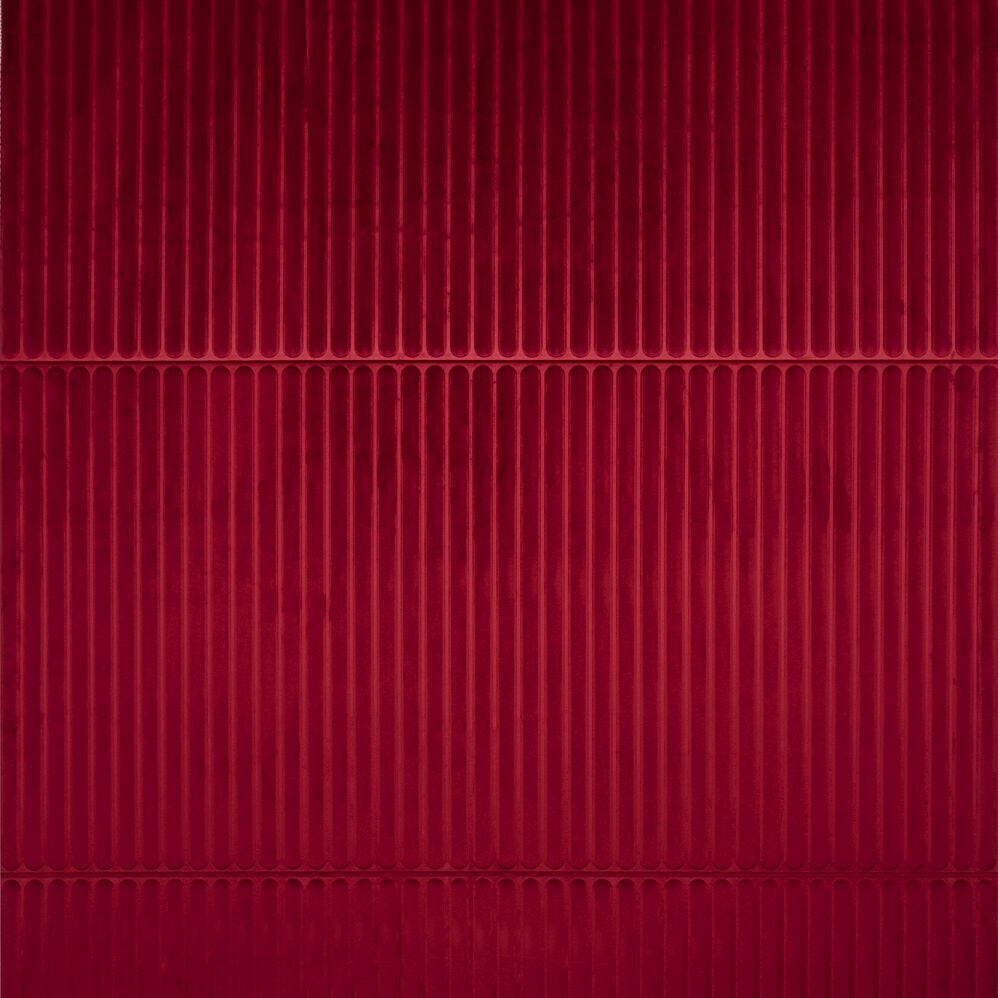
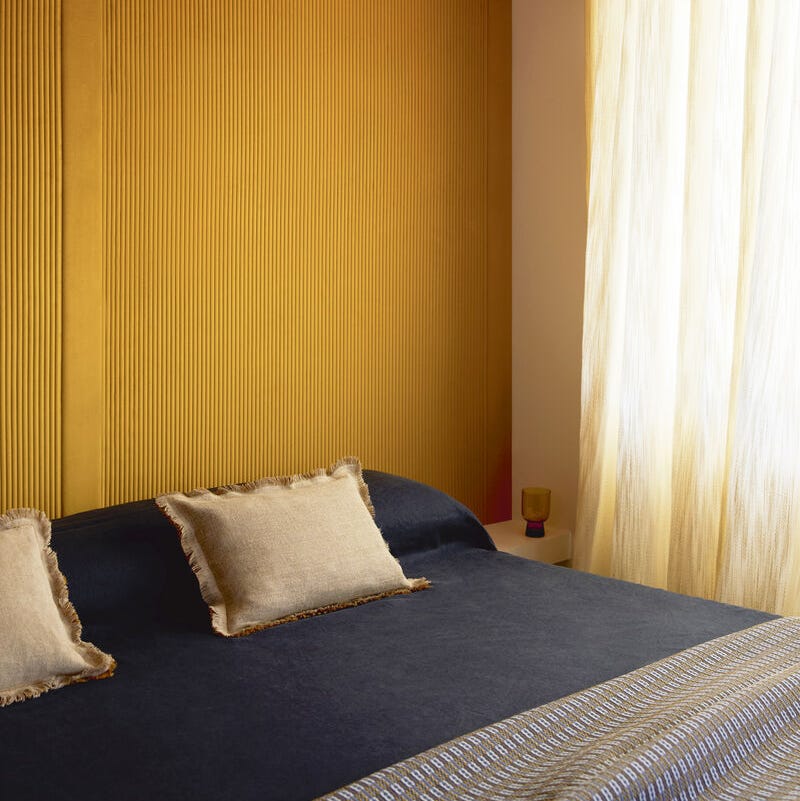
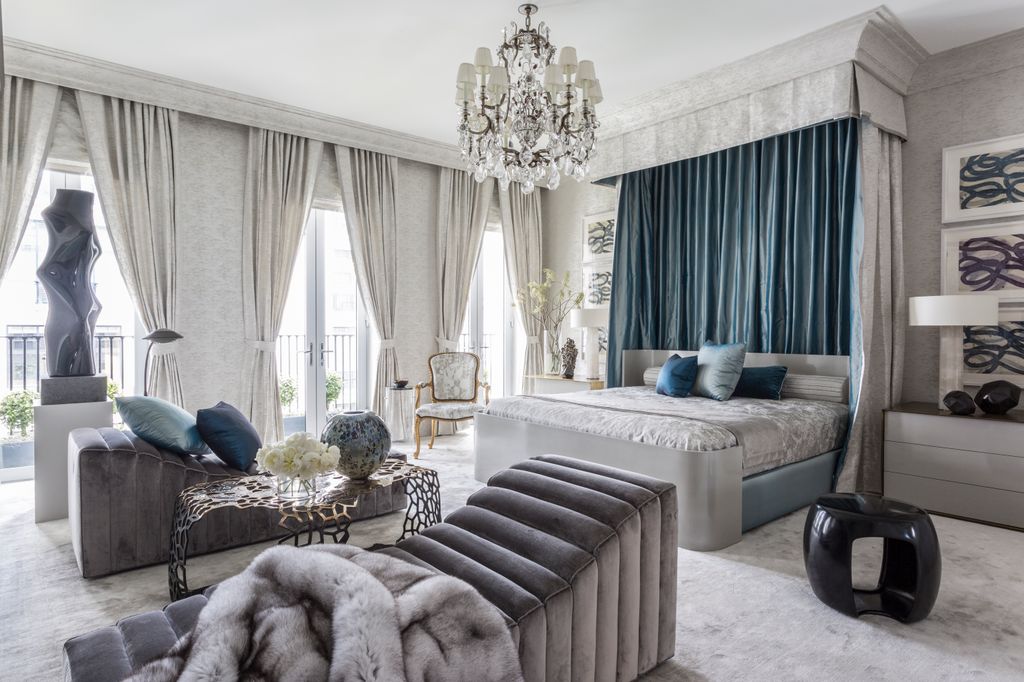
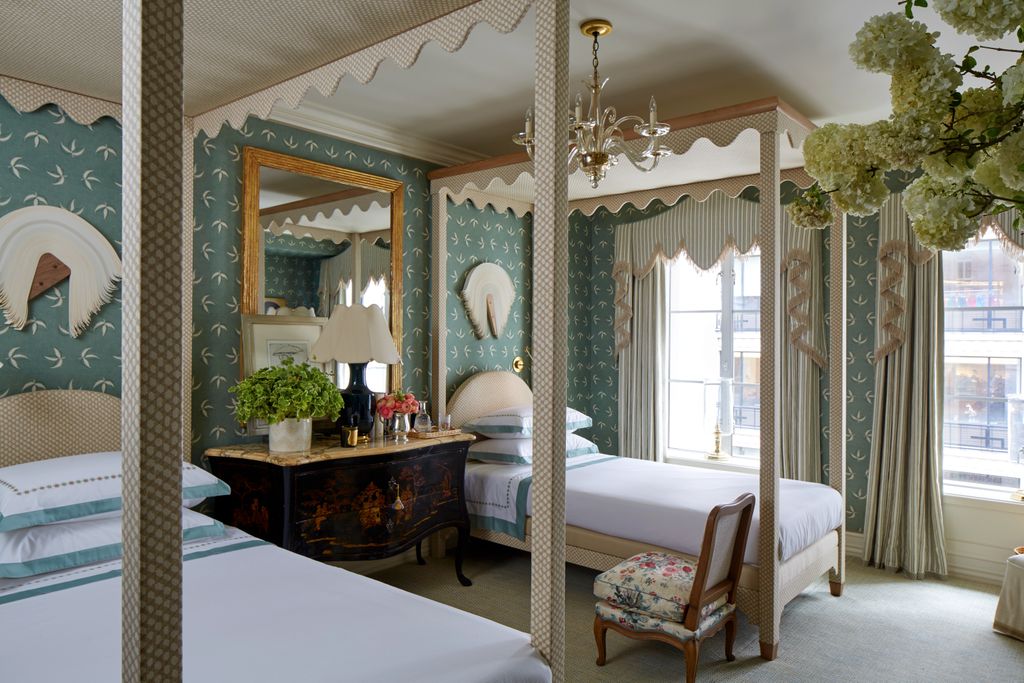
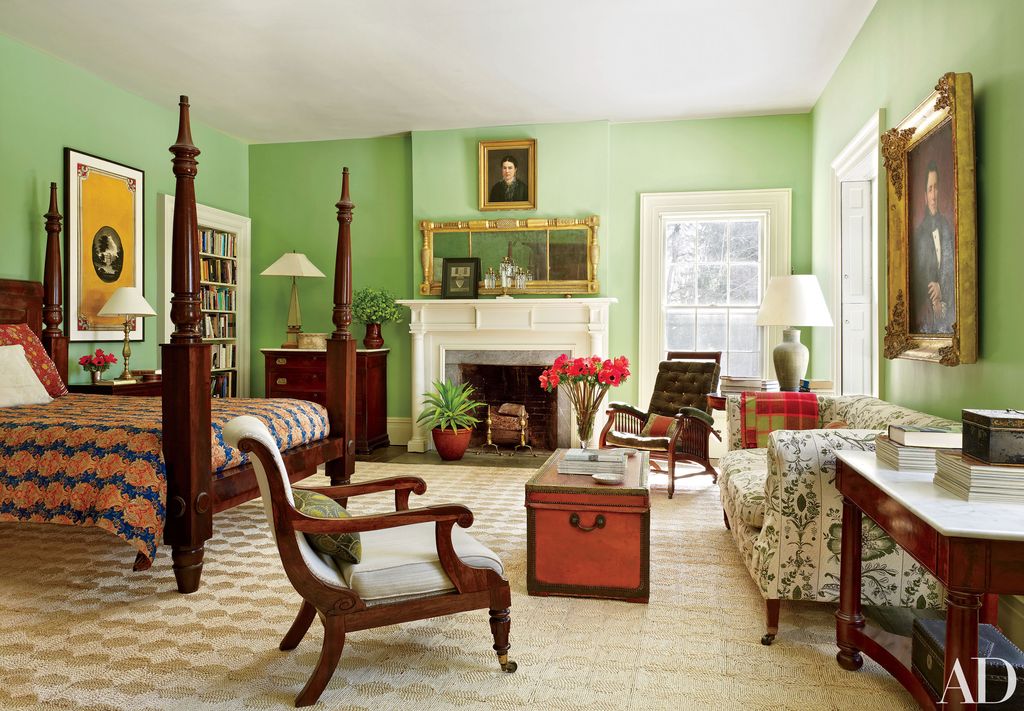
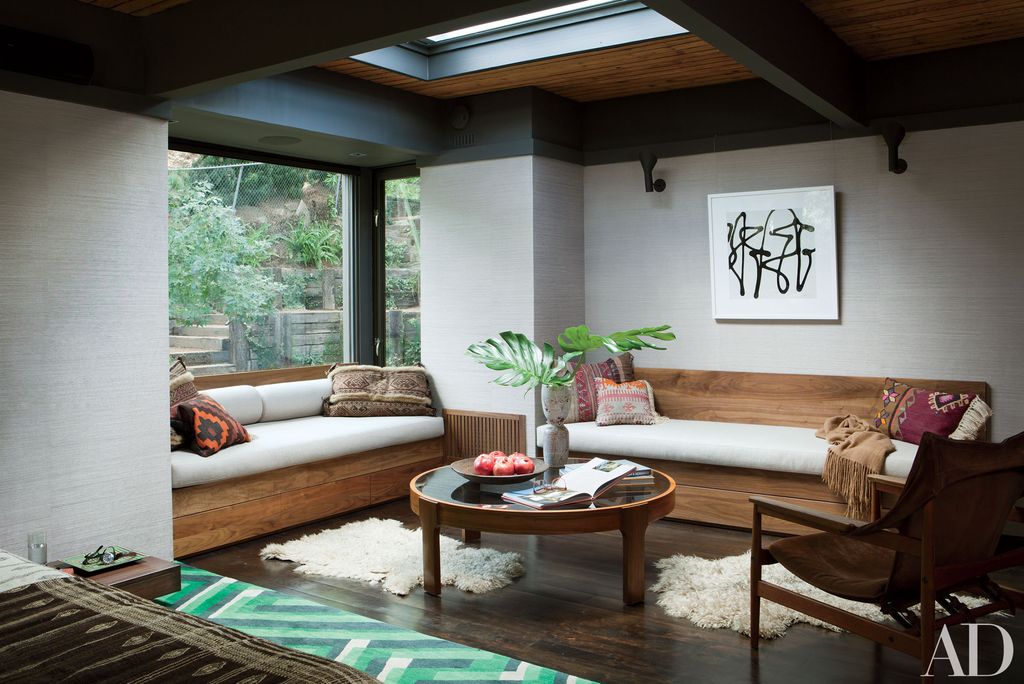
The article explores the growing trend of using paper-backed fabric for wall coverings as an alternative to traditional wallpaper or fully upholstered walls. This interior design technique is presented as a method to significantly elevate the aesthetic and feel of a room, offering a luxurious and tactile finish. Interior designers Irene Gunter and Anna Hewitson are quoted, emphasizing the luxurious, warm, and cosy qualities that fabric adds to a space. Gunter highlights the desire to touch such walls, indicating their unique appeal.
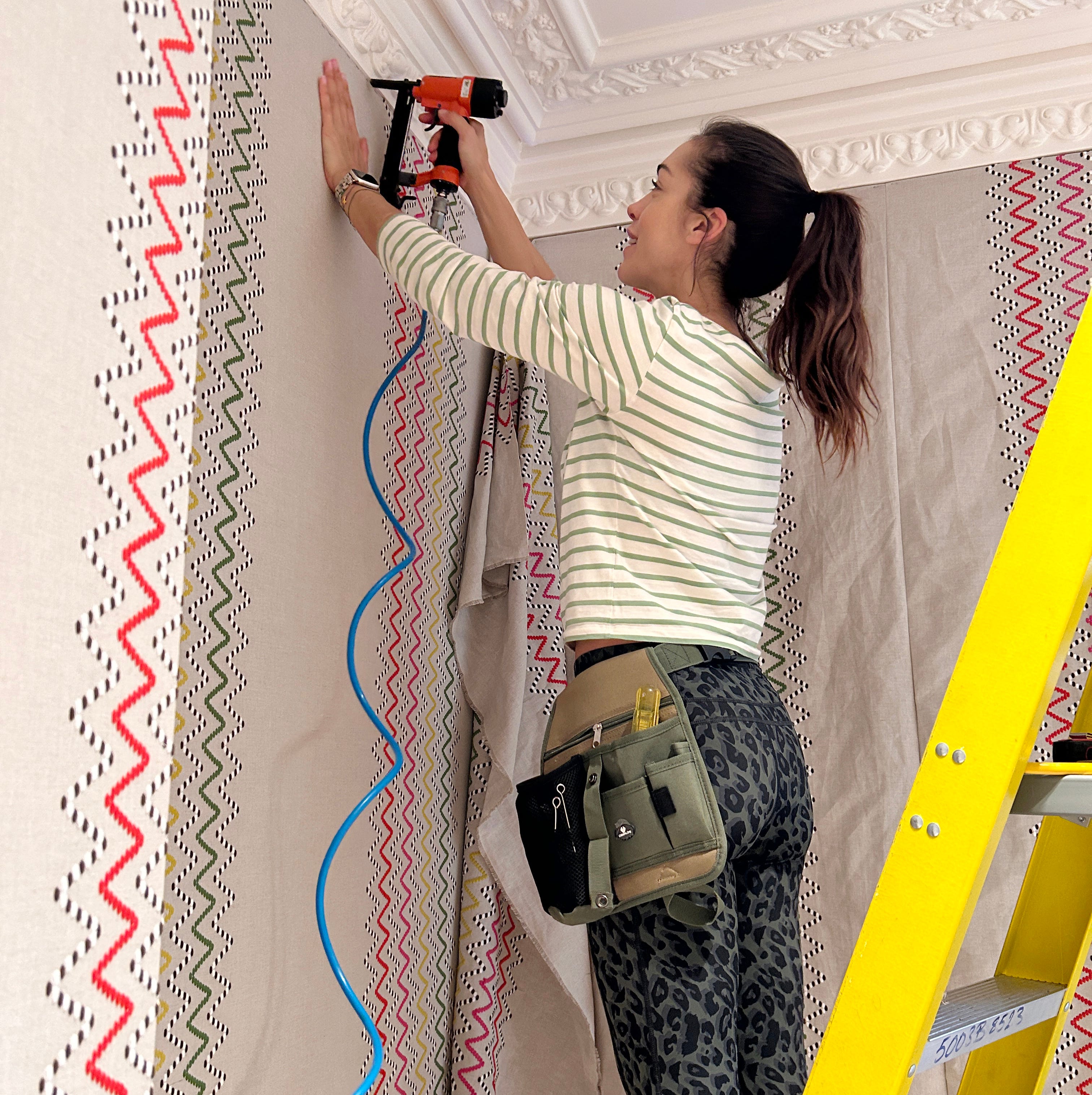
Beyond aesthetics, the article delves into the practical benefits of paper-backed fabric walls. Anna Hewitson points out its effectiveness in reducing noise due to its sound-absorbent properties, making it suitable for creating a quieter and more serene environment. The installation process, however, is not presented as a DIY project. The article strongly advises against attempting it without professional help, underlining the complexity and skill required. Jamie Shawcross, Director of British fabric brand Fermoie, which recently launched a paper-backing service for its fabrics, explains that while they have assisted clients with traditional stretched fabric walling, it is an expensive and highly skilled endeavor. He suggests that paper-backed fabric offers a similar luxurious texture that cannot be replicated by wallpaper.
Fermoie's new service aims to make fabric walling more accessible by offering paper-backed versions of their patterned fabrics. Shawcross specifically recommends Tones Specialist Paper Hangers for installation, noting their expertise in hand-cutting margins, pattern matching, and adhesive application. Similarly, Walltex provides paper-backing services for both corporate and residential clients, with Aimee Kandola from Walltex explaining that specialist decorators are needed to overlap and mitre each panel during installation. Walltex is also developing a new collection of linen and cotton wallcoverings under their K Decor brand, which will be supplied as pre-trimmed rolls to simplify installation for experienced decorators.
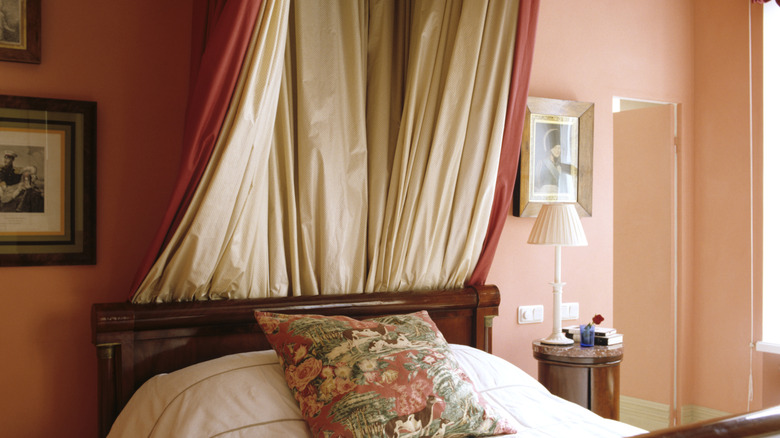
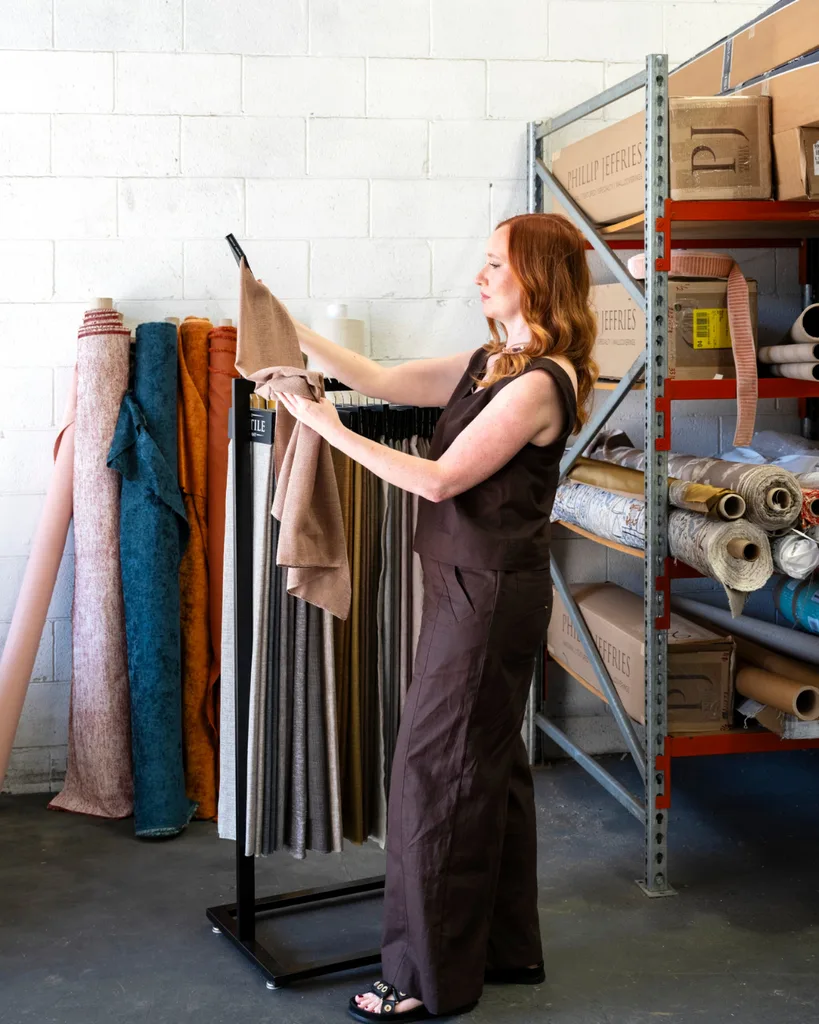
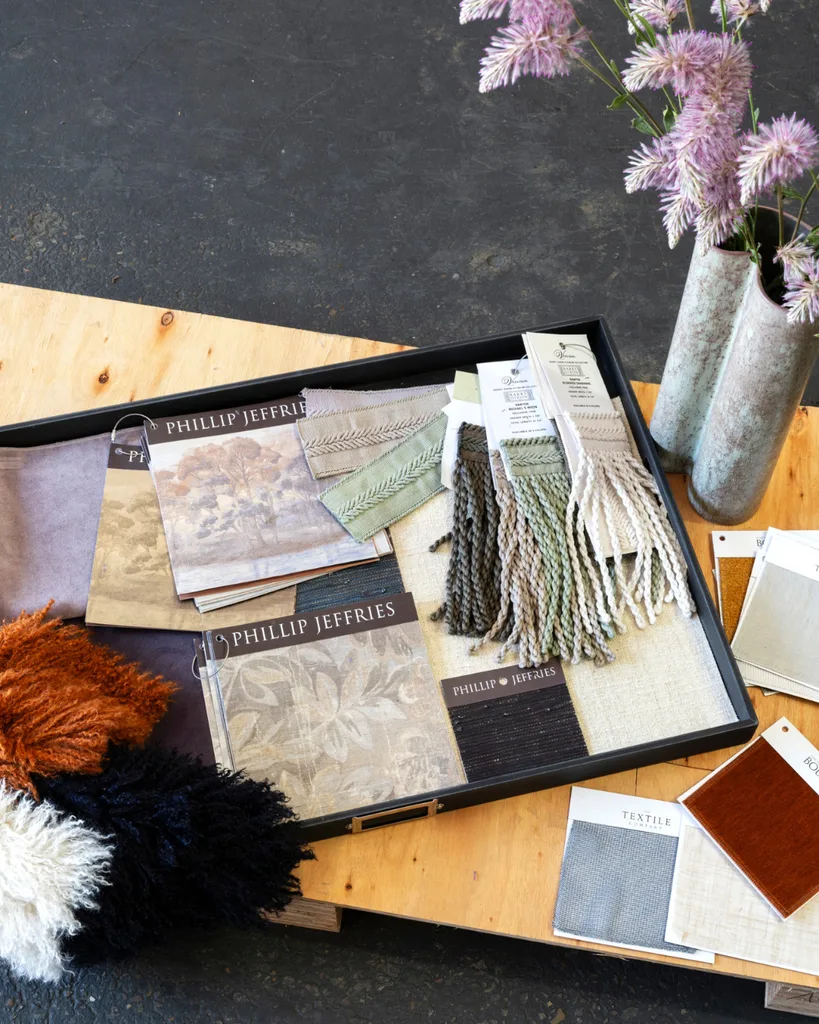
Choosing the right fabric is critical for achieving the desired outcome. Jamie Shawcross notes that both large and small prints work well, but highlights linen for its textural quality, which allows one to perceive the weave and subtle colour variations. Irene Gunter expresses a preference for wool, including herringbone and plain varieties, for its seamless and cosy attributes. She advises against silk due to its susceptibility to sunlight damage and visible seams. Gunter also recommends using a braided trim around skirting or coving to conceal the joint where the fabric meets the wall, a technique that also harks back to traditional period homes where fabric walls were common.
The article also provides guidance on integrating fabric walls into overall room design. It suggests selecting the wall fabric first and then designing the rest of the room around it to ensure harmony. To allow the fabric to be the focal point, the surrounding décor should be kept more subdued. Fabric walls are deemed suitable for adult bedrooms, living rooms, and dining rooms, but not recommended for high-traffic areas like corridors or children's rooms due to potential damage. Gunter further suggests avoiding white fabric and opting for neutral or dark colours, as fabrics tend to hold richer pigments than wallpaper or paint. The article concludes by listing several suppliers for paper-backed fabrics, including Fermoie, K Decor, Phillip Jeffries, and Stereo.
#InteriorDesign #FabricWalls #LuxuryInteriors #HomeDecor #WallCoverings #TexturalDesign #ProfessionalInstallation #SoundAbsorption #FermoieFabrics #InteriorDesign #FabricWalls #LuxuryInteriors #HomeDecor #WallCoverings #TexturalDesign #ProfessionalInstallation #SoundAbsorption #FermoieFabrics
0 comment in total
 No comments yet
You may also like
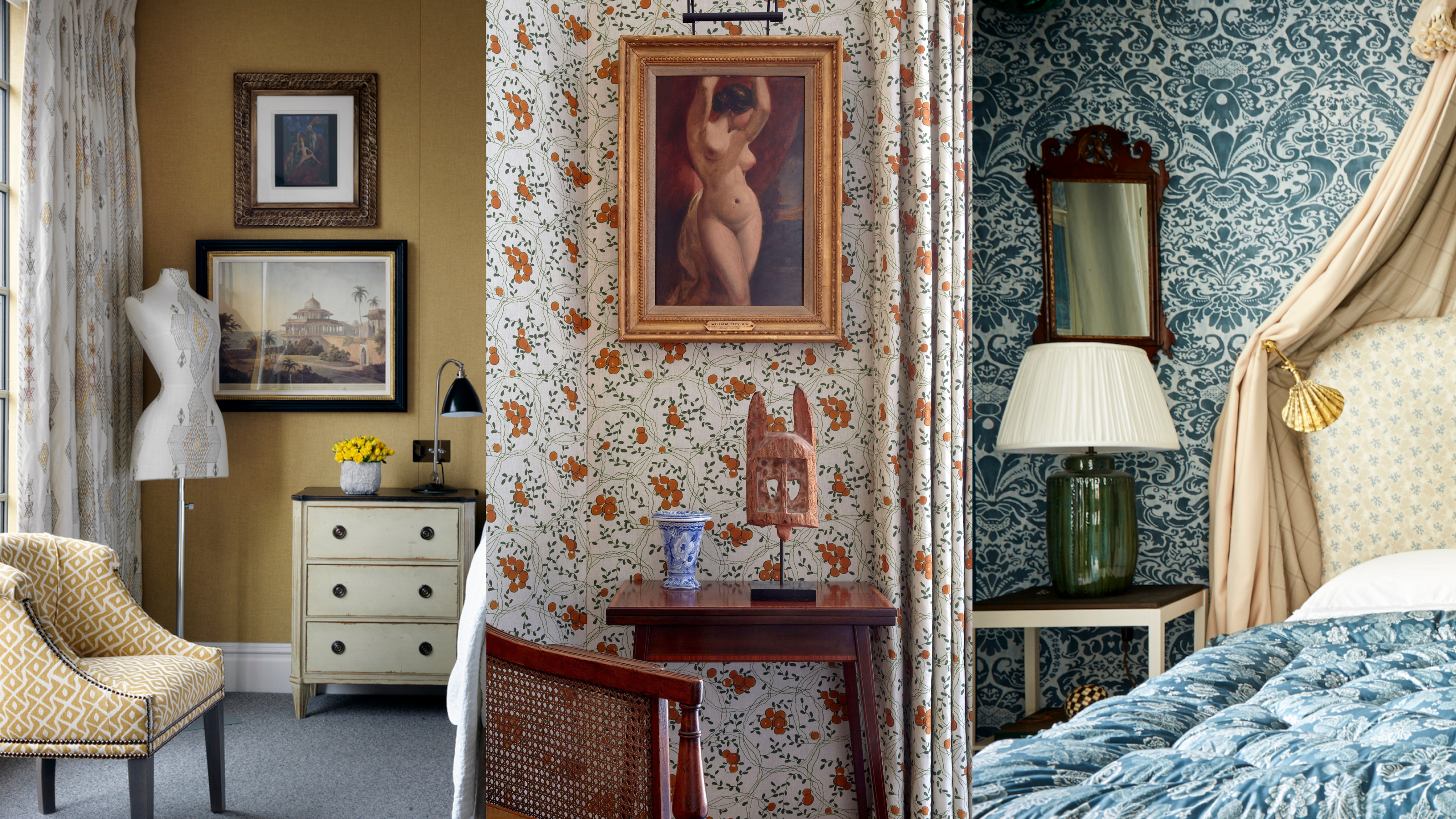
How to install fabric walling – the unique alternative to wallpaper

DIY shiplap walls: How to install shiplap on wall
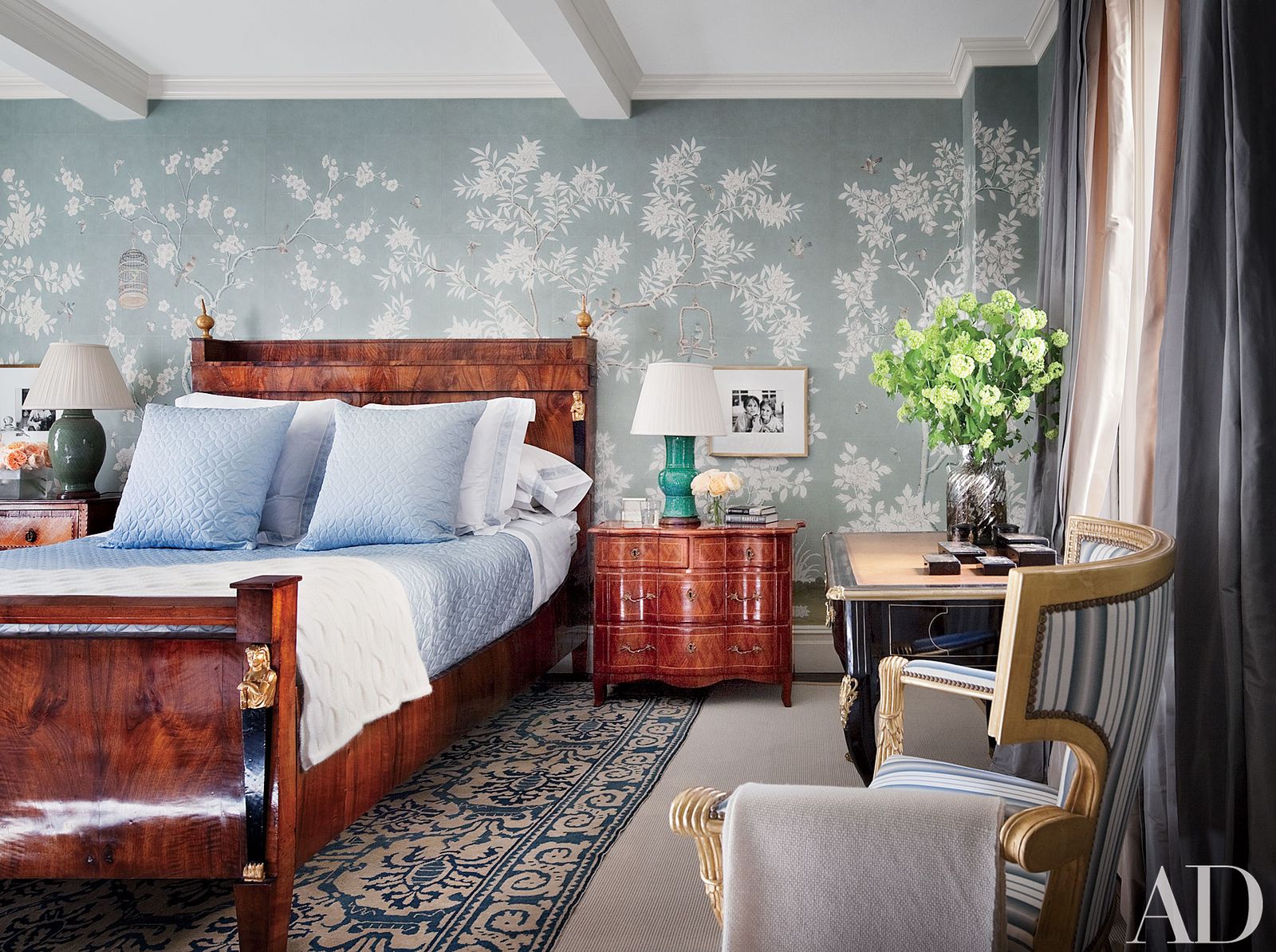
9 Designer Wall Treatments That Will Reinvent Your Interiors


Take a soft approach - 2 Oct 2024 - The English Home Magazine

The expert guide to decorating walls with fabric

The fabric effect: 8 of the best textural wallcoverings
Fabric Wall Décor Is One of the Biggest Design Trends of 2025

How to create a gallery wall in your home
Top tips to create a feature wall

How to build a gallery wall for your home


Who Needs Walls, Anyway? Here’s How to Make One Room Into Many

How to make a living wall that brings the outdoors in
The Cozy Wall Treatment That's Taking Over Big Time In 2026
4 Creative Ways To Use Textiles in Your Home
The Ultimate Guide to Wall-to-Wall Carpet

Celia Rufey answers your fabric questions
Rugs and Textiles go Vertical as Wall Art
The evolution of The Textile Company and its family-led legacy

6 ways to fake wall panelling and create the sought-after look on a budget
This Wall-Decor Hack Is Even Easier Than Peel-and-Stick Wallpaper