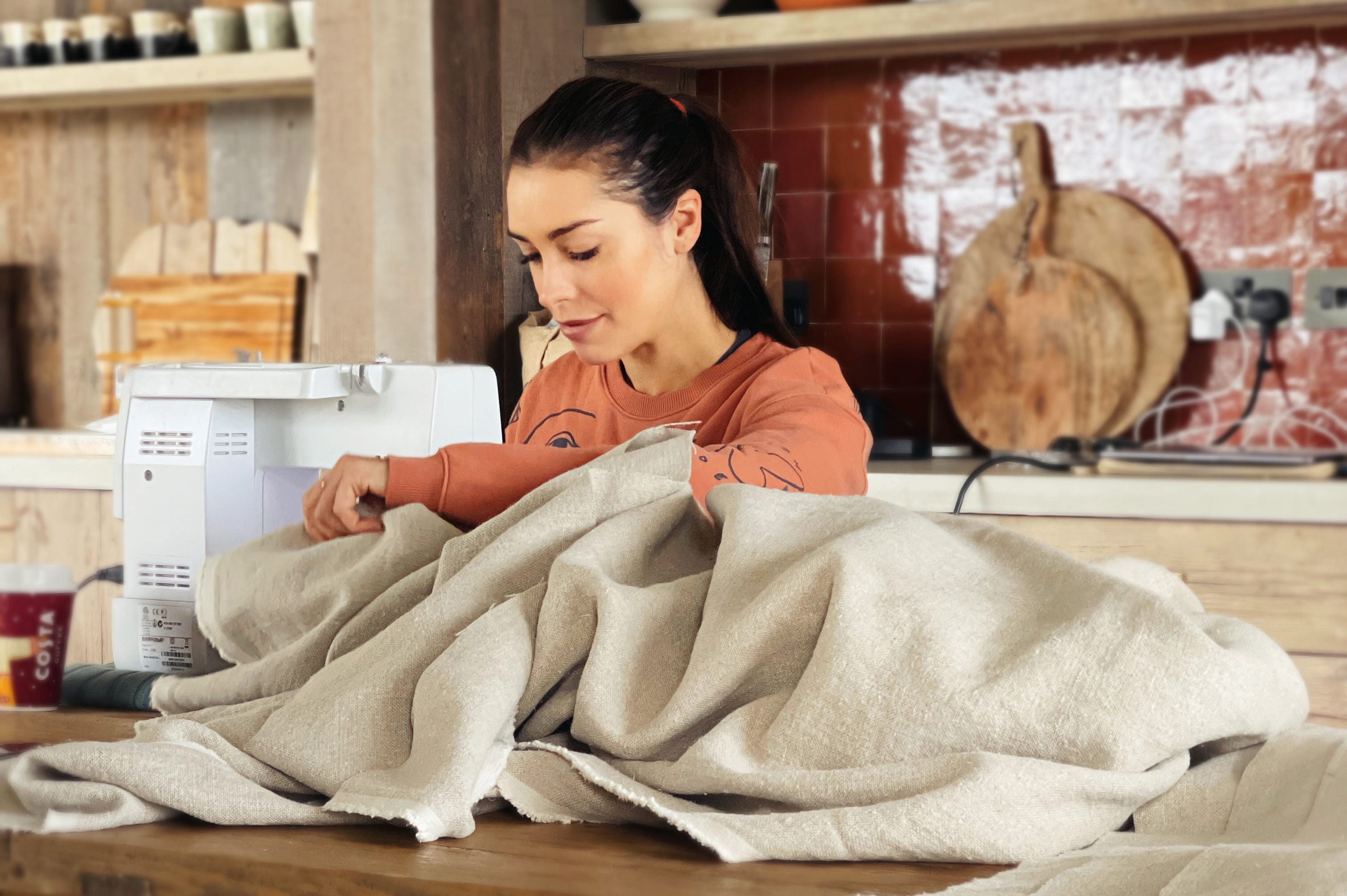
1/5
The expert guide to decorating walls with fabric
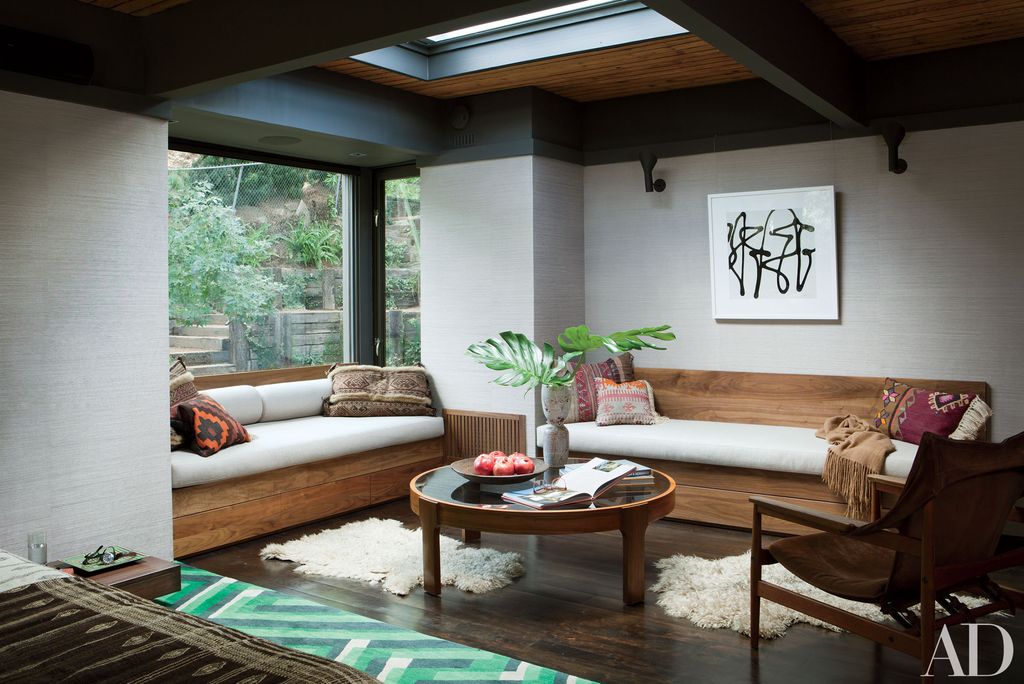
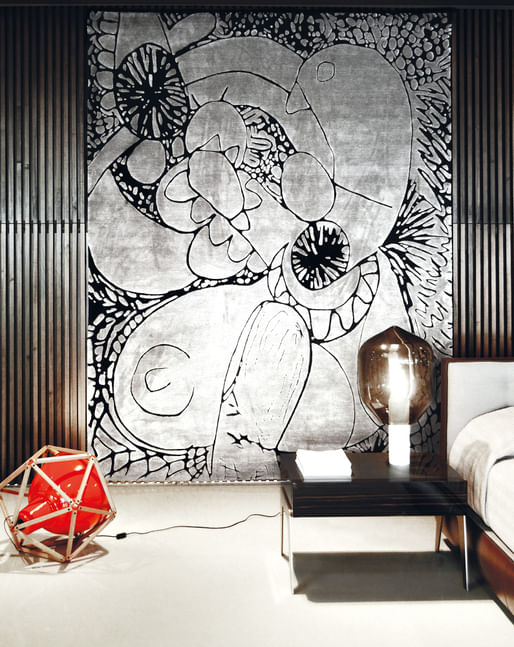
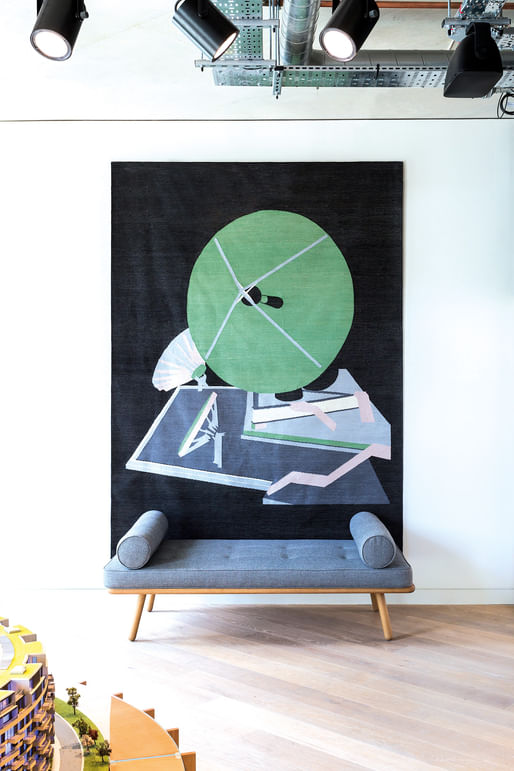
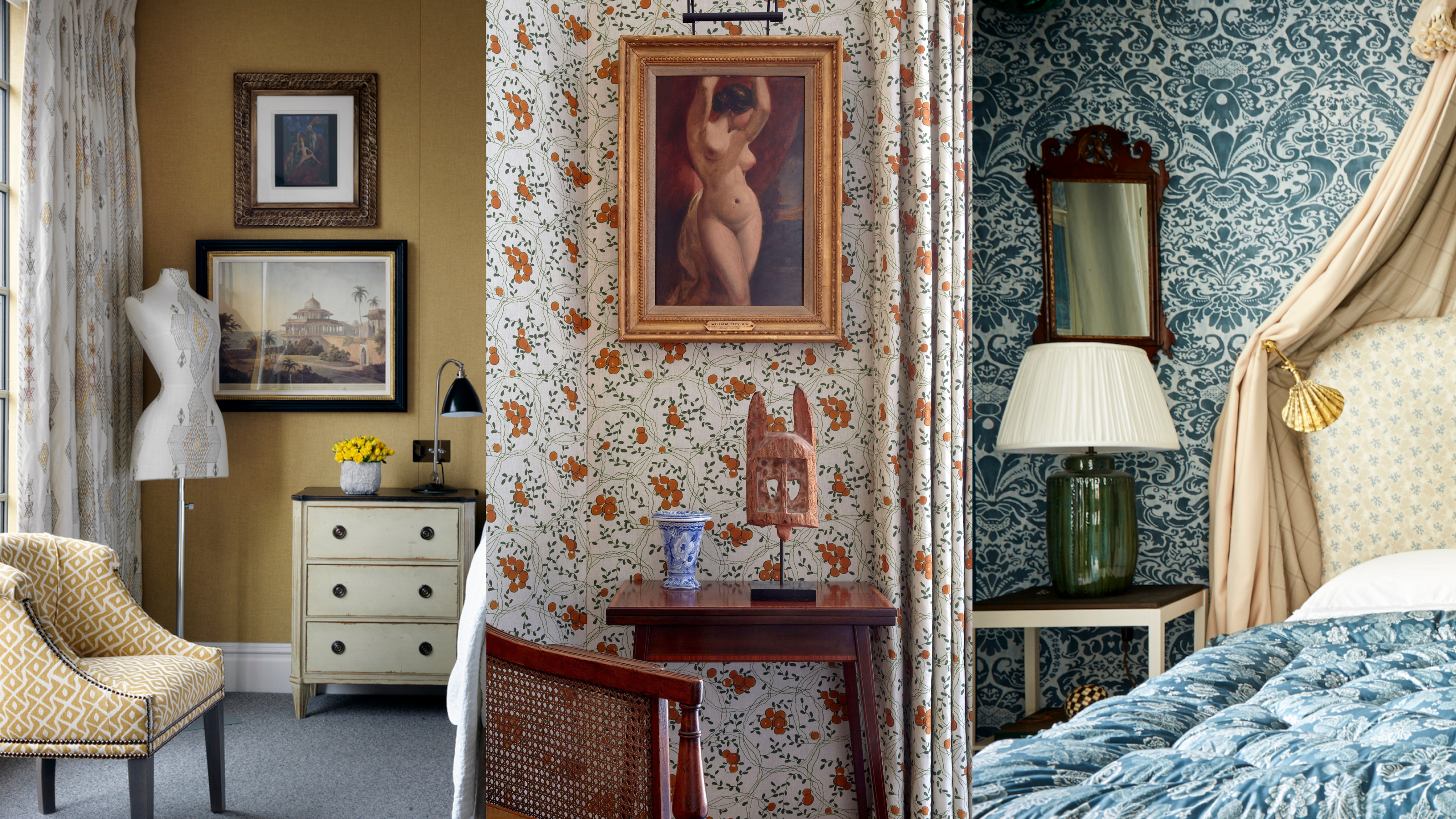
The practice of lining walls with fabric offers a luxurious and practical approach to interior design, enhancing a room's acoustics, and introducing color, texture, and coziness. This technique is being revitalized by contemporary designers who are incorporating materials like cashmere and denim, alongside advanced technology, to bring a modern sensibility to this classic method. Hepzabeth Evans, founder of The Textile Wall Company, is a key figure in this resurgence, assisting designers in actualizing their visions for fabric-clad walls.
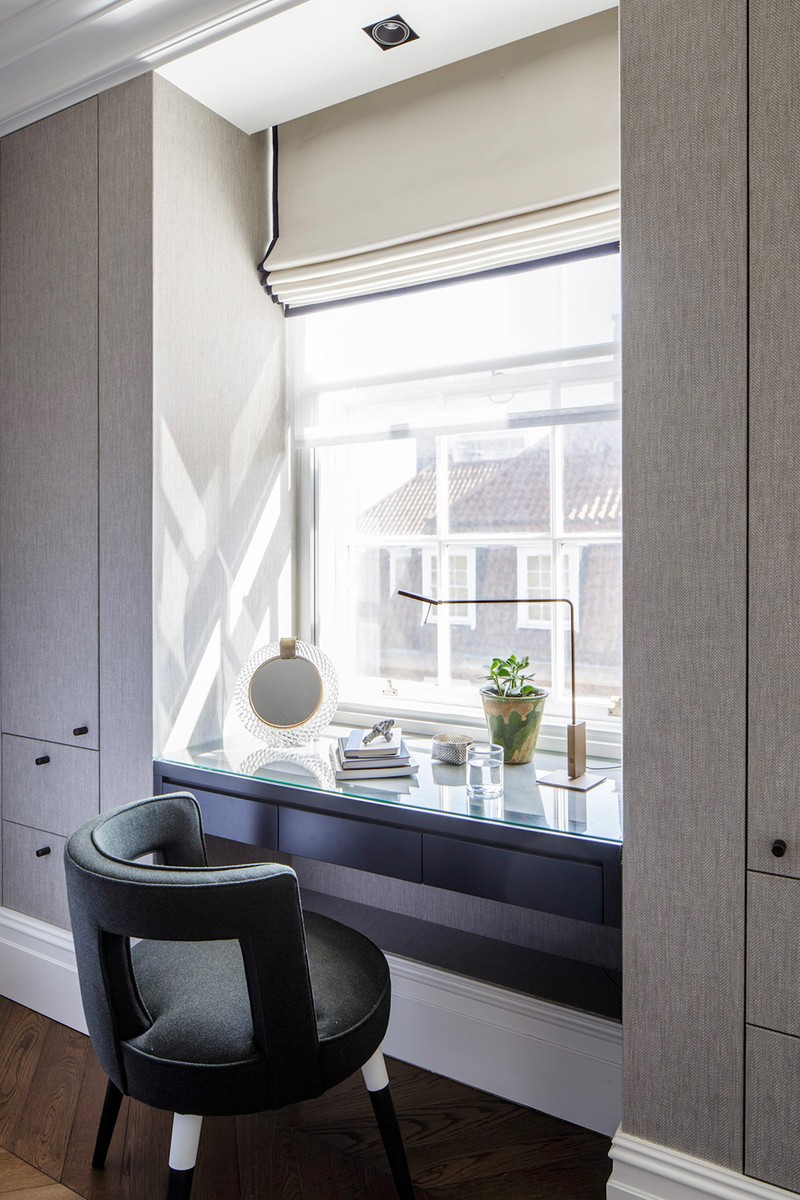
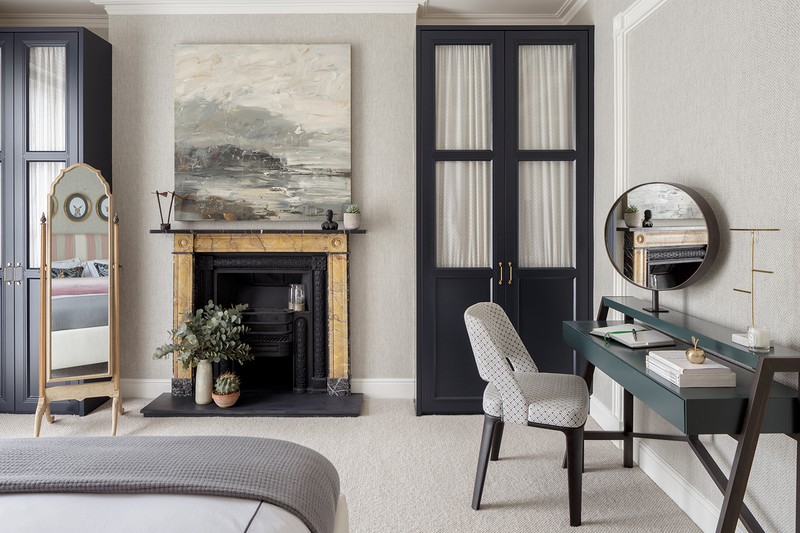
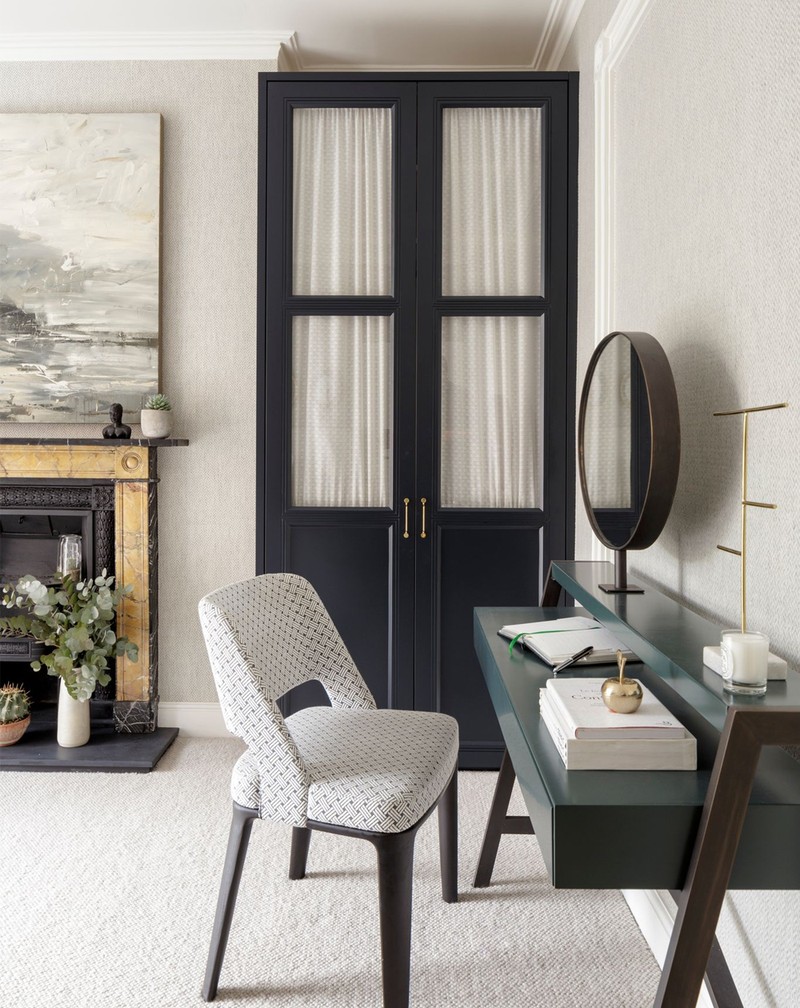
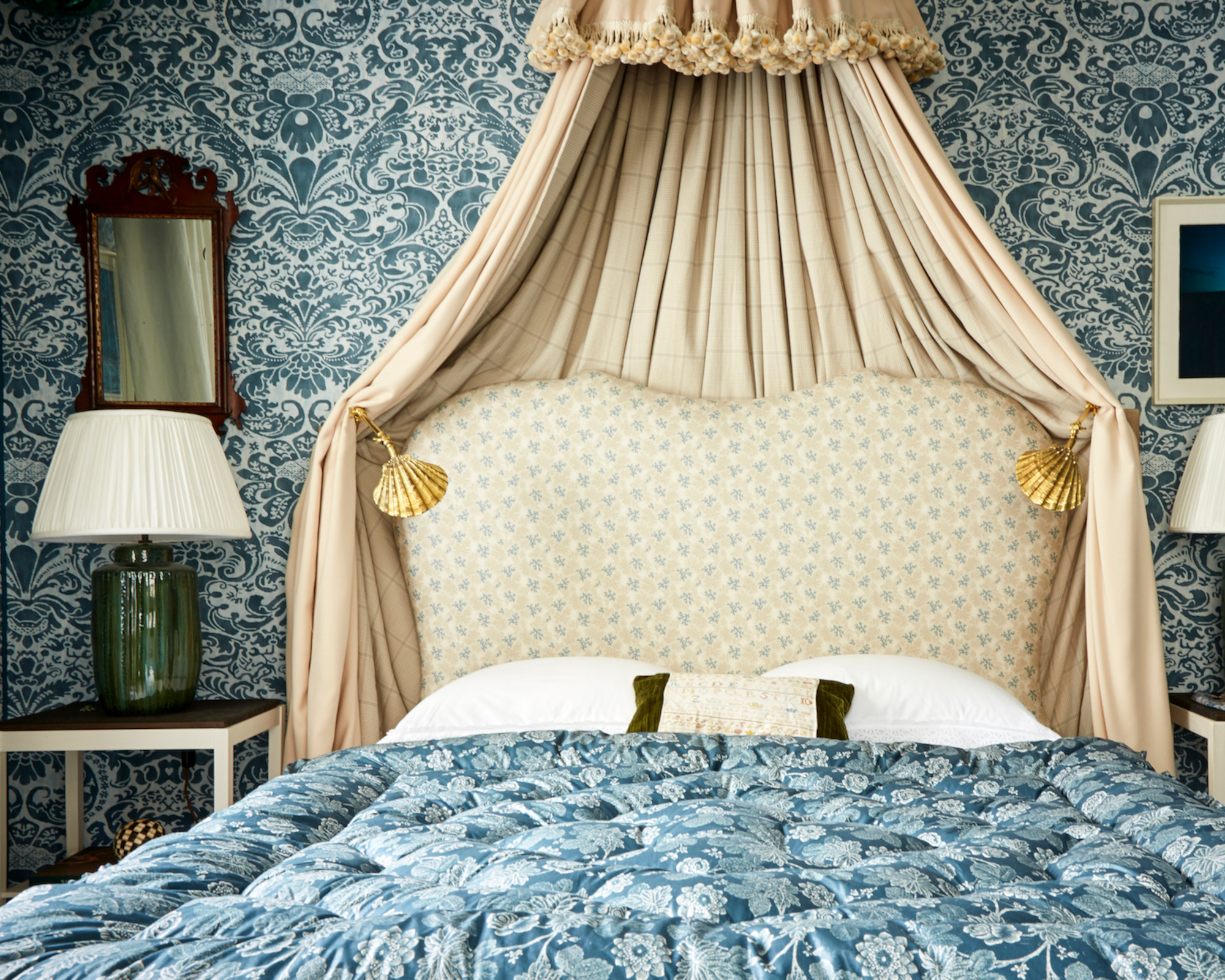
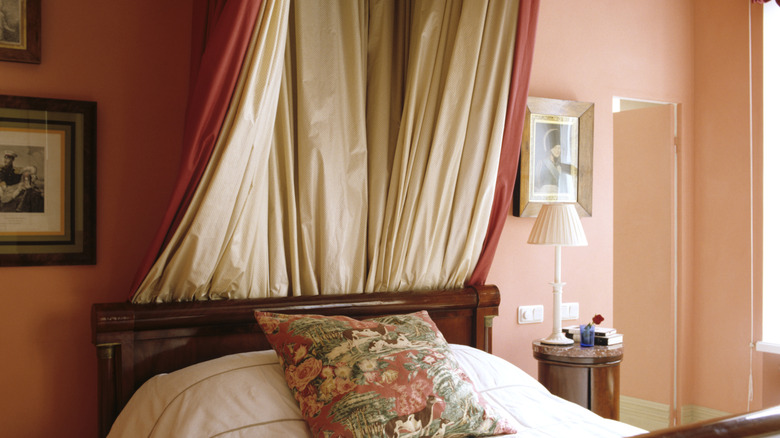
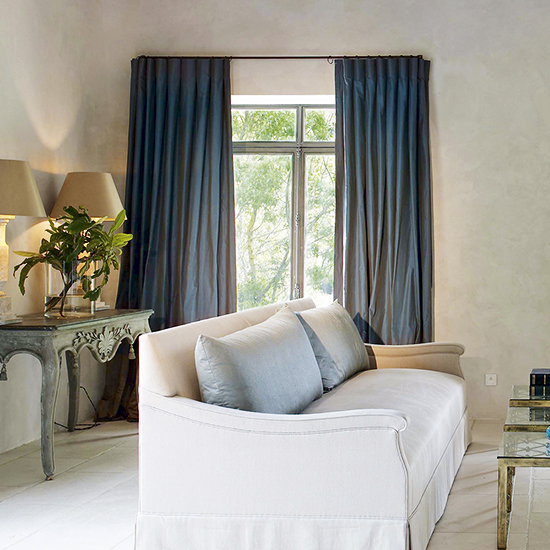
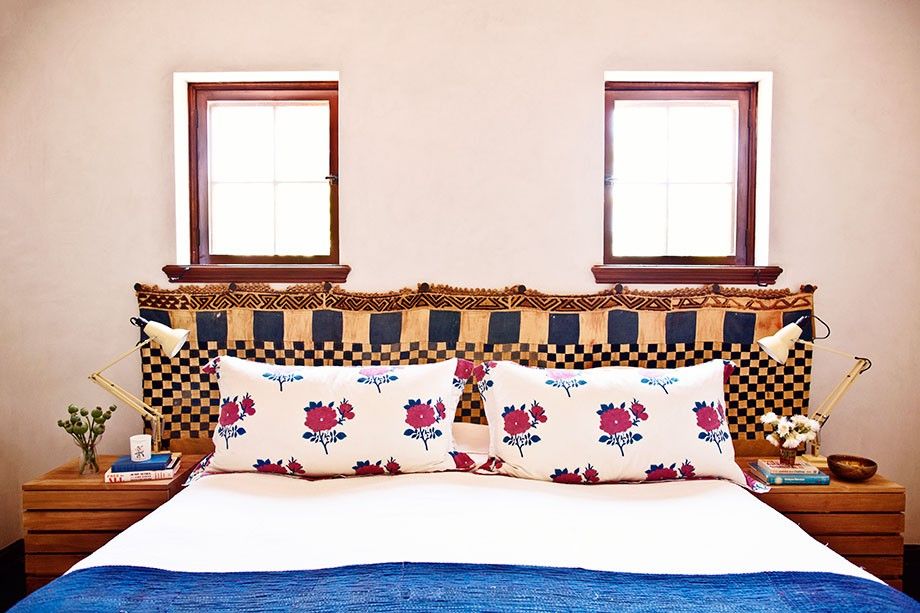
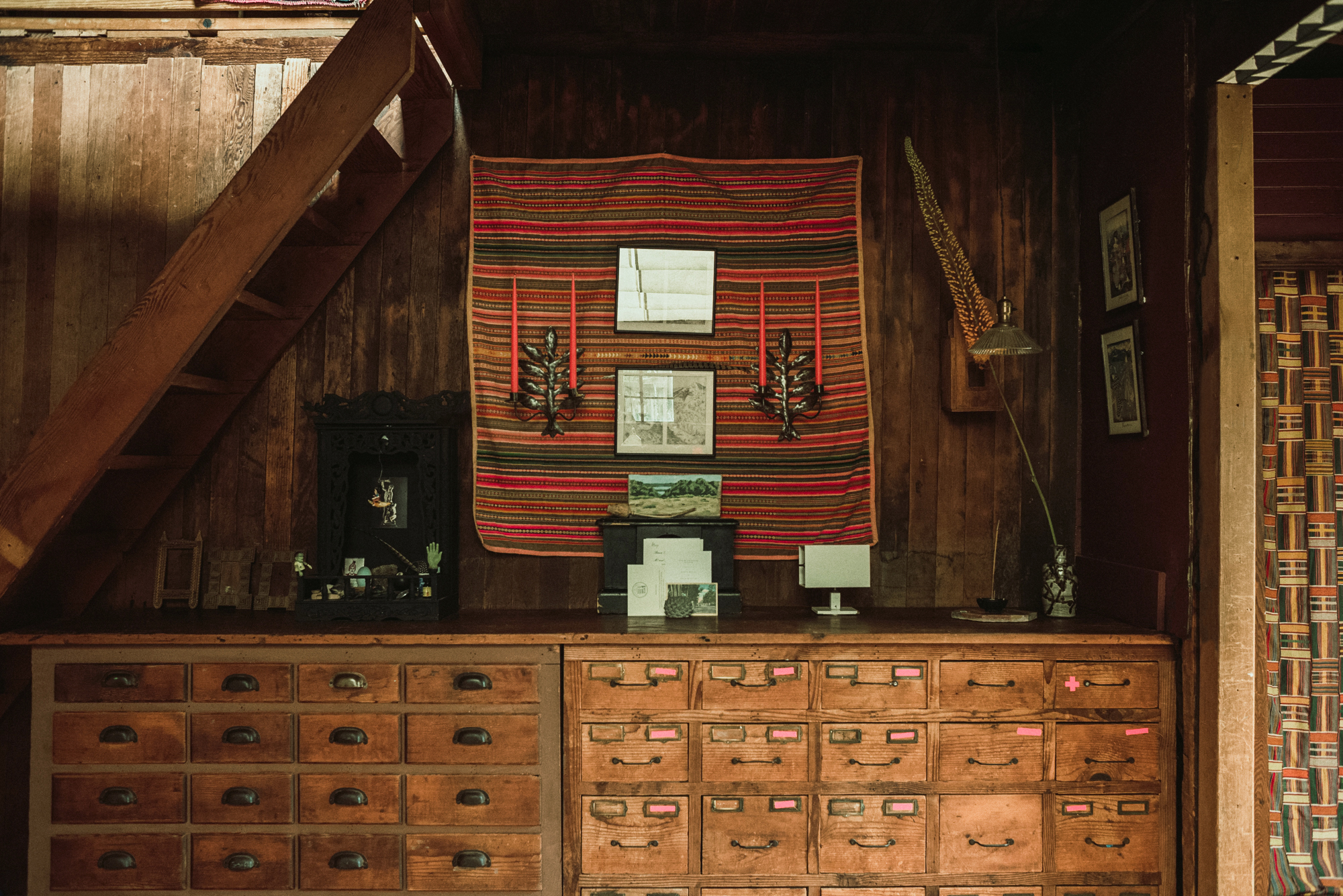
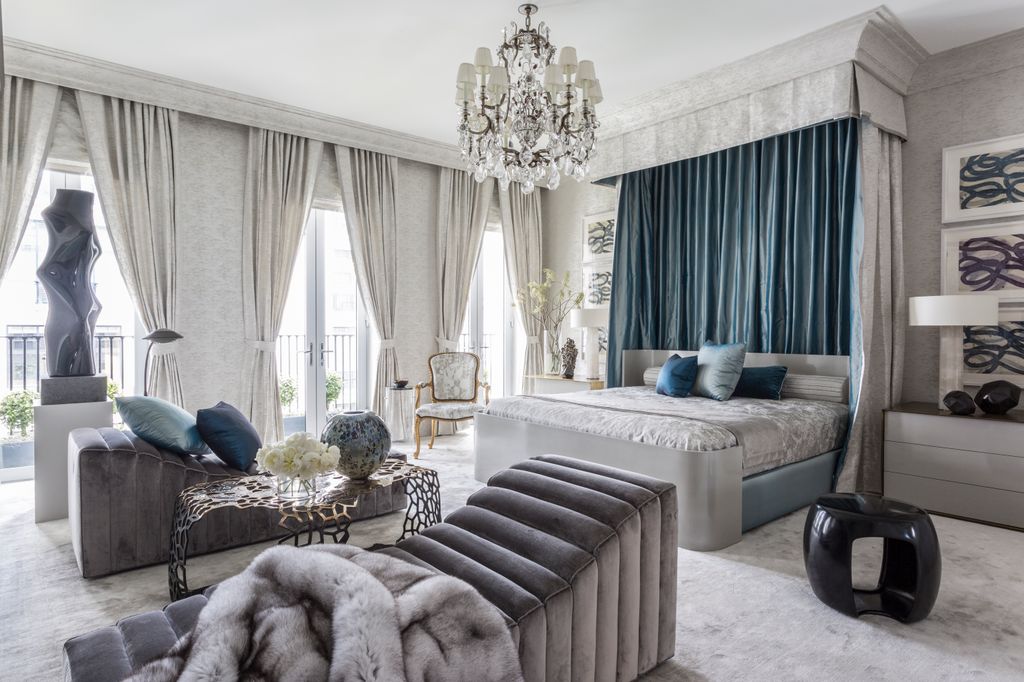
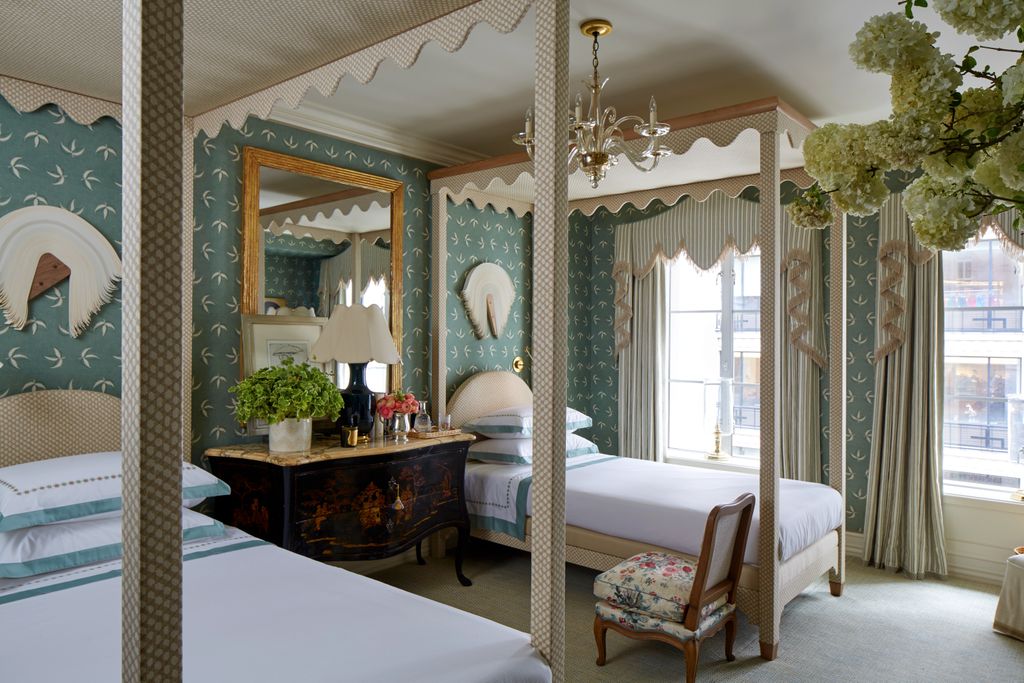
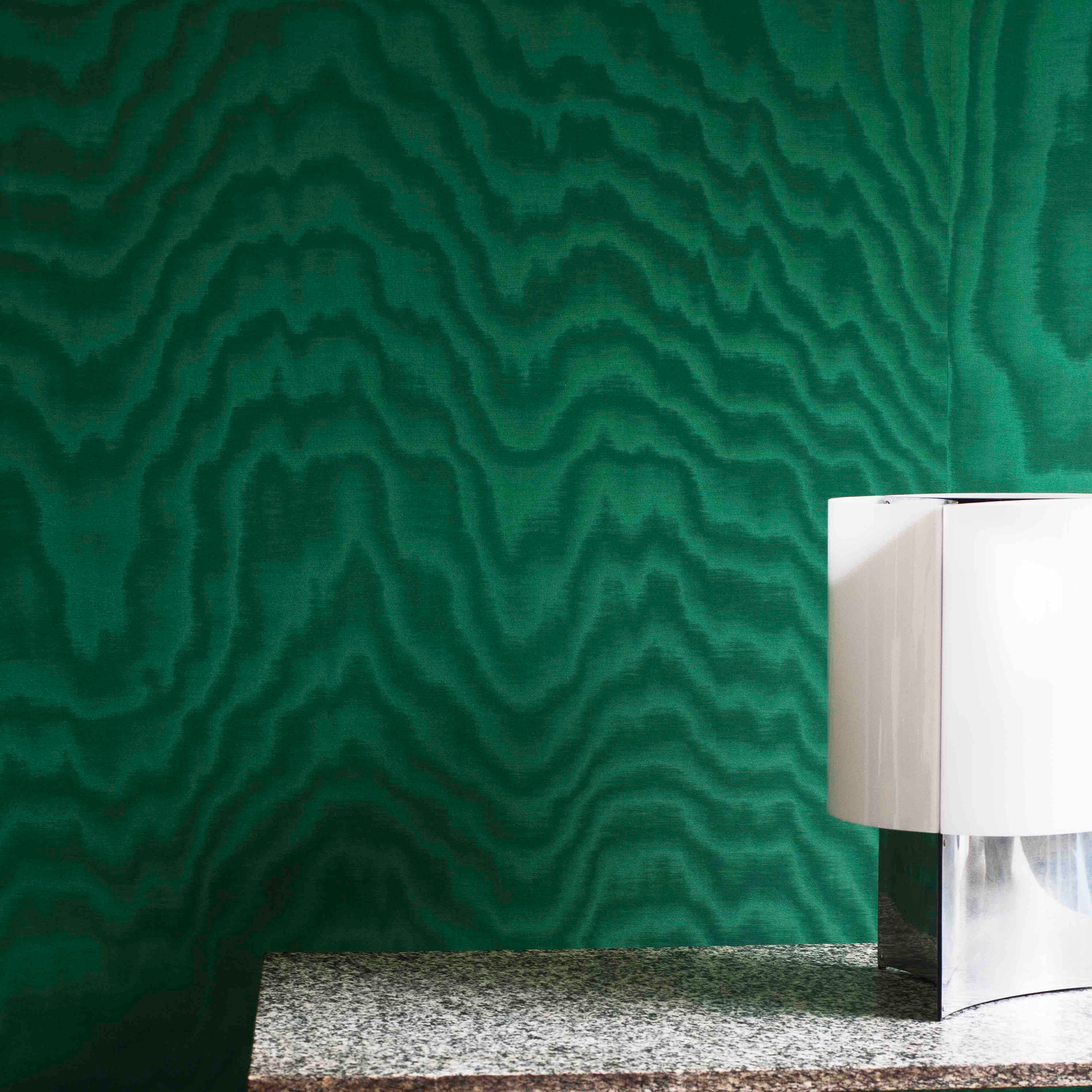
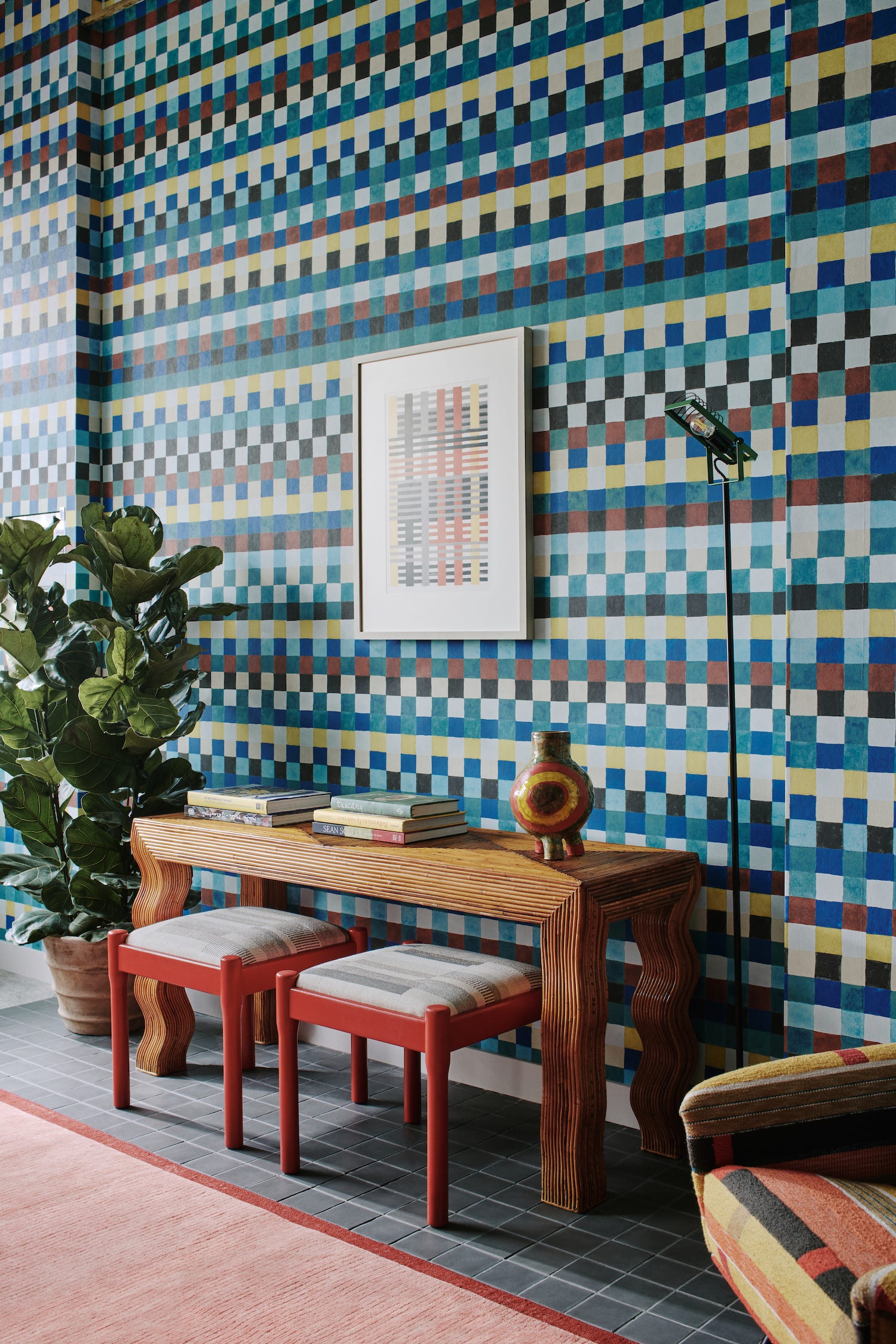
Fabric walling serves multiple purposes, ranging from creating a dramatic focal point to providing a subtle and understated backdrop. It can instill a sense of calm in bedrooms and significantly improve acoustic quality in larger spaces such as home cinemas, dining rooms, or drawing rooms. Unlike wallpaper or paper-backed fabric coverings, textile walls offer a unique depth and texture. Another significant advantage is their insulating property, helping to keep rooms cool in summer and warm in winter. Additionally, fabric can effectively conceal most structural imperfections and can be applied over various surfaces, including wallpaper, wood paneling, and brick.
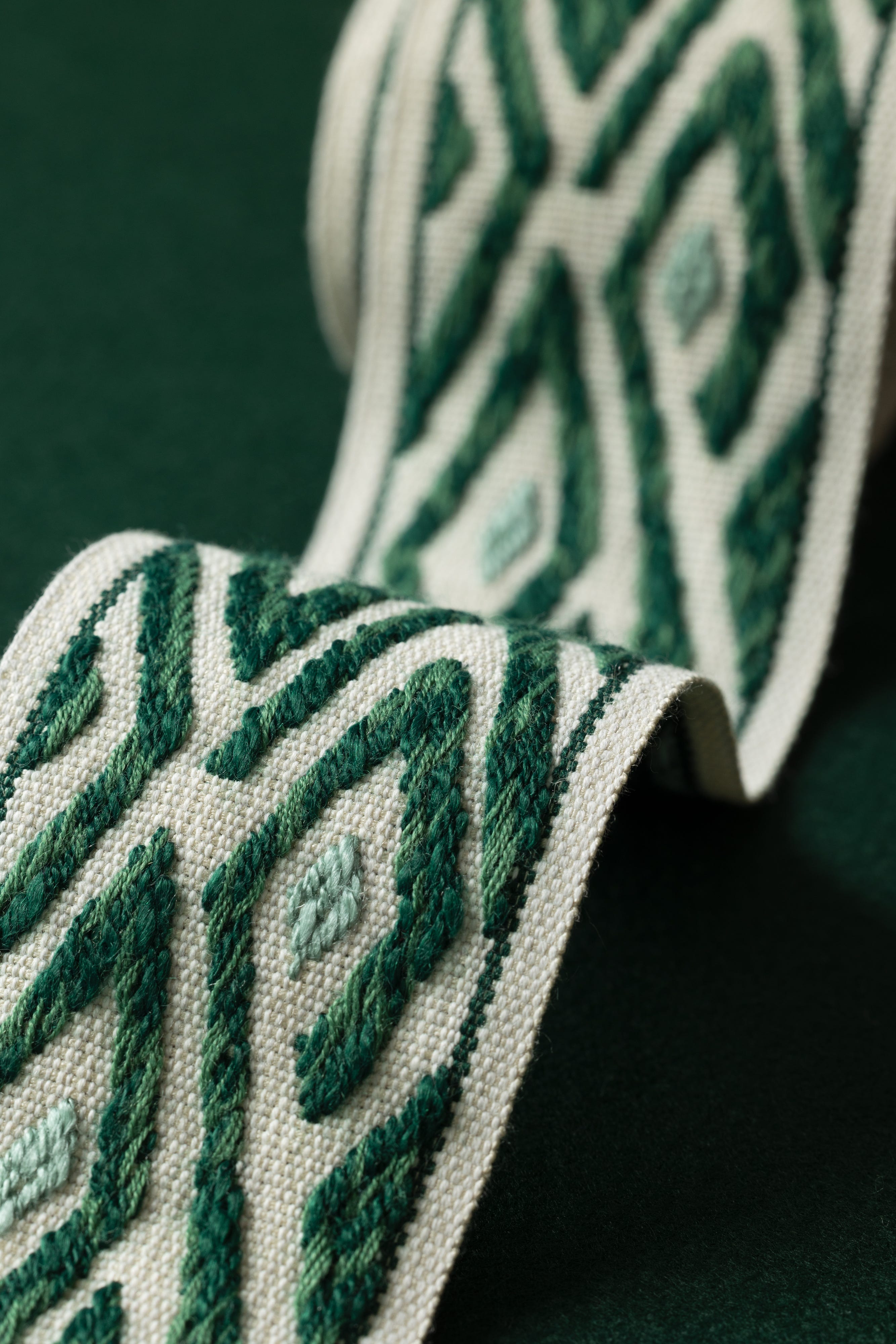
The installation process typically involves a traditional method that begins with constructing a frame around the perimeter of the walls, encompassing cornices, skirtings, windows, doors, and electrical fittings. The walls are then covered with padding, which not only provides a soft-to-touch feel and prevents a flat appearance but also enhances the acoustic benefits. The chosen fabric is meticulously cut and sewn to form a uniform piece, which is then stretched across the walls and stapled to the edges of the frame. The final touch involves finishing the edges with a decorative braid or double piping made from the same fabric.
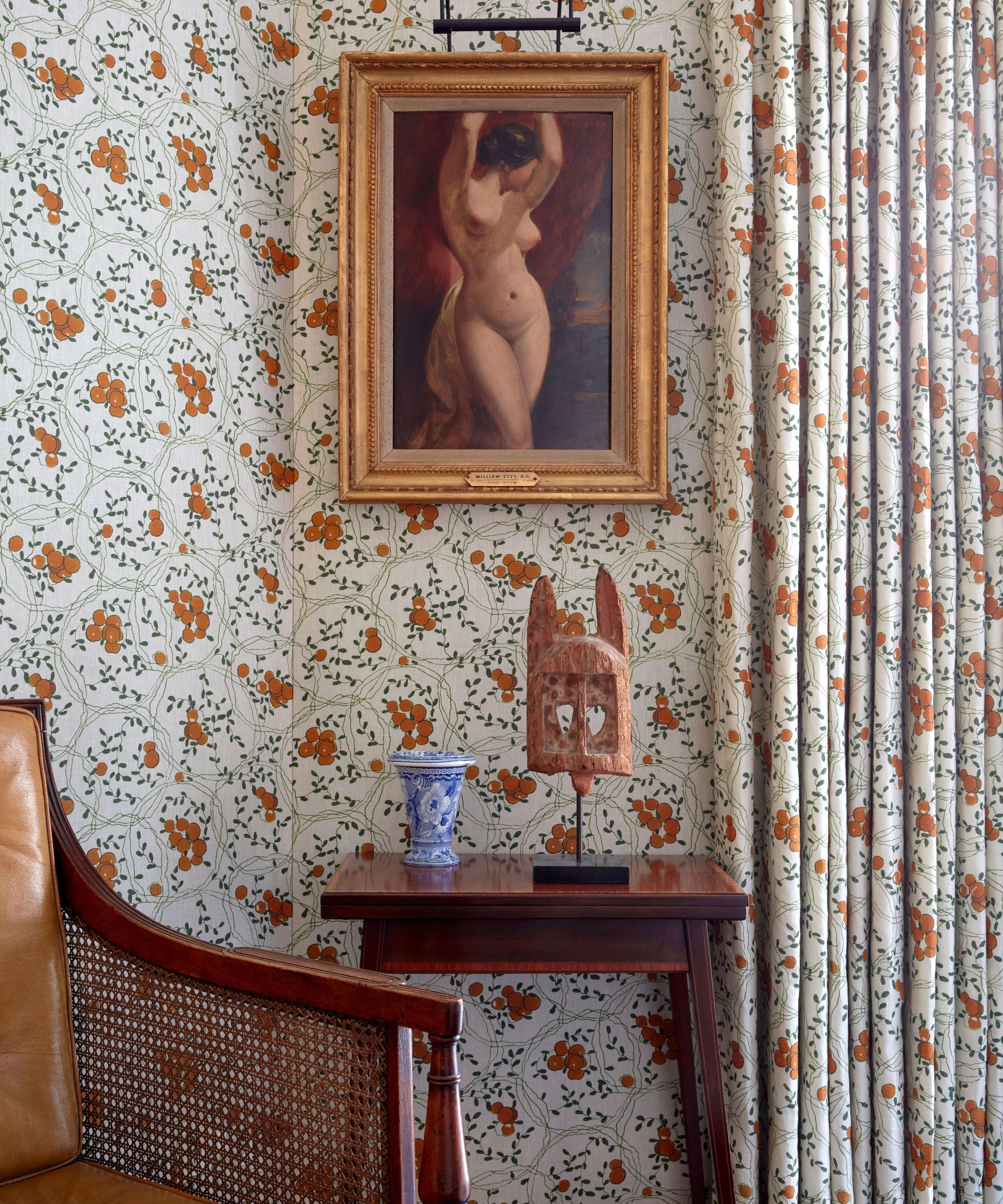
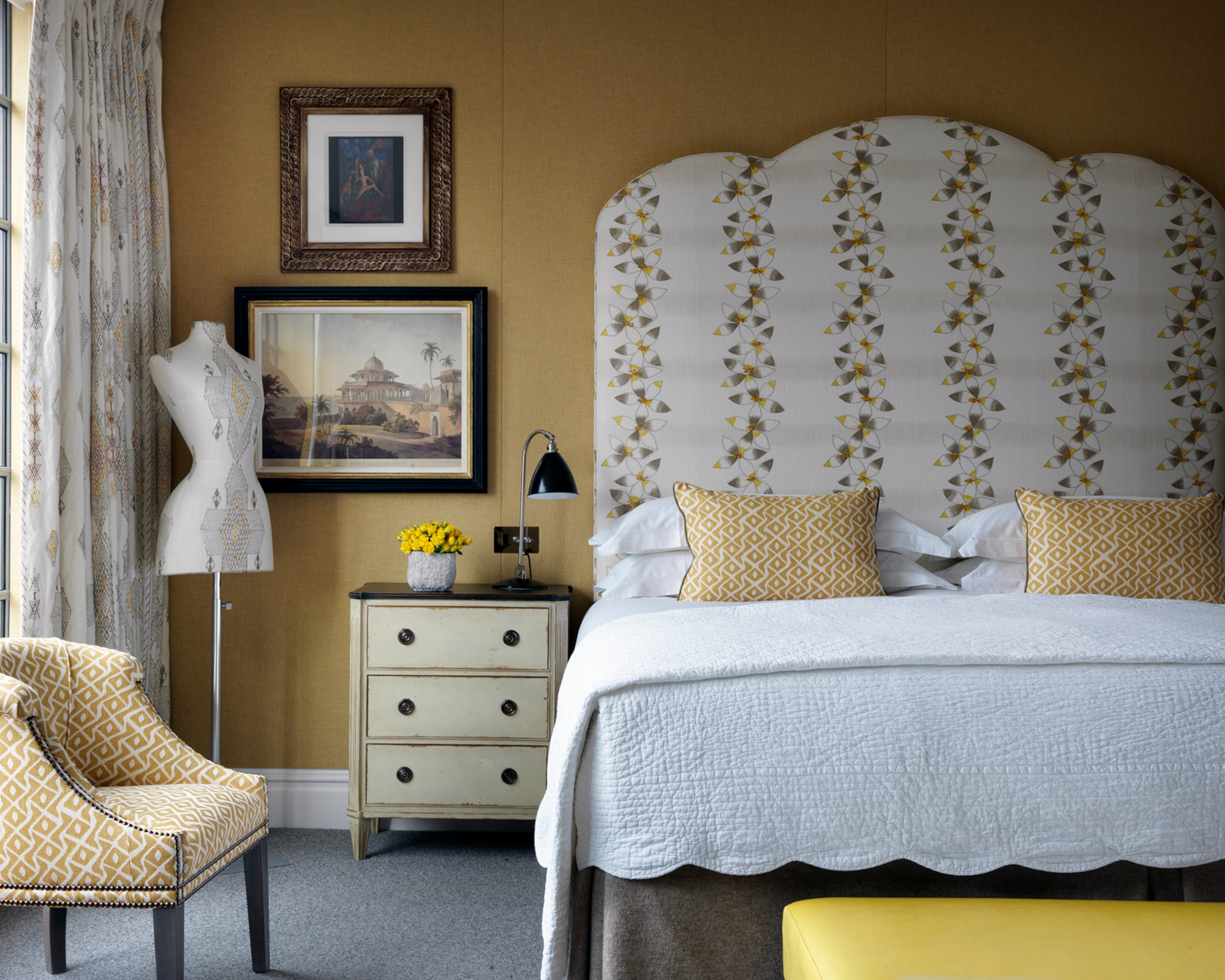
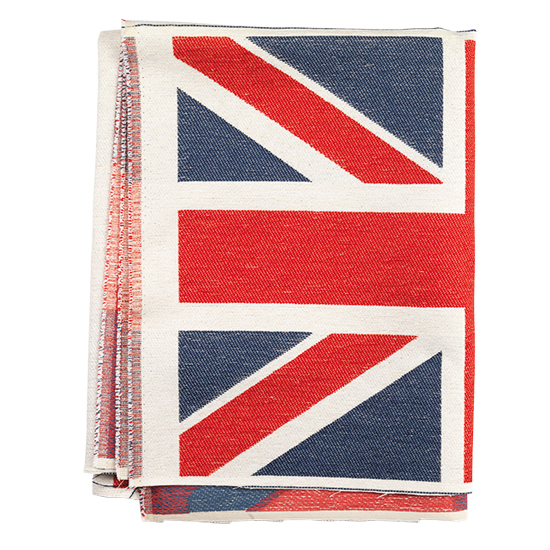
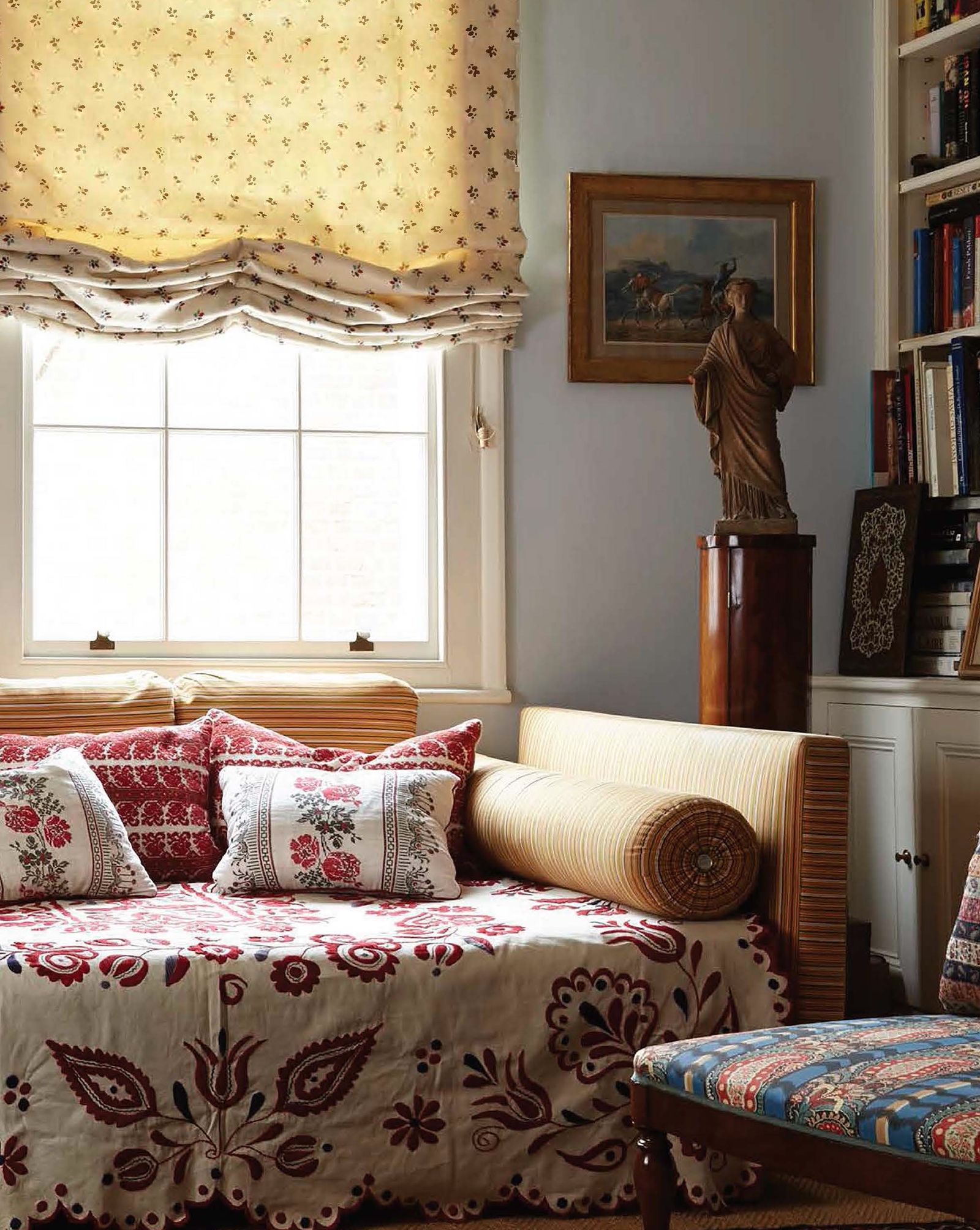
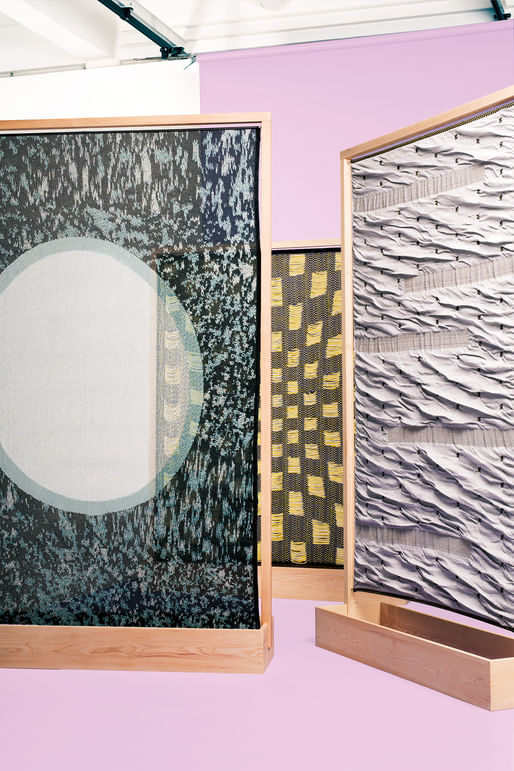
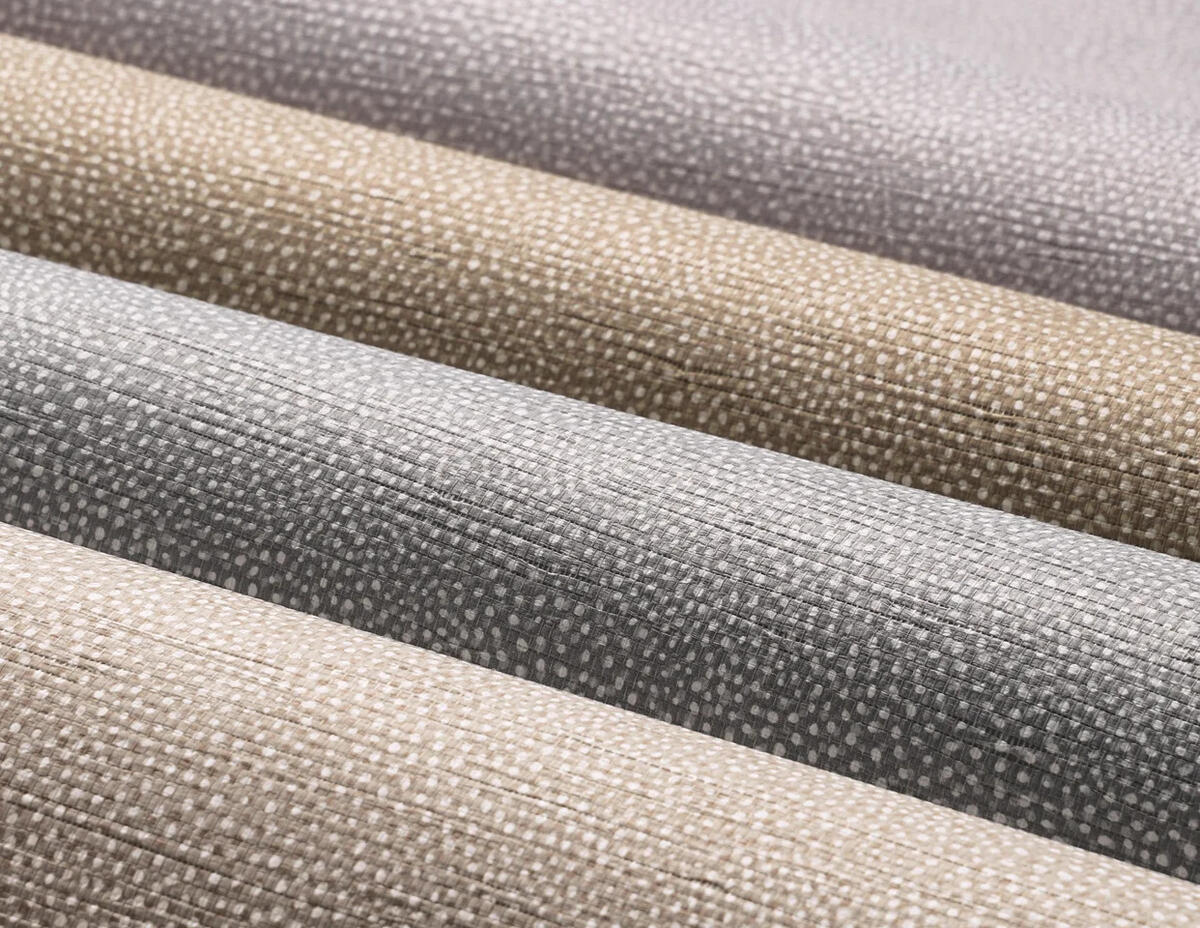
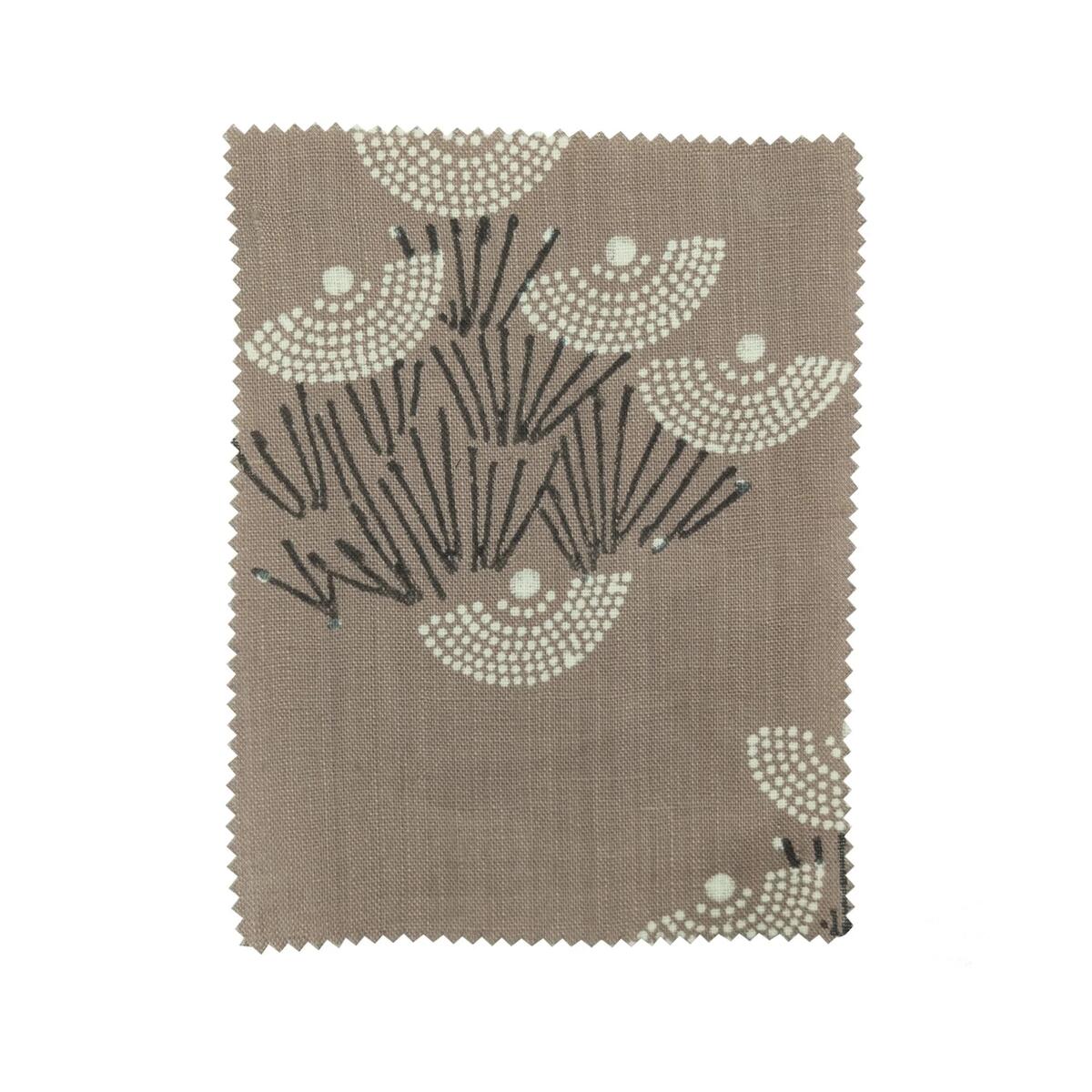
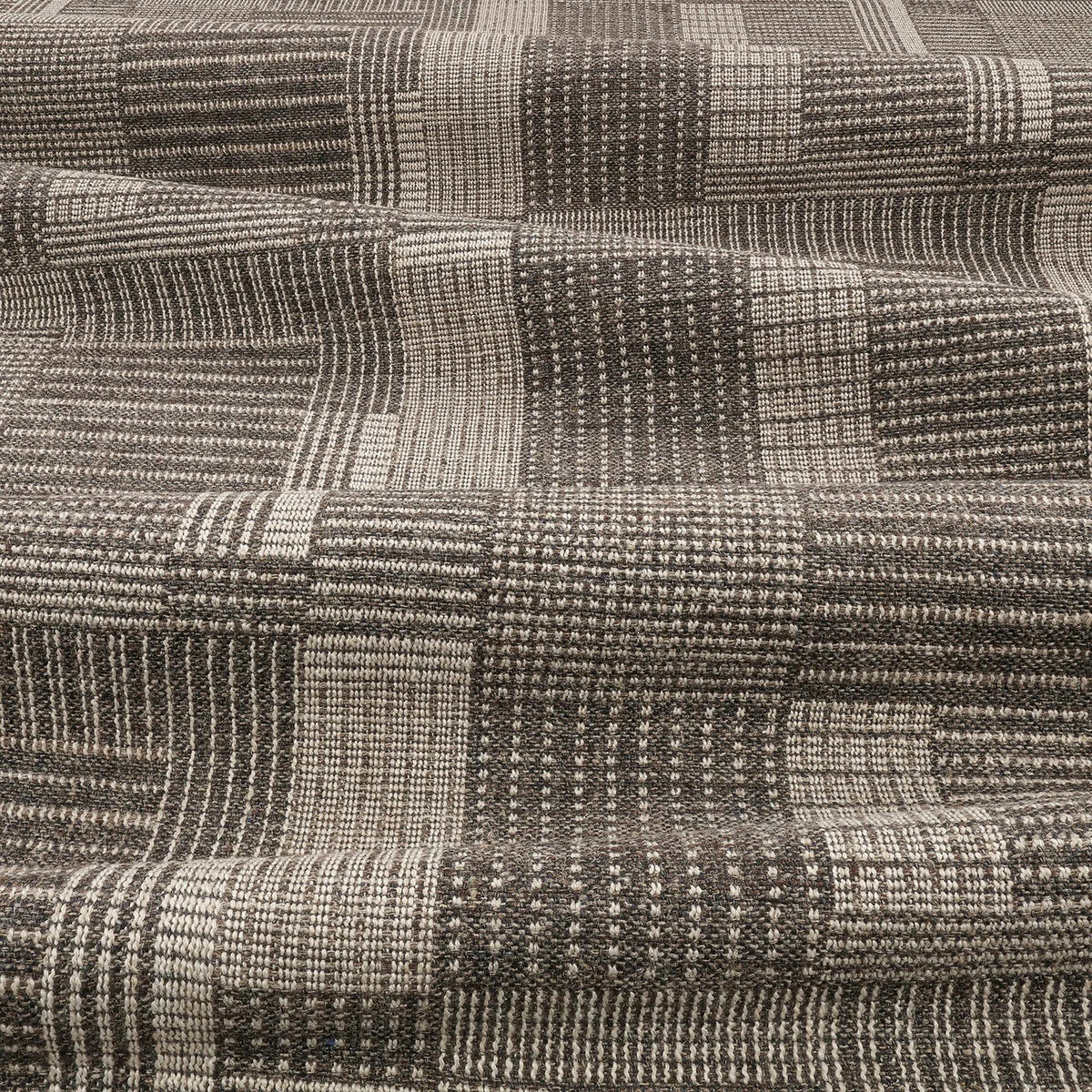
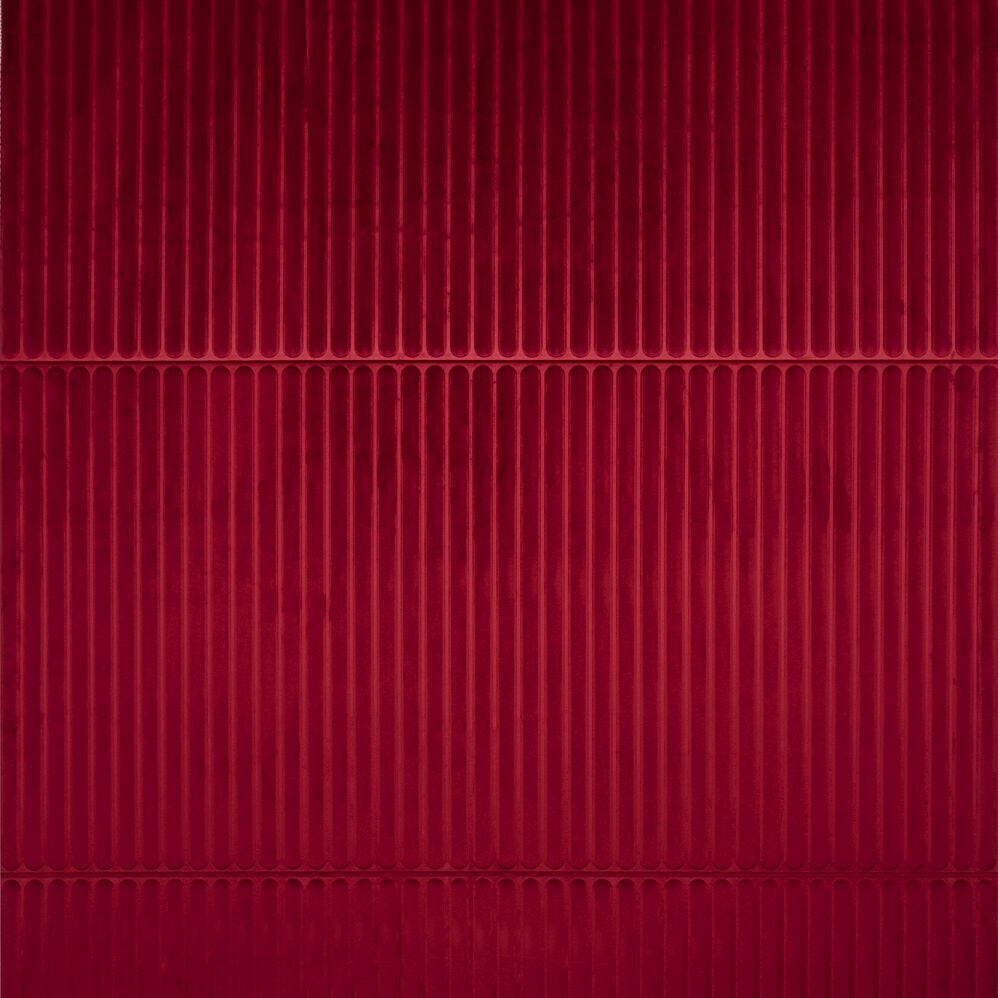
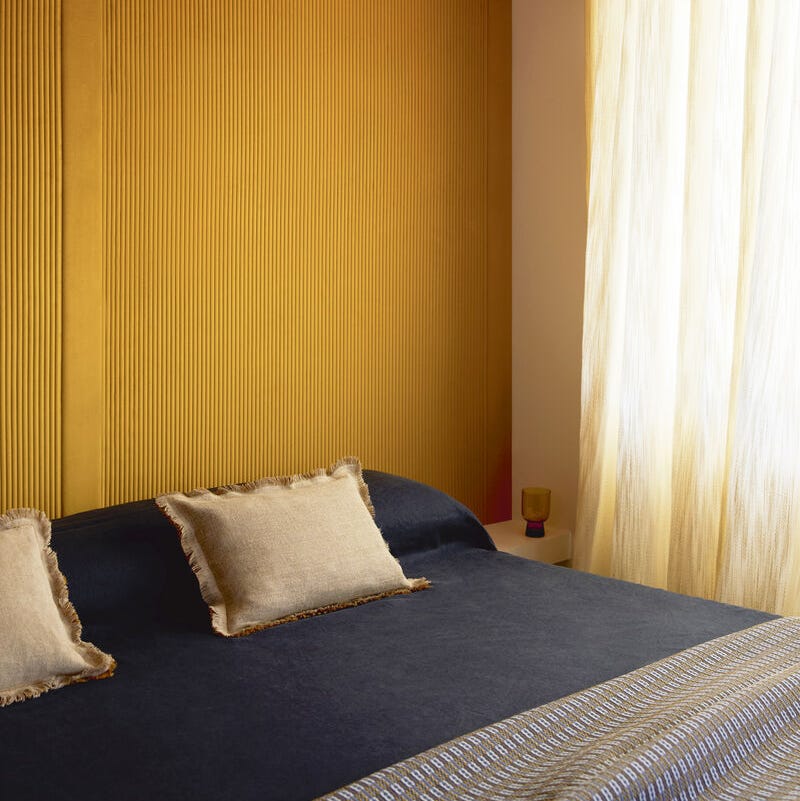
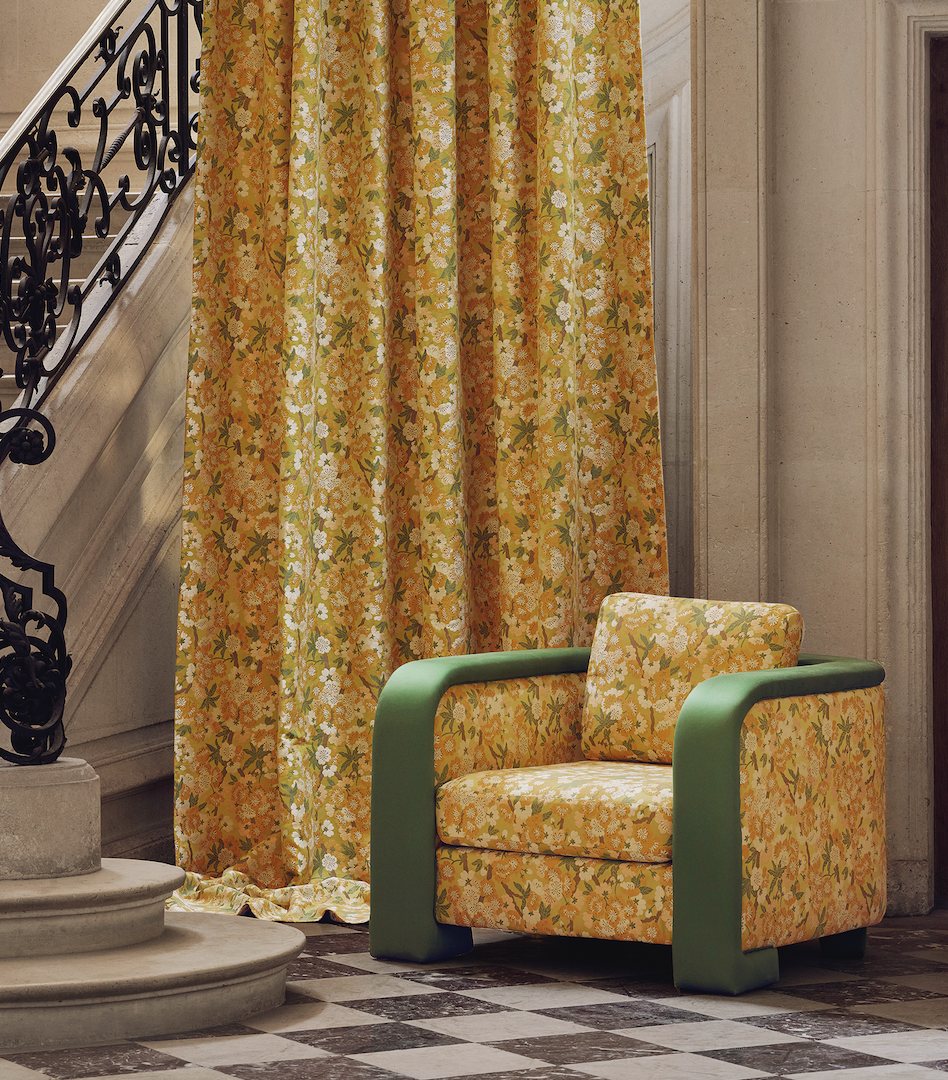
The selection of fabric depends on the desired aesthetic and function. Silk is often preferred for large spaces due to its lustrous sheen, which imparts a rich and elegant look. Plain linen can create a peaceful and intimate atmosphere, while patterned linen adds interest and visual impact. Velvets are particularly well-suited for smaller, cozier areas such as studies and snugs.
For rooms with potentially high humidity, such as kitchens or bathrooms, it is advisable to use fabrics made from natural fibers. Lighter-weighted cottons and linens are ideal choices for these environments as they allow the walls to breathe, helping to prevent moisture-related issues.
#FabricWalls #InteriorDesign #HomeDecor #TextileWalls #AcousticSolutions #InsulationBenefits #HepzabethEvans #WallCoverings #LuxuryInteriors #FabricWalls #InteriorDesign #HomeDecor #TextileWalls #AcousticSolutions #InsulationBenefits #HepzabethEvans #WallCoverings #LuxuryInteriors
0 comment in total
 No comments yet
You may also like
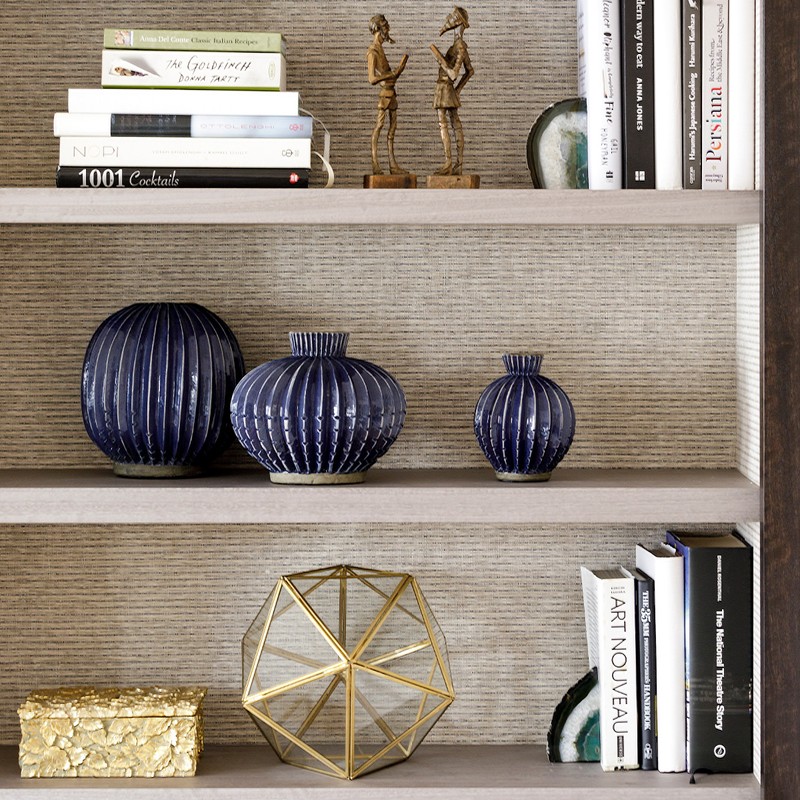
Fabric Walls: How & Why To Get One
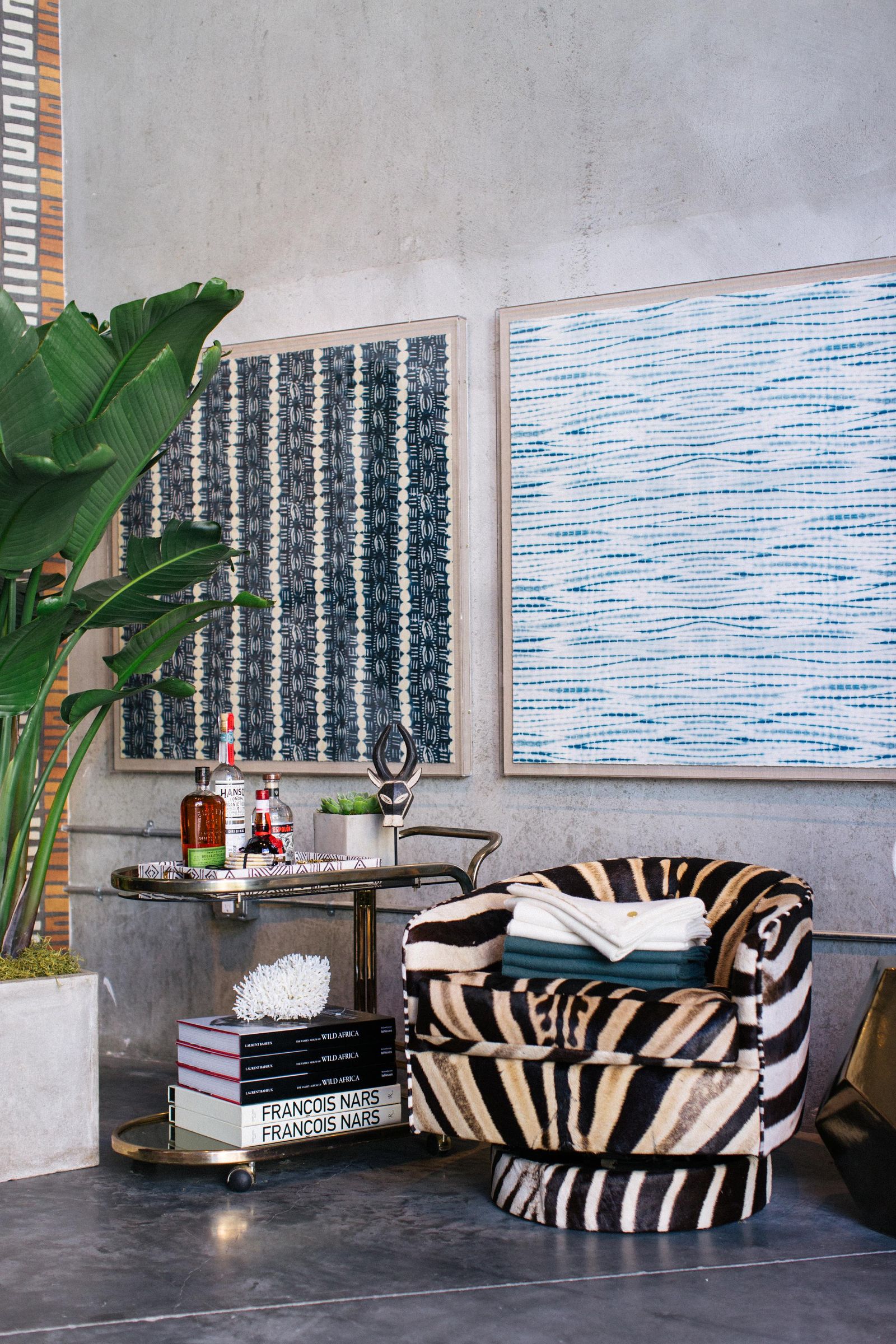
The Best Ways to Show Off a Textile in Your Home

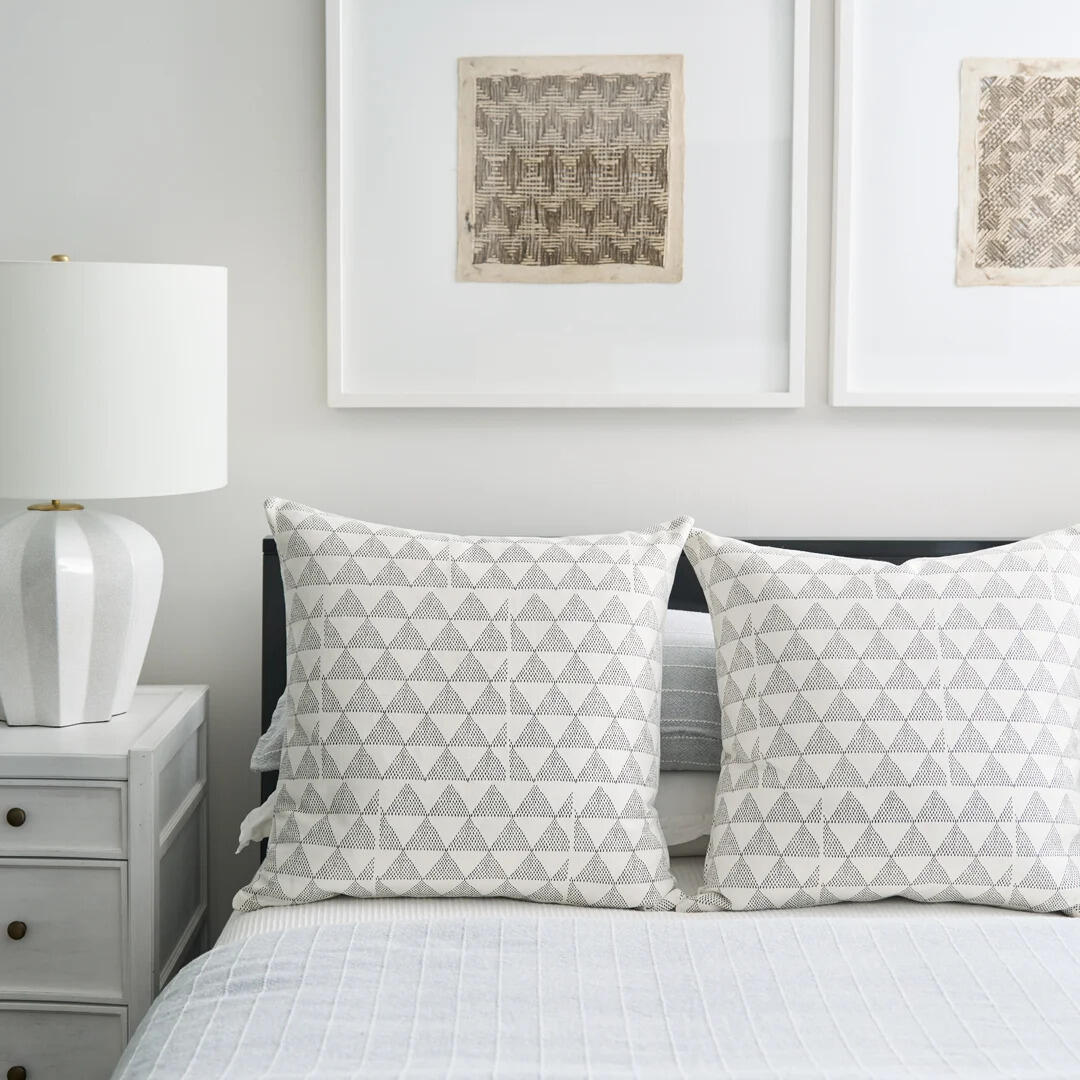
6 splendid stippled patterns for a textural touch


Take a soft approach - 2 Oct 2024 - The English Home Magazine

How to install fabric walling – the unique alternative to wallpaper

Rugs and Textiles go Vertical as Wall Art
Fabric Wall Décor Is One of the Biggest Design Trends of 2025

Feature Wall Designs, Wallpaper and Paint Ideas
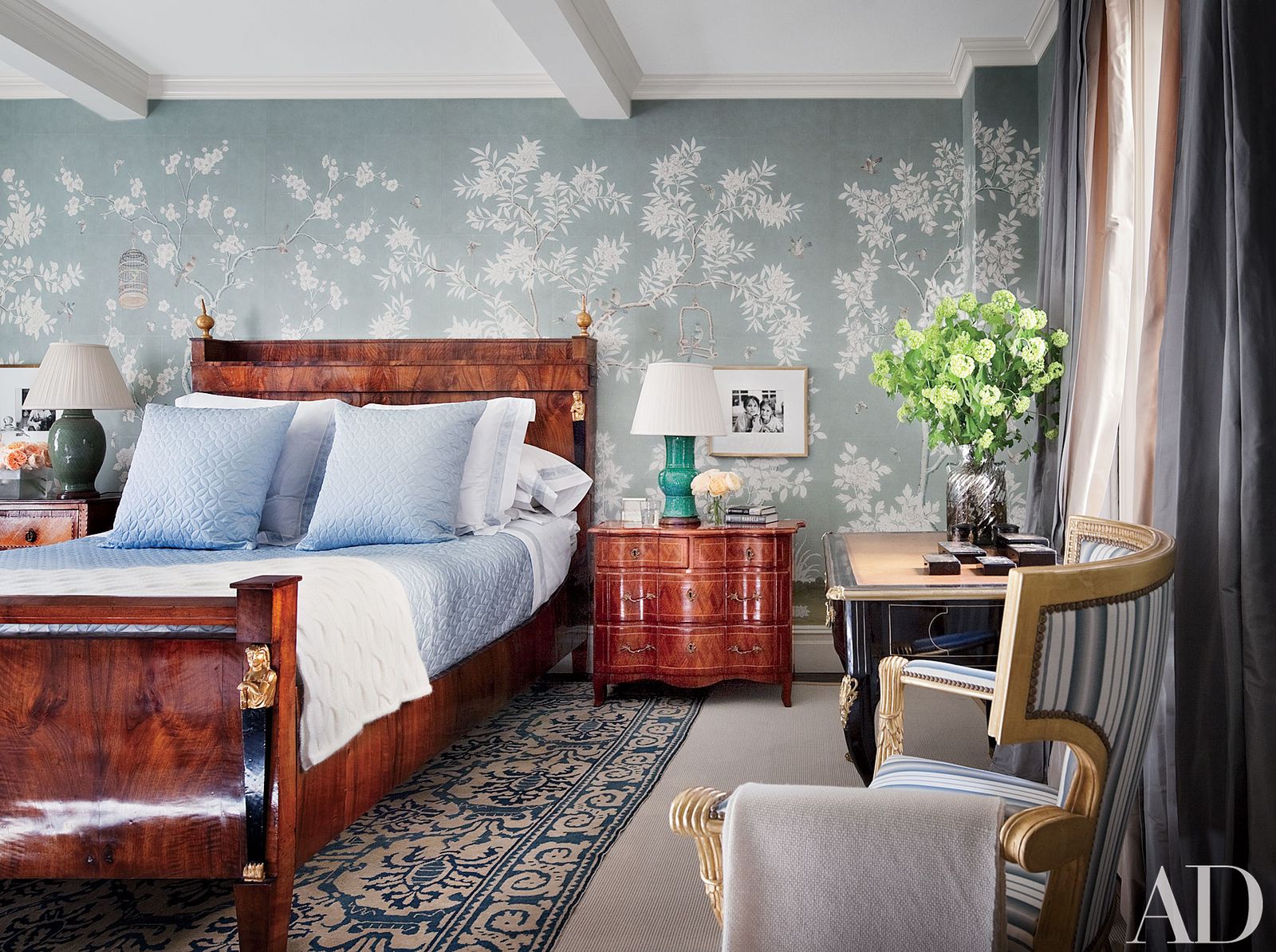
9 Designer Wall Treatments That Will Reinvent Your Interiors
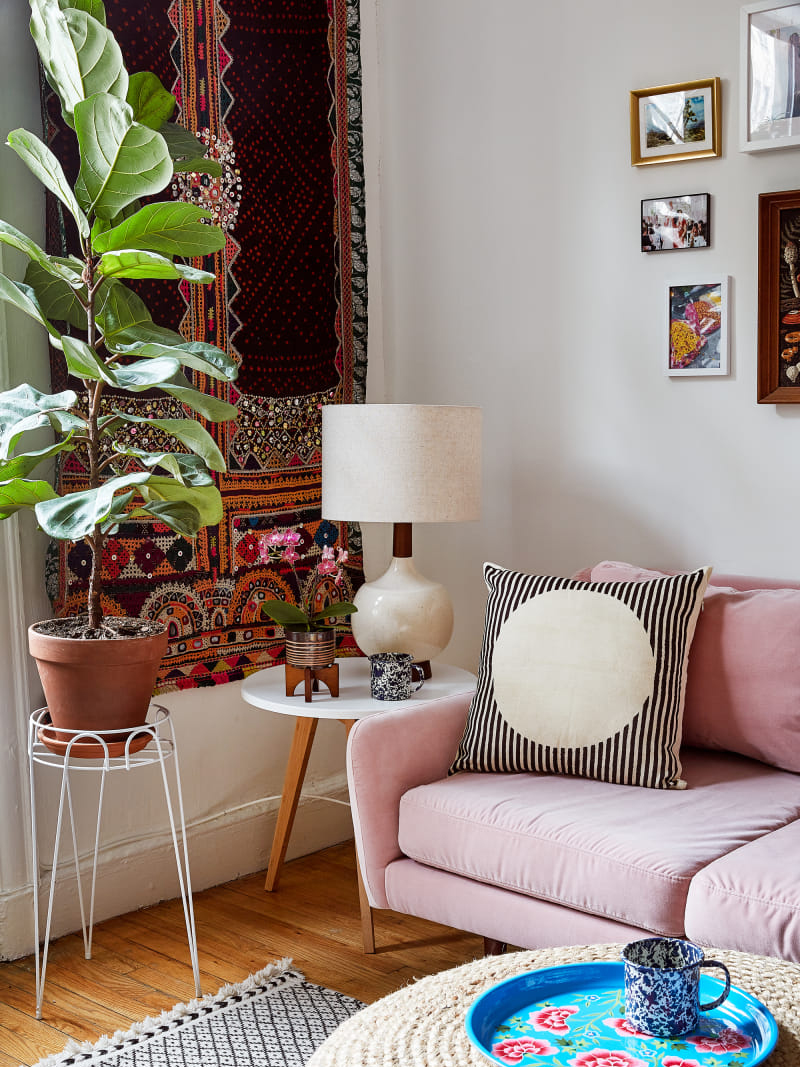
This Wall-Decor Hack Is Even Easier Than Peel-and-Stick Wallpaper
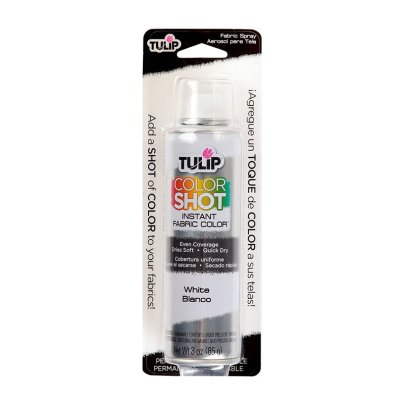
The Best Fabric Spray Paint for Your DIY Projects

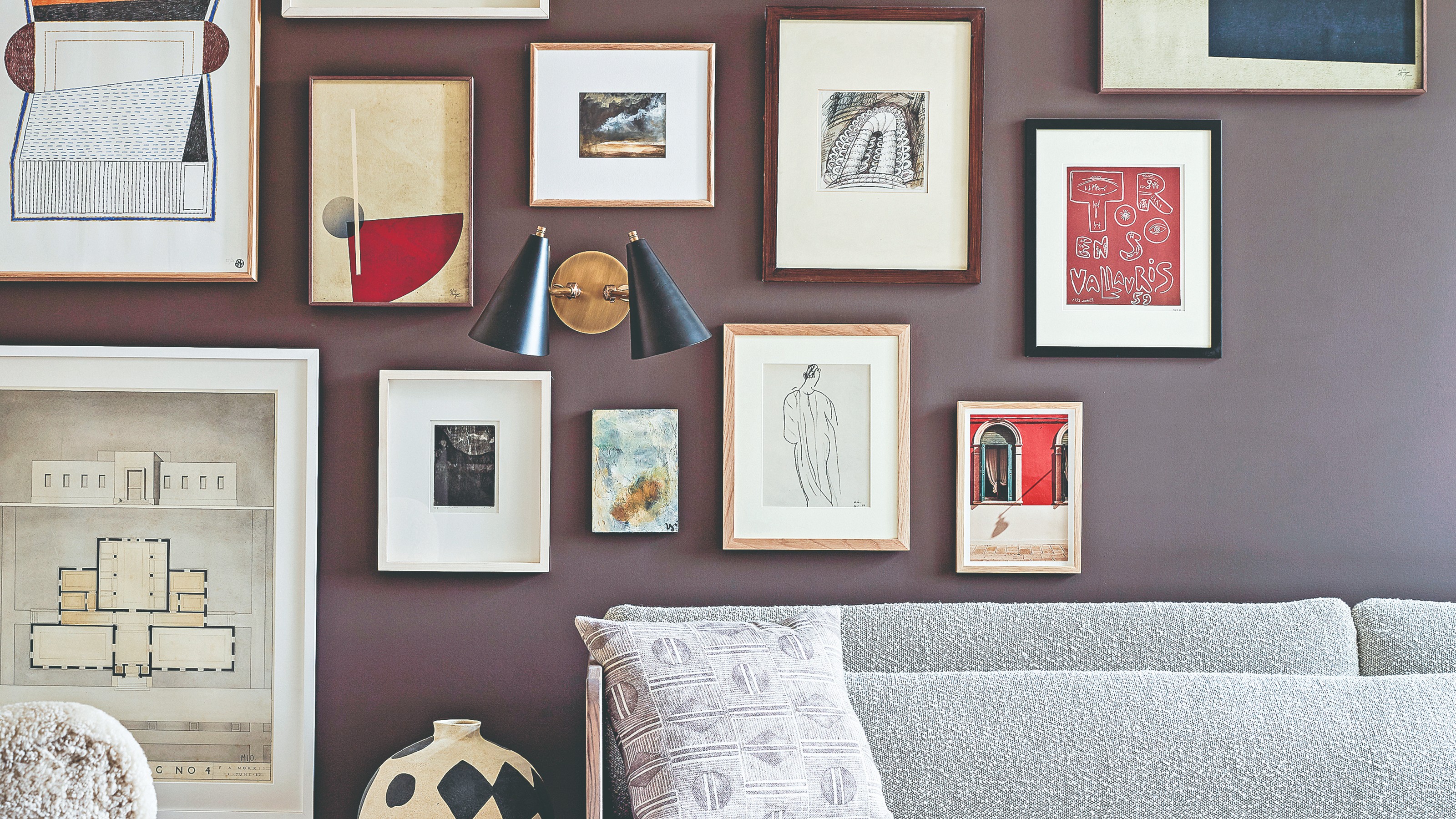
My editor swears by this framing trick to make any wall art look more expensive – I’m taking her advice on board, and so should you
The Cozy Wall Treatment That's Taking Over Big Time In 2026
4 Creative Ways To Use Textiles in Your Home
The fabric effect: 8 of the best textural wallcoverings
9 Inspiring Fabric and Wallcovering Trends You Should Know Now

Celia Rufey answers your fabric questions
This Popular Fabric Designer Reveals the Right Way to Decorate with Color
Is your home feeling lifeless? 5 layering hacks to make the interiors warm and inviting | Hindustan Times

A guide to wall finishes: wallpaper, plaster, and more