1/4
Why interior designers love framed textiles and where to buy the best ones
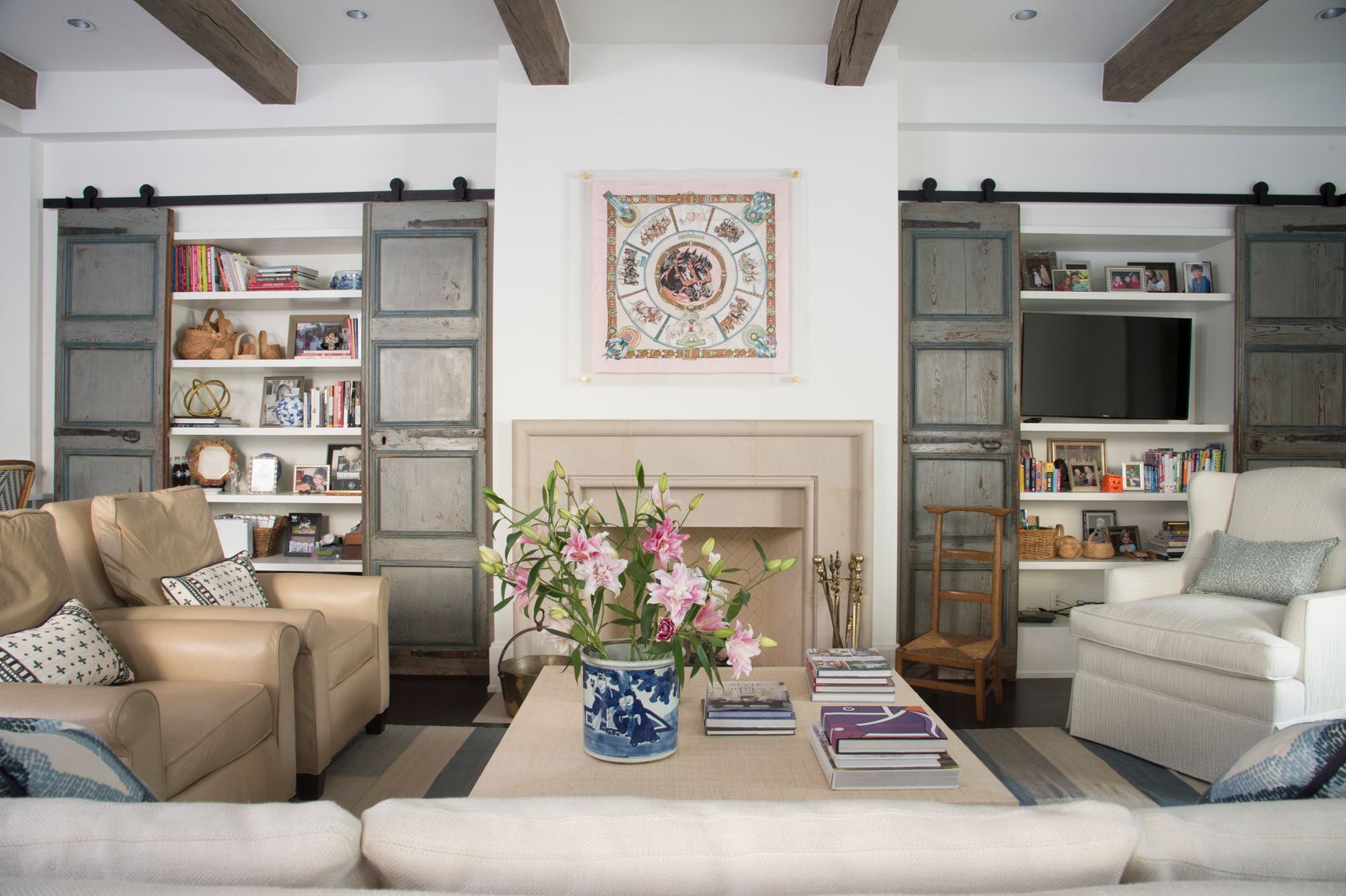
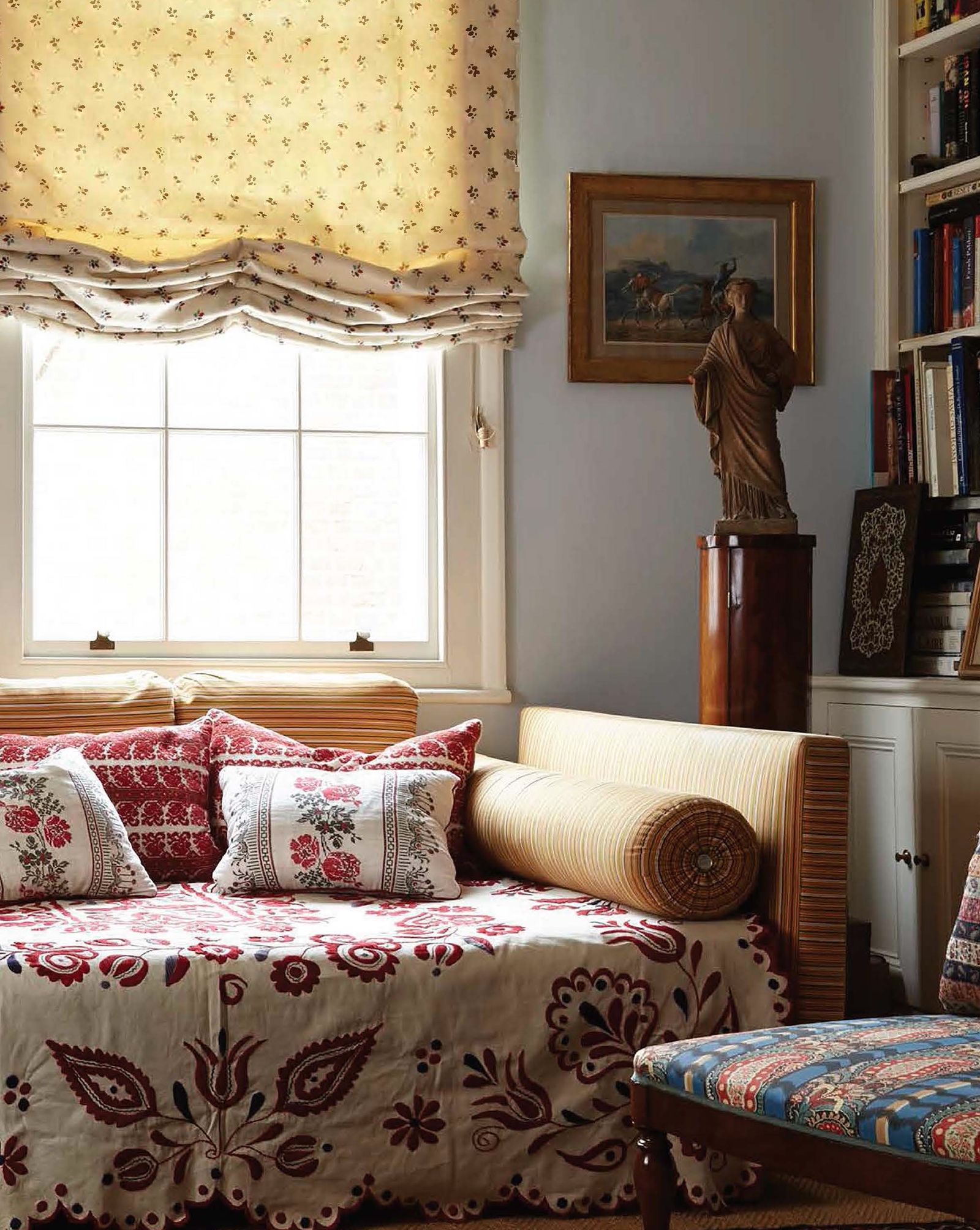
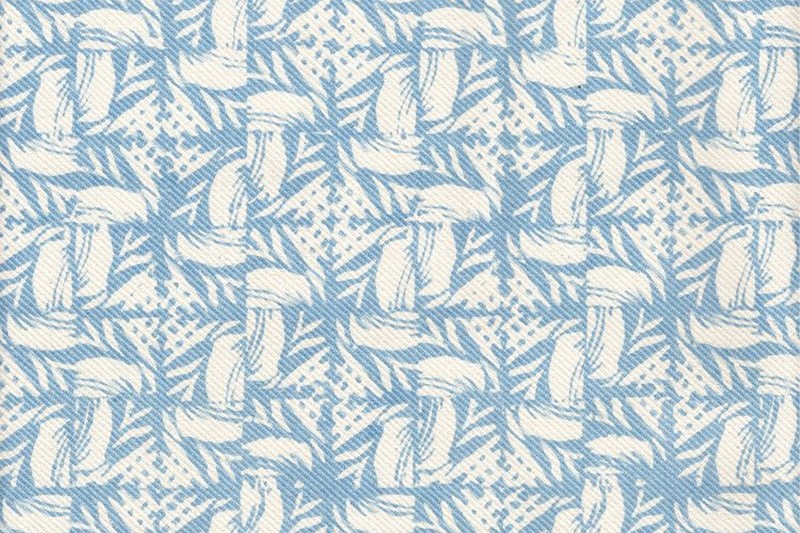
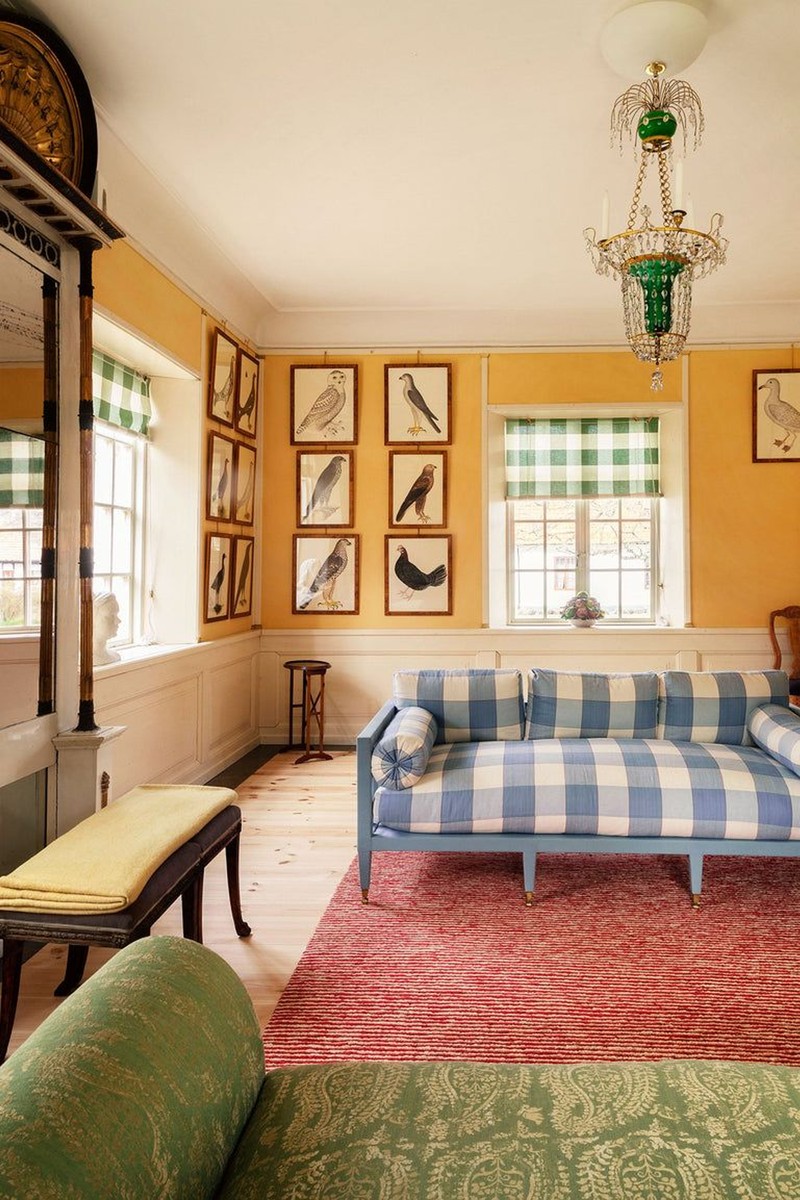
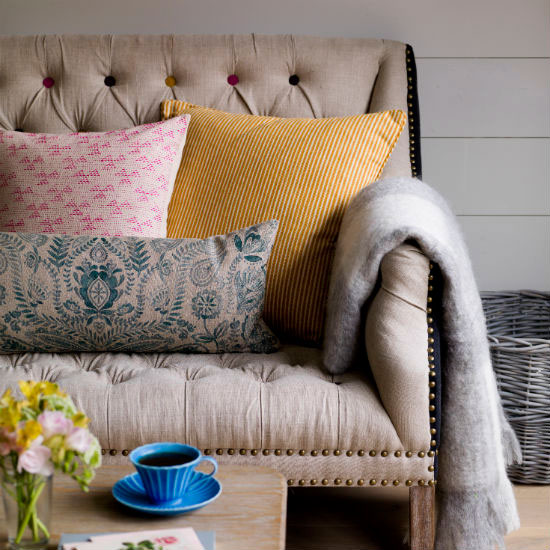
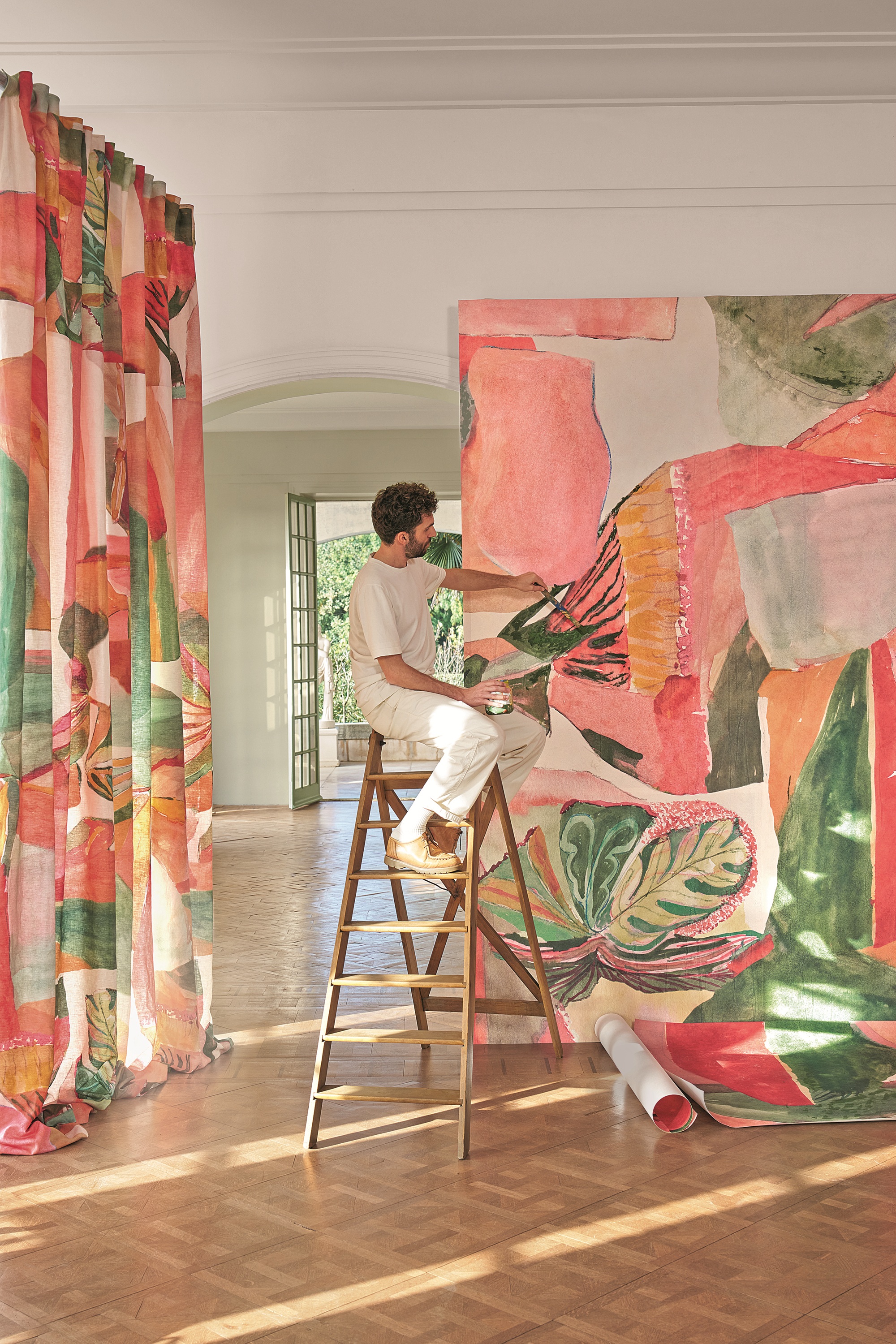
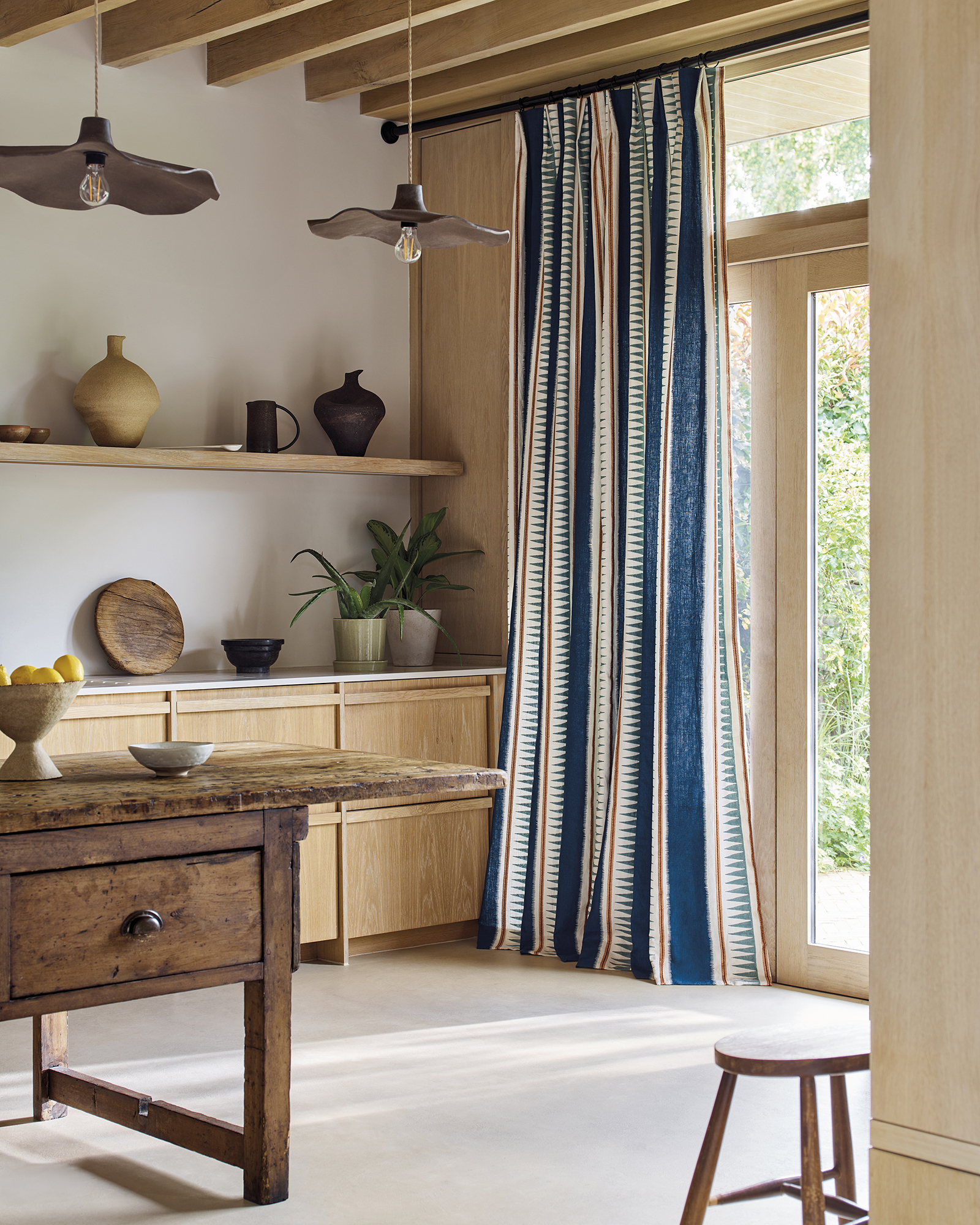
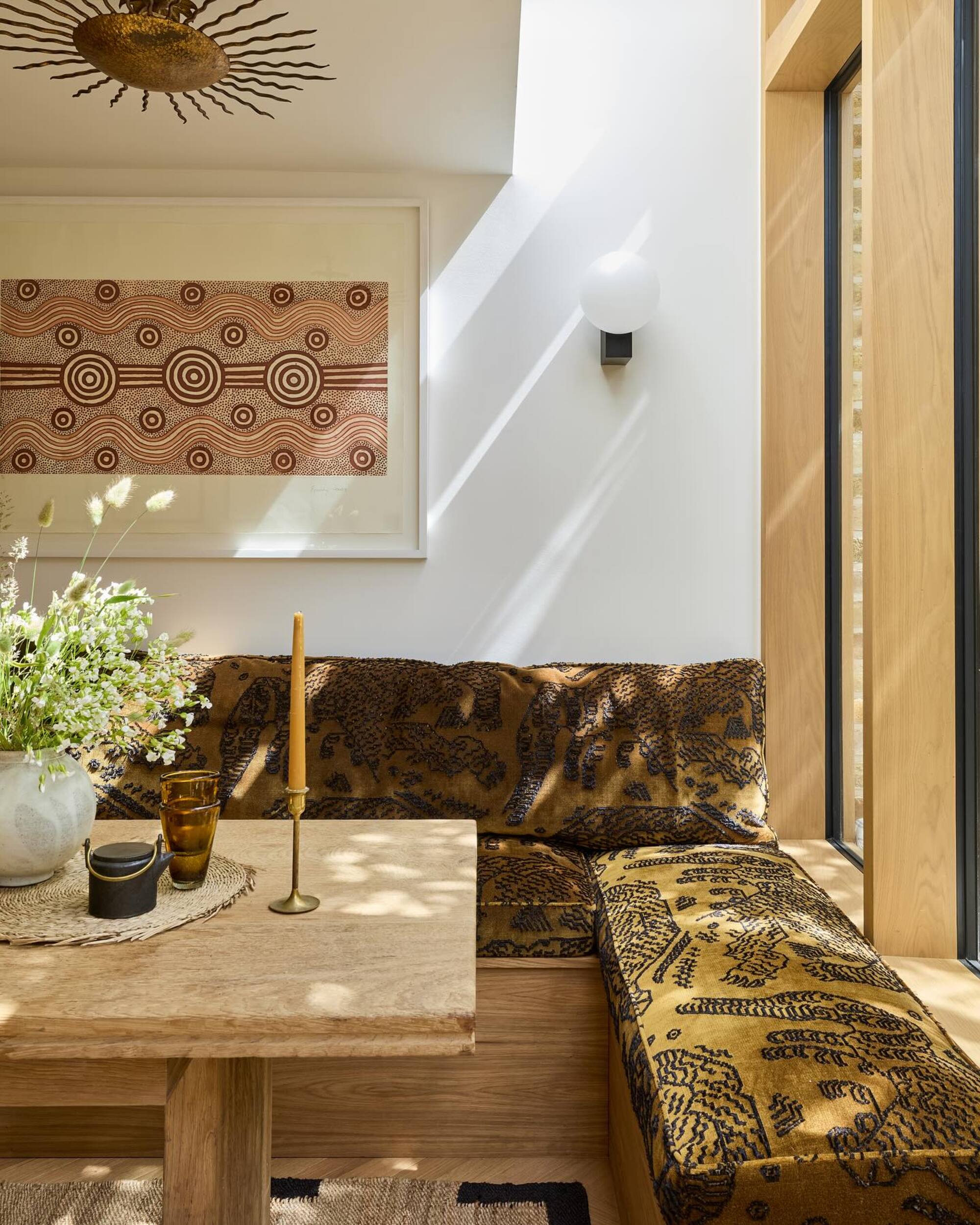
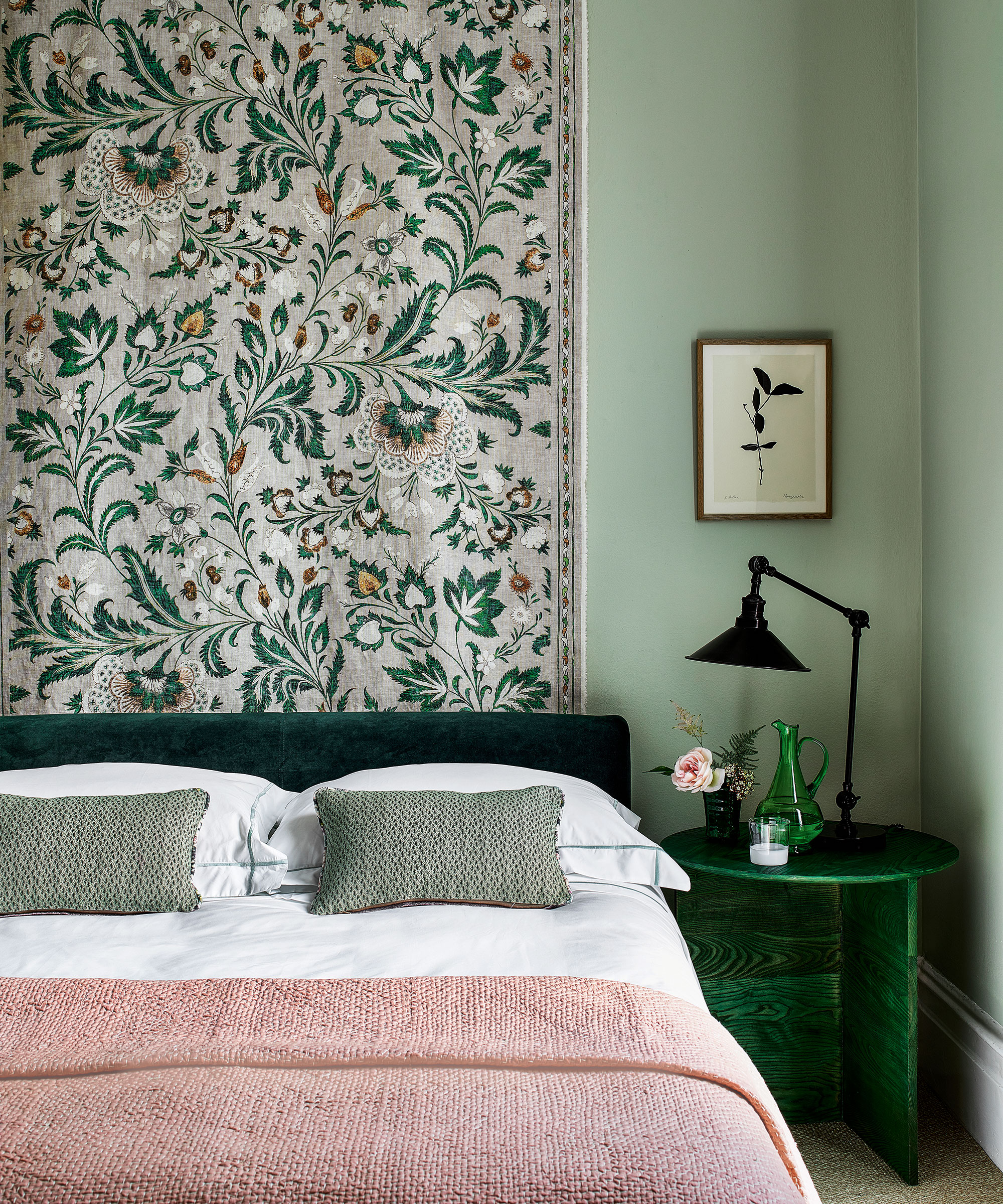
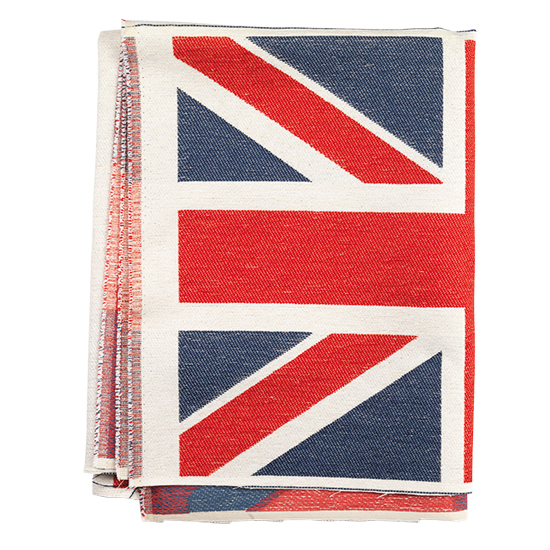
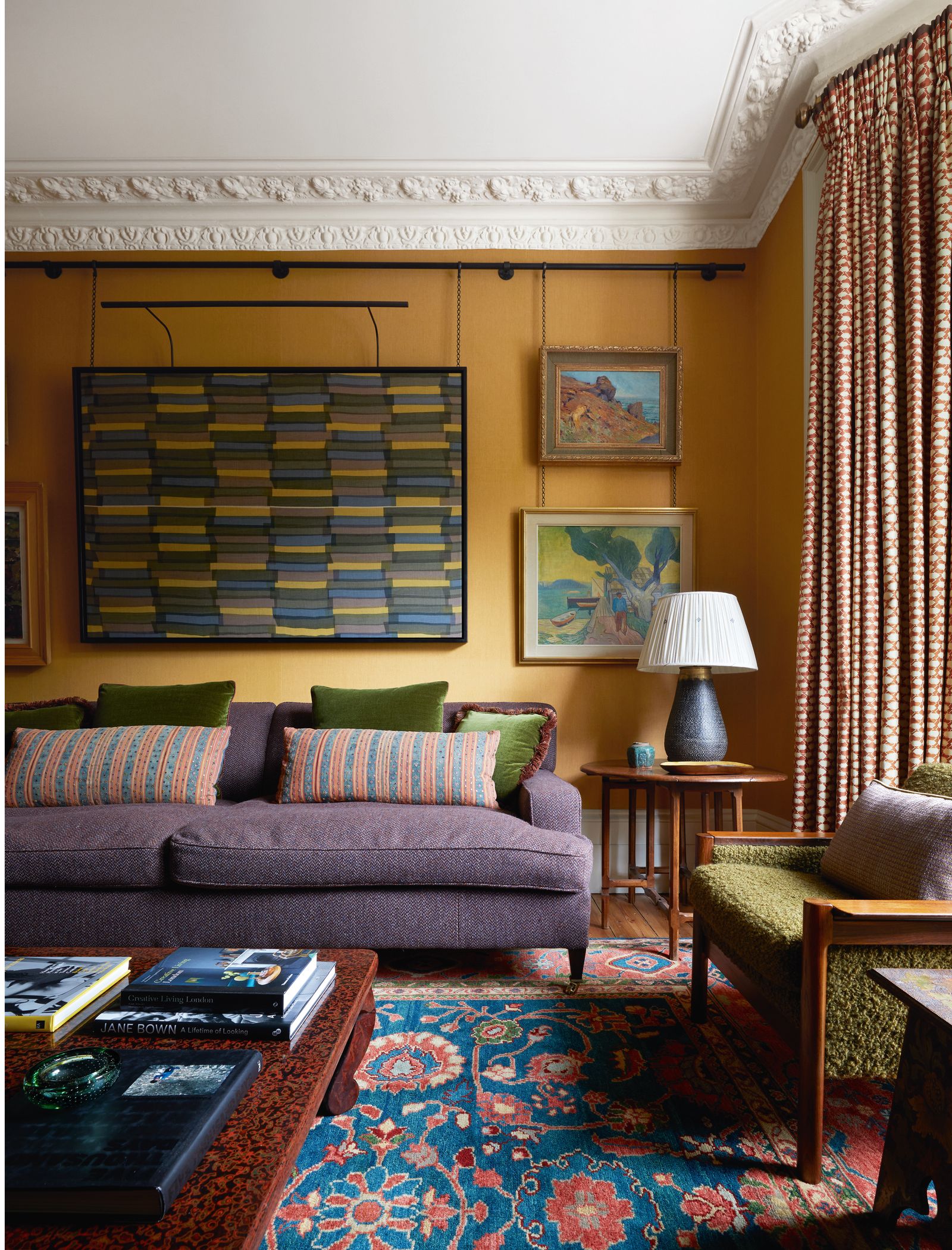
Framed textiles are gaining popularity among interior designers as a versatile and impactful decorative element. Unlike traditional framed paintings or photographs, textiles offer a unique softness and textural depth to a room, which glass-covered artworks cannot provide. This tactile quality is particularly effective in creating a layered aesthetic within an interior space, contributing to a sense of warmth and inviting ambiance. Designers such as Brandon Schubert emphasize that textiles, especially those stretched onto a frame or hung on a rod without glass, offer a distinct visual and physical texture that enhances the overall design scheme.
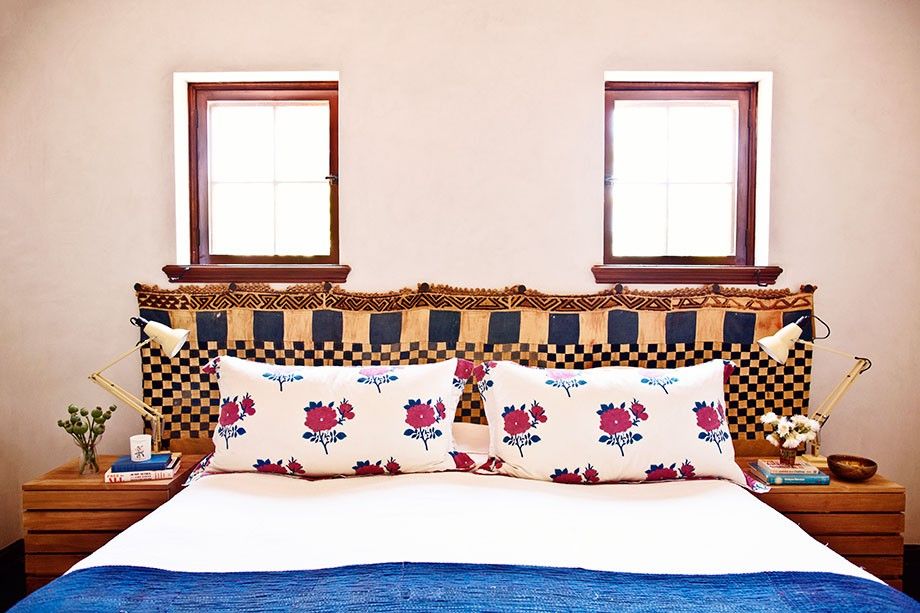
Beyond their aesthetic contributions, framed textiles also serve as a practical and economical solution for filling large wall spaces, particularly behind furniture like sofas or beds. They can be a more budget-friendly alternative to large-scale artwork, providing significant visual impact without a substantial financial outlay. While fine tapestries or historic weaves can be expensive, many types of textiles, from antique fragments to contemporary geometric patterns, can be acquired at reasonable prices. This accessibility allows for greater flexibility in decorating, enabling individuals to achieve a high-end look on a more modest budget.
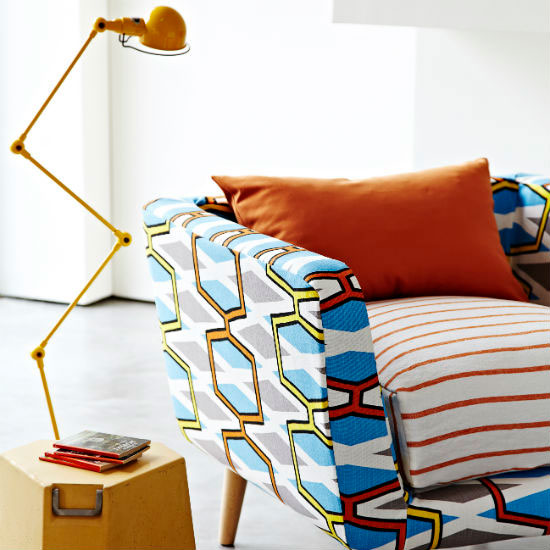
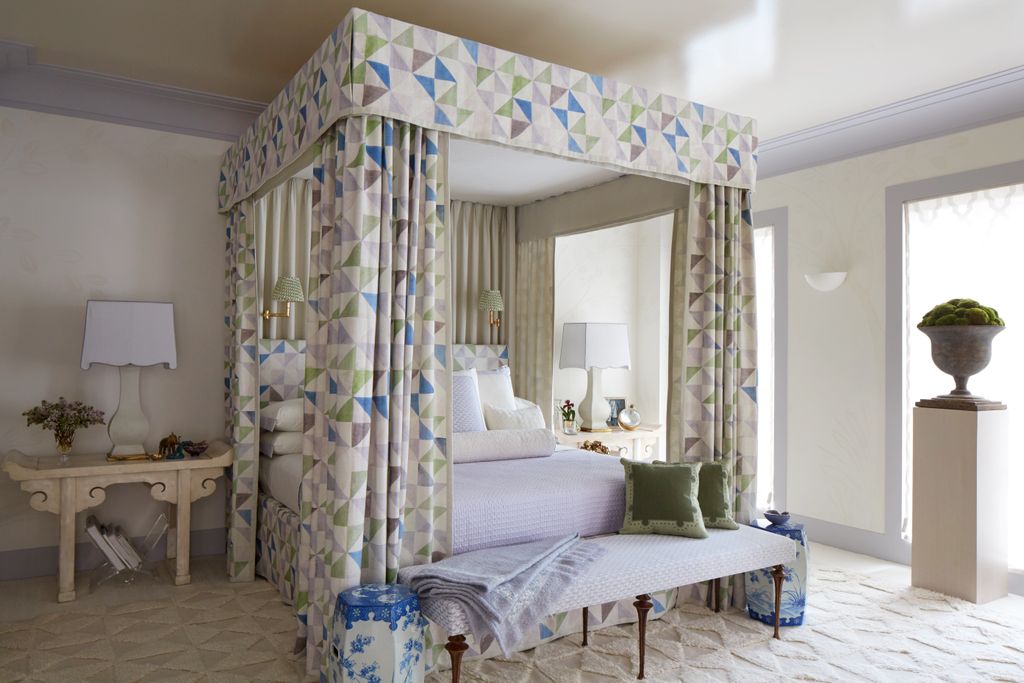
The versatility of framed textiles extends to their ability to complement various interior styles. Textiles with geometric or repetitive patterns often possess a naturally contemporary feel, making them suitable for transitional interiors where designers aim to avoid overtly specific historical aesthetics. For instance, an Alexander Girard textile, with its inherent modern design, can integrate seamlessly into a Victorian villa without emphasizing its age or pushing the room into a mid-century style. This 'anonymous touch,' as described by Brandon Schubert, allows the textile to blend harmoniously, preventing the room from appearing clichéd.
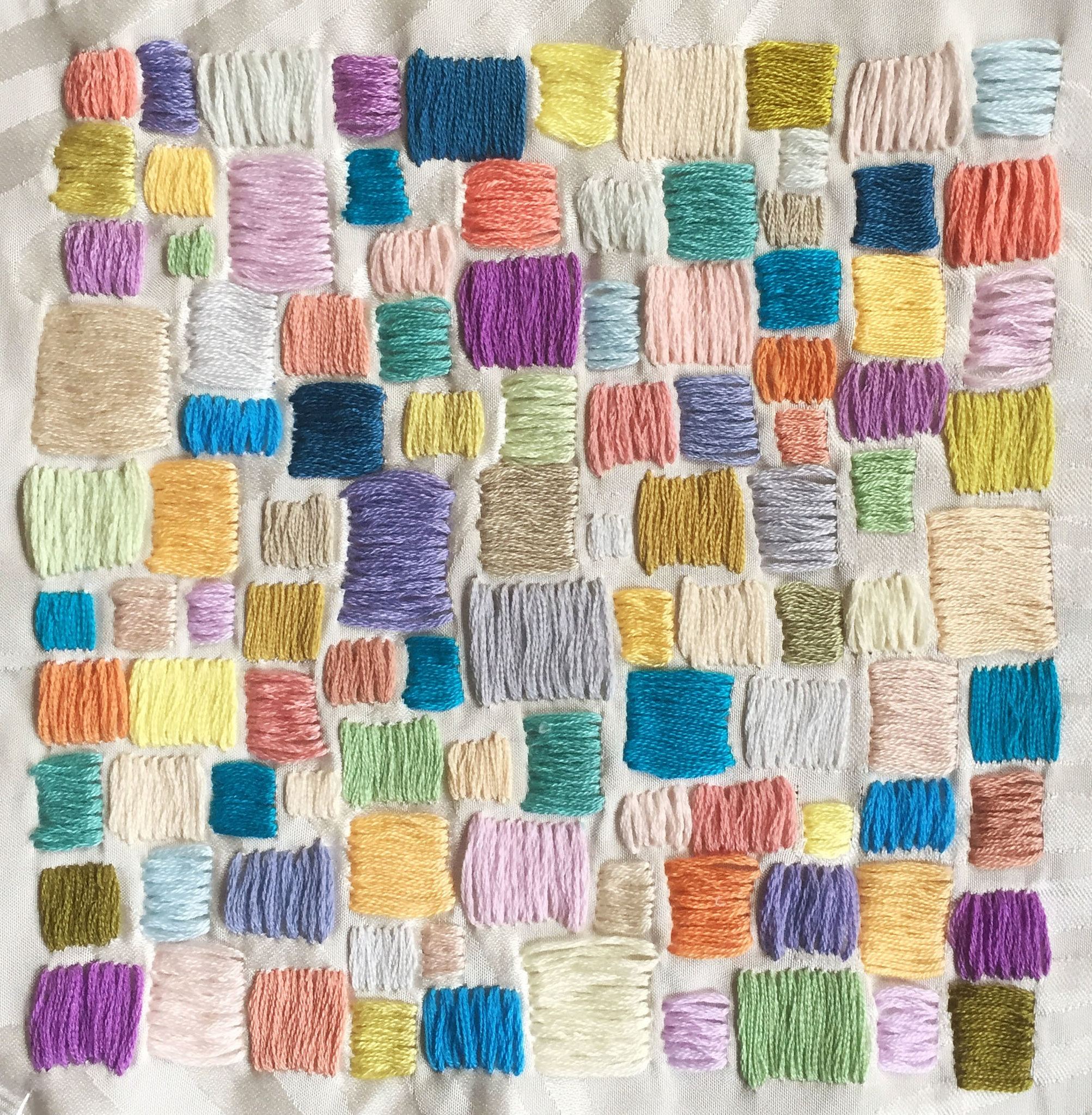
The market for framed textiles is diverse, offering options for every taste and budget. Sources range from antique shops, markets, auctions, and car boot sales, where unique and often affordable pieces can be discovered. For those seeking ready-to-hang options, specialized retailers like Houlston provide antique textiles that are already framed, including needlework and felt pieces. Renowned dealers such as Katharine Pole are a go-to for antique textiles, while Francesca Gentilli offers a wide selection of framed suzanis and antique fragments, bringing vibrant color and pattern into any room. Contemporary options like Porthia Prints and Loom provide bold, modern designs specifically intended for framing. Additionally, platforms like The Fabled Thread offer kits for creating personalized embroidered or needlepoint pieces, allowing for a bespoke approach to textile art. The growing trend of framing textile fragments, even leftover fabric pieces, as exemplified by Sarah Peake of Studio Peake, underscores the creative potential and decorative appeal of this medium, transforming even small swatches into significant artistic statements.
In conclusion, framed textiles are a favored decorative choice due to their ability to introduce softness, texture, and warmth into a room. They offer an economical solution for impactful wall decor, adaptable to various design styles and budgets. The wide array of sources, from antique finds to contemporary creations and DIY kits, ensures that framed textiles can be incorporated into almost any interior, elevating the space with their unique charm and character.
#FramedTextiles #InteriorDesign #HomeDecoration #TexturalElements #AffordableDecor #AntiqueTextiles #ContemporaryDesign #WallDecor #FabricArt #FramedTextiles #InteriorDesign #HomeDecoration #TexturalElements #AffordableDecor #AntiqueTextiles #ContemporaryDesign #WallDecor #FabricArt
0 comment in total
 No comments yet
You may also like
The Best Ways to Show Off a Textile in Your Home

12 Fabric Brands Everyone Should Have in Their Little Black Book If You Want to Go Bespoke and Elevate Your Home

Architects and Designers Pick Their Favorite New Textiles, Paints and Hardware (Published 2016)

Focus | Fabric of life
The New Fabric Launches Worth Knowing About
The 5 fabric trends ruling interiors now, according to the pros


Mia Jung’s dreamy assortment of dyed parchments, ombre plasters and silvered glass

The 5 Fabric Trends Ruling Interiors Now, According to the Pros
9 things you need to know before upholstering furniture
Jessica Shaw creates ‘beautiful tension’ with her mix of fringed fabric, metallic meshes and plaster wallcoverings

How to decorate with antique textiles – designers share their tips for adding character with old fabrics

Homestyle: Attention to detail
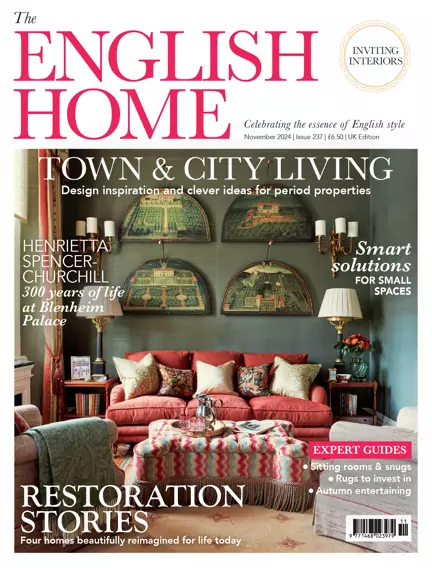
Take a soft approach - 2 Oct 2024 - The English Home Magazine

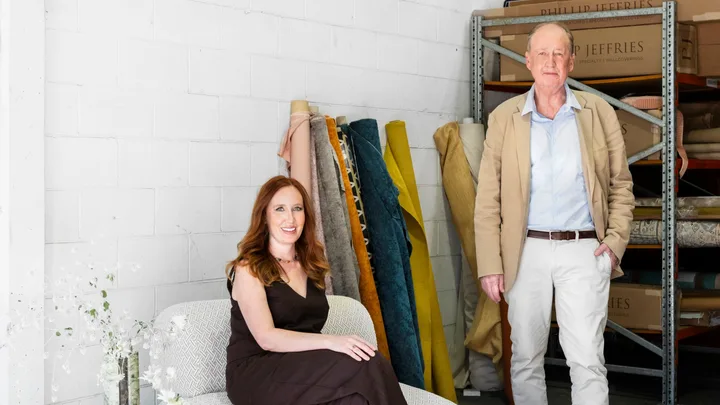
The evolution of The Textile Company and its family-led legacy

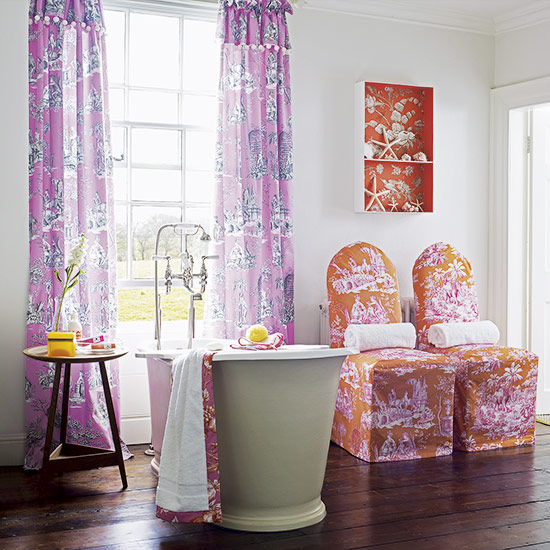
Celia Rufey answers your fabric questions
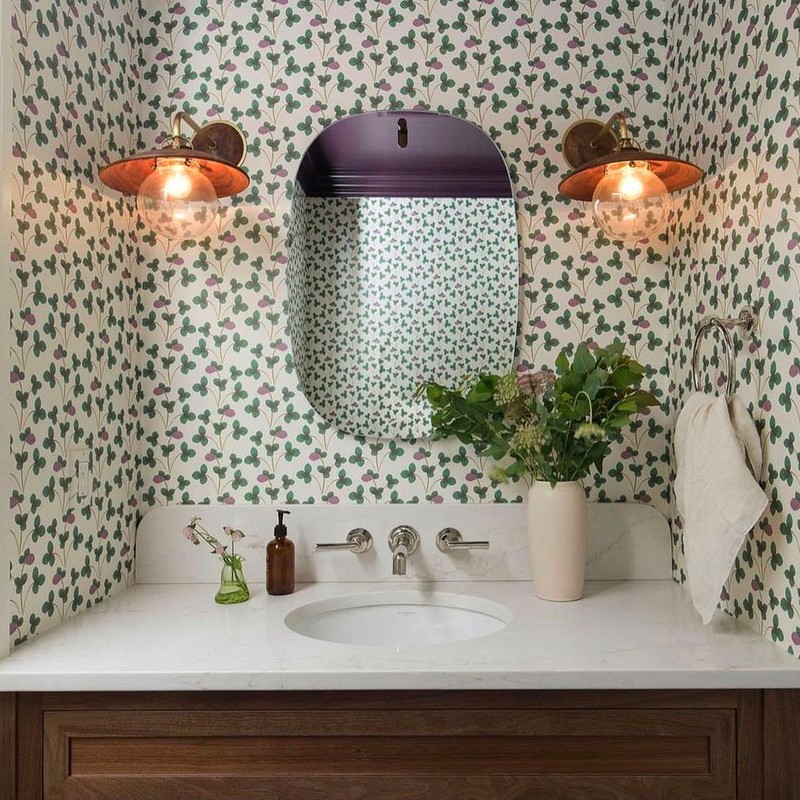
A Wallpaper & Fabric Expert Shares Her Little Black Book

Livingetc Style Awards 2025 — Decorating
Drapery adds the finishing touches of drama, function and personality

4 Creative Ways To Use Textiles in Your Home
Dane Pressner’s moody medley of deep blue glazes, crimson lava stones and chartreuse angora mohairs