1/10
9 Ways To Refresh Your Kitchen By Adding Texture
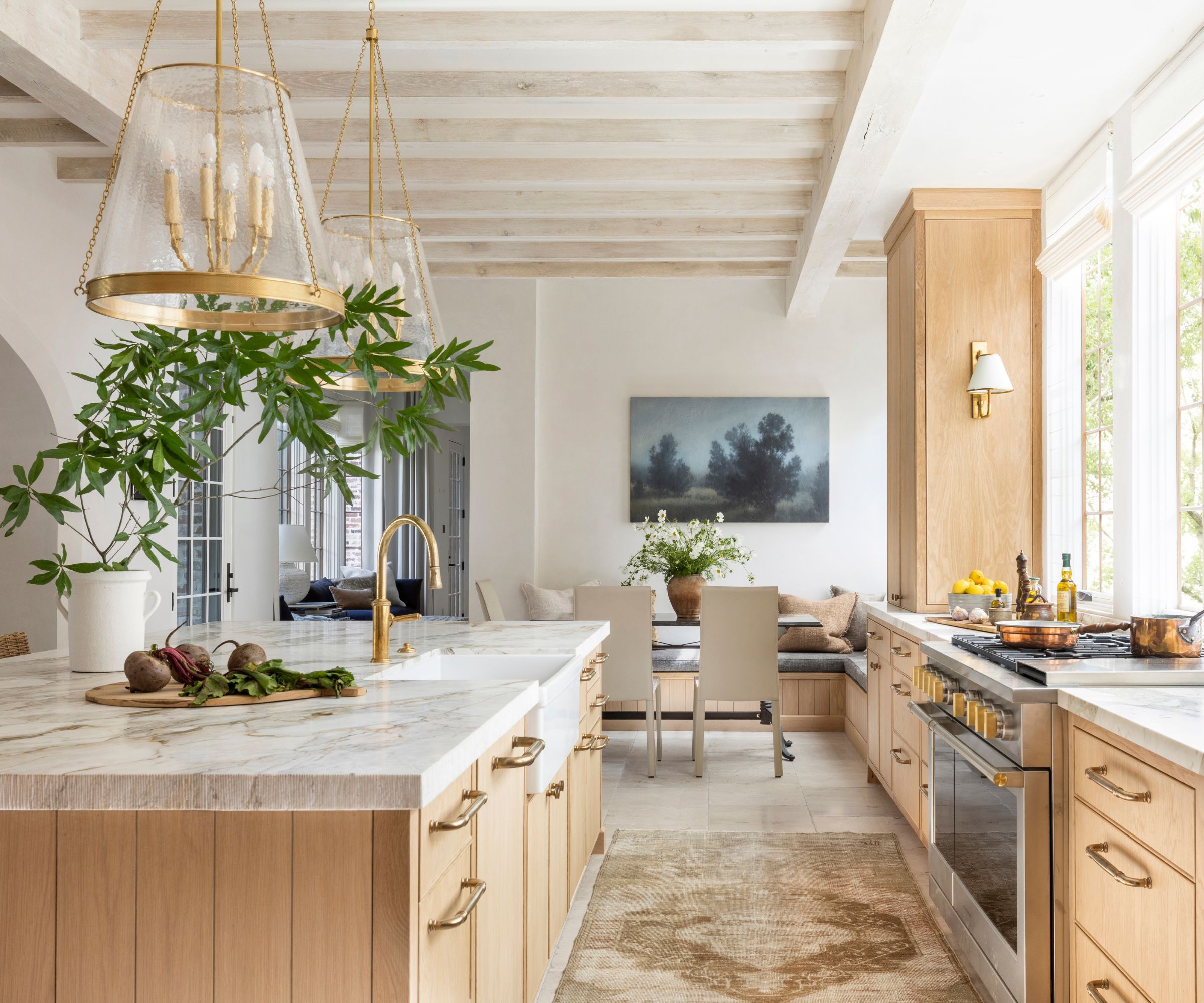
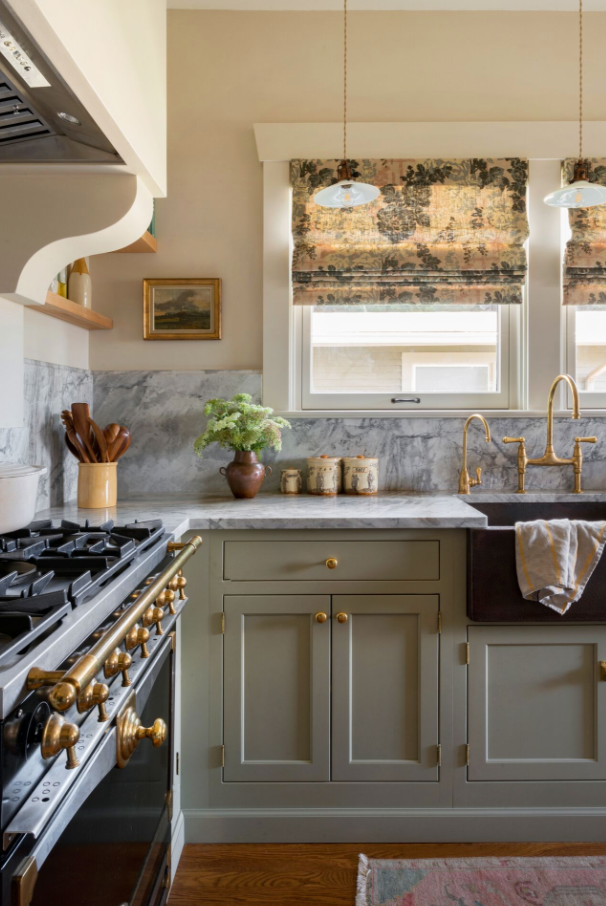
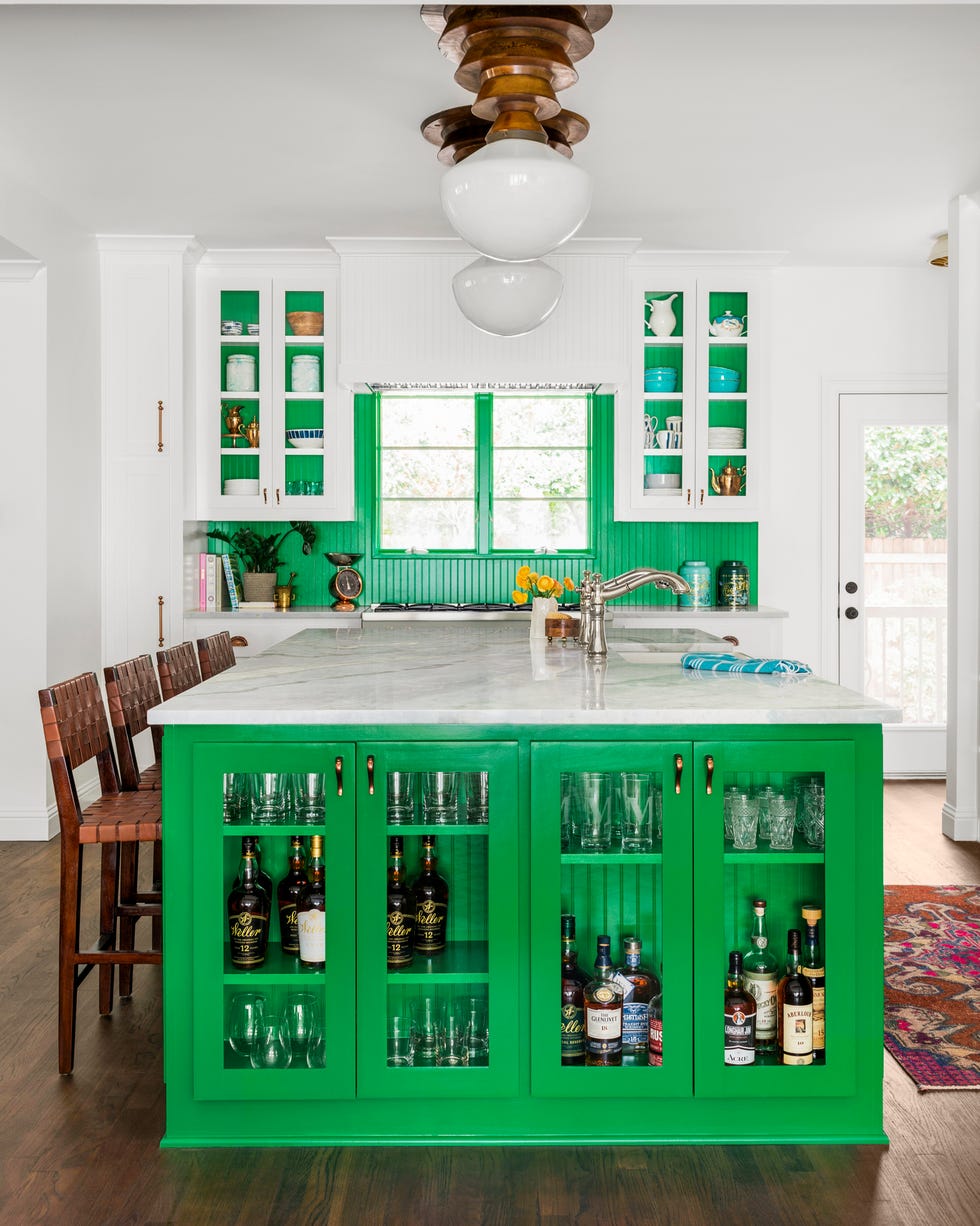
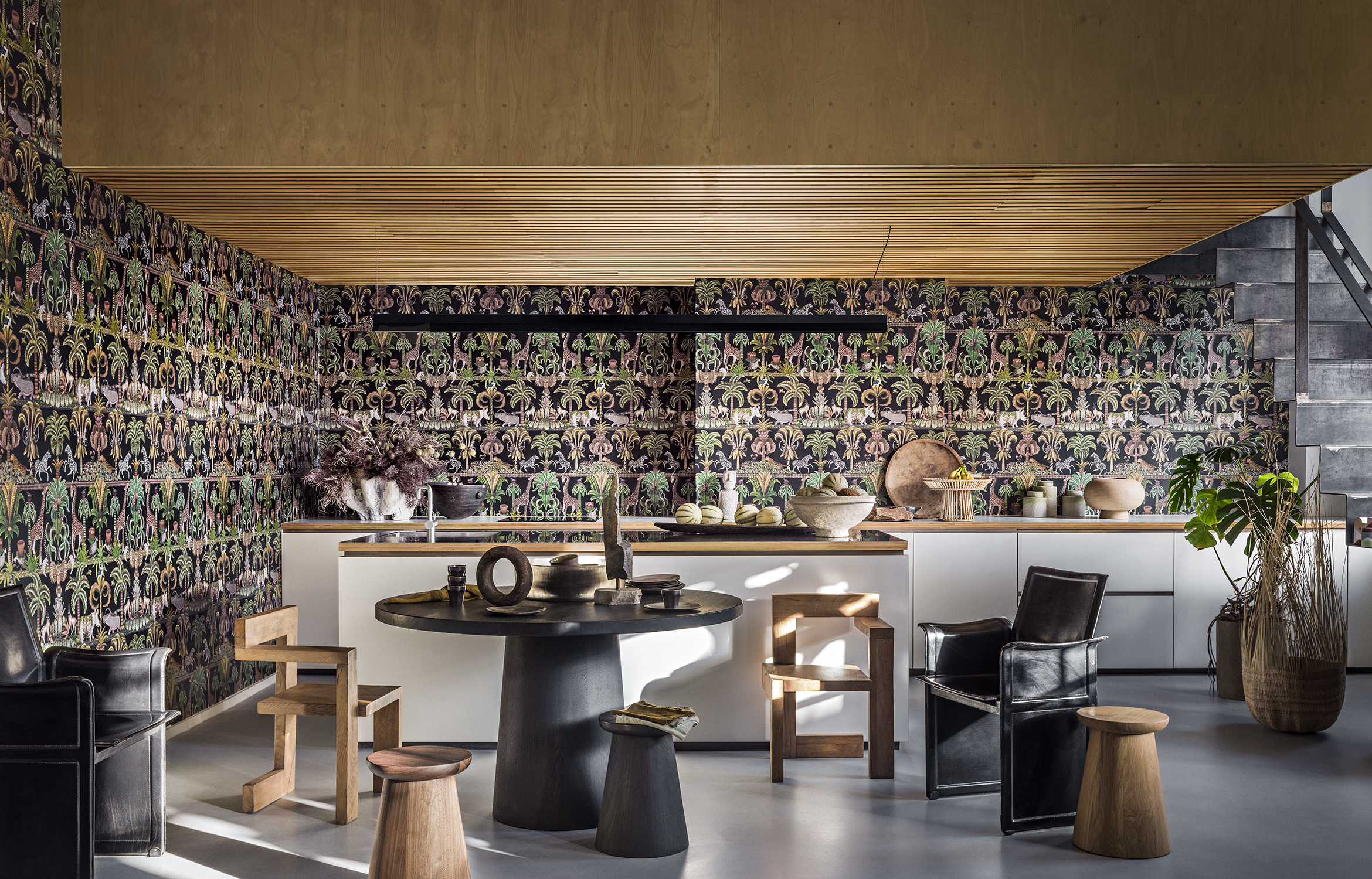
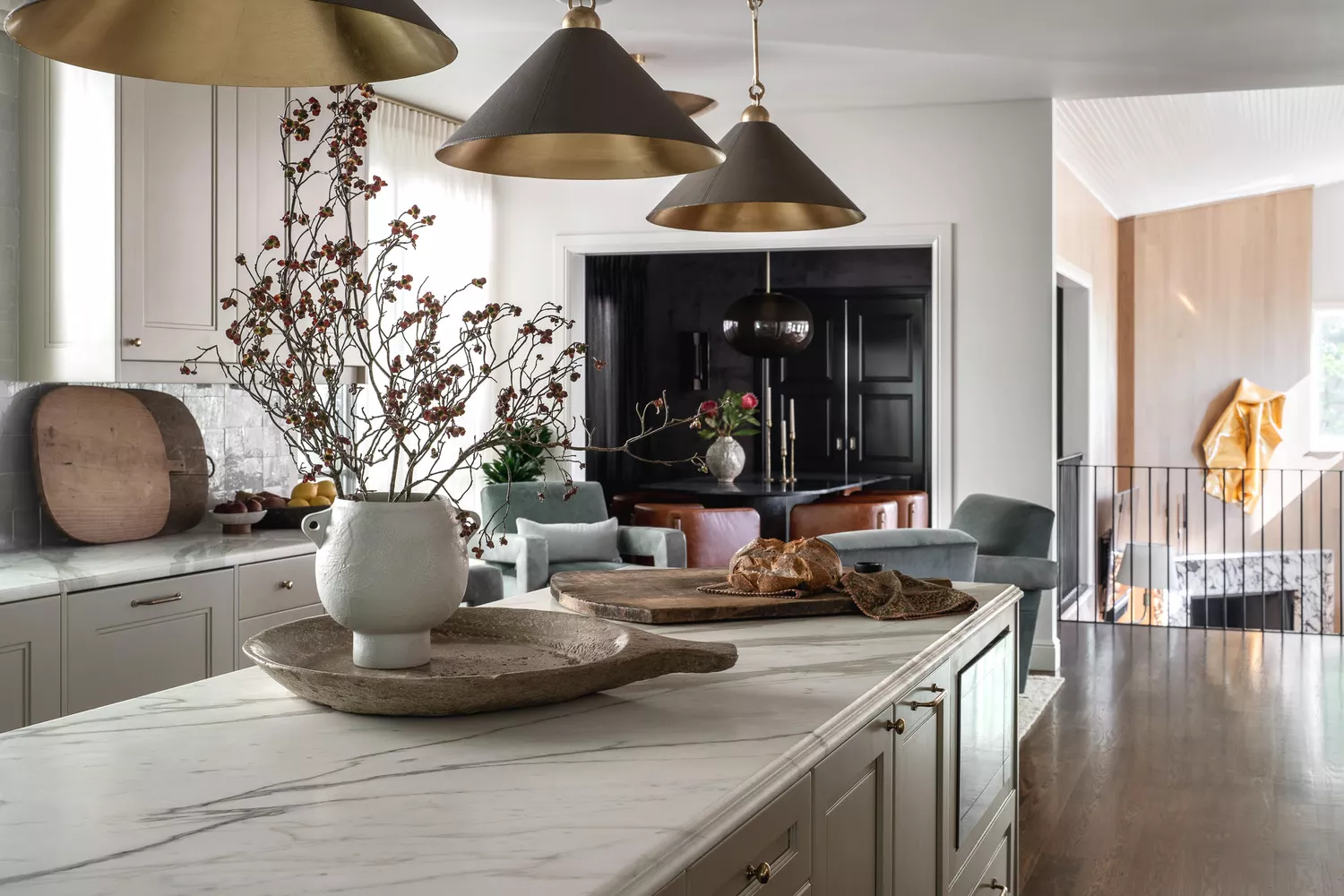
The interior design world is shifting away from minimalist trends towards designs with greater depth and complexity, particularly in kitchen aesthetics. This movement emphasizes tactile elements over flat, stark finishes, aiming for spaces with character and charm. The rise of cottagecore kitchens and HGTV stars incorporating texture through elements like imperfect zellige tile and rattan accents highlights this trend. According to Champalimaud Design principal Matoula Karagiannis, there's a growing demand for handcrafted, warm, and emotional touches in design, moving away from clinical environments to create calm and serene atmospheres with wood and layered textures. This shift makes it an opportune time to revitalize simple kitchen designs with textured decor. Many DIY projects and professional installations can transform cold-feeling spaces, by adding natural stone, wood, woven fabrics, and other decorative elements to enhance visual interest and tactile appeal.

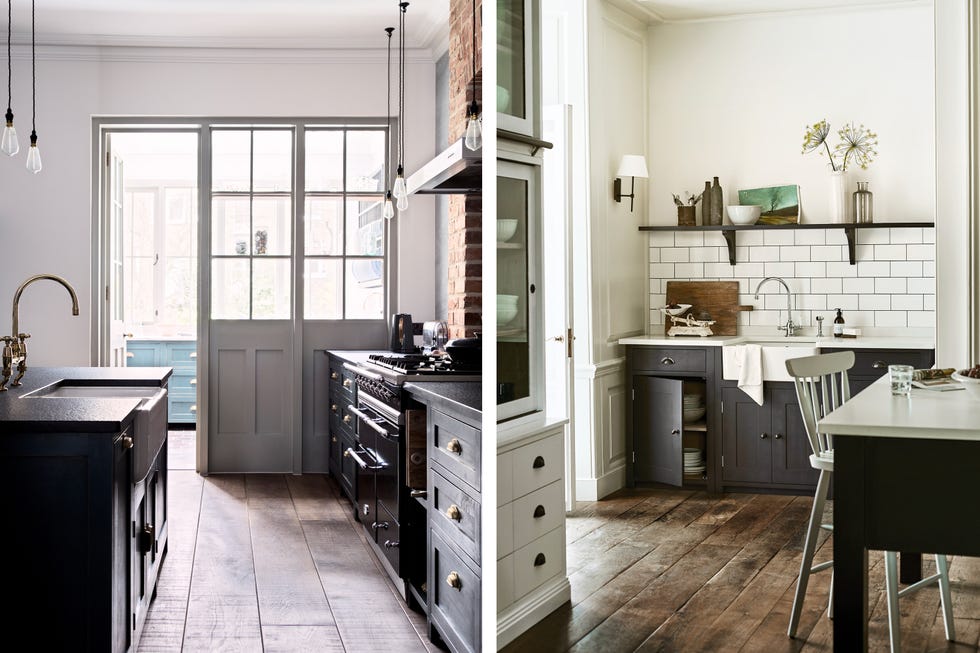
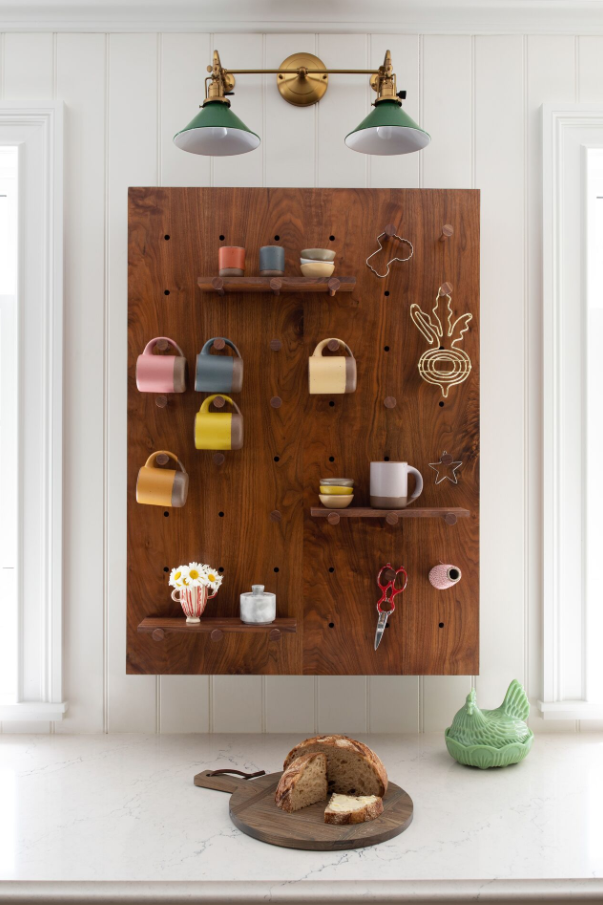
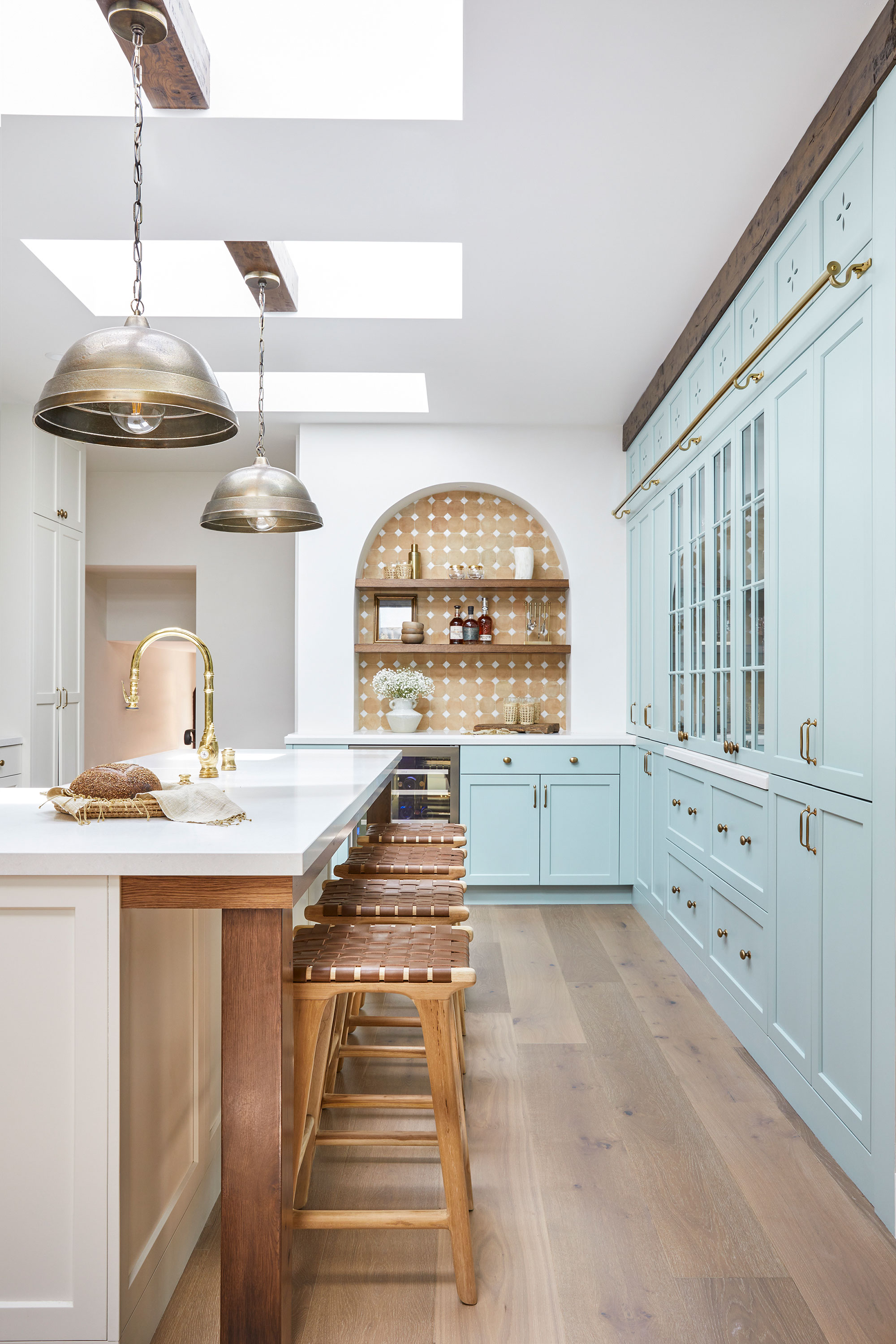
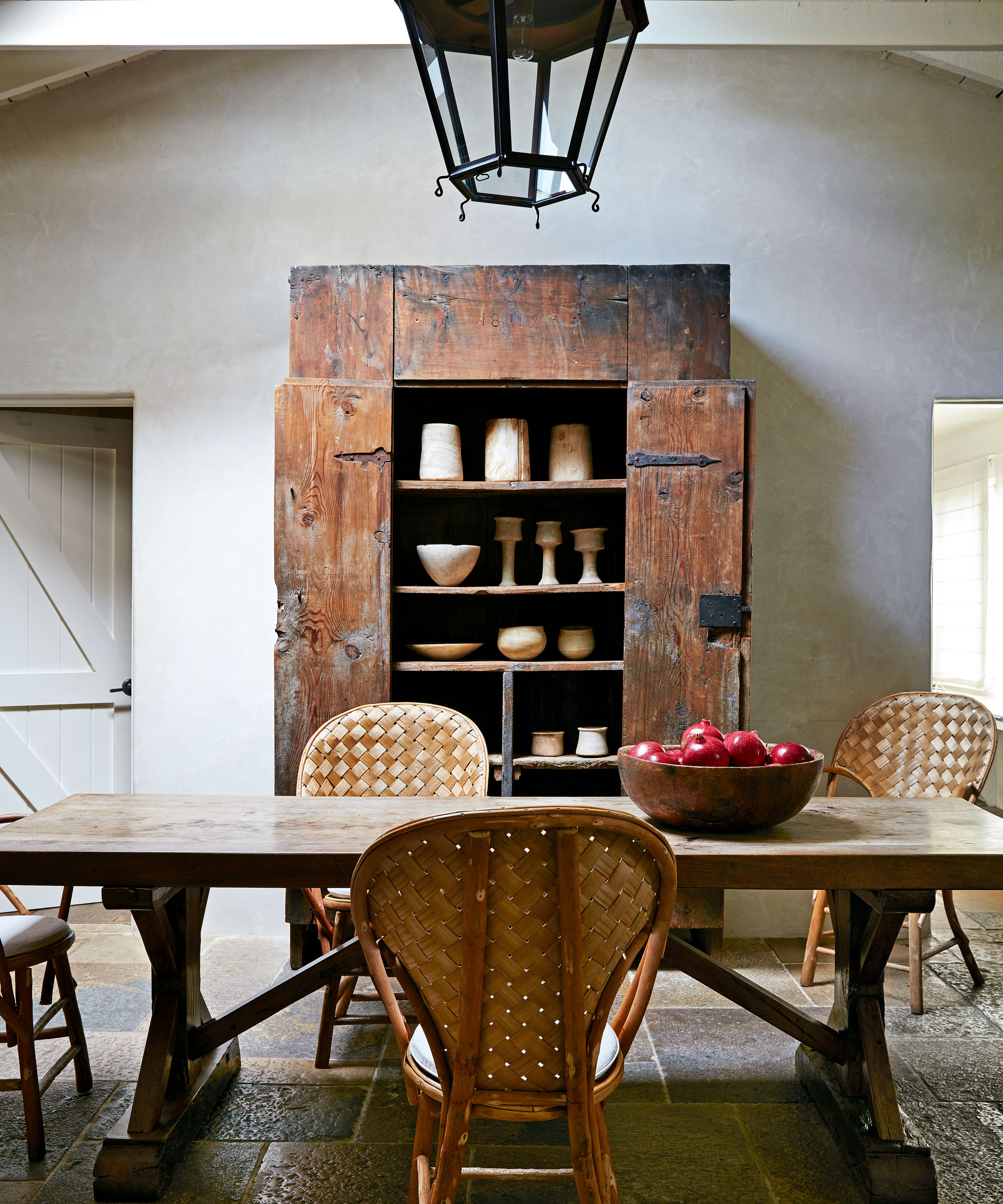
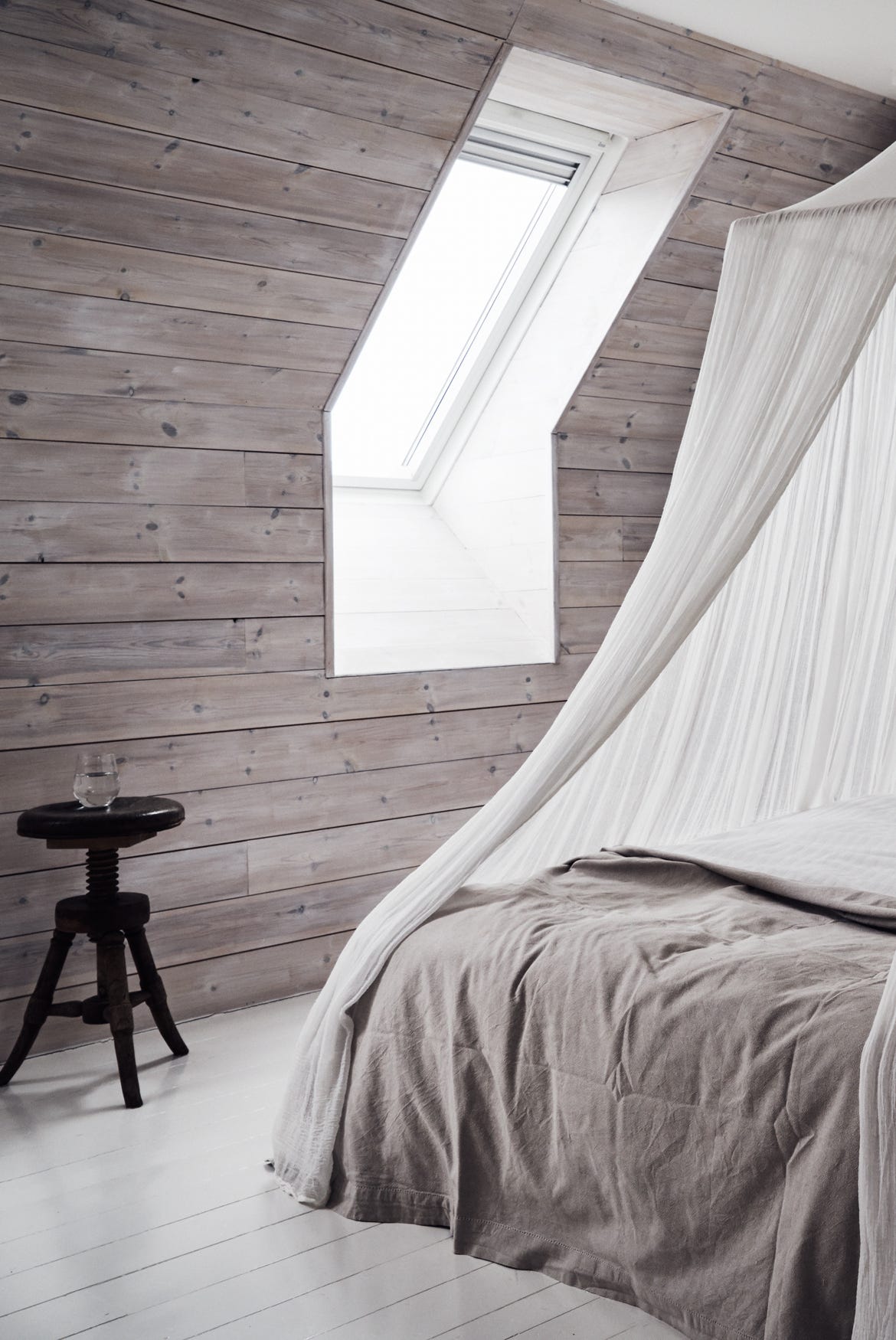
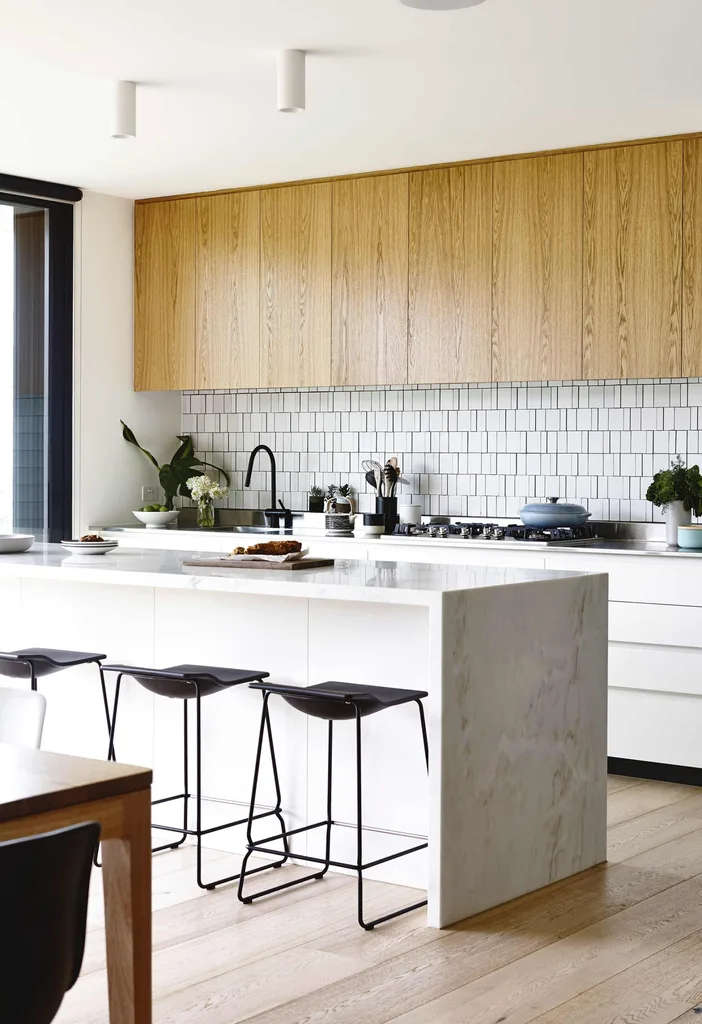
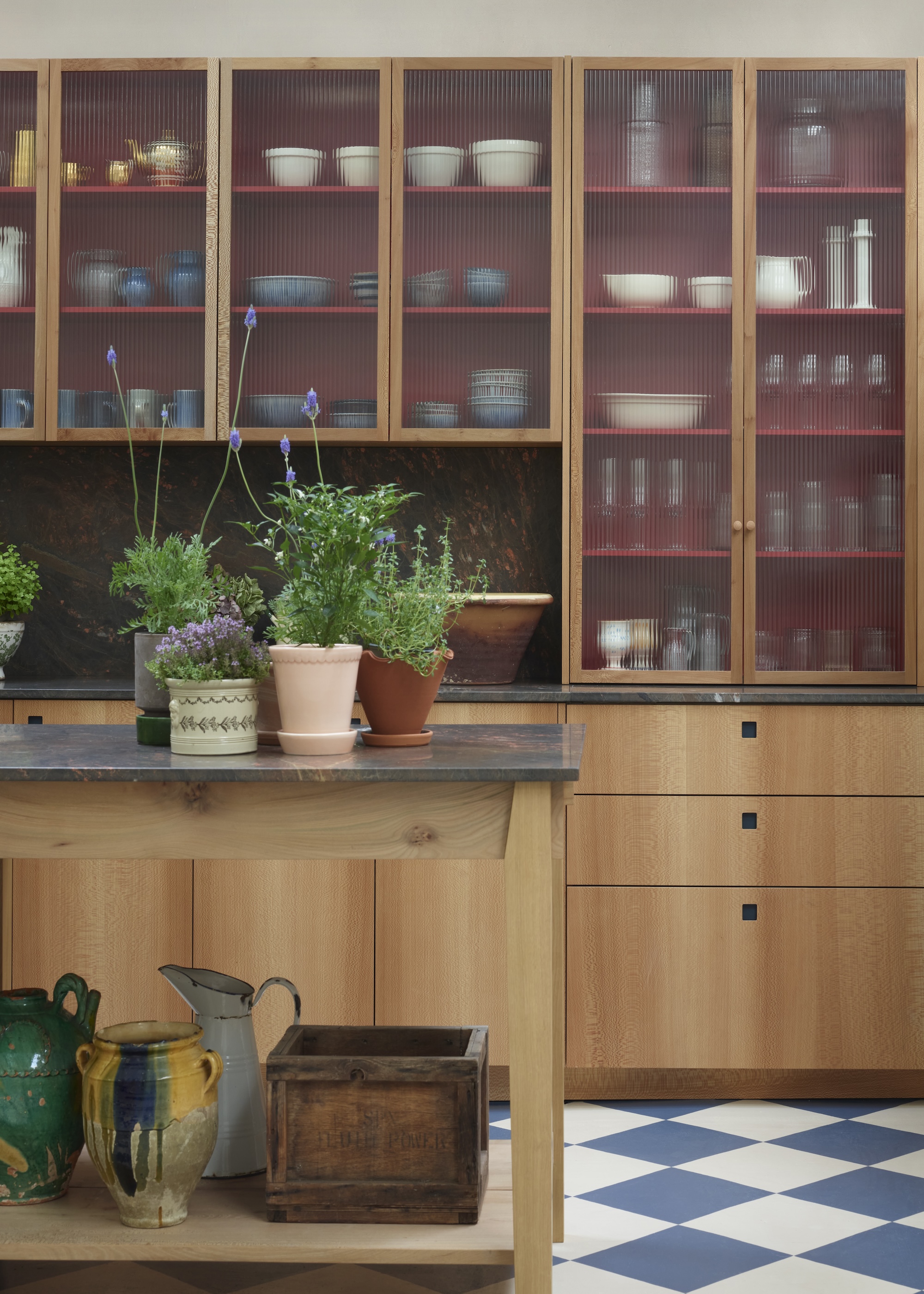
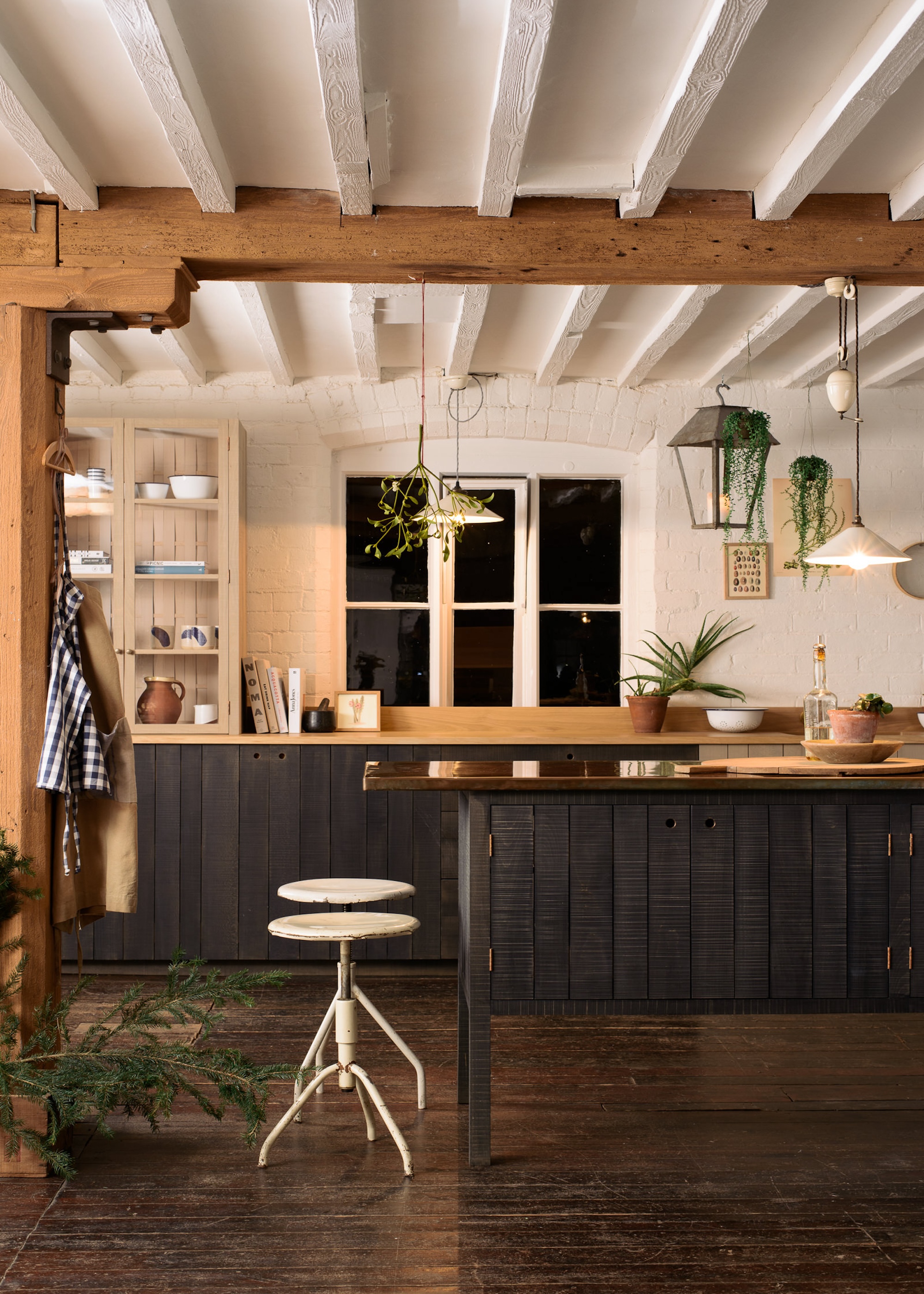
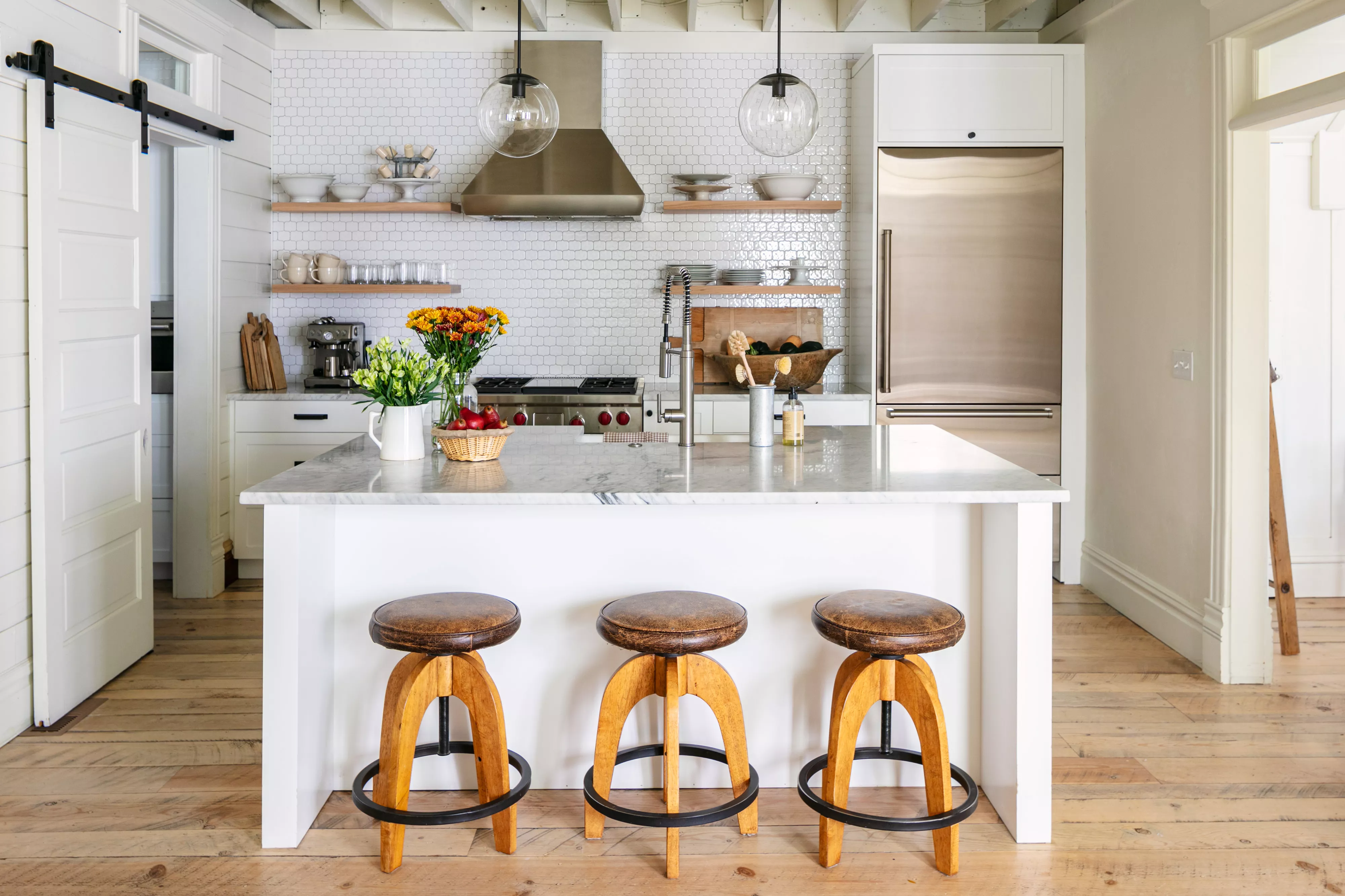
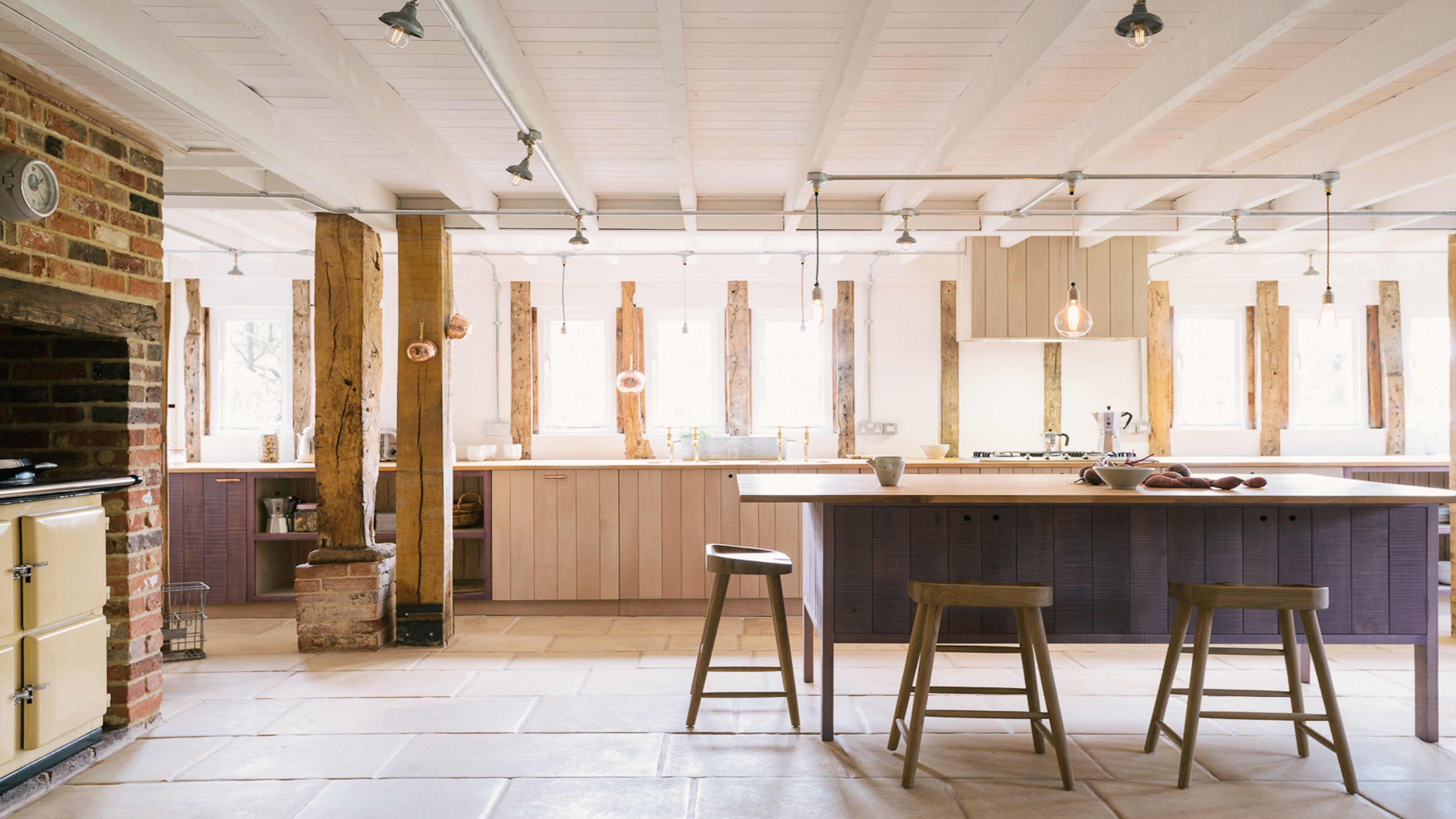
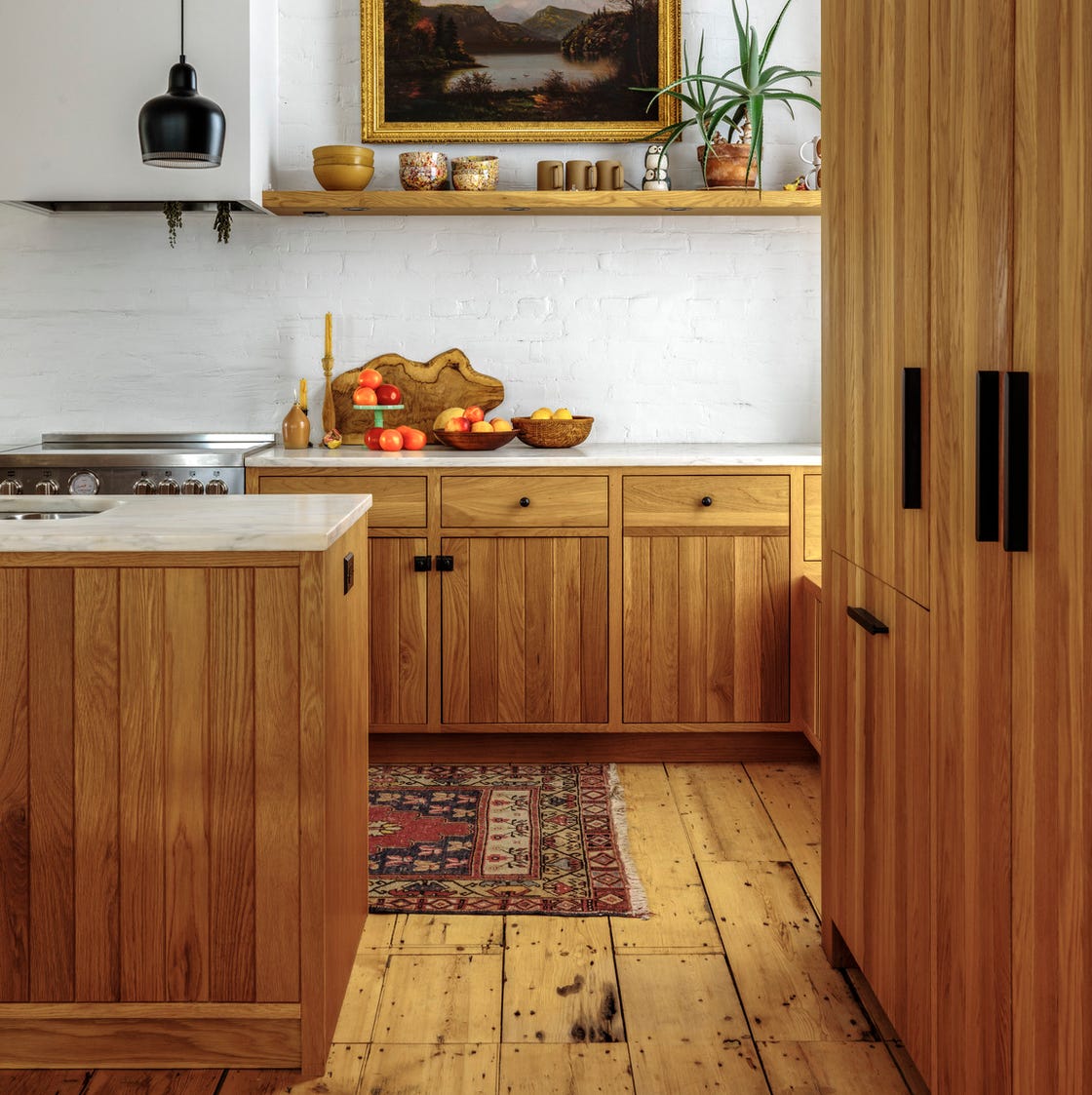
One effective method for adding warmth and texture is by incorporating wood decor and furniture. Hardwoods, with their prominent grain patterns, offer visual texture and are suitable for functional items like chopping boards and cooking spoons. Mixing different wood species and finishes, such as glossy varnished trays with raw wood bowls, creates textural contrast. Options range from small accents like wooden serving trays and utensil holders to larger elements like butcher block countertops, oak cabinets, or hardwood flooring, catering to various budgets. For those renovating, integrating wood into larger installations is ideal, while others can simply add wooden accents. Tips for mixing wood tones help achieve balance, and combining wood with other natural materials like cane webbing further enhances texture.
Indoor houseplants also contribute diverse textures to a kitchen. Plants with varying leaf textures—from fleshy and crinkly to fuzzy and velvety, or rough and ridged—add visual and tactile interest. Herbs like thyme can provide both functionality and complexity. It is crucial to select plants suited to the kitchen's light levels, placing sun-loving species in bright spots and shade-loving ones in dim areas. For those without a green thumb, imitation plants offer a maintenance-free way to introduce texture. Large imitation olive trees can soften bare corners, and placing plants in woven baskets or terracotta planters adds further textural layers.
Sink skirts, while unconventional, are gaining popularity, especially in country-style kitchens. They introduce texture, softness, and warmth, contrasting with hard surfaces like millwork and stone. Traditional sink skirts often feature striped, gingham, or floral patterns and are made from textured fabrics like roughspun linen or ruffled denim. While ready-made options are limited, they can be found online, or custom-made through DIY sewing projects using various fabrics like cotton, silk, or velvet to match different interior styles. Alternatively, small curtains can be adapted with fabric adhesive and a café curtain rod. This budget-friendly update may require removing existing cabinet doors.
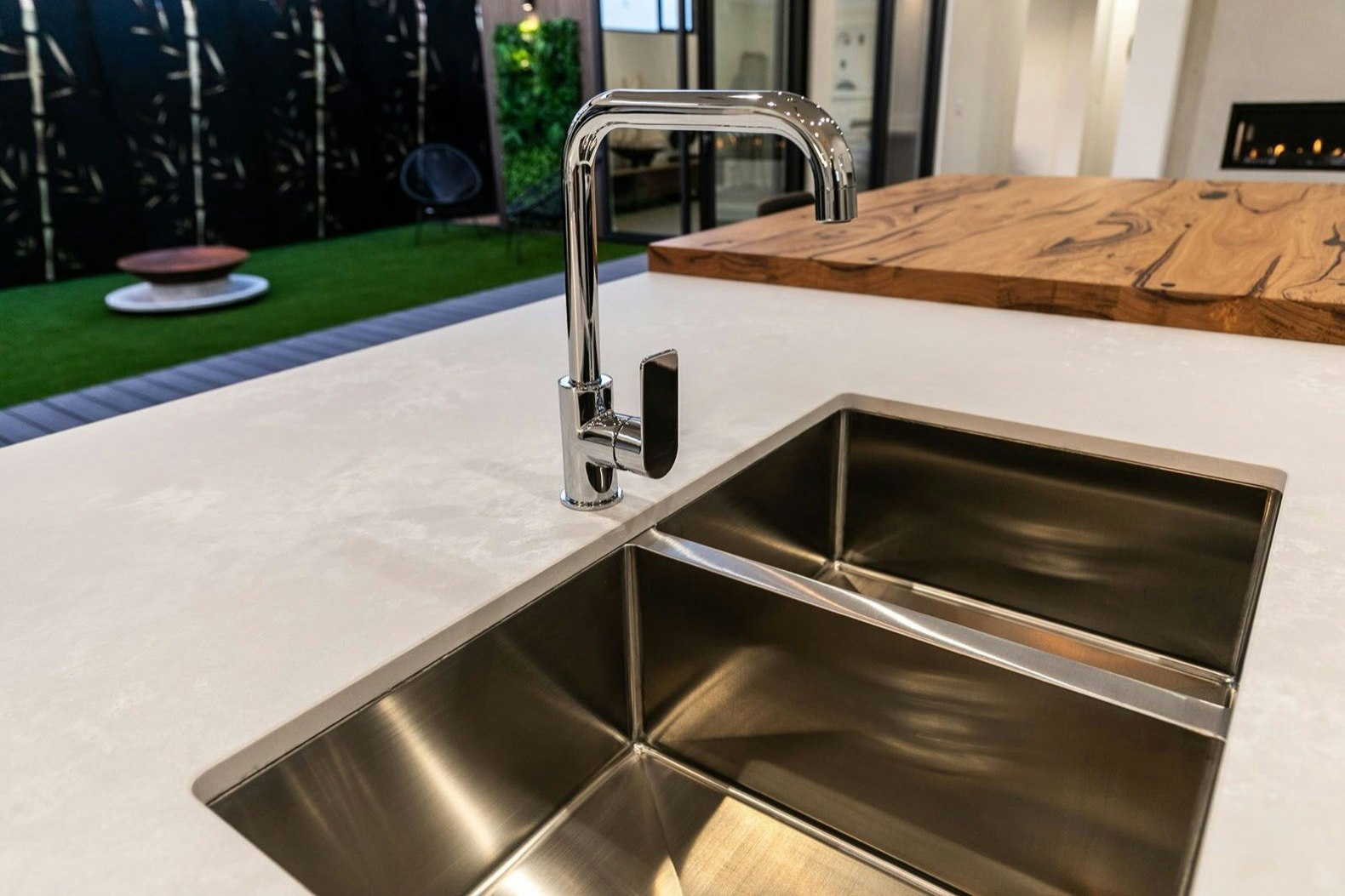
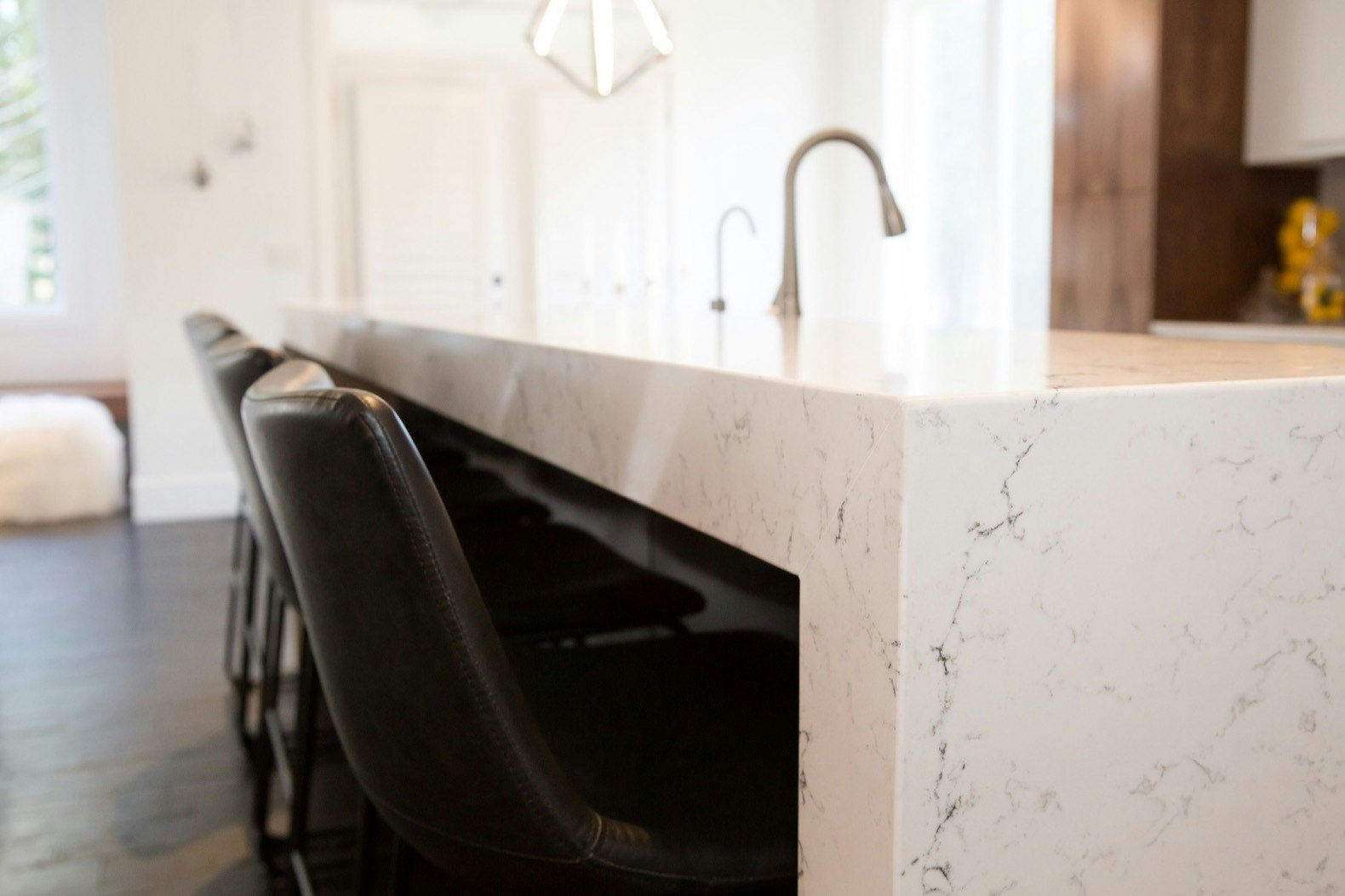
Countertops, being a focal point, offer a significant opportunity for textural enhancement. Butcher block, with its natural beauty and varied grain, can suit diverse styles. Natural stone also provides flexibility through type, color, and finish. For butcher block, end grain offers more visual texture and durability for chopping, though it's pricier than edge grain. Stone slabs can be chosen with deliberately textured finishes such as honed, brushed, sandblasted, or leathered, which add softness and reduce glare. Instead of full replacement, granite or quartz overlays offer a faster, more affordable solution with numerous design options, provided the base cabinets are sturdy.
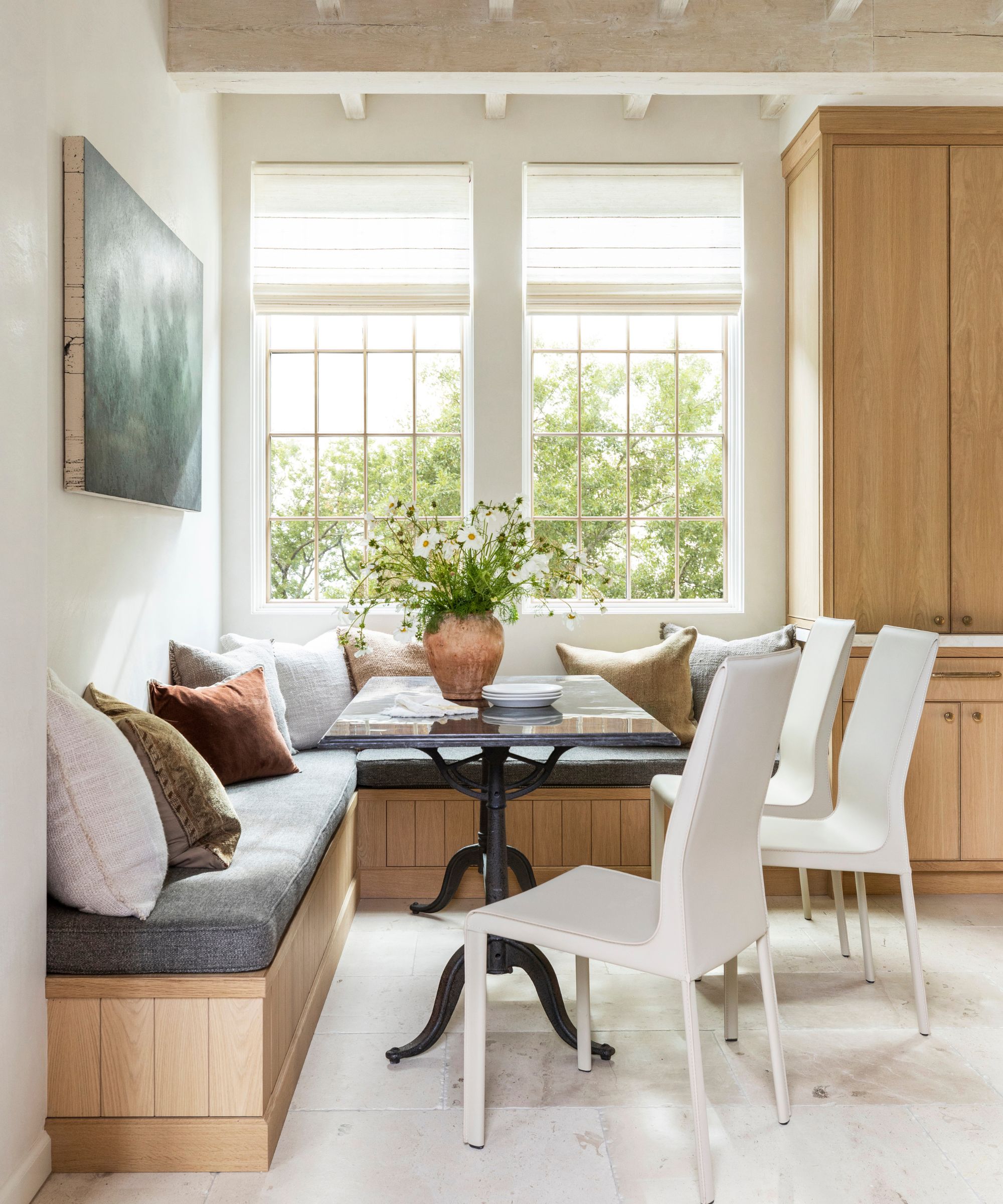
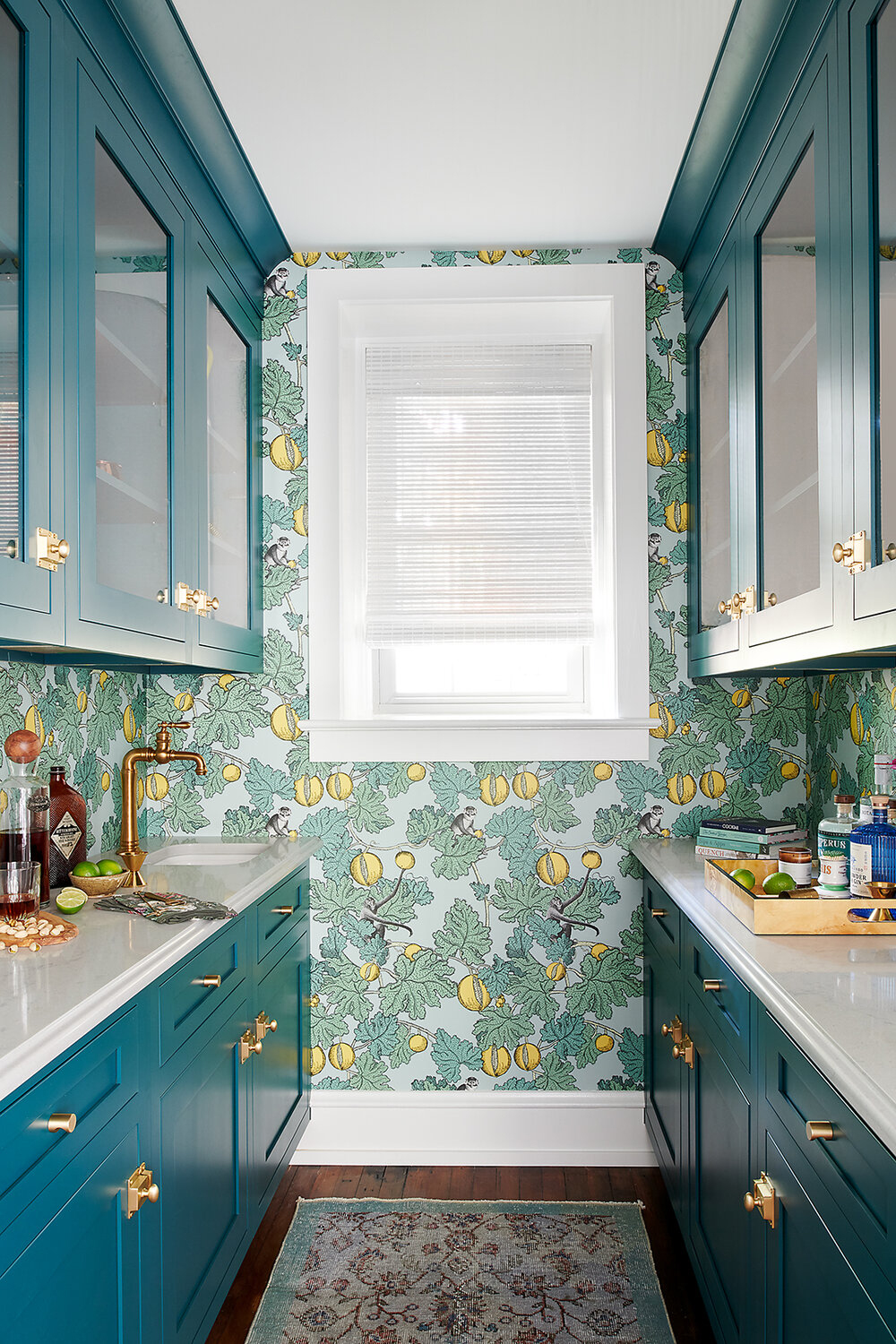
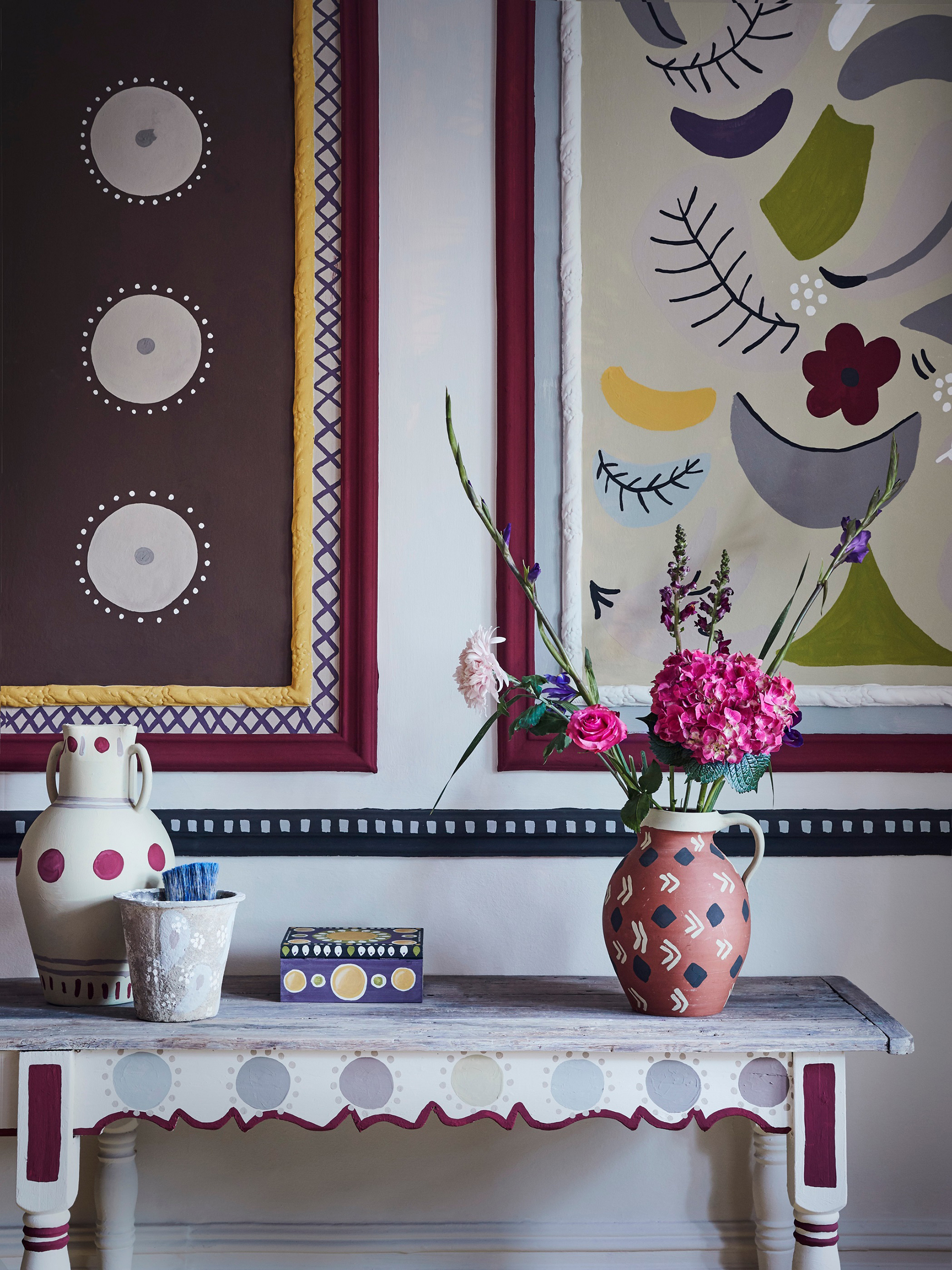
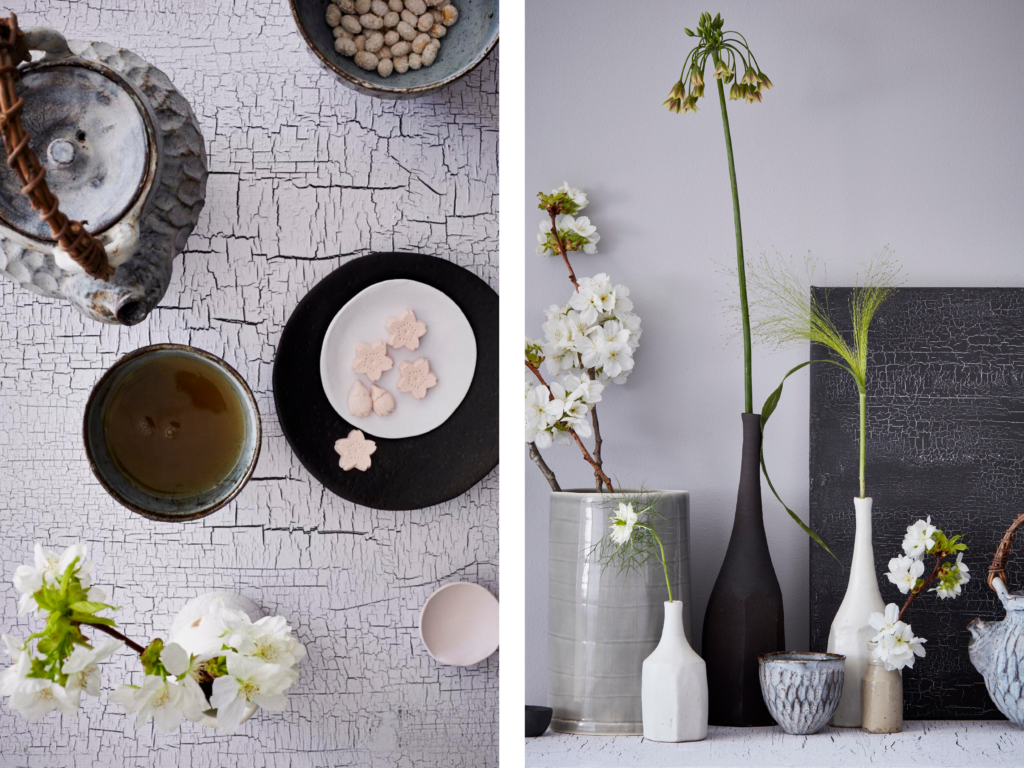
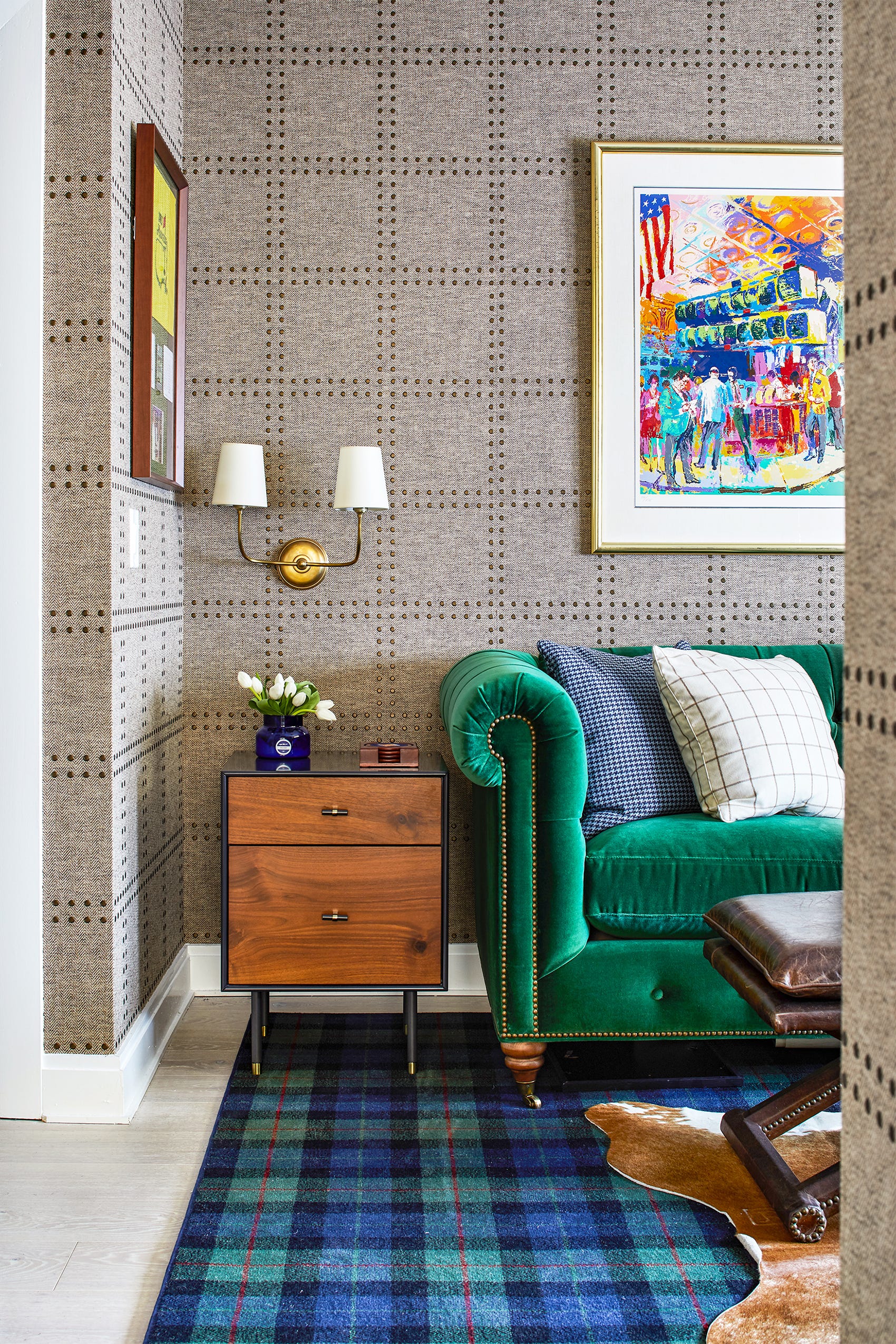
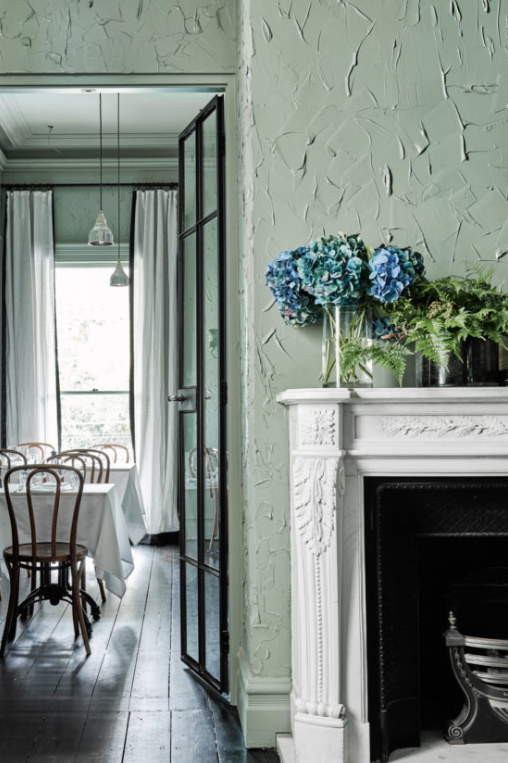
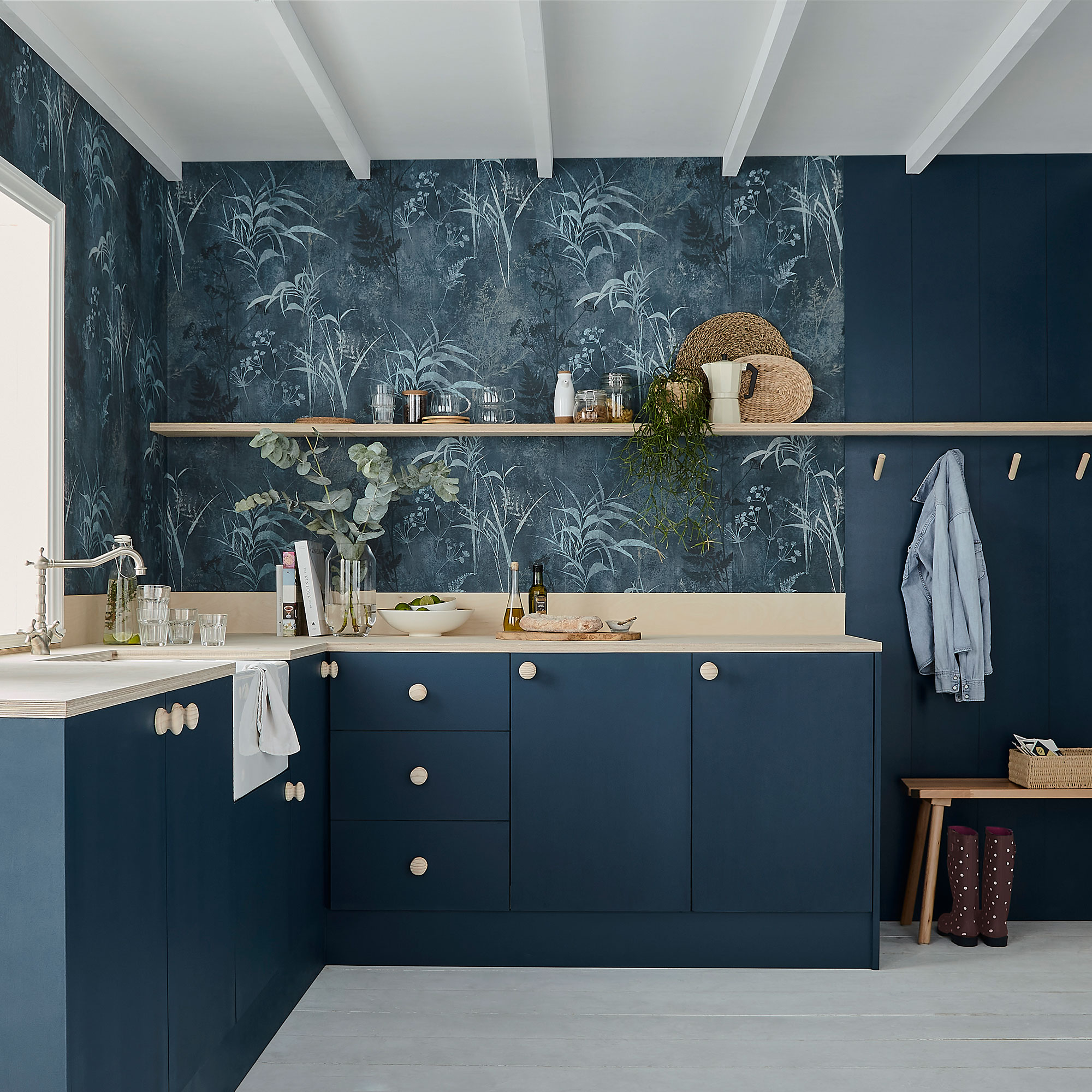
Walls can be transformed with paneled wainscoting, picture frame molding, plaster, or limewash. Wainscoting and picture frame molding add decorative elements, especially suitable for historic homes or kitchens with breakfast nooks. DIY kits simplify installation, or professionals can be hired for more extensive projects. For a less formal, more imperfect look, plaster or limewash create matte, soft, and irregular finishes that contrast well with shiny metallic appliances. Limewash is easy to apply and suitable for high-humidity environments, while plaster requires more finesse but offers a unique effect.
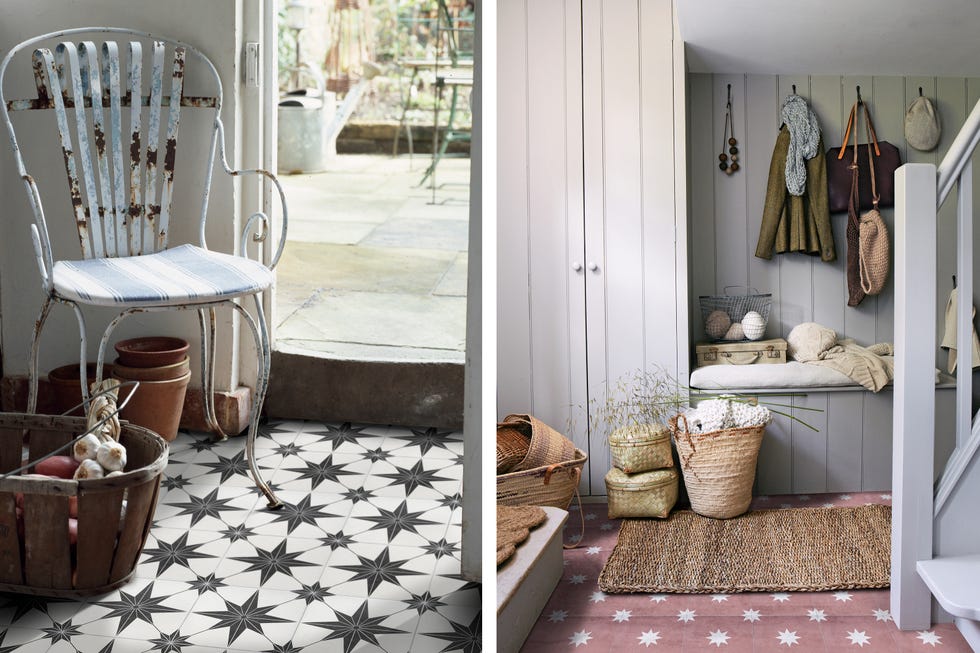
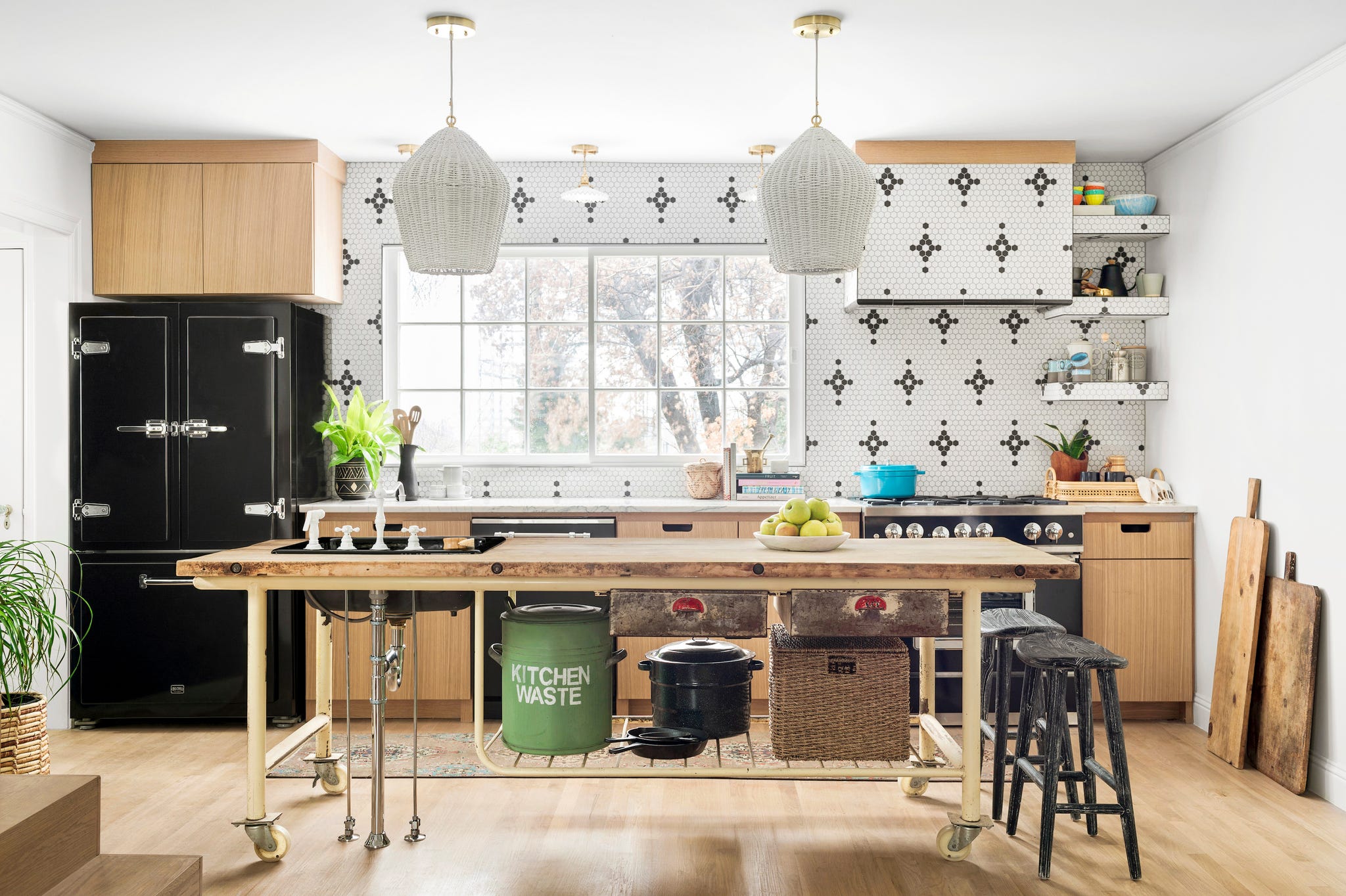
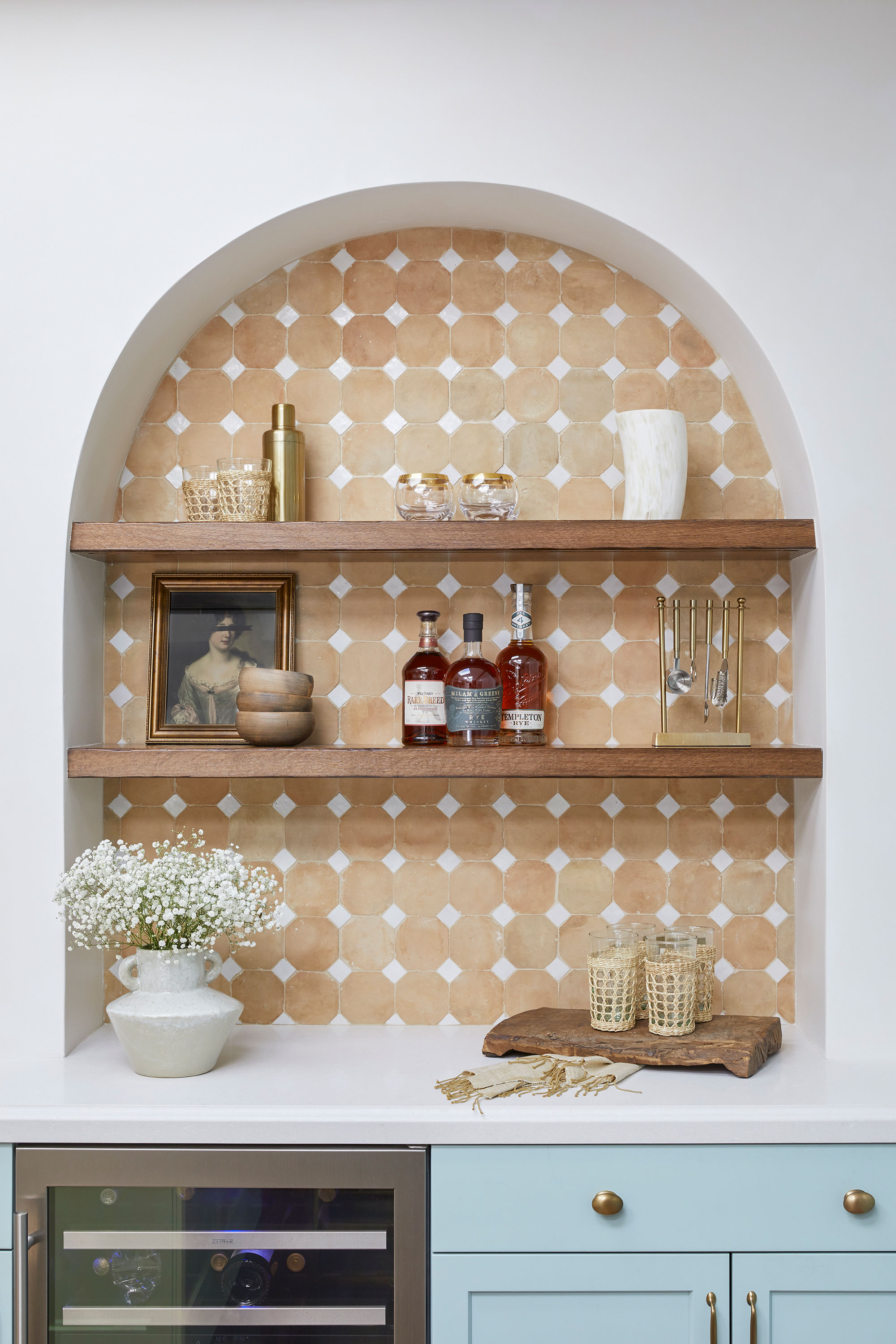
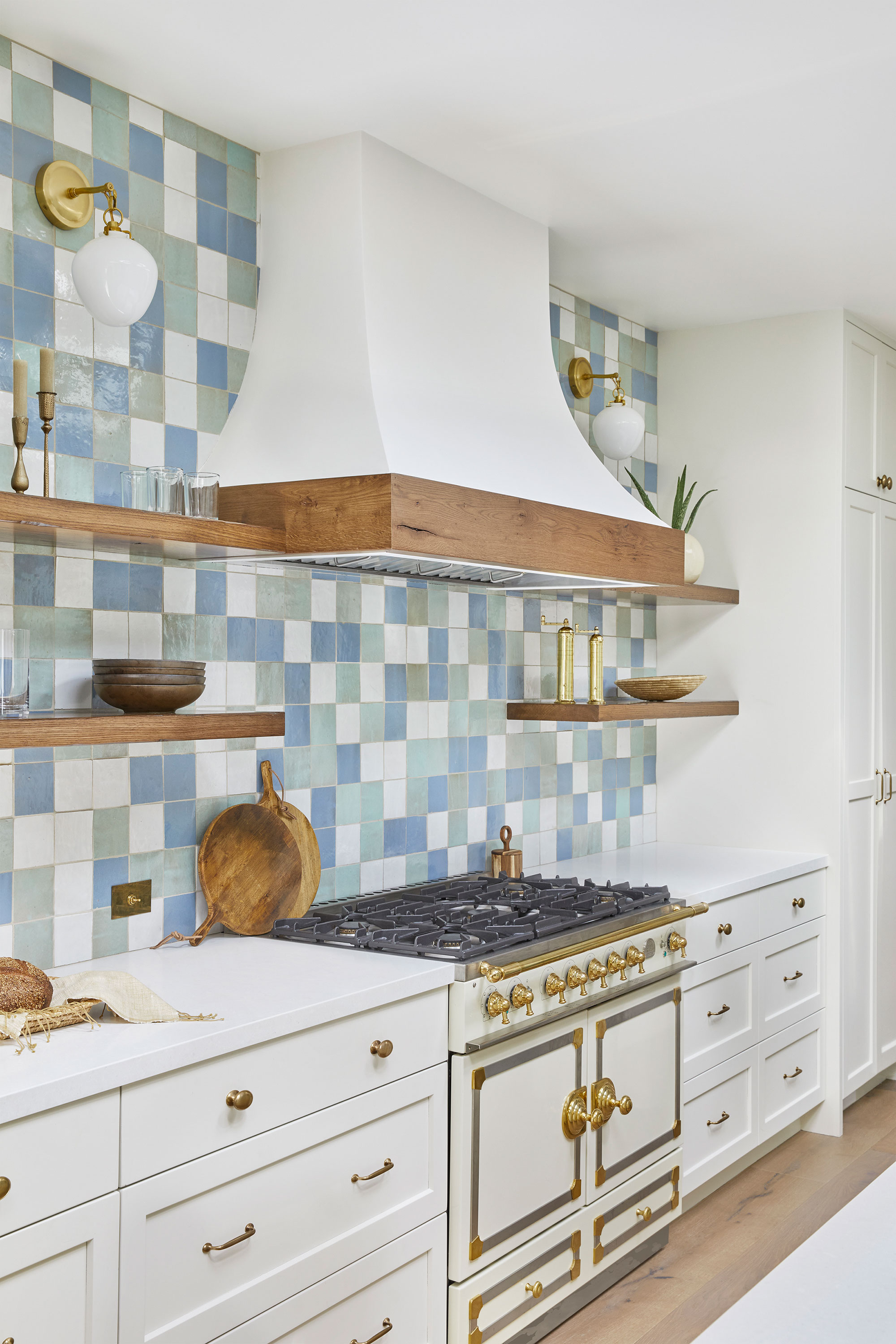
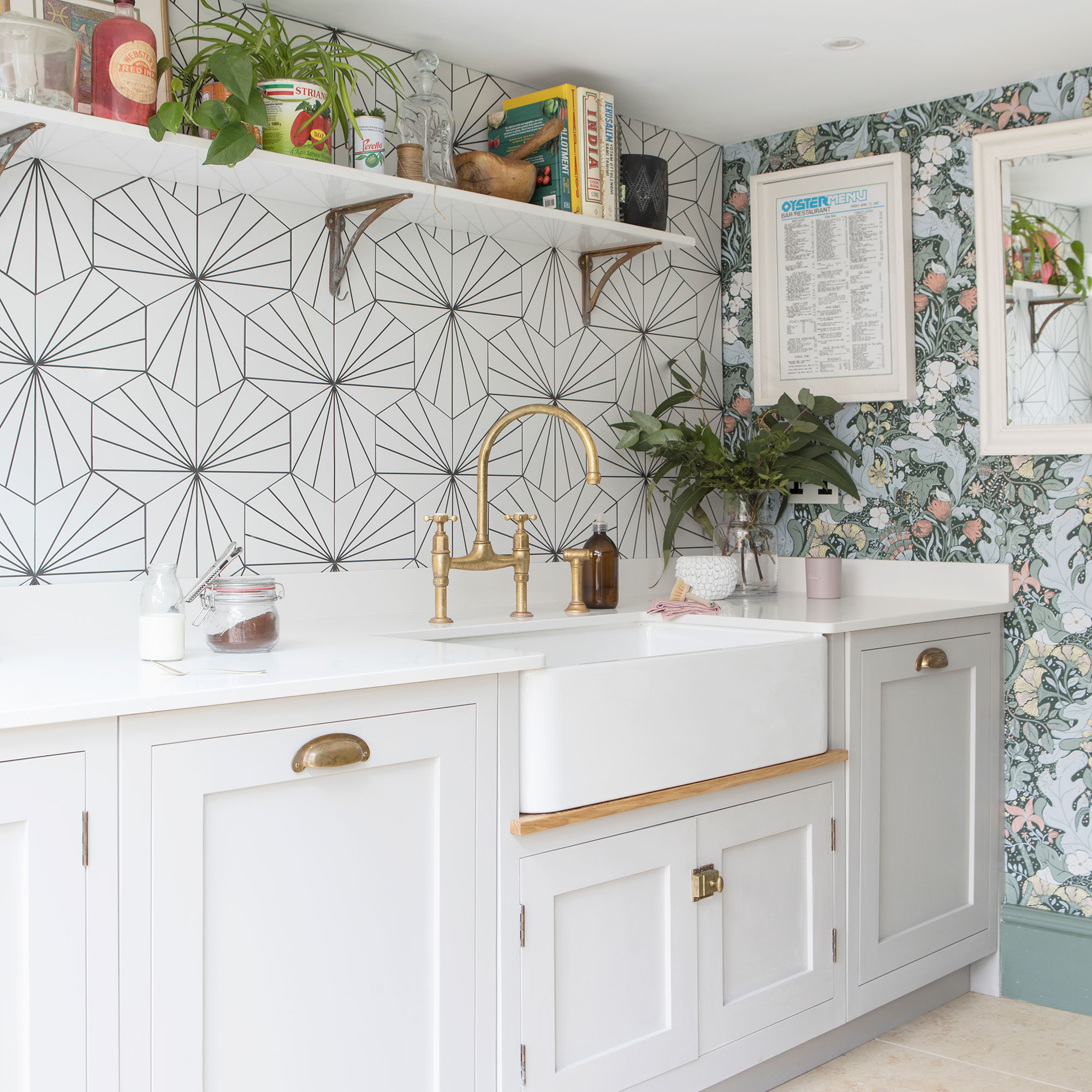
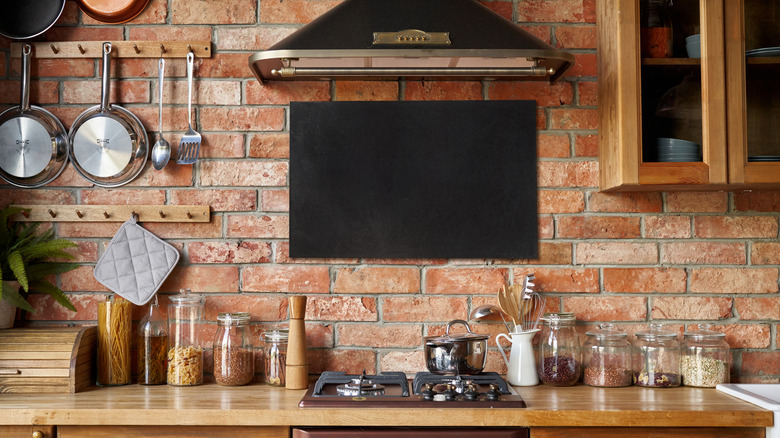
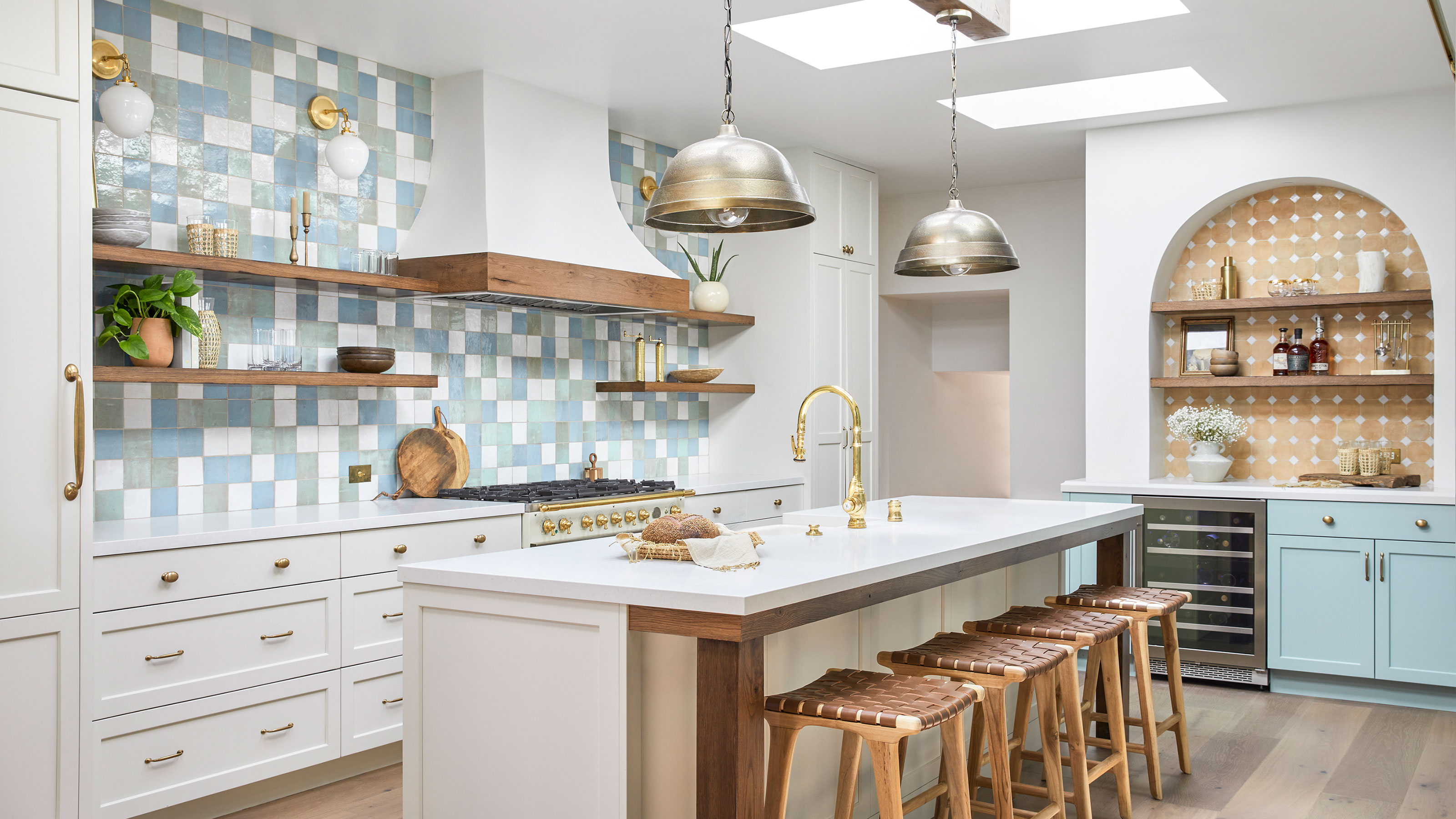
Textured tiled backsplashes are another excellent way to incorporate texture. Tiles with contrasting sheens or deliberately rough finishes like brushed, multifired, or tumbled options add dimension. Handmade and zellige tiles contribute through their slight irregularities. Penny tiles can create a pebbly appearance, and basket weave designs offer an illusion of texture. Brick tiles and rustic stone backsplashes provide a rugged contrast to sleek finishes. Peel-and-stick tiles offer a budget-friendly DIY option, though irregular or rough tiles may be harder to clean, suggesting their use away from primary cooking areas.
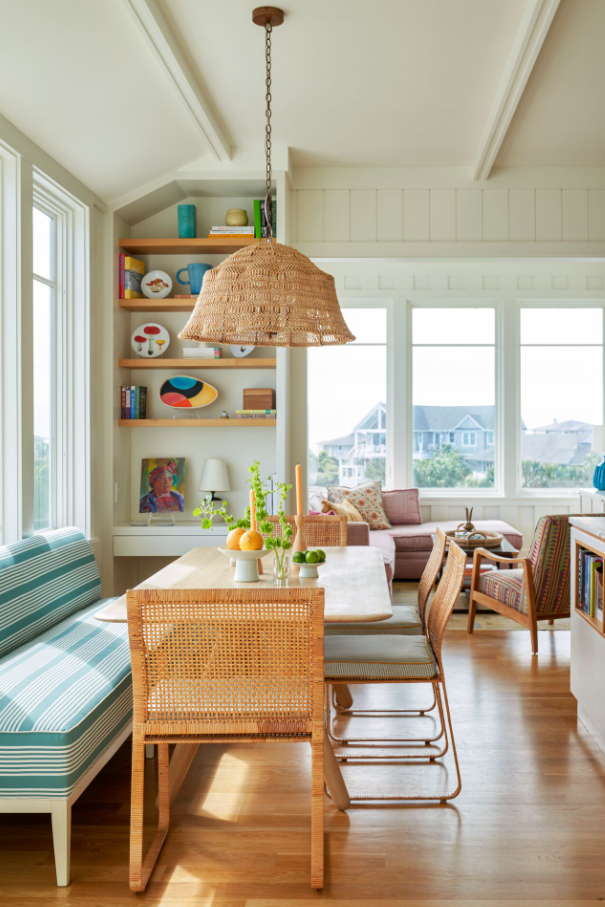
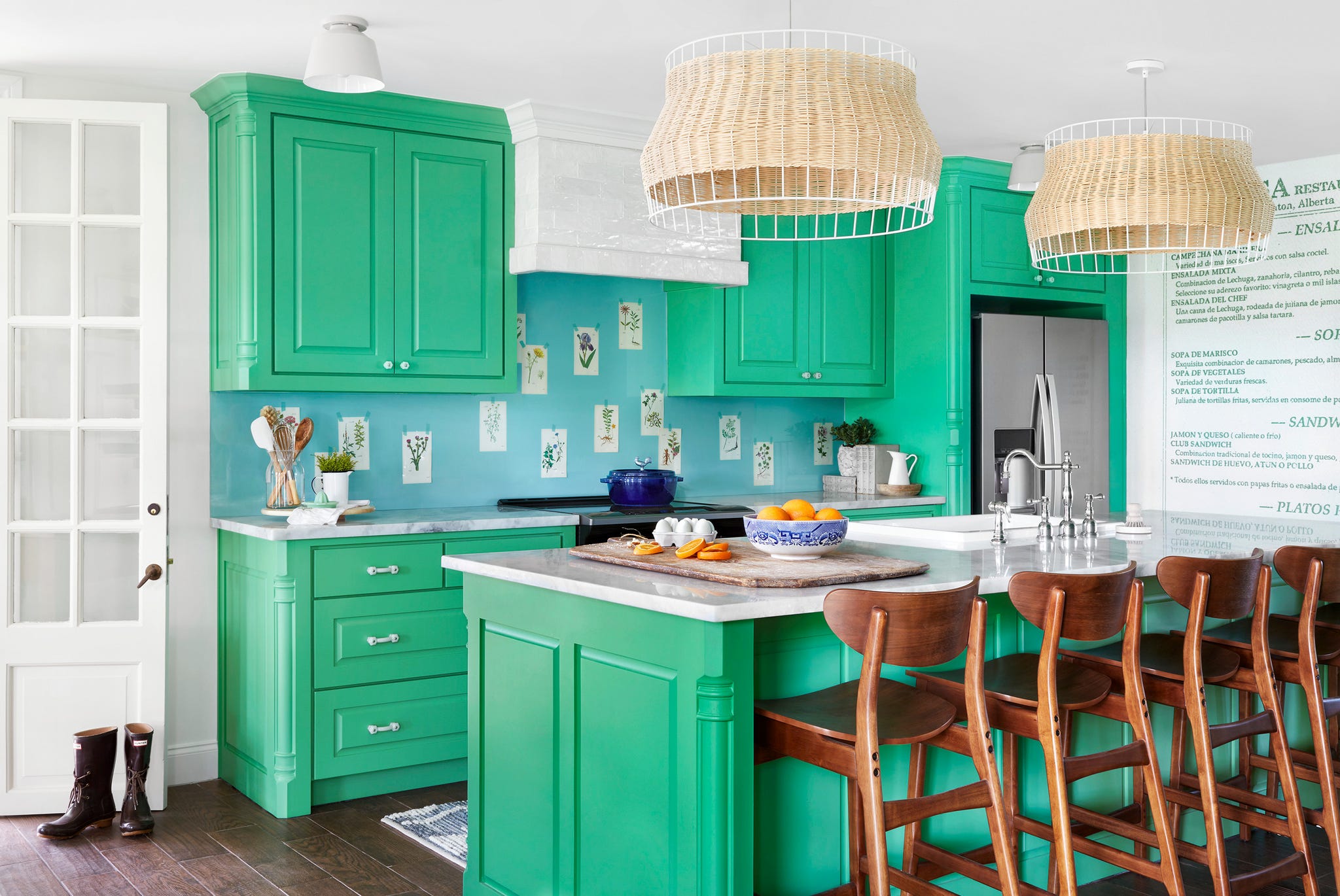
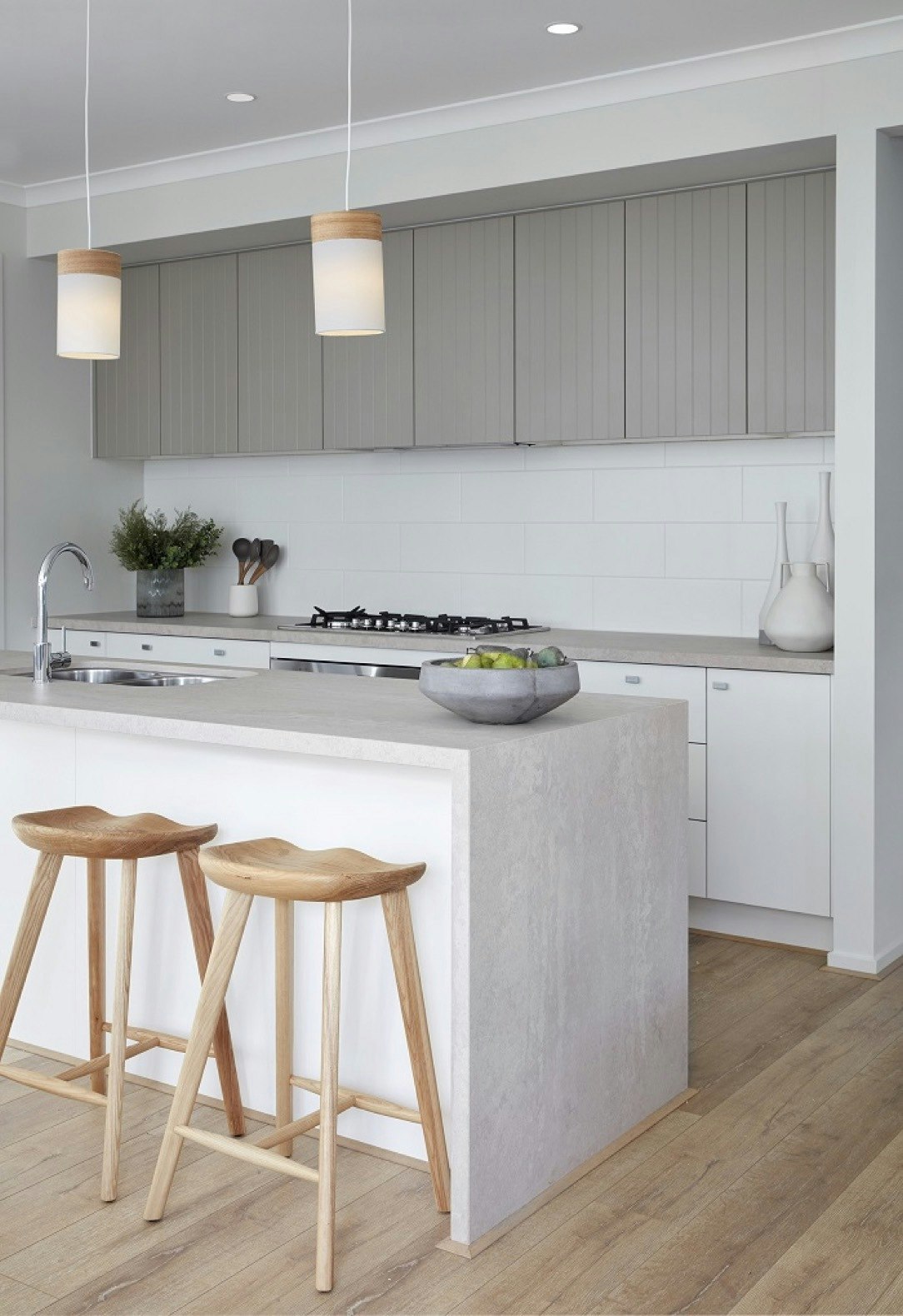
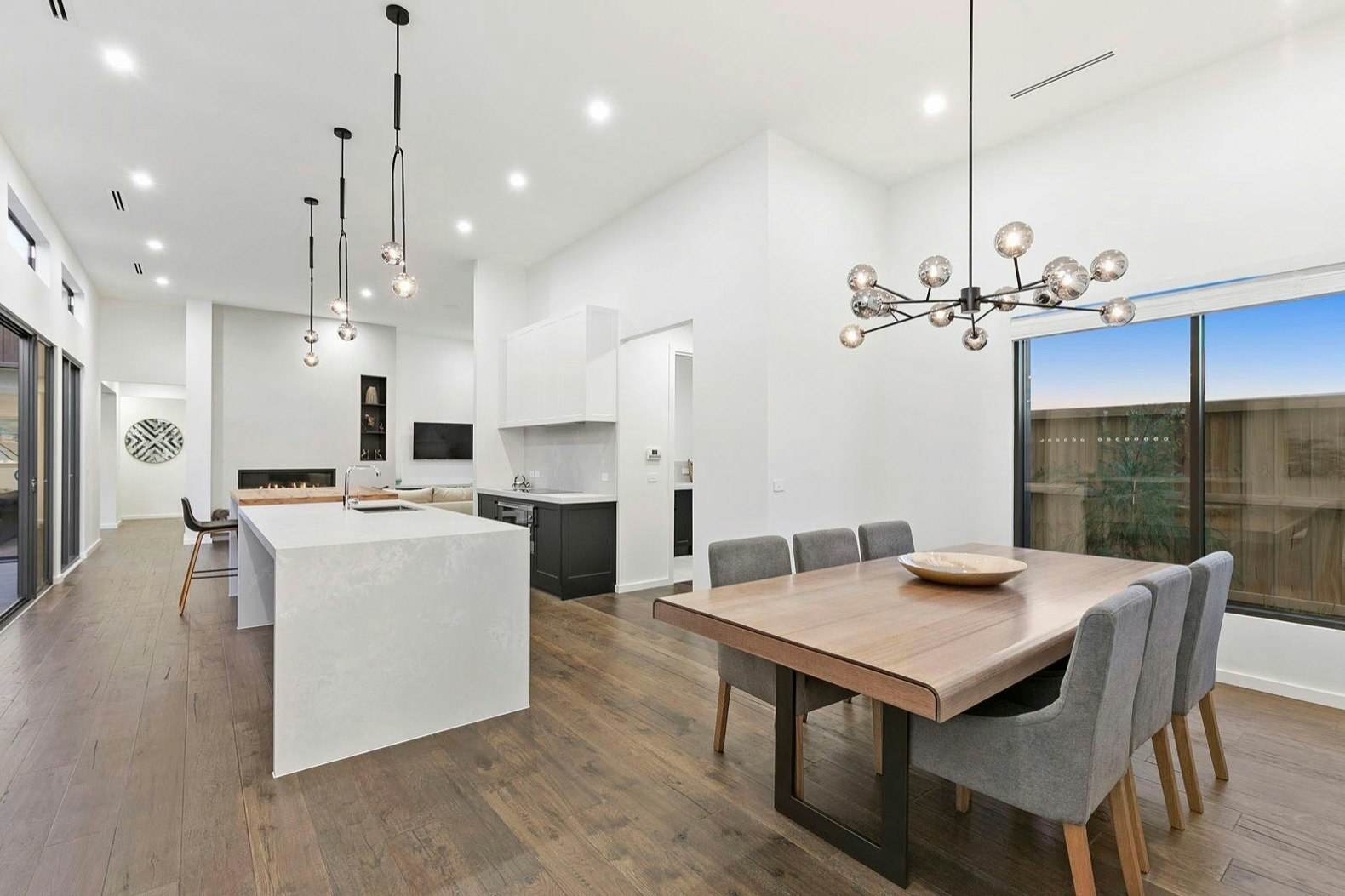
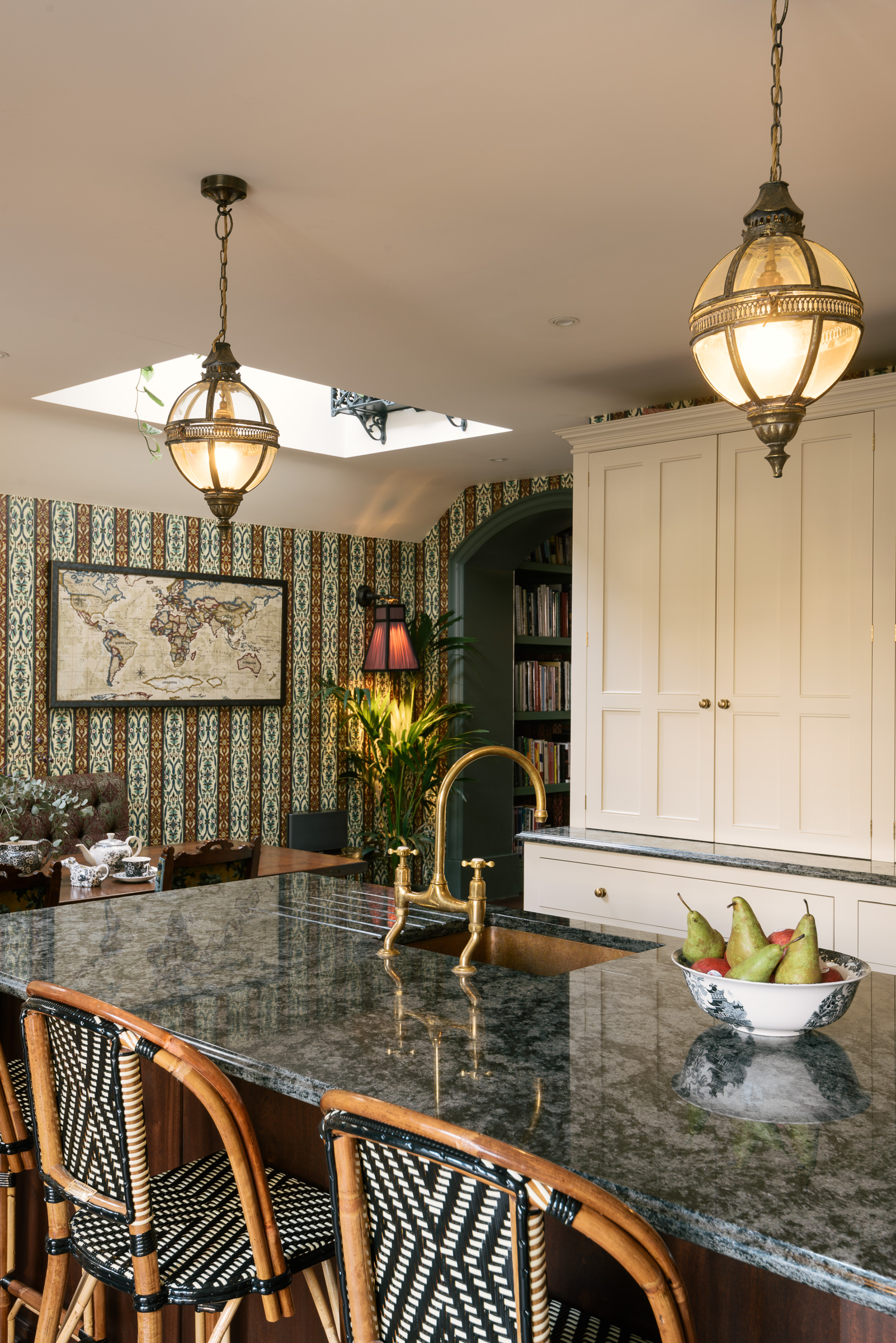
Woven lampshades for pendant lights, made from materials like bamboo, jute, rattan, reed, and willow, introduce textural variation. These elements, often associated with coastal and boho styles, are versatile due to their neutral colors and various shapes, making them suitable for modern, wabi-sabi, or transitional spaces. Wicker blends well with stone and wood, being natural materials. The size, design, and placement of woven pendants are crucial for aesthetic impact, with larger fixtures suiting high ceilings and spacing recommendations for islands. Dome, round, and cone shapes cater to different design aesthetics, and additional details like metal embellishments can further enhance dimension.
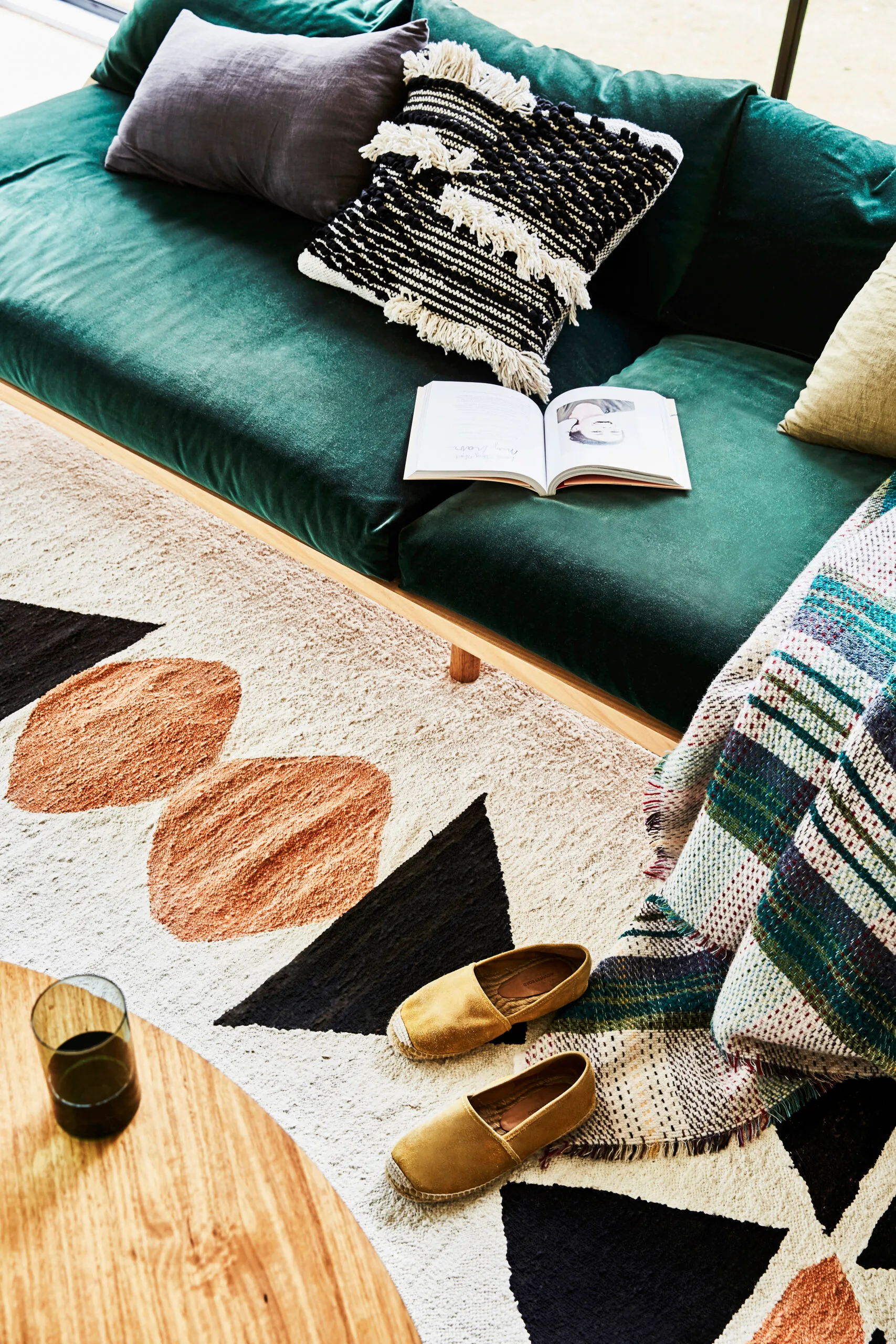
Finally, textured kitchen rugs alleviate cold, hard floors and add appeal. Woven rugs from bamboo, jute, sisal, wool, vinyl, and polyester blends offer a wide range of designs for any interior style. Jute rugs suit organic modern or modern farmhouse themes, while Persian-style rugs add softness to transitional kitchens. Cotton rugs provide subtle softness in tightly woven designs. For comfort, rubber or vinyl anti-fatigue mats with etched patterns and beveled edges offer plush support. For kitchen use, sturdy, tightly woven materials with easy wash instructions are recommended, avoiding tassels or fringes. Rug pads enhance safety, and 3D patterned anti-fatigue mats are easy to clean.
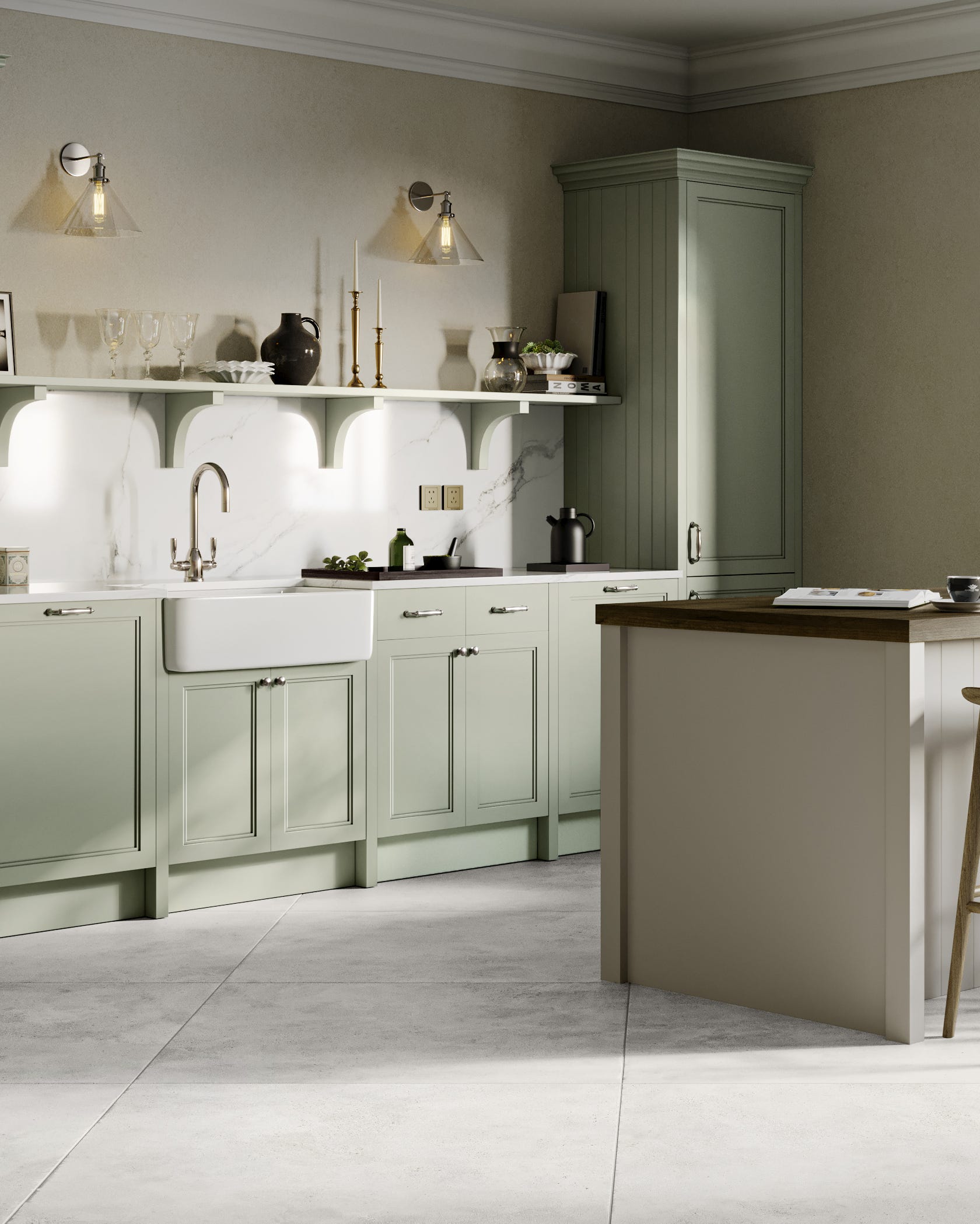
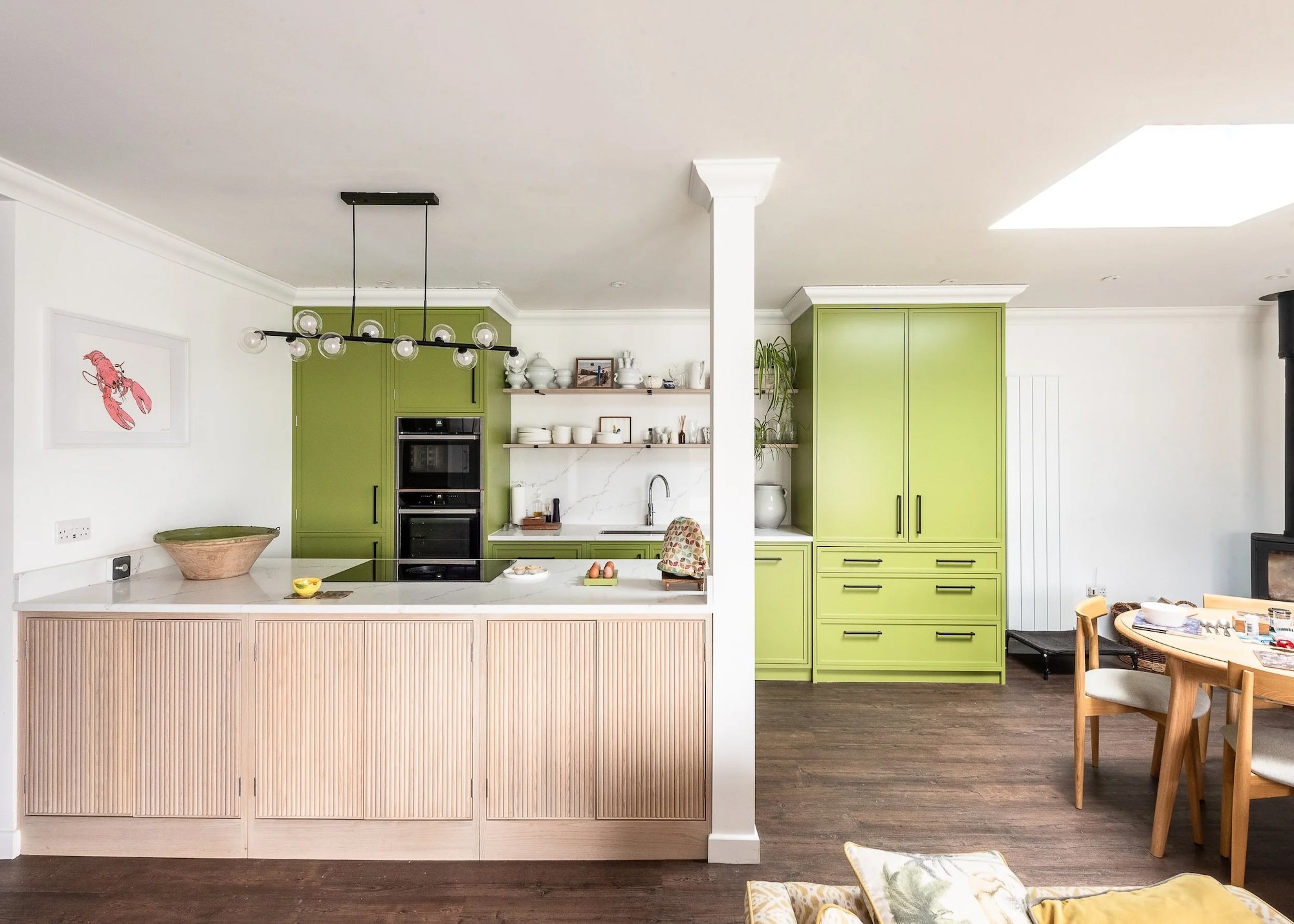
Cabinetry can be updated without full replacement by adding decorative doors or textured hardware. Swapping out simple knobs and handles for distressed, etched, hammered, or ribbed designs with antiqued or brushed finishes instantly adds tactile interest. New door styles with beadboard, glass, louvers, or raised panels can be purchased, or ornate trim can be installed. For a fluted look, half-round trim or pole wrap can be applied to cabinet surfaces or island backs. These changes offer a cost-effective way to introduce significant texture and visual interest to kitchen cabinetry. The focus on tactile experiences and natural elements aligns with a broader trend towards more inviting and lived-in home environments, moving away from sterile, uniform aesthetics. These methods provide diverse options for homeowners to personalize their kitchens, creating spaces that are both visually rich and comfortable. From subtle accents to major overhauls, these textural additions contribute to a more layered and appealing kitchen design. Ultimately, the goal is to create a kitchen that feels warm, inviting, and uniquely curated, reflecting a departure from overly polished, mass-produced looks. By considering various materials, finishes, and design elements, kitchens can be transformed into spaces that exude character and depth. This comprehensive approach to texture ensures that every aspect of the kitchen, from surfaces to accessories, contributes to a cohesive and inviting atmosphere. The emphasis is on thoughtful selection and strategic placement to achieve a balanced and aesthetically pleasing outcome. All these elements collectively contribute to a kitchen that is not only functional but also a true reflection of personal style and comfort. These design choices also align with a growing appreciation for craftsmanship and natural beauty, ensuring that the kitchen becomes a focal point of warmth and style in any home.
#KitchenDesign #HomeImprovement #InteriorDesign #TexturalDecor #WoodAccents #Houseplants #KitchenCountertops #WallTreatments #BacksplashTiles #WovenLighting #KitchenRugs #CabinetryRefresh #KitchenDesign #HomeImprovement #InteriorDesign #TexturalDecor #WoodAccents #Houseplants #KitchenCountertops #WallTreatments #BacksplashTiles #WovenLighting #KitchenRugs #CabinetryRefresh
0 comment in total
 No comments yet
You may also like
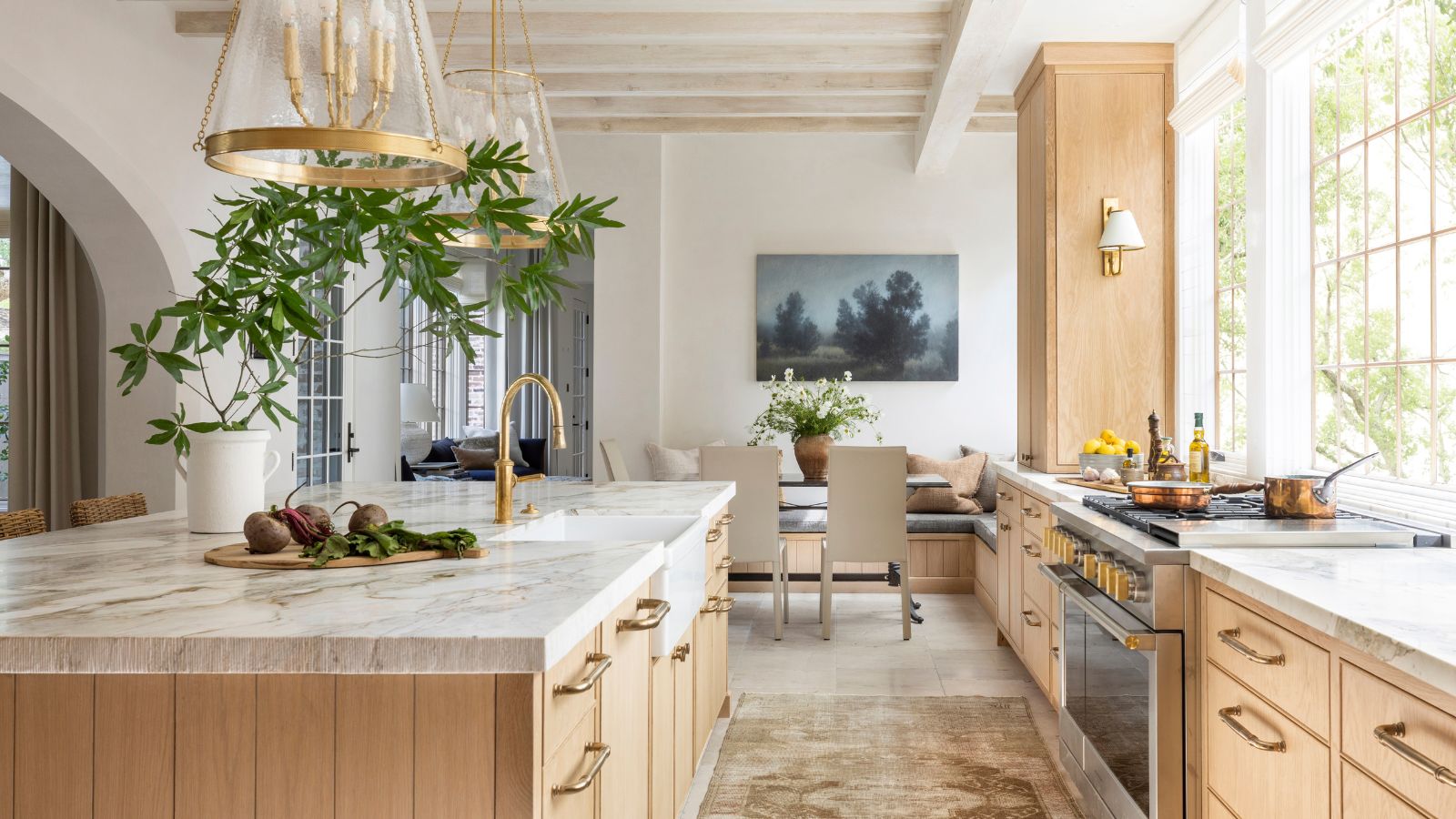
How can you add texture to a kitchen? This designer's kitchen is a lesson in adding tactile touches

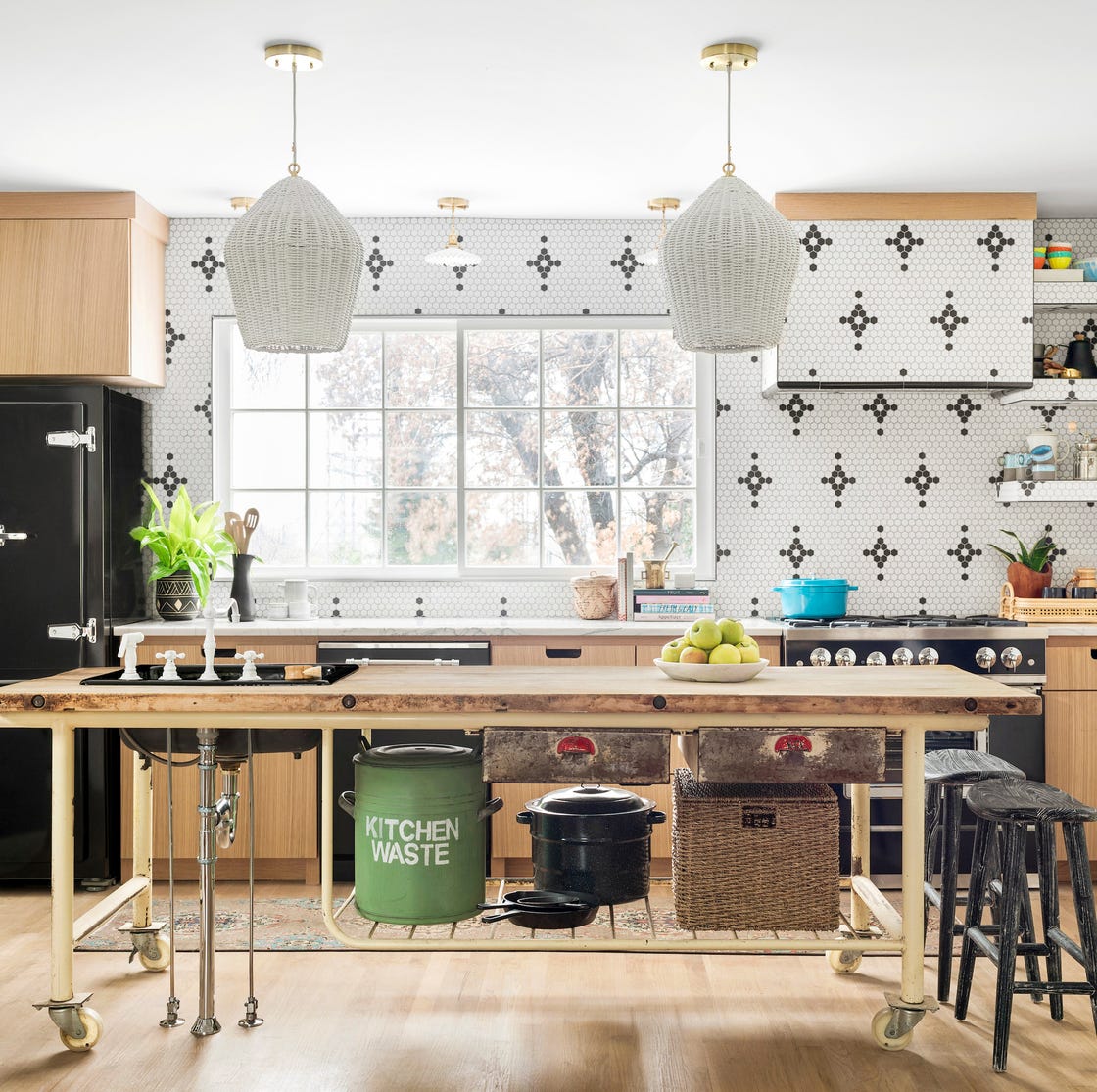
11 Fool-Proof Ways to Add Character to Your Kitchen
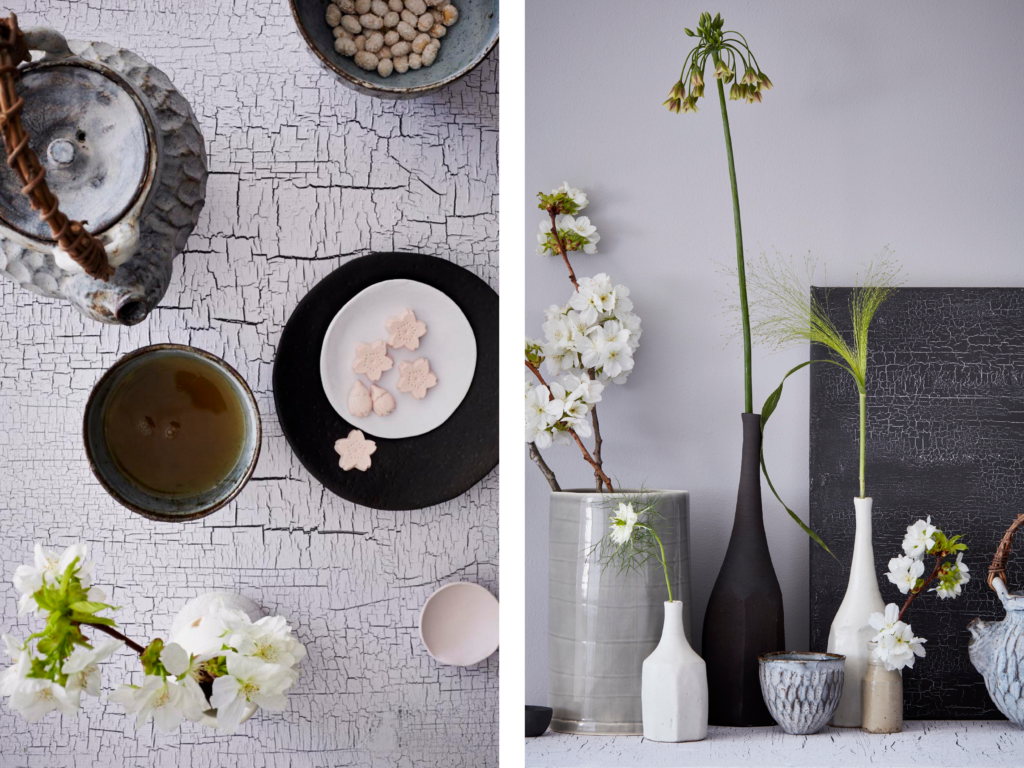
10 ways to use textured paint in your home
Commonly-Stained Kitchen Surfaces—And How to Make Them Look Brand New Again

9 ways to add texture to your home

9 ways this bright kitchen remodel gives original features a new chance to shine
10 Genius Tips Designers Always Use to Add Pops of Color to a Dull Kitchen

11 kitchen wallpaper ideas to add character to your scheme
10 kitchen flooring ideas for a refreshed look
16 Kitchen Curtain Ideas To Add Texture And Style To Your Space
The Best Wall Texture Ideas for Adding Depth to Any Room
8 Types of Textured Kitchen Doors That Are on Trend

The Easiest Way To Make Your Kitchen Look RICH

How an Instagram-Worthy Kitchen Renovation Comes Alive With the Right Surfaces

How to layer materials and add texture to your home decor
5 Great Kitchen-Design Ideas That Will Transform Your Home
20 Kitchen Decorating Ideas for an Easy Refresh
Kitchen wallpaper ideas – how to add instant color and pattern to your kitchen |
10 kitchen wallpaper decor ideas to add character to a cooking space
30 Gorgeous Décor Ideas to Make Your Kitchen More Inviting