Commonly-Stained Kitchen Surfaces—And How to Make Them Look Brand New Again
Kitchens are areas in a home prone to becoming dirty due to constant exposure to food debris and moisture, making regular and thorough cleaning essential to prevent potential health hazards. Beyond sanitation, addressing spills and splatters promptly helps prevent permanent discoloration and damage to various surfaces, ensuring the kitchen maintains a sparkling appearance even during busy cooking days. Certain kitchen surfaces are particularly susceptible to staining due to their proximity to food preparation activities or their material properties. This guide outlines common stained kitchen surfaces and effective cleaning methods to restore them.
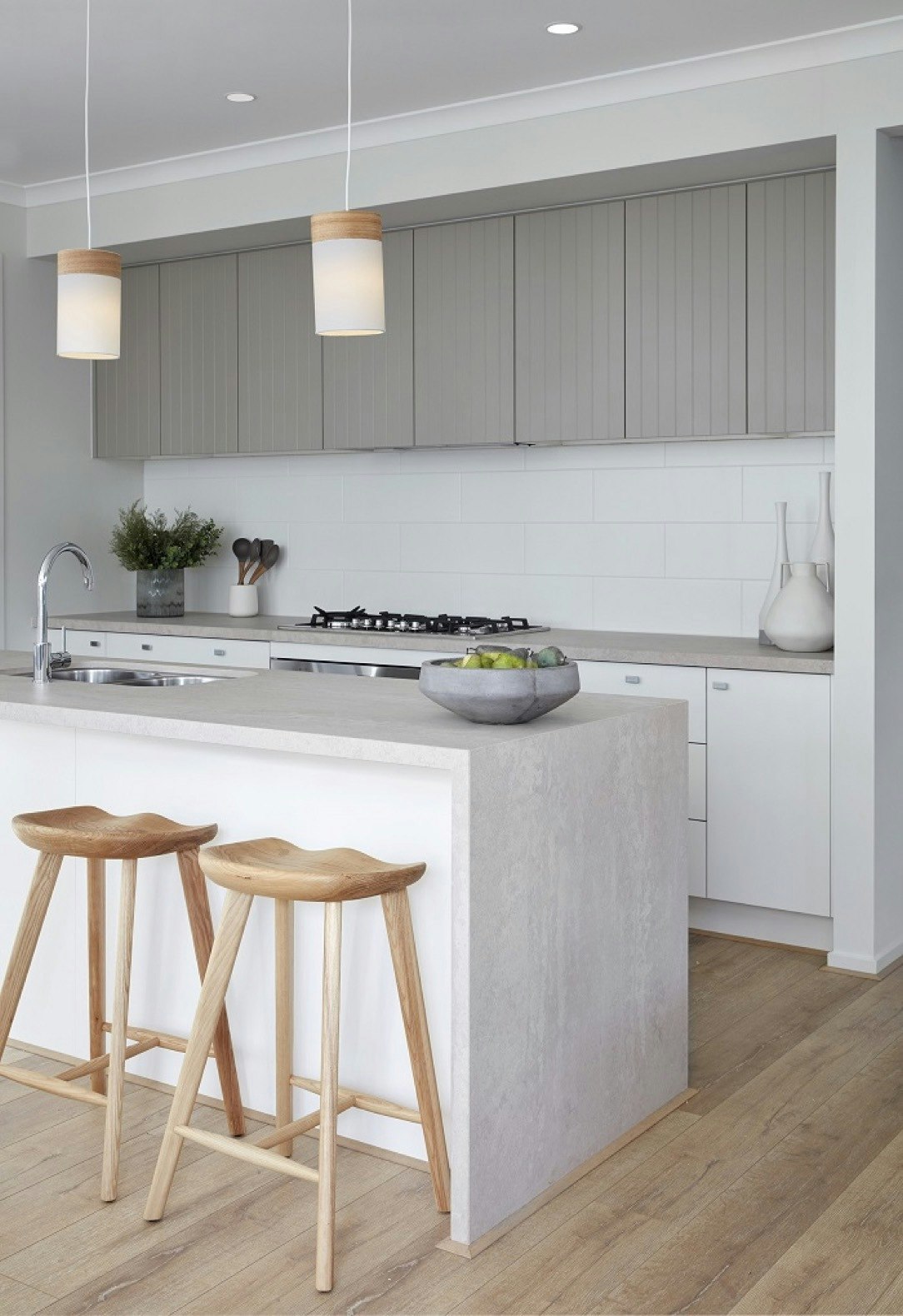
Countertops, being central to meal preparation, are highly prone to stains. The type of cleaning approach depends on the material. For granite, marble, quartz, stone, or concrete, mild, pH-neutral dish soap works for light stains. Tougher stains, especially grease or oil, can be treated with a baking soda and water paste, scrubbed lightly, and repeated until clear. Porous materials like granite and marble benefit from frequent resealing and can use a baking soda and hydrogen peroxide paste for water-based stains. Stainless steel countertops, known for stain resistance, primarily face water spots, which can be removed with a distilled white vinegar and water spray. Food or drink stains on stainless steel can be tackled with baking soda solution or commercial cleaners. Laminate or ceramic tile countertops respond well to dish soap for most stains, diluted vinegar for dark water-based stains, and baking soda paste for sticky spots. Solid-surface countertops like Corian tolerate soapy solutions, and set-in stains might require sanding, though manufacturer consultation is recommended. Butcher block or wood countertops, being absorbent, require quick blotting of spills. Salt rubbed with half a lemon can help with stains, and hydrogen peroxide may lighten dark spots sparingly. Stubborn wood stains might necessitate sanding and restoration.
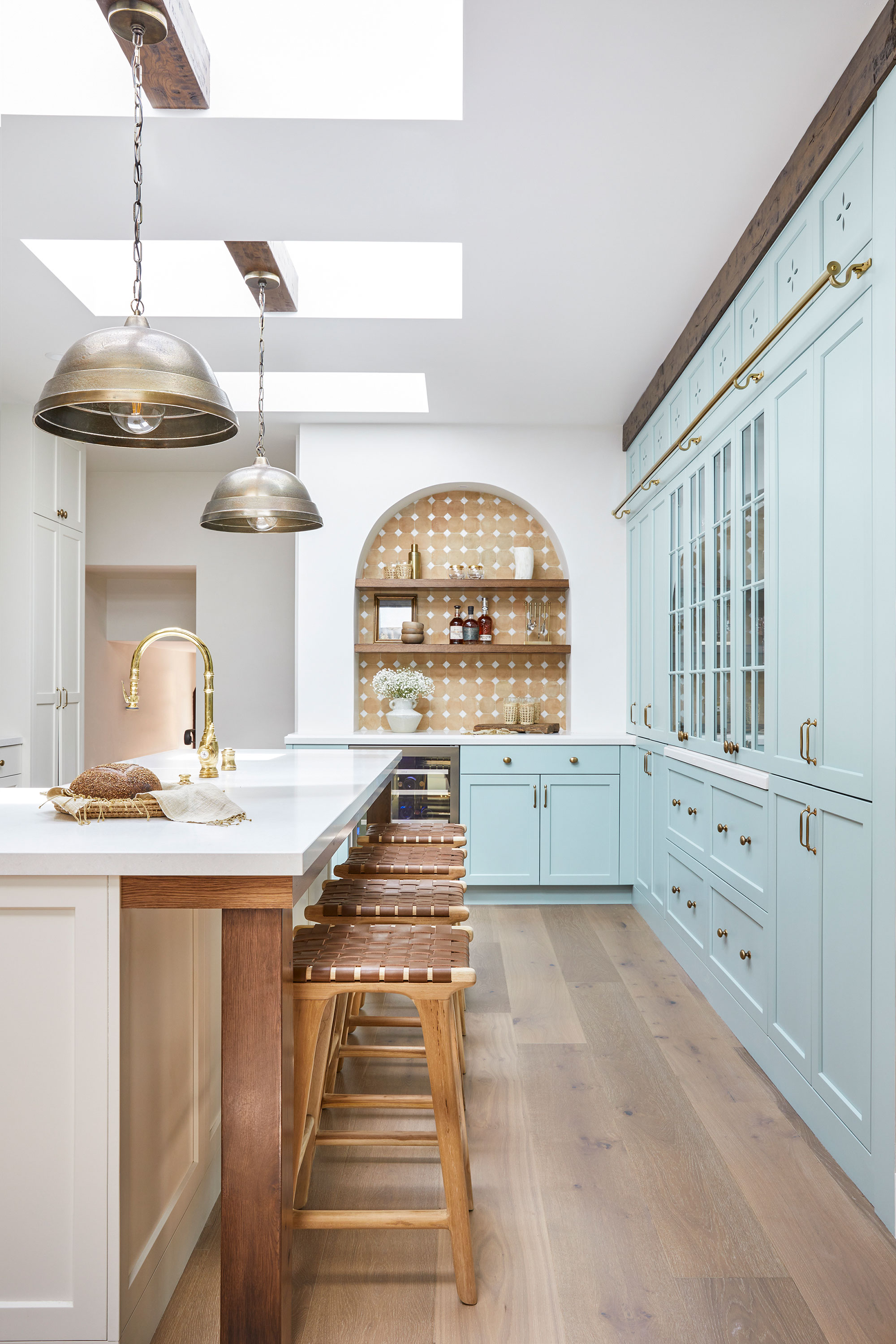
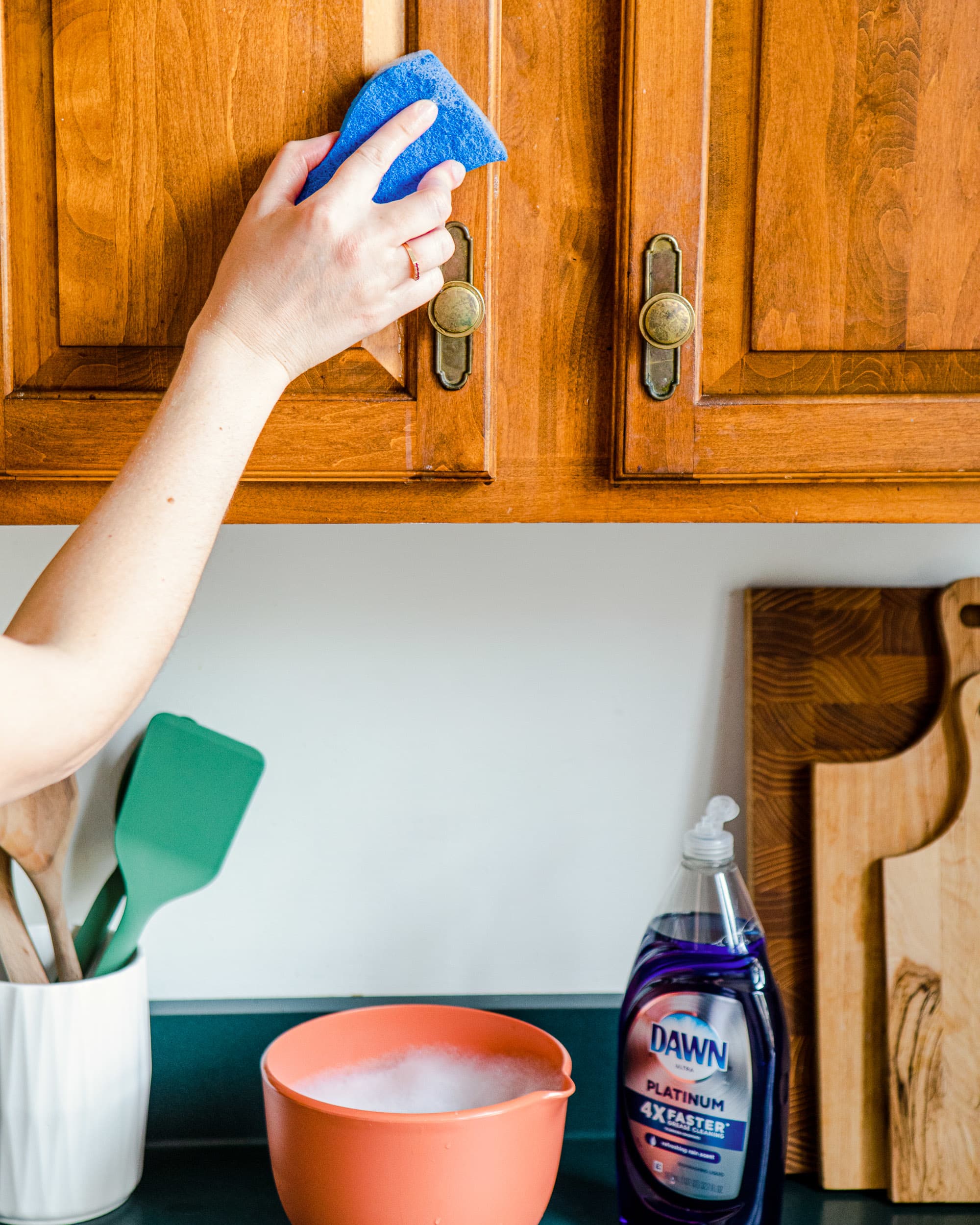
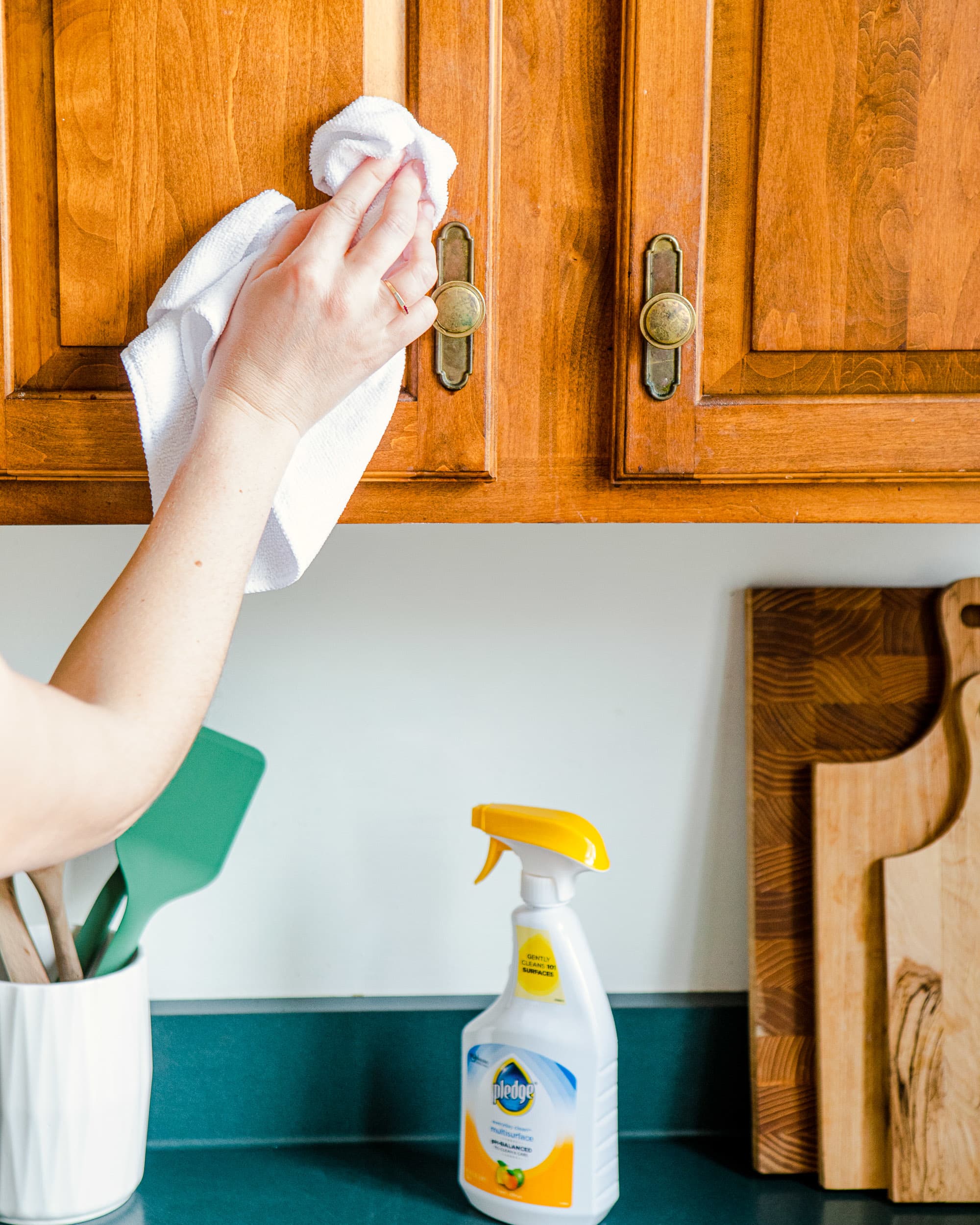
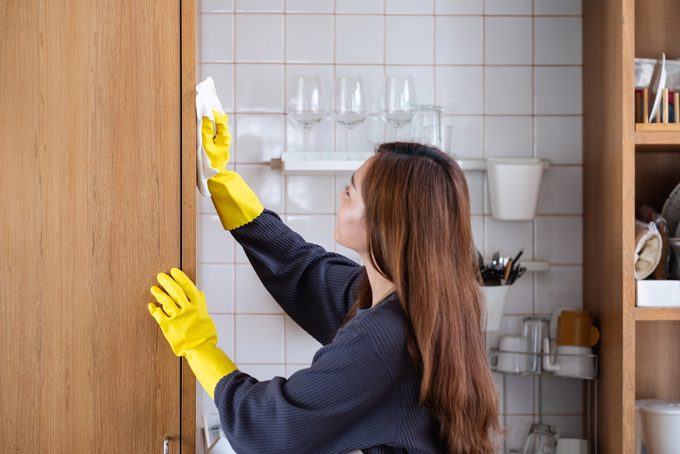
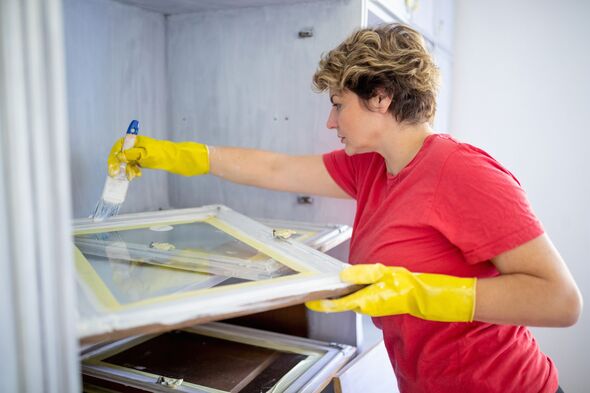
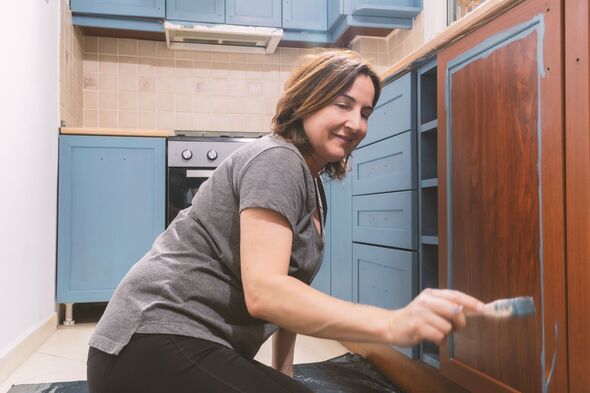
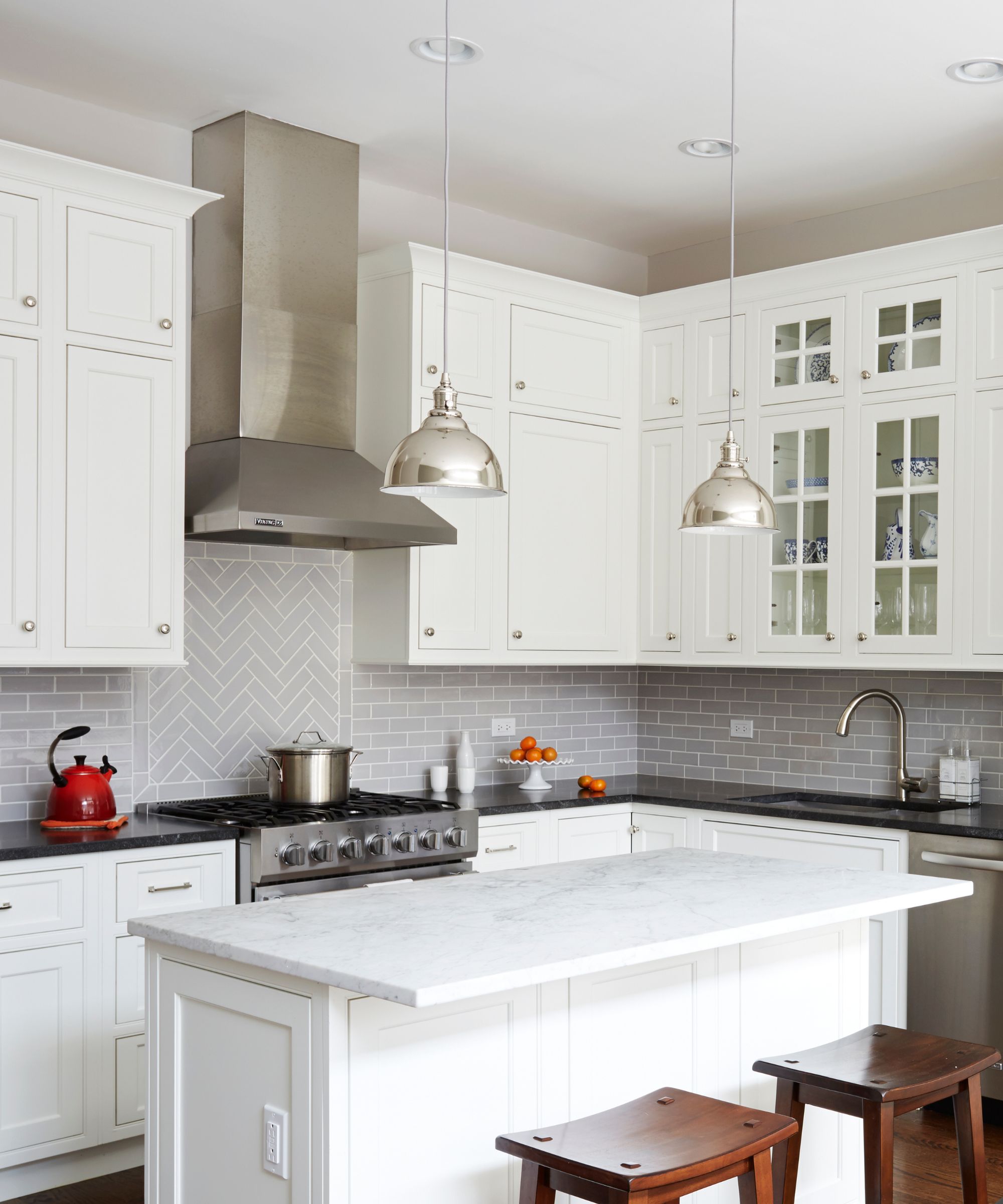
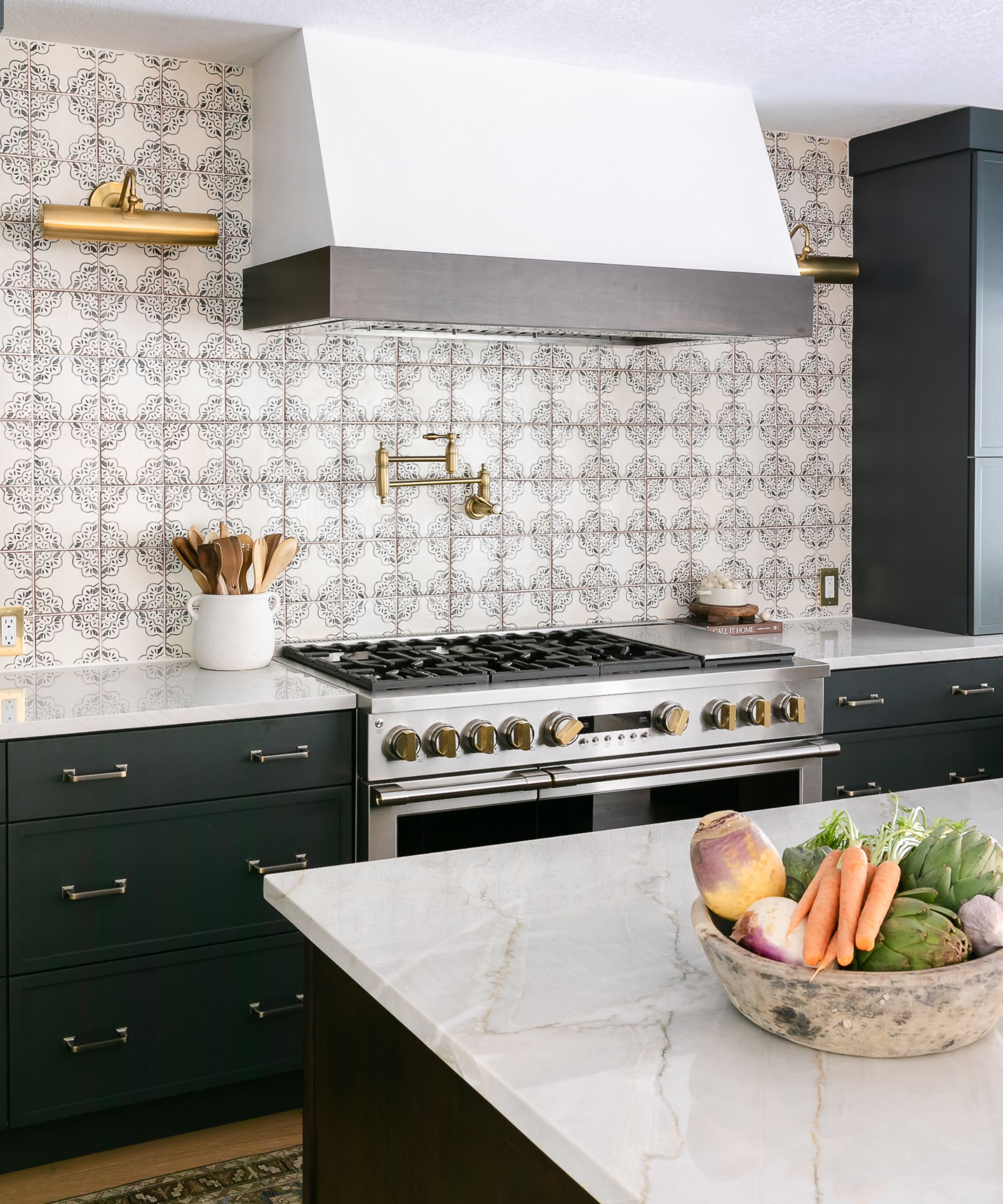
Cutting boards, crucial for food prep, demand immediate cleaning to prevent cross-contamination. Stains on bamboo, wood, and plastic cutting boards can be scrubbed with a baking soda paste. Wood or bamboo boards can also be wiped with diluted vinegar or fresh lemon. Persistent plastic board stains can be treated with diluted bleach before dishwashing. Oiling wood and bamboo boards helps prevent future stains. Kitchen cabinets, despite often being overlooked, accumulate fingerprints, food splatter, and grease. Most superficial stains on cabinets can be removed with a mild dish soap solution, while baking soda paste helps with stubborn ones. Diluted vinegar works on wood, glass, and painted cabinets, while rubbing alcohol can clean laminate cabinets. Scuff marks can be buffed out with a melamine sponge, and surfaces should be dried completely after cleaning. Backsplashes, designed to protect walls from splatters, frequently accumulate grease, oil, and food residue. Mild dish soap handles slight stains on ceramic, porcelain, natural stone, vinyl, and metal backsplashes. Baking soda paste is safe for tougher spots on these materials, including glass tiles. Grout stains require specific cleaning, or a grout-less peel-and-stick backsplash can minimize maintenance. Copper backsplashes require consideration regarding their natural patina.
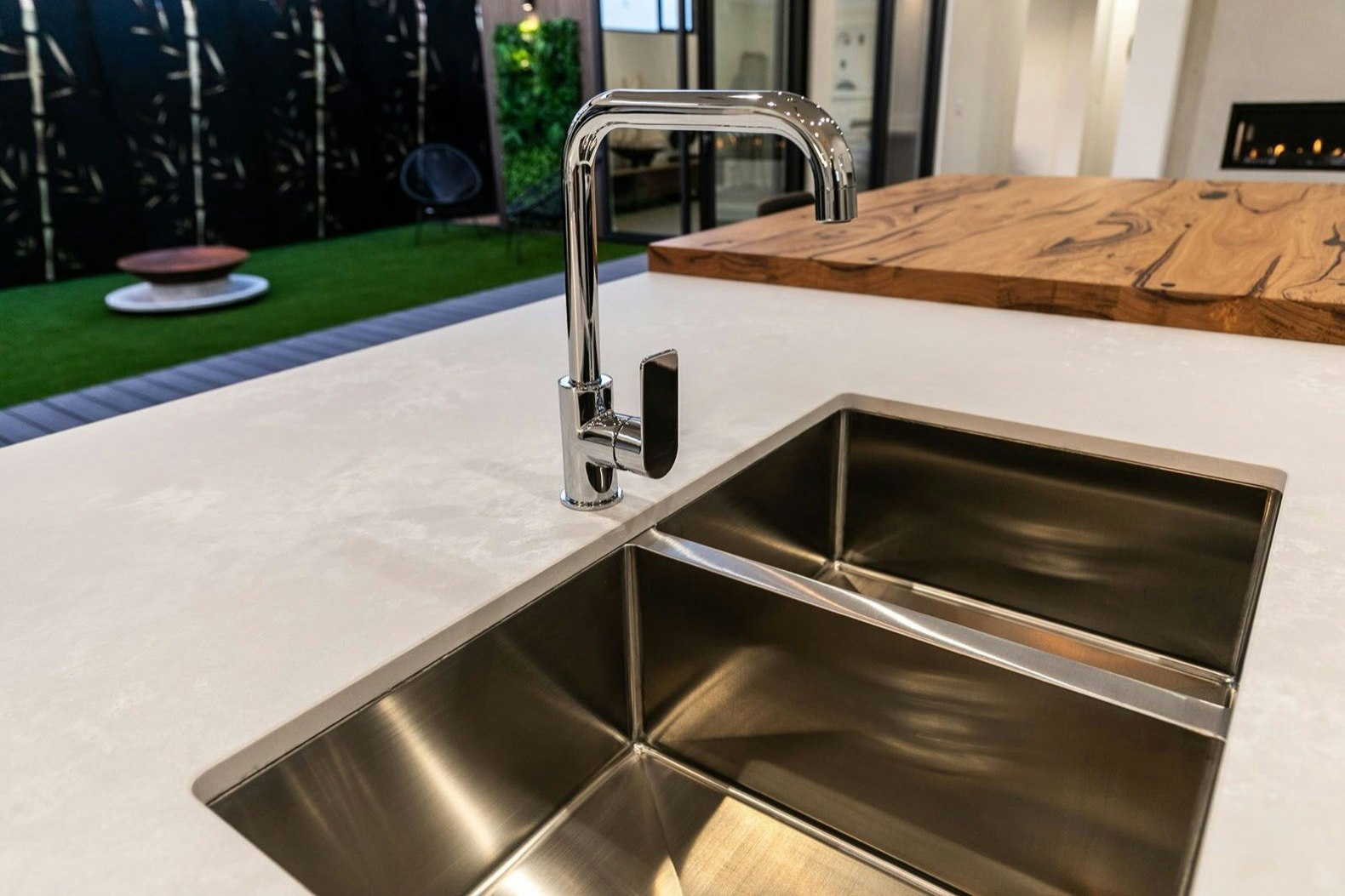
Kitchen appliances, from refrigerators to ovens, are common sites for spills and stains. Prompt cleaning is key to preventing set-in stains, and hot appliances must be cooled before cleaning. For external appliance stains, diluted vinegar works on stainless steel and black appliances, while a Magic Eraser is effective for white appliances. Internal appliance cleaning includes baking soda paste for refrigerator spills, a water and vinegar/lemon steam method for microwaves, and a vinegar or lemon juice cycle for dishwashers. Oven cleaning can involve self-cleaning functions, baking soda paste with aluminum foil, or baking lemons to loosen grime. Stovetop stains require cleaning after burners have cooled, with dish soap for light stains and baking soda paste for tougher ones, potentially with specialized cleaners or scrapers for severe cases. Lastly, kitchen sinks, regardless of material, are prone to stains from dumped liquids and food scraps. Diluted vinegar removes water spots, while baking soda paste or salt and lemon tackle stubborn stains on ceramic, porcelain, stainless steel, granite, cast iron, and copper sinks. A baking soda and hydrogen peroxide mix can be used for deep discoloration in cast iron, ceramic, or porcelain sinks, while baking soda and vinegar can clean granite composite sinks. Buffing stainless steel sinks with olive oil helps ward off future stains.
#KitchenCleaning #StainRemoval #HomeMaintenance #KitchenSurfaces #CleaningHacks #CountertopCare #ApplianceCleaning #CabinetCleaning #SinkCleaning #KitchenCleaning #StainRemoval #HomeMaintenance #KitchenSurfaces #CleaningHacks #CountertopCare #ApplianceCleaning #CabinetCleaning #SinkCleaning
0 comment in total
 No comments yet
You may also like
How an Instagram-Worthy Kitchen Renovation Comes Alive With the Right Surfaces

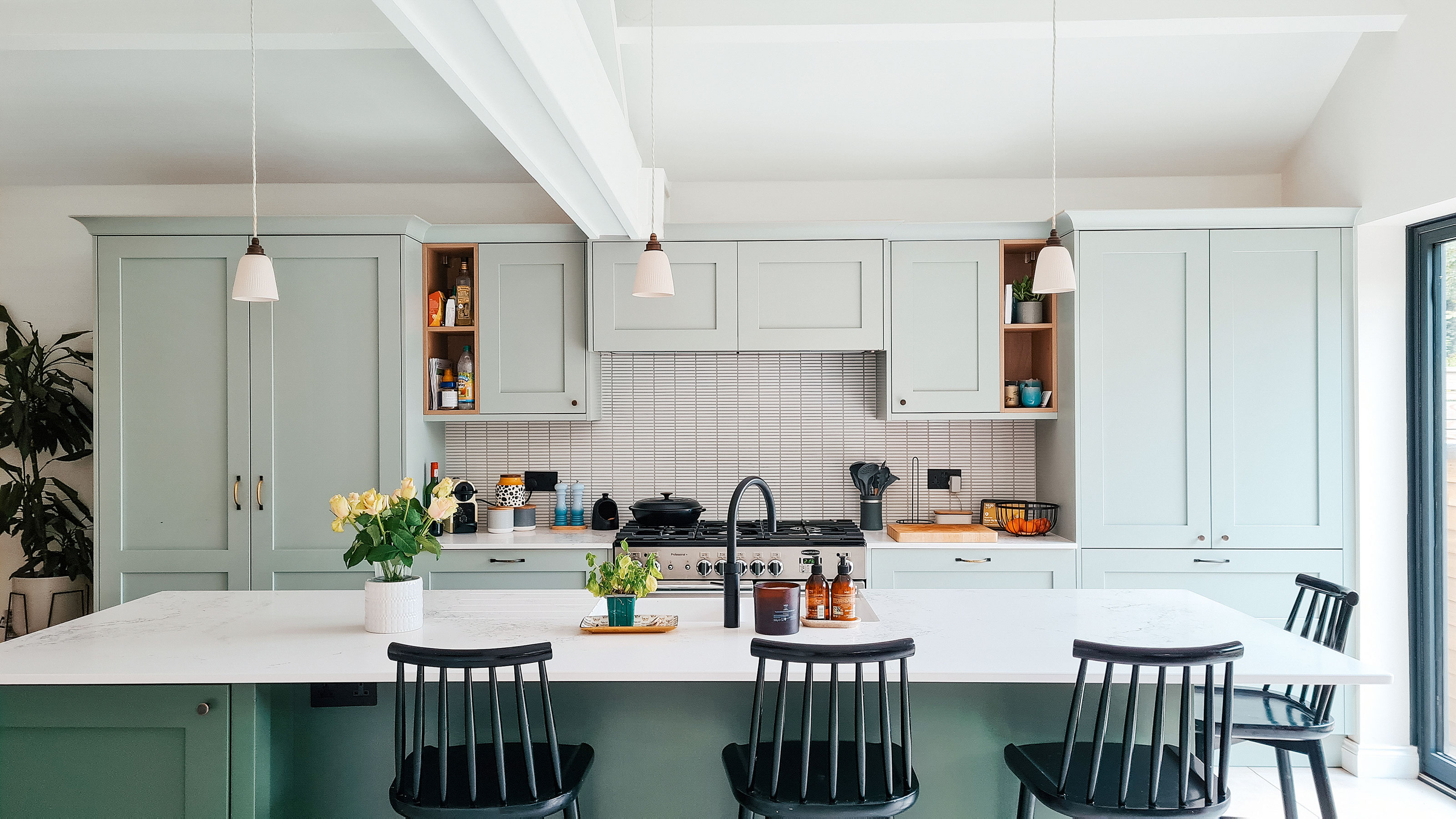
A reconfiguration and fresh colour scheme have brought new life to this once dark and dreary kitchen
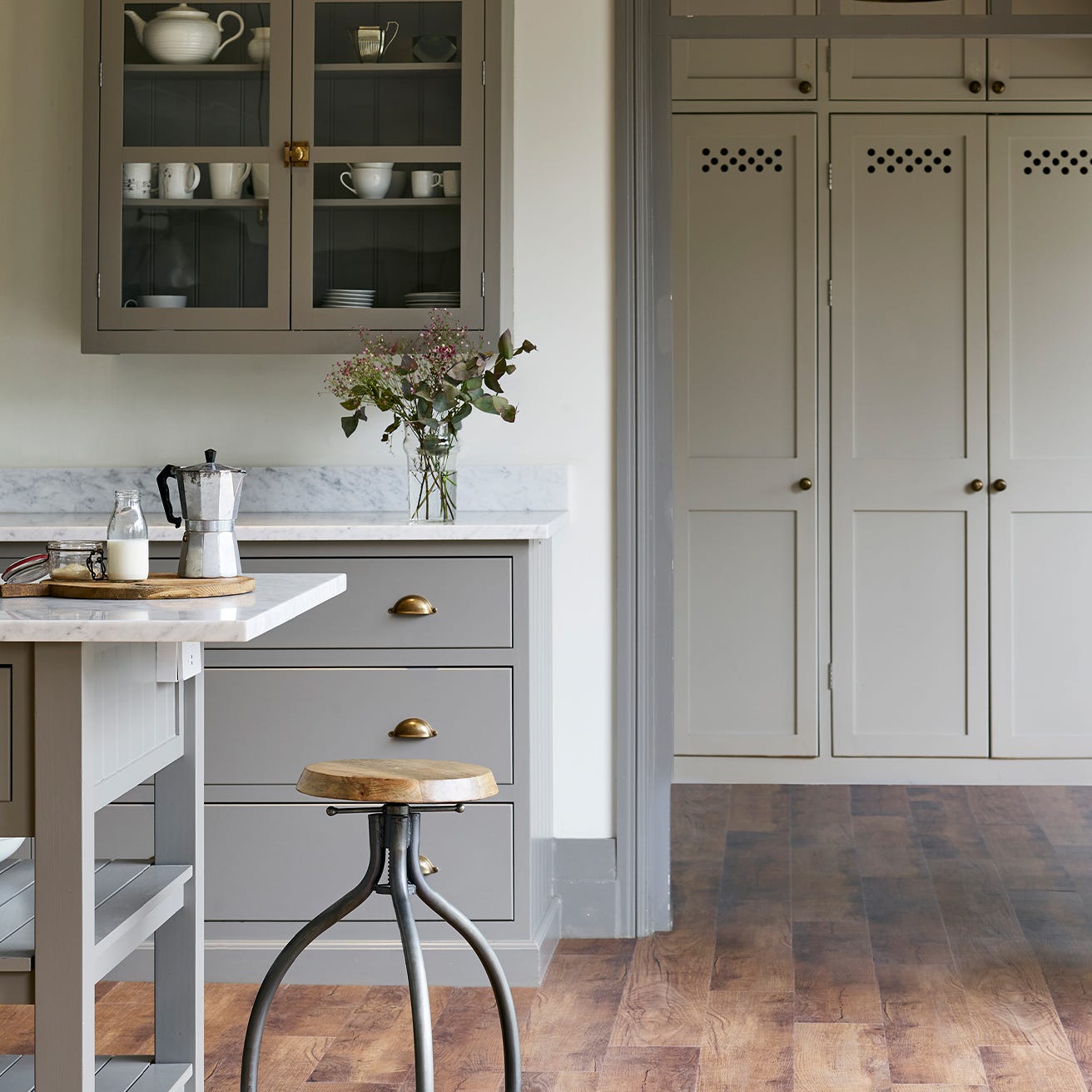
10 kitchen flooring ideas for a refreshed look
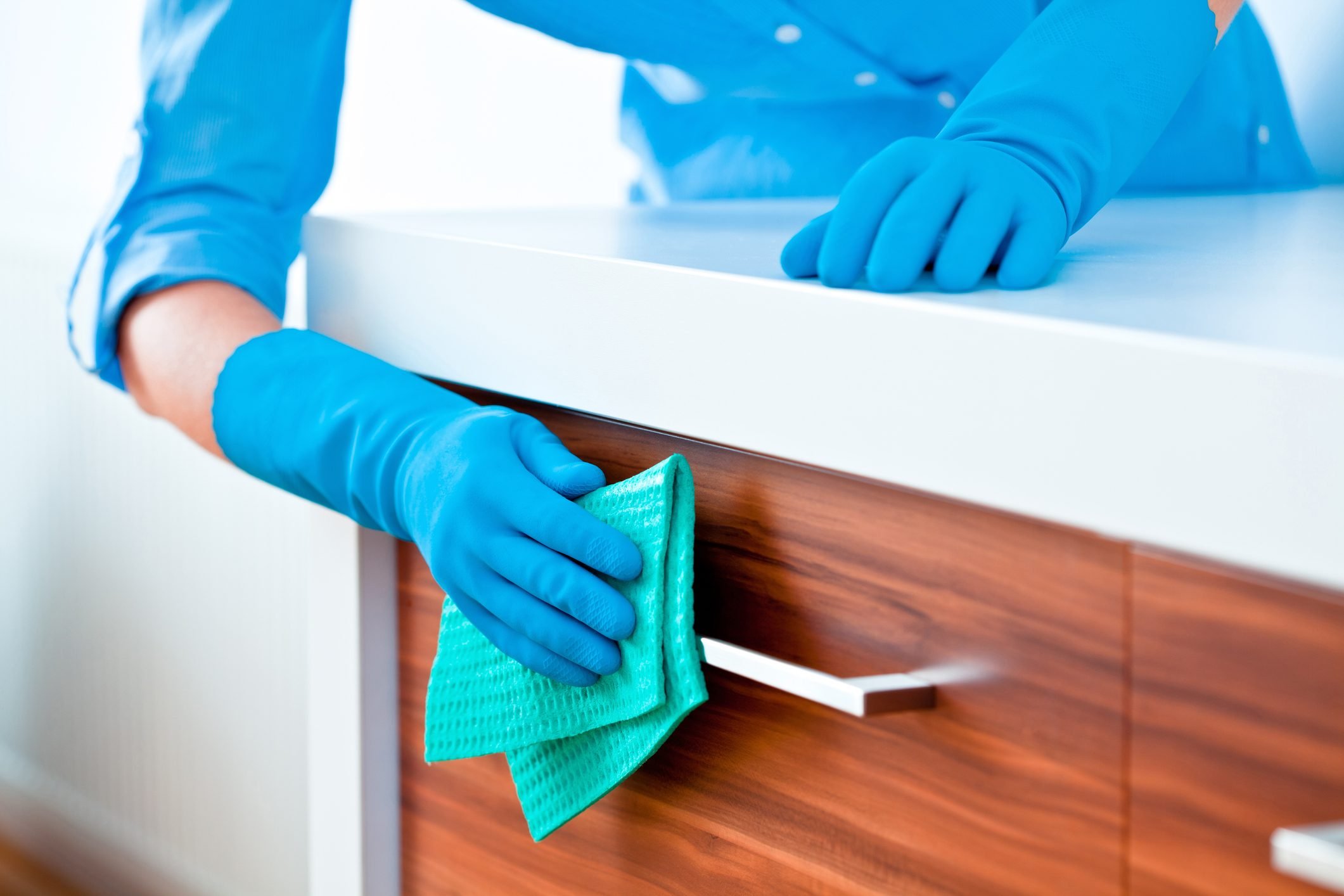
How to Clean Kitchen Cabinets Inside and Out

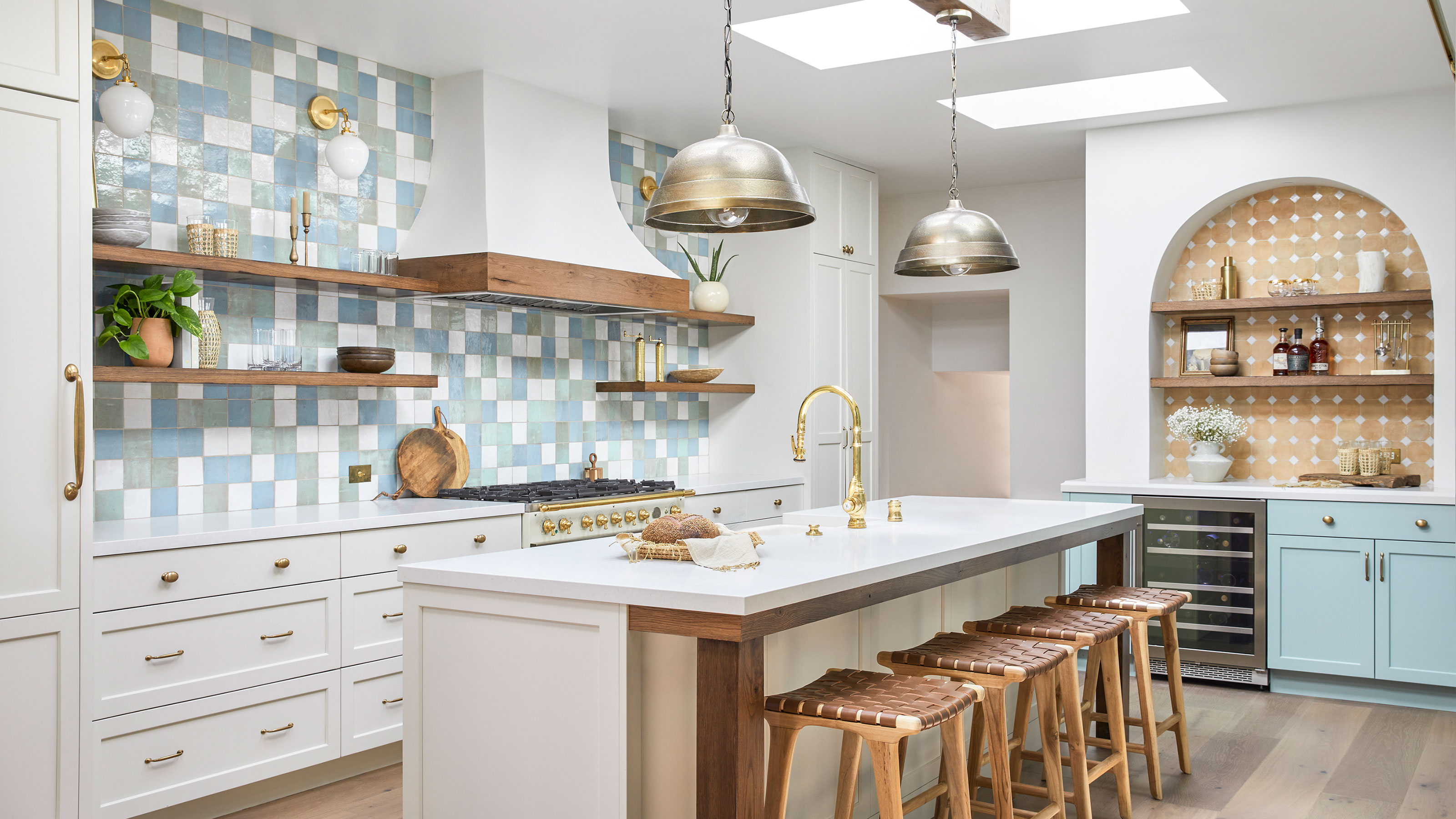
9 ways this bright kitchen remodel gives original features a new chance to shine
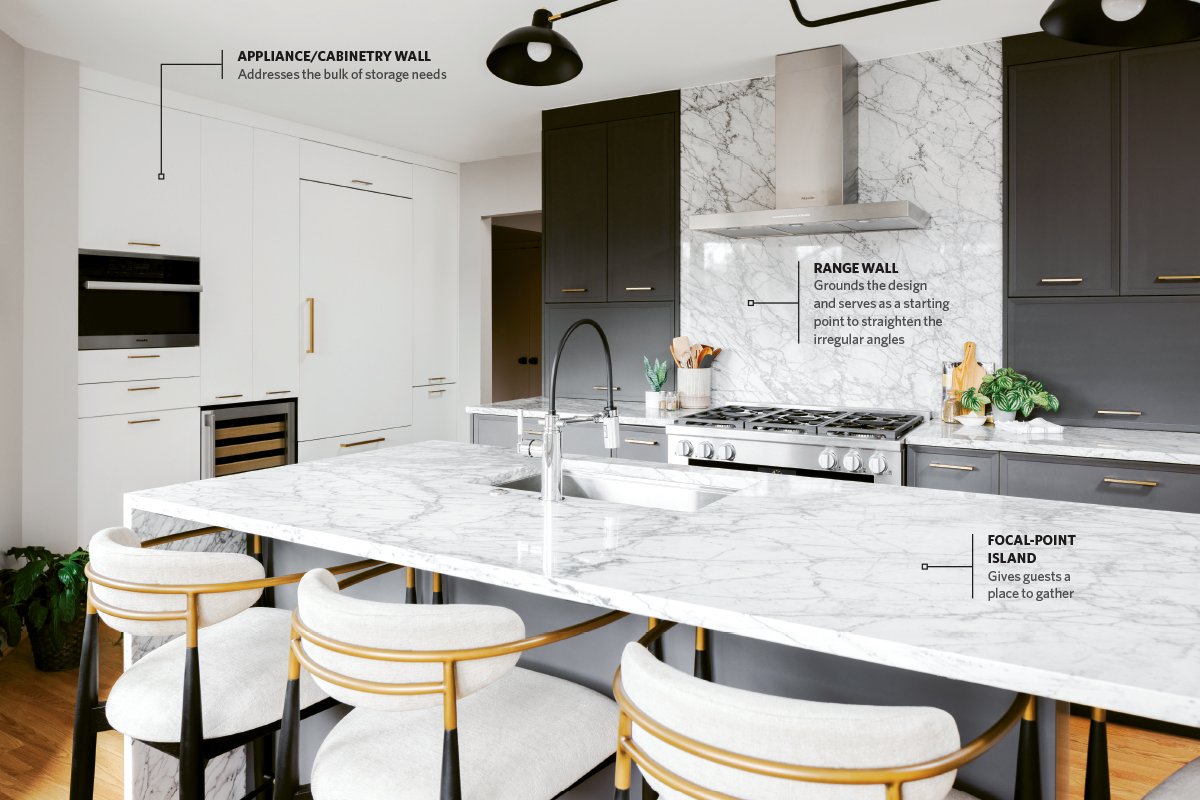
Kitchen Renovation Unveils a New Angle

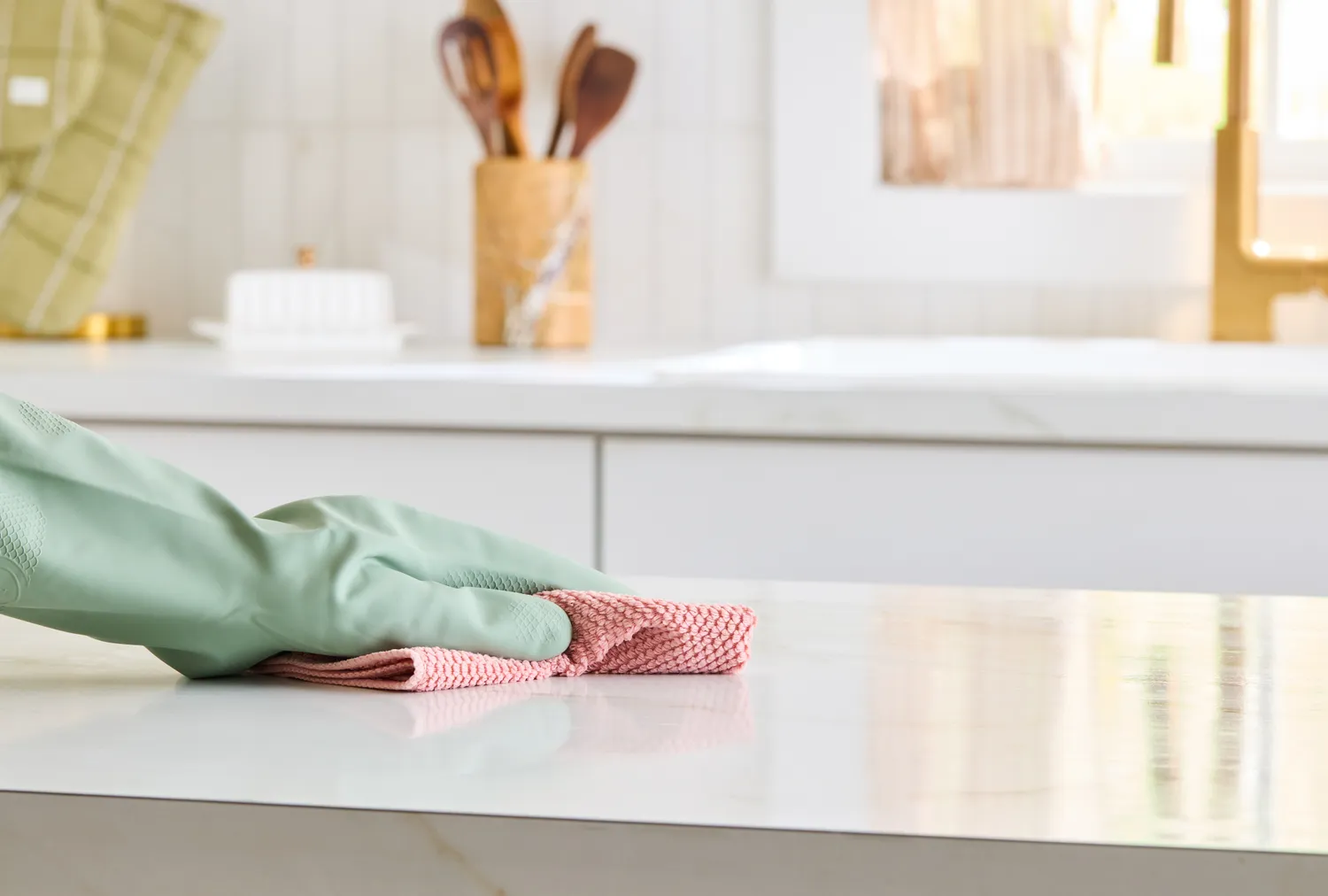
We Asked 3 Cleaning Pros to Share Their Easiest Tricks to Keep Countertops Cleaner for Way Longer

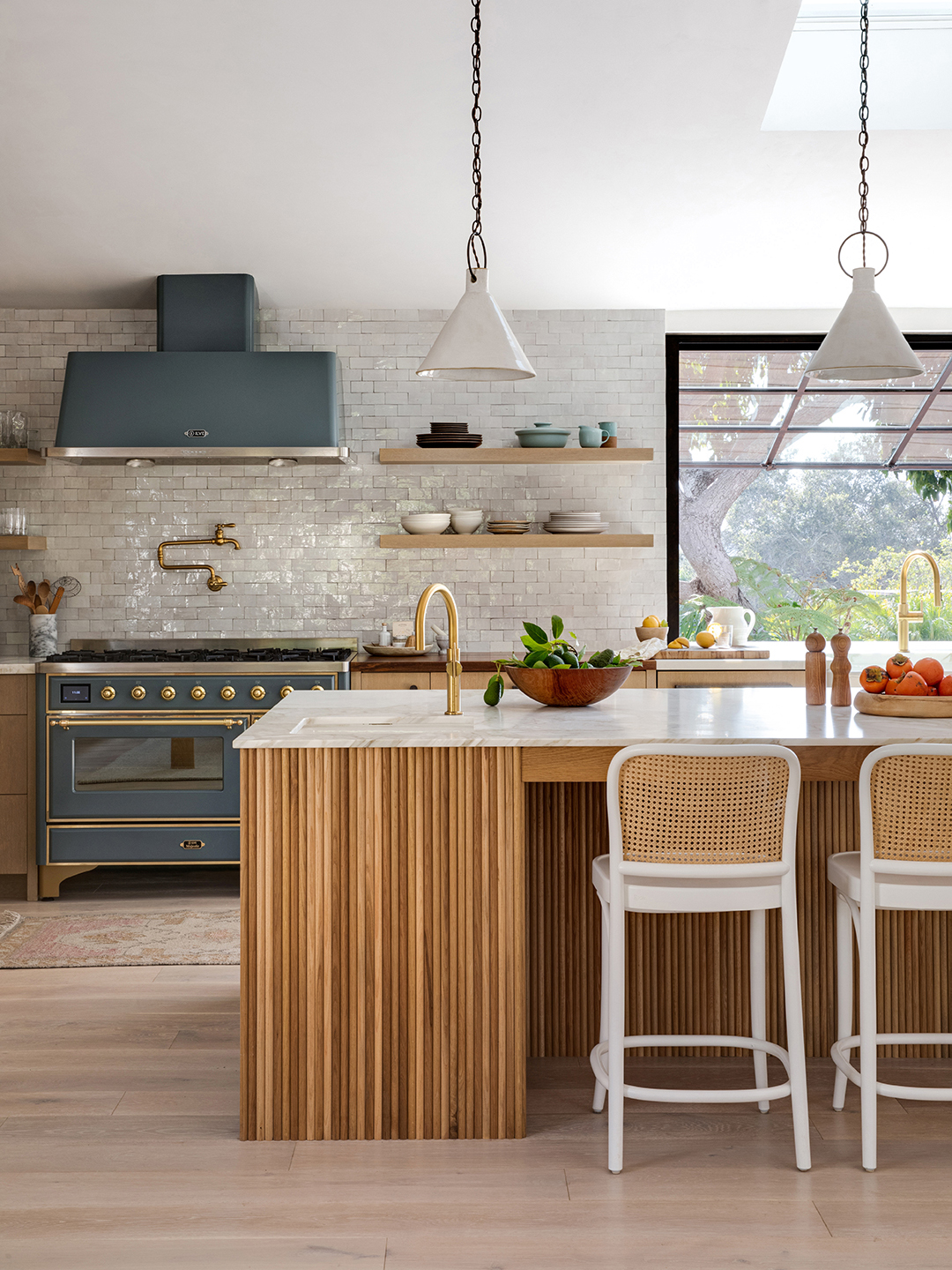
This Ever-Popular Kitchen Layout Is Back (Again)

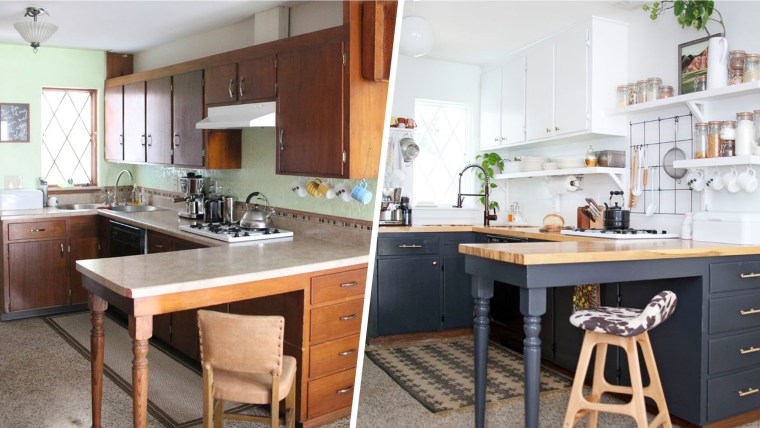
See how a new paint color and DIY updates made this kitchen look brand new

How to refinish kitchen cabinets – for a fresh new look

I Just Discovered a Brilliant 2-Minute Cabinet Cleaning Trick (It Was Hiding in My Pantry!)
‘Best method’ to paint your kitchen cabinets in ‘3 easy steps’ for an ‘unbeatable finish’
How to stain kitchen cabinets – an expert guide
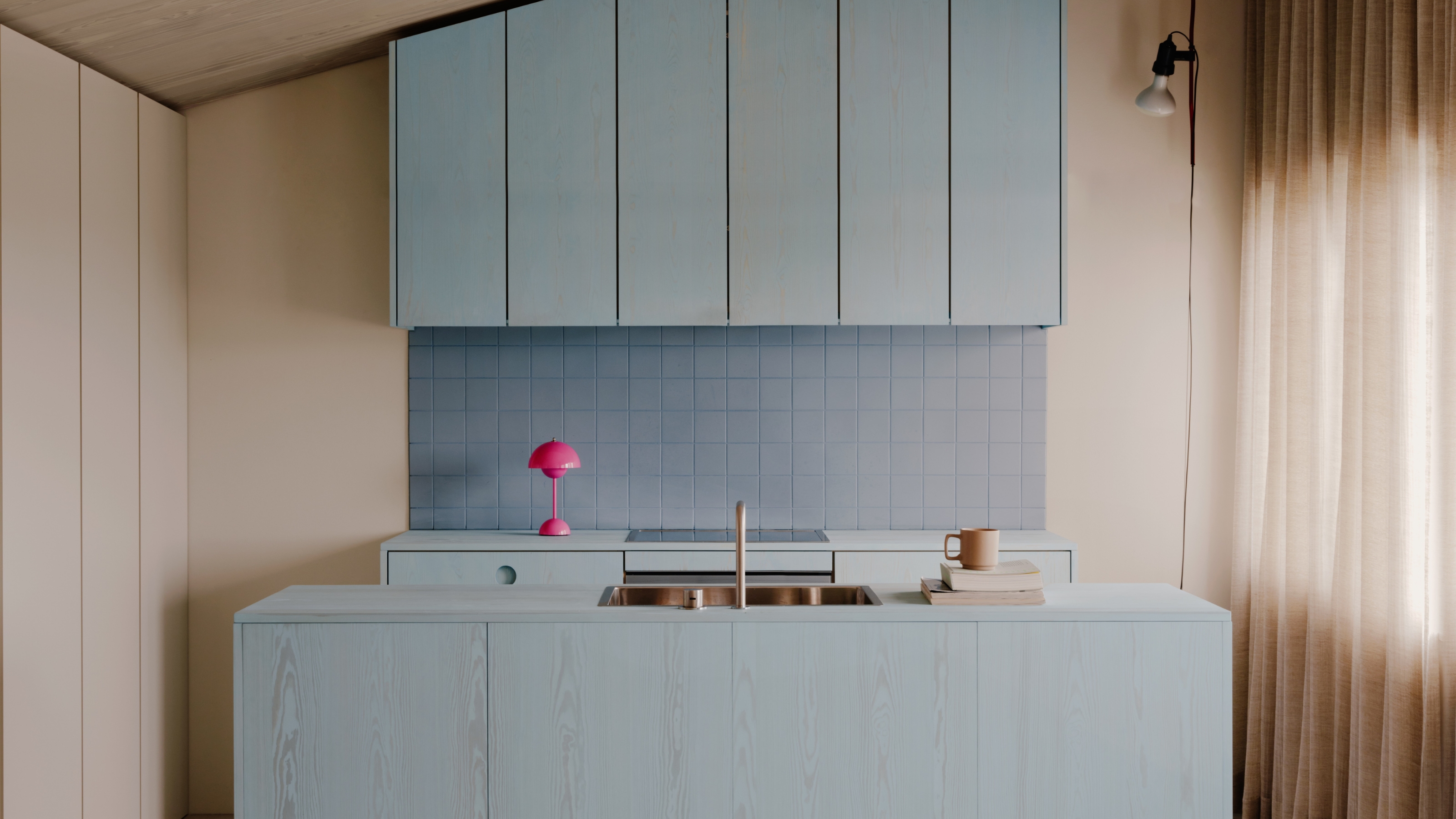
Colorful Wood Stains Are the New Way Cool People Are Doing Color in Their Kitchen

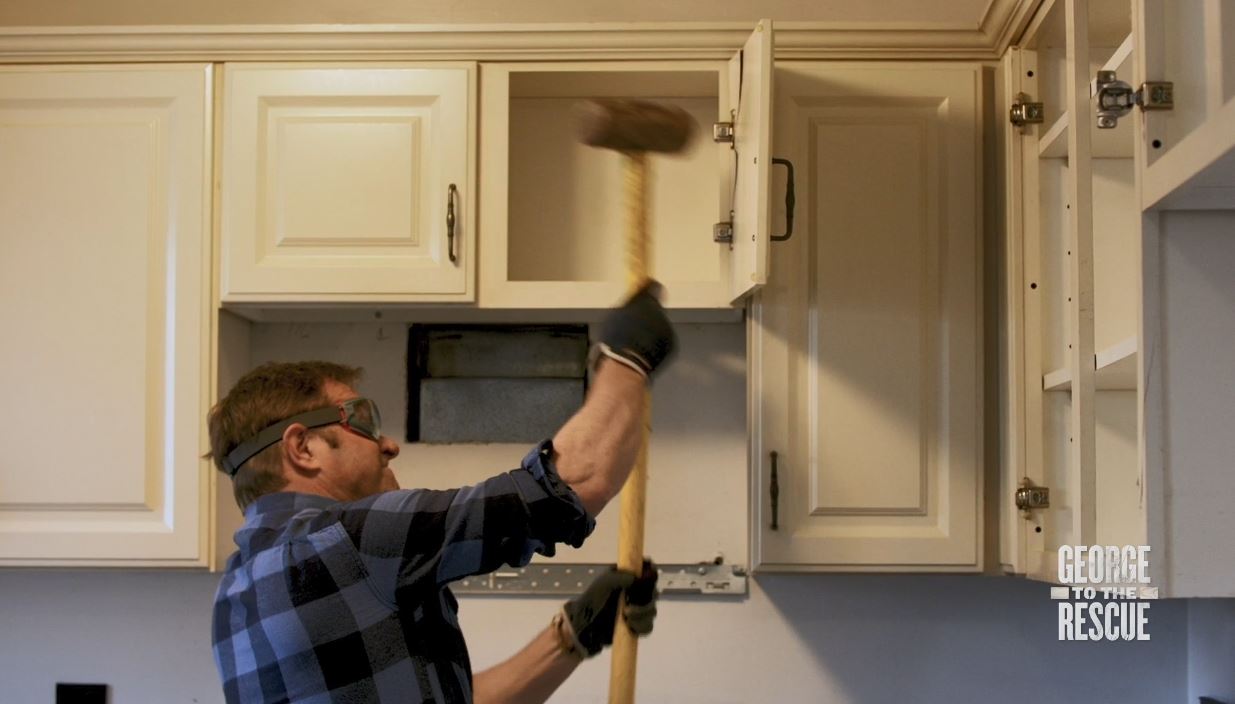
Follow These DIY Steps to Remove and Refresh Your Kitchen Cabinets

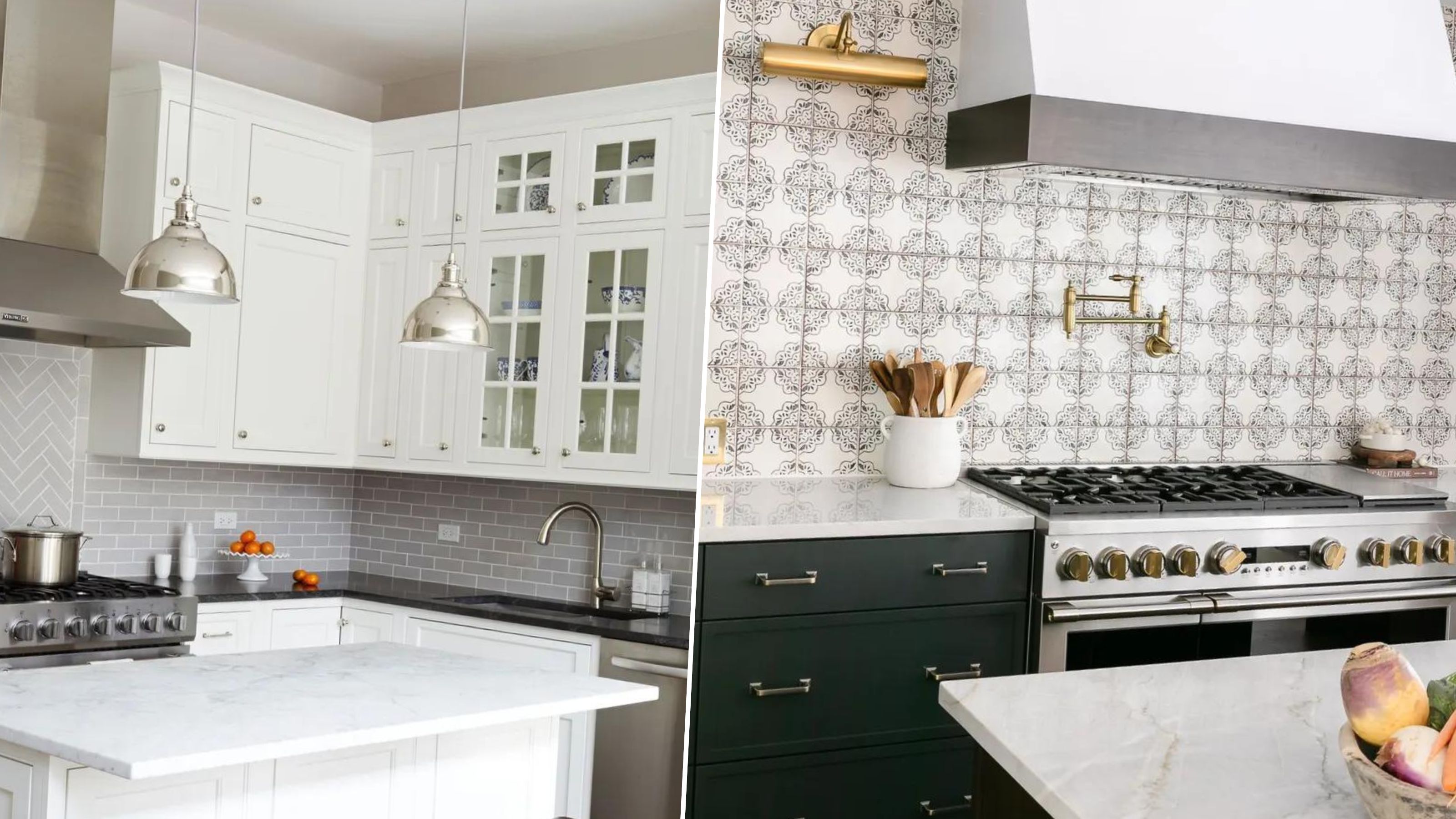
Should kitchen counter colors match an island? Interior designers weigh in on whether to complement or contrast

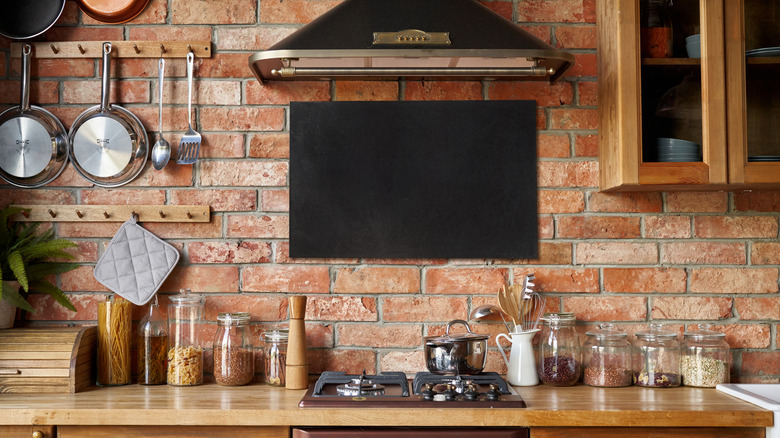
9 Ways To Refresh Your Kitchen By Adding Texture
This DIYer’s Sunny Kitchen Makeover Only Took 3 Swaps
The Magenta Cabinets Might Have Stayed, But This Kitchen Looks Brand-New After a Artsy Remodel
The Outdated Kitchen Floor That's Trendy Again