We Asked 3 Cleaning Pros to Share Their Easiest Tricks to Keep Countertops Cleaner for Way Longer
Maintaining clean kitchen countertops for extended periods relies on consistent, straightforward practices. Integrating these habits into a daily routine, such as at the end of the day, significantly reduces the need for extensive deep cleaning. This proactive approach helps prevent wear and tear, stains, scratches, and dirt buildup, preserving the appearance and longevity of the surfaces. The core principle revolves around gentle, regular cleaning, selecting appropriate products for specific countertop materials, and judiciously disinfecting when necessary, thereby maintaining a safe and attractive workspace without causing damage from over-cleaning.
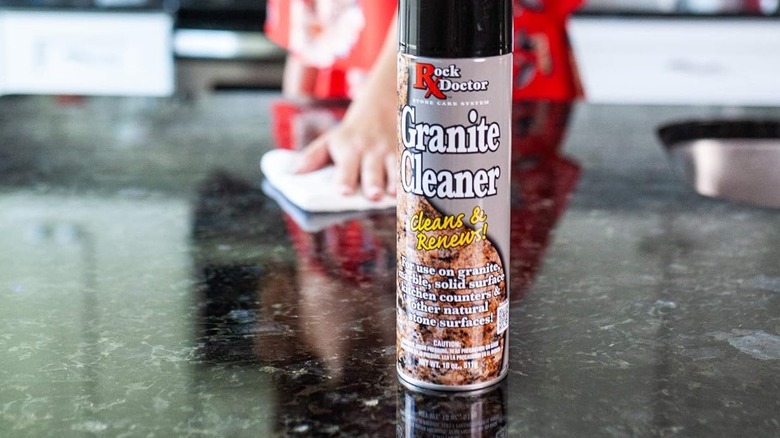
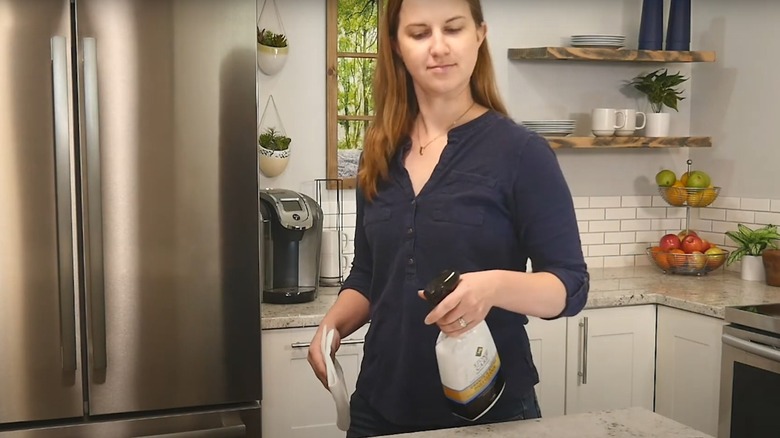
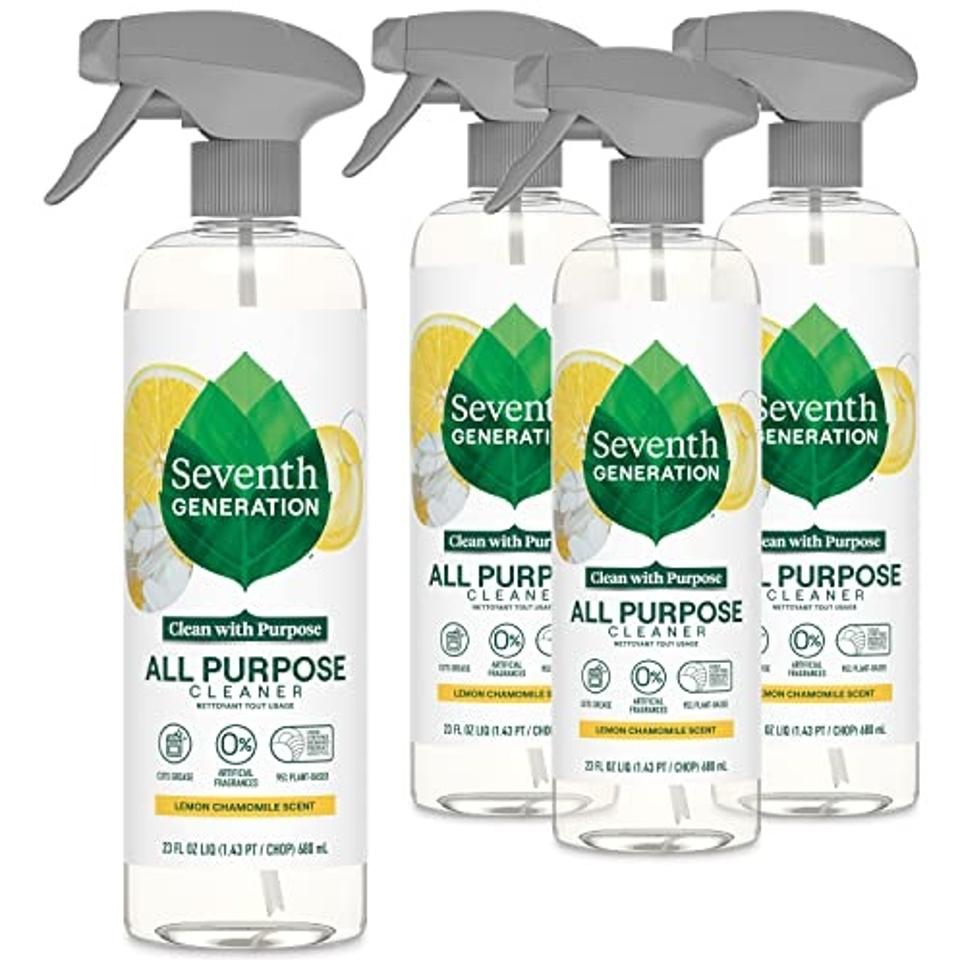
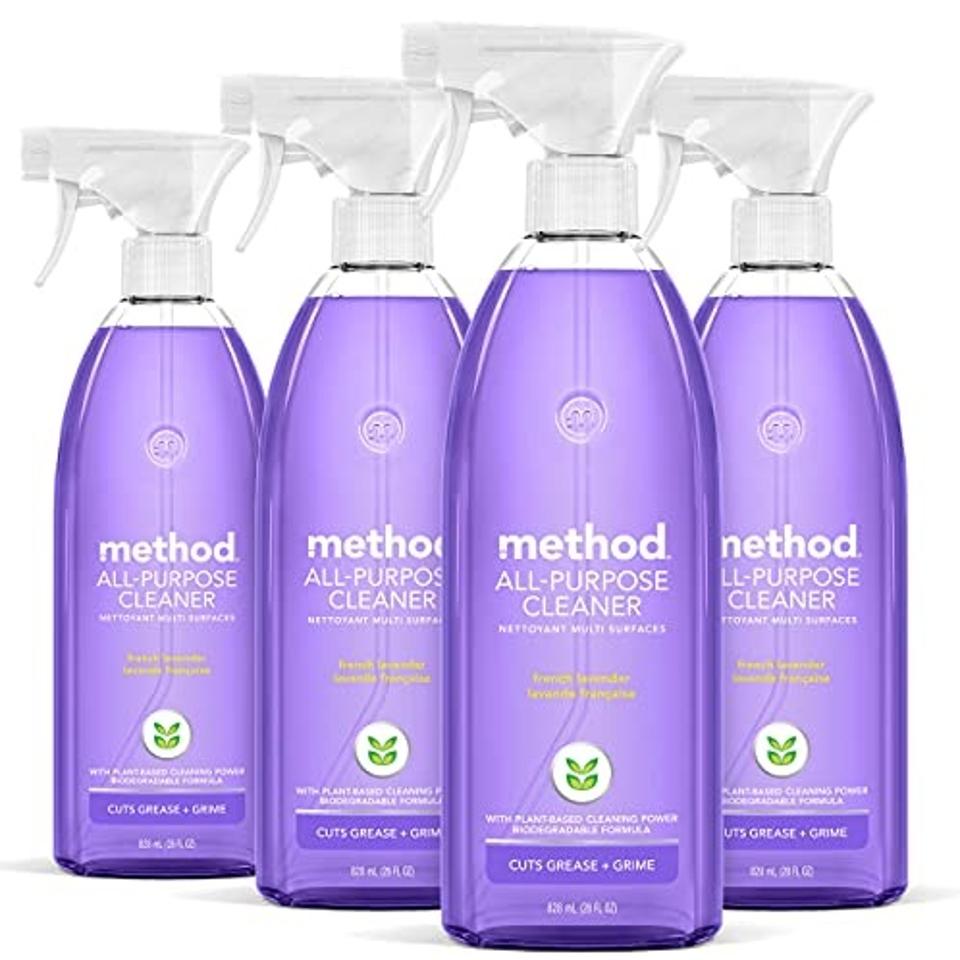
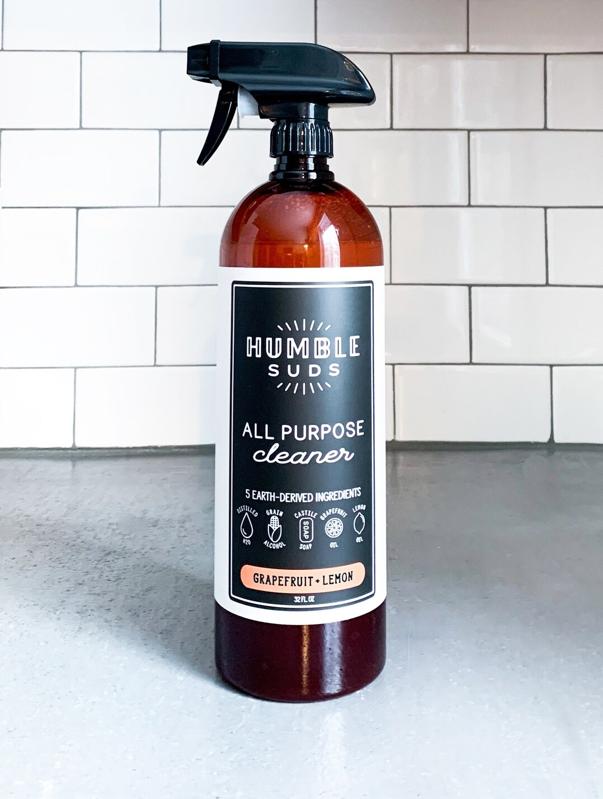
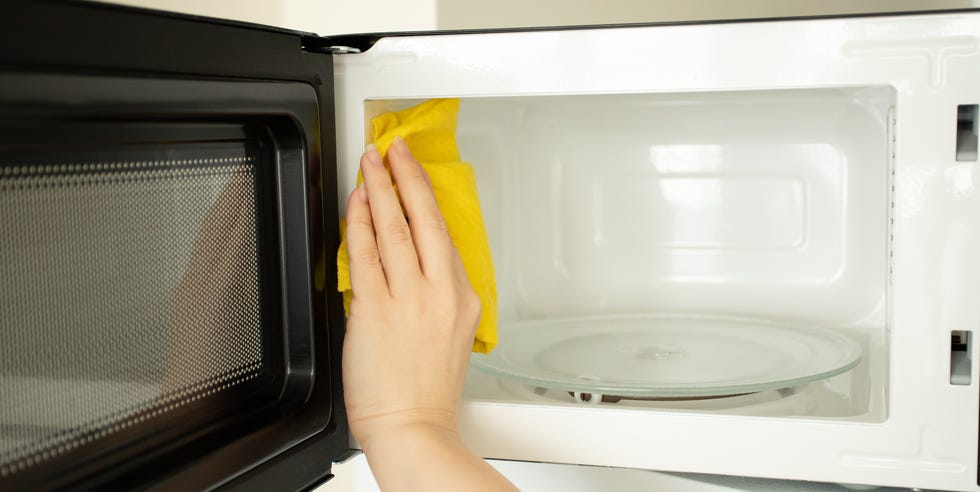
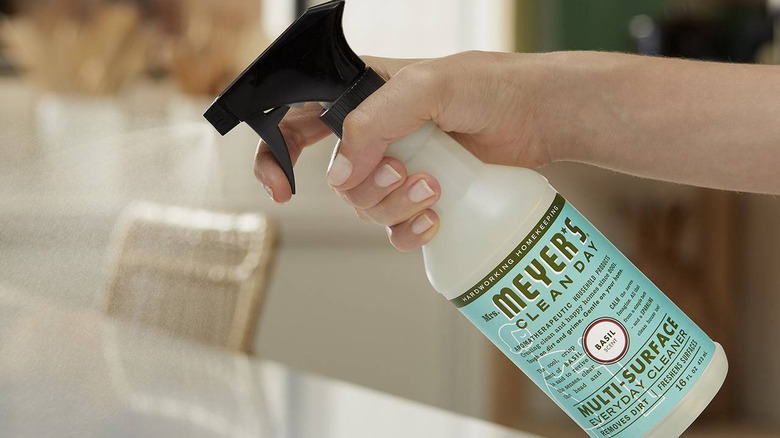
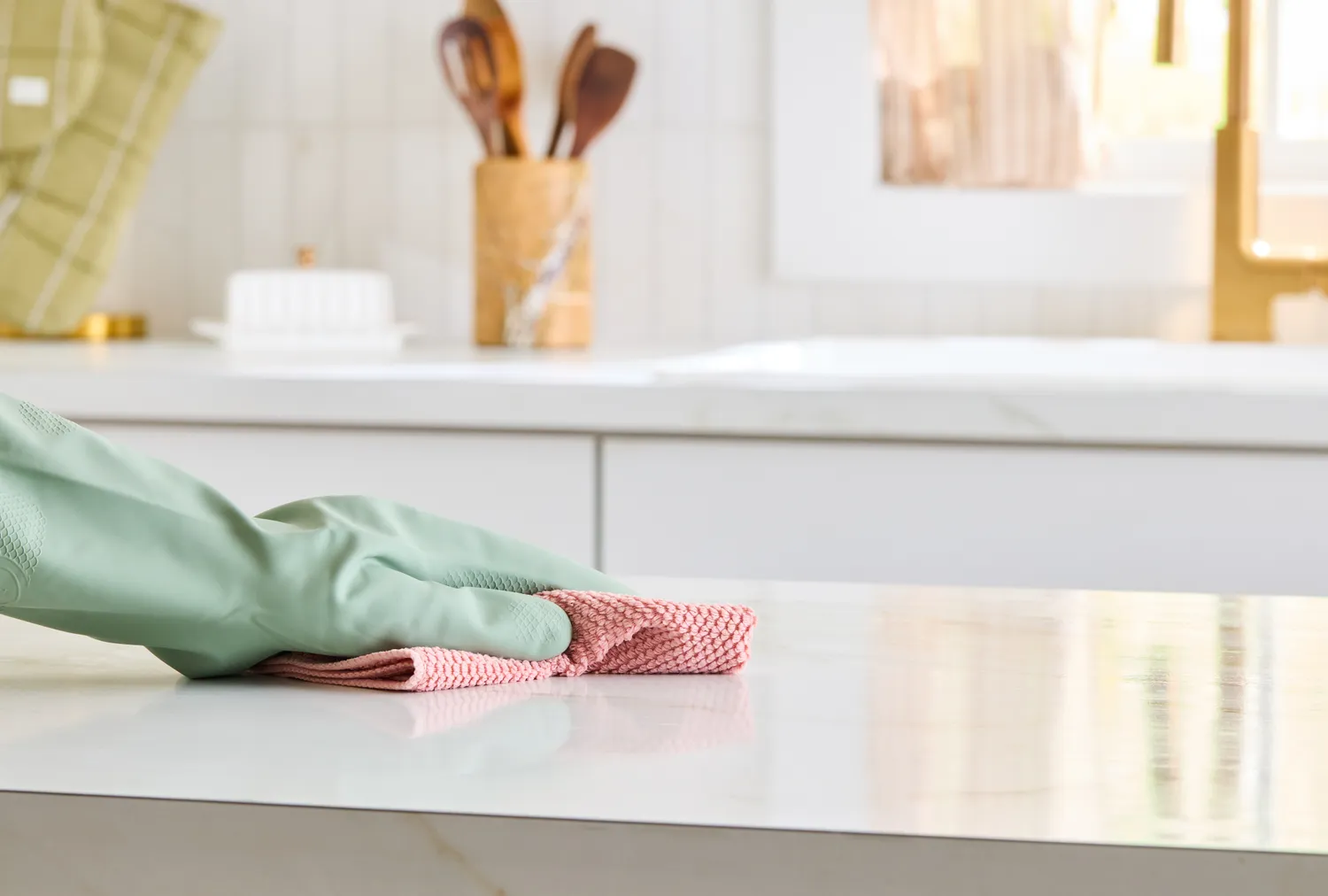
Immediate attention to spills is paramount, as allowing them to sit can lead to stubborn stains and foster germ growth. Prompt cleanup minimizes the frequency required for deep cleaning. Daily wiping of countertops is crucial to prevent the accumulation of dirt and grease. Using warm water combined with an all-purpose surface cleaner is effective for routine upkeep, as this combination lifts dirt and grease without compromising sealants. Microfiber cloths are recommended for wiping, and surfaces should be dried immediately after cleaning to avoid water spots. The cleanliness of cleaning tools themselves is vital; regularly changing and disinfecting cleaning cloths is necessary because sponges, for instance, can harbor and redistribute bacteria. Disposable paper towels offer an alternative to prevent bacterial redeposition.
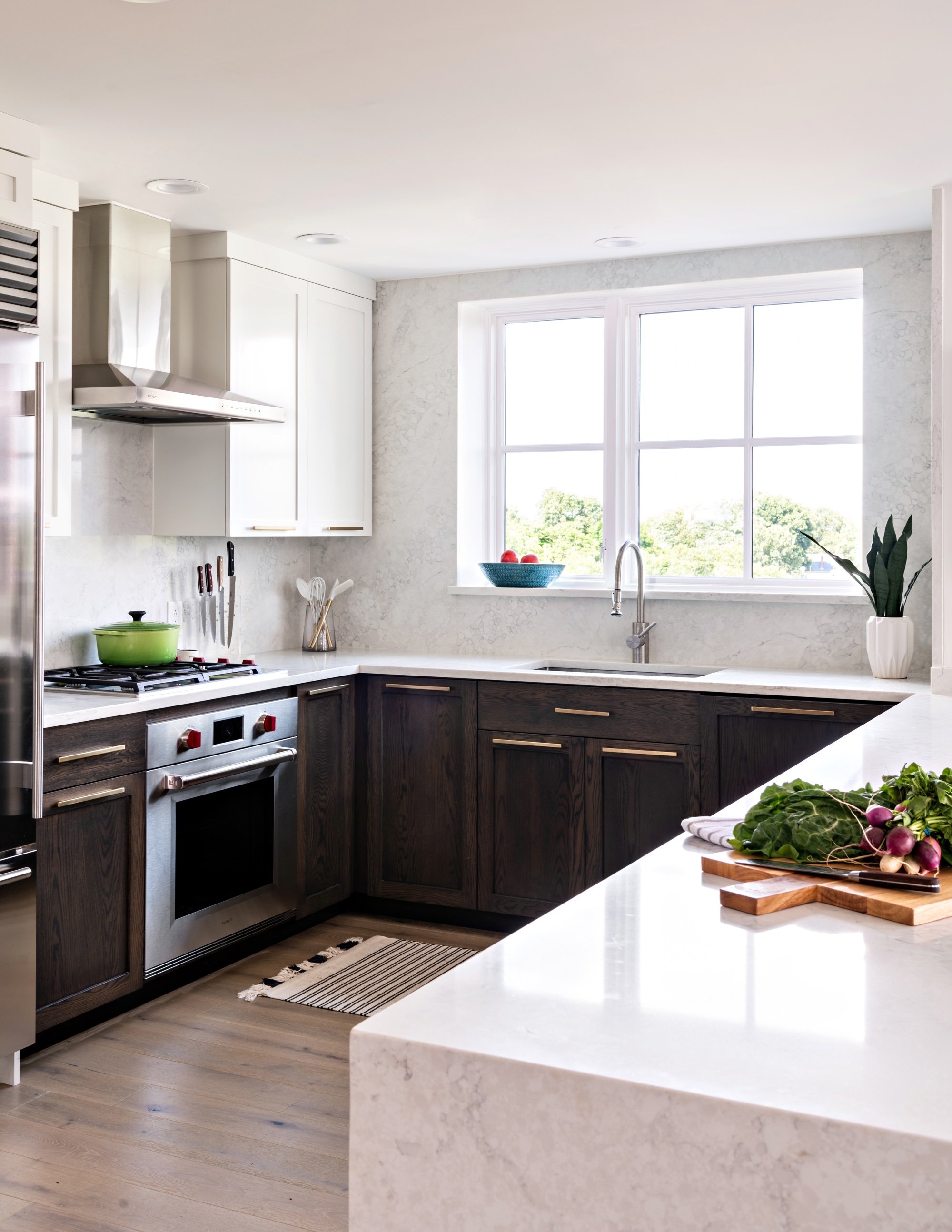
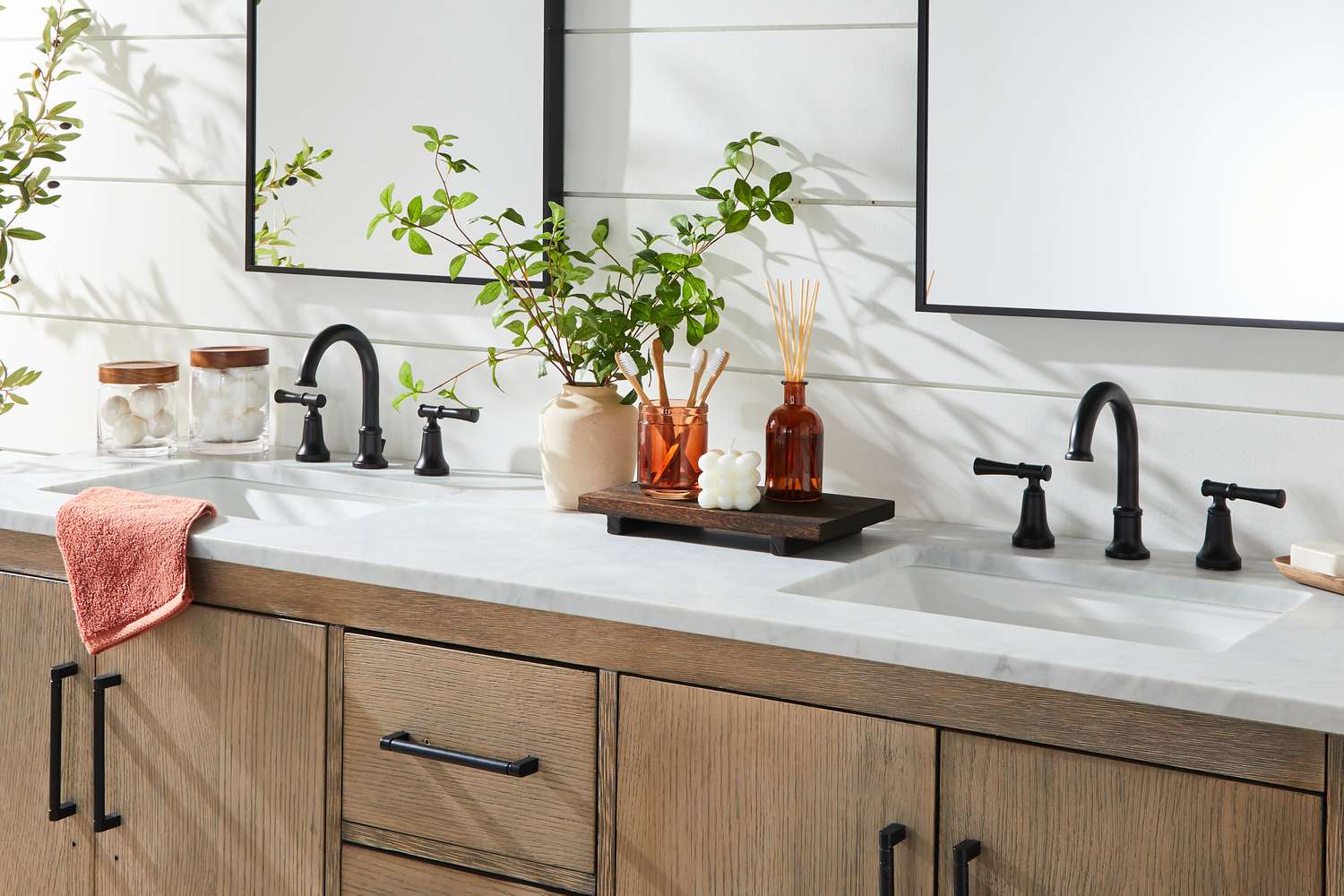
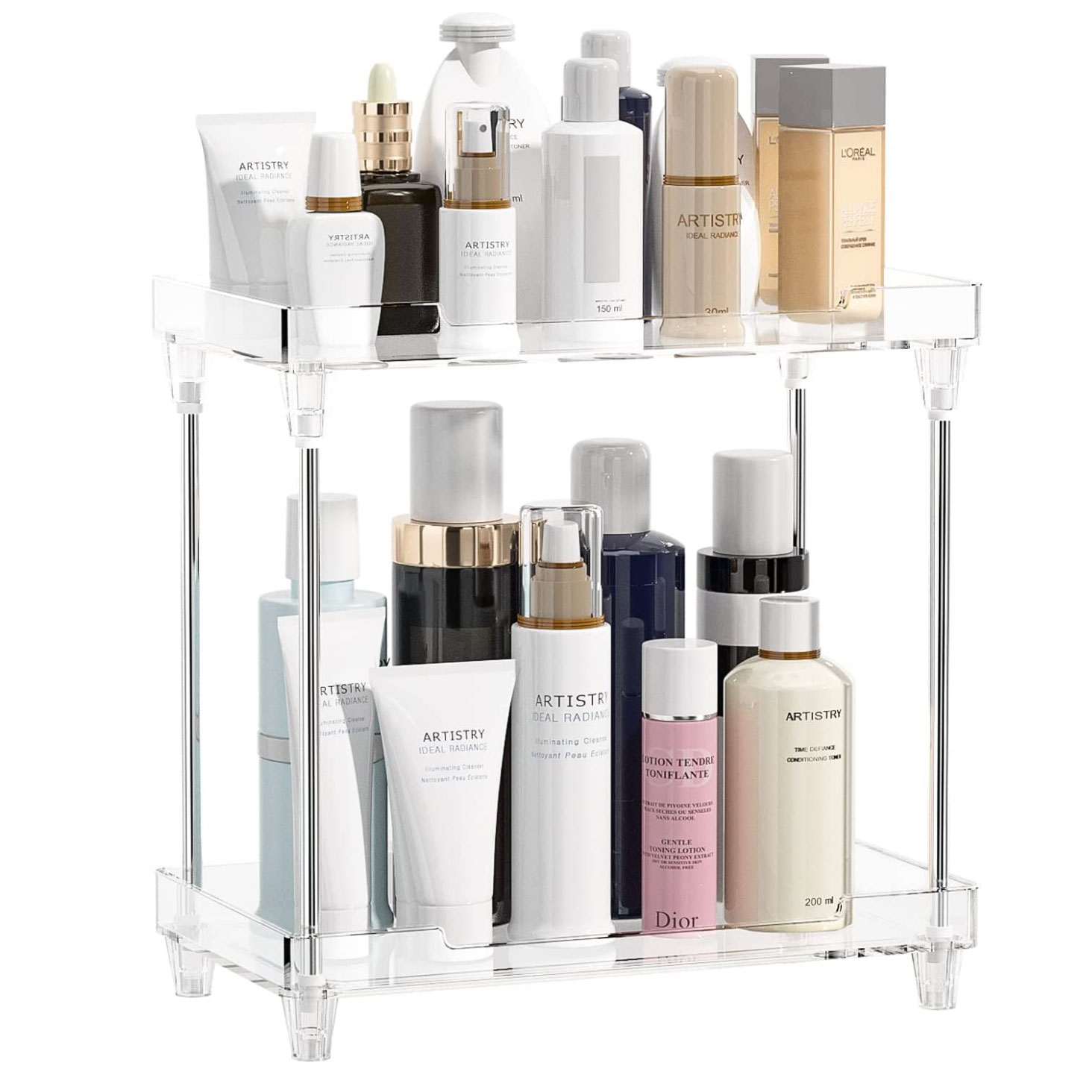
Decluttering countertops is another key strategy, serving both organizational and cleanliness purposes. Storing small appliances and infrequently used items in cabinets or drawers ensures countertops are clear, making them easier to clean. Clutter on surfaces tends to collect dust and crumbs, and clearing these items prevents bacteria from accumulating in hidden spots beneath appliances or behind decor.
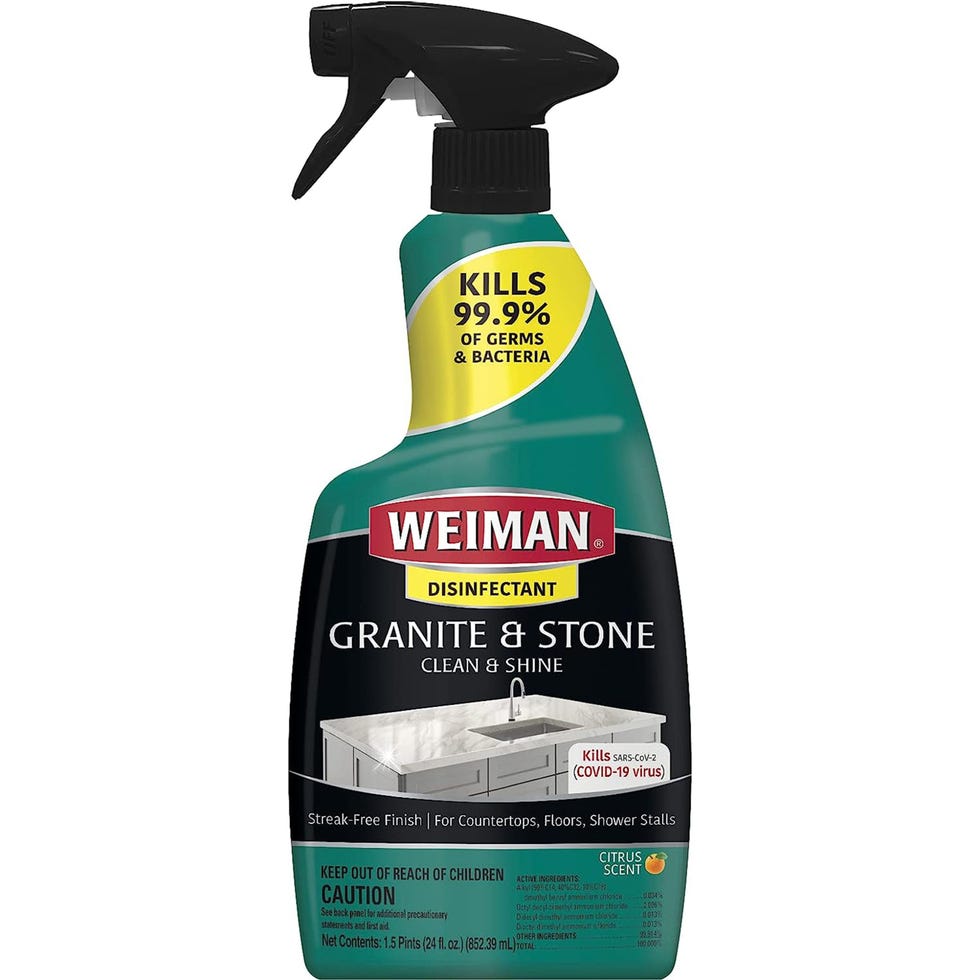
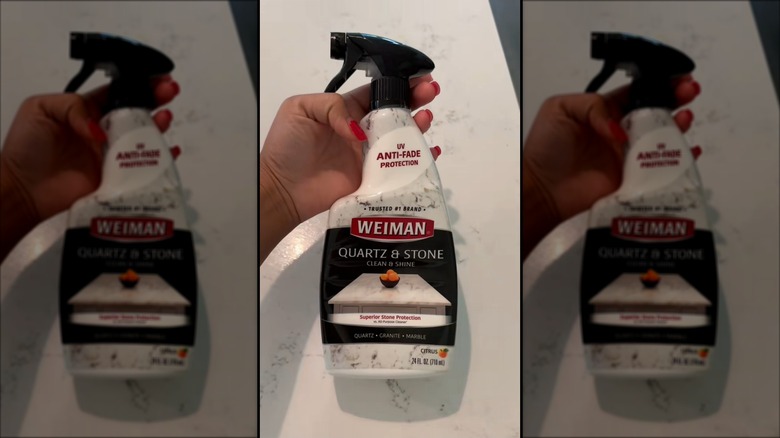
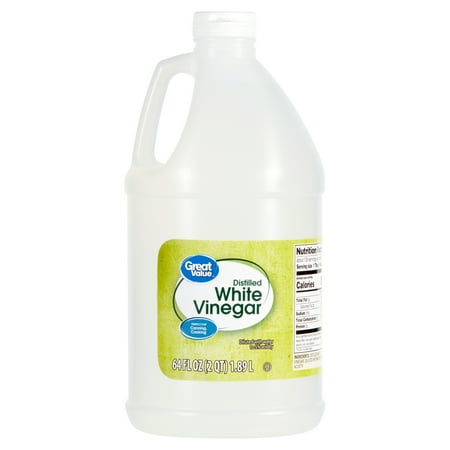
Avoiding harsh cleaning products is essential. Abrasive sponges and cleaning solutions containing strong acids or bleach can dull, scratch, or etch countertop surfaces. Such damage creates porous areas where dirt and bacteria can become embedded, making future cleaning more difficult. Different countertop materials require specific care: acidic cleaners like vinegar or lemon juice are unsuitable for stone and composite surfaces. While laminate, quartz, and granite can typically be cleaned with mild detergent and warm water, natural stones such as marble should never be exposed to bleach or acidic solutions, which can etch or dull their finish. Even bacteria-resistant quartz necessitates gentle cleaning, free from harsh chemicals or scouring pads.
Protective measures like using cutting boards and trivets are also crucial. Cutting boards prevent scratches on surfaces, which can become collection points for dirt and grime. Even durable materials like quartz and granite can sustain micro-scratches. Trivets are indispensable for hot dishes to prevent thermal shock, which can crack or discolor engineered and natural stone, leading to similar issues of dirt accumulation and surface damage.
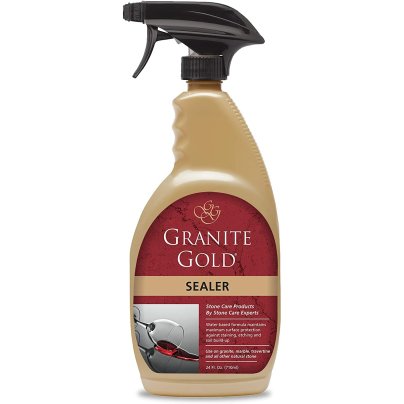
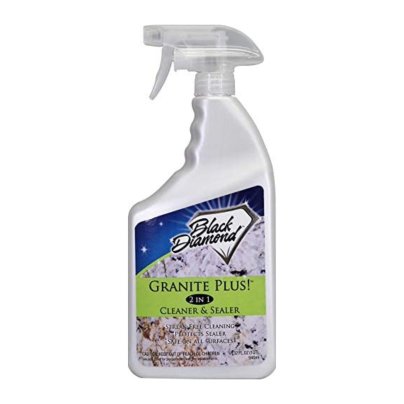
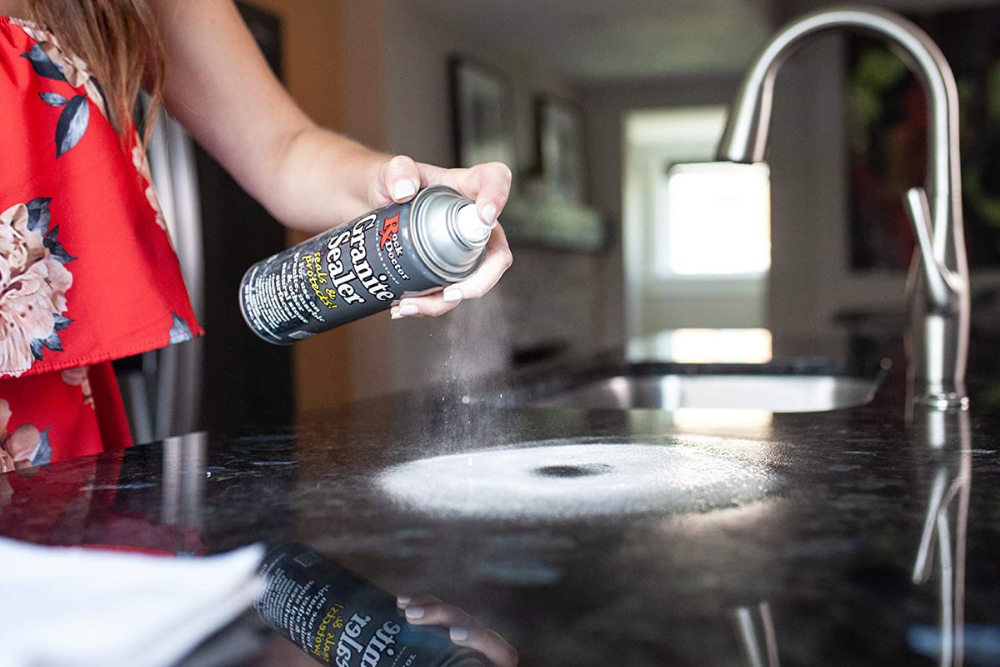
For porous materials such as granite, marble, and butcher block, periodic resealing is a vital maintenance step beyond regular cleaning. Sealing helps prevent stains and moisture from penetrating the surface, ensuring that dirt remains on top and is easier to clean off. A simple test involves placing a drop of water on the counter; if it darkens or is absorbed within minutes, it indicates that resealing is due, typically every six months.
#CountertopMaintenance #KitchenCleaning #CleaningTips #HomeMaintenance #Decluttering #SurfaceCare #CleaningProducts #DailyCleaning #StainPrevention #CountertopMaintenance #KitchenCleaning #CleaningTips #HomeMaintenance #Decluttering #SurfaceCare #CleaningProducts #DailyCleaning #StainPrevention
0 comment in total
 No comments yet
You may also like

5 cleaning myths that will damage your countertops – and what to do instead

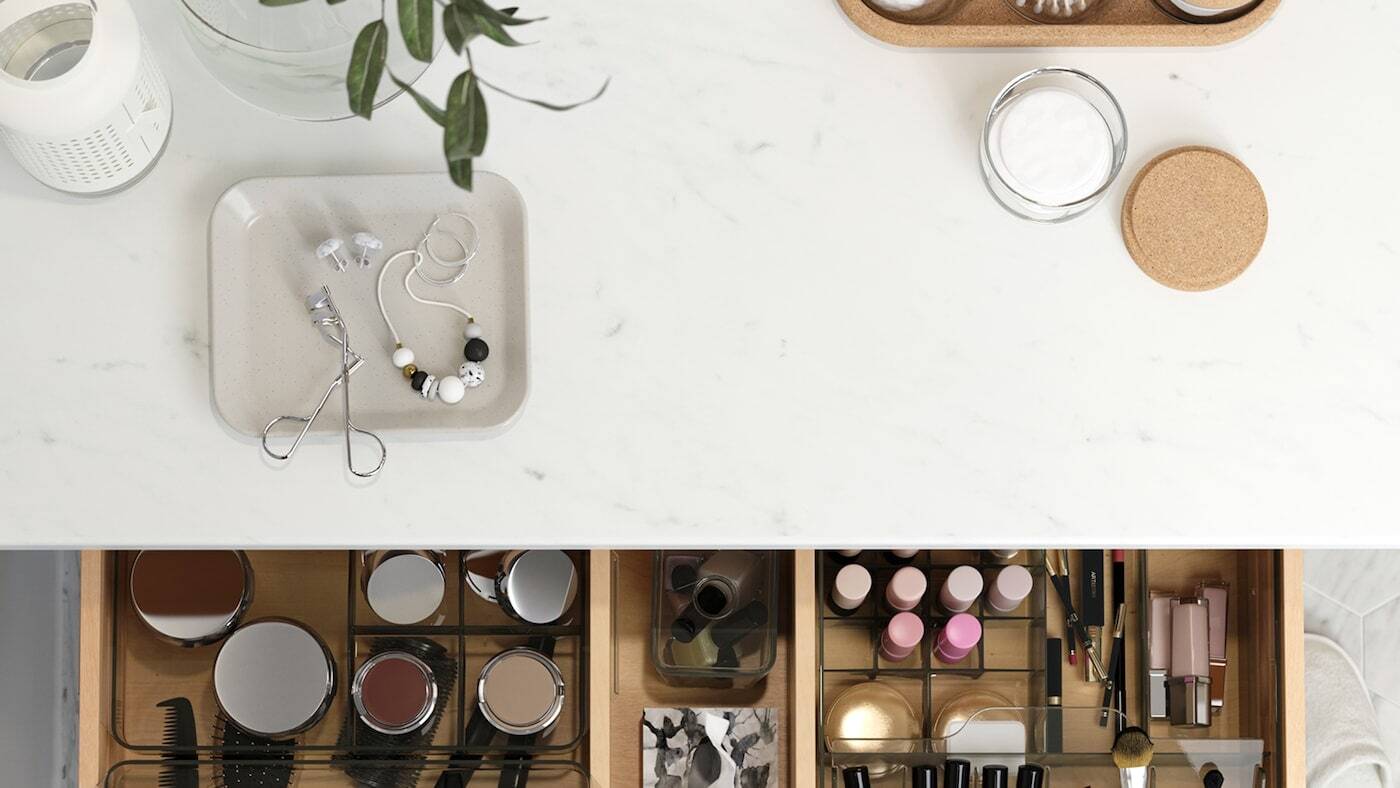
How to organize bathroom countertops for good, according to the pros

The Best Granite Sealers for Countertop Maintenance


7 Tricks The Pros Use To Keep Bathroom Tile Looking Brand-New
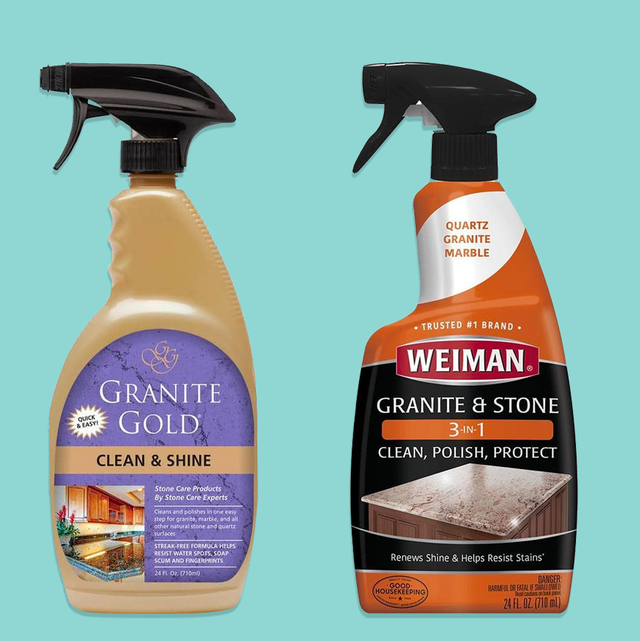
Our Pros Swear By These Kitchen Countertop Cleaners

Best Cleaning Advice & Tips


How to Clean Every Type of Kitchen Countertop

An Expert Tells Us How To Keep Your Tile Grout Stain-Free

How to Properly Clean Quartz Countertops — And the Products You Should Never (Ever) Use

How To Clean & Maintain Countertops: From Corian to Quartz

9 Durable Kitchen Flooring Finishes That Interior Designers Swear Will Look Good for Longer
10 Top Hardwood Floor Cleaners To Keep Them Looking Like New

6 Tricks Professionals Always Use to Keep Their Bathrooms Clean for Longer

The Best Natural Countertop Cleaners To Wipe Away Spills And Splatters

You're cleaning your bathroom floor wrong, experts warn – here's how to get it right
The Secret to Keeping Your Hardwood Floors Pristine? It’s One of Our 6 Best Cleaners

The Best Quartz Countertop Cleaners According To Reviews
Professional cleaners never waste their time with standard mops on tile floors – this is the $13 essential they always recommend instead
16 Things In Your Kitchen You NEED To Clean More Often, According To Experts
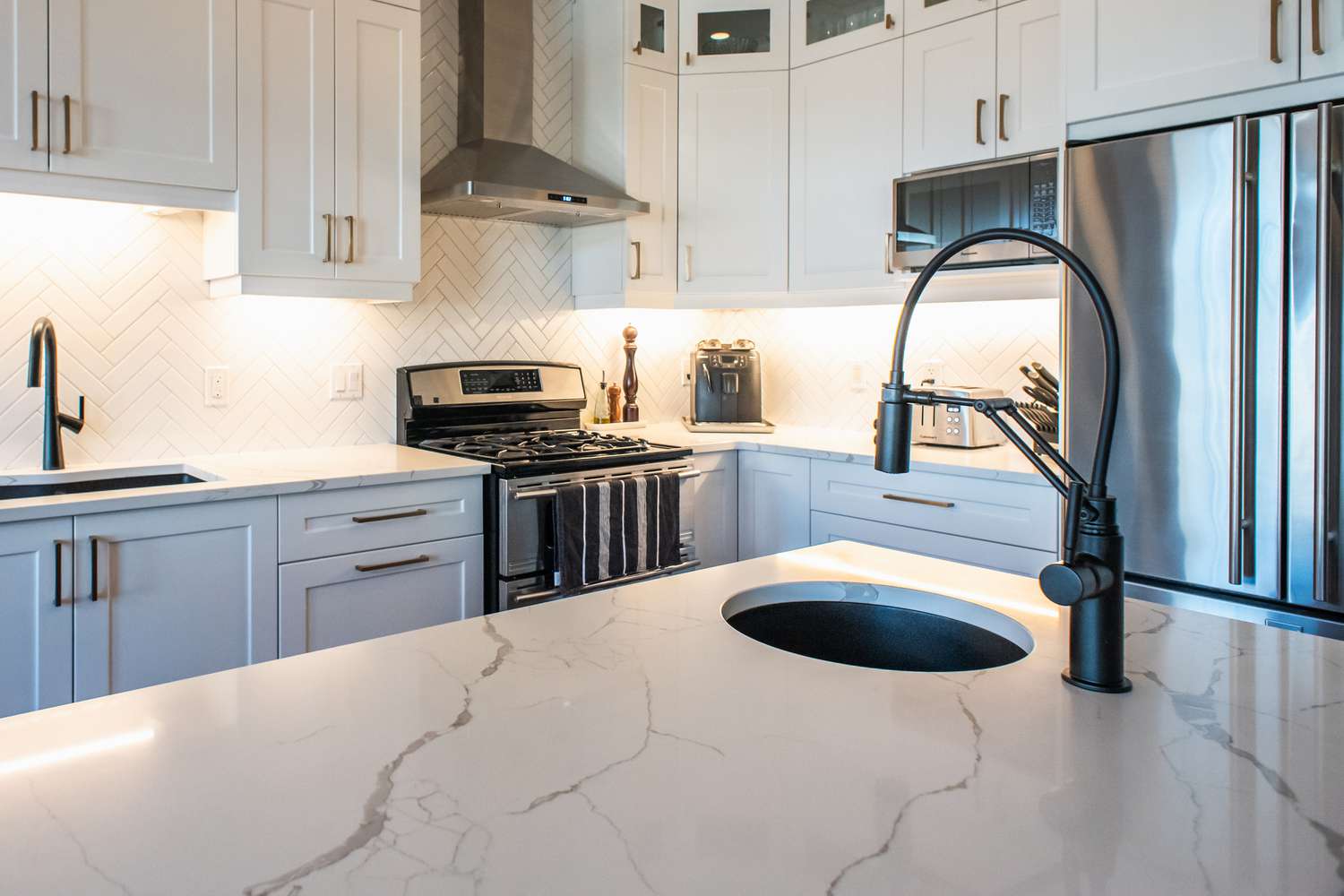
4 Easy-to-Follow Care Tips That Keep Quartz Countertops Looking Like New