1/7
Symmetry in kitchens — the trend designers love that creates a calming, clutter-free space
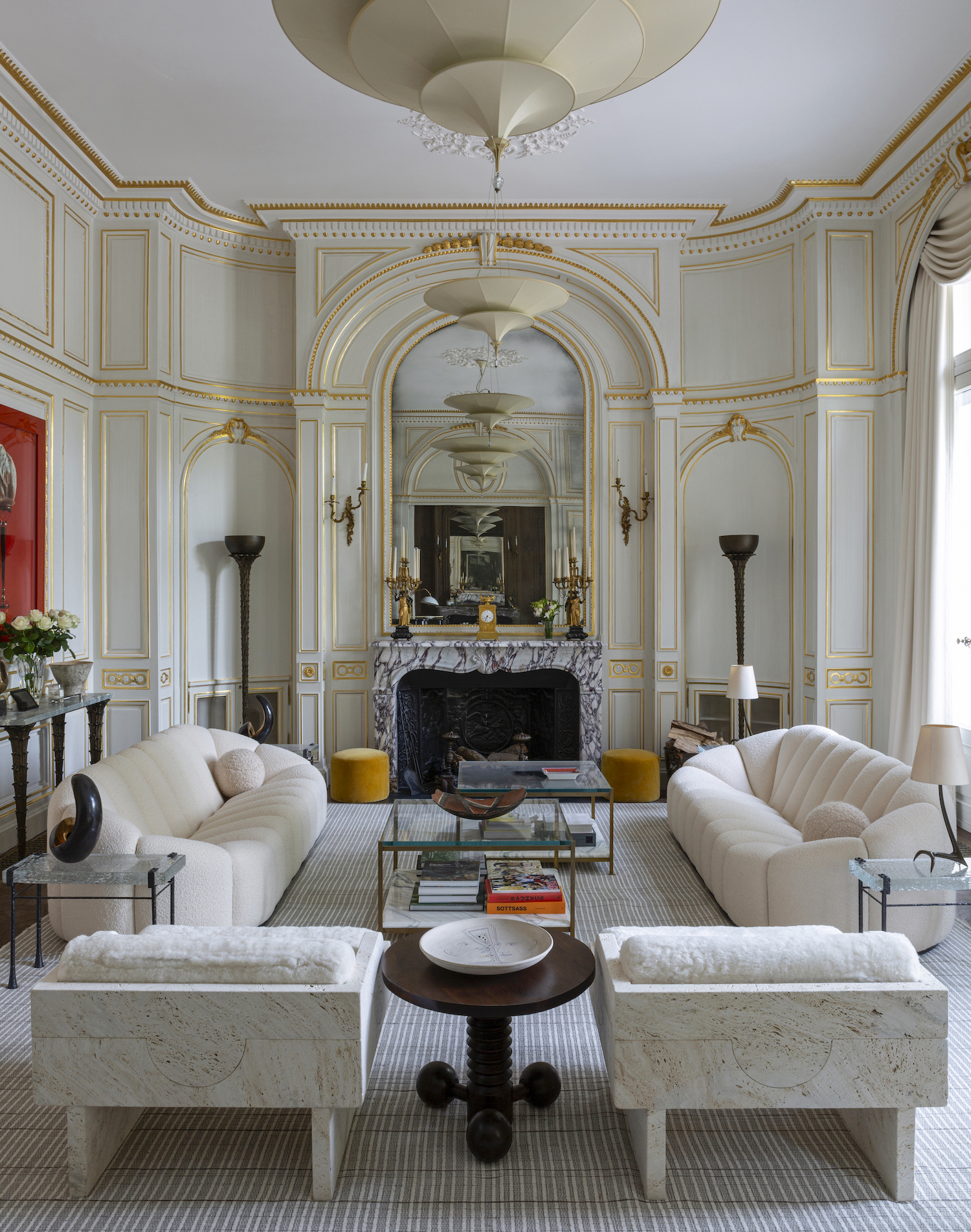
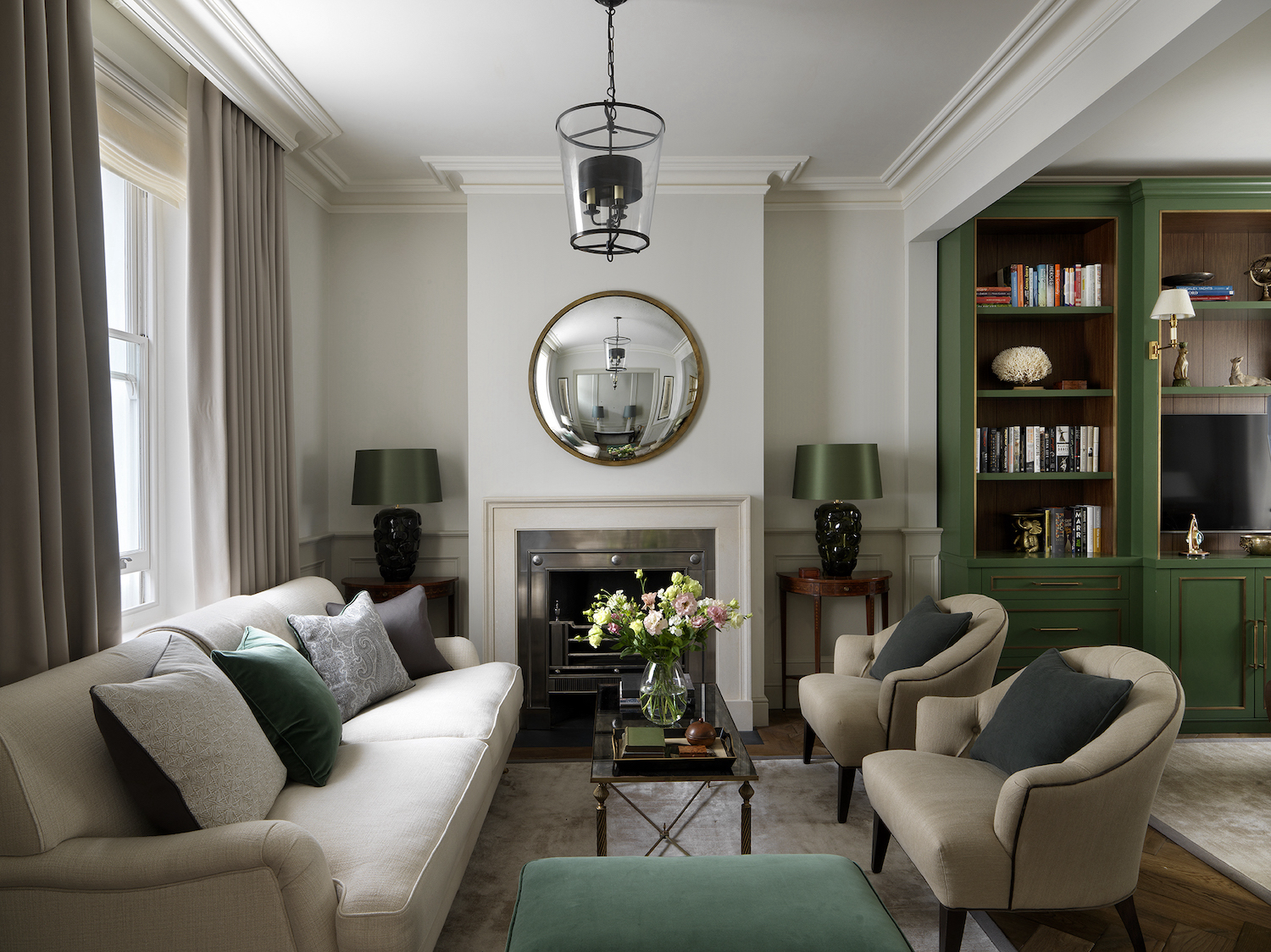
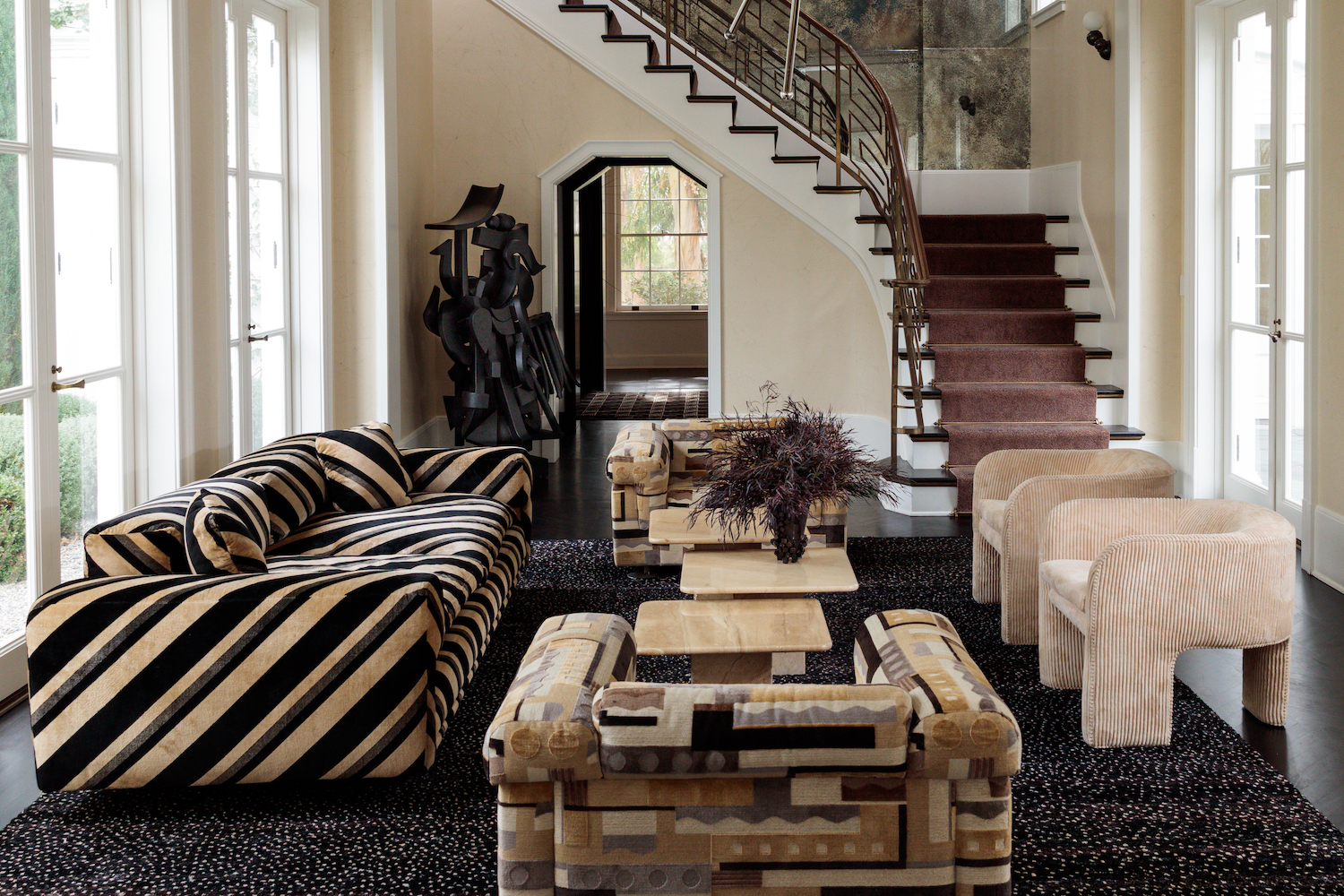
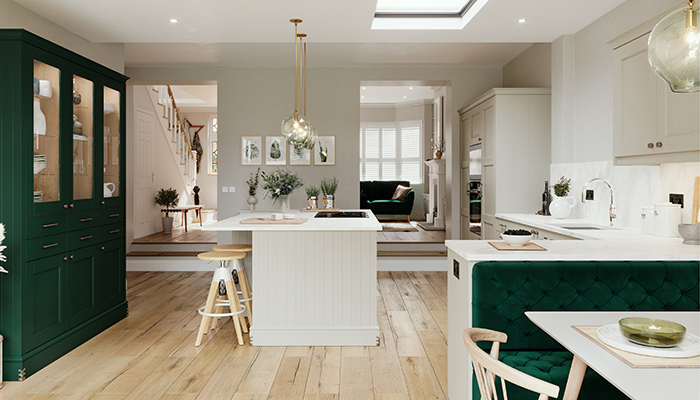
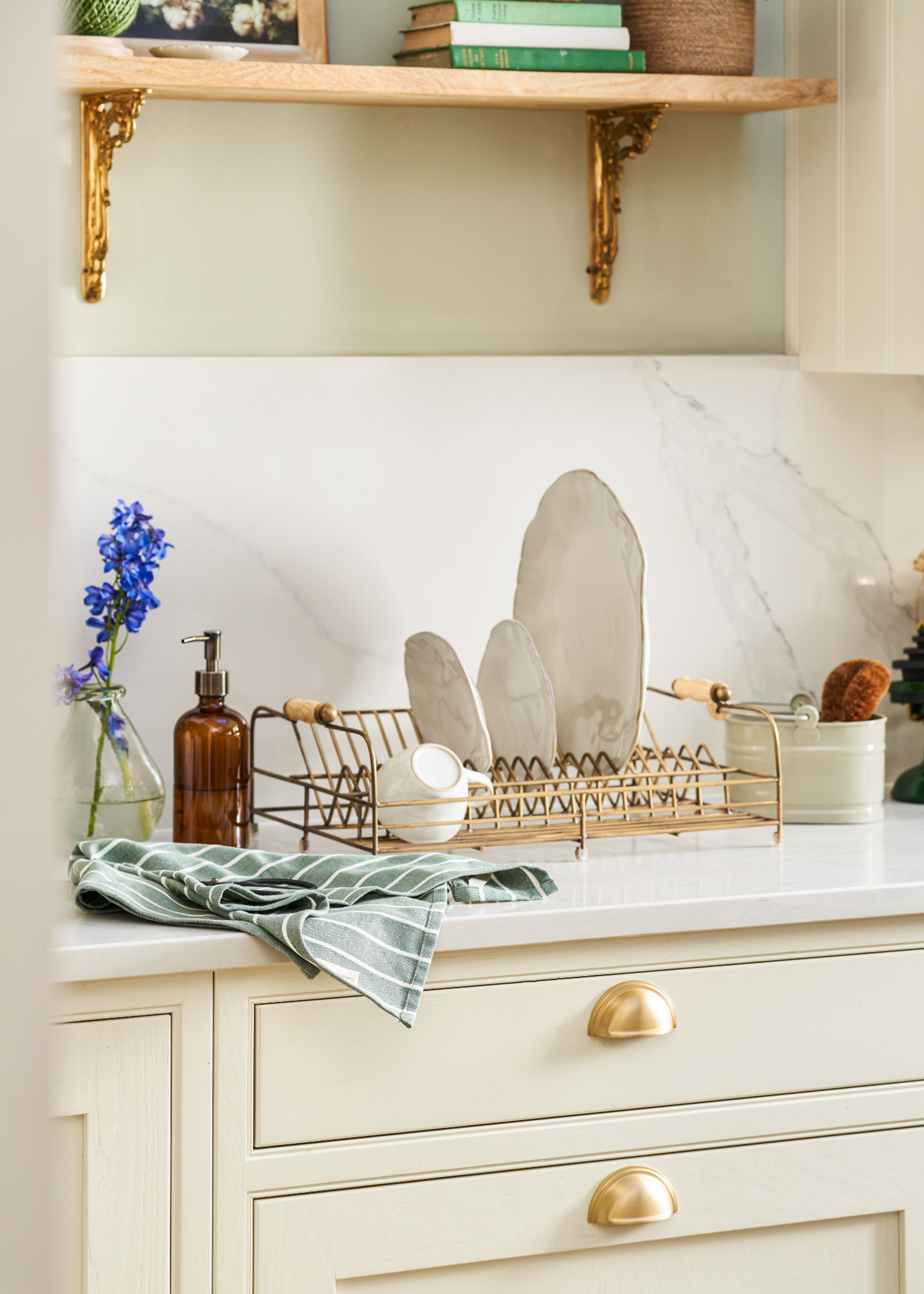
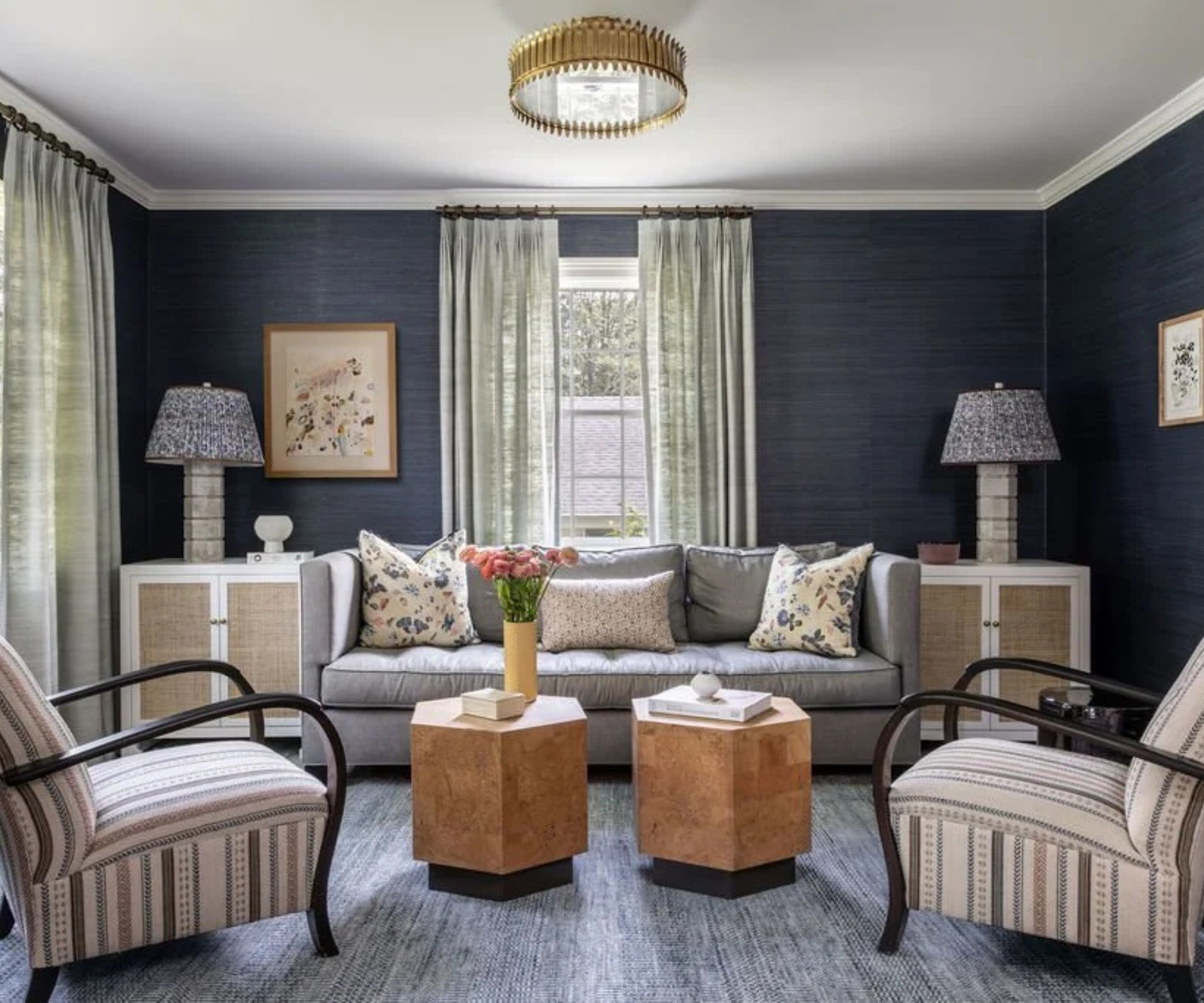
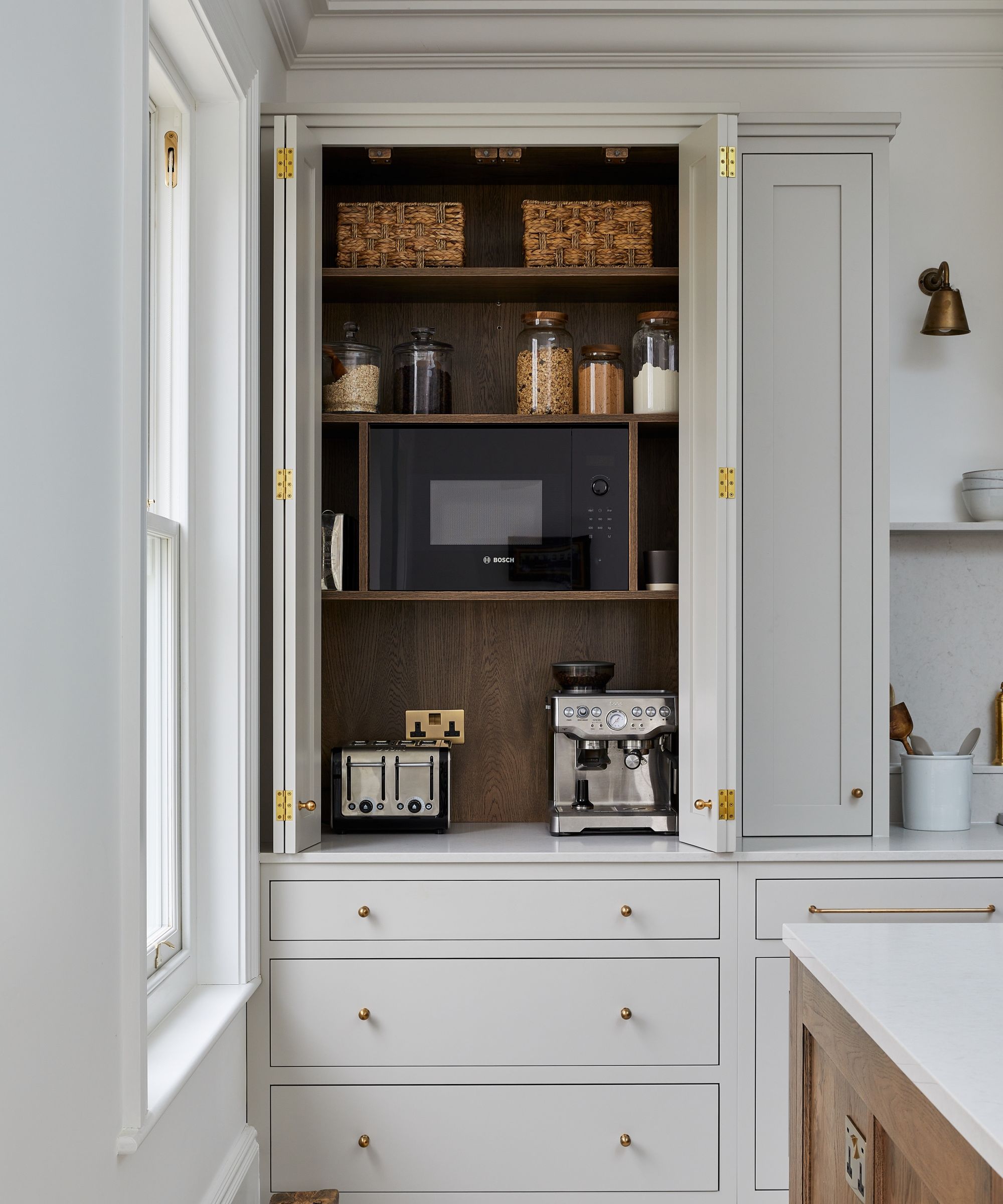
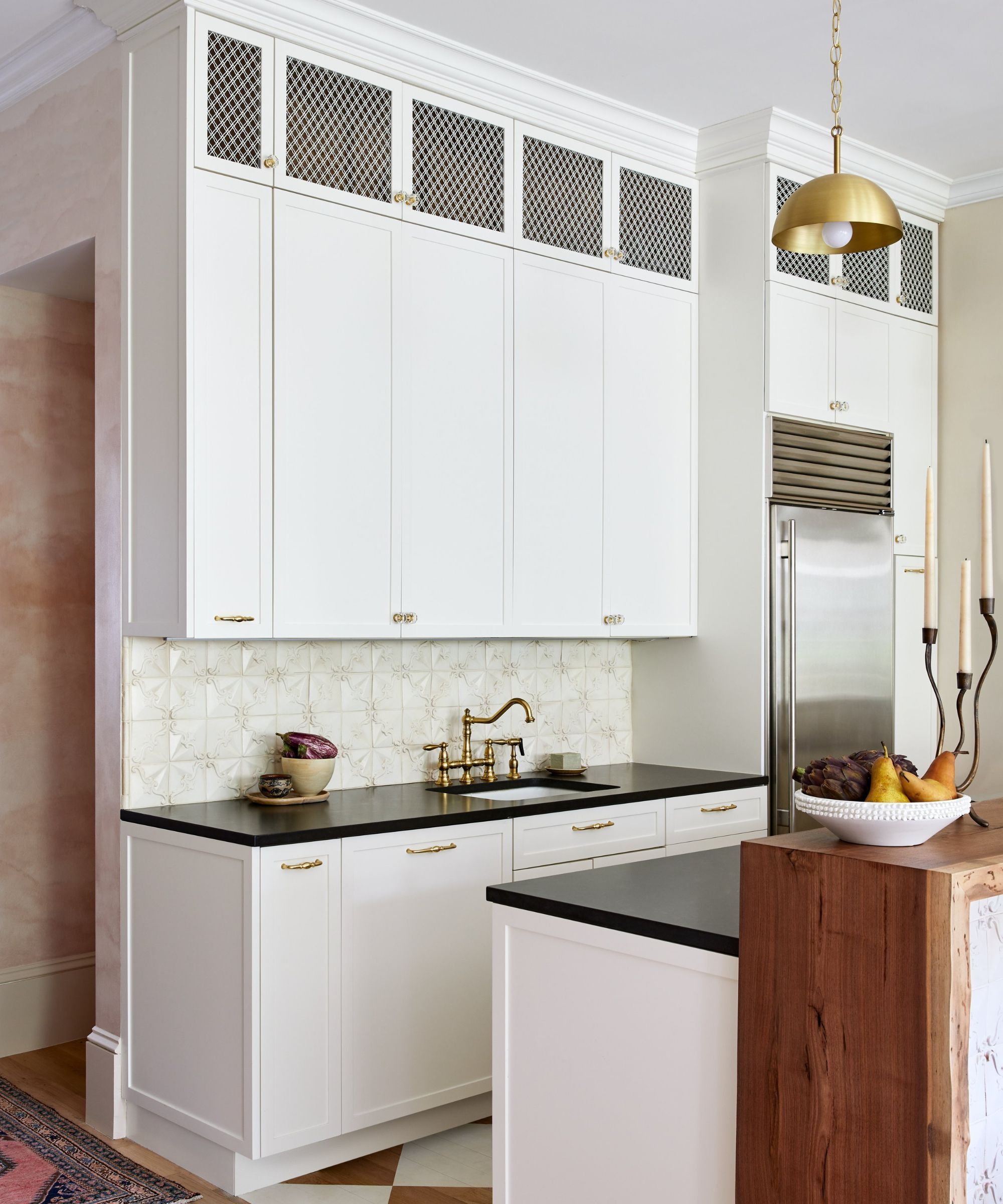
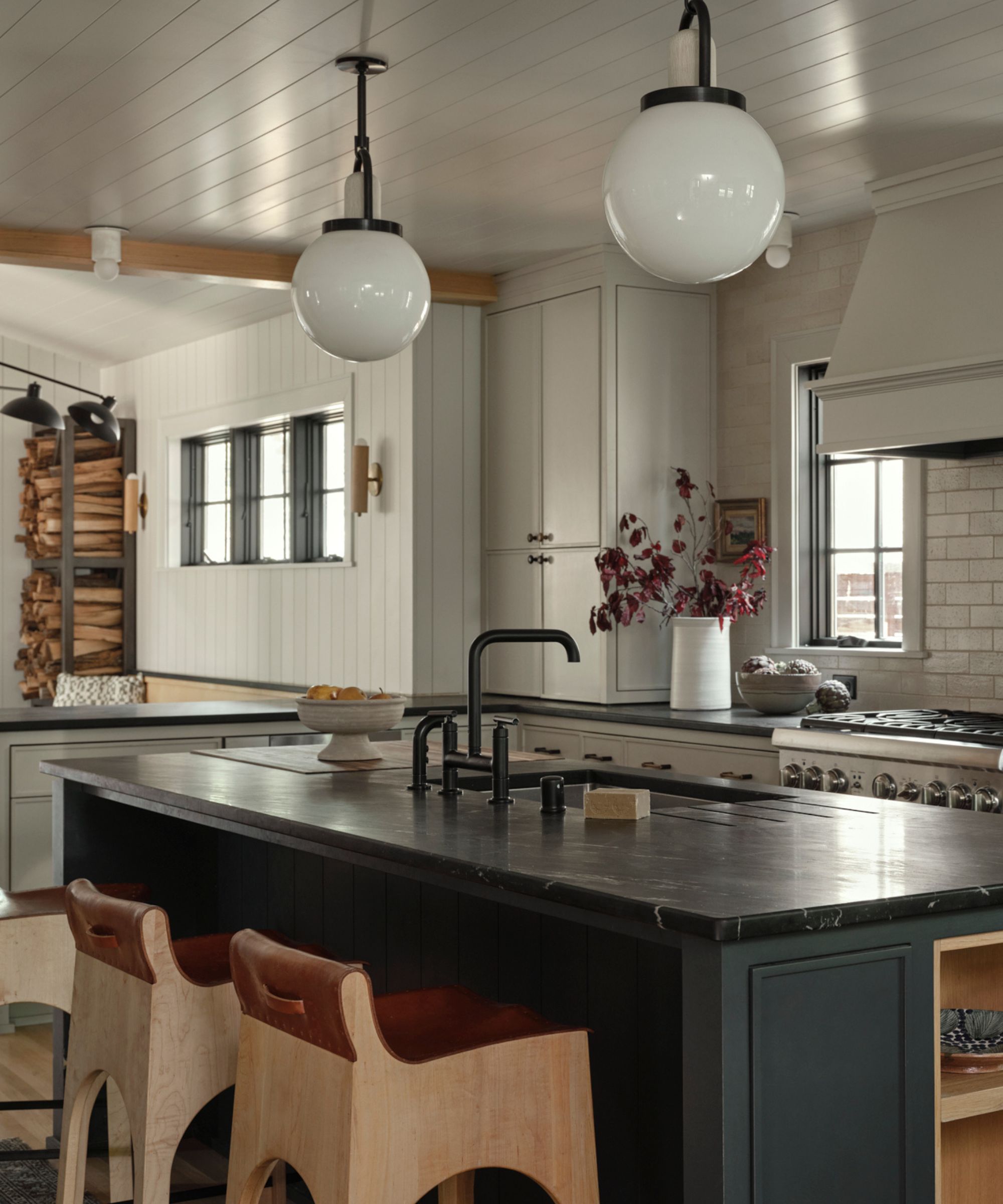
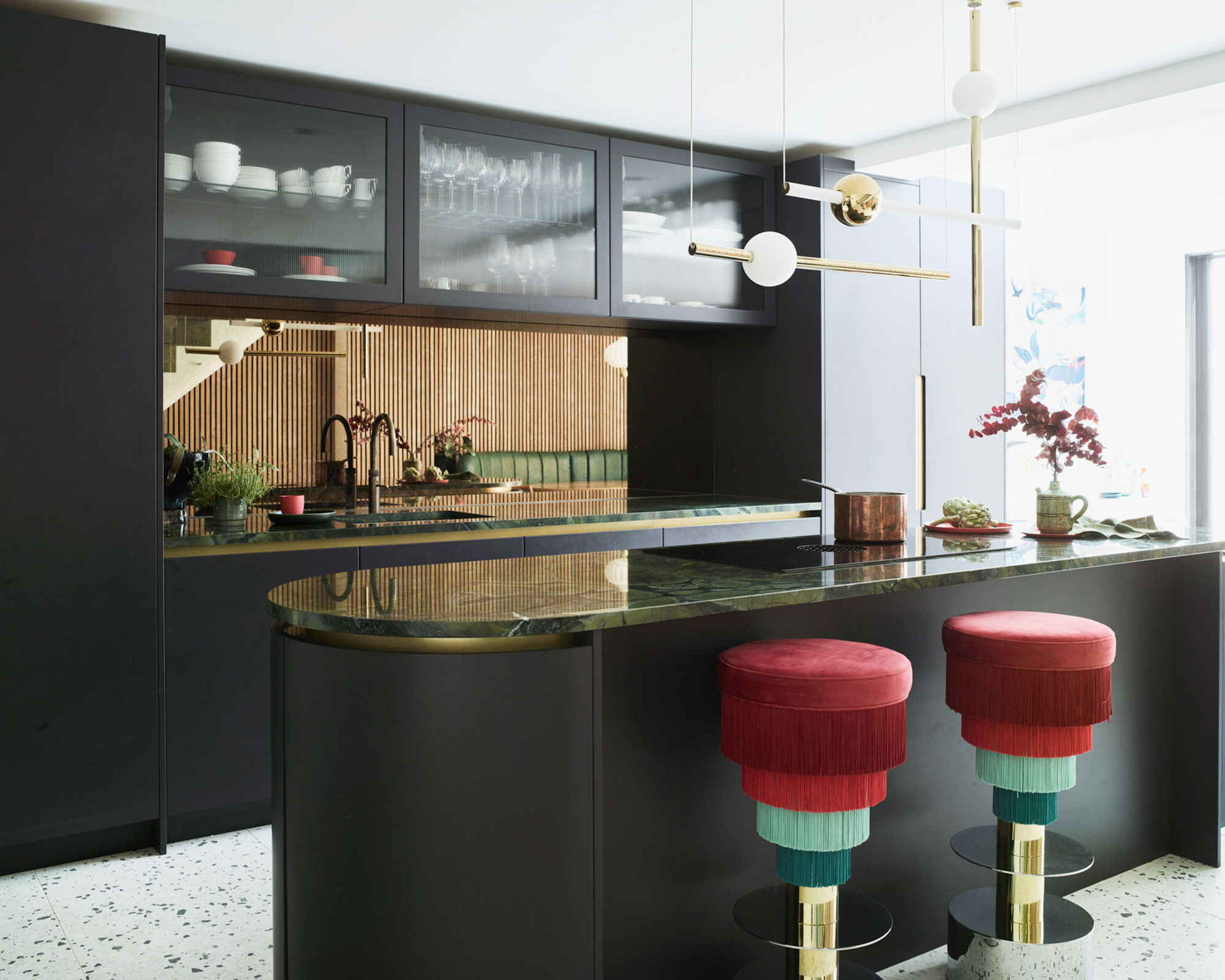
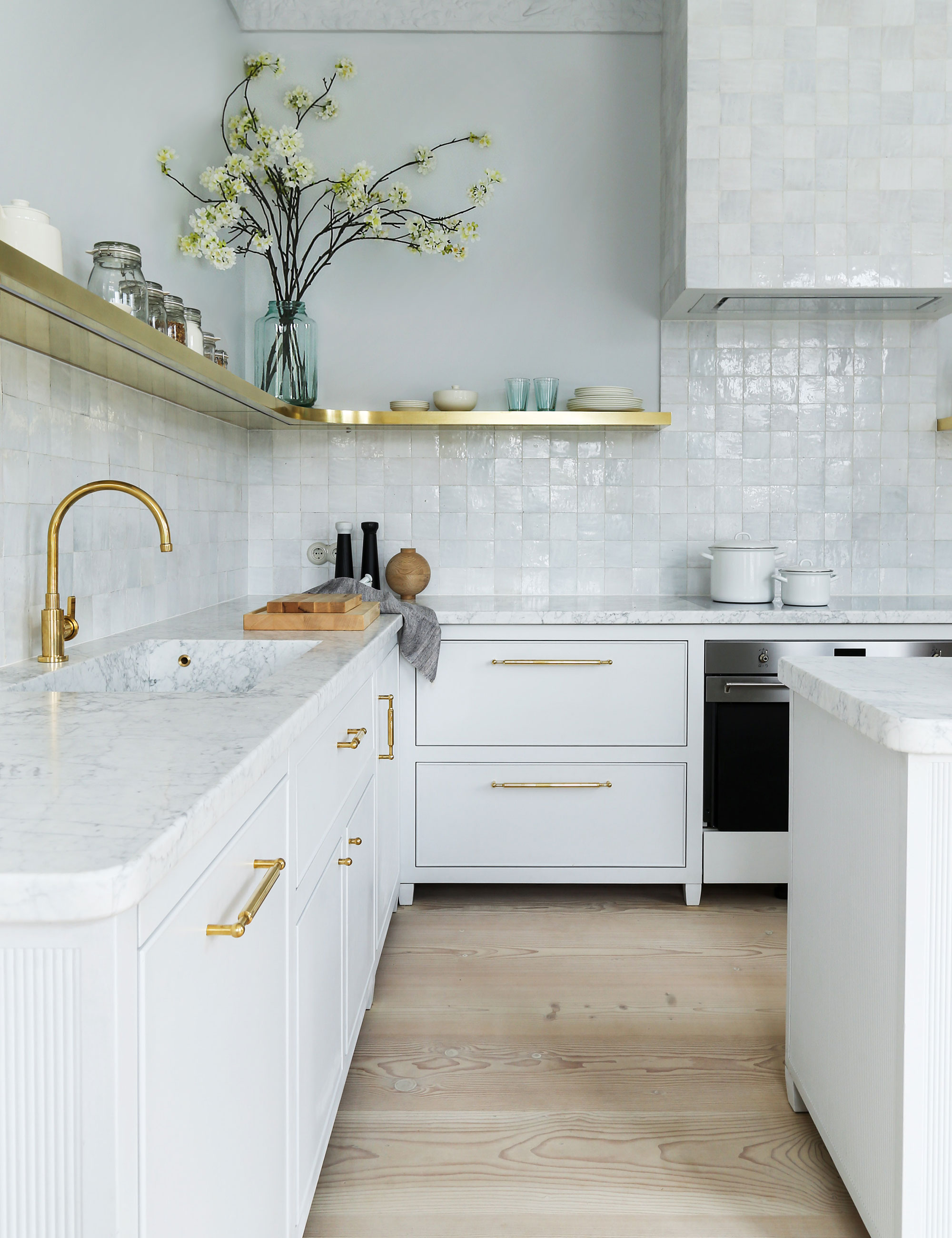
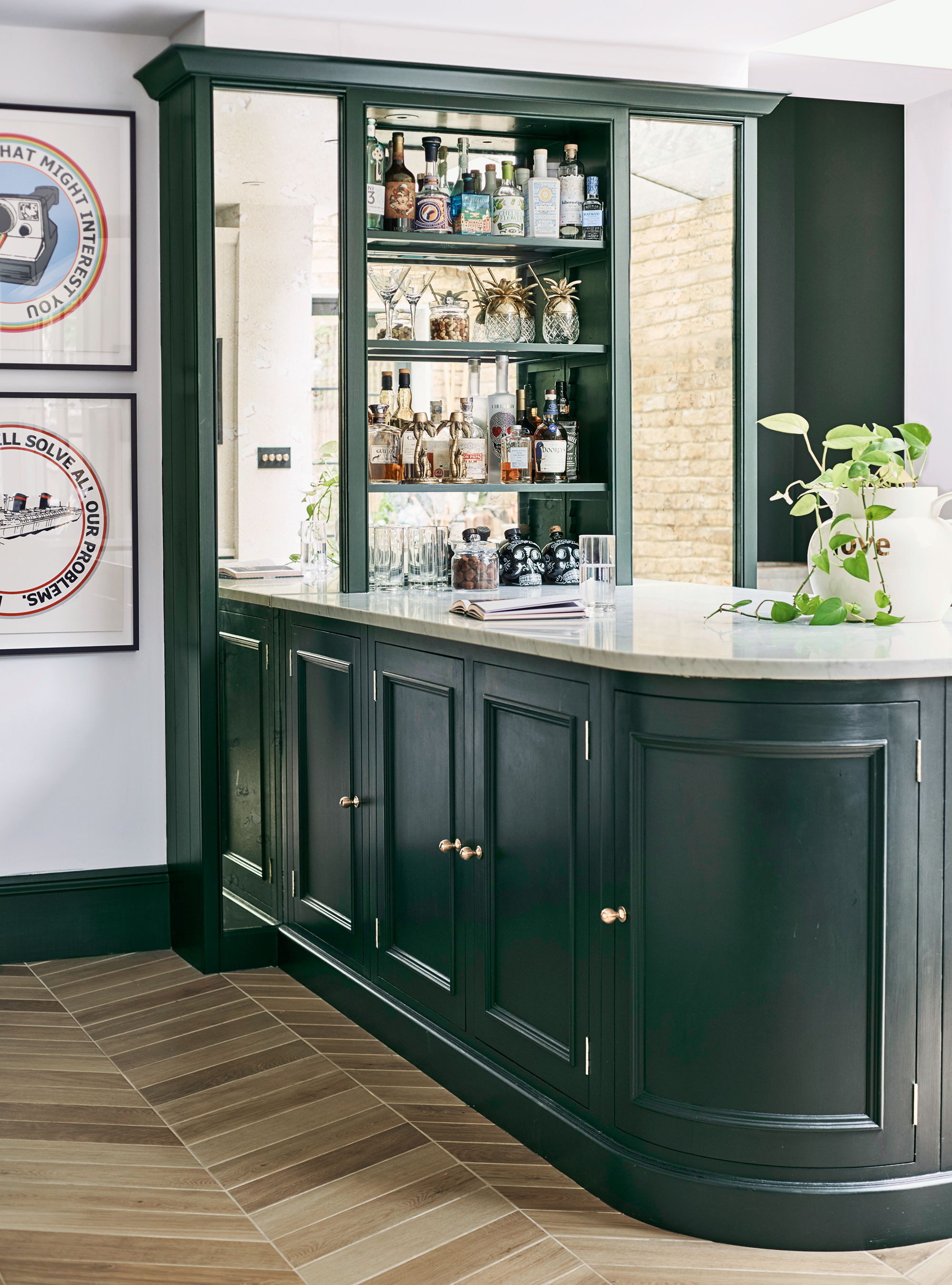
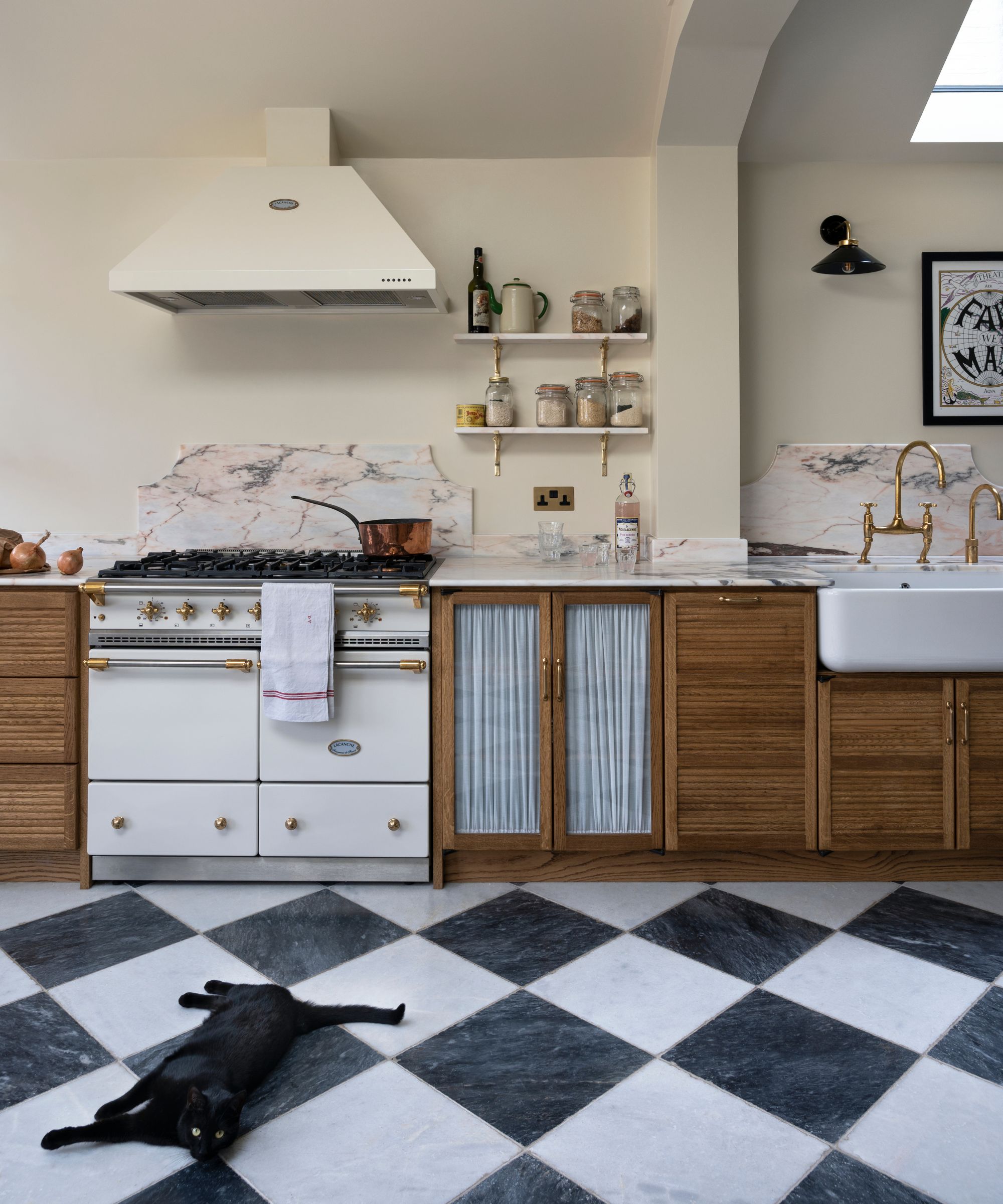
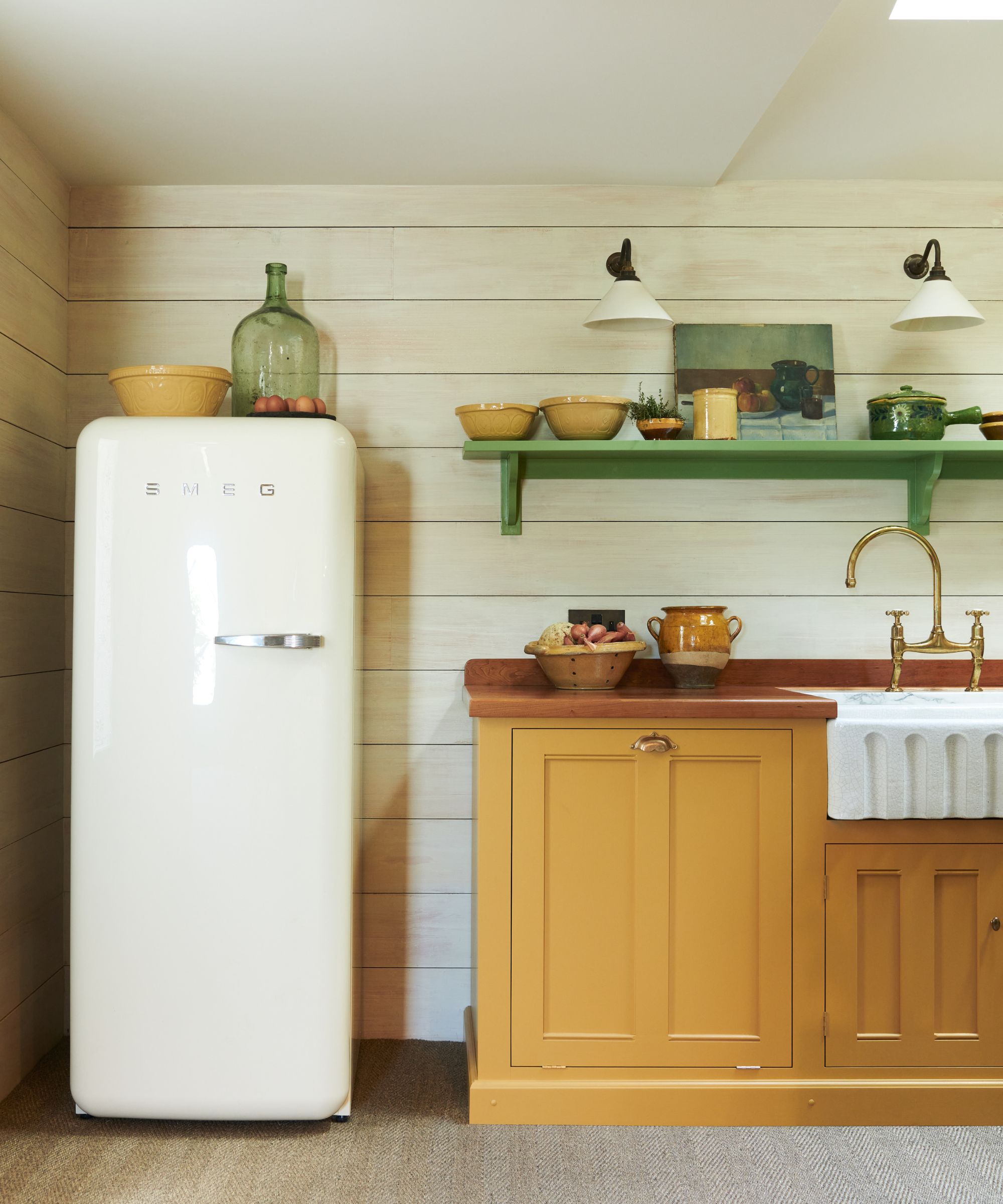
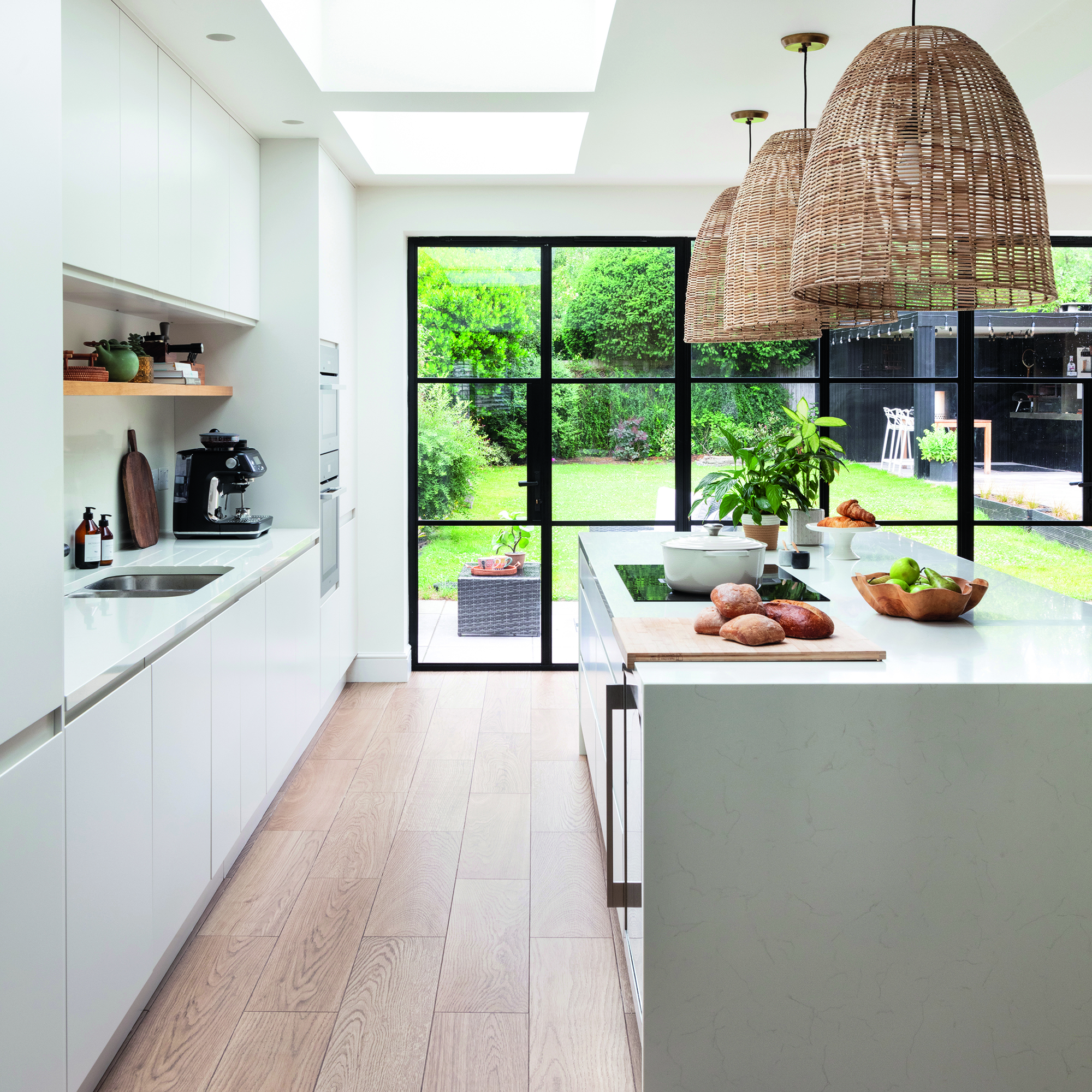
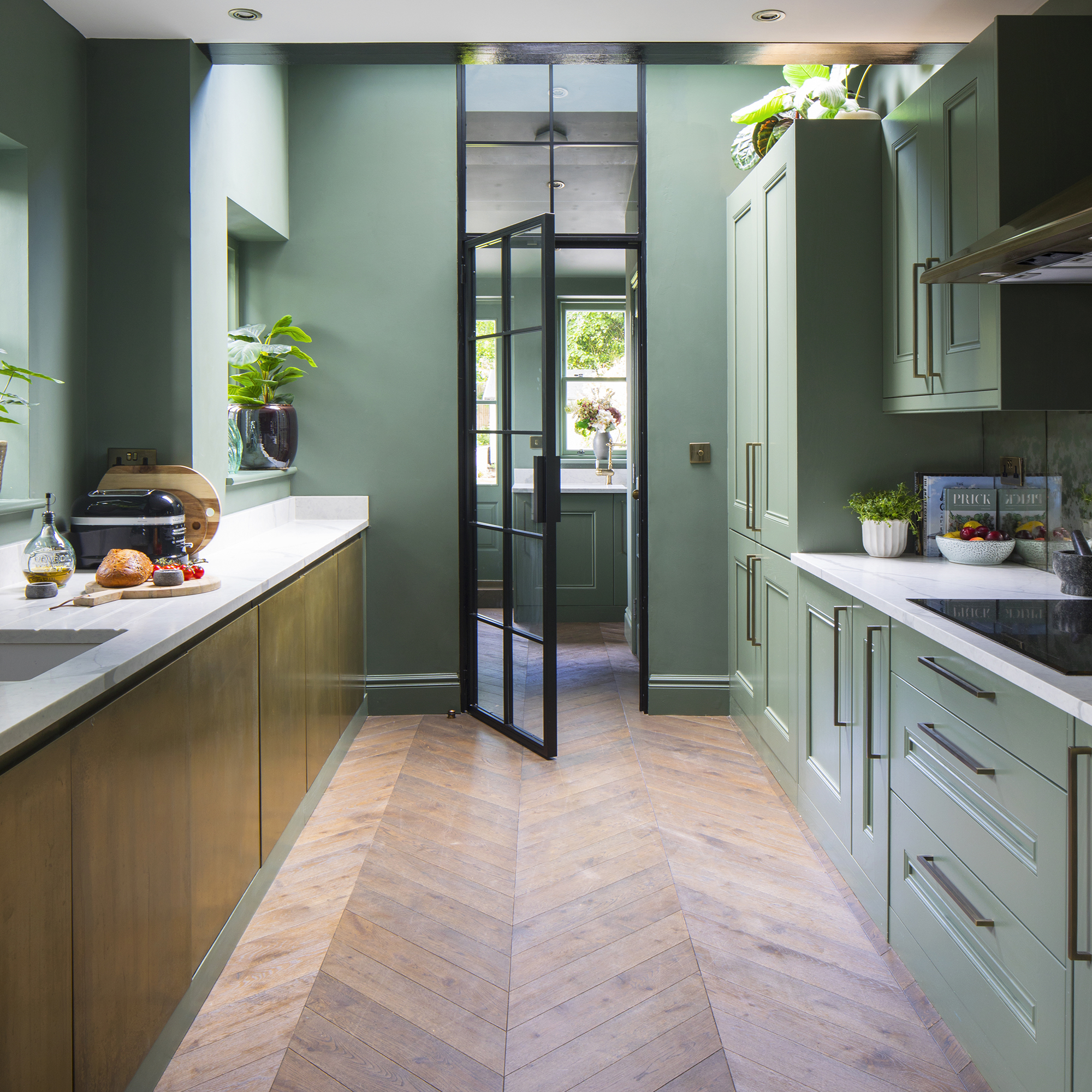
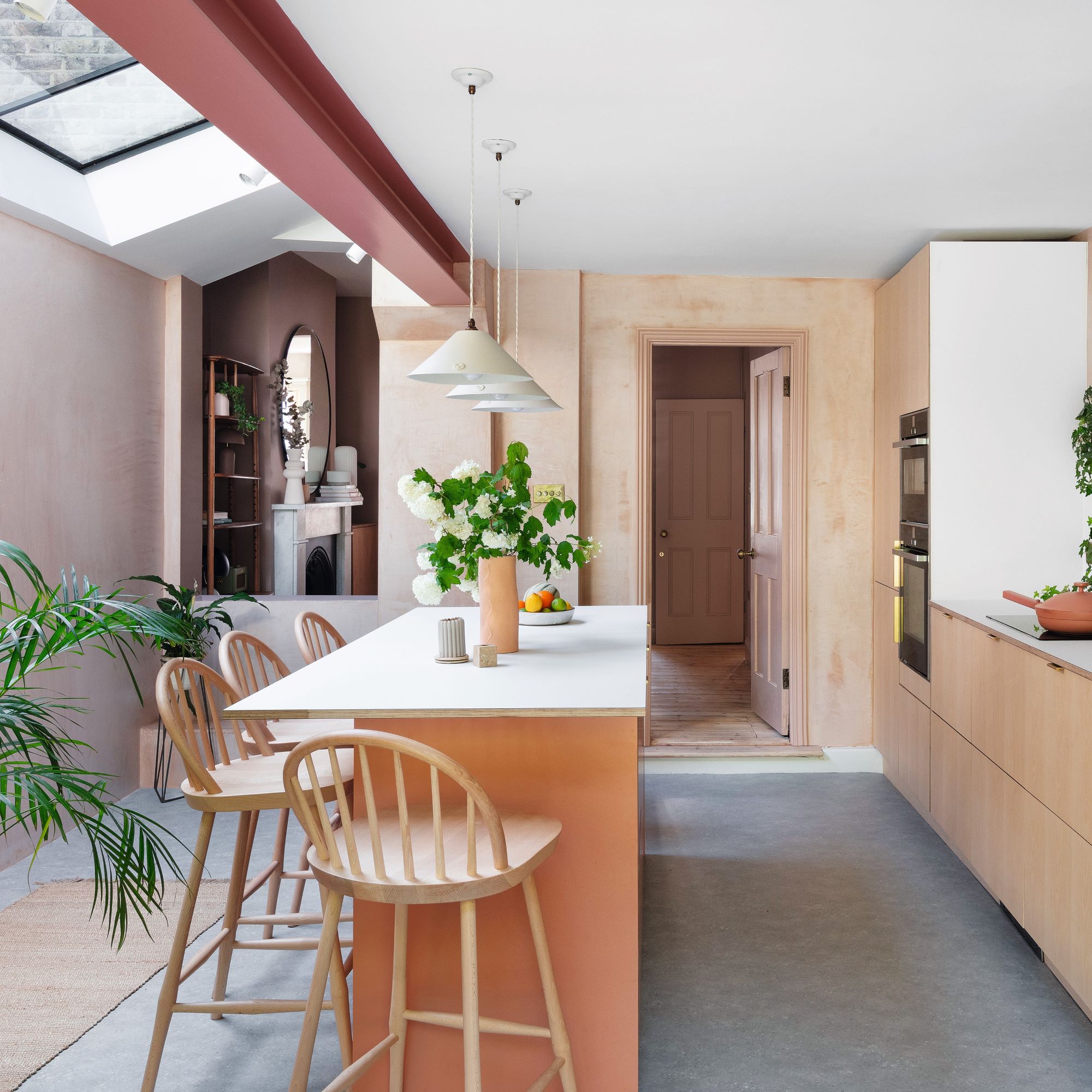
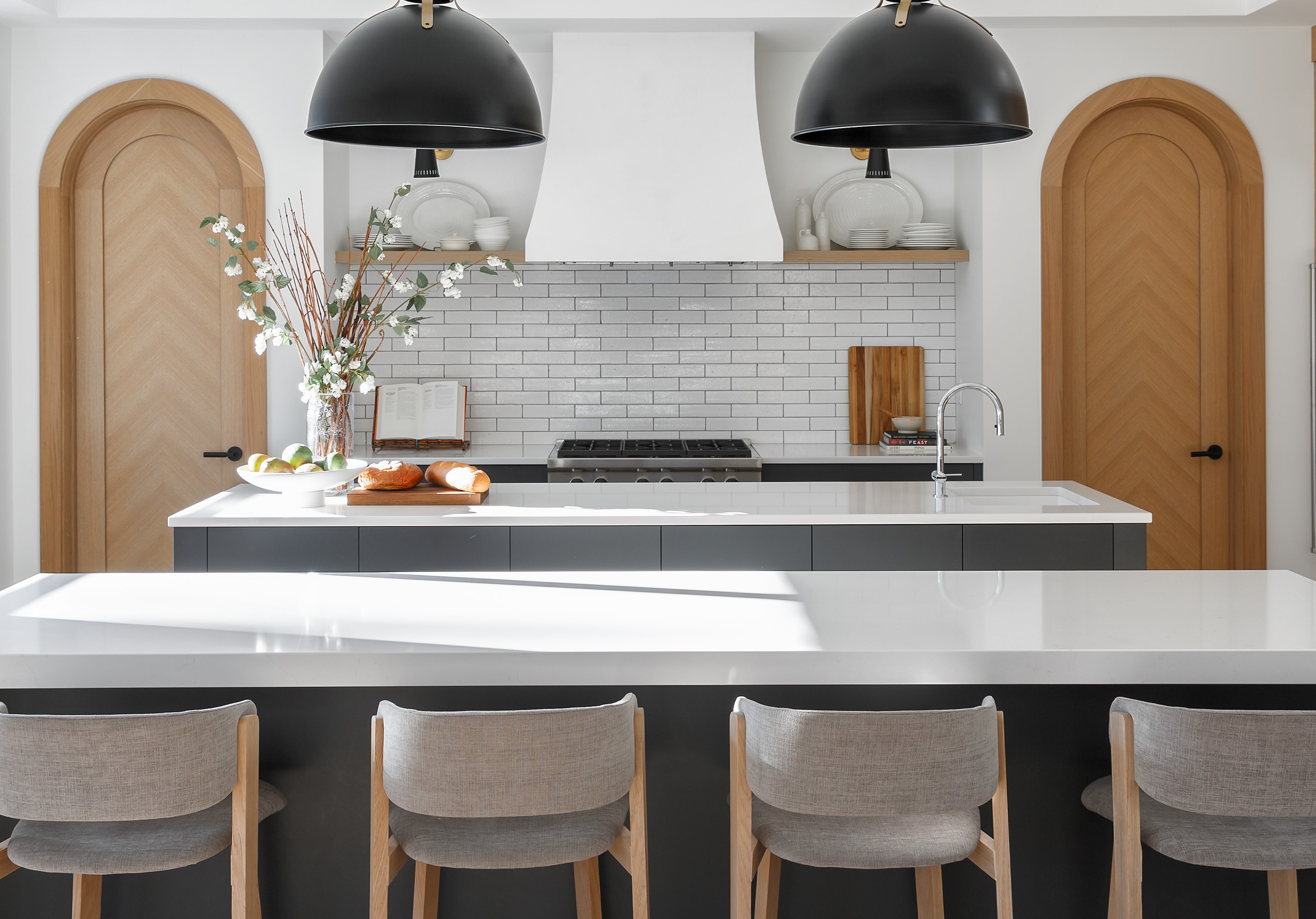
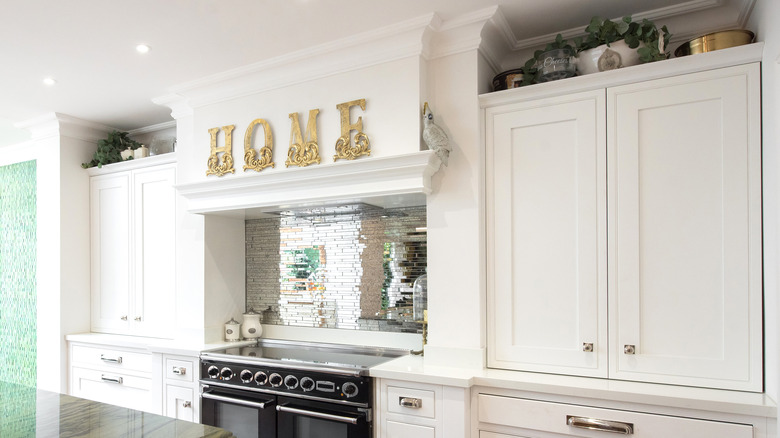
Symmetry in kitchen design focuses on achieving visual balance through coordinated elements, leading to a calm, streamlined, and organized space. This design philosophy emphasizes balancing scale, color, and proportions to create a timeless aesthetic that encourages more time spent in the kitchen. Designers aim for a harmonious look by coordinating cabinets, lighting, seating, and color schemes.
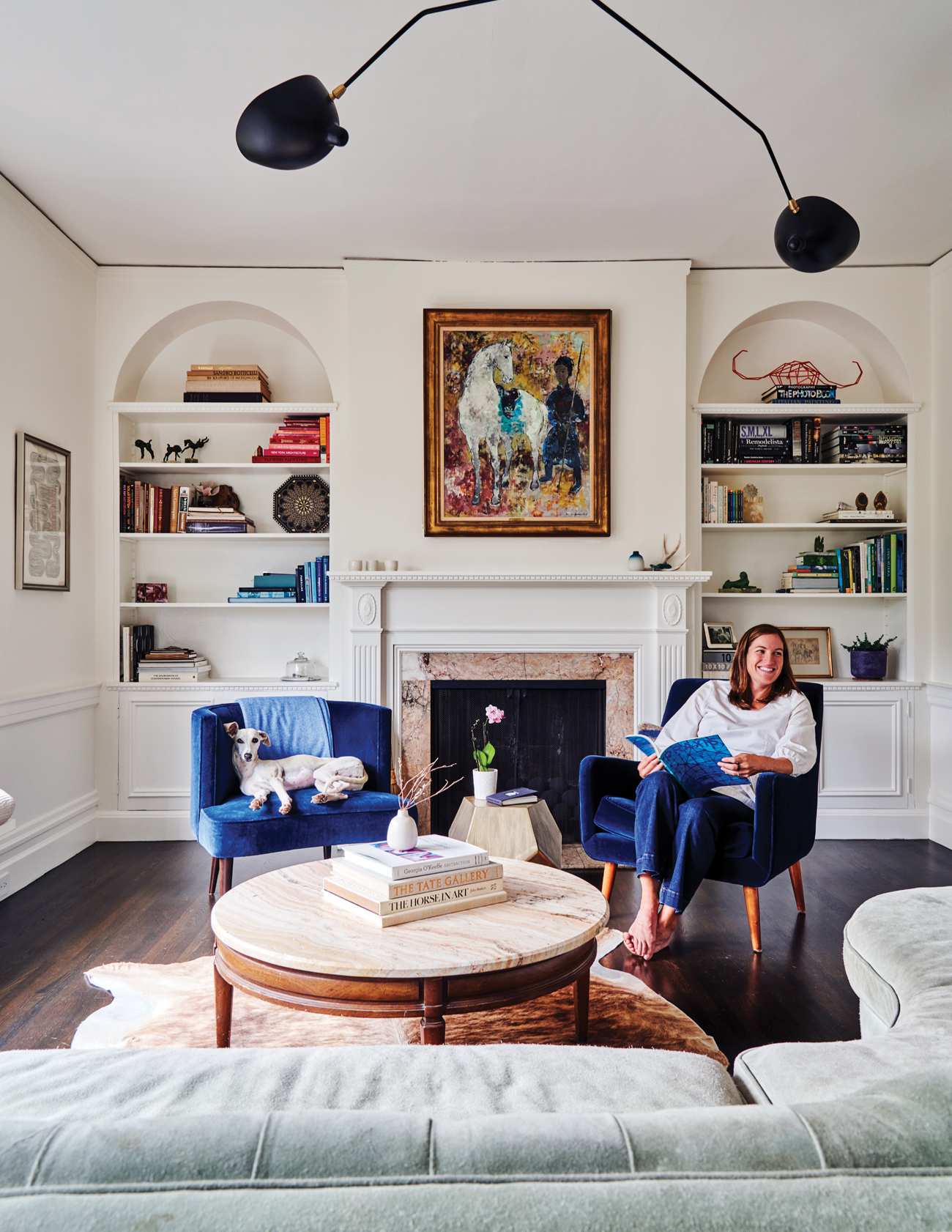
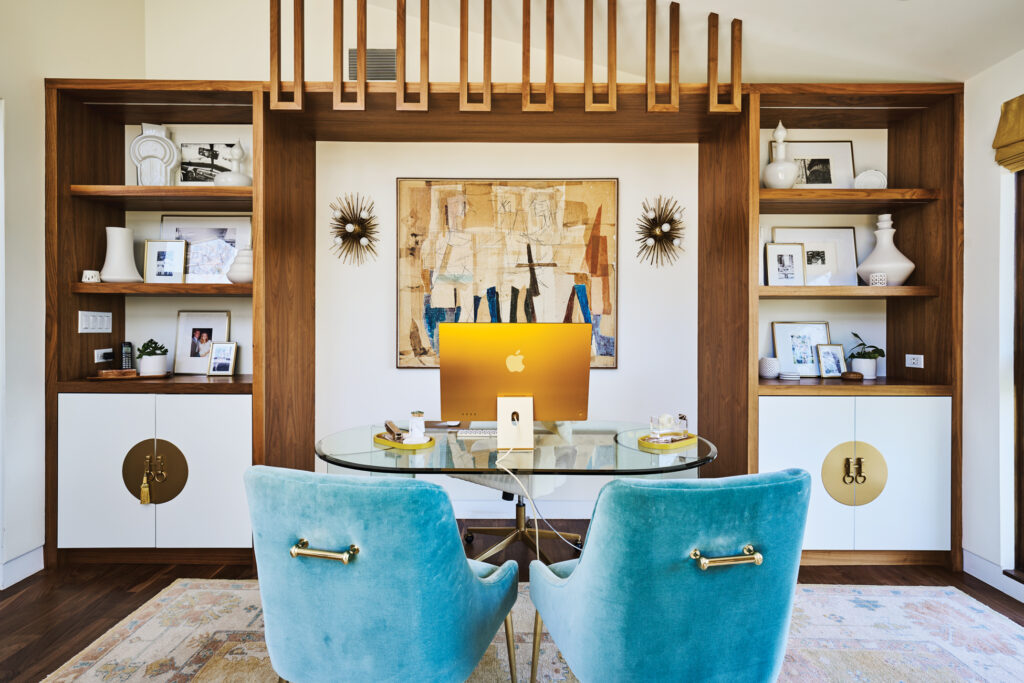
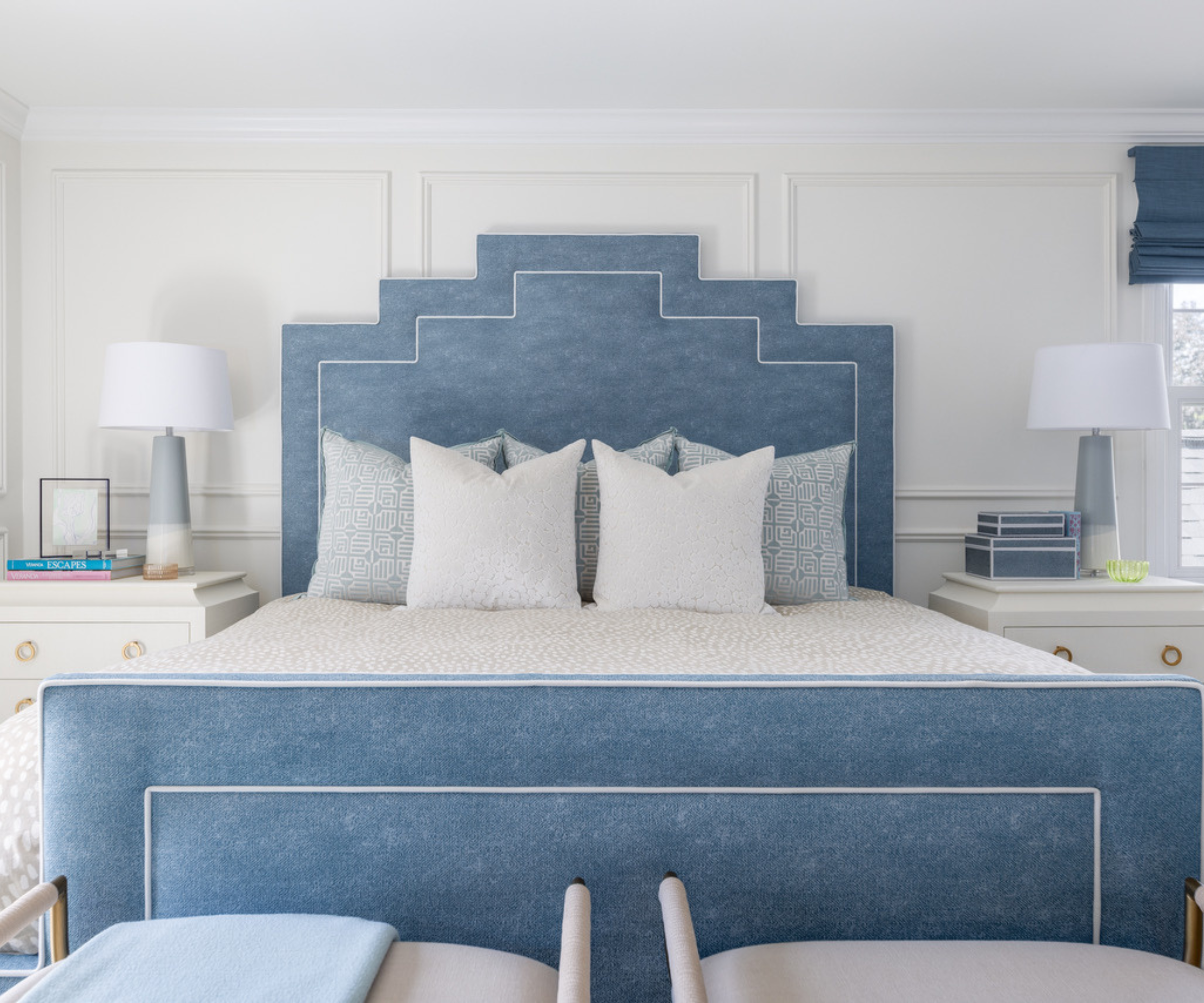
Visual balance is the core principle of symmetrical kitchen design. When elements are proportionally symmetrical or coordinated around a central midpoint, the space feels 'just right.' This sense of order and harmony is subconsciously appealing. Reena Sotropa, founder of Reena Sotropa In House Design, highlights that while balance conveys order, the rigidity of a symmetrical framework can challenge the accommodation of functional and practical requirements. However, the inherent human attraction to symmetry ensures its continued popularity.
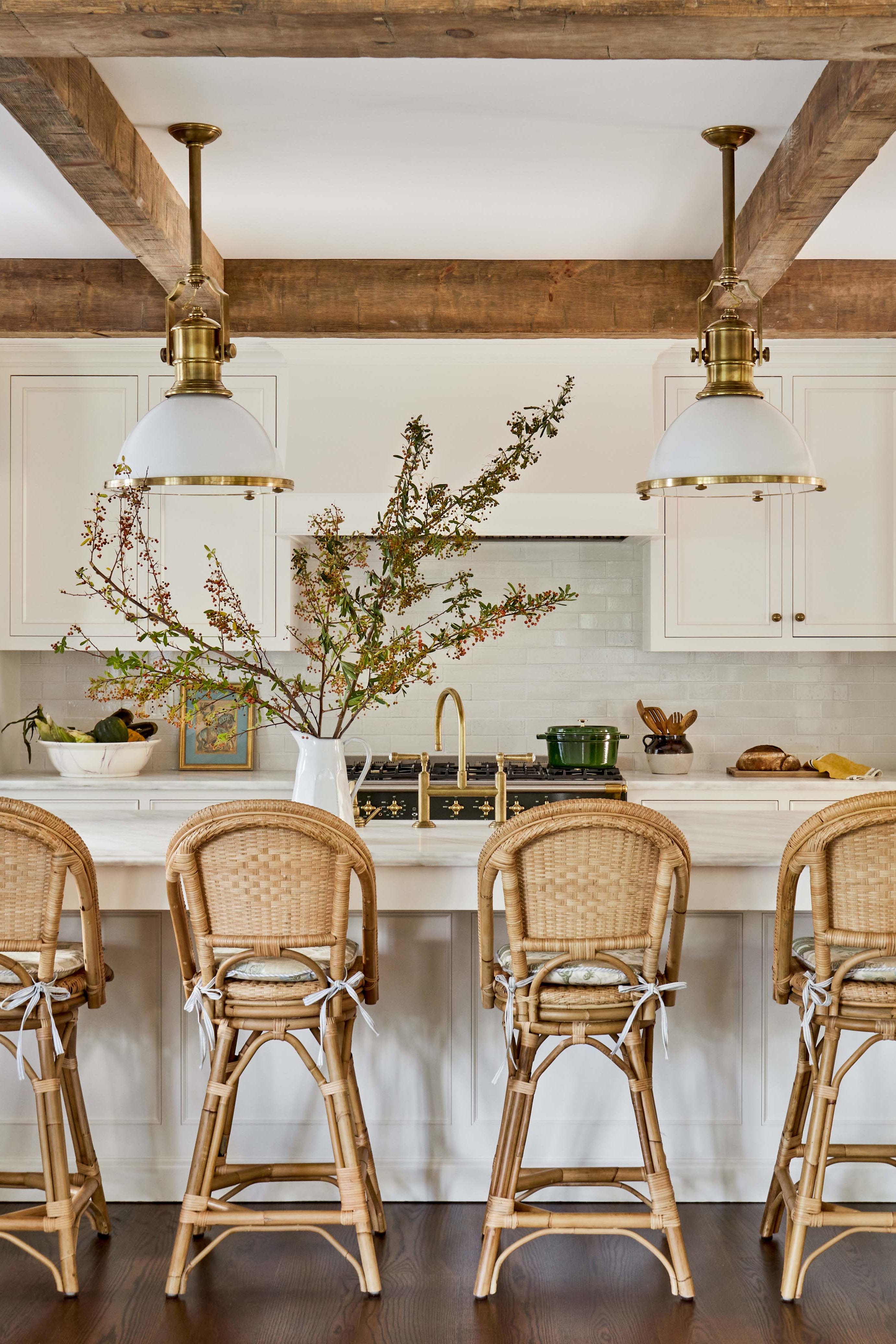
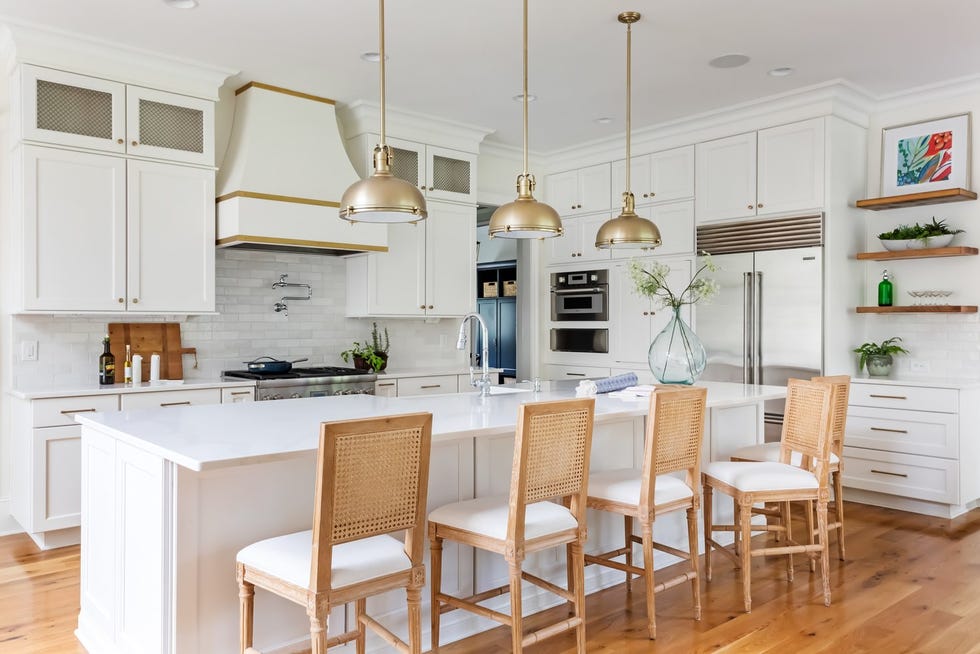
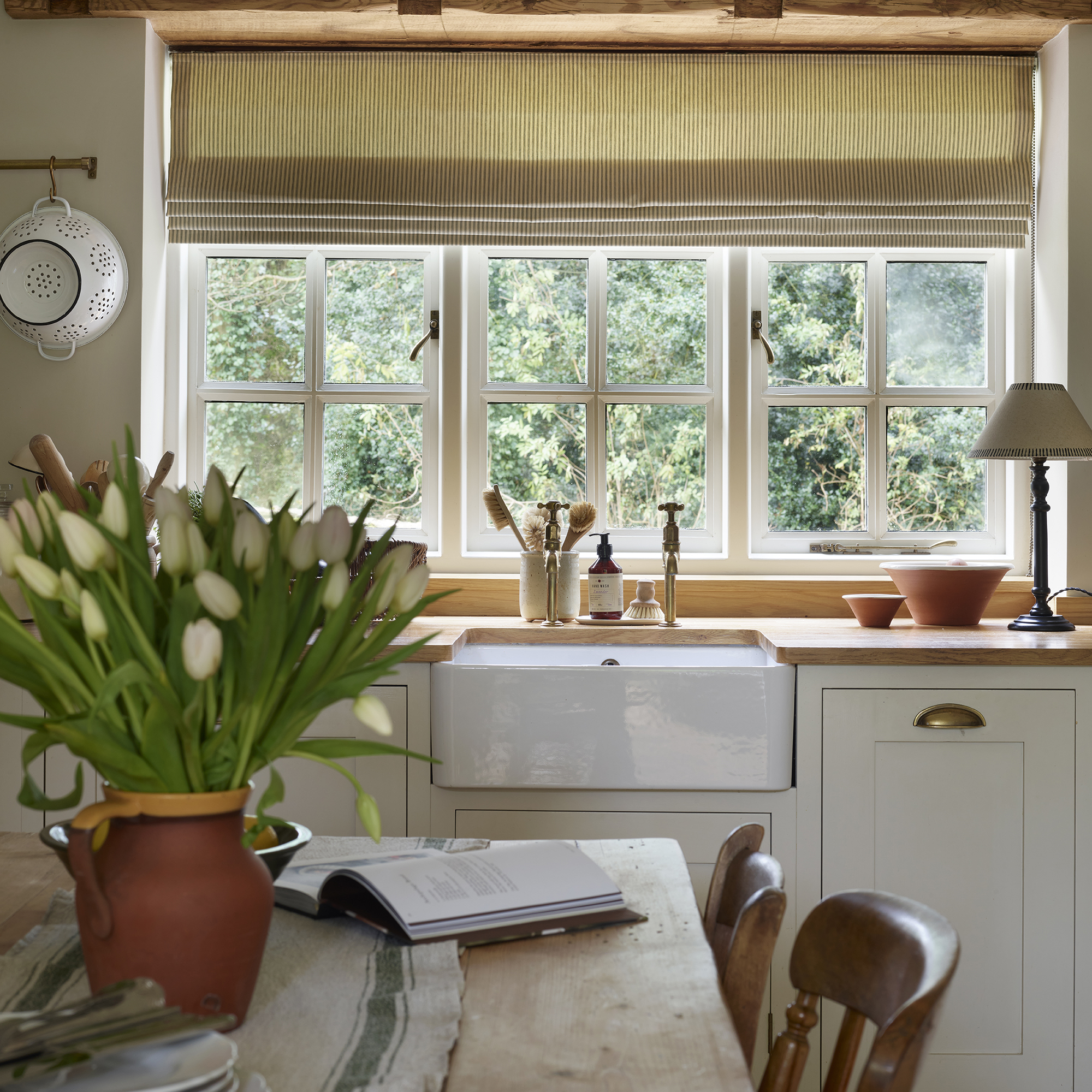
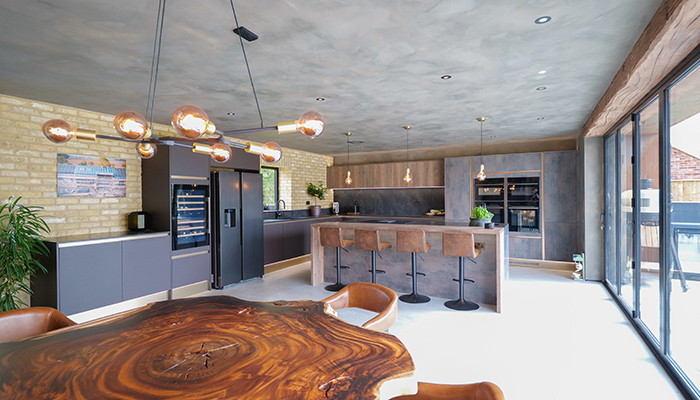
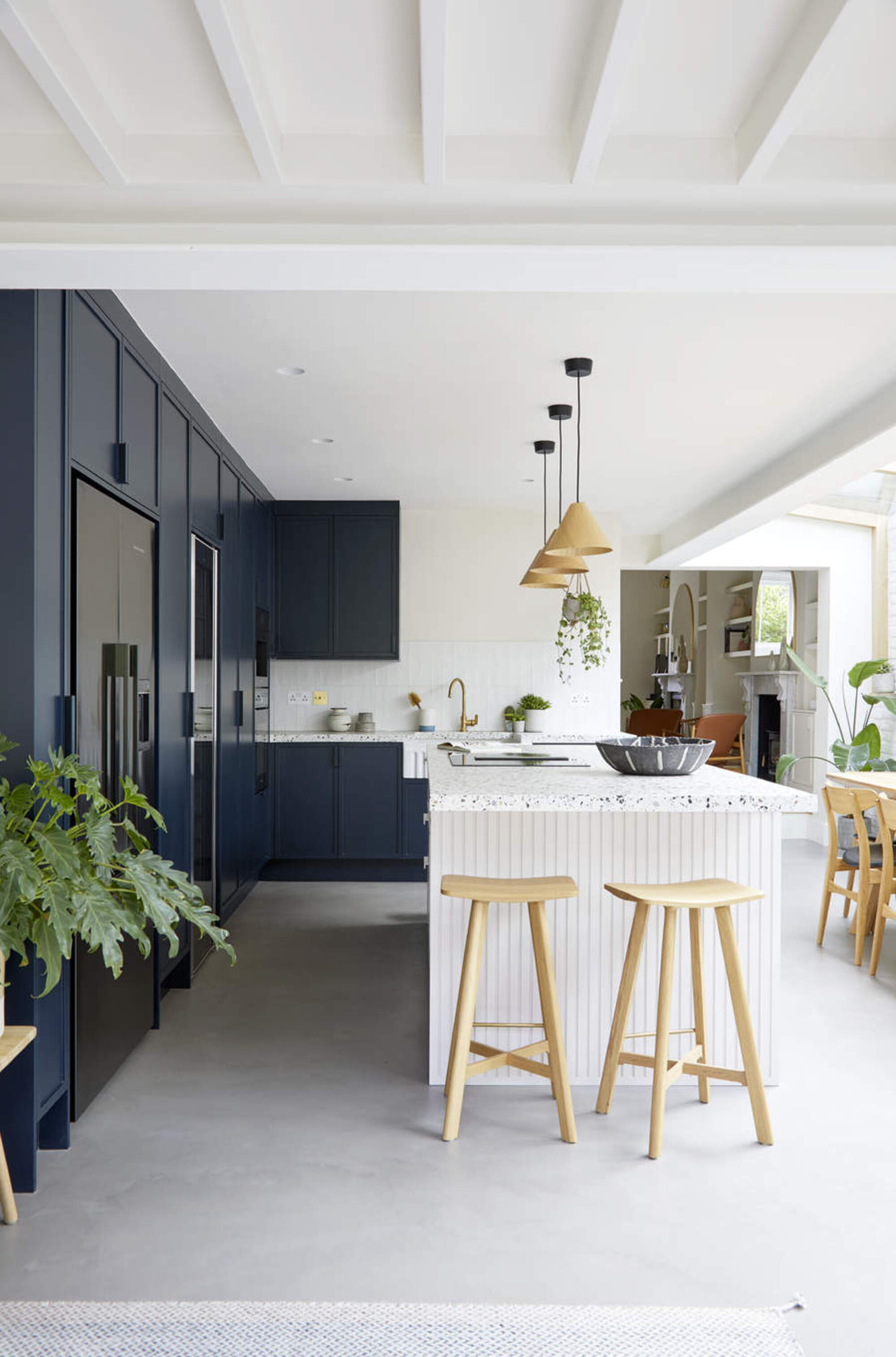
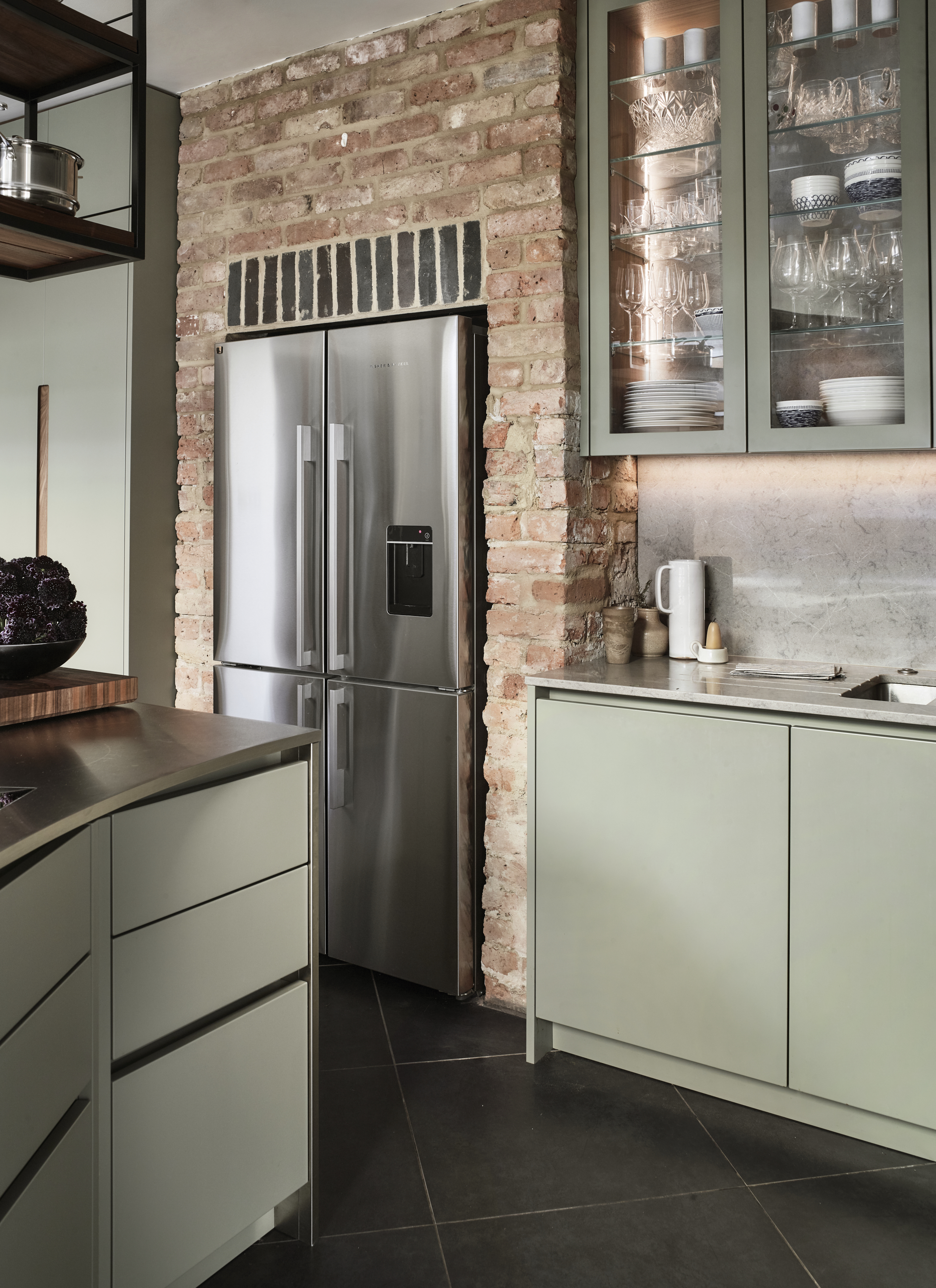
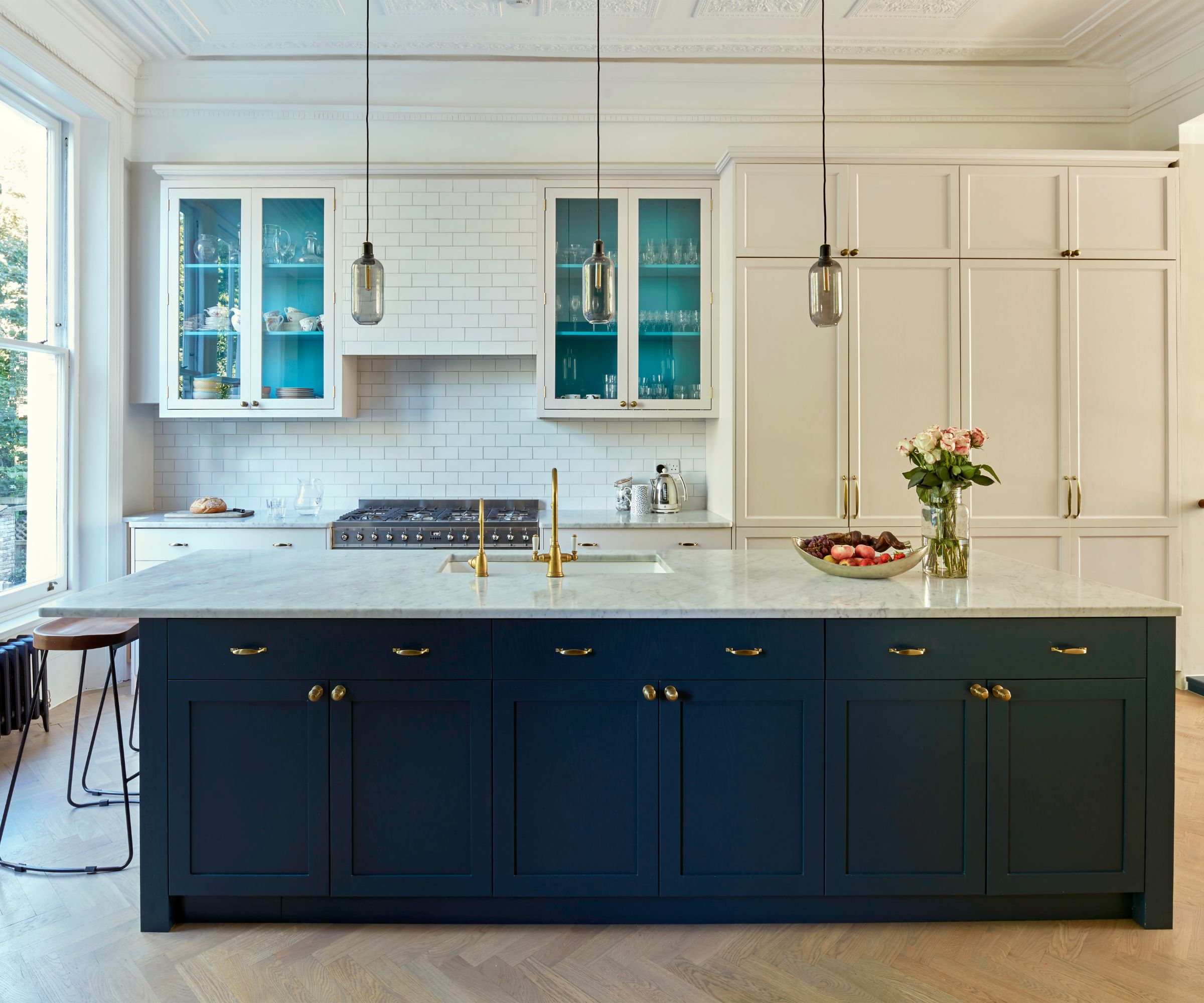
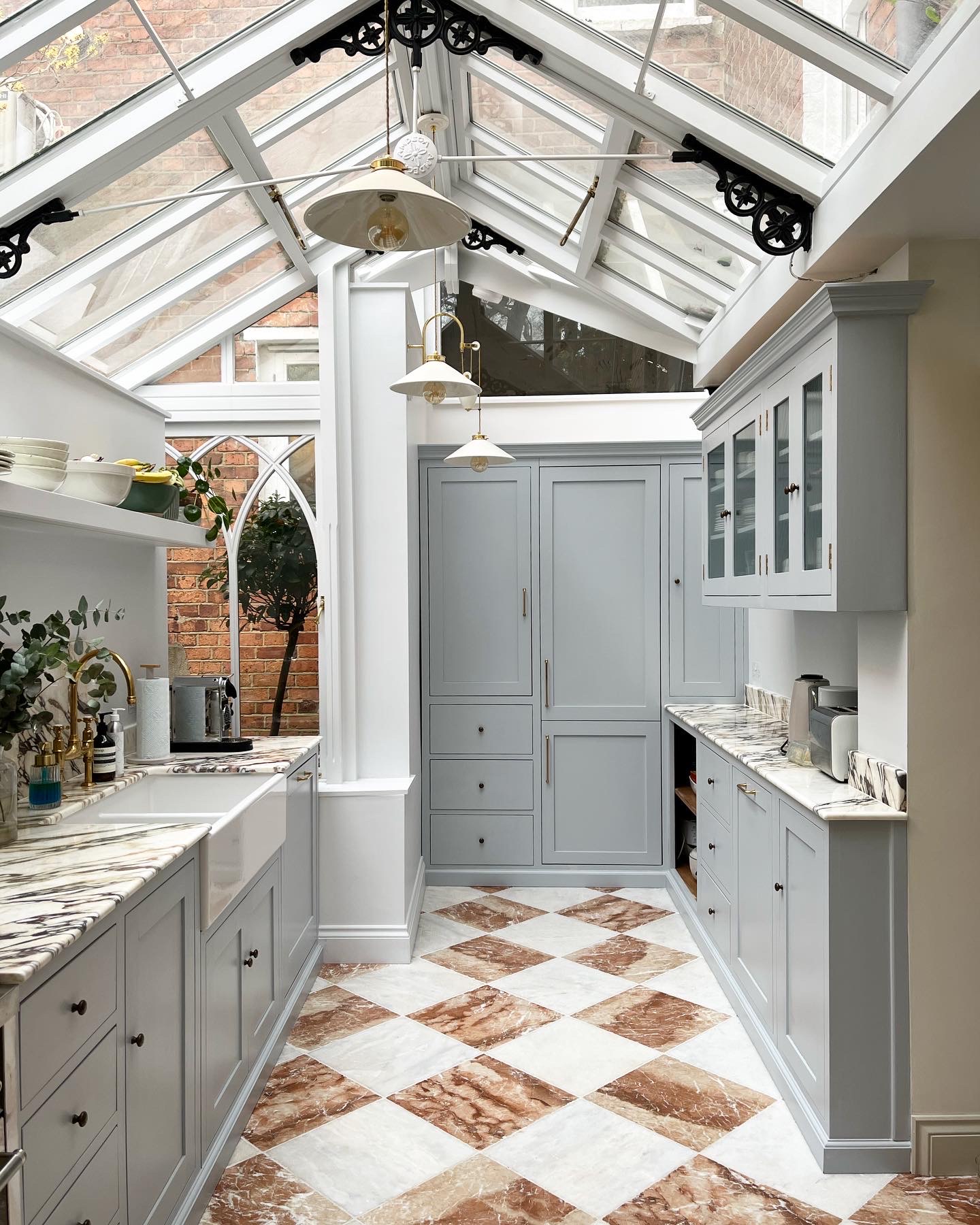
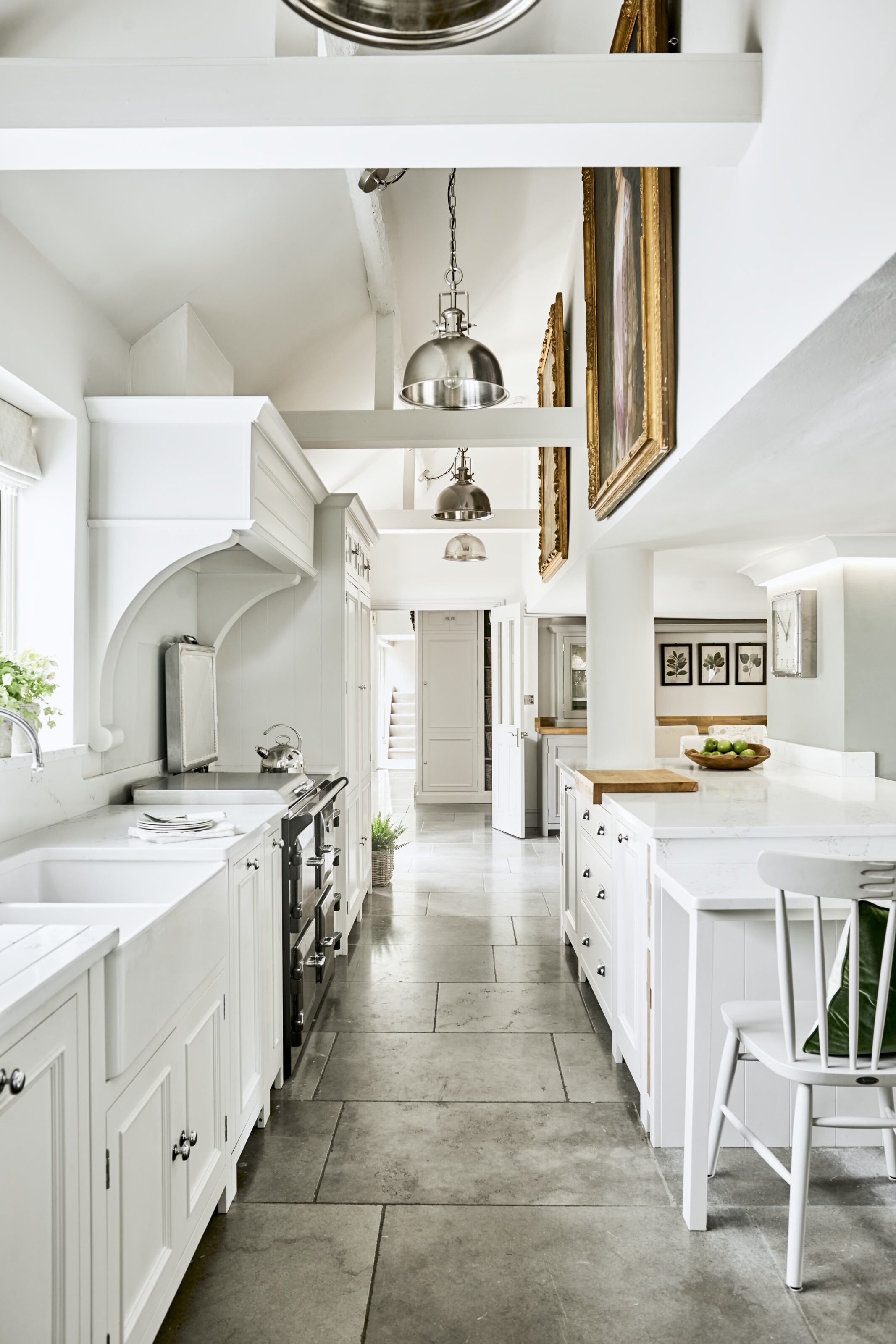
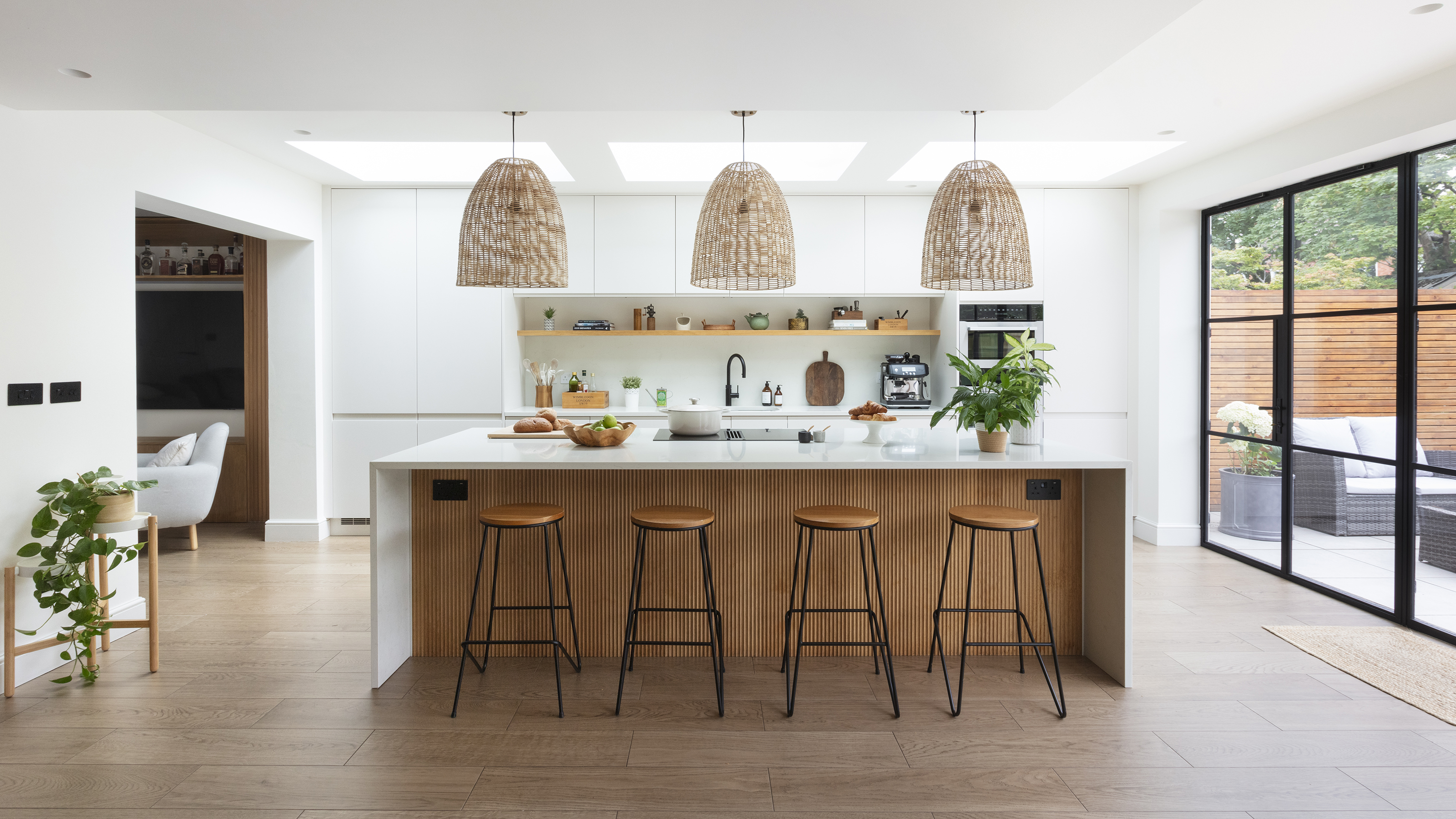
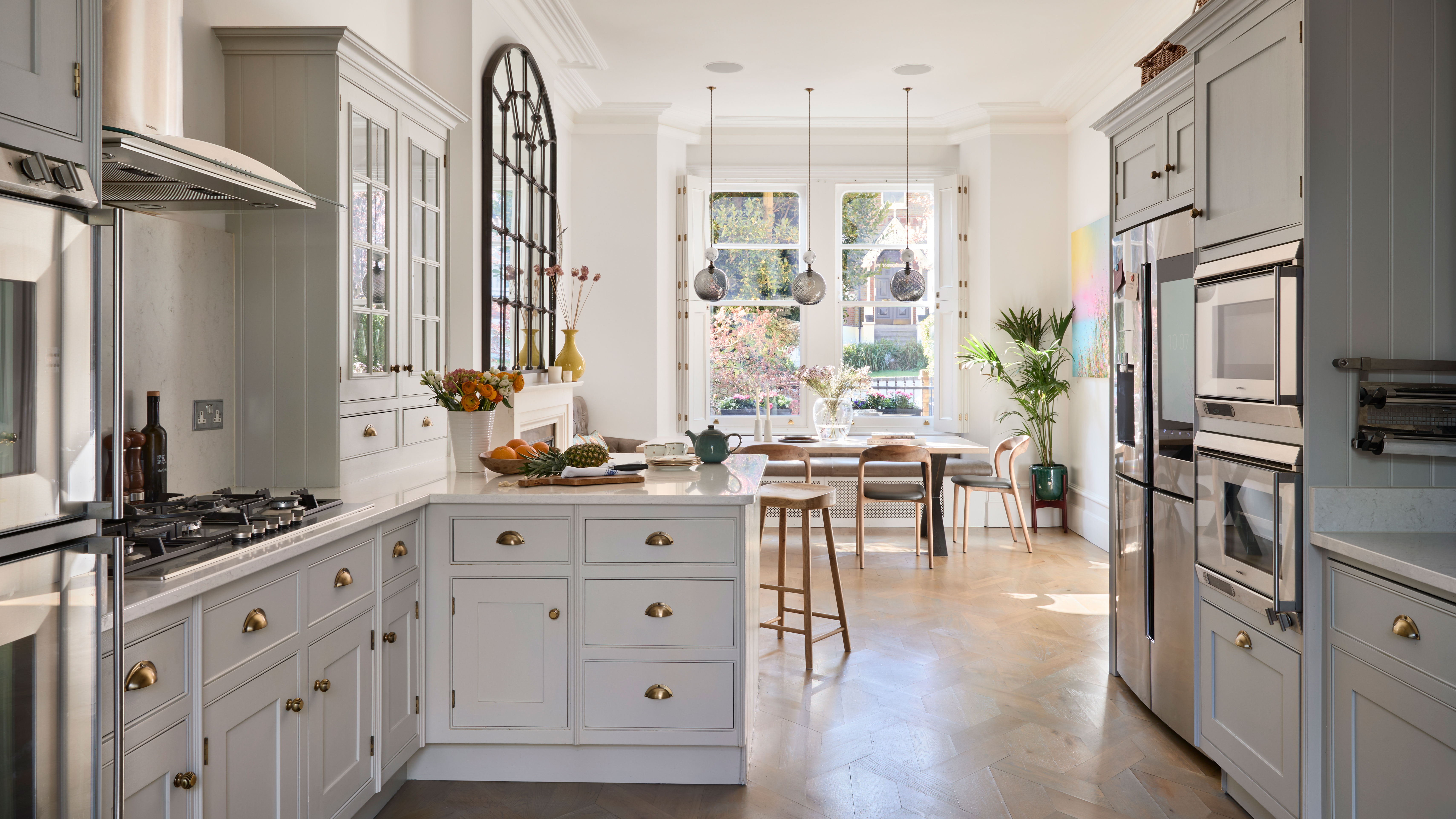
Achieving symmetry in kitchen design involves several key strategies. Coordinating lighting is crucial, often using pendant lights as a central anchor. Objects on either side of this focal point are then proportionally balanced. For instance, matching fridge and freezer units placed on either side of windows, aligned with a series of repeating pendant lights, can create a centered effect. In larger kitchens, multiple focal points may be beneficial.
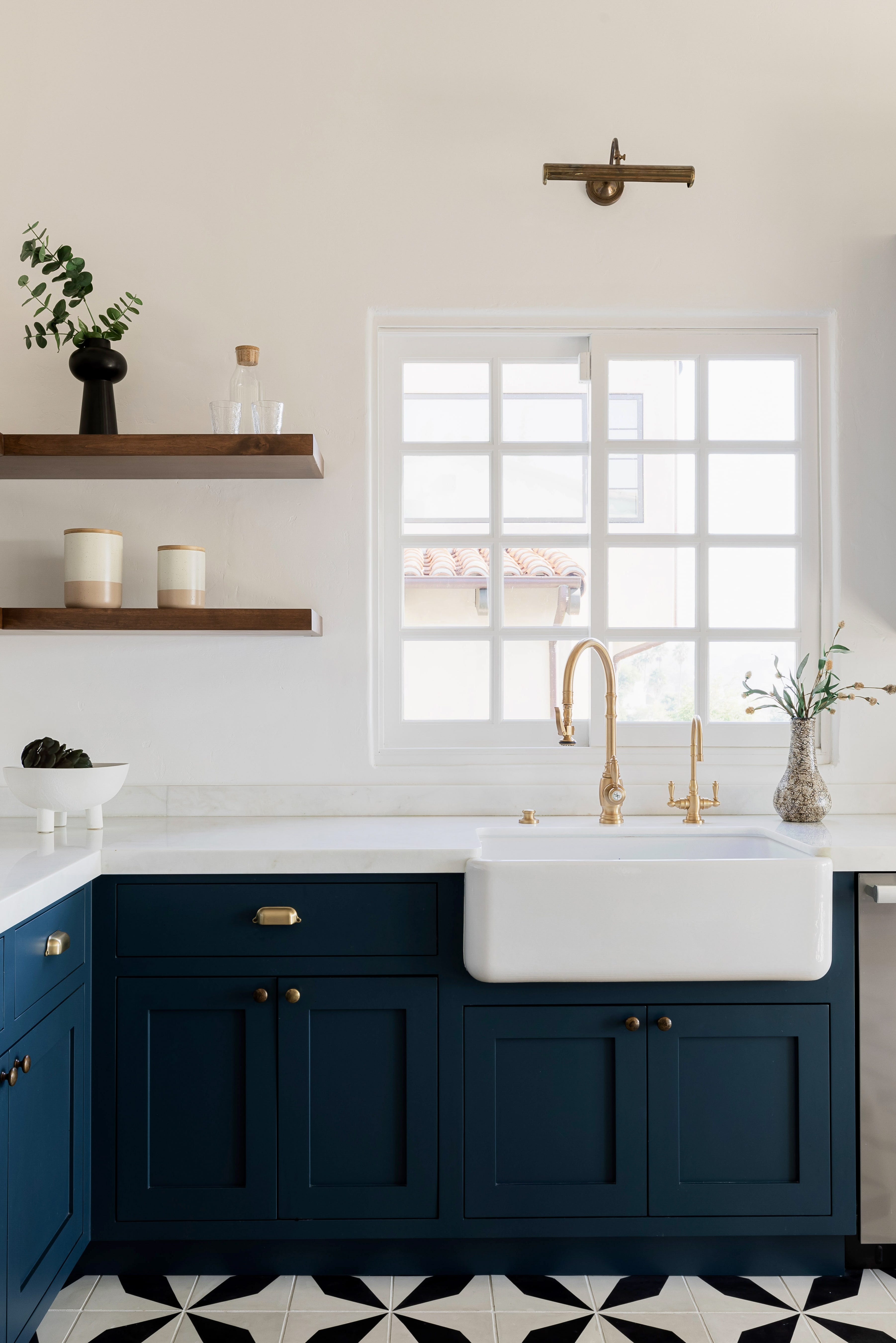
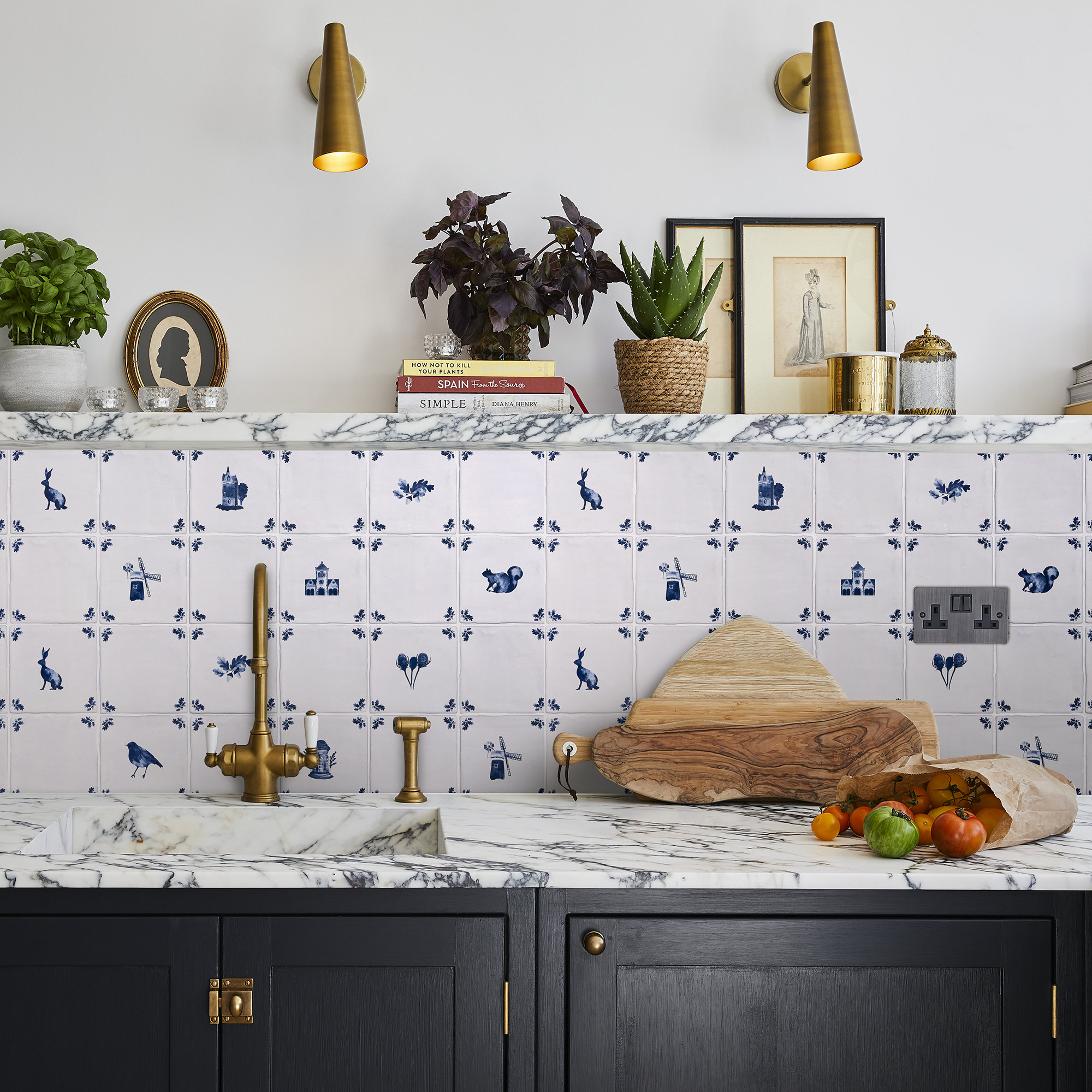
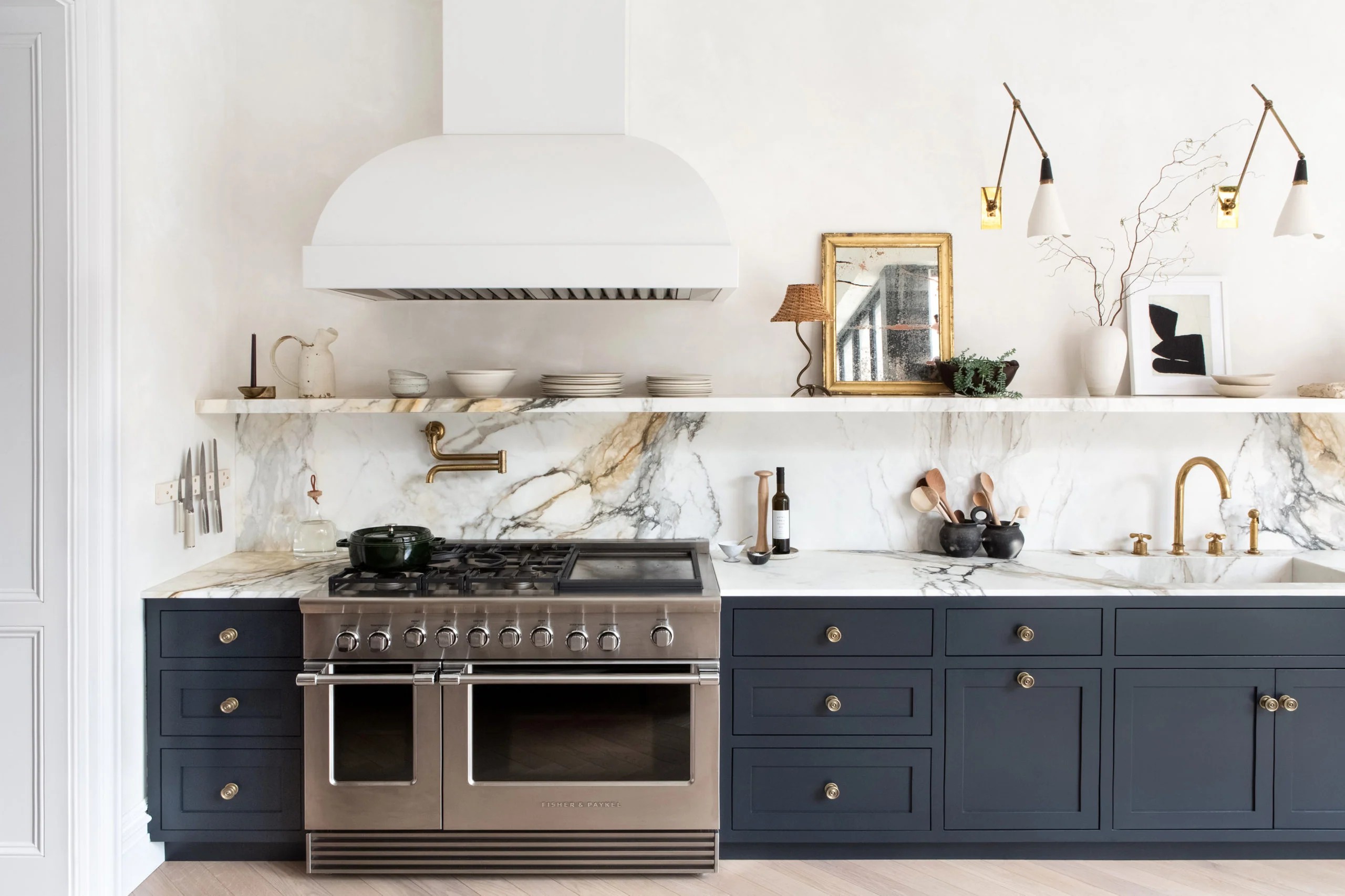
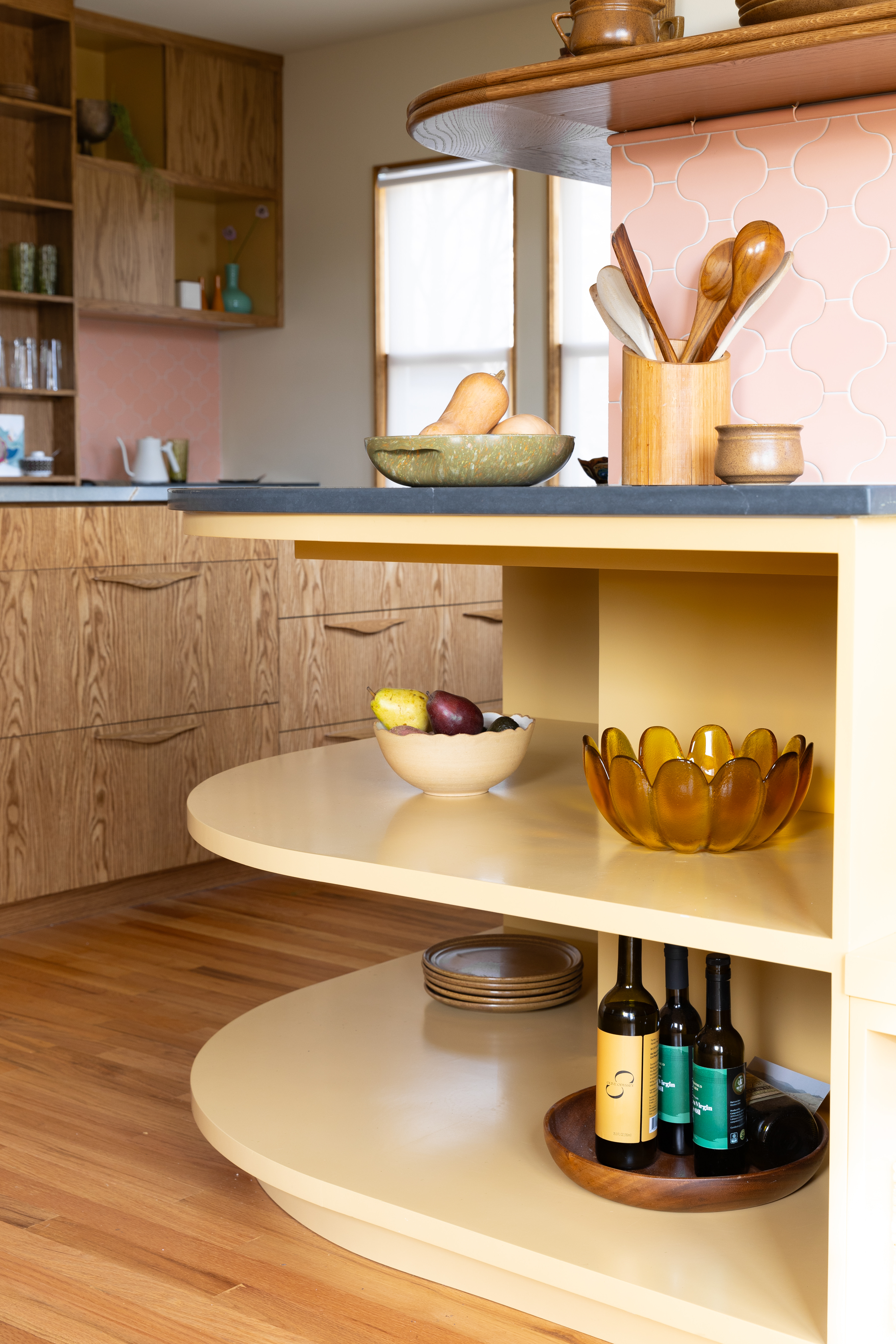
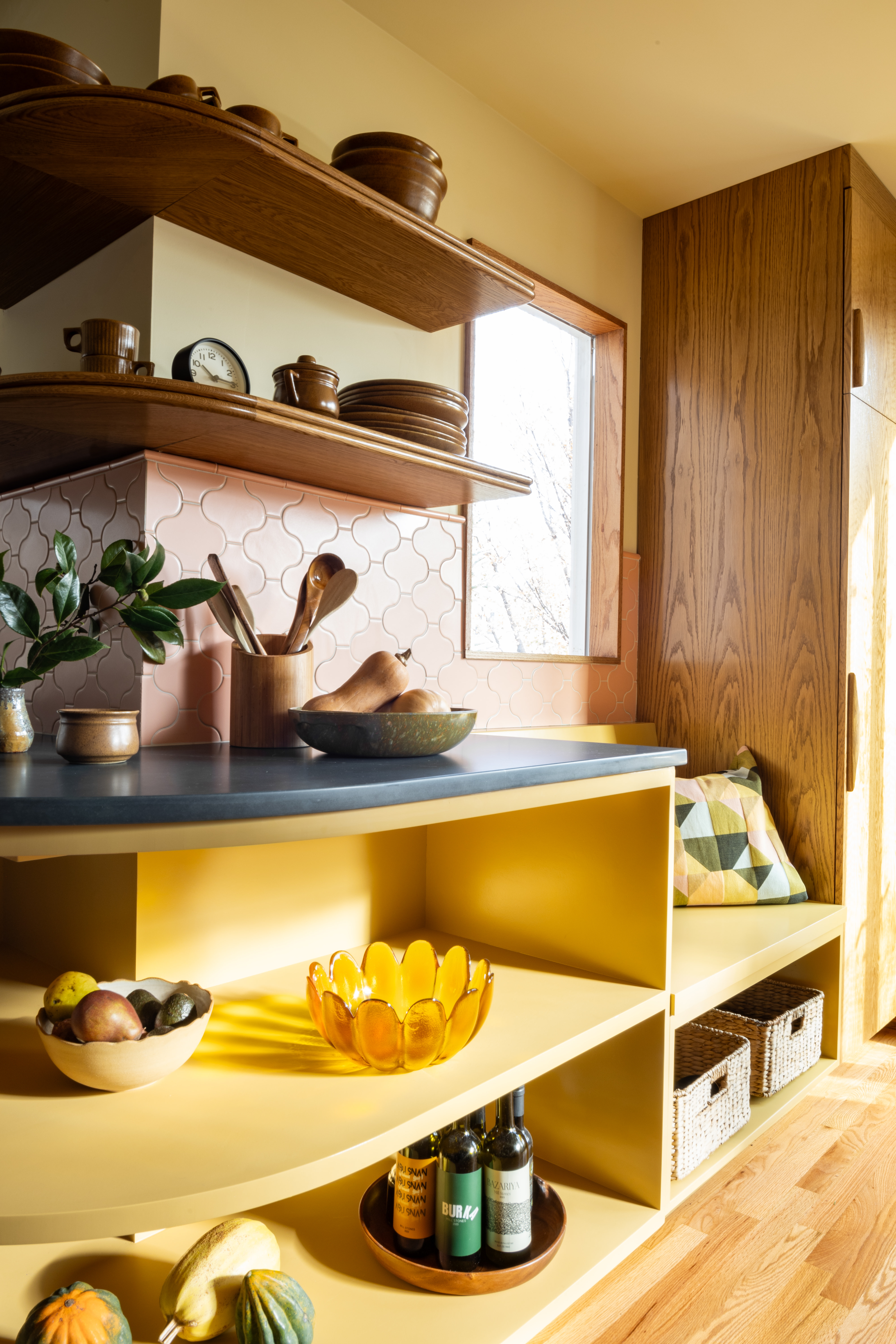
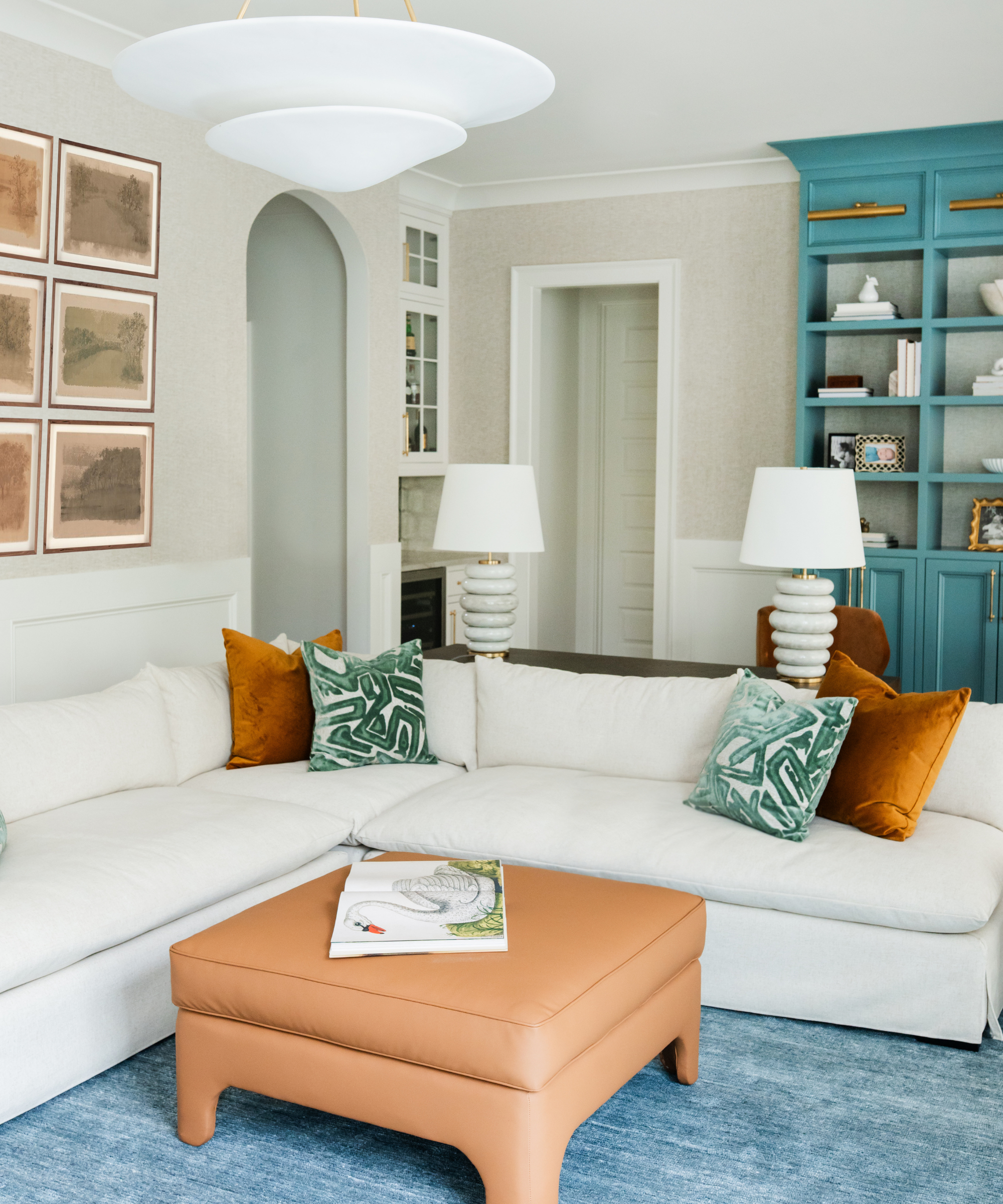
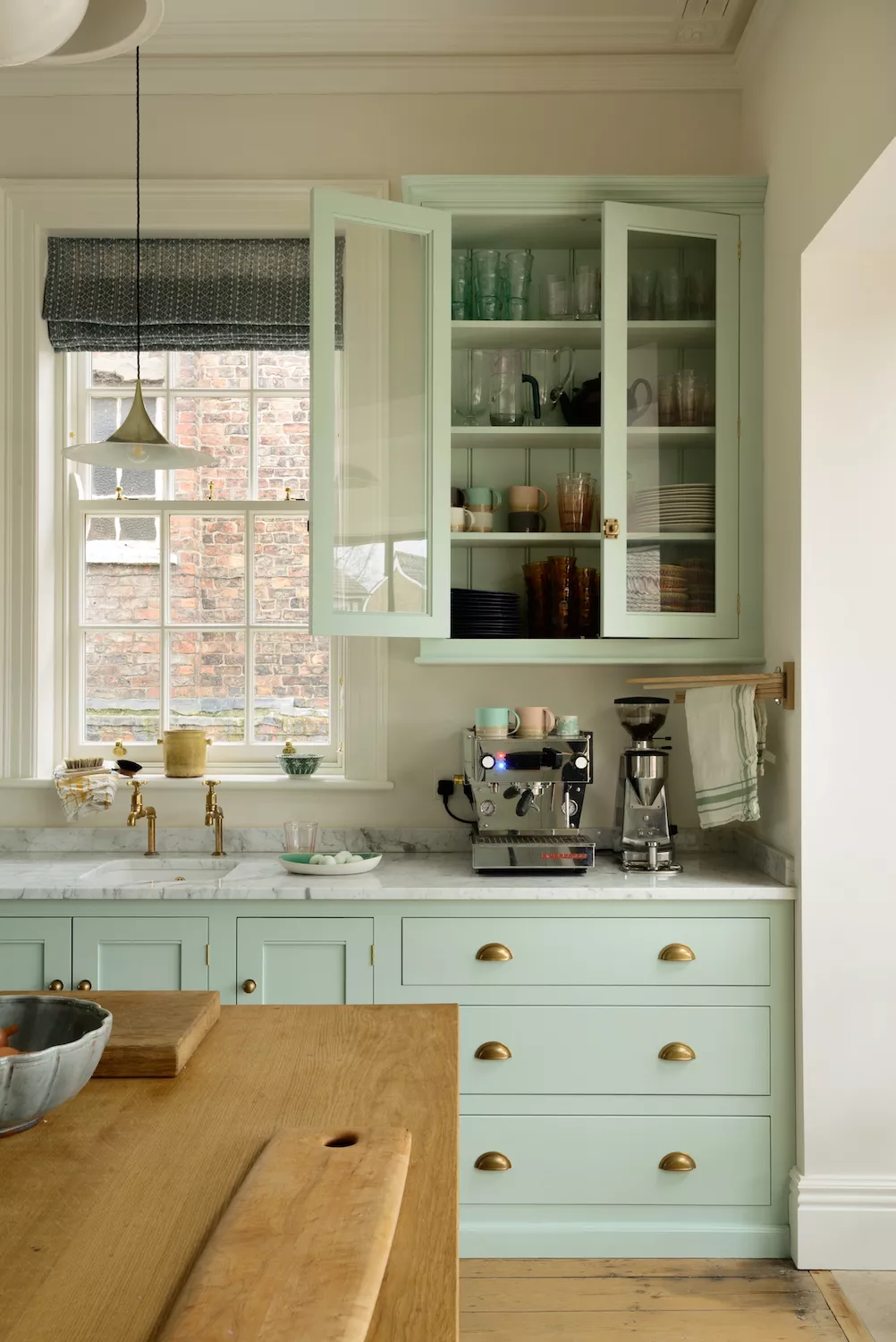
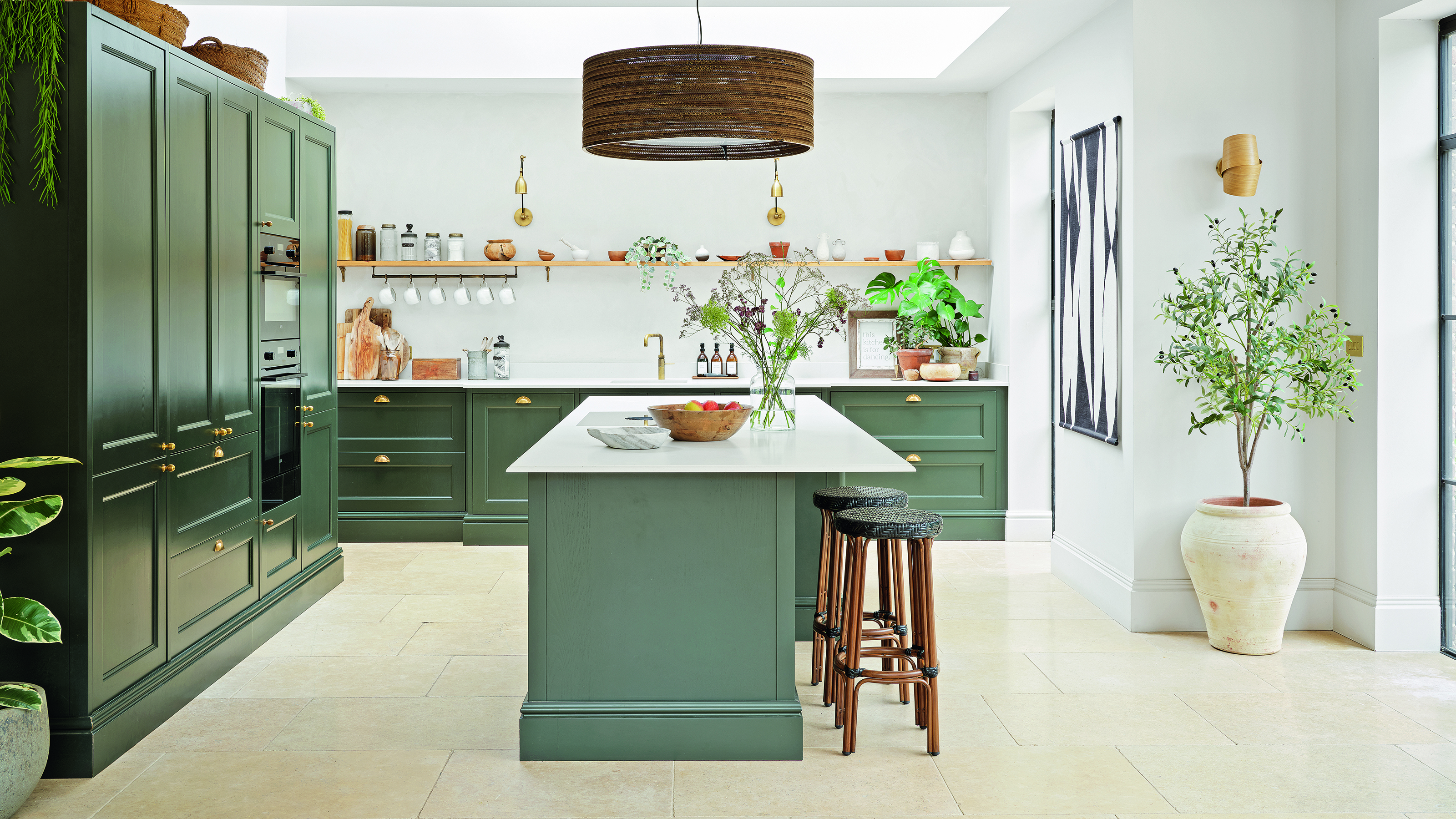
Unifying the color scheme is another vital aspect. A consistent color palette prevents visual clutter and contributes to a streamlined appearance. While bold colors can be used as accents, a cohesive scheme for storage units, with muted backsplashes and counters, maintains balance. Alex Morrison, founder of Alex Morrison Interiors, suggests that while perfect matching isn't always necessary, a balanced scheme with one or two complementing hues is effective.
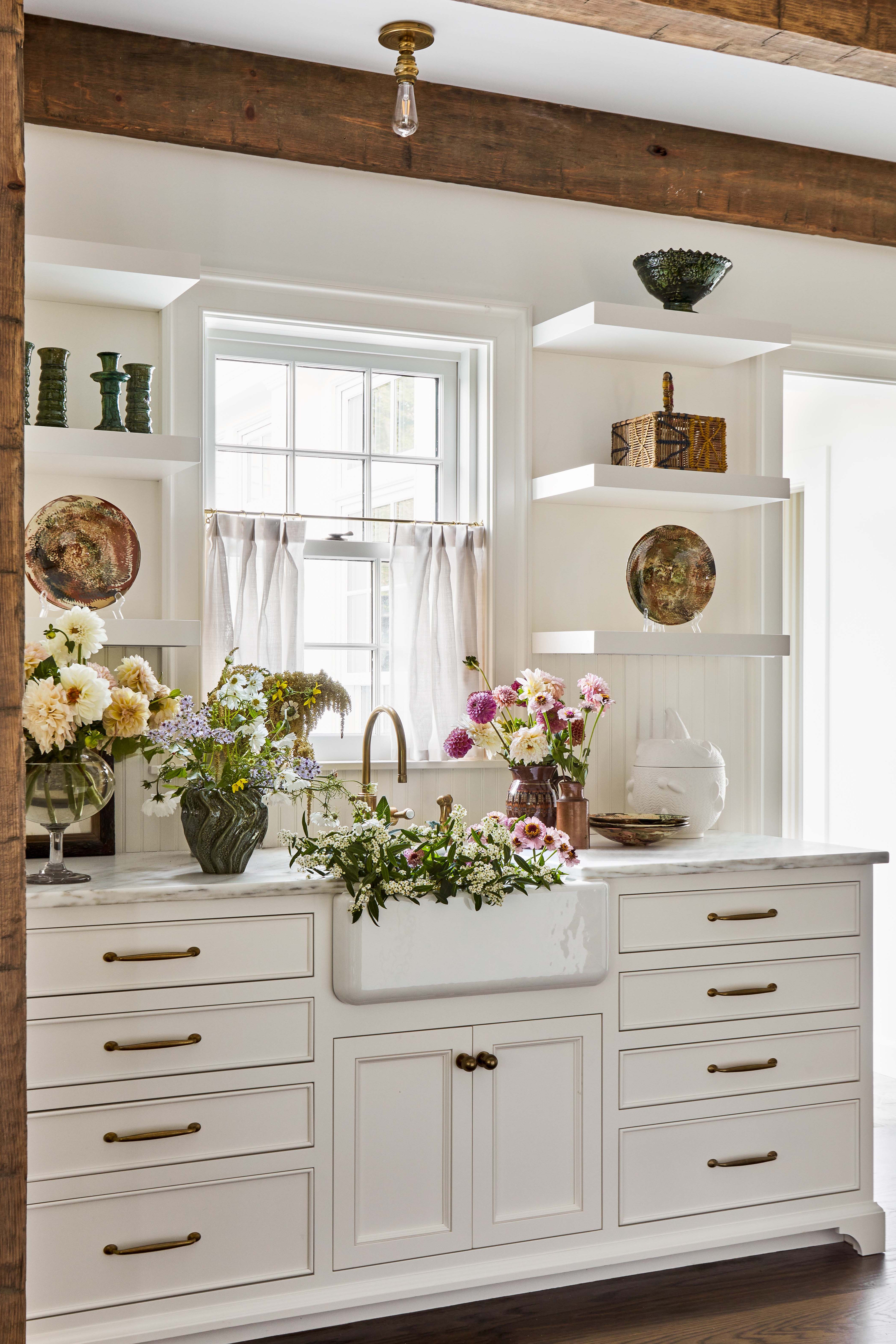
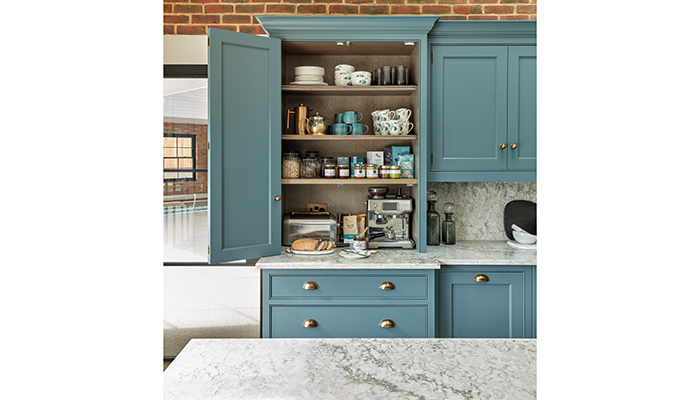
Symmetrical cabinetry plays a significant role in busy kitchens, helping to restore a harmonious and cohesive look. This is particularly useful in spaces with unconventional layouts, such as those with corners, alcoves, or high ceilings, where coordinated cabinetry brings visual order. Symmetry in cabinets can be achieved through consistent color, design, material, finish, hardware, or architectural features like arched panels.
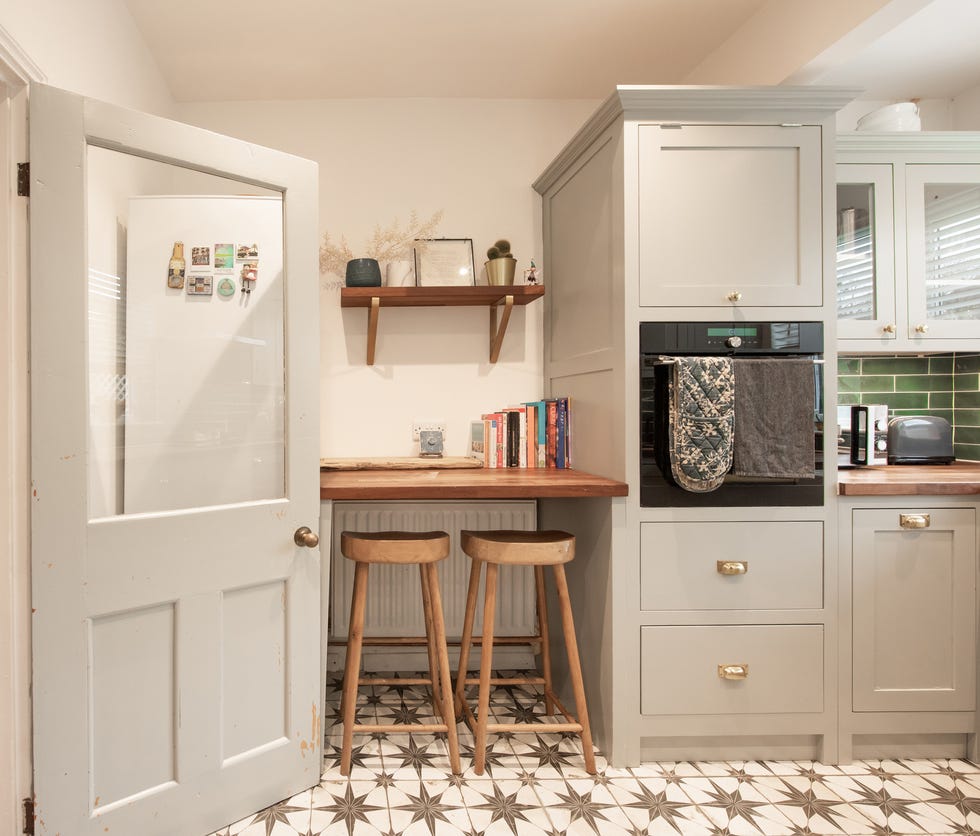
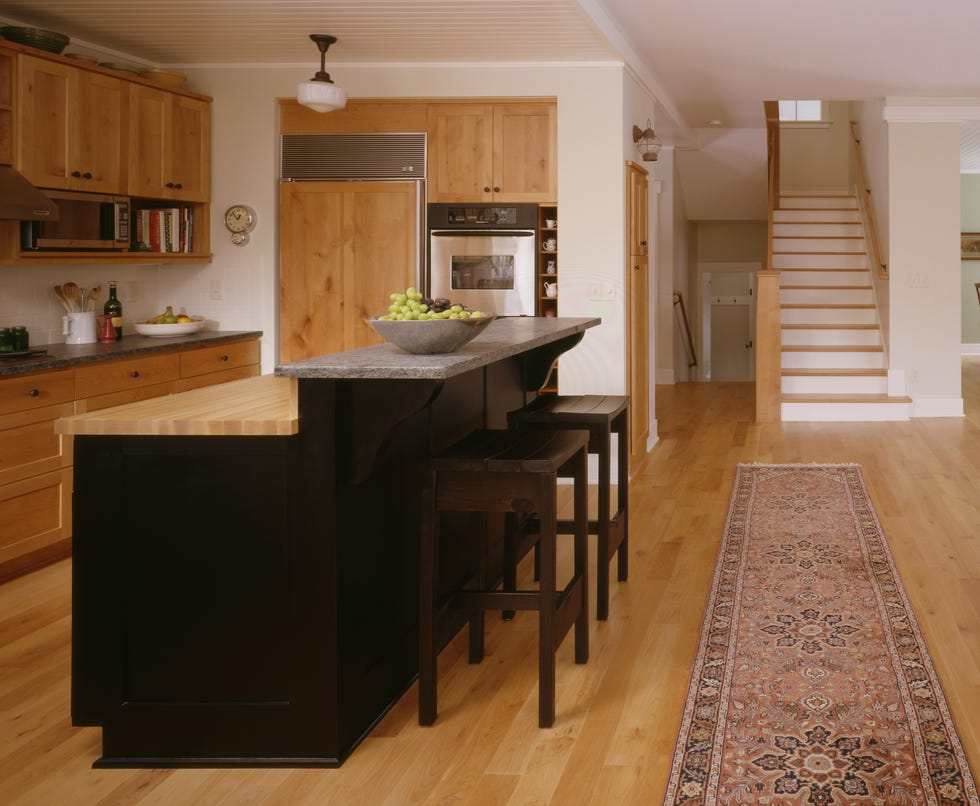
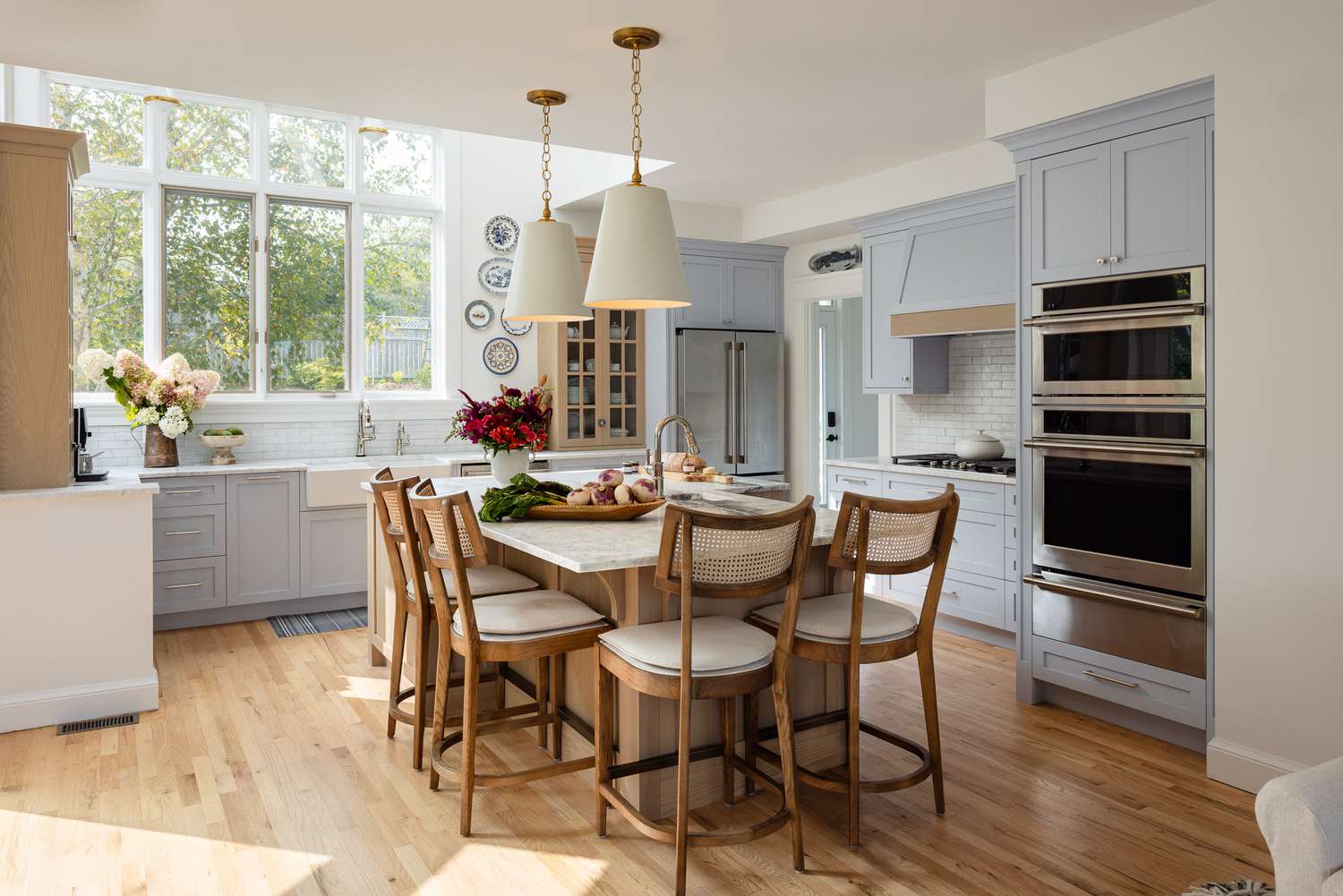
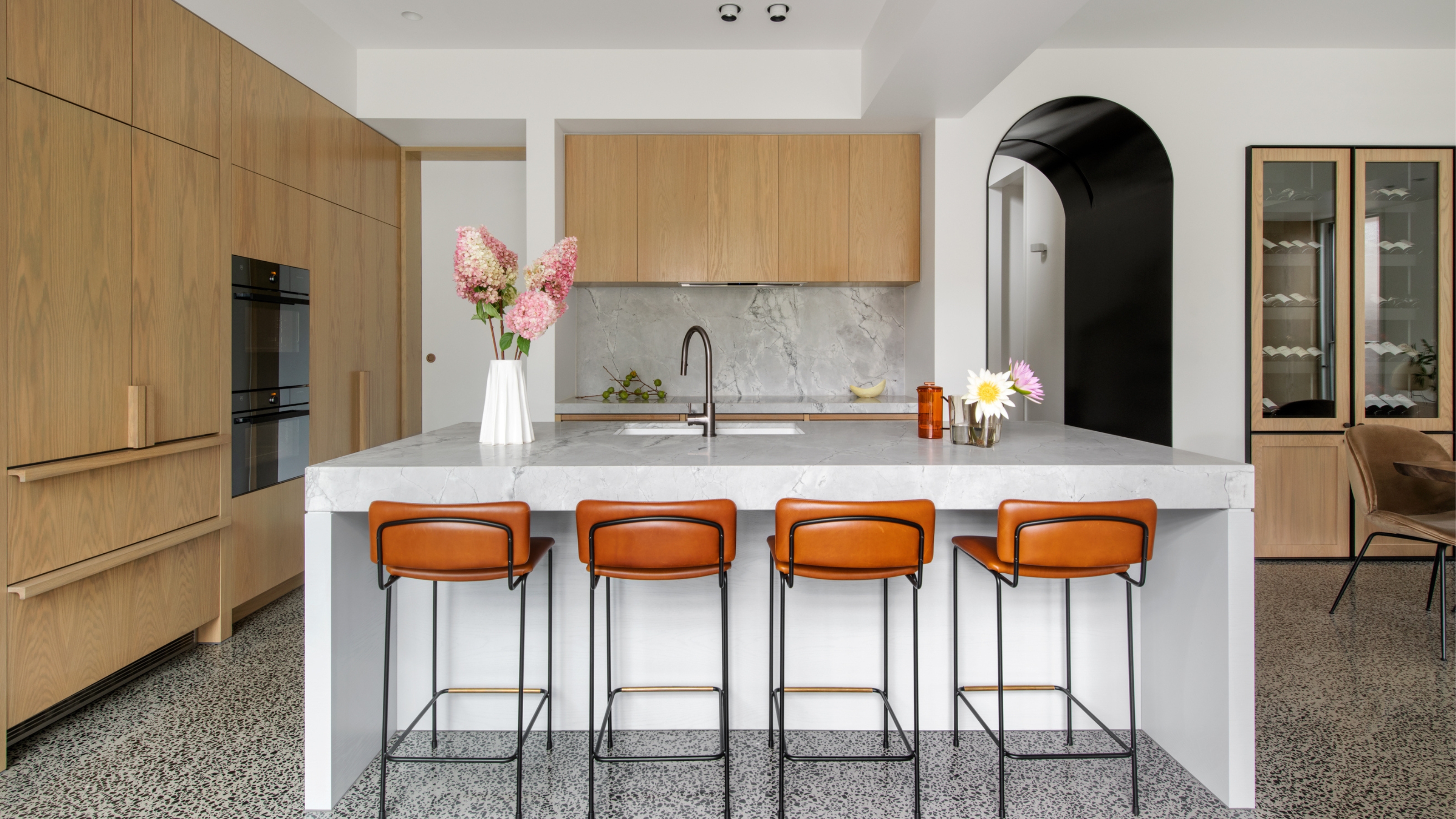
Balancing seating arrangements, especially around a kitchen island, also contributes to a streamlined aesthetic. Choosing matching bar stools, typically two or three, ensures visual symmetry. Selecting chairs that match the kitchen's material or color tone further unifies the space. Sleeker designs are preferred to avoid a bulky appearance, and the ability to tuck them under the island enhances compactness.
The choice between symmetrical and asymmetrical kitchen design depends on individual style and practical needs. Asymmetrical designs are less uniform, creating dynamic and experimental visuals that are often considered trendy. In contrast, symmetrical designs offer a classic, clean, and graceful look. While asymmetry provides more flexibility for incorporating diverse elements like interesting paint techniques or multiple colors, a perfectly symmetrical kitchen typically requires a larger footprint to accommodate all functional and aesthetic requirements effectively, often being considered at the earliest stages of home design. Both approaches have merits, and the decision should align with the desired overall aesthetic and functionality.
#KitchenDesign #HomeInterior #Symmetry #KitchenCabinets #KitchenLighting #ColorScheme #KitchenSeating #HomeDecoration #InteriorDesignTrends #KitchenDesign #HomeInterior #Symmetry #KitchenCabinets #KitchenLighting #ColorScheme #KitchenSeating #HomeDecoration #InteriorDesignTrends
0 comment in total
 No comments yet
You may also like
For a Homey and Charming Kitchen Vibe, Designers Say to Choose This Aesthetic

There's a new way designers are doing symmetrical living rooms and it could be 2023's biggest decorating trend
Here's How to Use Symmetry in Interior Design

Kitchen Decor Ideas 2025: Elevate Your Cooking Space with Modern Kitchen Ideas

8 Things Designers Would NEVER Add to a Kitchen in 2025

How wellbeing in kitchen design is now a priority for homeowners
18 Designer-Approved Ways to Style Kitchen Countertops Without Adding Clutter

Is the kitchen triangle rule outdated? These are the new kitchen layout rules to follow in 2025
8 kitchen trends to watch in 2026 - this is what the pros predict will be big next year
7 Kitchen Renovation Trends That Are Taking Over 2025, According to Designers
10 things every kitchen needs, according to interior designers
10 Outdated Decor Items That Don't Belong In Your Kitchen In 2025

7 Common Kitchen Features That Actually Give Designers the "Ick"
5 Pieces of Decor You Need to Remove From Your Kitchen Today — "They're Bulky and Eyesores," Say Designers
We're calling it: This kitchen island shape is set to take over in 2023 – here's why designers approve
How to make a kitchen more relaxing – 12 designer tips to create a zen-like space
This Design Technique Is the Key to a Calm and Relaxing Home
When Breaking the Right Angle Makes a Kitchen Work Better — and How It Affects Function and Flow
Is the kitchen triangle still the go-to layout in 2024? Designers weigh in on whether this approach is dated or timeless
Kitchen trends