1/5
Is the kitchen triangle still the go-to layout in 2024? Designers weigh in on whether this approach is dated or timeless
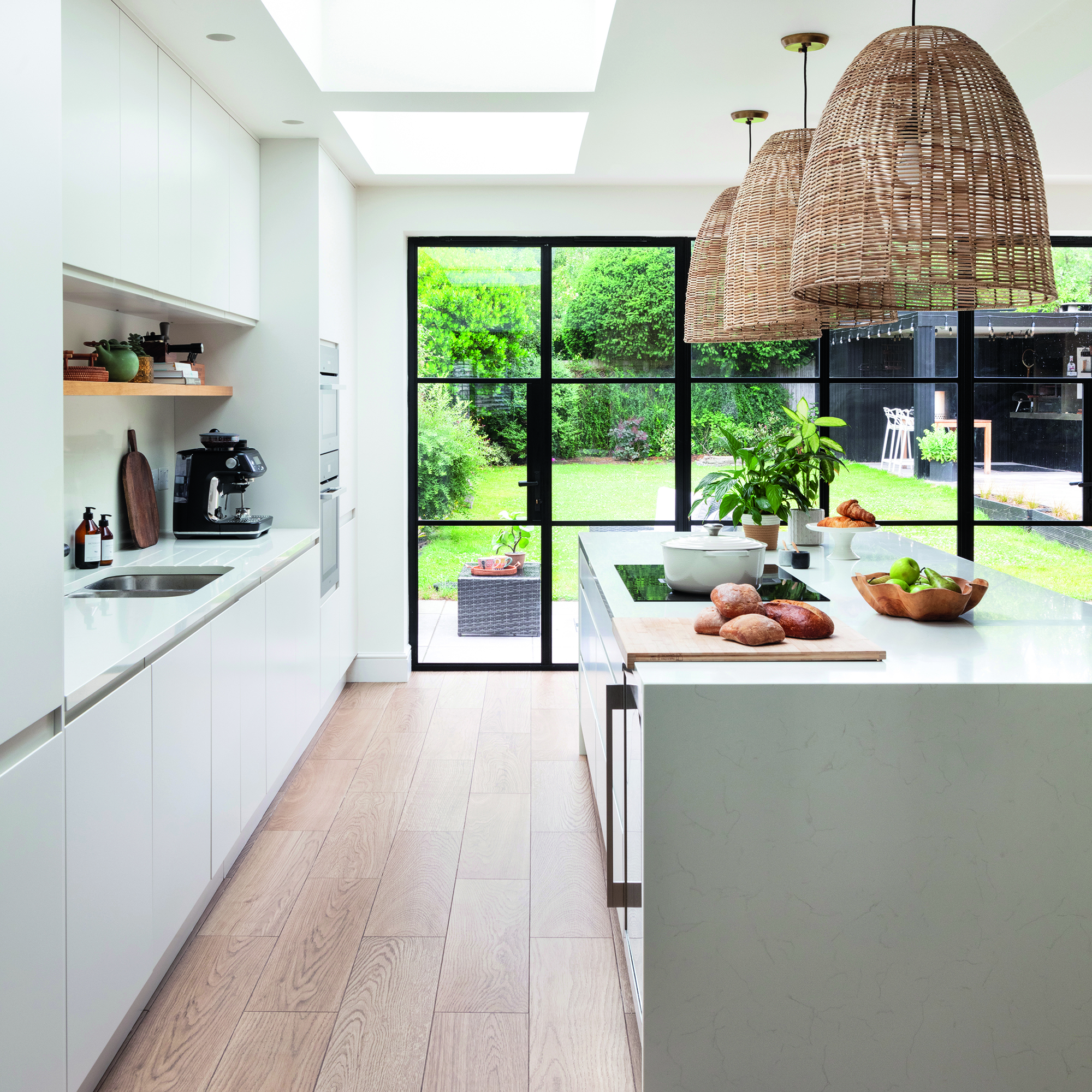
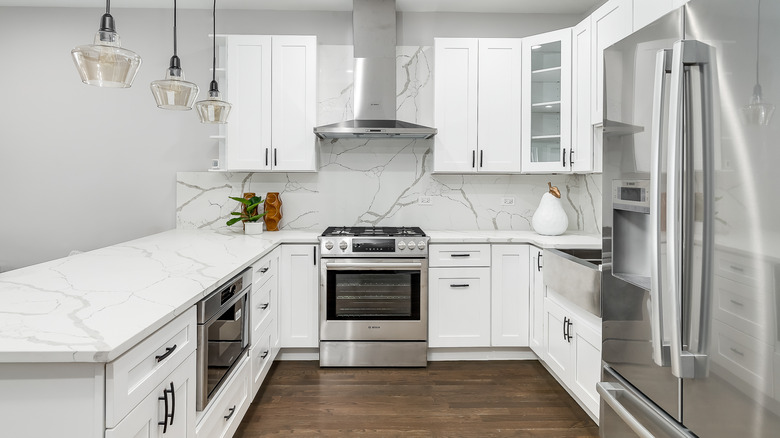
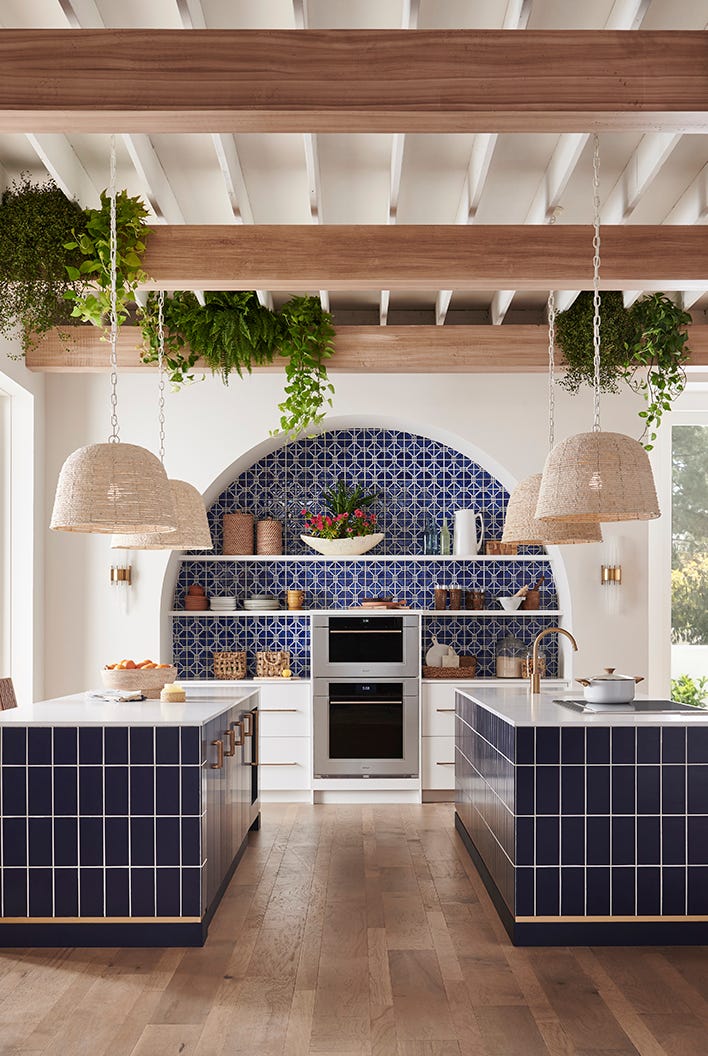
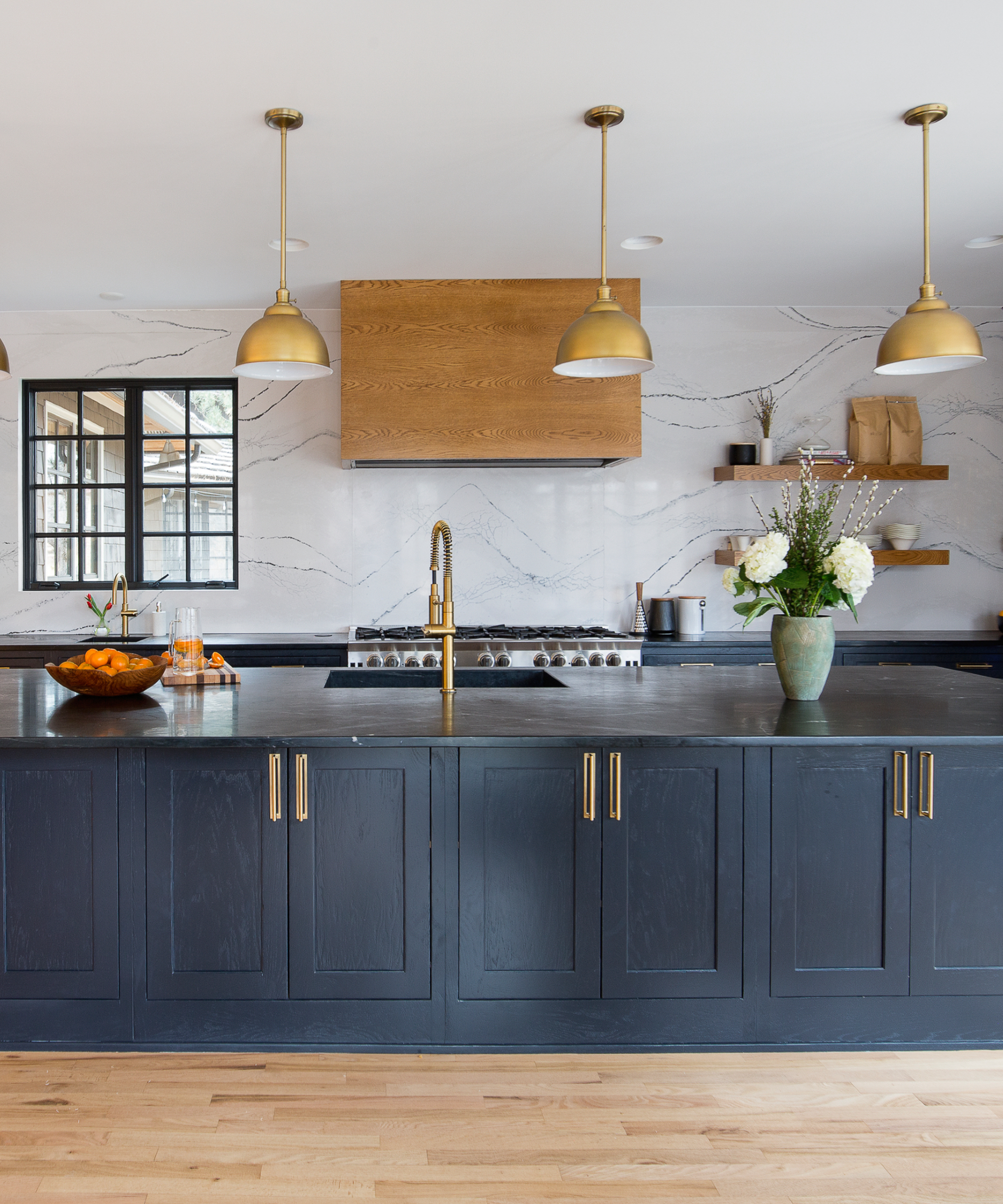
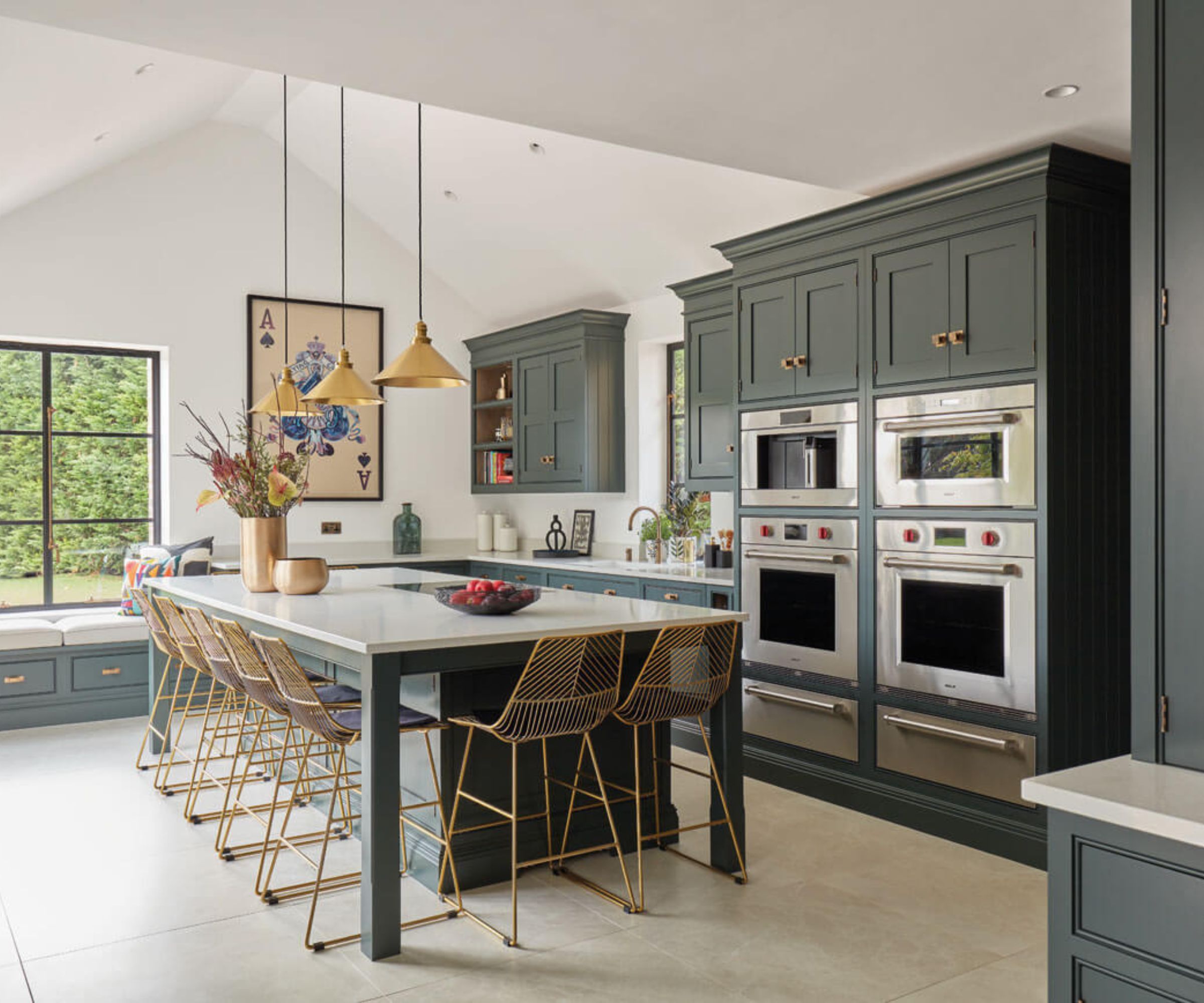
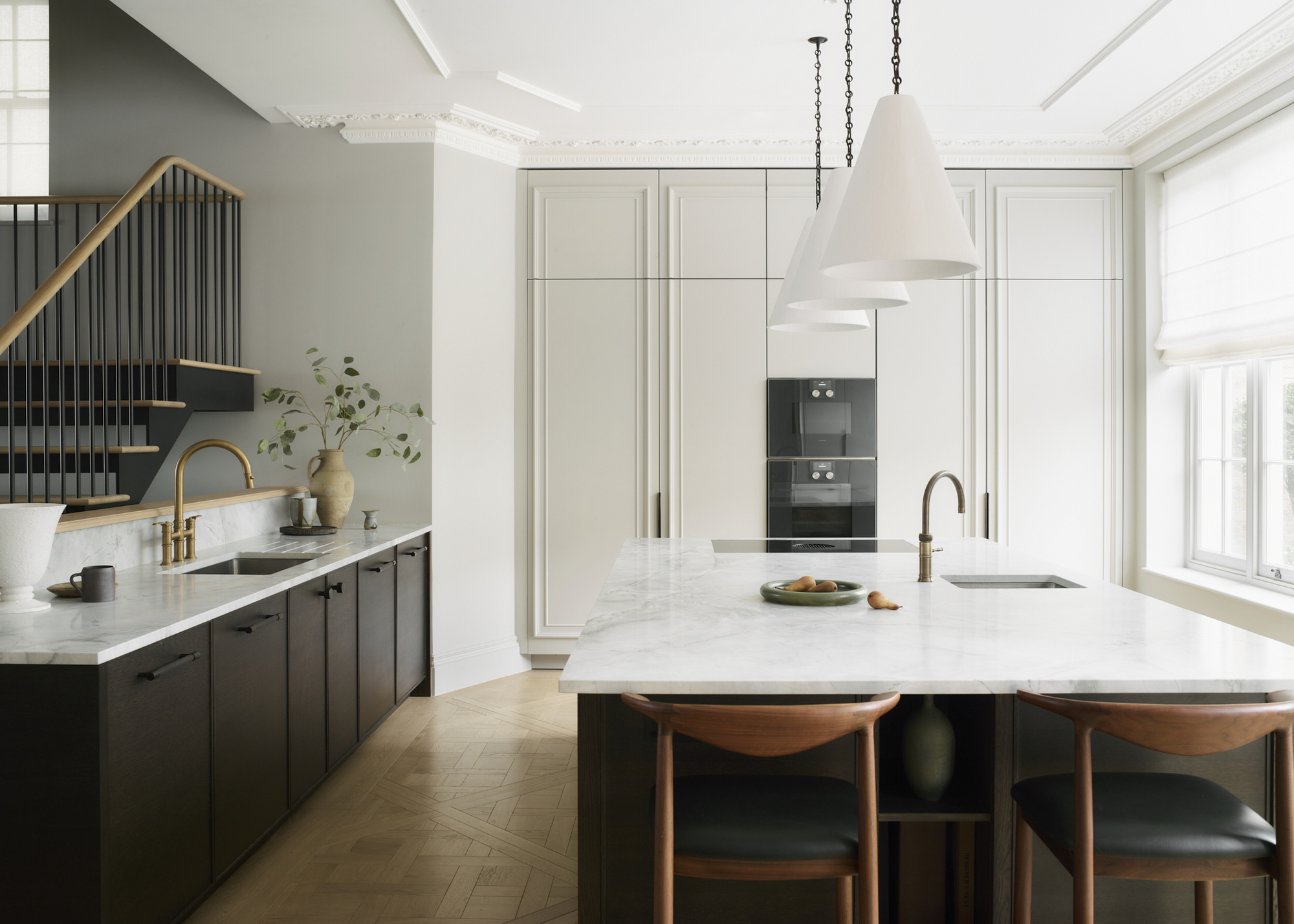
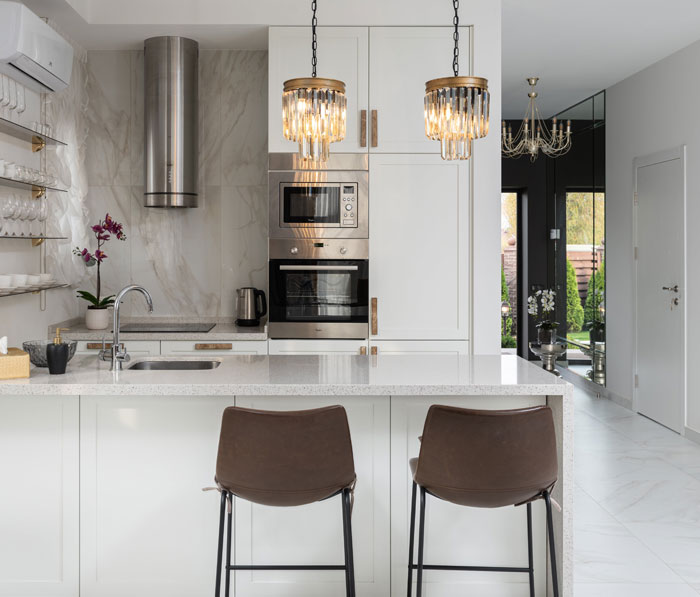
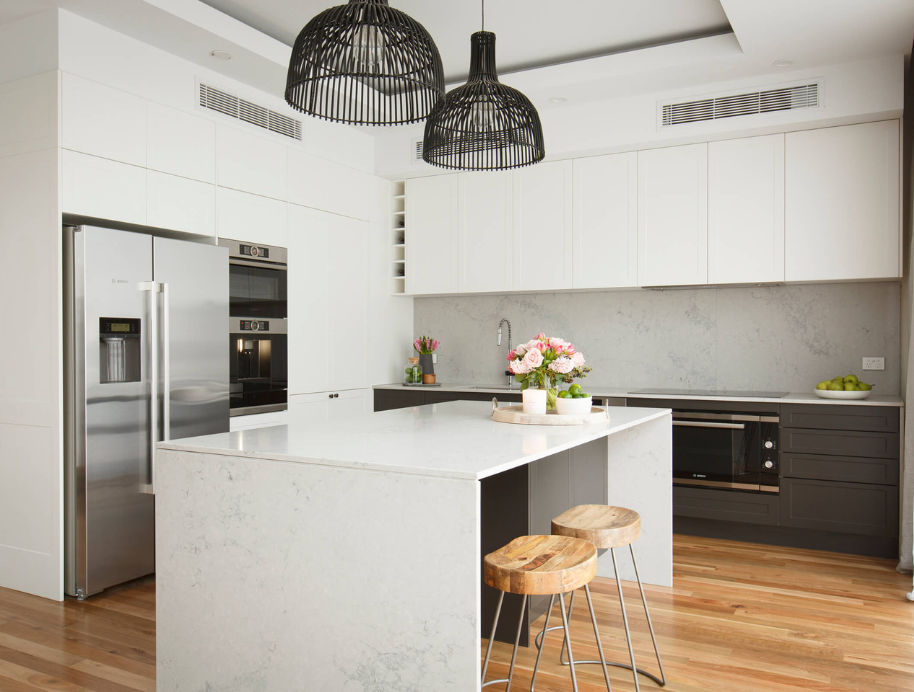
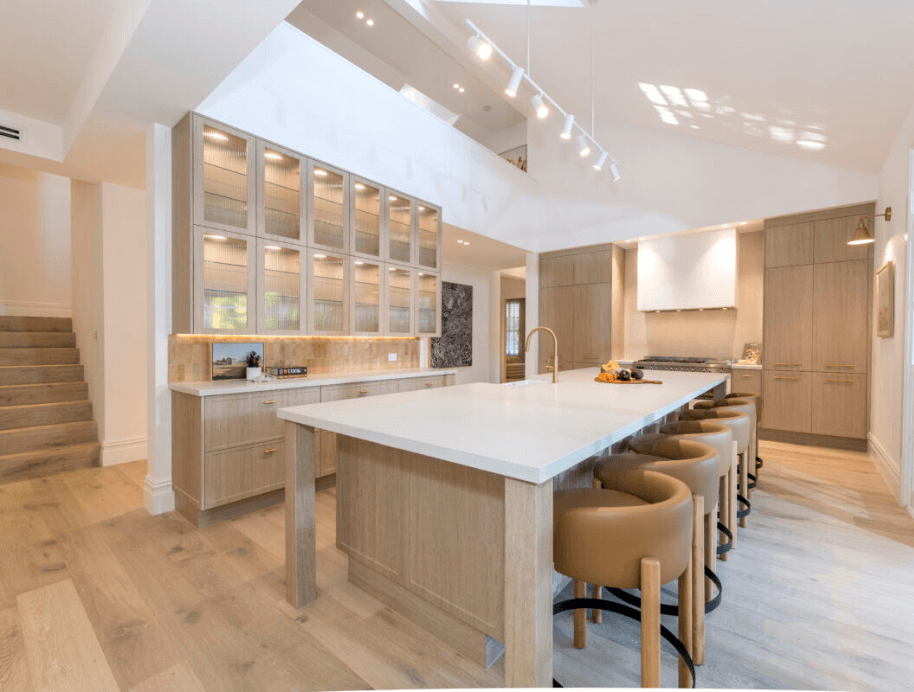
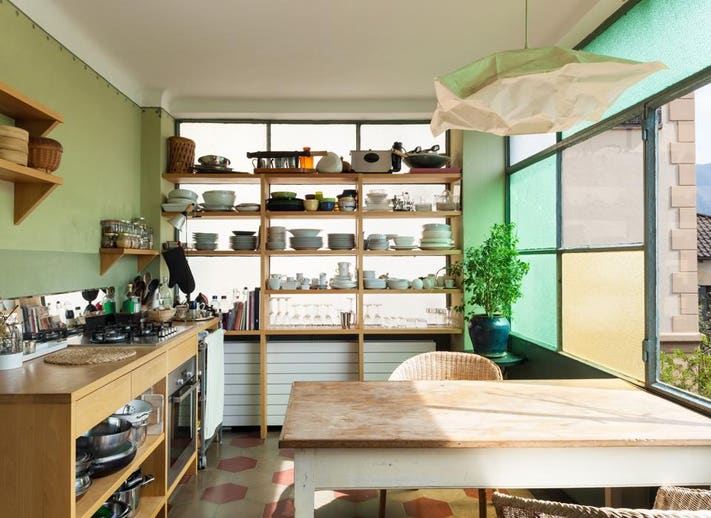
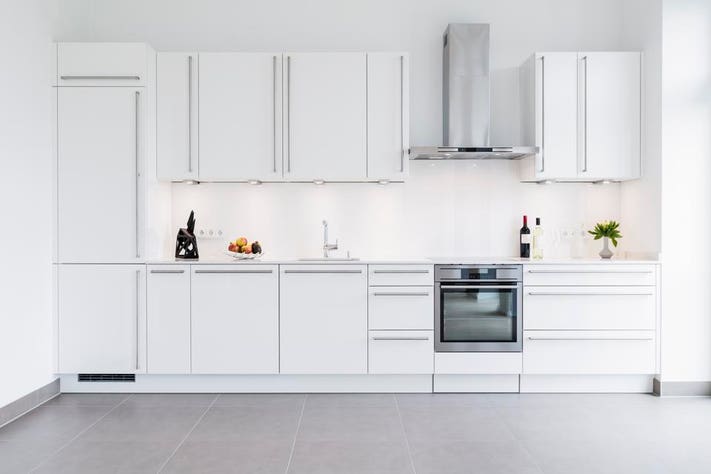
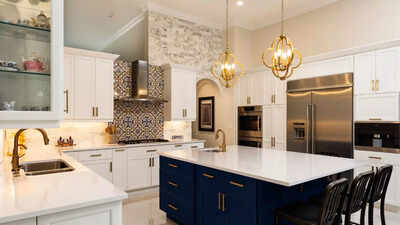
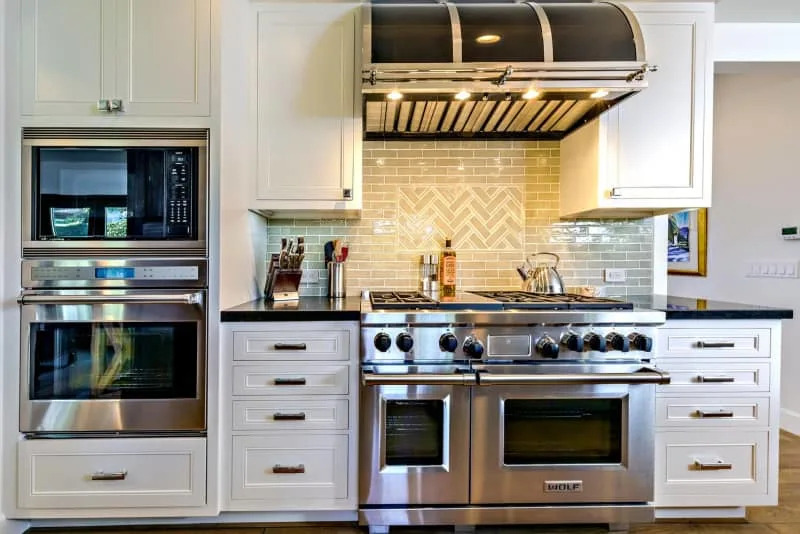
The kitchen triangle, a classic design principle placing the oven, refrigerator, and sink in a triangular formation, has long been considered essential for creating a functional and efficient kitchen workflow. This layout aims to minimize movement and optimize workspace by ensuring these three primary work zones are equidistant and easily accessible. Many designers still consider the kitchen triangle a highly practical and functional approach, particularly in busy households or for avid cooks, as it streamlines meal preparation and cooking tasks.

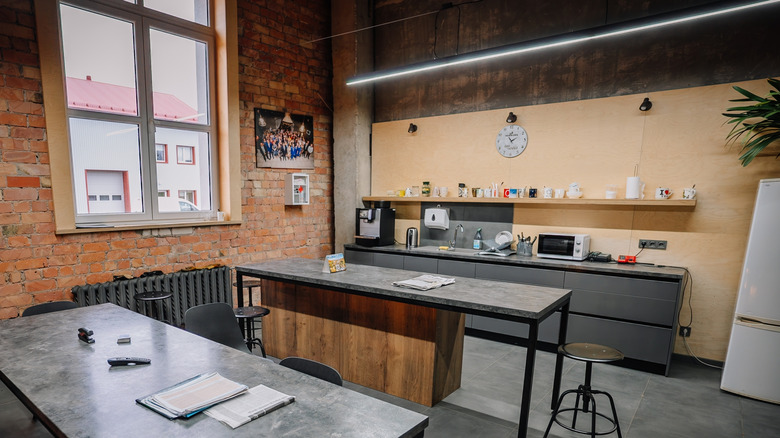
However, the relevance of the kitchen triangle is evolving with modern kitchen design trends and diverse living spaces. While it often naturally emerges as designers prioritize both aesthetics and functionality, it is no longer always the primary consideration. Instead, a successful kitchen design now places equal importance on both aspects, recognizing that a kitchen will not be effective if either is neglected. The objective is to create a space where functionality, including efficient zoning, happens organically as a result of a well-rounded design process, rather than rigidly adhering to the triangle concept as the sole guiding principle.
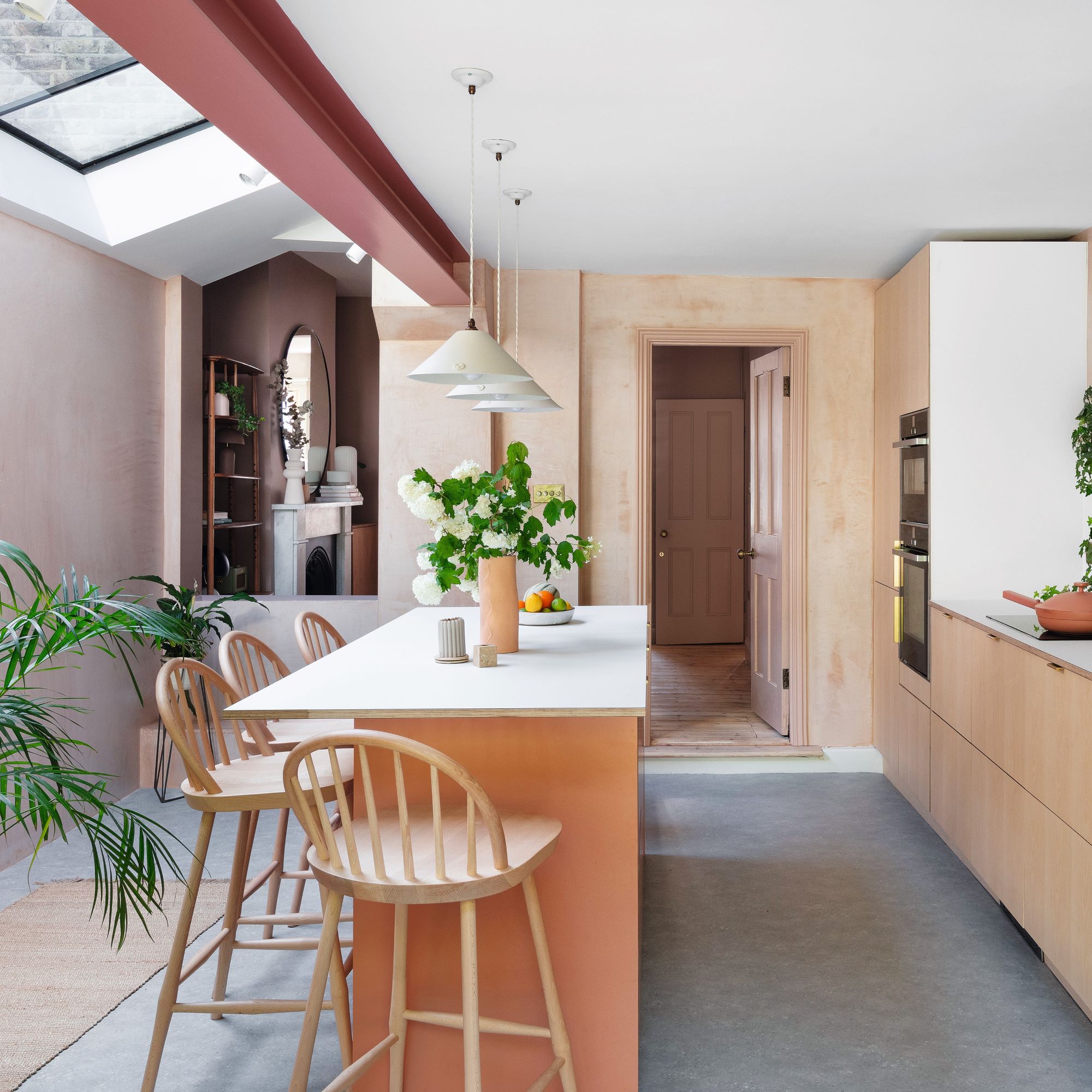
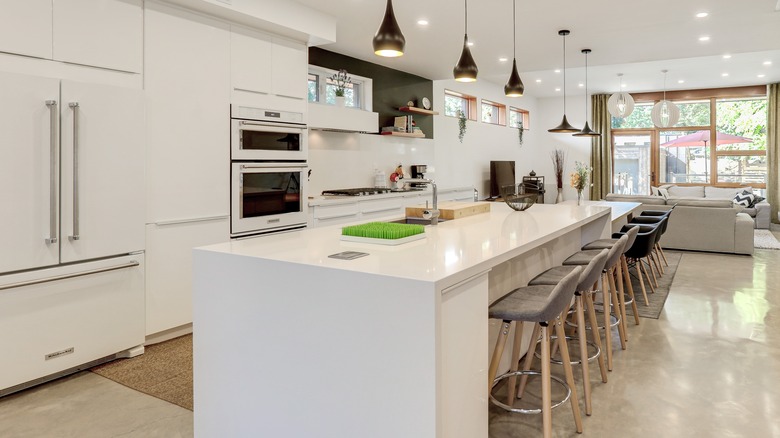
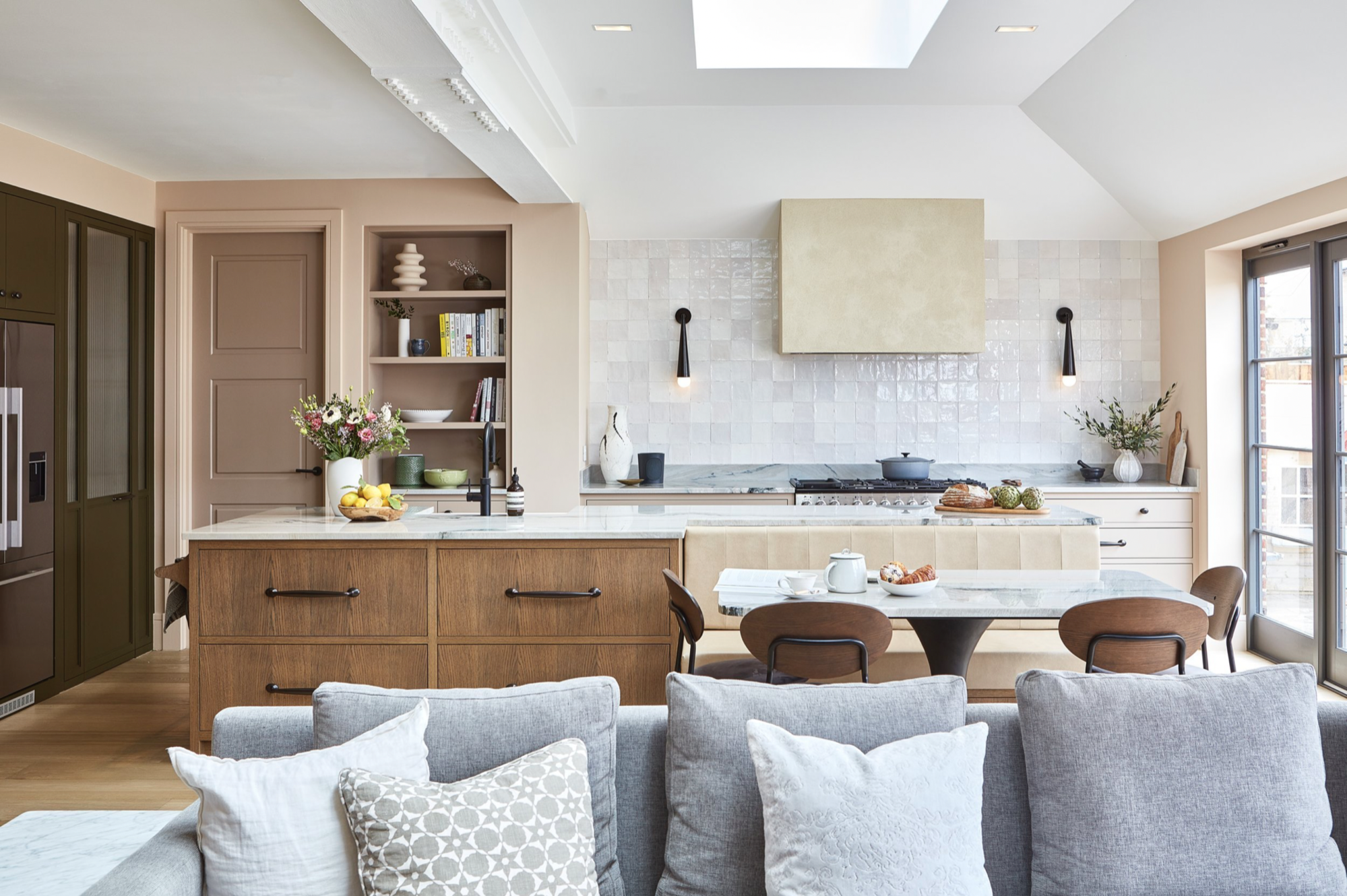
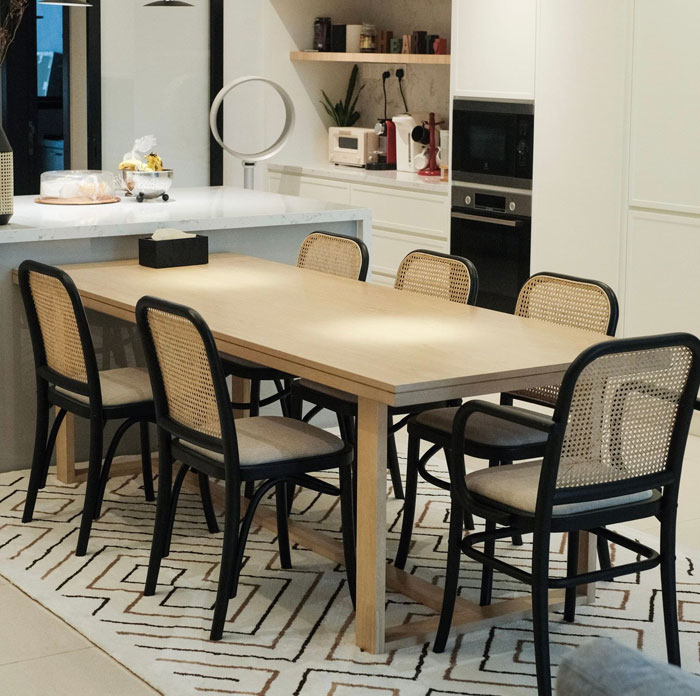
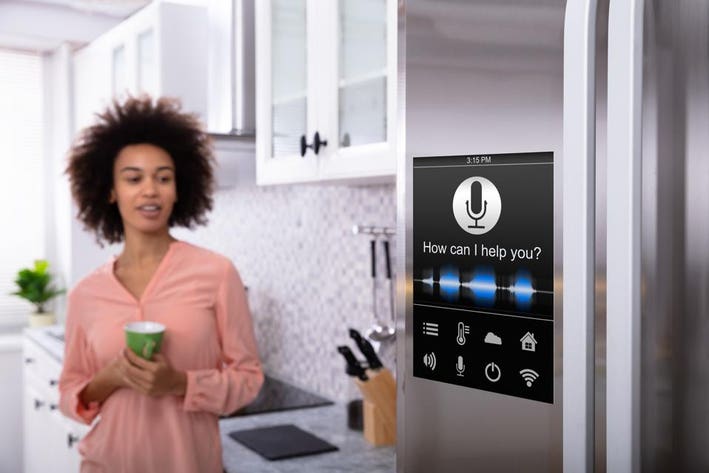
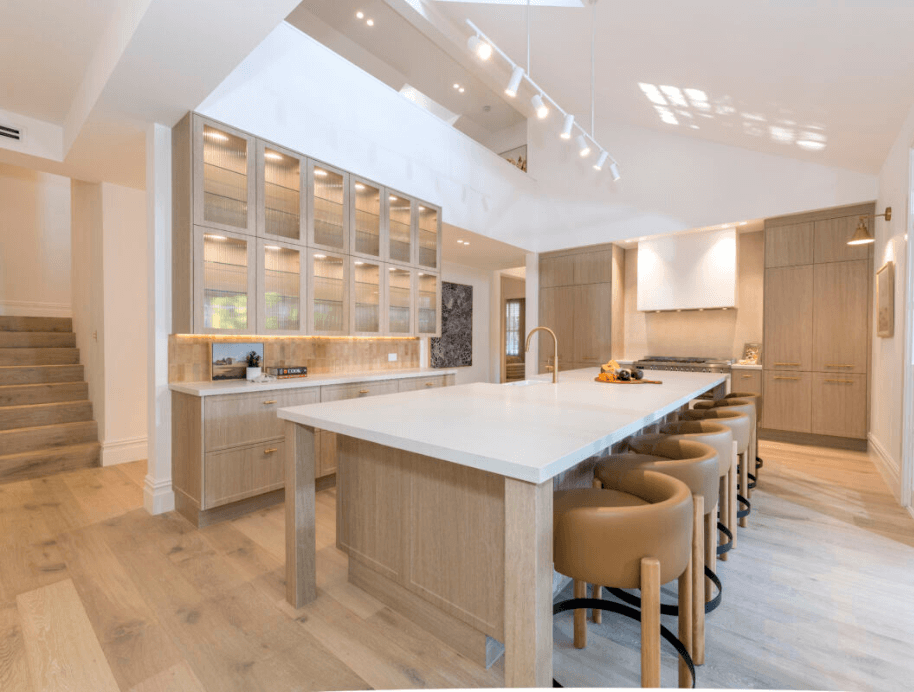
Despite its benefits, the kitchen triangle layout presents certain disadvantages, particularly in contemporary kitchen configurations. It can be limiting in open-plan designs or irregularly shaped kitchens, where fitting the traditional triangle might compromise the overall flow or aesthetic. In kitchens with multiple users, a strict triangle layout can lead to crowding and disrupt workflow, especially if more than one person is cooking simultaneously. Furthermore, the increasing integration of modern appliances like coffee makers, air fryers, and smart ovens into kitchen routines means that the traditional three points of the triangle may not encompass all frequently used stations.
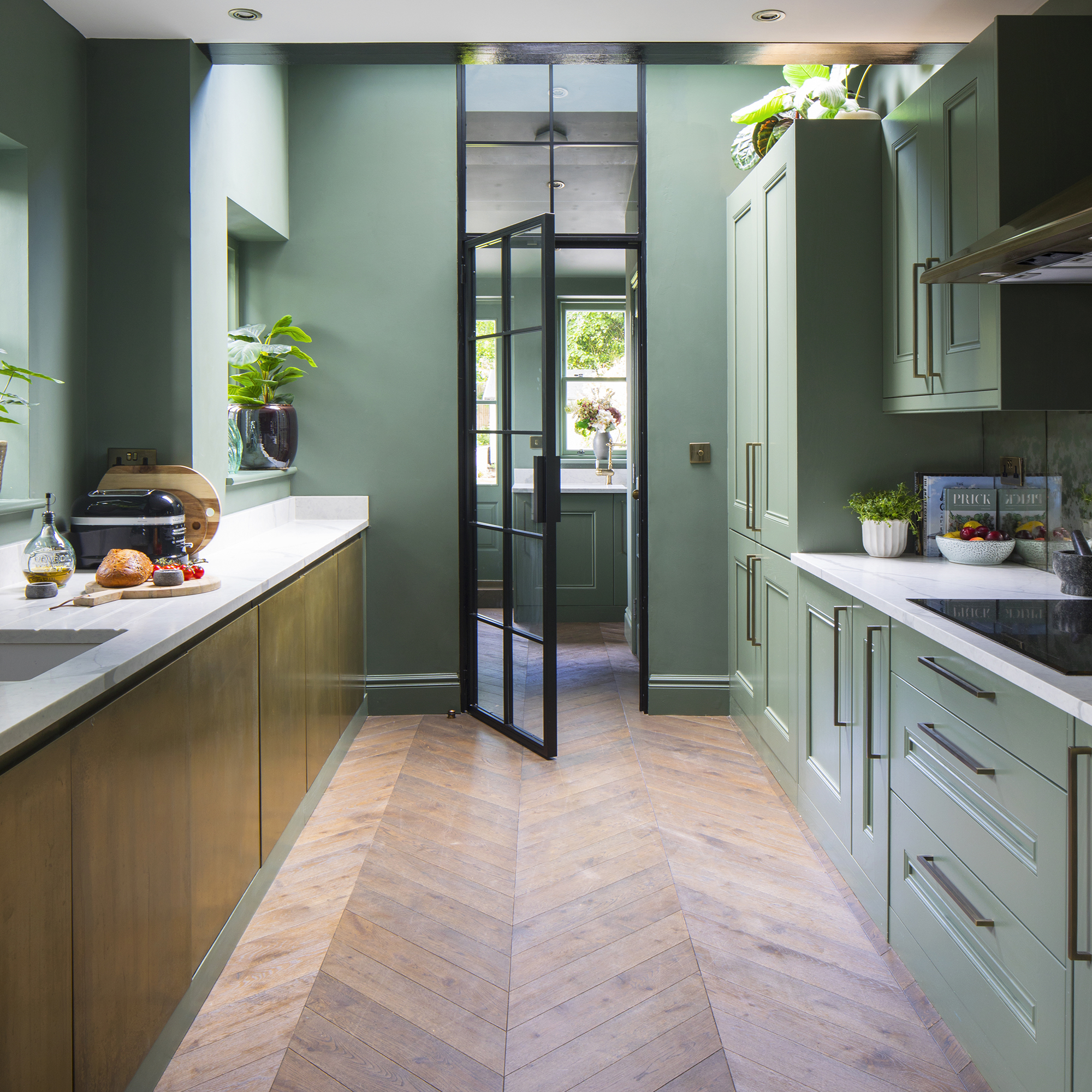
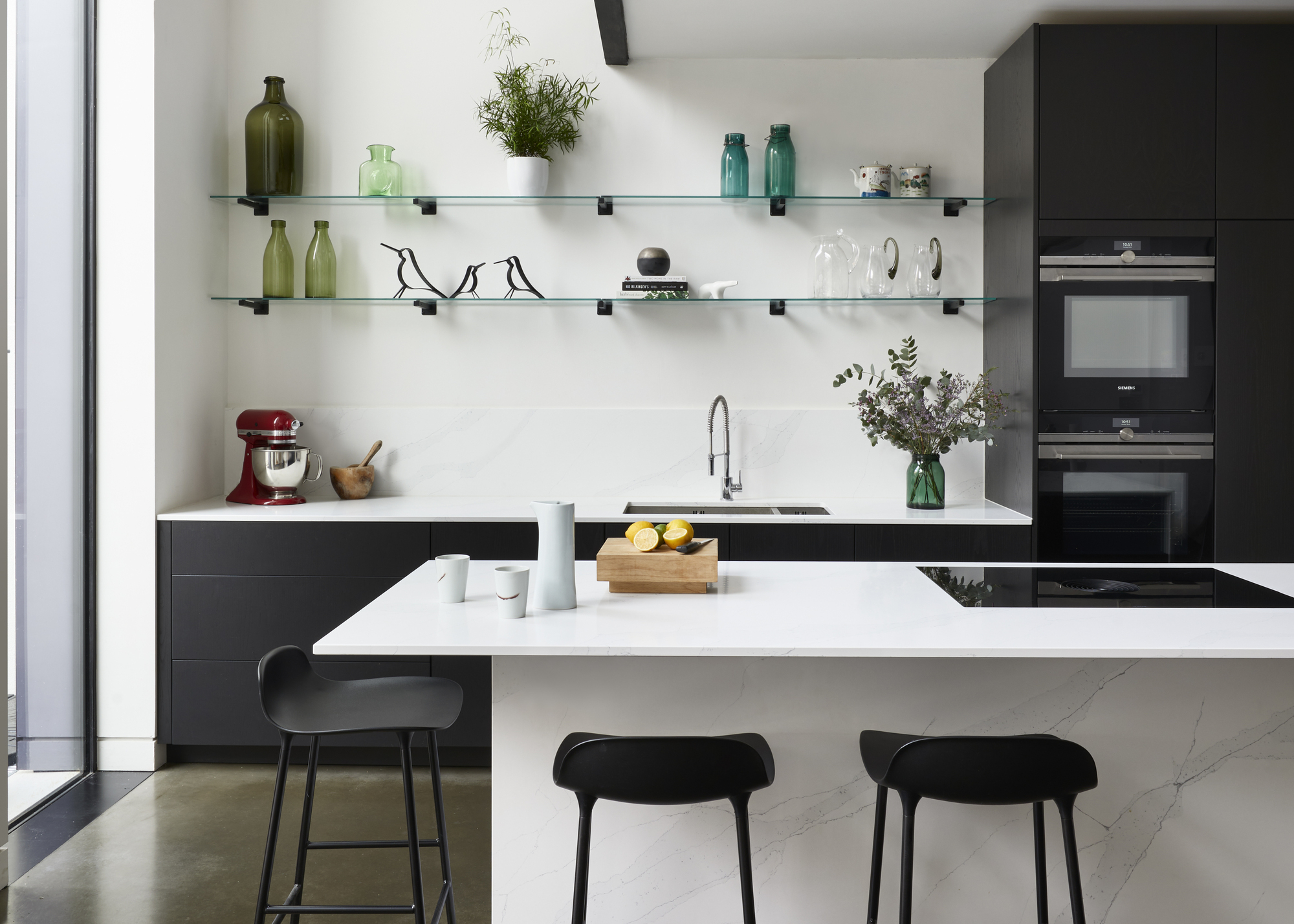
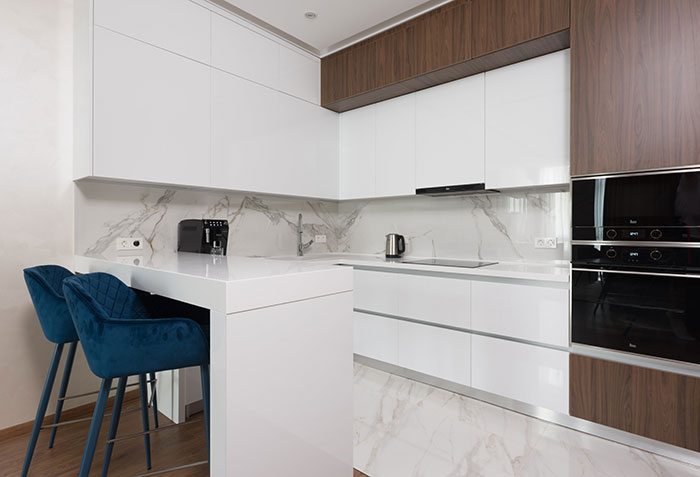
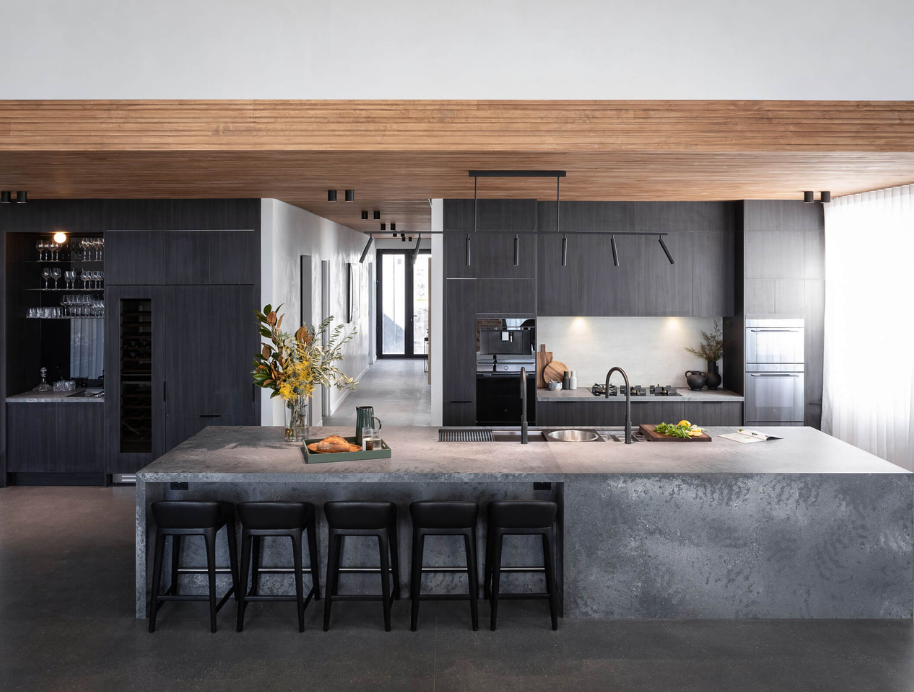
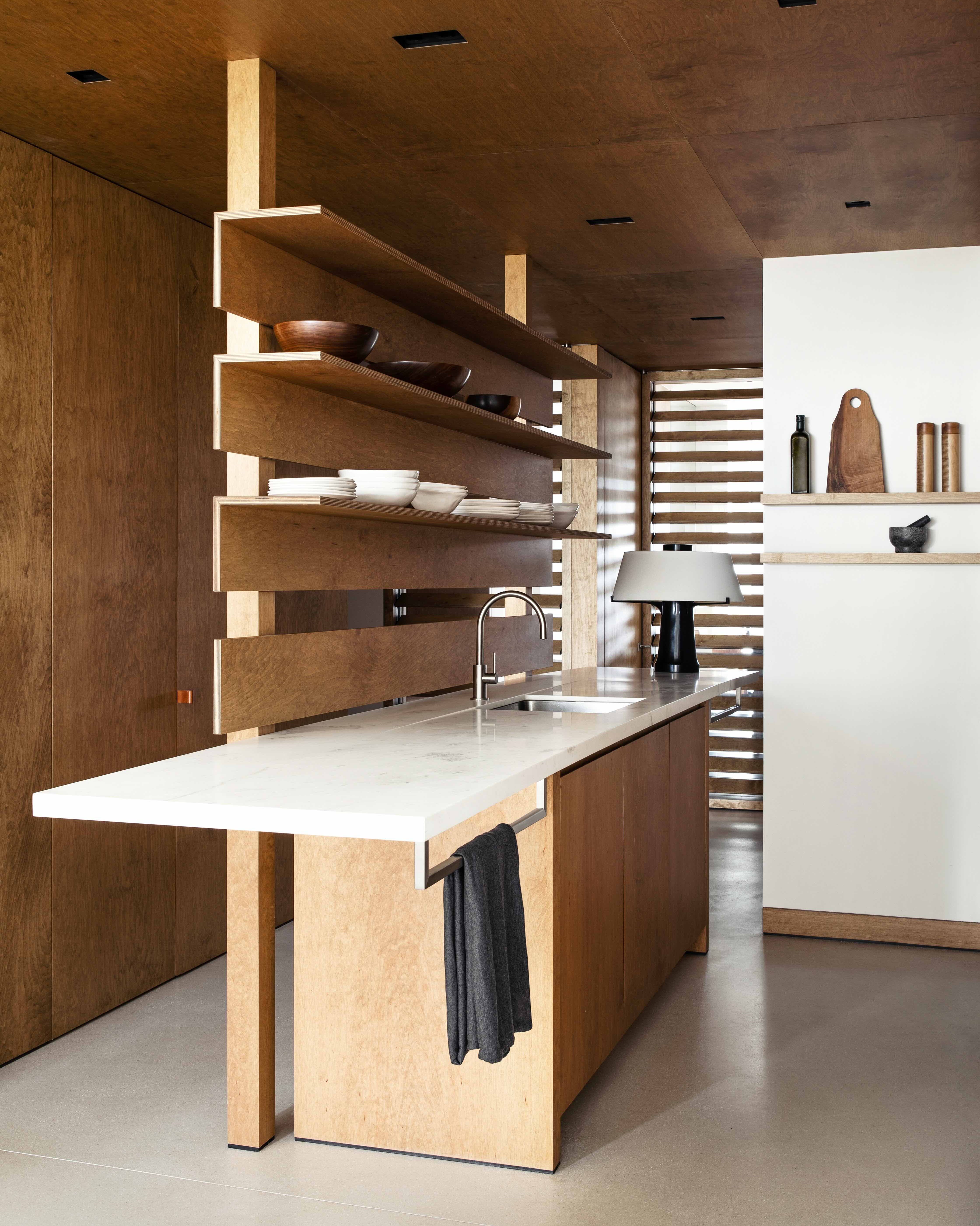
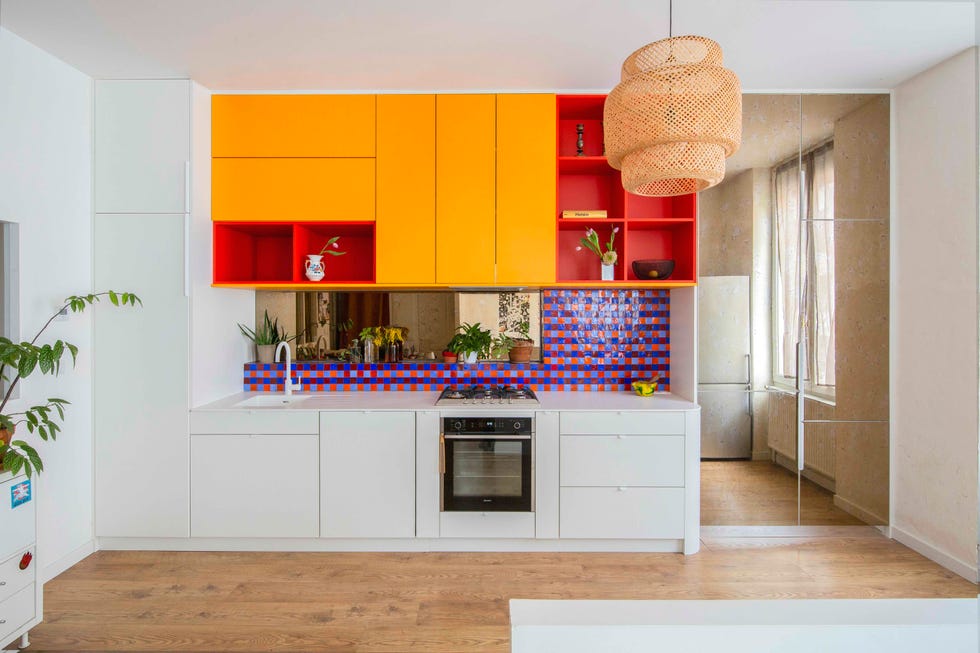
For larger kitchens, the distances between the points of a traditional triangle can become impractical, leading to excessive movement rather than minimizing it. Similarly, in compact layouts such as galley kitchens, adhering to the kitchen triangle is often not feasible due to space constraints. In such cases, designers must adopt alternative strategies to ensure appliance placement promotes efficiency and ease of use, even without a conventional triangular arrangement. Therefore, while the kitchen triangle remains a valuable concept for many designers, it is important not to force its application if it does not naturally suit the specific dimensions, shape, or intended use of a kitchen space. The ultimate goal is to achieve a balanced design that is both functional and aesthetically pleasing, tailored to the homeowner's lifestyle and the unique characteristics of the room.
#KitchenDesign #KitchenLayout #KitchenTriangle #InteriorDesign #FunctionalDesign #KitchenEfficiency #HomeDesign #ModernKitchens #DesignTrends #KitchenDesign #KitchenLayout #KitchenTriangle #InteriorDesign #FunctionalDesign #KitchenEfficiency #HomeDesign #ModernKitchens #DesignTrends
0 comment in total
 No comments yet
You may also like
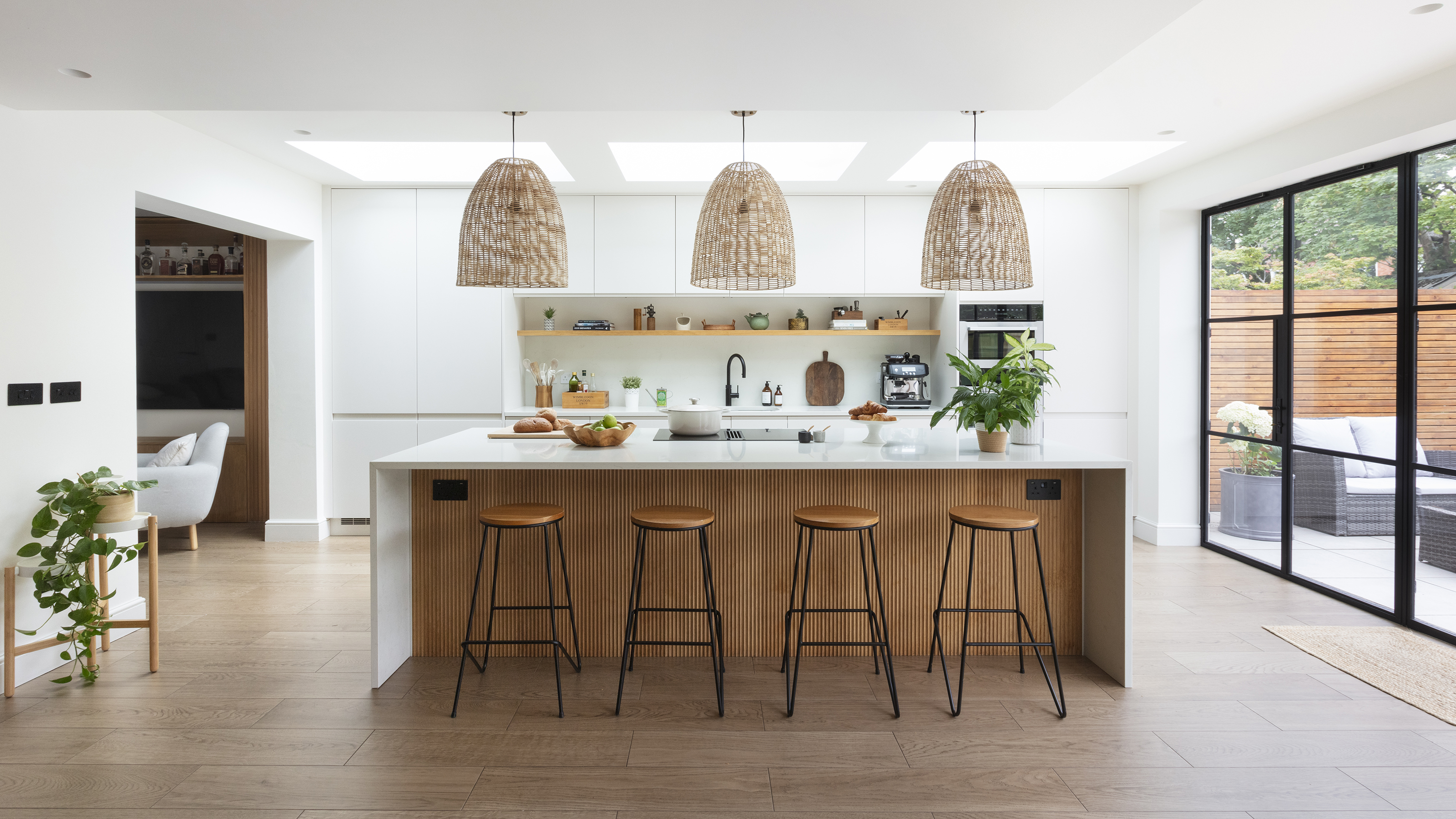
Is the kitchen triangle rule outdated? These are the new kitchen layout rules to follow in 2025
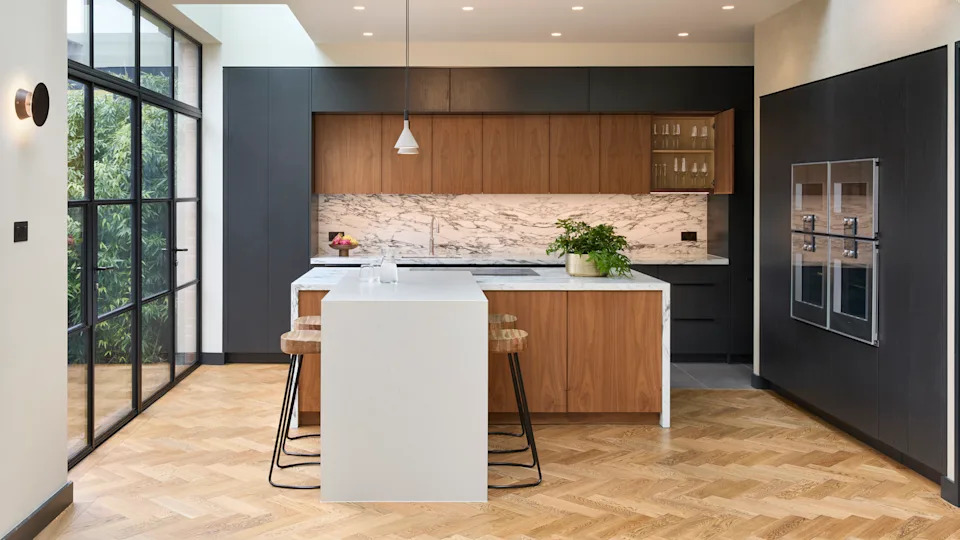
5 Kitchen Layouts That Are Dated in 2025 — Plus the Contemporary Blueprints Designers Are Choosing Instead
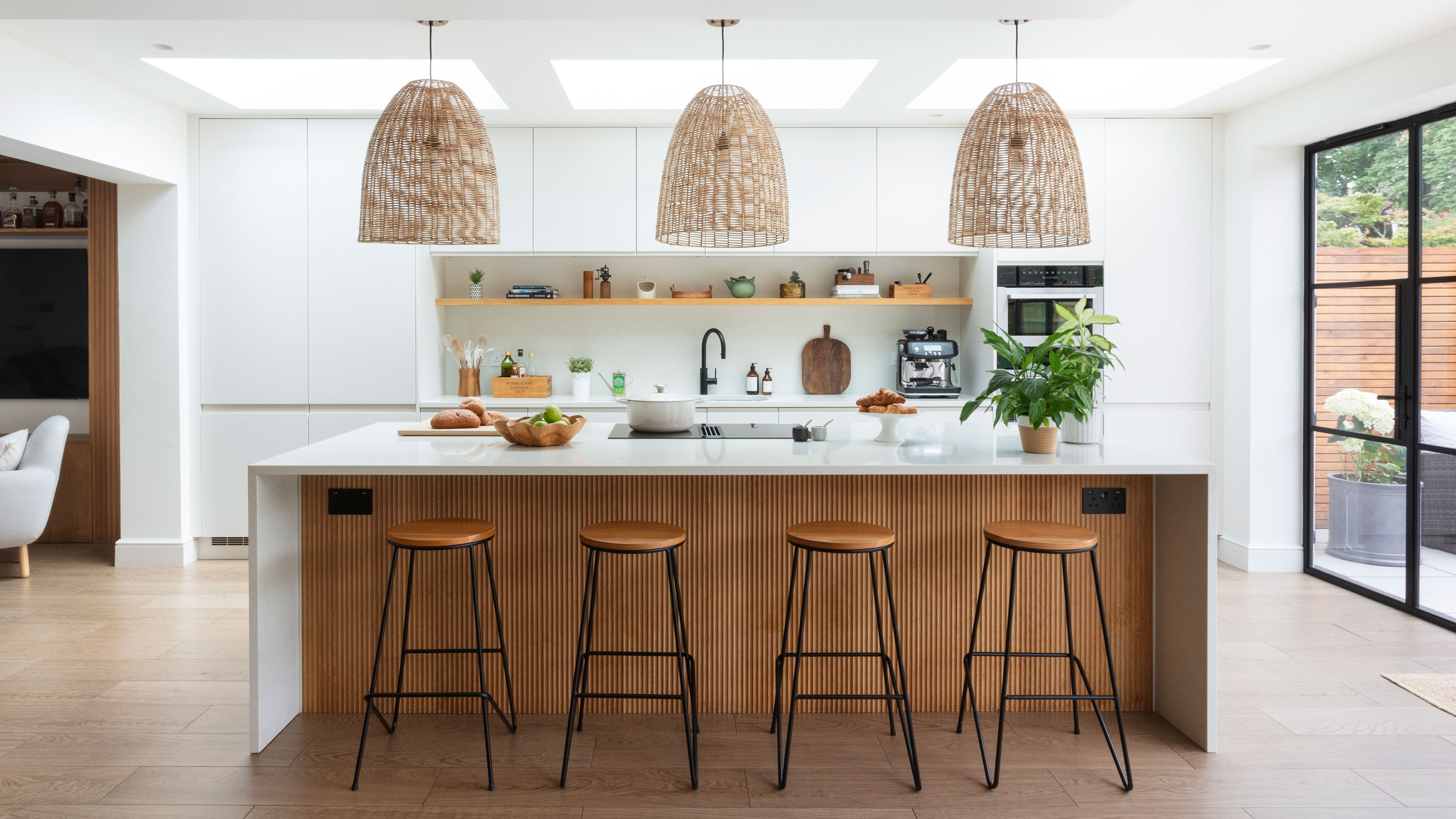
The kitchen island trends dominating 2025 - the liveable looks we predict will become new classics
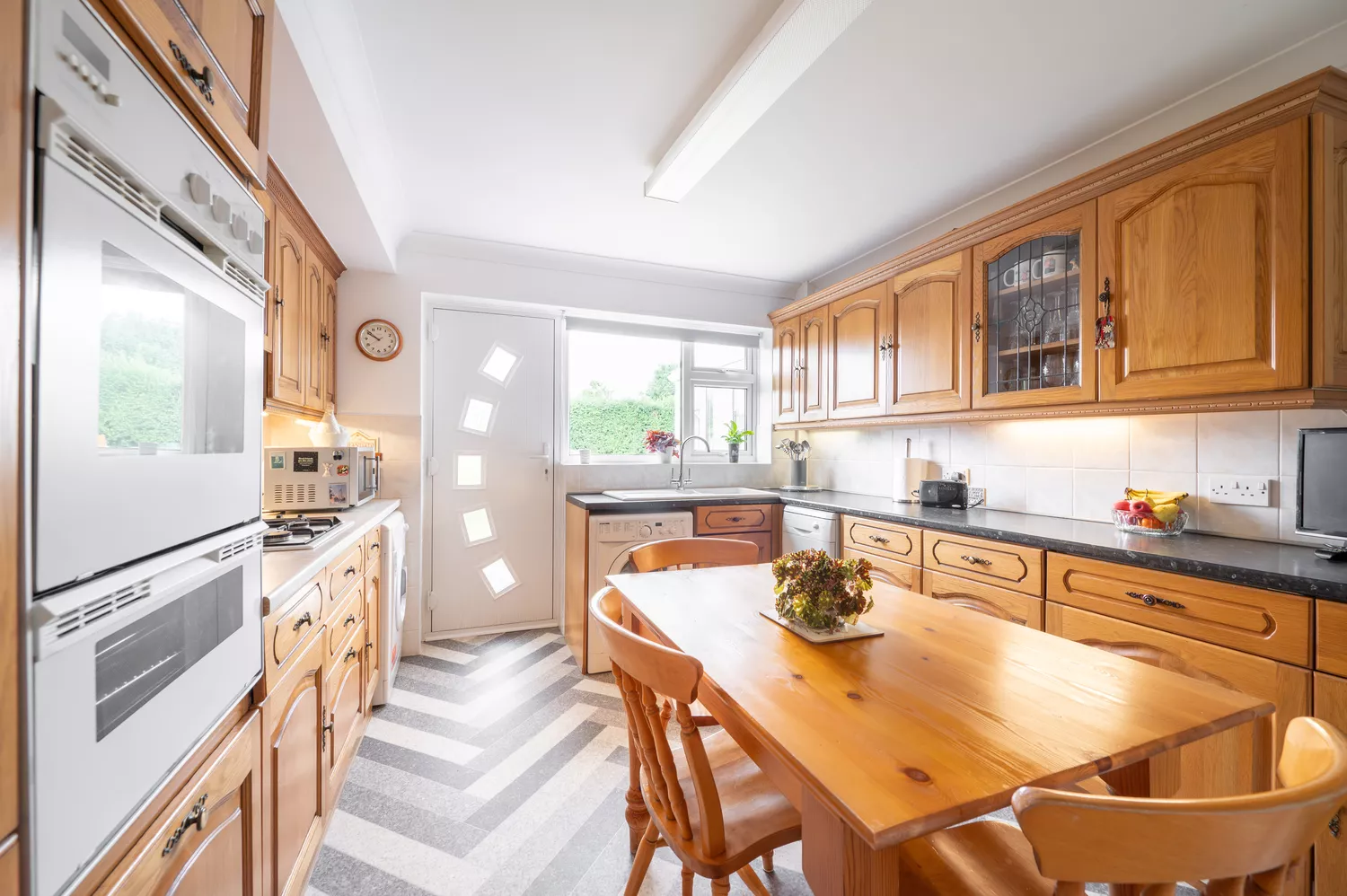
Designers Agree: This Outdated Cabinet Trend Is Making a Major Kitchen Comeback in 2026

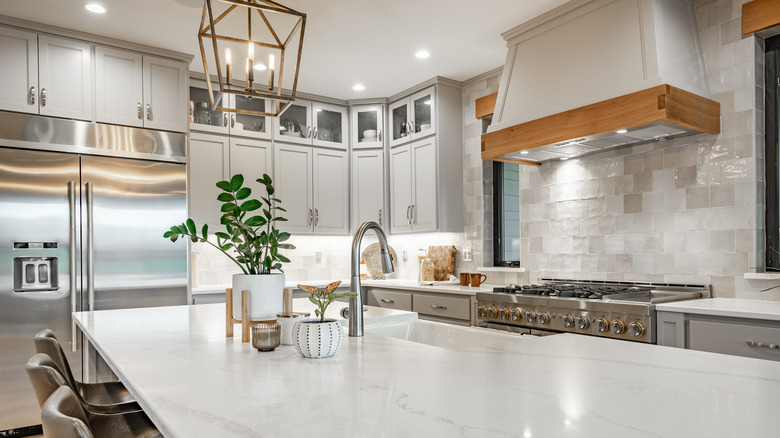
Outdated Kitchen Design Trends Being Replaced In 2024
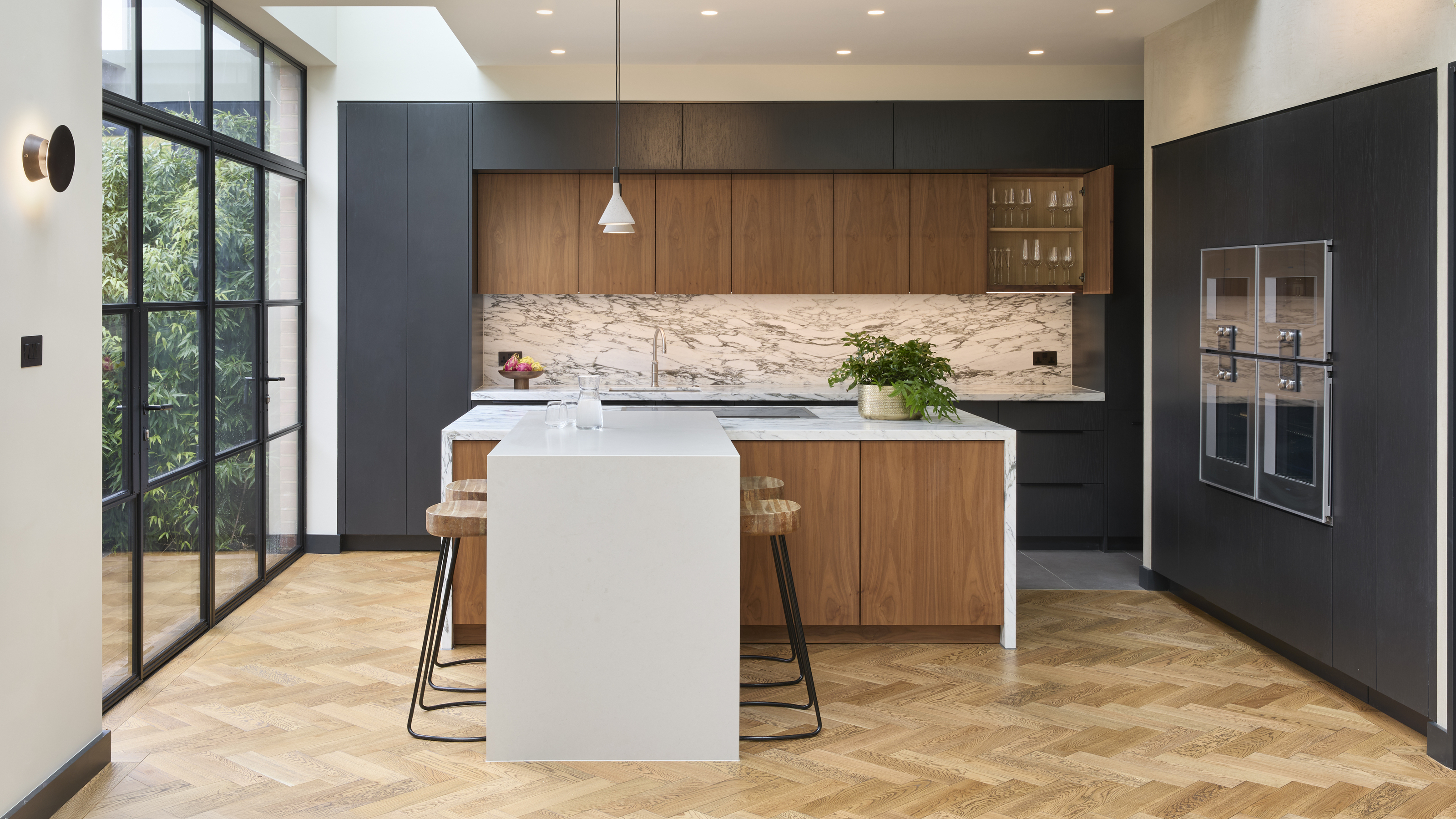
5 Kitchen Layouts That Are Dated in 2025 — Plus the Contemporary Blueprints Designers Are Choosing Instead


Kitchen design trends to know for 2024
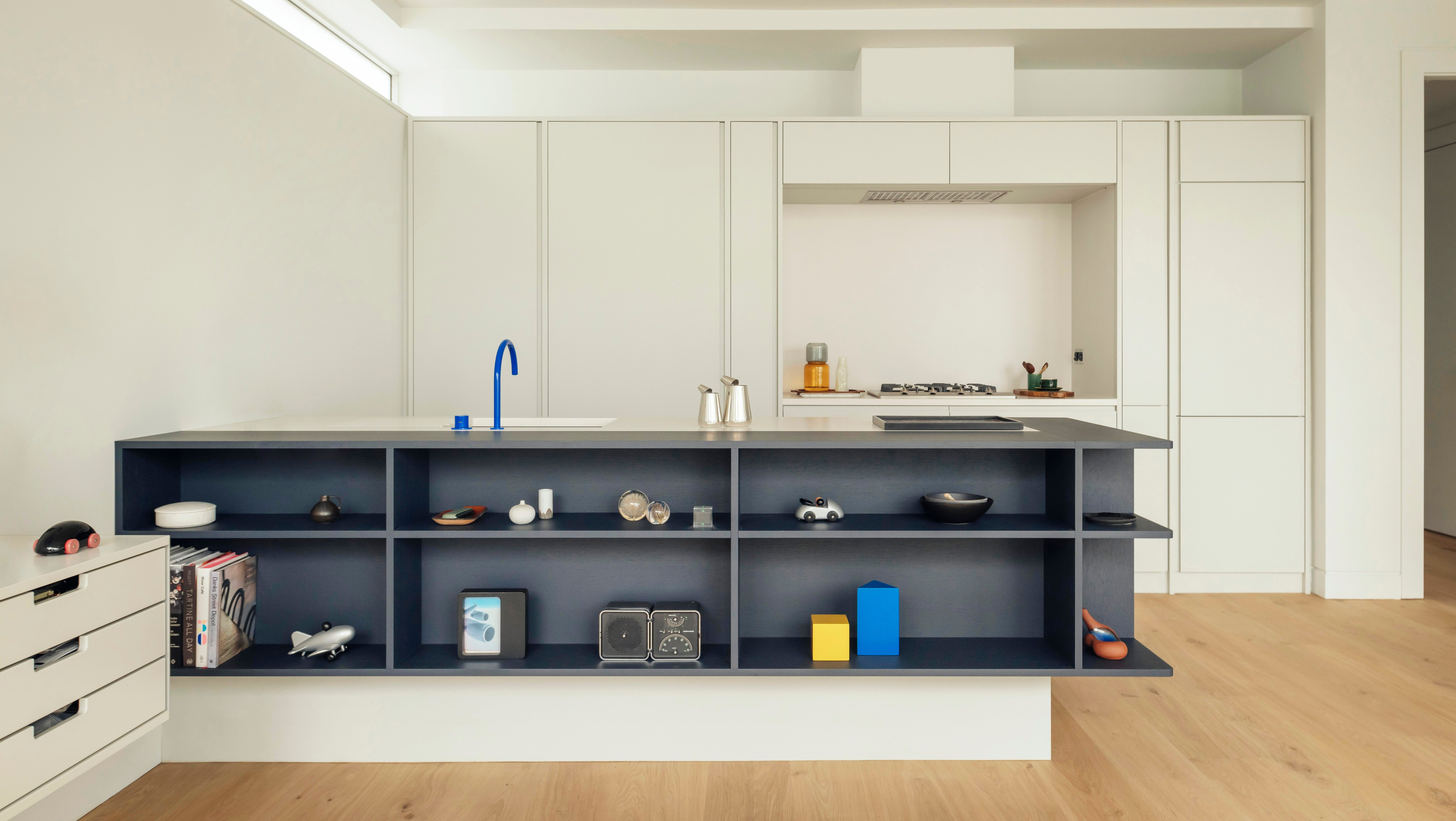
The big kitchen trends of 2025 explained by top designers

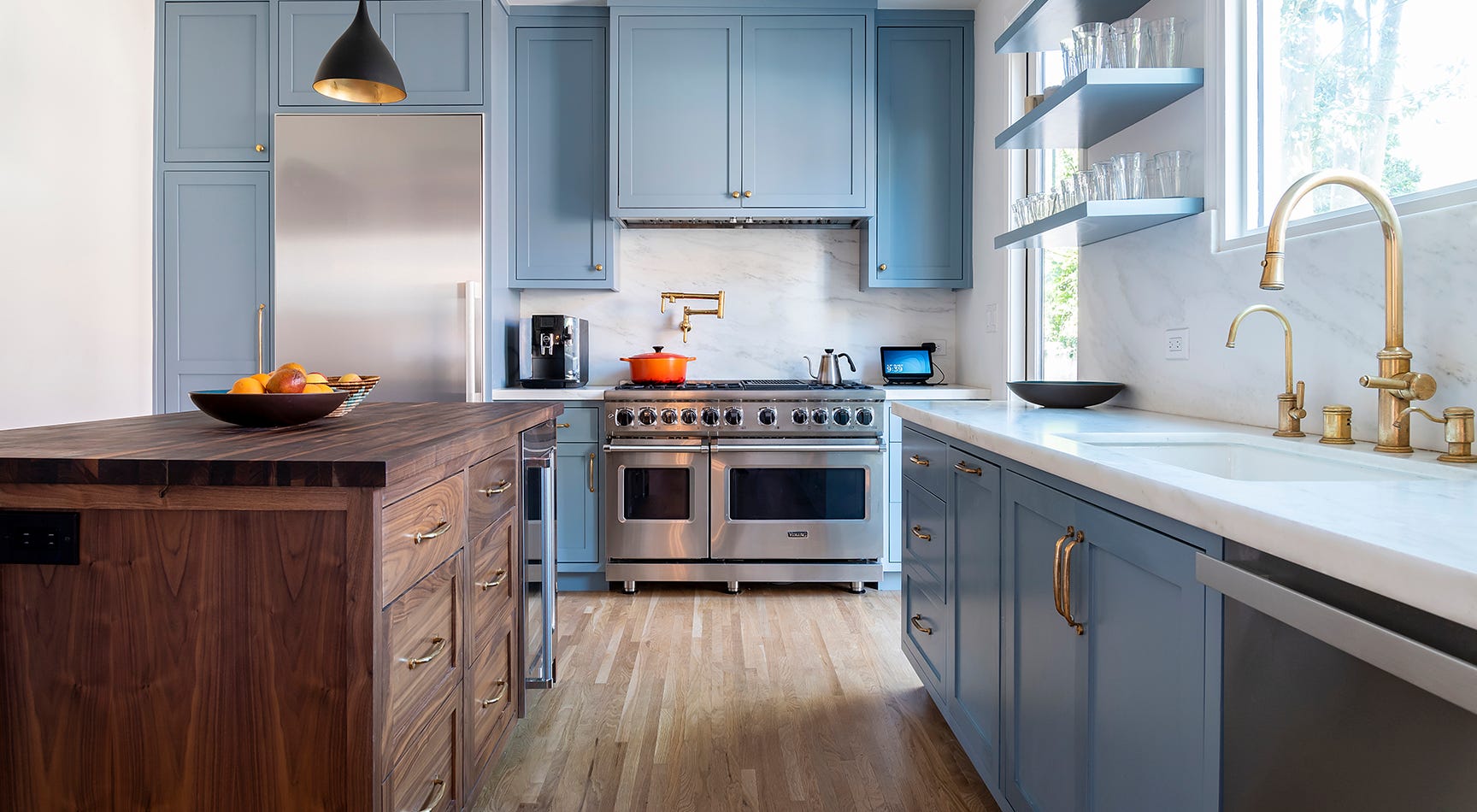
The Latest Kitchen Design Trends for 2023, According to the Pros

Kitchen designs that will be in vogue in 2024

Kitchen Trends 2024: Revamp Your Kitchen In Style

10 Kitchen Design Trends Going Out Of Style In 2025

The Classic Kitchen Layout Trend That's Back To Stay In 2026

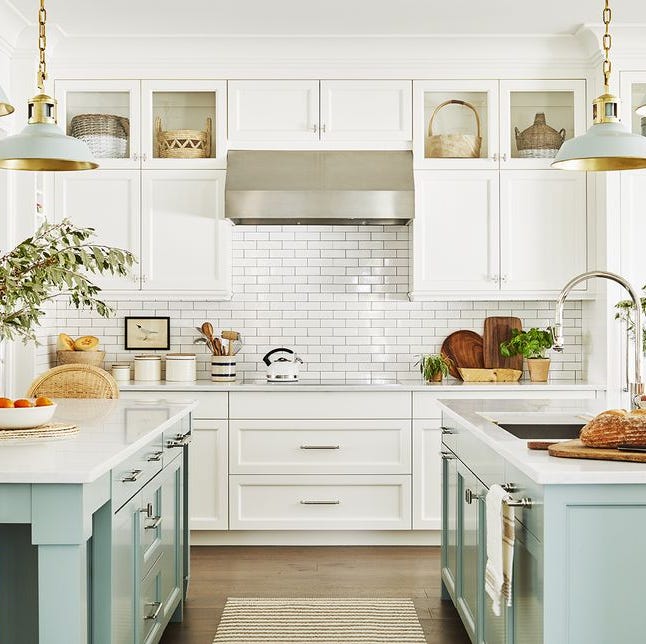
20 Kitchen Design Trends You’ll See Everywhere in 2025, According to Experts

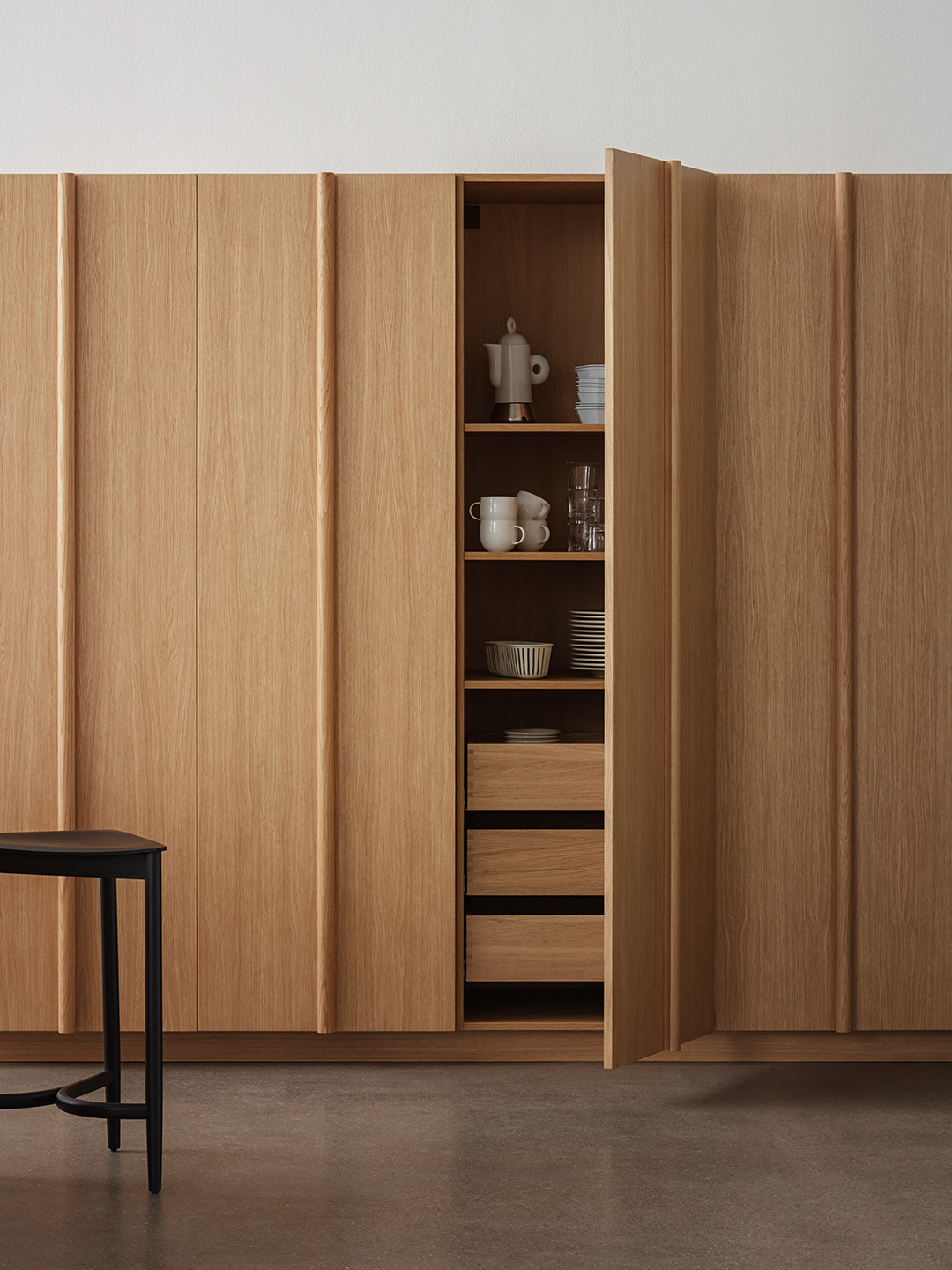
We Predict This Kitchen Cabinet Trend Will Take Over in 2024


Kitchen Trends That Are Being Left Behind In 2025 And Beyond
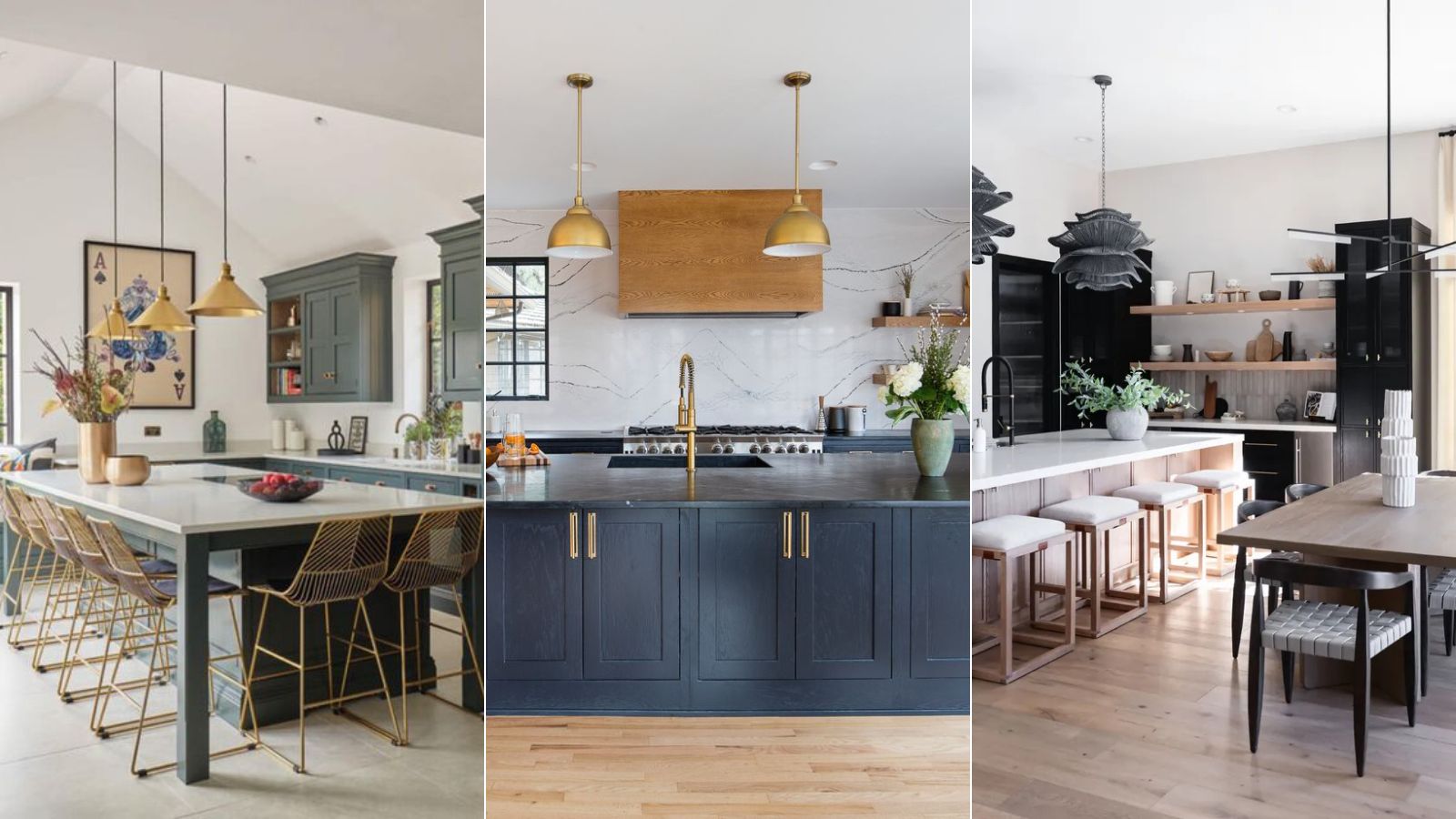
9 kitchen layout trends to have on your radar for 2025, according to designers
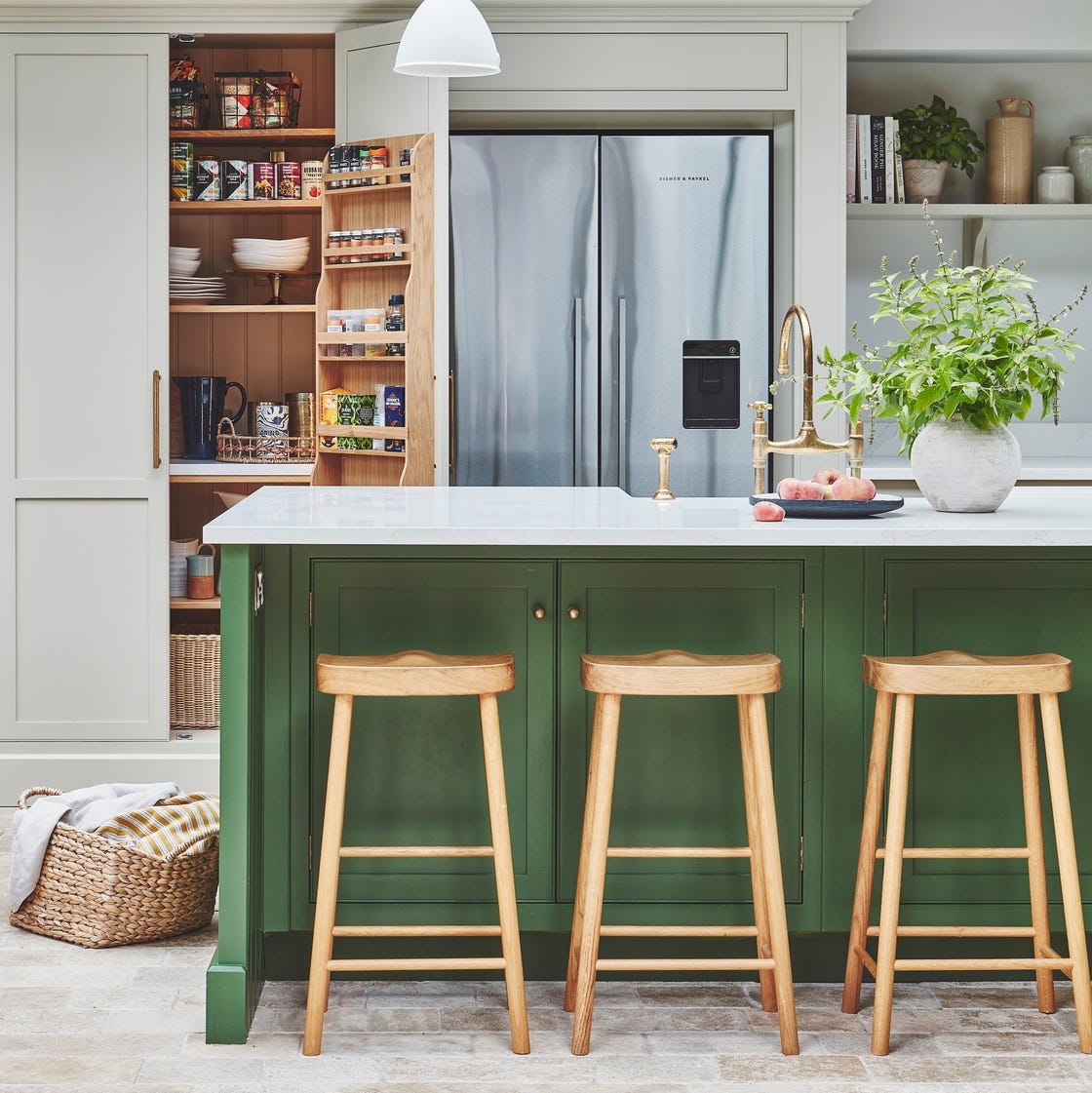
20 kitchen design trends you'll see everywhere in 2025, according to experts
Kitchen Trends in 2025
The Surprising New Kitchen Design Trend Taking 2024 by Storm