What To Know About Textured Paint
Textured paint, or specialty wall finishes, is experiencing a resurgence in home decor, moving beyond the outdated notions of sponge paint and popcorn ceilings. This guide explores the definition, types, finishes, and the pros and cons of using textured paint, drawing insights from interior designers and painting professionals.
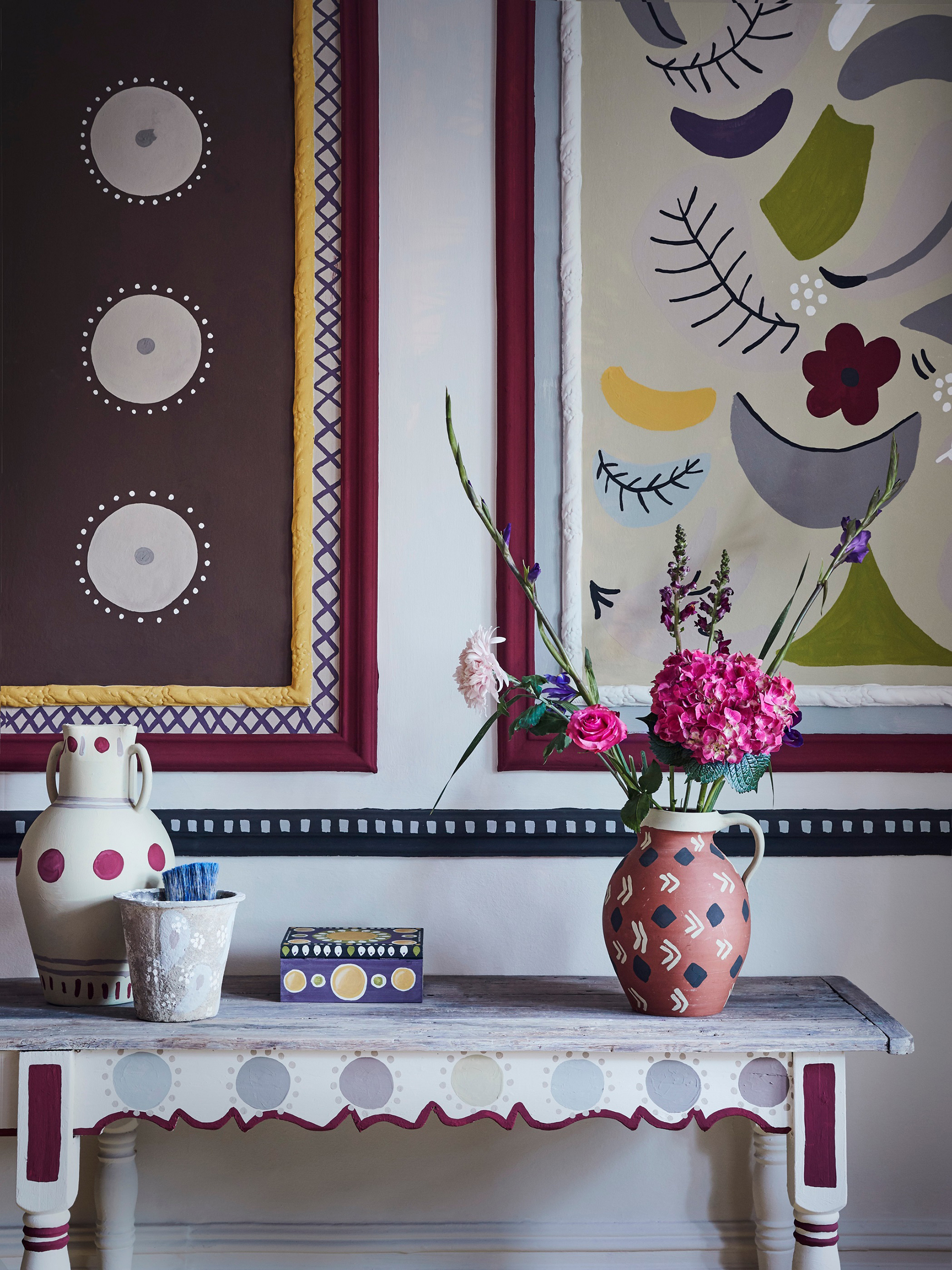
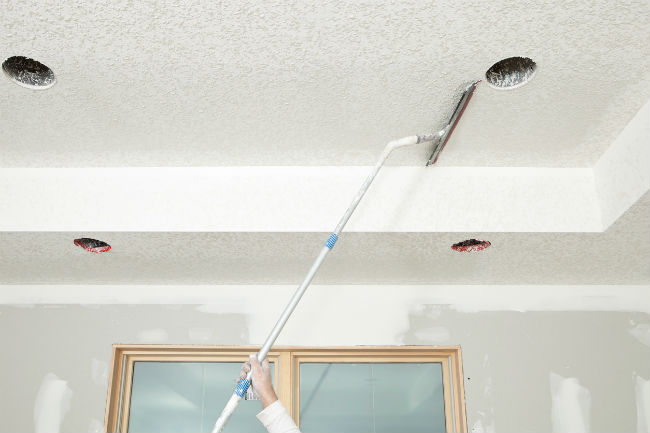
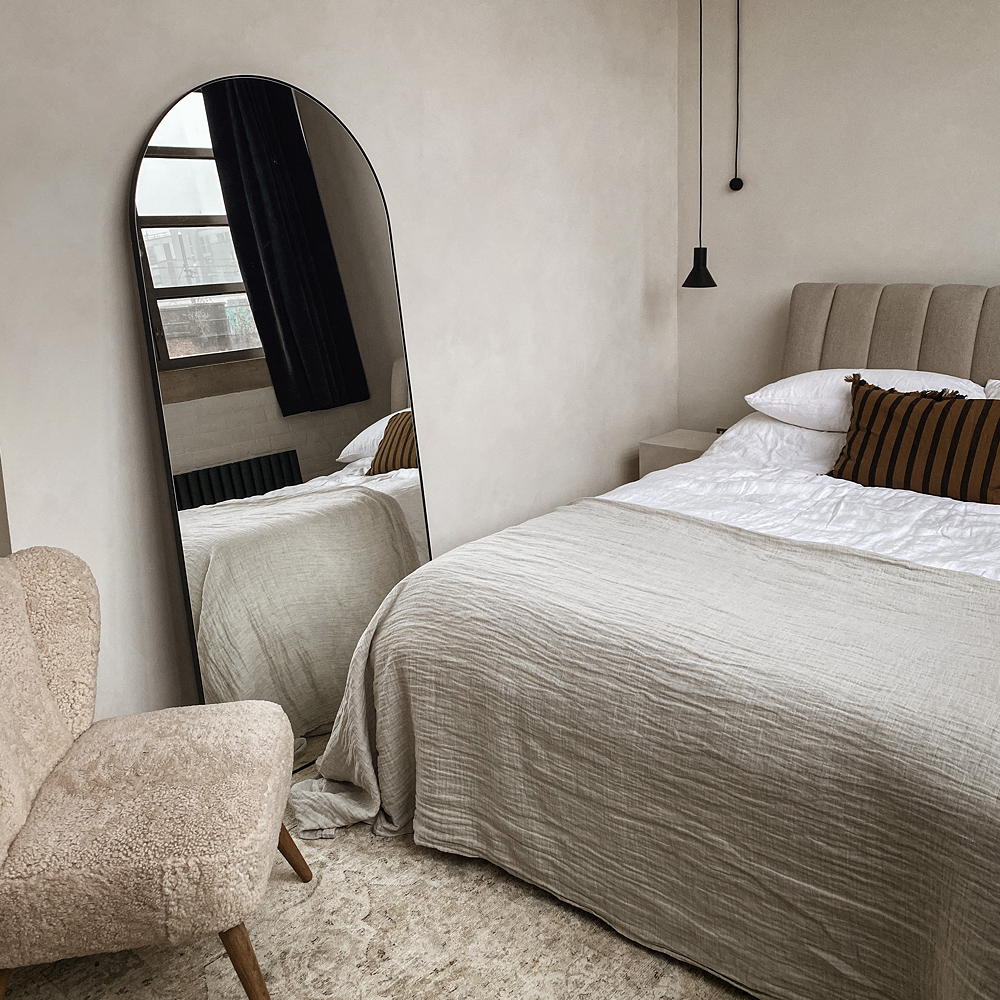
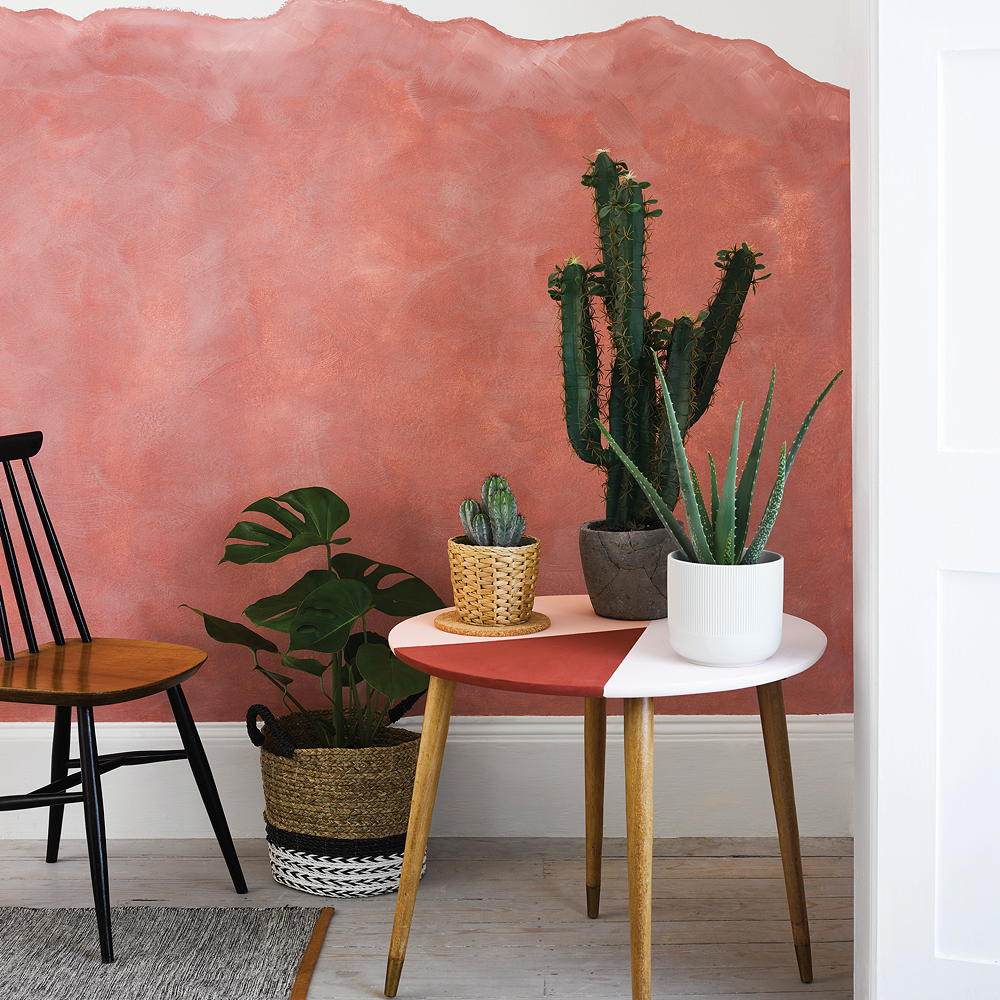
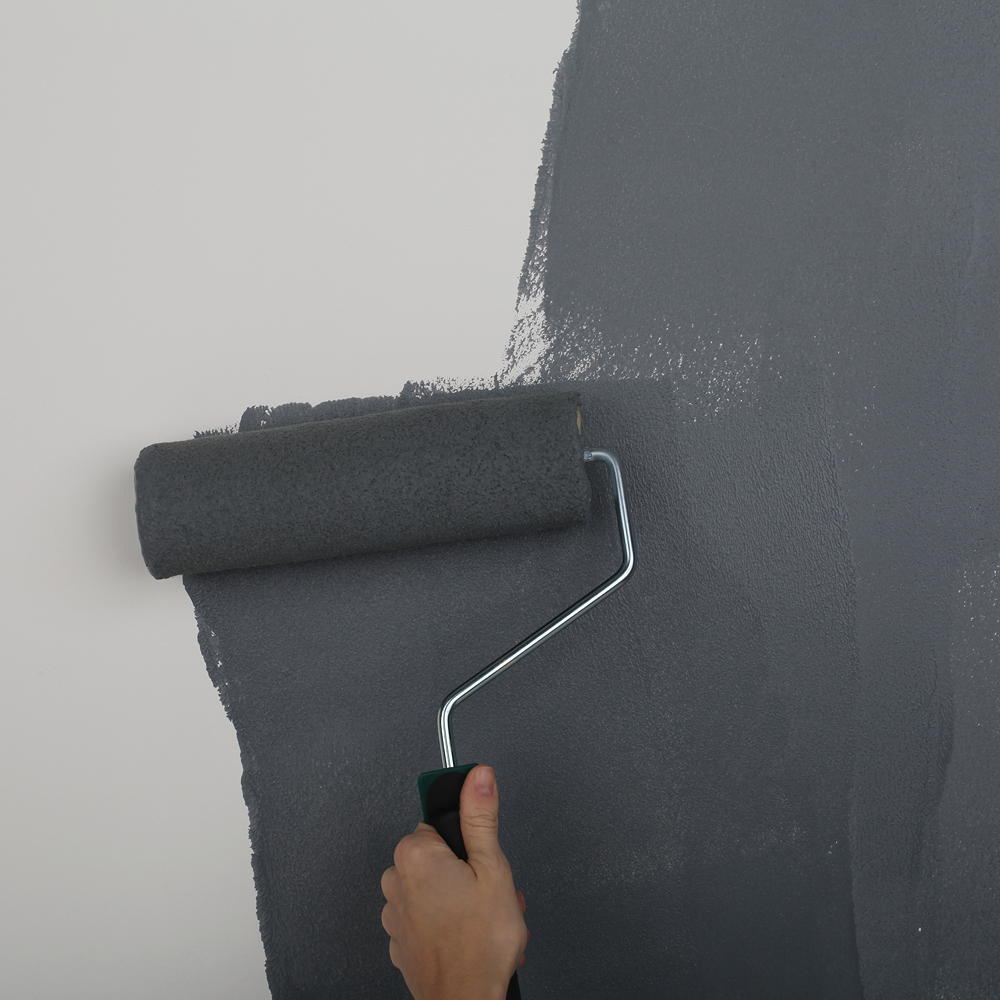
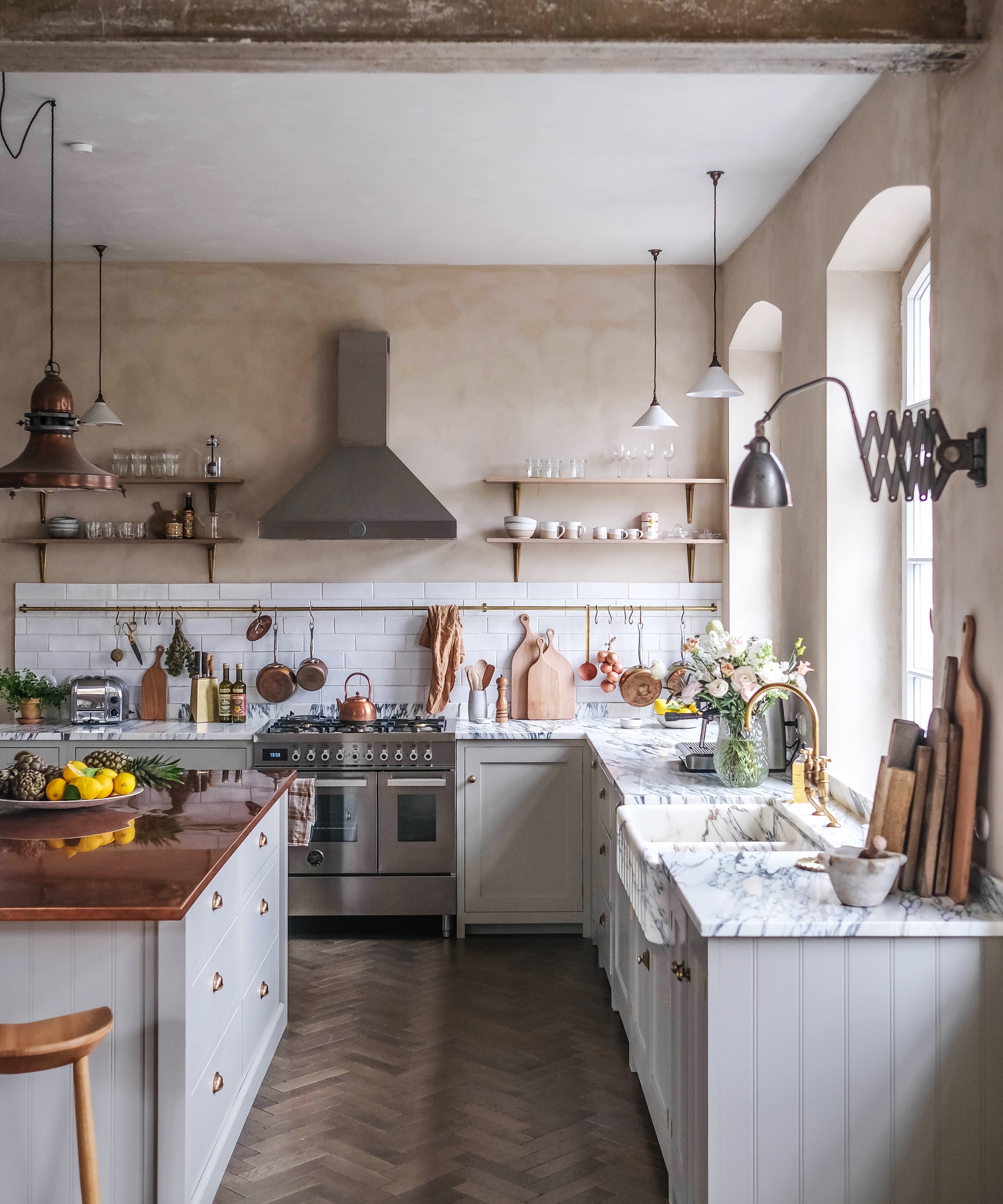
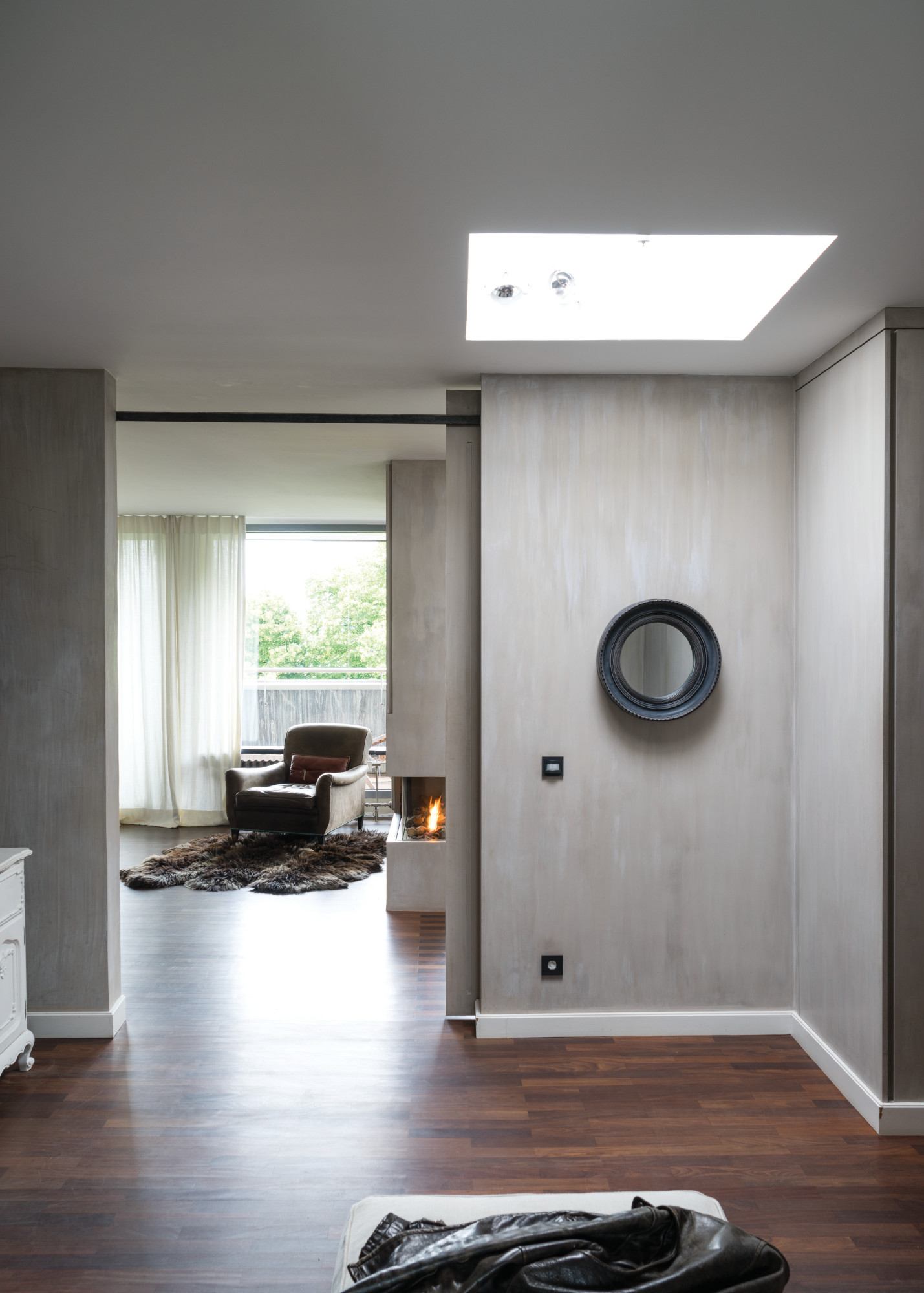
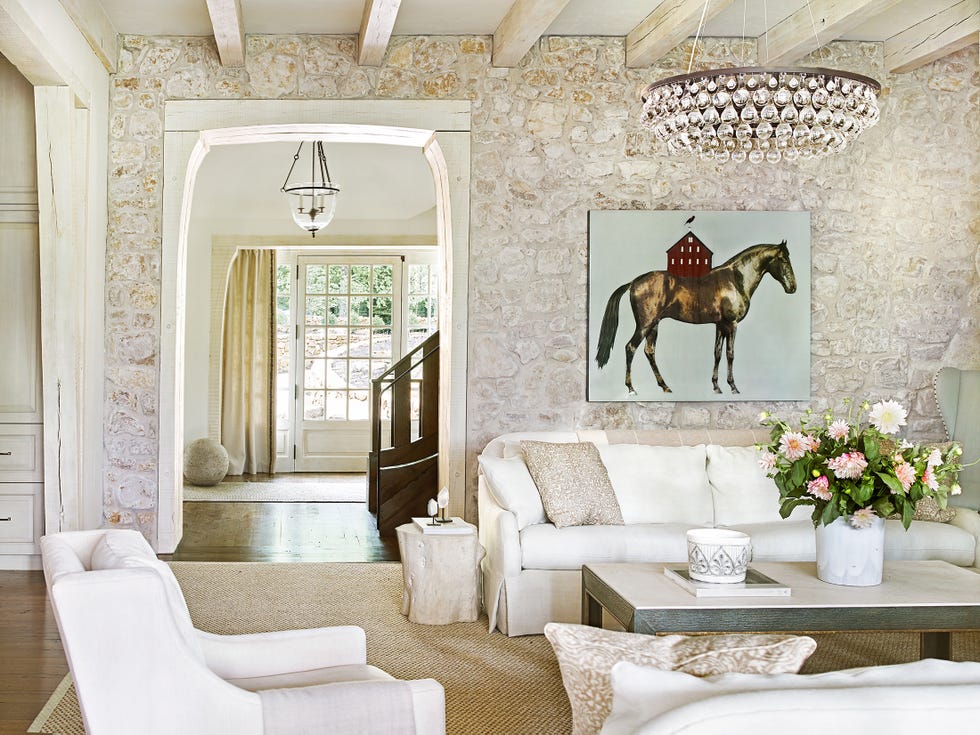
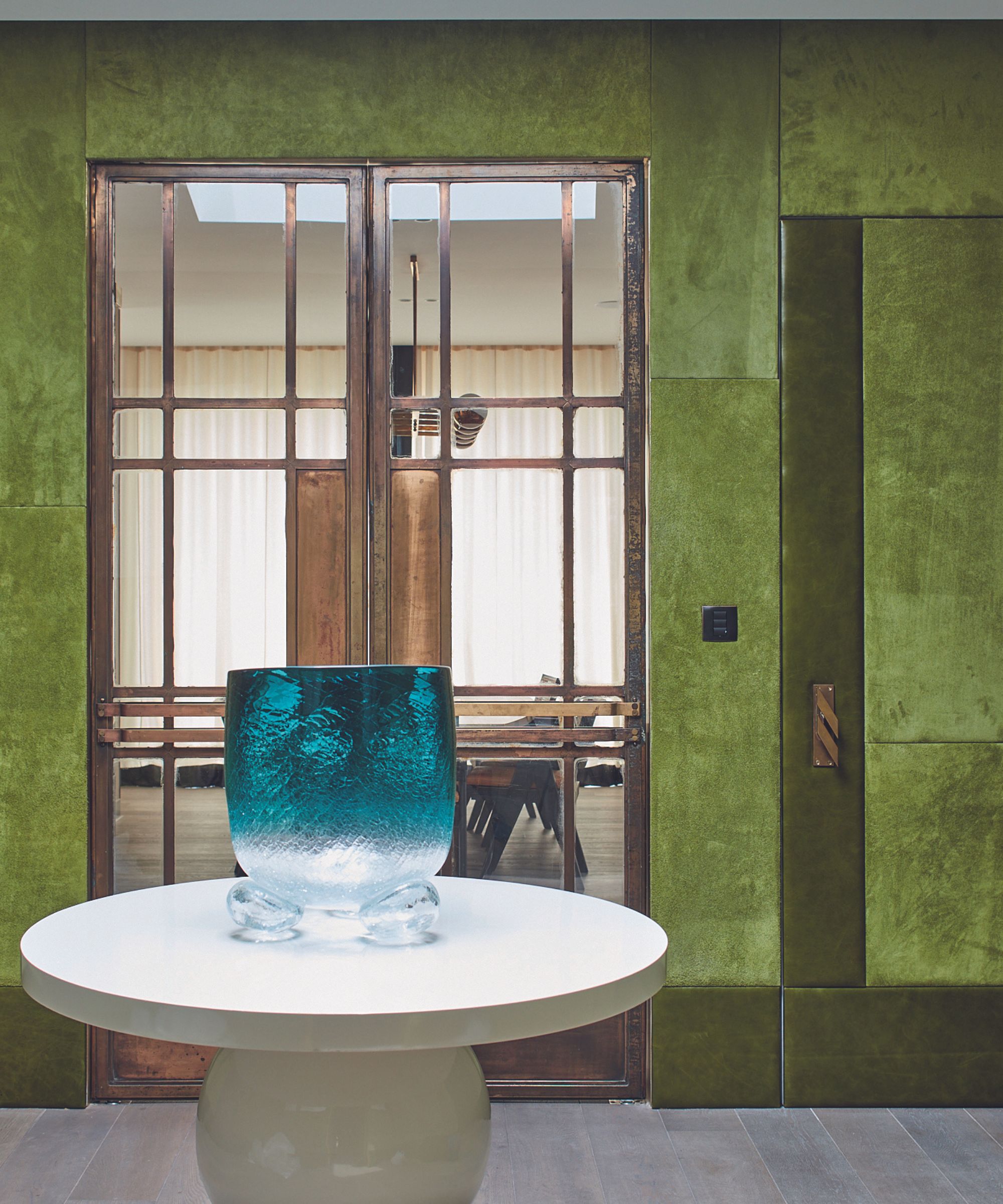
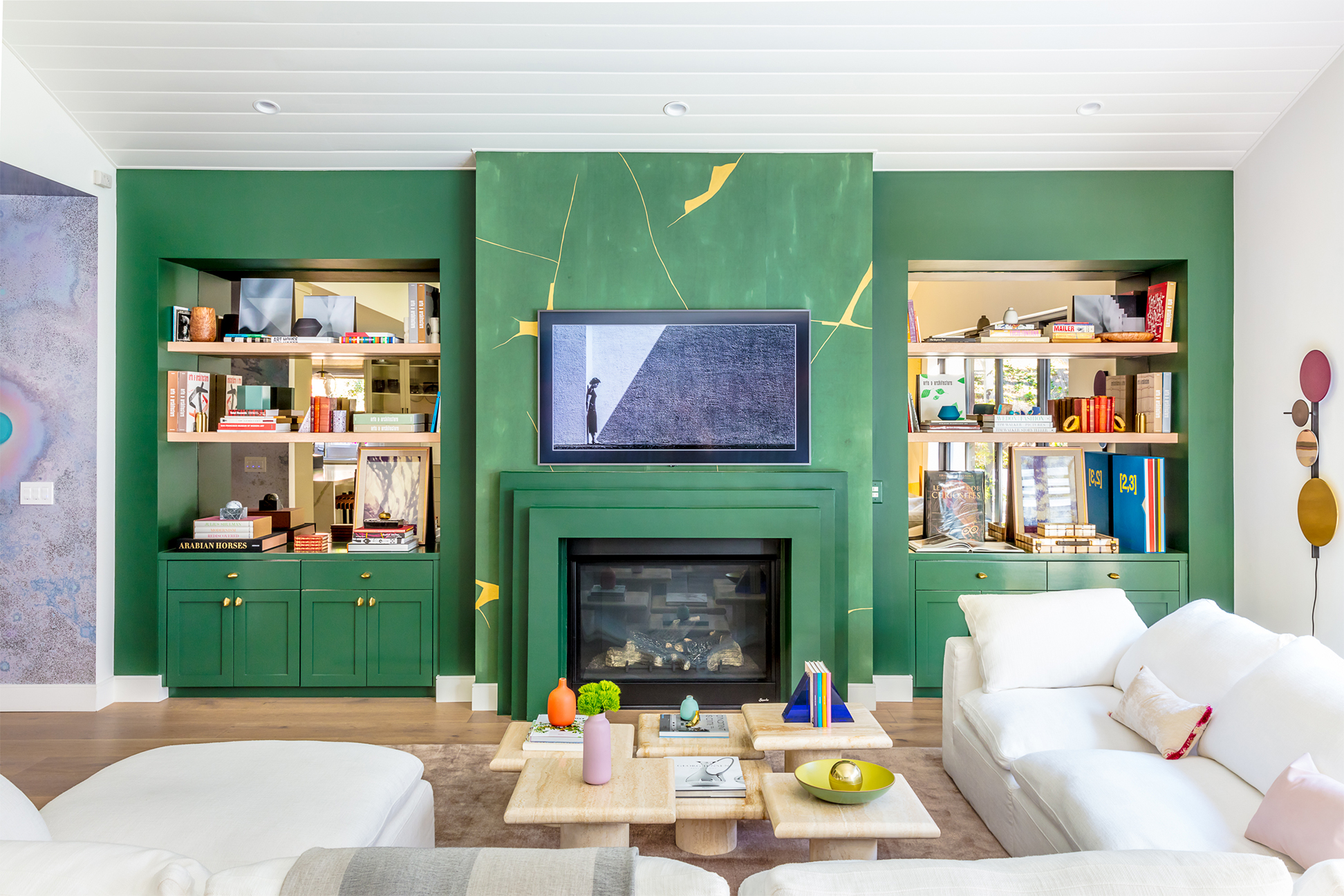
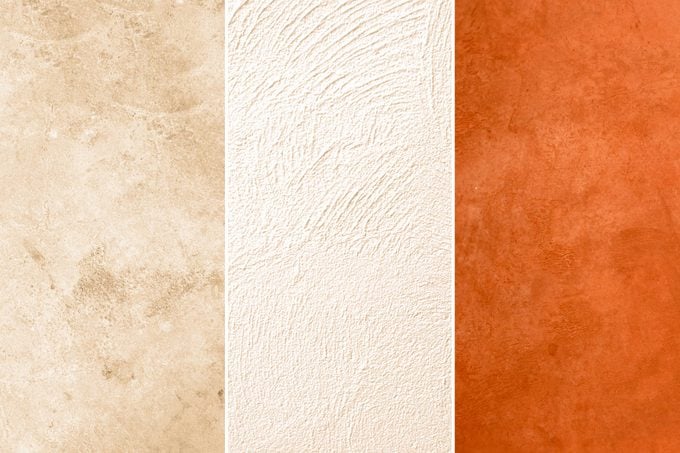
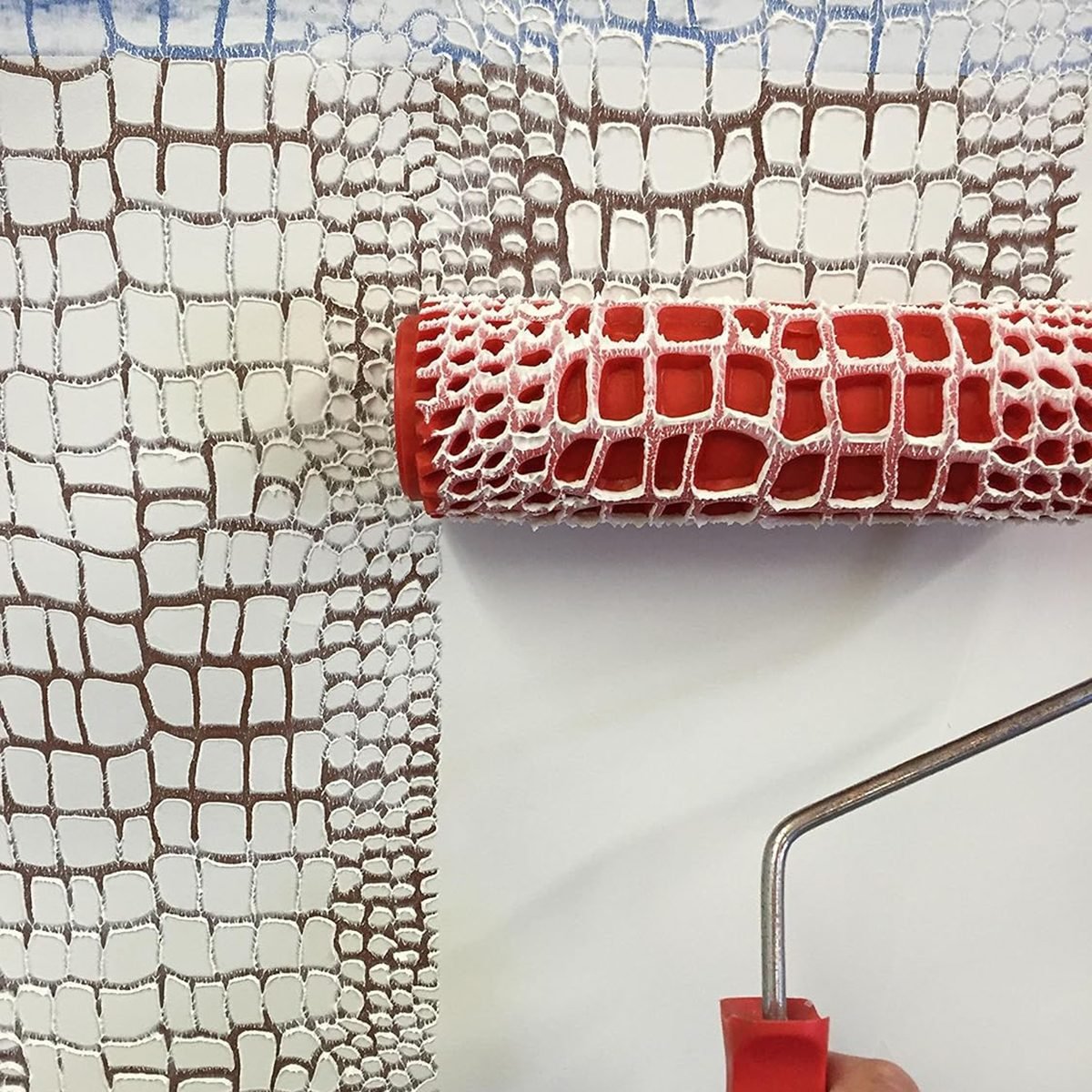
Textured paint can involve additives like sand particles to create grit or rely on application techniques, such as using a trowel to achieve patterns. For DIY enthusiasts, textured paint rollers can produce professional-looking effects. While some consider limewash, Roman clay, microcement, and tadelakt as distinct trending wall finishes, they are often broadly categorized under textured paint, especially when faux options are sought due to budget constraints. The general trend indicates a strong preference for texture in various mediums, including wall coverings and fabrics.
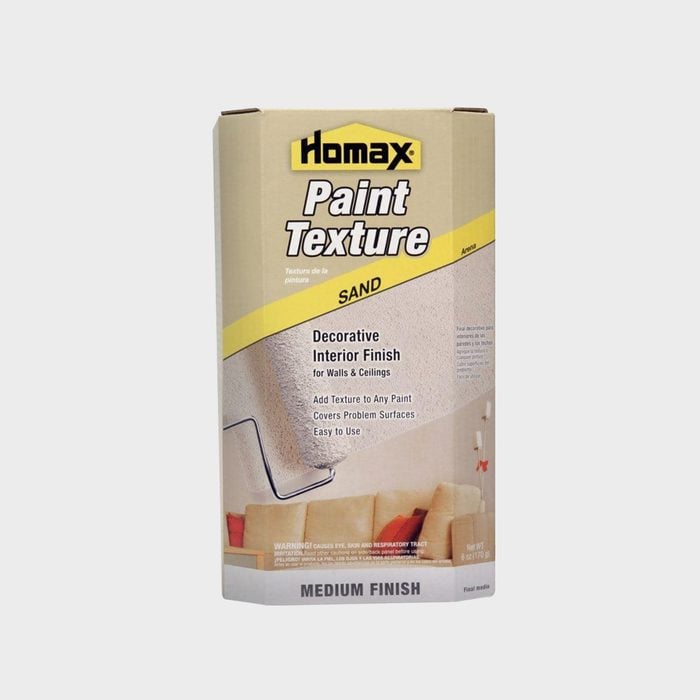
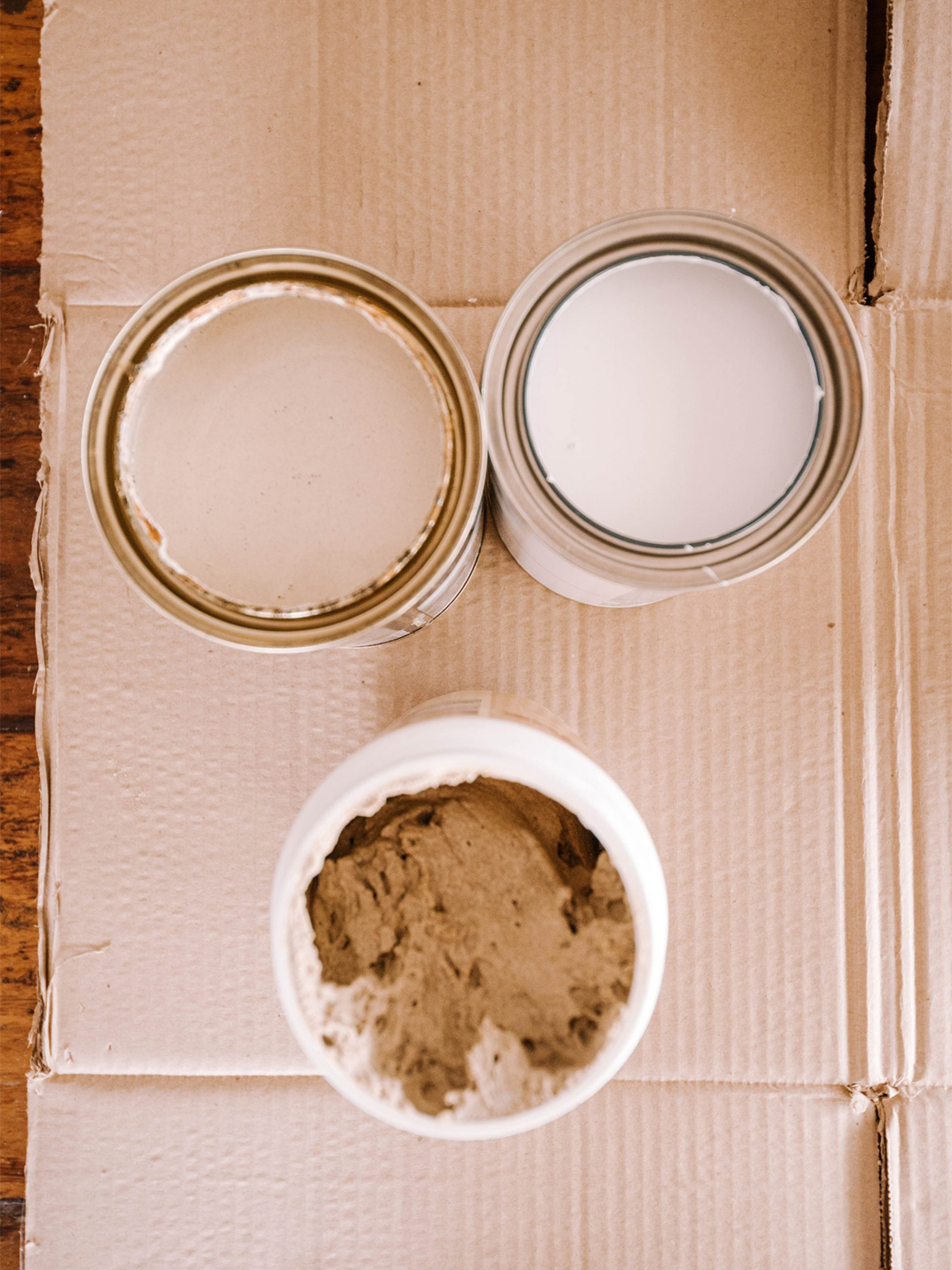
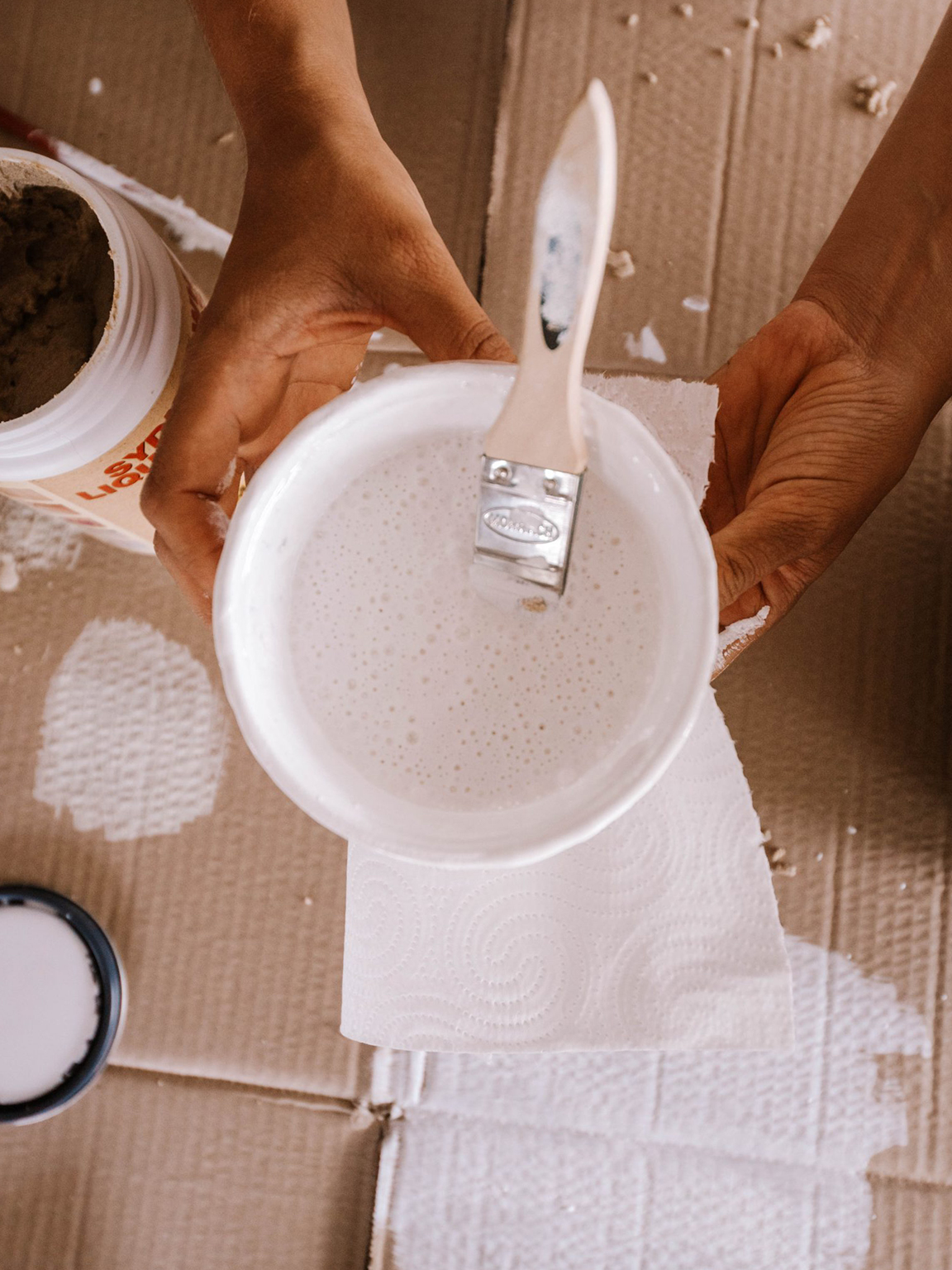
The composition of textured paint is explained by likening it to mixing a cake, where pigment is the flour, resin (glue) is the eggs, and milk or water represents the textured finishes. Additives such as silica sand or mica flakes are commonly used. These paints are predominantly latex-based, with oil-based options requiring mechanical mixing for proper aggregate dispersion.
Three primary ways to achieve textured paint are identified: premixed varieties available off the shelf, mix-ins (powders added to water and then to paint to alter texture), and aggregates/additives that can be manually added to paint.
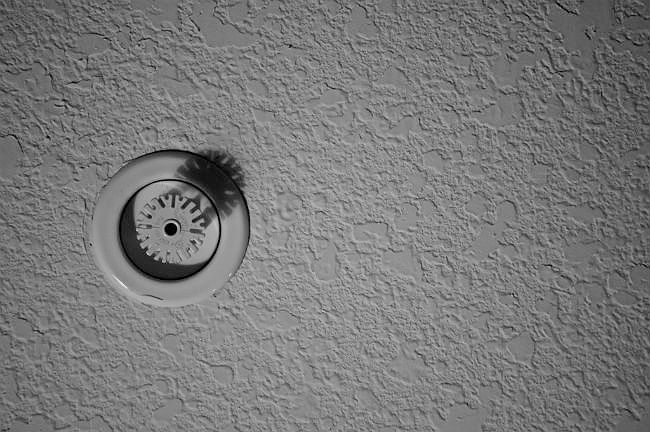
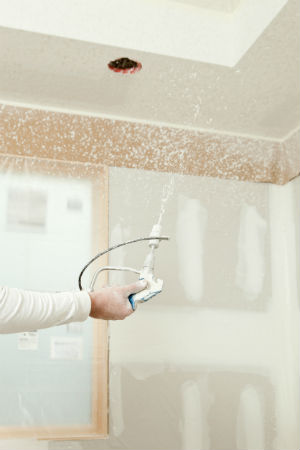
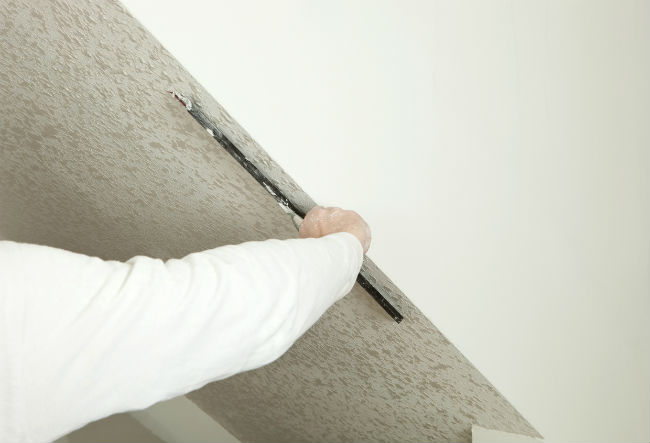
Textured paint finishes encompass several styles: smooth texture, created with thick paint applied with a putty knife for a plaster-like appearance; sand texture, where sand aggregates are mixed into the paint to vary the grain size; knockdown texture, achieved by spraying a thick layer of paint and then flattening the high points with a putty knife or trowel; and slap brush, a technique involving sweeping, brushing, and twisting motions to create distinct patterns.
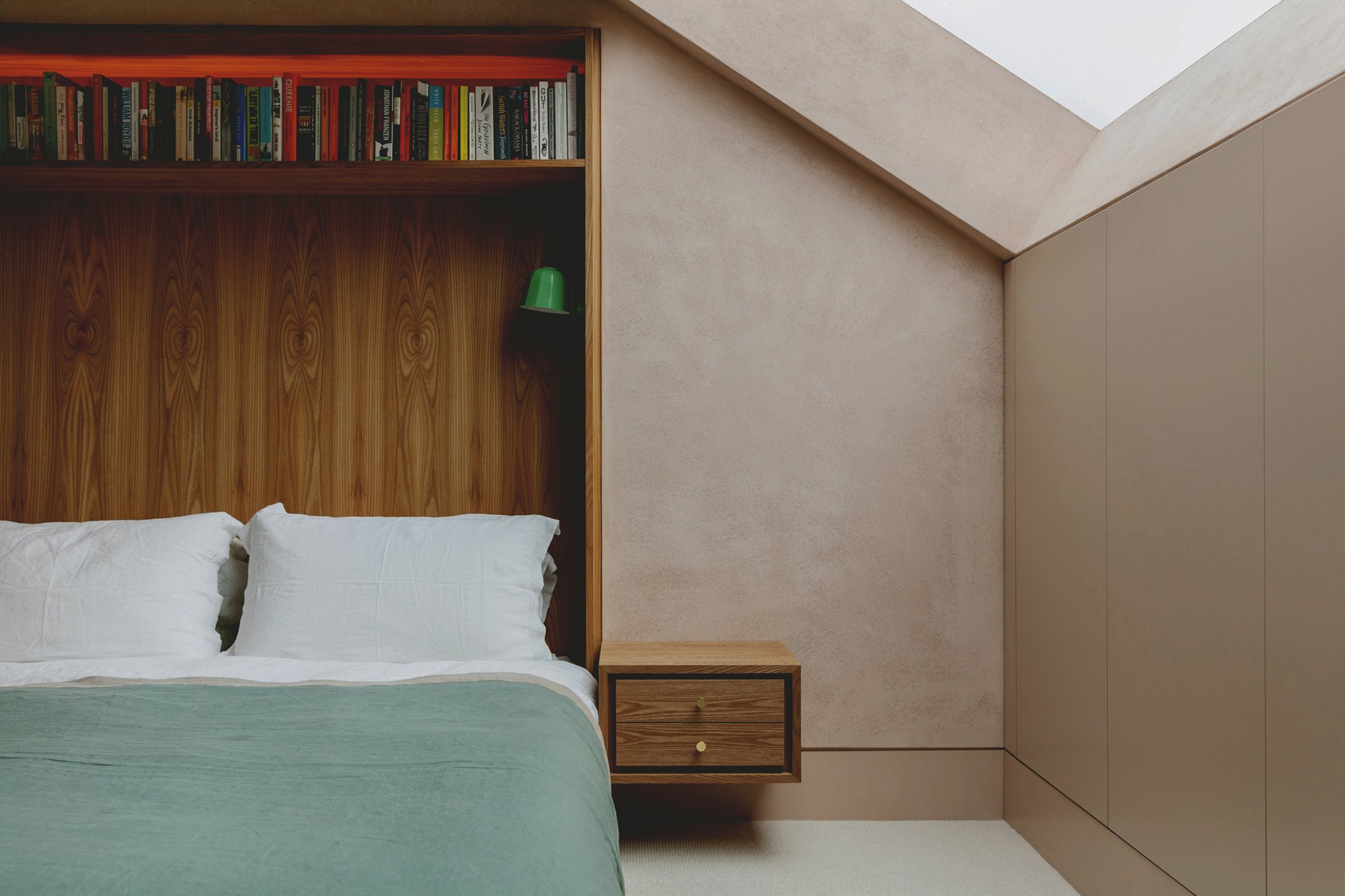
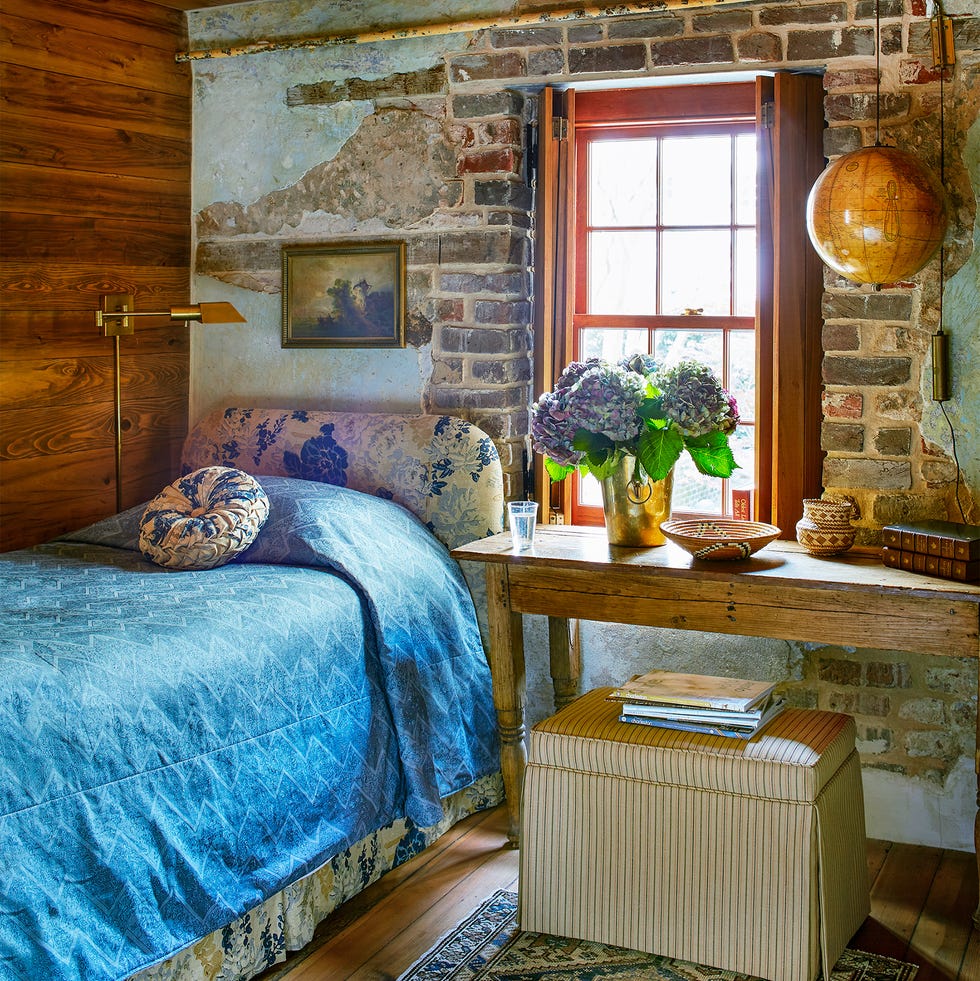
The advantages of textured paint include its ability to conceal wall imperfections, add softness and warmth to a space, and for limewash specifically, brighten brick surfaces while offering an artistic, natural finish with added dimension and visual interest. Application is generally manageable for experienced DIYers, though professionals are recommended for those less confident.
Conversely, there are disadvantages. Some textures can quickly date a room, making more timeless finishes like limewash and Roman clay preferable. Textured paint is often a specialty finish, incurring higher costs due to materials and the increased labor time. Maintenance presents a challenge: if a textured surface is damaged, replicating the exact texture is difficult, often necessitating redoing the entire surface, potentially involving drywall replacement. However, textured paint can also offer enhanced durability if applied correctly.
#TexturedPaint #InteriorDesign #WallFinishes #DIYHomeImprovement #Limewash #RomanClay #HomeDecor #PaintingTechniques #RenovationTips #TexturedPaint #InteriorDesign #WallFinishes #DIYHomeImprovement #Limewash #RomanClay #HomeDecor #PaintingTechniques #RenovationTips
0 comment in total
 No comments yet
You may also like
Understanding paint finishes

Instagram can't get enough of this new textured paint craze - here's how to get the look
This Texture-Rich Finish Is Designers' Go-To for Instant Patina

Paint sheen levels explained – everything you need to know

10 ways to use textured paint in your home
How to texture a wall – 5 expert methods for intriguing wall textures
Textured Walls Are The Latest Interiors Trend For Adding Warmth To Your Space
Textured wall ideas – 13 surfaces you'll want to reach out and touch
7 Best Interior Texture Paints
Types of Paint: A Guide to Paint Finishes and Surfaces

Paint finishes explained – an expert guide to choosing the perfect type of paint for your projects

How to layer materials and add texture to your home decor

8 Tips for Painting With a Textured Roller
How to add texture to your walls - a beginner's guide to the many beautiful plaster finishes
The Power of Texture in Interior Design – 6 Ways Designers Use It to Shape the Look (and Feel) of Every Room
This Once-Fussy Finish Is Getting a Reputation Revamp

All You Need to Know About Knockdown Texture
A Textured Paint Hack That’ll Transform Any Vase—The Good, the Bad, and the Ugly
Paint finishes – a guide for every room
5 different paint finishes, from flat to high-gloss, and when to use them