1/5
This Once-Fussy Finish Is Getting a Reputation Revamp
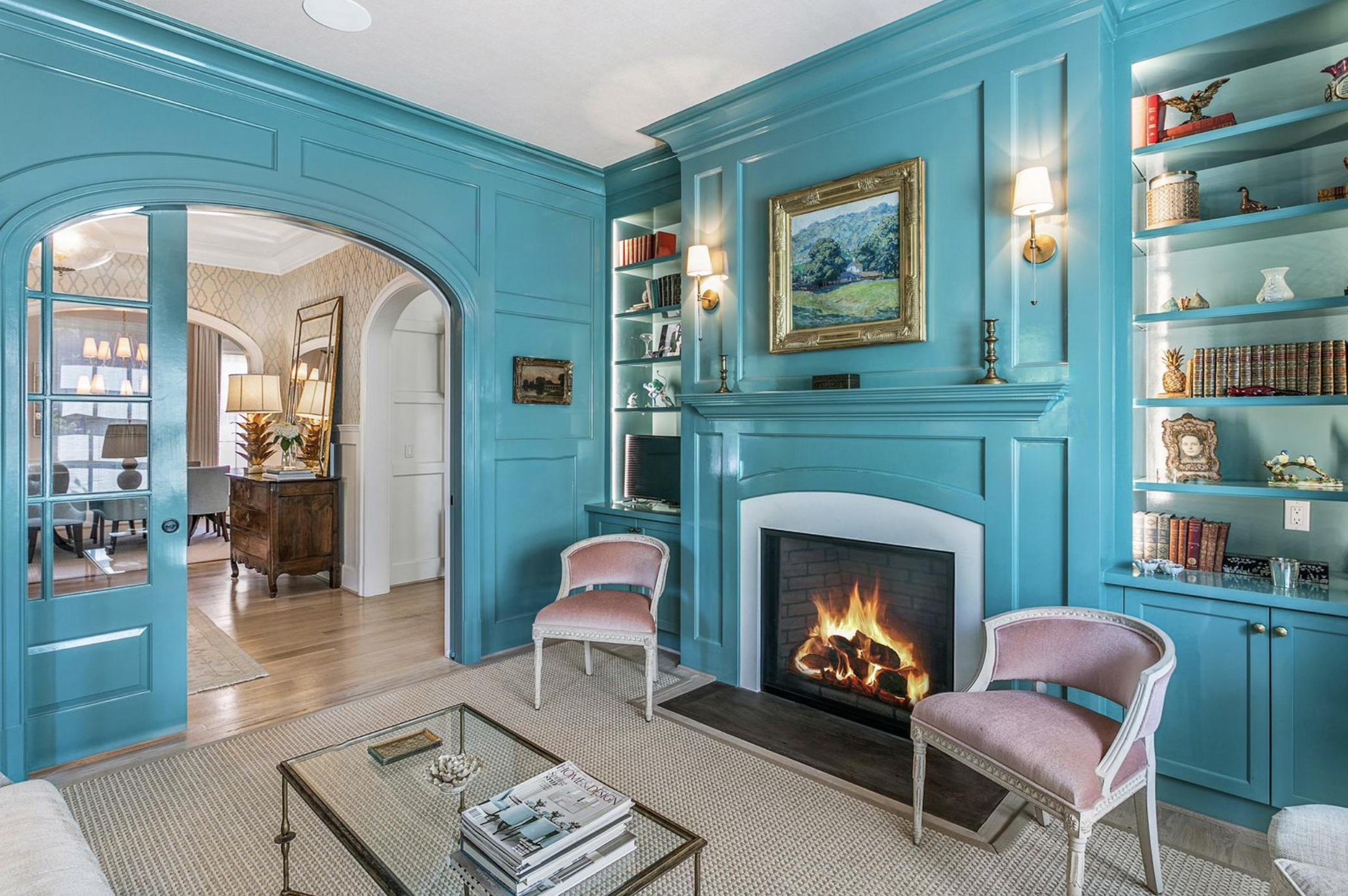
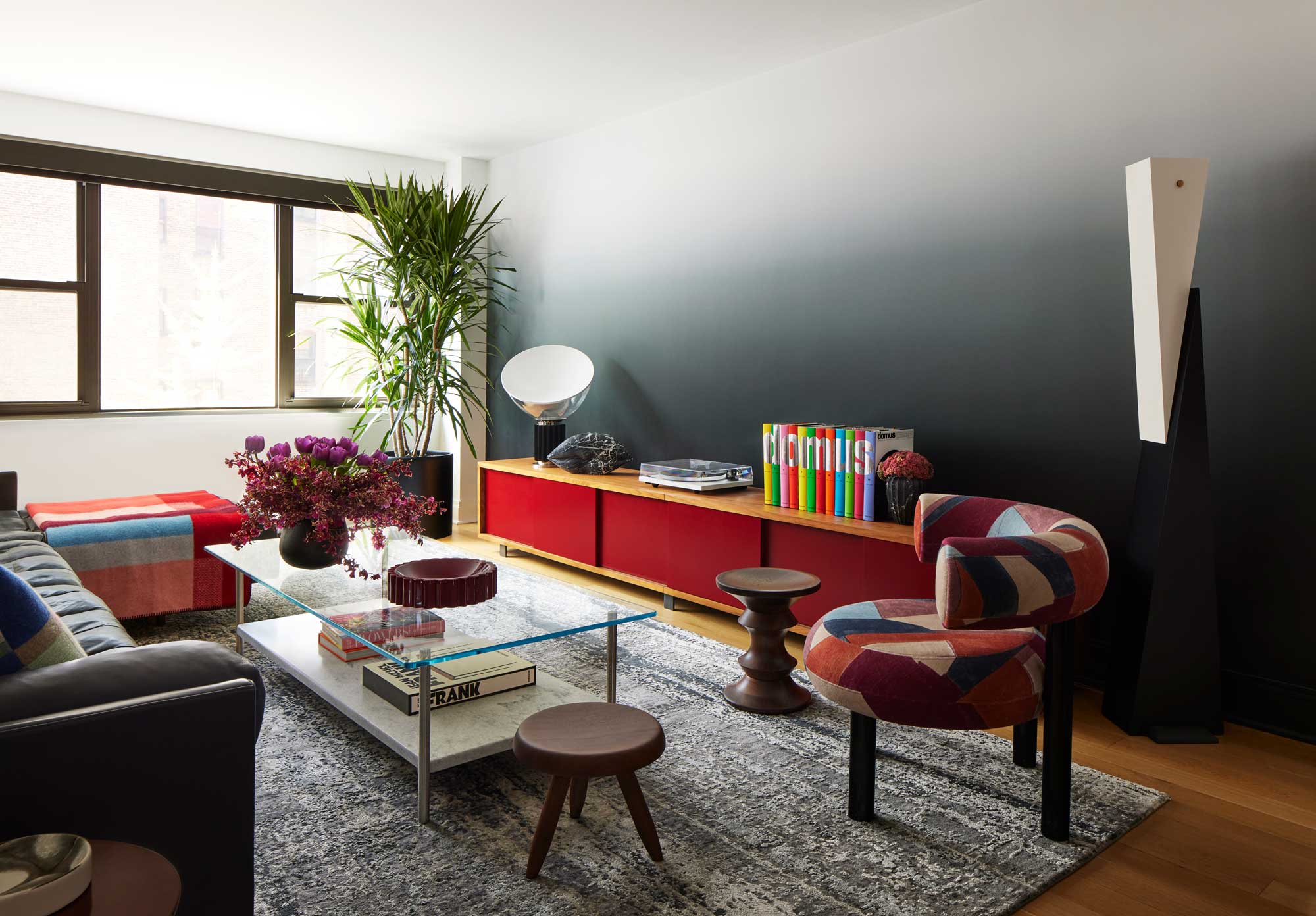
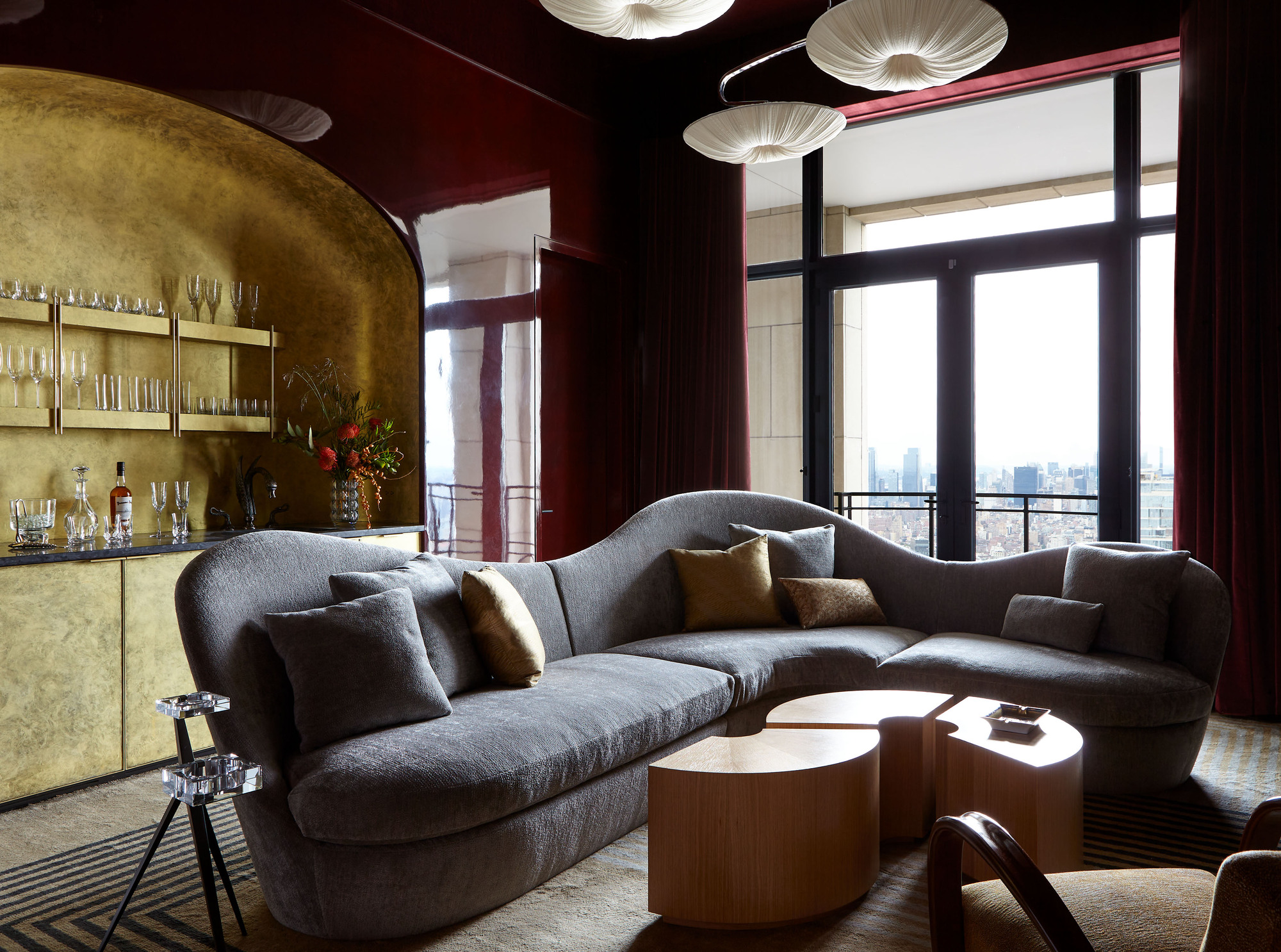
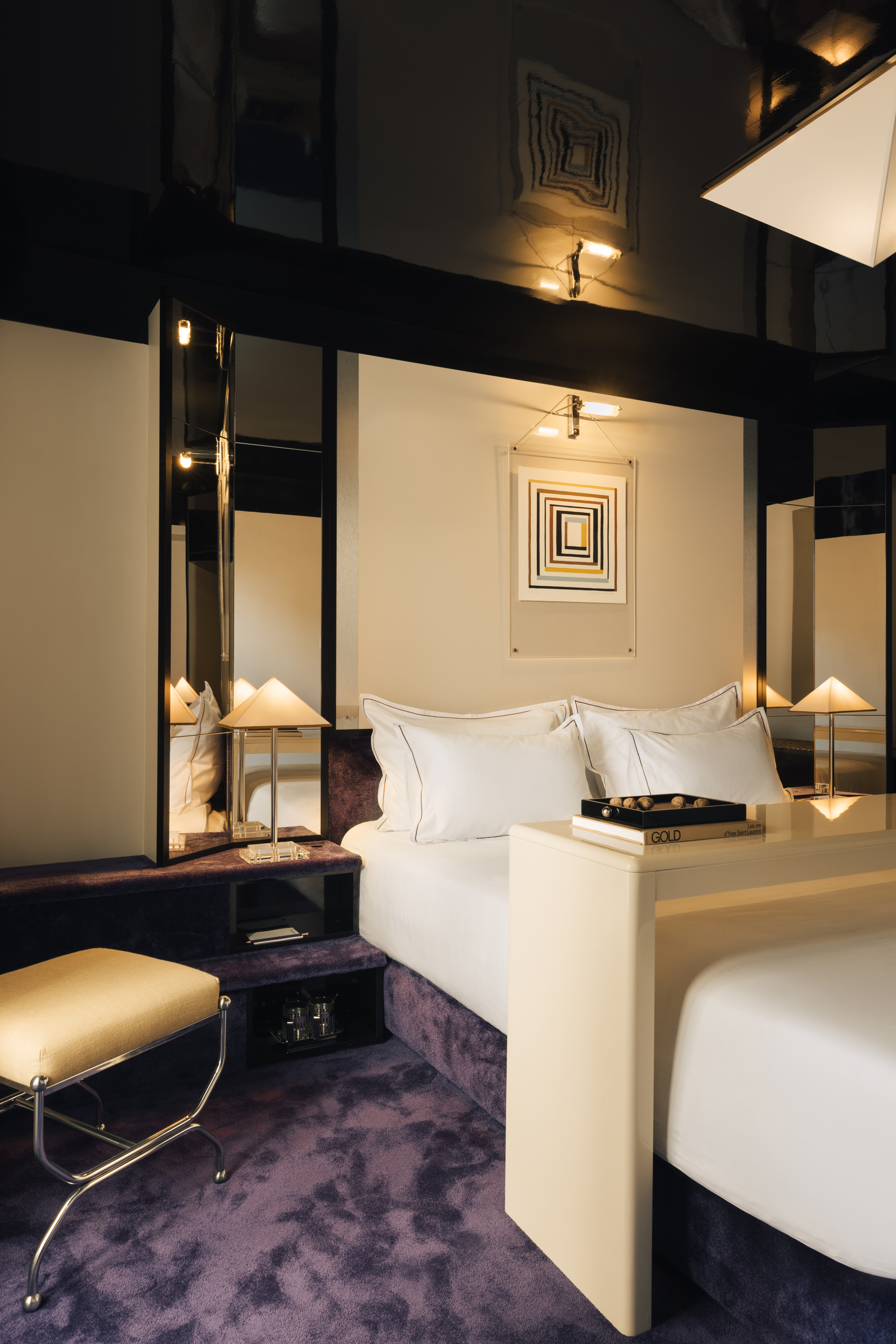
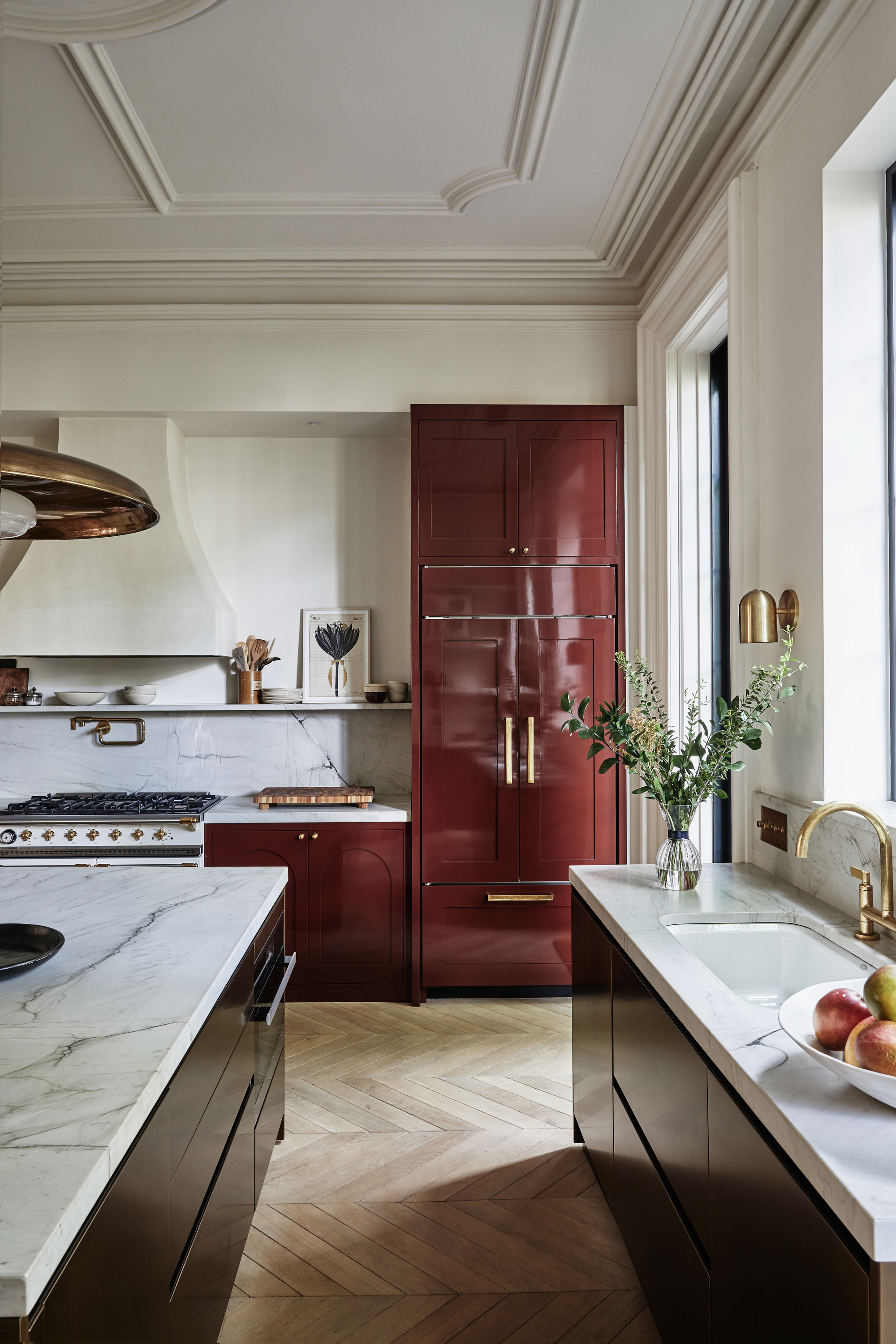
Lacquer paint, a glossy finish that has historically been challenging to implement without highlighting imperfections, is experiencing a resurgence in home design. While lacquer furniture has already seen a return to popularity, lacquer paint has been slower to gain mainstream traction due to its demanding application process. However, when executed correctly, this high-gloss treatment can transform a space, offering a striking and sophisticated aesthetic.
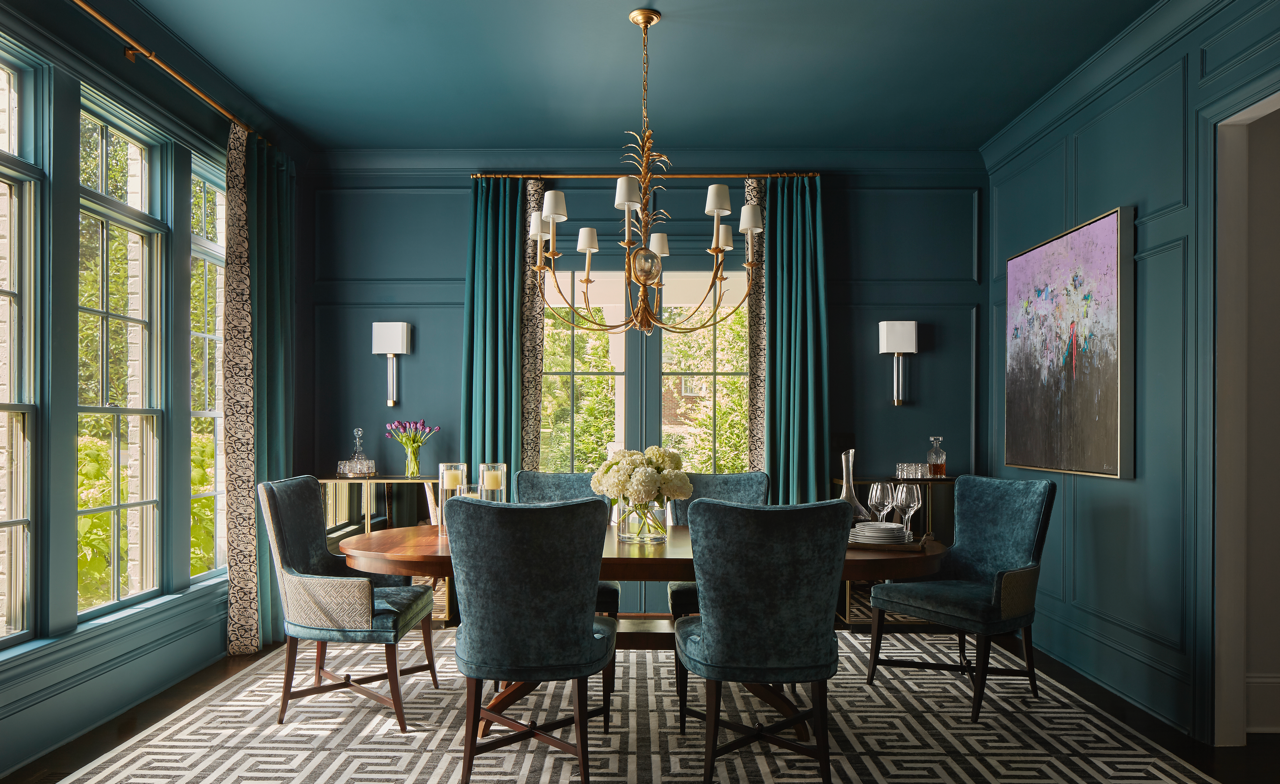
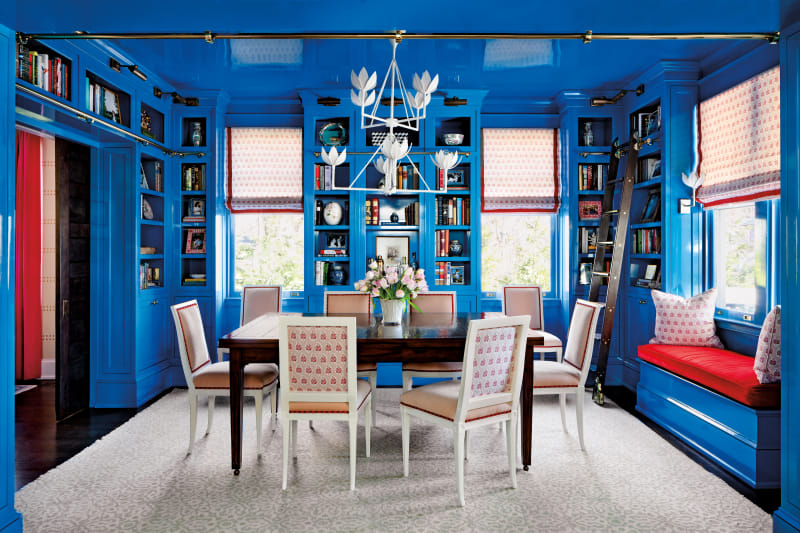
Designer Cameron Ruppert's recent project, a maximalist Washington, D.C. home, exemplifies the successful application of lacquer paint. Her electric blue dining room, made impactful and cozy by the high-gloss wall treatment, serves as a prime example. Ruppert emphasizes that lacquering is a meticulous process and offers key advice for those considering it. First, she strongly recommends hiring a professional, as achieving a flawless finish requires significant skill and time, often taking two to four weeks for a single room. Attempting a DIY approach without expertise can lead to an undesirable outcome.
Second, Ruppert advises against subtle colors, suggesting that if one commits to the effort of lacquering, the color should be bold and striking enough to create a "wow" effect. Neutral tones, she argues, may fall flat when rendered in such a high-gloss finish. Third, she stresses the importance of balancing the glossy effect with varied textures and dimensions. For instance, combining lacquer with materials like leather and wool in a den can ground the space, preventing it from feeling overly sleek. Conversely, she cautions against pairing lacquer with Lucite furniture, as the combination can result in an excessively glossy and overwhelming environment.
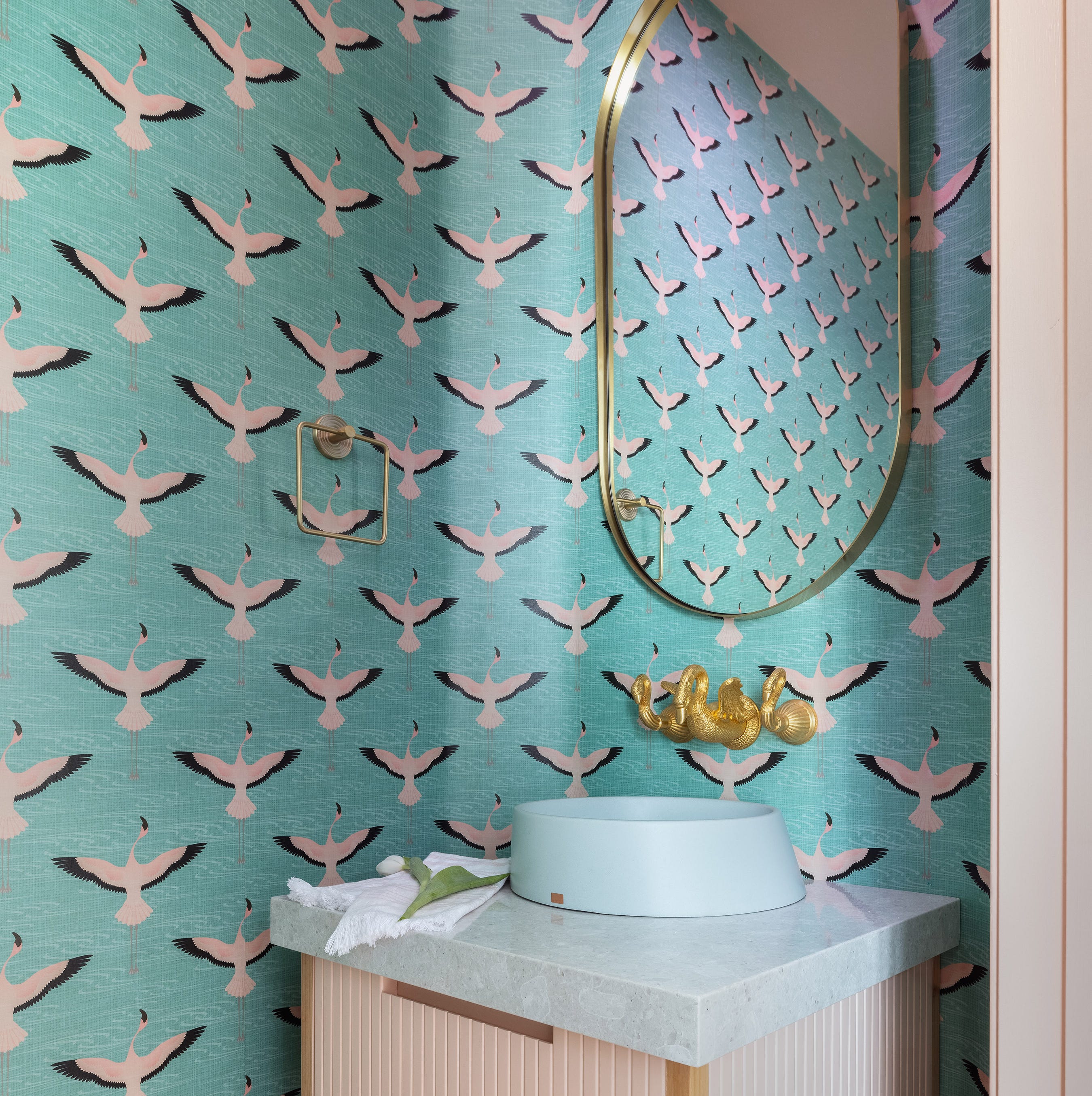
For those hesitant about a full-room commitment, alternatives exist. Focusing on a single wall, such as a fireplace, with high-gloss paint can add depth and contrast effectively. For a bolder statement, extending lacquer to the ceiling and built-ins, especially on textured surfaces like shiplap, creates additional visual interest. Defying conventions, lacquering floors instead of walls can also produce a dramatic effect, as seen in a Manhattan apartment where gleaming black hardwood complements matte white walls and colorful art. Even small, cramped spaces can benefit from a daring approach, using bright, lacquered hues on everything from walls to stools to create a vibrant and unexpected interior. Lastly, for those who prefer a "pop of color," a small space like a powder room can be an ideal canvas, where a high-shine shade can elevate minimal fixtures to feel anything but ordinary.
#LacquerPaint #HighGlossFinish #HomeDesignTrends #InteriorDecor #WallTreatments #CameronRuppert #DesignTips #BoldColors #TexturalBalance #LacquerPaint #HighGlossFinish #HomeDesignTrends #InteriorDecor #WallTreatments #CameronRuppert #DesignTips #BoldColors #TexturalBalance
0 comment in total
 No comments yet
You may also like
The Insider: Park Slope Limestone Stunner Gets Top-Notch Revamp, Laid-Back Style
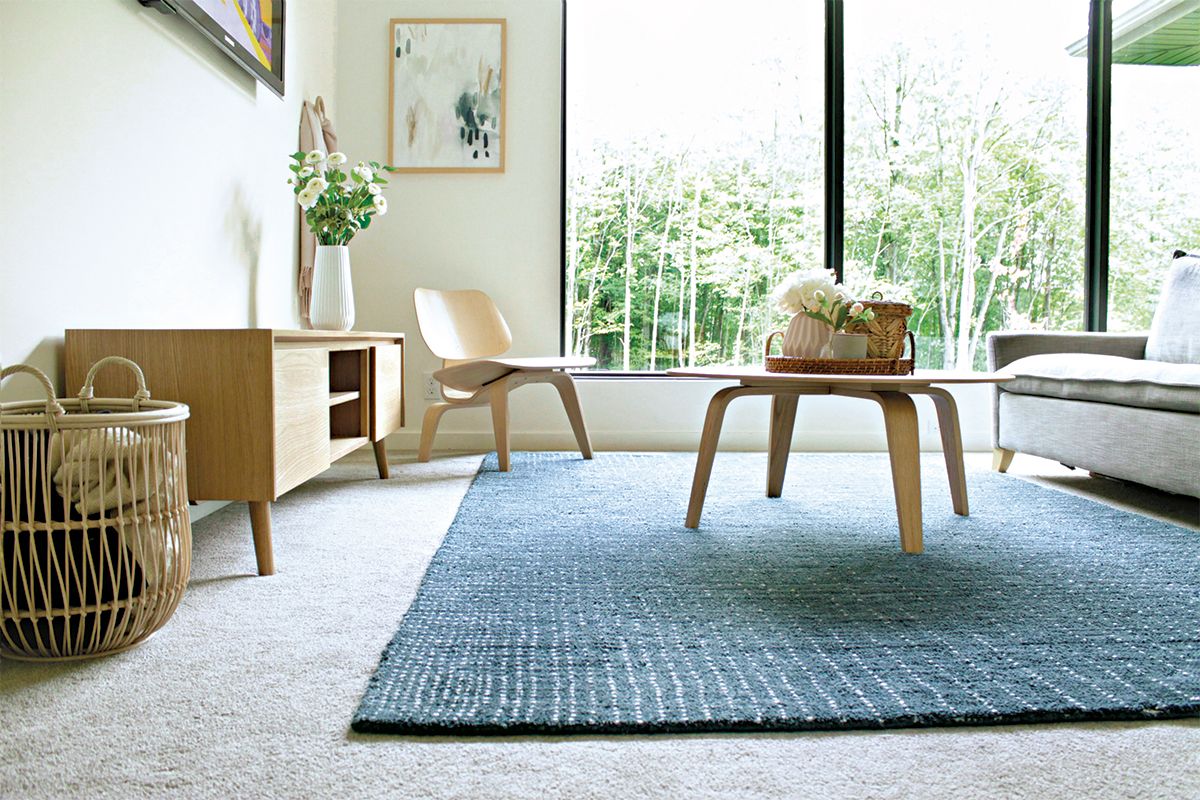
Comfy carpet, once dismissed as out-of-date, is back in vogue

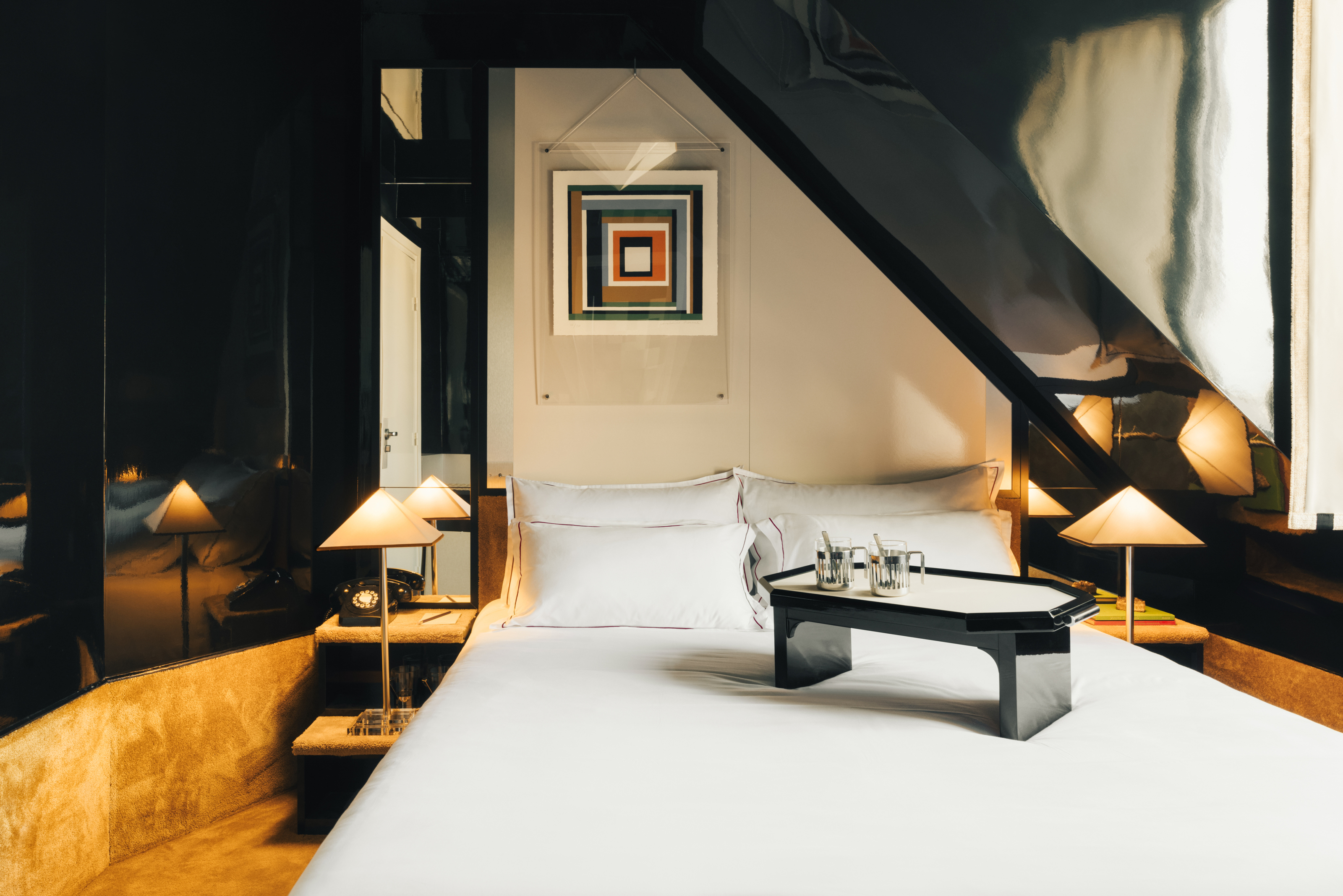
This Outdated Paint Trend is now Predicted to Return — Designers Love its "Fun, Eye-Catching Glamor"

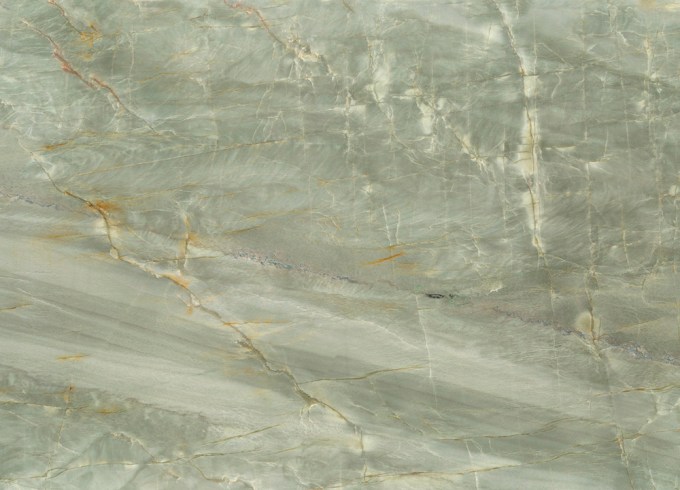
Goodbye, Marble—This Moody Counter Trend Is Taking Over

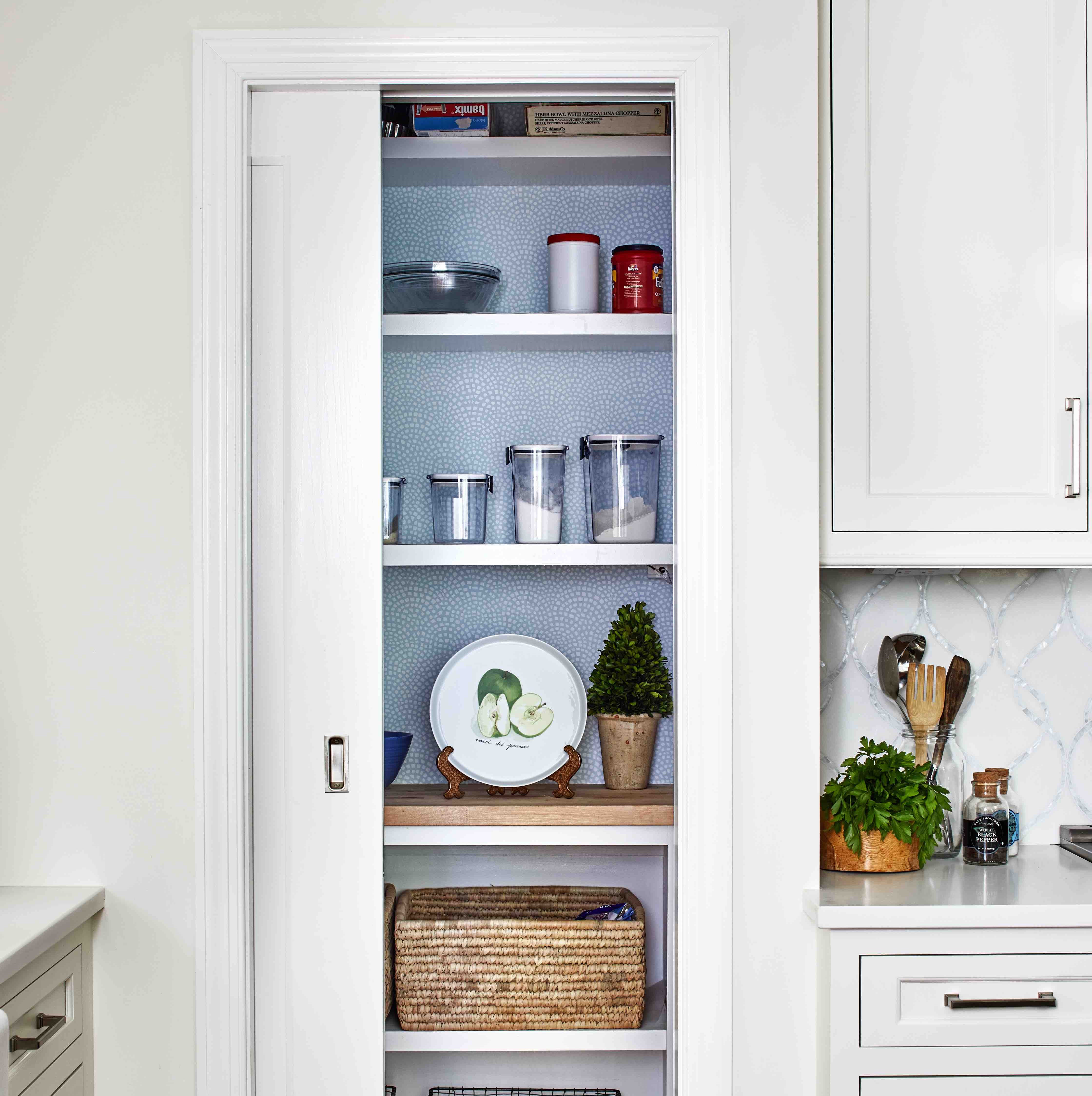
Designers Say This Vintage Home Feature Is Back

This surprising color trend is having a comeback
Restoration Hardware's Latest Decor Gives A Nod To This Major Runway Trend
Decorative Tiles Are Back, Bigger and Better Than Ever
Before & After: 3 Smart Layout Changes Did the Heavy Lifting in This Maine Makeover

New—And Instantly Improved
Bye-Bye Boring Drapes, The Once-Dated Trend for Luxuriously Dramatic Window Treatments Is Back – and Designers Very Much Approve

A Rustic, 5,300-Square-Foot Aurora Remodel Steals The Show

This Dramatic Window Treatment Is Making A Comeback—And We Couldn't Be More Thrilled
The New Tile Trend Causing a Scene This Season
Ornament is no longer a crime. And the new trims on the coatings confirm it
Historic Destination Reimagined
The Most DIVISIVE Wood Stain From the '90s Is Back in a Big Way

This Very "Controversial" Color Is About To Be Everywhere Again
The Countertop Material That We Loved 25 Years Ago Is Coming Back

Cabinet Painting Drives Franchise Growth | Fresh Coat