1/5
This surprising color trend is having a comeback
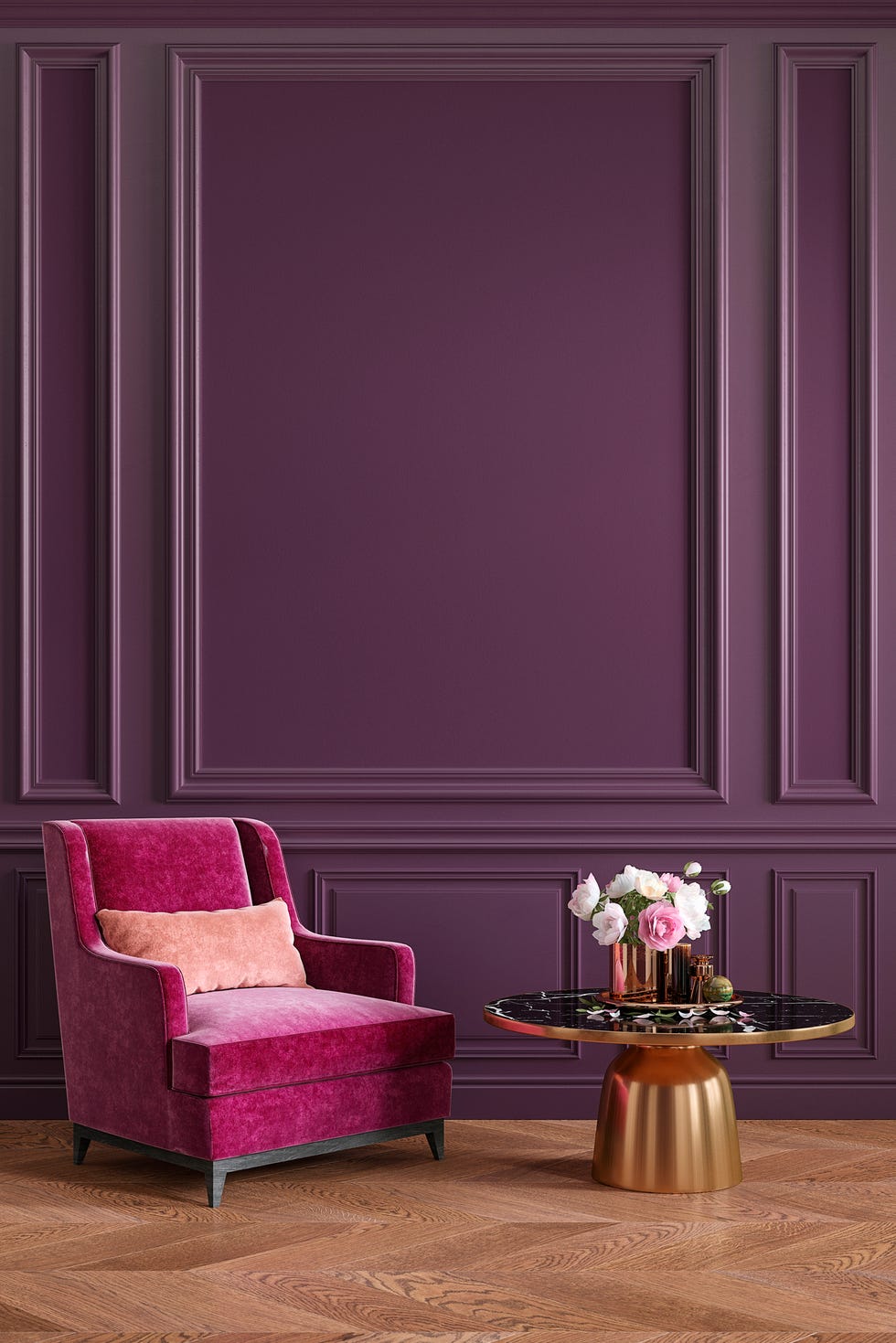
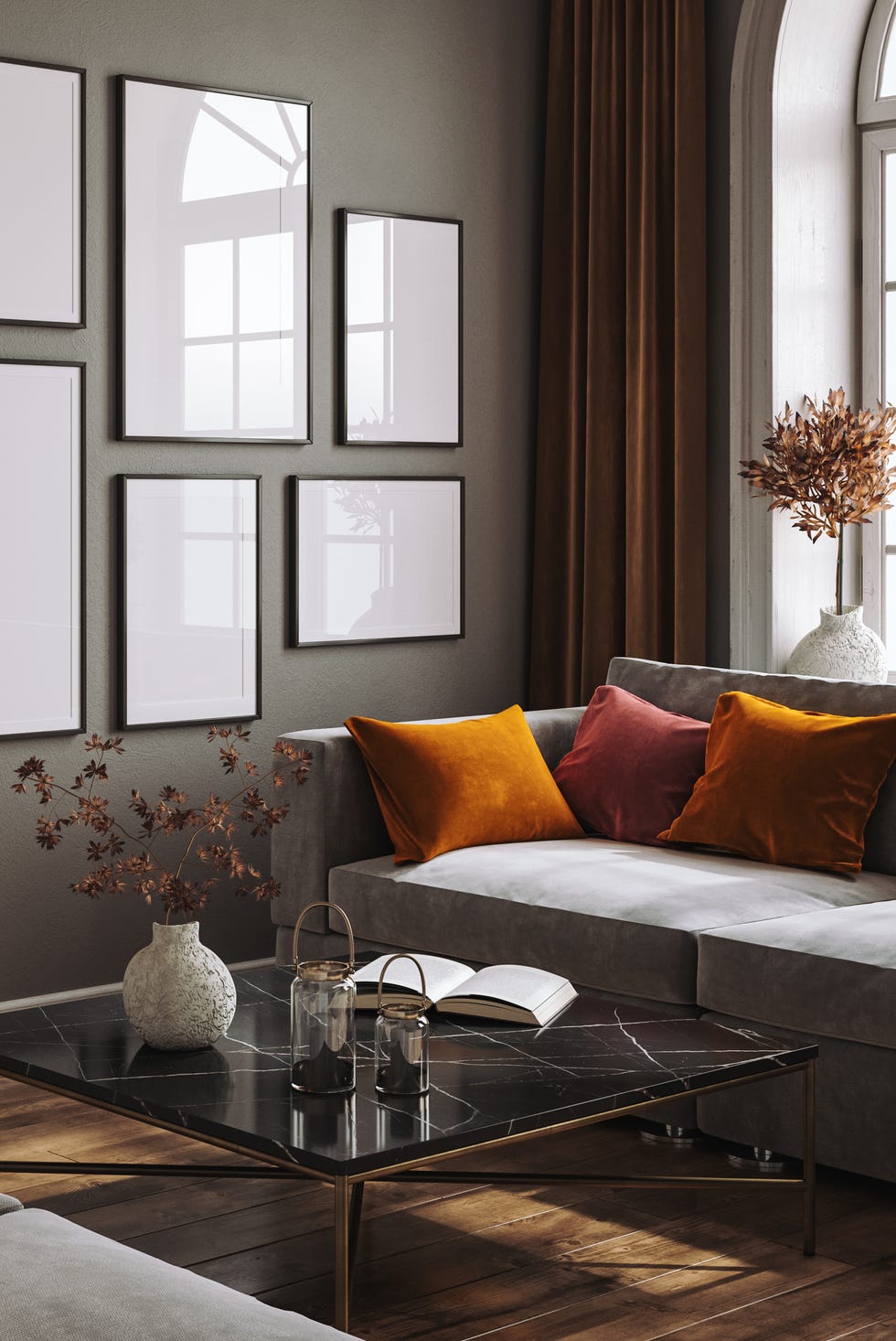
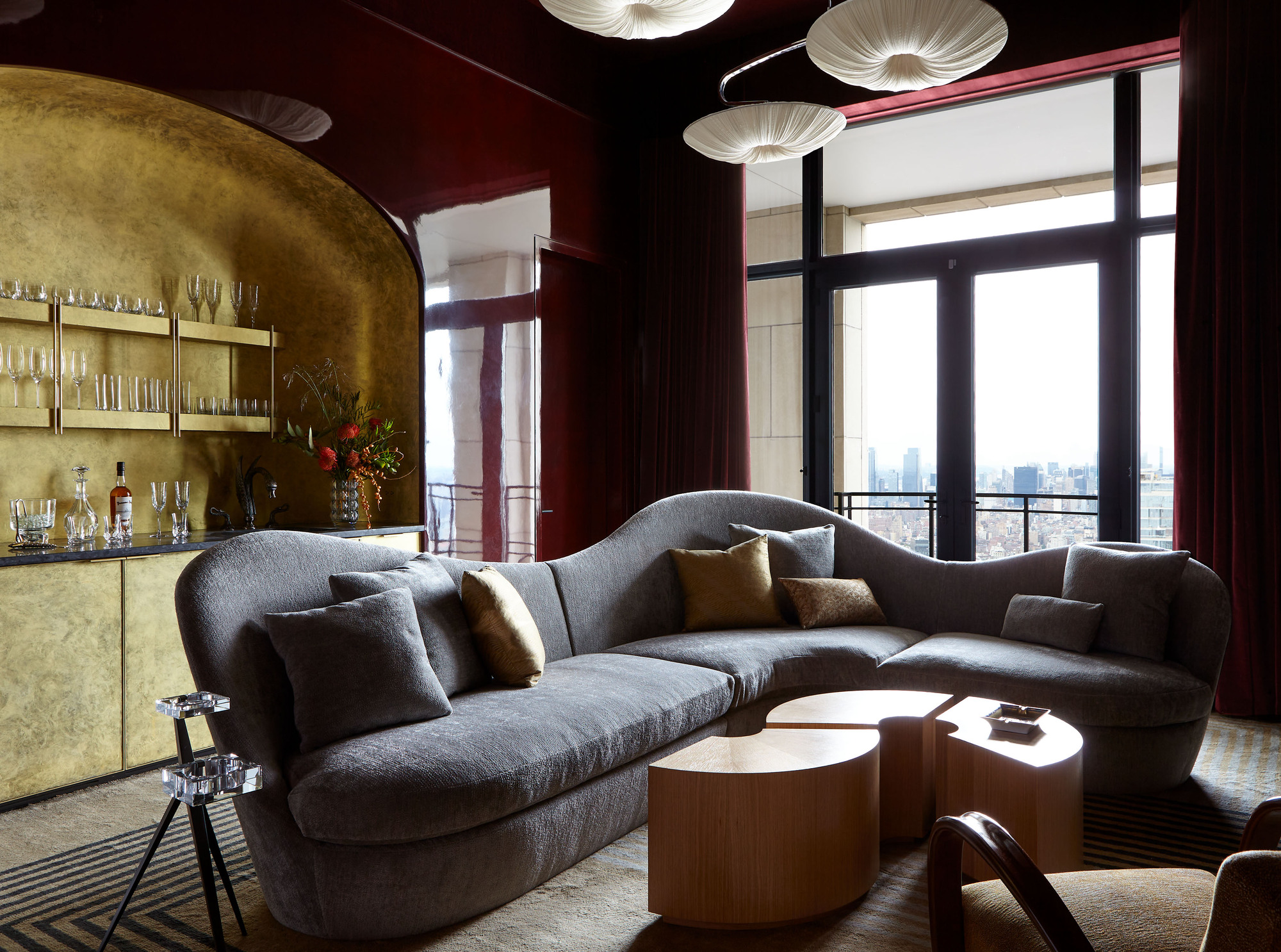
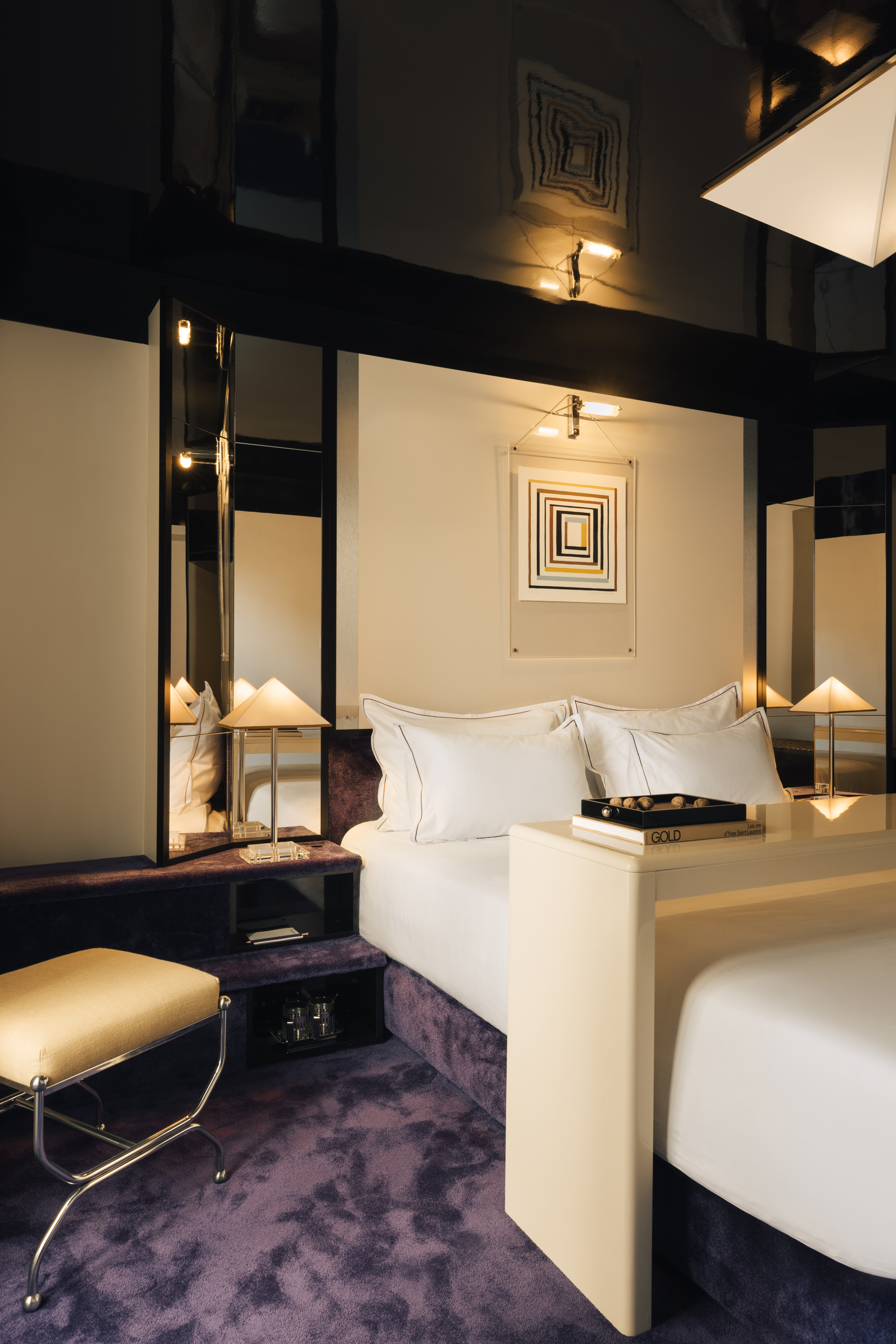
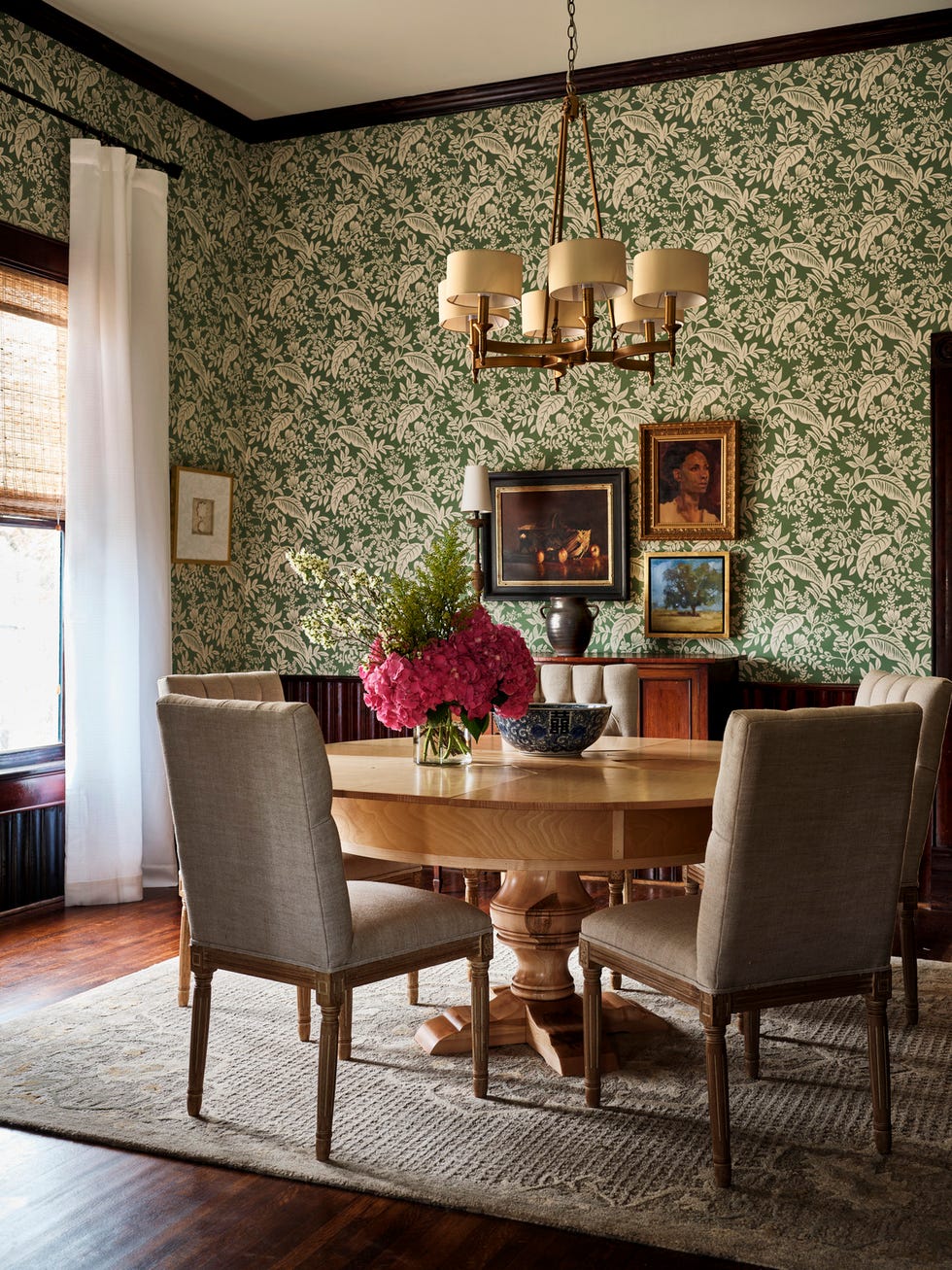
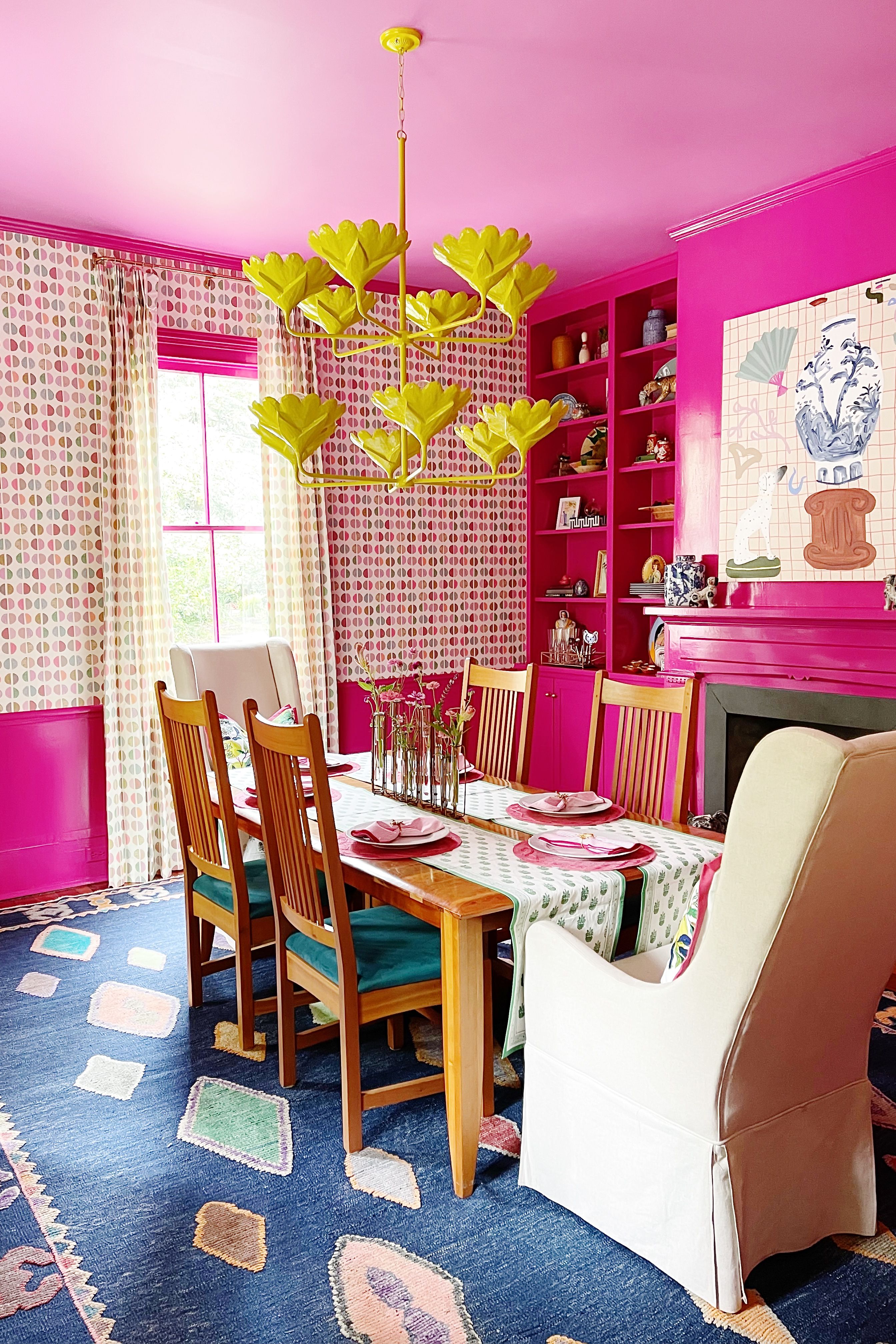
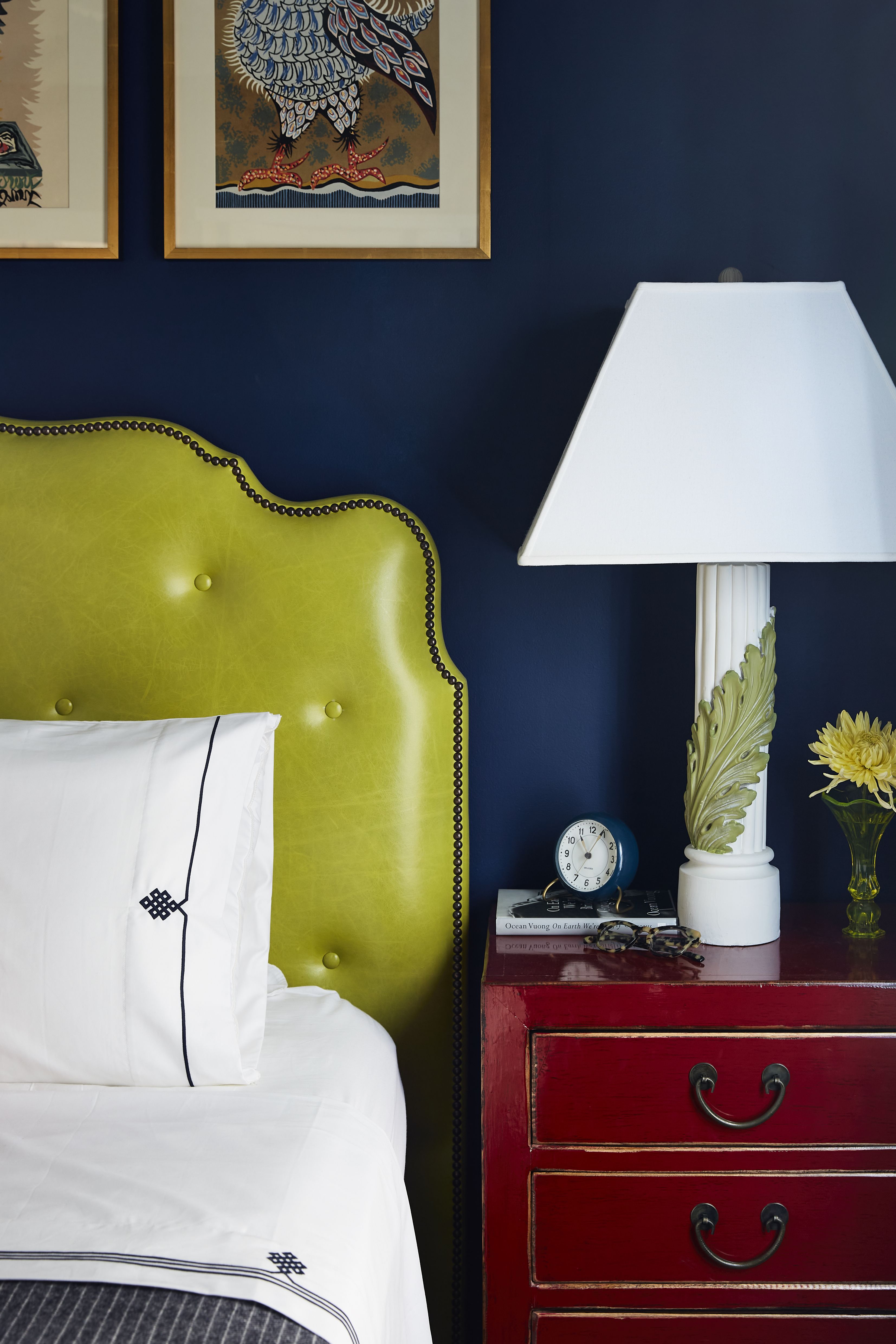
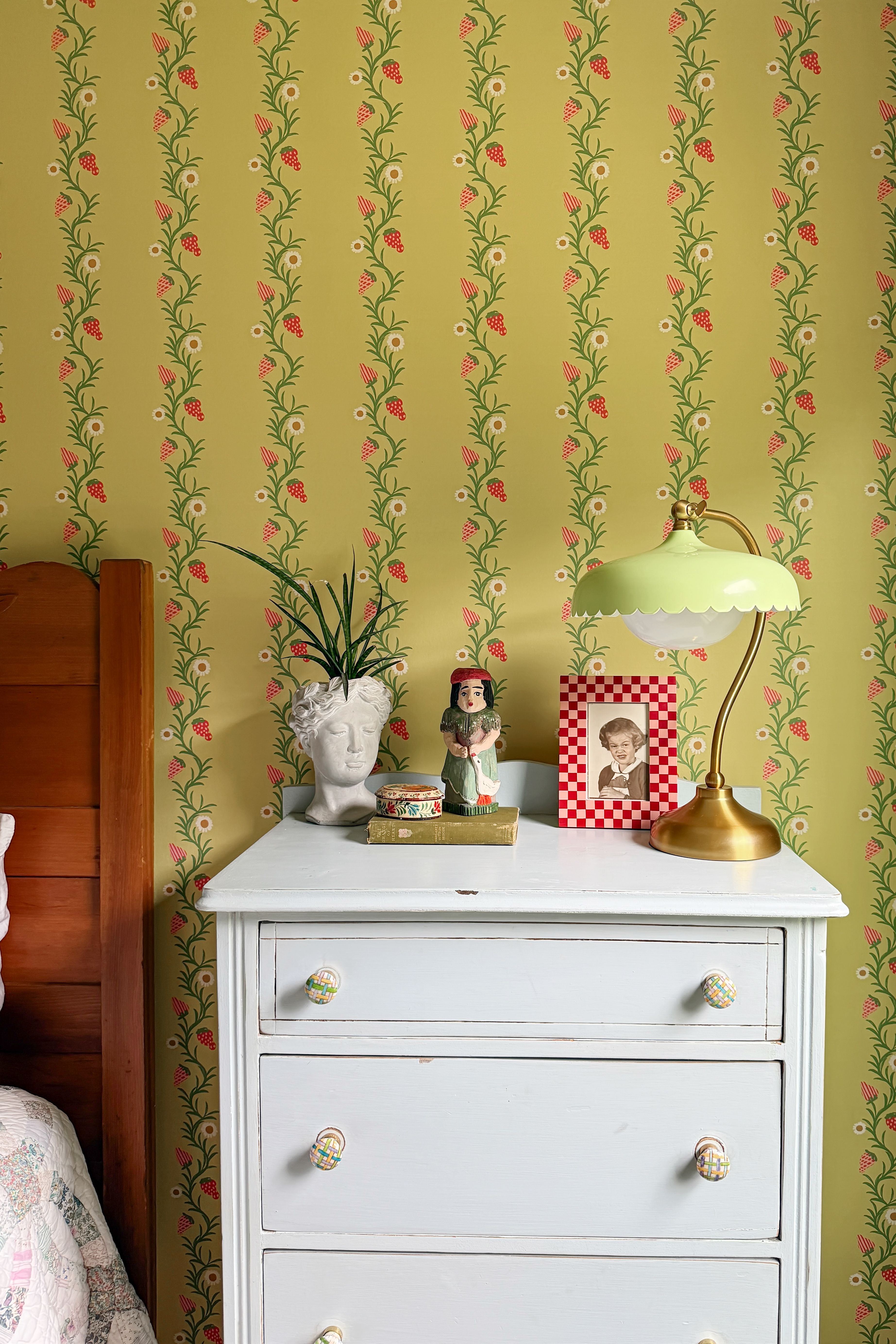
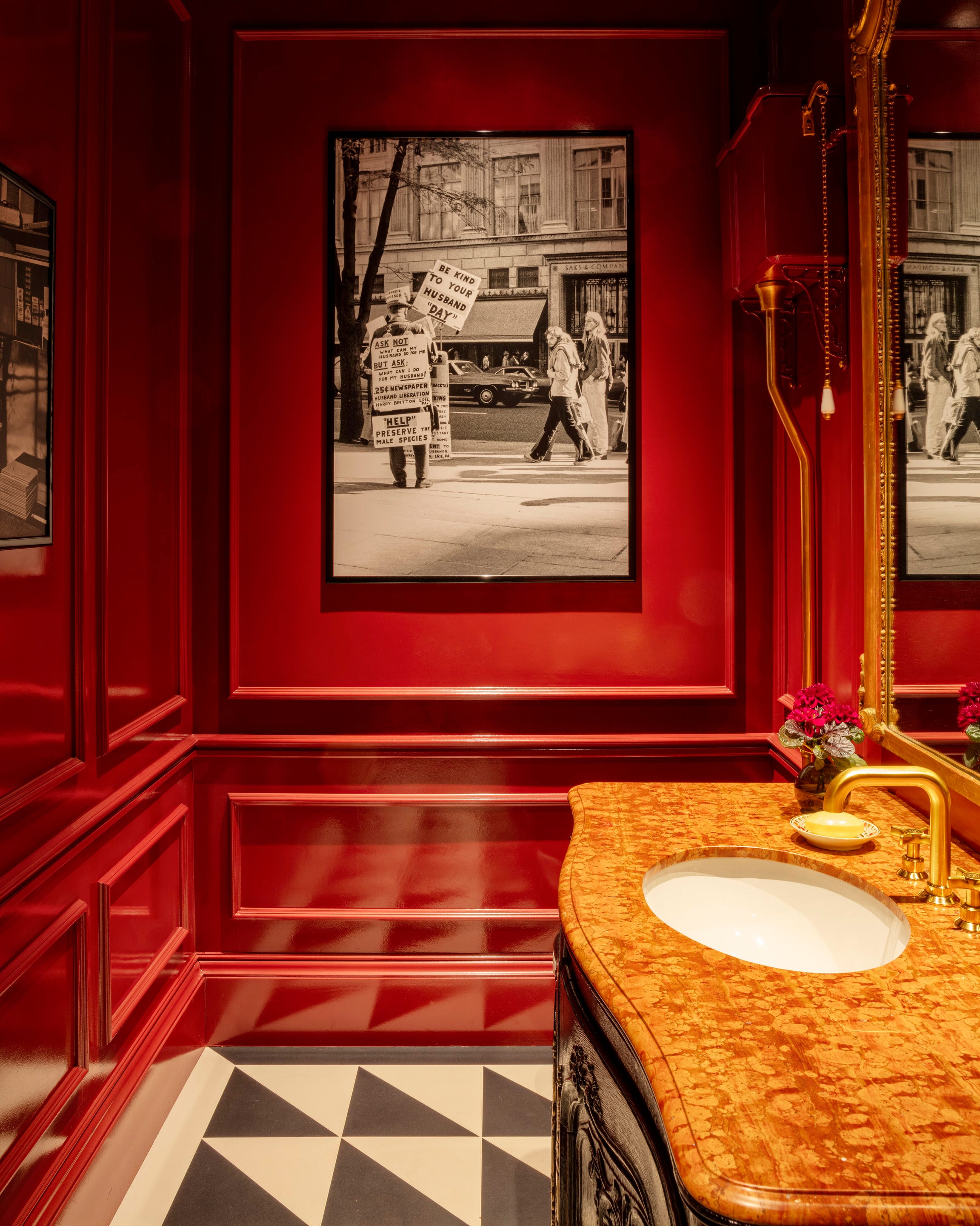
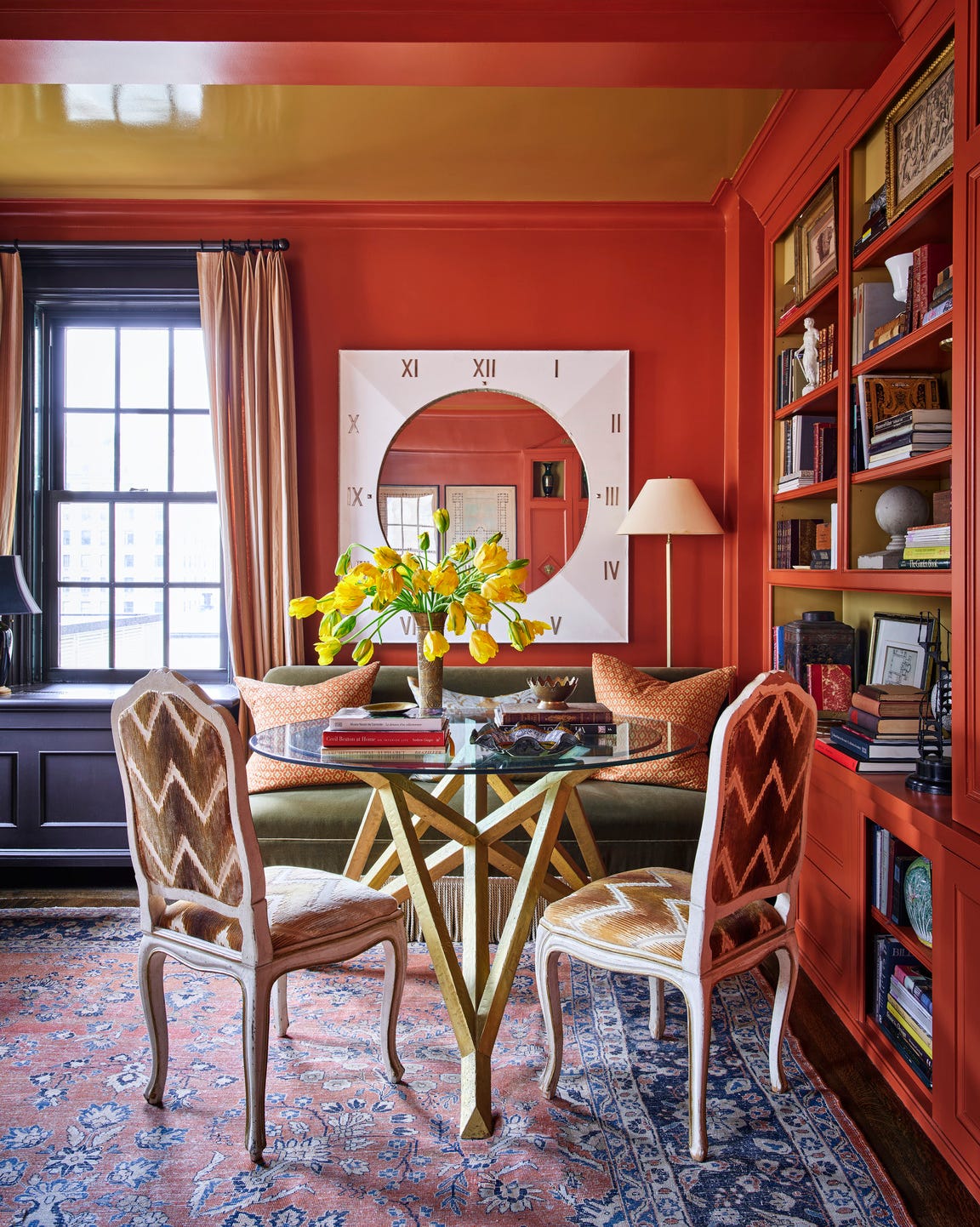
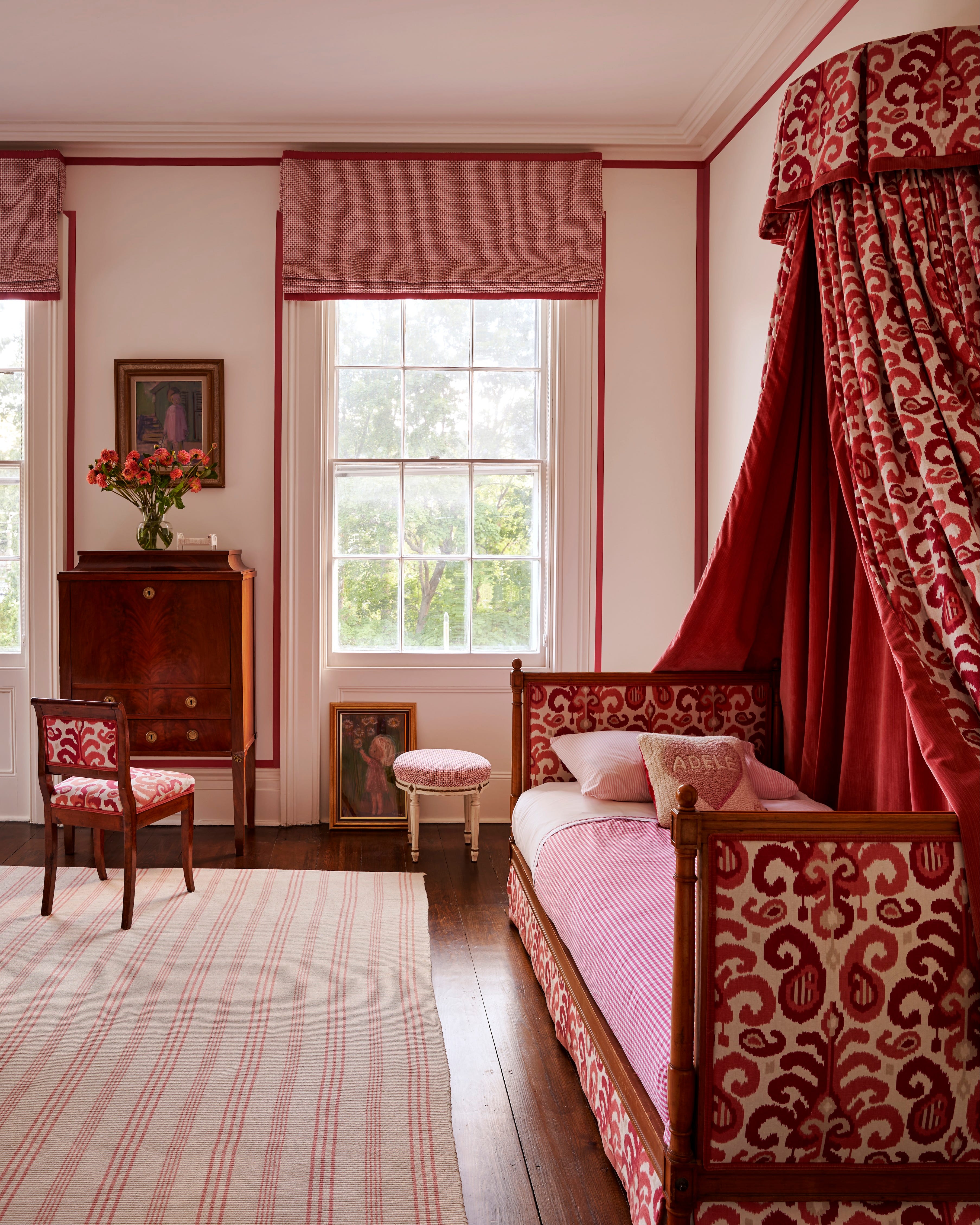
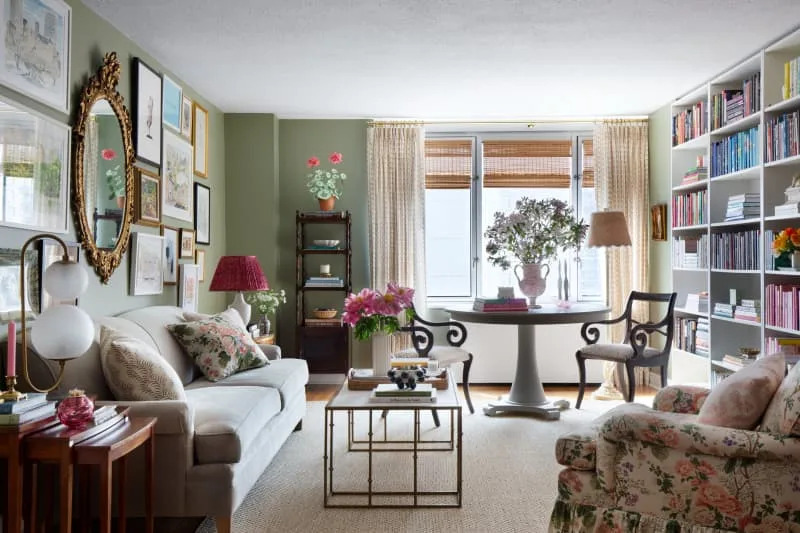
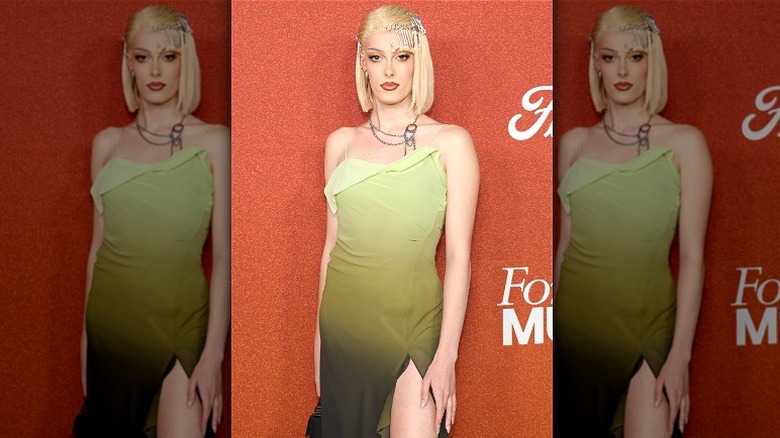
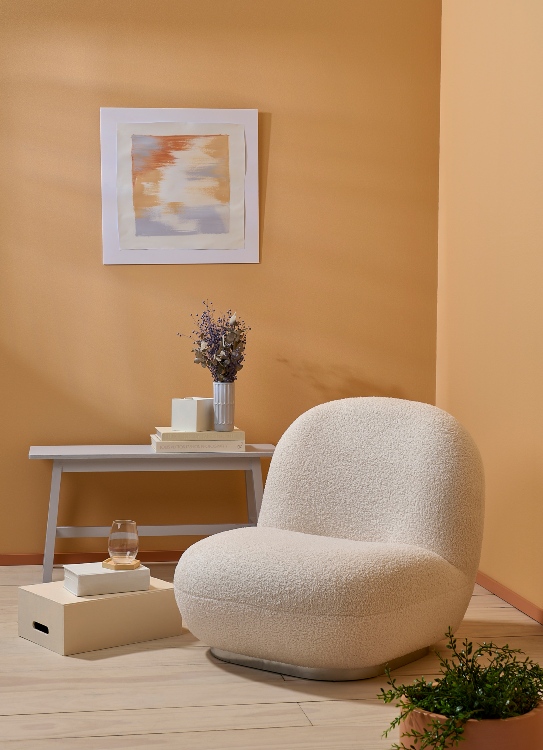
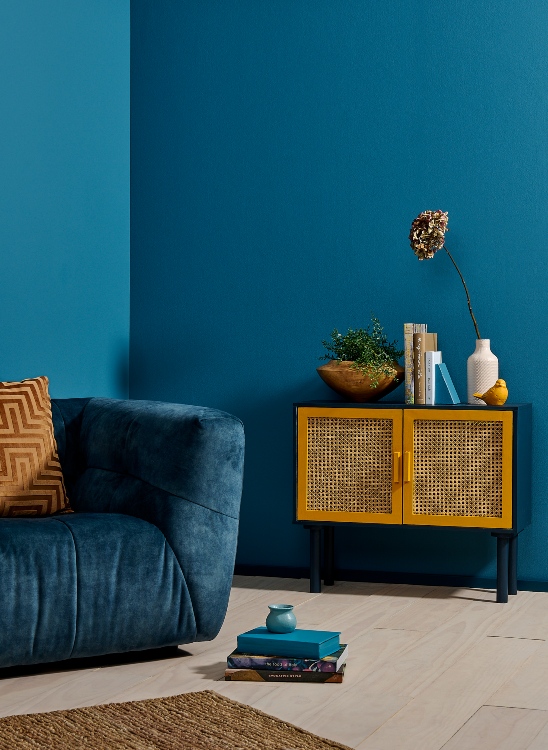
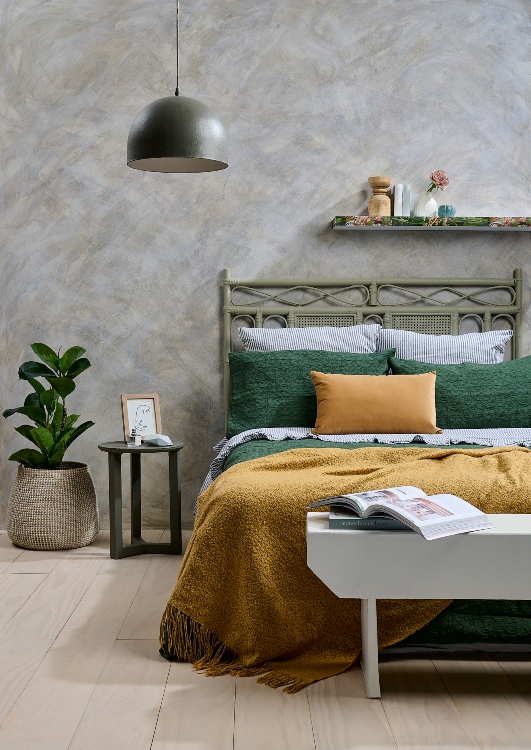
The article discusses the resurgence of the ombre trend in interior design, a technique that was popular between 2018 and 2020 and is now making a comeback. Ombre involves blending one color hue into another, creating a gradual transition from light to dark shades. This technique can be applied to walls through paint, textiles, or various accessories within a home. Designers are beginning to reincorporate this joyful decorating trend, suggesting a shift from the prevalent neutral palettes towards more expressive interiors.
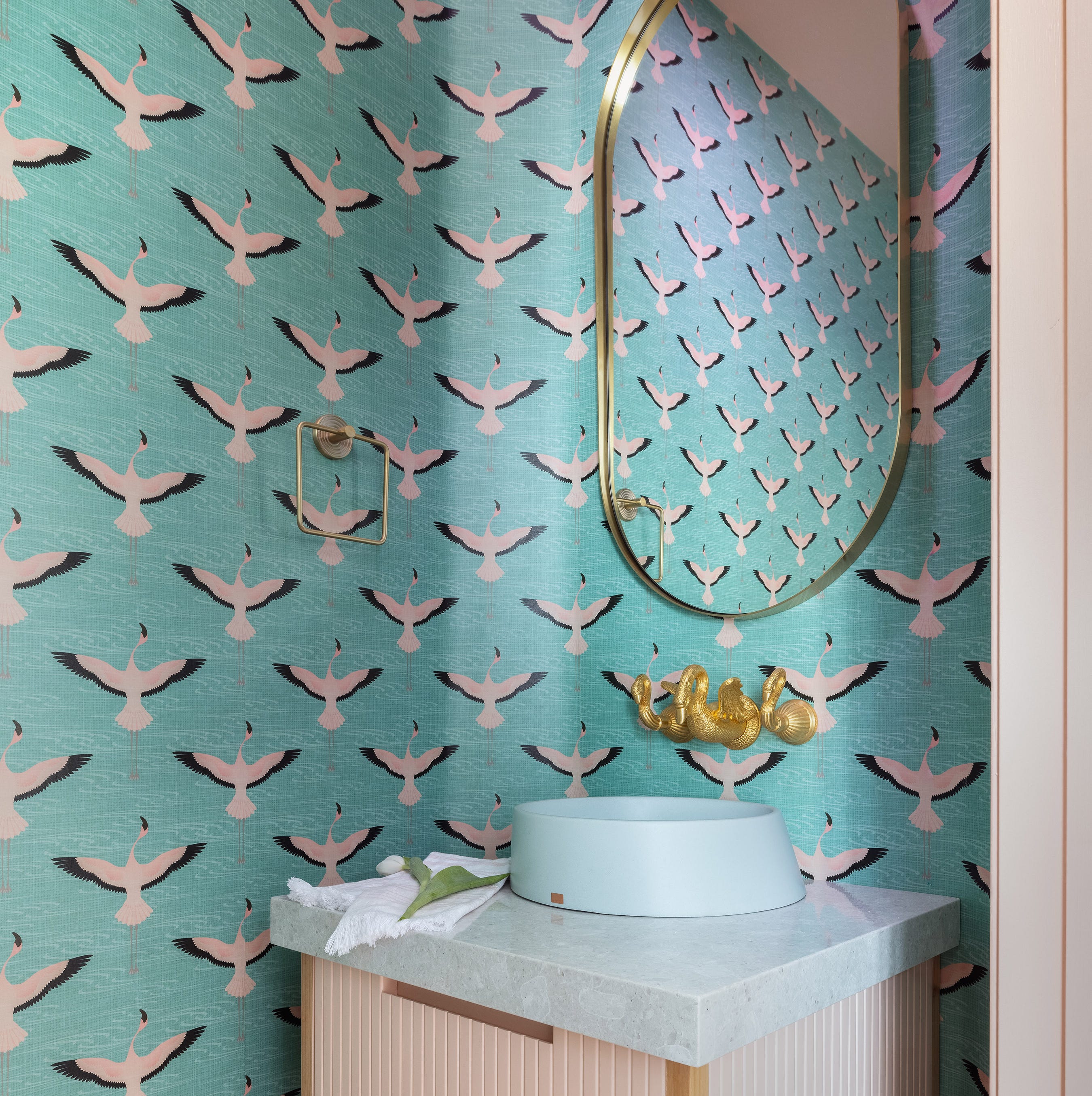
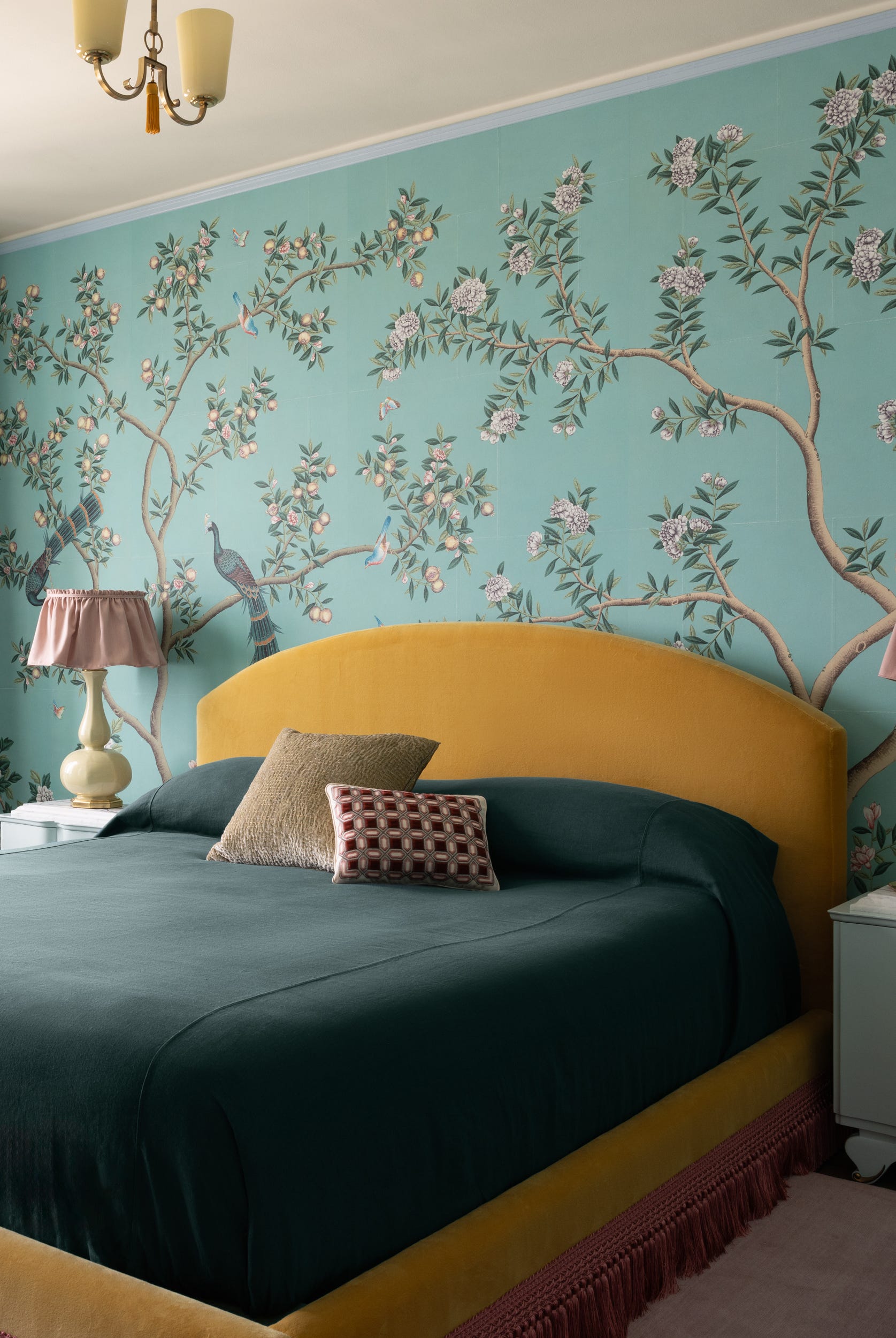
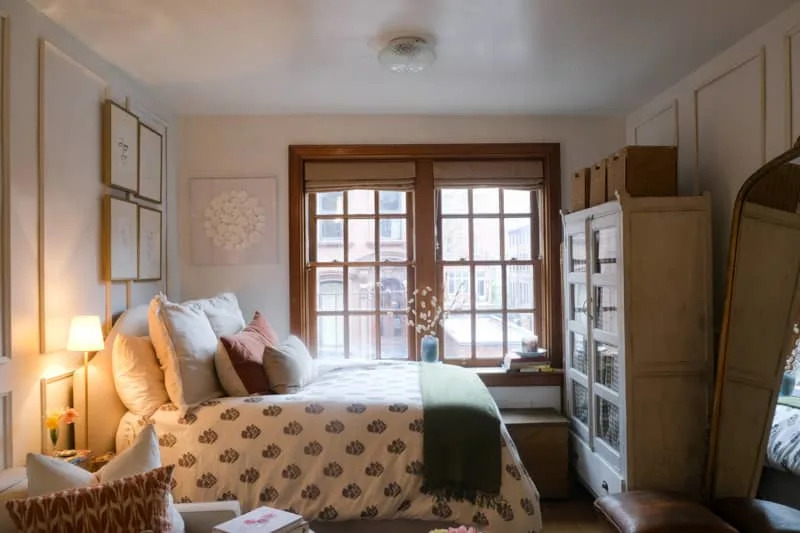
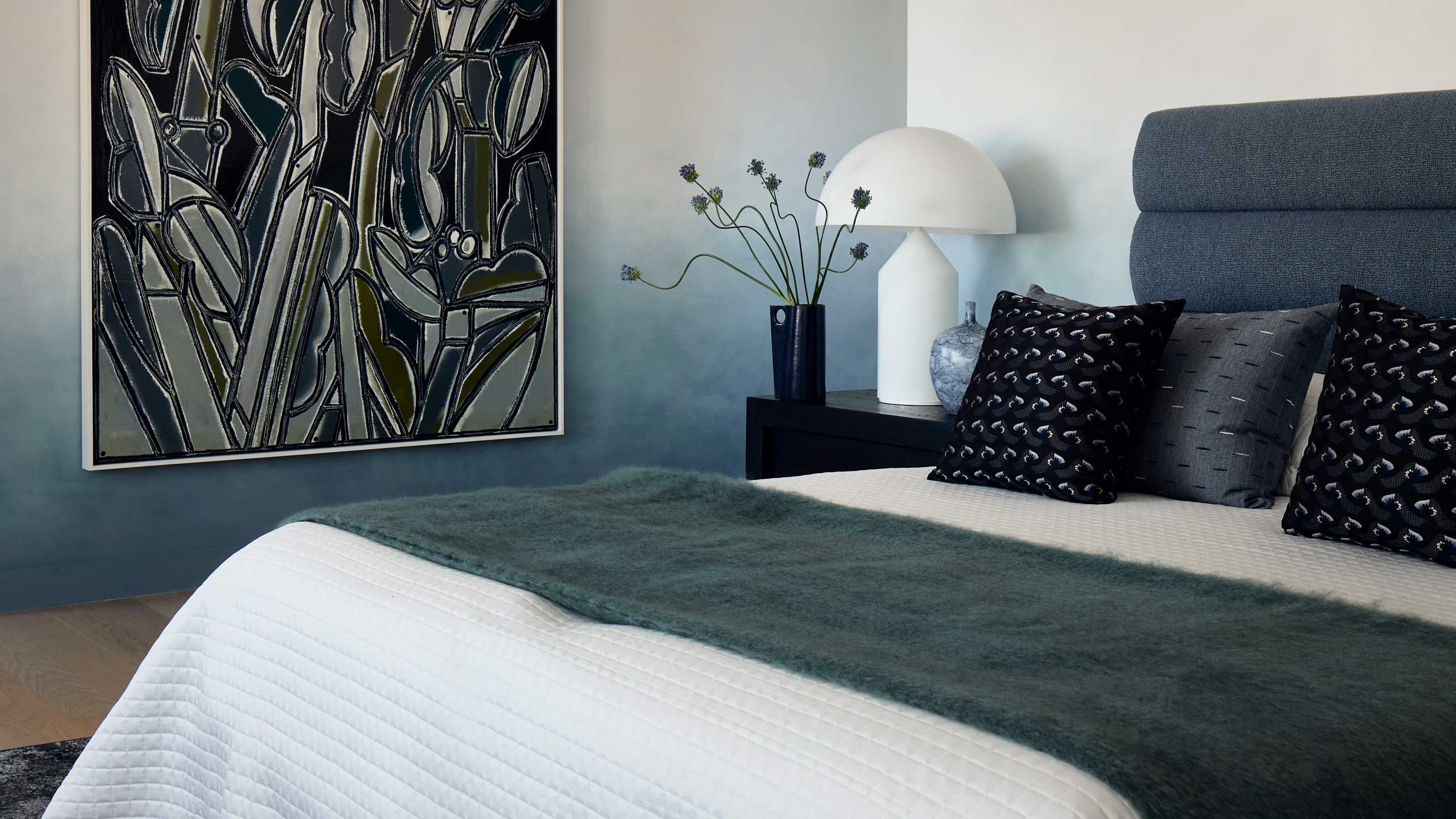
Interior designers interviewed for the article explain the renewed appeal of ombre. Sara Malek Barney, founder and principal designer at BANDD/DESIGN, notes that the trend aligns with the current preference for fluid, organic movement and the popular organic modern layered aesthetic. She emphasizes that the modern application of ombre is subtle and not overwhelming, often described as a "whisper" effect. In her condo design, Barney used a watercolor wallpaper with an ombre effect to add unique detail to a small room, aiming for an interesting yet soft visual impact.
Justin Charette, another interior designer, also utilized the ombre effect in his New York apartment's living room. He strategically employed it to balance other design elements, opting for an ombre wall opposite a large artwork to avoid competition and excessive light reflection from nearby windows. The subtle nature of the current ombre trend is highlighted, indicating it's less about bold statements and more about creating nuanced visual interest.
The article provides practical advice on how to effectively integrate ombre into home design. It suggests using ombre in small doses as an accent to maintain its impact and avoid overdoing it. Sara Malek Barney states that when applied wisely, ombre adds natural motion and transition without appearing forced. Beyond aesthetics, ombre can also serve a functional purpose by visually altering a room's perception of height. For instance, using hues that transition from darker at the bottom to lighter towards the ceiling can make a room appear taller. Justin Charette employed this technique in his Gramercy Park apartment, where a black-to-white ombre blended seamlessly with the white ceiling, creating a sense of height in a relatively short space without the harsh lines that wallpaper might produce.
The article concludes by recommending a cautious approach to adopting the ombre trend. It suggests starting with smaller elements like accessories and soft furnishings to experiment with the effect before committing to more permanent applications like paint or wallpaper. The overall sentiment is that the renewed ombre trend offers a fresh and joyful feel, encouraging homeowners to explore this versatile design technique in a refined manner. The discreet application of ombre, particularly through drapery and paint, is favored by designers like Sara Malek, who emphasizes its non-kitschy and quiet integration into a space.
#OmbreTrend #InteriorDesign #WallDecor #ColorTransition #HomeDecorating #DesignRenaissance #SubtleDesign #PaintTechniques #WallpaperIdeas #OmbreTrend #InteriorDesign #WallDecor #ColorTransition #HomeDecorating #DesignRenaissance #SubtleDesign #PaintTechniques #WallpaperIdeas
0 comment in total
 No comments yet
You may also like
This Very "Controversial" Color Is About To Be Everywhere Again

This electric 1960s shade is making an unexpected return – and designers say it’s the key to lifting darker, moodier interiors this fall

Designers LOVE Pairing These Unexpected Colors With This One Timeless Hue

Why This Hue Is Suddenly Dominating Every Designer's Wishlist—Plus, How to Style It

Designers Say These Vintage Paint Colors Are Back

Forget Millennial Pink: When It Comes to Wall Paint, "Boring" Beige is Back
Goodbye To Butter Yellow: The Moodier Hue That's On Trend

Forget Taupe—A New Color Is Taking Over Homes and Pinterest in 2017
This Outdated Paint Trend is now Predicted to Return — Designers Love its "Fun, Eye-Catching Glamor"
Forget Single Painted Accent Walls: This Stunning Trend Is Taking Over
Why This Hue Is Suddenly Dominating Every Designer's Wishlist—Plus, How to Style It

Interior Design Trendwatch: Colour is coming home
The return of the fashion colour consultation

The Color Combo You’re About to See Everywhere
This Timeless Trend Is Making a Comeback, and It’s Ridiculously Easy to Style

"Magnolia 2.0" is the New Color Trend That's Re-Imagining This Controversial Shade for 2024
This SURPRISING Color Is About to Be Everywhere, According to Designers
Deeper, moody colours and precious jewel tones are in style this year
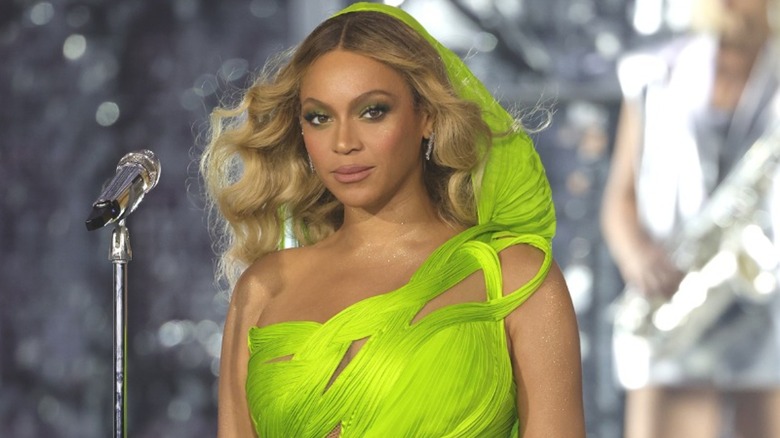
Vibrant Green Is The Color Trend That Comes Celeb Approved

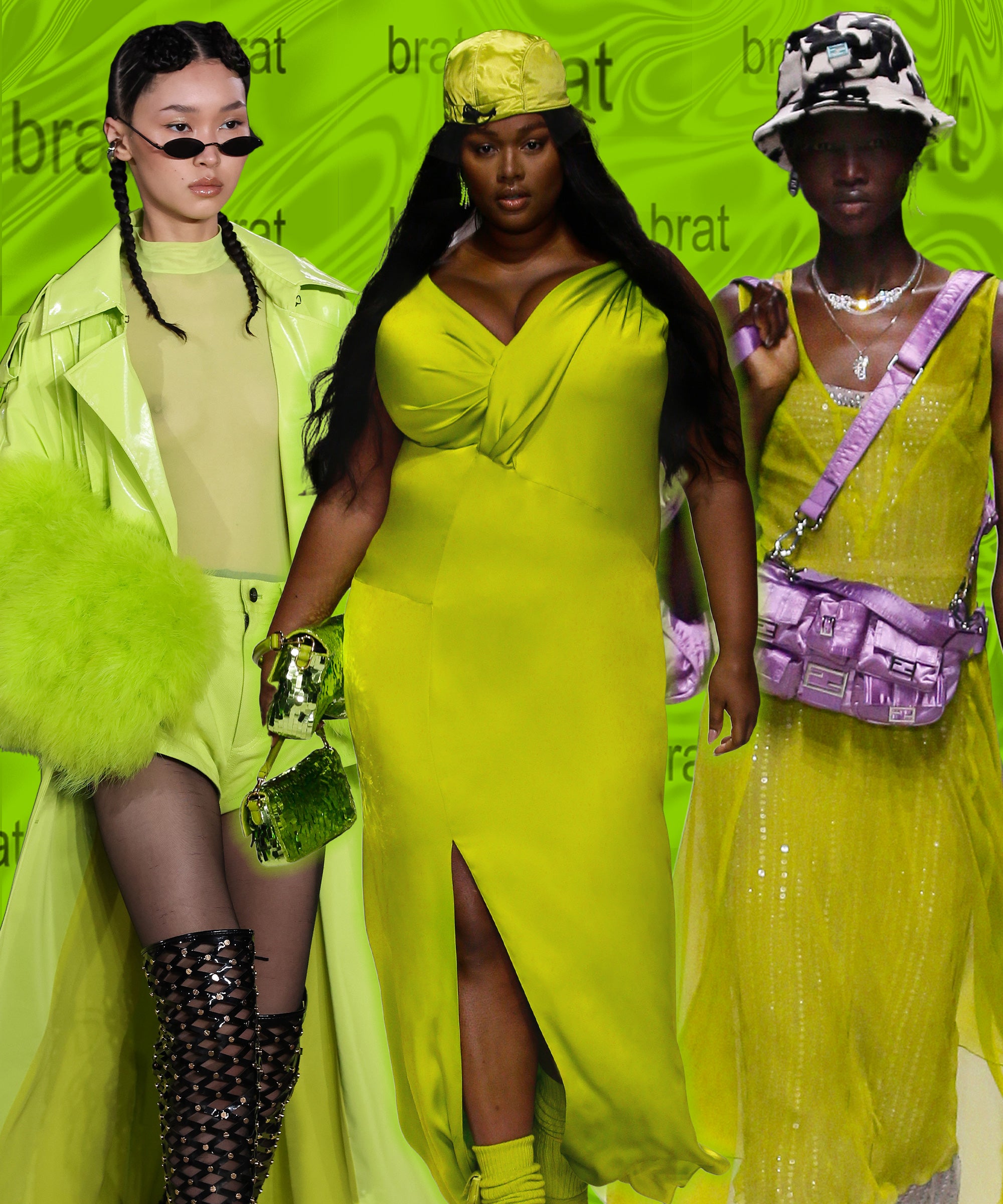
It’s A Brat Green Summer: What’s The Appeal Of The Hue?