




1/21
Designers LOVE Pairing These Unexpected Colors With This One Timeless Hue
Blue is a timeless and versatile color frequently used in interior design, offering a wide range of shades from navy to teal and cobalt. It is essential to understand complementary colors to create cohesive and visually appealing home interiors, especially if not opting for a color-drenched space. Blue evokes natural elements like the sky and sea, promoting feelings of serenity and calmness, making it ideal for restorative spaces such as bedrooms and spa-like bathrooms. Its adaptability allows it to fit various design aesthetics, from minimalist to maximalist. This guide presents 35 color pairings to demonstrate blue's versatility and its ability to elevate any room.
Several warm colors pair effectively with blue. Goldenrod, a warm yellow, contrasts well with fanciful chinoiserie wallpaper and specific shades of blue, especially those that complement outdoor vistas. Rust red and cream floor tiles can ground duck egg blue cabinetry, particularly when the blue leans gray in soft lighting, making it a versatile neutral. Golden tan wallpaper softens vibrant indigo accents, and adding orange can further enhance the impact. Mustard yellow paired with navy blue creates a vibrant interior, and neutral bedding can balance these bright shades. Ochre wallpaper can contribute to a moody yet impactful primary bedroom, ensuring a serene atmosphere.
Contrasting cool tones also work well. Deep black accents add drama and depth to slate blue cabinetry, creating a modern and masculine look without competing with natural surroundings. Chartreuse, a yellow with a greener tone, elevates the classic blue and yellow pairing, with cool light blue preventing an overly neon appearance. Grass green wallpaper with a navy blue sink brightens smaller, windowless spaces by drawing inspiration from nature. Gray, when matched in vibrancy with blue, creates a spa-like and timeless palette that can brighten even dingy basements.
Bold and unique combinations include terra-cotta red, which balances vibrant blue tones in a space, especially when incorporated into grand bookcases, rugs, and furniture details. Peachy pink and blue, when used thoughtfully with a pastel combined with a vibrant tone, can transition from a juvenile feel to a sophisticated one. Burnt orange acts as a bright accent in a kids' bathroom with blue as the focal point. Lilac purple can create a sophisticated palette when paired with blue, provided similar textiles, tones, and brightness levels are maintained. Dark red, though a primary color, can pair effectively with teal blue if the blue leans towards a complementary green tone.
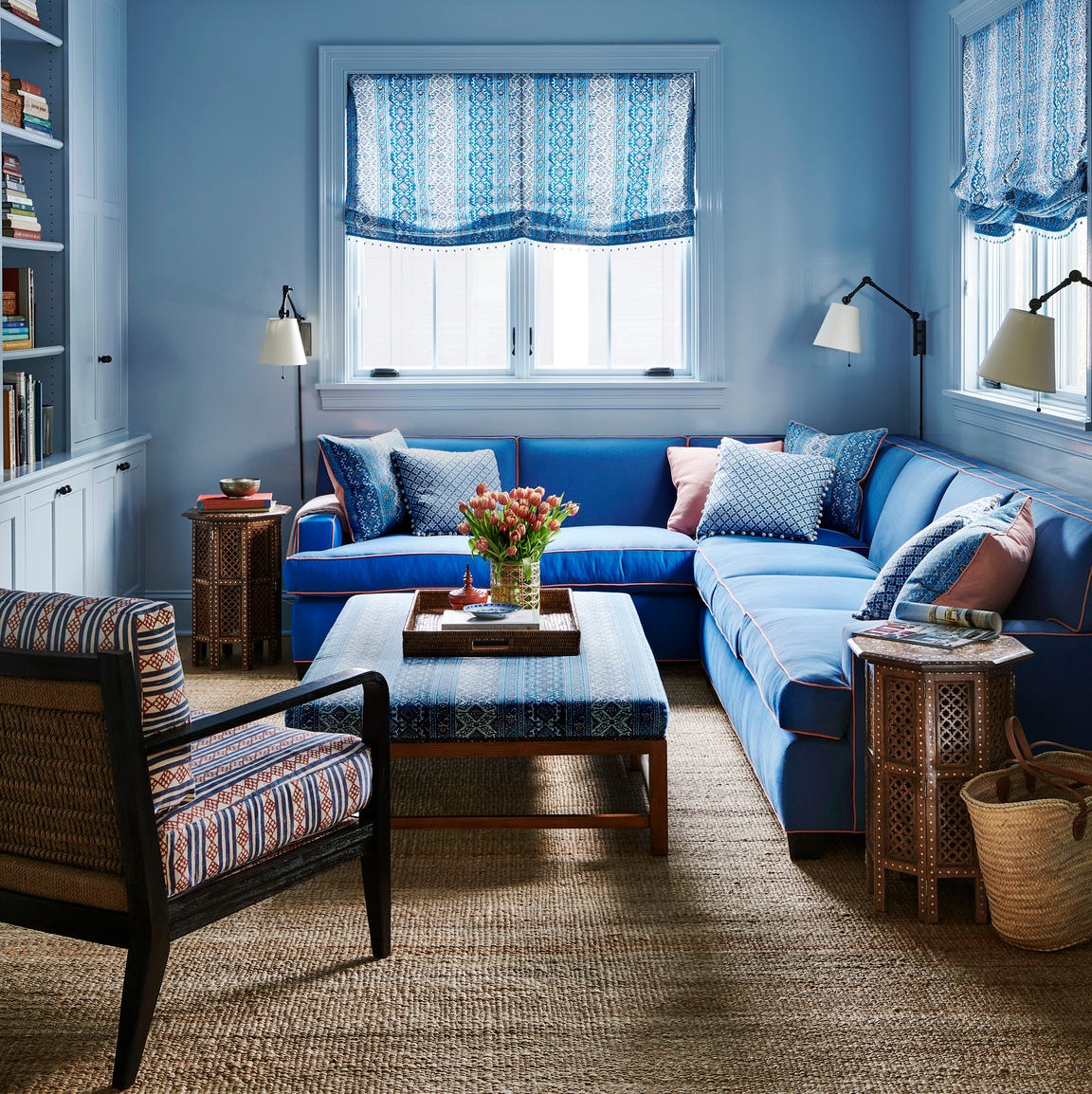
Metallic accents like bronze and brass introduce glamour and texture. Bronze elevates blue to new heights in a living room, while metallic brass accents with a deep, rich navy kitchen create an elevated and glamorous look. For those who prefer a more monochromatic scheme, using various shades of blue can be highly impactful, as seen in living rooms where deep blue upholstery grounds lighter blue walls and ceilings. Additionally, combining blue with multiple vibrant hues, such as bubblegum pink and citron yellow, can create an immersive and cheerful effect. Botanical wallpapers featuring ivory and forest green against a robin's egg blue provide a dreamy backdrop, with ivory mirrors and green accessories softening the blue.
#ColorCombinations #InteriorDesign #HomeDecor #BlueInteriors #DesignInspiration #DecoratingIdeas #ColorPalette #RoomDecorating #DesignerTips #ColorCombinations #InteriorDesign #HomeDecor #BlueInteriors #DesignInspiration #DecoratingIdeas #ColorPalette #RoomDecorating #DesignerTips
 No comments yet