1/2
Types of Paint: A Guide to Paint Finishes and Surfaces
Selecting the appropriate paint type and finish is crucial for any home painting project, often surpassing the importance of merely choosing a color. This article provides a comprehensive guide to understanding different paint types and finishes, ensuring optimal results and durability for various surfaces.
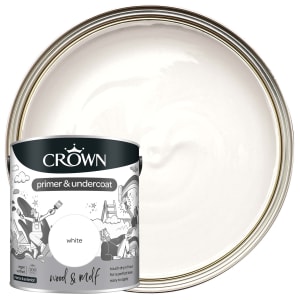
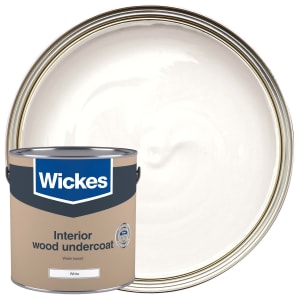
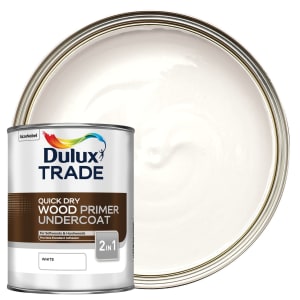
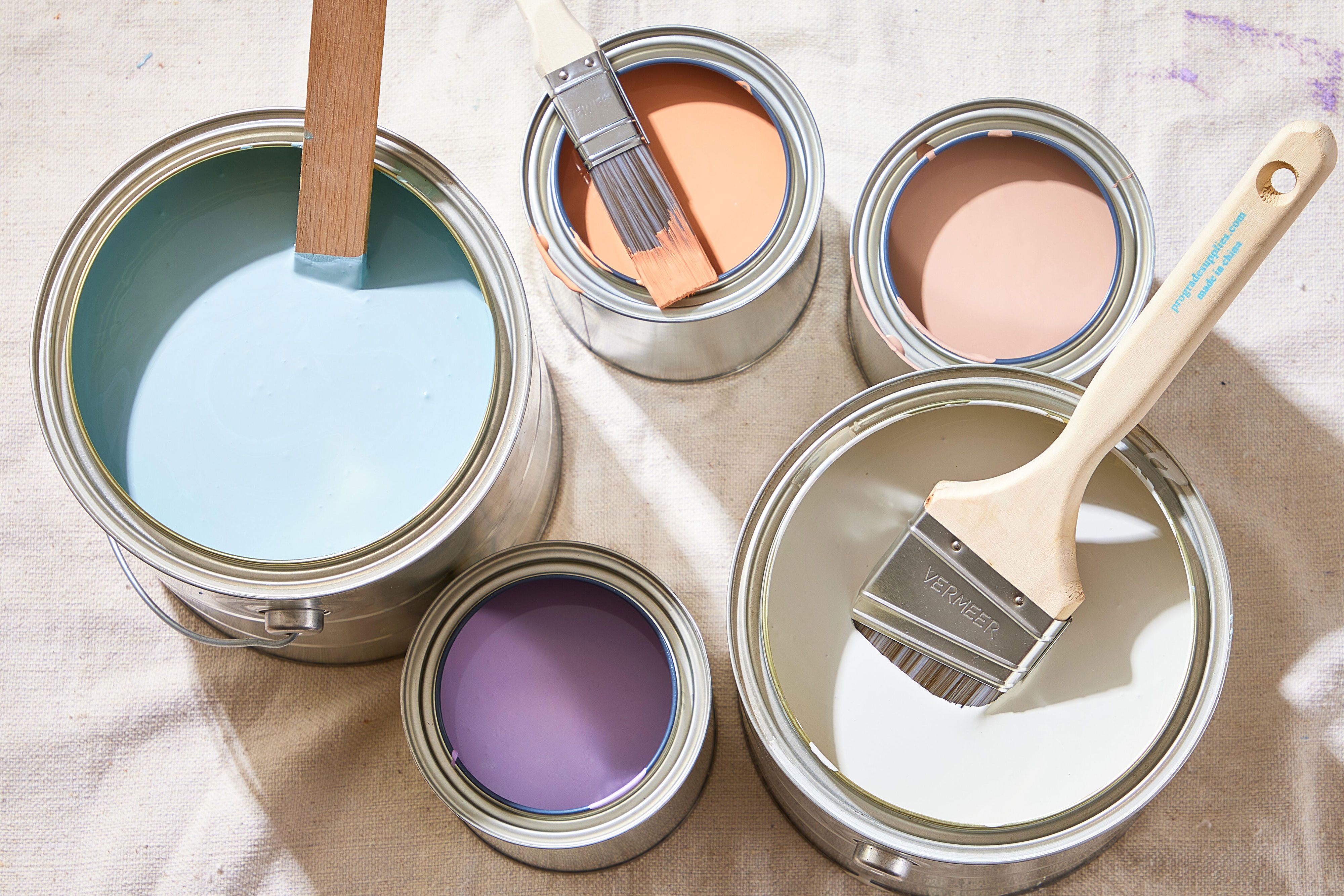
The initial decision involves distinguishing between primer, finish coats, interior, and exterior paints. Primer serves as a foundational layer, smoothing surfaces, reducing the number of subsequent paint coats, and preventing old colors from bleeding through. It significantly enhances the final paint job. The finish coat is the top layer applied over the primer, and selecting the right finish can eliminate the need for extra sealing steps. Interior paints are specifically formulated for indoor applications like walls, cabinets, and furniture, while more expensive exterior paints are designed to withstand weather and temperature fluctuations, ensuring longevity and aesthetic appeal for outdoor projects. Water-based latex paint is highlighted as a standard, easy-to-apply, and safe option for most home projects, despite the availability of oil and acrylic alternatives.
Paint finishes, also known as sheens, determine the amount of light reflected from the paint, influencing its appearance and durability. The four primary sheen levels are flat (matte), satin, semigloss, and high-gloss, though manufacturers may use varied terminology. A general rule is that higher sheen levels correspond to greater durability, making them easier to clean. However, sheen levels can differ between brands, and they also affect how color is perceived; glossy finishes make colors appear brighter and deeper due to increased light reflection. Therefore, testing samples is recommended to achieve the desired look.
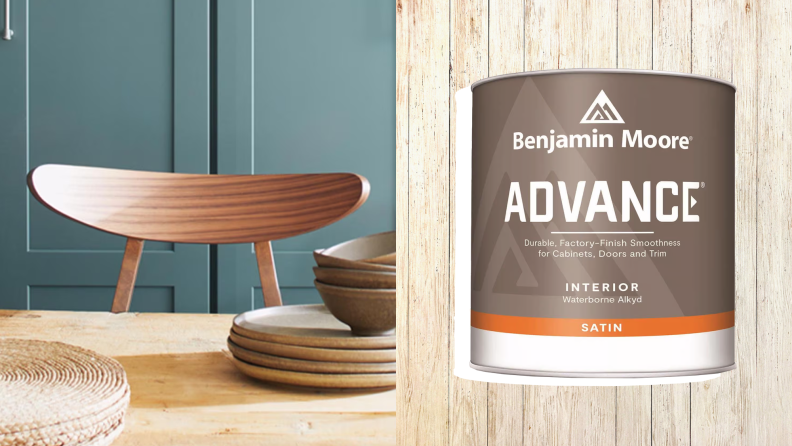
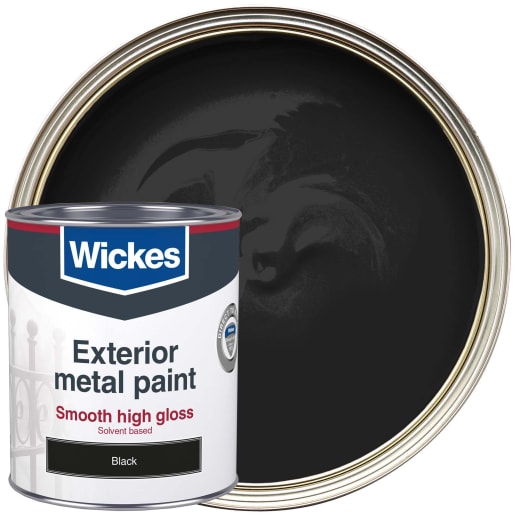
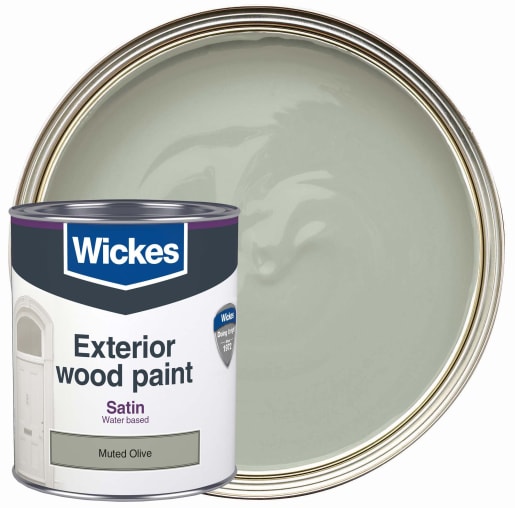
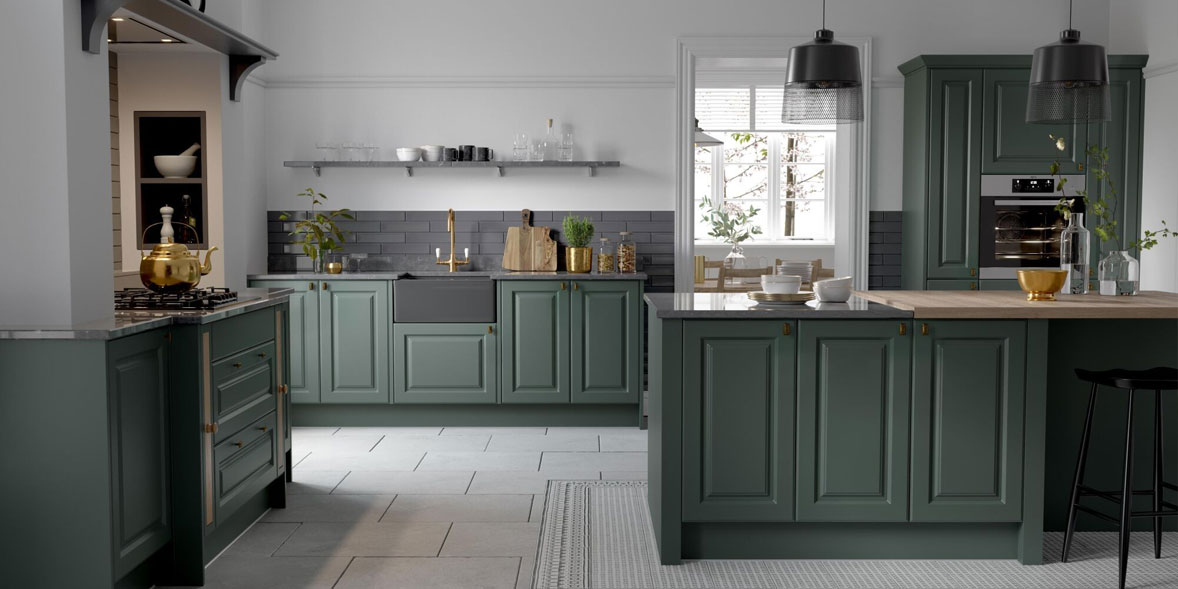
Each finish type has specific applications. Flat paint, with its chalky, low-shine appearance, excels at hiding imperfections but lacks durability, making it suitable for low-traffic areas like bedrooms and ceilings. Satin paint offers a soft sheen and enhanced durability, ideal for high-traffic zones such as children's rooms that require frequent cleaning. Semigloss paint is highly durable and shiny, making it perfect for kitchens, bathrooms, and trims. For cabinets, sanding is advised before applying semigloss to prevent imperfections from being accentuated. High-gloss paint is the most reflective and durable, best for items like hutches, cabinets, and vanities, particularly on smooth or new surfaces, as its high shine can highlight flaws.
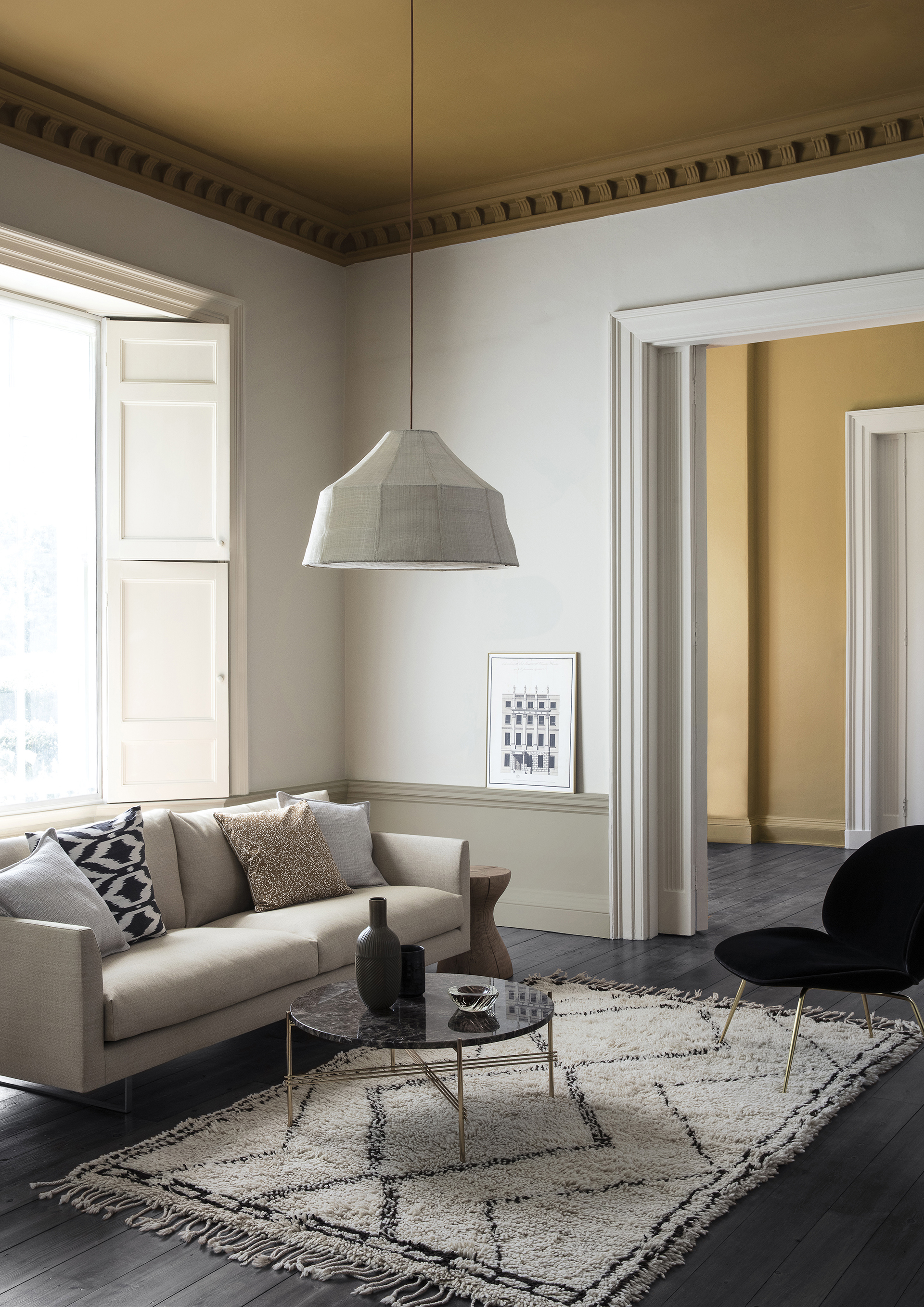
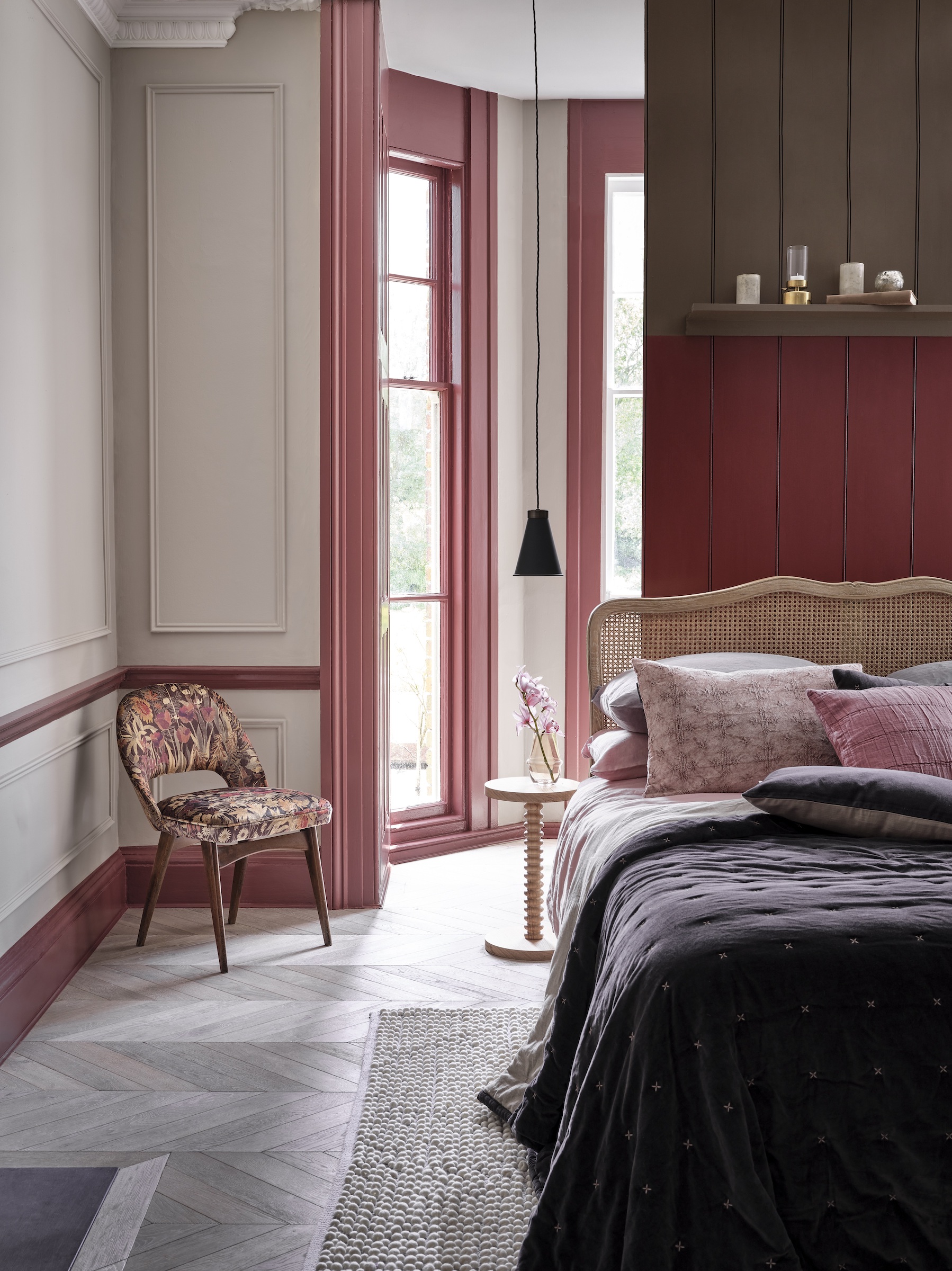
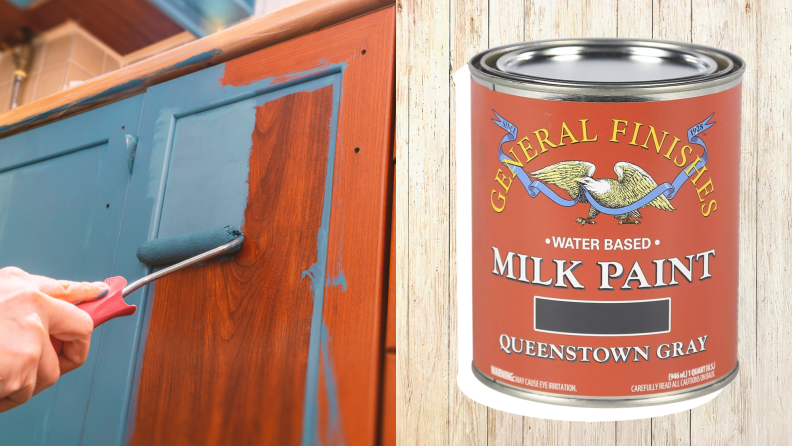
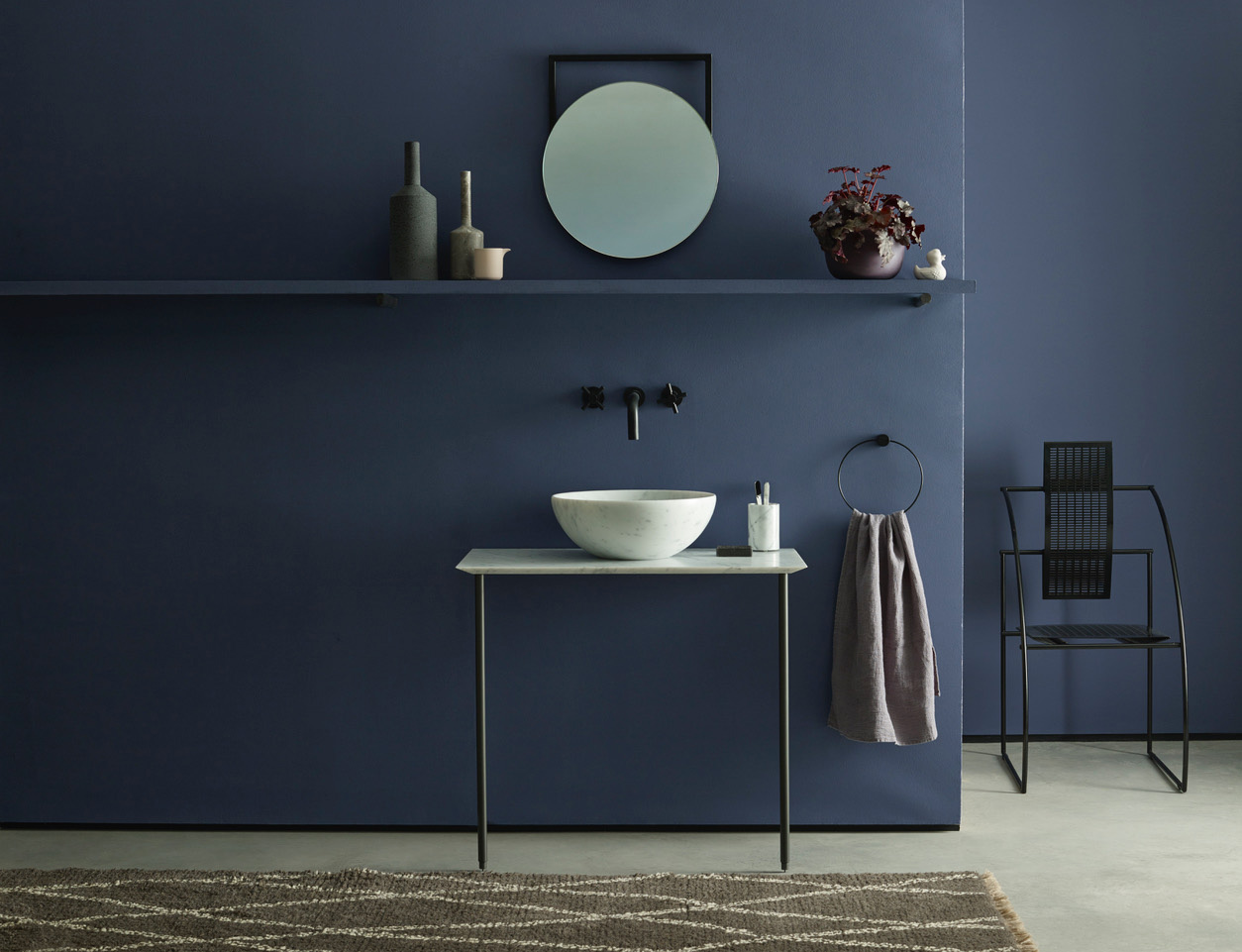
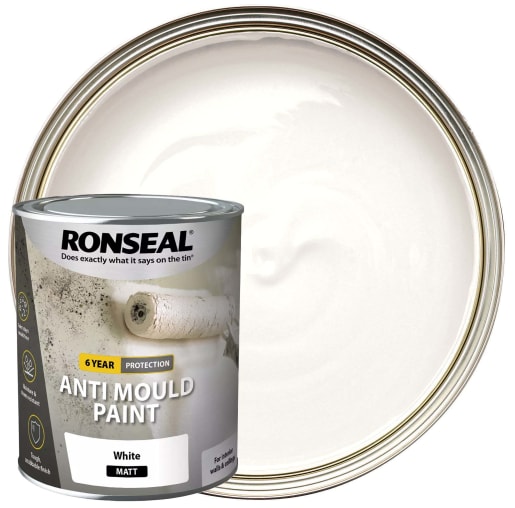
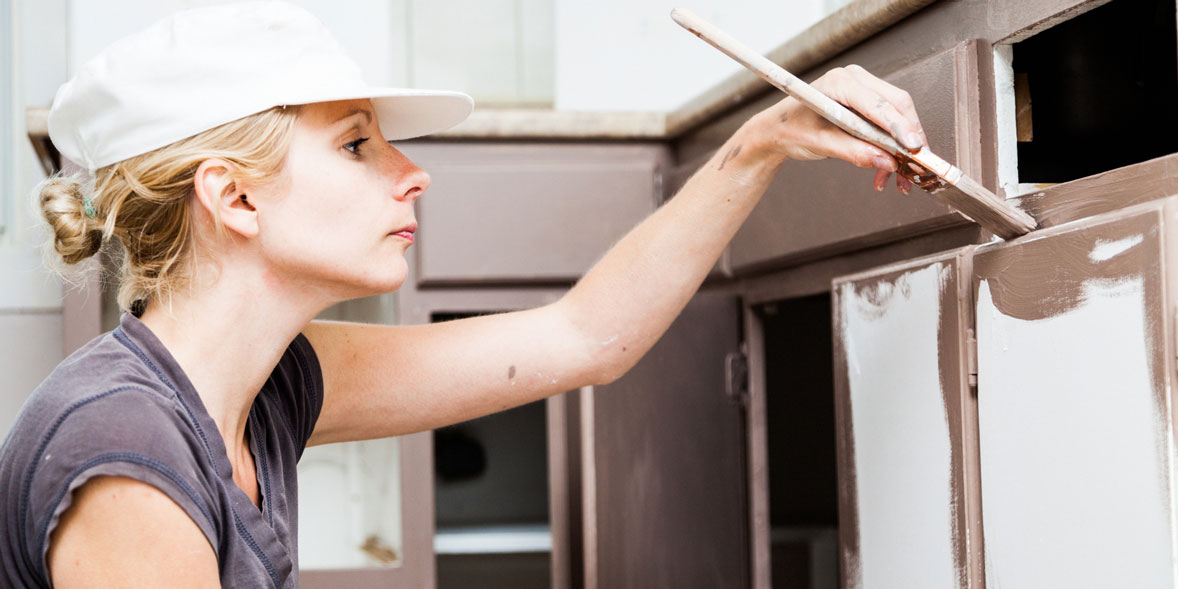
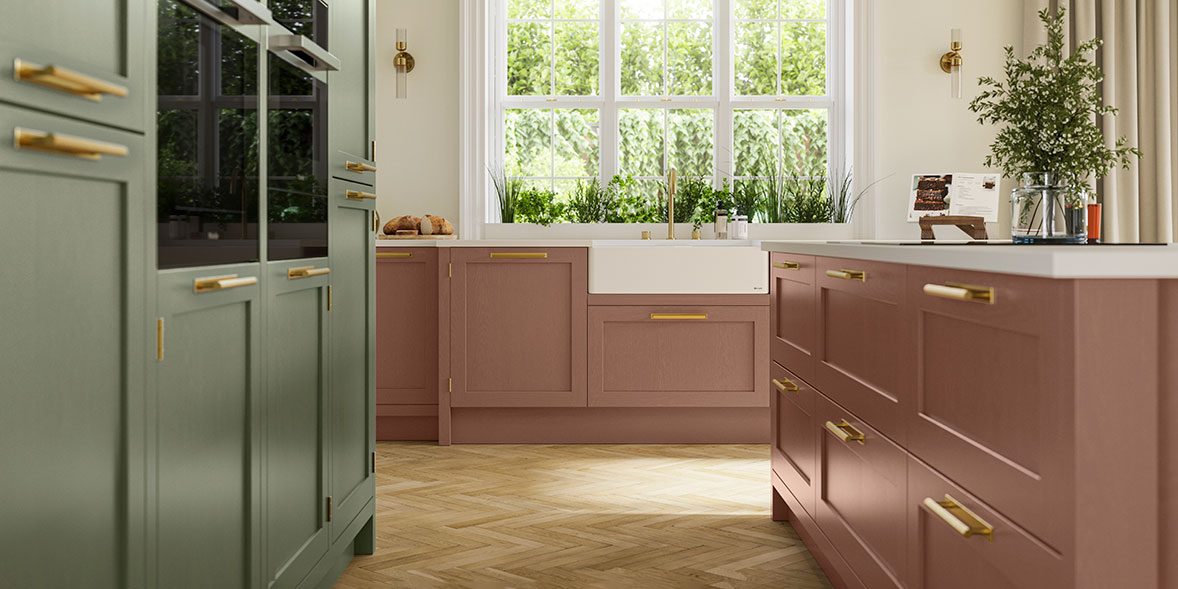
The article also provides specific recommendations for different surfaces. For ceilings, flat or satin sheens are preferred to mask imperfections, with specialized ceiling paints offering thickness, stain resistance, and quick drying. Walls benefit from satin paint for durability and ease of cleaning, especially in high-traffic areas. Bathrooms and kitchens require paints with mold and moisture resistance, often semigloss or high-gloss, with optional mildew-resistant additives. Semigloss is recommended for cabinets, particularly in kitchens and bathrooms, due to its durability and ease of cleaning; high-gloss can be used for a bold statement, and chalk paint offers a matte, imperfection-hiding alternative. For wood furniture, satin or semigloss provides reliability, with semigloss being more durable for frequently used pieces. Priming dark wood is essential for a solid base, and paint sprayers can ensure an even coat for intricate items. Trim, including doors, windows, and moldings, generally requires a higher sheen than walls, typically at least one step glossier, to accentuate woodwork and create contrast.
Finally, the article addresses common questions. Paint finish can slightly alter color perception, with light and mid-tone colors appearing richer in higher sheens, and dark colors deepening. Satin paint is generally best for interior walls, while semigloss is recommended for high-traffic areas. For selling a home, neutral, light colors like taupe, cream, white, and gray are safest, as they create a sense of spaciousness and allow potential buyers to envision their belongings in the space.
#PaintTypes #PaintFinishes #HomePainting #InteriorDesign #DIYHomeImprovement #DecoratingAdvice #SurfacePreparation #Primer #SheenLevels #PaintTypes #PaintFinishes #HomePainting #InteriorDesign #DIYHomeImprovement #DecoratingAdvice #SurfacePreparation #Primer #SheenLevels
0 comment in total
 No comments yet
You may also like
Paint finishes explained – an expert guide to choosing the perfect type of paint for your projects

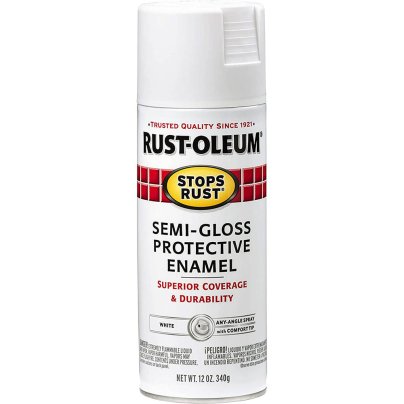
The Best Spray Paints for Your DIY Projects


Interior Paint

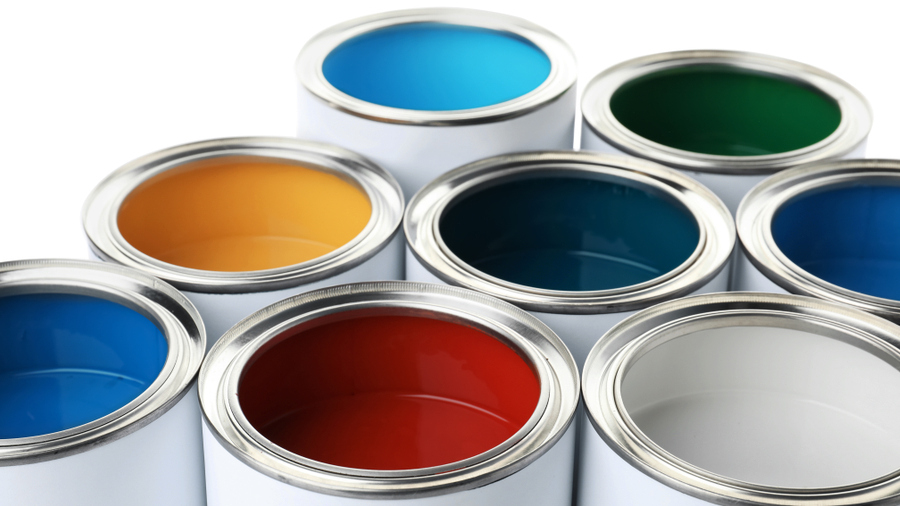
Matching the right paint with the right surface
Understanding paint finishes
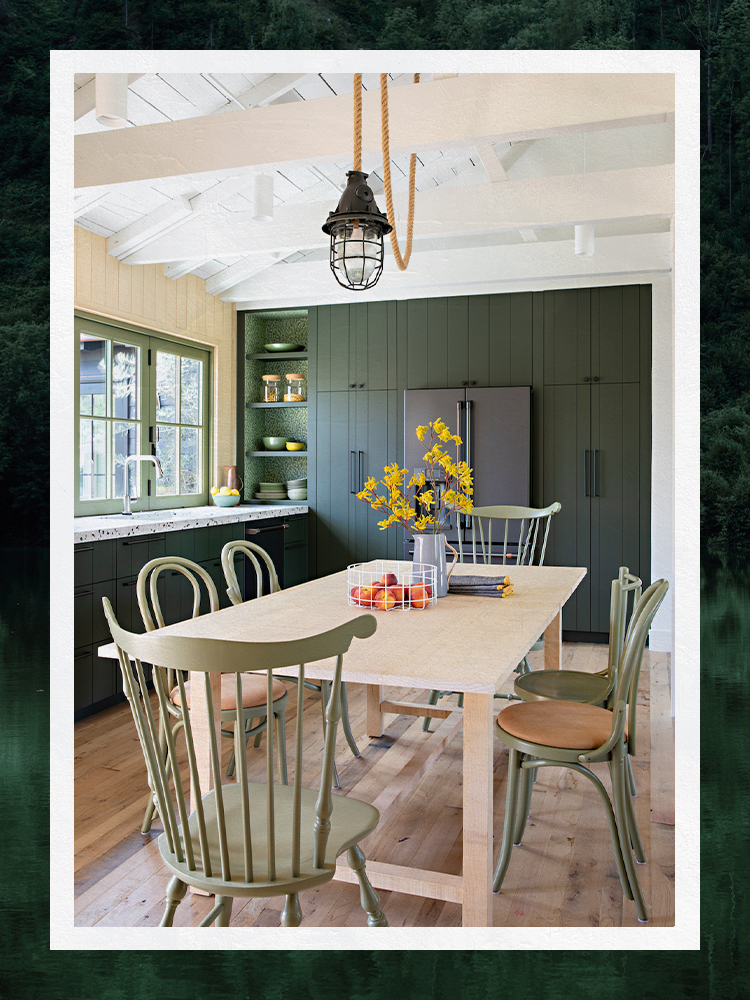
Designers Share Their Tried-and-True Shades From the Best Interior Paint Brands
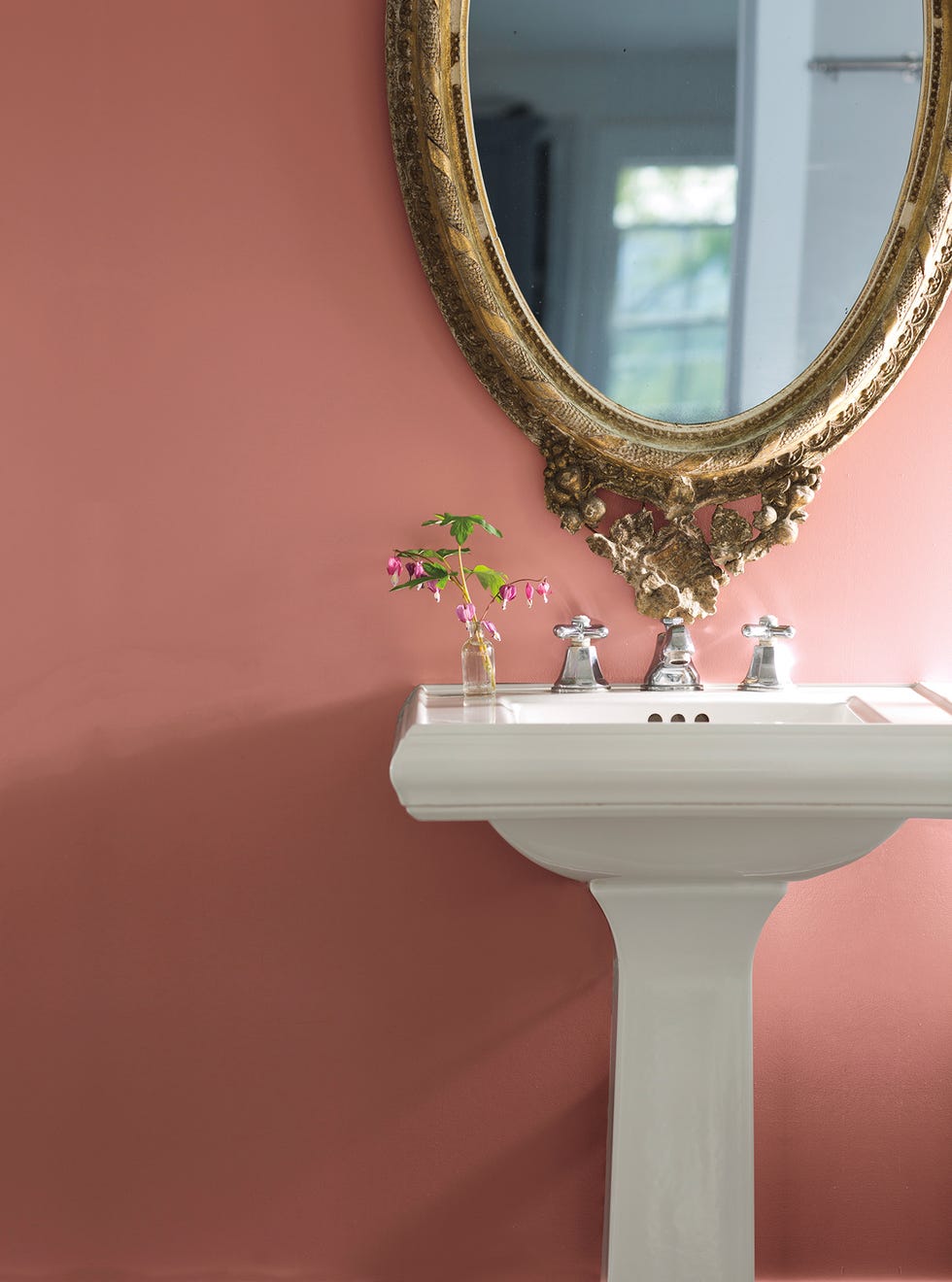
How to choose the right type of paint when decorating a room

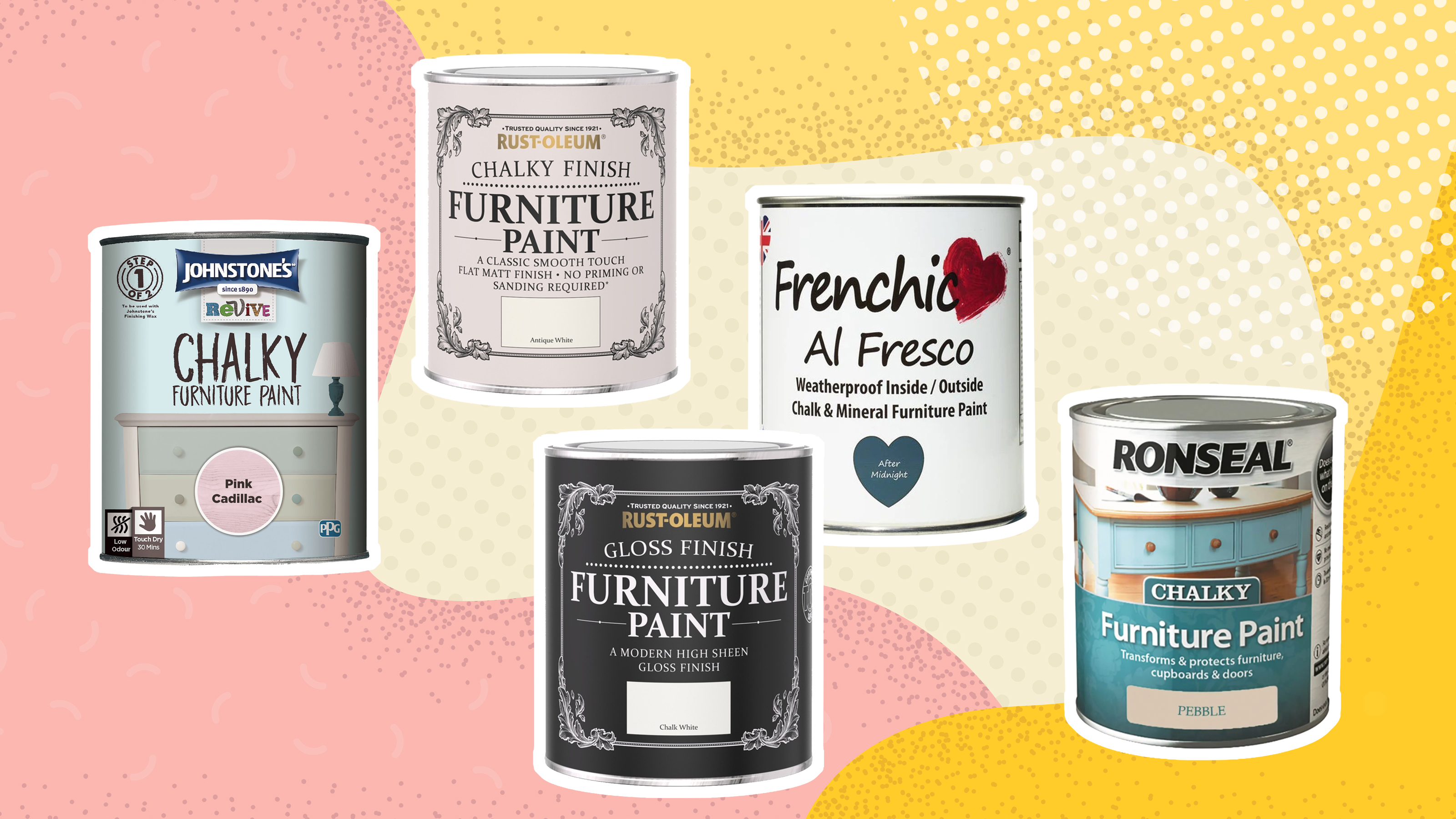
Best paint for furniture: 8 best furniture paints

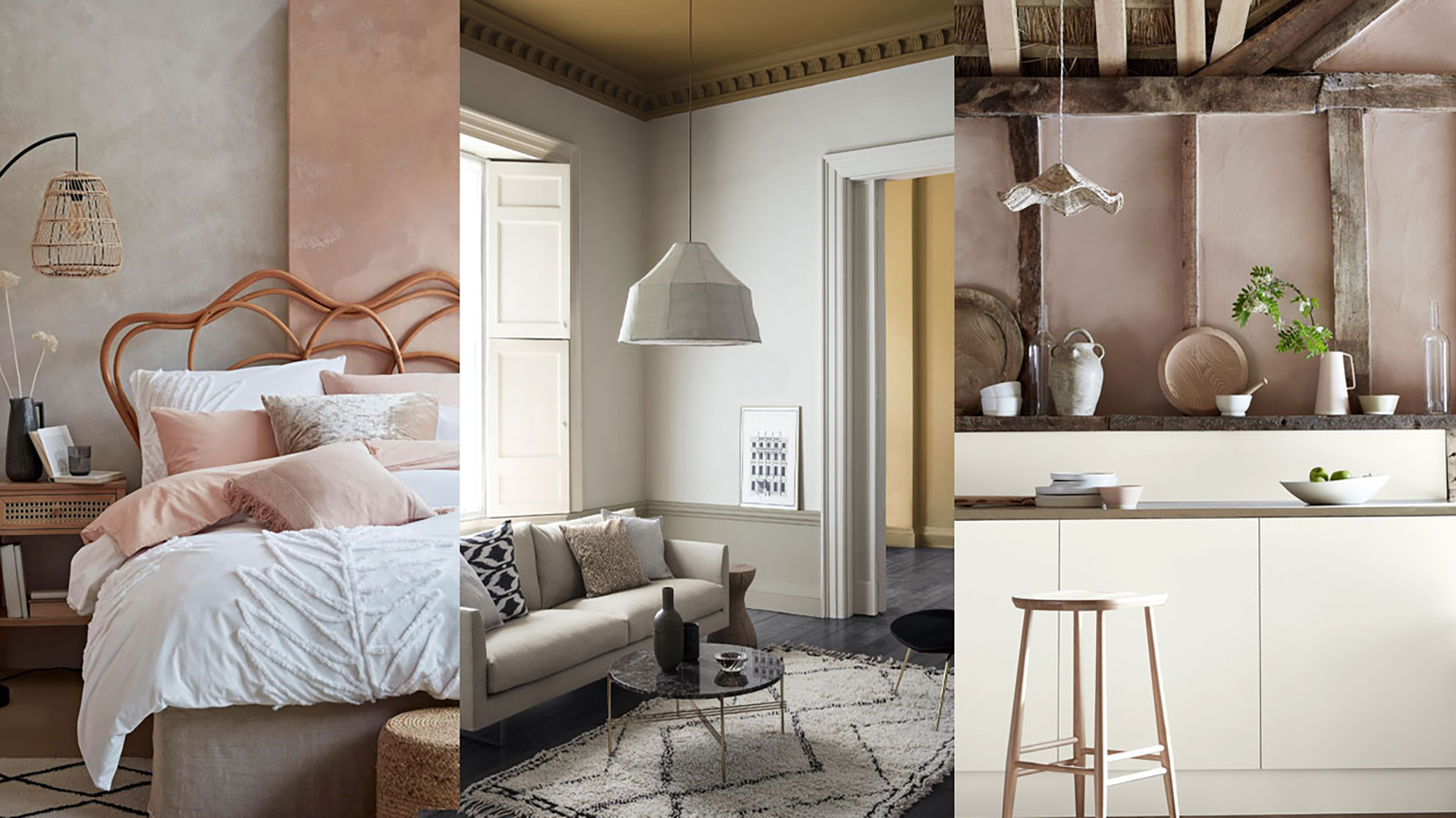
Paint finishes – a guide for every room


5 different paint finishes, from flat to high-gloss, and when to use them
Undercoat & Primer Paints

Furniture Paint & Cupboard Paint

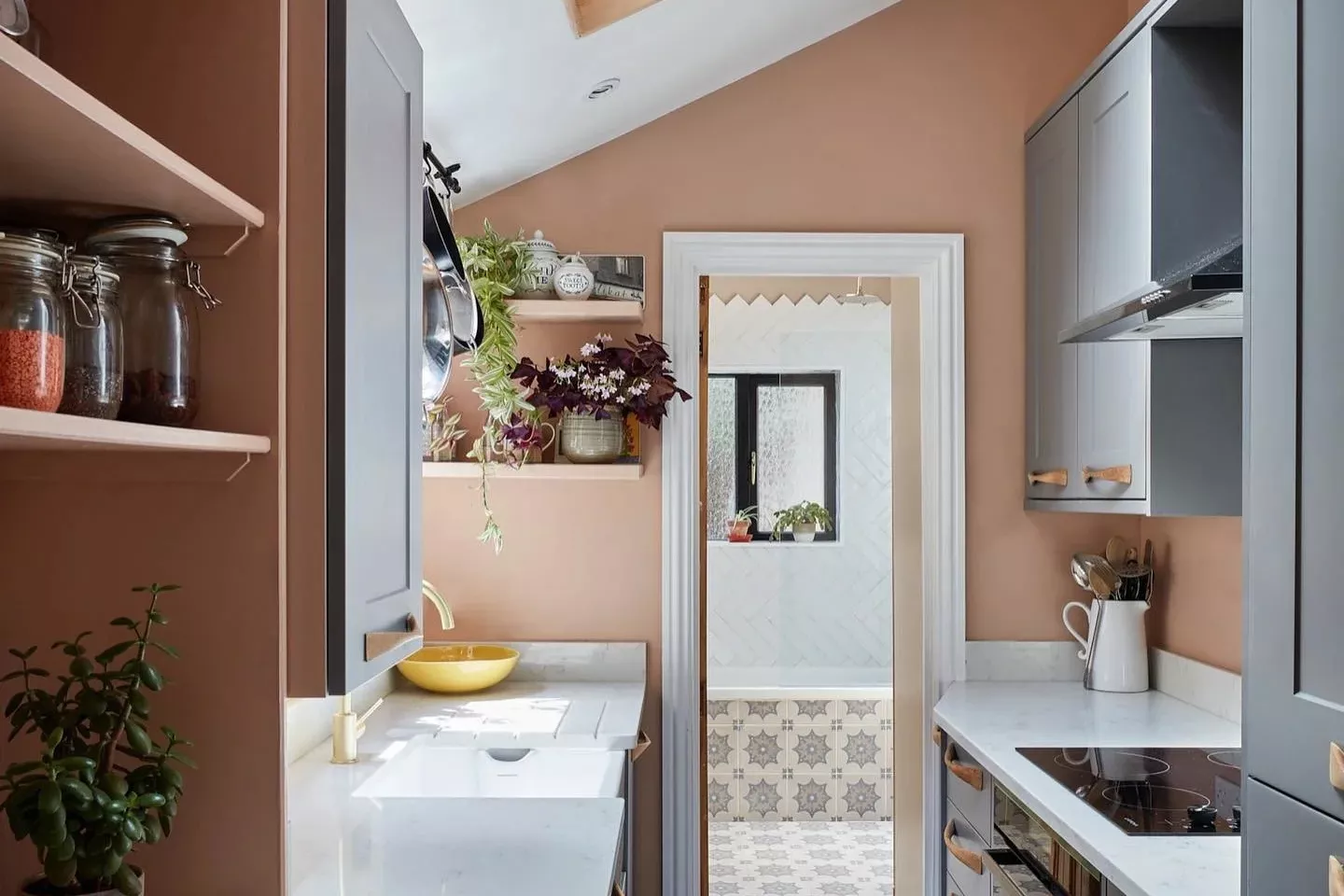
11 Types of Paint Finishes—and Where to Use Each, According to Experts
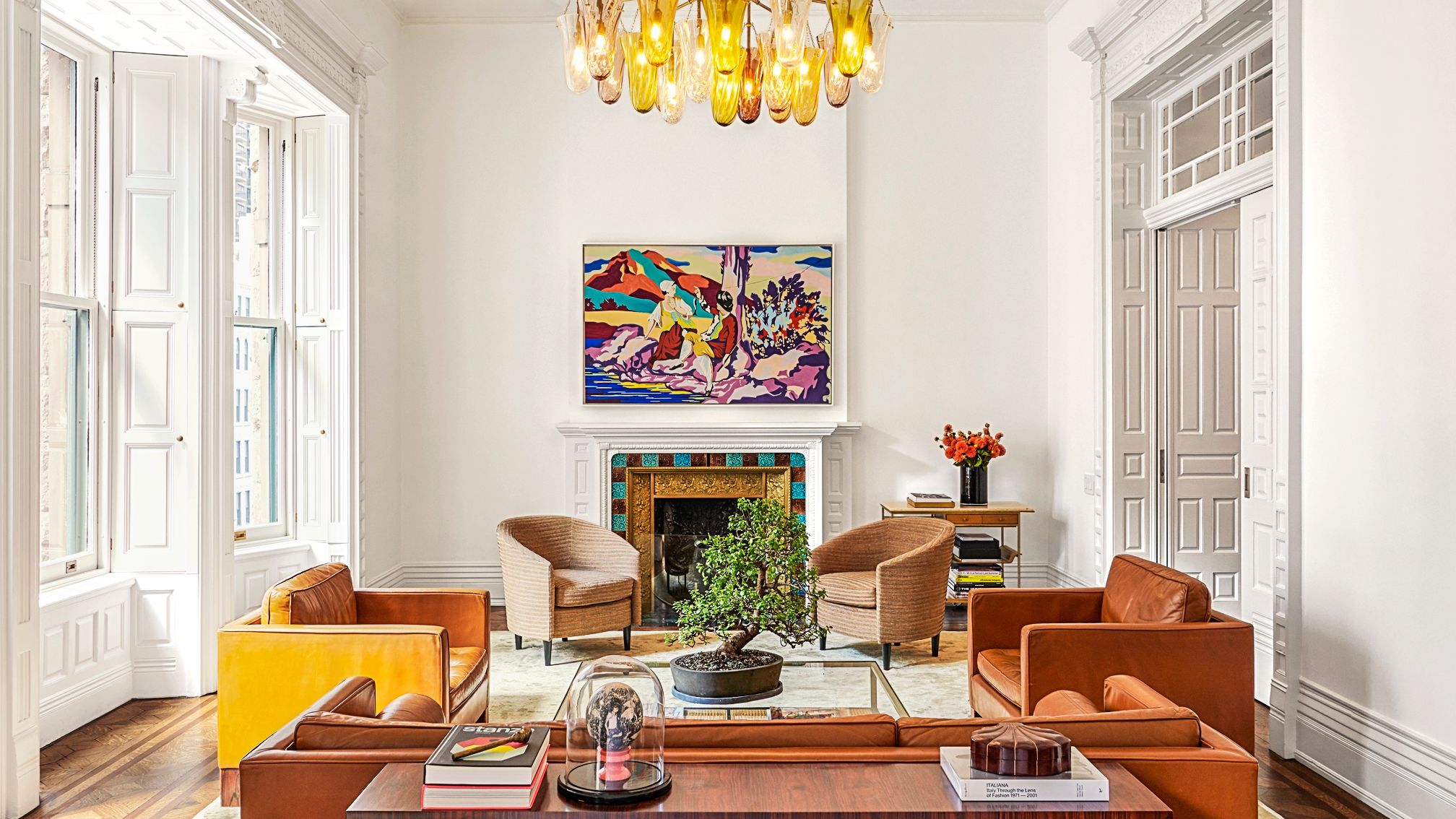
Interior Paint: A Guide to Buying the Best Paints for Your Home

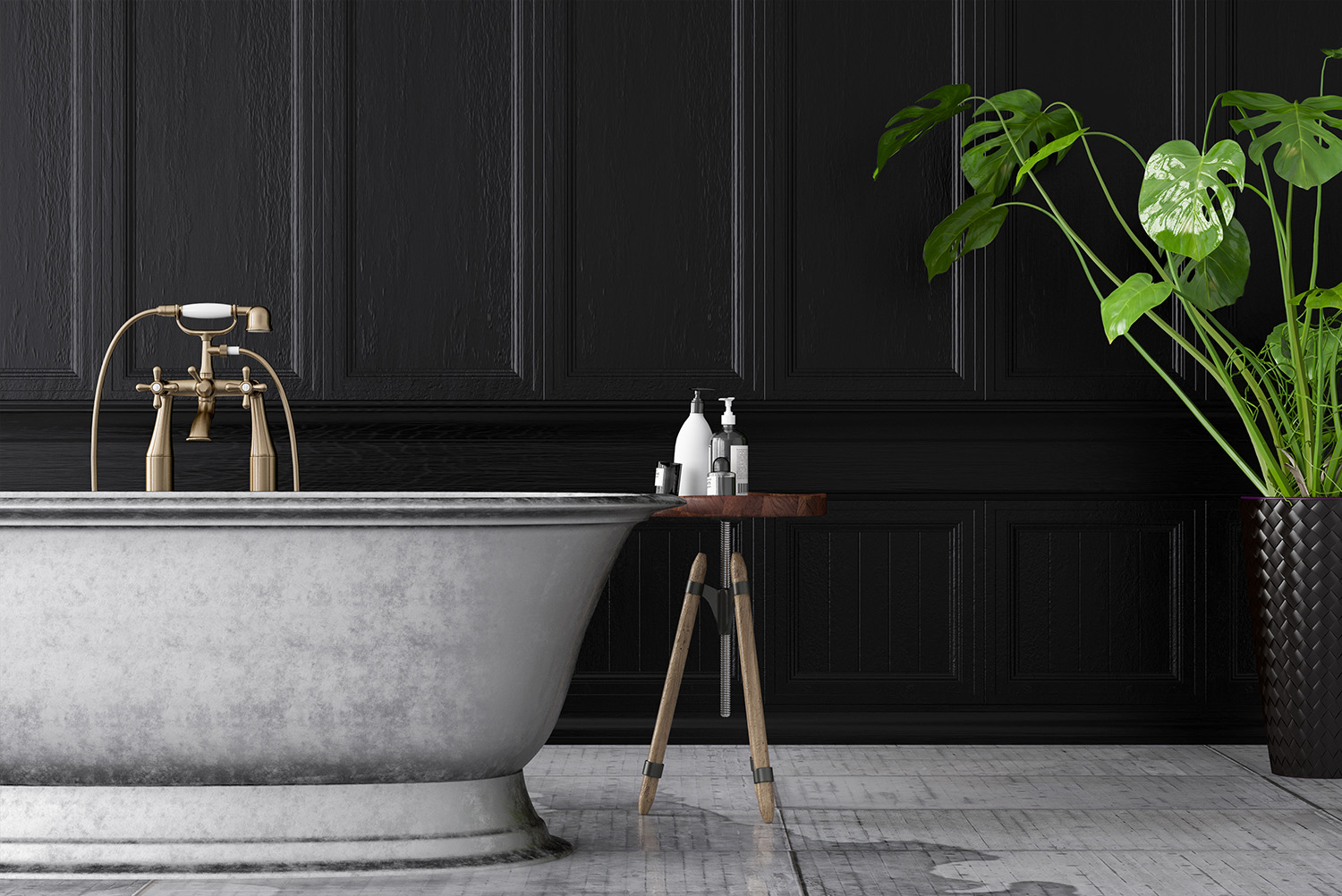
Bathroom paint - the ultimate guide to the right colors and finishes for walls, ceilings and radiators

How to paint kitchen cabinets: an expert, step-by-step guide
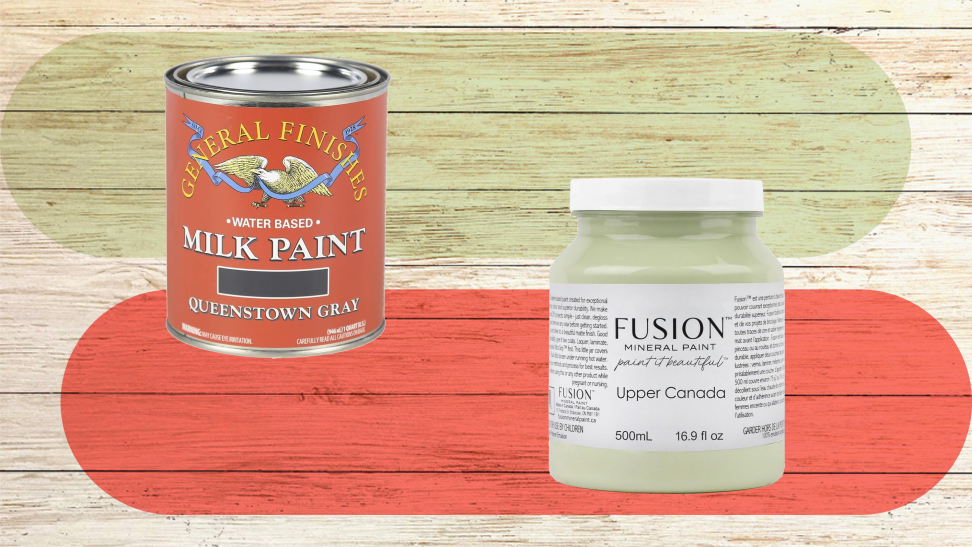
The Best Furniture Paint of 2025

The Best Furniture Paint of 2026
These Master Tips Will Help You Avoid Choosing The Wrong Type Of Paint
How To: Choose a Paint Finish