Matching the right paint with the right surface
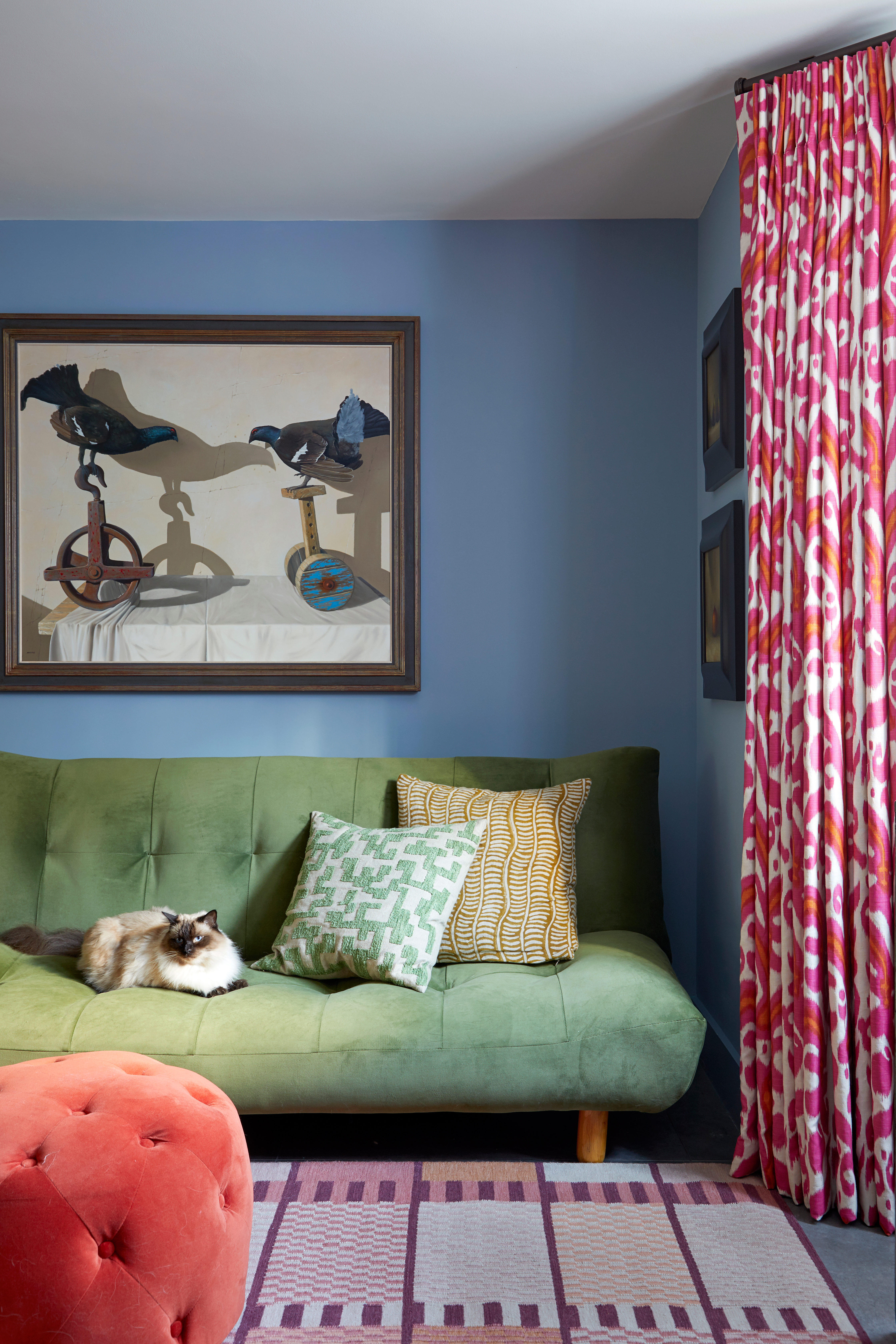
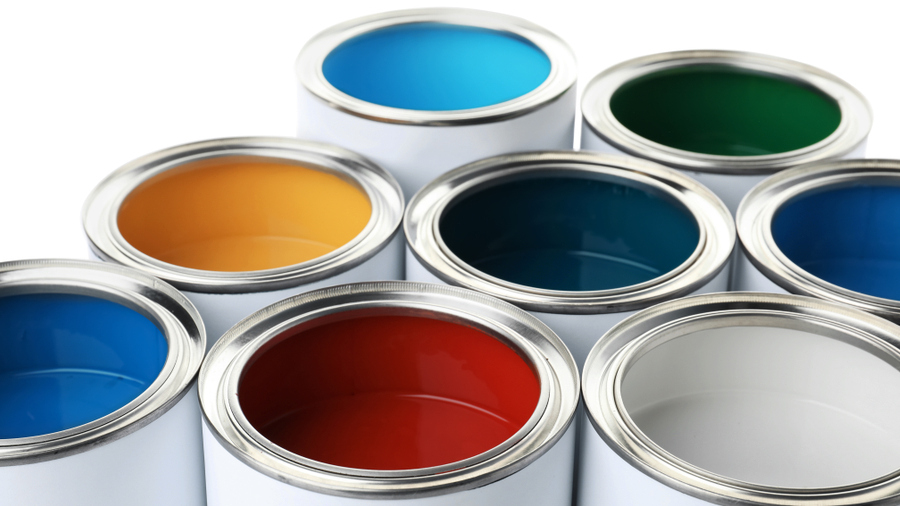
Selecting the appropriate paint for a given surface is crucial for a successful and long-lasting painting project. Paints are generally categorized into three types: oil, acrylic, and water-based (latex), all formulated from binders and pigments. Oil paints, though diminishing in production due to environmental regulations, offer superior adhesion, durability, and stain resistance. Acrylic paints, chemical-based and water-resistant when dry, are ideal for exteriors and specific interior applications due to their quick-drying nature. Latex paints, being water-based and easy to work with, provide a durable finish for large interior surfaces.
While hybrid paints exist for both indoor and outdoor use, they are often less effective than specialized paints, lacking essential protective additives for mildew, moisture, and crack resistance, making them better suited for smaller, indoor projects. Paint quality varies across low production-grade, midline good quality, and premium options, with major manufacturers offering distinct lines. It is recommended to purchase paint from dedicated paint stores, where staff possess specialized knowledge, rather than general home improvement centers.
Various additives can enhance paint performance for specific needs. Enamel resins contribute to durability and washability, making them suitable for high-moisture areas like bathrooms and kitchens. Acrylic resins add elasticity, preventing cracks while allowing surfaces to breathe. For health-conscious consumers, microbicidal paints like Sherwin-Williams’ Paint Shield® actively kill bacteria, providing a sterile environment.
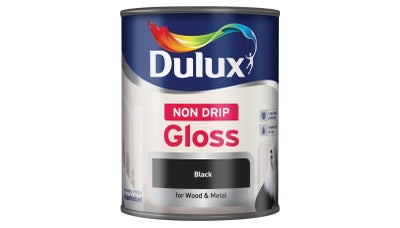

Paint sheen, or finish, significantly impacts both the appearance and durability of a painted surface. High gloss finishes, with 70%-89% sheen, are exceptionally shiny, durable, and easy to clean, making them ideal for high-traffic areas and surfaces prone to dirt, such as kitchen elements, doors, baseboards, and trim. However, they accentuate surface imperfections and can make touch-ups noticeable. Don Brees notes that higher sheen levels increase light reflective value (LRV), altering how color is perceived, thus advising color sampling in the desired sheen. Semi-gloss finishes, ranging from 41%-69% sheen, offer similar benefits in durability and ease of cleaning, suitable for kitchens, bathrooms, kids' rooms, hallways, and entryways, but also require smooth surfaces to avoid highlighting imperfections. Satin finishes, with 26%-40% sheen, provide a less dramatic gloss that is still easy to clean and more forgiving of imperfections, making them a popular choice for living rooms, laundry rooms, and dining rooms. Flat and matte finishes, with 5%-9% sheen, have minimal shine and excel at hiding imperfections, though they are less easy to clean. They are best suited for low-traffic areas like guest rooms, ceilings, or formal spaces.
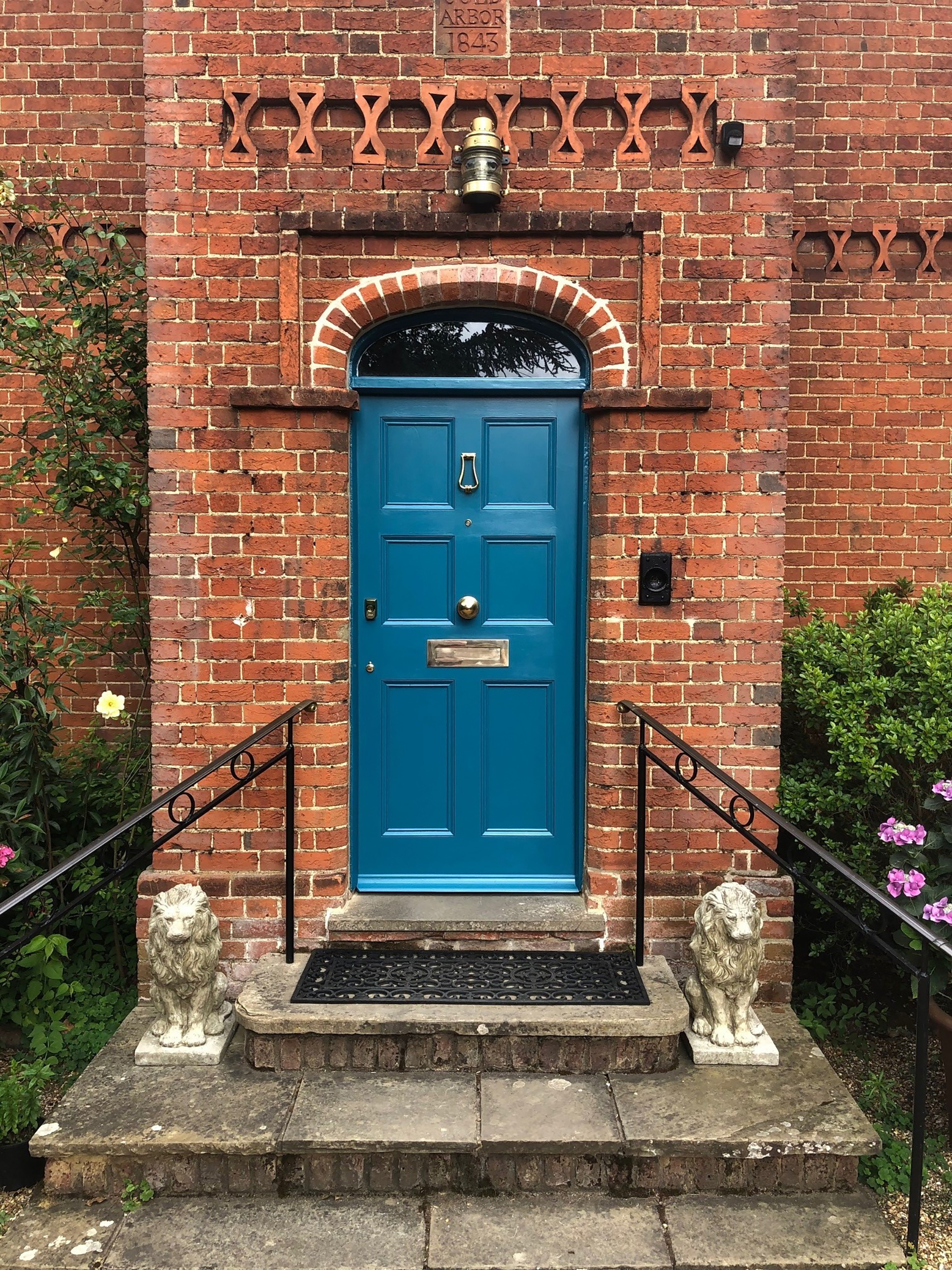
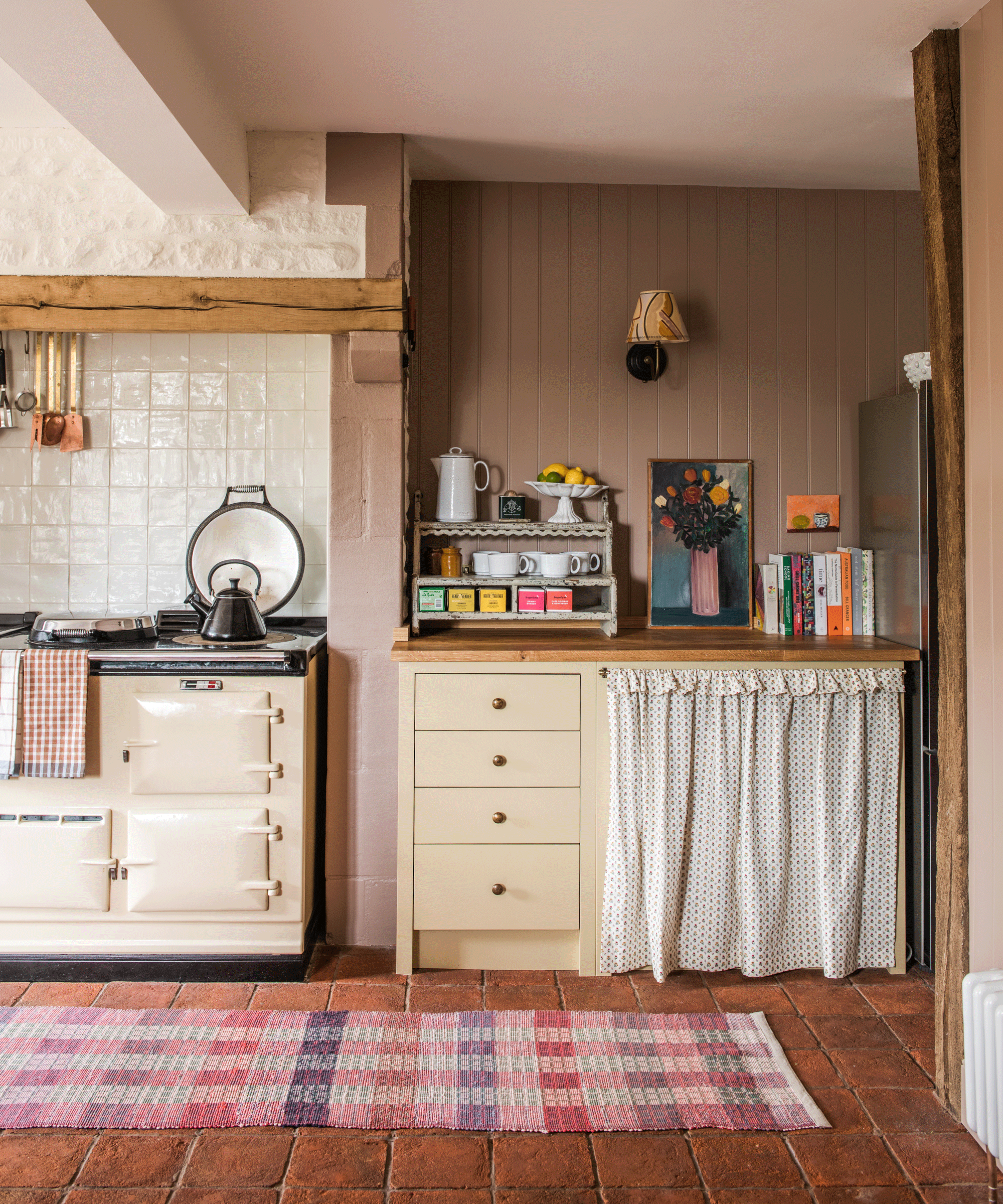
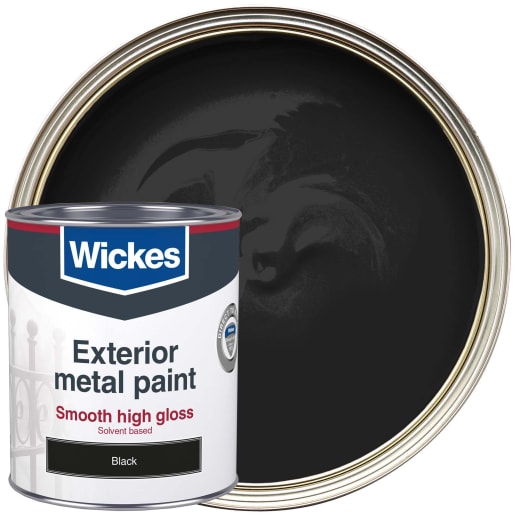
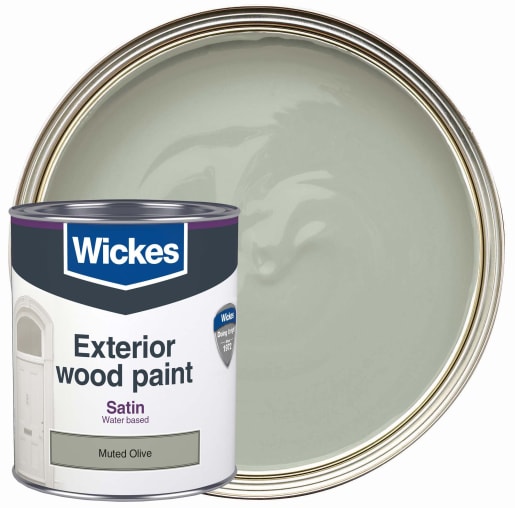
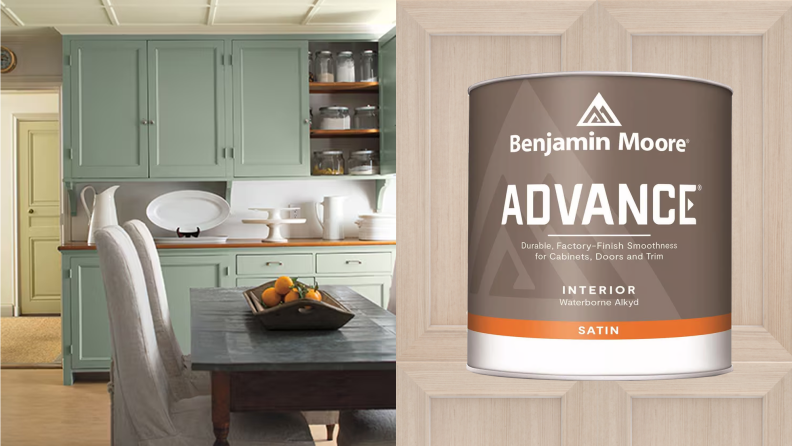
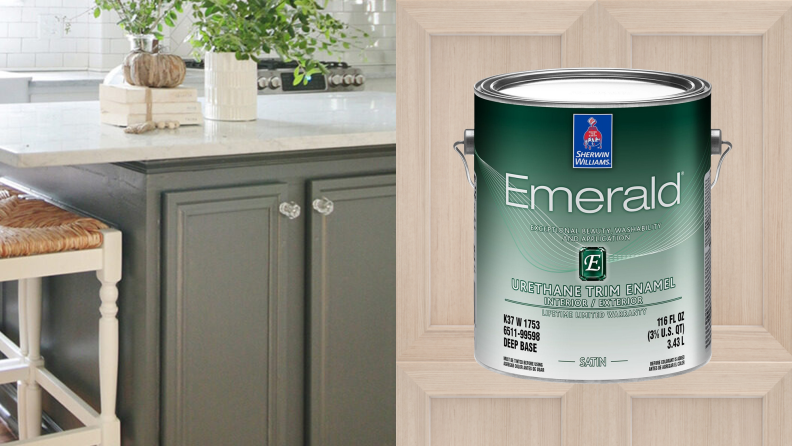
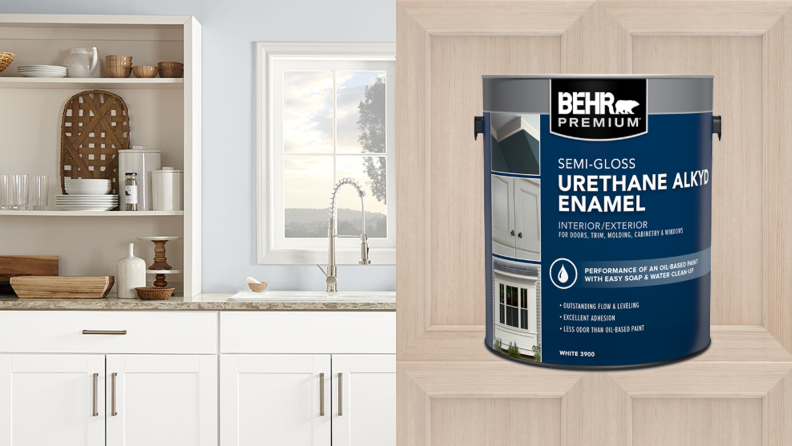
Specific projects demand specific paint formulations. For interior doors, durable semi-gloss or satin paints are preferred, though modern flat paints can also offer comparable durability and ease of cleaning. Kitchen cabinets benefit from water-based urethane enamels like Sherwin-Williams’ Emerald® Urethane Trim Enamel, which resist yellowing and provide a hard, durable finish. For interior walls, contemporary flat paints are often recommended due to their washability and ability to mask imperfections, offering a cleaner, updated look compared to high-gloss options. For home exteriors, paints must withstand environmental elements. Water-based paints are suitable for pine and fir, while oil-based or engineered paints are better for cedar, cypress, metal, and fiberglass. Semi-gloss is ideal for front doors due to its wear resistance and easy cleaning. The basic rule for exterior painting in Arizona is to use high-quality, 100% acrylic exterior paint on various surfaces, ensuring it is specifically formulated for the local desert climate with high heat and UV resistance. Lighter colors tend to perform better and last longer in such conditions. Elastomeric paint should not be used on entire stucco walls as it can trap moisture, leading to bubbling and mold.
Proper surface preparation is crucial for optimal results. Priming is essential for non-painted surfaces to seal them and improve paint adhesion. Even on previously painted walls, a coat of primer enhances depth and ensures better coverage, especially when transitioning from dark to light colors. A primer bonder is necessary when painting over glossy enamel with flat paint to prevent adhesion issues. Many modern premium paints, like Sherwin-Williams’ Emerald® Interior Paint, integrate primer, offering improved coverage and stain resistance. Volatile Organic Compounds (VOCs) are a concern due to their potential health effects. It is advisable to choose interior paints with low VOC levels (less than 50 grams per liter) to promote healthier indoor air quality. Investing in higher-quality paint, particularly for exteriors, is generally worthwhile, but its effectiveness is maximized when combined with thorough preparation, patching, and proper application techniques. If unsure, consulting a licensed professional is recommended.
#PaintSelection #HomeImprovement #InteriorDesign #PaintSheen #DIYProjects #VOCs #ExteriorPaint #AcrylicPaint #LatexPaint #PaintSelection #HomeImprovement #InteriorDesign #PaintSheen #DIYProjects #VOCs #ExteriorPaint #AcrylicPaint #LatexPaint
0 comment in total
 No comments yet
You may also like
Paint finishes – a guide for every room

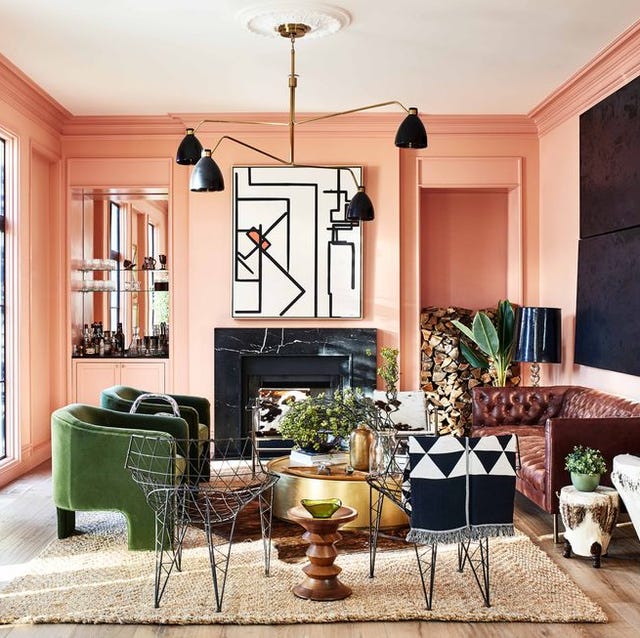
These Master Tips Will Help You Avoid Choosing The Wrong Type Of Paint
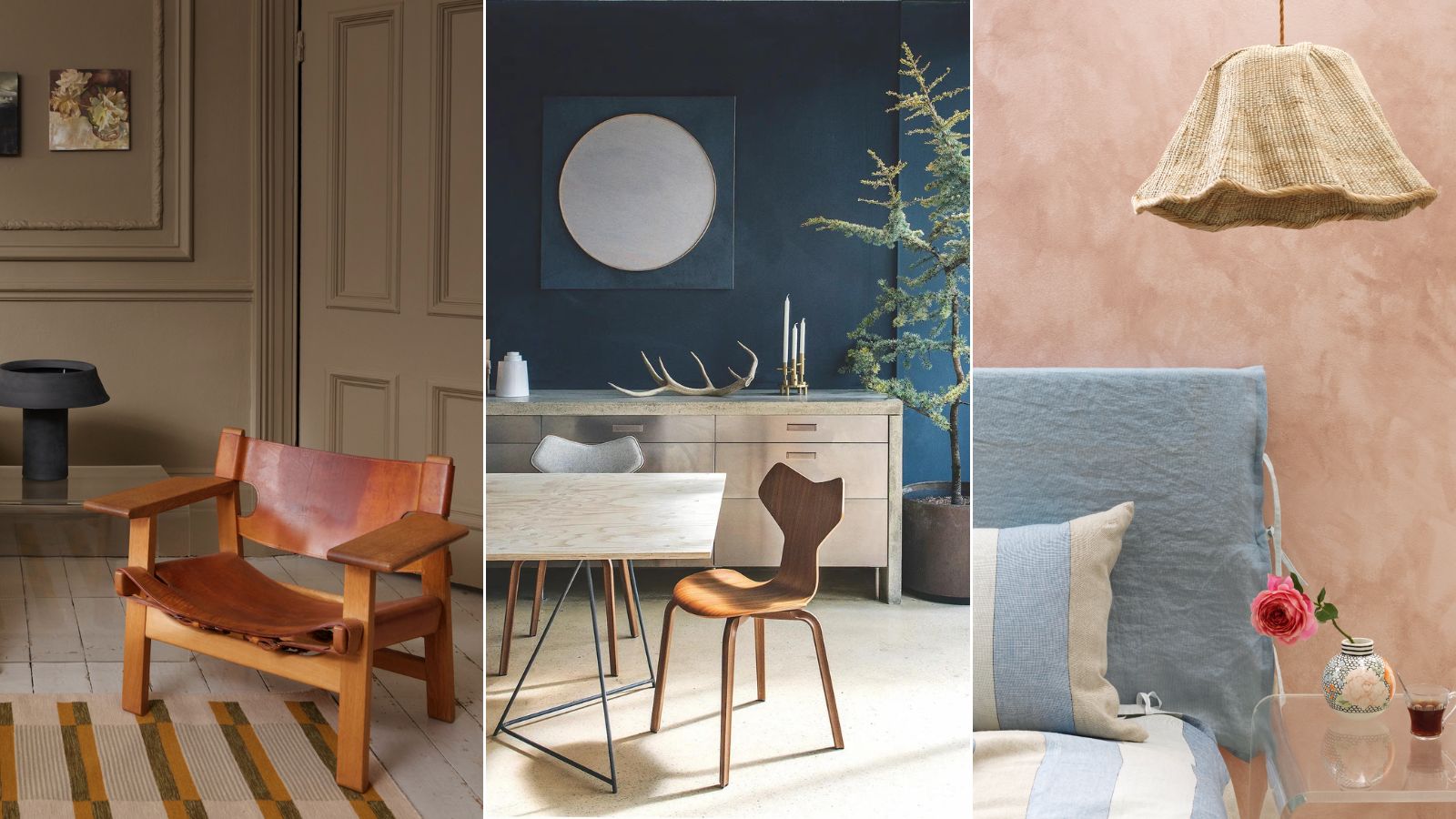
Professional painters reveal the secret to color matching a paint shade from an image alone

It’s easier to match paint colors than you think
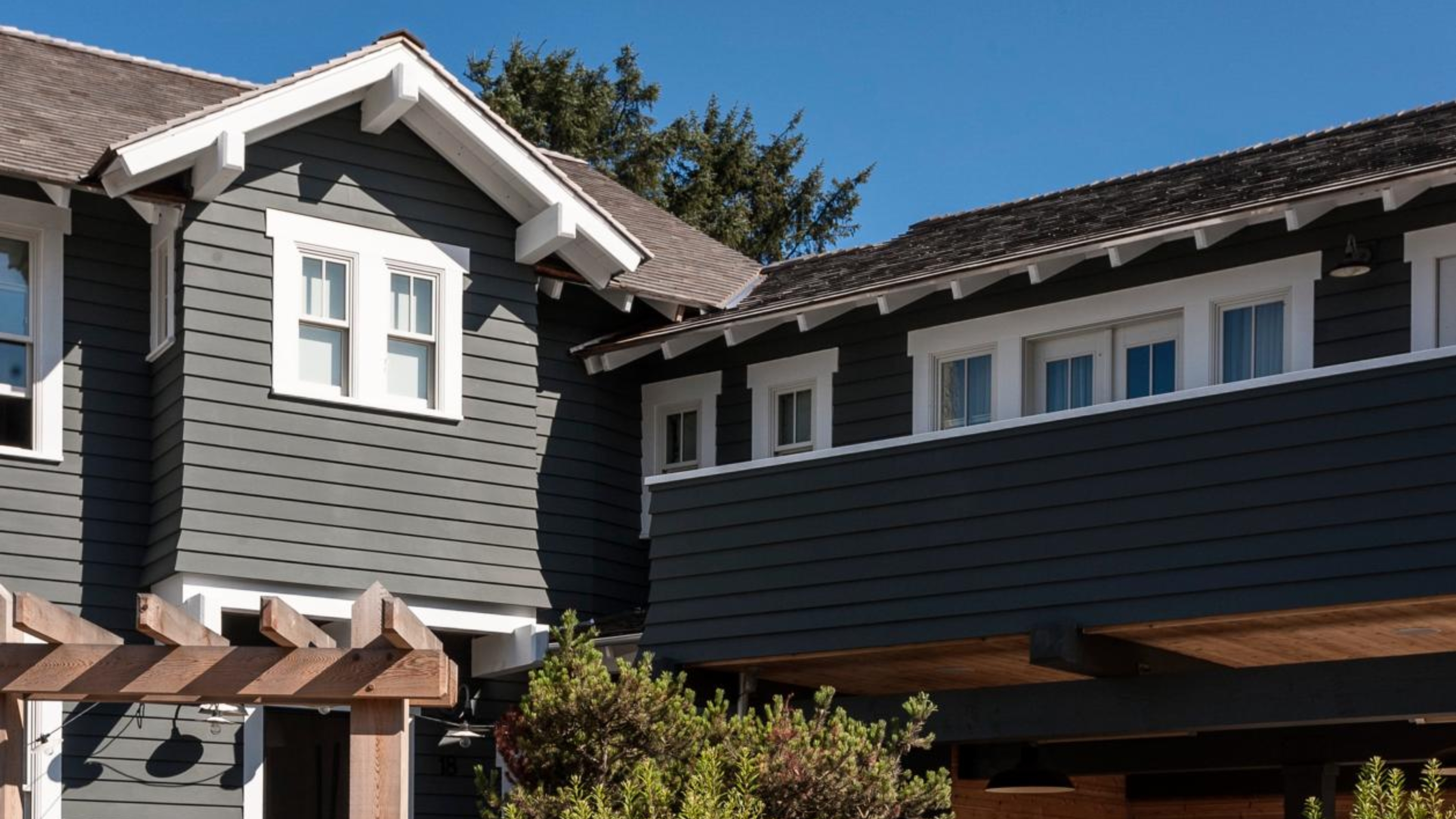
5 Exterior Paint Mistakes to Avoid If You Don't Want Your House to Become the Worst-Looking on the Street

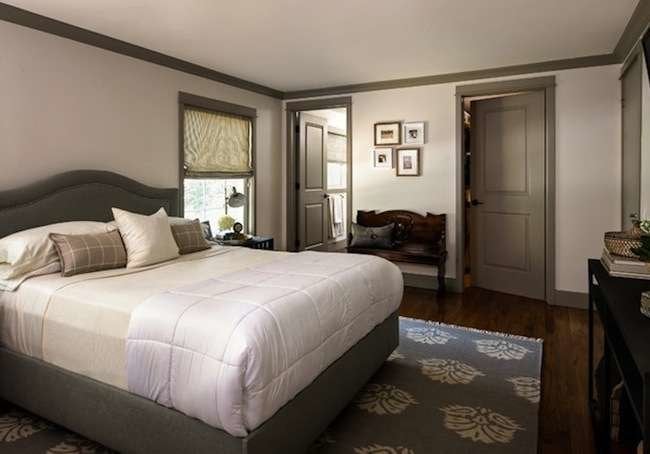
If This, Then That: Your Guide to Pairing Paint Colors

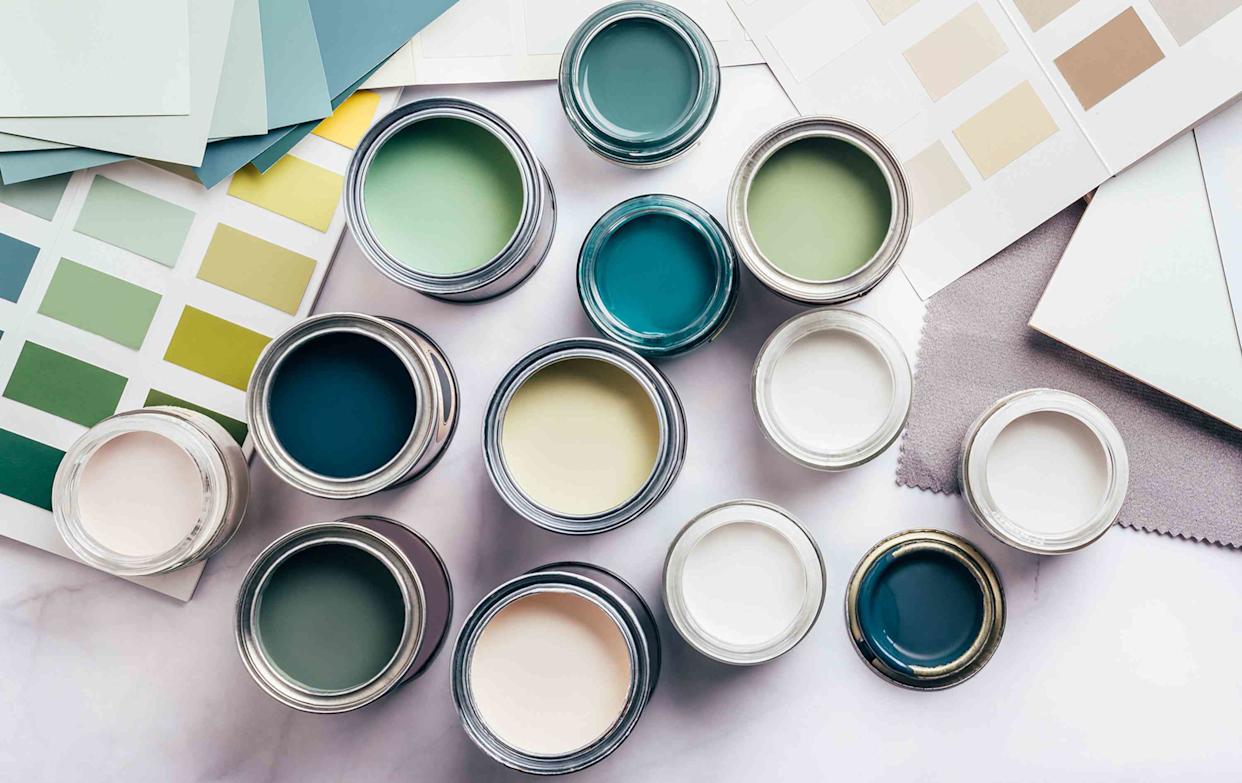
3 Ways to Identify and Match Any Paint Color, According to Experts


Furniture Paint & Cupboard Paint

Understanding paint finishes

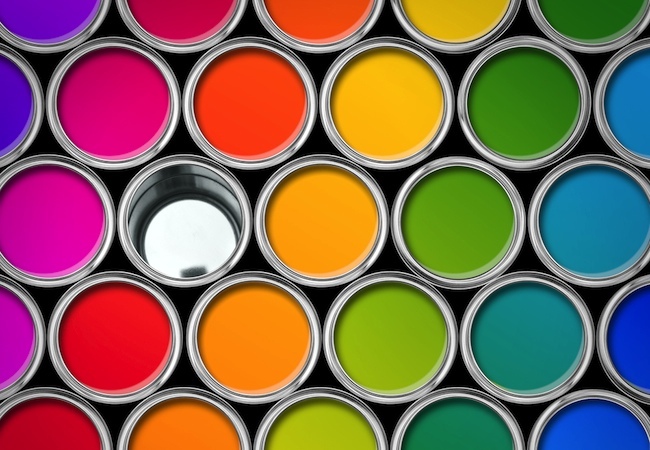
How To: Choose a Paint Finish
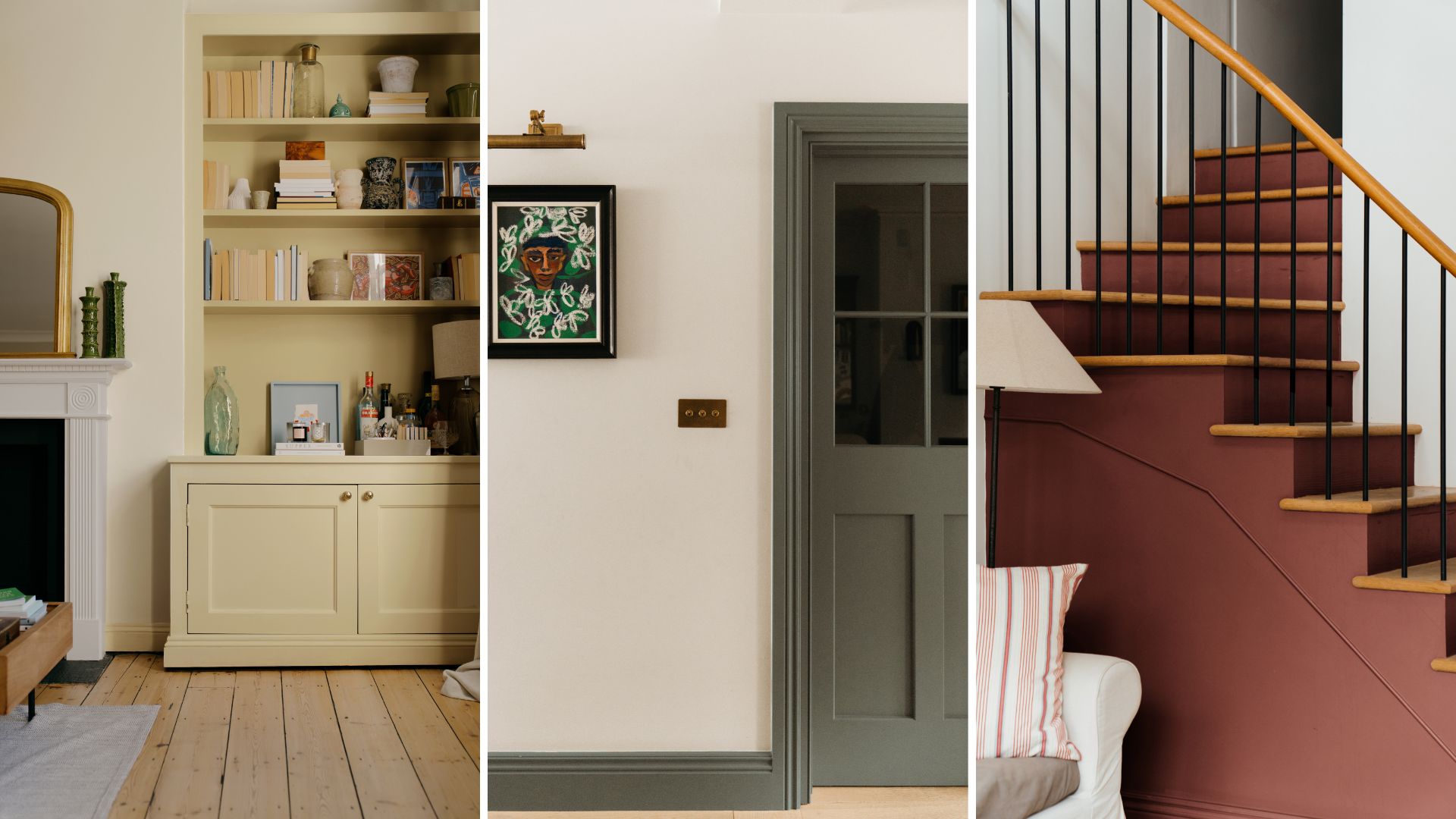
Make choosing paint easy with new 'natural light' colours

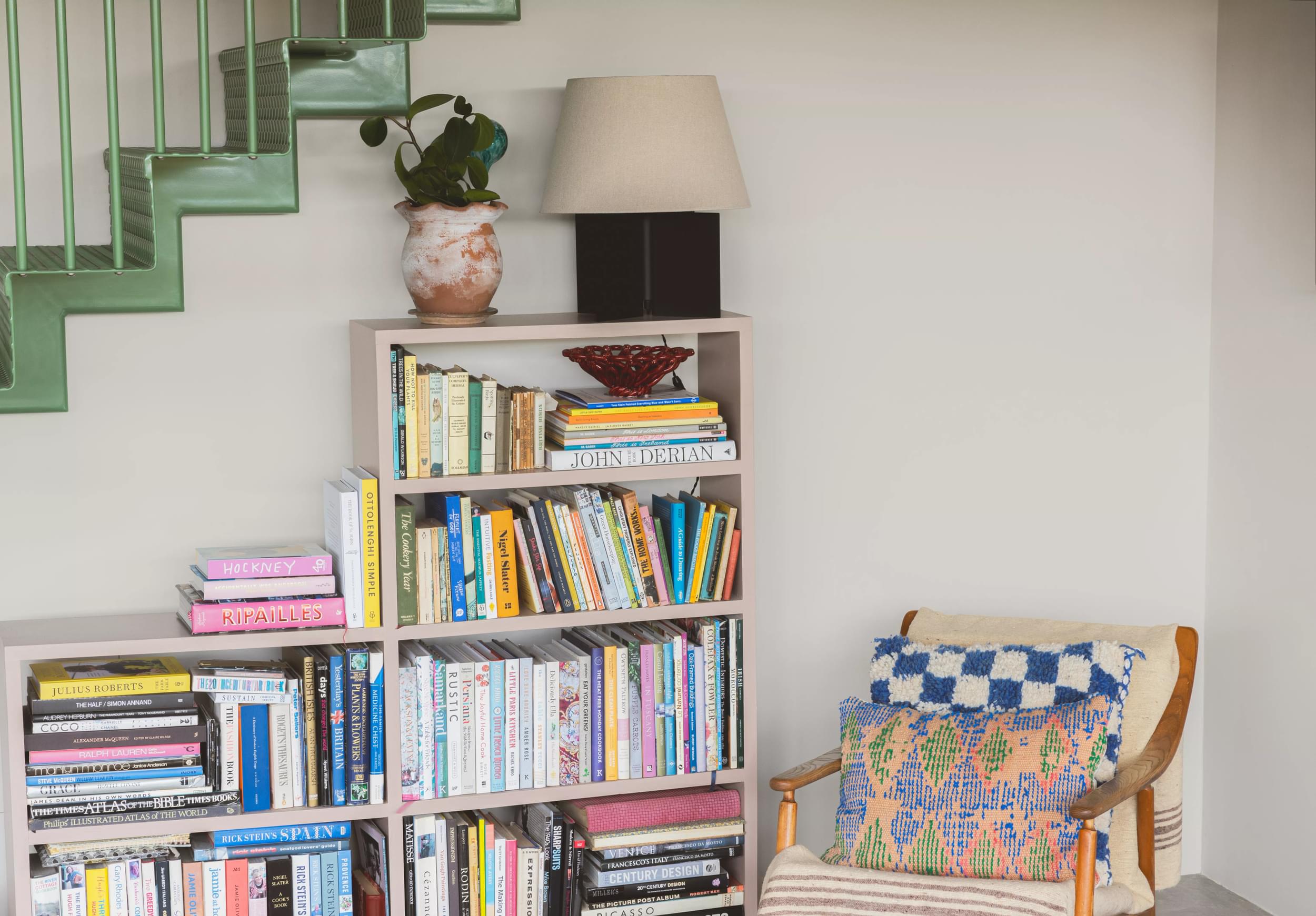
Find your perfect neutral with COAT Paints' new Polite Palette

to choose paint colors.

Interior Paint
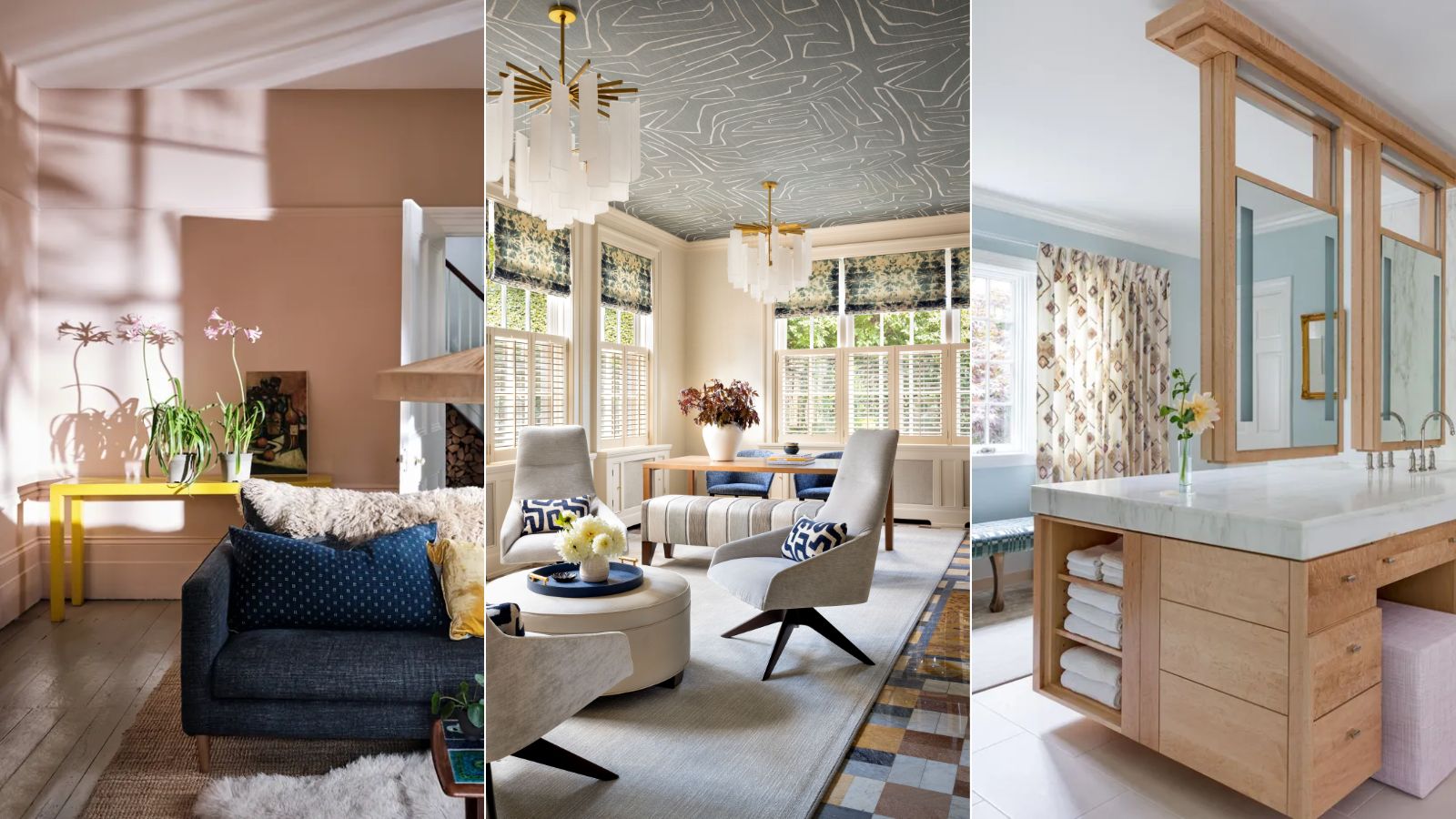
What makes a paint color flattering? Experts share their go-to shades for a universally complementary scheme
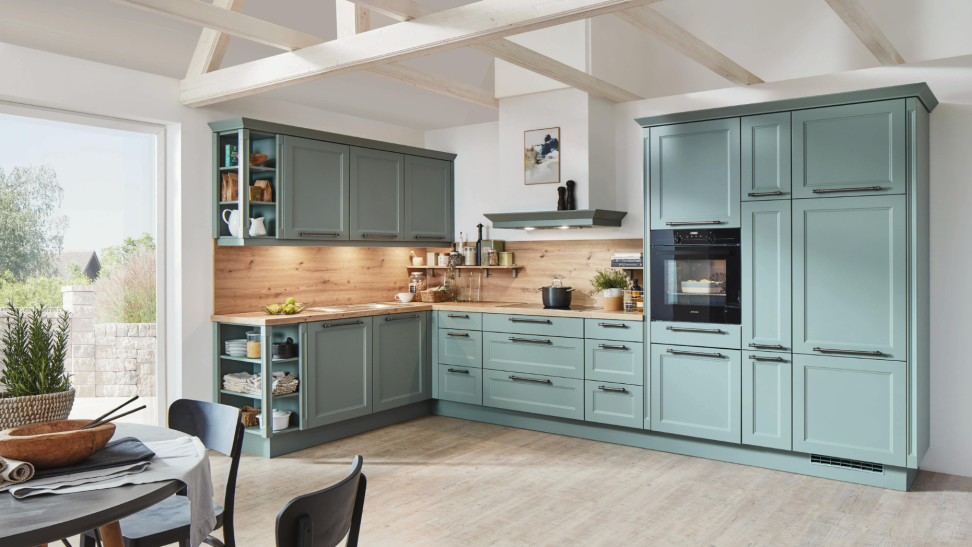
The Best Cabinet Paint of 2026

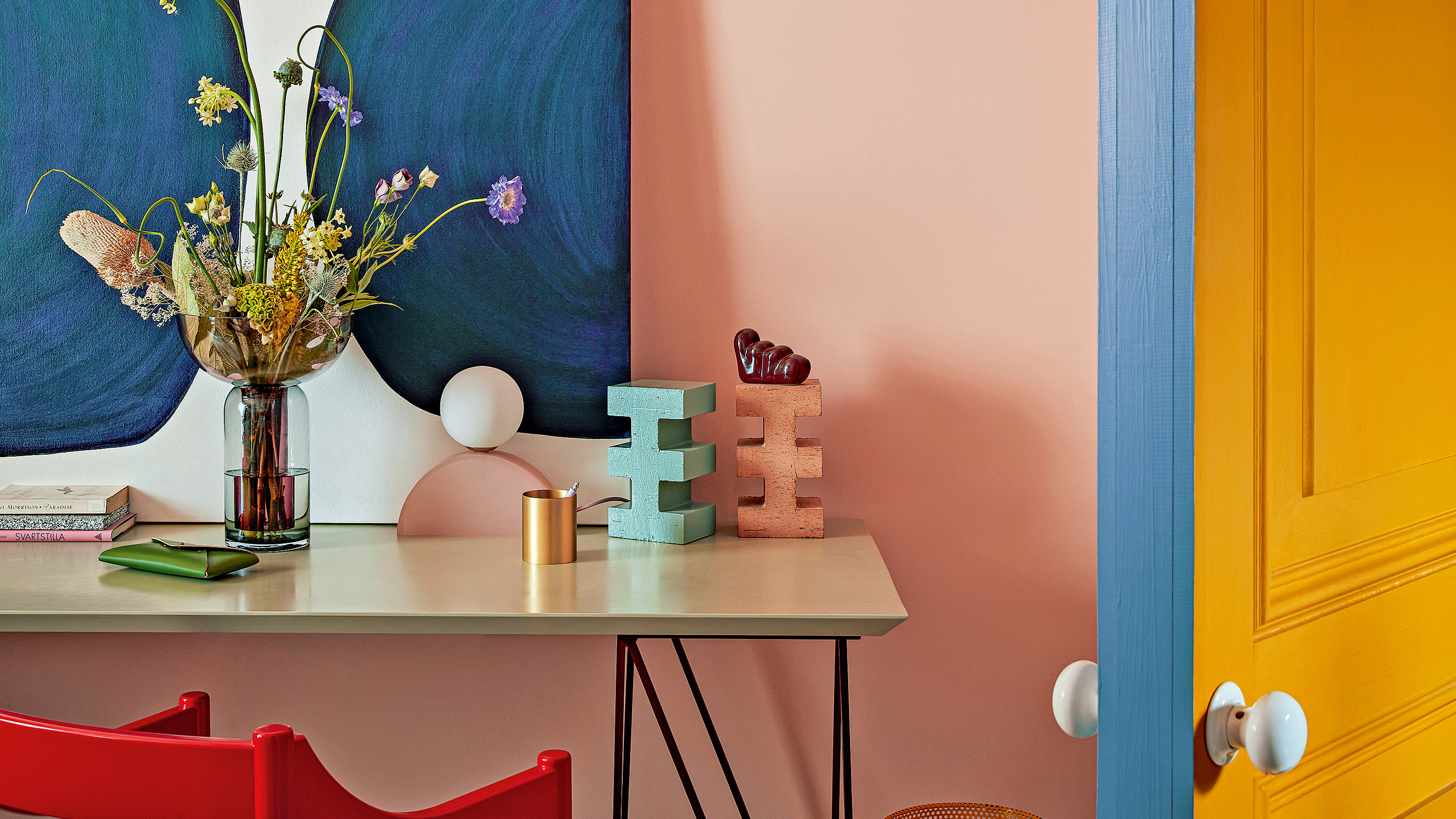
Paint finishes explained – an expert guide to choosing the perfect type of paint for your projects
Decorating with paint
Paint mixing | Colour mixing service with Dulux
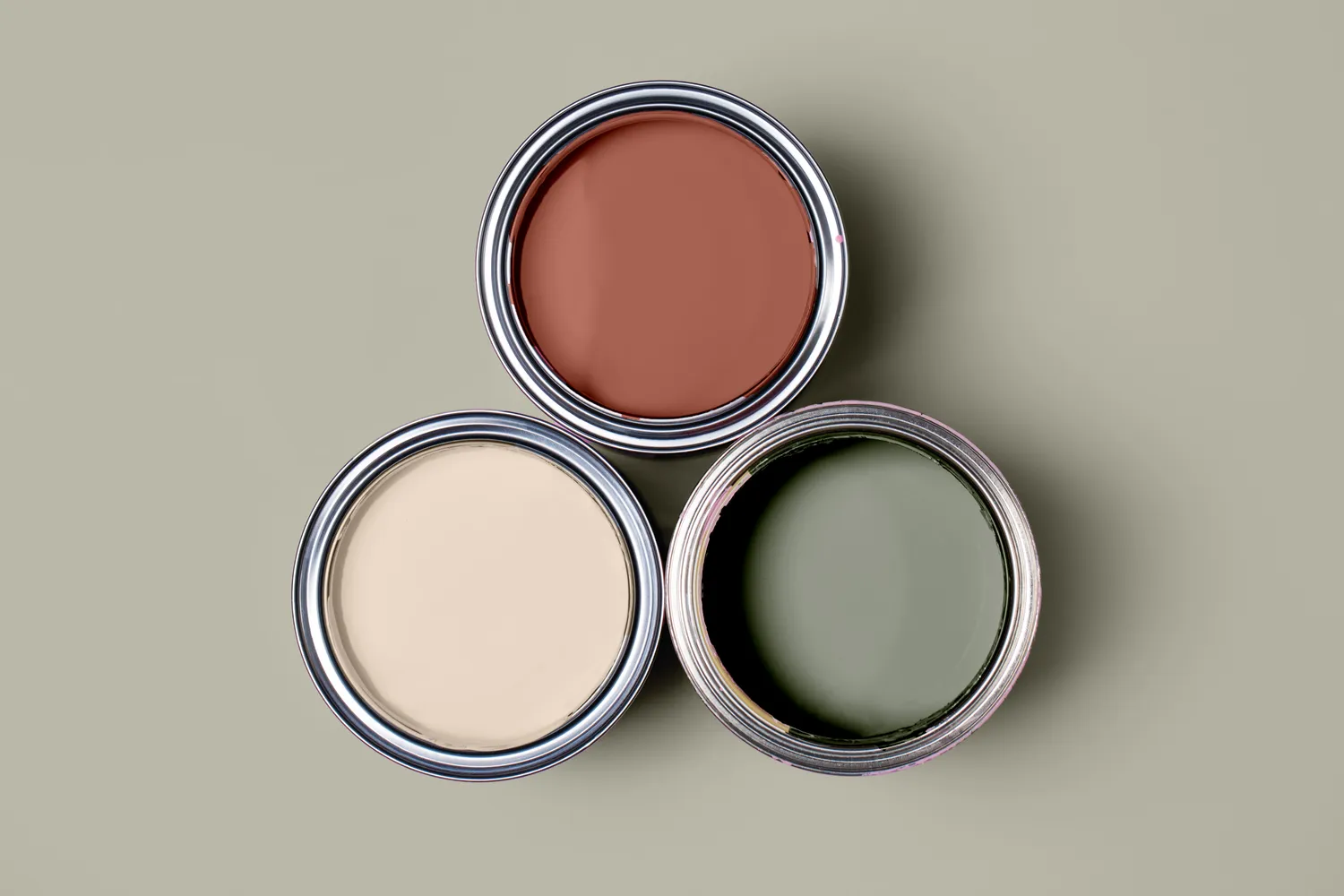
The Trick to Finding a Paint Color That Works With Everything You Already Have