11 Types of Paint Finishes—and Where to Use Each, According to Experts
Choosing the right paint finish is as crucial as selecting the paint color itself for interior design projects. Each finish offers distinct characteristics in terms of sheen, durability, and suitability for various areas of a home. Understanding these differences, with insights from experts like Eli Massar of Smooth Sailing Painters, Matthew Coates of Coates Design Architects + Interior, and Todd Harmon of Aura Modern Home, can guide homeowners in making informed decisions for their renovation or decoration projects.
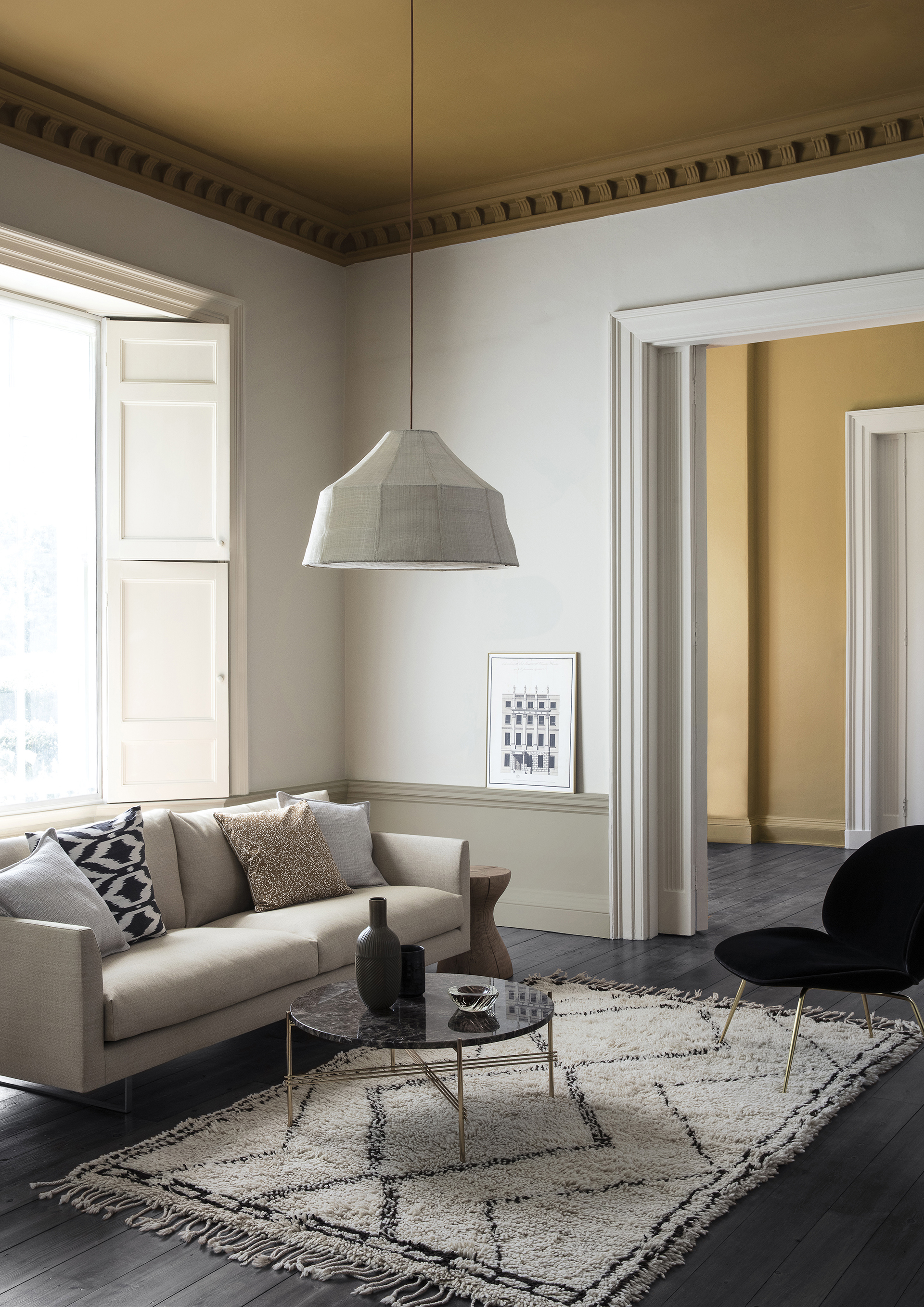
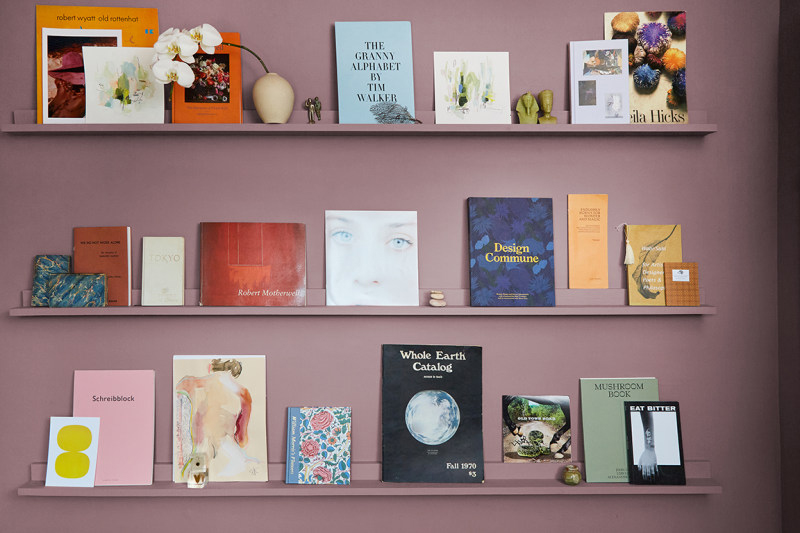
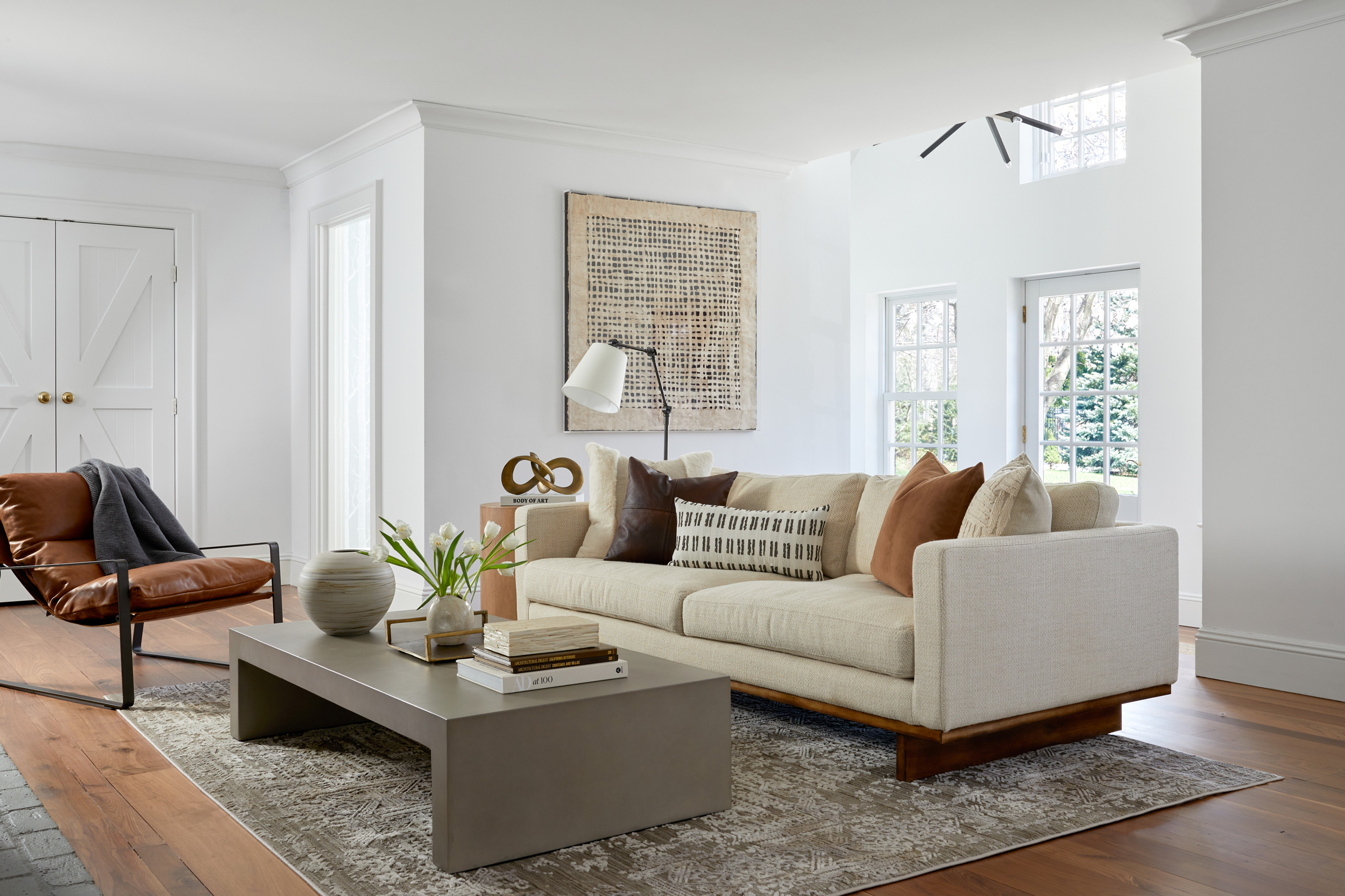
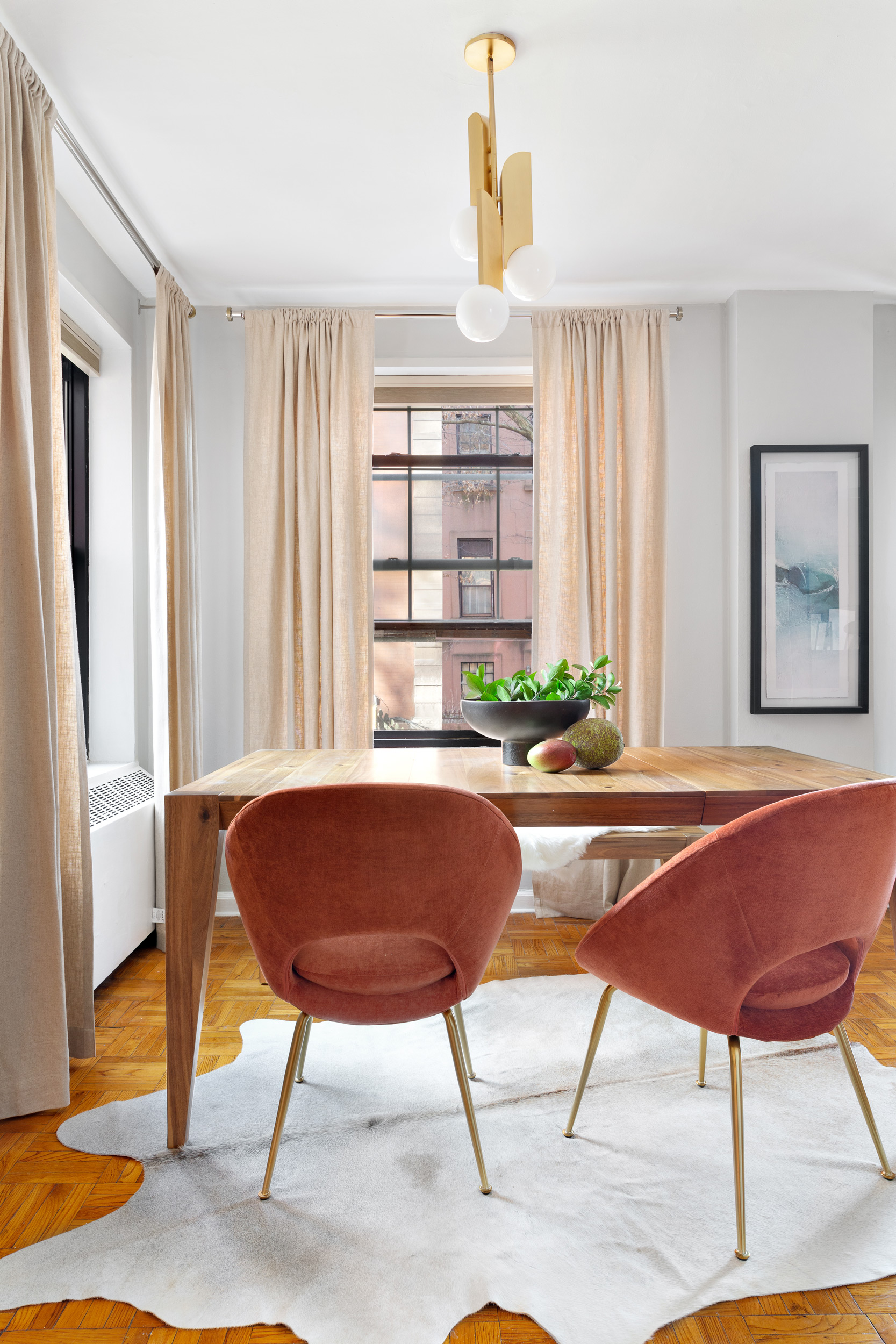

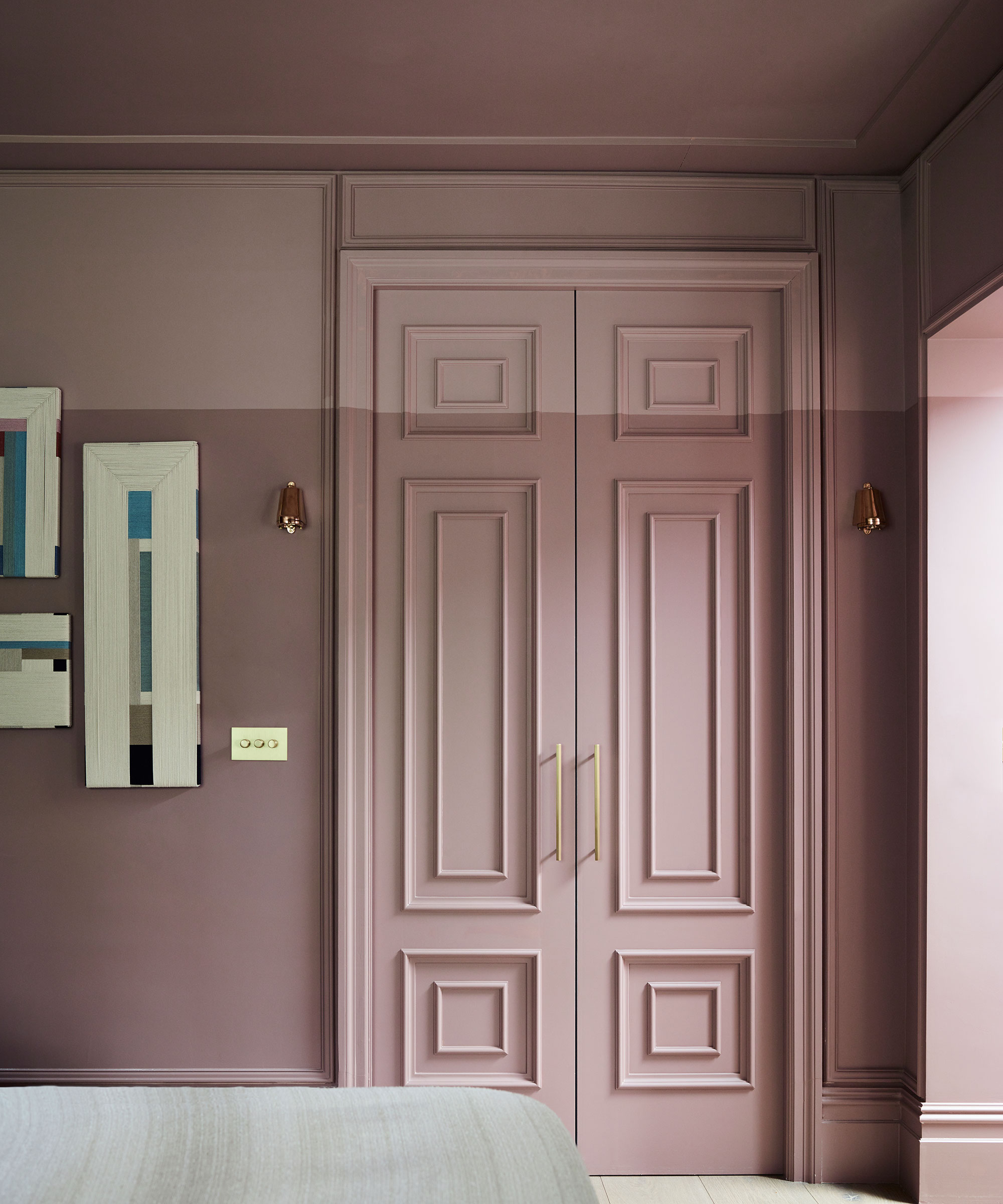
Flat finish, for instance, reflects minimal light, effectively concealing wall imperfections such as hairline fractures. However, its lower cleanability makes it best suited for low-traffic areas like ceilings, adult bedrooms, or formal dining rooms, where its ability to hide flaws is highly valued. Matte finish, a step up in durability from flat, also conceals imperfections well but is easier to clean, making it a popular choice for bedrooms, living rooms, and offices to achieve a sophisticated, modern look. Velvet finish provides a subtle luster, offering a sense of luxury and depth without excessive shine, ideal for intimate spaces like home libraries, parlors, or formal foyers.
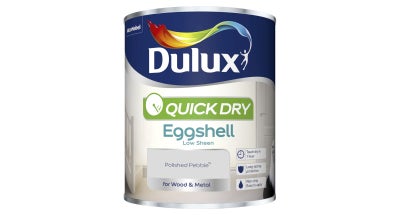
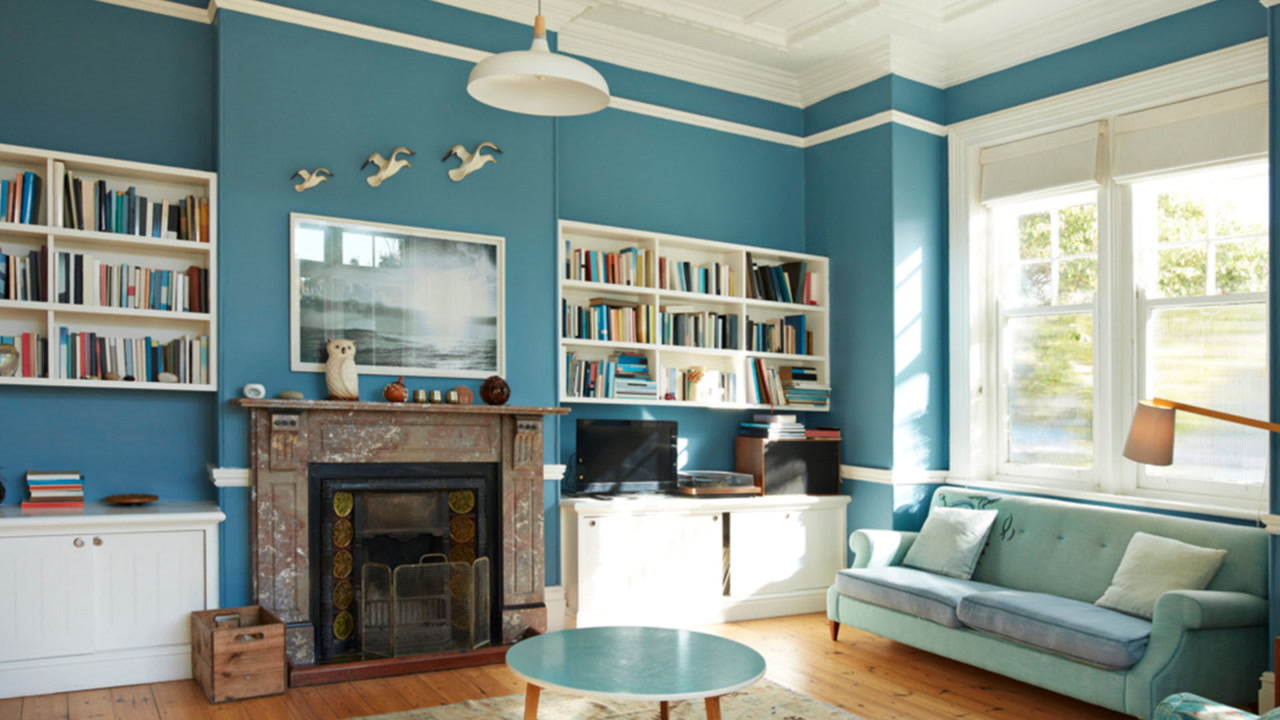
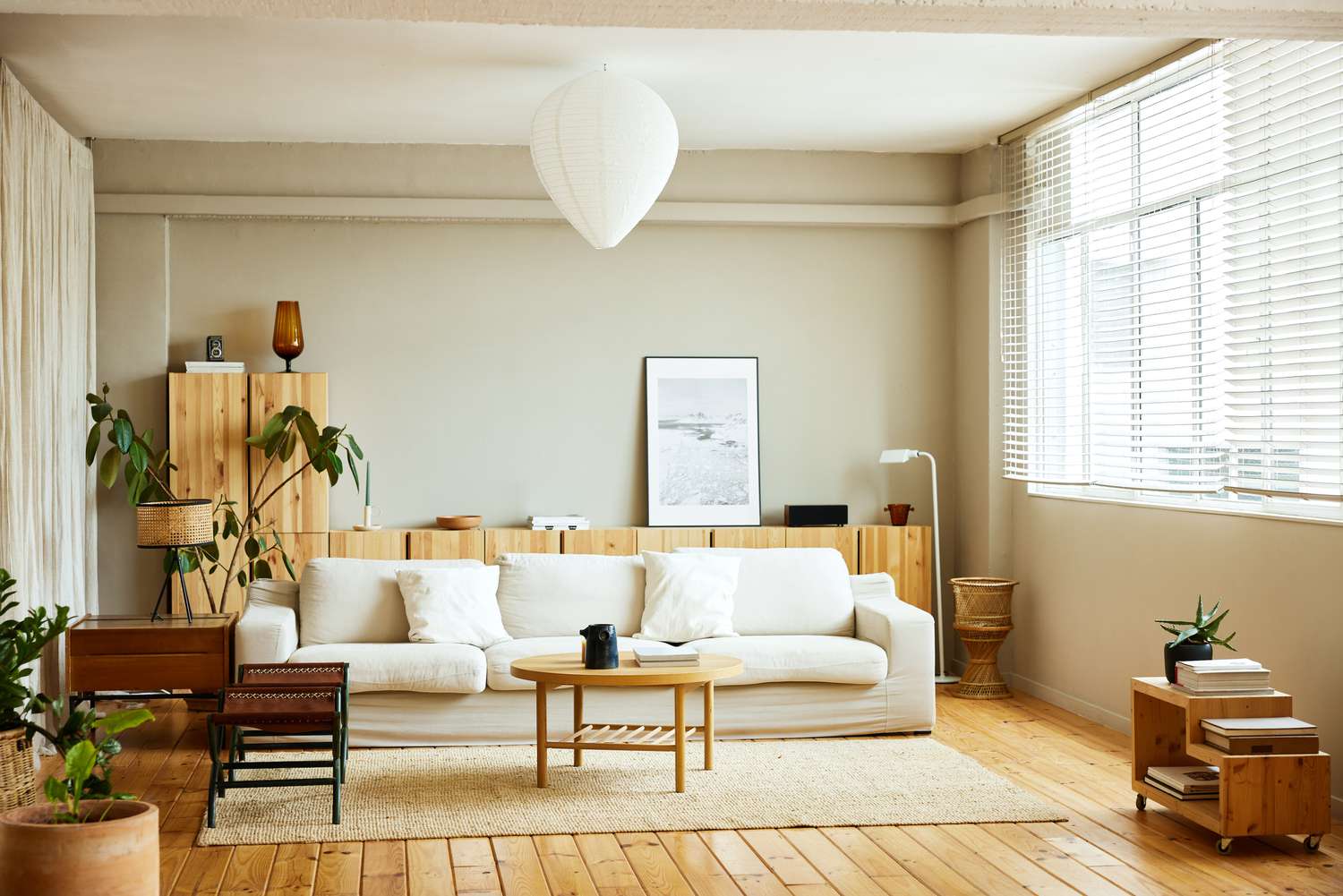
Eggshell finish strikes a balance, offering a soft, low sheen that adds elegance while being durable and effective at hiding scratches and scuffs. This makes it a versatile option for general interior walls, including hallways and family rooms. Low luster provides a minimal sheen, similar to eggshell, and is often applied to exteriors or muted interior spaces, though its susceptibility to showing scuffs requires consideration for maintenance. Pearl finish offers understated elegance with a soft glow and more depth than satin, making it suitable for entryways where a warm, welcoming ambiance is desired.
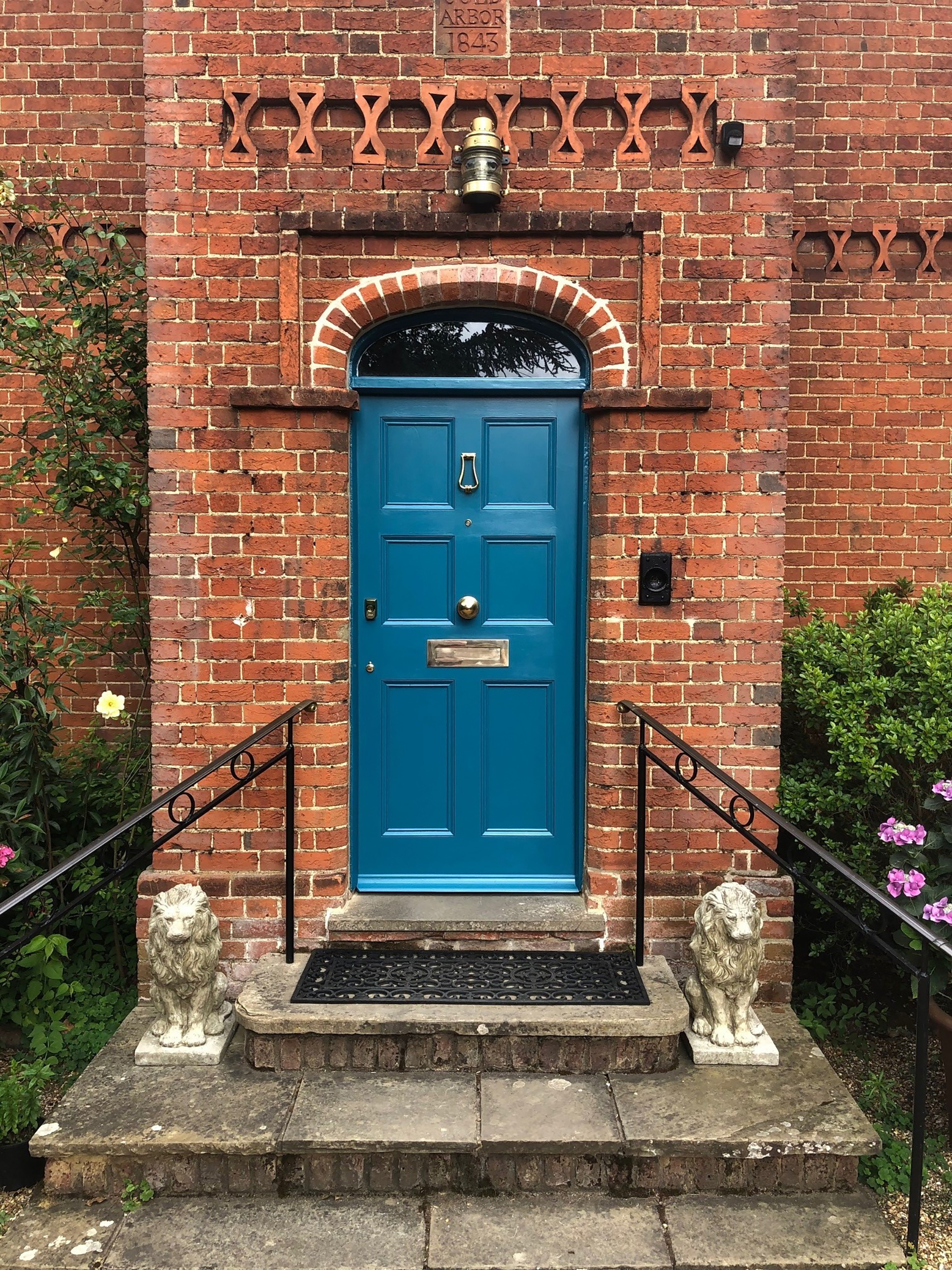
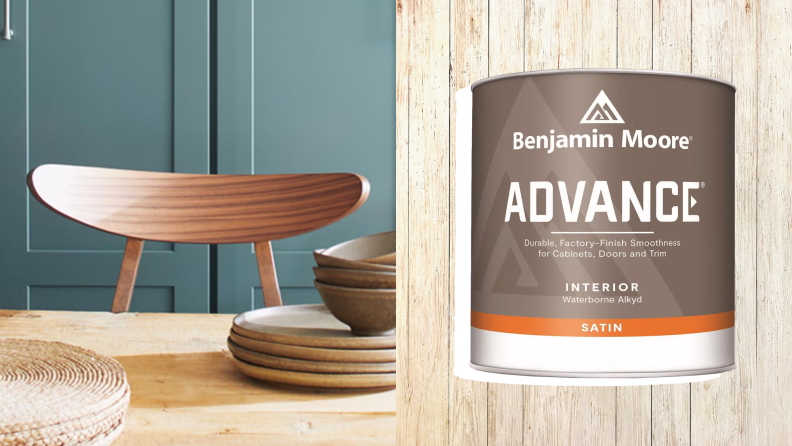
Satin finish is highly practical due to its ease of cleaning and slight gloss, making it perfect for high-traffic areas like kids' rooms, kitchens, and bathrooms. It can also enhance the perception of space in smaller rooms. Medium luster is primarily used for exteriors, offering high reflectivity and durability for surfaces like doors, shutters, and fences, and can also be used on durable interior walls where more sheen than satin is desired without reaching semi-gloss levels.
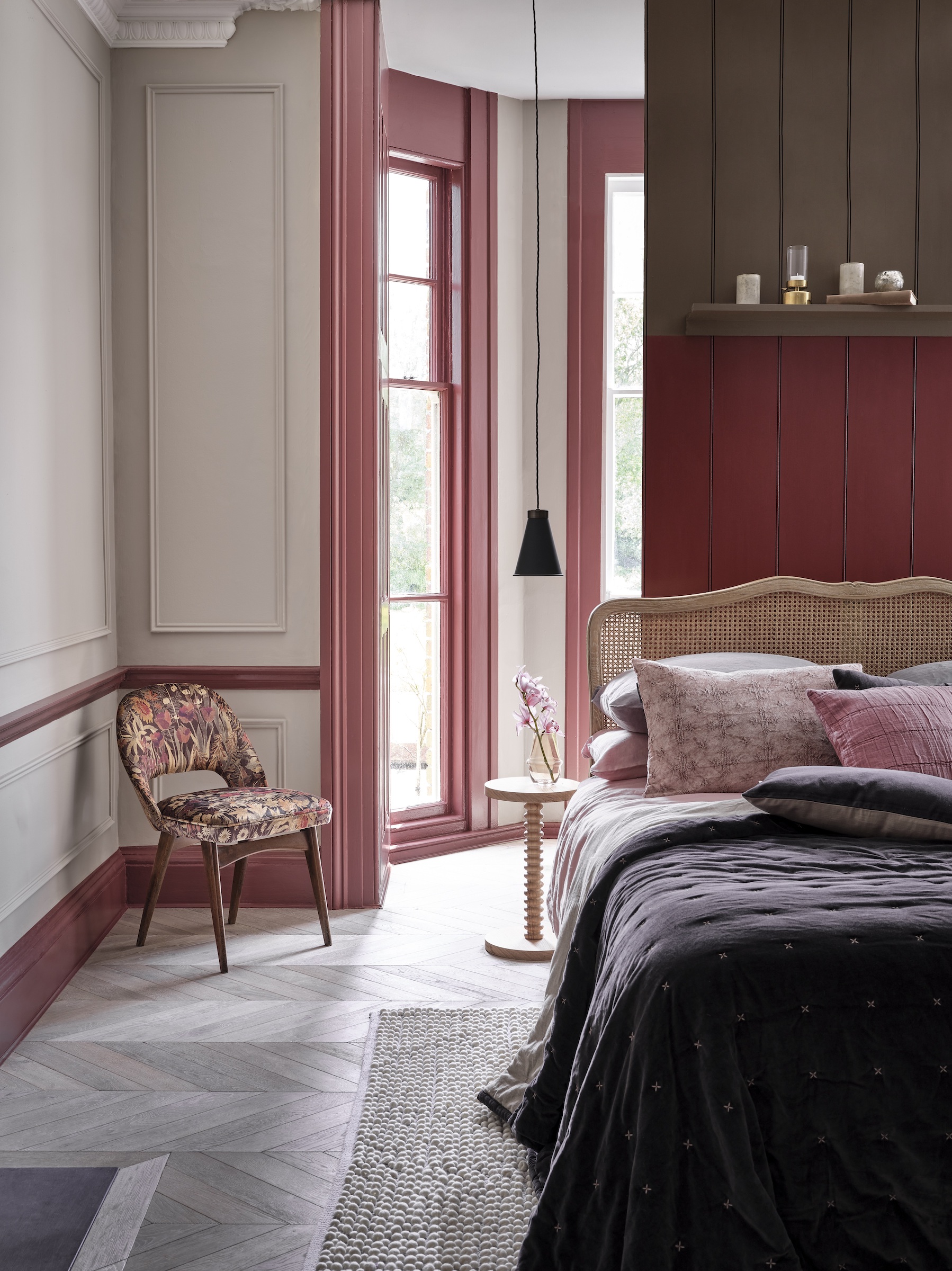
Semi-gloss finish provides a noticeable shine, boasts moisture resistance, and is exceptionally durable. These qualities make it an excellent choice for humid environments like bathrooms, as well as for trim, doors, and cabinetry, where it can withstand scuffs and is easy to clean without being overly reflective. Gloss and high gloss finishes create a dramatic, lacquered effect, turning surfaces into focal points. While highly durable and easy to clean, they demand perfectly smooth surfaces as they magnify any imperfections. Gloss is often used on furniture, cabinets, and trim for a grand statement, while high gloss, though impactful for cabinets, furniture, and doors, is generally advised against for ceilings and large wall areas to avoid a clinical appearance, emphasizing the need for caution and meticulous surface preparation.
#PaintFinishes #InteriorDesign #HomeImprovement #PaintSelection #WallPaint #SheenLevels #Durability #HomeDecor #Renovation #PaintFinishes #InteriorDesign #HomeImprovement #PaintSelection #WallPaint #SheenLevels #Durability #HomeDecor #Renovation
0 comment in total
 No comments yet
You may also like
Paint finishes explained – an expert guide to choosing the perfect type of paint for your projects

Interior Paint: A Guide to Buying the Best Paints for Your Home


Interior Paint

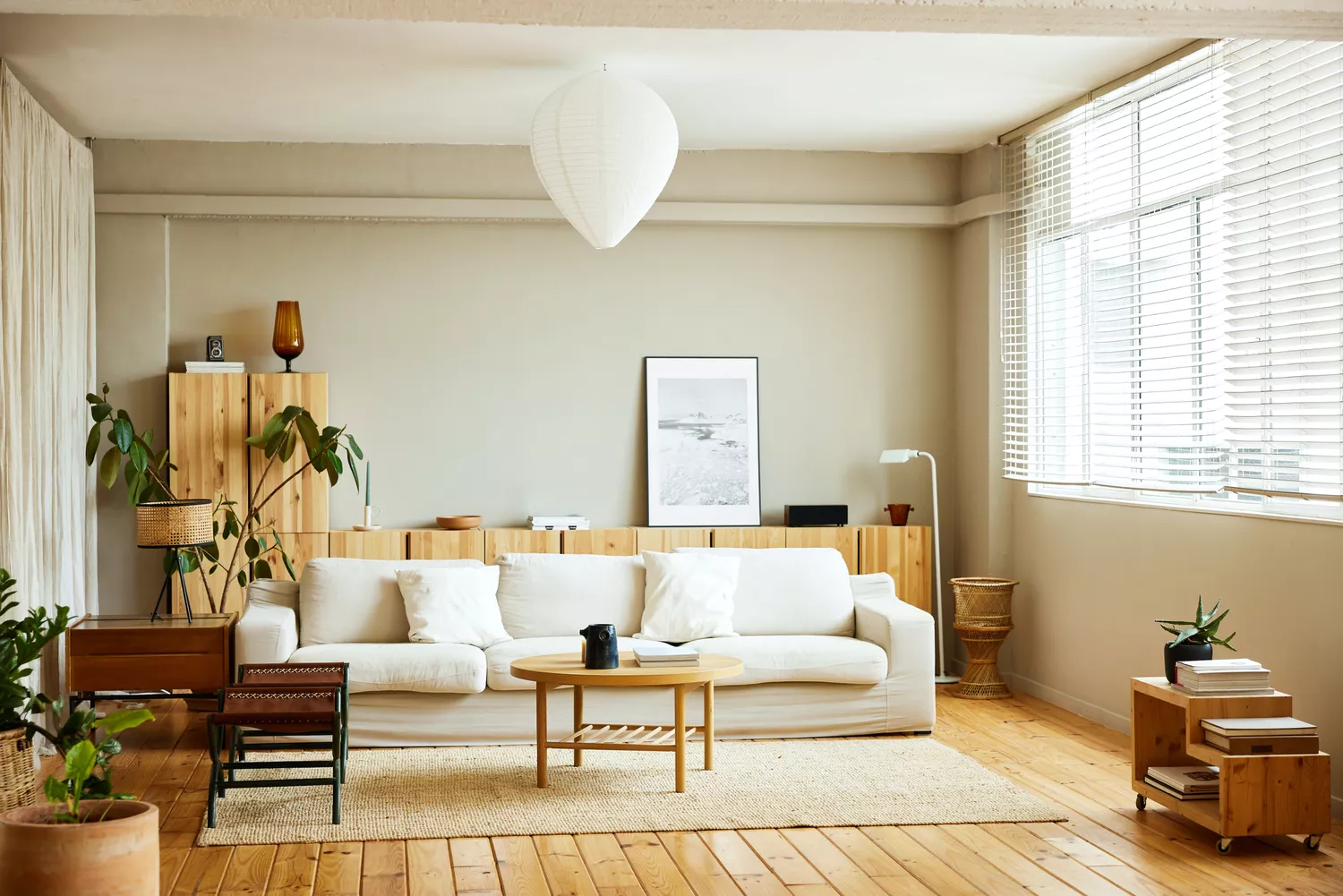
How to Choose the Best Paint Finish for Every Area of Your Home, From Kitchen Cabinets to Bathroom Walls
Understanding paint finishes
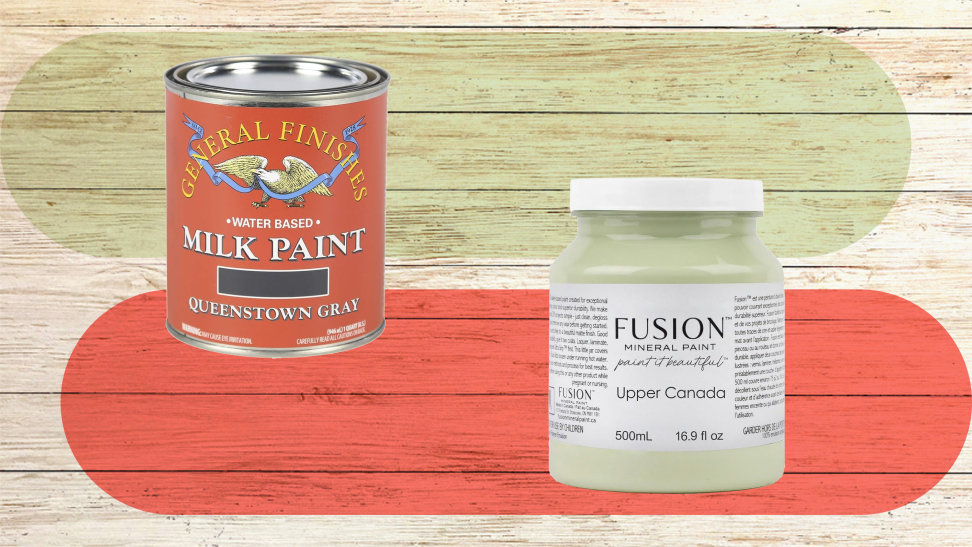
The Best Furniture Paint of 2026

The Right Paint Finish Can Actually Help Your Home Look Cleaner—Here's How

Paint tricks – 10 painting tips and techniques loved by the experts

Paint finishes – a guide for every room

5 different paint finishes, from flat to high-gloss, and when to use them
These Master Tips Will Help You Avoid Choosing The Wrong Type Of Paint
Best paint for furniture: 8 best furniture paints

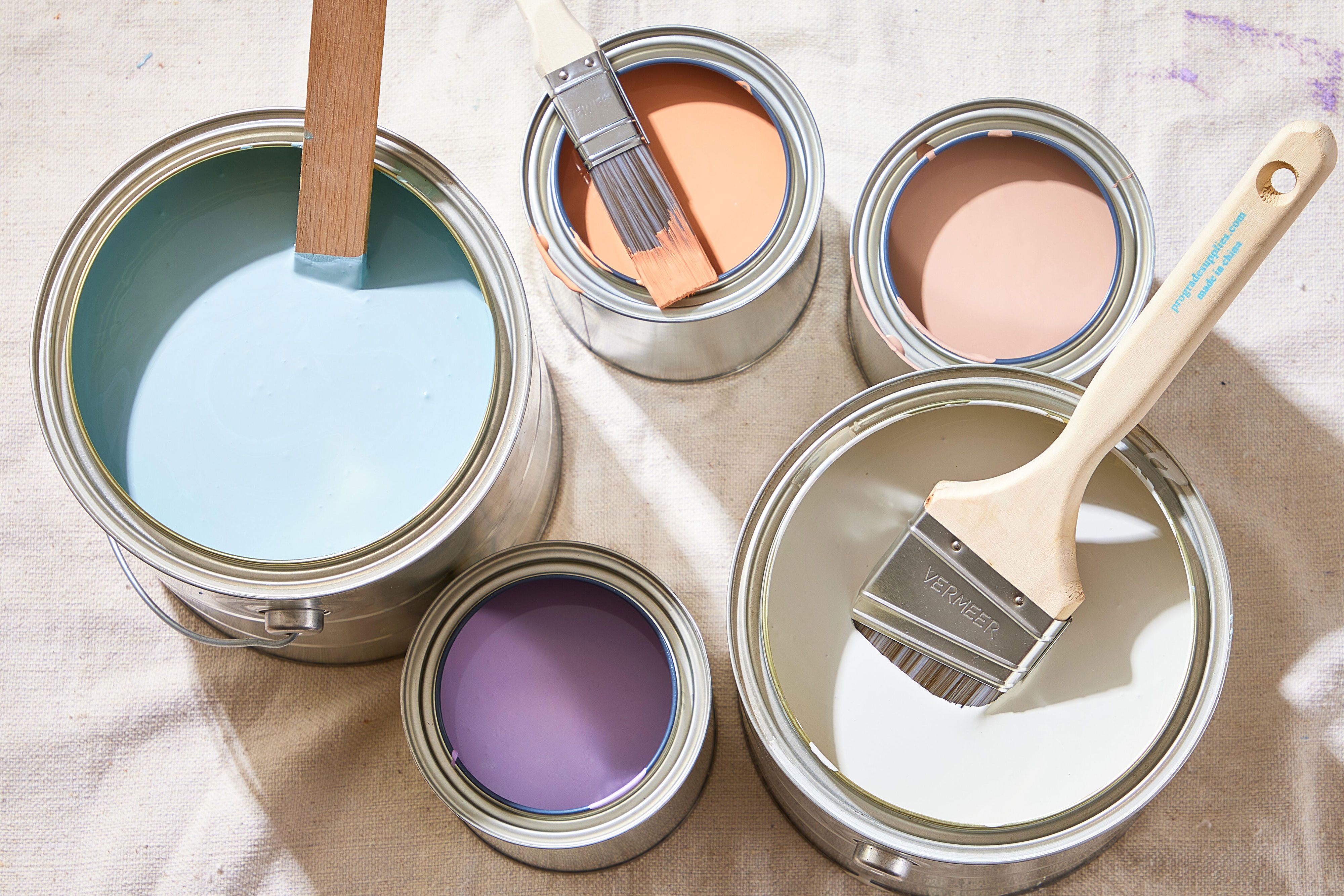
Types of Paint: A Guide to Paint Finishes and Surfaces

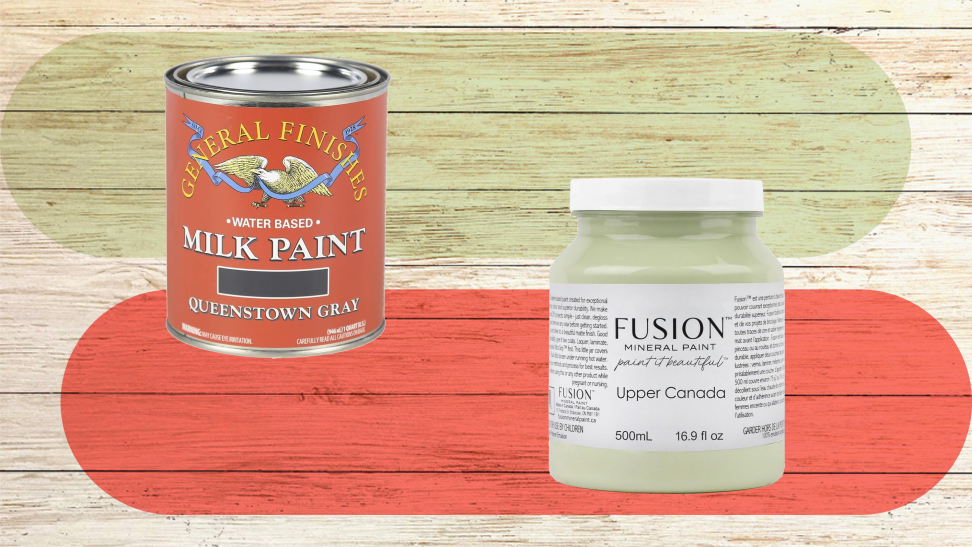
The Best Furniture Paint of 2025
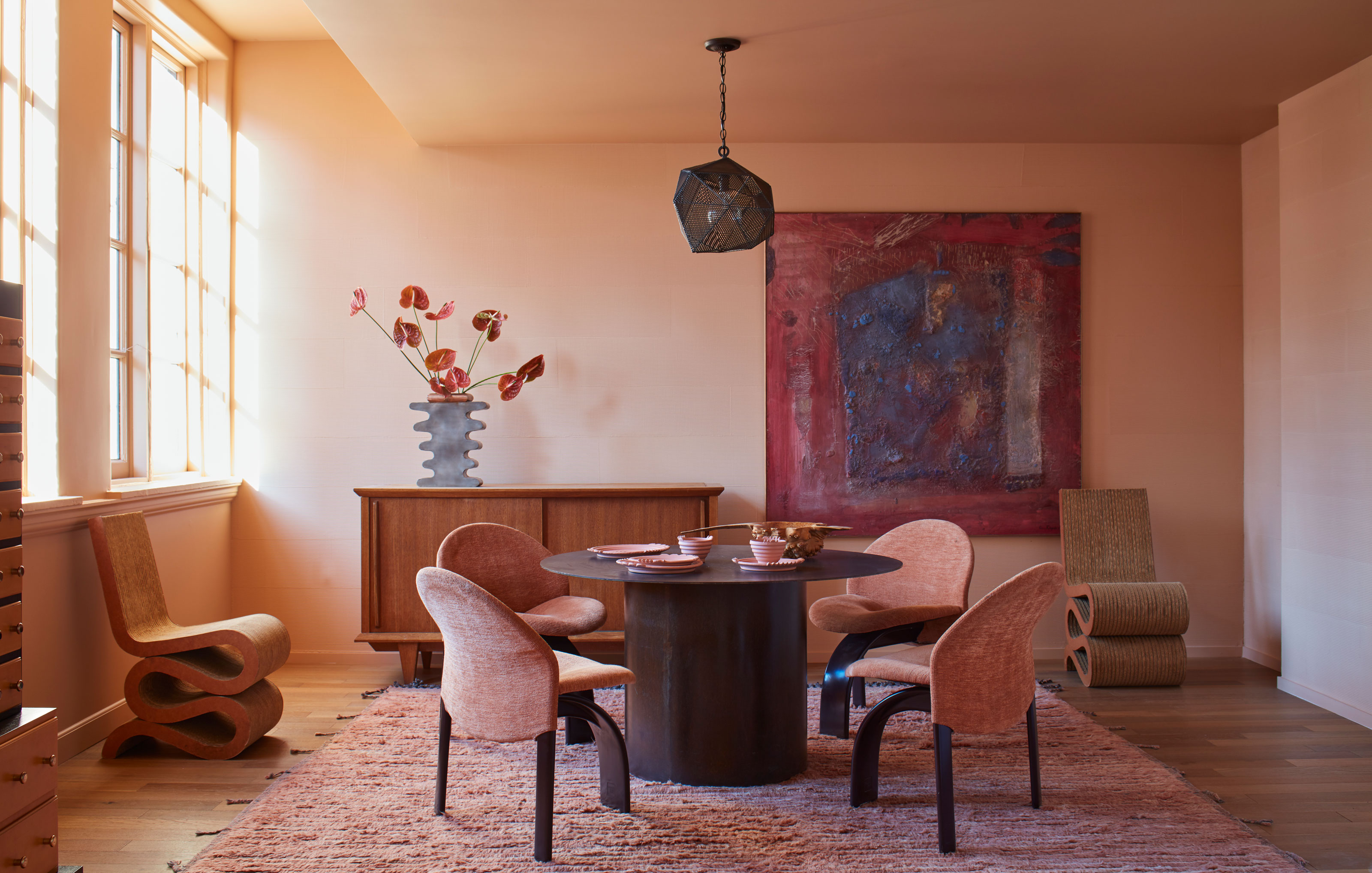
Paint color ideas for every room – experts explain the best choices for different spaces
Undercoat & Primer Paints
Designers Share Their Tried-and-True Shades From the Best Interior Paint Brands
The Best Spray Paints for Your DIY Projects

12 top interior painting tips from experts – for a flawless, fabulous finish
How To: Choose a Paint Finish