1/12
Practical ways to make panelling look good
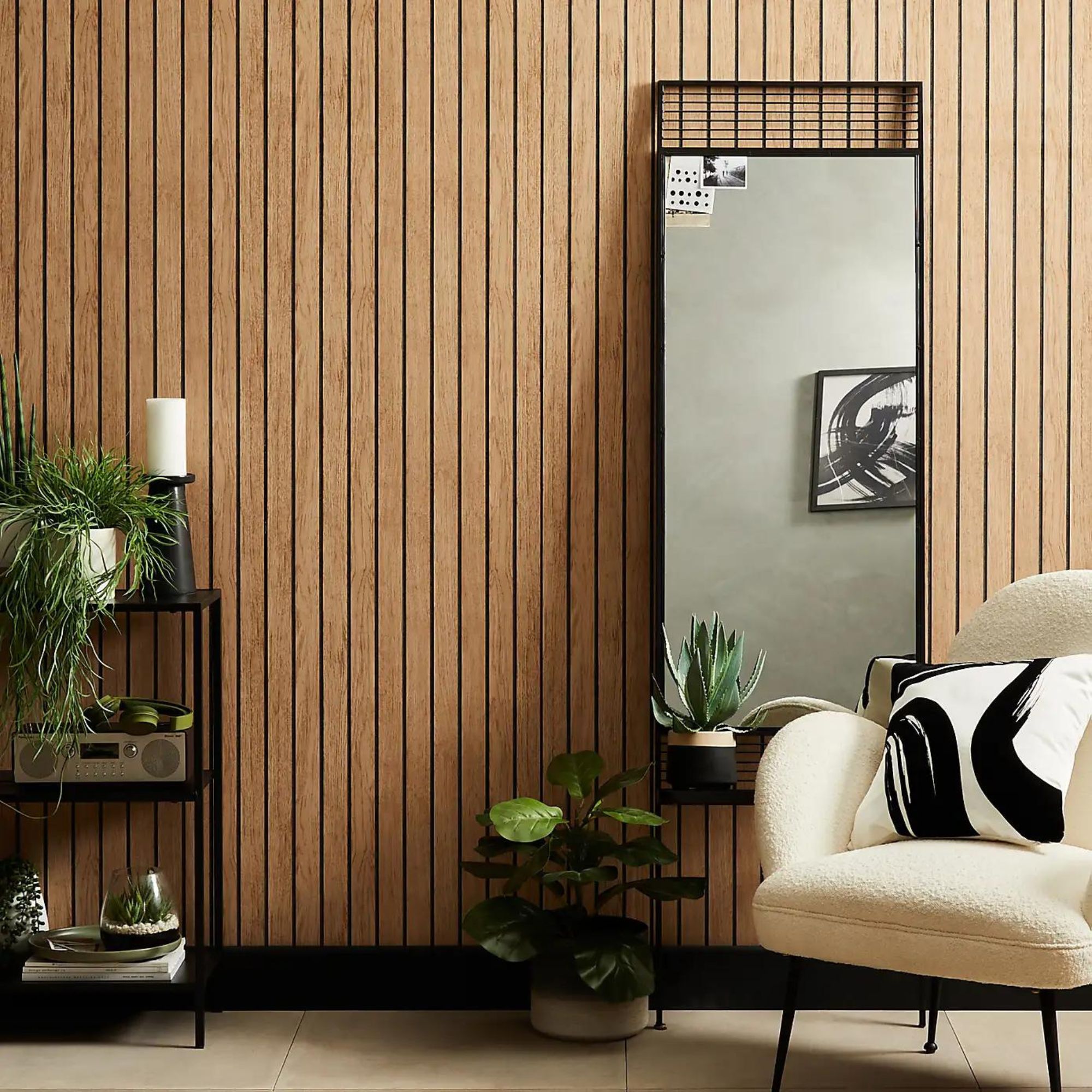
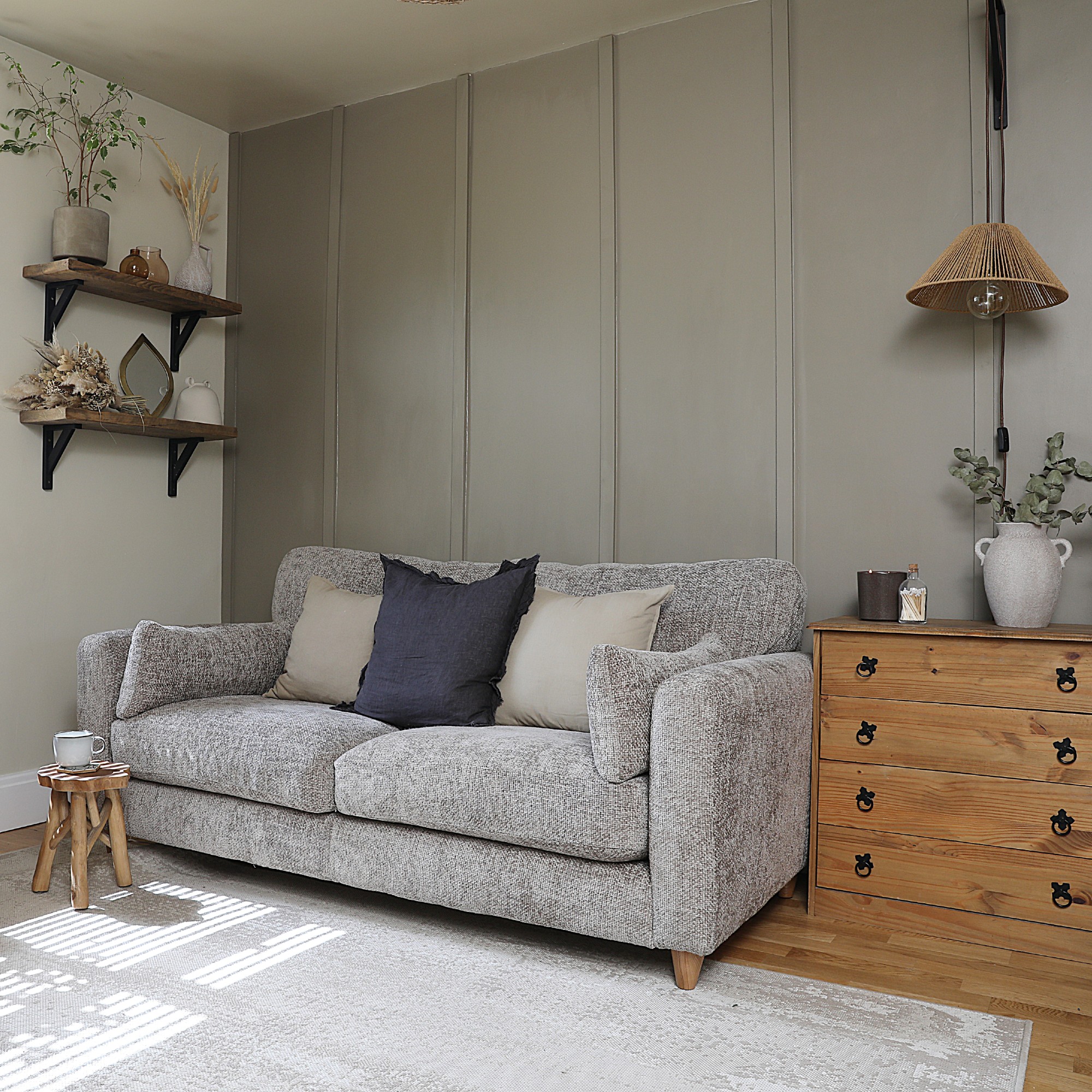
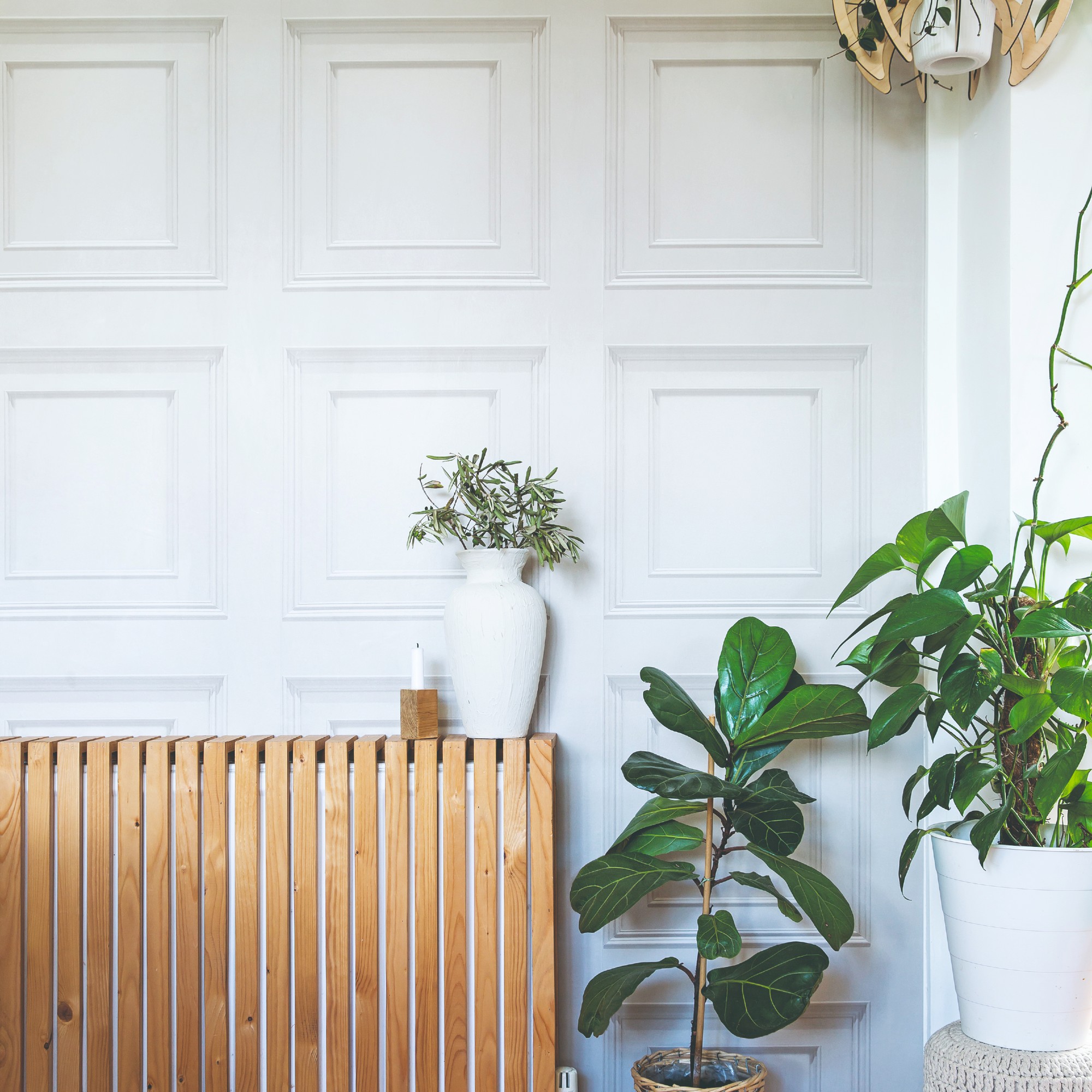
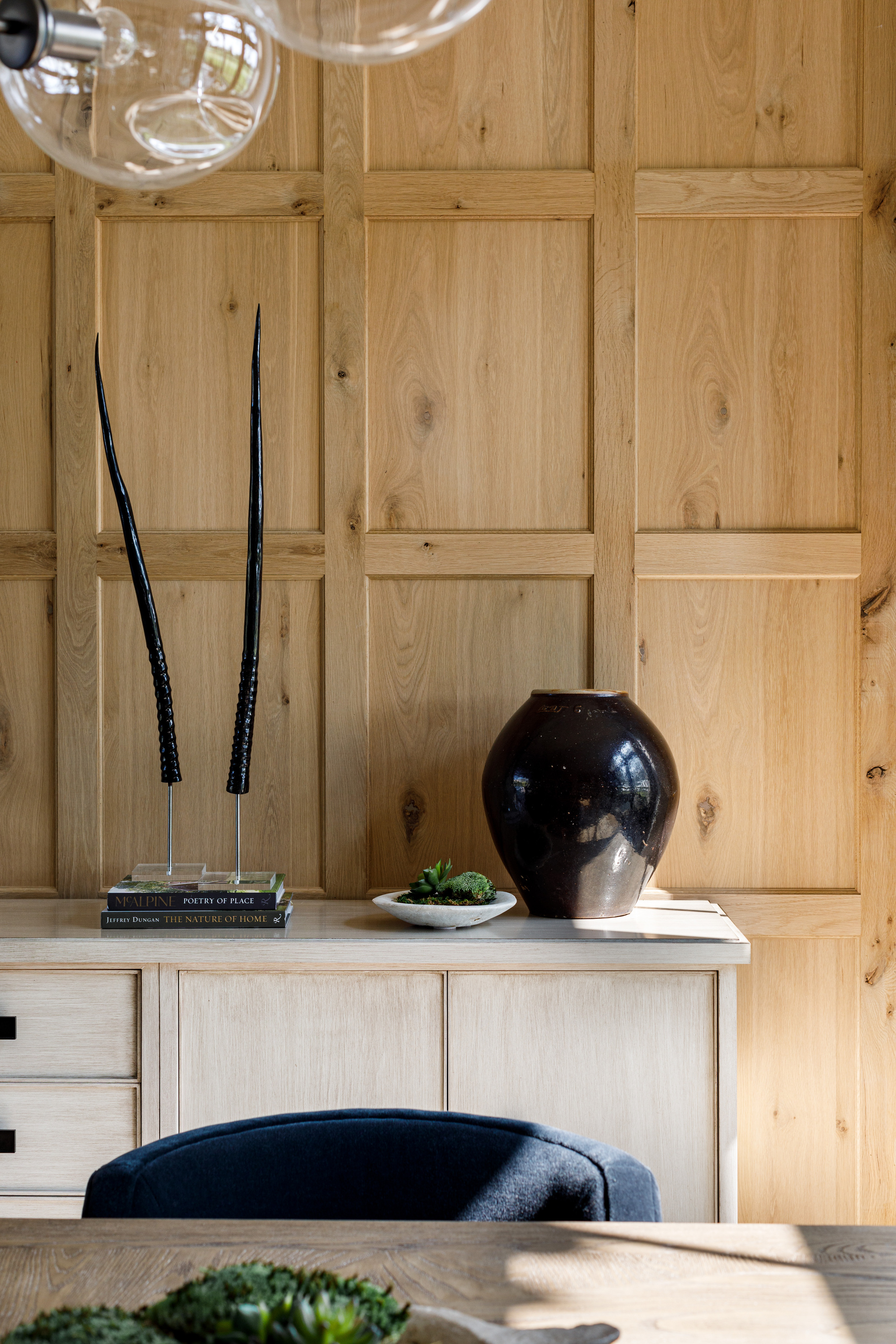
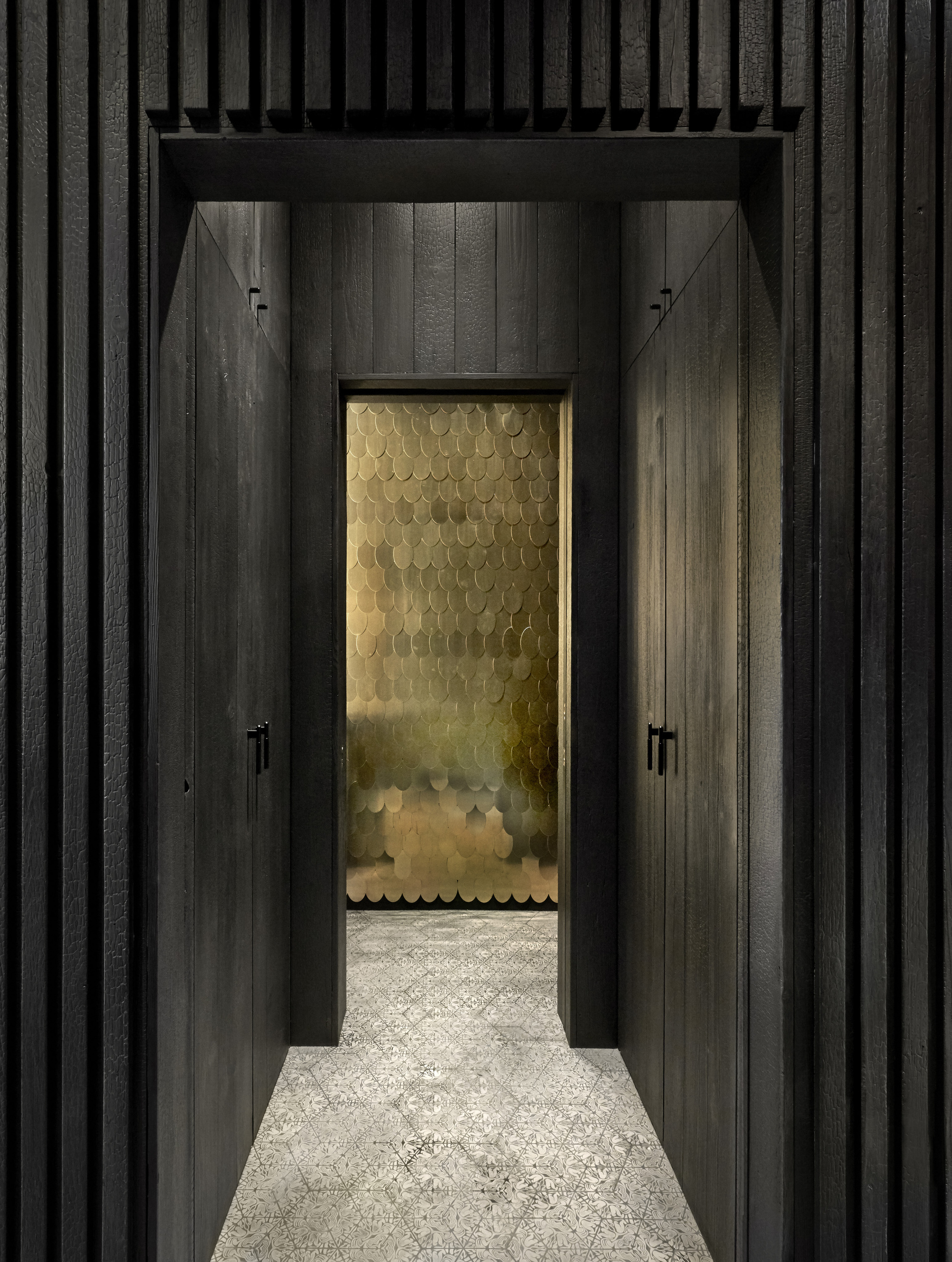
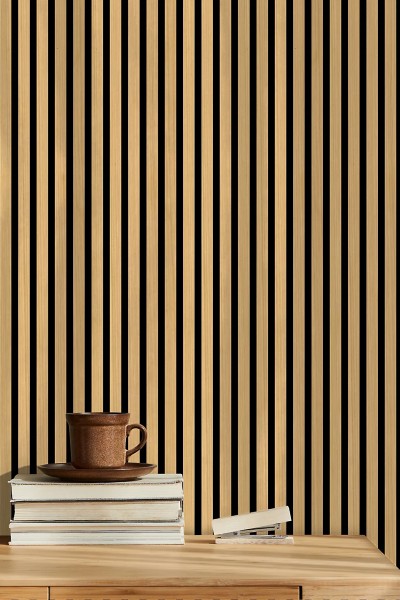
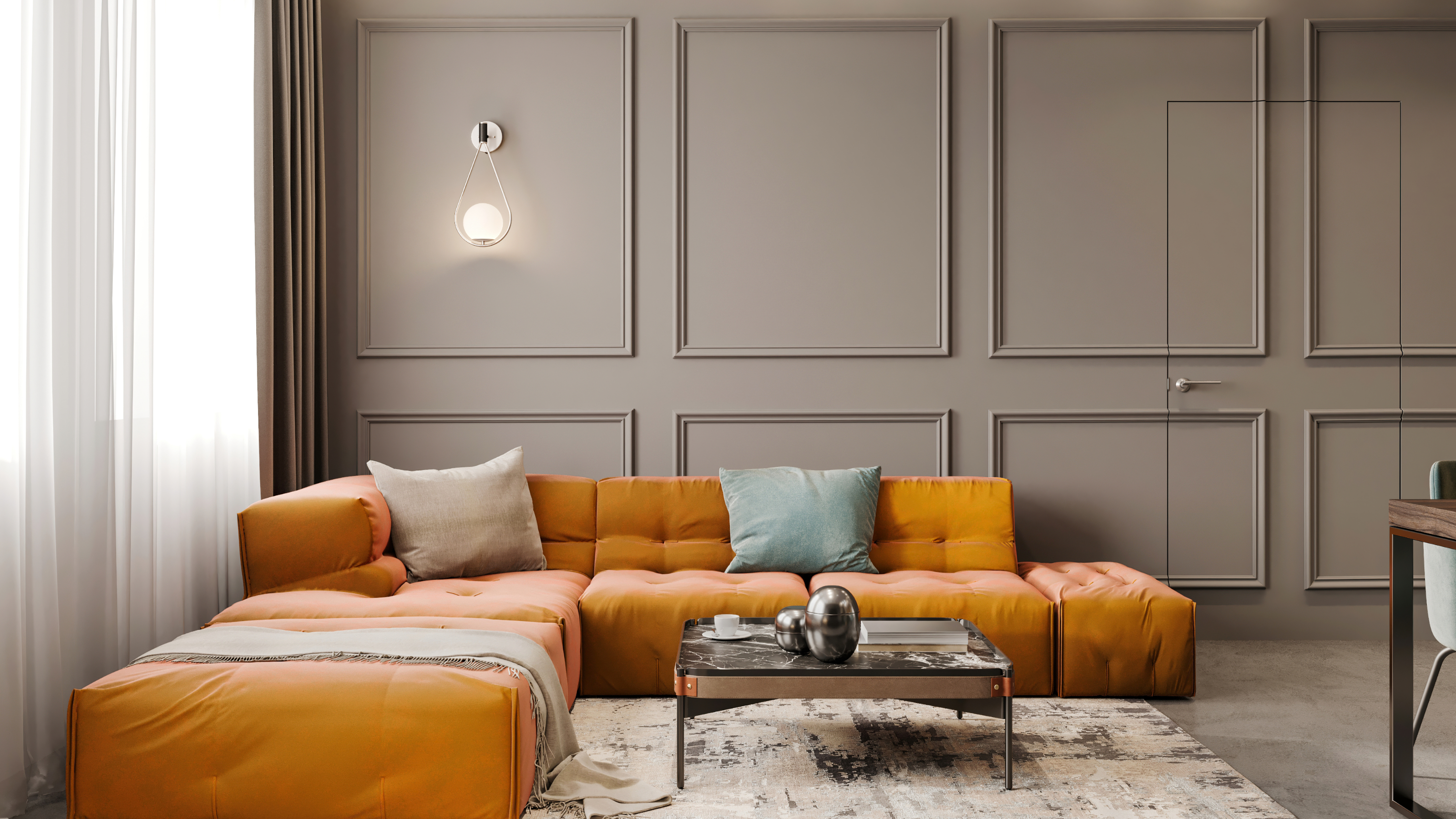
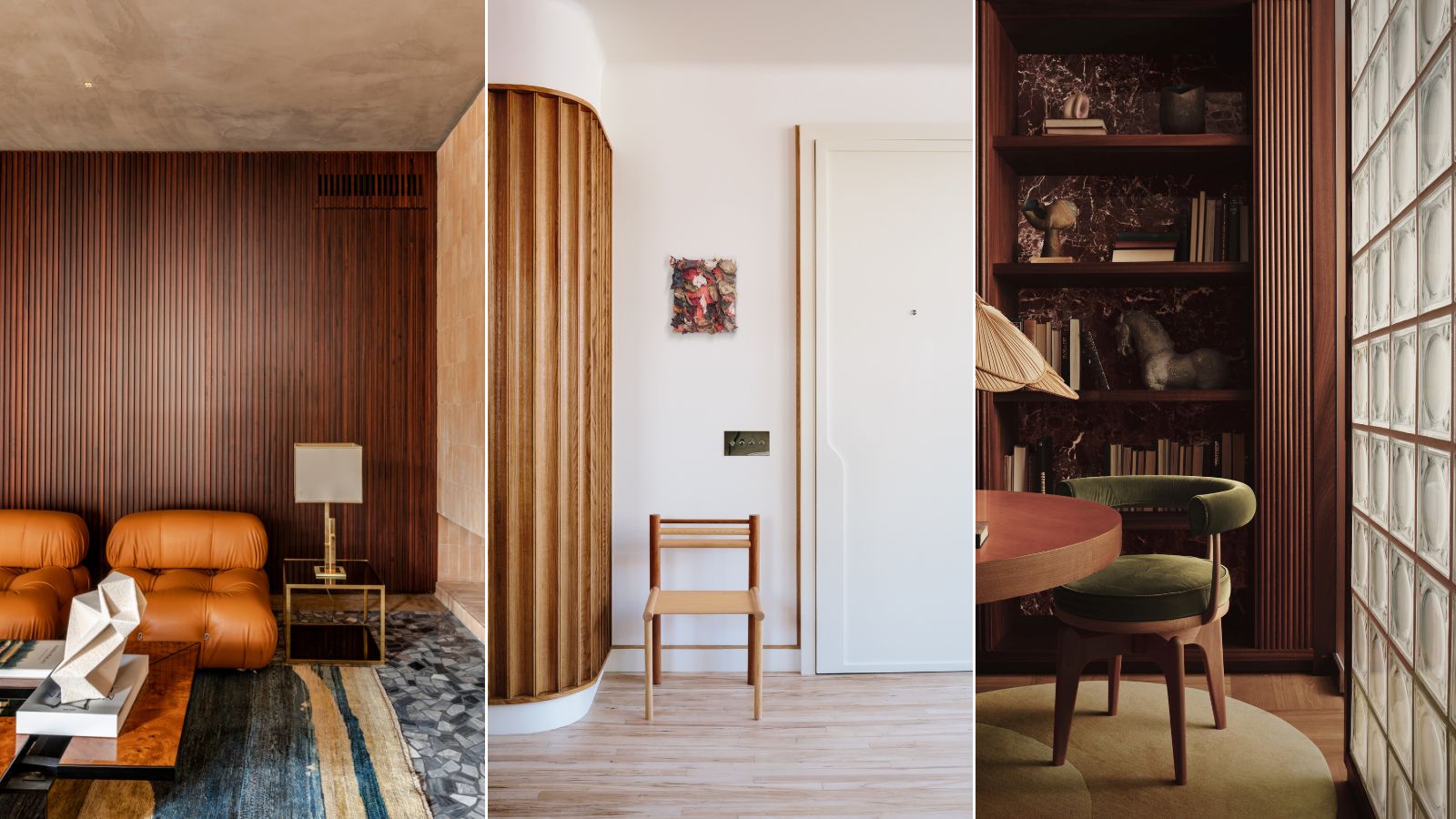
Panelling offers a practical and aesthetically pleasing wallcovering solution for various areas of the home, providing both visual interest and functional benefits. It effectively conceals imperfect surfaces, adds an insulating layer, and instantly introduces character to otherwise uninspiring interiors. Interior designers frequently use panelling to infuse warmth and texture into their schemes, yet it remains accessible through inexpensive MDF panels from various retailers. This versatility positions panelling as a valuable home improvement option, especially in times of economic constraint.
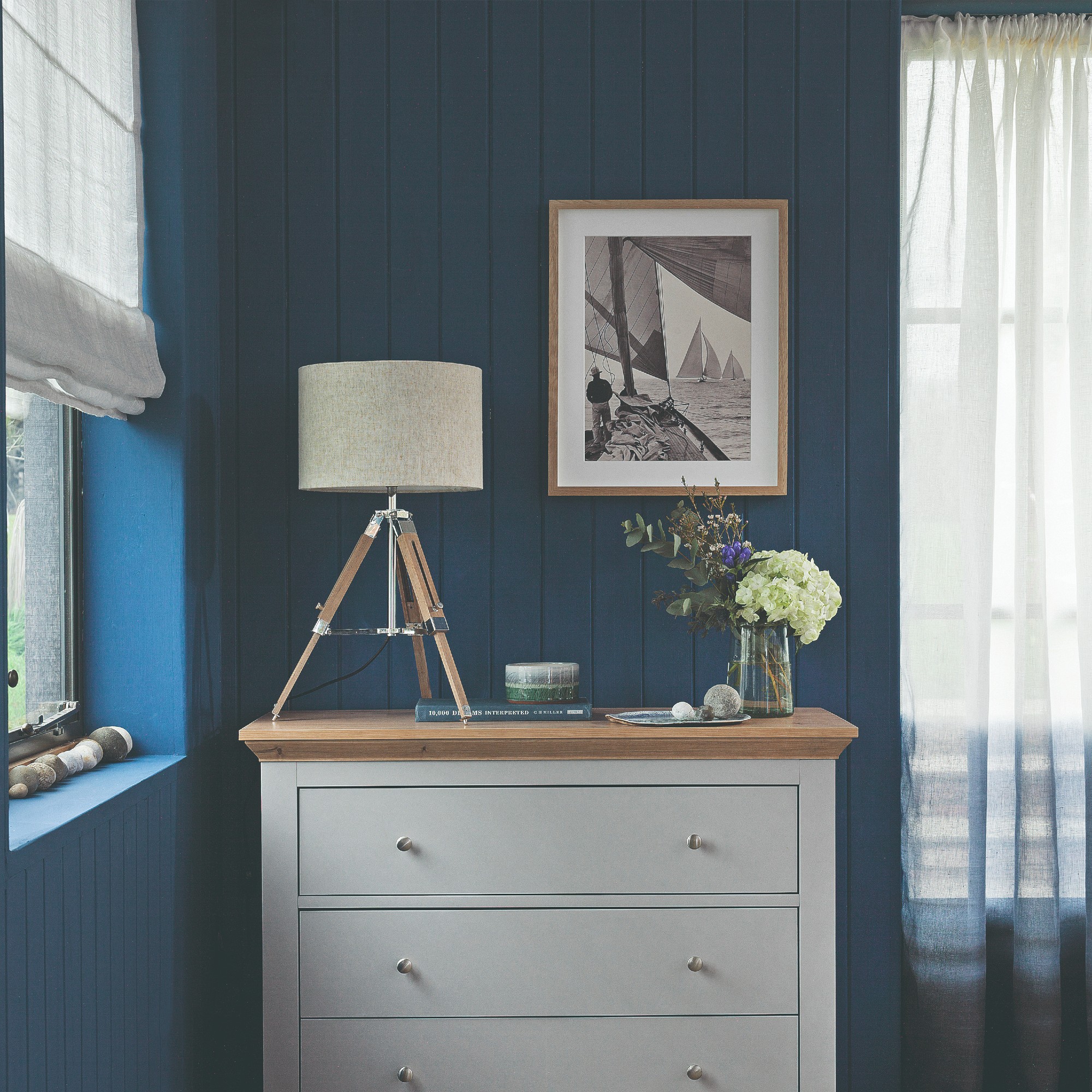
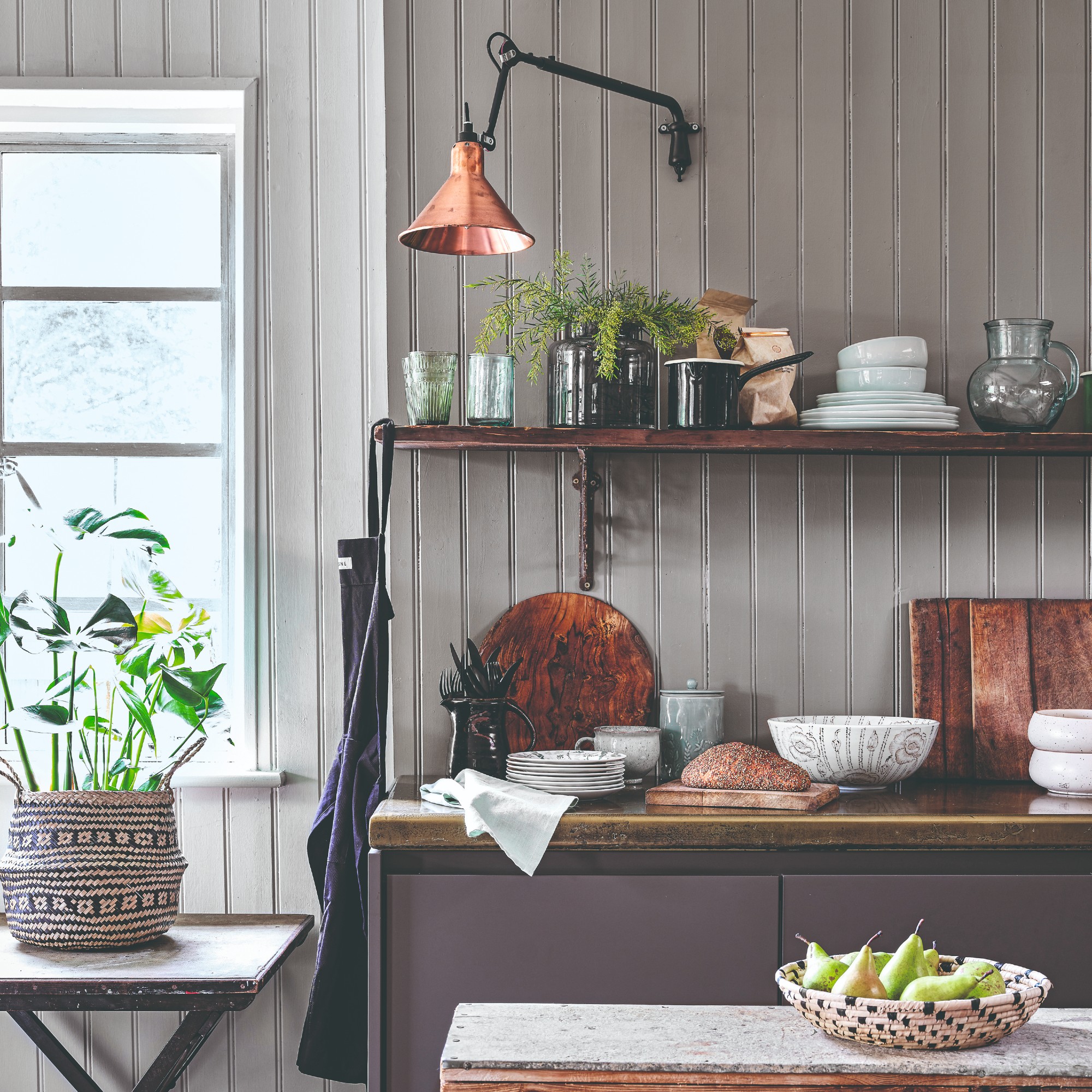
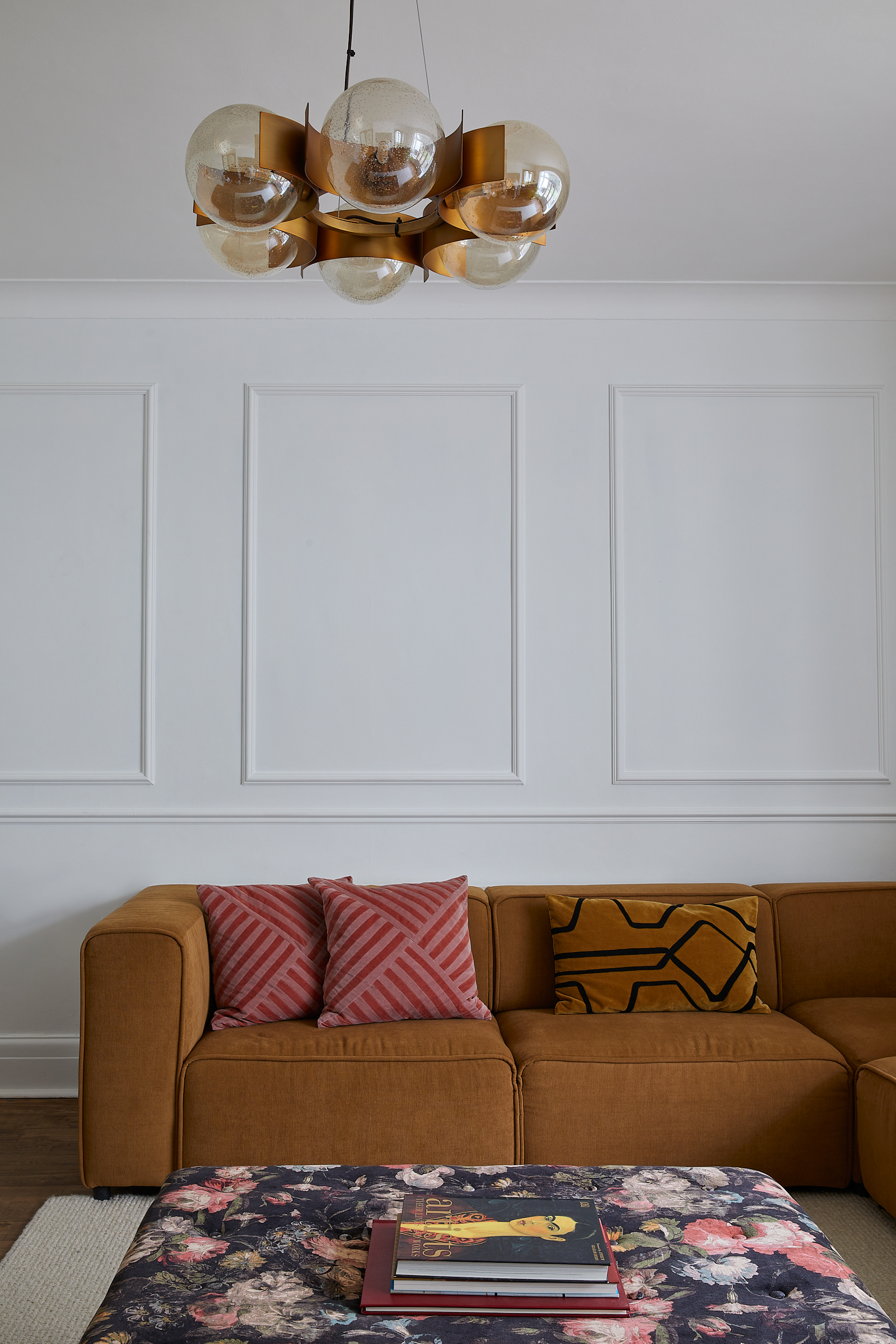
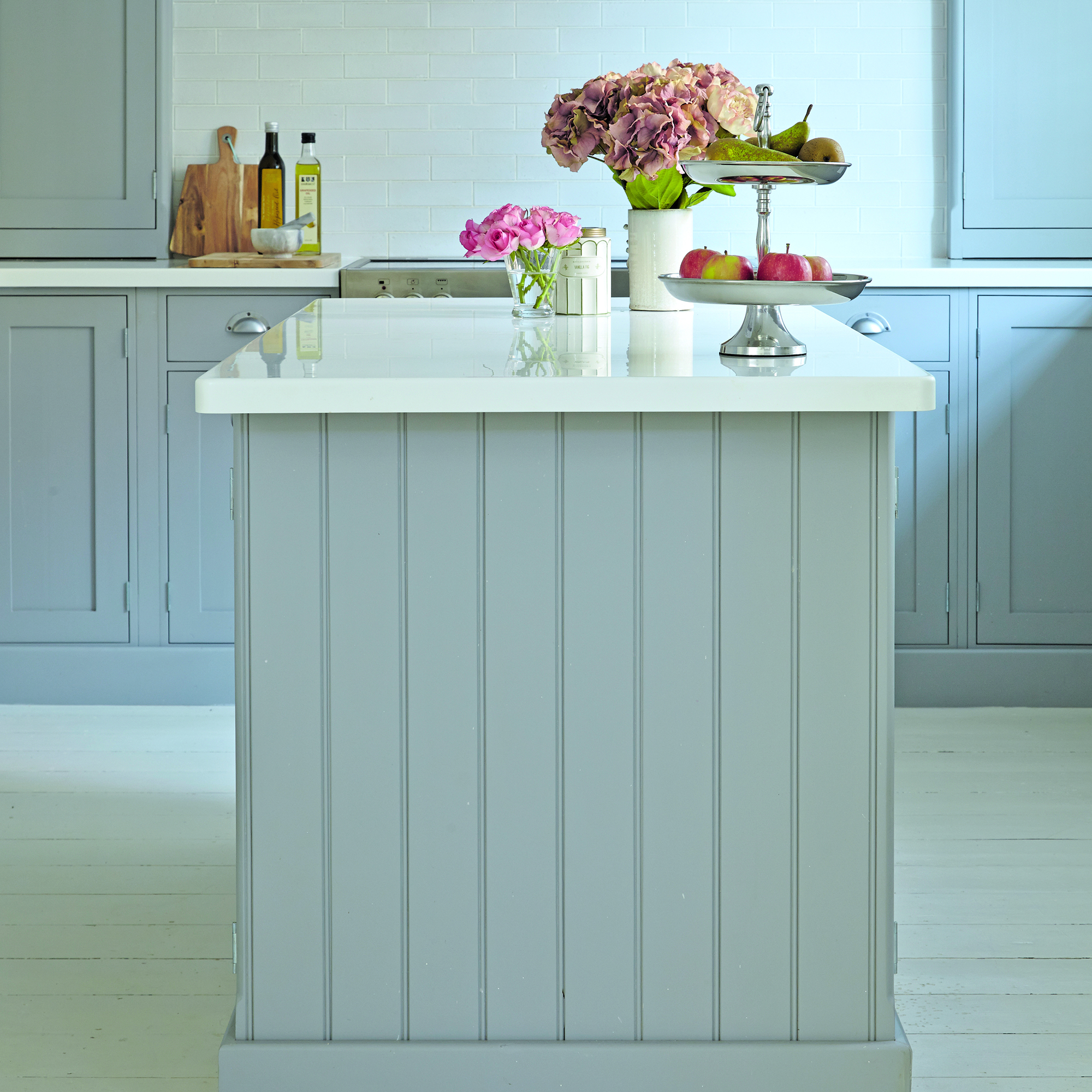
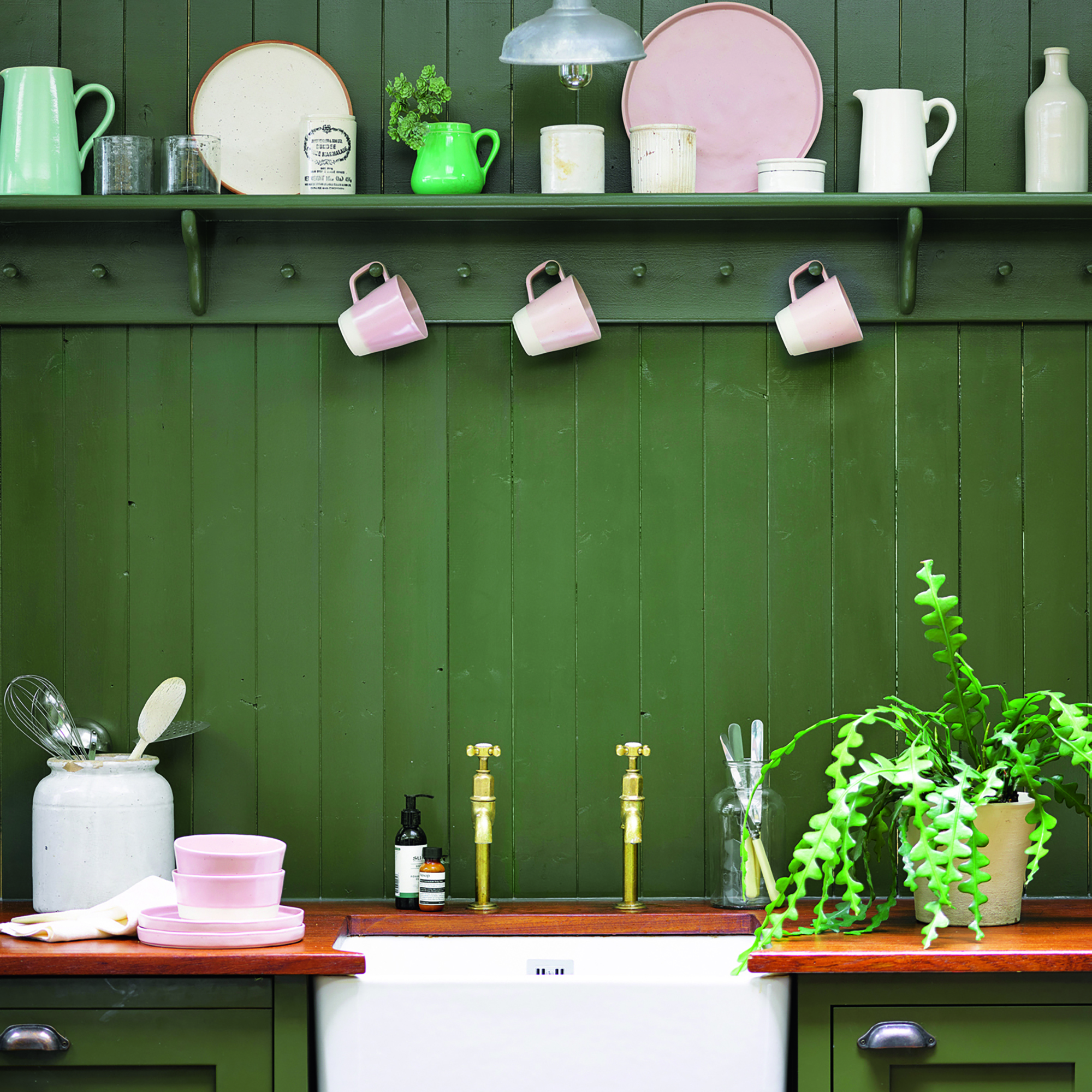
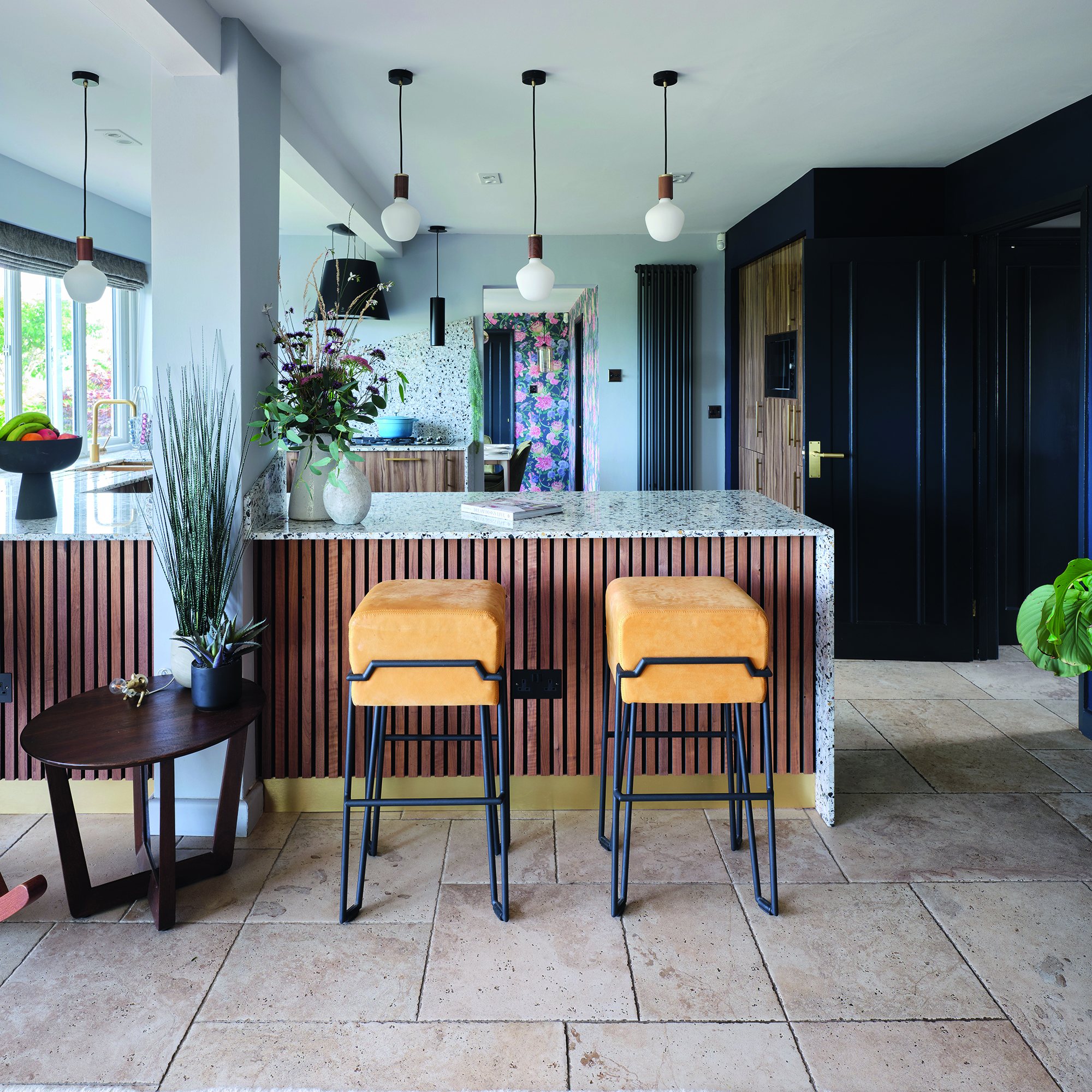
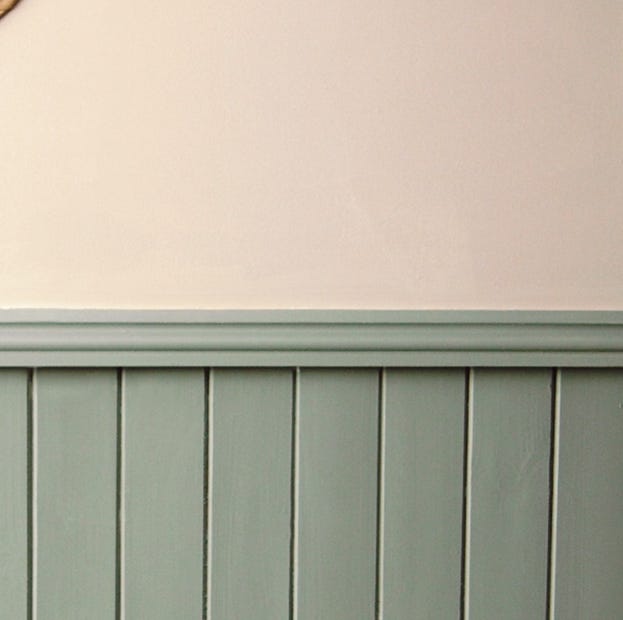
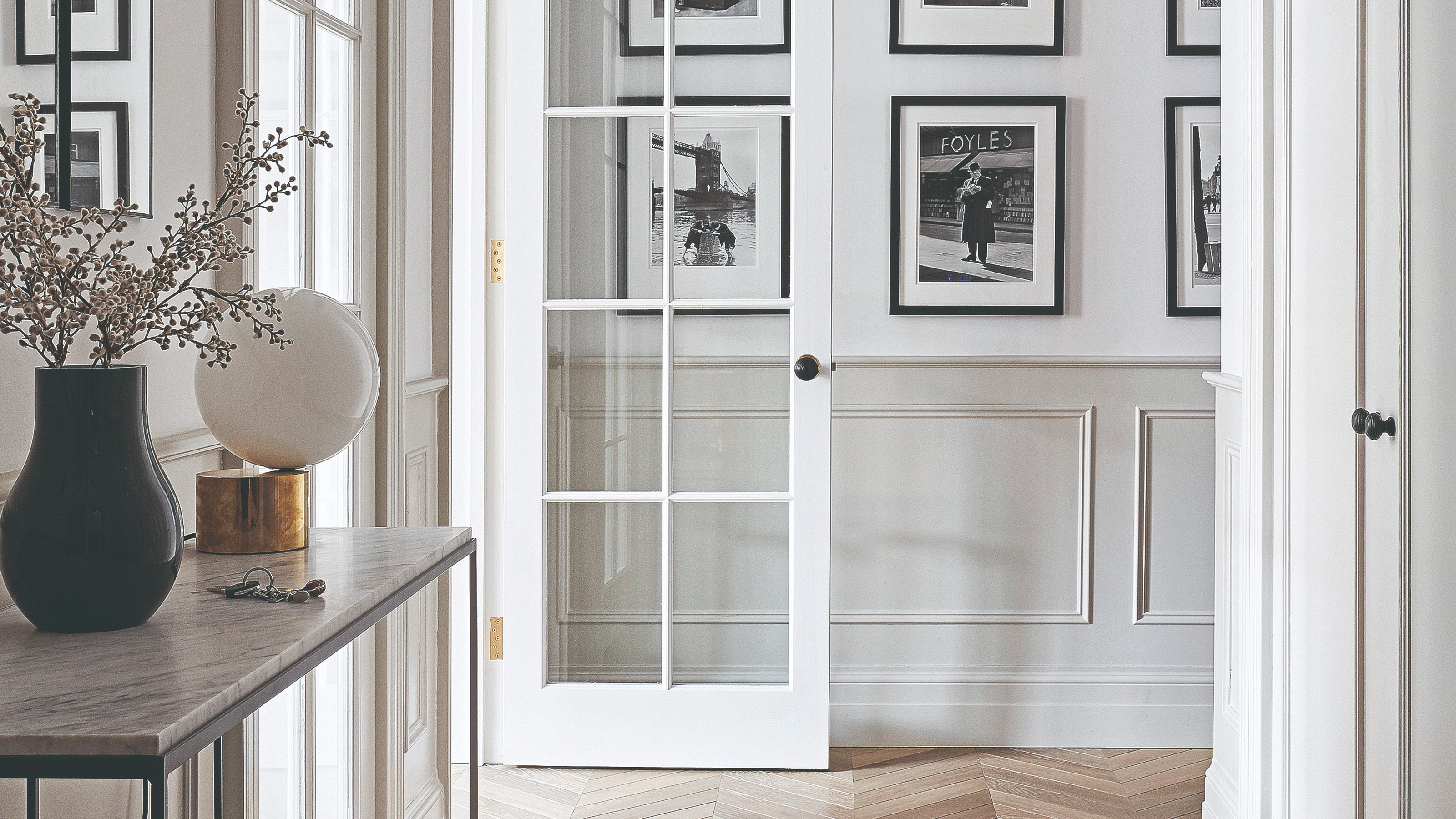
In kitchens, panelling is a popular choice, notably in projects by Plain English, a company known for its Georgian-inspired cabinetry. Merlin Wright, design director at Plain English, highlights panelling's humble origins in covering damp or uneven walls. He favors plain tongue-and-groove cladding or wainscoting, which covers the lower half of walls. Wright emphasizes that a simpler, undecorated approach ensures a timeless look that complements both modern and traditional designs, avoiding the impression of a period reconstruction.
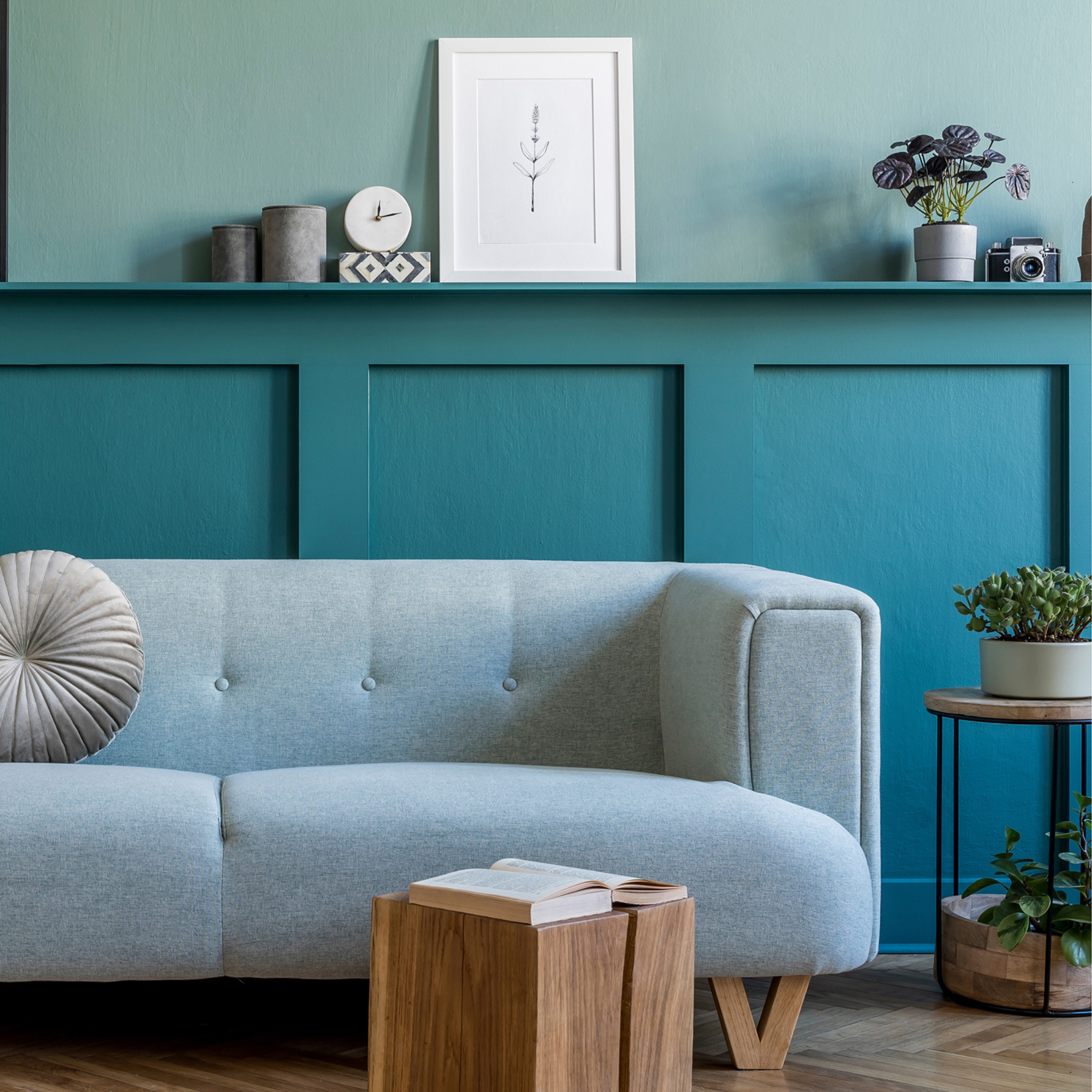
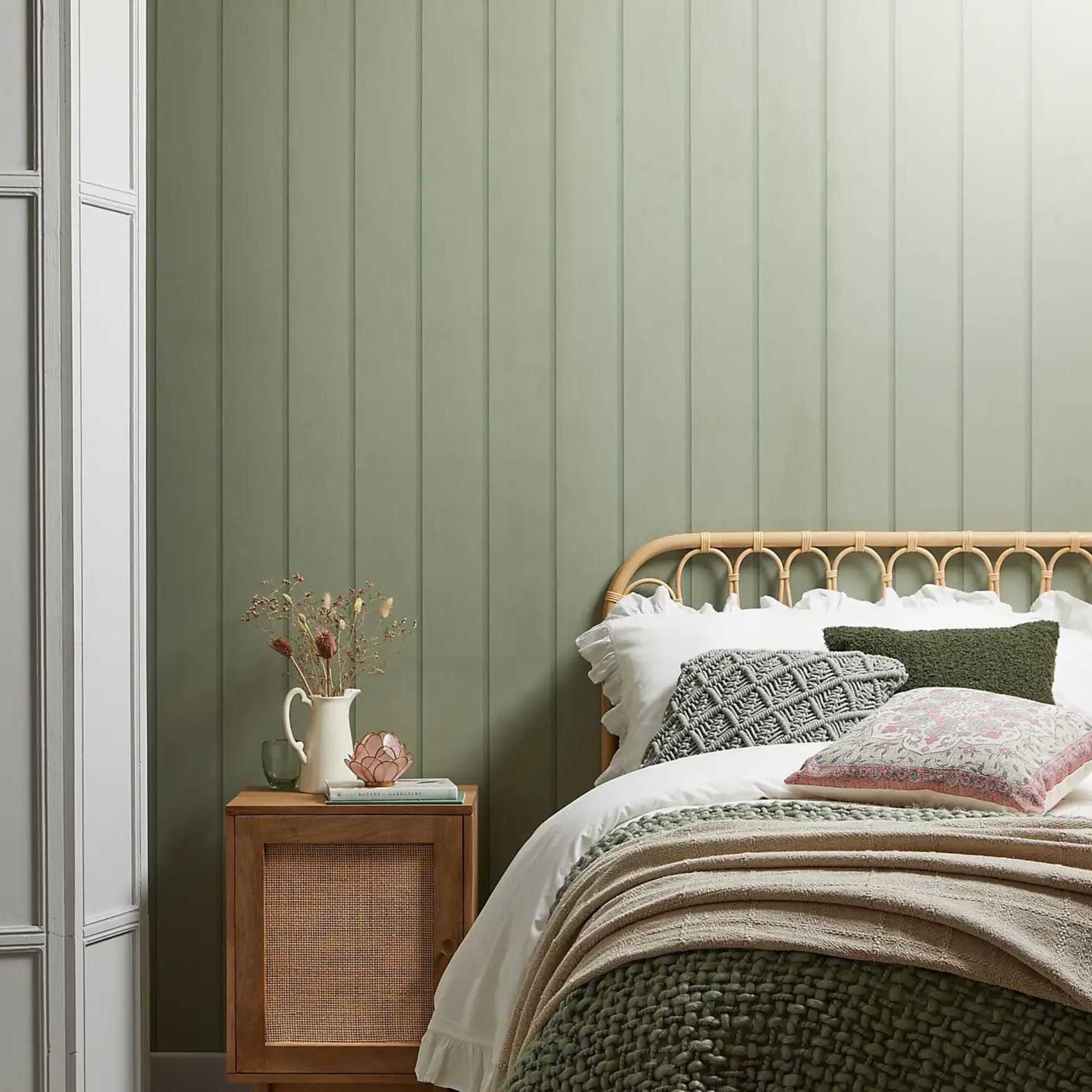
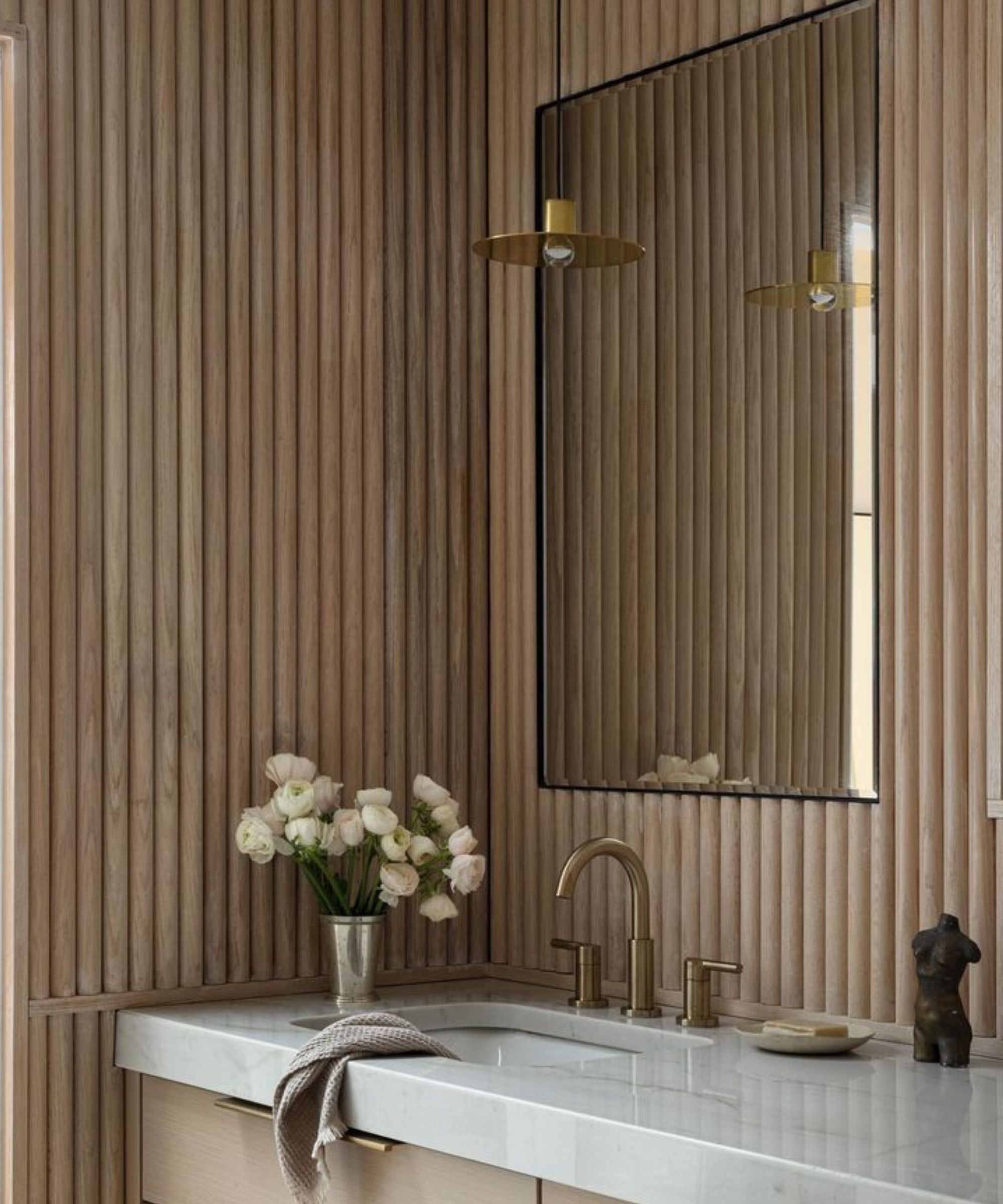
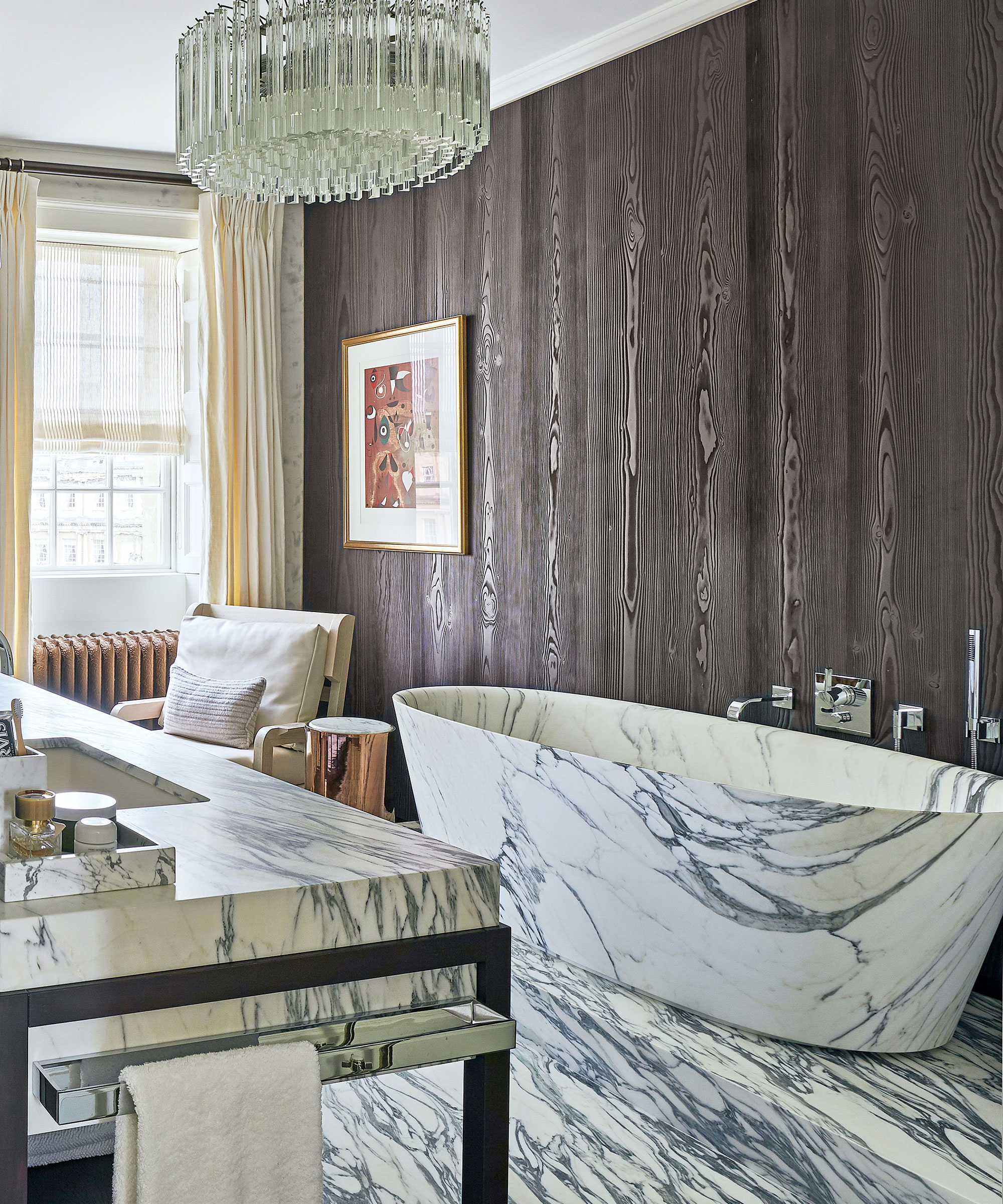
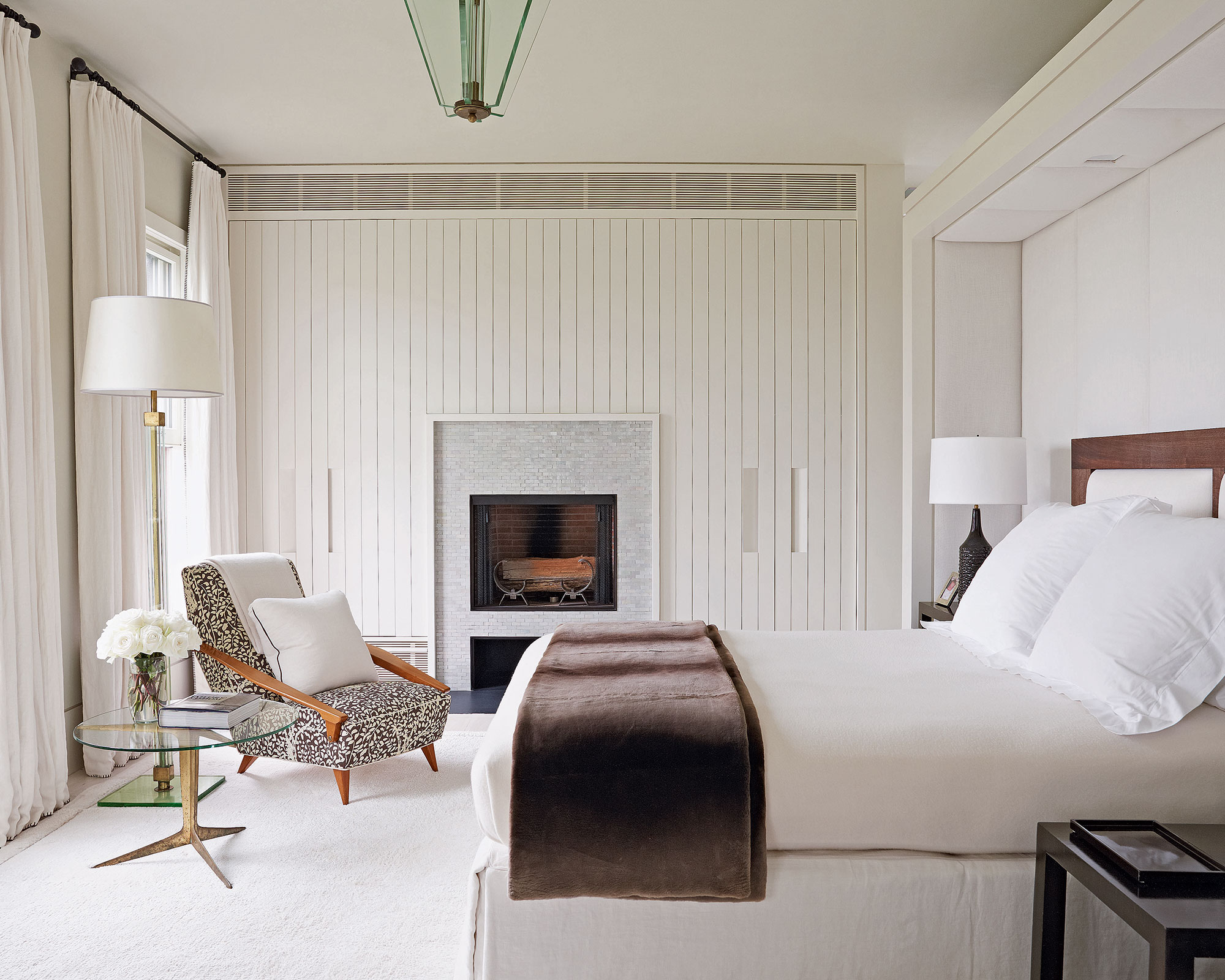
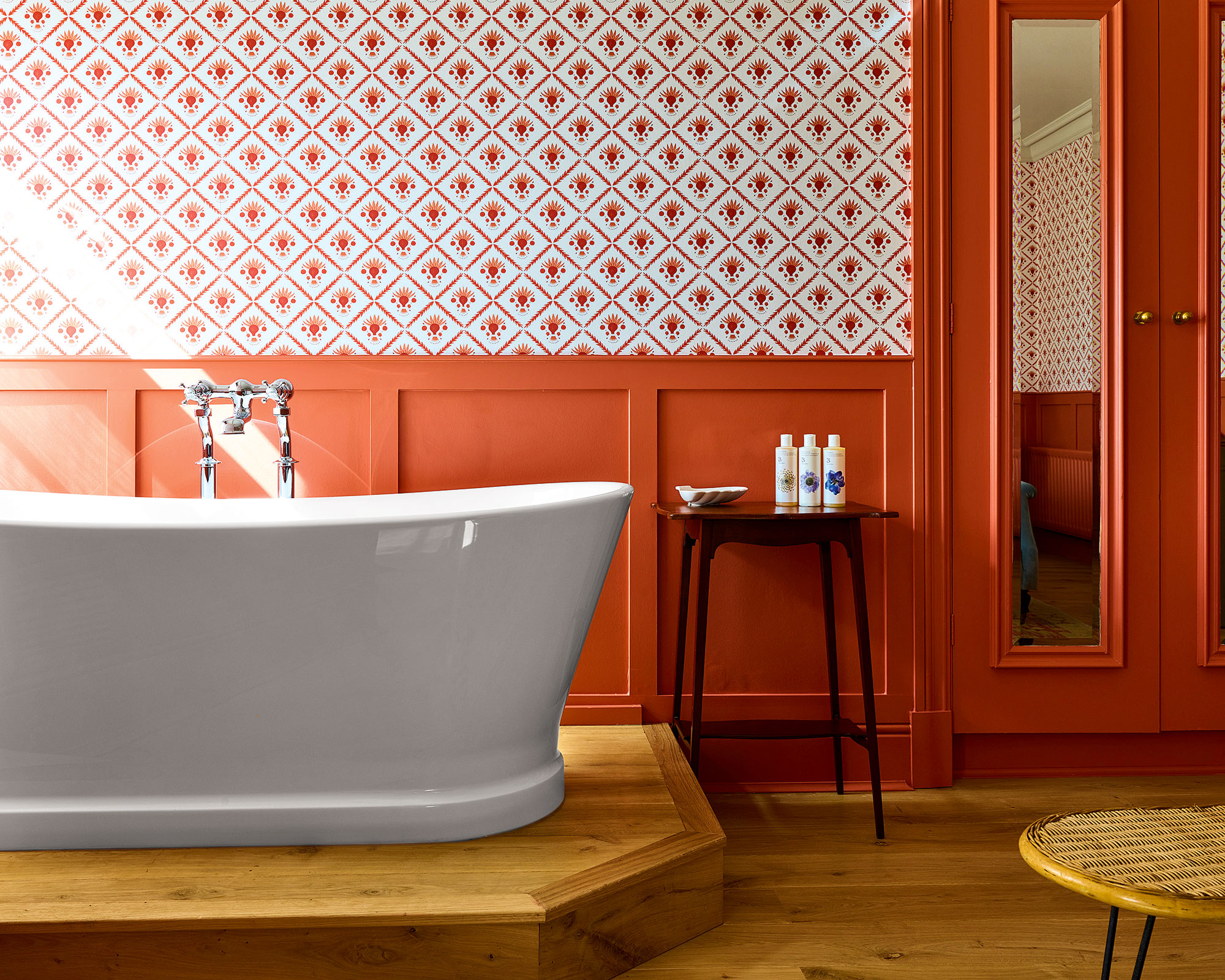
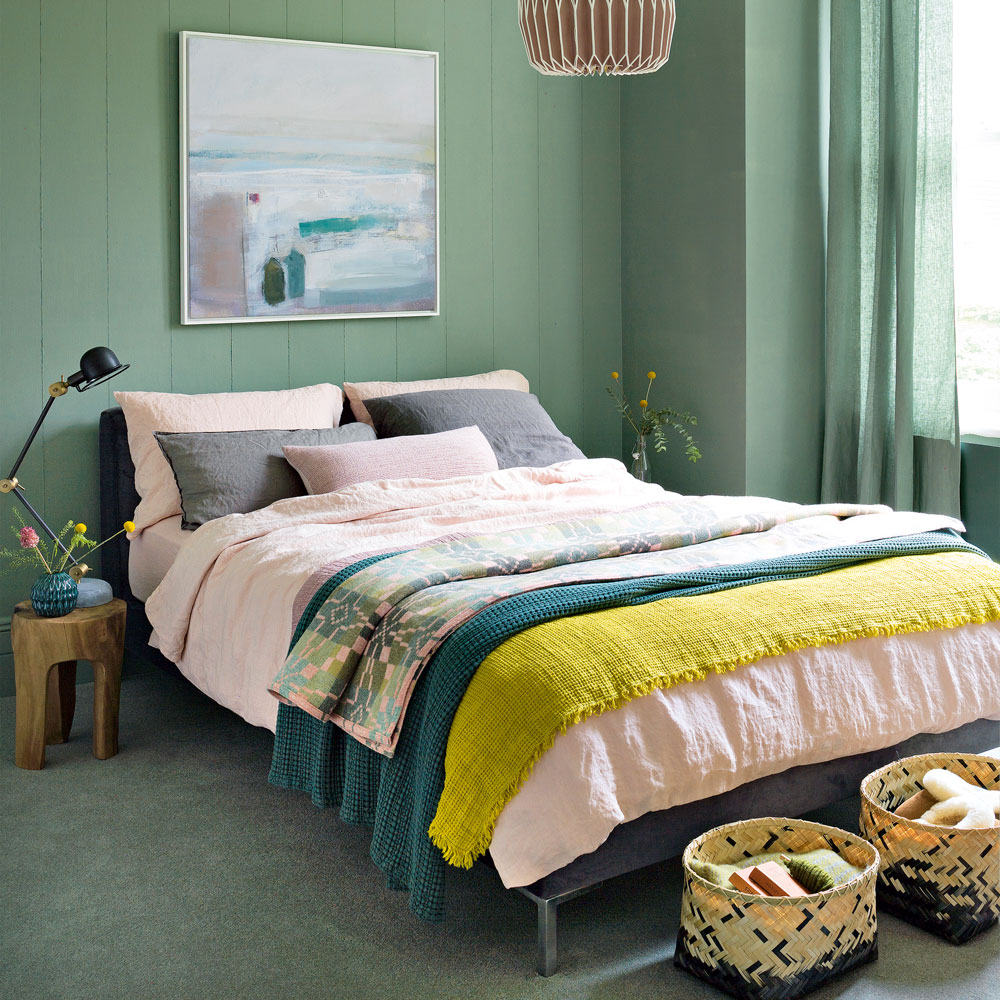
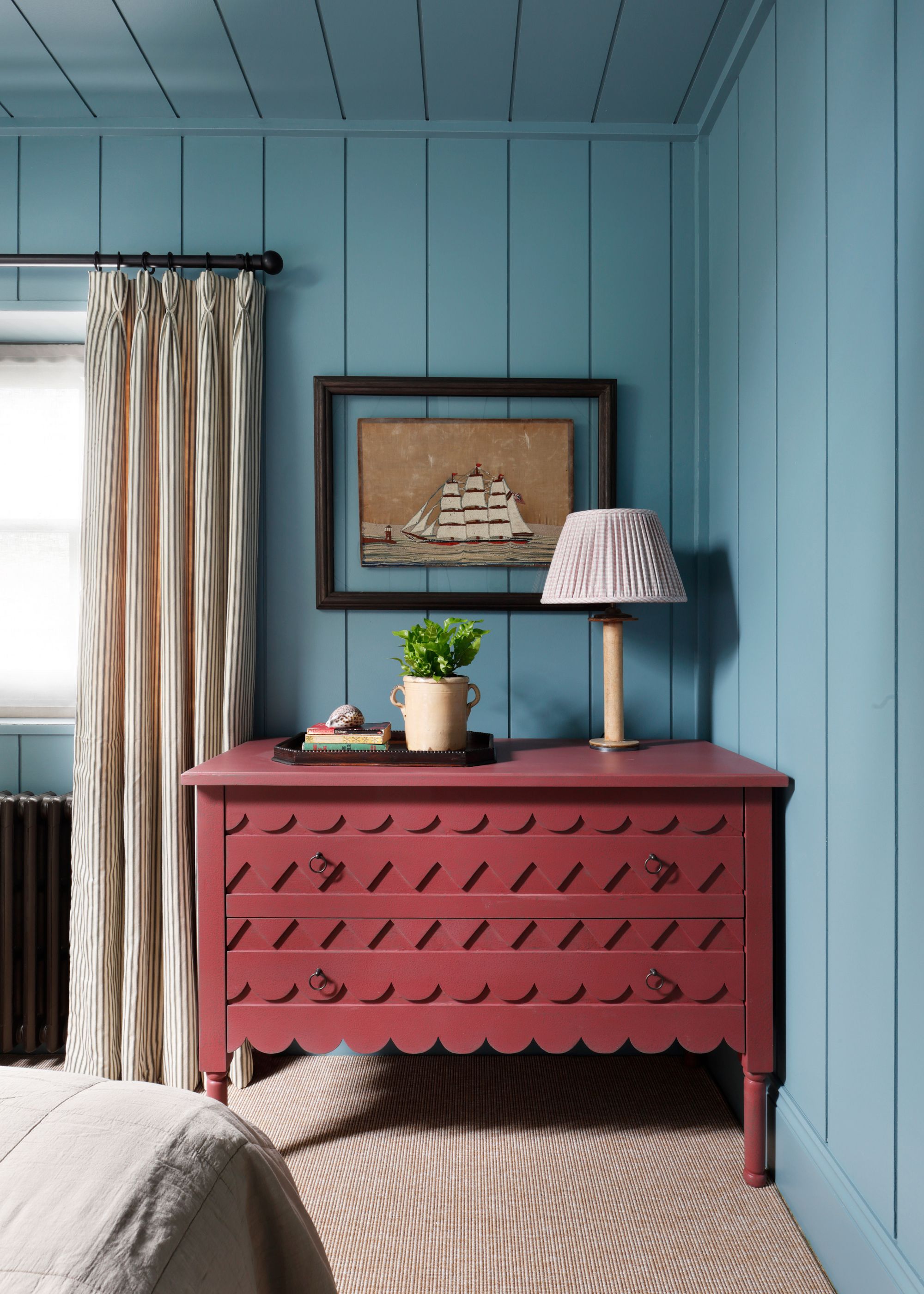
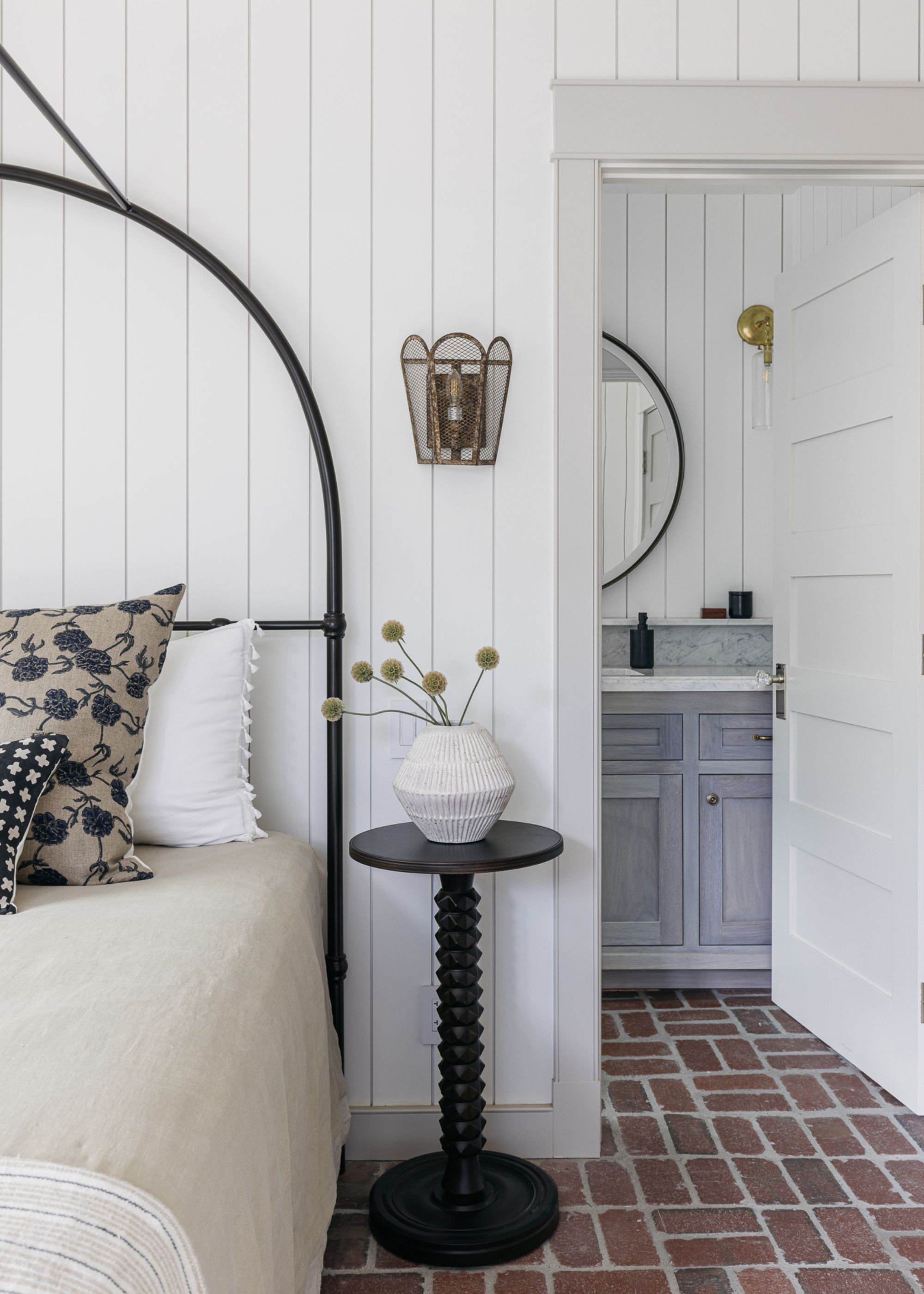
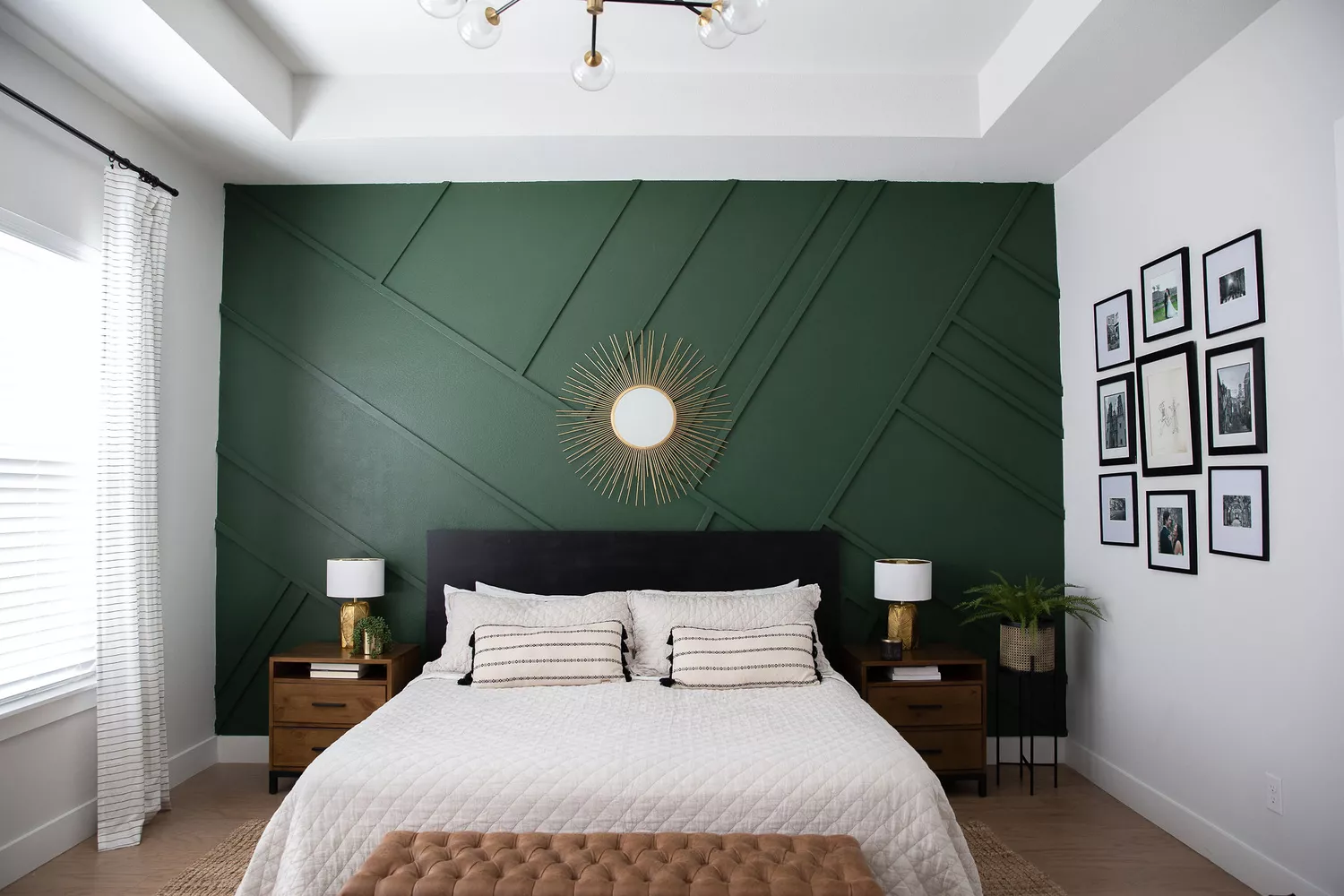
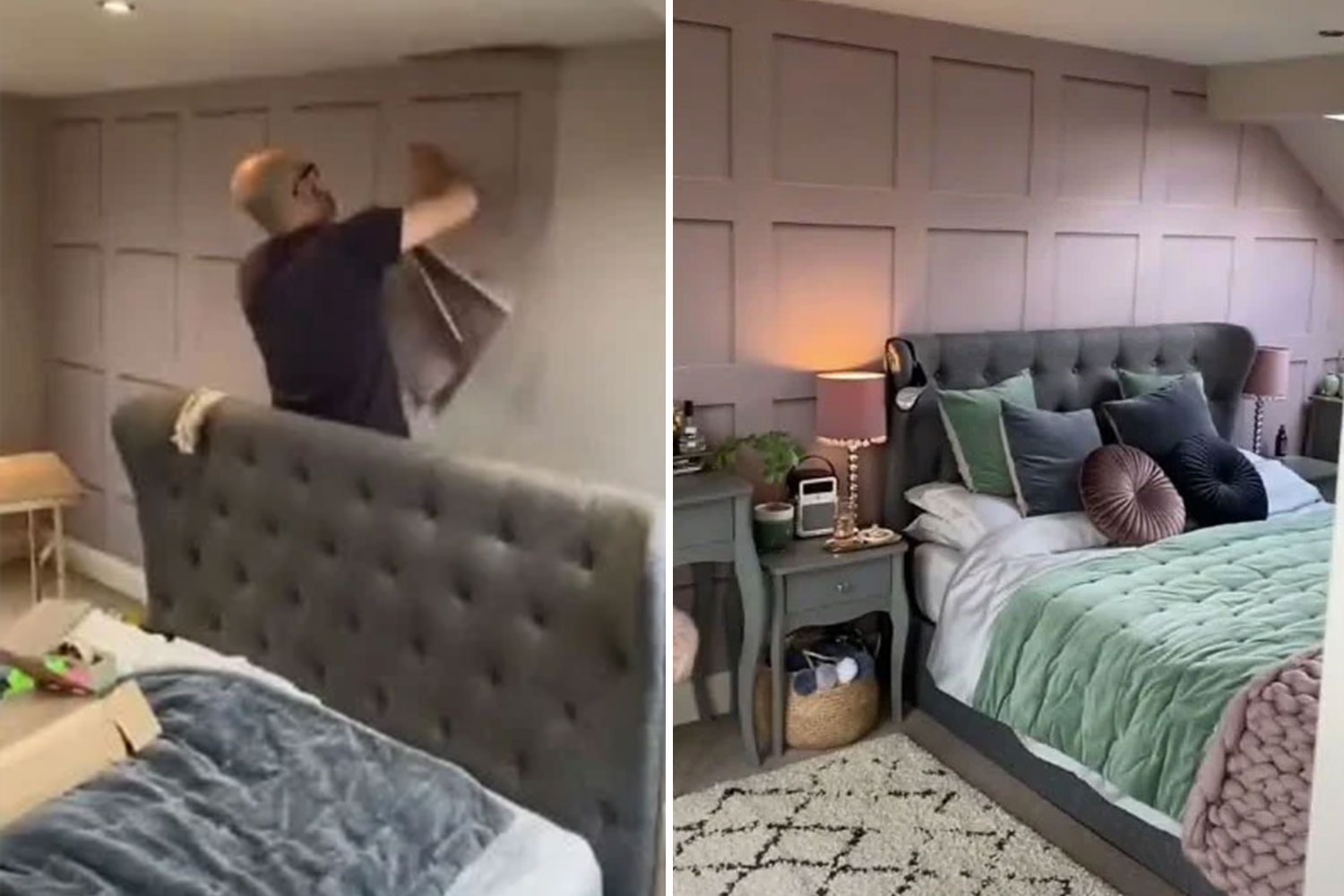
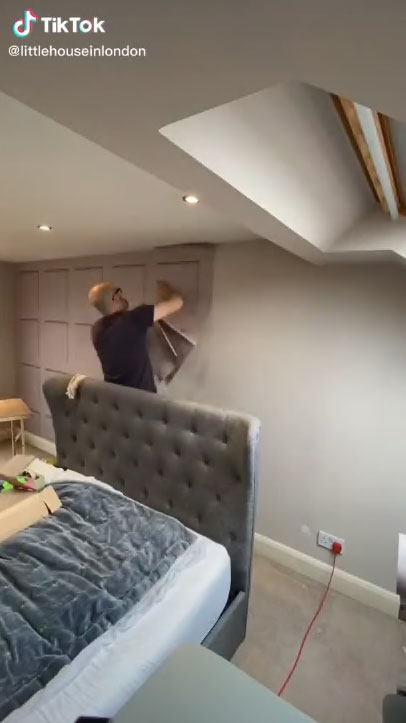
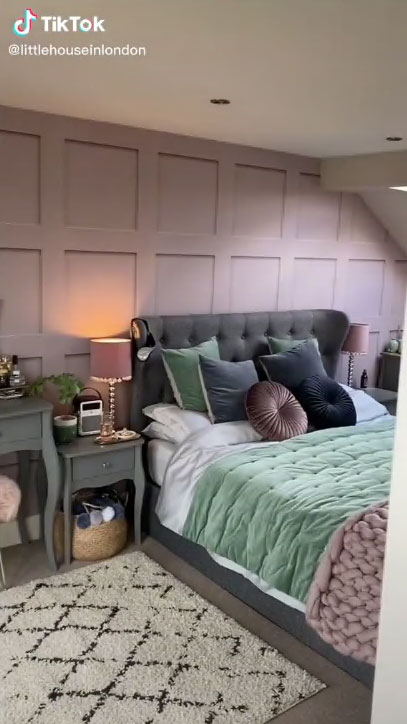
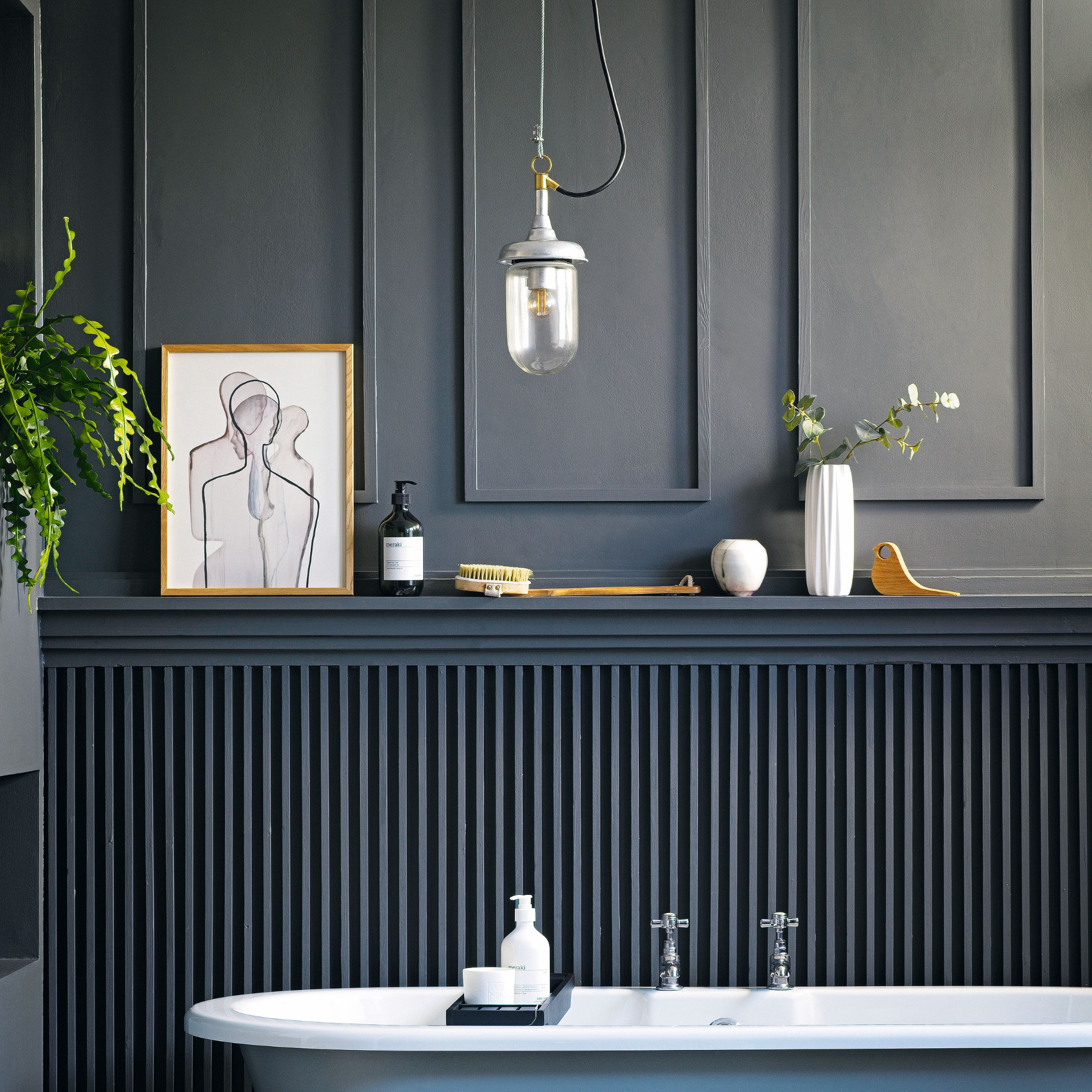
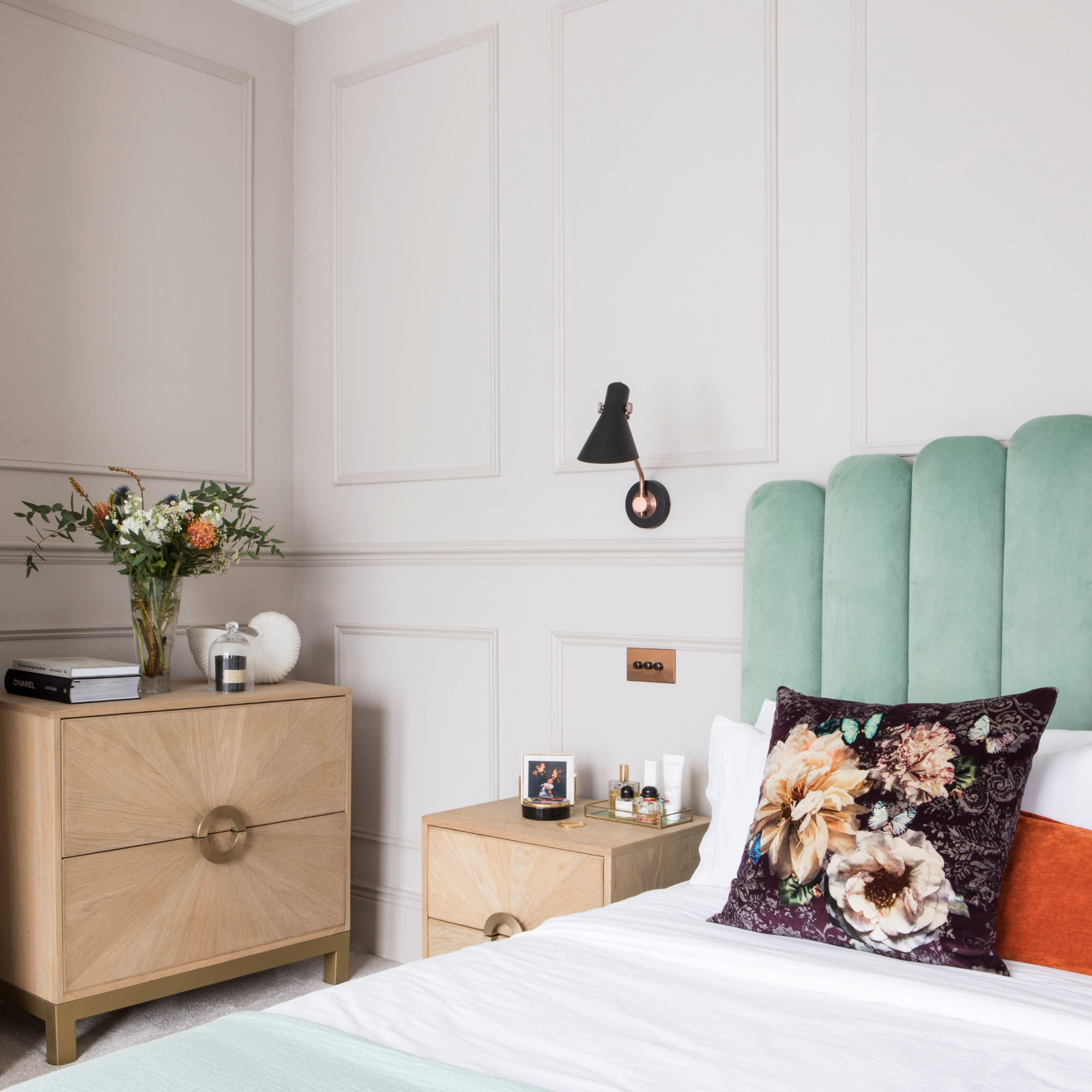
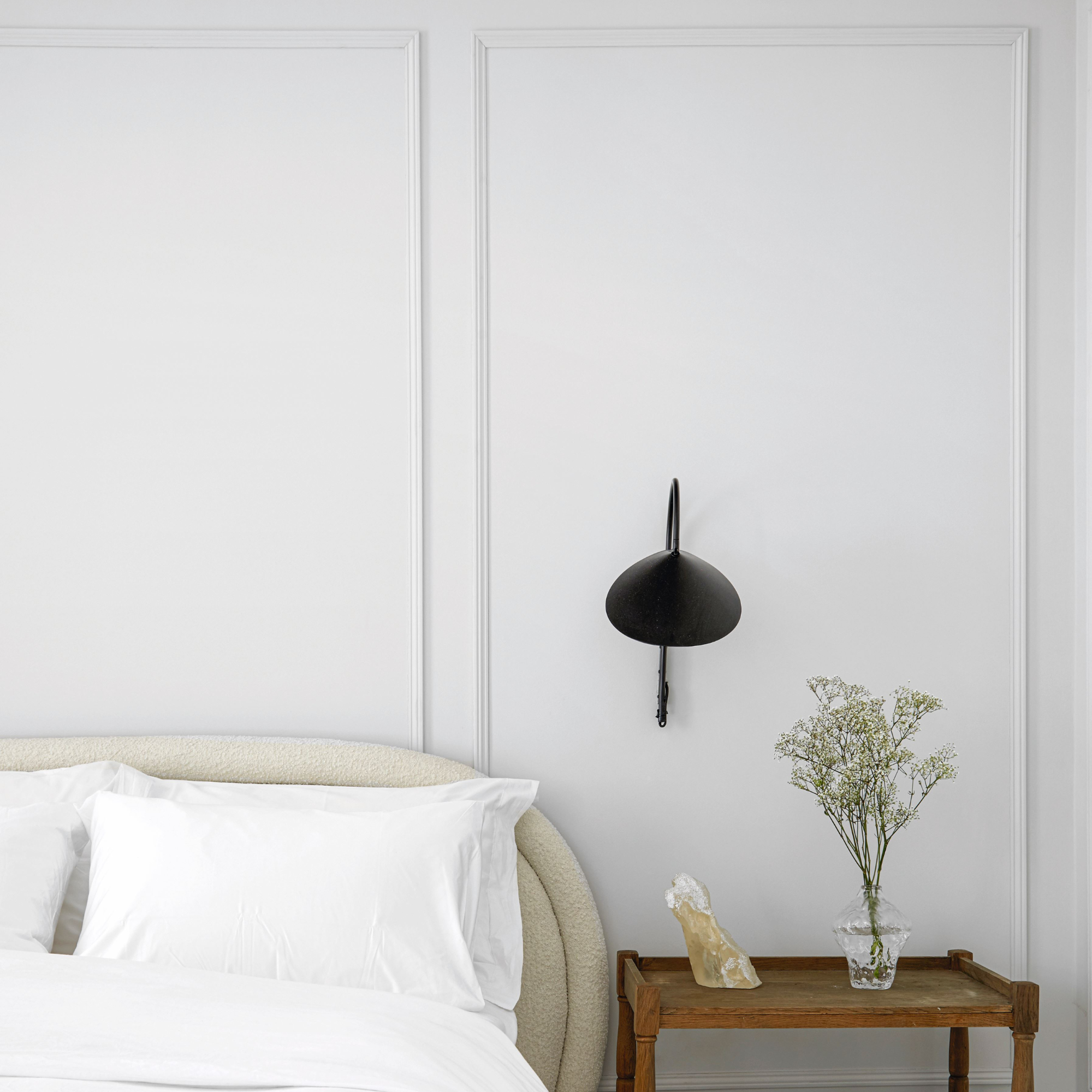
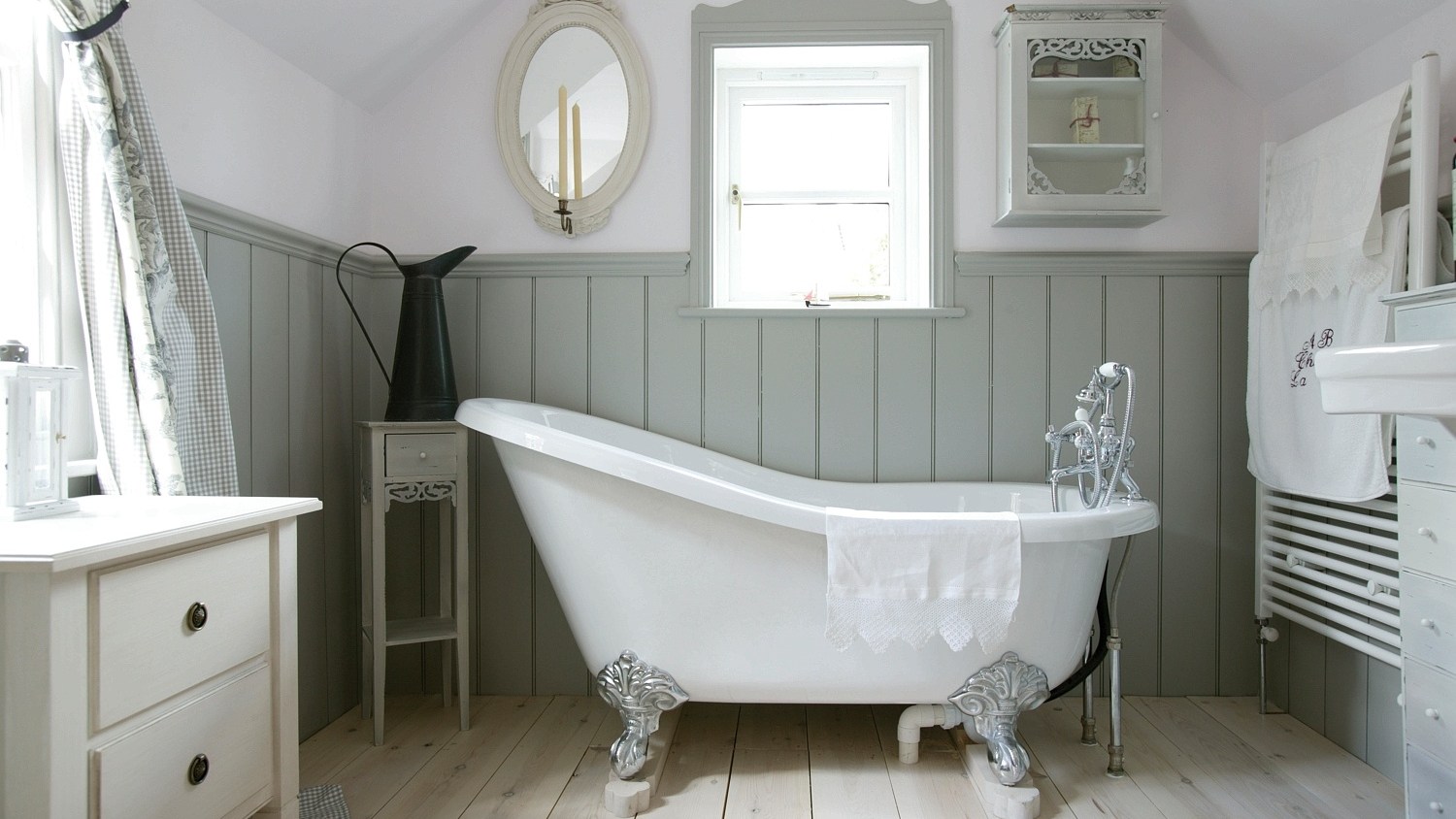
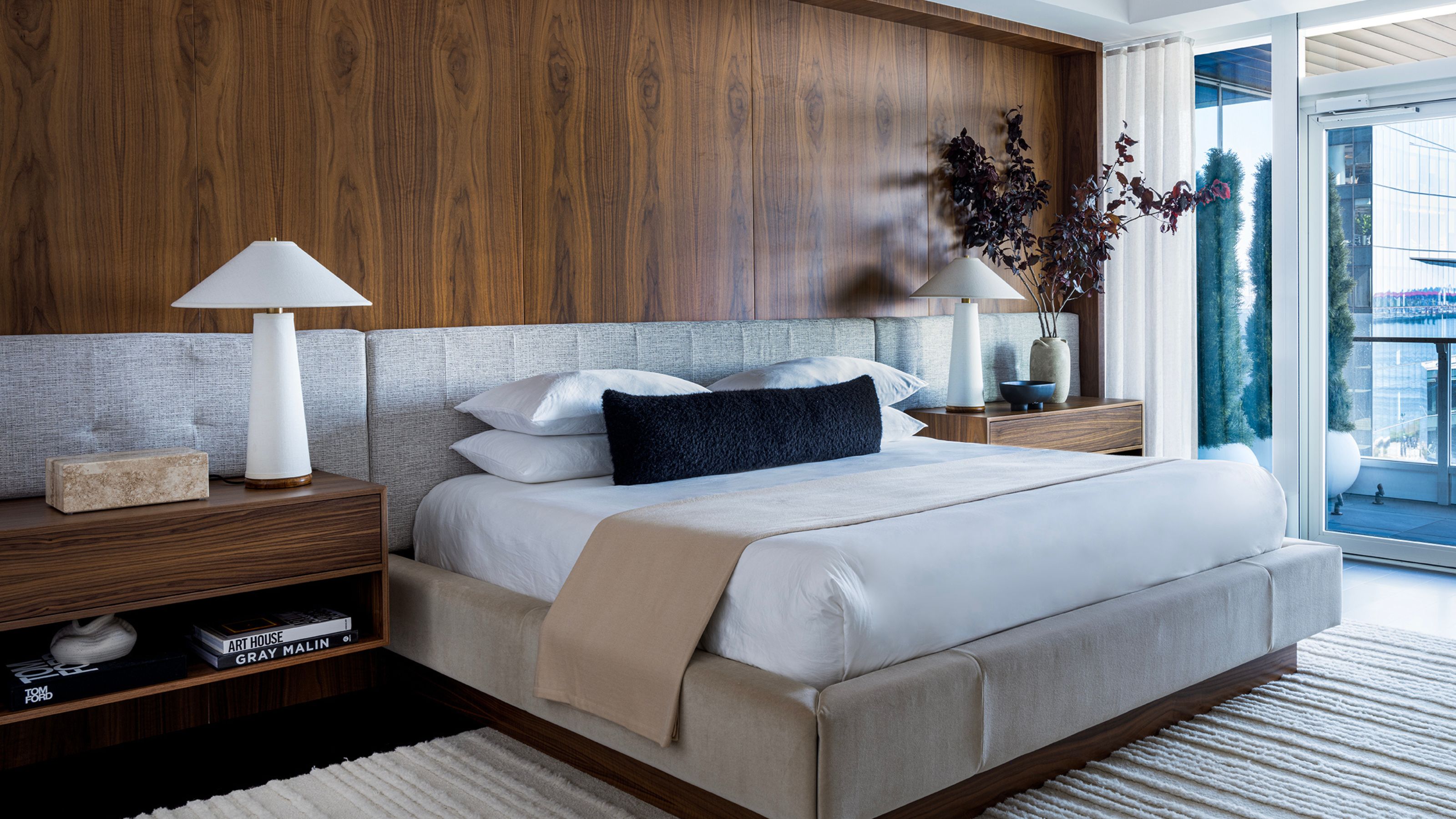
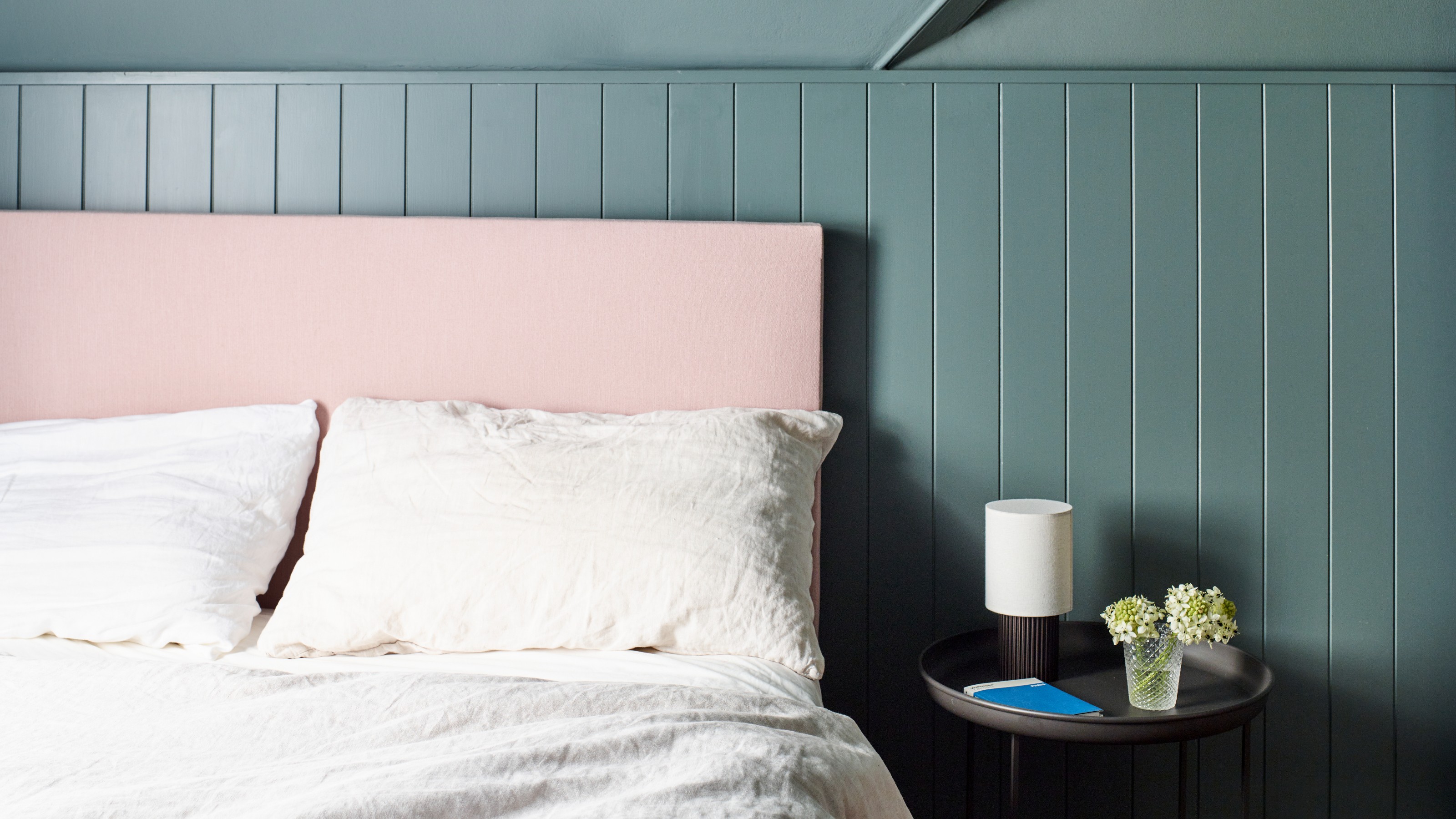
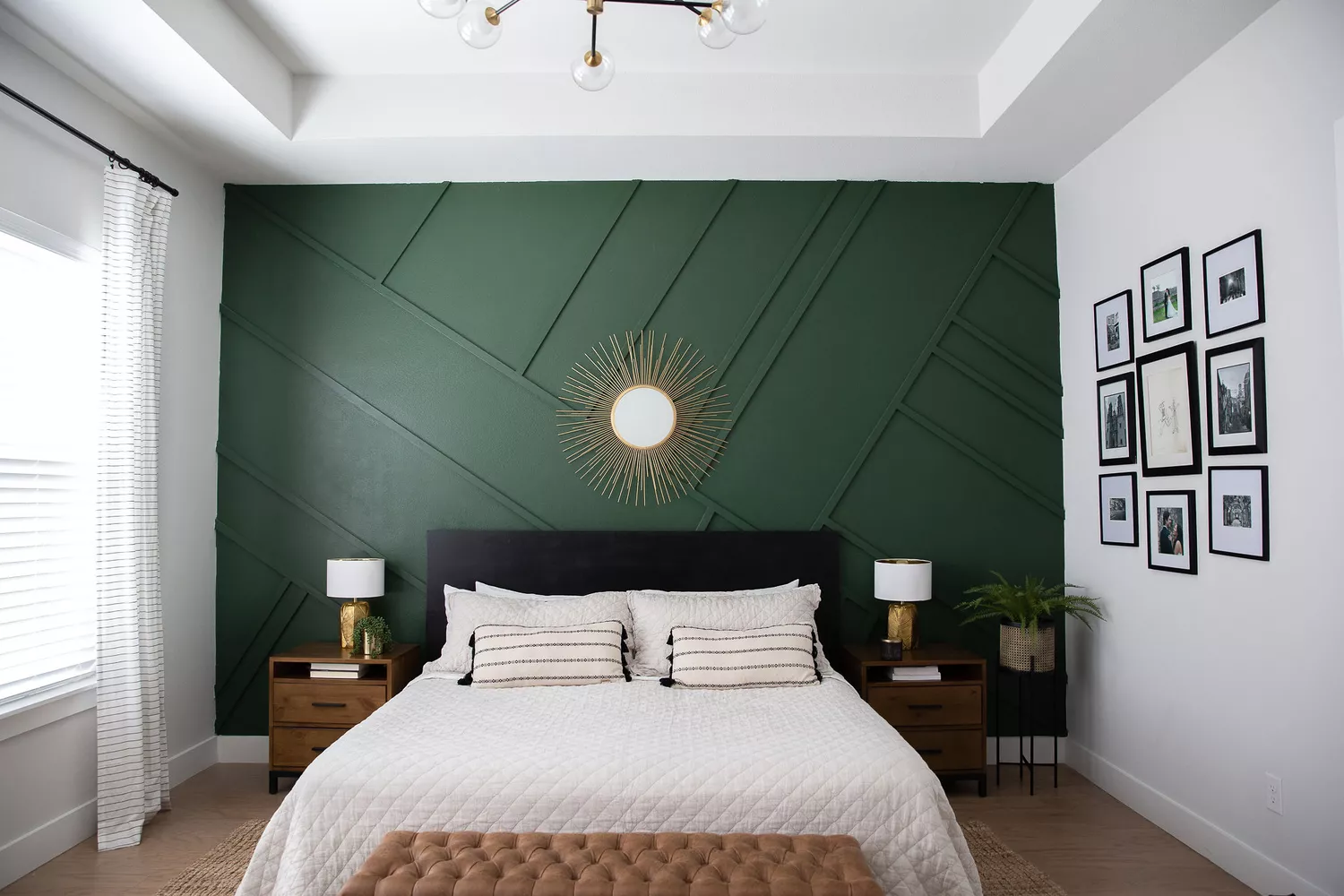
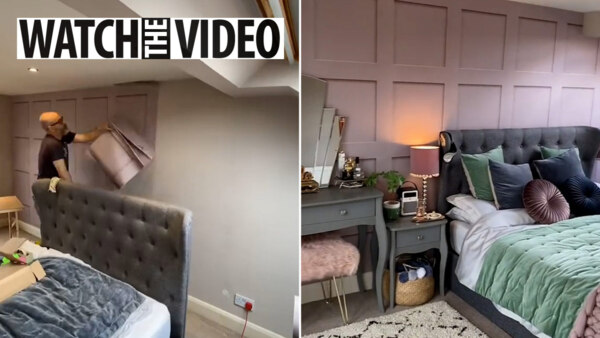
Bathrooms also benefit from panelling, provided it is finished with moisture-resistant paint. In small cloakrooms, cladding wrapped from the skirting to just above the sink offers an alternative to tiles, providing a warmer character. Interior designer Emma Sims-Hilditch suggests that half-height panelling combined with patterned wallpaper in cloakrooms or bathrooms creates an appealing 'modern country' contrast. In bedrooms, panelling serves as a feature wall or an oversized headboard behind the bed. Athina Bluff of Topology Interiors utilizes cladding to enhance new-build interiors, describing them as 'empty shells' that gain character through abstract panelling on feature walls.
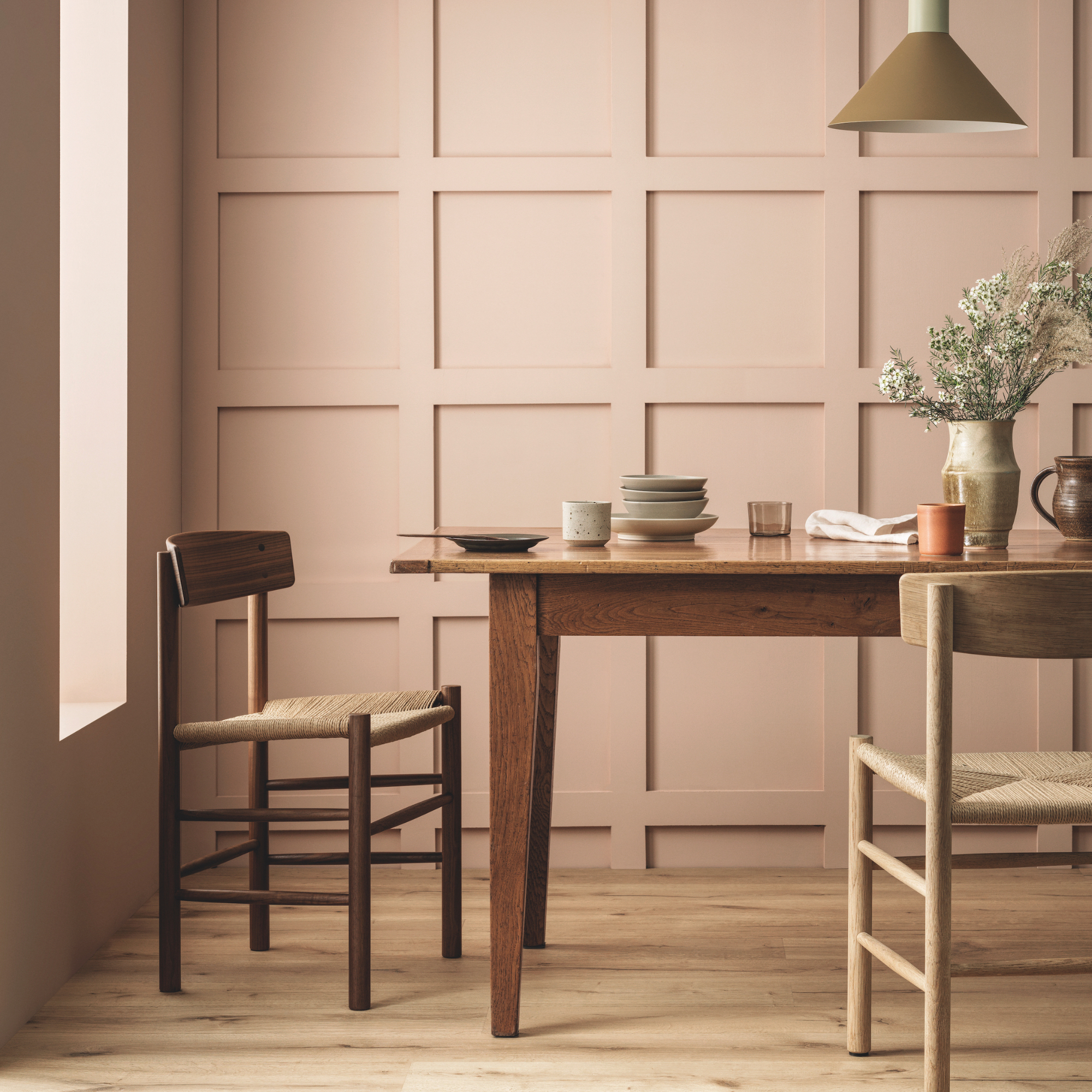
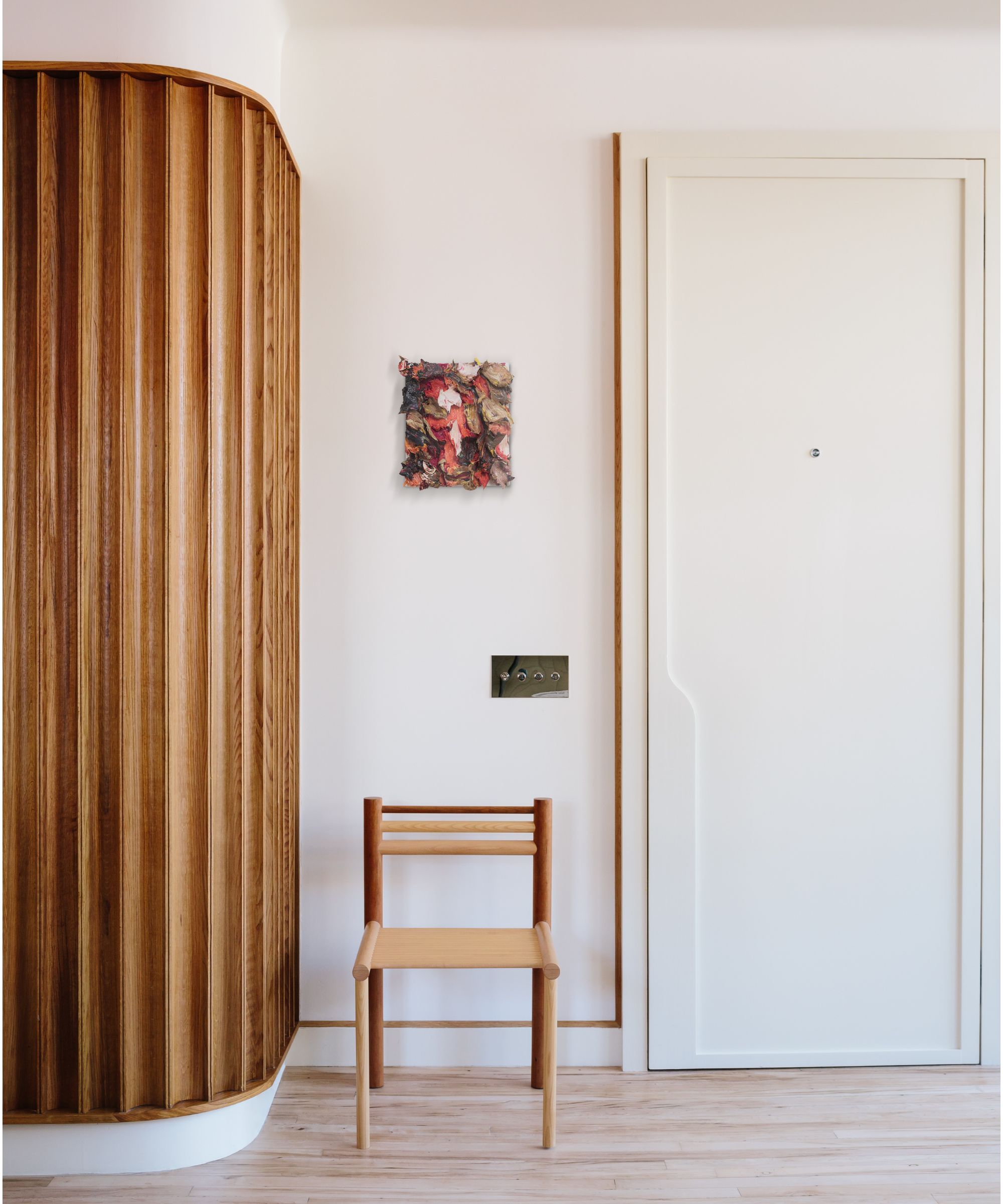
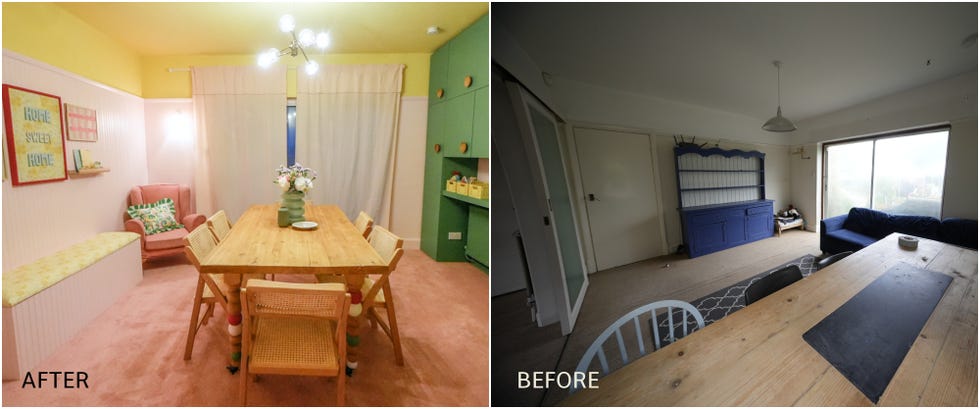
For a contemporary aesthetic, panelling can be painted the same color as the walls and radiators, creating a monochromatic, colour-drenched effect. Examples include using Pickleson’s Filthy Terracotta paint. Athina Bluff's work often features abstract panelling to create a supersized headboard in new-build bedrooms. Emma Sims-Hilditch's cloakroom designs demonstrate how dado-height cladding provides a softer, rustic alternative to tiles. Paints like Mylands Threadneedle are recommended for such applications, often paired with custom woodwork.
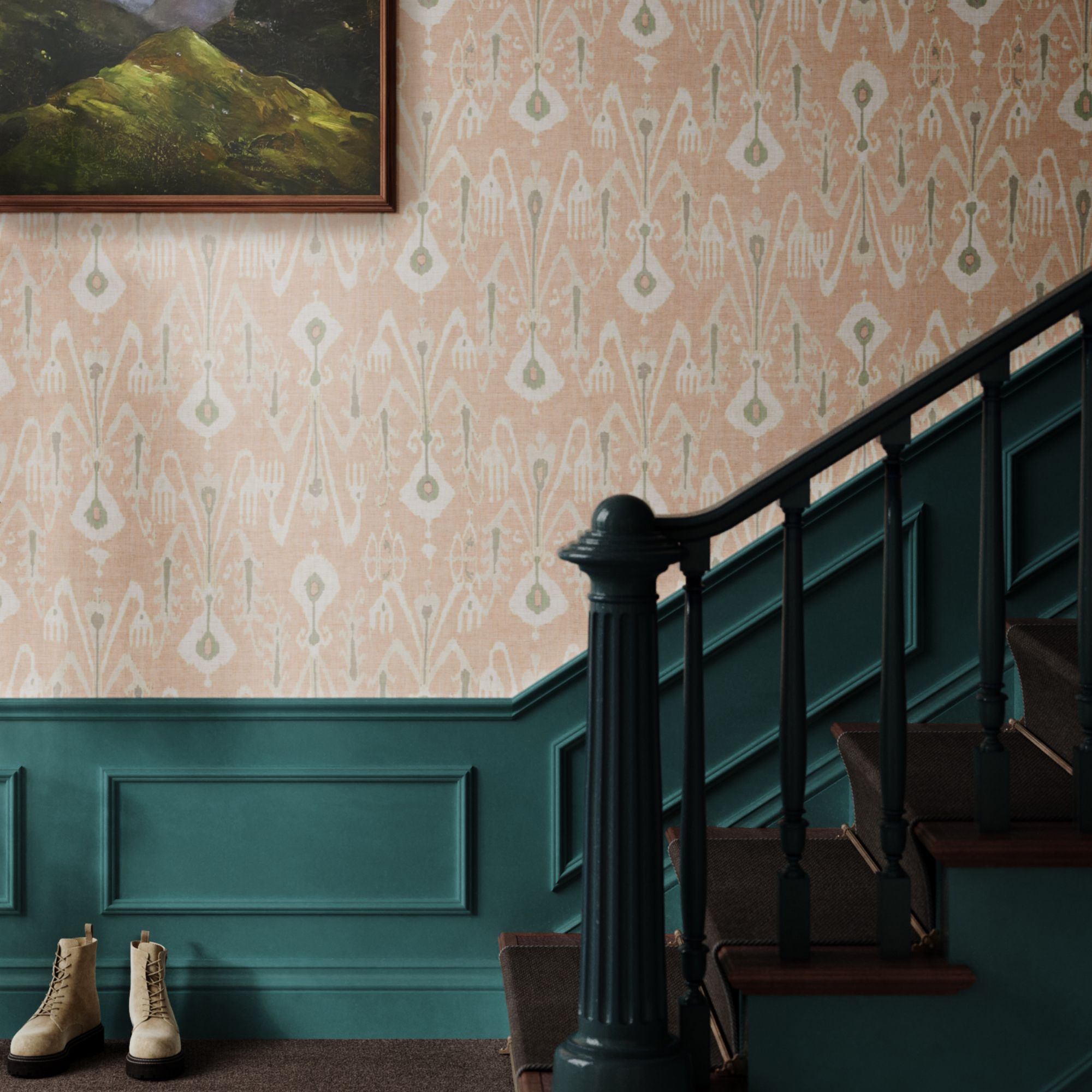
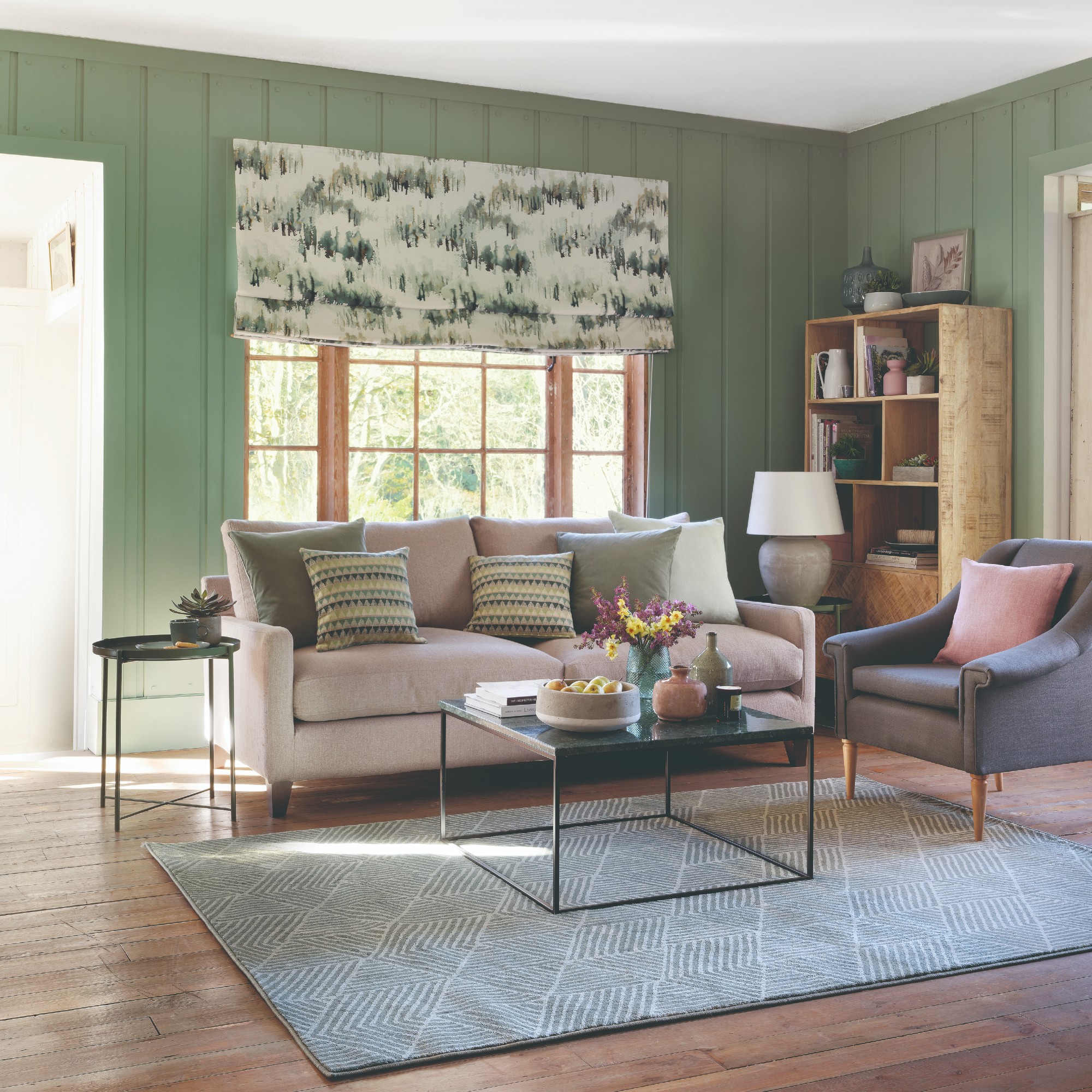
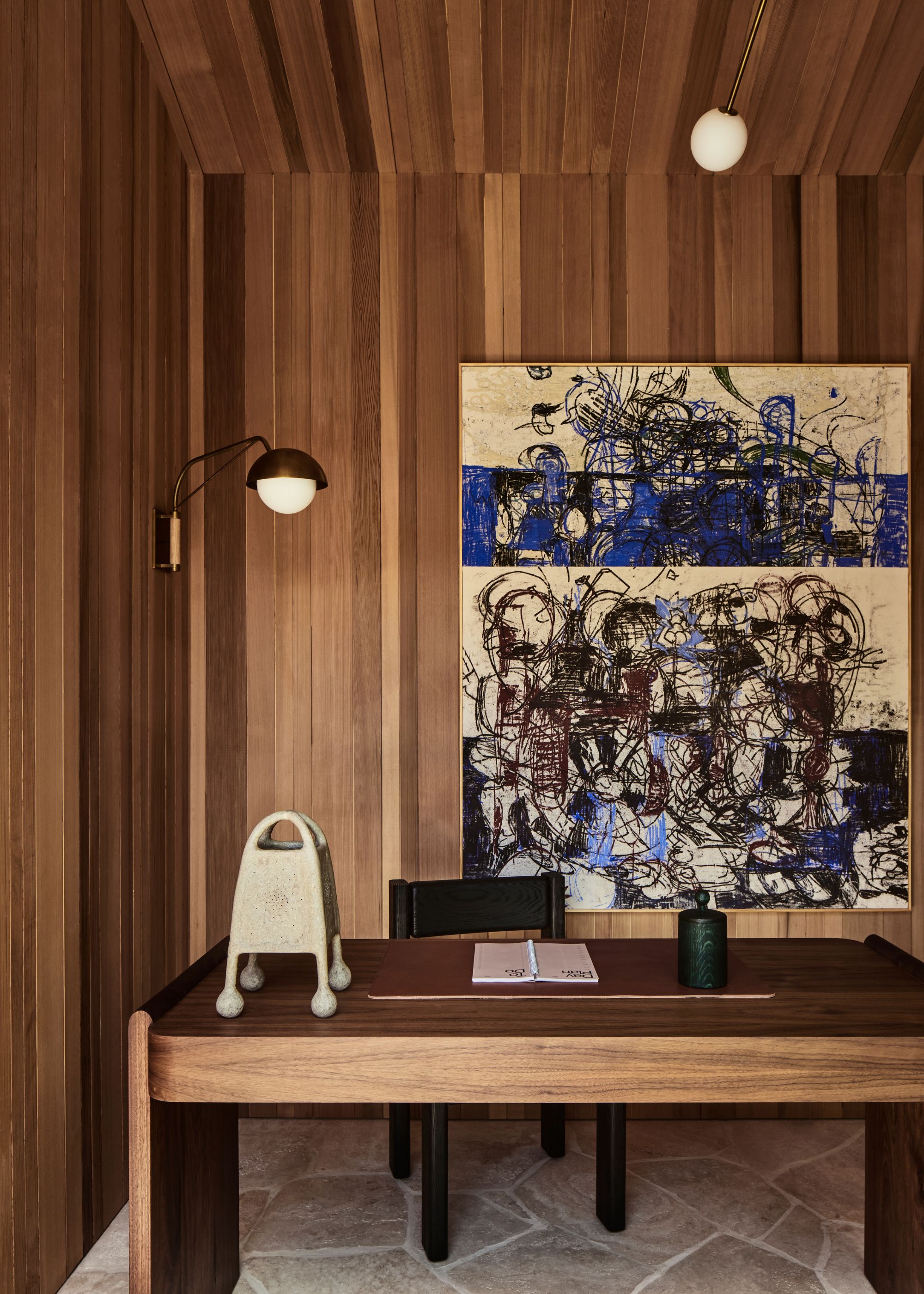
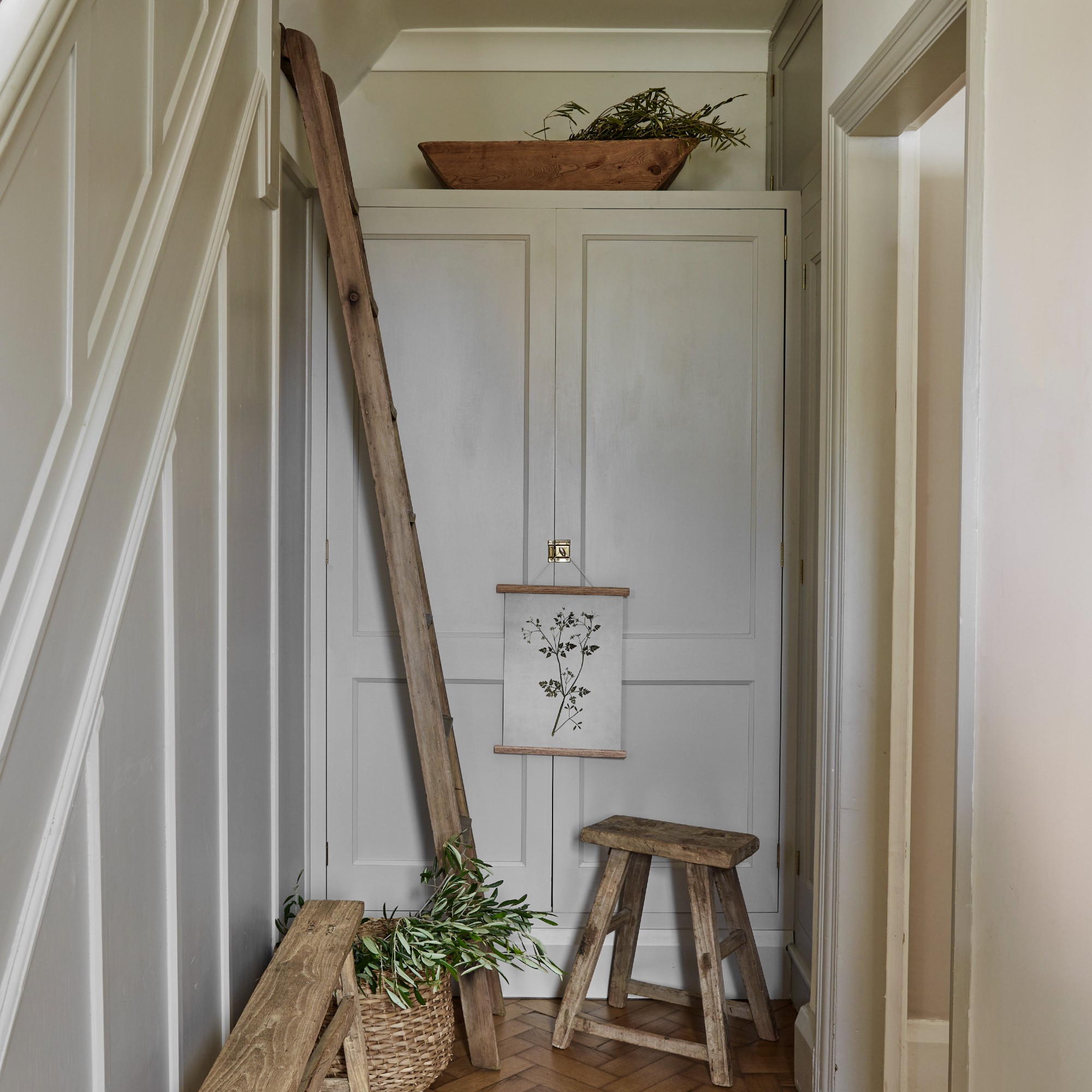
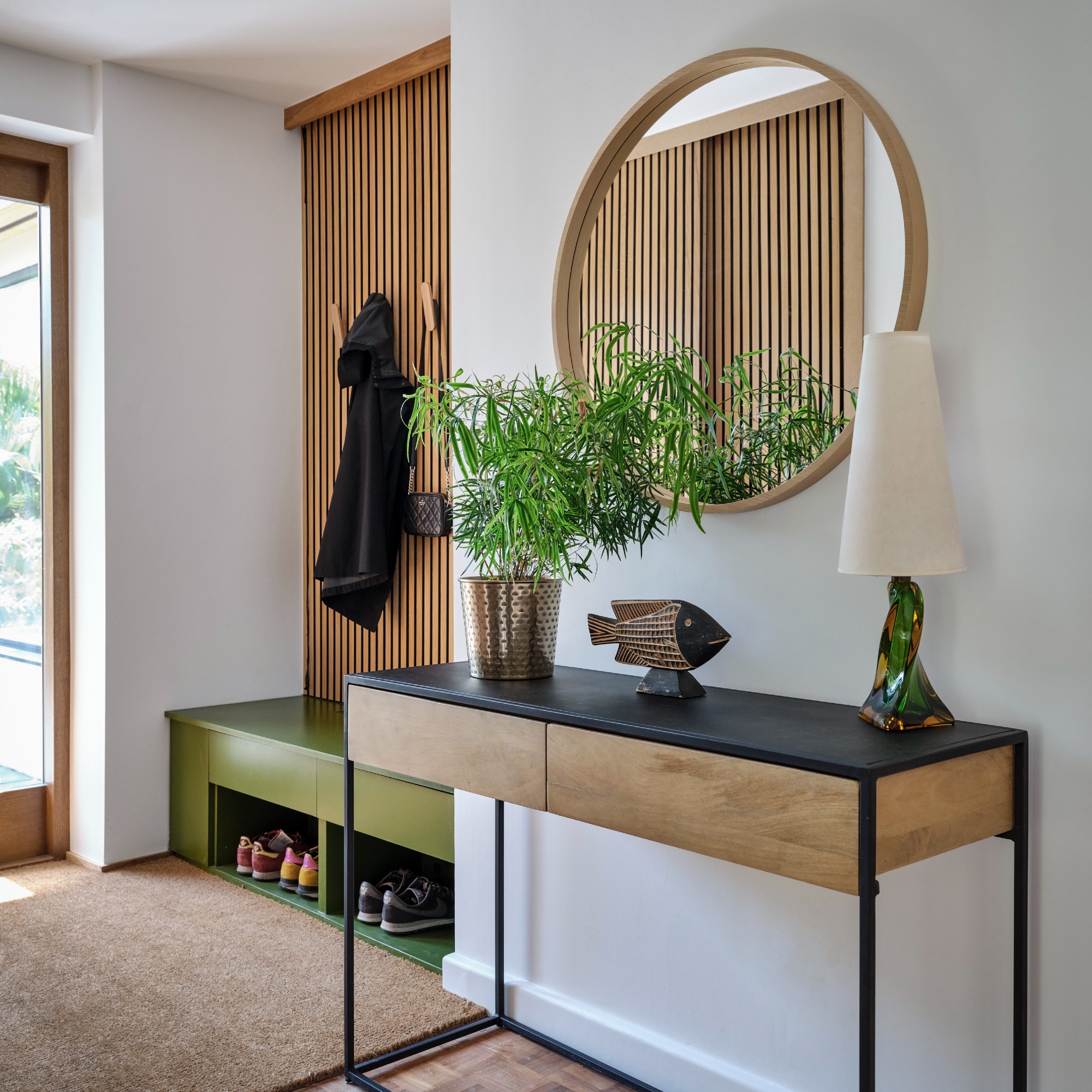
Andrea Gelardin's study, for instance, features panelling painted in Mylands Beauvais. Architect De Rosee Sa incorporated panelling into a Victorian home renovation to hide recessed shelves, a utility room, and a staircase cupboard. Beata Heuman’s bathroom designs illustrate how panelling can extend to the ceiling for a dramatic, wraparound effect, also concealing built-in storage. Boot rooms, as high-traffic areas, are another ideal location for panelling, with examples using Joules x Graham & Brown Upper Bridge Green paint. Interior designer Anna Burles uses wide tongue-and-groove panelling in her kitchen, painted in Earthborn's Trilby.
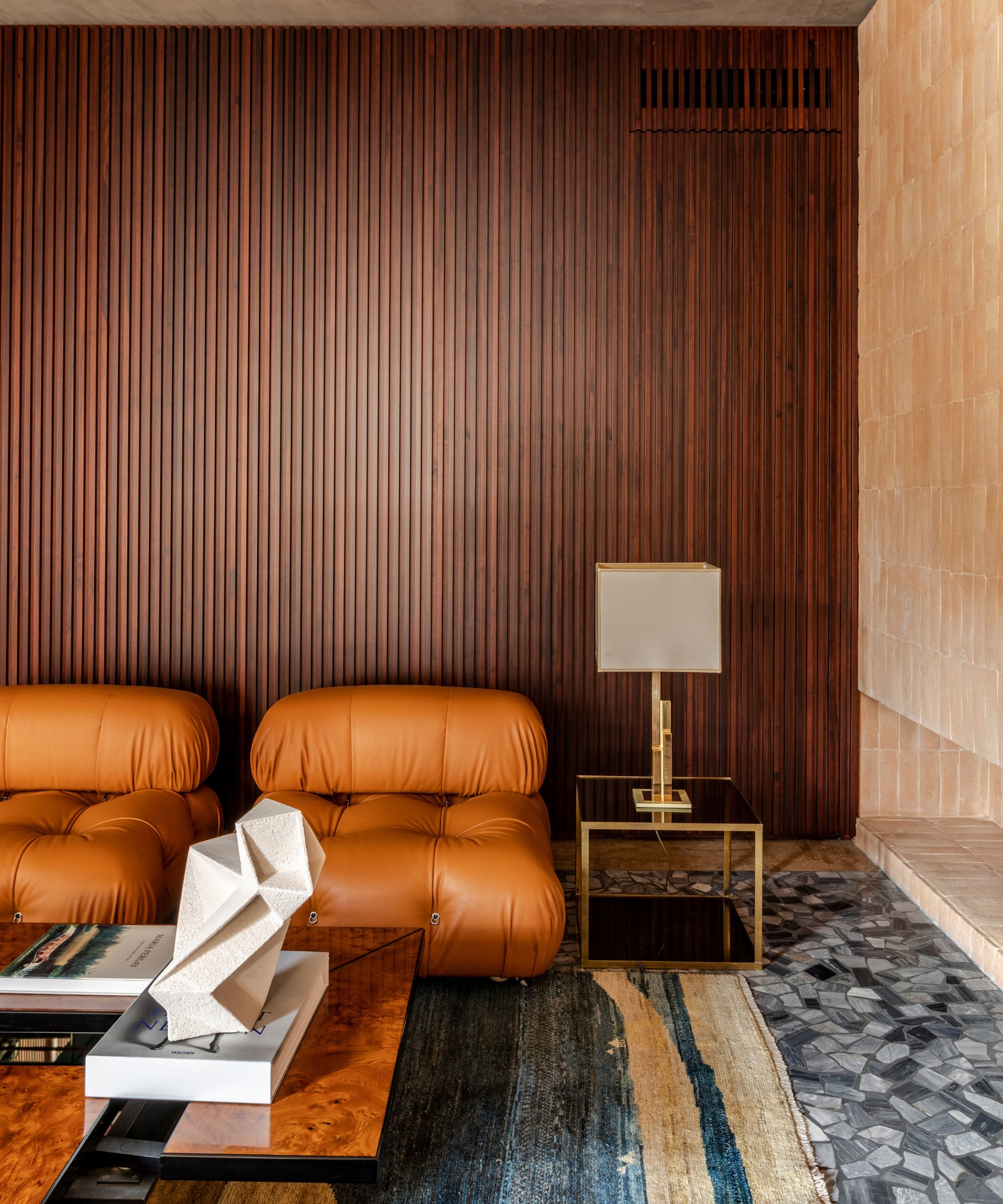
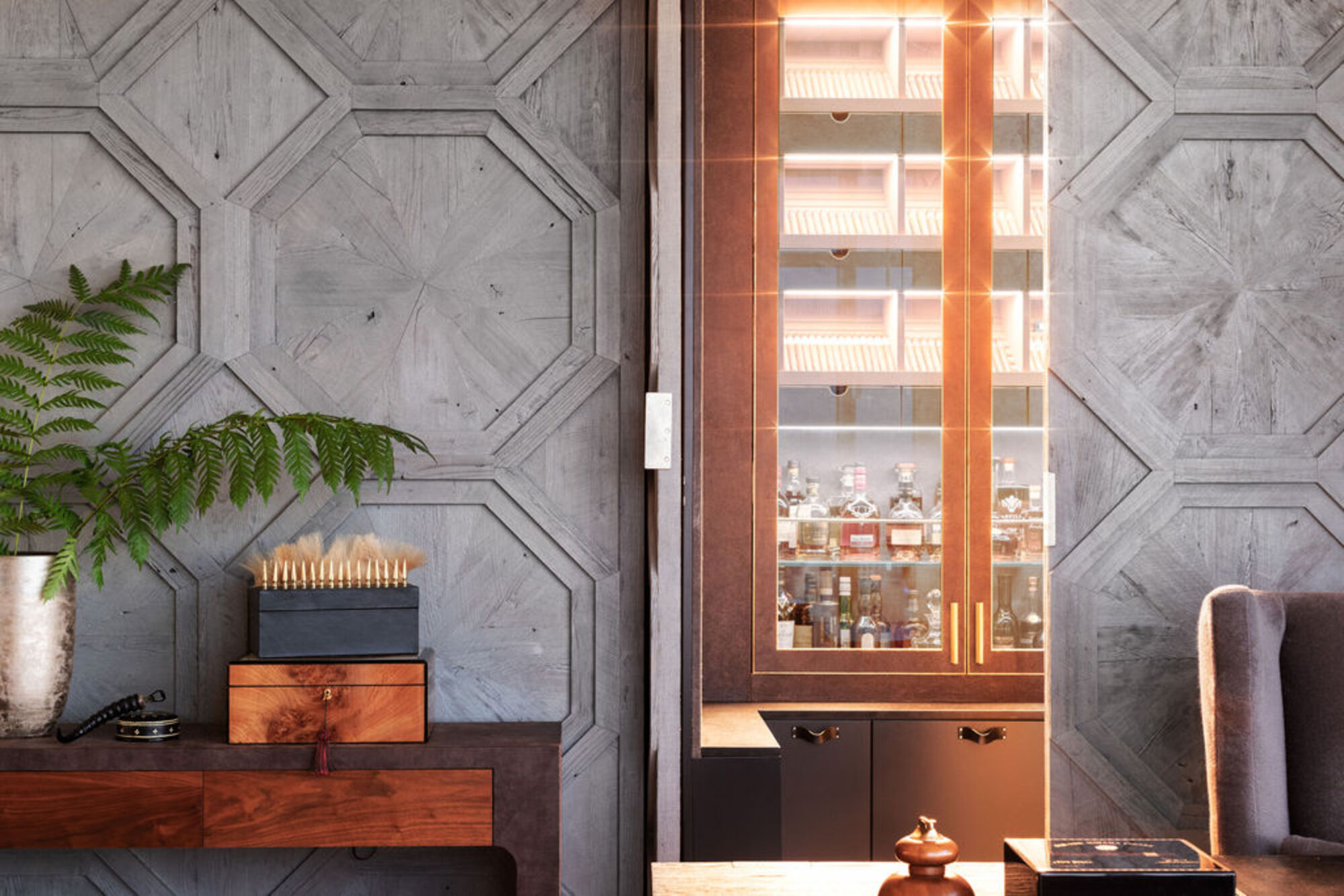
Jenna Choate of Interior Fox frequently uses custom-made panelling from wide wood strips on a ply backing to add character to new-build living rooms and home offices. For those seeking budget-friendly options, MDF panelling starts at £15 at Homebase, and the English Panelling Company offers Georgian-style grooved MDF panelling from £22.50. Faux panelling can be achieved with wallpaper murals from Dunelm (starting at £10) or I Love Wallpaper (£16 a roll), and textured wallpaper from B&Q (£24.99).
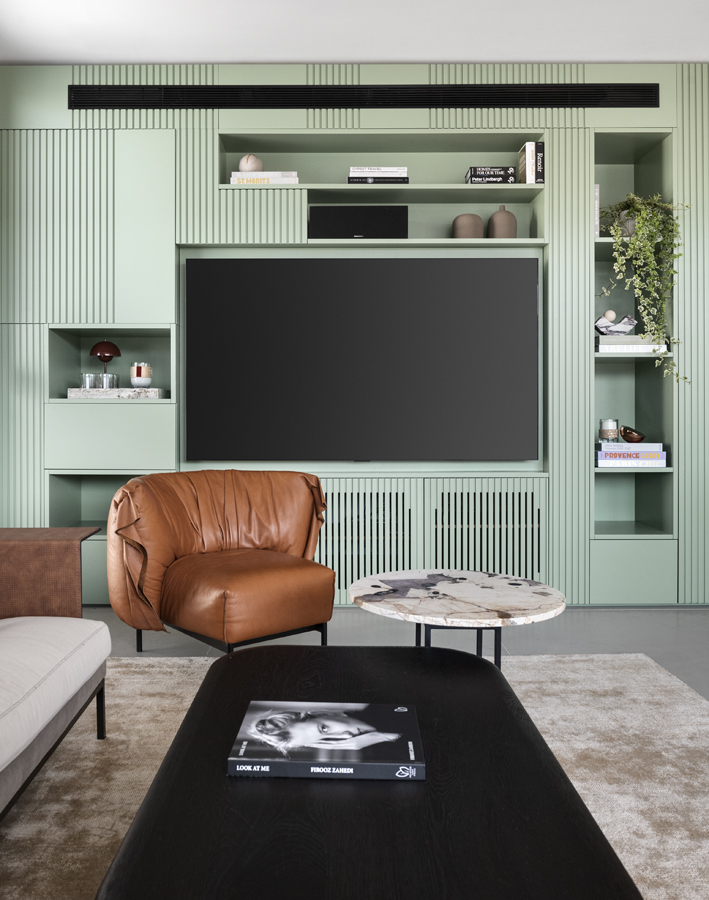
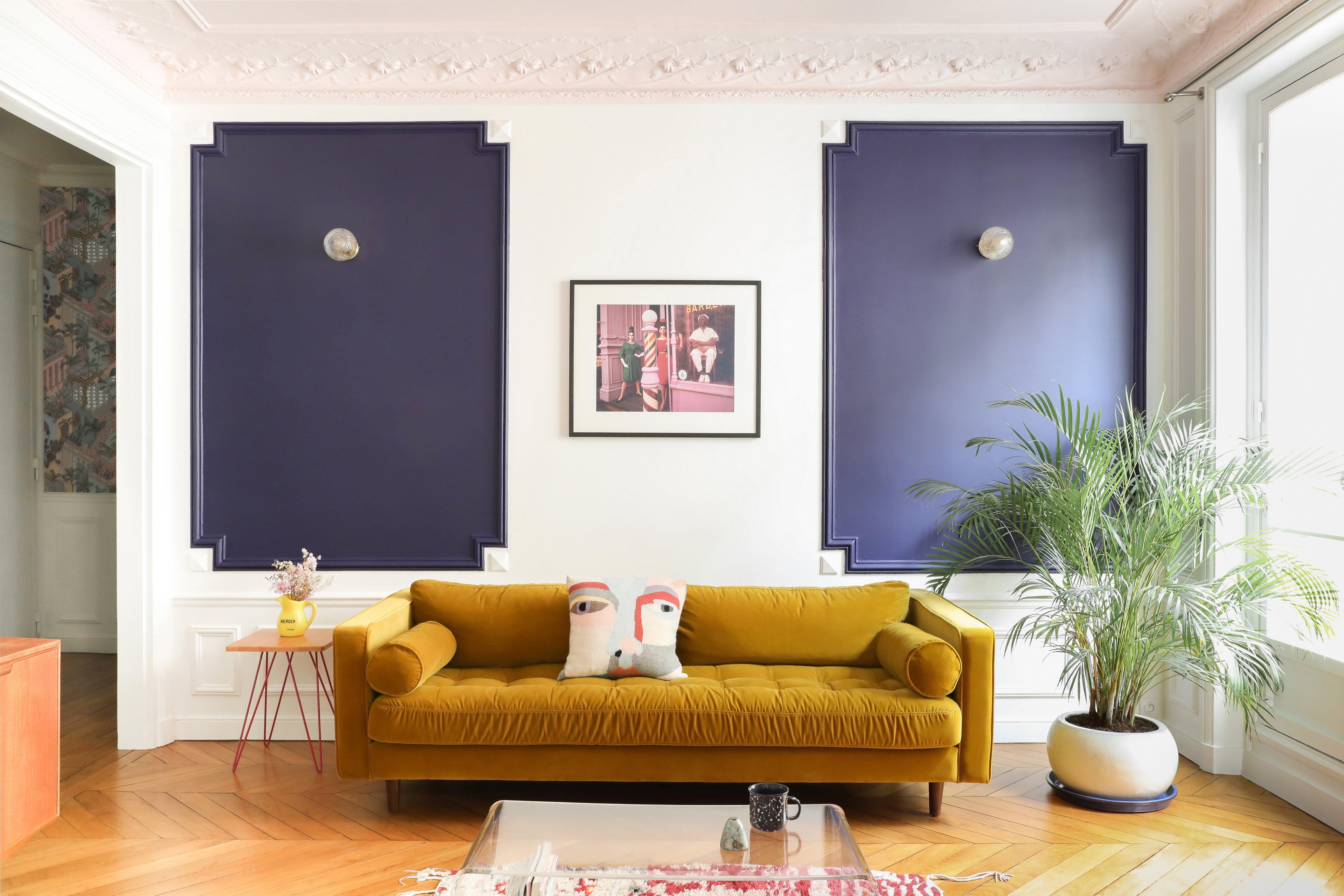
Stylist Kirsty Attwood incorporated Richard Burbidge half-moon panelling in her Cheshire bedroom, painted in Coat’s 2AM. Emma Jane Palin created a panelled effect on an Ikea Ivar cabinet using wooden batons from B&Q, painted to match the walls. Hux offers 3D-panelled statement walls with hidden storage, including wardrobe systems and concealed TVs, starting from £1,000 per square meter. For decorative flair, plain panelling can be enhanced with maximalist wallpapers, such as those from House of Hackney, or by combining different panelling styles, like Nicola Harding's mix of tongue-and-groove and Jacobean grid panelling. Panelling with built-in storage is also shown in a Hux sitting room, where it conceals a television screen.
#HomeDesign #InteriorDesign #WallPanelling #HomeRenovation #HomeDecor #DIYHome #KitchenDesign #BathroomDesign #BedroomDesign #HomeDesign #InteriorDesign #WallPanelling #HomeRenovation #HomeDecor #DIYHome #KitchenDesign #BathroomDesign #BedroomDesign
0 comment in total
 No comments yet
You may also like
How to panel a wall – DIY this trending look in your home this weekend
12 panelling ideas to add instant character to living room walls, from modern new-builds to elegant townhouses
The 13 Types of Wall Paneling That Interior Designers Are Using in Their Projects Right Now, Ranked in Order of Style

How to Paint Wood Paneling Like a Pro

6 ways to fake wall panelling and create the sought-after look on a budget
Wall paneling ideas – 18 ways to add decorative cladding and moulding

22 Wall Paneling Ideas That Add Dimension to Any Room
This wall panelling method is going viral on TikTok – how to get the look, according to DIY experts

This paneling trend is a simple trick for making your walls look more expensive
Changing Rooms inspiration: how to paint panelling

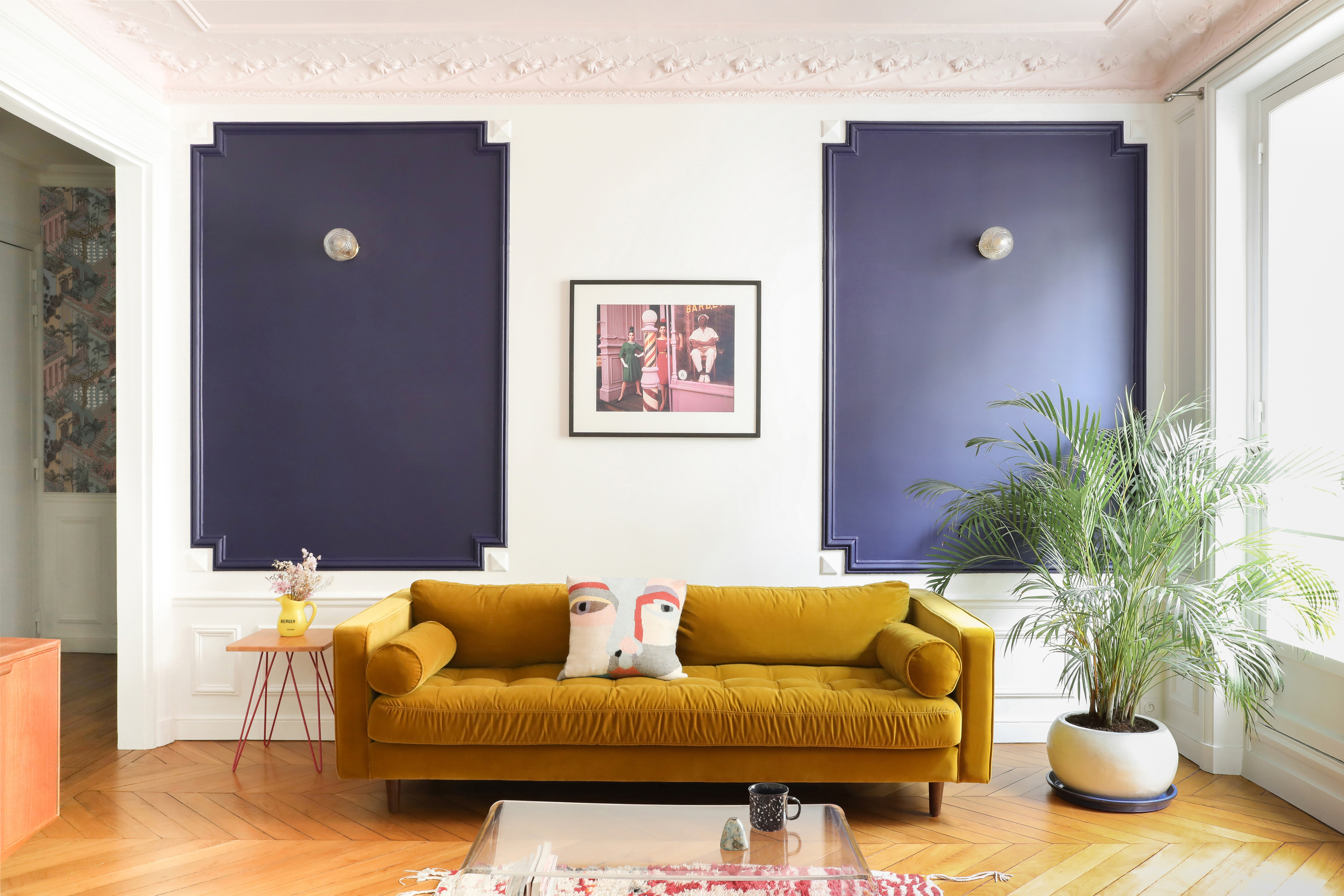
Living room paneling ideas – from rustic to sleek, try these 9 styles for your space

How to install wooden panelling

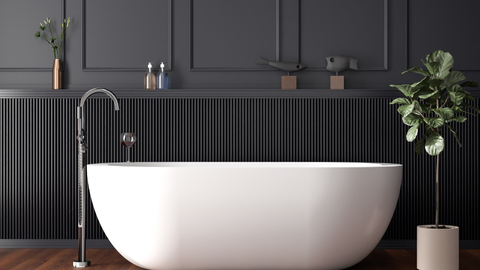
Three ways wall panelling can add the wow factor

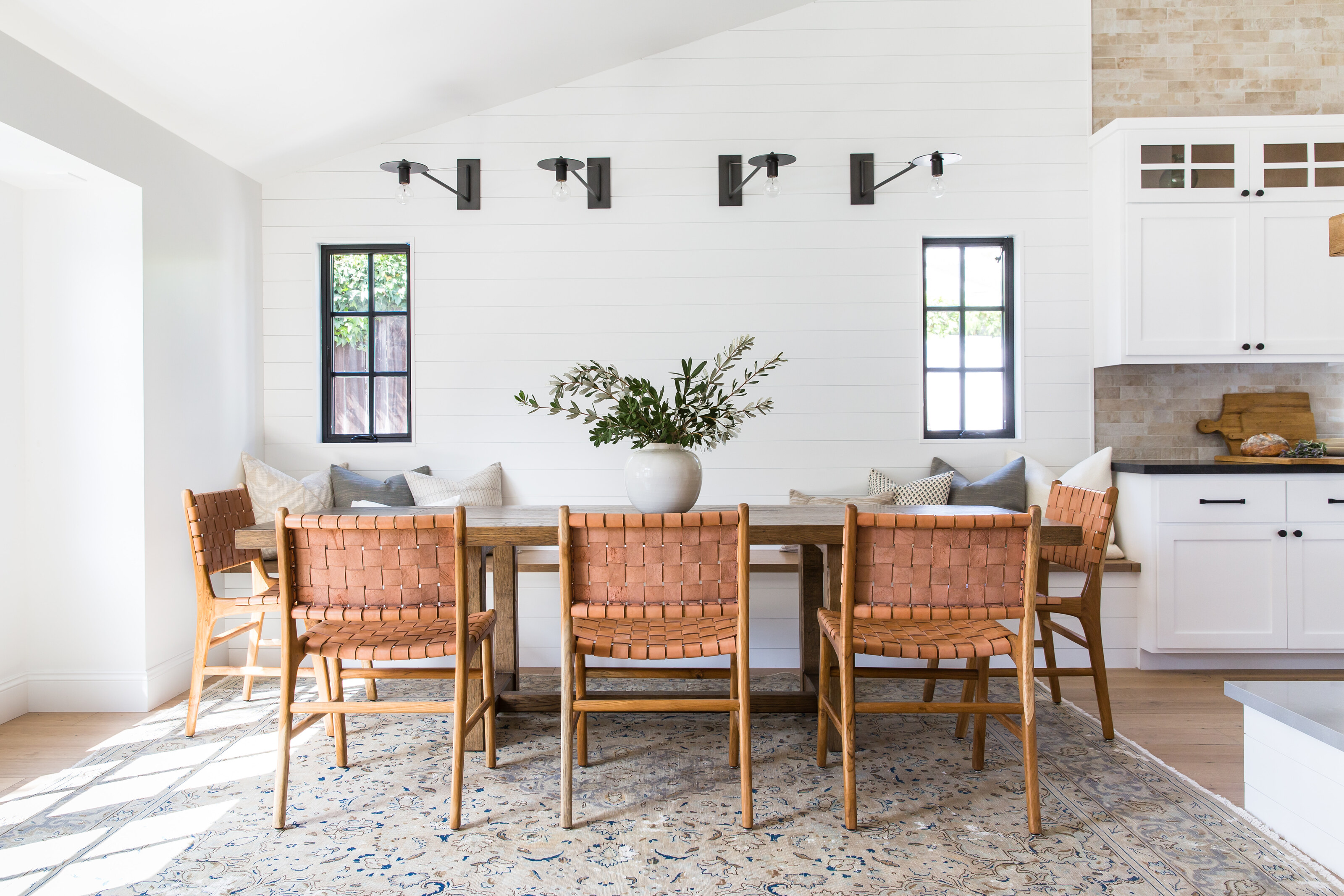
Wall paneling ideas – experts offer 9 simple tricks to wake up your walls
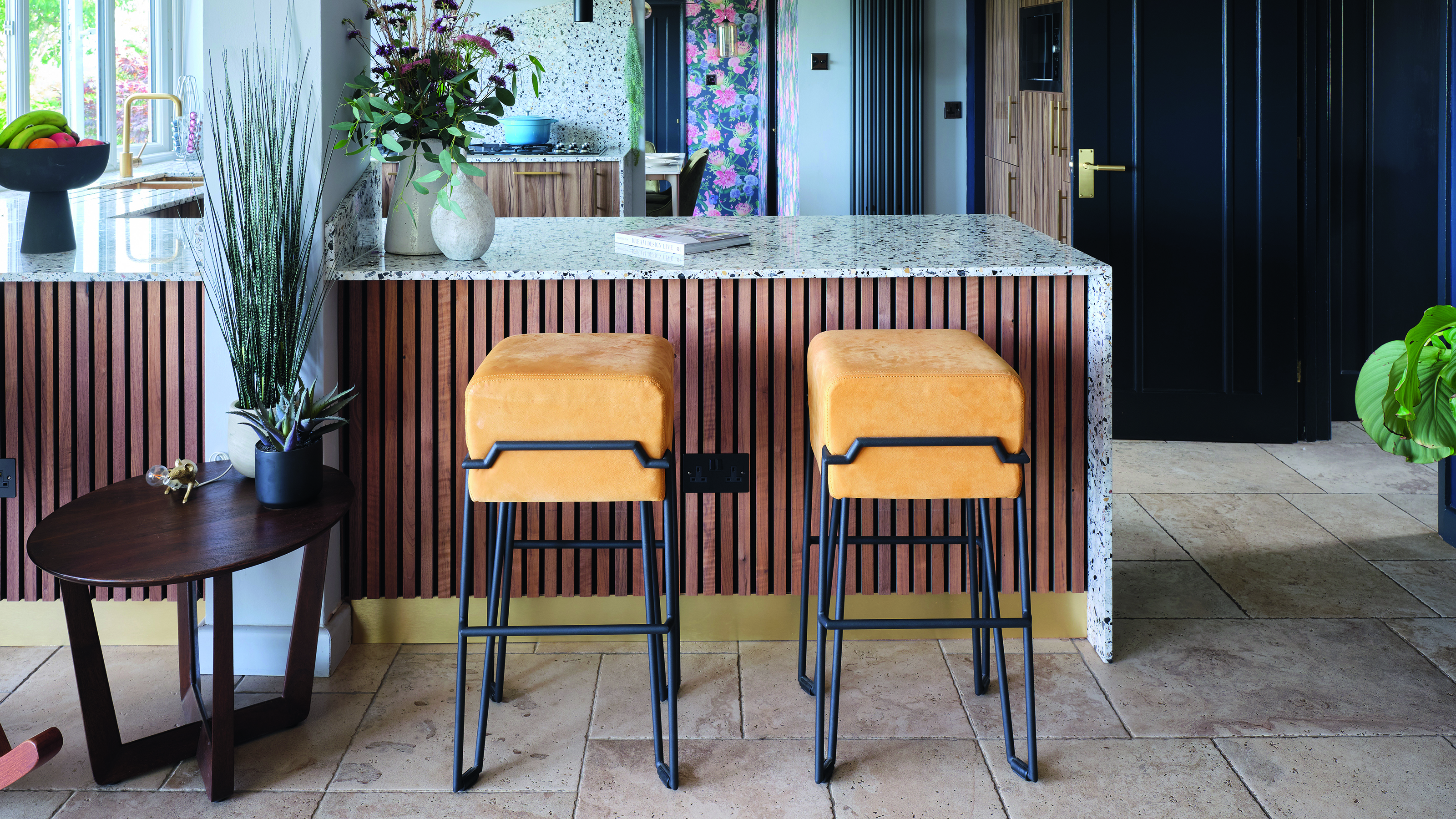
Kitchen panelling is trending - here are 8 ways to achieve this affordable but luxury look
Wall panelling ideas for hallways – 11 ways to maximise style, space and durability in your entryway
Choosing the right wood panelling design
28 wall panelling ideas to add depth and character to any room in your home
We created a posh wall panel in seconds using a sneaky stick-on hack - everyone is convinced it’s real wood

How to Paint Wood Paneling the Right Way