1/2
22 Wall Paneling Ideas That Add Dimension to Any Room
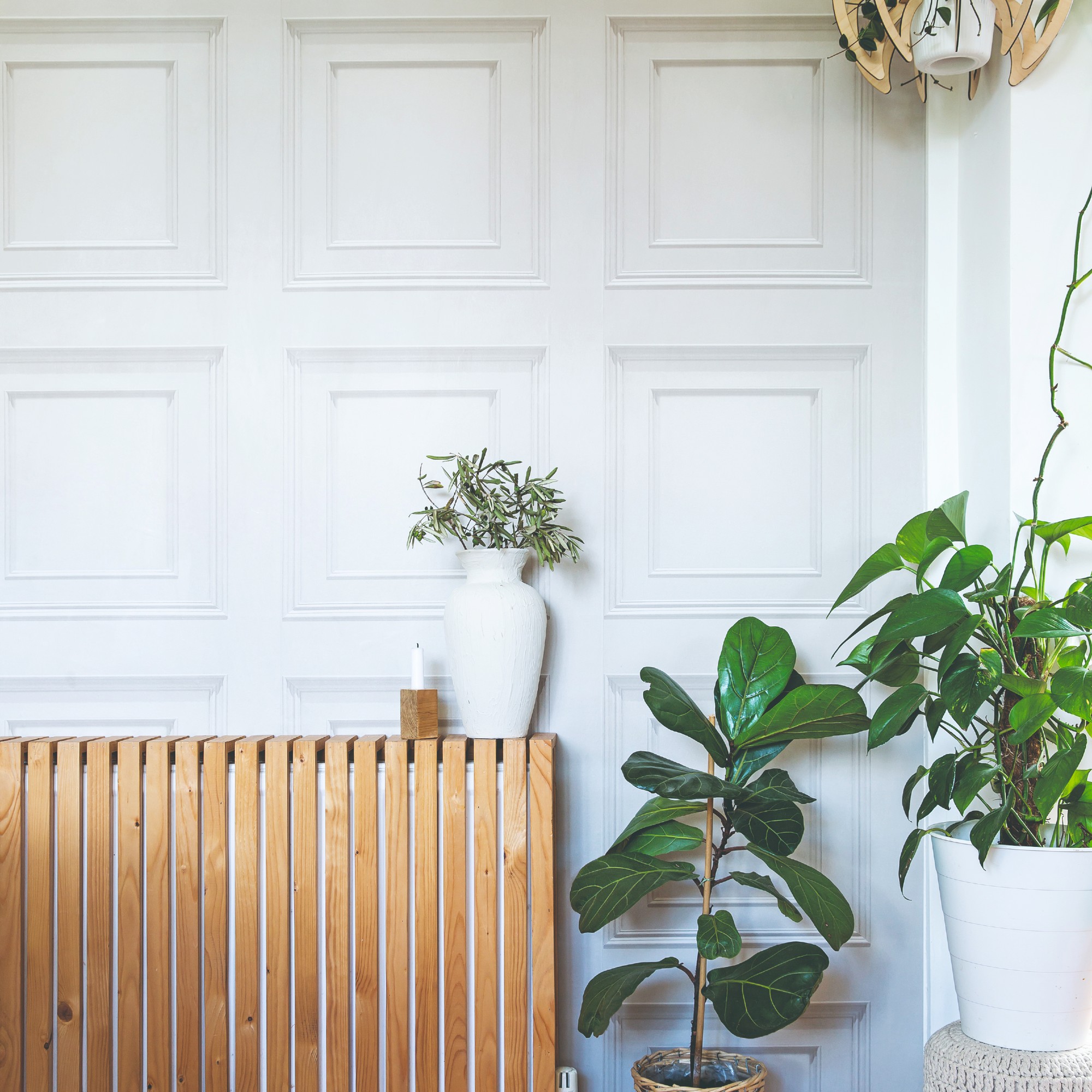
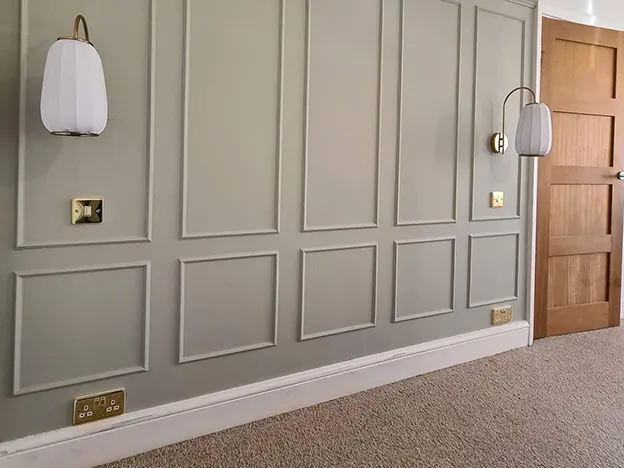
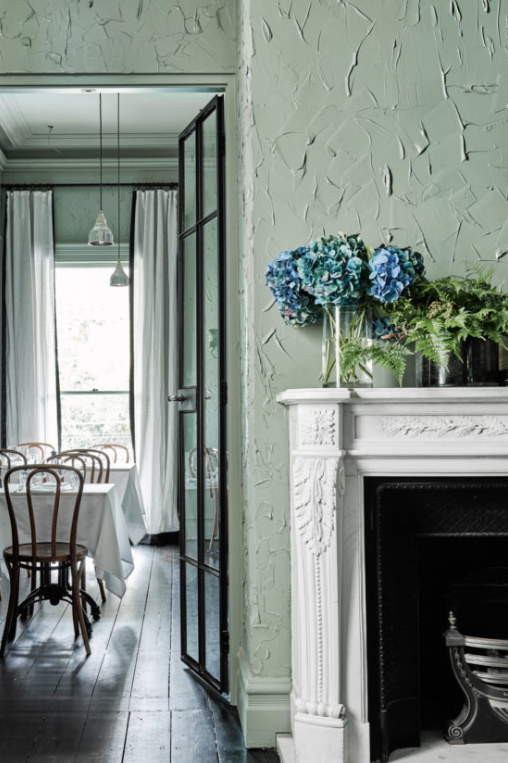
Wall paneling offers a versatile and effective method to introduce dimension, texture, and style into any room. It functions as an architectural feature that can elevate a space without requiring extensive additional decor, making even sparsely furnished rooms feel refined. The application of wall paneling is diverse, accommodating various aesthetic preferences, from modern to traditional.
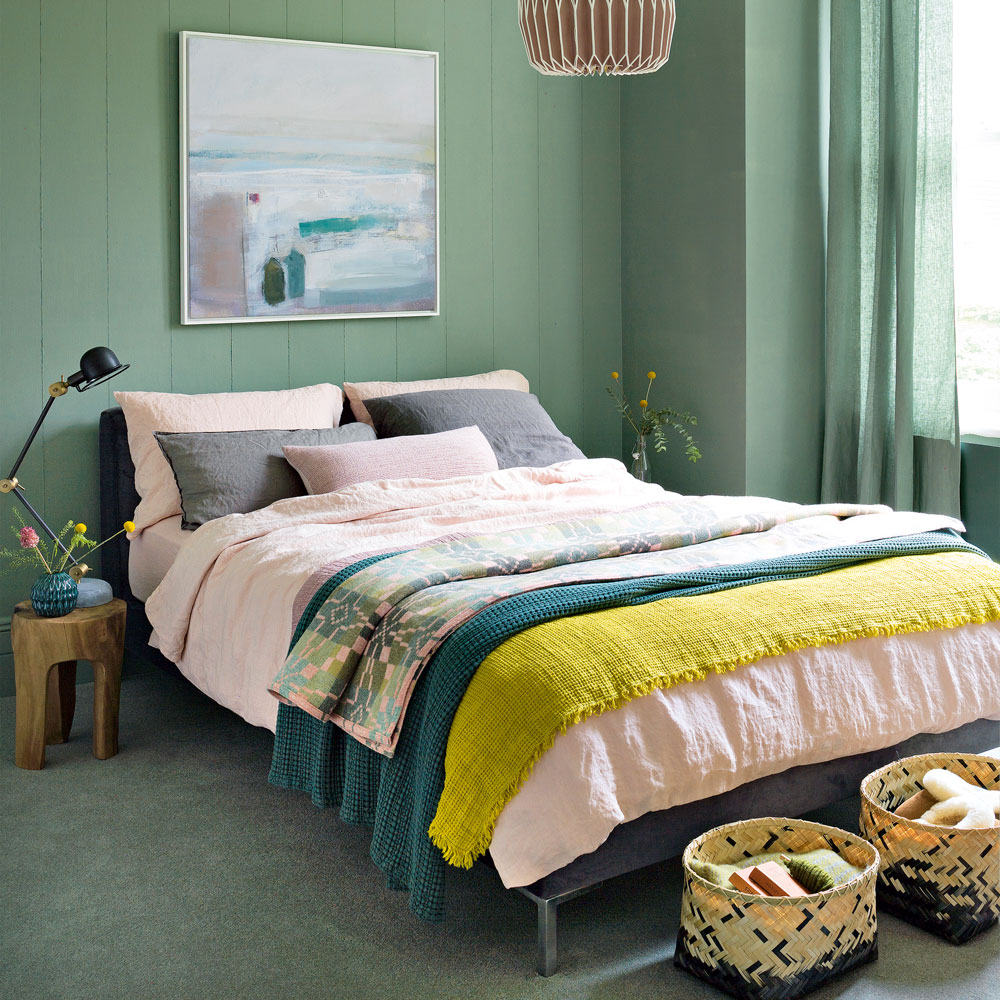
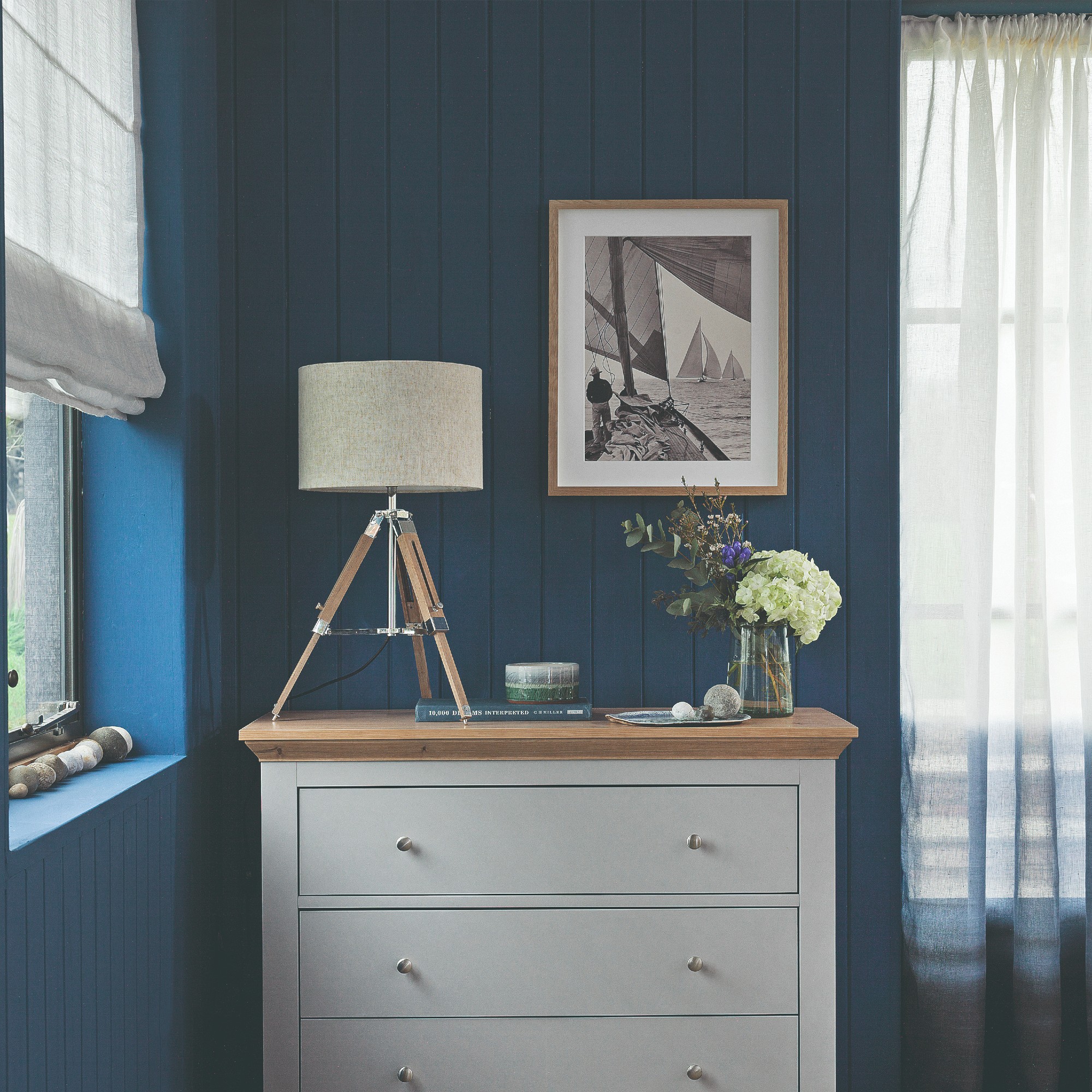
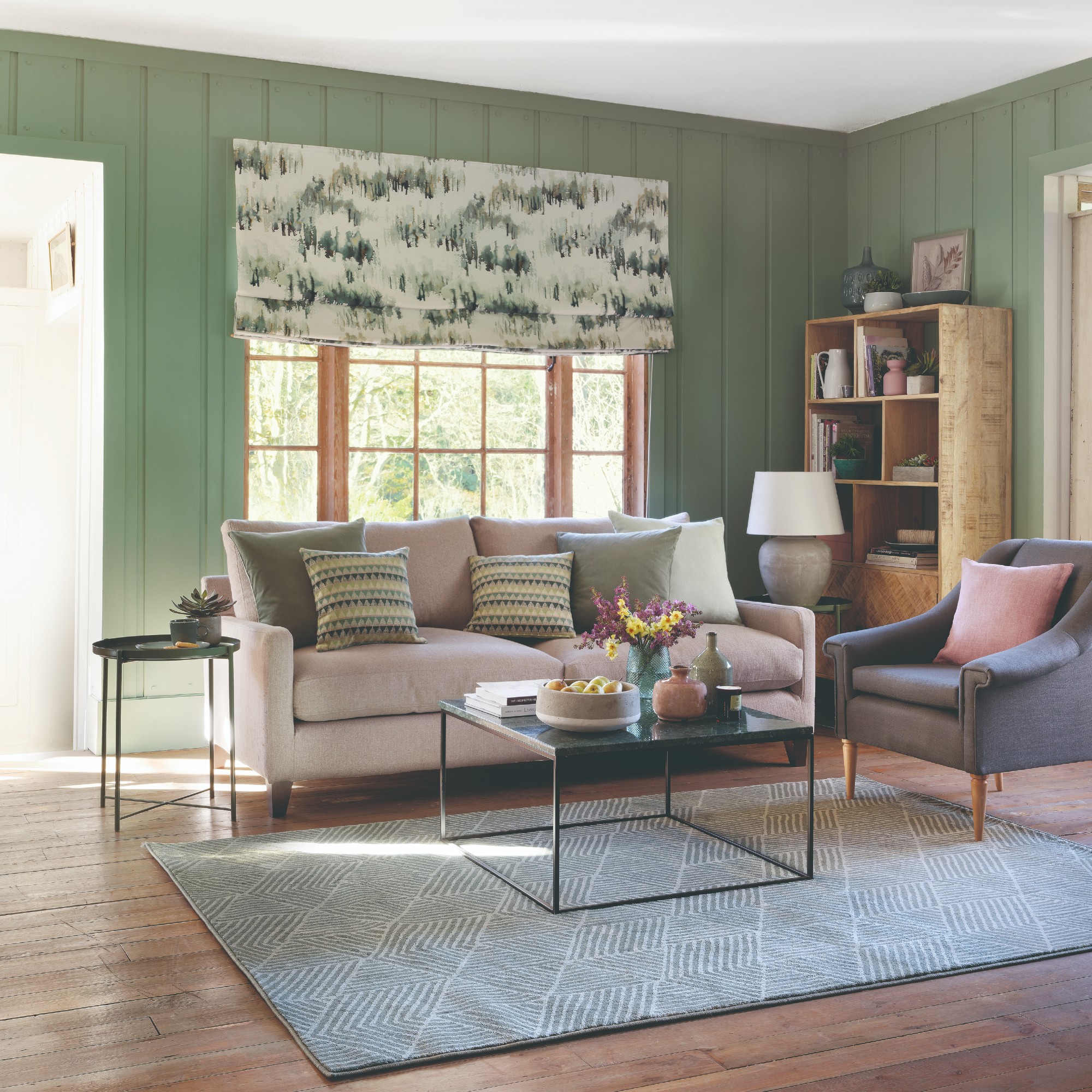
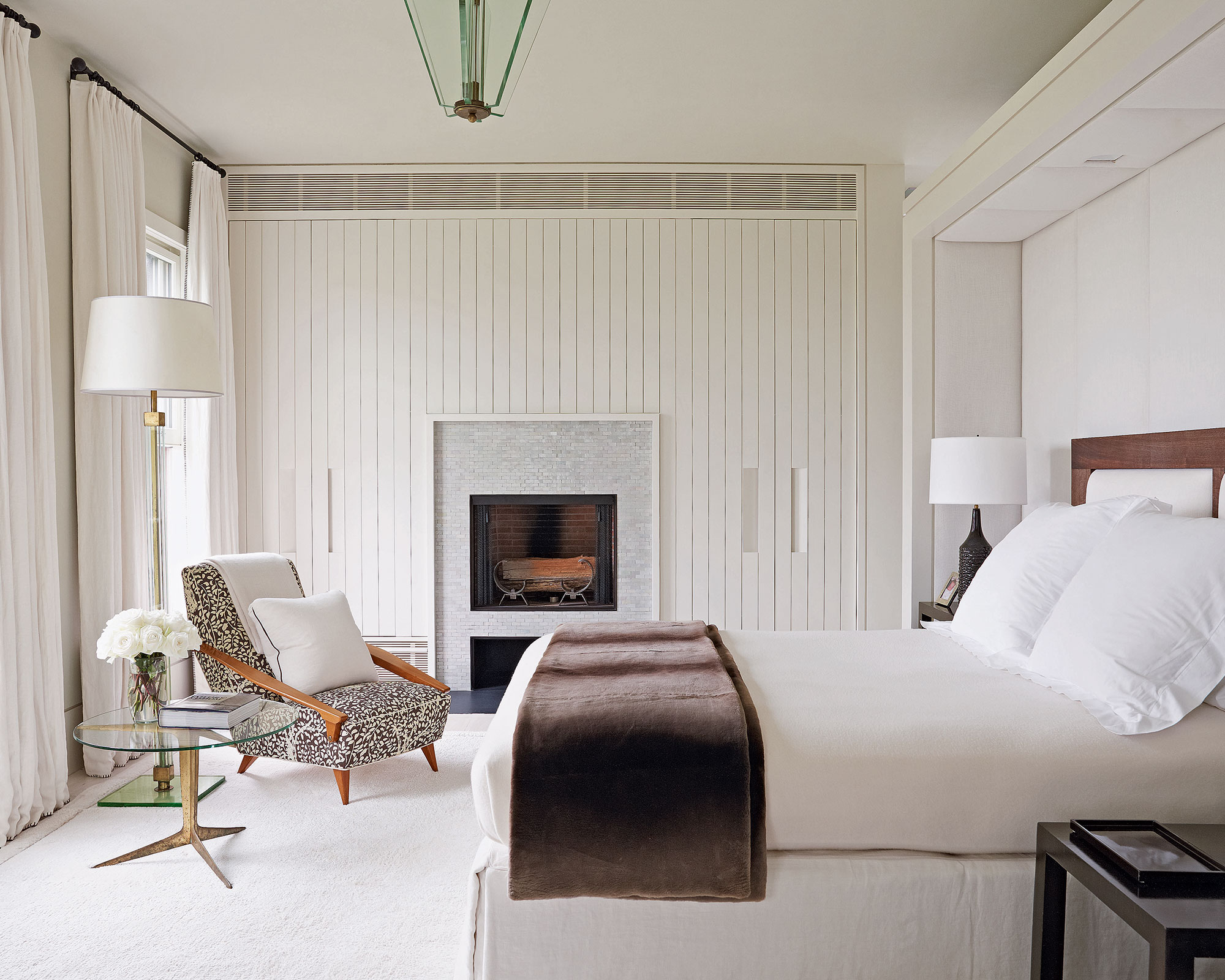
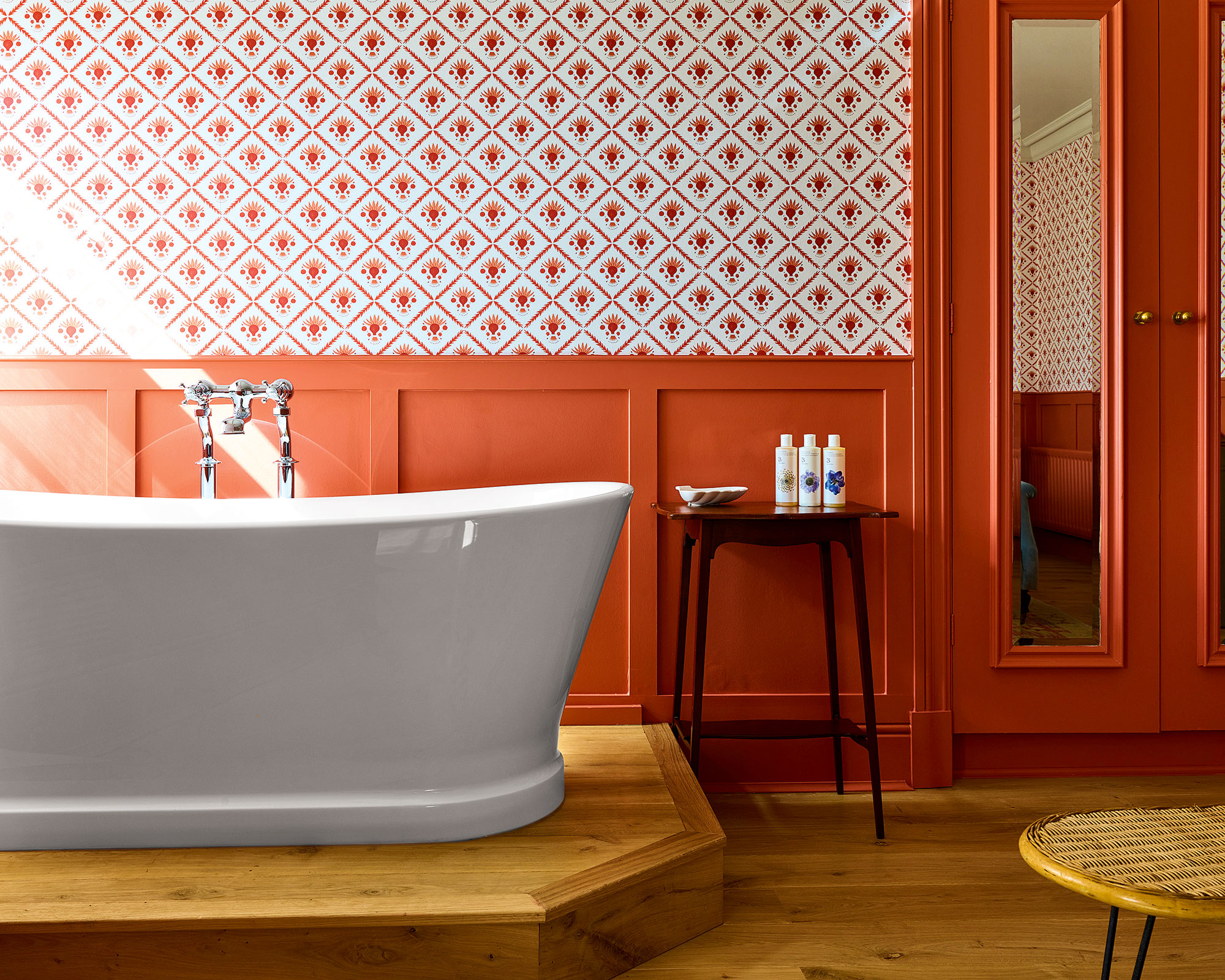
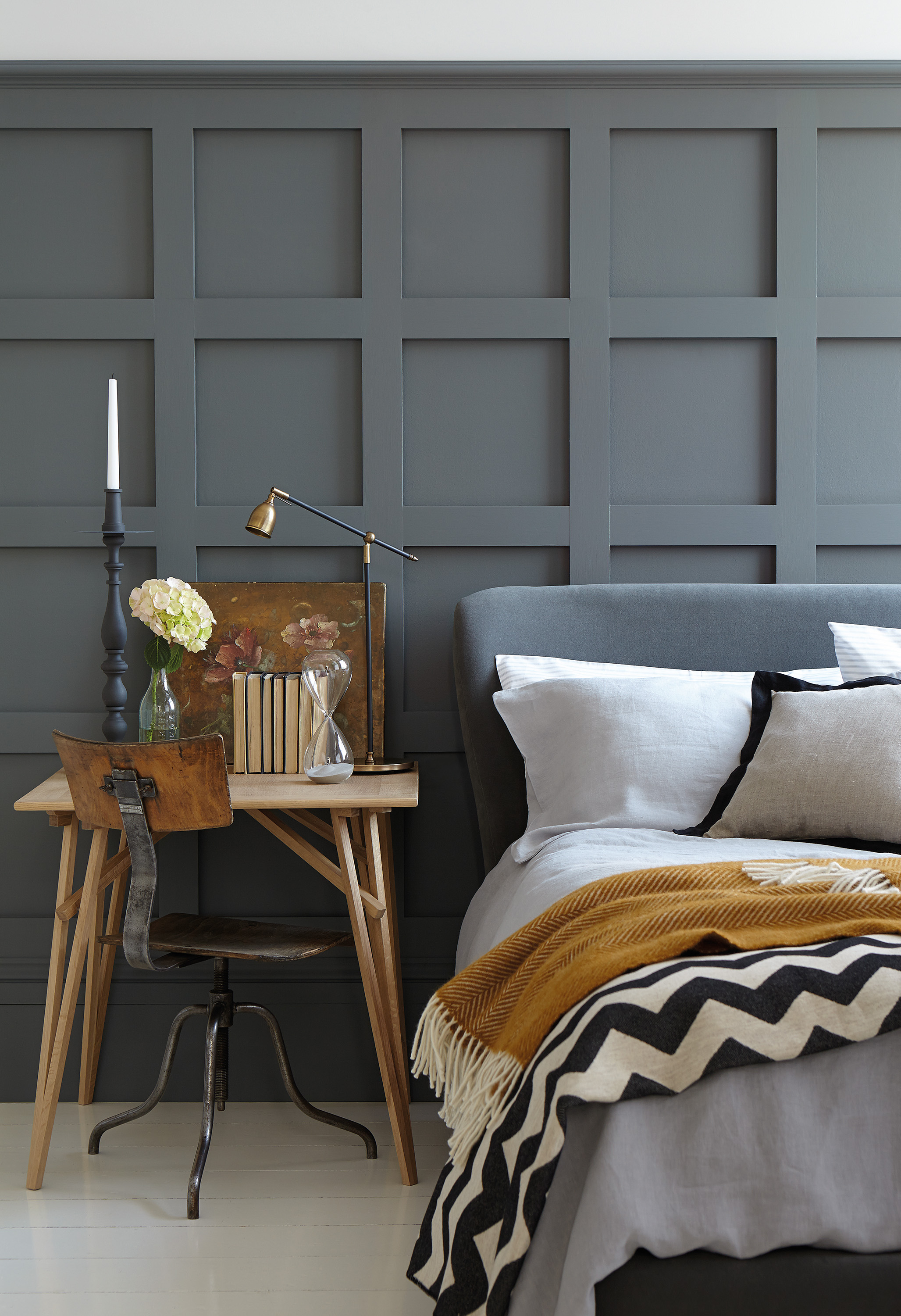
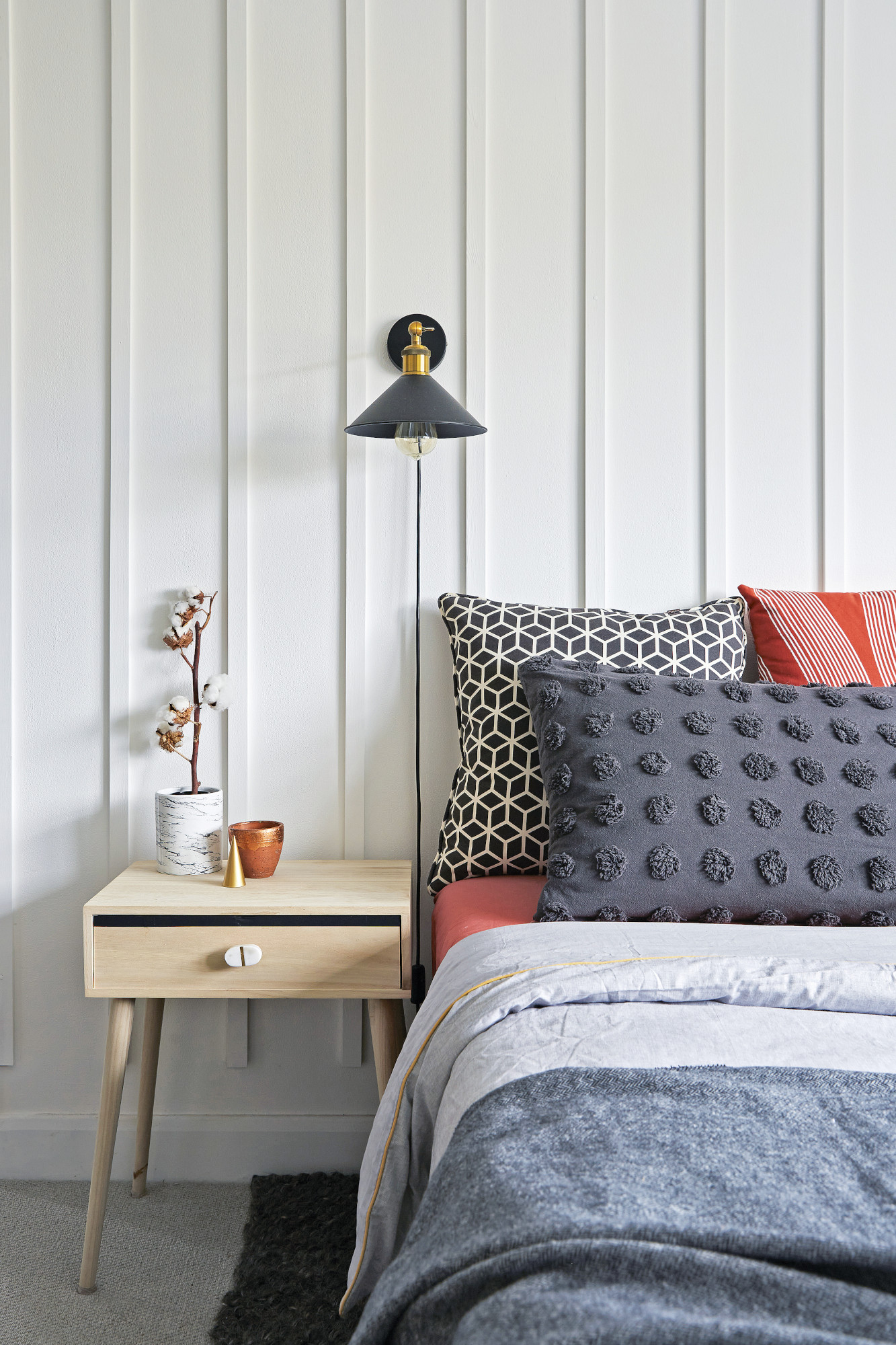
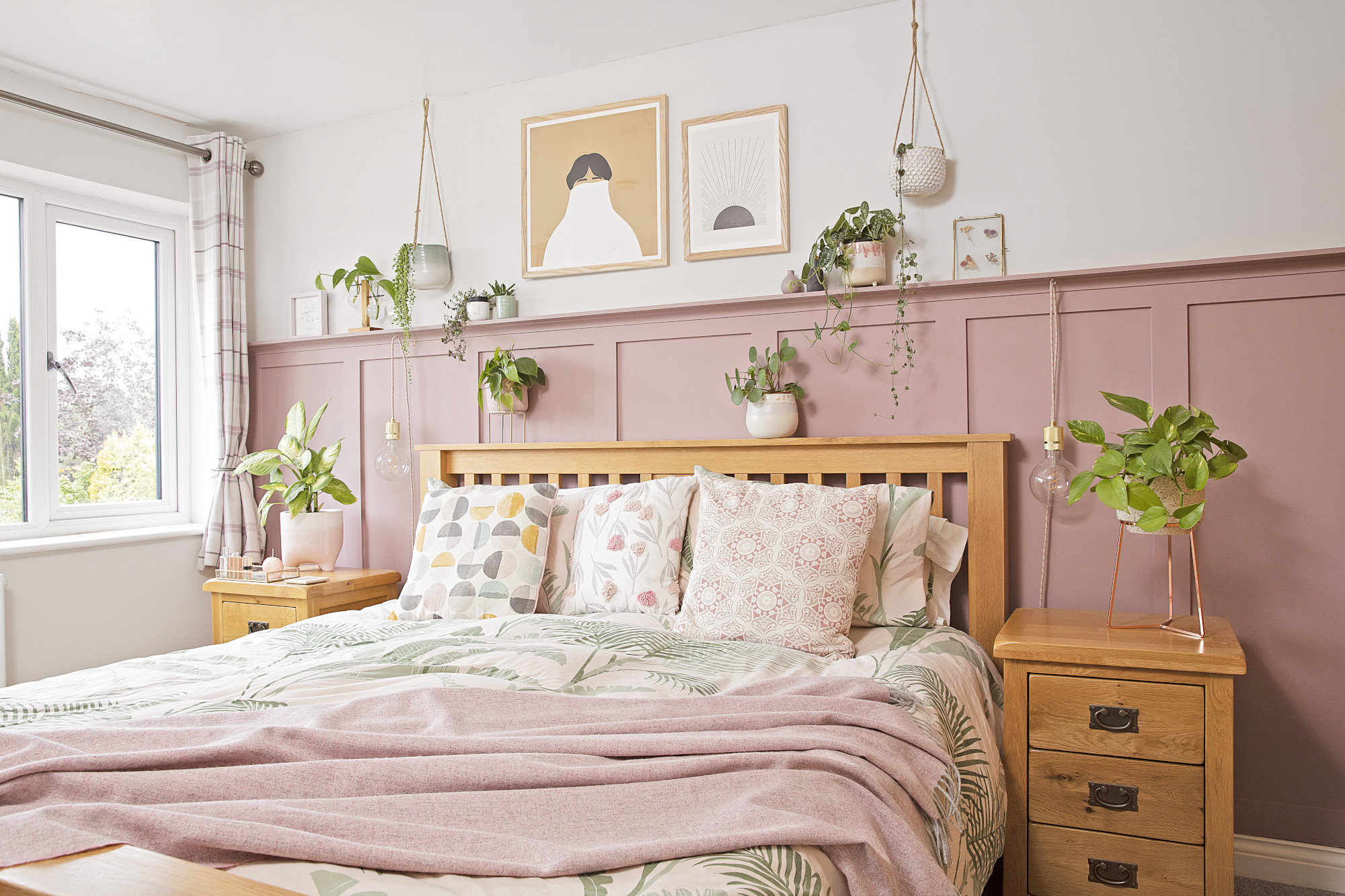
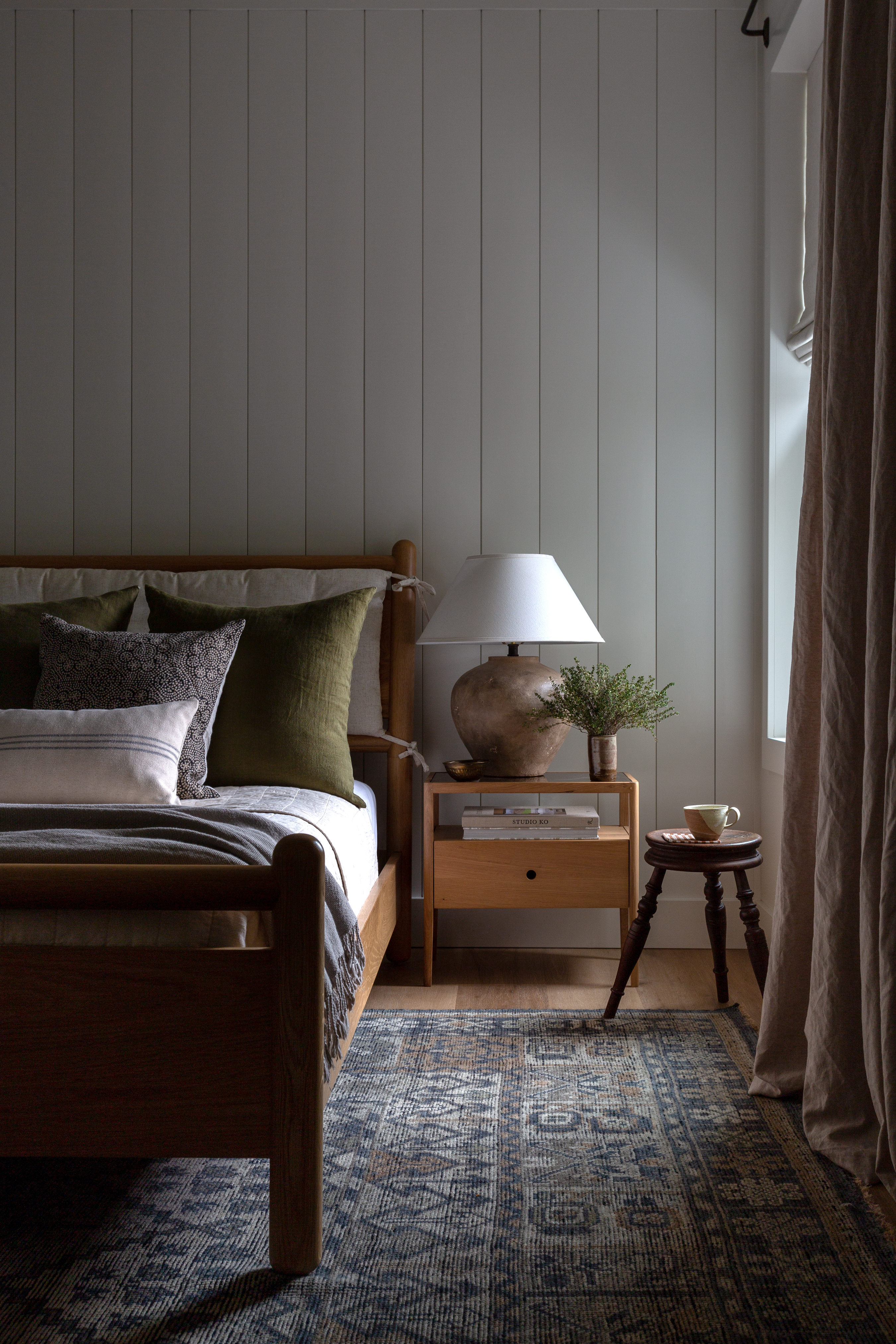
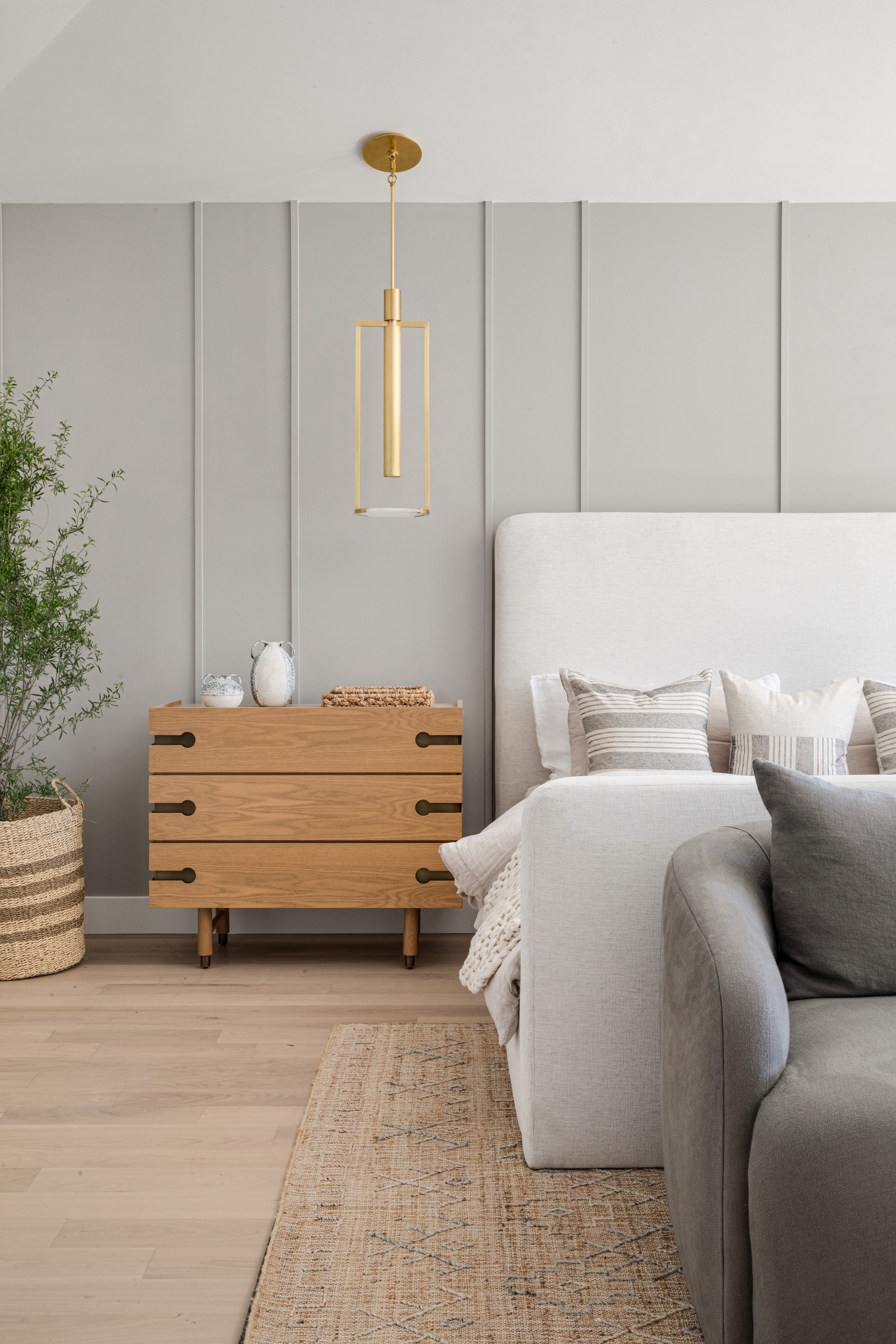
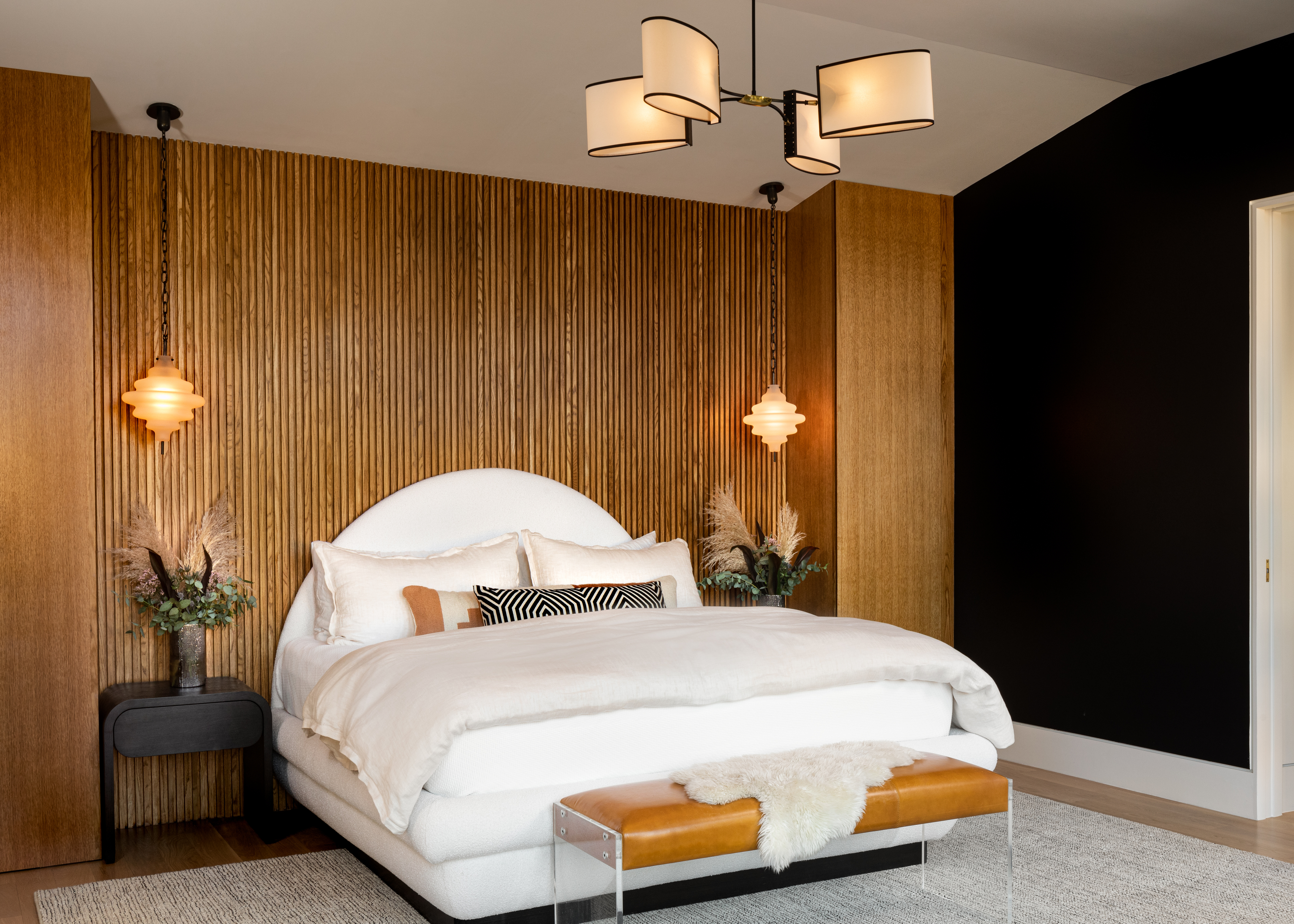
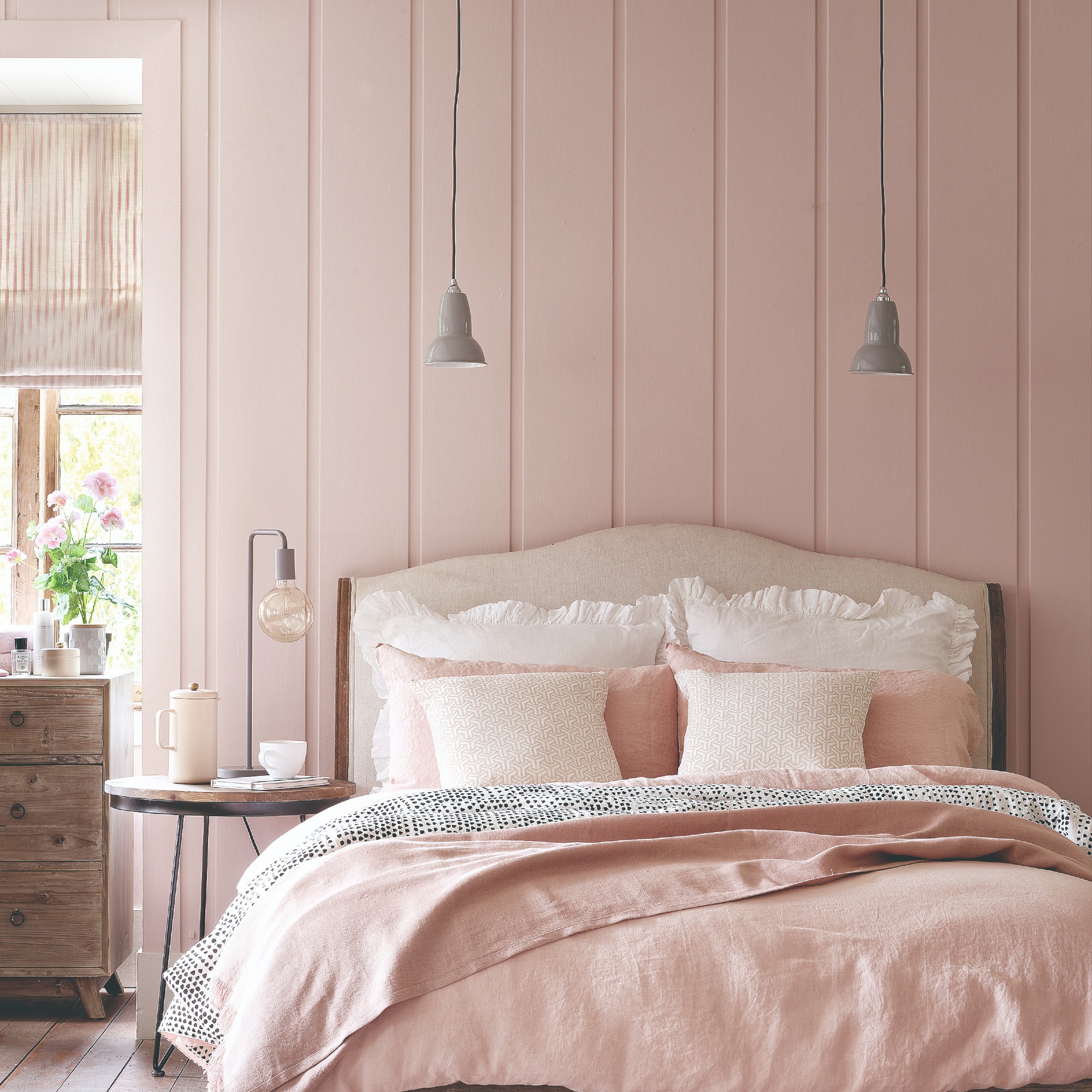
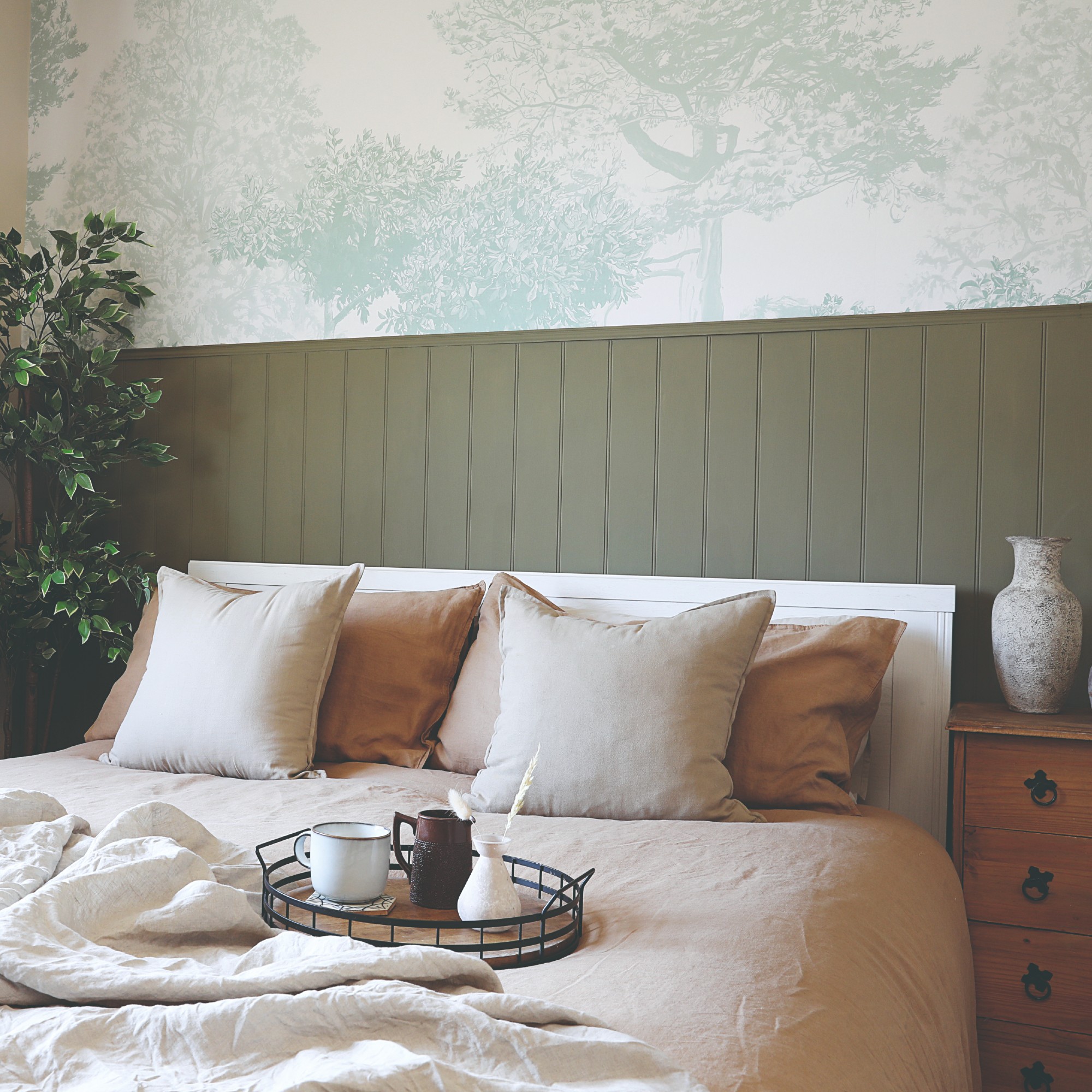
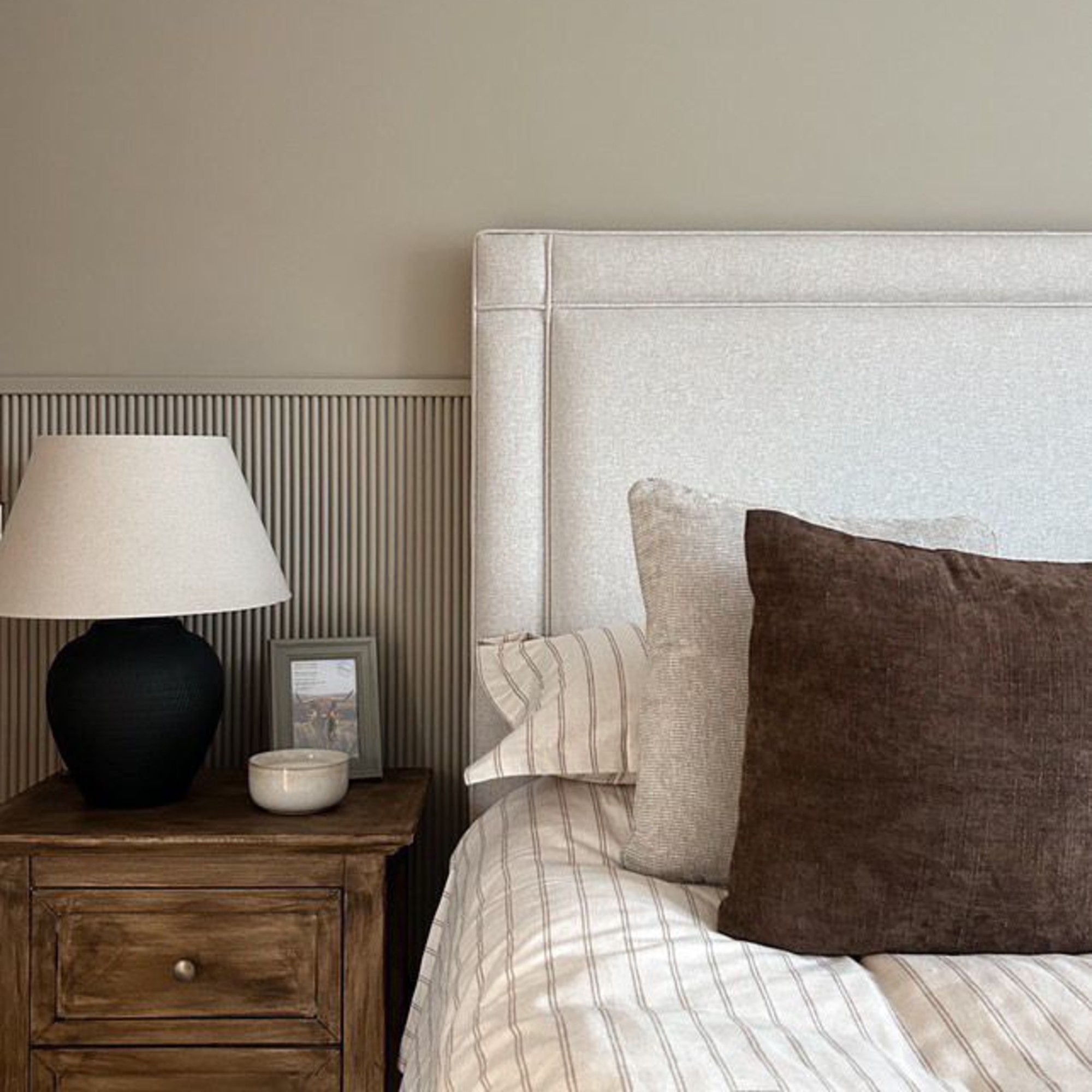
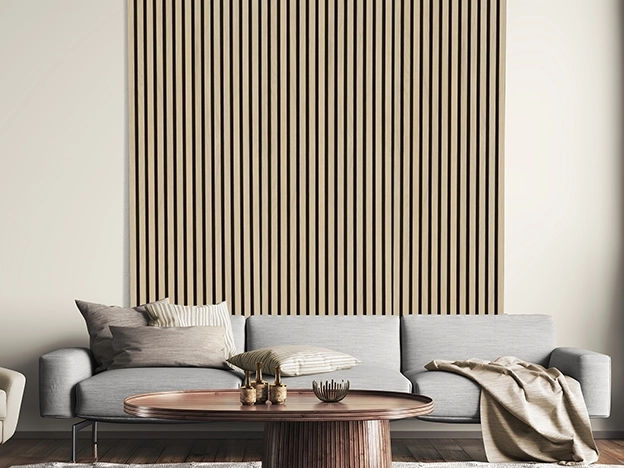
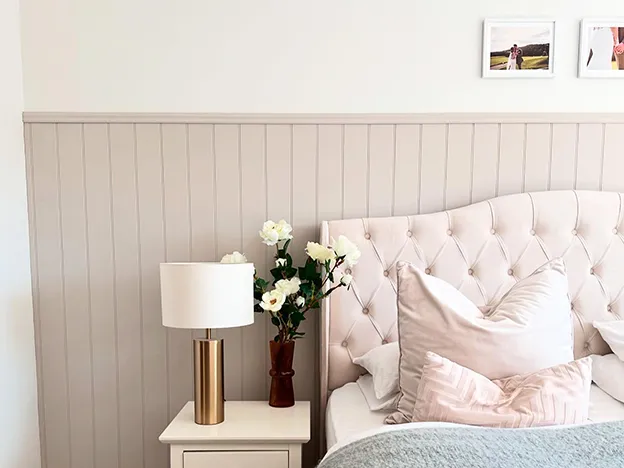
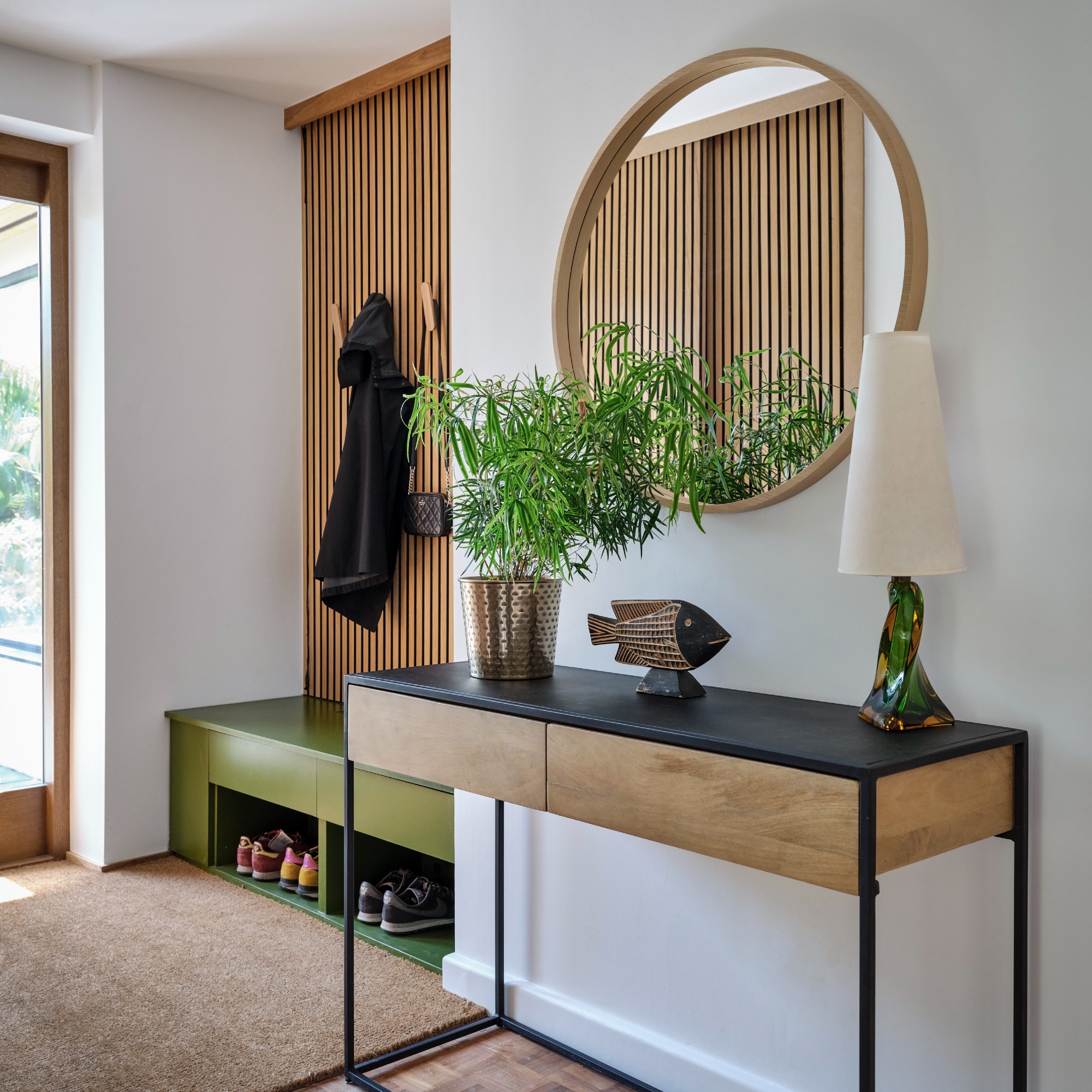
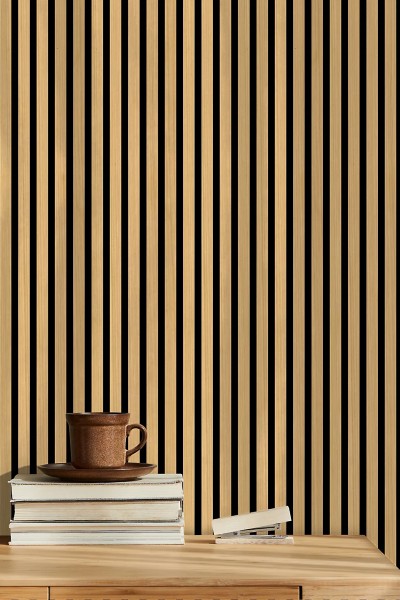
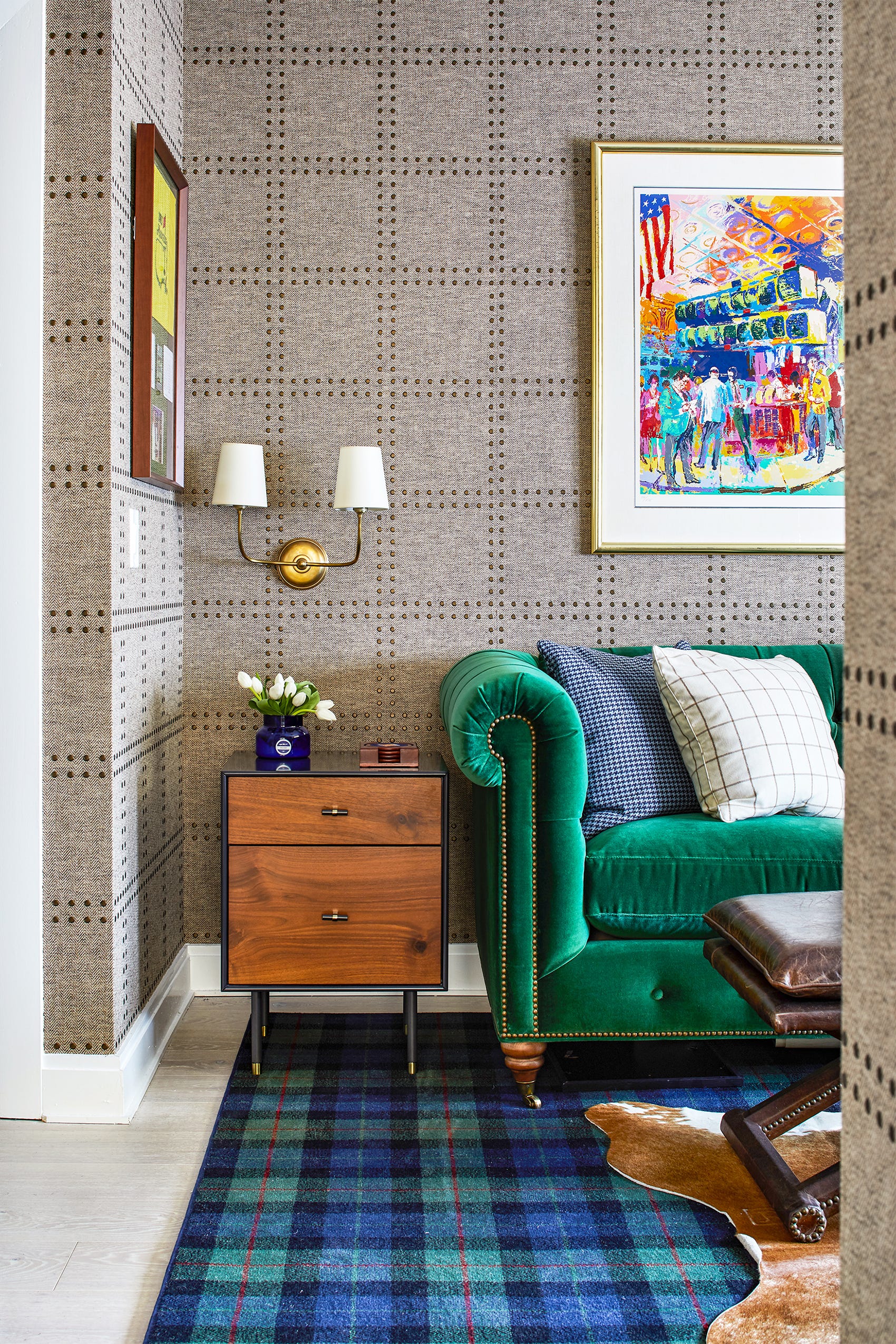
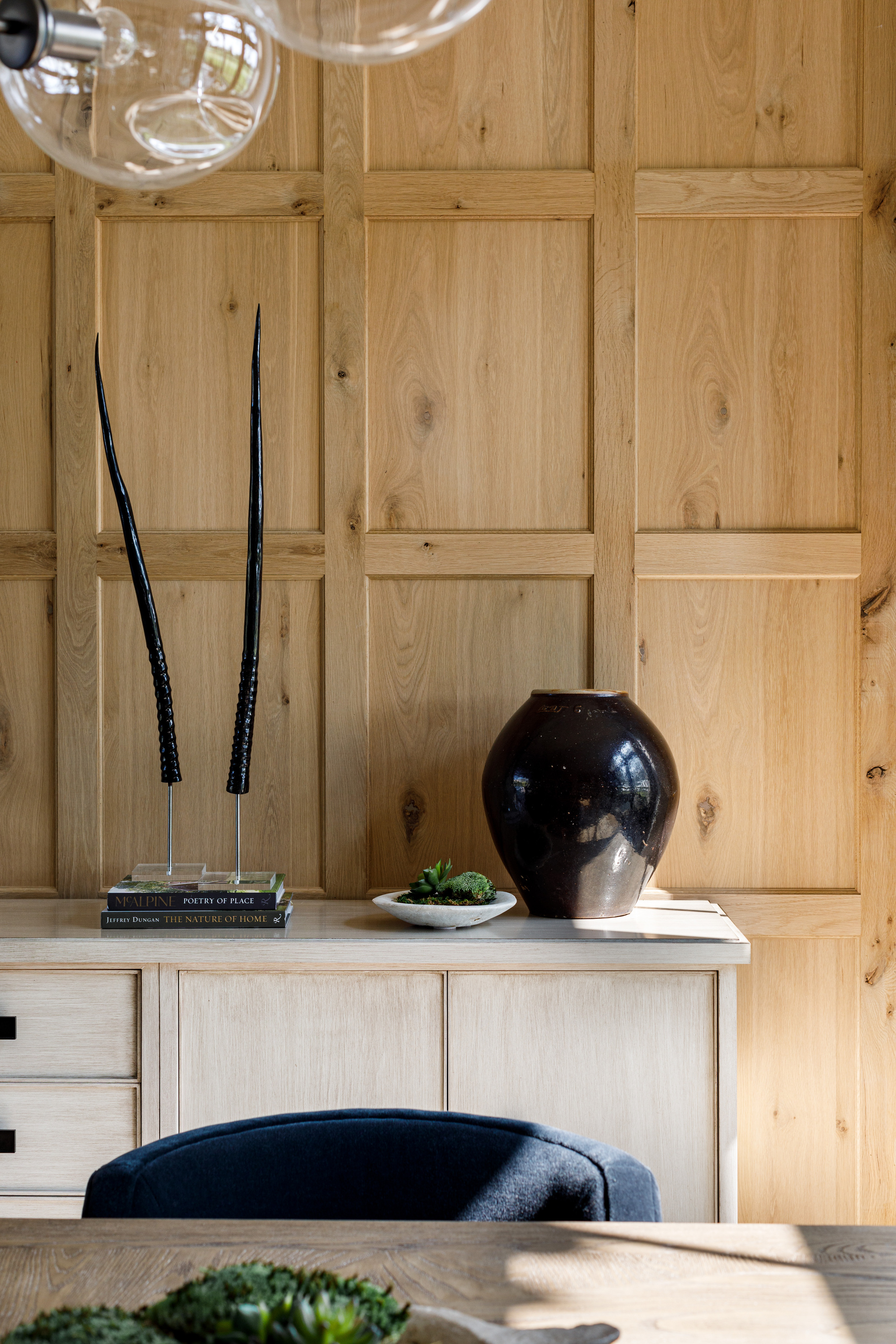
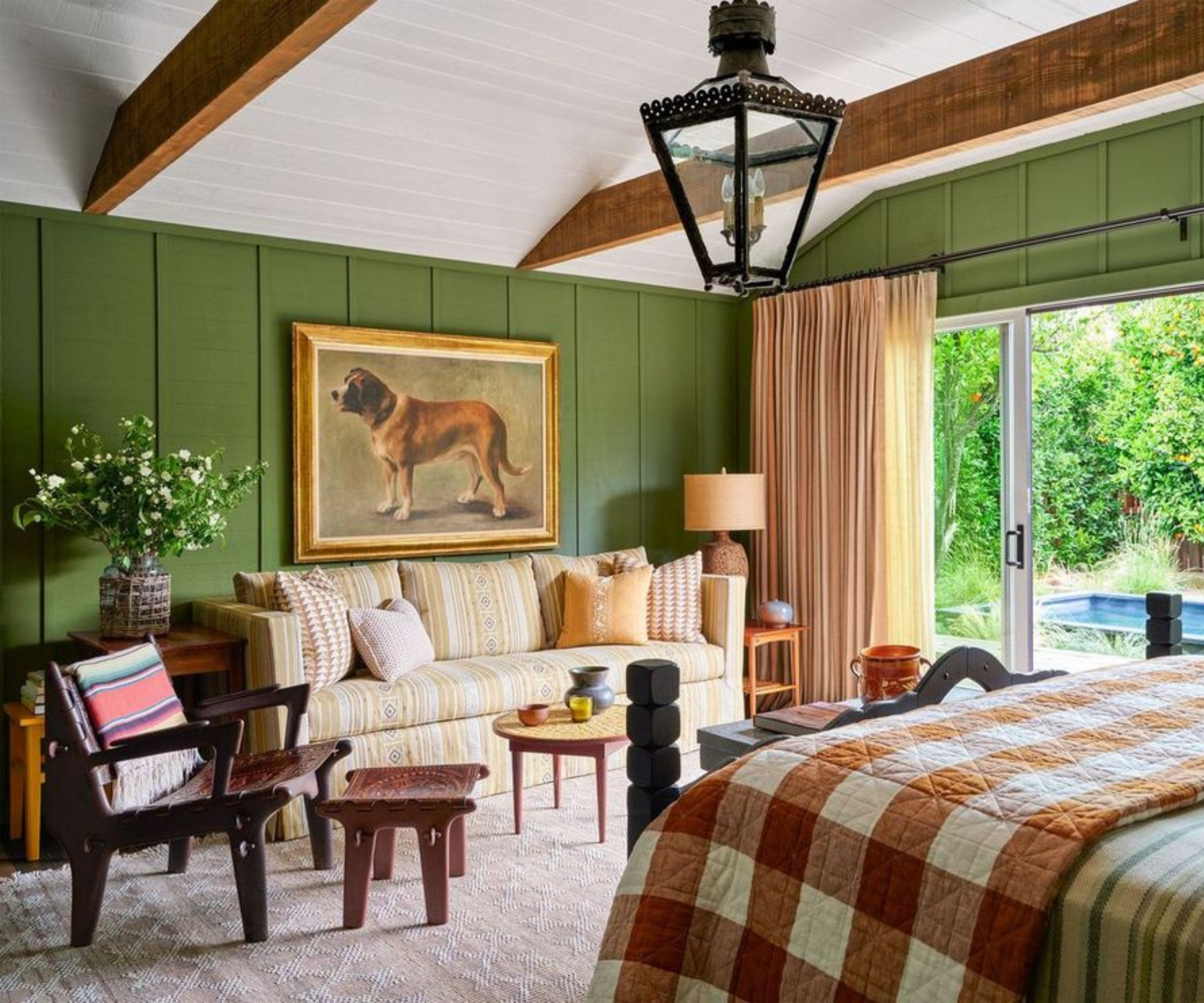
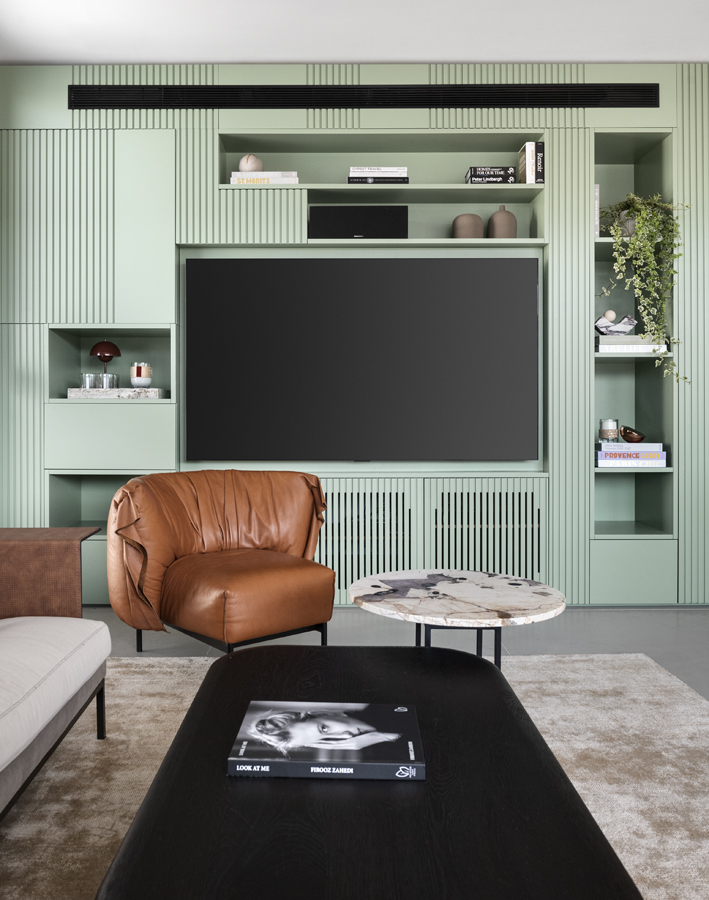
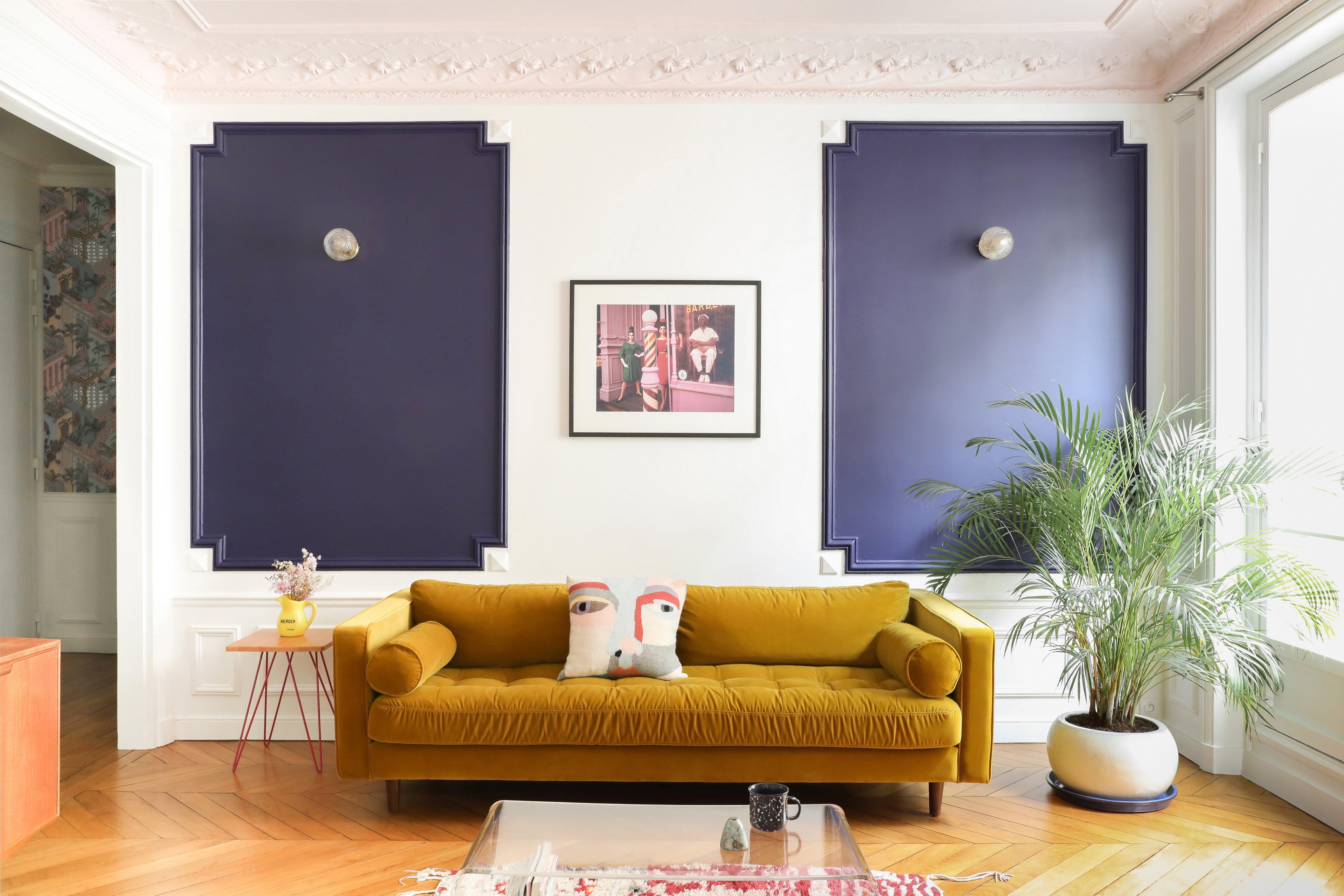
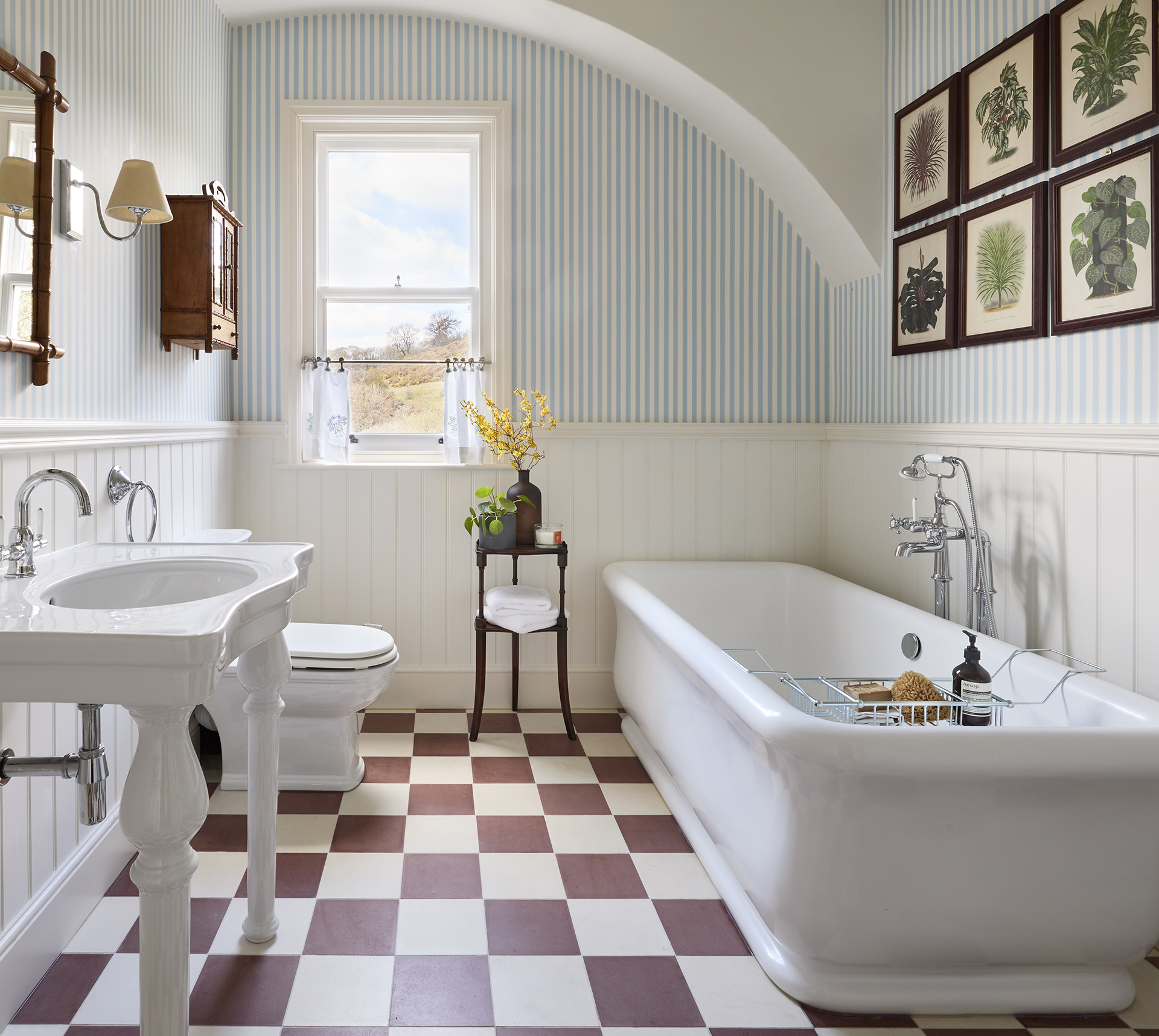
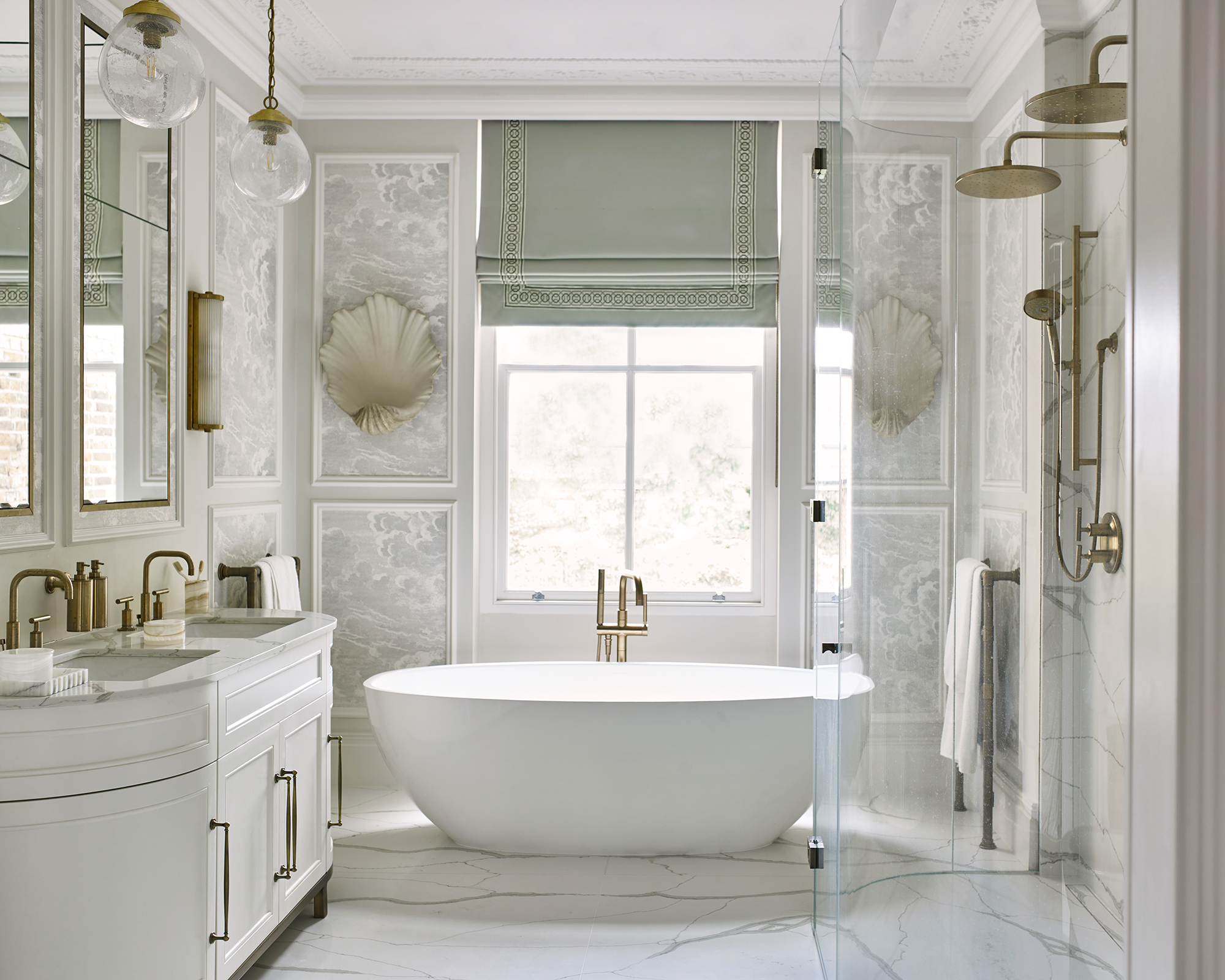
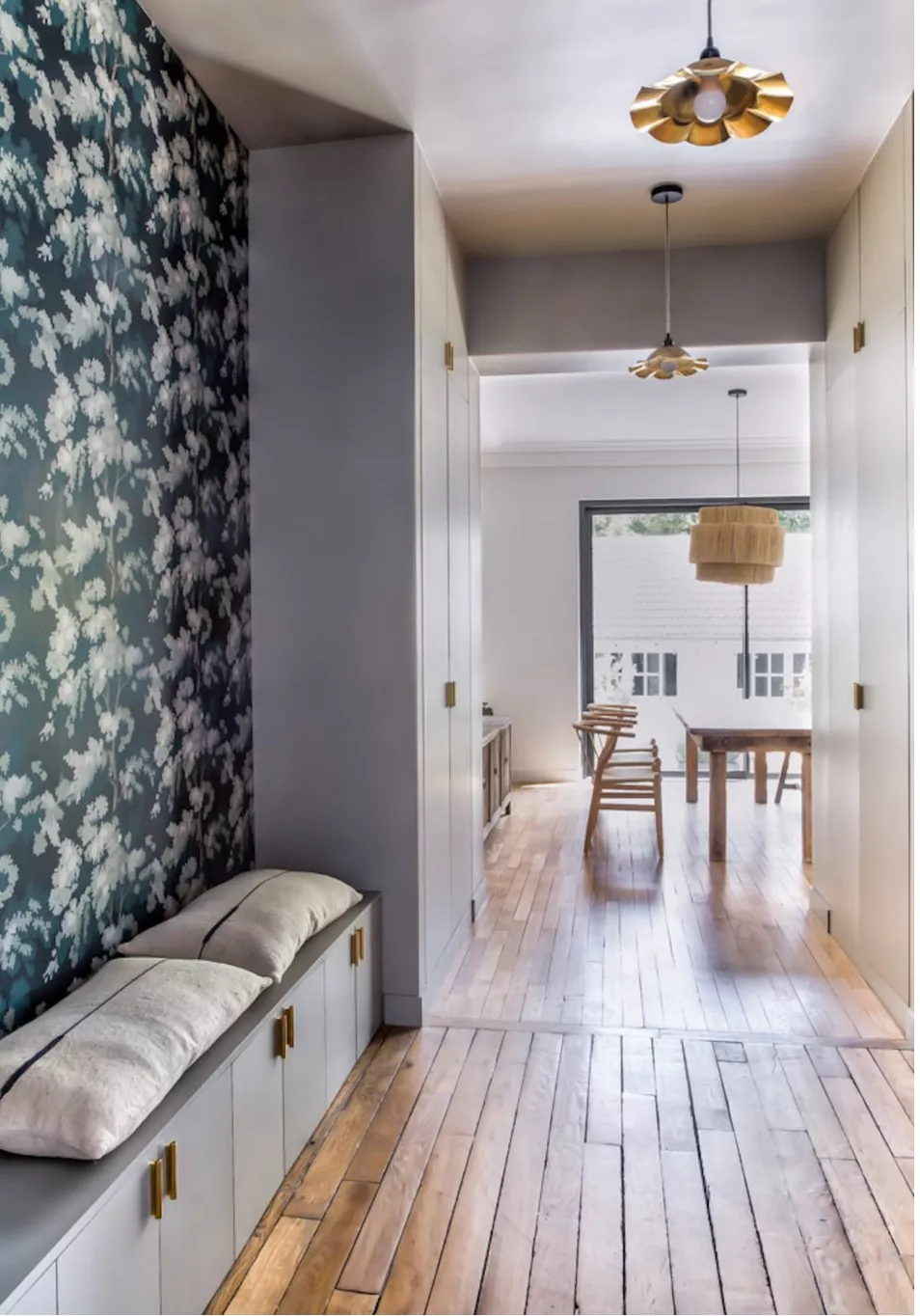
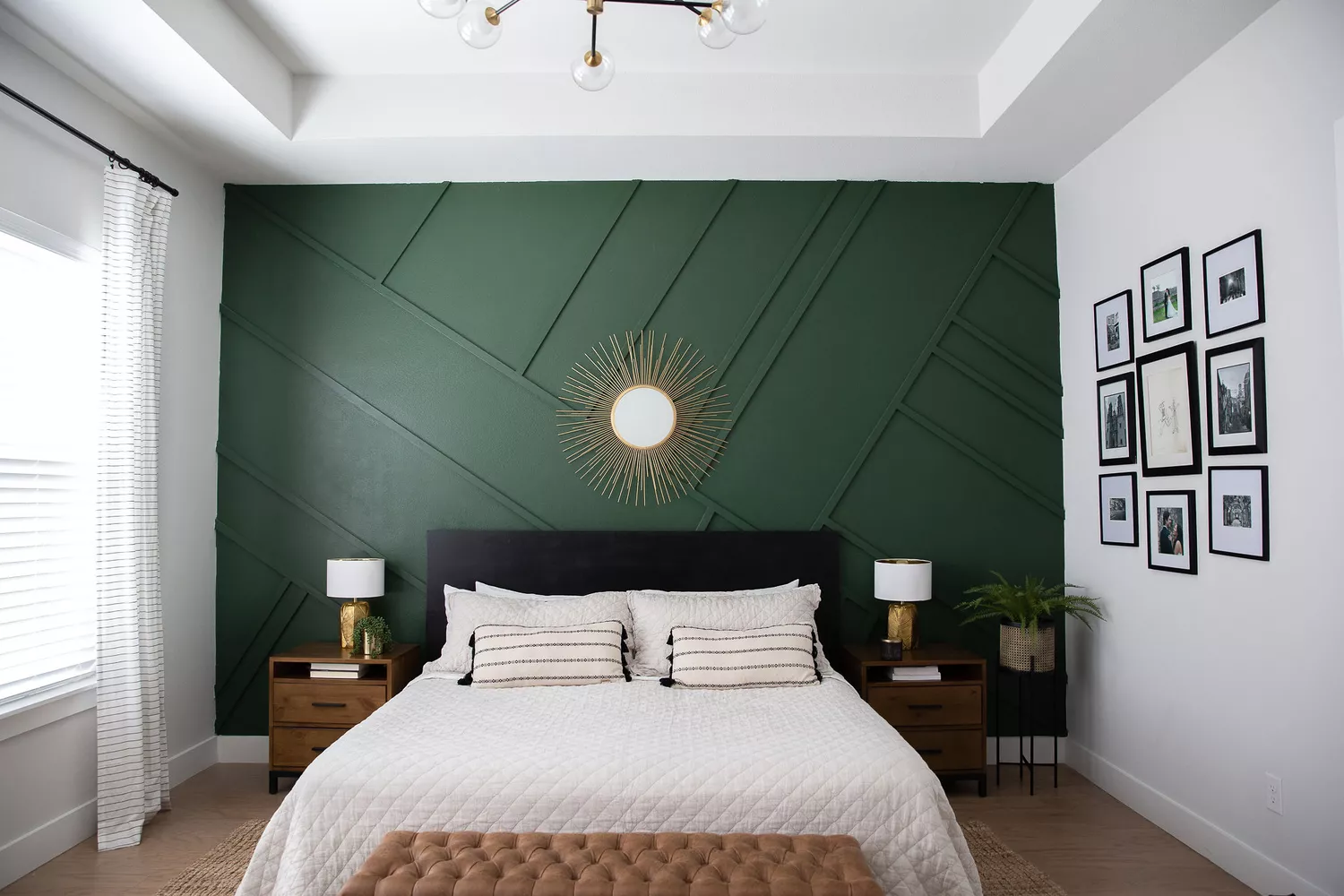
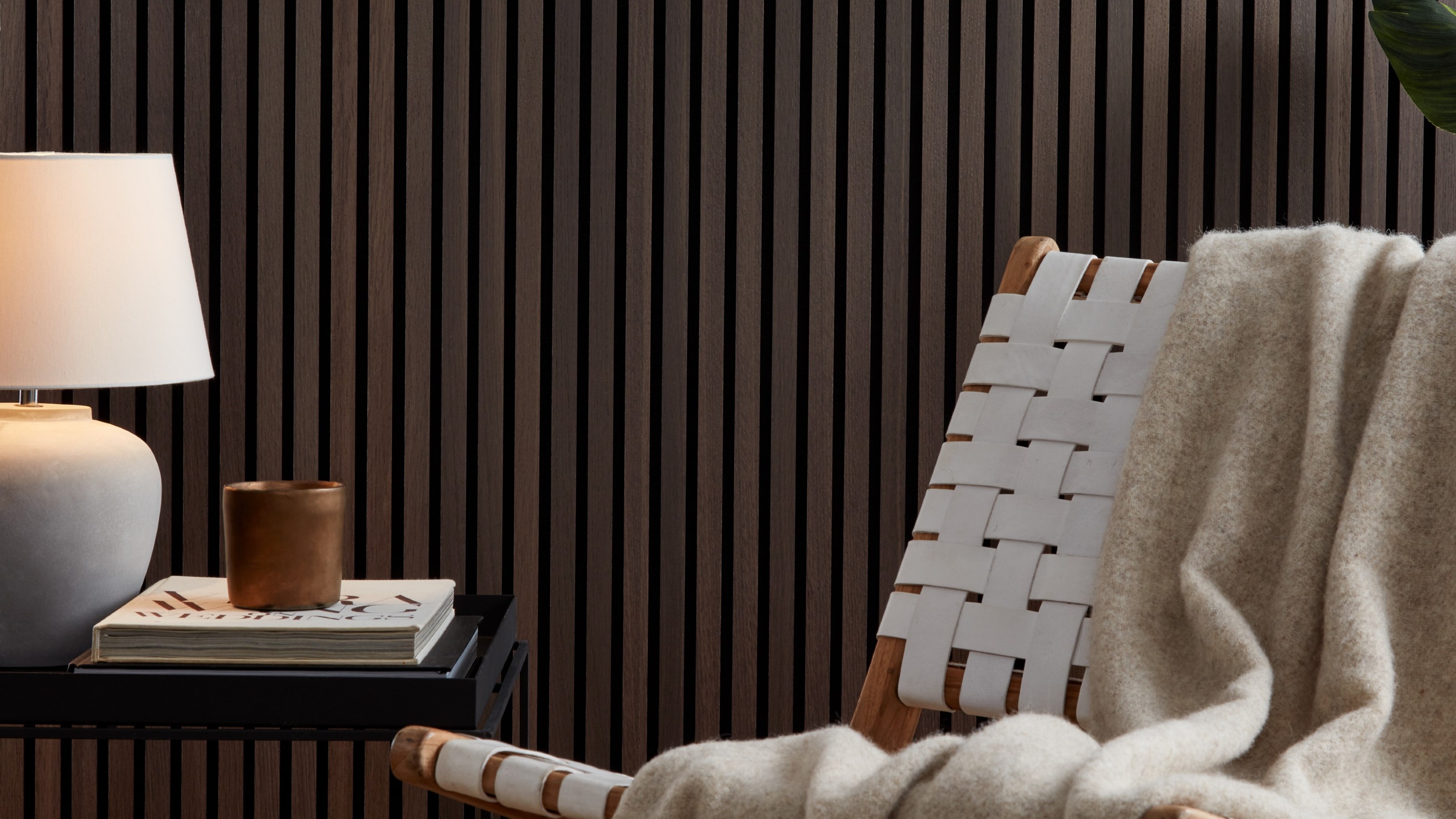
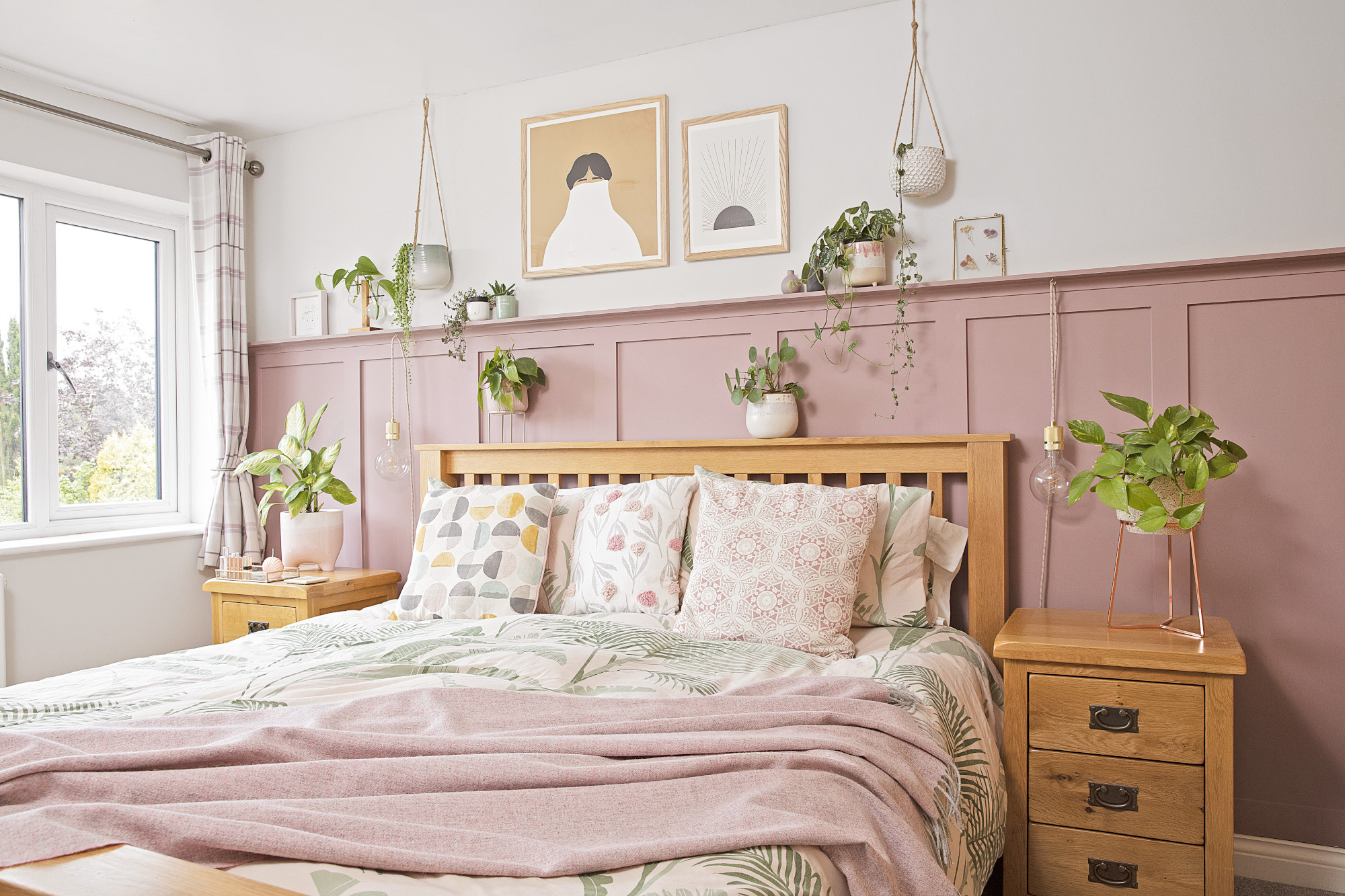
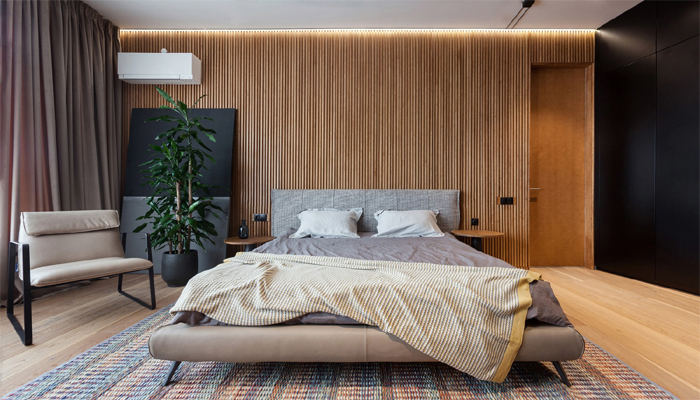
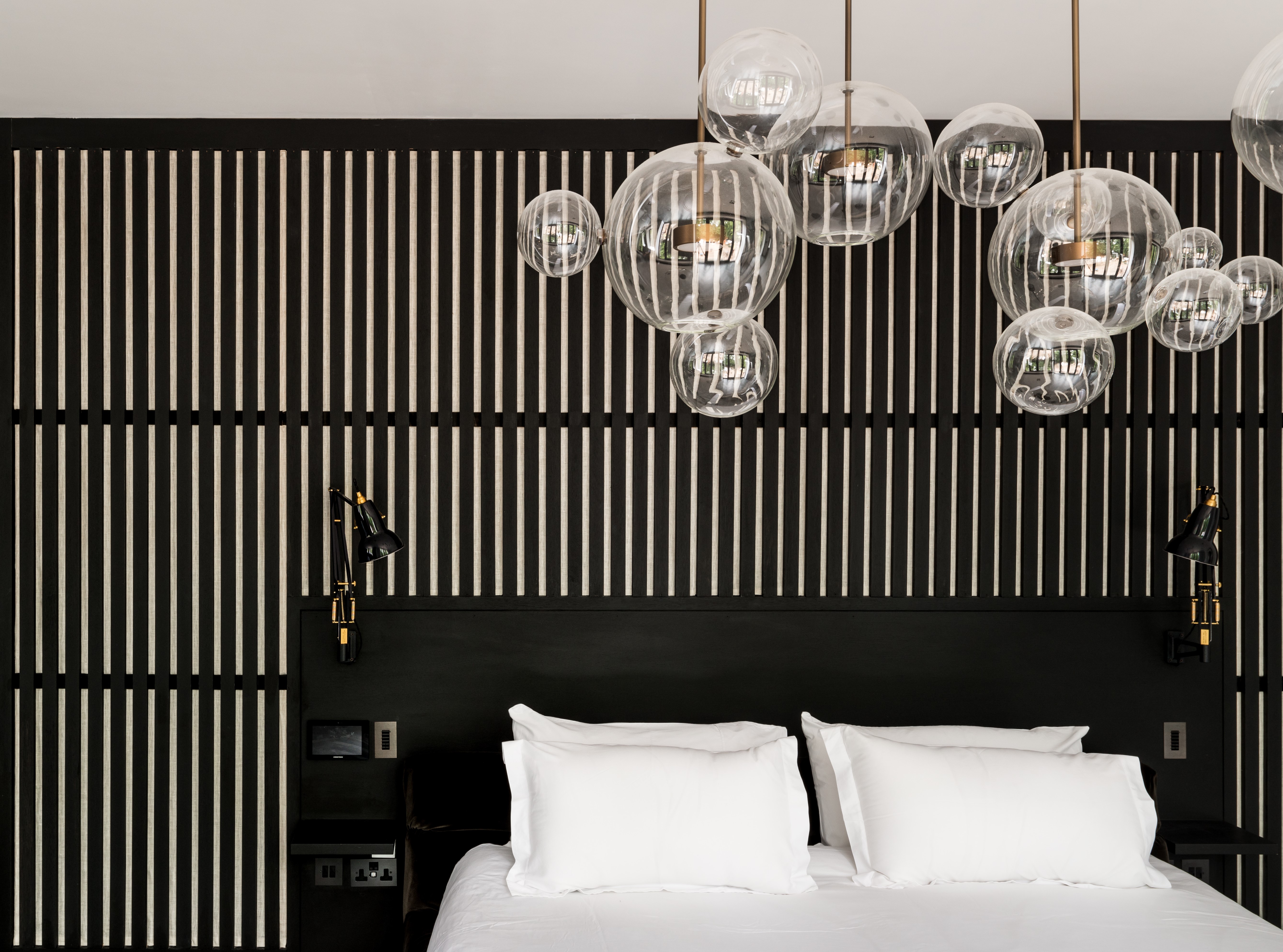
Various styles of wall paneling cater to different design goals and room functions. Vertical wood slat paneling, for instance, can complement rich wall colors and cleverly conceal doors for a cohesive look. Fluted clay paneling introduces unique visual interest and texture, particularly in neutral spaces. Board and batten designs are effective for creating accent walls, especially in bedrooms, where a bold color can anchor the room without overwhelming it. Combining wallpaper with wainscoting allows for a blend of patterns and textures, with options to choose complementary tones or stark contrasts for visual impact.
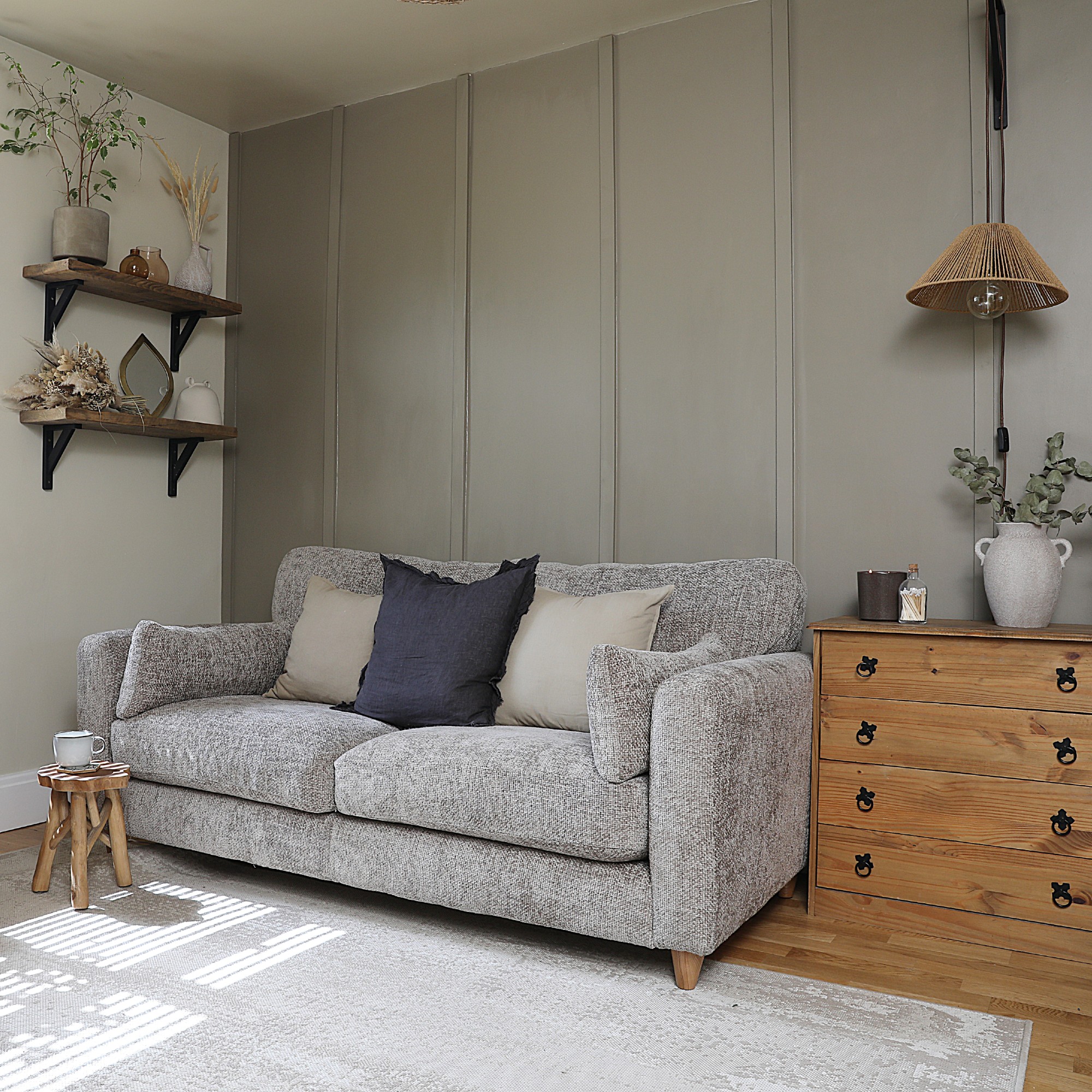
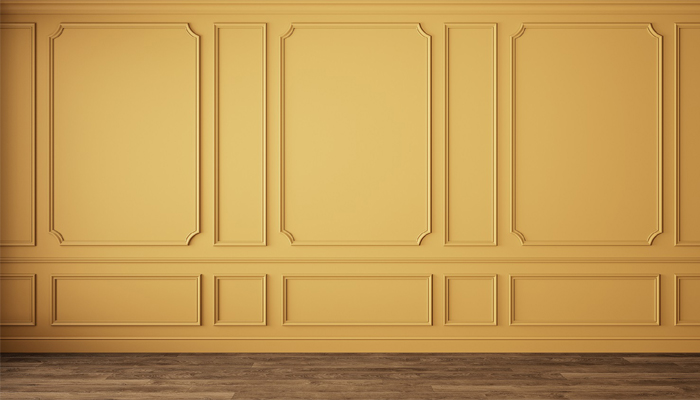
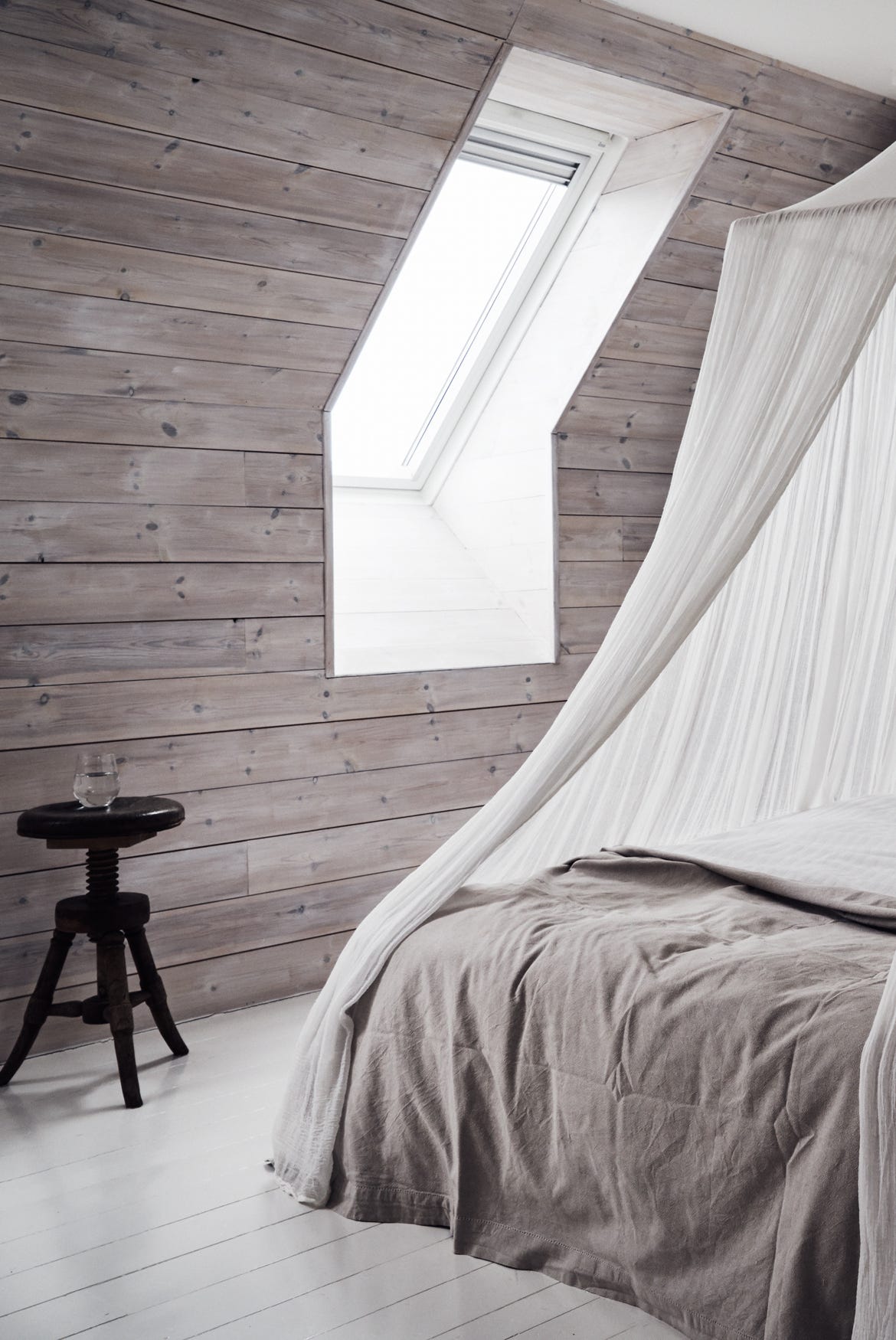
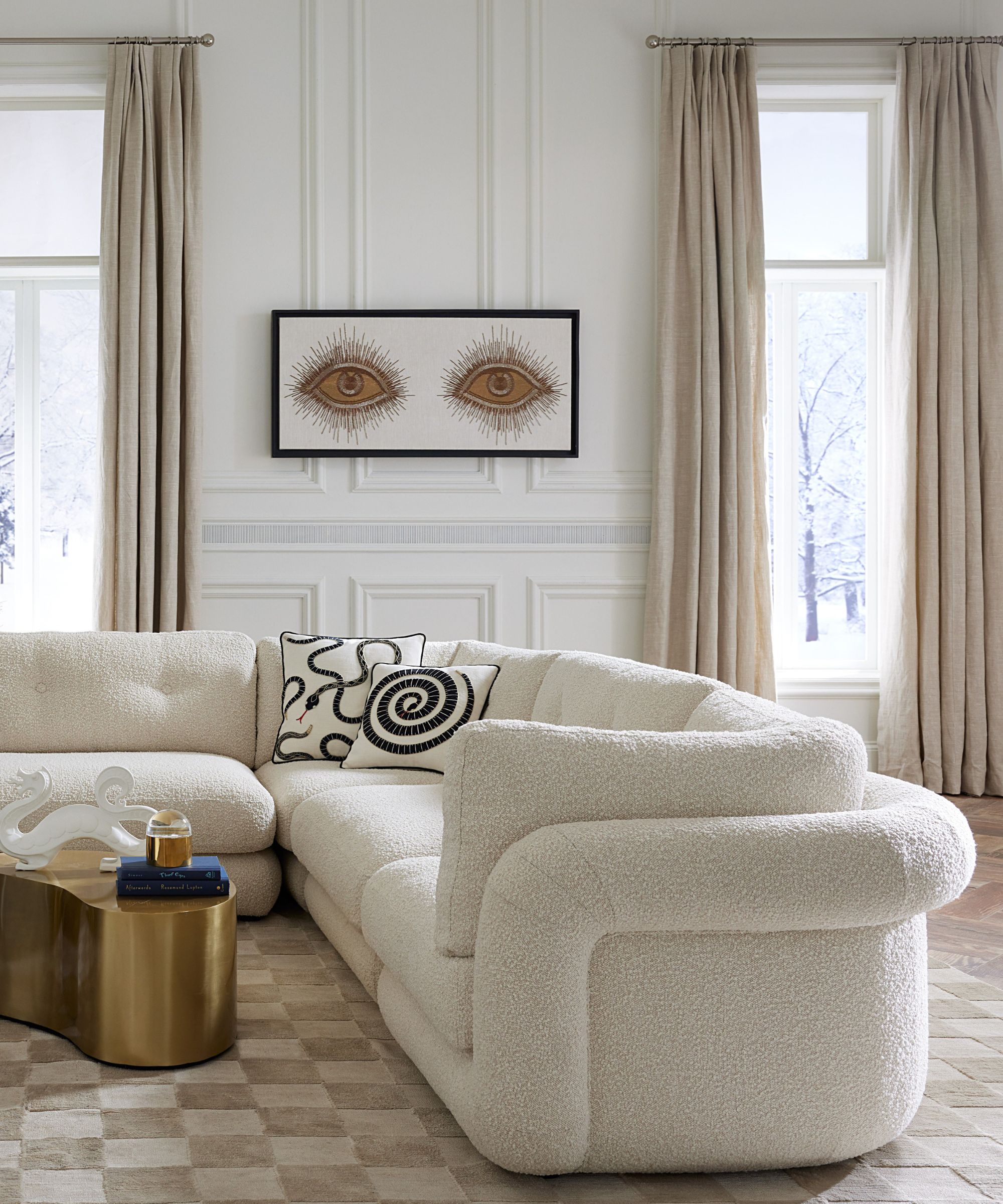
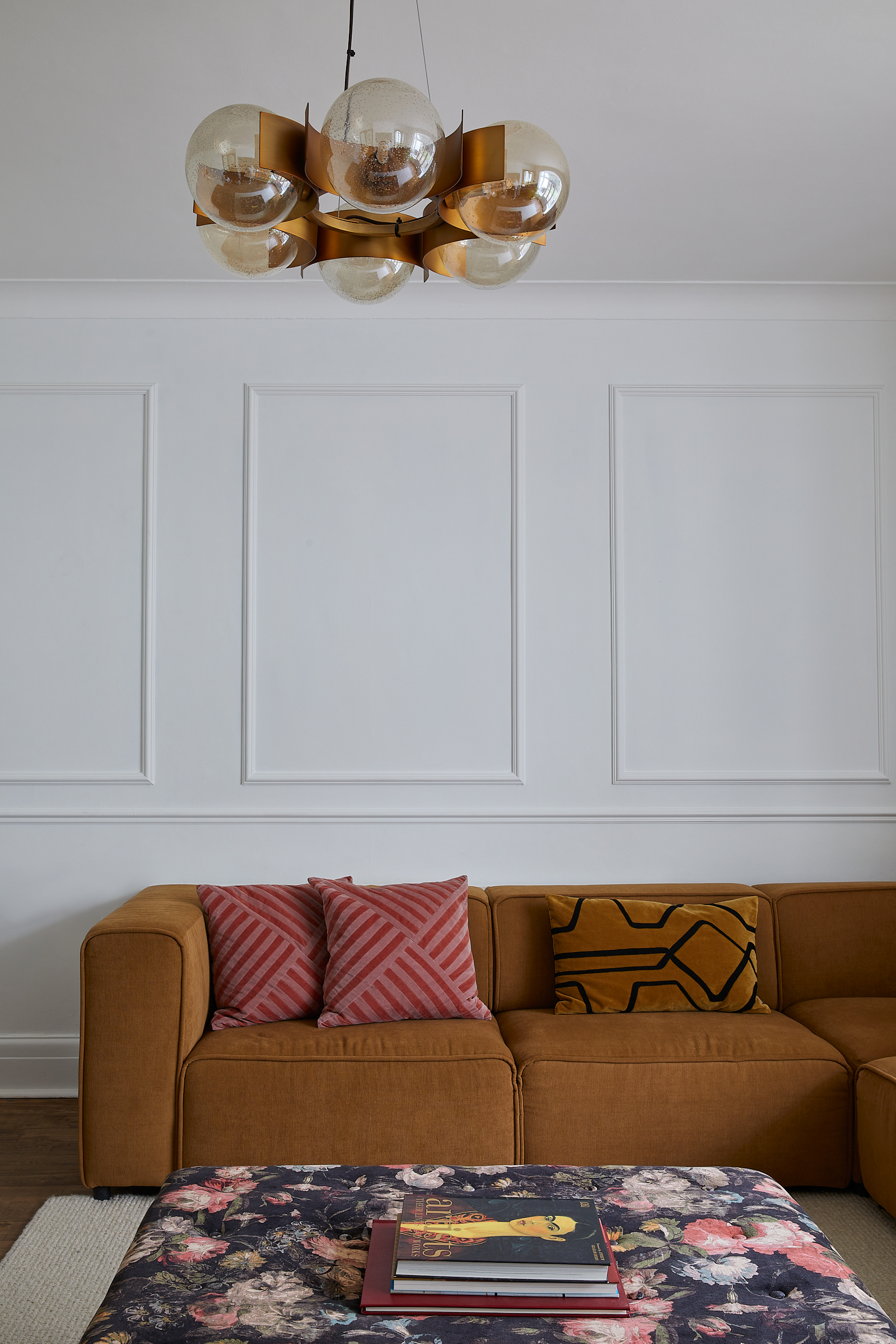
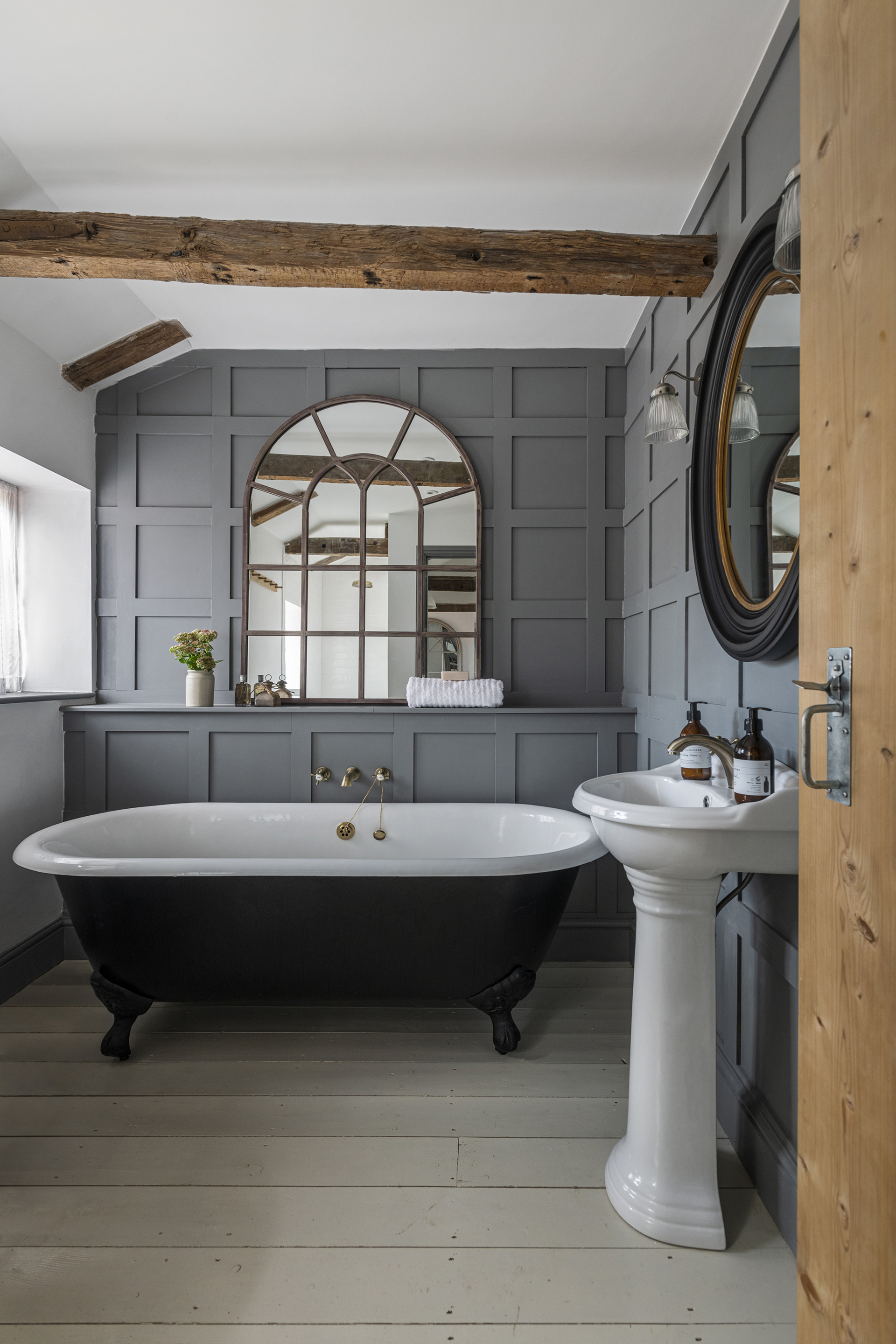
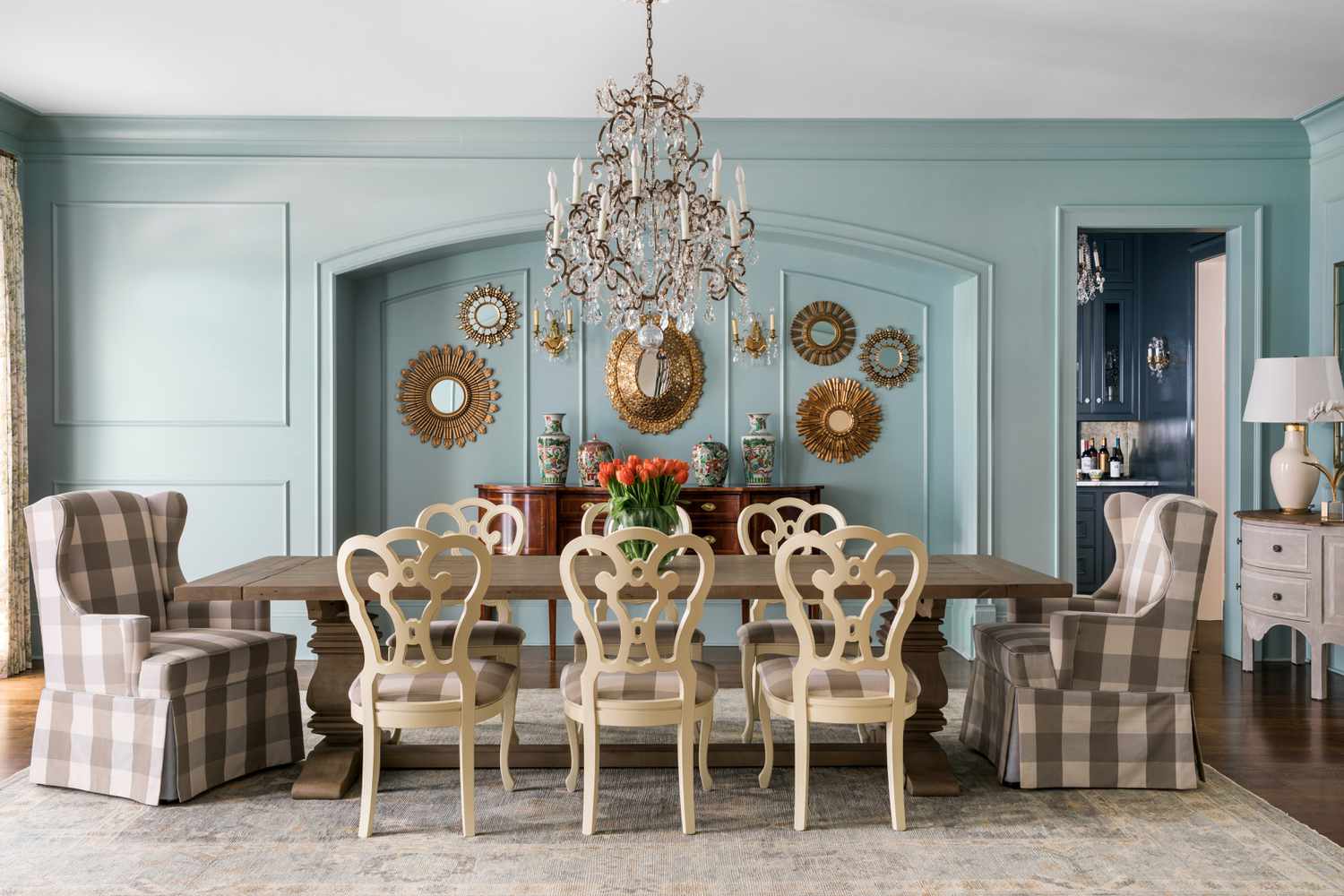
Contemporary interpretations of classic paneling styles, such as herringbone shiplap, provide modern twists on traditional elements. This can be further enhanced by thoughtful furniture placement and decorative accents. Wainscoting, whether in a traditional height or an extended form that reaches seven to ten feet, can define a space and create a sense of calm, particularly in bedrooms when paired with warm textures and rich materials. For rooms with lower ceilings, floor-to-ceiling board and batten can create the illusion of added height and dimension.
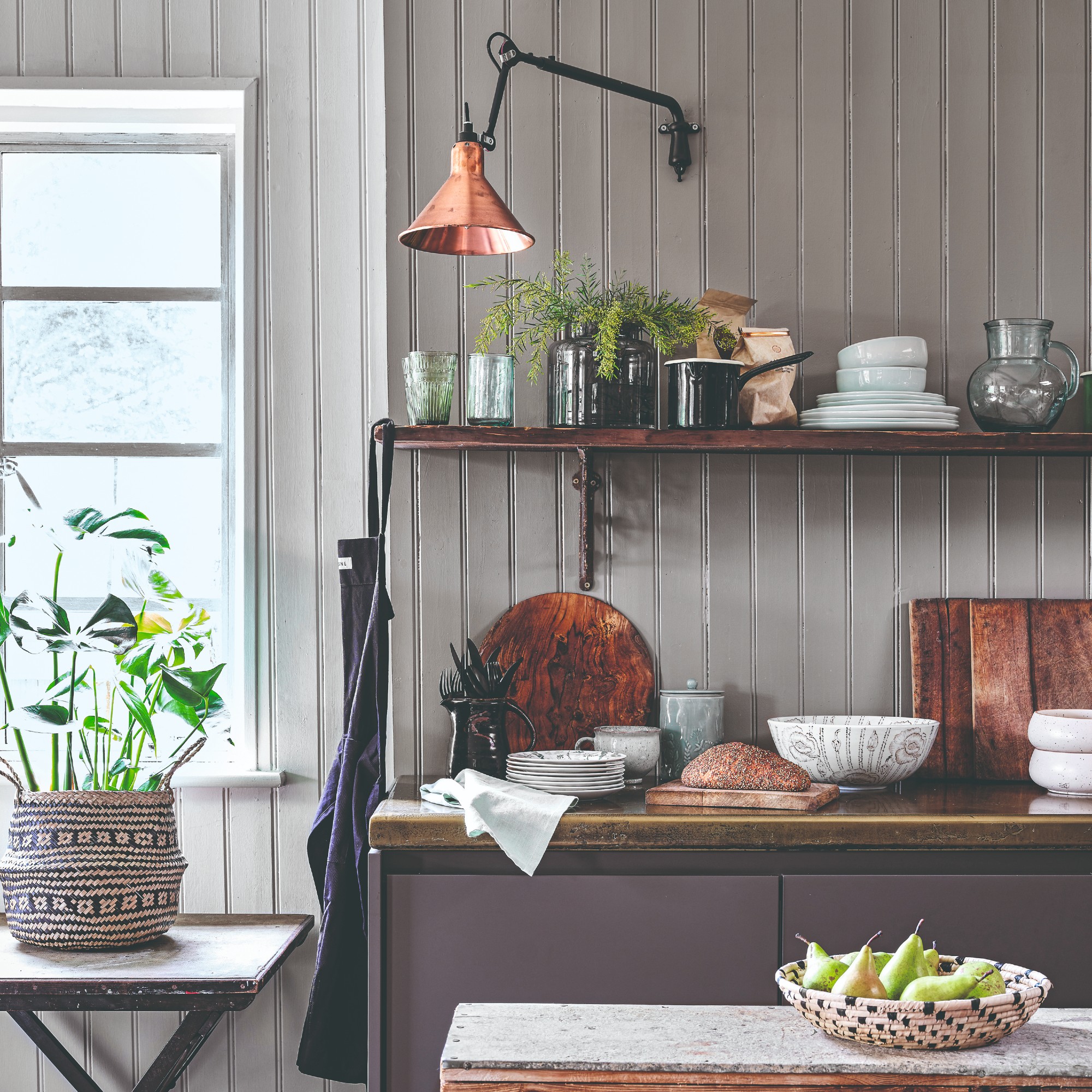
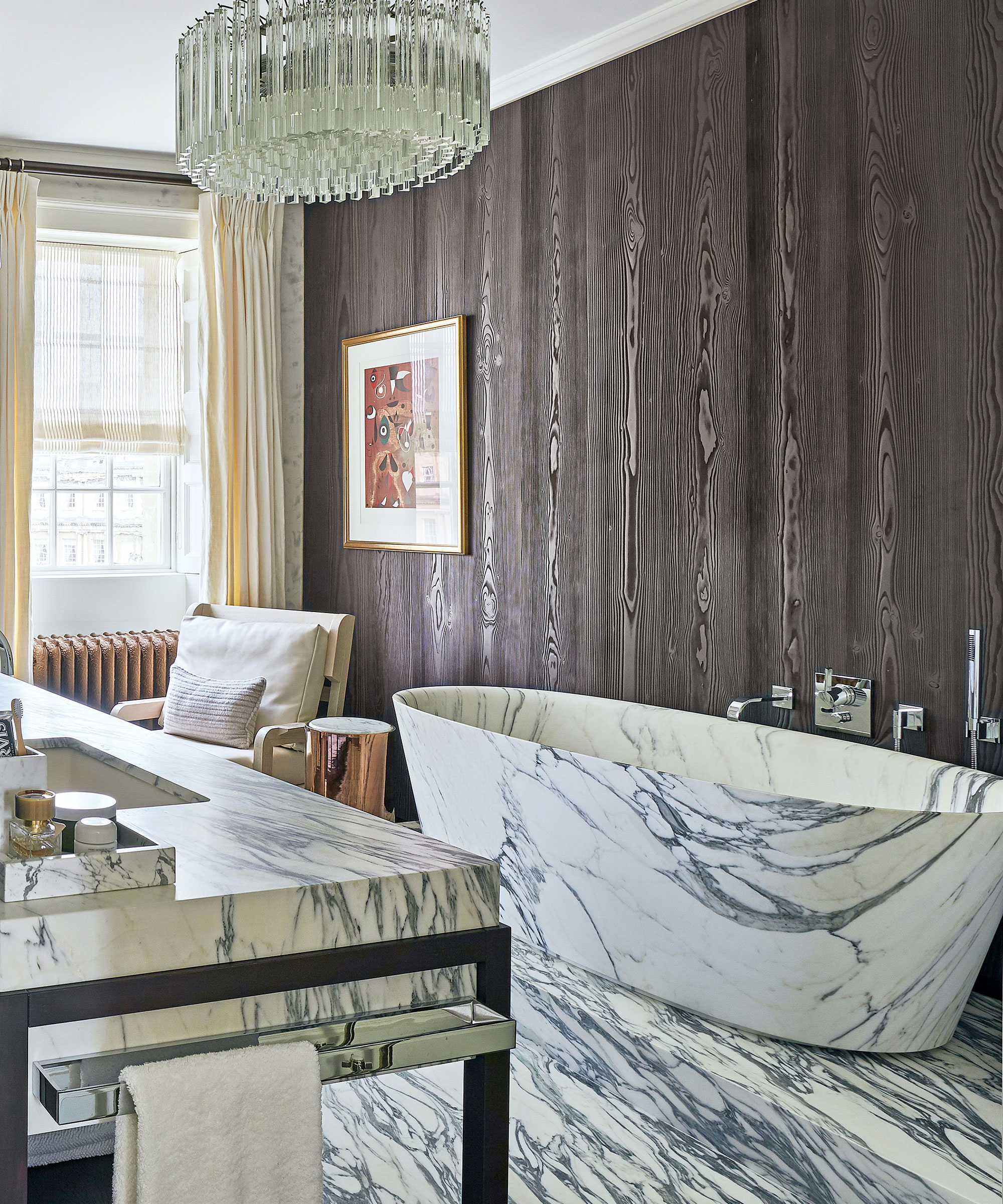
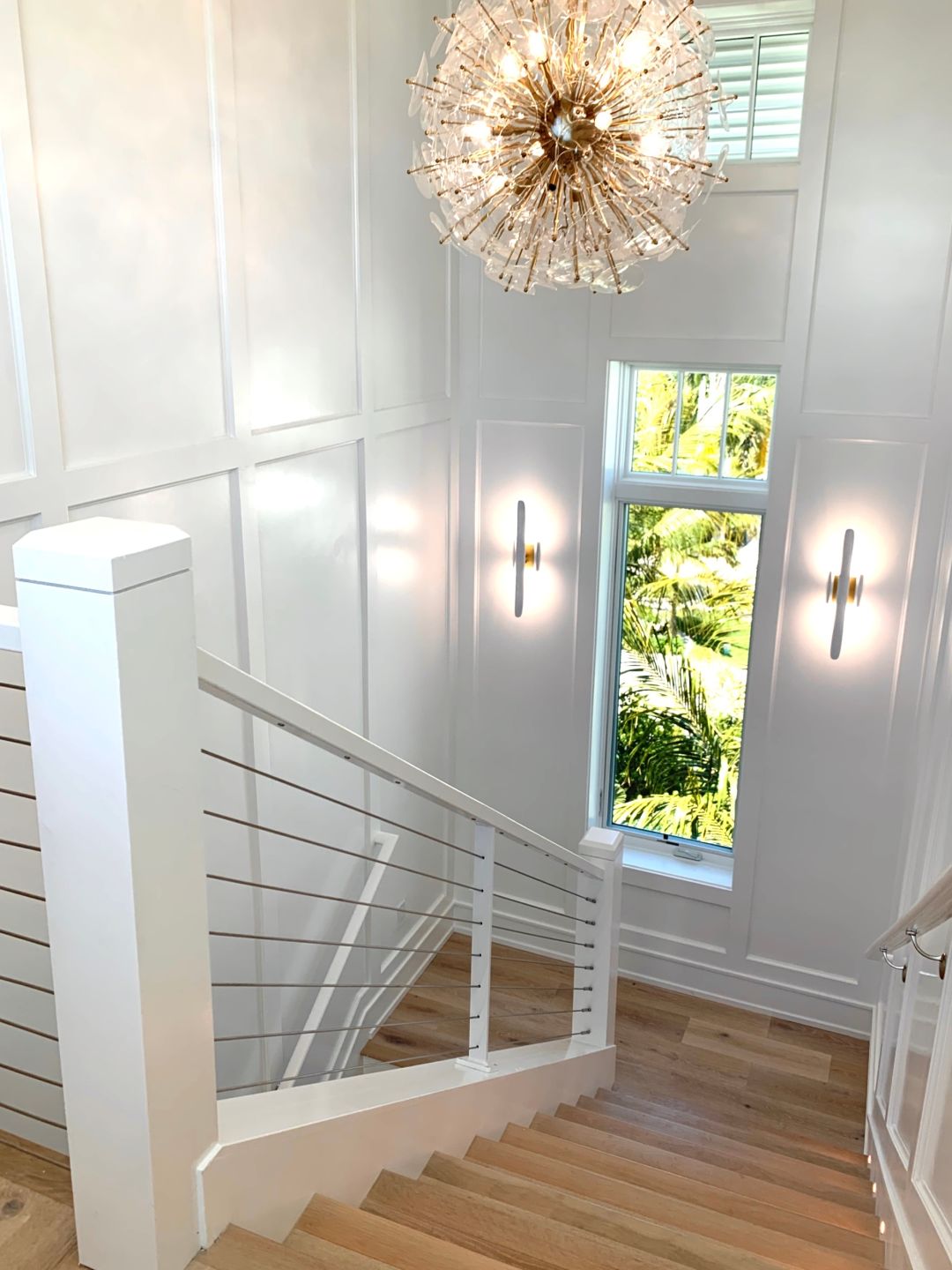
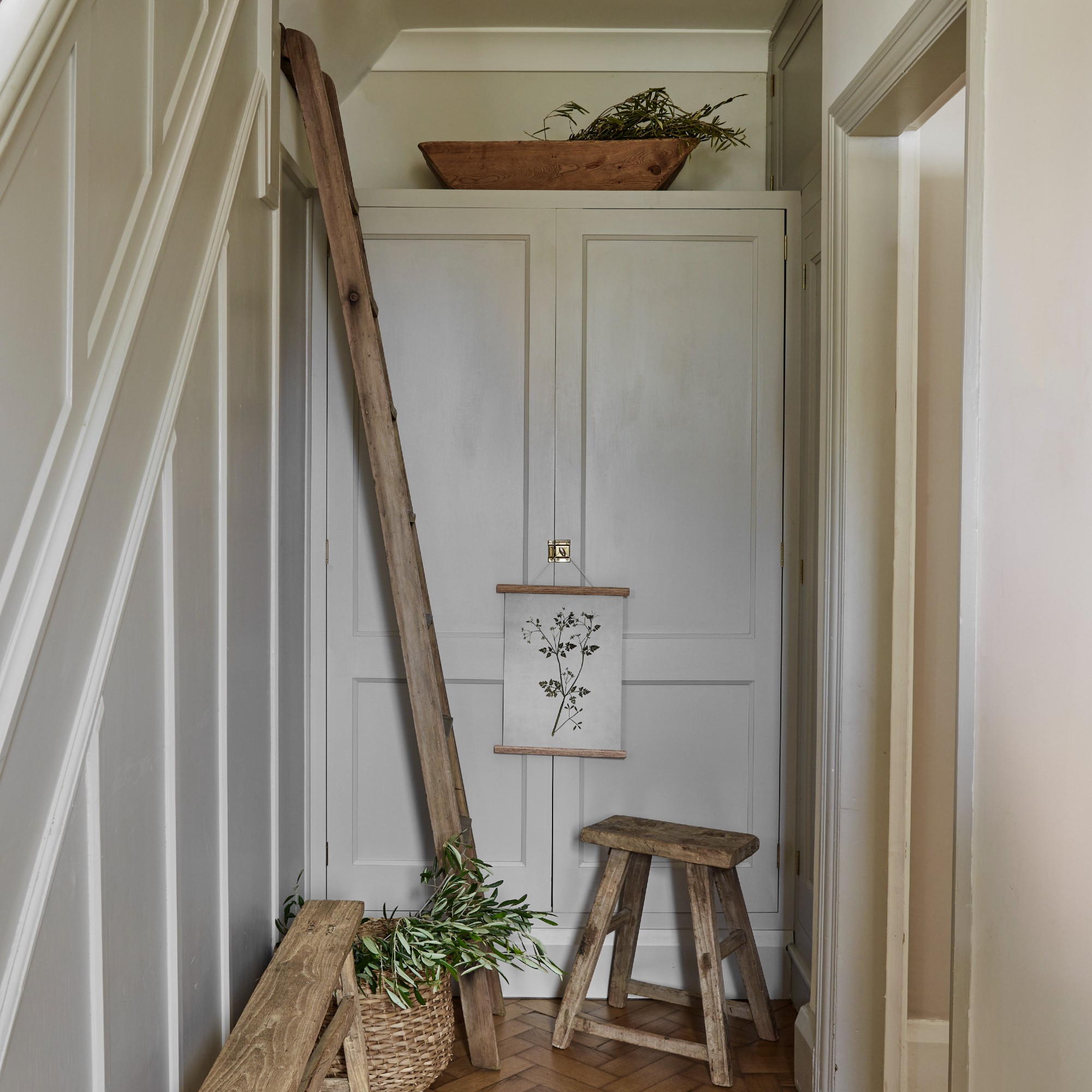
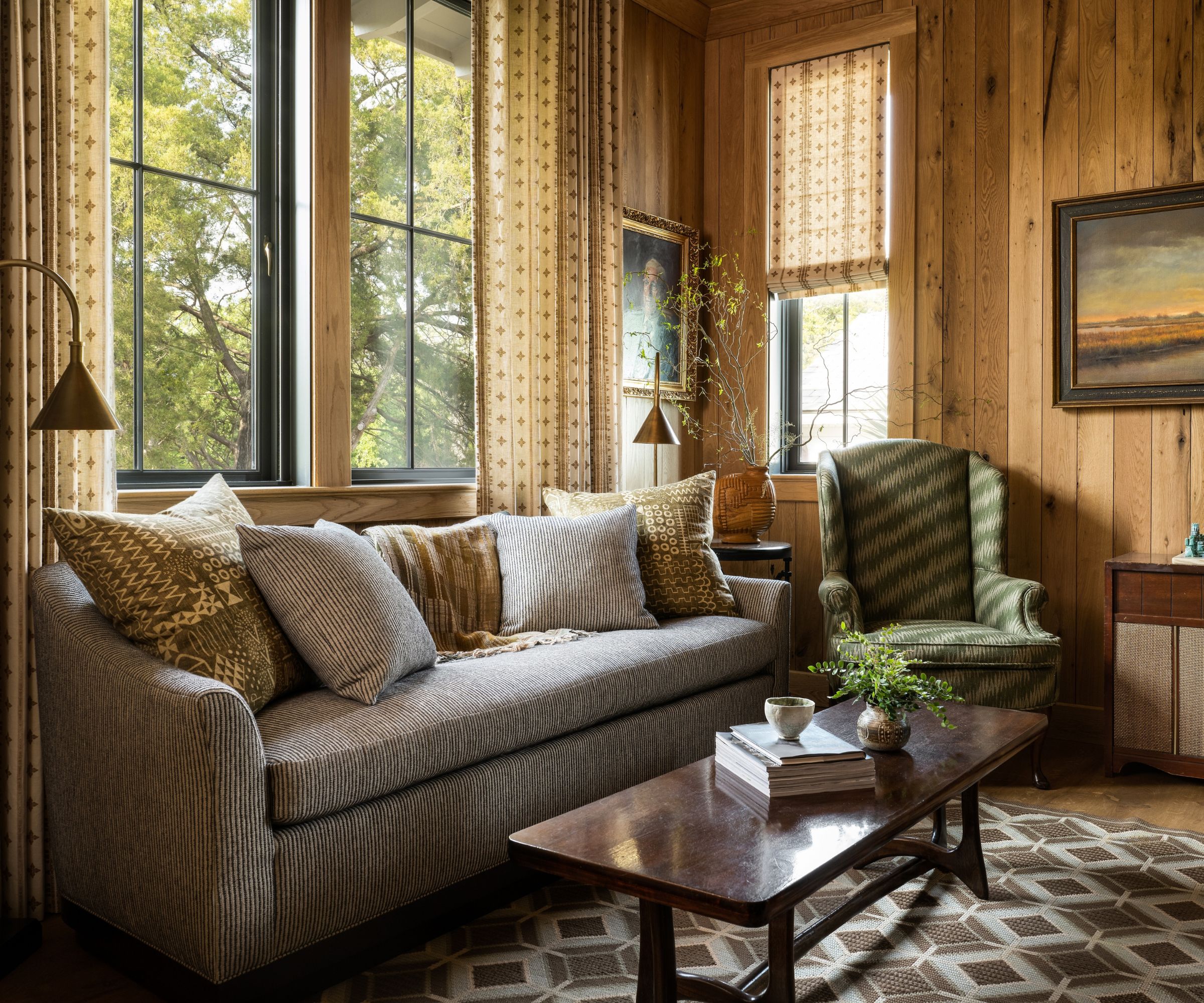
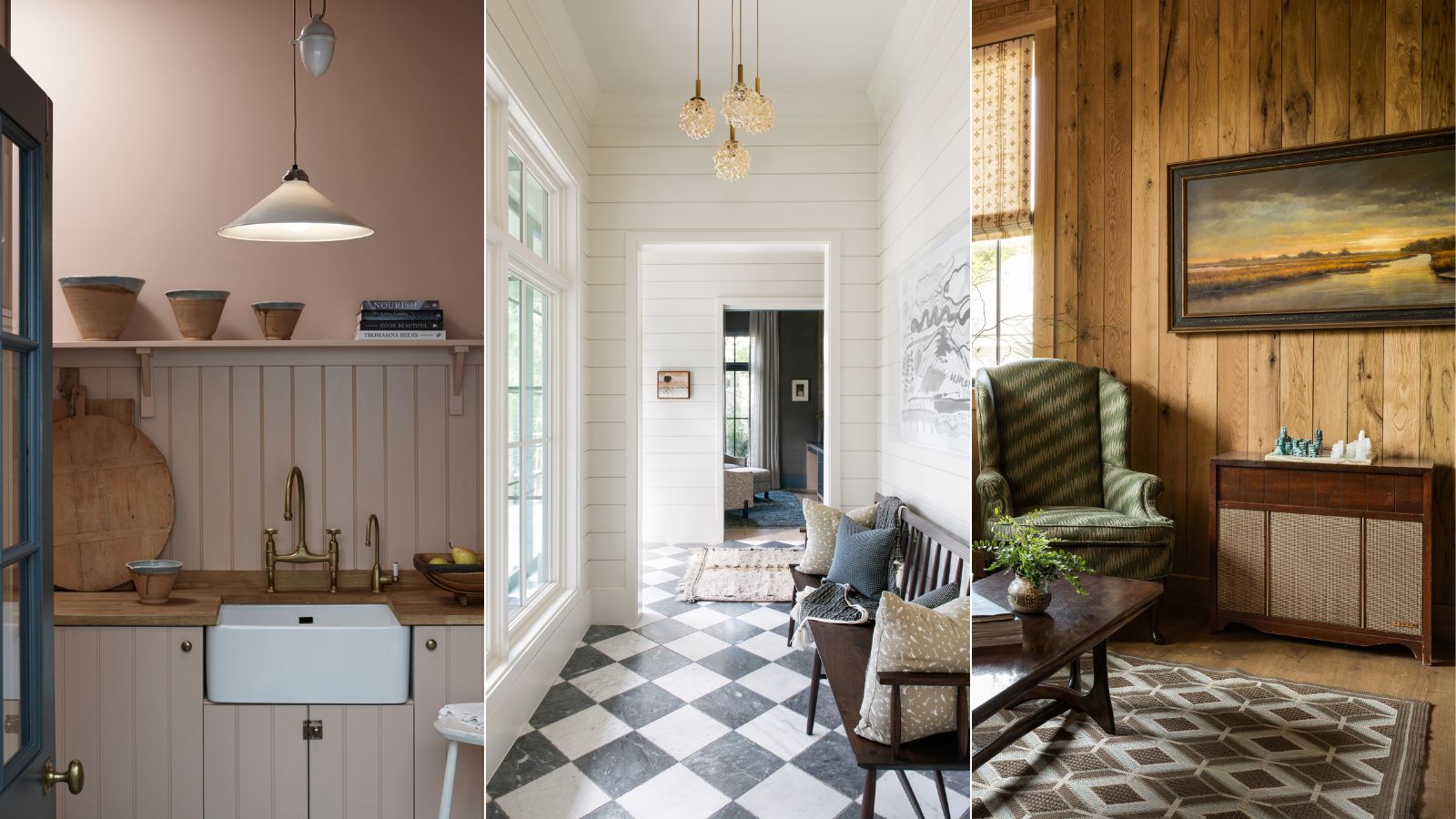
Wooden beadboard is suitable for homes with a mid-century modern or Scandinavian aesthetic, adding subtle height and texture through its vertical lines. When selecting paneling for different rooms, practical considerations are important. For example, fabric or upholstered paneling adds warmth to bedrooms, while moisture-resistant materials like wood-like porcelain tile are ideal for bathrooms. In high-traffic areas, durable options such as beadboard can withstand wear and tear. Wall paneling can also be used to enhance specific architectural features, such as nooks or staircases, or to create dramatic focal points with geometric designs or dark wood paneling.
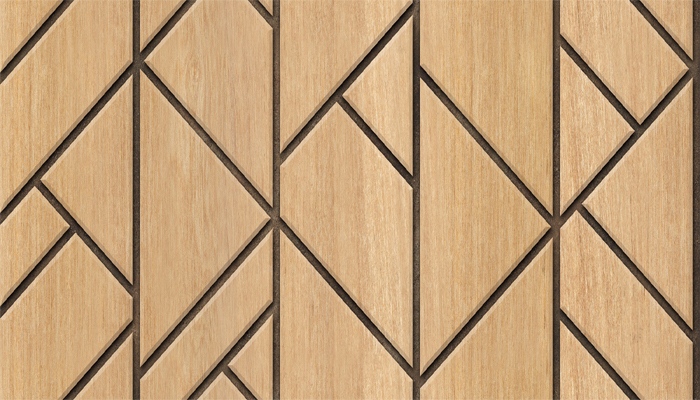
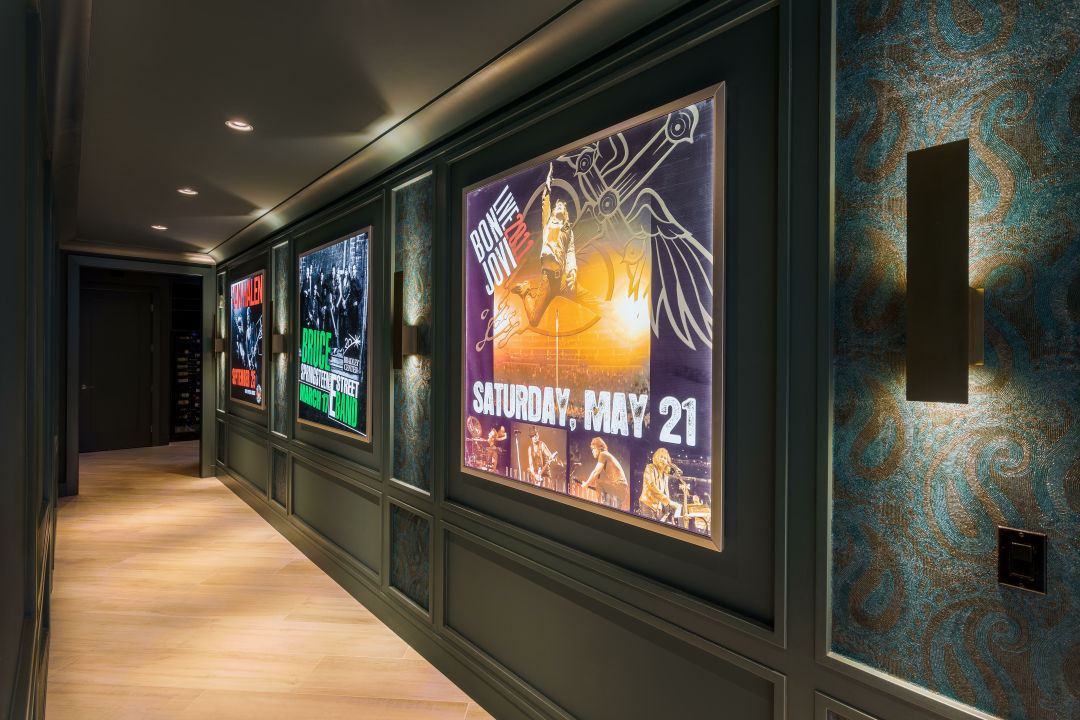
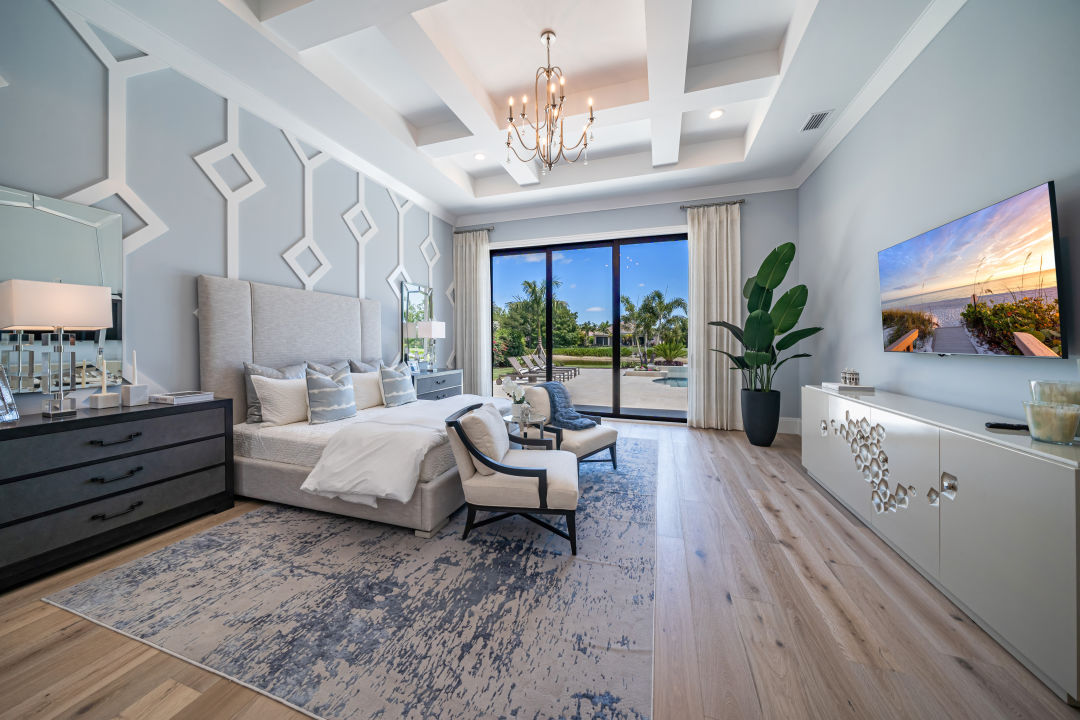
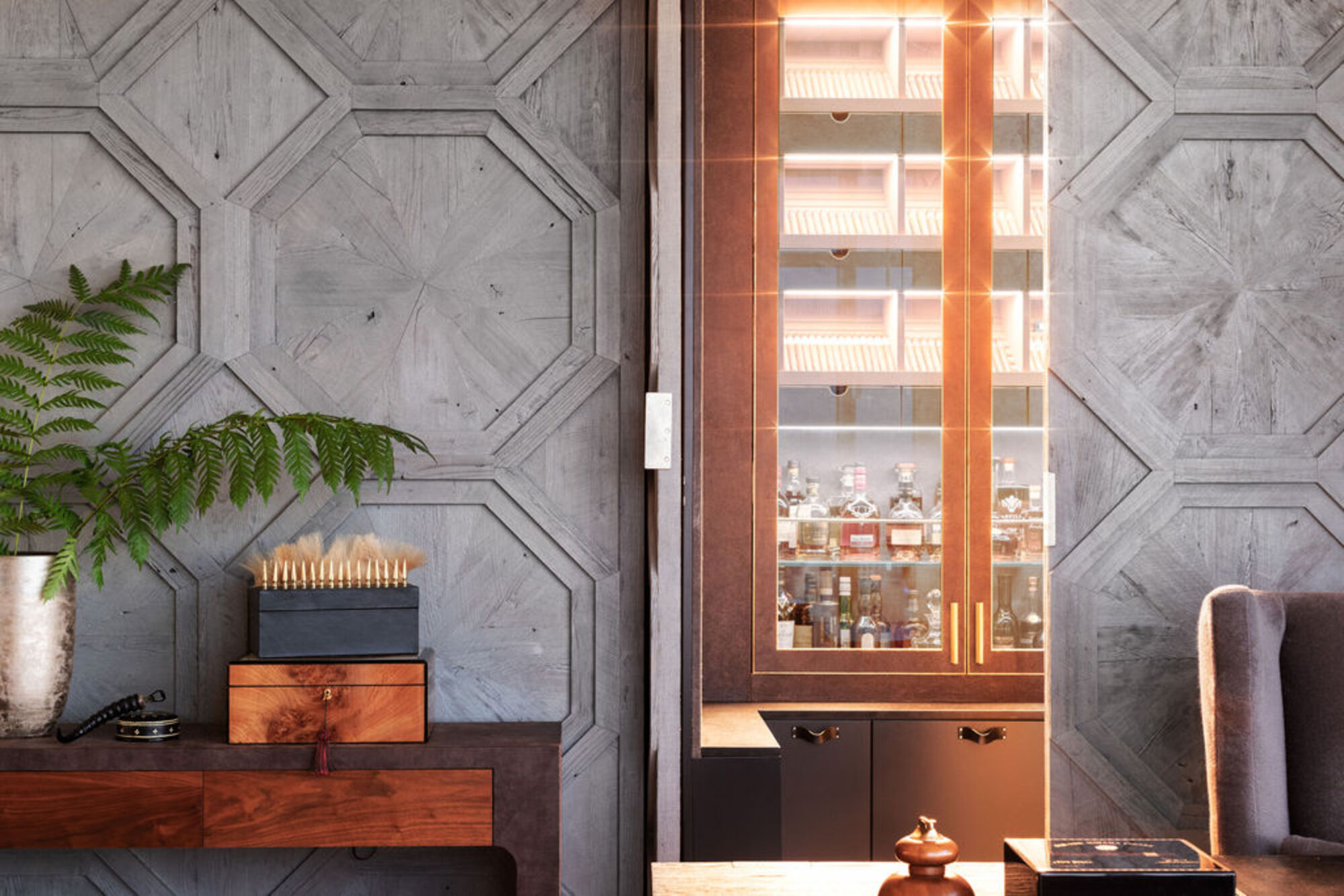
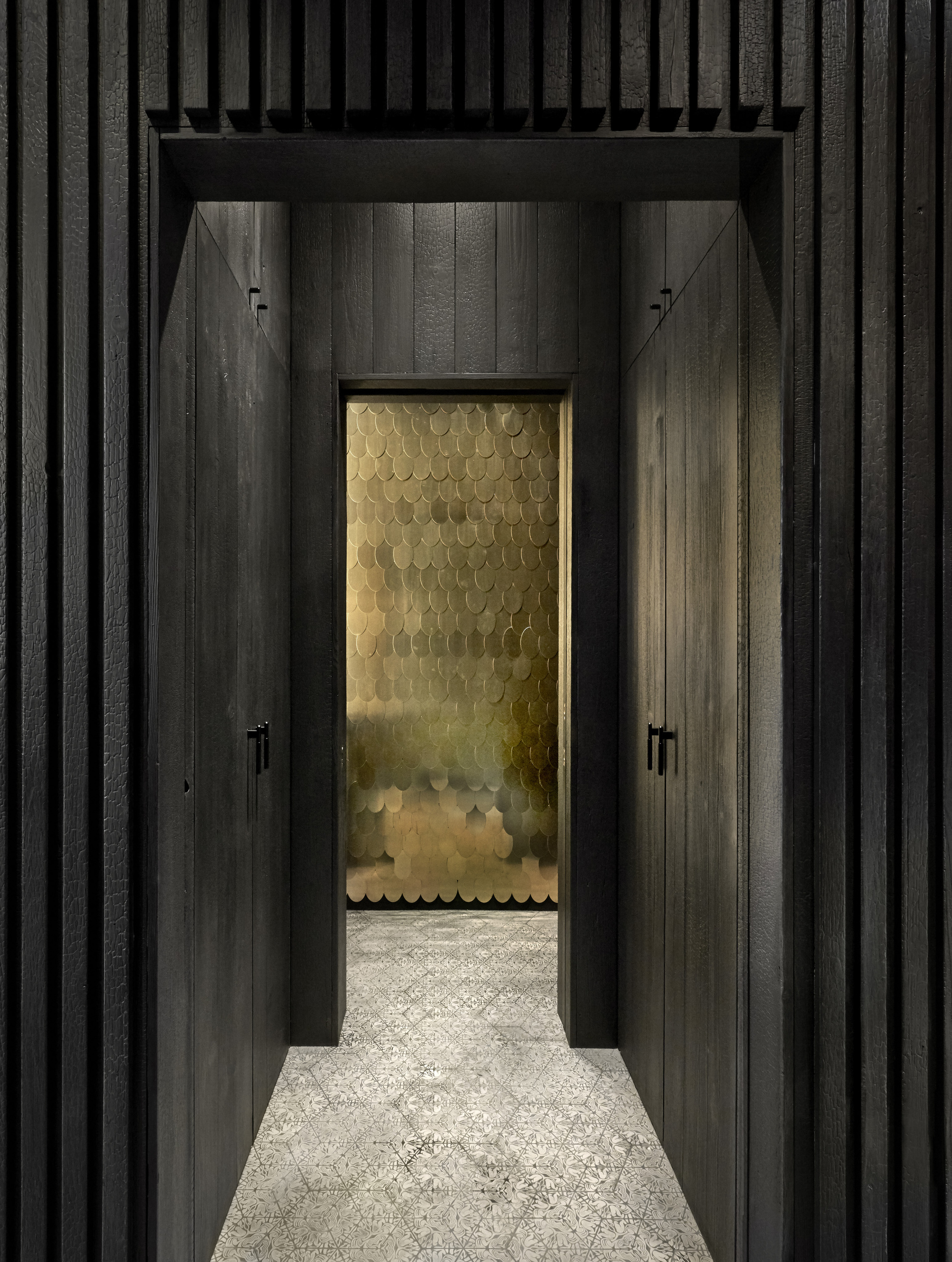
Innovative uses of paneling extend to incorporating unconventional materials like upholstered leather, boiled wood, and ebonized walnut for a softer, more luxurious feel. Subtle horizontal paneling can provide an elegant backdrop in historic homes, while intricate geometric designs offer a minimalist-maximalist approach, creating a sense of awe. Paneling can also serve functional purposes, such as creating hidden rooms or accentuating architectural elements around windows with simple, mirroring designs that enhance the view without distraction.
Ultimately, wall paneling is a versatile design element that can transform a room, adding architectural detail, texture, and visual appeal. With numerous styles and materials available, it offers endless possibilities for homeowners looking to refresh and modernize their living spaces.
#WallPanelin #InteriorDesign #HomeDecor #AccentWalls #ArchitecturalFeatures #Wainscoting #Shiplap #Beadboard #DIYHomeProjects #WallPanelin #InteriorDesign #HomeDecor #AccentWalls #ArchitecturalFeatures #Wainscoting #Shiplap #Beadboard #DIYHomeProjects
0 comment in total
 No comments yet
You may also like
28 wall panelling ideas to add depth and character to any room in your home
Design Inspiration: Wall and Ceiling Panels
Wall Panels

Rapi Wall And Lasting Long, Check Out 5 Tips For Choosing Wall Panels For Modern Housing

12 panelling ideas to add instant character to living room walls, from modern new-builds to elegant townhouses
Bedroom wall paneling ideas: 9 easy ways to add character and depth

Add Style to Any Room of Your Home With These Wall Molding Ideas

Are paneled walls still on trend? Interior designers on whether this feature is set to endure

20 Modern Wall Panelling Design Ideas for Your Dream Home
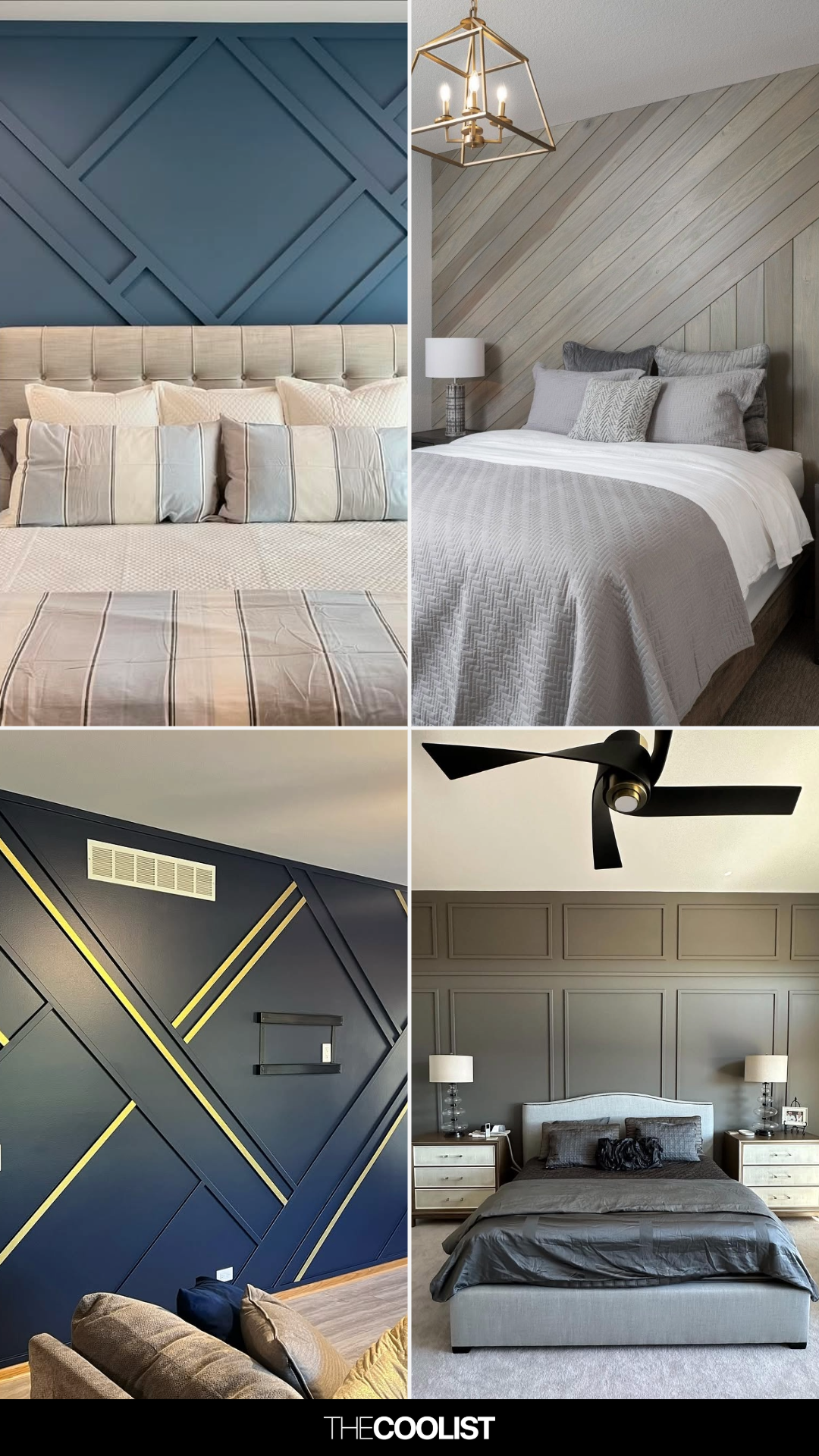
22 Bedroom Accent Wall Ideas That Add Personality and Charm
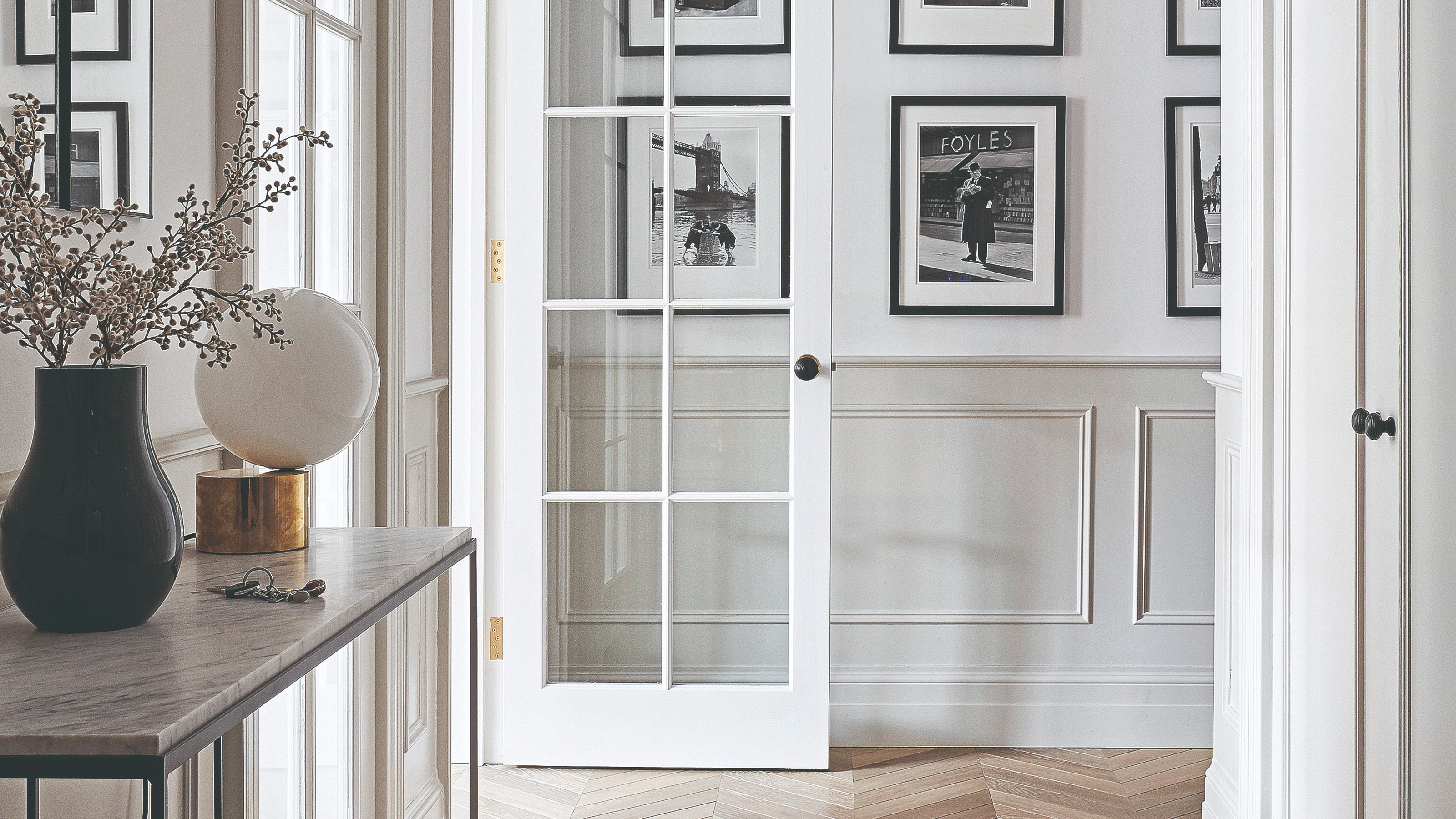
Wall panelling ideas for hallways – 11 ways to maximise style, space and durability in your entryway
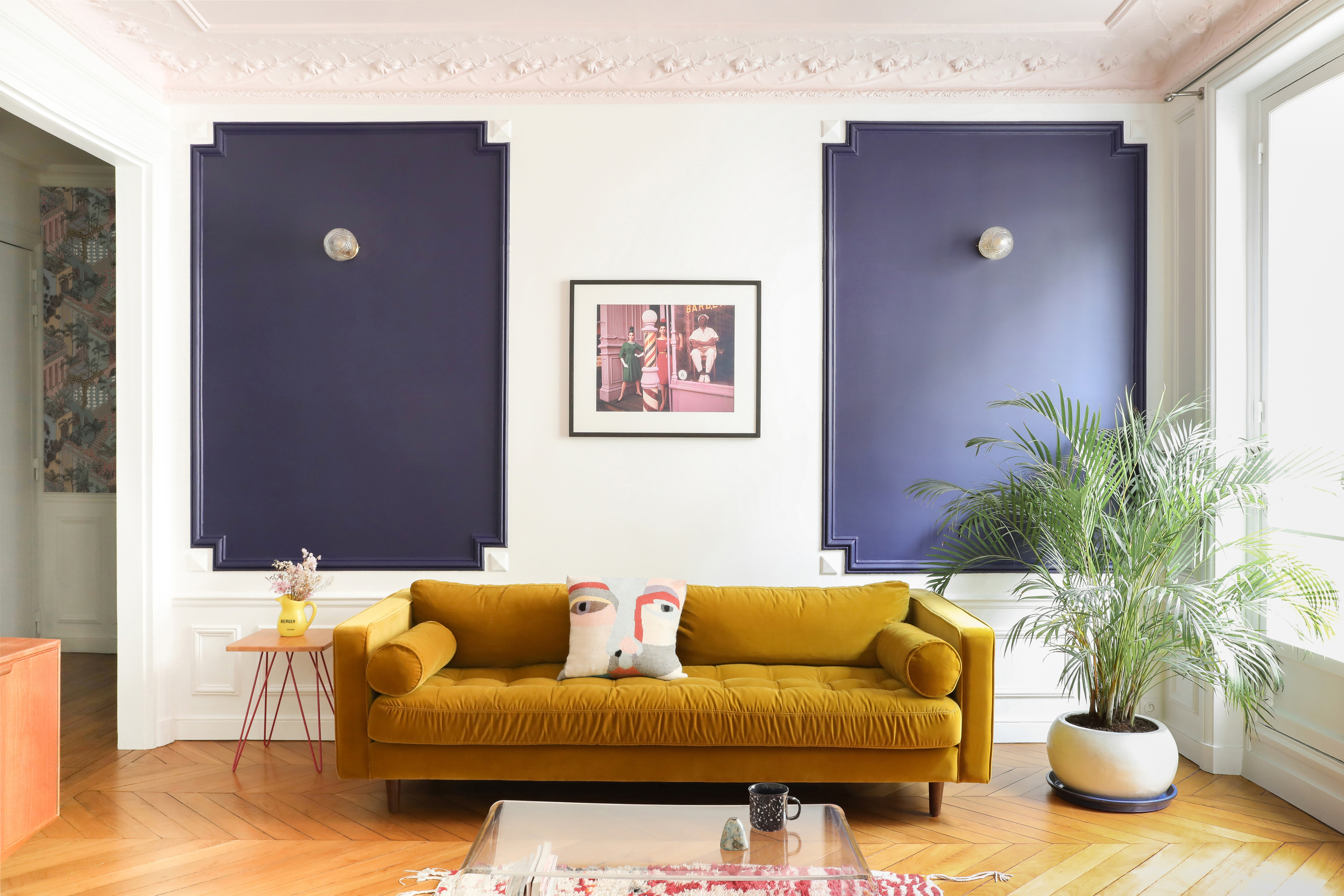
Living room paneling ideas – from rustic to sleek, try these 9 styles for your space

Three ways wall panelling can add the wow factor

Bedroom wall panel ideas – 7 easy ways to give your room an incredible architectural edge
The Best Wall Texture Ideas for Adding Depth to Any Room
Bathroom paneling ideas – 10 innovative ways to dress your walls
Wall paneling ideas – 18 ways to add decorative cladding and moulding
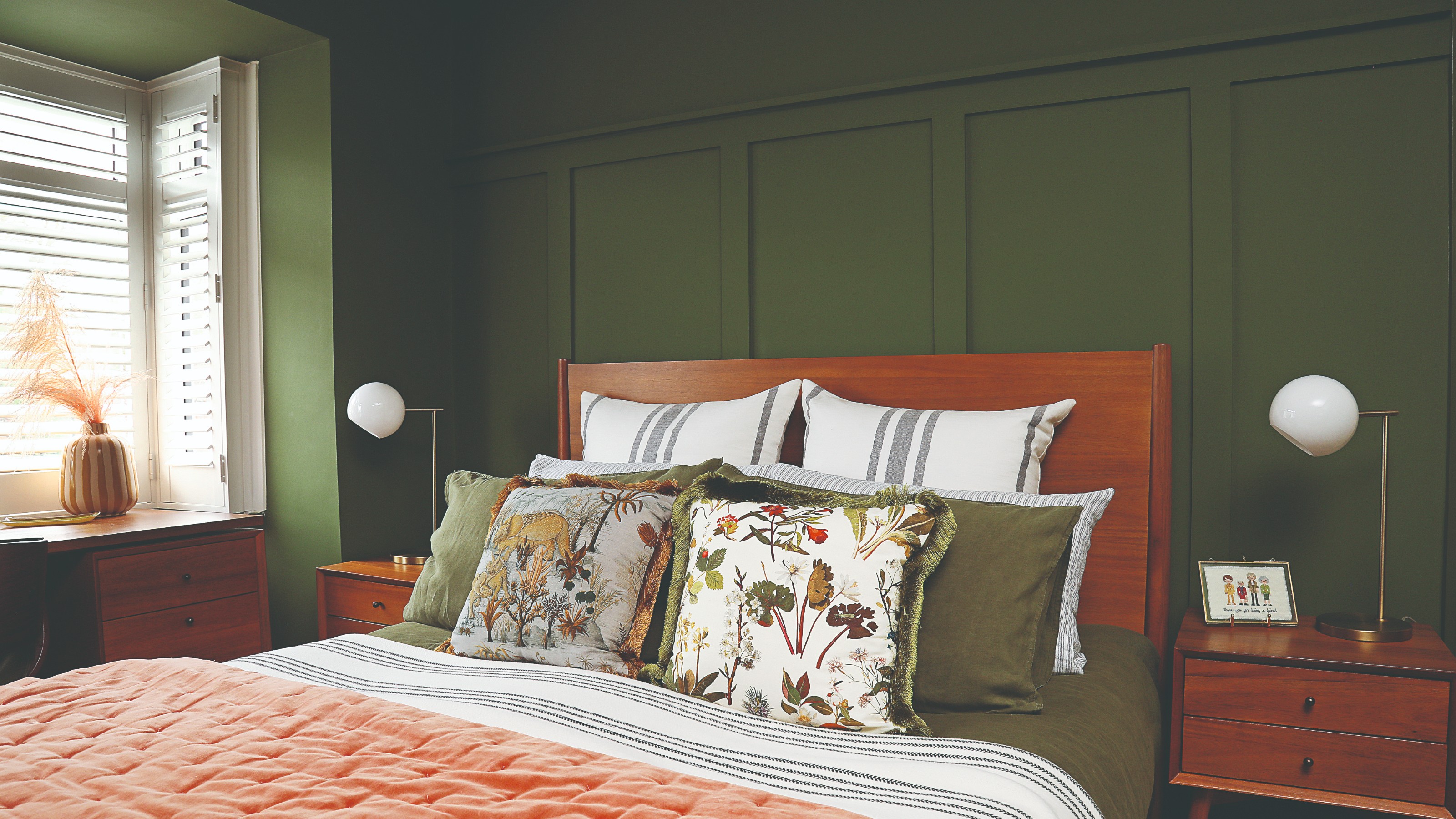
Bedroom wall panelling ideas – 13 ways to bring texture and interest to your bedroom walls
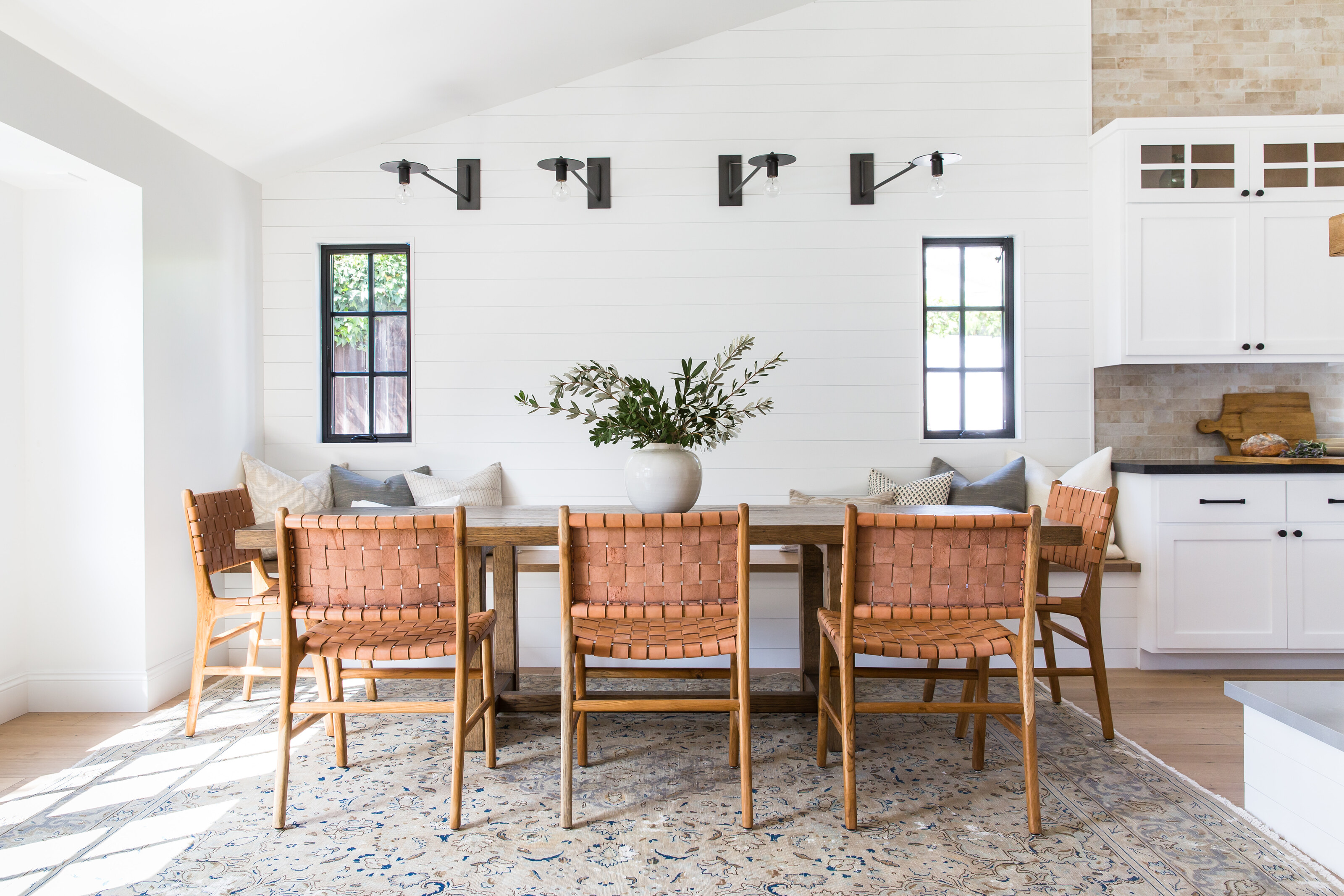
Wall paneling ideas – experts offer 9 simple tricks to wake up your walls
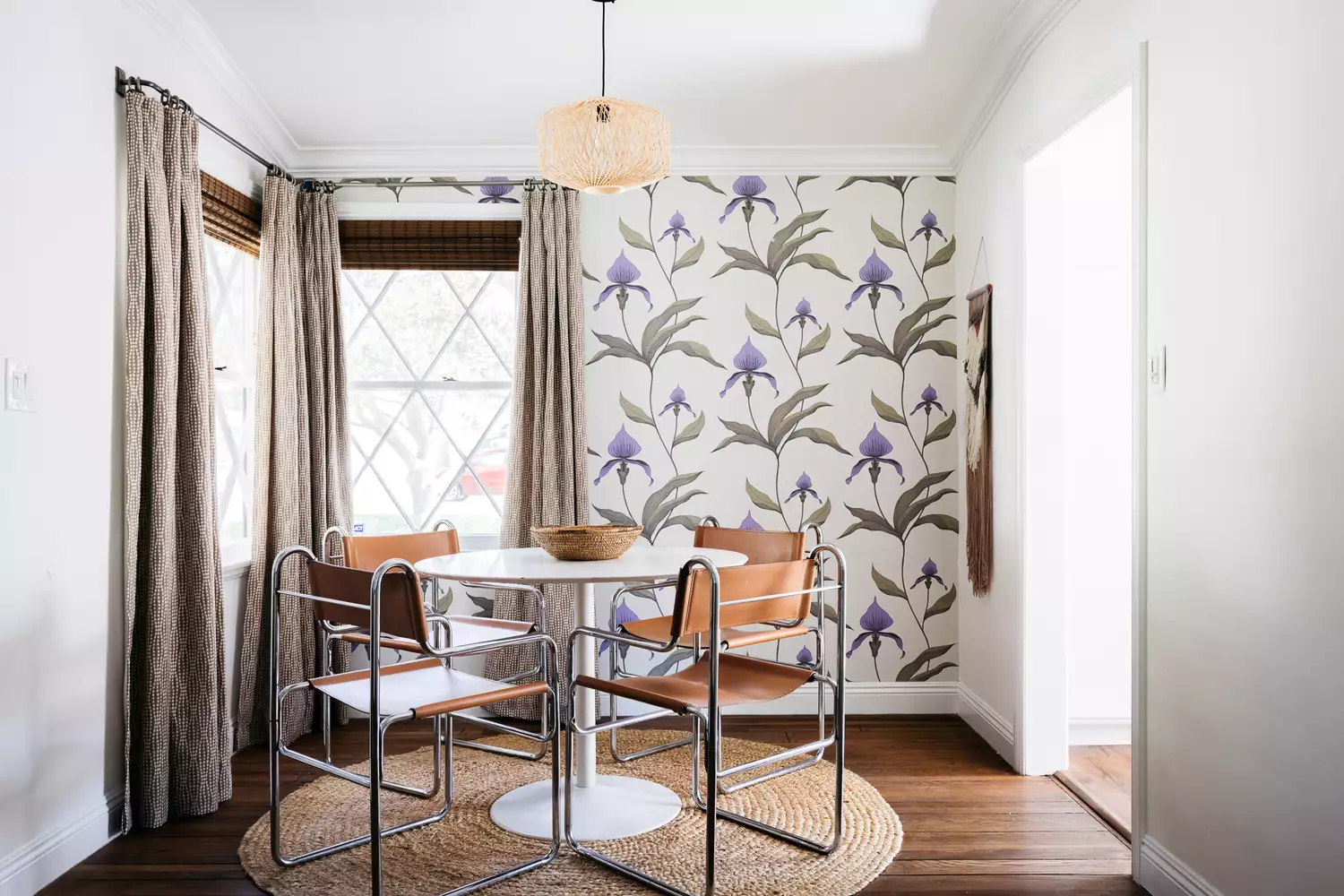
31 Feature Wall Ideas to Make Your Life More Exciting