1/16
The 13 Types of Wall Paneling That Interior Designers Are Using in Their Projects Right Now, Ranked in Order of Style
Wall paneling is a highly effective design element used to introduce character, warmth, and architectural depth to a room. Designers emphasize that selecting the appropriate style is crucial, as each type of paneling contributes to a distinct mood and aesthetic within a space. Well-proportioned architectural features like architraves, cornices, skirtings, and paneling are noted to help anchor a space, lending it a sense of weight and permanence. This approach can significantly transform the atmosphere, particularly in newer rooms or those that might otherwise feel uninspired.
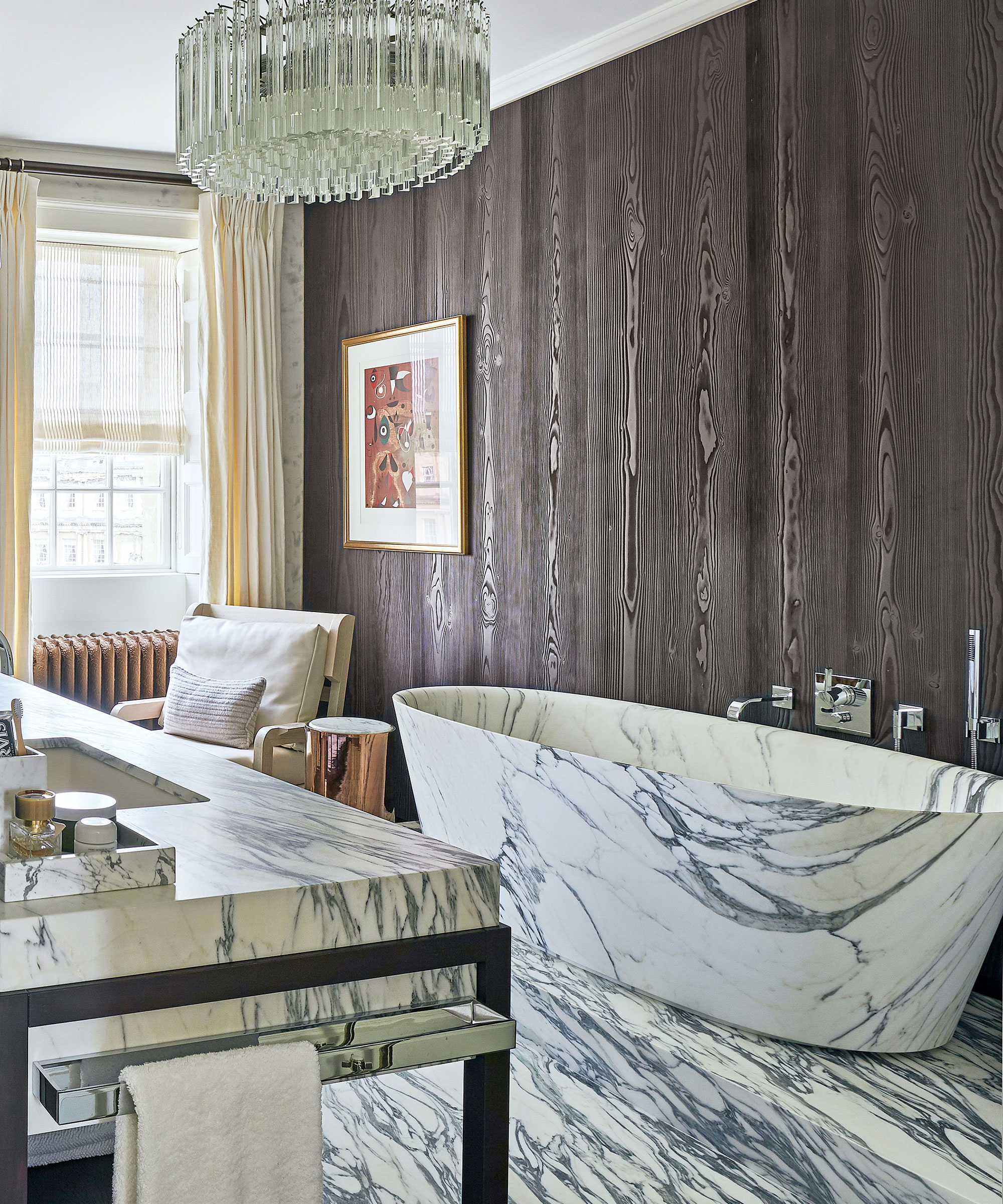
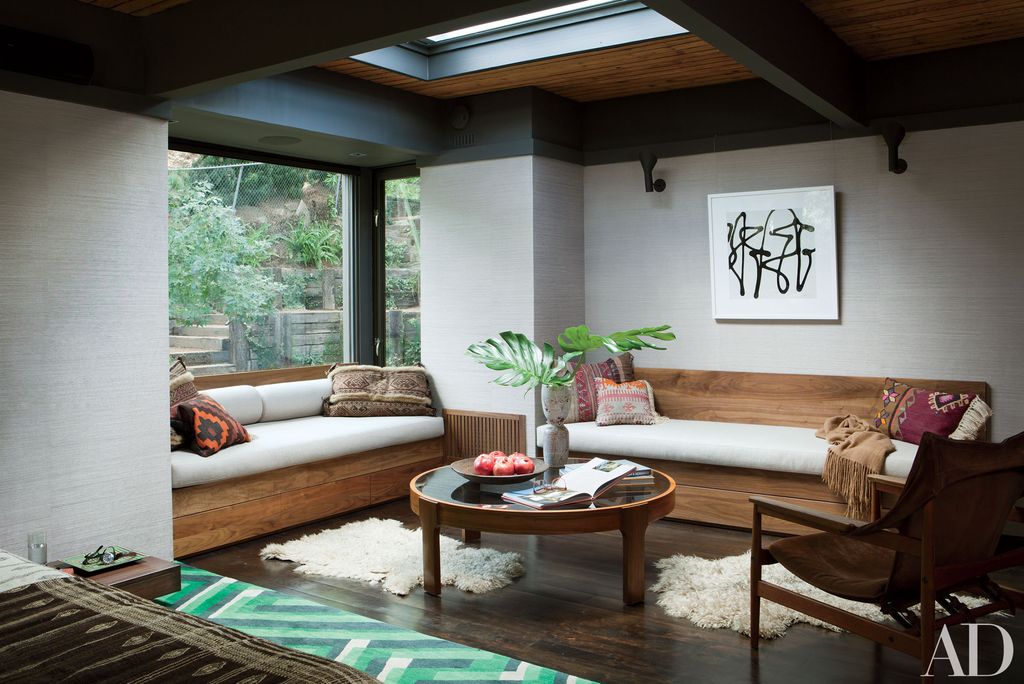
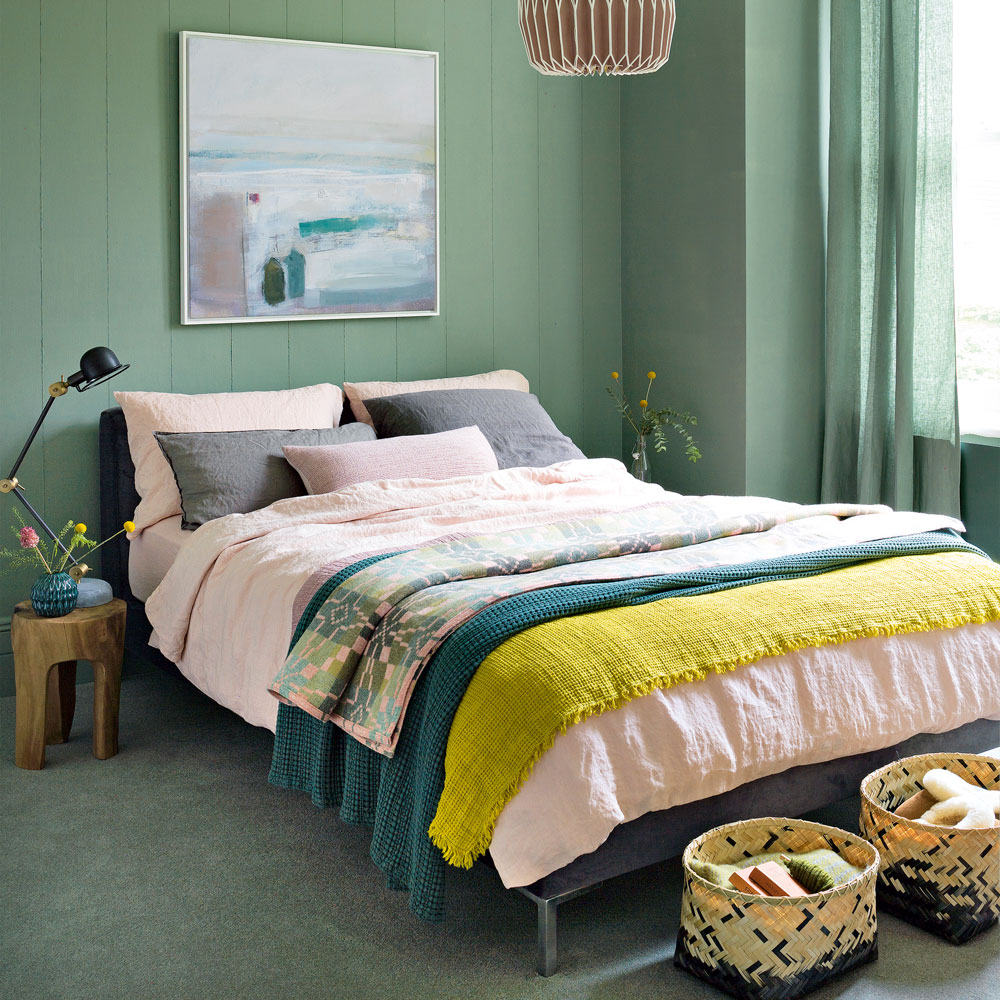
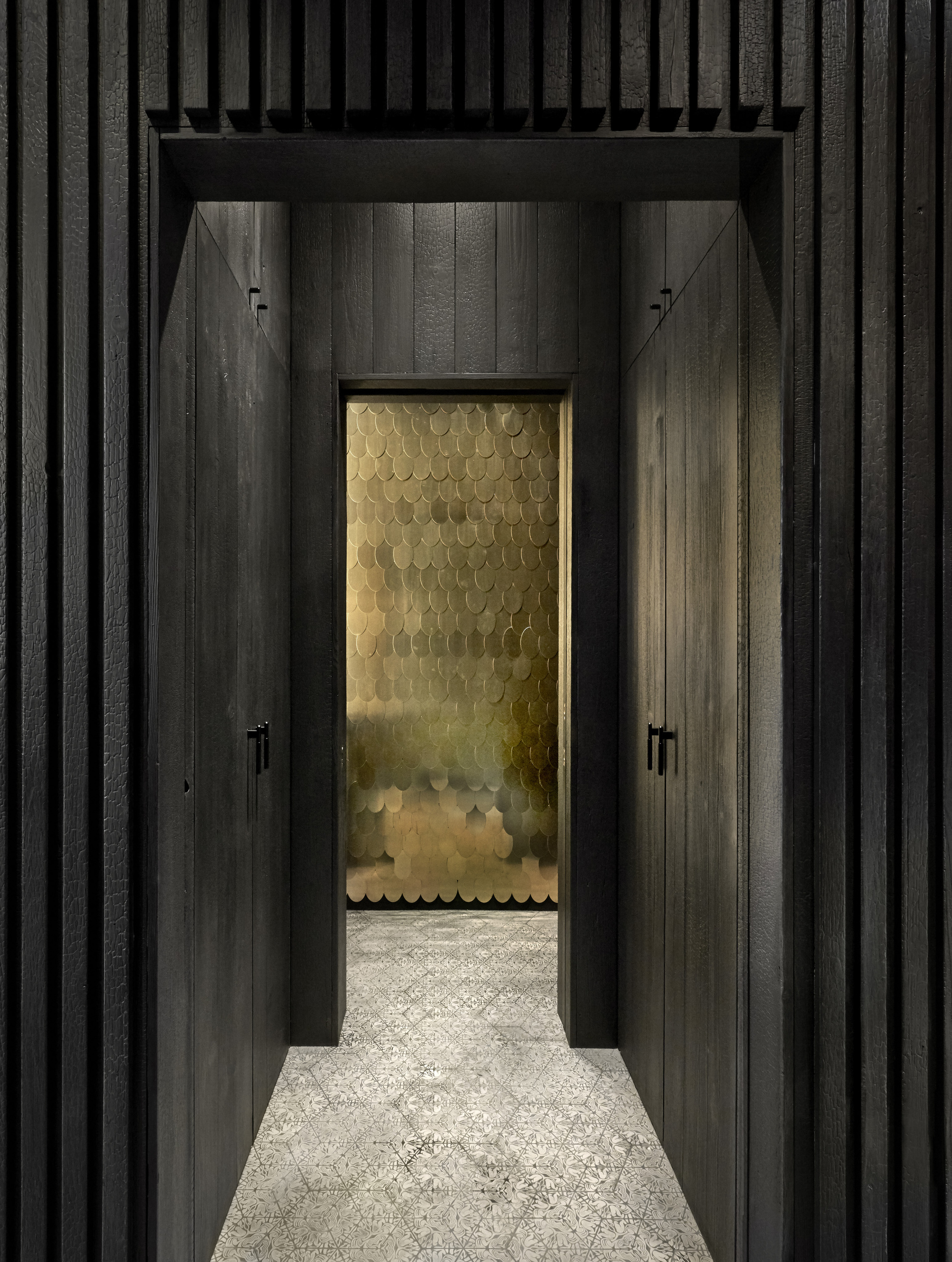
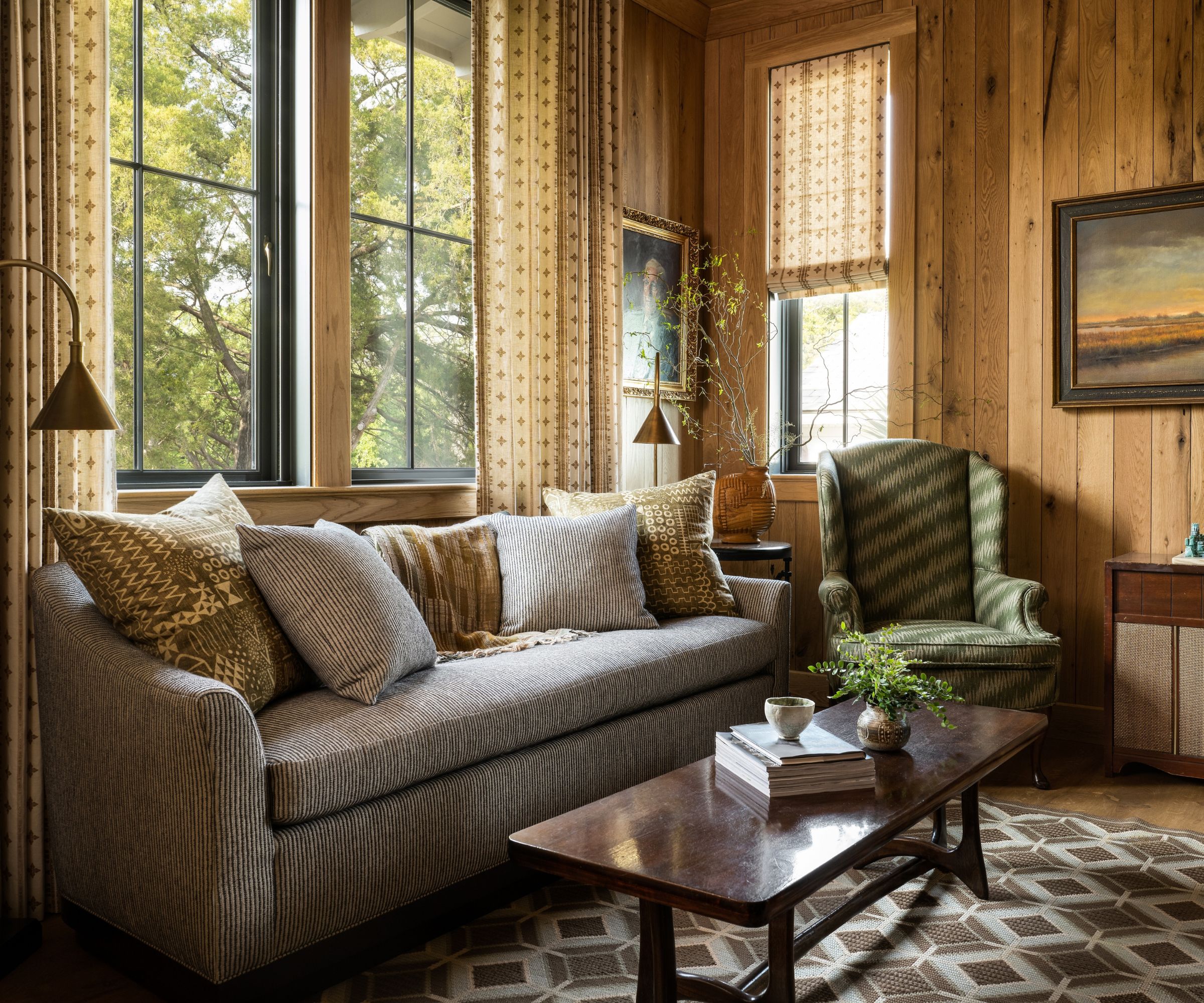
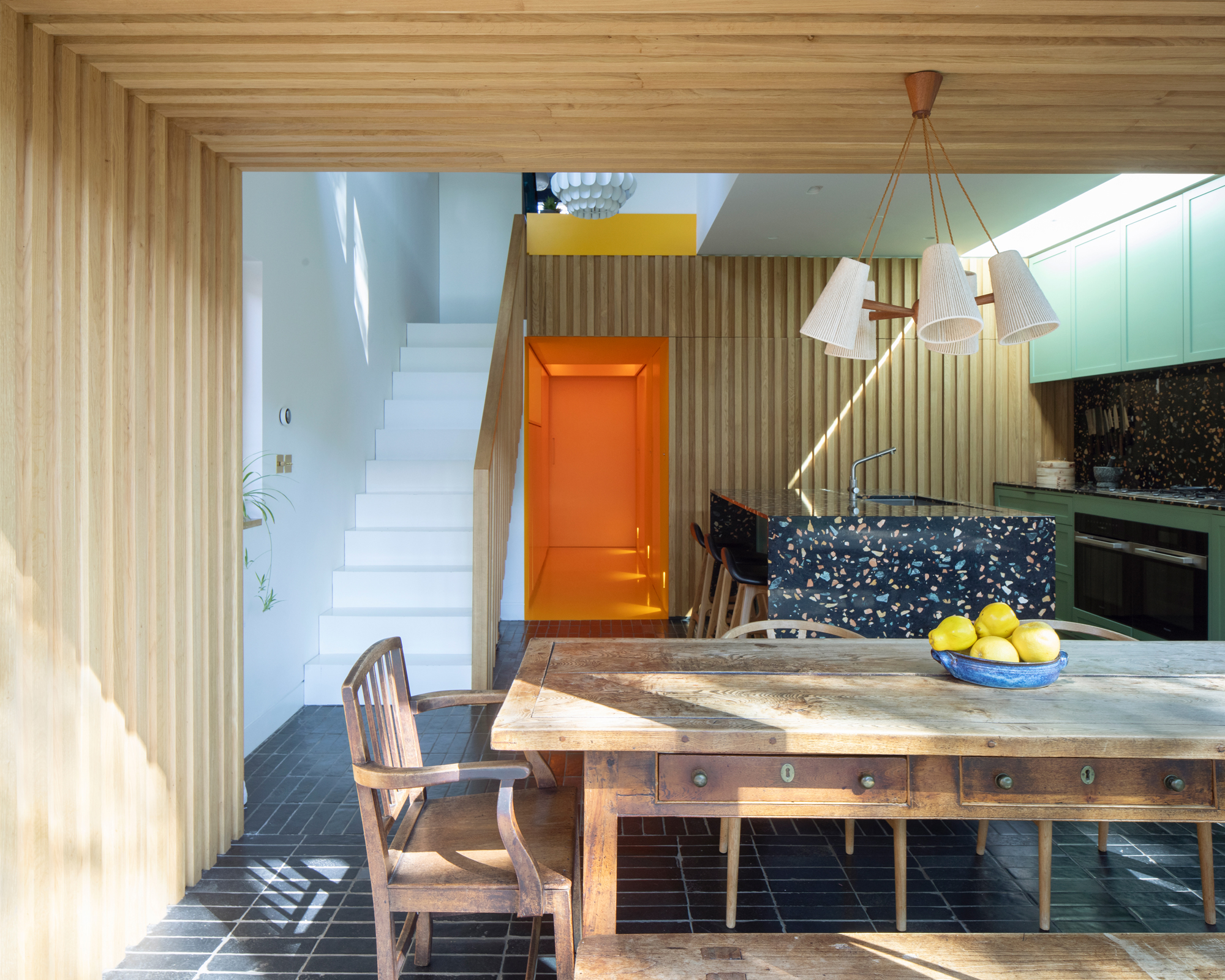
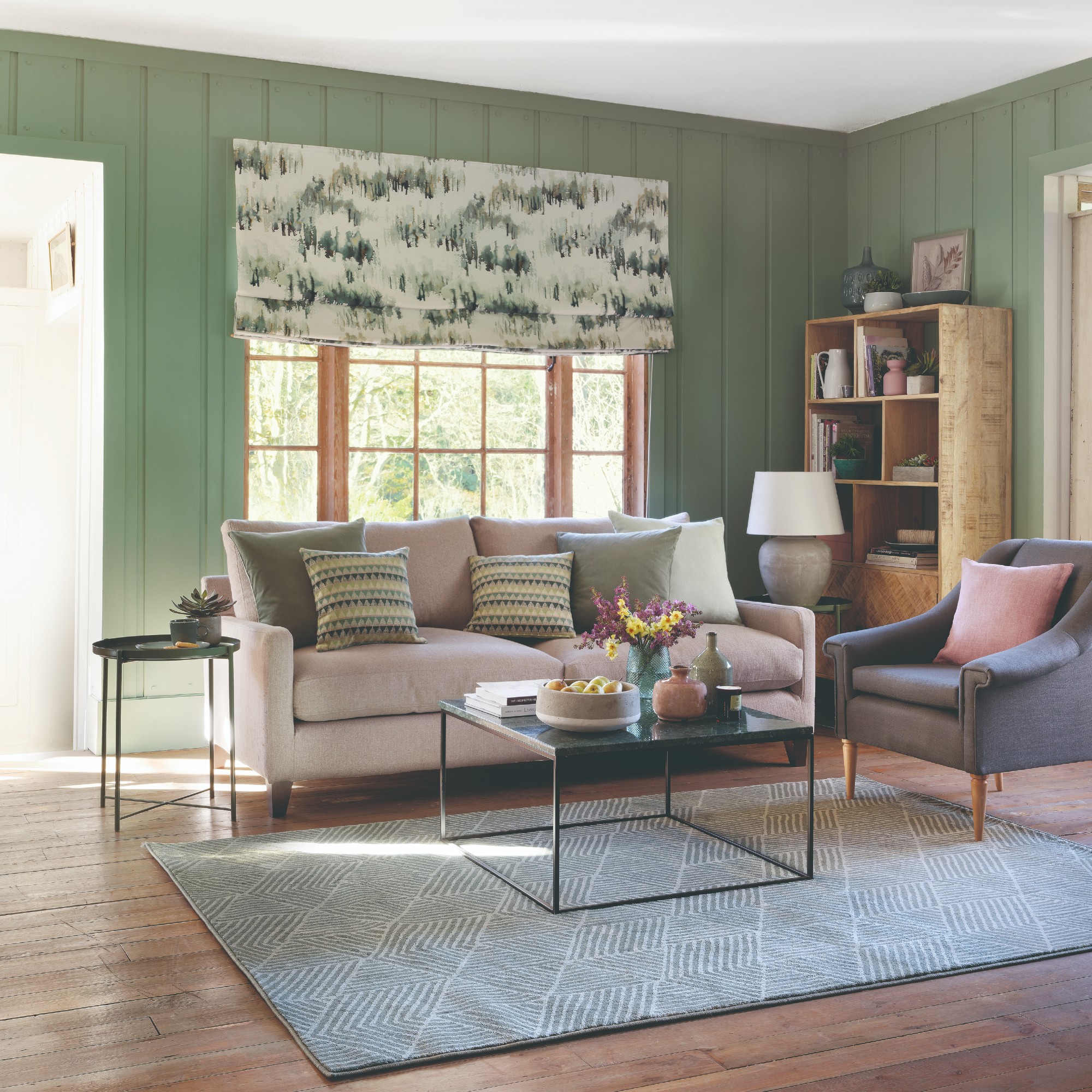
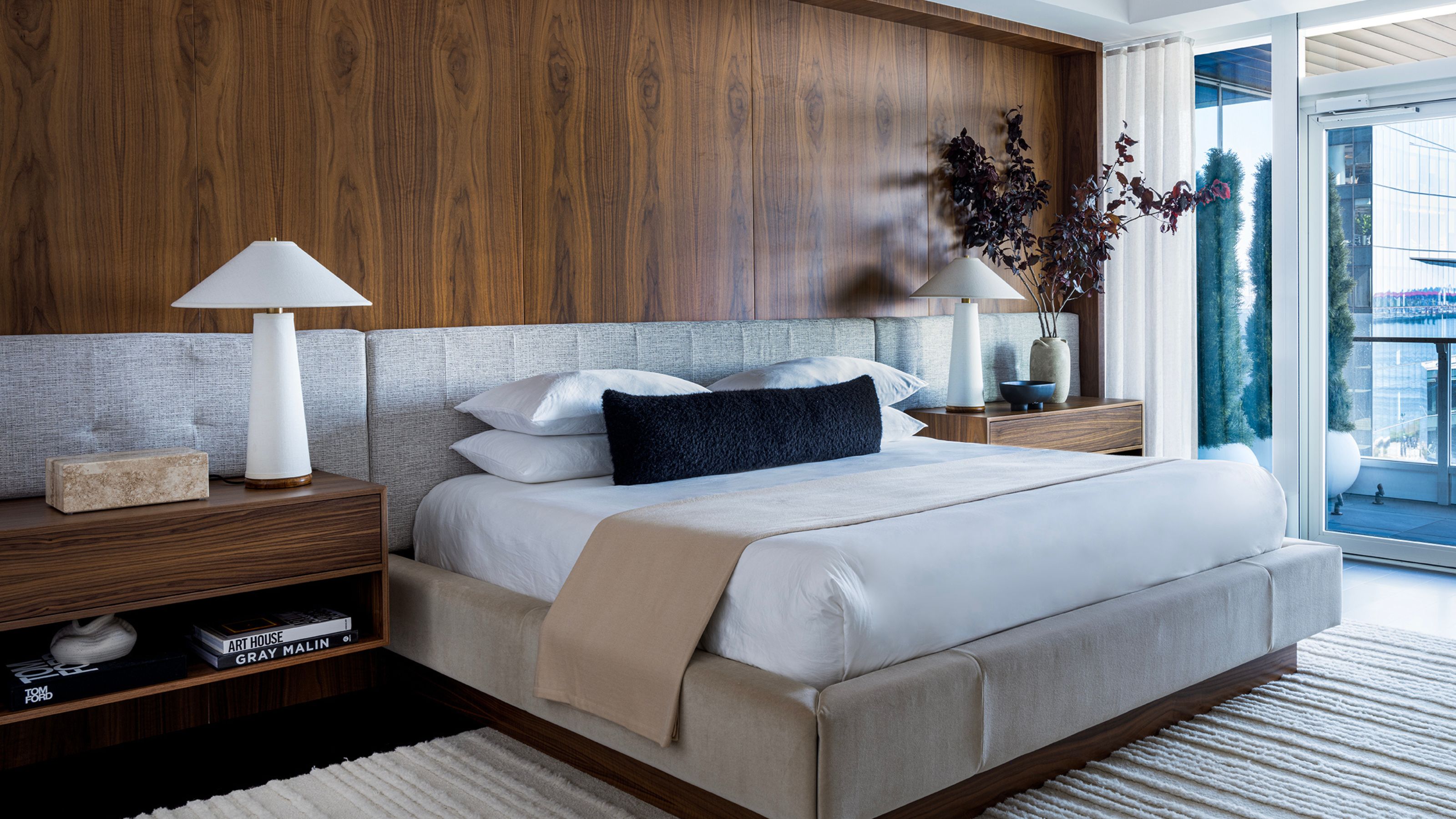
One of the most prominent styles currently gaining traction is vertical wood cladding. This type of paneling, often utilizing woods like cedar, infuses rooms with a cozy, cabin-like warmth and a retro feel. Its main advantages lie in its ability to add depth, natural character, and texture that painted walls cannot achieve. However, a potential drawback is that natural woods can fade when exposed to sunlight, necessitating regular staining or sealing to maintain their appearance. Despite this, it remains a durable choice that enhances aesthetic value and introduces an organic touch.
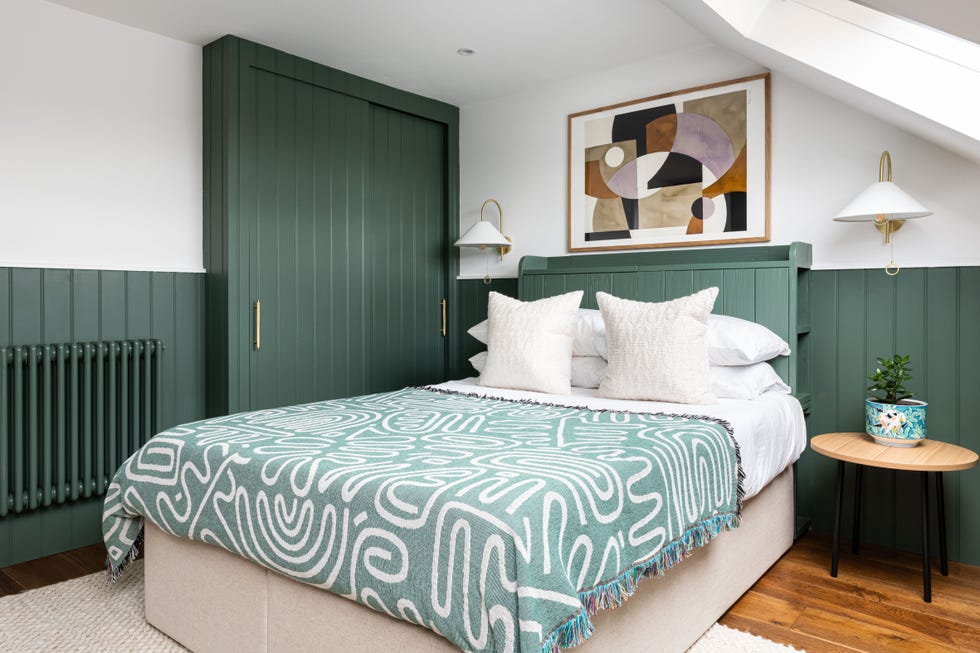
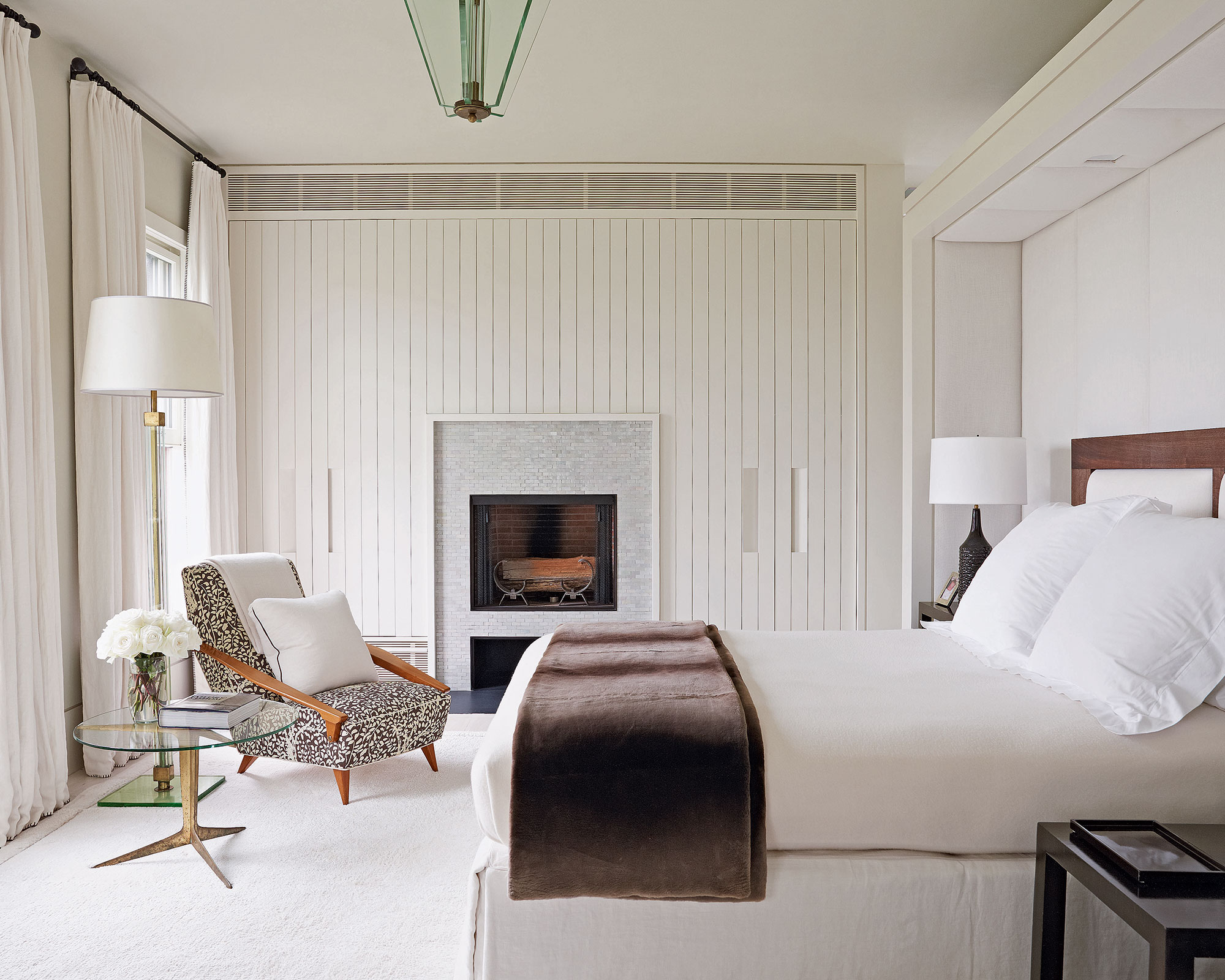
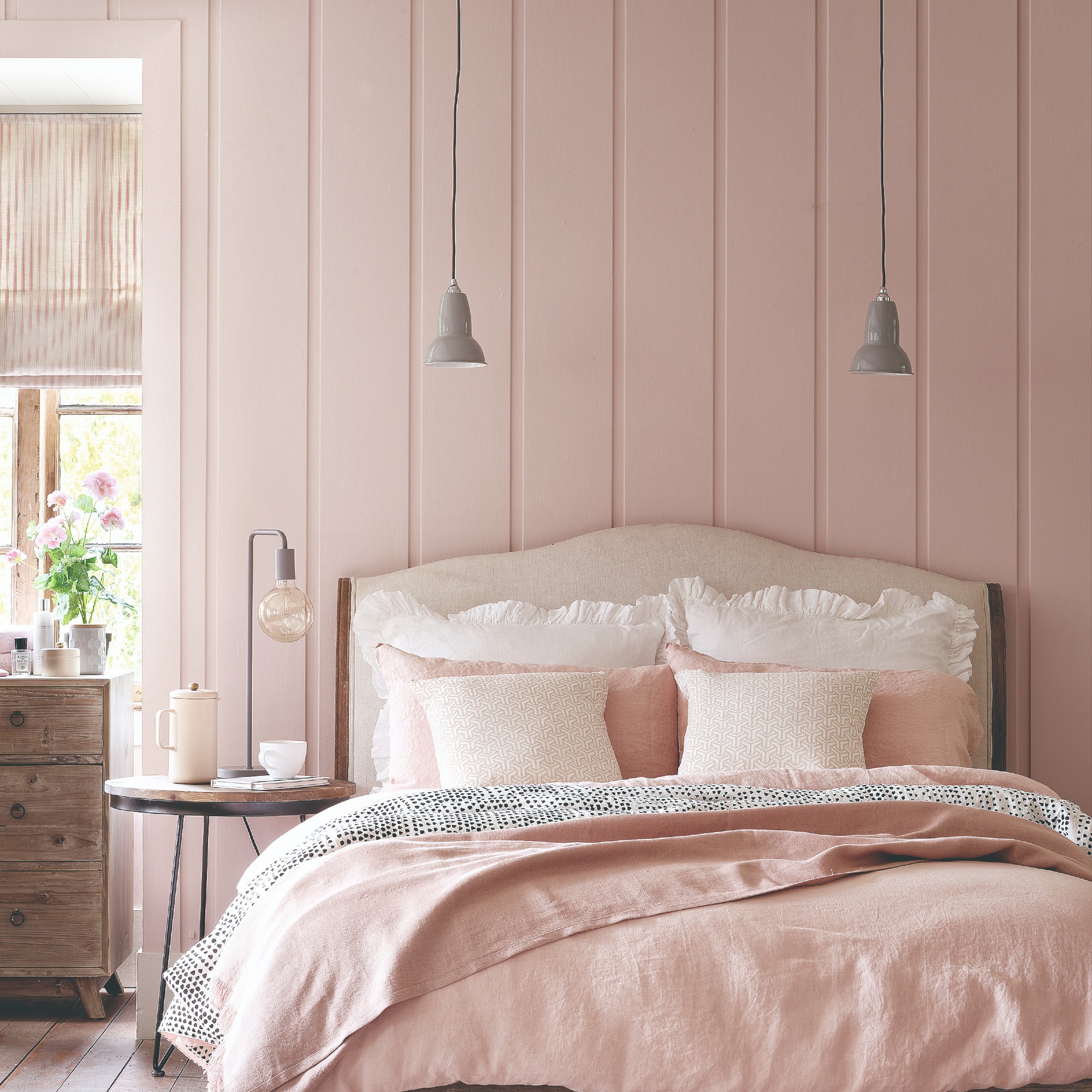
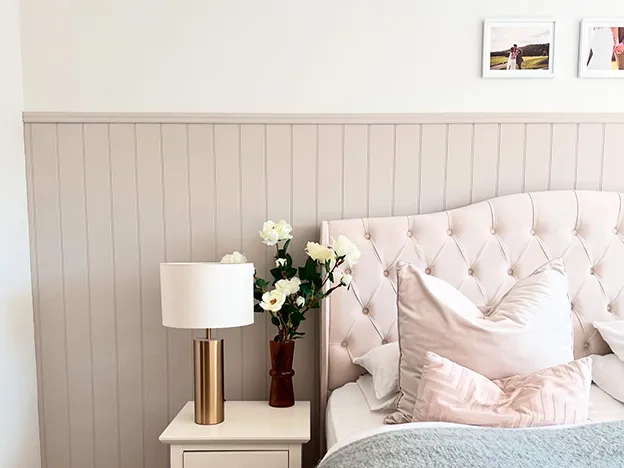
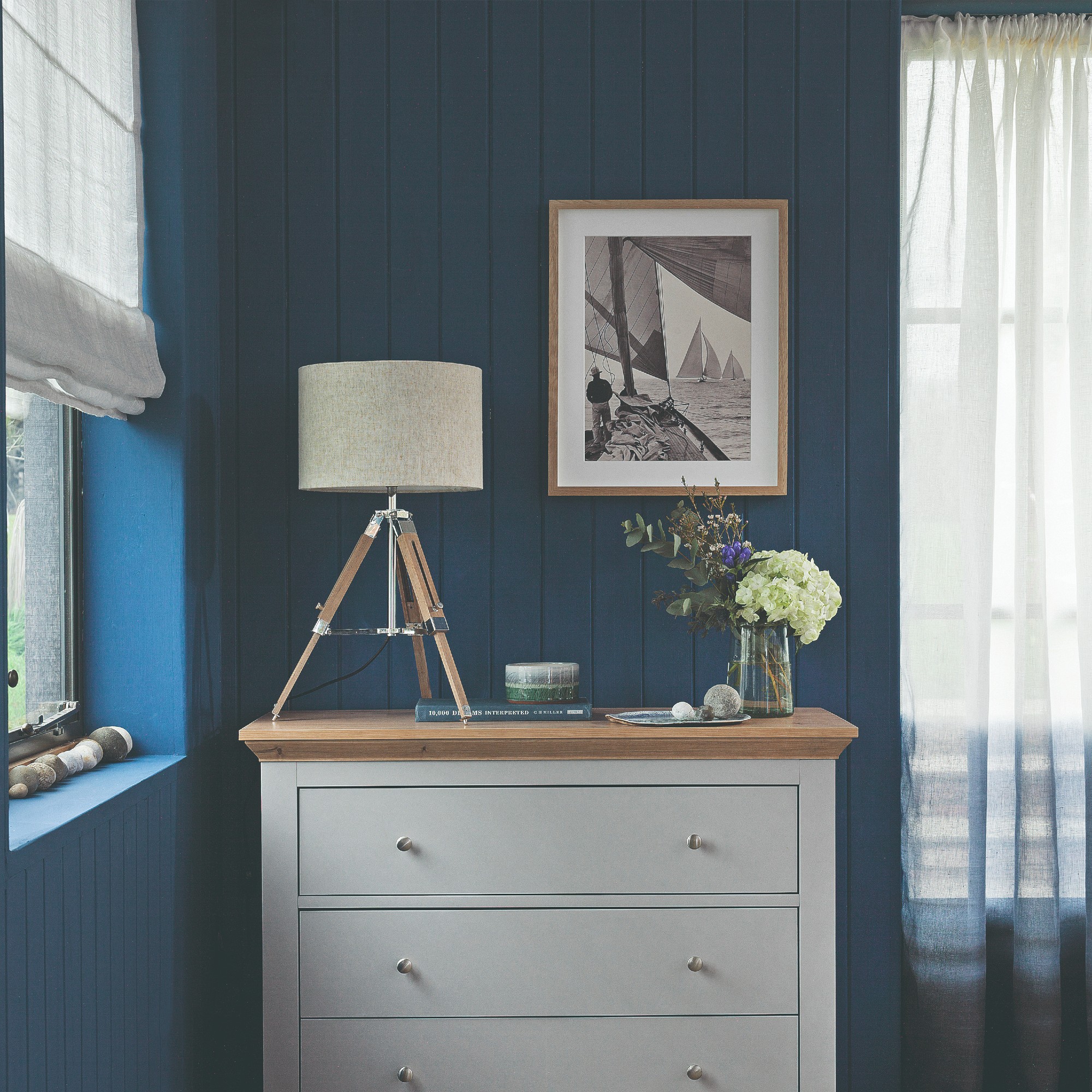
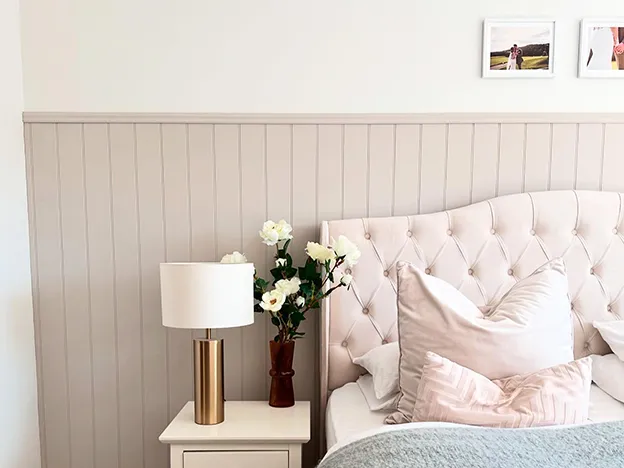
V-groove paneling, a variation of tongue-and-groove, is characterized by its V-shaped profile where panels interlock. This style offers a classic, streamlined, and polished look, making it particularly suitable for older homes. It adds an extra layer to interior architecture, contributing character and warmth, and helps a space feel more established and evolved. Designers highlight its ability to provide structure and a finished feel, often connecting back to traditional design elements. Another variation, nickel gap paneling, features a square-shaped gap between planks, providing a more modern aesthetic with straighter lines and a defined shadow in each groove. This contemporary take on tongue-and-groove creates texture and interest without overwhelming smaller spaces.
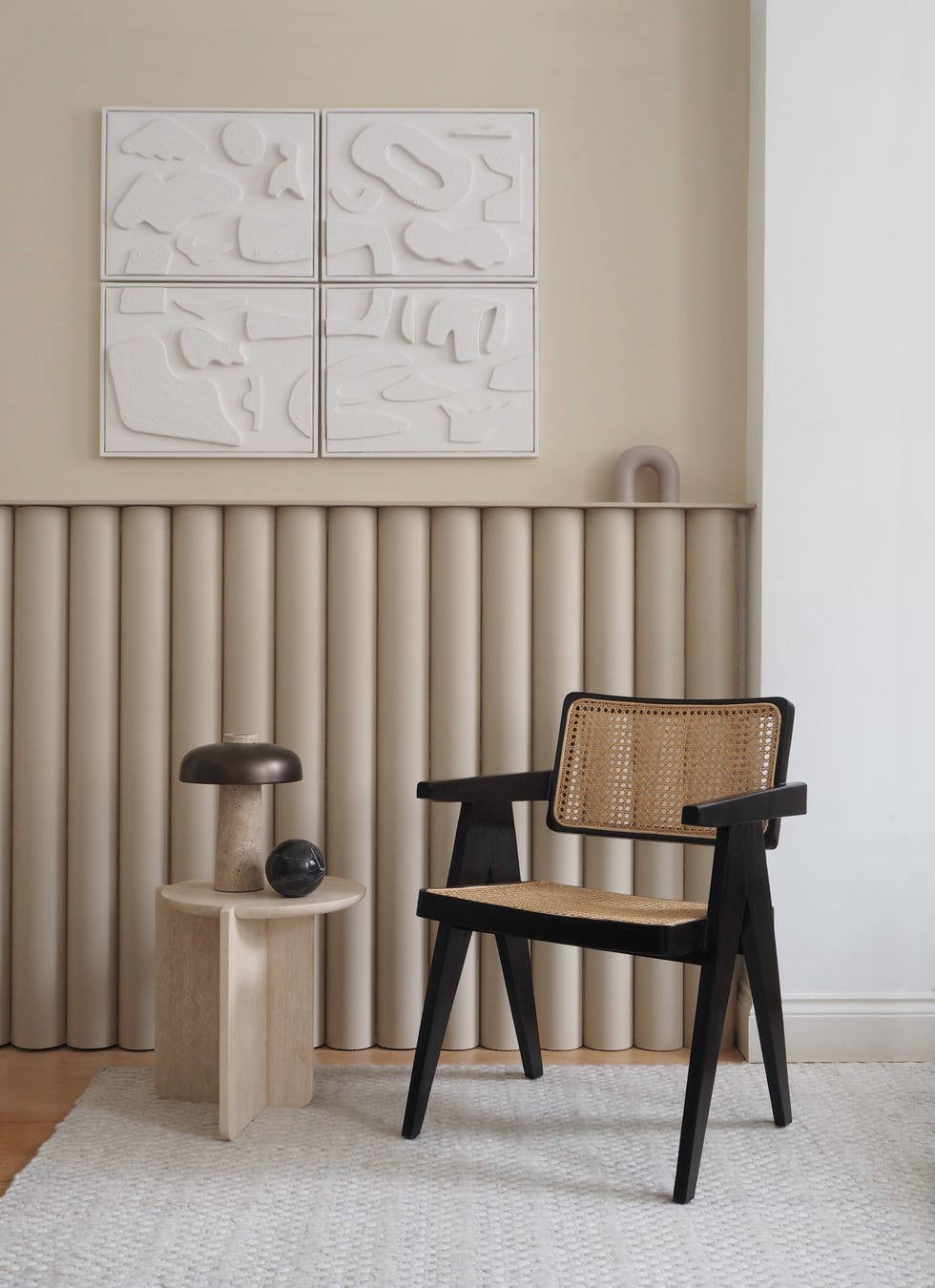
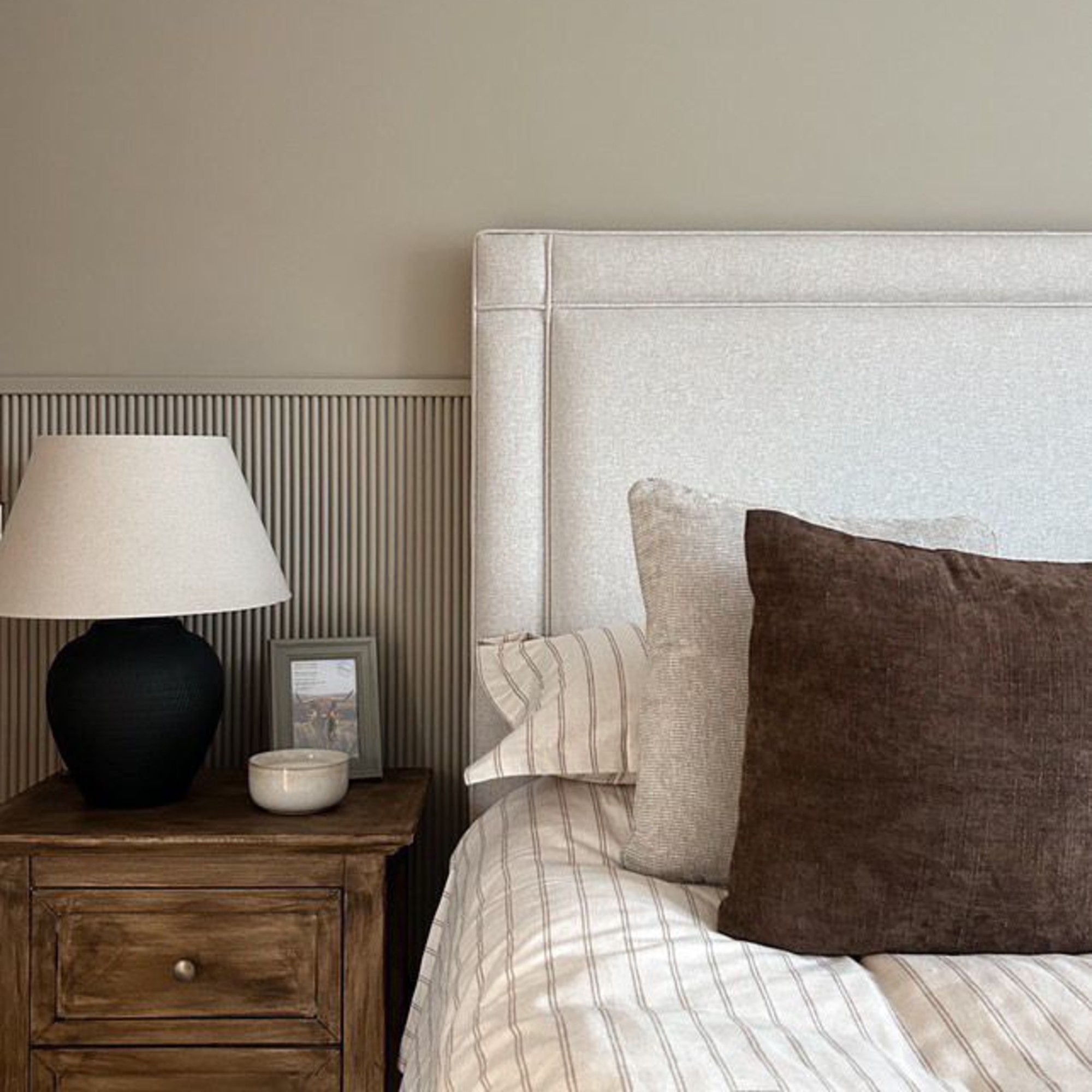
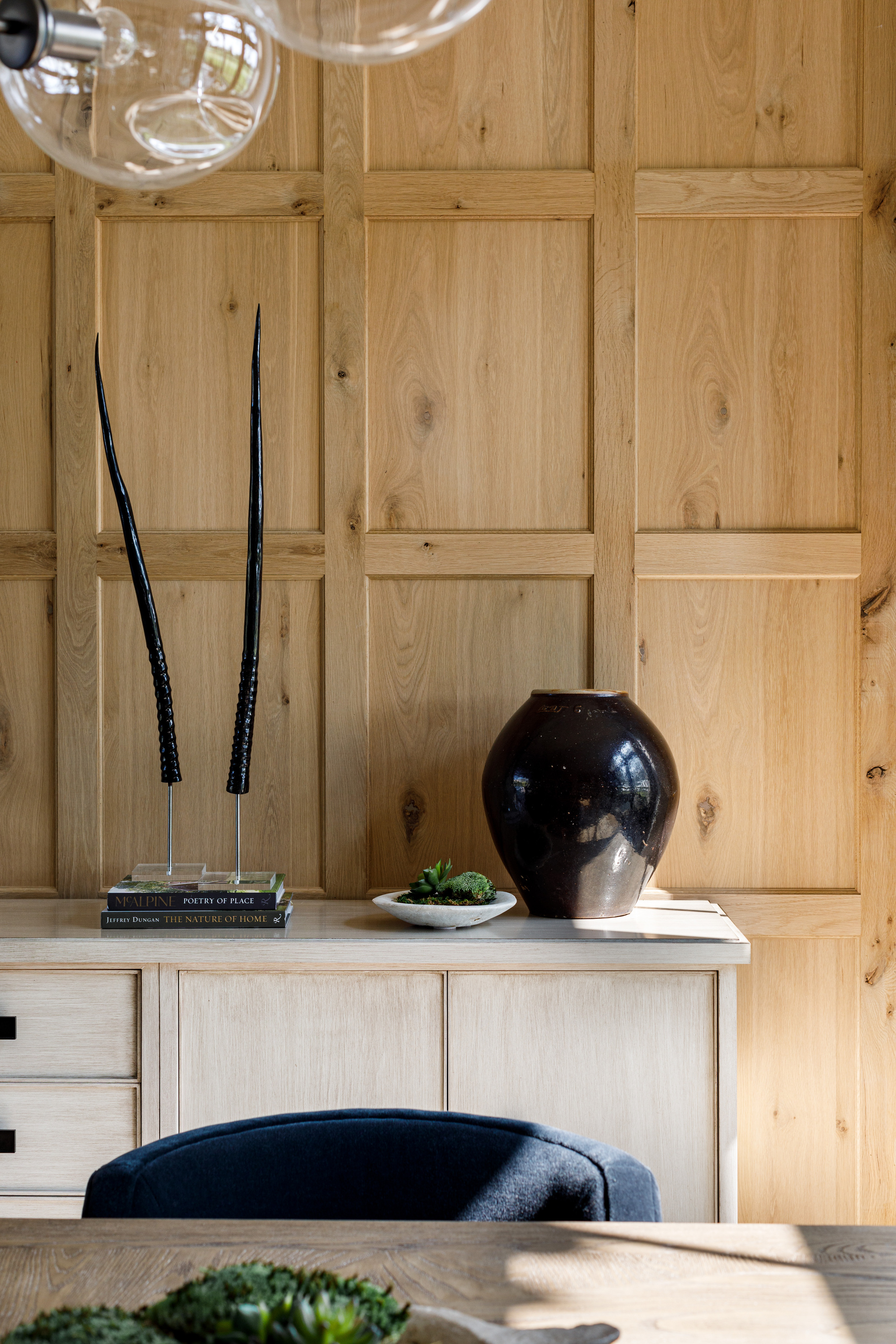
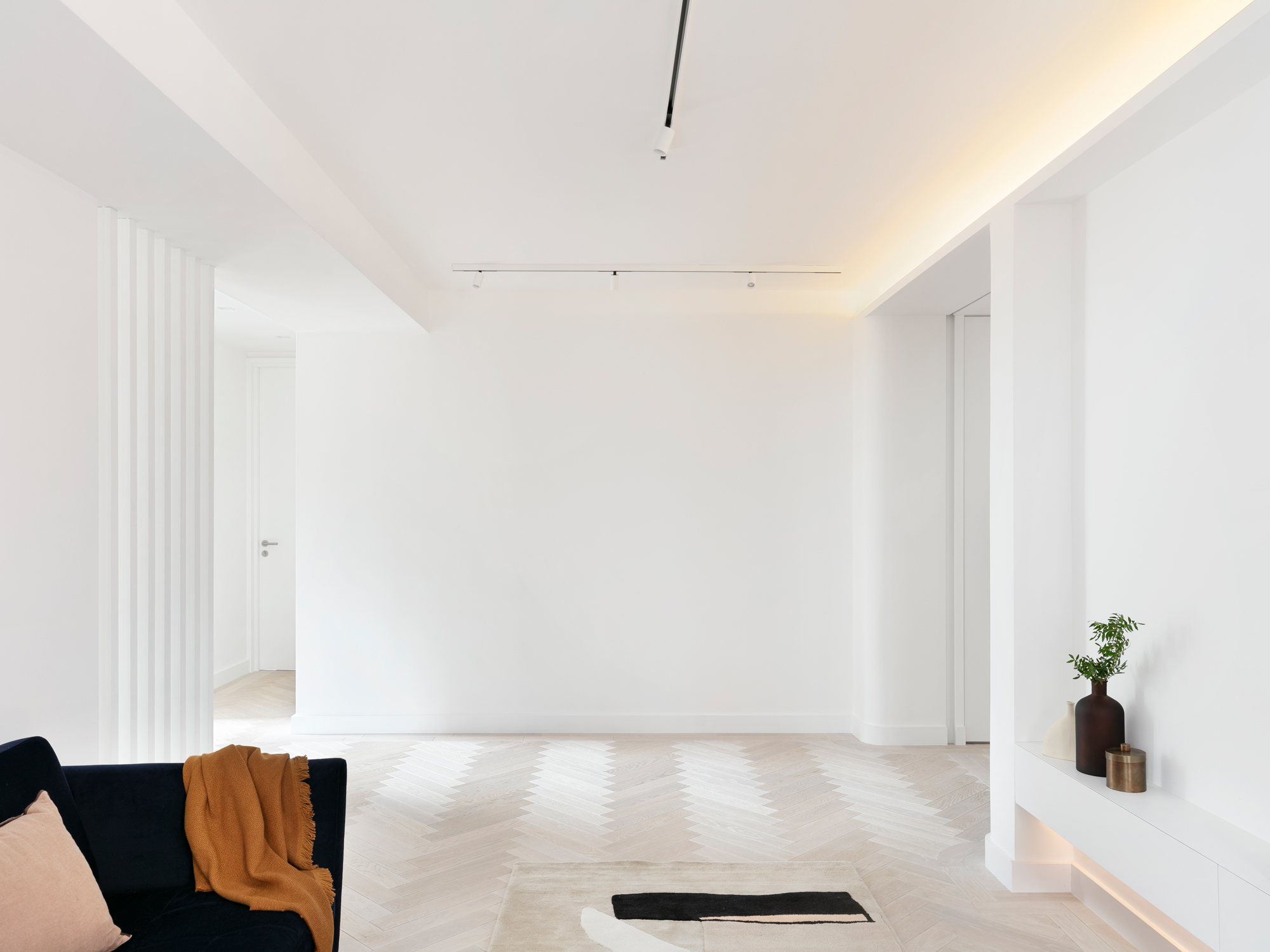
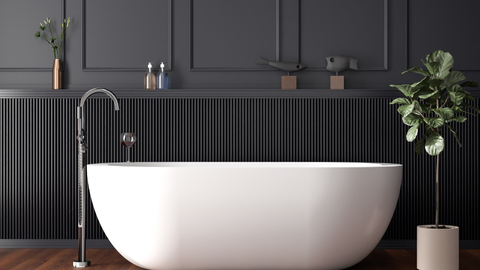
Reeded wall paneling presents a more contemporary and unexpected design choice. Its vertical detail adds subtle texture and interest, making it a stylish option for small rooms where it can avoid overwhelming the space. However, its bold nature means it is best suited for smaller areas. Large horizontal wall panels offer a sleek, modern look that emphasizes the natural grains and patterns of wood, bringing richness and warmth. While visually elegant and artistic, real wood panels are typically more expensive than veneers.
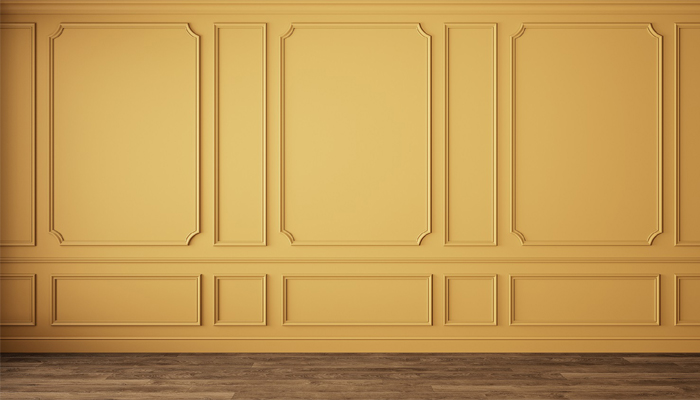
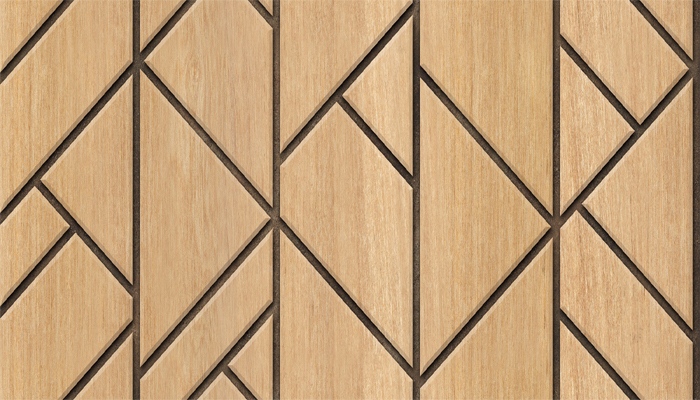
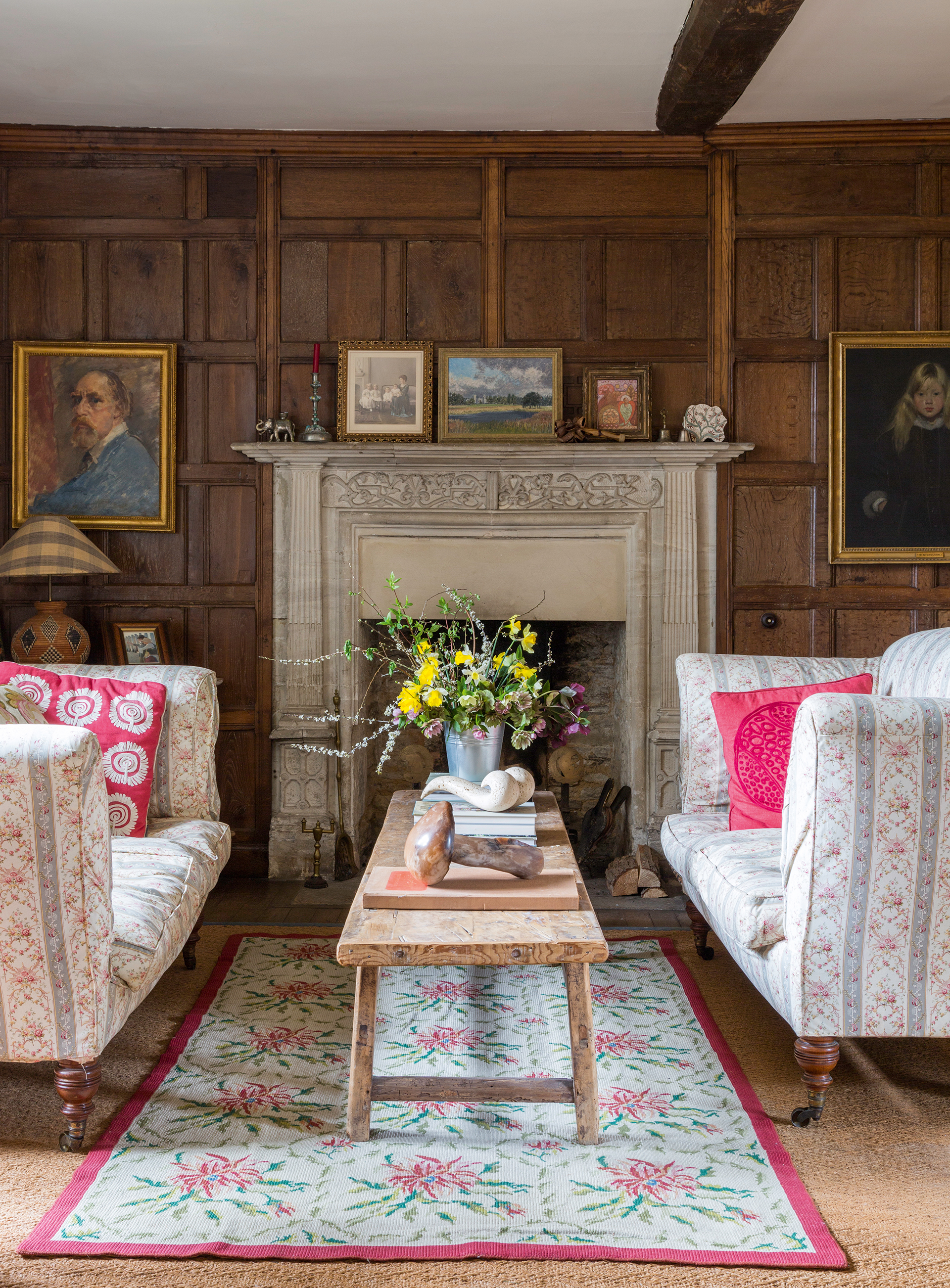
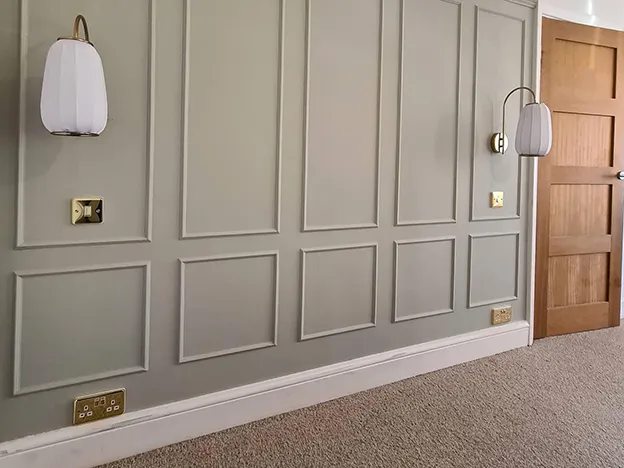
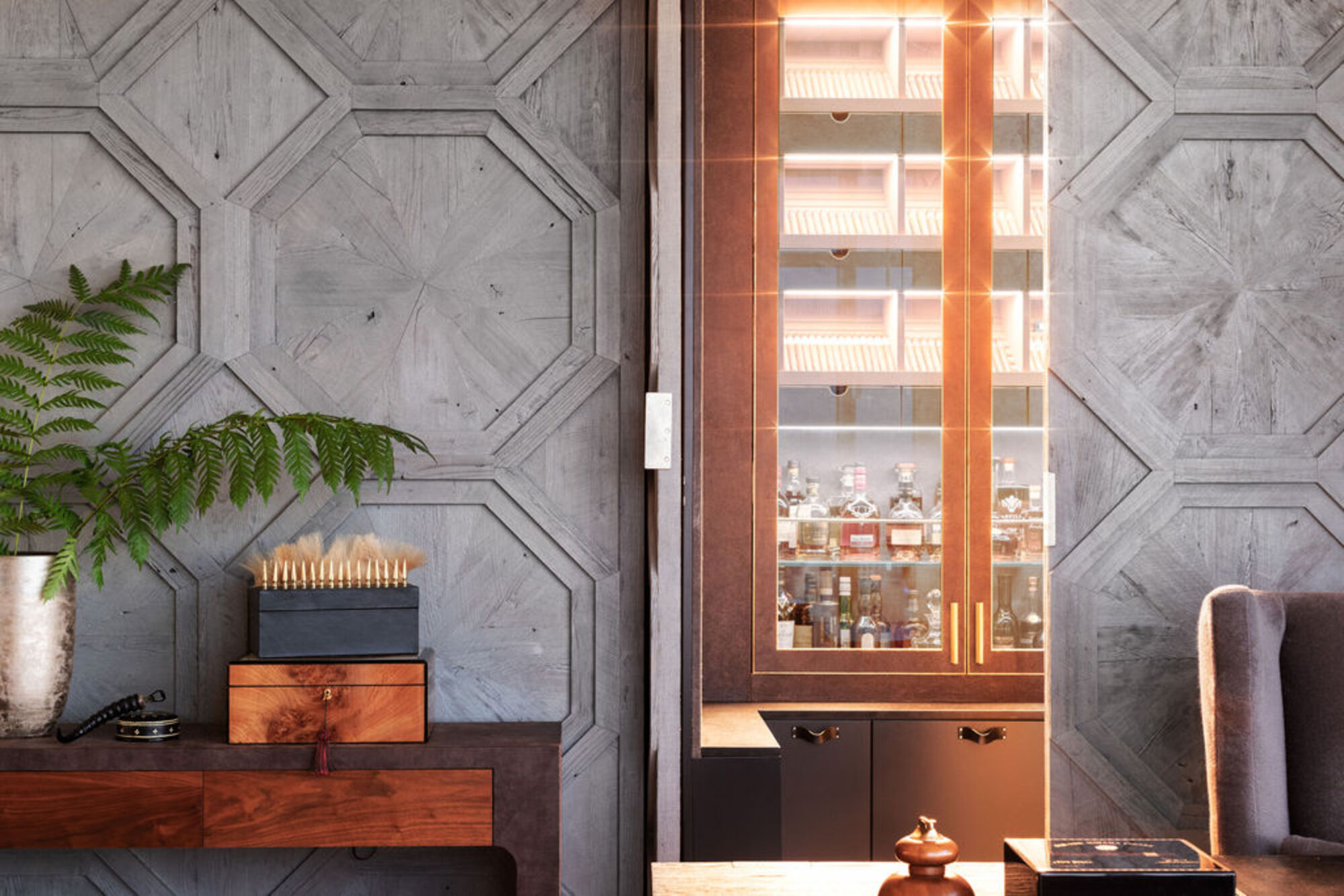
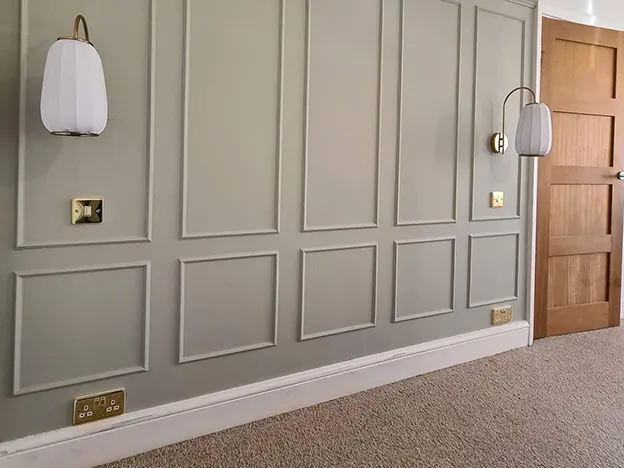
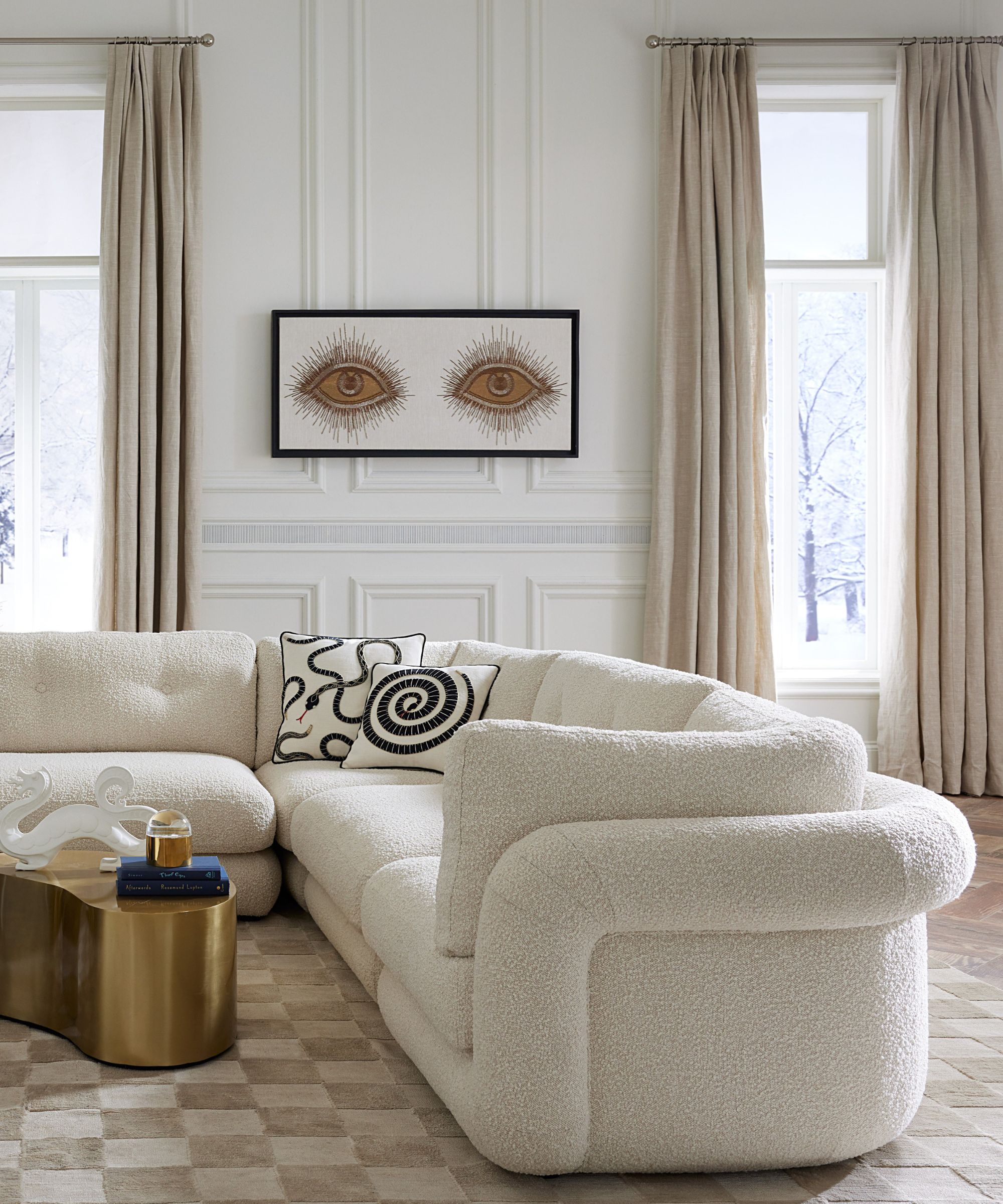
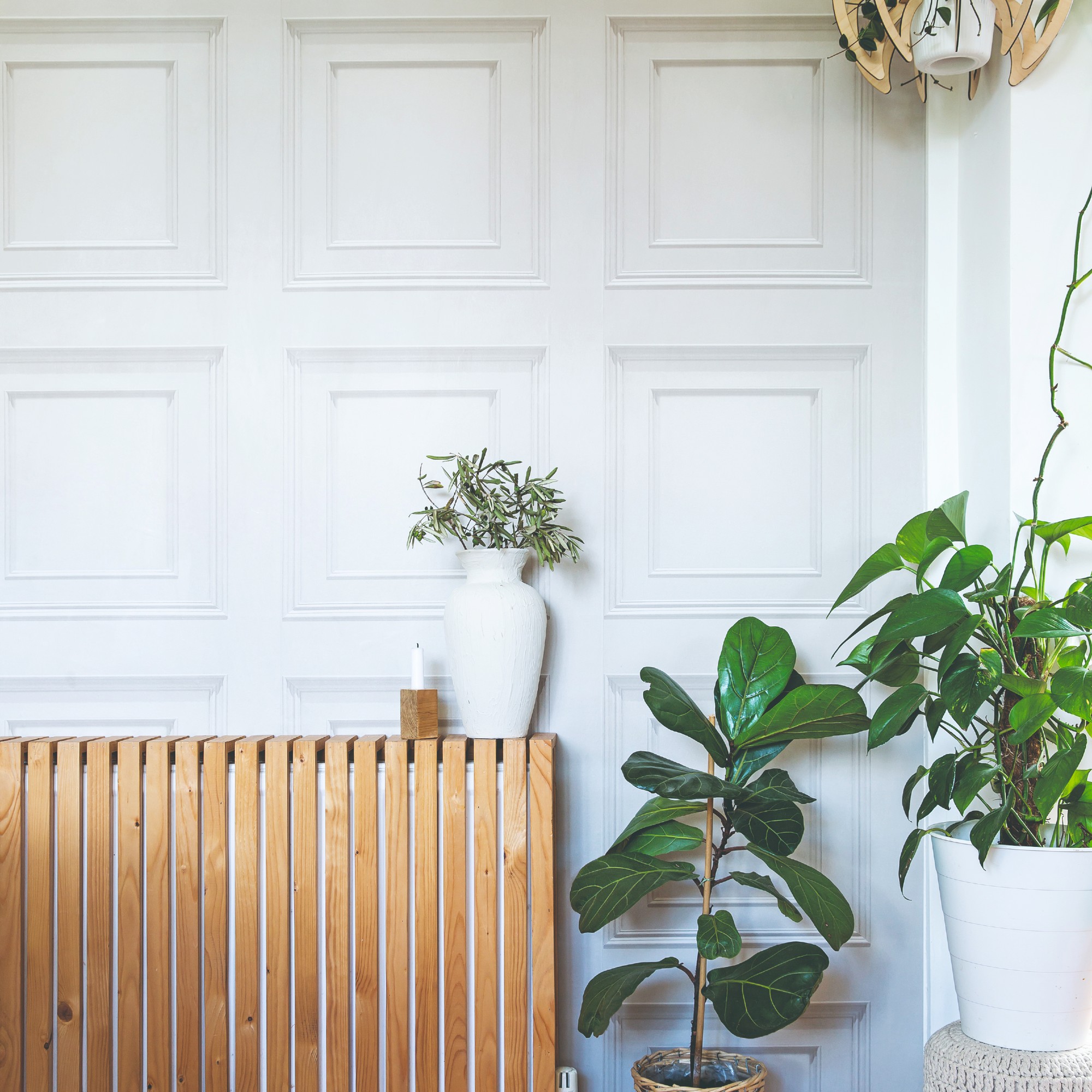
Victorian-style paneling is a timeless and classic option, especially fitting for period homes with significant architectural features. It adds grandeur and elegance by breaking up large wall expanses, creating visual interest, and subtly framing furniture and decorative pieces. However, it is important to consider the home's architectural style, as Victorian paneling might appear out of place in more contemporary settings. Geometric wall paneling, on the other hand, offers a playful and unexpected design that can energize a space, blending modern and traditional elements. While fun and interesting, it may not be the most timeless choice compared to more classic styles like tongue-and-groove.
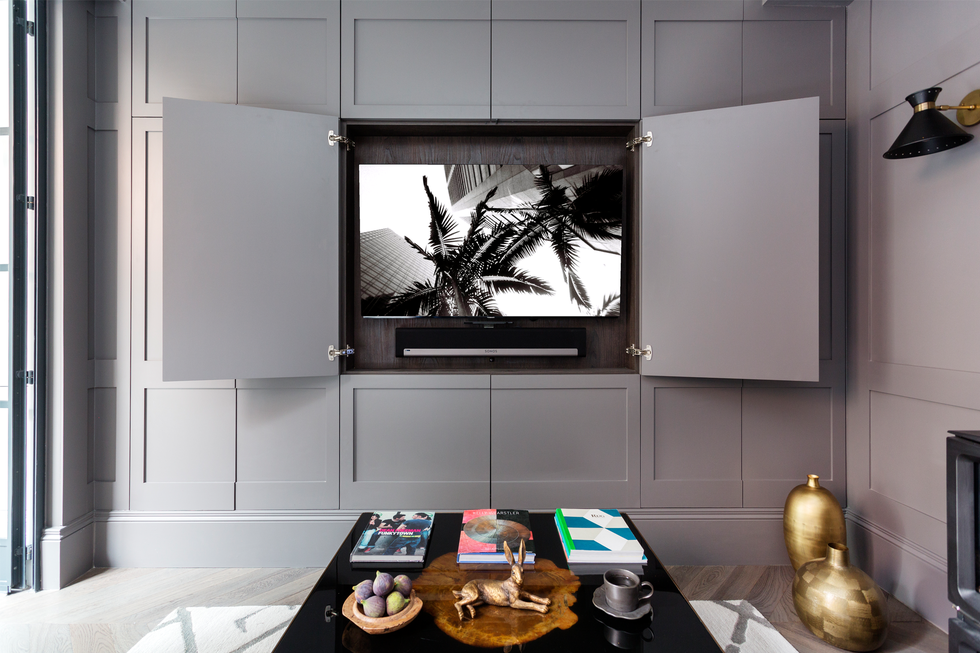
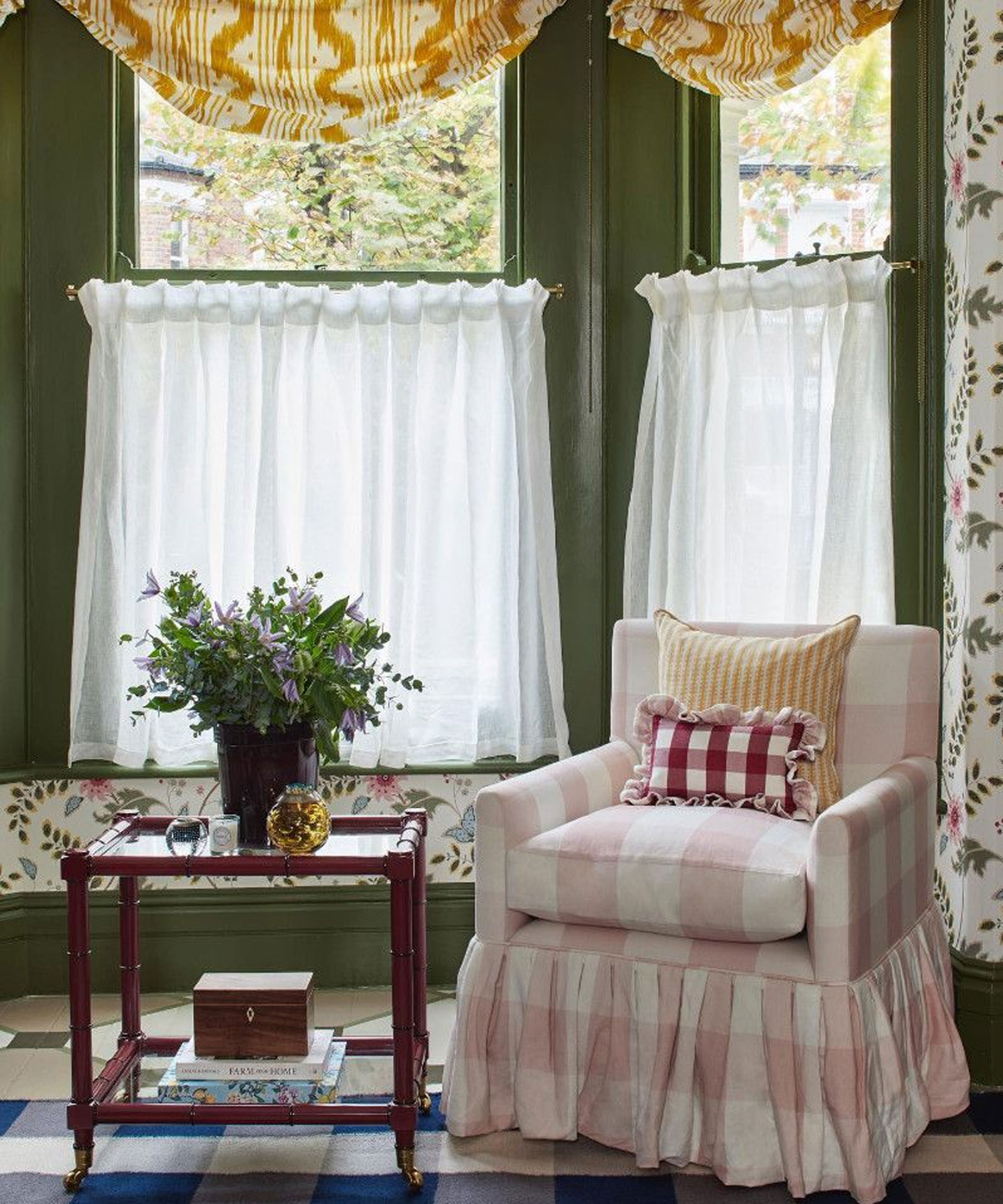
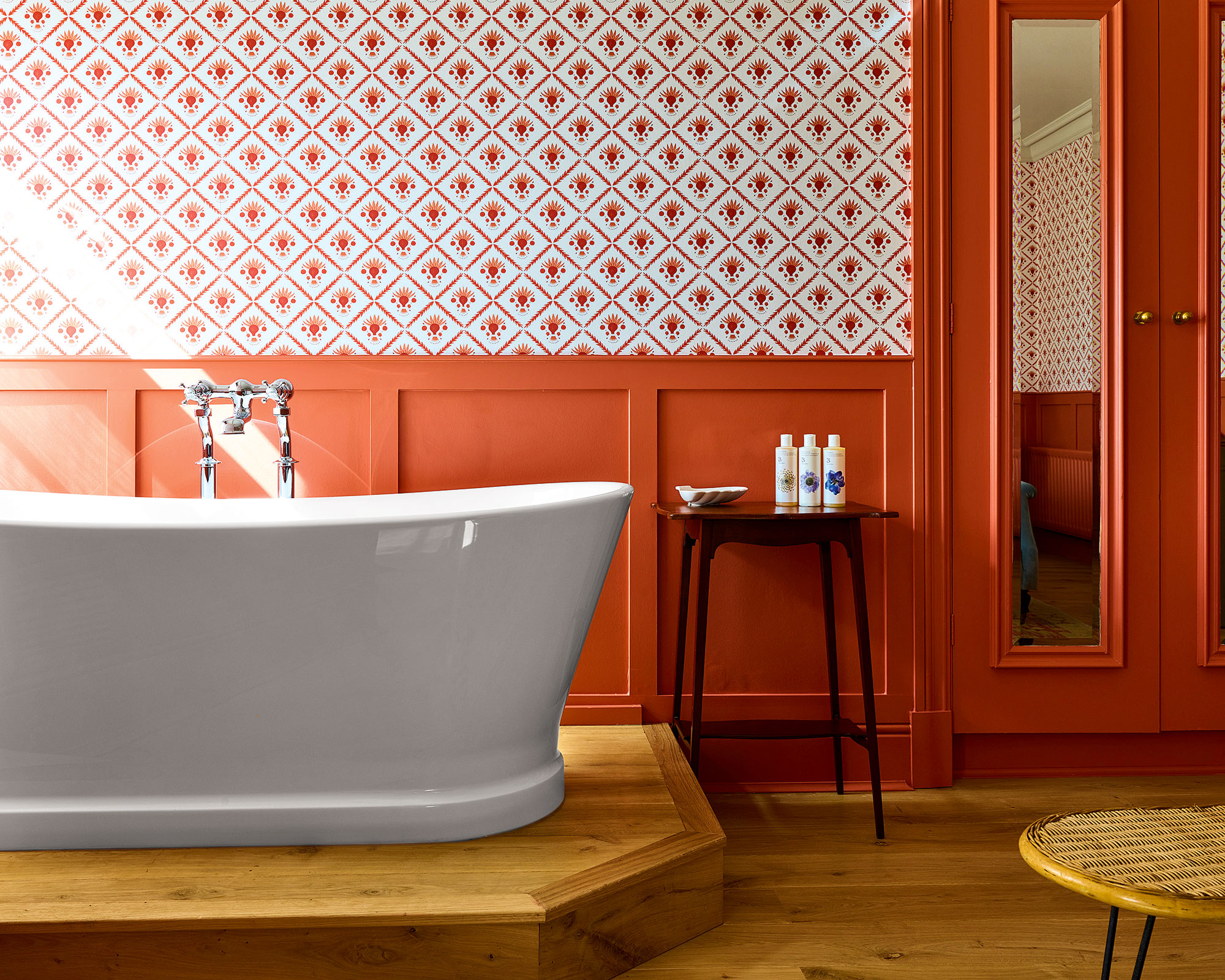
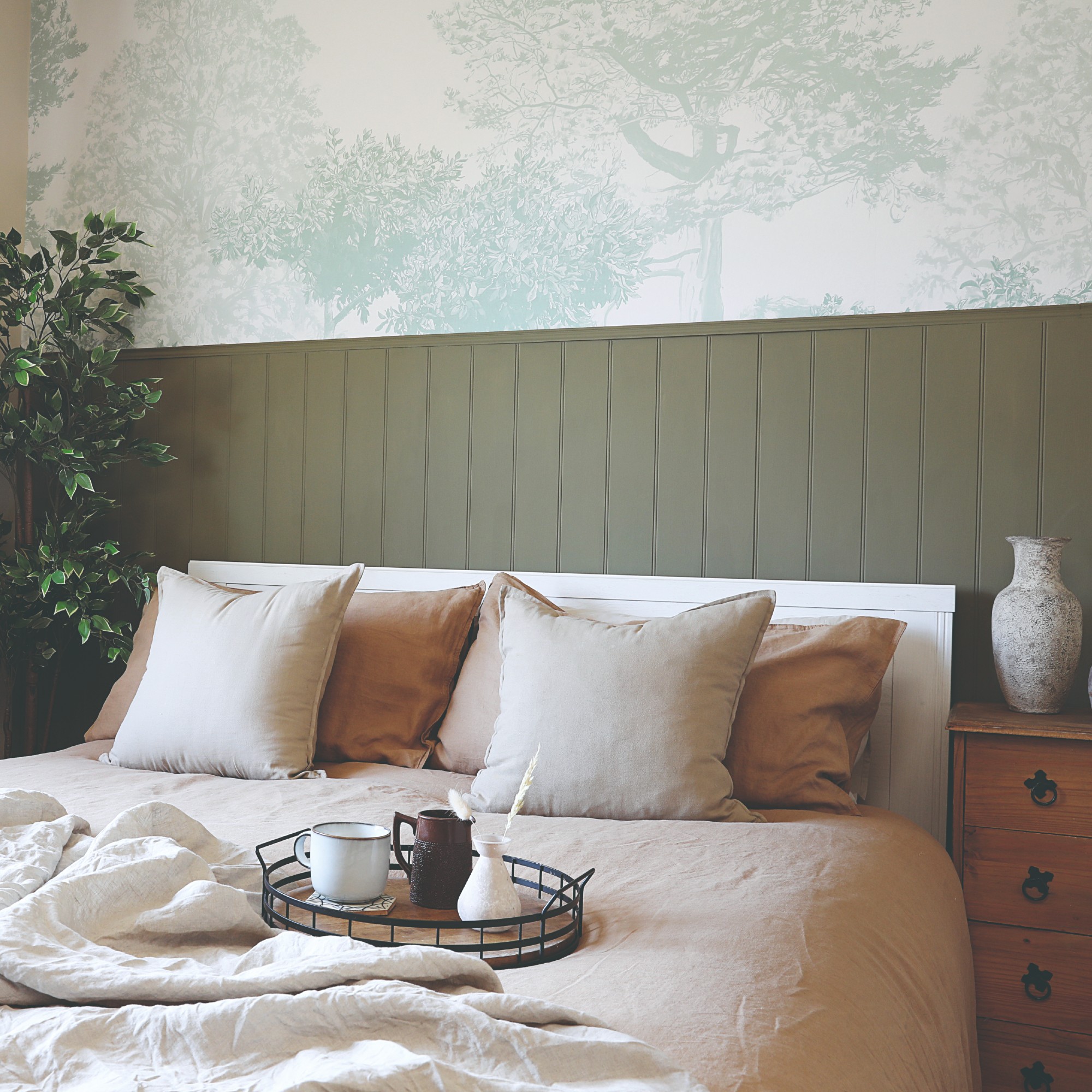
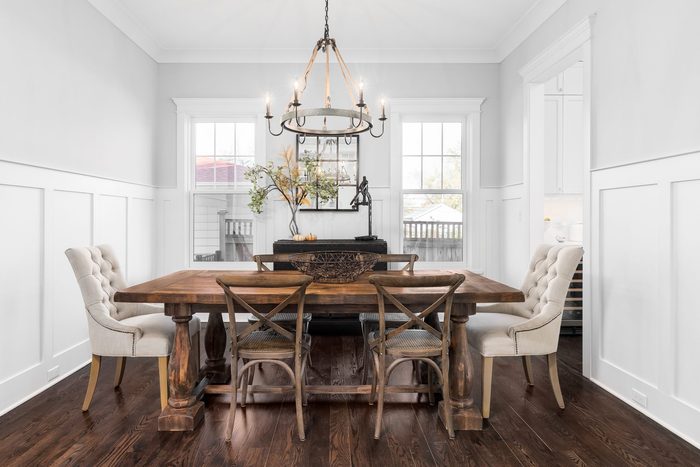
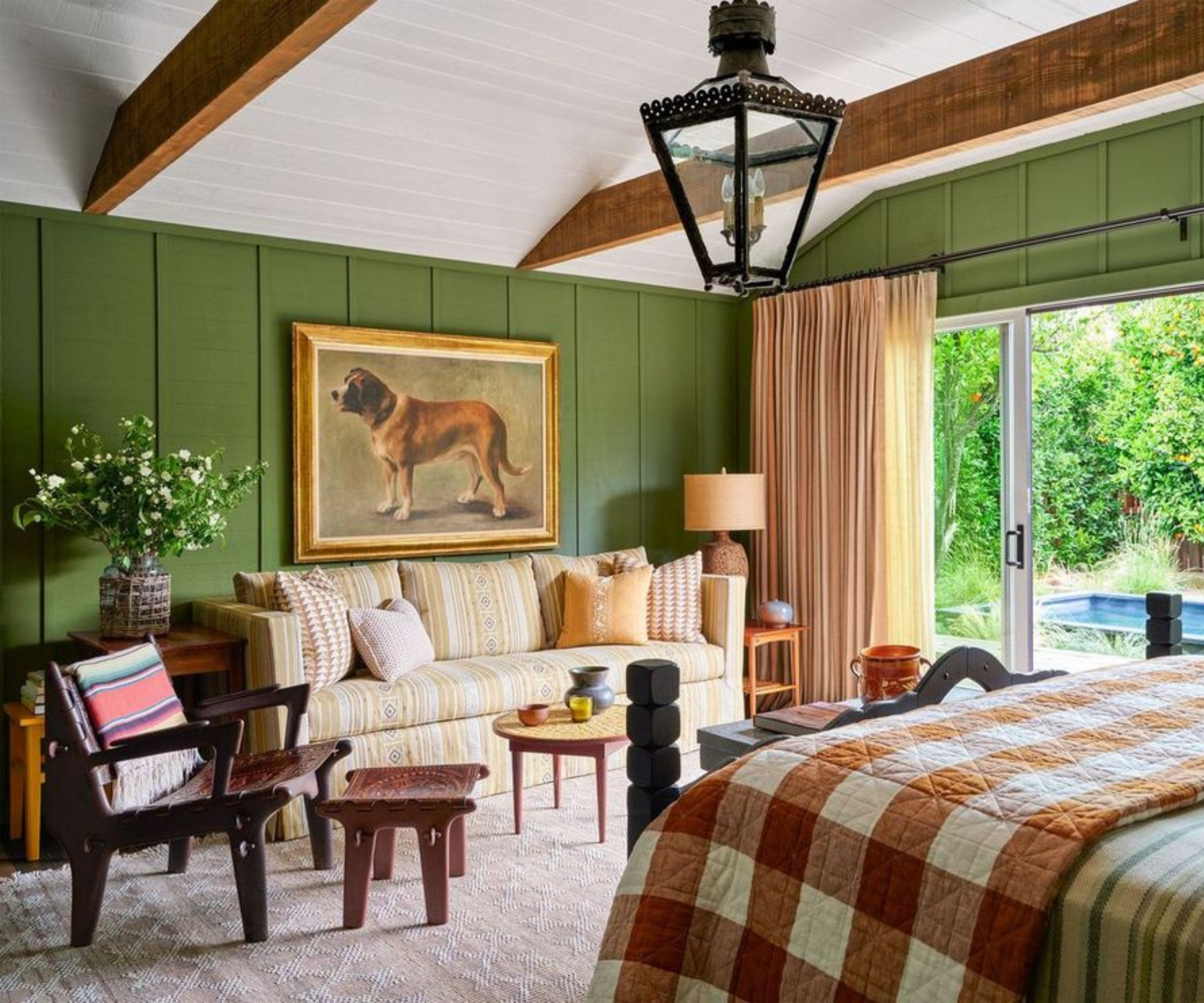
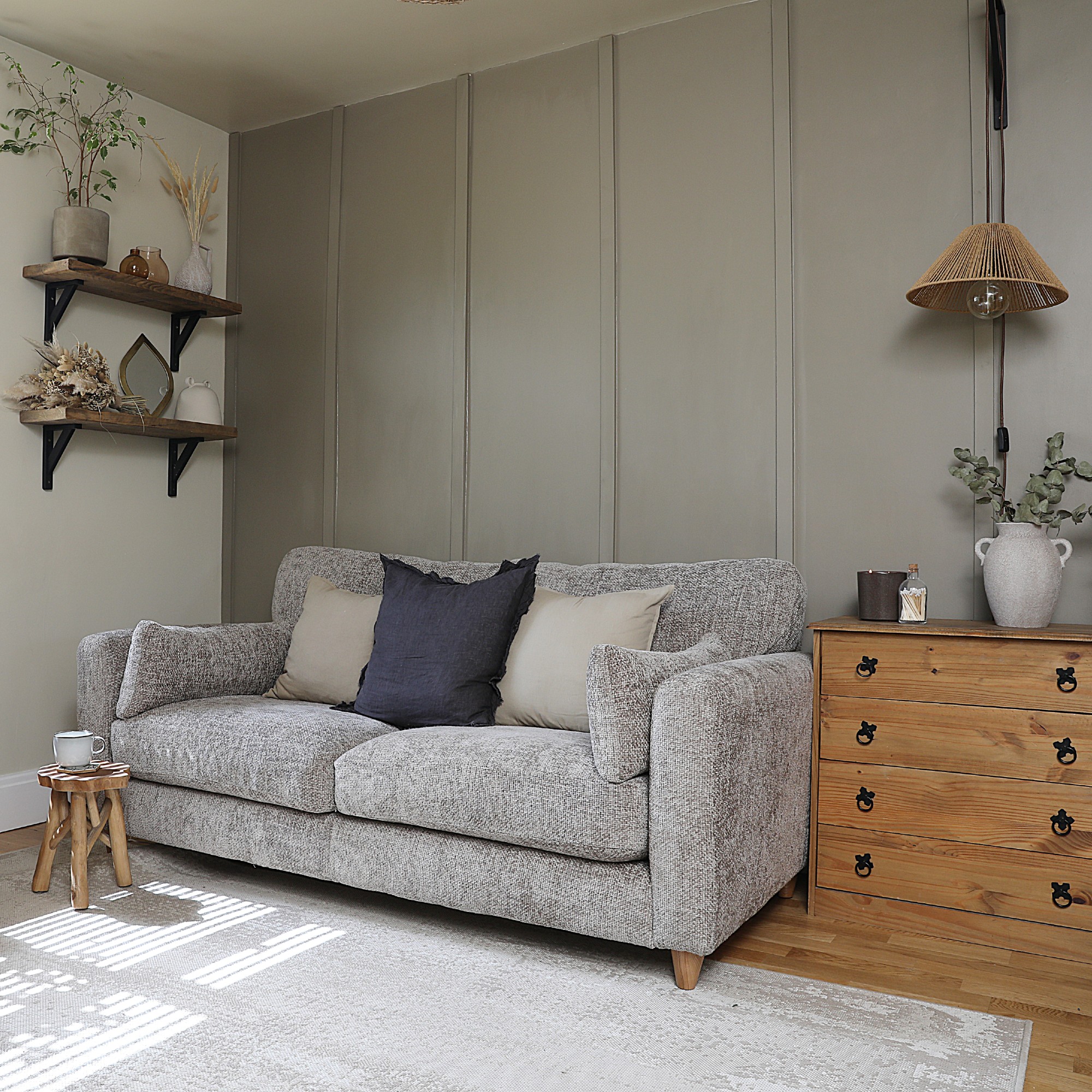
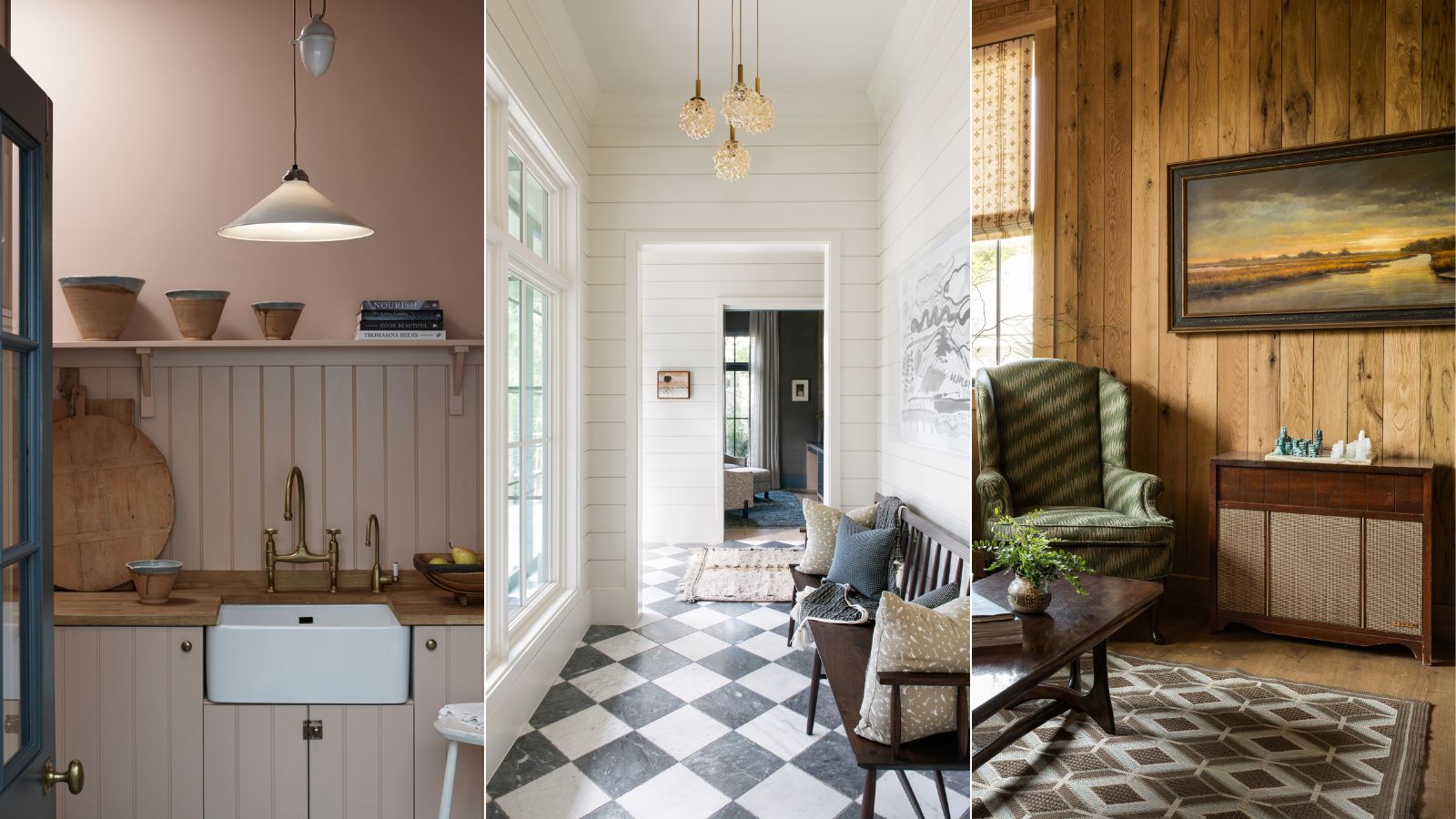
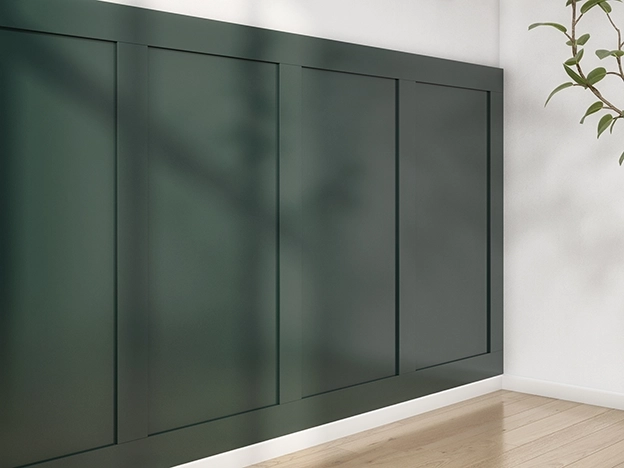
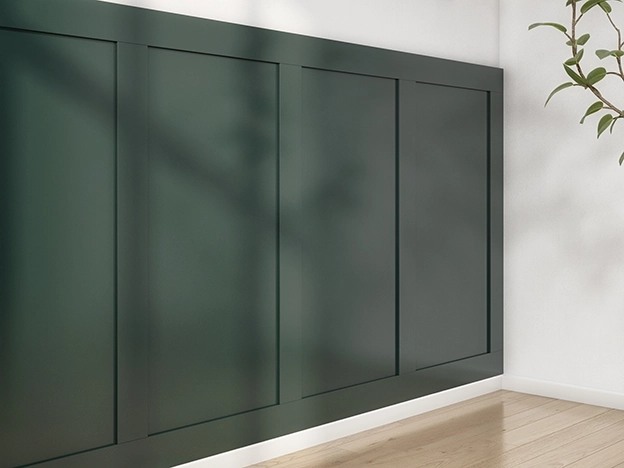
Shaker wall paneling, also known as board-and-batten, provides symmetry and clean lines, making it suitable for modern homes. This style layers vertical battens over smooth boards to create a clean, architectural grid. It is praised for its timelessness, adaptability, and durability, especially in high-use areas. Challenges include the need for precise craftsmanship and careful planning to ensure proportions work seamlessly with existing architectural features. Wainscoting, which covers the lower portion of a wall, is a popular choice for hallways. It provides a structured, pared-back framework that allows for layering personality, pattern, and color through other decorative elements. The height of wainscoting can be aligned with built-in storage to create a balanced and thoughtfully designed entryway.
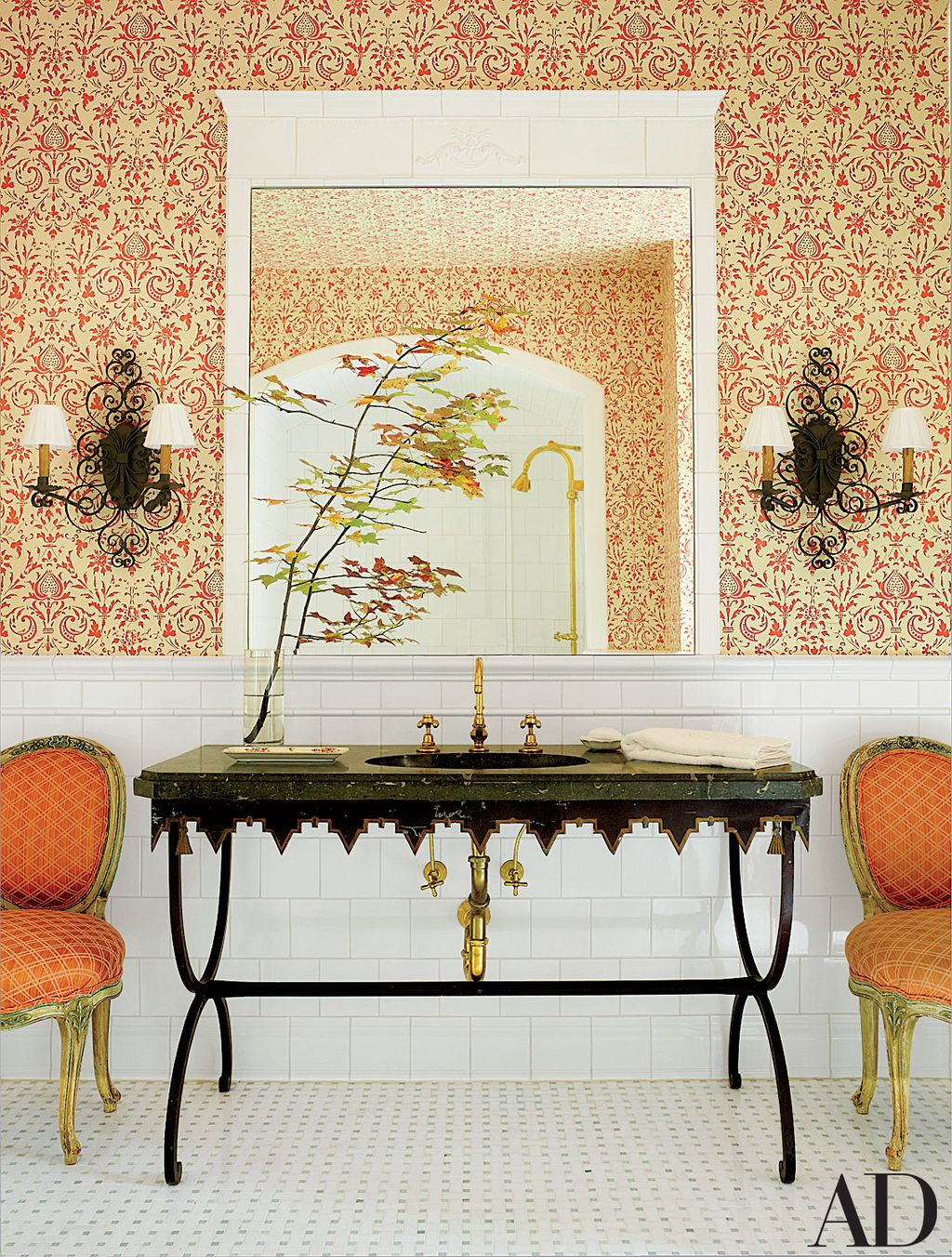
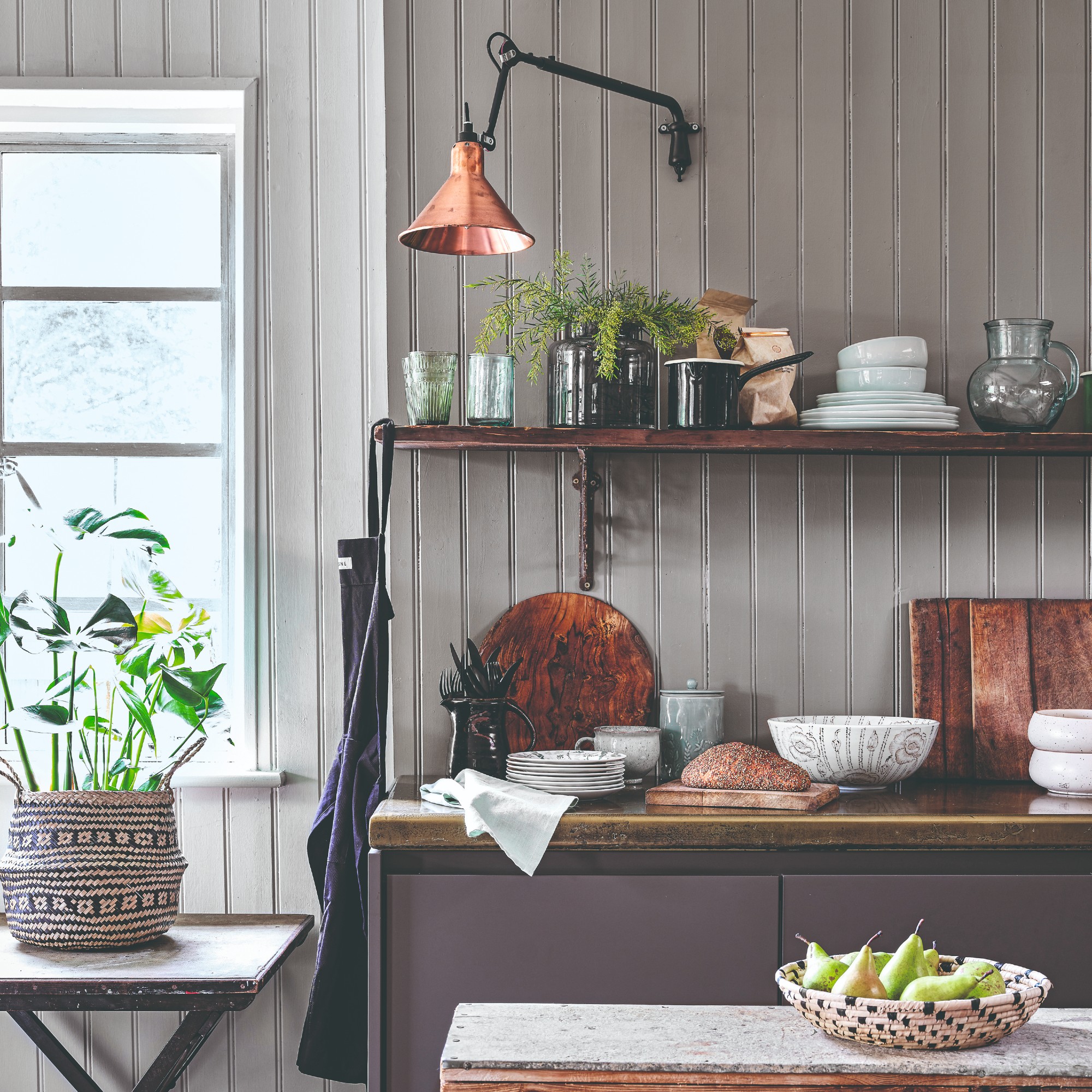
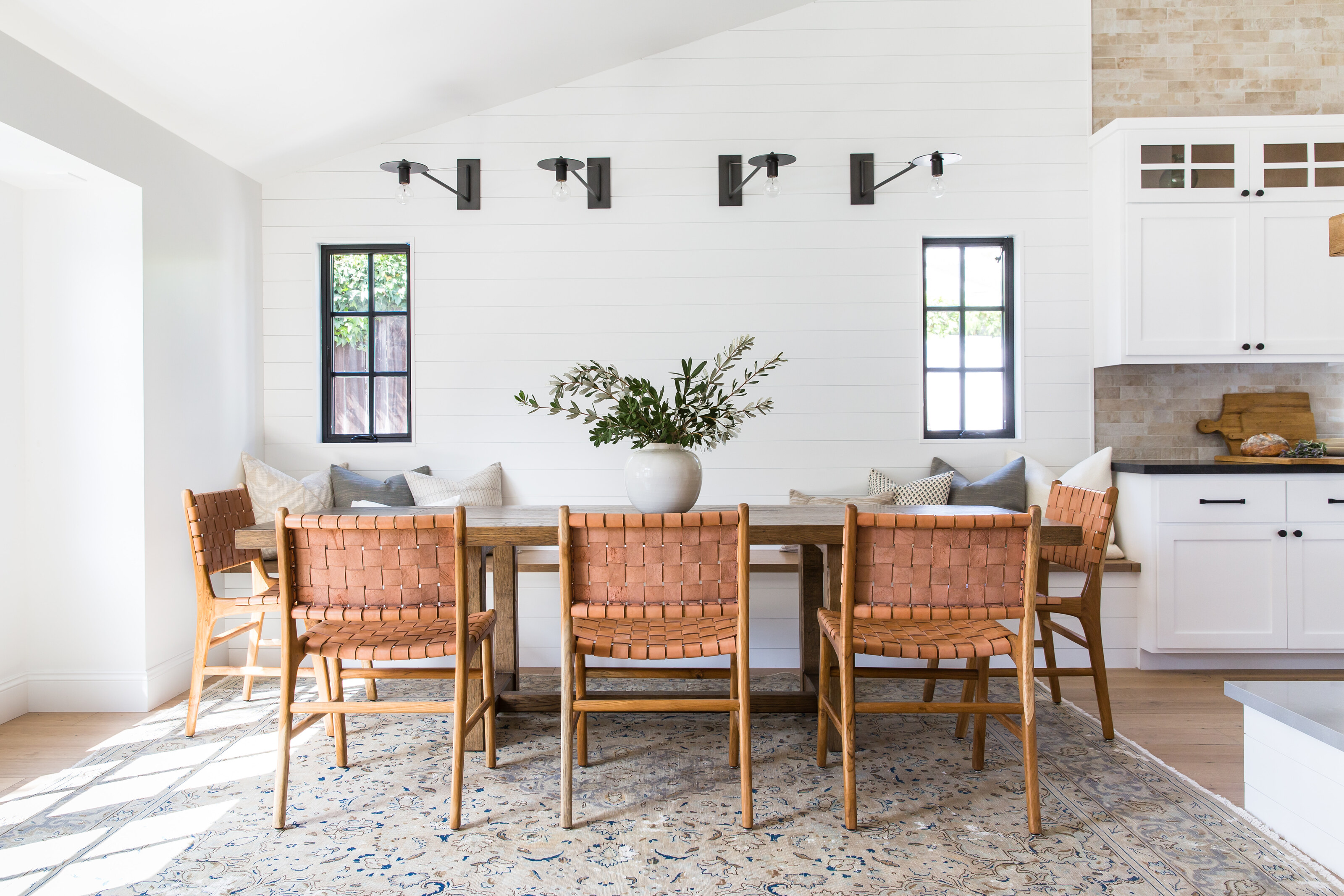
Shiplap paneling, characterized by its overlapping joint system and larger gaps between panels, creates a rustic charm. It adds texture and rhythm, making display areas feel intentional and layered, and providing depth behind styled objects. While a classic option, its rustic aesthetic distinguishes it from more refined styles. Herringbone wall paneling offers a dynamic and interesting look, often achieved by laying nickel gap tongue-and-groove panels in an unconventional pattern. This style can evoke a throwback feel without being overly thematic. It is often best used as an accent to avoid overpowering a room. Beadboard paneling, a decorative variation of tongue-and-groove with a ridge detail between planks, adds charm and dimension to smaller spaces, such as bathrooms. However, careful consideration of proportion is needed to prevent it from overwhelming very compact areas.
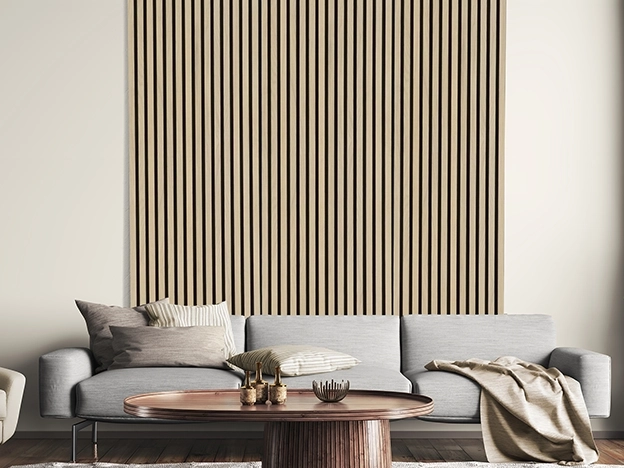
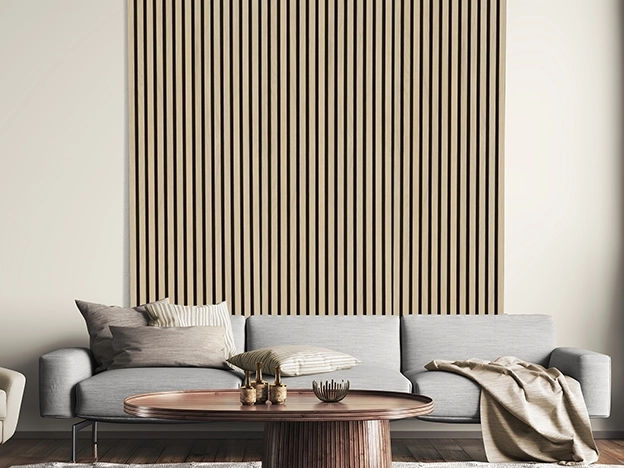
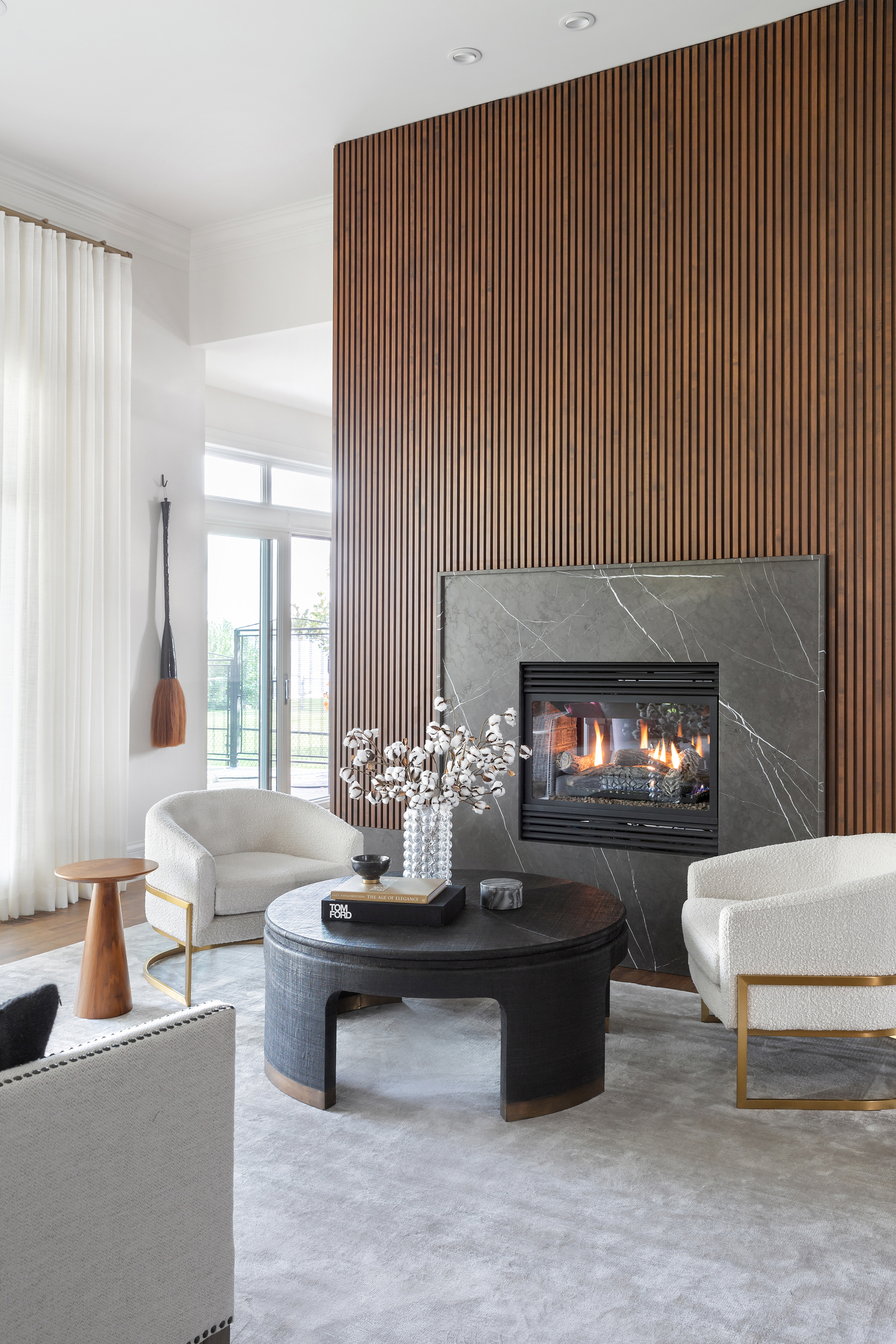
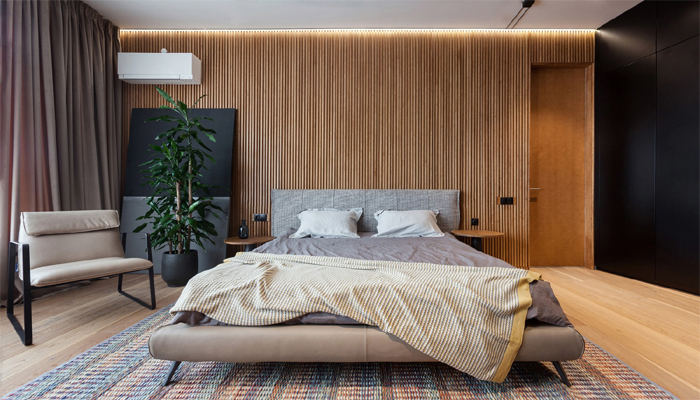
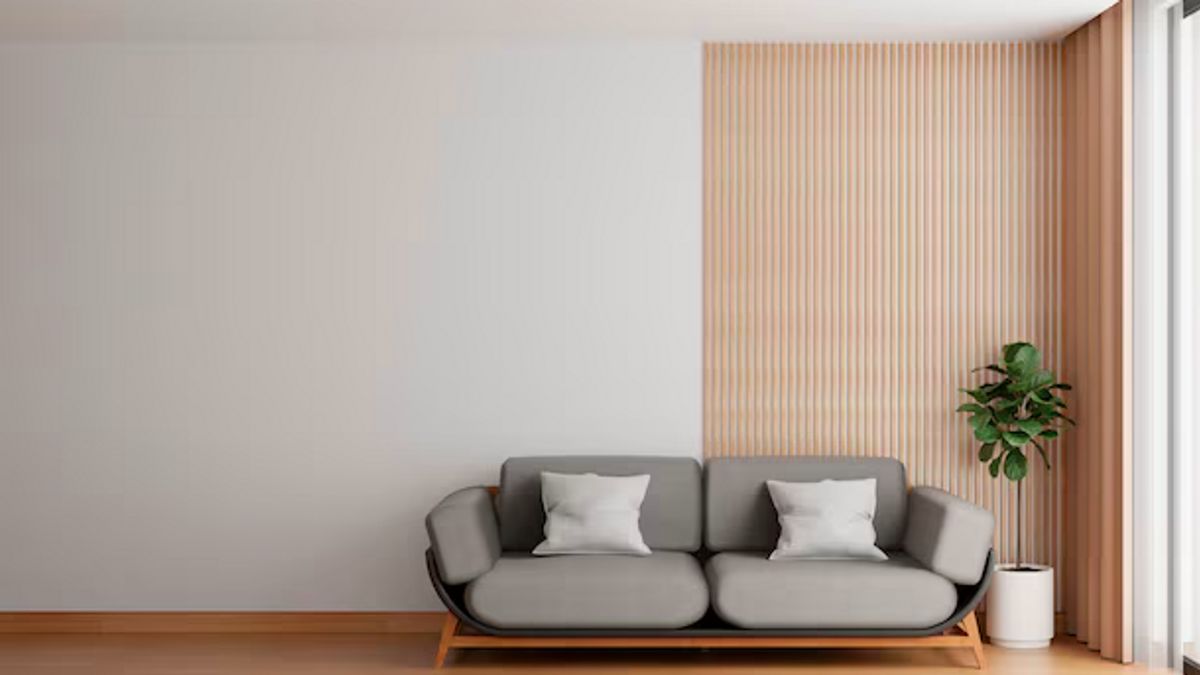
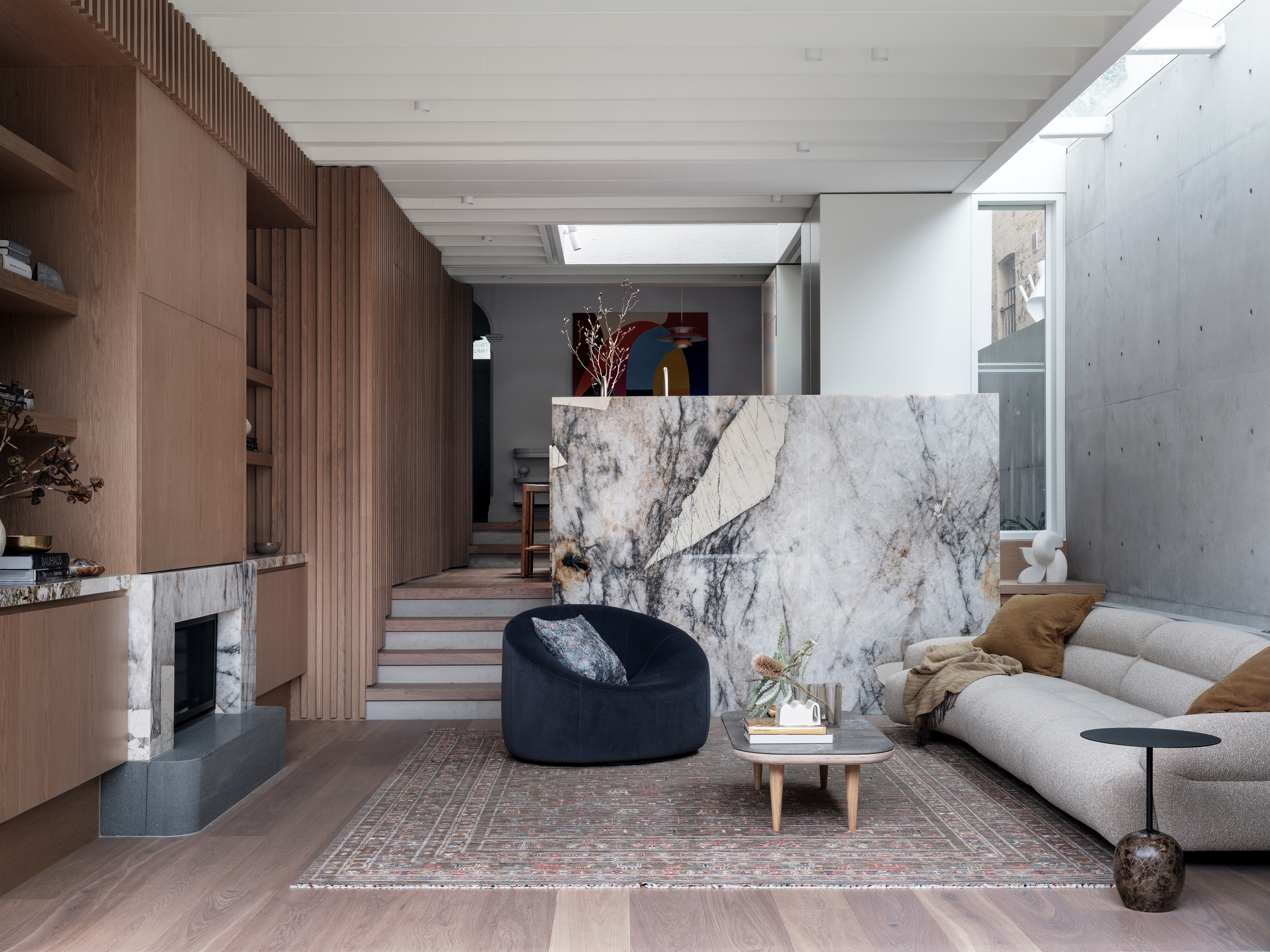
Finally, slatted wall paneling is a contemporary wood accent idea that combines refinement with the warmth of natural wood. It uses wood slats to define spaces and create intimacy without obstructing sightlines or light. This type of paneling effectively shapes how a room is experienced, balancing utility and design. Nevertheless, it demands precise craftsmanship and thoughtful placement to avoid a heavy appearance. Once the right type of wall paneling is selected, proper painting techniques are essential to integrate color effectively into the design.
#WallPanelling #InteriorDesign #HomeDecoration #ModernHome #WoodCladding #VGroovePanelling #NickelGapPanelling #ReededPanelling #ShakerPanelling #Wainscoting #Shiplap #HerringbonePanelling #Beadboard #SlattedPanelling #WallPanelling #InteriorDesign #HomeDecoration #ModernHome #WoodCladding #VGroovePanelling #NickelGapPanelling #ReededPanelling #ShakerPanelling #Wainscoting #Shiplap #HerringbonePanelling #Beadboard #SlattedPanelling
0 comment in total
 No comments yet
You may also like
The best wall panelling ideas and trends, according to the experts

Bedroom wall panelling ideas – 13 ways to bring texture and interest to your bedroom walls
Wall paneling ideas – experts offer 9 simple tricks to wake up your walls
Three ways wall panelling can add the wow factor

20 Modern Wall Panelling Design Ideas for Your Dream Home
9 Designer Wall Treatments That Will Reinvent Your Interiors

Rapi Wall And Lasting Long, Check Out 5 Tips For Choosing Wall Panels For Modern Housing

Are paneled walls still on trend? Interior designers on whether this feature is set to endure

13 interior design styles that everyone needs to know about, according to designers
32 Wall Décor Ideas Designers Swear by, From Hanging Plates to Oversized Artwork

Wall Panels

Slat wall ideas – 8 spaces that show how interior designers are elevating this wall paneling trend
Find Your Interior Design Style: 13 Popular Styles Explained
MDF Wall Panels | Decorative Wall Panelling
Revamp Your Space With These Wallpapers From Interior Designer-Loved Brands
12 panelling ideas to add instant character to living room walls, from modern new-builds to elegant townhouses
Wall paneling ideas – 18 ways to add decorative cladding and moulding
28 wall panelling ideas to add depth and character to any room in your home
8 Most Popular Interior Design Styles You Should Know

Patterns on paper and tile: Visually compelling designs lead the way in wallcoverings