1/6
This paneling trend is a simple trick for making your walls look more expensive
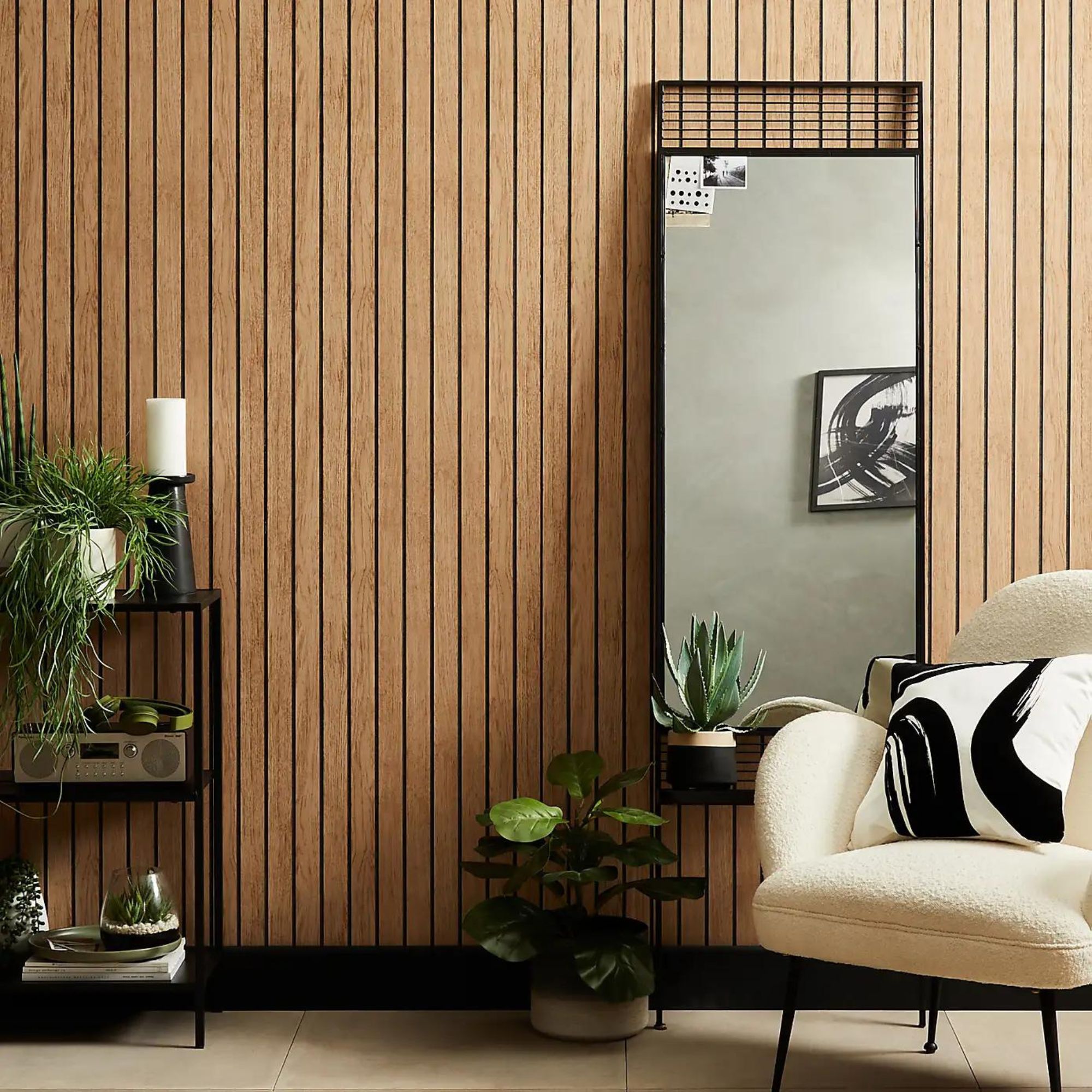
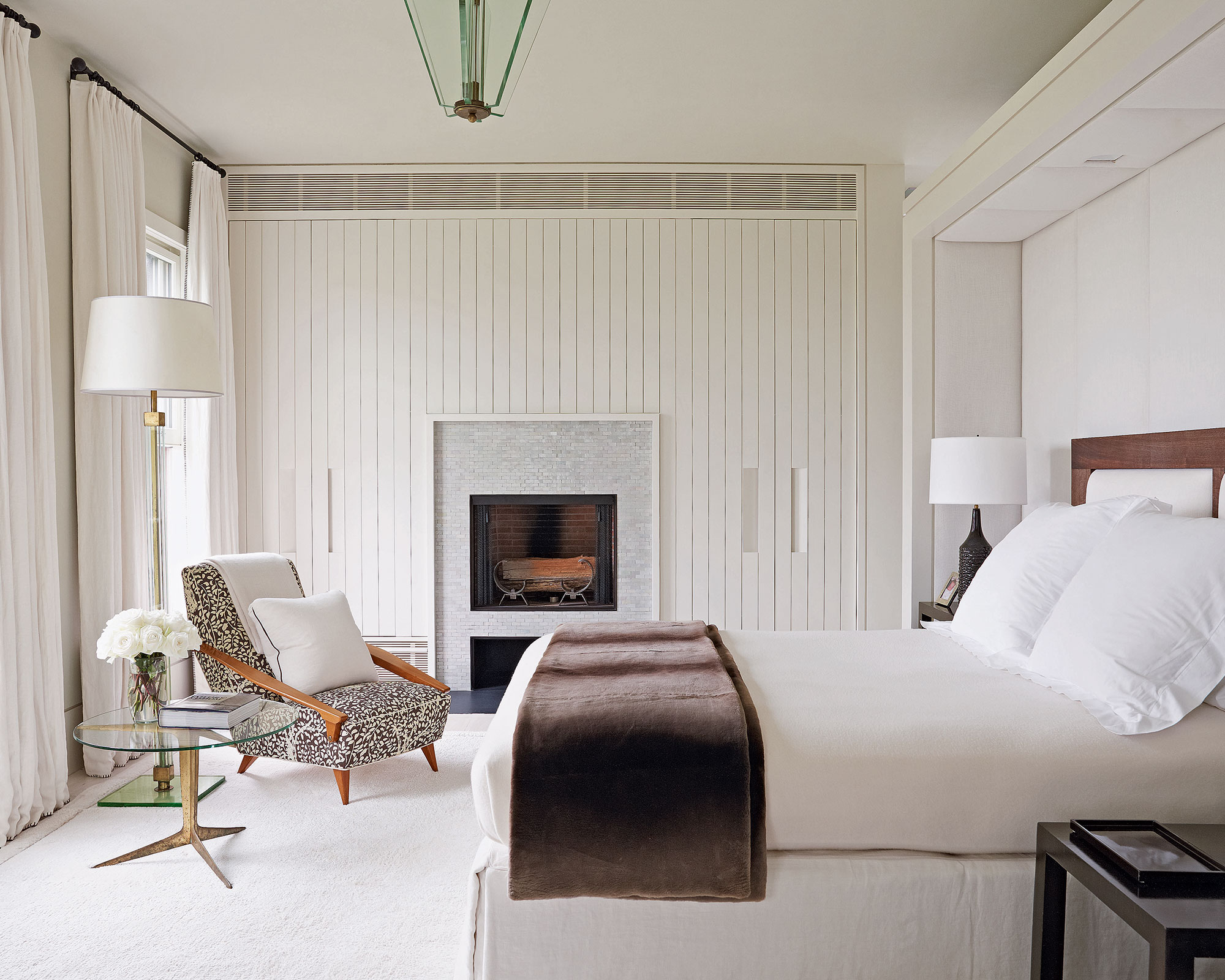
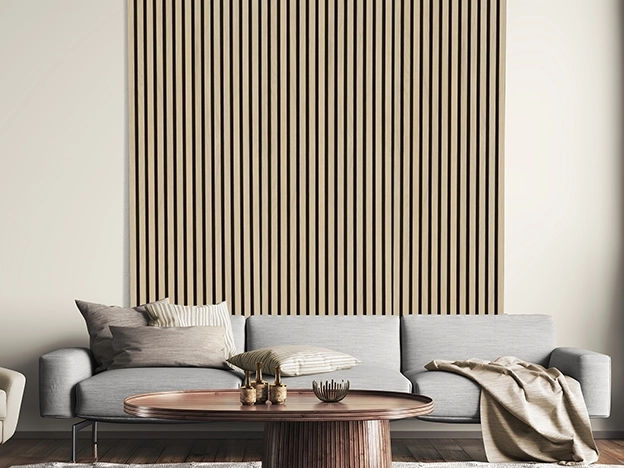
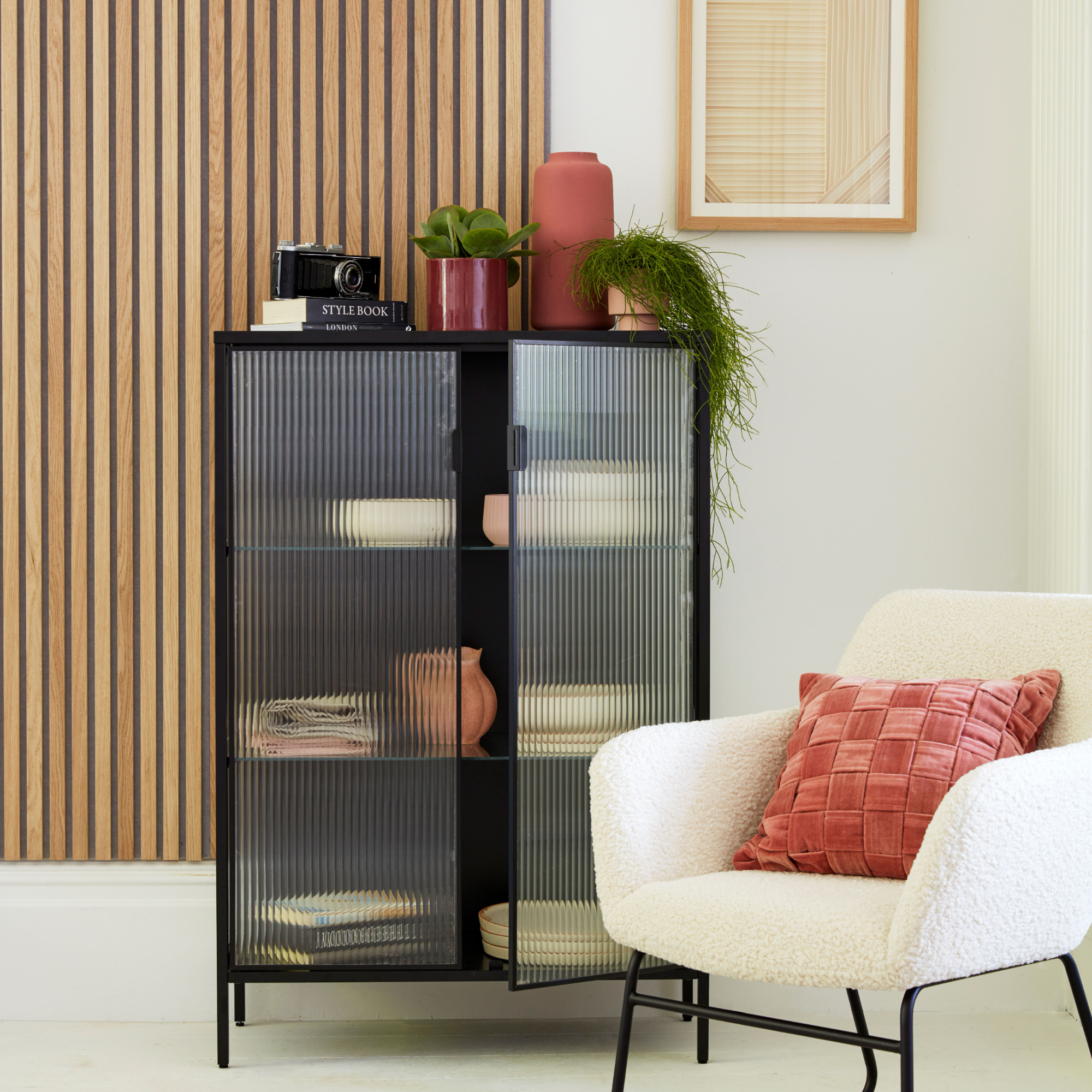
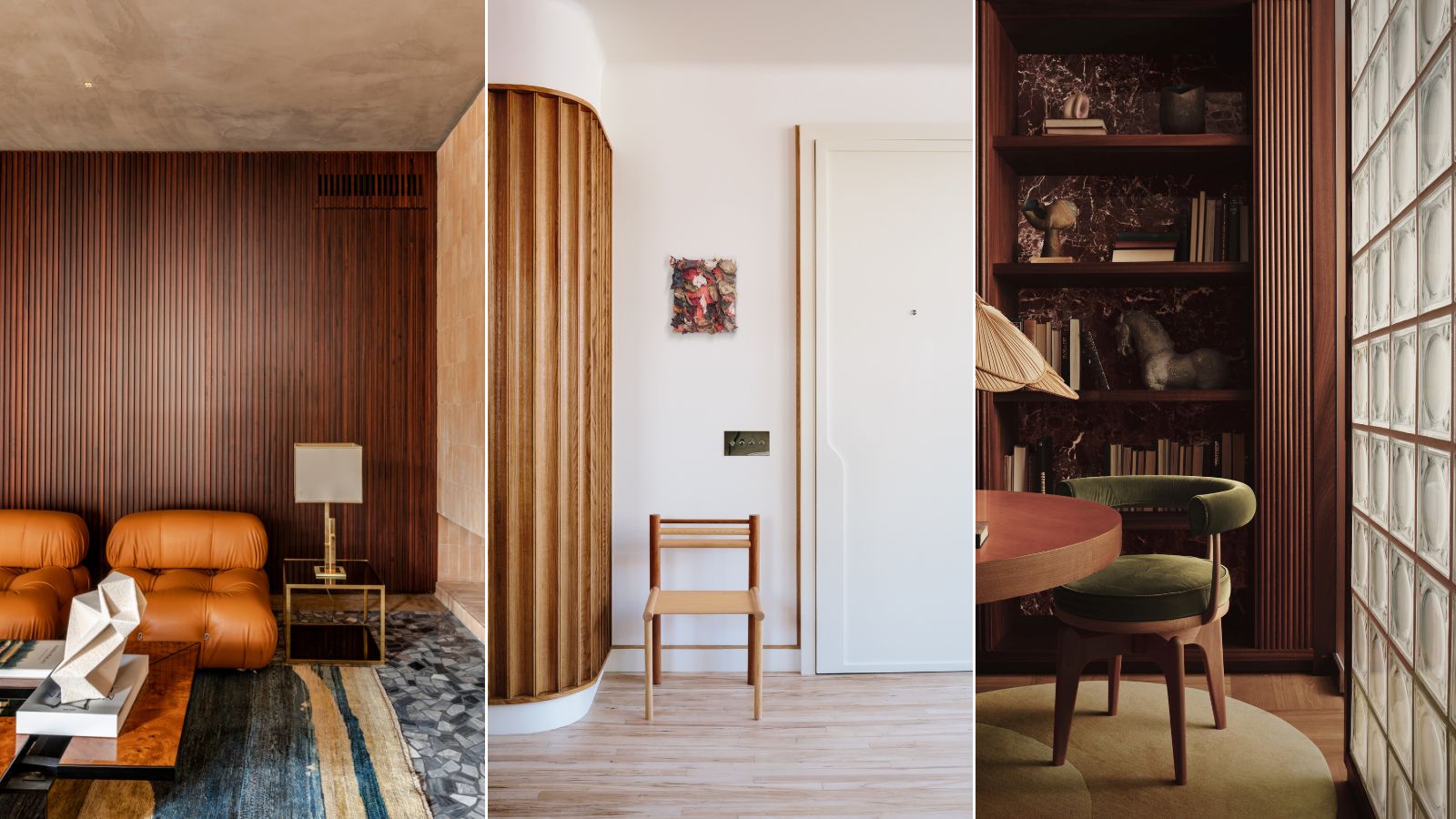
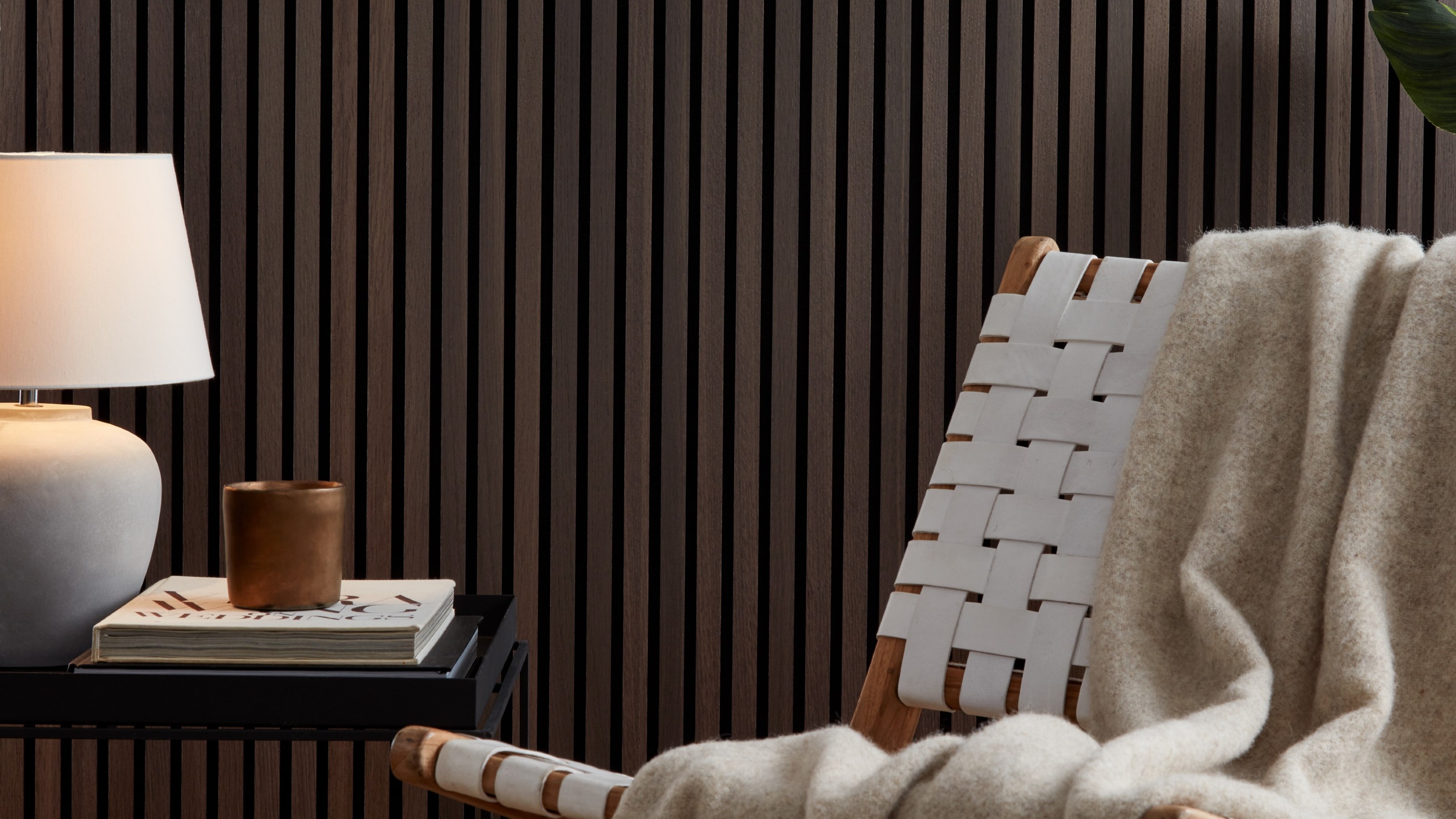
Tambour paneling, a wall treatment made from wooden slats connected to create a continuous, flexible surface, is gaining popularity as a fresh alternative to traditional wallpaper and paint. This sleek, tactile, and contemporary approach offers a distinctive three-dimensional look due to its fluted woodcuts, allowing each slat to move independently. It comes in two main varieties: bead tambour, with its rounded, classic fluted design, and slat tambour, featuring flat-faced planks. Unlike rigid paneling, tambour is flexible and adaptable to various architectural styles, including curved surfaces.
Designers recommend using tambour paneling on curved walls or architectural pillars to create a striking design feature. Its flexibility allows it to conform to rounded walls, cabinetry, and columns, providing smooth, uninterrupted texture and a polished finish. Pernille Lyk from Københavns Møbelsnedkeri highlights its practical aspect for concealing workspaces and the aesthetic appeal of unbroken slat sequences. The ease of installation makes it a DIY-friendly project.
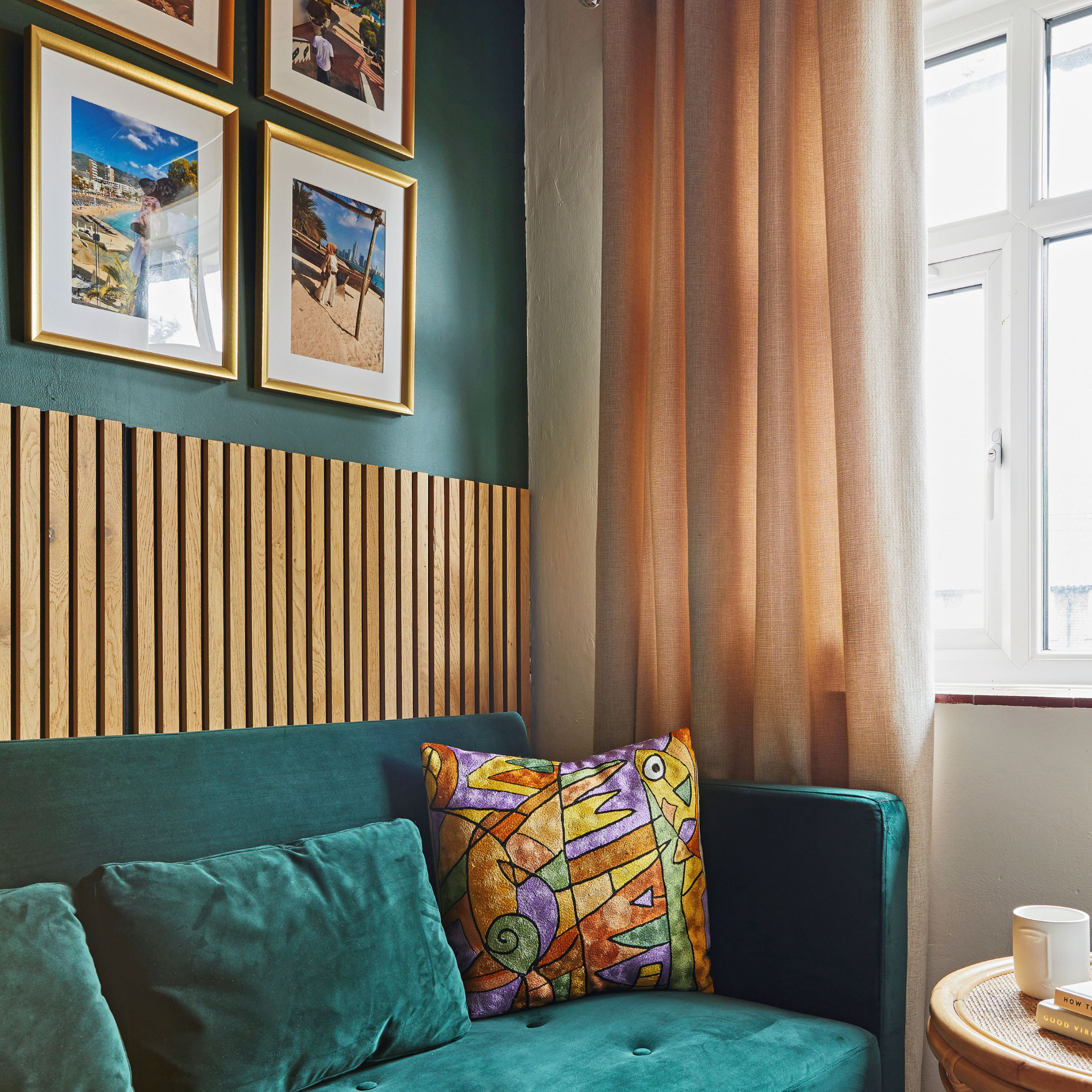
Another application is creating a feature wall by applying tambour paneling from floor to ceiling. This adds texture, depth, and warmth, serving as a focal point that enhances the room's design more effectively than paint. Darker wood options, such as walnut, are suggested to achieve a refined retro-inspired look reminiscent of 1970s chic interiors. The article points out that the trickiest part of installation is accurate measurement, with gluing and nailing being straightforward steps.
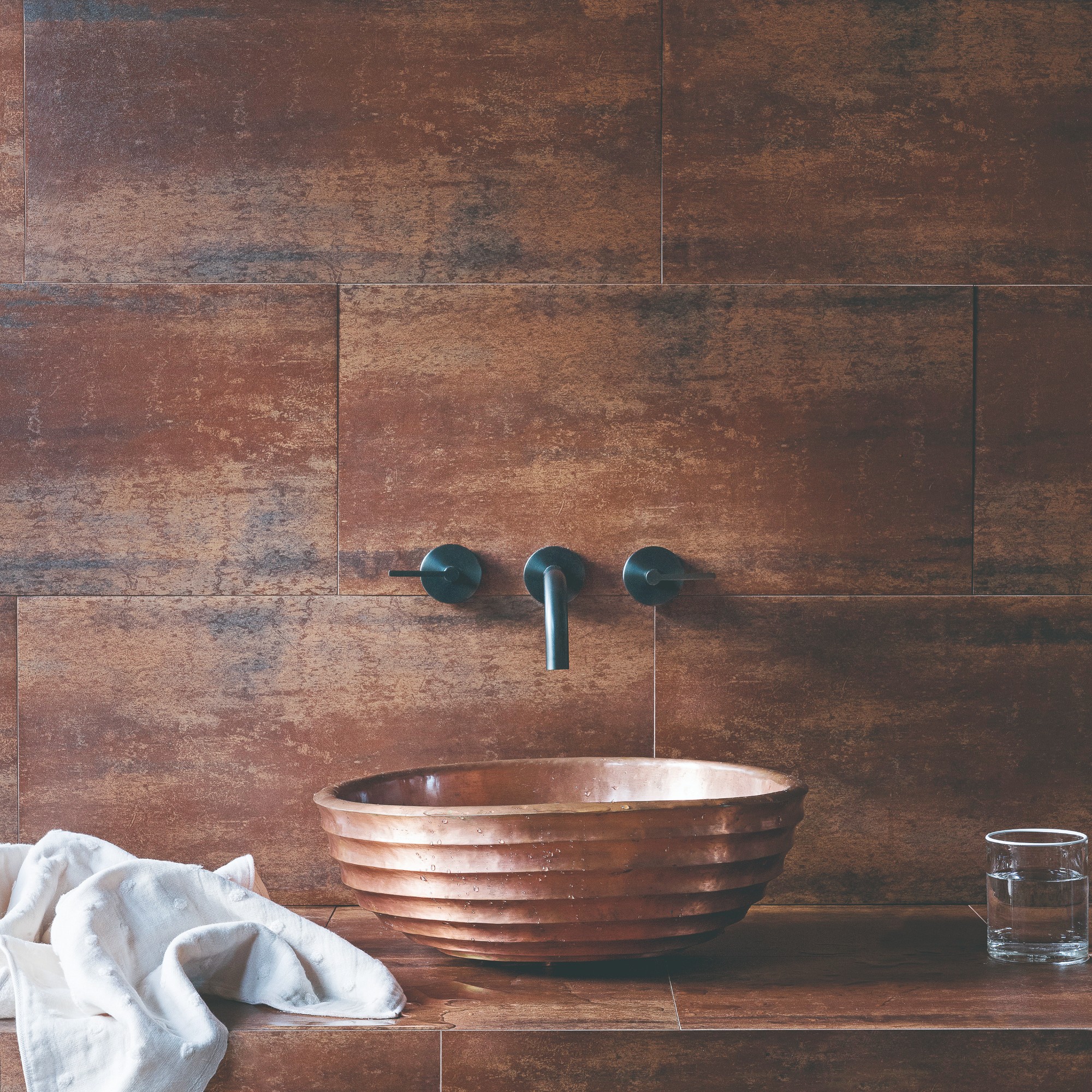
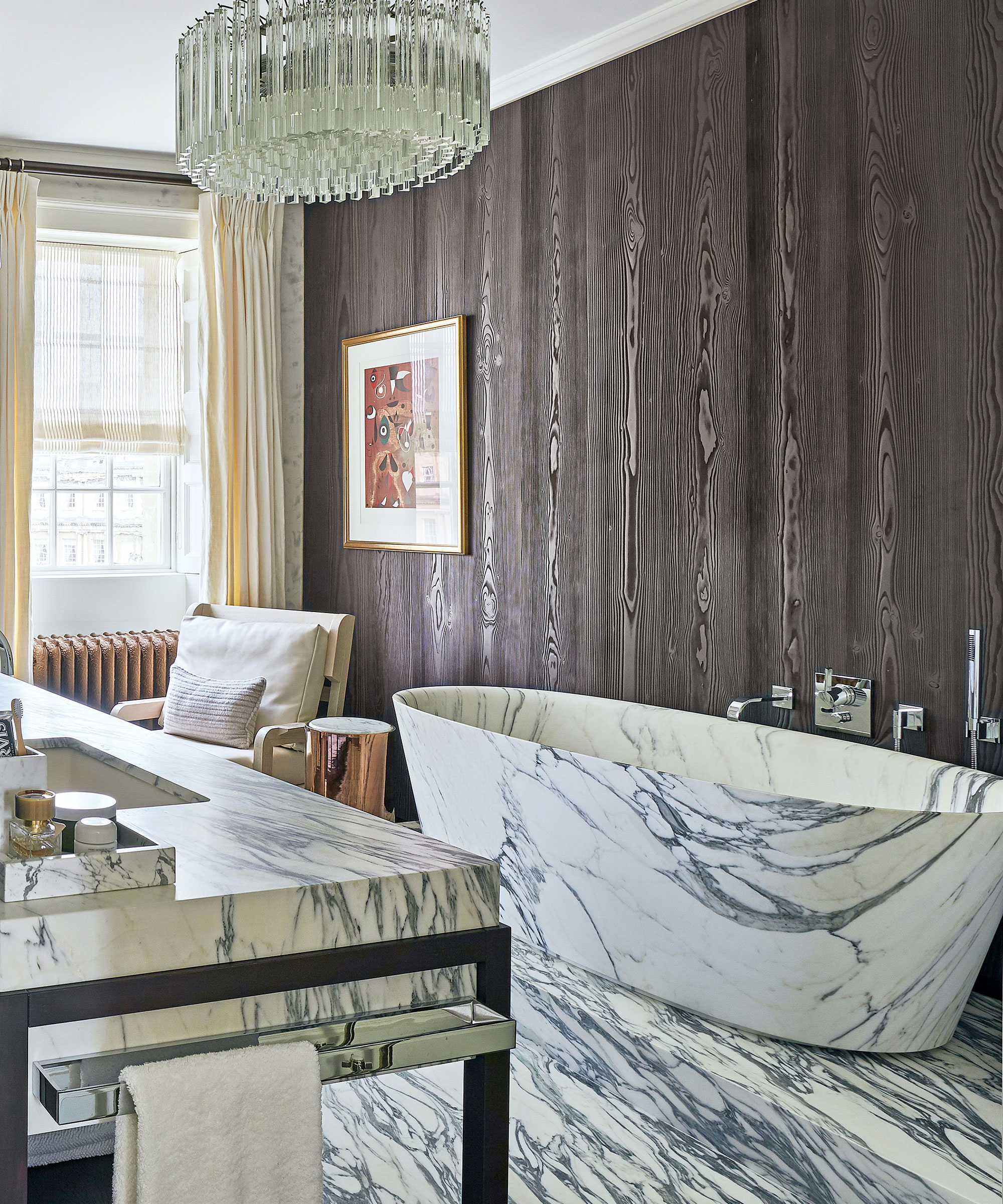
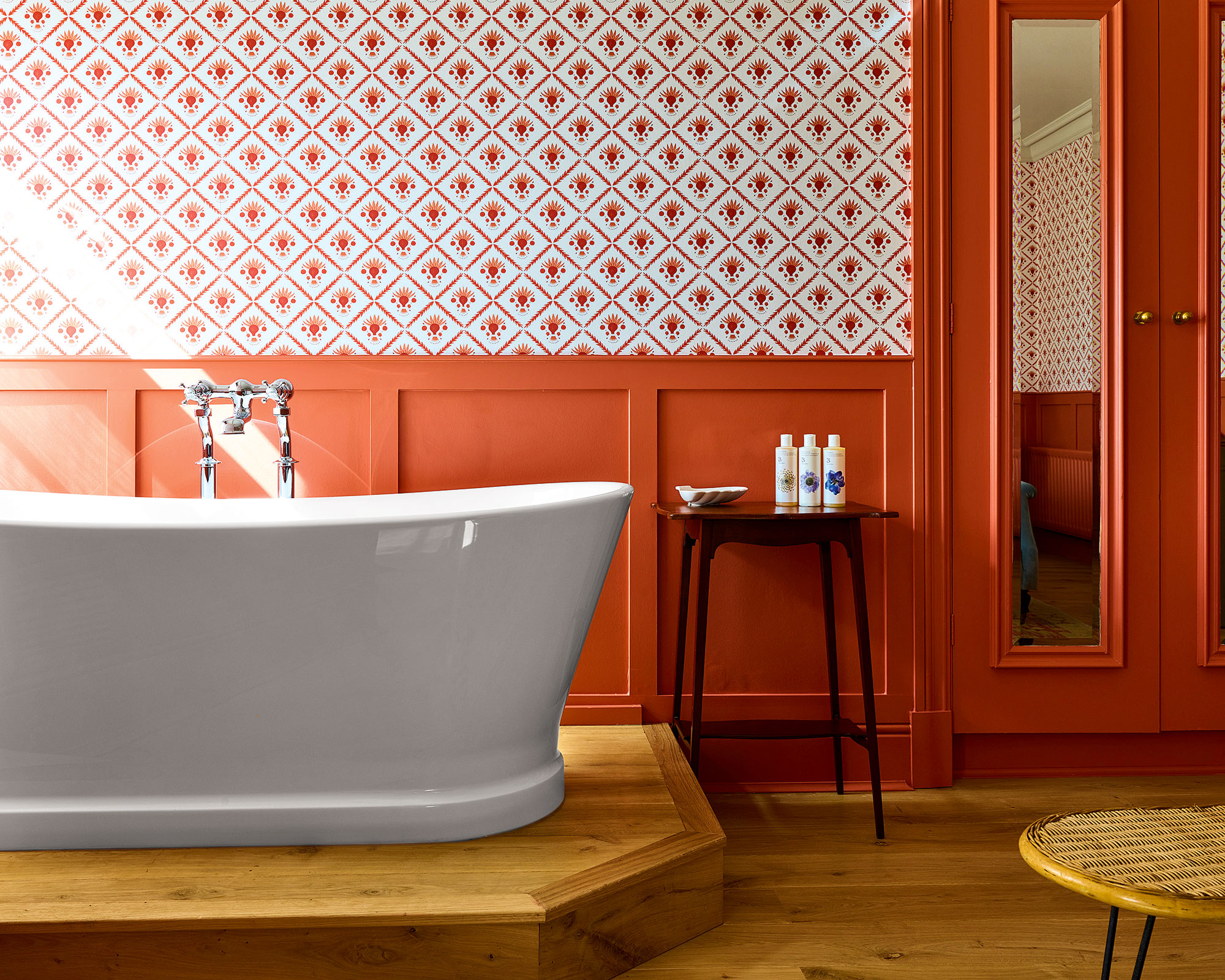
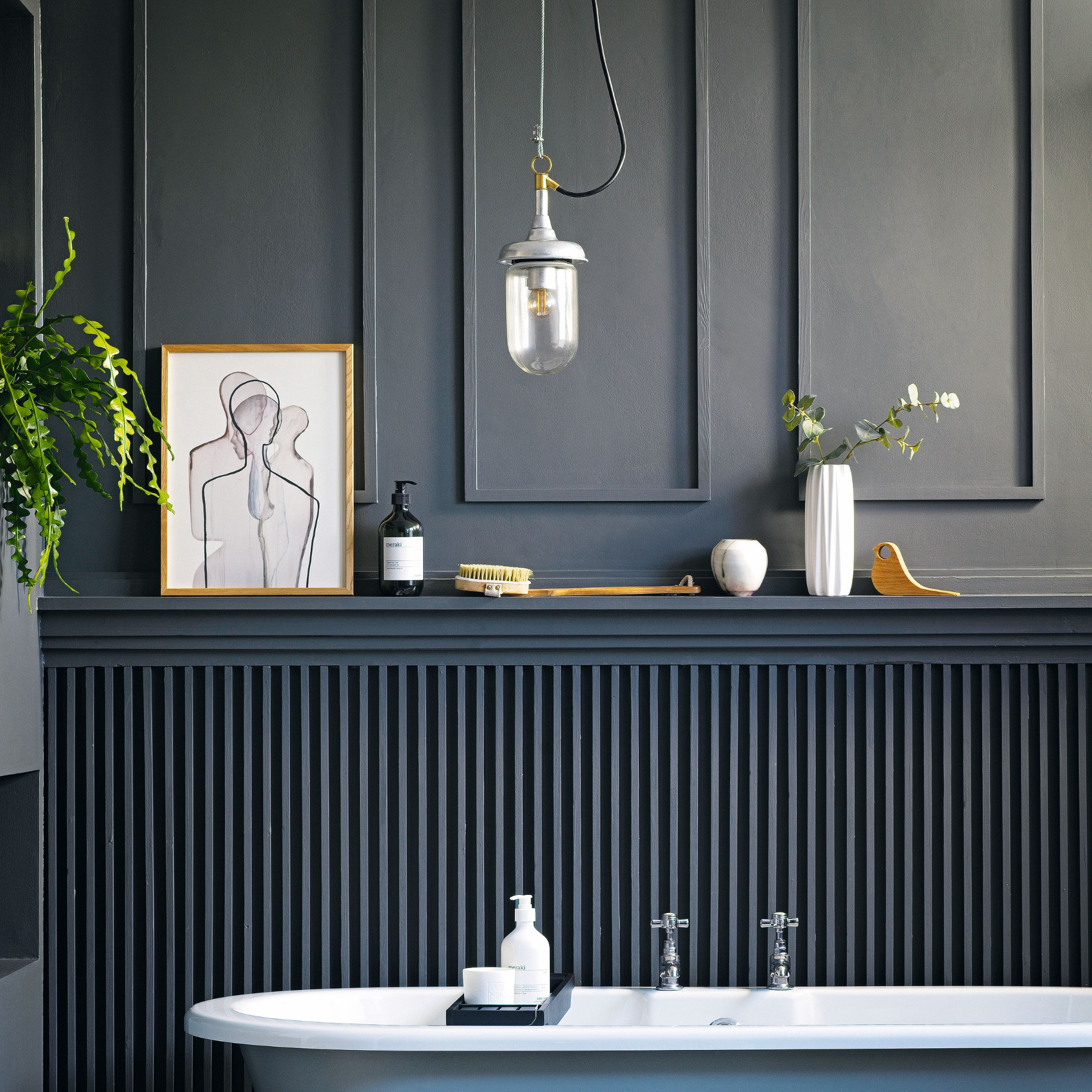
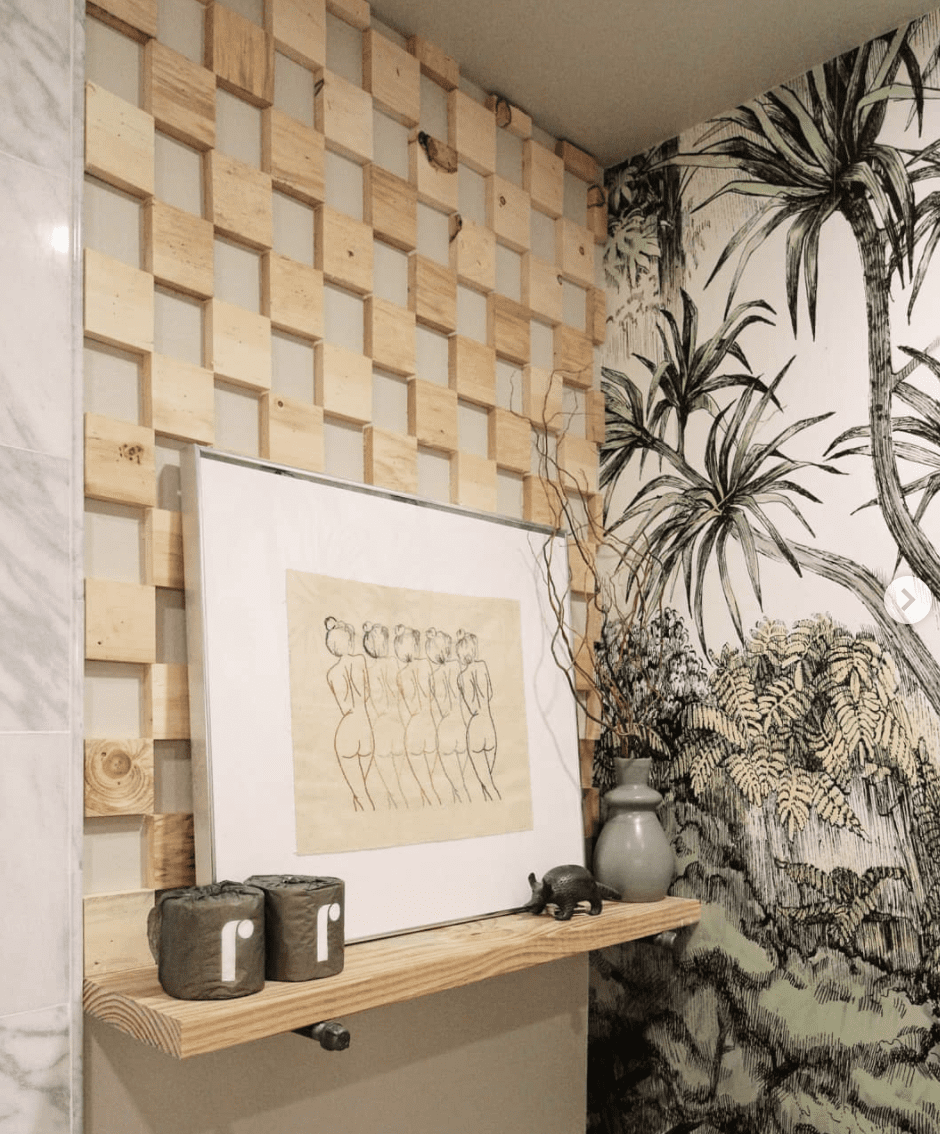
Tambour paneling can also be used in bathrooms as an alternative to traditional tiles, creating a serene, spa-like atmosphere. Pascale De Fouchier, an interior designer, explains that the vertical lines of tambour can make a room feel more spacious and bring warmth and continuity. Lighter wood choices can complement existing cabinetry and contrast with soft-toned countertops and floors.
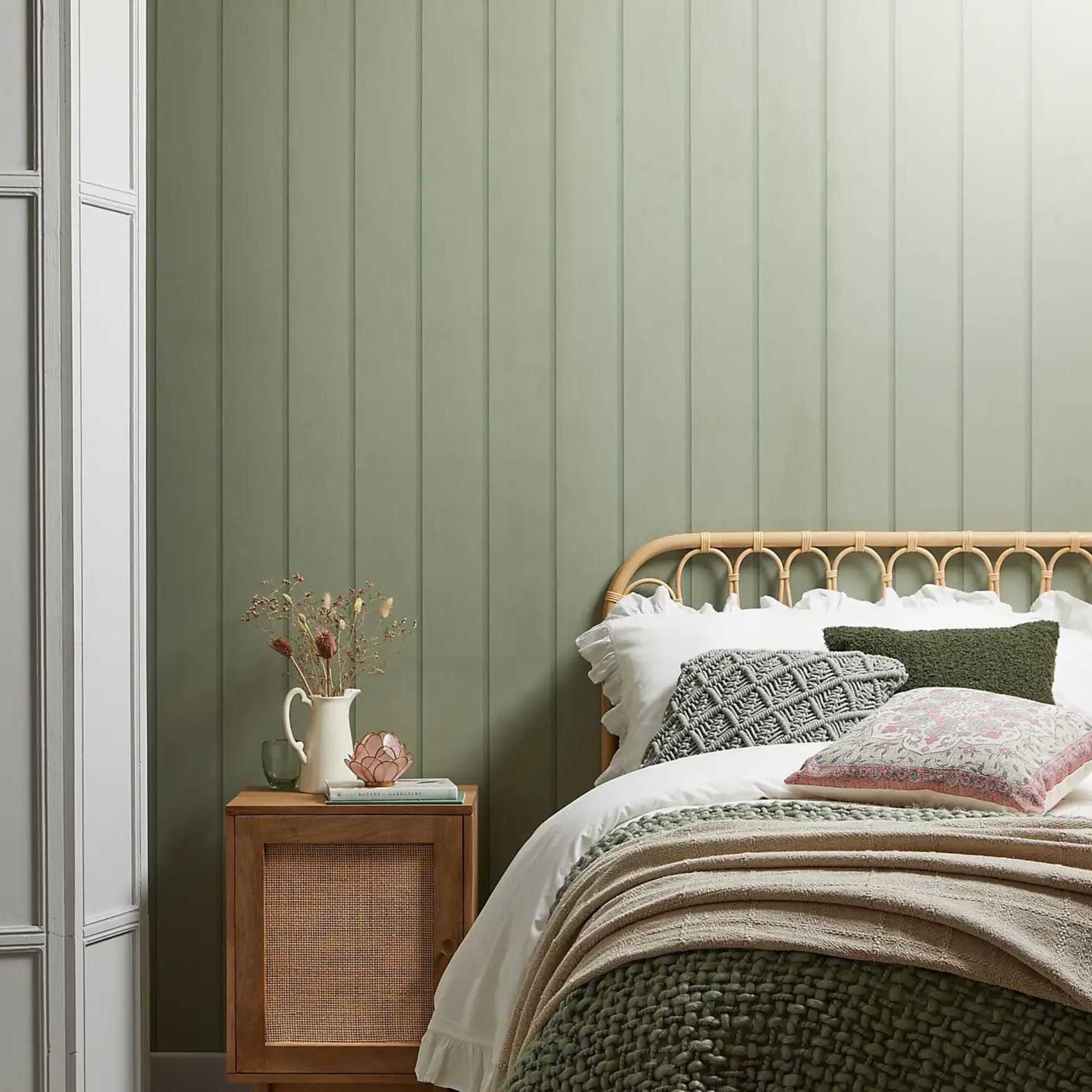
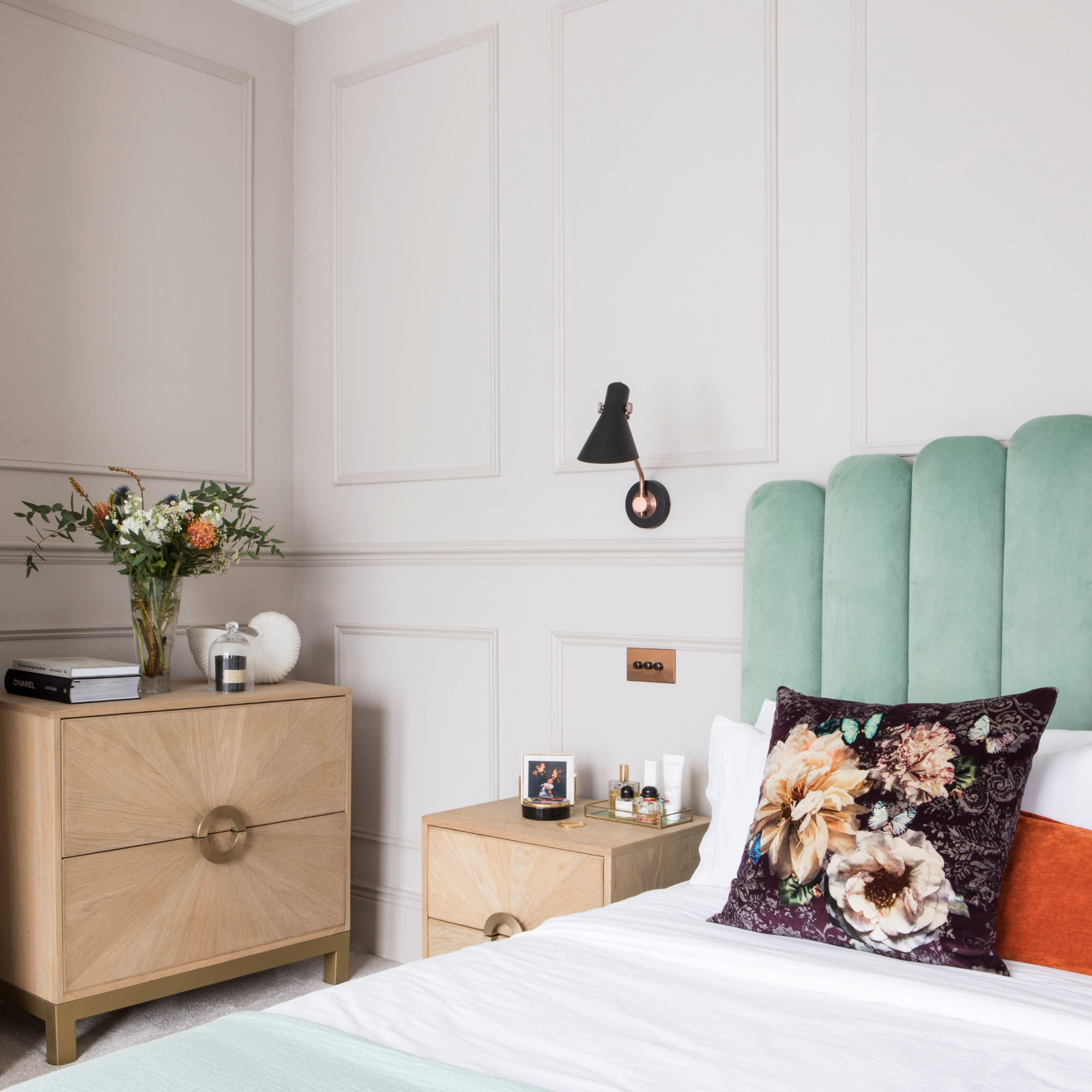
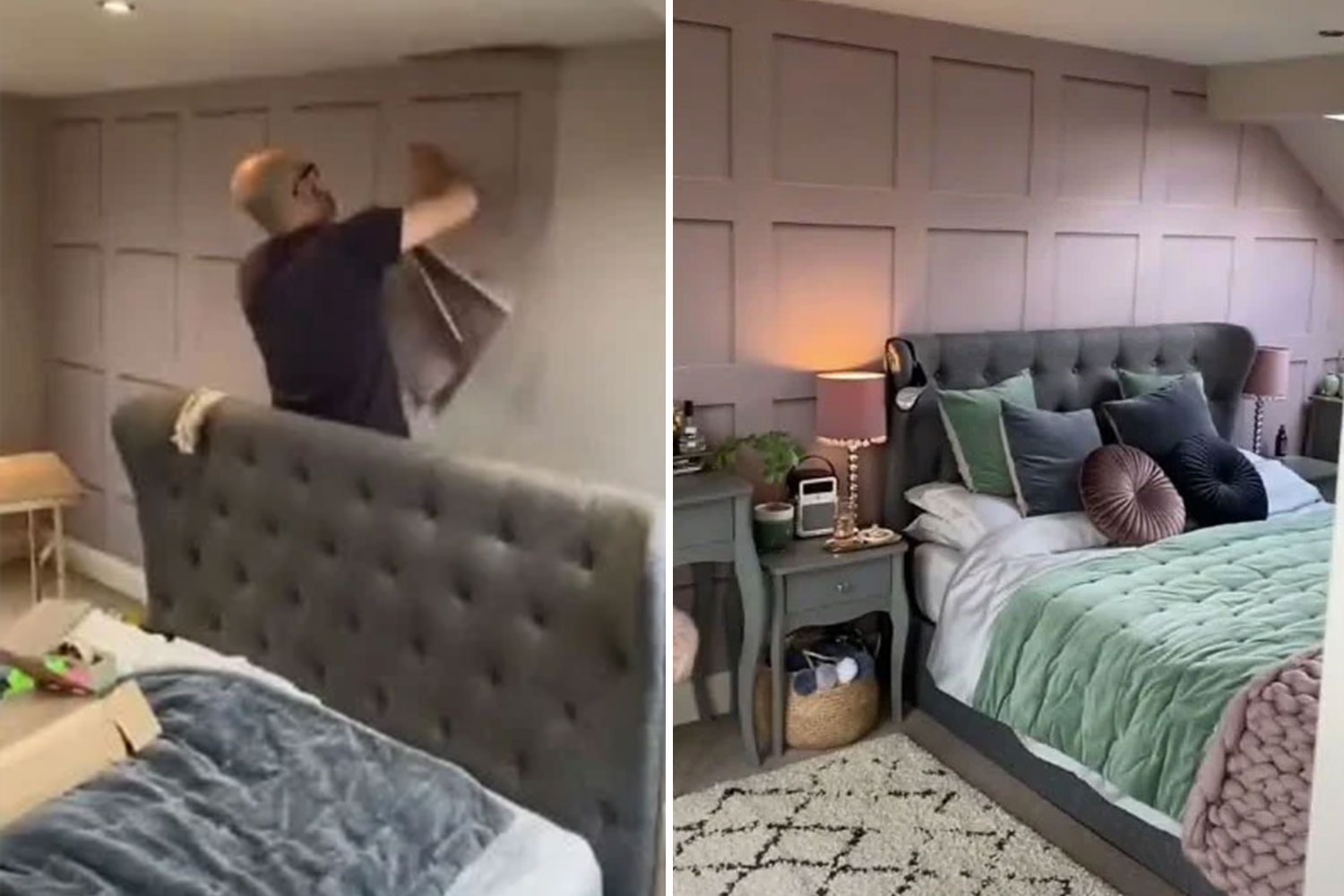
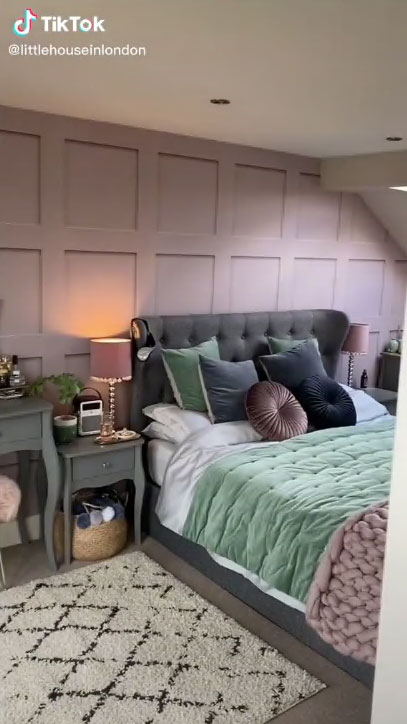
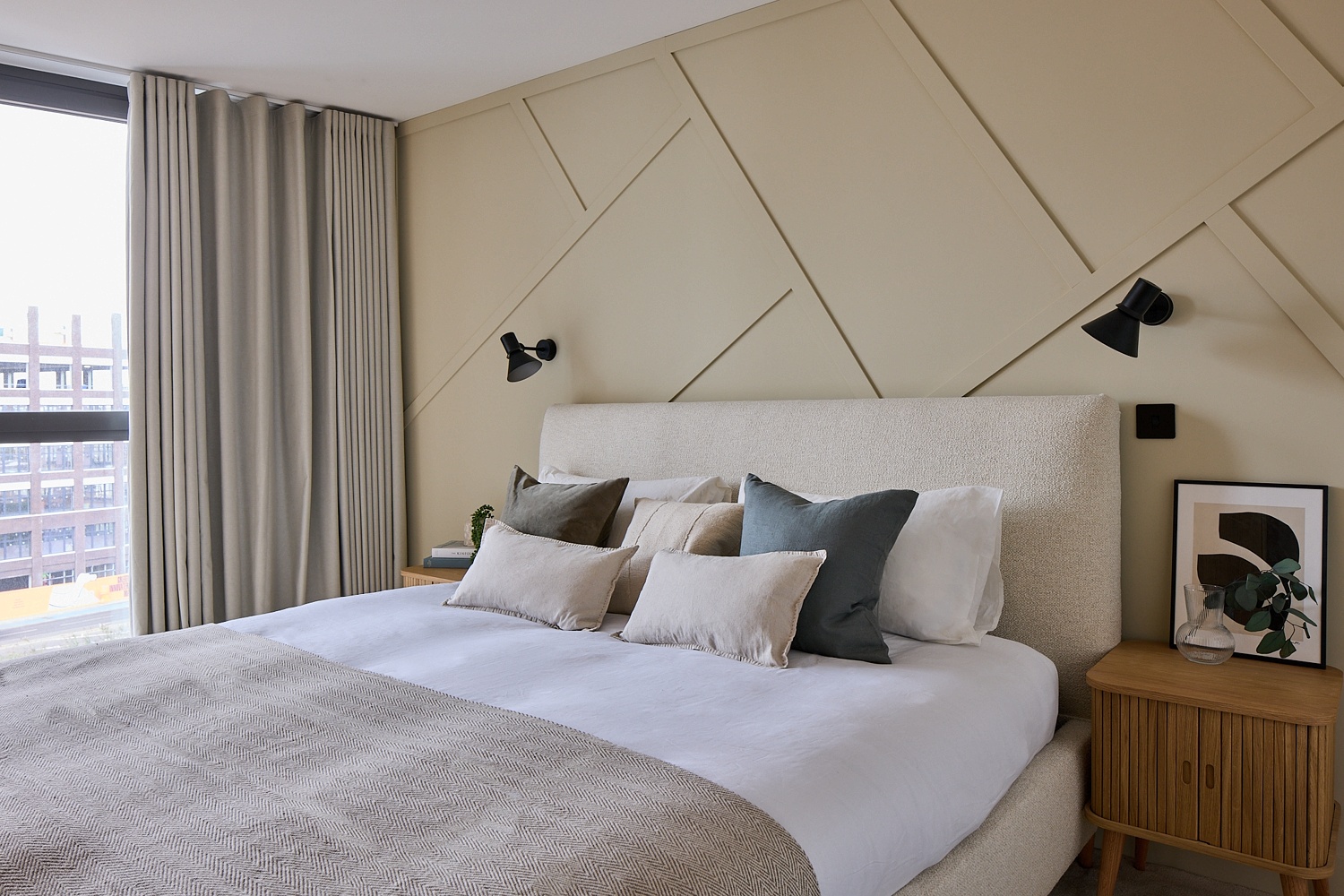
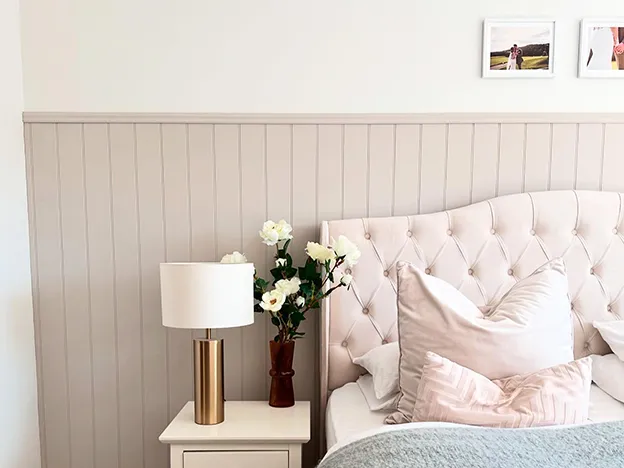
Additionally, tambour paneling is emerging as a trend for headboards, offering a relatively simple way to make a significant statement in bedrooms. Its versatility allows for customization in size and finish, accommodating various design schemes. Both vertical and horizontal installations can be impactful, with vertical panels potentially adding perceived height to a room, as noted by interior designer Monica Tostes.
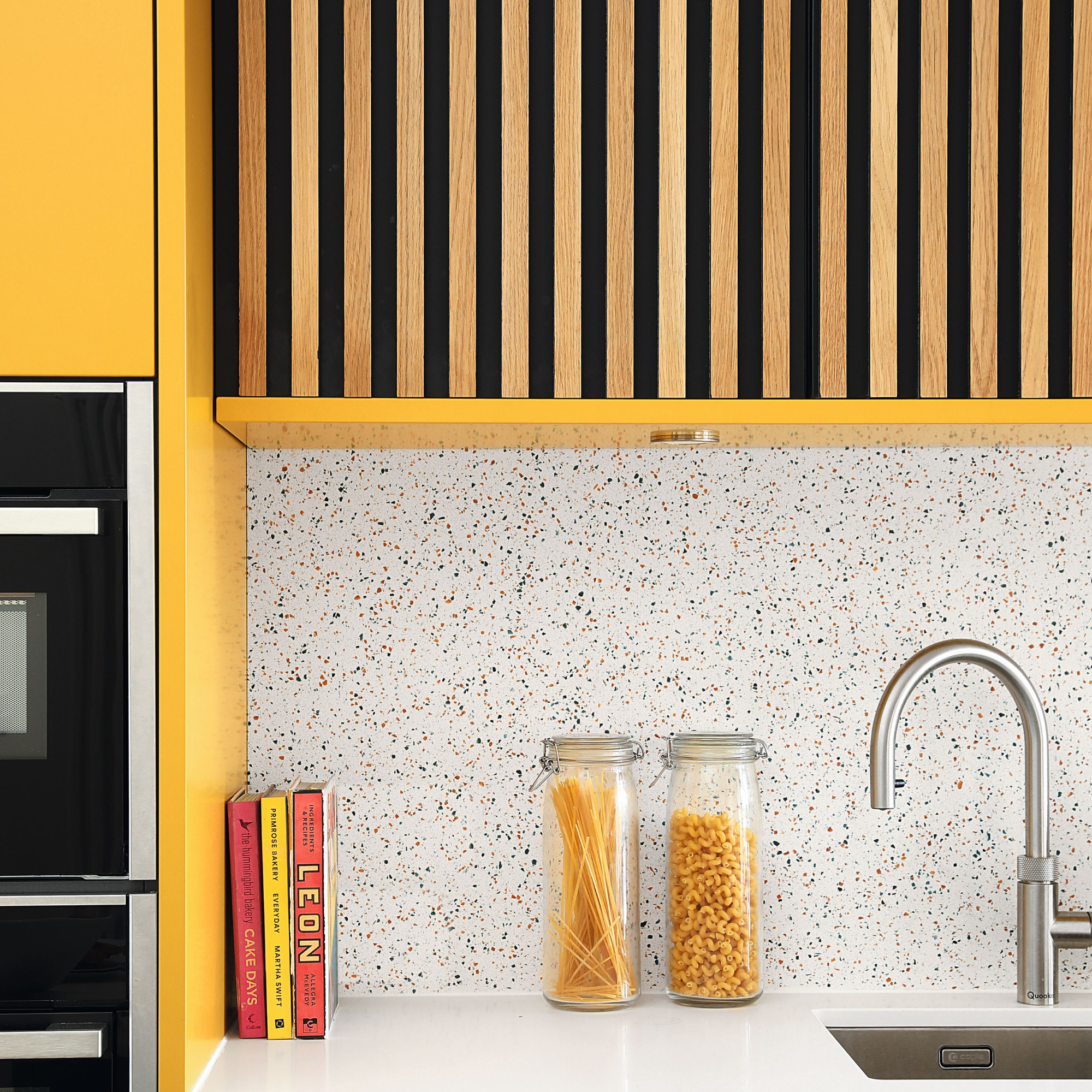
For those who find a feature wall too overwhelming, incorporating tambour into furniture, especially built-in cabinets, is an excellent way to introduce the trend in smaller doses. Historically used in furniture design since the 1700s, tambour can elevate functional pieces into stunning design elements. Oliver Haslegrave from Child Studio emphasizes how it offers a refined, understated detail that makes storage more playful and engaging.
Tambour paneling offers a versatile solution to enhance interior spaces, providing a sophisticated alternative to paint and wallpaper. Its adaptability to various applications, from curved walls to furniture, makes it suitable for diverse design styles, including modern, mid-century, and traditional aesthetics.
#TambourPaneling #InteriorDesign #WallTreatment #HomeDecor #DIYProjects #ArchitecturalFeatures #RetroStyle #BathroomDesign #BedroomDesign #Cabinetry #TambourPaneling #InteriorDesign #WallTreatment #HomeDecor #DIYProjects #ArchitecturalFeatures #RetroStyle #BathroomDesign #BedroomDesign #Cabinetry
0 comment in total
 No comments yet
You may also like
6 ways to fake wall panelling and create the sought-after look on a budget
This wall panelling method is going viral on TikTok – how to get the look, according to DIY experts


Feature walls are out - the 4 new homeware trends including genius ceiling hack that will save you money

This Cheap Hack Makes Any Room Look Expensive
Wall paneling ideas – 18 ways to add decorative cladding and moulding
This New DIY Will Make Your Windows and Wall Treatments Look Way More Luxe and Fun
This Wall-Decor Hack Is Even Easier Than Peel-and-Stick Wallpaper
Wainscoting Is Hot Again—Here's What It Costs To Add It to Your Walls

An easy add-on to your curtains makes rooms look expensive - designers explain

DIY updates for your home: Faux panels to painting wallpaper add appeal but won't break the bank

My editor swears by this framing trick to make any wall art look more expensive – I’m taking her advice on board, and so should you
'Potential buyers may see it as a DIY job gone wrong' – this popular interior trend may be devaluing your home
Three ways wall panelling can add the wow factor

We created a posh wall panel in seconds using a sneaky stick-on hack - everyone is convinced it’s real wood
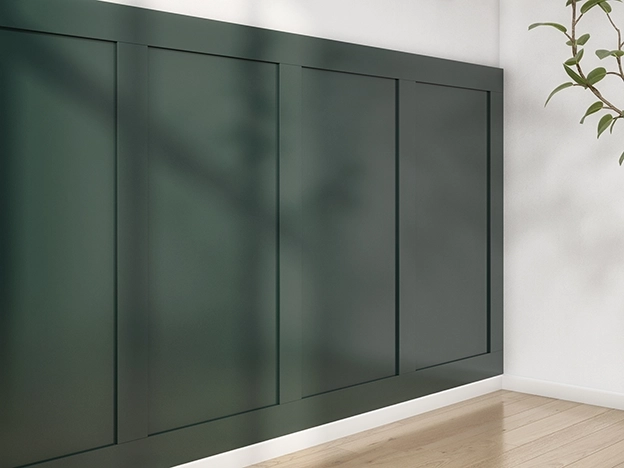
Wall Panels
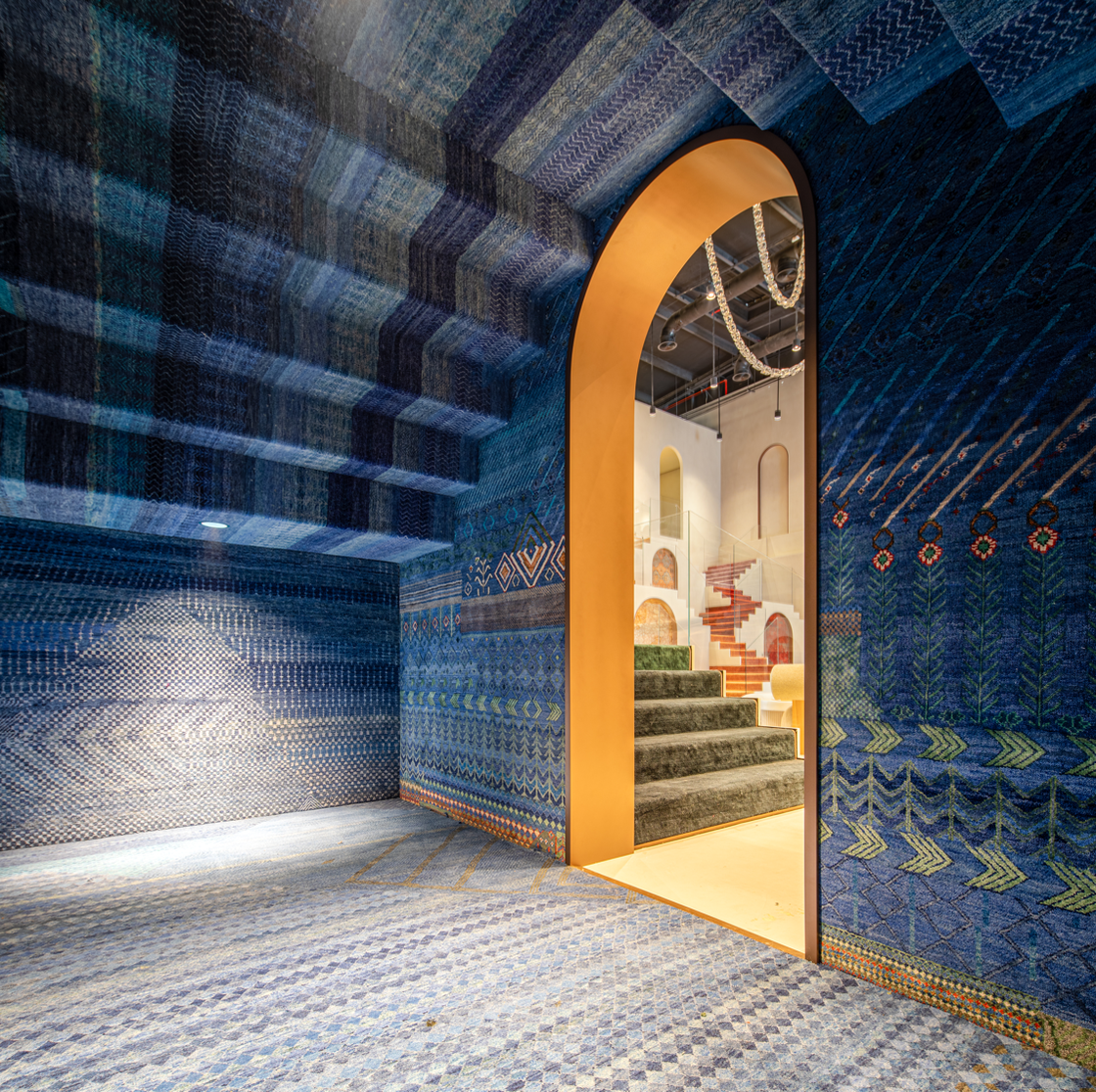
This Surprising NEW Trend Is Replacing Accent Walls

How to panel a wall – DIY this trending look in your home this weekend
Practical ways to make panelling look good
28 wall panelling ideas to add depth and character to any room in your home
Rapi Wall And Lasting Long, Check Out 5 Tips For Choosing Wall Panels For Modern Housing