Consumer Protection Statutes Protect General Contractors, Too
This article discusses the application of consumer protection statutes, specifically the Connecticut Unfair Trade Practices Act (CUTPA), to disputes between general contractors and subcontractors. It highlights a specific case, *Pointe Residential Builders BH, LLC v. TMP Constr. Grp., LLC*, to illustrate how these statutes can extend protection beyond individual consumers to corporations and how they can lead to enhanced damages for deceptive practices. The case involves a subcontractor, TMP Construction Group (TMP), that secured an advance deposit from a general contractor, Pointe Residential Builders BH (Pointe Residential), for materials and equipment for a large construction project. TMP misrepresented its intentions, claiming the funds would be used to purchase materials to avoid price increases and delays. However, TMP, facing financial difficulties, diverted the funds for payroll financing and other unrelated projects, unbeknownst to Pointe Residential.
Upon discovering the diversion of funds, Pointe Residential filed a lawsuit in the Superior Court of Connecticut, alleging breach of contract, unjust enrichment, and violations of CUTPA. TMP’s manager and controlling member, Olin Paige III, was also named as an individual defendant. The trial court found TMP liable for breach of contract and unjust enrichment. Crucially, it also determined that both TMP and Paige, in his individual capacity, engaged in "deceptive, unethical and unscrupulous" conduct, violating CUTPA. The court highlighted Paige's awareness of TMP's true intentions and his role in using the funds for other expenses, recklessly endangering Pointe Residential. The defendants appealed this decision to the Connecticut Appellate Court.
CUTPA prohibits "unfair methods of competition and unfair or deceptive acts or practices in the conduct of any trade or commerce." Connecticut courts utilize the Federal Trade Commission’s "cigarette rule" to define what constitutes an unfair practice. This rule considers whether a practice offends public policy, is immoral, unethical, oppressive, or unscrupulous, or causes substantial injury to consumers or businesses. The article clarifies that a breach of contract can also constitute a CUTPA violation if the breach is a result of intentional, reckless, unethical, or unscrupulous conduct, rather than mere negligence. The appellate court upheld the trial court's findings, concluding that TMP and Paige's actions were intentional, reckless, unethical, and unscrupulous under the second prong of the cigarette rule. The court cited evidence of false representations regarding the use of the deposit money and Paige's admission of diverting funds for other projects. The court reasoned that Paige was personally liable due to his direct involvement in making false representations and controlling the expenditure of the deposit.
Furthermore, the defendants contested the award of judgment under CUTPA, arguing that Pointe Residential did not suffer an "ascertainable loss." However, the appellate court clarified that CUTPA does not necessitate proof of specific damages, and the difference between the money paid and the value received sufficed to meet the "ascertainable loss" requirement. Finally, the defendants challenged the award of enhanced damages (double damages) and attorneys' fees. The appellate court affirmed the trial court's discretion in awarding these, given TMP and Paige's "intentional, deceptive, unethical, and unscrupulous" conduct. The article concludes by emphasizing that consumer protection statutes, while often associated with individual consumers, can also safeguard corporations like general contractors. It serves as a reminder for contractors and their representatives to adhere to ethical practices to avoid enhanced damages, such as double damages and attorney's fees, which can result from deceptive conduct. The specific scope of these statutes may vary by jurisdiction, making it crucial for businesses to understand their legal obligations.
#ConsumerProtection #GeneralContractors #Subcontractors #LegalPipeline #ContractLaw #Fraud #ConnecticutLaw #BusinessEthics #ConsumerProtection #GeneralContractors #Subcontractors #LegalPipeline #ContractLaw #Fraud #ConnecticutLaw #BusinessEthics
0 comment in total
 No comments yet
You may also like
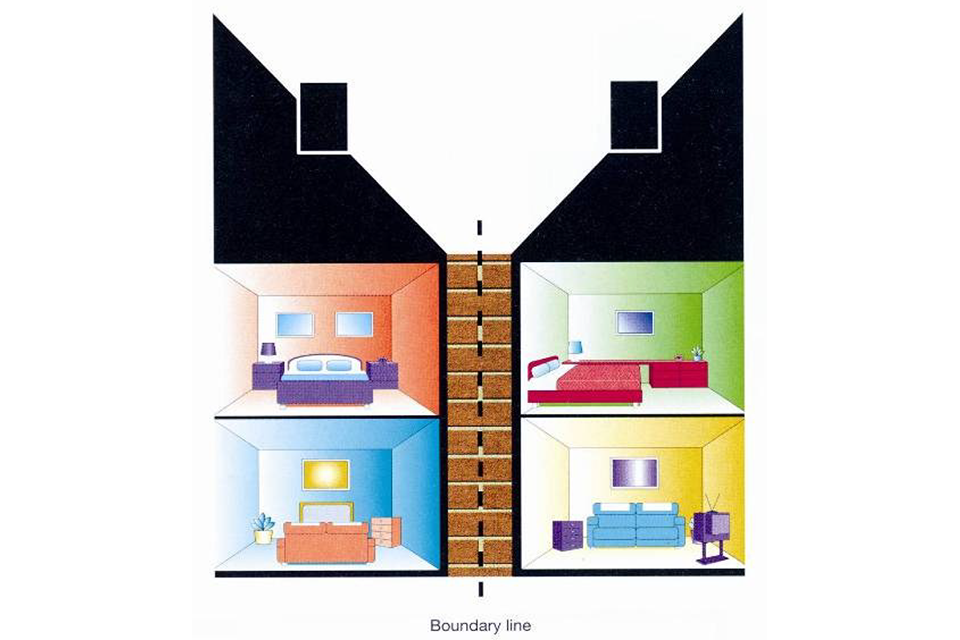
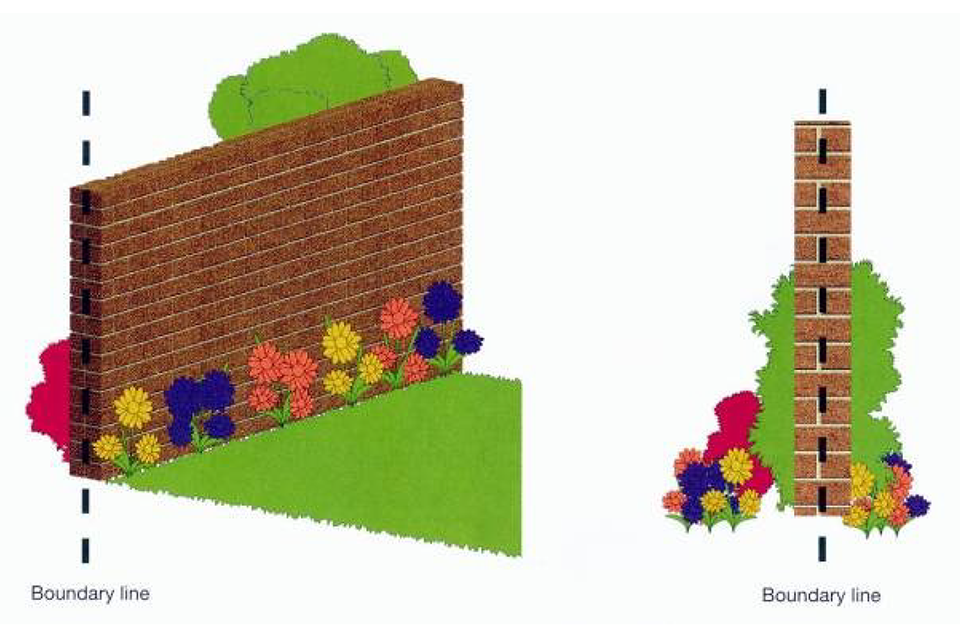
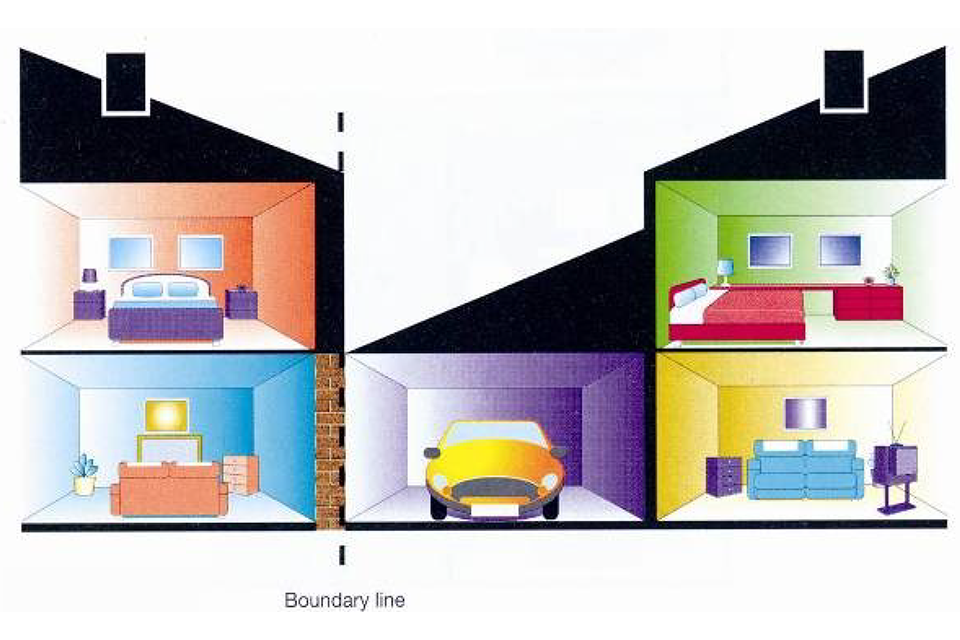
The Party Wall etc Act 1996: explanatory booklet


General Contractor Asking You To Not Send Preliminary Notice? Is That Legal?

Opinion: Disregard rules on building permits and bylaws at your peril


Is a regularisation certificate required or important?


Party Wall Agreements explained – everything you need to know when planning your renovation


R-E-C-I-P-R-O-C-I-T-Y ~ Find Out What It Means to You (Updated August 2025)


Hot tub can be a hot issue for condo board

8 Credit Cards for Contractors To Earn Rewards They Actually Want

'GMA' Deals & Steals on home safety solutions


Top General Contractors


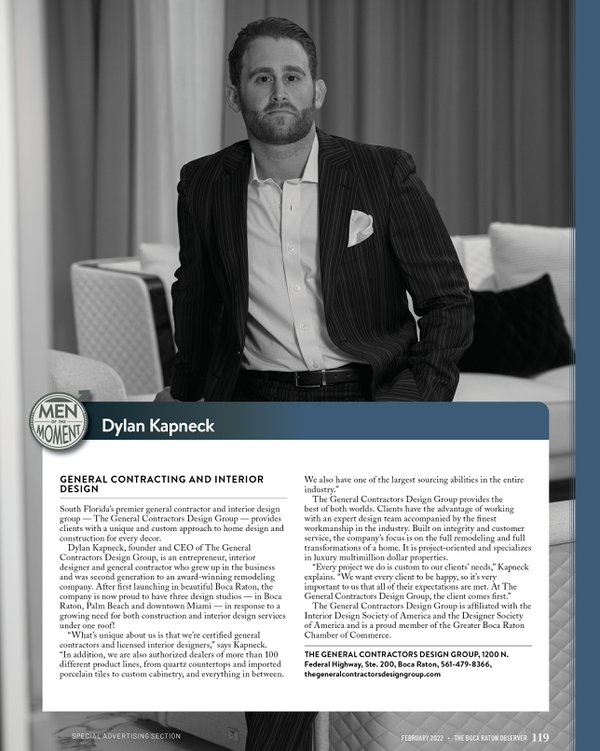
The General Contractors Design Group, Inc.™

The General Contractors Design Group Inc.

How to Spot a Contractor Who's Not Playing by the Rules


The General Contractors Design Group

Party wall agreements: What you need to know

Large, Regional General Contractor Looks to Bring Consistency & Efficiency to Their Signage


The Downsides To Buying A Home On A Corner Lot

CO alarm rules for properties across the UK


Local Gigs & Services: Low Price General Contractor Total Rehab Specialist! Kitchen Bath Remodeling
9 year-end tax tips for general contractors