




Is a regularisation certificate required or important?
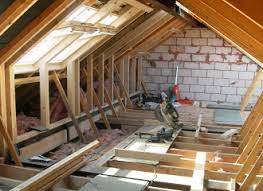
A prospective homebuyer, Natasha, is in the process of purchasing an Edwardian house that includes a loft room. The loft conversion was completed in 1994 by the current sellers, featuring a permanent staircase, a roof window, carpeting, and central heating. While the house is advertised as a four-bedroom property, excluding the loft room, the sellers initially used the loft as an office. However, during the transaction, it was discovered that the sellers lack a building regulations completion certificate for the loft room.
Natasha's solicitor has requested that the sellers obtain a regularisation certificate from the local council. The sellers are reluctant to do so, citing potential delays that could jeopardize their onward purchase. They contend that a regularisation certificate is unnecessary because they now claim the loft room is merely for storage and not a habitable space. As an alternative, they have offered an indemnity policy to Natasha. Natasha is concerned about purchasing a property that may not comply with building regulations, especially given her young child, and worries about incurring future costs to rectify any issues. She is seeking advice on whether to accept the indemnity policy or pursue other options.
Several commentators provide advice. Neil Patterson suggests following the solicitor's advice to ensure professional indemnity coverage. St. Jims shares a similar experience, advising Natasha to stand her ground or consider a significantly reduced offer. St. Jims recounts a situation where an un-regularised loft conversion in a neighboring property rendered his own property uninsurable, highlighting the potential consequences. He notes that the council, upon inspection, required the removal of certain fixtures and limited the loft's use to "light storage only," implying the sellers might be aware of similar requirements for their property. Simon Bentley mentions a television episode where a "letter of no further action" was issued by building control, suggesting this as a possible alternative.
Paul Green proposes a financial approach, advising Natasha to calculate the square footage value of the loft room based on the house's overall price and deduct this amount from her offer. He also suggests obtaining a free estimate from a loft conversion company to determine the cost of making the loft structurally sound and compliant with building regulations, then deducting this figure from the asking price. He warns against emotional purchasing decisions and emphasizes that the estate agents represent the sellers' interests.
Rhett Costin supports a firm stance, noting that loft conversions typically involve more stringent building regulations, especially concerning means of escape and fire safety. He recommends consulting a building surveyor or architect to assess compliance. Neil Hewitt, a surveyor, highlights that the issue often lies not just with the room's use but with the structural alterations made to the roof. He explains that missing structural timbers can lead to movement and that building control can only regularise under specific conditions. He emphasizes that if the initial conversion bypassed building control, it might indicate poor construction that affects structural stability. He advises Natasha to consider a full building survey. Natasha acknowledges the advice, mentioning a previous survey from 1994 that deemed the loft structurally sound, but is now contemplating commissioning her own survey. Rob points out that the presence of features like carpeting, heating, and a permanent staircase strongly suggests the intent was for habitual use, making building regulations applicable. He provides a link to information regarding selling a property without building regulations.
#RegularisationCertificate #LoftConversion #BuildingRegulations #PropertyPurchase #IndemnityPolicy #HomeBuyerAdvice #PropertyLaw #StructuralIntegrity #RealEstate #LandlordQuestions #RegularisationCertificate #LoftConversion #BuildingRegulations #PropertyPurchase #IndemnityPolicy #HomeBuyerAdvice #PropertyLaw #StructuralIntegrity #RealEstate #LandlordQuestions
 No comments yet
Regularisation certificate for a dormer window?