
CO alarm rules for properties across the UK
This article outlines the requirements for Carbon Monoxide (CO) alarms in both rented and owned properties throughout the United Kingdom, specifically covering England, Wales, Scotland, and Northern Ireland. These regulations encompass CO alarms in all rented homes and mandate their installation when boilers are installed in both new and existing homes, regardless of whether they are owned or rented. The key provisions include the mandatory installation of CO alarms in rooms containing any fixed-combustion appliance (excluding gas cookers) in privately rented homes and social housing. Additionally, CO alarms are compulsory when any fixed combustion appliance, other than gas cookers, is installed or replaced in any home.
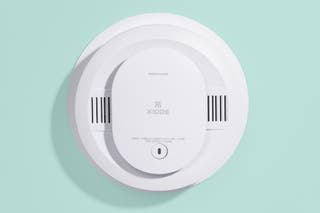
The requirements are detailed in the updated edition of Approved Document J: Combustion appliances and fuel storage systems, which became effective on October 1, 2022. This document also provides guidance on the types of CO alarms to be fitted, specifying that they should comply with BS EN 50291. These alarms should be powered by a battery designed for their operational life, with a feature to alert users when the battery life is nearing its end. Alternatively, a mains-powered alarm with fixed wiring (not plug-in) is acceptable, provided it includes a sensor failure warning device. Alarms must also have an output function to trigger ancillary devices, such as remote alarms or specialist alarms for elderly individuals and those with disabilities.
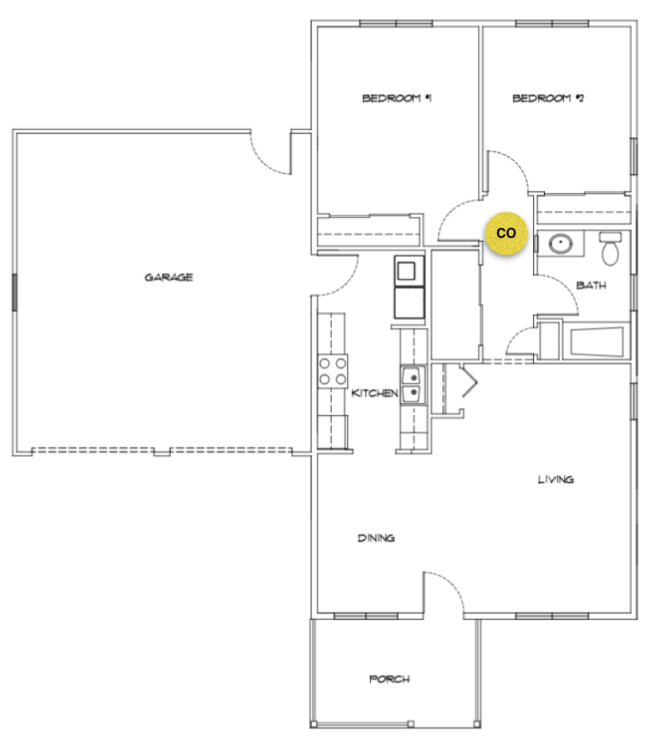
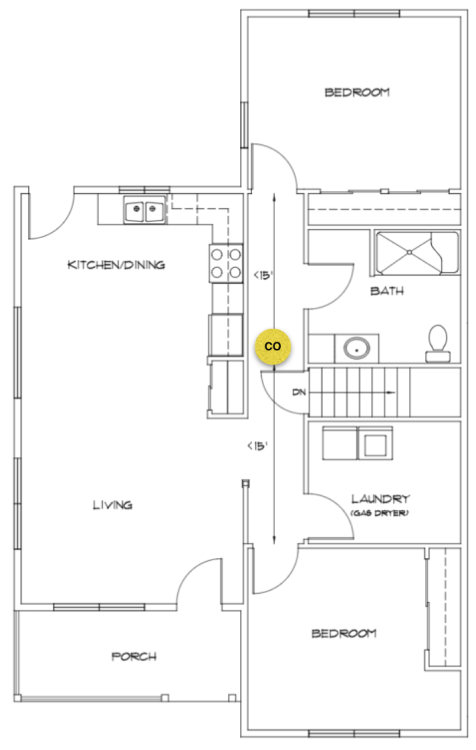
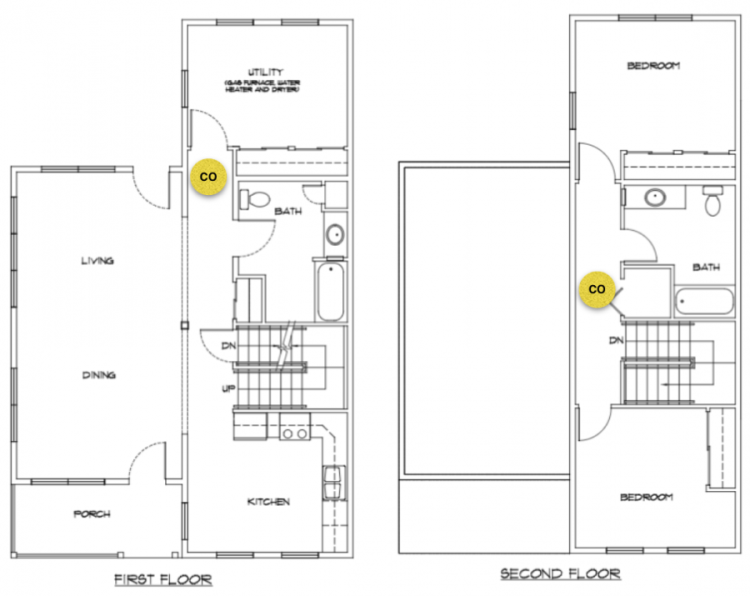
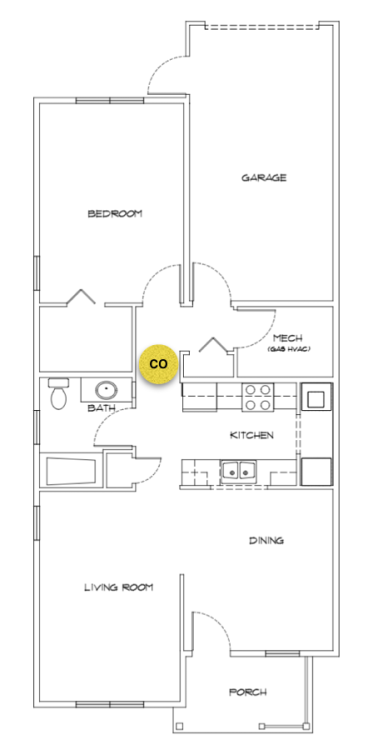
The proper placement of CO alarms is also addressed. They should be located in the same room as the combustion appliance, positioned on the ceiling at least 300mm from any wall, or on a wall as high as possible (above doors and windows) but not within 150mm of the ceiling. The alarm should be horizontally sited between 1m and 3m from the appliance. Government guidance supports these requirements for smoke and CO alarms in all rented homes, and for CO alarms when boilers are installed in new and existing homes, irrespective of tenure.
Specific regulations vary across the UK nations. In Wales, a CO alarm is required when a new or replacement fixed flued combustion appliance of any fuel type is installed, and in every space containing such an appliance, including connected spaces like garages and loft spaces. Alarms are also needed in high-risk accommodation such as bedrooms or principal habitable rooms where a flue passes through. In Scotland, rooms containing a carbon-fuelled appliance must have a CO alarm, which, if battery-operated, should be a sealed unit for its lifespan, with rooms containing appliances used solely for cooking being exempt. Northern Ireland mandates CO alarms in the room where a new or replacement combustion appliance not solely for cooking is installed.
Frequently asked questions clarify that Gas Safe registered engineers or those working under a Building Regulations competent person scheme will likely fit CO alarms during appliance installation. If a CO alarm is missing during an LGSR check where one should be present, the responsible person should be notified and the situation recorded. The absence of a CO alarm is not considered an unsafe situation under gas regulations. Landlords are advised to make informed decisions regarding alarm selection, considering tenants' circumstances, including specialist alarms for those with disabilities. Enforcement of these regulations for rented properties falls under the responsibility of local authorities.
#COAlarmRules #PropertySafety #CombustionAppliance #RentedHomes #OwnedHomes #BuildingRegulations #GasSafety #LandlordResponsibilities #TenantSafety #COAlarmRules #PropertySafety #CombustionAppliance #RentedHomes #OwnedHomes #BuildingRegulations #GasSafety #LandlordResponsibilities #TenantSafety
0 comment in total
 No comments yet
You may also like
Where To Place Your Carbon Monoxide Alarms

Are Gas Fireplaces As Poisonous as Gas Stoves?

Fire Separation Distance

5 Home Security Additions That Can Lower Your Homeowner’s Insurance Rate


These Rules Dictate Where You Can Place Your Pool, Shed, or ADU—Even on Your Property


This Is the One Smart Safety Device That Should Be in Every Home

Fire risk assessment wants new 60-min door?

Council flat front fire door installation?


Why modern British homes are getting mouldy