1/4
Are Gas Fireplaces As Poisonous as Gas Stoves?
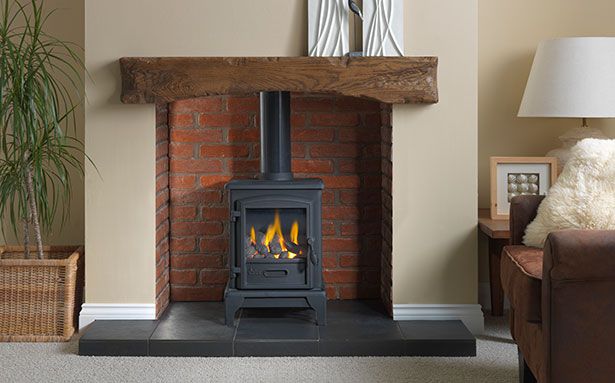
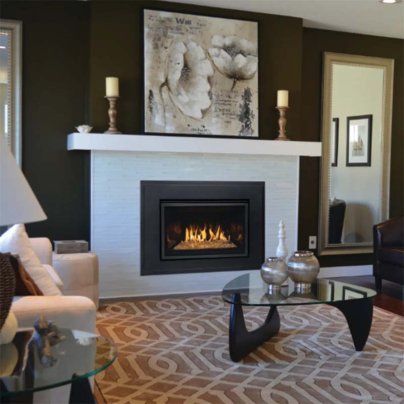
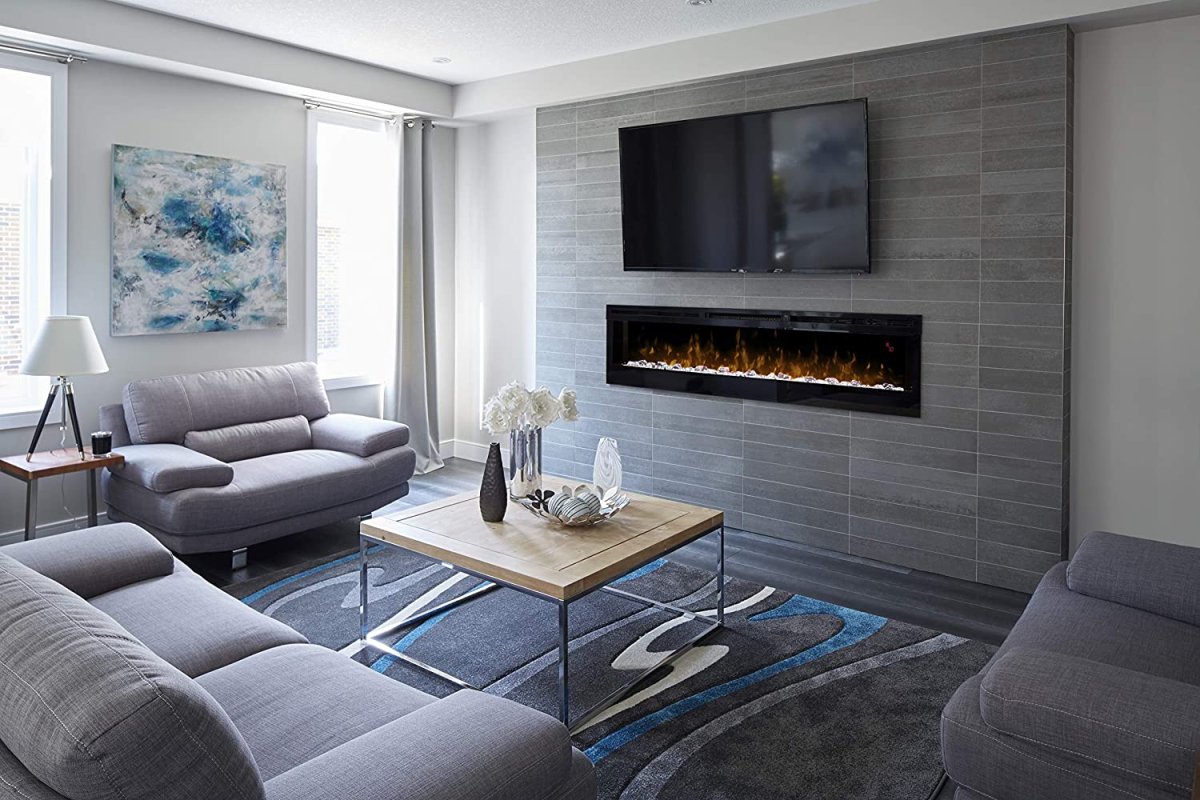
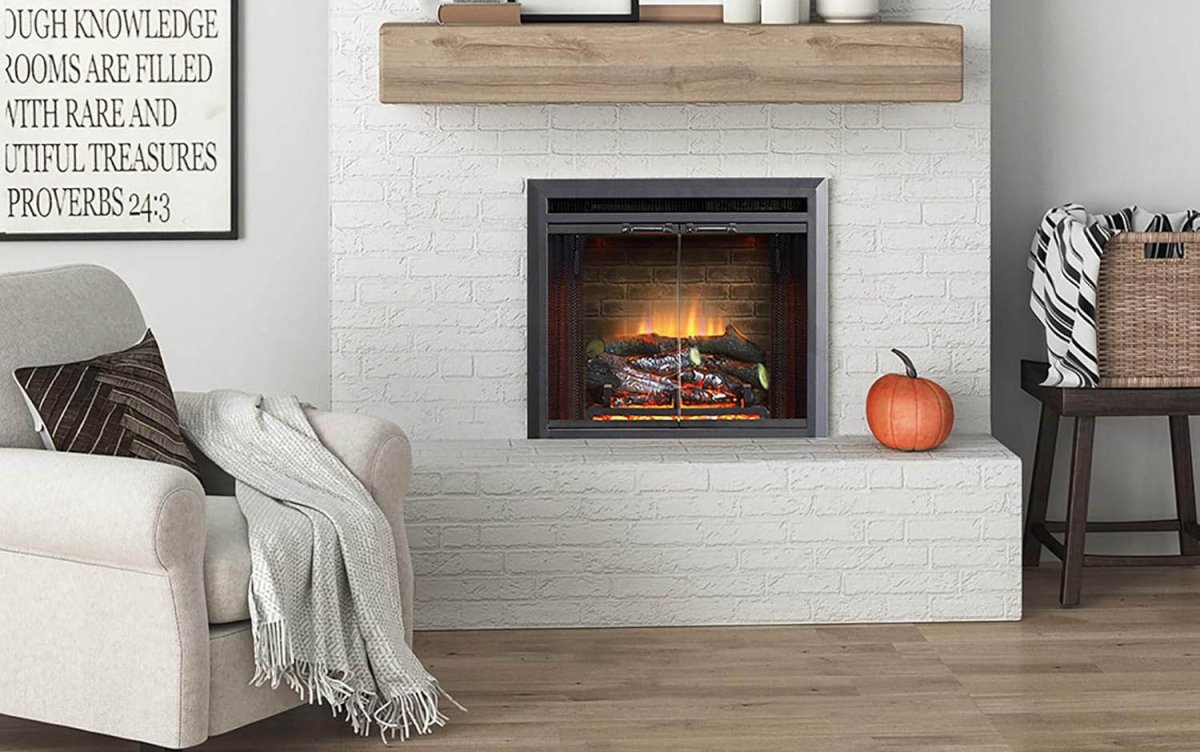
Following recent discussions about indoor air pollution from gas stoves, many homeowners are re-evaluating other potential sources, such as gas fireplaces. While a properly maintained and responsibly used gas fireplace should be safe, it's crucial to acknowledge the risks associated with carbon monoxide emissions. The Centers for Disease Control and Prevention (CDC) reports that over 50,000 individuals are hospitalized annually due to carbon monoxide poisoning. This risk isn't exclusive to gas fireplaces; traditional wood-burning, pellet-burning, and even electric fireplaces can pose a threat.
John Crouch, Director of Public Affairs for the Hearth, Patio, and Barbecue Association (HPBA), notes that unlike gas stoves, which are largely uniform in combustion, fireplaces vary significantly. Factors such as improper ventilation, poor fuel quality, or weak-burning wood can contribute to carbon monoxide emissions. For gas fireplaces specifically, a protective screen or a vent to the exterior is essential to prevent CO buildup. Ashley Murphy, Home Depot's Merchant of Fire and Pool, highlights that while gas fireplaces offer a realistic aesthetic and quick heating, any appliance involving fire and gas carries potential safety concerns.
To ensure fireplace safety, understanding the unit's specifications and consulting the fine print is paramount. Installation should always be handled by professionals, as the correct operation depends on the fireplace type and fuel compatibility. Using fuel not listed on the rating plate is strictly prohibited. Indicators of a potential issue include strange odors, unusual sounds, or smoke emanating from the chimney. Over time, constant use can lead to the accumulation of dust, dirt, ash, and soot, necessitating regular cleaning. New appliances may require an off-gassing or curing period, during which manufacturers' guidelines for ventilation should be followed, including opening windows and using fans or air purifiers.
Improving indoor air quality, particularly concerning invisible and odorless threats like carbon monoxide, is critical. Murphy emphasizes the importance of having functioning smoke and carbon monoxide detectors, with batteries checked regularly. It's recommended to install a new carbon monoxide detector on every floor, including basements and garages, and specifically within 5 to 20 feet of fireplaces and fire extinguishers. Wellness Within Your Walls suggests additional measures: utilizing air monitors and purification devices to detect and eliminate contaminants, using exhaust fans vented outside when cooking, and installing adequate ventilation systems like HRV or ERV systems to balance indoor air and remove toxins. Active or smart ventilation systems that respond to VOC monitoring can automatically ventilate when harmful levels are detected. For homes with existing fireplaces, especially those purchased with pre-installed units, an annual inspection by licensed professionals is crucial, as recommended by the National Fire Protection Association. Preventative care, including chimney maintenance, is the best strategy to protect one's home and occupants from potential hazards.
#GasFireplaceSafety #IndoorAirQuality #CarbonMonoxidePoisoning #HomeVentilation #FireplaceMaintenance #HomeSafety #CarbonMonoxideDetectors #HomeRenovation #GasFireplaceSafety #IndoorAirQuality #CarbonMonoxidePoisoning #HomeVentilation #FireplaceMaintenance #HomeSafety #CarbonMonoxideDetectors #HomeRenovation
0 comment in total
 No comments yet
You may also like
Fires & Fireplaces

The 12 Best Indoor Fireplaces for Cozying Up this Winter

Complete guide to buying a gas fireplace
Where there’s smoke, there could be a poorly built fireplace

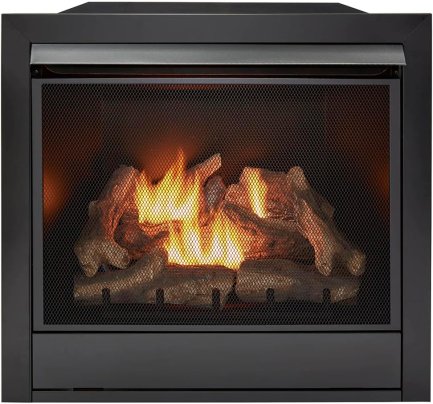
The Best Gas Fireplace Inserts Top Picks
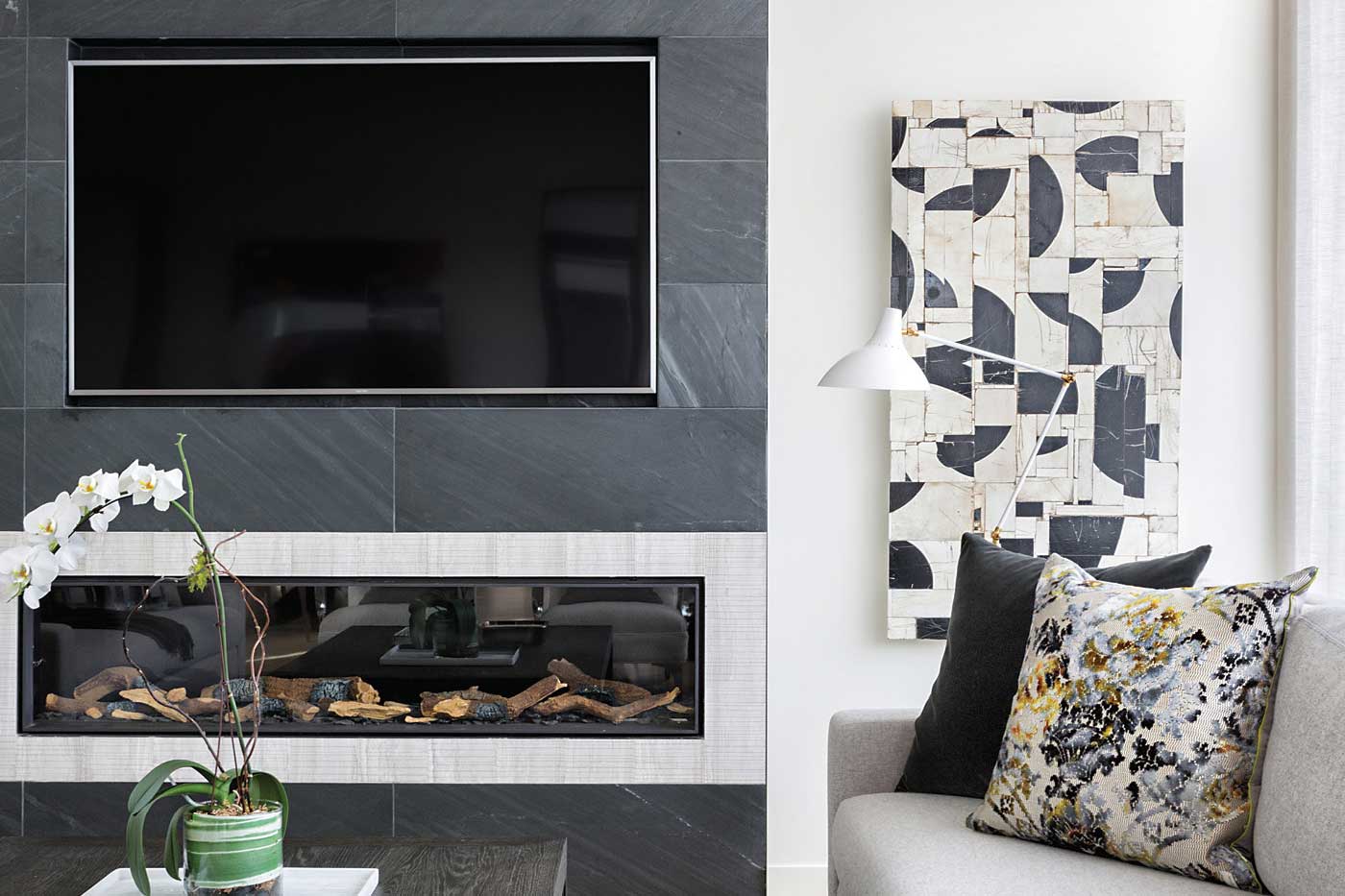
What to Consider When Choosing a Home Fireplace
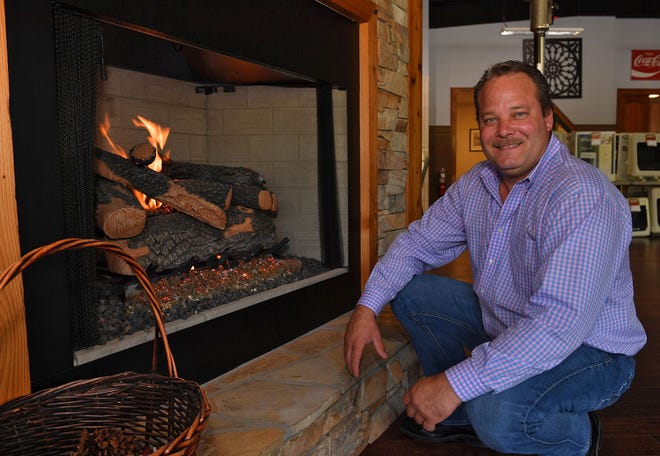
Home is where the hearth is

What's wrong with putting a TV above the fireplace?

Increase Your Fireplace’s Efficiency With This Simple Upgrade
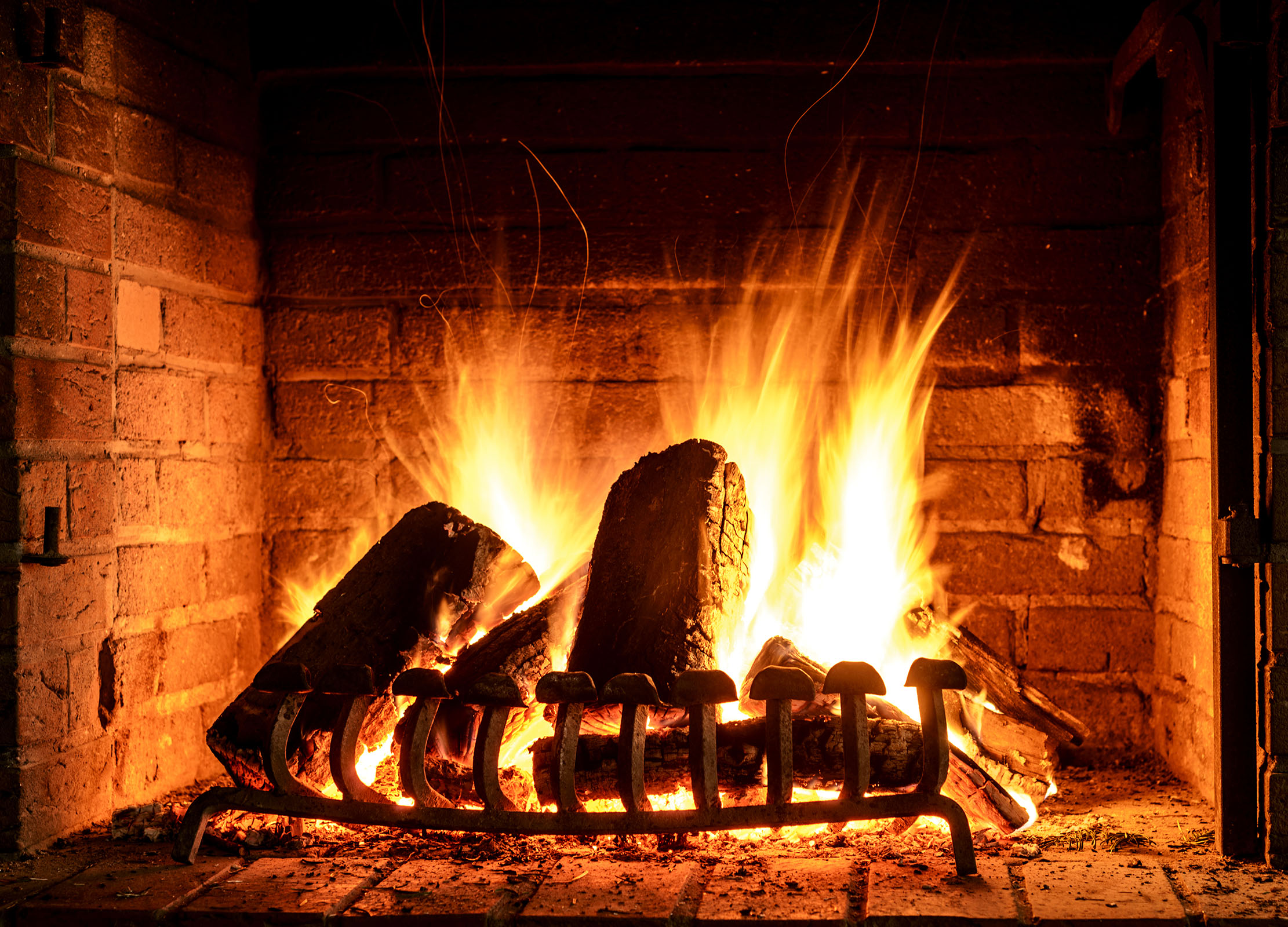
Open fires v wood-burning stoves: The grate debate