1/10
Where To Place Your Carbon Monoxide Alarms
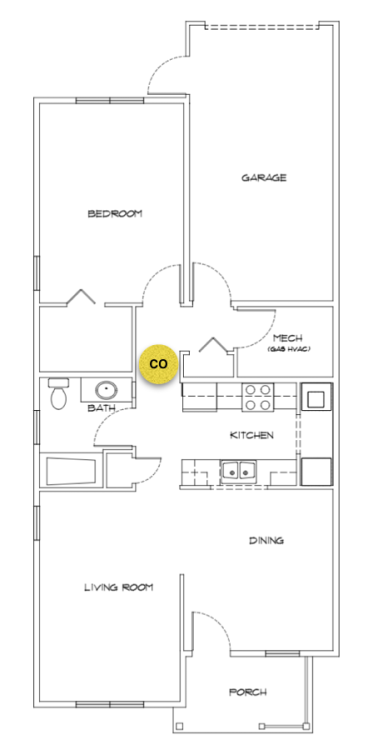
This guide provides essential information and visual examples for the strategic placement of carbon monoxide (CO) alarms within residential units to ensure maximum safety. CO is an odorless, colorless gas that can be deadly, making proper alarm installation crucial. The guidelines recommend installing CO alarms on each level of the home, specifically outside and near all sleeping areas, such as bedrooms. Additionally, alarms should be placed in proximity to major gas-burning appliances, including furnaces and water heaters, but at a minimum distance of 15 feet from these appliances to avoid nuisance alarms caused by minor gas emissions during normal operation. The article clarifies that the mounting height of CO alarms, whether on the wall or ceiling, does not significantly impact their effectiveness because the weight of CO is similar to that of normal air; however, adherence to the manufacturer's specific instructions is always advised.
Several floor plan renderings are included to illustrate these placement recommendations across various home configurations. For a one-bedroom unit, a CO alarm is depicted in the hallway leading to the bedroom. In a standard two-bedroom unit, an alarm is shown in the shared hallway outside both bedrooms. A variation of the two-bedroom unit, including a gas dryer, illustrates the placement near the laundry area while maintaining proximity to sleeping quarters. It is highlighted that if bedroom doors are separated by more than 30 feet, additional CO alarms are necessary to ensure adequate coverage. A two-story, two-bedroom unit rendering demonstrates placement on both levels, with alarms positioned near bedrooms on each floor. For a three-bedroom unit featuring a gas boiler in the basement, alarms are strategically placed near bedrooms on the main living level and in the basement utility area.
Further examples include a three-bedroom unit with a gas stove and fireplace, where alarms are shown near both the kitchen and the living area, in addition to the sleeping areas. An efficiency or studio unit rendering provides guidance for smaller living spaces, typically showing an alarm in the main living/sleeping area. Another specific scenario covered is a one-bedroom unit with direct access to the kitchen and a gas furnace in the basement, where alarm placement reflects these unique features. An apartment containing a gas fireplace also has specific alarm placement demonstrated to mitigate risks associated with combustion. Finally, a cross-section drawing of a home visually summarizes the optimal CO alarm locations across different levels and areas, reinforcing the importance of comprehensive coverage throughout the dwelling. These detailed illustrations aim to help residents understand and implement the best practices for CO alarm installation, thereby enhancing home safety.
#CarbonMonoxideAlarms #HomeSafety #GasAppliances #ResidentialSafety #COAlarmPlacement #FireSafety #HomeownerTips #IndoorAirQuality #CarbonMonoxideAlarms #HomeSafety #GasAppliances #ResidentialSafety #COAlarmPlacement #FireSafety #HomeownerTips #IndoorAirQuality
 No comments yet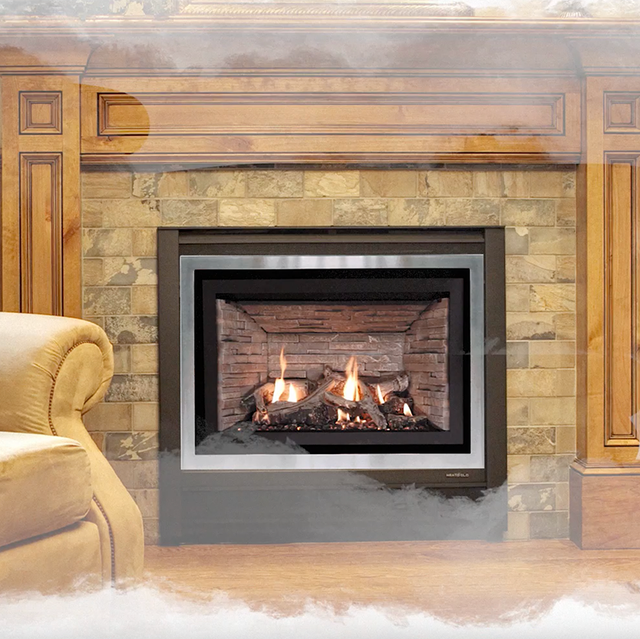
Are Gas Fireplaces As Poisonous as Gas Stoves?


The Life-Saving Reason to Make Sure Your Bedroom Door Is Closed at Night


This Is the One Smart Safety Device That Should Be in Every Home

When was the last time you replaced your smoke detector? We tested the top options to keep you safe.

CO alarm rules for properties across the UK

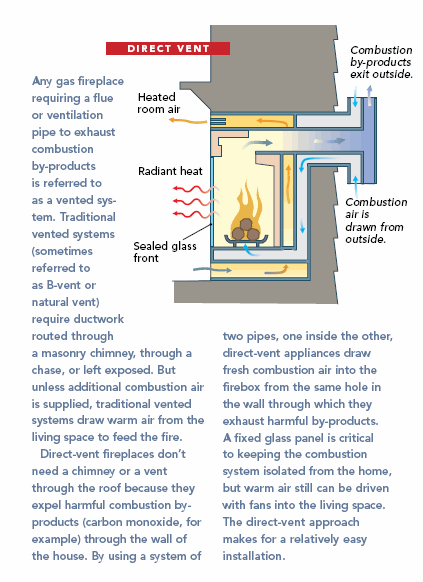
Gas Fireplaces: Direct Vent vs. Vent-Free