1/8
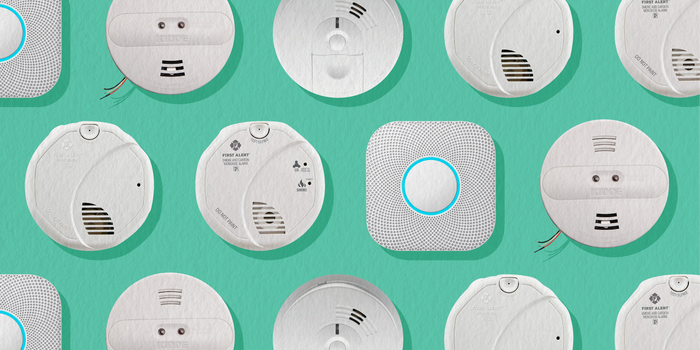
When was the last time you replaced your smoke detector? We tested the top options to keep you safe.
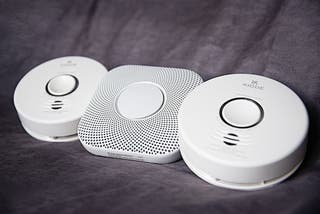
This comprehensive guide identifies and evaluates the top smoke detectors available in 2025, emphasizing factors like sensitivity, audibility, and ease of installation. The selection process involved extensive research, consultation with fire safety experts, and hands-on testing using aerosol spray to simulate smoke. The author, a residential carpenter with significant experience in installing various types of smoke detectors, conducted rigorous tests on dozens of units.
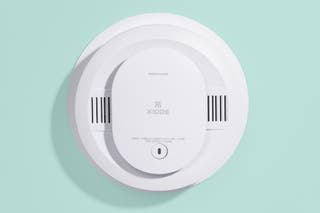
The X-Sense SC01 is highlighted as the best overall smoke detector due to its simple installation, reliability, loud alarm, and a 10-year battery life, eliminating the need for frequent battery changes. It also functions as a carbon monoxide detector and features a digital display. While it uses only a photoelectric sensor, reducing sensitivity to flash fires, this also minimizes nuisance alarms from cooking or steam.
The First Alert PRC710 is recommended as a strong runner-up, praised for its slim profile and effective detection of both smoke and carbon monoxide through a photoelectric sensor. It distinguishes between smoke and CO alerts with different beep patterns, though it lacks voice alerts and an ionization sensor. Its compact design is ideal for those preferring a minimalist aesthetic.
For enhanced protection, the First Alert SM310 is chosen as the best dual-sensor option, incorporating both photosensitive and ionization sensors. This provides high sensitivity, activating quickly even after a single aerosol spray, though this can lead to frequent nuisance alarms. It includes safety features for landlords, such as optional locking mechanisms to prevent unauthorized removal or battery tampering.
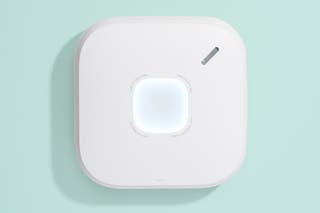
The X-Sense Wireless Interconnected system is identified as the best interconnected solution, offering sets of three, six, or twelve units that communicate wirelessly across large areas. These units are small, easy to install with fewer anchor holes, and ensure that all alarms sound simultaneously when one is triggered. Each unit features a five-year removable lithium battery and a clearly visible, side-mounted alert light that also serves as a silence button.
For individuals who are heavy sleepers or have hearing loss, the First Alert BRK 7030BSL is recommended. This hardwired combination detector features an ultra-bright 177 candela LED strobe that flashes 60 times per minute, alongside an 85 dB alarm. It detects both smoke and carbon monoxide, using different strobe patterns for each, and meets UL 1971 standards for visual signal devices and ADA requirements. While more expensive and requiring hardwiring, its 10-year sealed backup battery ensures continuous operation during power outages. Although this specific model was not personally tested, the recommendation is based on positive experiences with other First Alert products.
The guide also delves into the various types of smoke detectors, including battery-powered (replaceable or permanent lithium batteries) and hardwired units (with backup batteries). It explains the mechanisms of photoelectric sensors, which detect smoke by disrupting a light beam, and ionization sensors, which detect smoke by interfering with an electrical current between two charged plates. Crucial considerations for selecting a smoke detector include multifunctionality, smart features, backup power, certifications (UL or ETL), verbal and visual alerts, adherence to state and local laws, interconnectivity (especially wireless for ease of installation), installation requirements, and sensor type (a combination of photoelectric and ionization is often ideal, with careful placement to avoid nuisance alarms).
Recommendations from firemen, reliability, battery life, and optimal installation locations are also discussed, emphasizing placement on ceilings, inside and outside every bedroom, and on every level of the home. Regular monthly testing and replacement schedules (every 10 years for smoke detectors, every 5-7 years for combined smoke/CO detectors) are stressed to ensure ongoing safety.
#SmokeDetectors #HomeSafety #FireSafety #CarbonMonoxideDetectors #ProductReview #HomeImprovement #SmartHome #SafetyCertifications #WirelessInterconnected #SmokeDetectors #HomeSafety #FireSafety #CarbonMonoxideDetectors #ProductReview #HomeImprovement #SmartHome #SafetyCertifications #WirelessInterconnected
0 comment in total
 No comments yet
You may also like

This Is the One Smart Safety Device That Should Be in Every Home

The Best Air Quality Monitors for Testing Your Air Indoors and Out

The Best Fireproof Safes of 2025

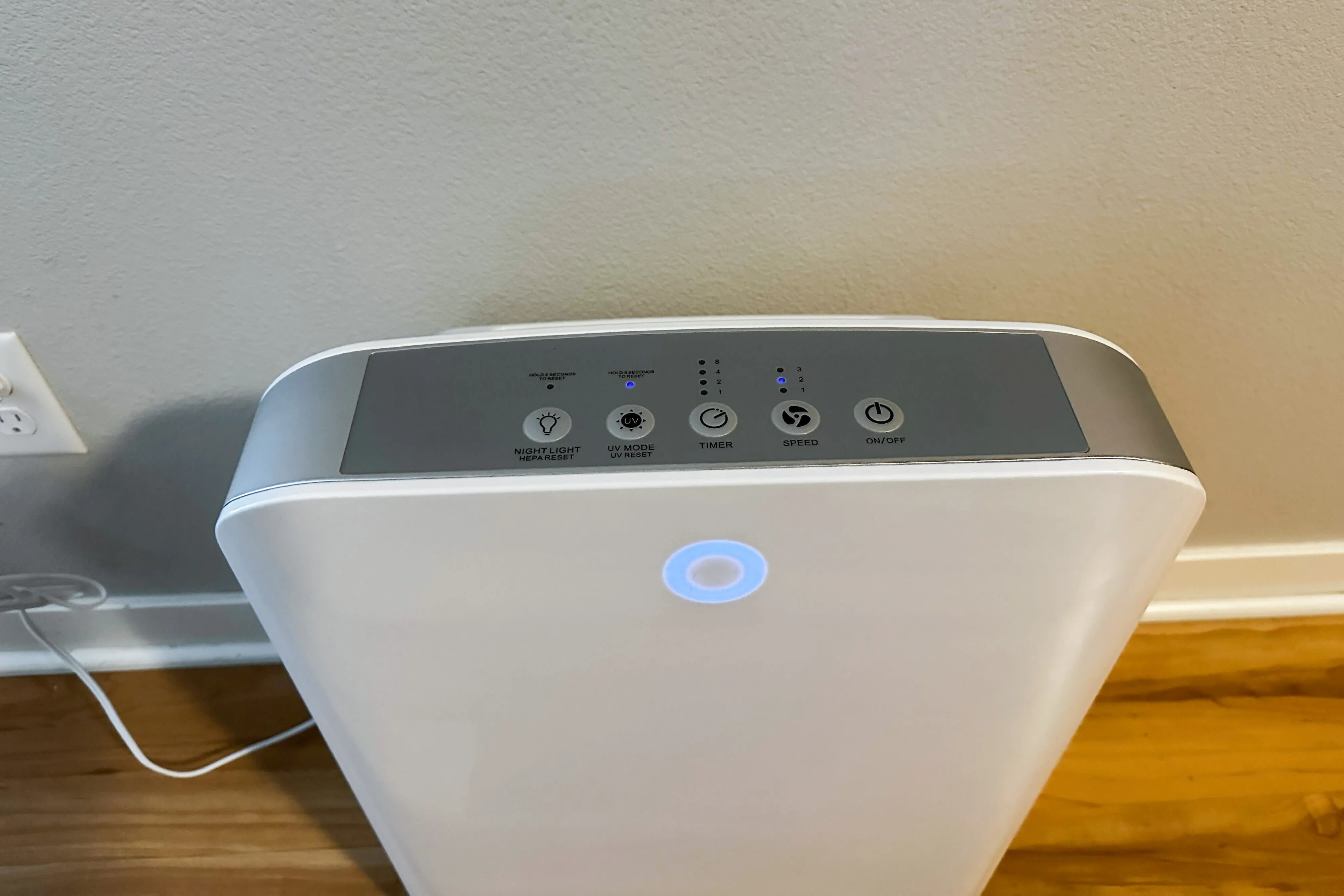
The Best Air Purifiers that Remove Smoke & Other Pollutants from Your Home

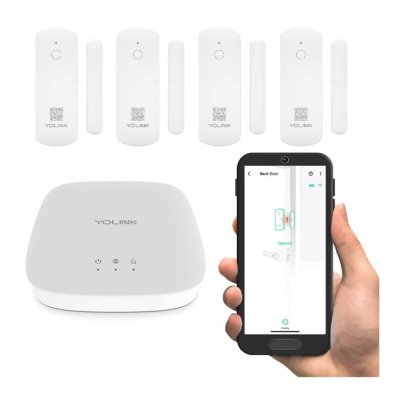
We Tested The Best Door and Window Alarms to Keep Your Family Safe

We Tested 52 Different Smart Light Bulbs To Find The Best Ones

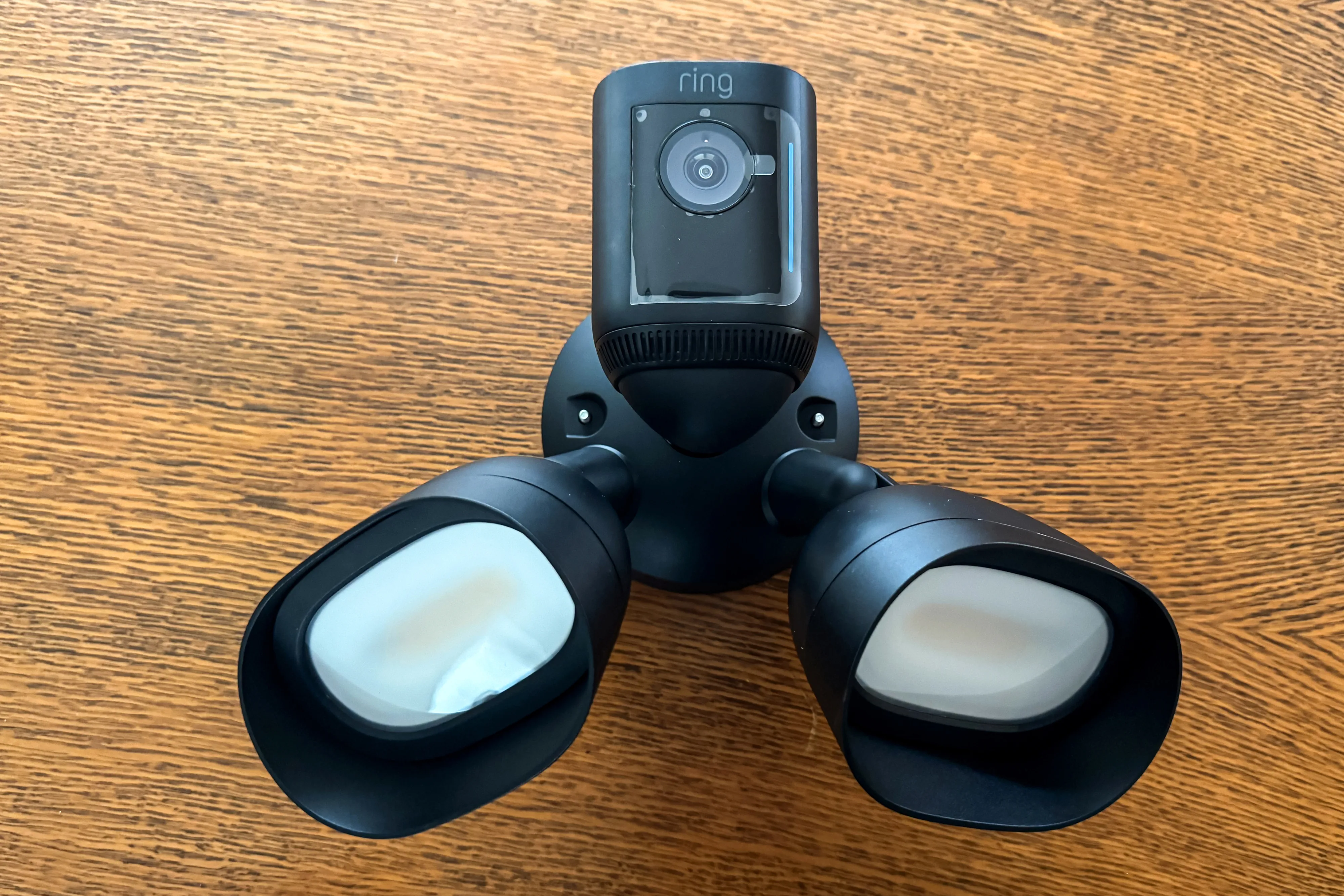
We Installed and Tested Motion-Sensor Lights to Find the Five Best
We Tried The Best Outdoor Motion Sensor Lights—These Kept Our Homes Bright And Secure

Are Gas Fireplaces As Poisonous as Gas Stoves?