



1/3
The Downsides To Buying A Home On A Corner Lot
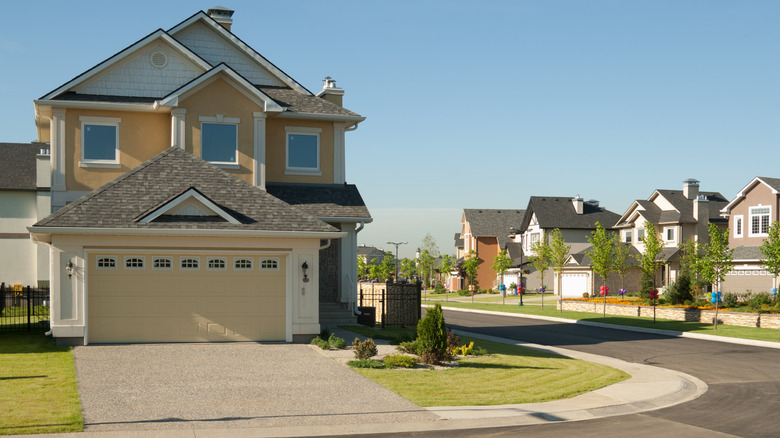
When considering purchasing a home, a corner lot often presents itself as a desirable option due to perceived benefits like additional property and yard space. However, potential buyers should be aware of several downsides before making a commitment. Real estate expert Jon Wade highlights that while corner plots can offer more space and curb appeal, they typically come with higher price tags due to their premium positioning. This increased visibility also translates to less privacy and greater exposure to noise and traffic, making them potentially unsuitable for light sleepers or those who prefer a quieter living environment. The article delves deeper into these and other disadvantages, such as increased maintenance and landscaping costs, which can continue to accrue after moving in. For instance, maintaining the appearance of two street-facing sides often necessitates more fencing, larger lawns, and additional landscaping, leading to higher expenses. The cost to build a privacy fence, for example, would be significantly higher for a corner lot due to the increased square footage.
Security is another significant concern for homes on corner lots. Multiple access points, including extra gates, driveways, or exposed side entrances, can make the property more vulnerable to trespassing or break-ins, potentially requiring investment in home security systems or motion sensor lighting. Furthermore, buyers hoping to extend their home in the future might face limitations, as local regulations often impose stricter building restrictions on corner properties, potentially hindering development plans.
Despite these drawbacks, corner lots do offer several benefits. They are generally larger than standard lots, providing more garden area, a bigger driveway, or room for future extensions, which can be a major selling point. The additional yard space can also be leveraged to enhance the home's curb appeal through various landscaping and architectural elements. Homes on corner lots also tend to receive more natural lighting compared to those situated in the middle of a street. With fewer neighboring buildings obstructing sunlight, these homes can feature more windows on multiple sides, creating a brighter and more open interior. This abundance of natural light not only improves the ambiance but can also contribute to decreased energy costs by reducing reliance on artificial lighting.
Ultimately, the decision to purchase a home on a corner lot depends on individual priorities and lifestyle needs. Buyers must weigh the advantages of extra space, natural lighting, and enhanced curb appeal against potential disadvantages such as greater exposure to noise, less privacy, higher maintenance costs, and security concerns. Jon Wade advises prospective buyers to visit the property at various times to gain a realistic understanding of how these potential drawbacks might manifest in their daily lives, ensuring an informed decision that aligns with their personal preferences.
#CornerLot #RealEstate #HomeBuying #PropertyInvestment #HomeMaintenance #PrivacyConcerns #NaturalLighting #CurbAppeal #BuildingRegulations #CornerLot #RealEstate #HomeBuying #PropertyInvestment #HomeMaintenance #PrivacyConcerns #NaturalLighting #CurbAppeal #BuildingRegulations
 No comments yet