1/2
Party wall agreements: What you need to know
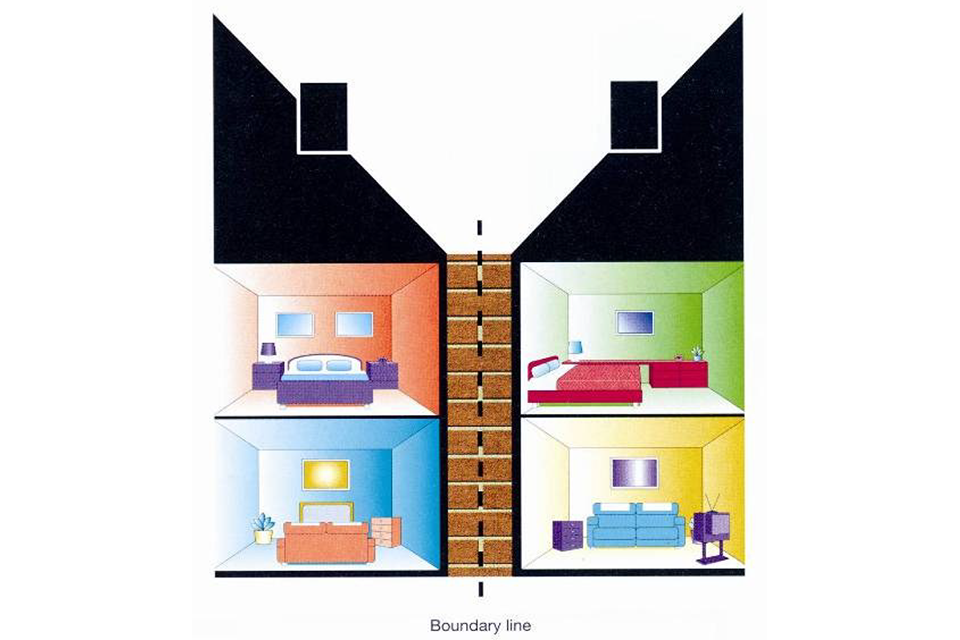
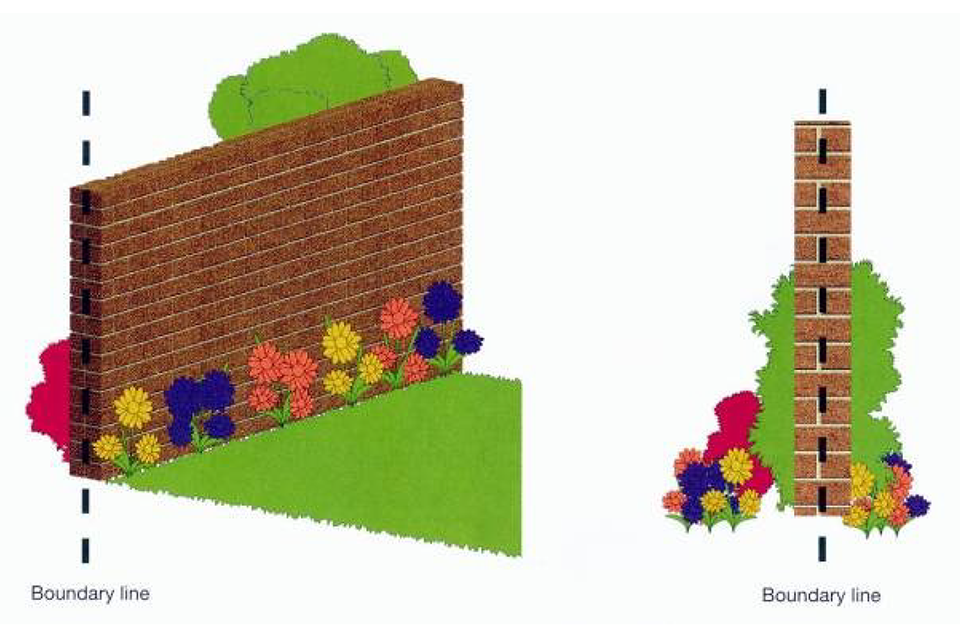
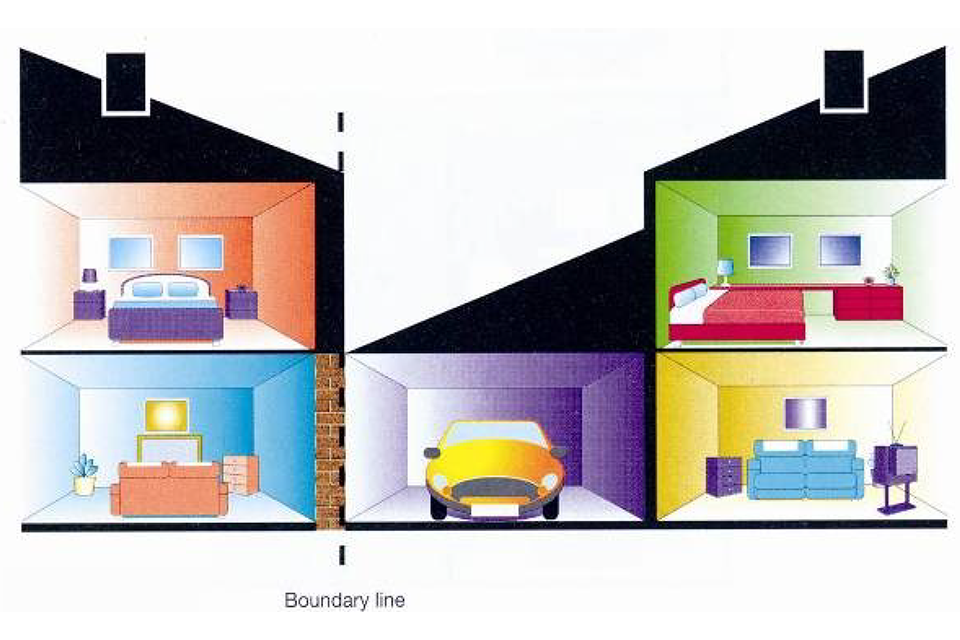
The Party Wall Act 1996, applicable in England and Wales, addresses building work that might affect the structural integrity of shared walls, known as party walls, or adjacent properties. This legislation aims to prevent and resolve disputes between neighbors concerning such works. Party walls are defined as those situated directly on the boundary between two or more properties, exemplified by walls separating terraced or semi-detached houses or garden boundary walls.
A party wall agreement is typically required for any building work conducted near or directly on a party wall. This includes alterations to shared walls between semi-detached or terraced houses, work on shared structures like floors between flats, modifications to garden boundary walls, and excavation or underpinning within three to six meters of a party wall. Other works necessitating an agreement are loft conversions involving cuts into a party wall, the insertion of a damp proof course, making party walls thicker or higher, and constructing new walls up to or off an existing party wall, or building a second-story extension above a shared wall. Minor works, such as drilling for shelving, plastering, or electrical wiring replacements, do not require an agreement.
Before commencing work, a Party Wall Notice must be served to neighbors, providing two months to a year's advance notice. While not requiring planning permission, serving the notice early is advisable to prevent delays, as work can begin up to a year after notice is given. It is recommended to discuss plans with neighbors in person before formal notification to foster understanding and avoid disputes. The notice should detail the proposed work, contact information, start date, and any access requirements over their property. For leasehold properties, both owners and tenants must receive notice. Official templates and guidance are available from the Government’s website.
Upon receiving a Party Wall Notice, neighbors have several options: they can provide written consent, refuse consent which initiates a dispute resolution process, or issue a counter notice requesting additional works. If consent is given within 14 days, a formal party wall agreement might not be necessary, saving on fees. A counter notice must be issued within a month. Failure to respond within these timelines leads to the dispute resolution process. Neglecting to serve a Party Wall Notice is not a legal offense but constitutes a breach of statutory duty and can lead to liability for damages, even those not directly caused by the work, and potential court-ordered repairs. It could also result in civil action, injunctions, project delays, and increased costs.
If a neighbor refuses consent or does not respond, a dispute arises. Initial attempts should focus on resolving concerns directly with the neighbor to reach a mutually agreeable solution. If a counter notice is issued, and terms are agreed upon, they should be documented. The neighbor might contribute to costs for additional works that benefit them. If an agreement cannot be reached, a party wall surveyor must be appointed. Often, a single surveyor is hired to represent both parties, streamlining the process and reducing fees. The surveyor then drafts a Party Wall Award, a legal document detailing the scope of work, timeline, and cost allocation, including surveyor fees. Should either party be dissatisfied with the award, an appeal can be made to a county court.
#PartyWallAct #HomeRenovation #BuildingWork #NeighborDisputes #PropertyLaw #PartyWallNotice #PartyWallAgreement #PartyWallSurveyor #ConstructionRegulations #PartyWallAct #HomeRenovation #BuildingWork #NeighborDisputes #PropertyLaw #PartyWallNotice #PartyWallAgreement #PartyWallSurveyor #ConstructionRegulations
 No comments yet
Party Wall Agreements explained – everything you need to know when planning your renovation

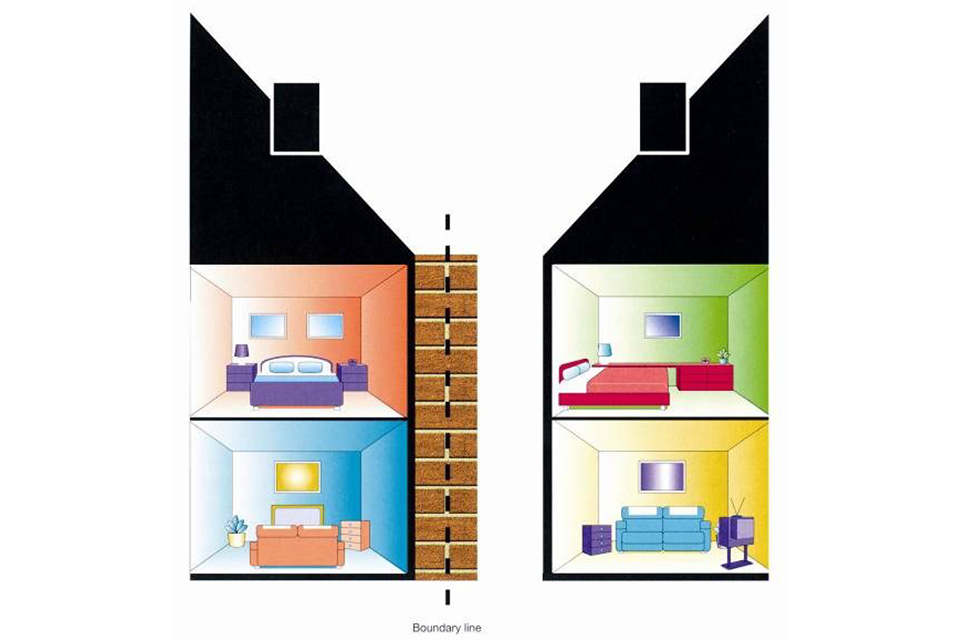
The Party Wall etc Act 1996: explanatory booklet