1/7
Party Wall Agreements explained – everything you need to know when planning your renovation
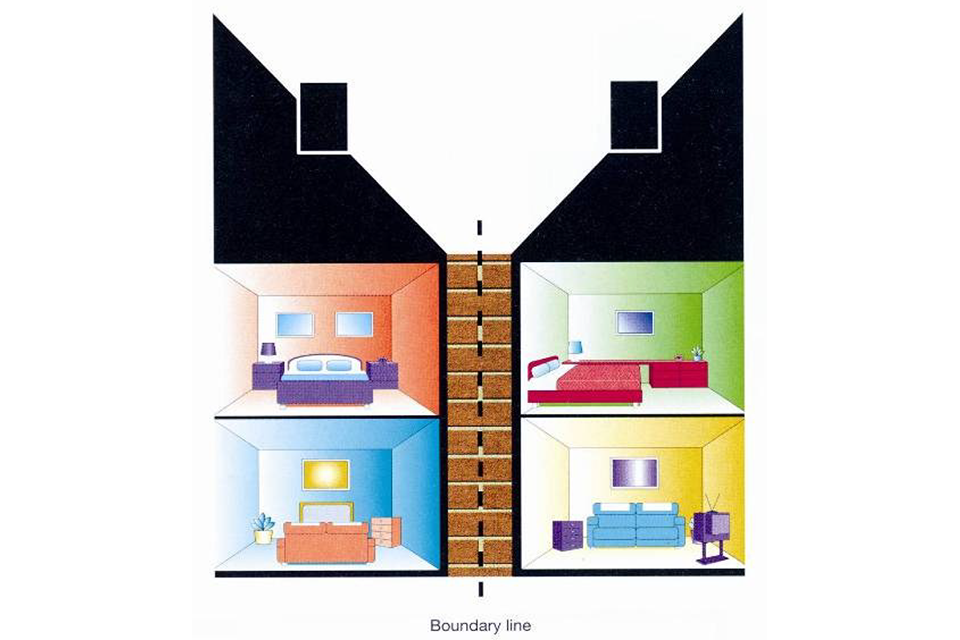
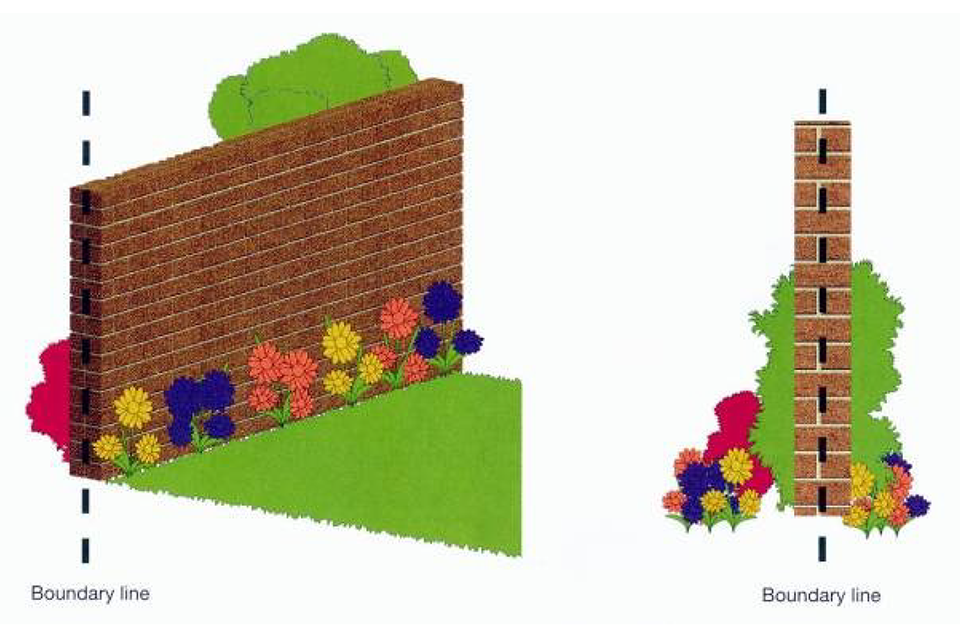
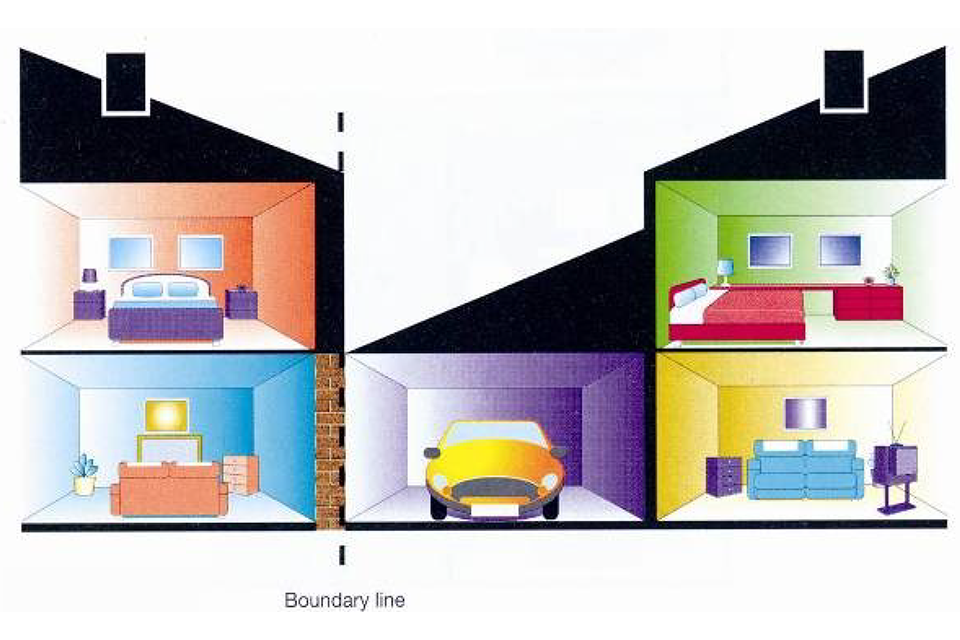
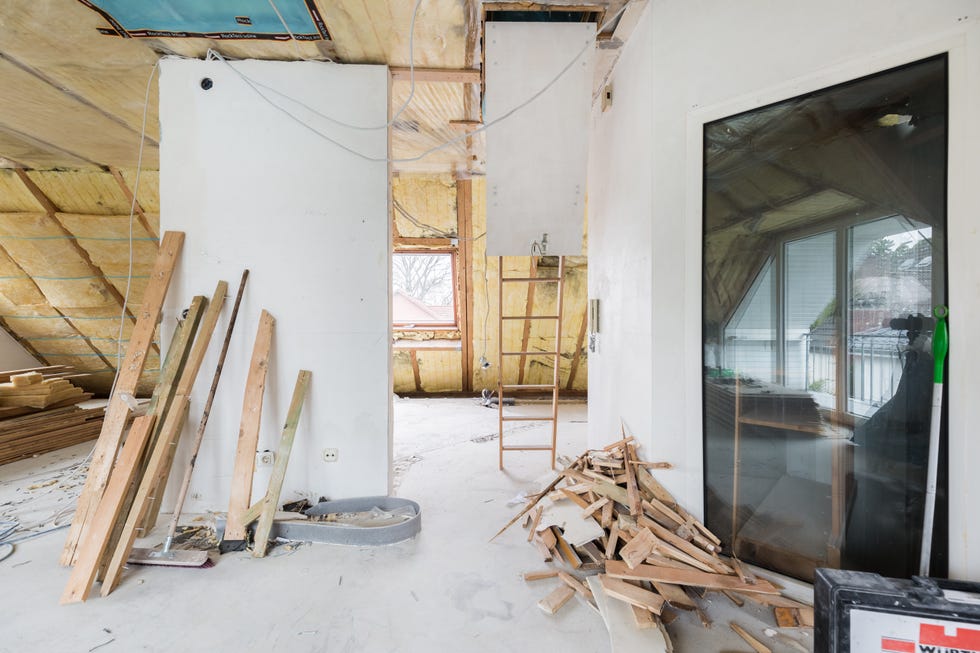
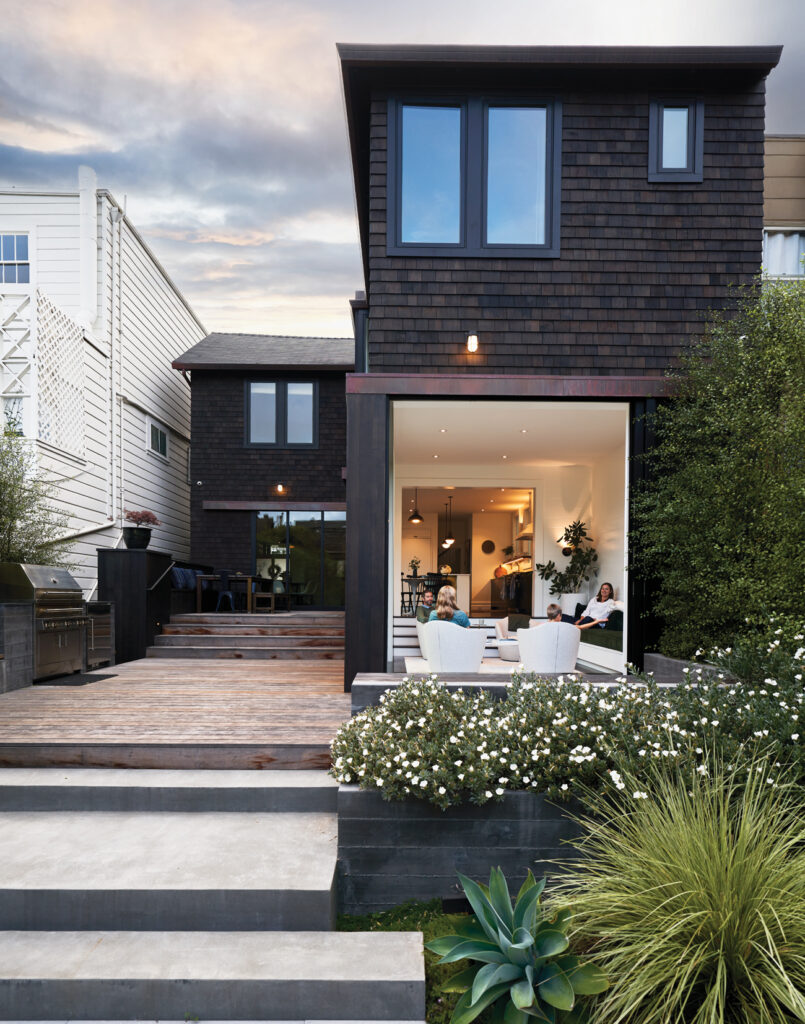
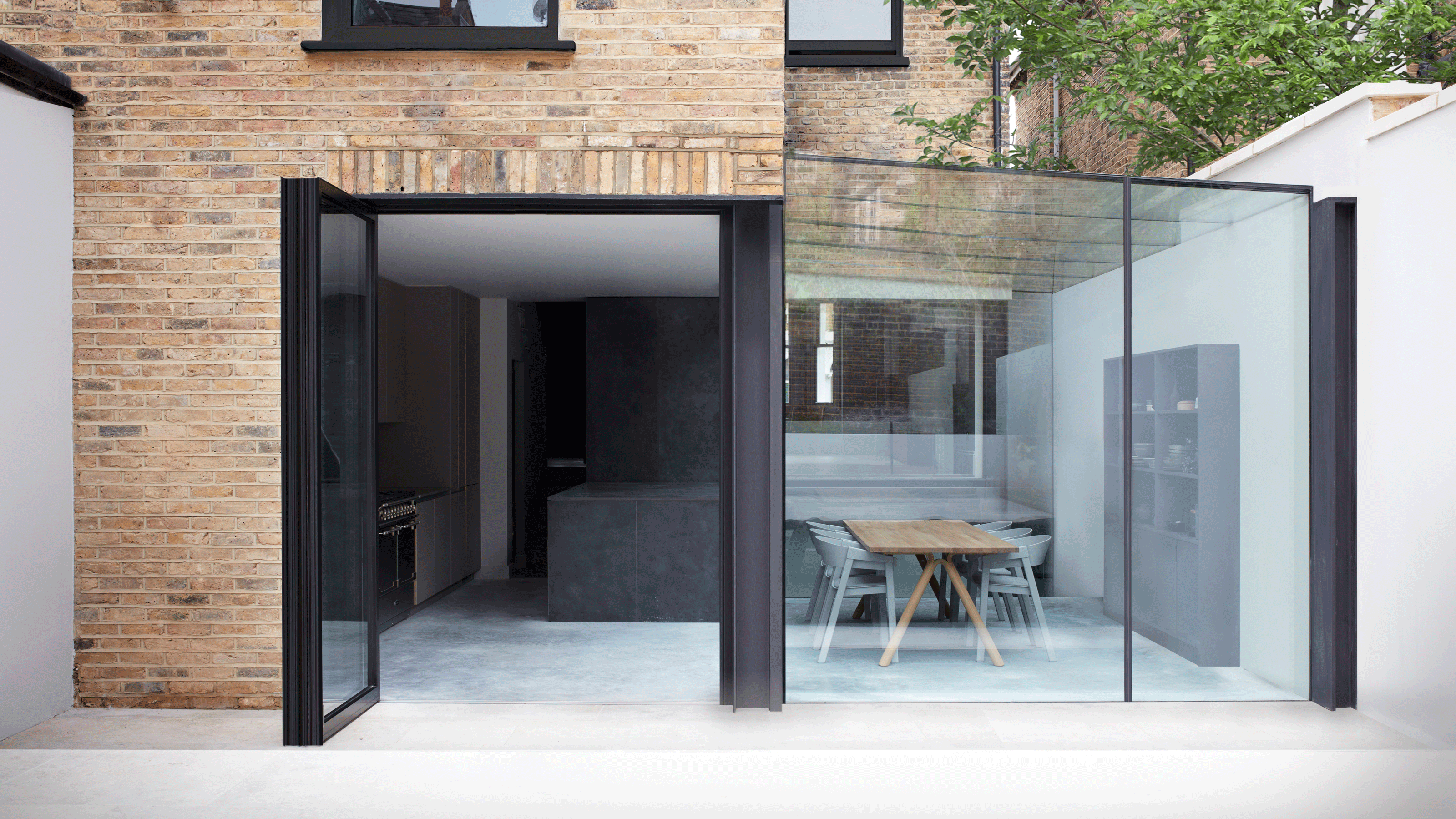
A party wall agreement is a critical legal document required when undertaking structural work that affects a common wall shared with a neighbor. The Party Wall Act (1996) governs such situations, ensuring protection for both the homeowner initiating the work and the adjoining property owner. This agreement is necessary for various renovation projects, including adding modern extensions, constructing basements, converting lofts, making structural alterations like installing beams attached to a party wall, extending a wall upwards, or even removing a chimney breast from a shared wall. The Act aims to prevent potential damage to neighboring properties, such as structural issues arising from basement excavations, and provides a framework for resolving disputes.
Effective communication with neighbors is paramount before formally serving a party wall notice. Keeping them informed of planned projects can foster goodwill and facilitate a smoother process. Once informal discussions have occurred, official notice of the work must be issued. The specific paperwork varies depending on the project, for example, a kitchen extension will have different requirements than a basement extension. After issuing the notice, a 14-day waiting period ensues. If no response is received within this timeframe, it is categorized as dissent, necessitating negotiations for an ‘Award.’ If the neighbor agrees, the ‘Award’ document must be in place at least two months before the planned start date of any structural work on the party wall.
While it is technically possible to serve the party wall notice personally, it is crucial to use the correct, project-specific forms. Submitting incorrect documentation can lead to complications and delays. For peace of mind and accuracy, appointing a trained specialist, known as a party wall surveyor, is highly recommended. These professionals ensure the correct documentation is submitted and guide clients through the process. Once a formal notice is issued and the neighbor agrees, they can sign the form to create a ‘Party Wall Agreement.’ Alternatively, if they agree in principle but desire more detailed stipulations, a ‘Party Wall Award’ can be put in place. This award outlines specific construction processes related to the common wall and includes any conditions the neighbor wishes to impose.
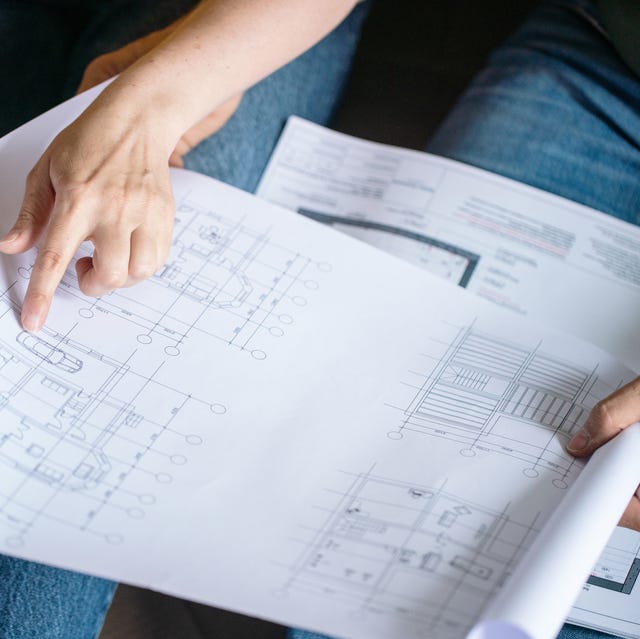
In cases where an ‘Award’ is being drawn up, a party wall surveyor will manage the process. They require a clear understanding of the proposed work, often including structural engineer’s drawings and a detailed plan of how the scheme will progress, such as the use of pad stones, columns, or underpinning. Any changes made to the Award later can incur additional costs. It is common for the neighbor to appoint their own surveyor, the costs for which are typically borne by the homeowner undertaking the work, as they are the primary beneficiary of the renovation. Before work commences, the surveyor will inspect the condition of the party wall on the neighbor’s side, documenting any existing defects to avoid future liability. Should disagreements arise between surveyors during the project, a third surveyor can be appointed to mediate, with the cost also falling to the homeowner. Failing to obtain a Party Wall Agreement, although not a legal offense, can lead to neighbors halting the work, causing significant delays and potential financial penalties for builder delays. The cost of a party wall agreement varies based on the project’s complexity, location, and the number of adjoining owners, averaging around £1000 for a straightforward project involving one adjoining owner and one surveyor.
#PartyWallAgreement #HomeRenovation #StructuralWork #NeighborCommunication #PropertyLaw #SurveyorCosts #ConstructionProcess #LegalDocumentation #PartyWallAgreement #HomeRenovation #StructuralWork #NeighborCommunication #PropertyLaw #SurveyorCosts #ConstructionProcess #LegalDocumentation
0 comment in total
 No comments yet
You may also like
The Party Wall etc Act 1996: explanatory booklet

5 Custom Wall Treatments You Can Do Yourself


28 wall panelling ideas to add depth and character to any room in your home

A serial home flipper with over 25 years of experience shares 7 common renovation mistakes people make

Wainscoting ideas – designers are rediscovering how this ancient millwork can uplift modern interiors
You should try to avoid these 10 common home remodeling mistakes, urge experts
6 Headache-Saving Tips You Should Know Before Starting a Remodel, According to Designers
Designing Wall Treatments With Metrie

Psychologists Reveal the MAJOR Impact of Home Renovations on Your Mental Health

Homeowner’s Guide To Living Walls


9 Things You Need to Know Before Renovating Your Home, According to Experts

How to install wooden panelling


Party wall agreements: What you need to know

How to panel a wall – DIY this trending look in your home this weekend

6 Renovating Myths I Uncovered While Getting My General Contractor’s License


Wall paneling ideas – 18 ways to add decorative cladding and moulding


General Information


Wall paneling ideas – experts offer 9 simple tricks to wake up your walls

Practical ways to make panelling look good
What Happens If I Don’t Get a Permit for My Home Remodel?