
1/10
6 Renovating Myths I Uncovered While Getting My General Contractor’s License
The article details six common renovation myths debunked by two experienced renovators, Maggie Davis and Nicole Mitchell, co-founders of Things Behind the Sun. These insights come from their seven years of experience transforming 14 homes, primarily into vacation rentals, and Mitchell's journey to obtaining her general contracting license.
One myth addressed is the belief that a contractor's initial bid is always their best. The article clarifies that clients can and should request detailed paperwork and revised bids. Mitchell, with her general contracting education, emphasizes the importance of understanding proper bidding and contract drawing. She advises clients not to hesitate in asking for expanded charges or detailed documentation to proceed. Both Mitchell and Davis recommend interviewing multiple contractors, checking their portfolios, and obtaining three to five bids. They also suggest consulting online reviews on platforms like Yelp, Angie's List, and Thumbtack, and crucially, verifying the contractor's license with the state board to ensure it's active and free of liens. A detailed contract is presented as a non-negotiable requirement.
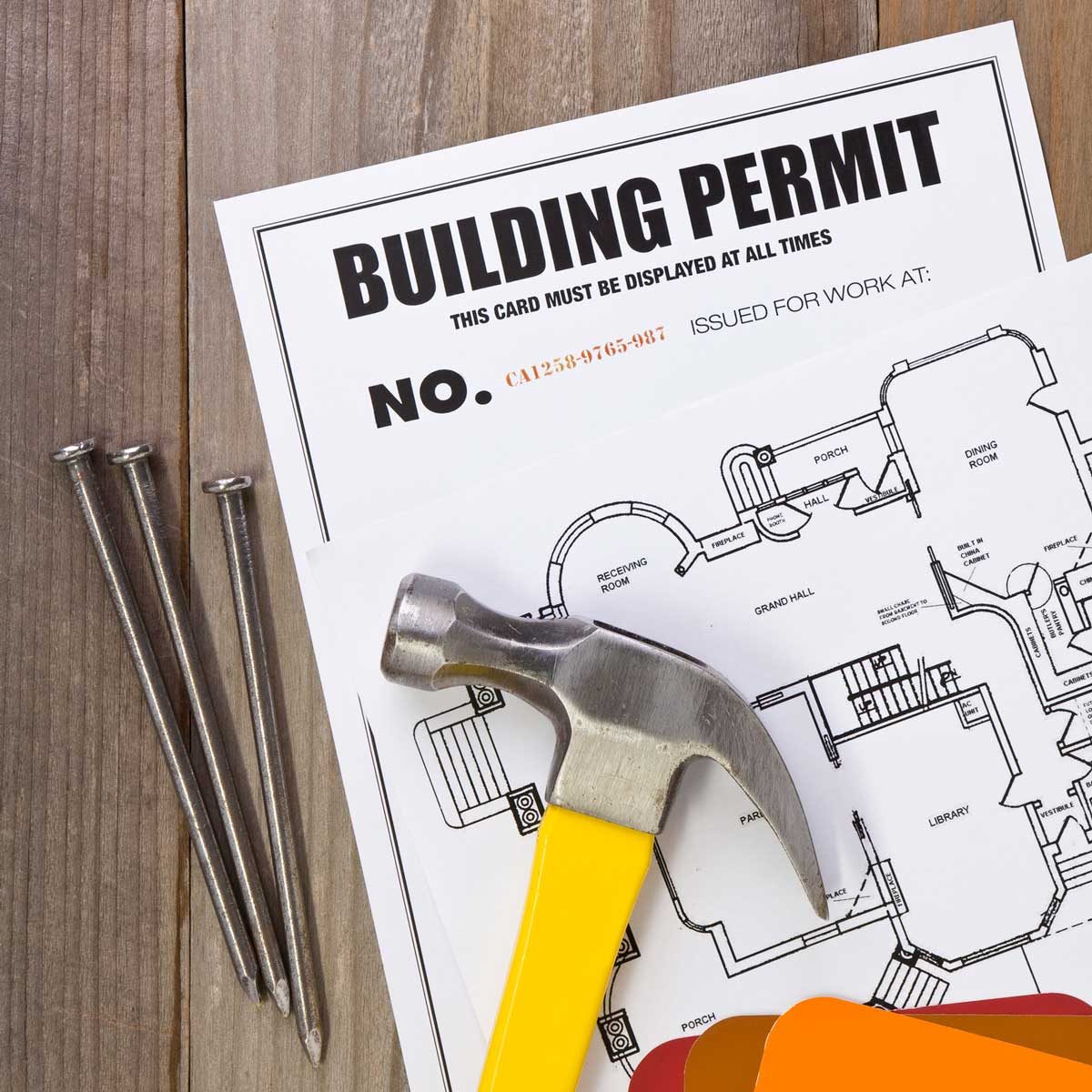
Another significant myth tackled is that permits are the biggest obstacle in renovations. The article explains that clients can actively participate in expediting the permit process. Mitchell highlights that inspectors, often perceived as hindrances, primarily serve to protect the client by ensuring safety and adherence to building codes, particularly in areas like electrical framing. She advises clients to request the permit number from their contractor and monitor its progress on the city's website. If delays occur, clients are encouraged to contact the county to inquire about speeding up the process, emphasizing client involvement rather than bypassing the contractor. Davis introduces the concept of pulling an owner-builder permit for certain tasks, which can save money and surprise clients with the range of projects it covers.
The article also challenges the notion that bathroom renovations inherently take seven weeks. Davis asserts that with the right team and sufficient manpower, a bathroom can be completed in a weekend. She points out that delays often stem from contractors juggling multiple projects, leading to stretched timelines. The key, according to both renovators, is thorough vetting of contractors to ensure they can commit the necessary resources and personnel to complete the job efficiently. Mitchell shares experiences where contractors promise extensive teams but deliver insufficient labor, underscoring the importance of contractor reliability.
A fourth myth discussed is the assumption that contractors are inherently accurate with measurements. The article strongly advises clients to double-check all measurements themselves. Mitchell recounts a personal experience where a double-door fridge couldn't fully open due to a 1.5-inch measurement error. She stresses the importance of clients measuring for elements like windows independently to prevent costly mistakes, noting that even a small discrepancy can render a custom-ordered window unusable. For floor plans, the recommendation is to physically tape out the space to visualize and confirm desired layouts before construction proceeds, ensuring client satisfaction and preventing unwanted changes by contractors.
Furthermore, the article debunks the idea that clients only select design details while contractors handle material procurement. It argues that significant cost savings can be achieved by clients purchasing materials themselves. Mitchell explains that contractors often apply a 30% markup on materials for ordering and management, even for items of questionable quality. Davis adds that they prefer to control the purchase of all visible materials, including baseboards, doors, hardware, paint, tile, and fixtures, to ensure quality and manage costs effectively.
Finally, the myth that subcontractors only need to be told a design vision once is addressed. The article advocates for extensive over-communication. Davis notes that subcontractors may make creative decisions independently, necessitating active project management from the client. She provides an example with bathroom tiling, detailing the need to specify every component: tile pattern, grout width and color, shampoo box location, and whether a shower curb is desired, as many subcontractors will automatically install a curb. Mitchell emphasizes showing up with multiple printed photos to clearly illustrate expectations. The overarching message is to assert one's design preferences and not be intimidated by the renovation process, as clear communication leads to better outcomes.
#RenovationMyths #GeneralContractor #HomeImprovement #PermitProcess #ContractorSelection #BudgetLiving #ProjectManagement #DIYRenovation #RenovationMyths #GeneralContractor #HomeImprovement #PermitProcess #ContractorSelection #BudgetLiving #ProjectManagement #DIYRenovation
0 comment in total
 No comments yet
You may also like

6 Lessons I Wish I’d Known Before Renovating My Home

6 mistakes design experts instantly notice in your home – and how to fix them


Follow This Expert-Approved Checklist to Avoid Renovation Regrets

11 costliest home renovation mistakes you should avoid

9 common home renovation mistakes to avoid


What I learned from remodeling my kitchen

13 Most Expensive Renovation Mistakes You Can Make—and How to Avoid Them


6 Home Renovation Tips To Cut Costs, Avoid Stress and Boost Resale Value


I’ve renovated four kitchens and these are the eight key lessons I've learnt along the way

6 Things People Always Regret Skipping During A Renovation

A Local Designer’s Top 4 Tips for Surviving a Home Renovation

Amaral Services General Contracting shares tips on Home Remodeling Projects

A serial home flipper with over 25 years of experience shares 7 common renovation mistakes people make

You should try to avoid these 10 common home remodeling mistakes, urge experts

6 Headache-Saving Tips You Should Know Before Starting a Remodel, According to Designers

5 Overlooked Reno Ideas That Add Major Value to Your Home, According to a Contractor


7 Renovations Homeowners Regret the MOST, According to the Experts Who Fix Them

6 lessons I learned when installing my own log burner — and why you should think twice before doing the same

Ask The Contractor: 6 Things You Didn’t Know About Remodeling Your Home During Winter

What Happens If I Don’t Get a Permit for My Home Remodel?