Hot tub can be a hot issue for condo board
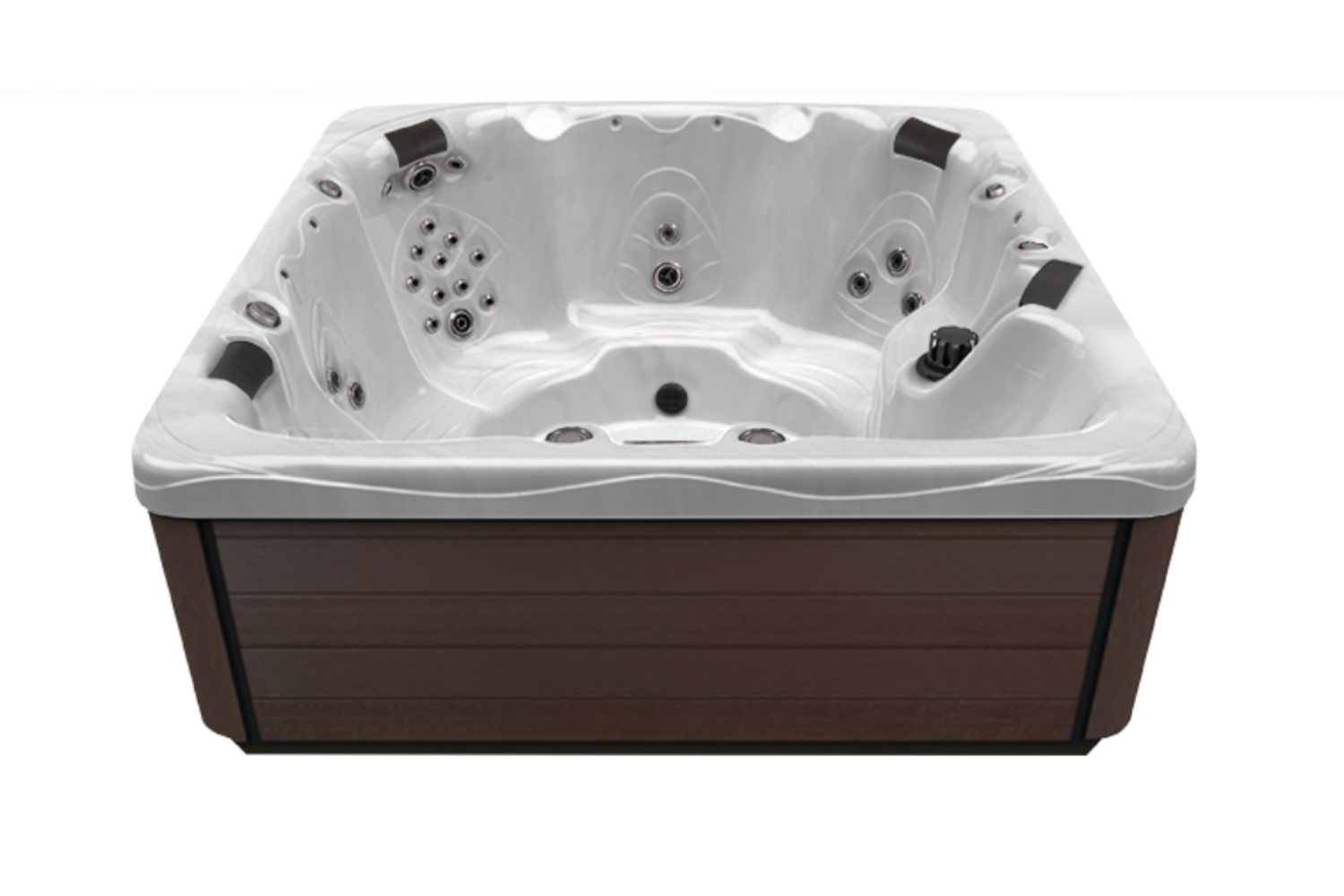
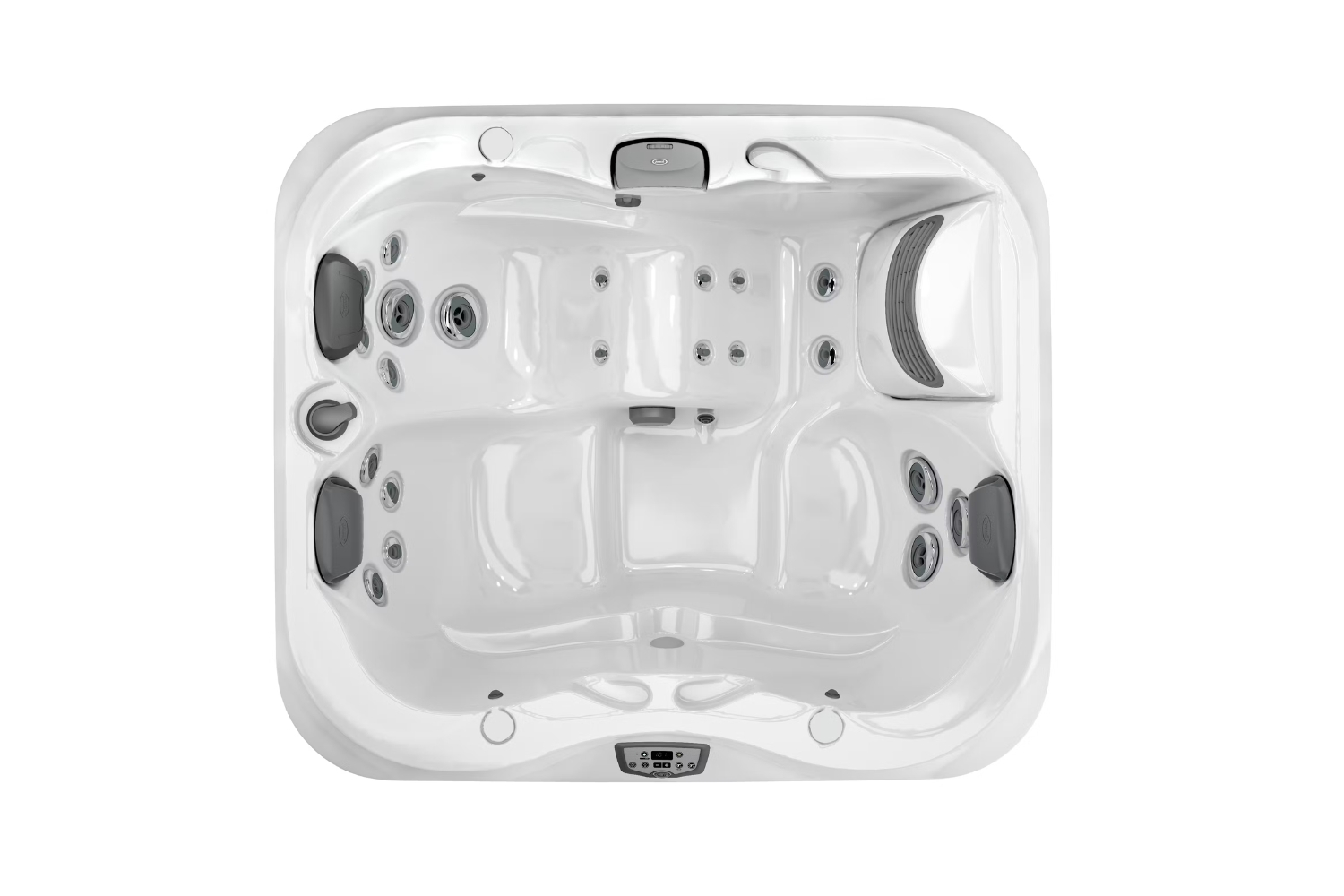
The article discusses several common issues faced by condo boards and owners, drawing on real-world court cases and legal interpretations. One prominent case involved a hot tub installation on an owner's exclusive-use common element yard. Despite the device's size and potential impact, a court ruled that it did not constitute a common element addition, alteration, or improvement requiring board consent or the registration of an agreement. This decision was later affirmed on appeal, setting a precedent that might influence future similar cases in condominium living. This highlights the complex nature of interpreting condominium bylaws and the Condominium Act, especially when dealing with exclusive-use common elements.
Another scenario addressed is the installation of a lower peephole in an entrance door by an elderly resident. The question arose whether this alteration to a common element door necessitated a formal agreement prepared and registered against the unit, similar to more substantial changes. The expert opinion clarifies that an agreement is indeed required if a board permits an owner to alter common elements. However, the board can undertake such alterations without an owners' vote or a formal agreement if the change is mandated by the Human Rights Code, essential for the owner's safety or security, or if the cost falls below a specific threshold (greater of $1,000 or one percent of the budget). This provides practical guidance for condo boards on accommodating residents' needs while adhering to legal requirements and financial considerations.
The article further examines a situation where a condo board refused to call a requisitioned owners' meeting, citing errors in the requisition based on legal advice. The court subsequently ruled against the board, stating that the meeting should have been held. The board then circulated a letter implying they were legally bound to follow their lawyer's advice. The expert refutes this, explaining that while boards should have good reasons for rejecting legal advice to meet their obligation under the Condominium Act to act in good faith, they are not absolutely required to accede to it. Boards can question, seek clarification, or even obtain a second opinion if dissatisfied with legal counsel, emphasizing the board's ultimate responsibility in decision-making.
Finally, the piece touches on a proxy rejection issue during an annual meeting. A property manager rejected proxies that stipulated votes for board candidates not listed in the official notice of the meeting, preventing some nominated persons from being elected. This action was deemed incorrect. The Condominium Act allows owners to cast votes either personally or by proxy, and critically, it permits an owner to stipulate in a proxy instrument that their proxy should vote for any qualified candidate. The board or property manager cannot undermine an owner's right to vote by proxy for their chosen candidates, reinforcing democratic principles within condominium governance.
#CondominiumLaw #CondoBoards #ExclusiveUseCommonElements #LegalPrecedent #CondominiumAct #PropertyManagement #OwnerRights #ProxyVoting #CondominiumLaw #CondoBoards #ExclusiveUseCommonElements #LegalPrecedent #CondominiumAct #PropertyManagement #OwnerRights #ProxyVoting
0 comment in total
 No comments yet
You may also like

Experts reveal the 8 'nightmare' mistakes that can ruin a hot tub – and how to avoid making them


Should you put a bathtub in your bedroom? Experts weigh in on the hotel-style feature that always divides opinions

The Growing Popularity Of The Elegant And Comfortable Free Standing Bathtub


Ask Sam: What can I do if my landlord refuses to fix a bathroom leak?

Rules for buying a hot tub – pro tips on selecting the best
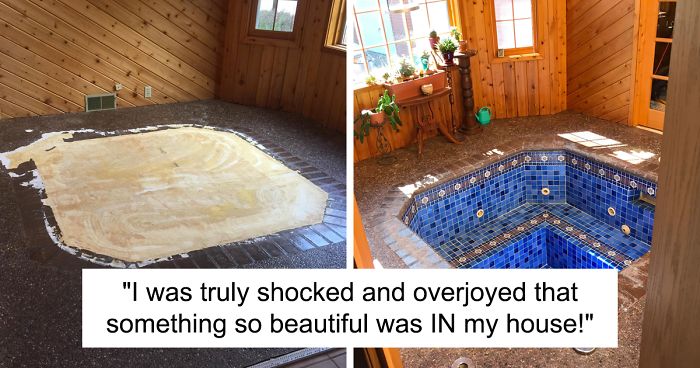
Couple Bought A New House And Discovered A Roman Bath Hidden Underneath The Floor

Looking for a Hot Tub? These 6 Performed the Best in Our Tests


Realtor Walks Across ‘Patio’ in Backyard—Then Realizes What It Really Is


Forget Bathtubs — Designers Say This Feature is the New Focal Point You Should Invest in for a Bathroom


Your Hot Tub Is Ready for an Upgrade, so Snag These Accessories for Fun and Function


Baths & Accessories


6 ‘Wellness’ Additions Taking Priority in Bathroom Updates

Indoor Hot Tub Installations, In Detail


Bathtub Styles, Fixes and Cleaning


11 of Today’s Best Hot Tub Brands


Backyard hot tub ideas – 11 smart ways to install a spa in your outdoor space

Just How Important Is a Bathtub for Resale?

Is the Home Sauna the Latest Luxury Must-Have?


Wet Rooms Are the Next Big Bathroom Renovation Trend


What Is a Steam Shower? A Guide to the Popular Bathroom Upgrade